In short
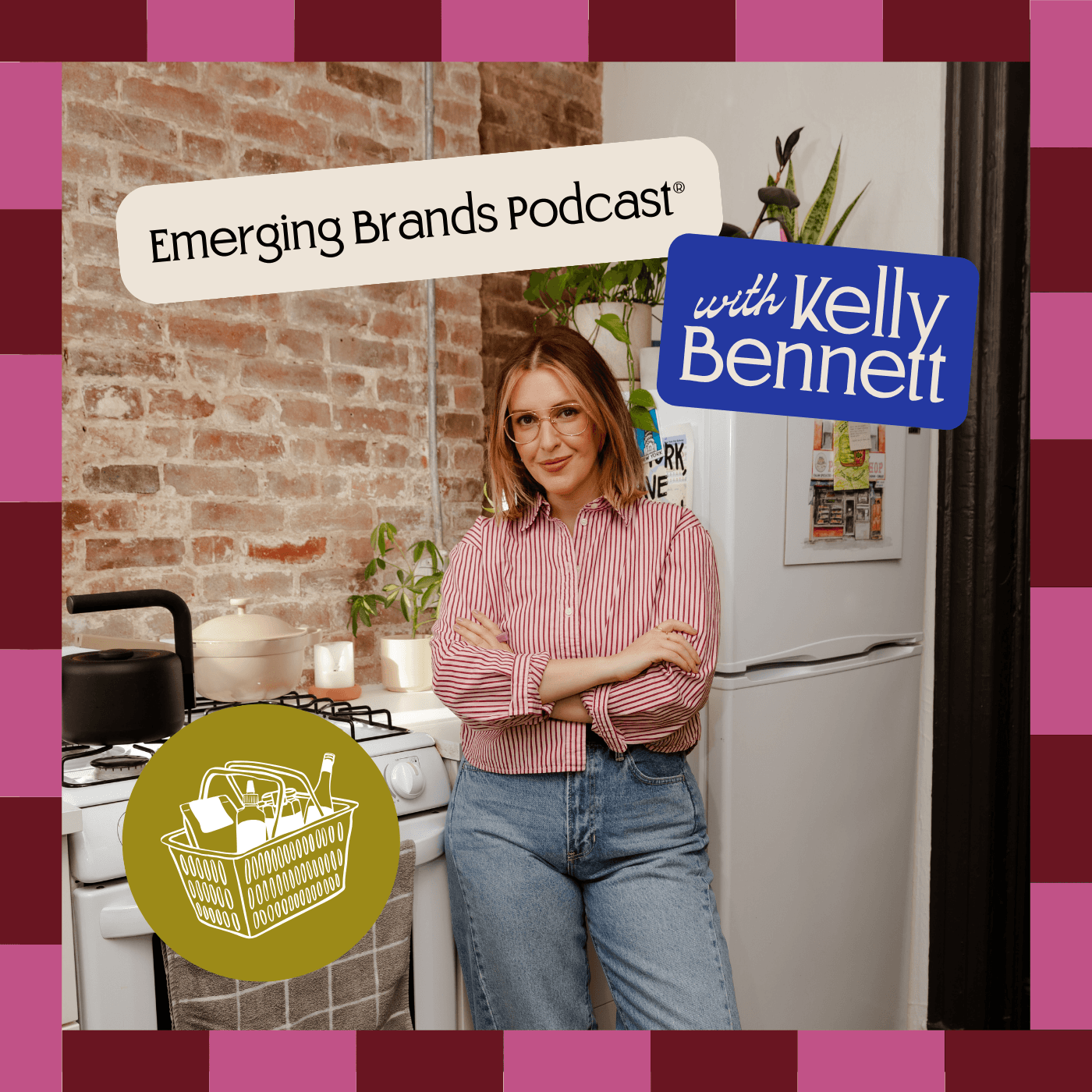
Emerging Brands Podcast - Episode: Evergreen
Overview Host: Kelly Bennett Guest: Emily Cole Groden, Founder and CEO of Evergreen Episode Theme: The journey of creating a healthier frozen breakfast option and insights into the CPG industry.
Episode Description This episode features Emily Cole Groden, who transitioned from a legal career to founding Evergreen, a frozen breakfast brand committed to providing nutritious and convenient meal options. The discussion covers Emily's motivations, the challenges of entering the CPG (Consumer Packaged Goods) space, and her growth strategies that have led to Evergreen's wide distribution in major retailers across the United States.
Key Concepts and Themes
Background and Motivation
- Personal Experience: Emily's journey began as a working mom seeking a quick yet nutritious breakfast option for her daughter.
- Product Development: Discontent with existing frozen waffles in the market, she experimented with a mini waffle iron, using wholesome ingredients to create a better product.
Brand Philosophy
- Clean Labels: Evergreen avoids seed oils, preservatives, and artificial flavors to align with health-conscious consumer preferences.
- Nostalgia & Innovation: The brand combines nostalgic breakfast options with healthier ingredients, appealing to modern parents.
Growth Journey
- Initial Steps:
- Started production in a shared commercial kitchen.
- Engaged a branding agency for professional packaging.
- Conducted local sales by personally visiting grocery stores with samples.
- Key Retail Partnerships:
- Secured initial placements in local stores and later expanded to Whole Foods Midwest just before the onset of the COVID-19 pandemic.
Challenges and Adaptations
- COVID-19 Impact: Faced difficulties in marketing and sampling due to pandemic restrictions but maintained growth through word-of-mouth.
- Bootstrapping Strategy: Operated without external funding for the first three years, ensuring control over business decisions and product quality.
Fundraising and Expansion
- Initial Fundraising: Started with friends, family, and angel investors, allowing for the hiring of a sales and marketing team to drive growth.
- Rebranding Efforts: Launched a new packaging design in early 2024, emphasizing deliciousness alongside nutrition, which resulted in a significant sales increase.
Product Development
- New Offerings: Plans to launch frozen pancakes and protein versions of waffles, focusing on high-quality, natural ingredients.
- Consumer-Centric Approach: Each product is developed with the question of whether it would be suitable for her own children, ensuring authenticity and quality.
Key Takeaways
- Finding Your Niche: Identifying a gap in the market can lead to successful product development, especially when it stems from personal needs.
- Importance of Branding: Effective branding and packaging can significantly influence consumer perception and sales velocity.
- Community Support: The CPG industry has a collaborative spirit where founders support each other, creating a nurturing environment for emerging brands.
- Stay True to Your Values: Maintaining alignment with personal and brand values can help guide decisions and maintain focus during challenging times.
Closing Remarks
- Emily emphasizes the importance of authenticity in storytelling for brands and how it can drive both consumer loyalty and investor interest. The episode underscores the dynamic nature of the CPG sector and the necessity for innovation and adaptation.
Additional Resources
- Shop Evergreen Products: [Shop Here!](https://go.shopmy.us/p-44923342)
- Glimpse: AI-powered deduction management tool for CPG brands, aiming to recover lost revenue due to invalid deductions. [Try Glimpse](https://www.tryglimpse.com/trial?utm_source=emerging%20brands%20pod&utm_medium=podcast&utm_campaign=emerging_brands_pod) for 30 days free.
Next Episode Teaser Listeners were encouraged to tune in for exciting updates from Evergreen at Expo West, highlighting upcoming product launches and developments.
Written by AI. May contain mistakes. Listen to the episode to check what was said.
Chapters
Tap a time to open that second in VOIntroduction of Guest: Emily Grodin
1:18 to 1:49
Introducing Emily Grodin, founder of Evergreen, and her innovative product.
“Welcome back to a new episode of Emerging Brands Podcast with Kelly Bennett.”
The Journey to Creating Evergreen
1:50 to 4:49
Emily shares her unexpected journey from law to creating healthier waffles.
“hit so many of the notes of CPG innovating and what's new in food.”
Navigating the CPG Landscape
4:50 to 10:41
Discussion on the challenges of entering the CPG market and initial steps taken.
“Fast forward six years now, almost six years, which is nuts.”
Fundraising and Brand Expansion
10:42 to 14:02
Emily discusses her fundraising strategy and the impact of rebranding on sales.
“And yes, that can make for a sexy headline, but that doesn't necessarily equate to a sustainable business.”
Rebranding and Packaging Overhaul
14:02 to 16:48
Learn how effective rebranding and packaging can significantly boost product visibility and sales.
“Now, when we talk about our waffles, we say crave worthy first and quietly nutritious behind the scenes.”
Building a Strong Team
16:49 to 18:56
Discover the importance of surrounding yourself with experienced professionals in the food industry.
“And I feel like that's been my experience with the CPG industry more broadly is that everybody wants to lift each other up.”
Advice for Emerging Brand Founders
18:57 to 22:03
Get practical advice on how to differentiate your product and remain authentic in your brand story.
“Is there any piece of advice you would share with an emerging brand founder who's in their kitchen, maybe going to a commissary kitchen or starting to talk to a formulator?”
Developing New Product Lines
22:04 to 25:35
Learn how to innovate and respond to market needs while staying true to your brand's values.
“Like a lot of your job as a founder is, is selling, whether that's selling the product itself to retail buyers or selling the dream to investors.”
Expo West Insights and Brand Launches
25:36 to 27:26
Explore exciting new product launches and strategies for success at major trade shows.
“And protein has gotten louder and louder and louder.”
Understanding Invalid Deductions in Retail
28:01 to 28:34
Learn about the challenges brands face with invalid deductions and fees.
“Most of the time, those are totally valid.”
Transcript
Automatic transcript. May contain errors.0:00Emily Cole Groden:Welcome to the Emerging Brands podcast. Sharing the stories behind brands you'll want to shop next. I'm your host, Kelly Bennett. I am a New York City-based brand strategist for CPG Food and Beverage Brands. In each episode, I'll take you behind the scenes of founders that are building better-for-you products and bringing them to market. it. Also, I talk to brand builders, retailers, industry experts, and tastemakers who help bring those cool products to your shopping cart. You will hear stories of real-life founders, their launch strategies, and practical advice you could use to grow your own brand or simply discover what's next on shelf.
0:42Emily Cole Groden:And the best part is you could shop all the brands featured on the show. This podcast is brought to you by Glimpse. Glimpse is an AI powered deduction management tool that disputes and recovers invalid deductions, winning brands, thousands of dollars and hundreds of hours back to founders so that they can focus on what really matters most. If you're a brand selling in retail, go to tryglimpse.com backslash trial for 30 days free and let them know I sent you. Now let's dive into the new episode. Hi everyone. Welcome back to a new episode of Emerging Brands Podcast with Kelly Bennett. Today I have a founder on that I've been watching from Instagram.
1:31Emily Cole Groden:I really love her product. They're super delicious, fun, innovative. of Emily Grodin. She is the founder and CEO of Evergreen. And Emily, I am so happy to have you on the show today. I am so happy to be here. Thank you for having me. You're so welcome. Your product is such a great take on nostalgia, but also innovative with function and just really hit so many of the notes of CPG innovating and what's new in food. So I would love to hear from you. How did you first get the idea of Evergreen? Like what what was going on behind the scenes where you saw this white space for waffles that were better for you?
2:19Emily Cole Groden:I would love to hear what was going on. Yeah, well, let me tell you, making frozen waffles was not what I expected to be doing as a career at this stage in my life. I am the kind of quintessential accidental entrepreneur. I graduated from law school 10 years ago. So wait, this is really a departure. Oh, yeah. No, when I say I didn't expect to be making personal. No, this is great. Love a good story like this. Okay. Oh, yeah. No, I graduated from law school in 2015. I moved back to Chicago where I'm from originally. I started working at a really big law firm in the corporate group doing private equity deals like can't get further from frozen waffles.
3:04Emily Cole Groden:Yeah, yeah, yeah. And long story made a little bit shorter, had my now seven year old daughter and knew I needed something like a frozen waffle to give her because I was a working mom and had like five minutes in the morning before I had to run out the door and catch the train. Right. but didn't want to feed her the brands that were already on the market. They didn't really check my nutritional boxes. They were certainly convenient enough and fast enough to prepare, but I didn't really feel good about giving them to my daughter. And so instead of settling for what was already there, I bought a mini waffle iron from Amazon, which I still have right next to me in my office for good old times and started making big batches of waffles on Sundays and basically opened my pantry and my fridge and took out my Vitamix blender and pulled out whole grain flour, eggs, real fruits and veggies, nuts and spices, threw them all into my blender.
4:02And that's how I made my batters. And I would make a whole bunch of waffles, put them in a Ziploc bag and stick them in the freezer. And that is what we pulled from during the week to feed my daughter. And after about a year of watching her, A, devour them, like she truly loved them. B, realizing it made my life so much easier to have something always on hand at my fingertips that could be ready in like 30 seconds to give her. And C, as a working mom, I was already dealing with enough mom guilt as is. I felt so much better knowing I was giving her something that she both loved and that was actually good for her.
4:37And so decided I probably wasn't the only mom out there that wanted something like it and decided to set off on this wild journey to try to figure out how to get a product on a grocery store shelf. So cool. Zero CPG experience. Fast forward six years now, almost six years, which is nuts. But we're in about 9 ,000 grocery store shelves nationwide. So have figured out a few things along the way, but have a long way to go.
5:06Emily Cole Groden:Incredible. I love a good entrepreneurial story that starts off in a totally different space. and genuinely comes from a personal pain point and then something that you just can't shake, right? Like you saw it, you experienced the shift, how it made your life easier and then had that feeling of like, okay, wait, there's something here. So what helped you start taking those steps in building a CPG brand? I mean, having a law background I'm sure come in beneficial throughout the process, but going into a totally new niche, especially food, CPG is its own world. That it is. Yes. But what were some of those first initial steps that you started taking while still working too?
6:00Yeah. So I, classic lawyer, risk averse lawyer. I actually, I didn't, quote unquote, retire from the law until we'd been in Whole Foods for six months. So I worked as a lawyer for a long time after I had the idea and got it off the ground. But it really was like I kind of just tripped and stumbled over myself for a while trying to just figure out, navigate, as you said, this like very complex, nuanced world that is CPG. um I kind of very first steps I got certified to work out of a shared commercial kitchen so I could start making our waffles outside of my own kitchen and actually have sellable product I hired a branding agency to do our first packaging I feel like I'm I love podcasts I listened to a ton of them with founders who were several years ahead of me and I felt like the story I kept hearing over and over was like I had this great product I put it in a paper bag and stuck a sticker on it.
7:03And then I went to the retail buyer and they loved it, but they sent me back because they were like, come back when you have real packaging. And I decided, okay, I'm going to try to skip over that step and put my best foot forward. Cause I had this career that I loved. I had a kid, I had a mortgage. I was like, let's, let's do this once the best way that I can and see if it works. Um, so that's what I did. And so I started making waffles. I, I made waffles two days a week. I worked at my job three days a week and I could make 48 bags of waffles in a single day. So I'd make a bunch of waffles and then I would stick them in a duffel bag with my household toaster and walk around the city of Chicago into corner stores and basically walked in and was like, my name is Emily.
7:47I make waffles. I think they'd be great here. Do you want to try them? And much to my surprise, everyone was like, sure, you can plug in your household toaster and make me some waffles.
7:56Emily Cole Groden:Wait, this is amazing. No, that is what happened. And so we got our first few accounts that way. Like three-quarters of the store said yes. And I think at that point, I had this inflated self of confidence batting 100. And so I sent a cold email to Whole Foods, the Midwest region, and said, you know, my name's Emily. I make waffles. I think they'd be the perfect fit at Whole Foods. They said, sure, drop samples off, please. And drop samples off. and about a week later, her back, and they're like, these are great. We'd love to bring them in. So that really kick-started the brand as we know it now.
8:33Emily Cole Groden:That's amazing. And how long ago was that? That was late 2019. We launched in Whole Foods in Illinois the third week, second week of March 2020. Wow. Really interesting timing. Wow. When you said around six years, I was like, ooh, this is already going to be a good story. So, okay, you got into Whole Foods in your local region, right? Yeah. And what happened next? Because that was March 2020. What was that like then? I mean, demoing isn't the same. Going into spaces and just having normal conversations is not the same. How did you navigate that after getting that huge foot in the door? It was challenging.
9:23I was also coming from a place where for me, COVID hit and I was like, there are so many more important things happening right now than like me trying to get this little waffle company off the ground. And so I didn't even do a lot of social marketing. So I was like, I just feel like the space is better reserved for the other things that are going on in the world. Certainly didn't do demos, but also at the time, like not sure I would have known how to do demos. Right. I had no idea what retail media was. I didn't know that I was supposed to be paying for sponsored product ads. I didn't even know what promos were, frankly.
10:01Like we didn't do a promo for the first couple of years that we were on shelf. And this is probably a good time to say that I didn't hire or fundraise for the first three years of Evergreen's existence. So you bootstrapped. Just me. And again, I had no CPG experience. So I'm actually really lucky that I made it through the first three years, stayed on shelf, grew enough to the point where I was like, OK, we've got something here. There's traction. There's product market fit. Probably makes sense at this point to fundraise and hire and surround myself with people who know a heck of a lot more about this than I do and try to see if I can take it to the next level.
10:40Emily Cole Groden:I appreciate you sharing that timeline because we all see the headlines that are super buzzy about raising tons of cash right out of the gate. And yes, that can make for a sexy headline, but that doesn't necessarily equate to a sustainable business. So I appreciate you sharing that because I think it's really important to also bring people back to reality of bootstrapping as long as you can is actually could be a really strong strategic play too because you're in full control. You're able to be as flexible as you want and then really know that you're onto something to then fundraise and be a lot more strategic where that capital goes and who you bring on because now you've been in the trenches, right?
11:25Emily Cole Groden:You're like, okay, now I'm getting a sense of the room here. And I could see who would actually be a great fit versus just taking cash to take cash. Agree, 100%. So thank you for sharing that. As you can tell, I'm really hot on this topic. So what did that fundraise then look like and your strategy for expanding in retail? Because now you're in over 9 ,000 stores. so fundraised started with friends family and angels in the beginning and that gave me enough cash to make my first hires so hired um my first two full-time hires were sales and marketing because figured figured you know I had this product I had enough manufacturing capacity um so I could go out there and try to get it on more shelves but if I was gonna go out there and get it on more shelves, I needed to make sure I could turn it off the shelf and establish the velocities that retailers were looking for.
12:24At this point, after three years, I realized like, oh, there are levers that I'm supposed to be pulling to support our retail partners. So brought in those two full-time hires first and scaled the business really significantly in this was 2023. Okay. So that was kind of first inflection point. They did an incredible job of both getting us on shelf and raising brand awareness, driving trial and building velocities. The second big inflection point, I would say was the beginning of 2024, we launched our rebrand. So our old packaging was this white packaging. It was really kind of function forward.
13:09It was very clear that our waffles were very healthy, but there was very little emotion in it. You talked in the beginning about how like waffles are nostalgic. Waffles should give you the warm and fuzzies. Waffles should bring you back to your breakfast table as a kid and should feel like this, you know, warm hug. Our packaging had none of that and also didn't at all communicate that they're actually really delicious too, right?
13:41Emily Cole Groden:They are really good. I've been eating them. My girlfriend and I, we've been eating them. They are really delicious. The messaging at the time was very much health forward. And so our rebrand kind of shifted the message from these are the healthiest frozen waffles out there to these are the most delicious frozen waffles out there that just so happen to be healthy. Now, when we talk about our waffles, we say crave worthy first and quietly nutritious behind the scenes. So and then in addition to changing the messaging, we totally changed what the packaging looks like. Went from that kind of white background.
14:16Our logo is in green letters with these kind of sharp corners to our packaging now is extremely bright, like almost obnoxiously bright. You cannot miss it.
14:26Emily Cole Groden:It's so good. Thank you. You cannot miss it behind a frosted freezer door even. And the logo has these round letters that feel warm and welcoming and inviting. And the photography is all new. And it looks as delicious as it tastes. And so that rolled out in January of 2024 and just totally changed the game for us. We saw our velocities jumped the first week that the new packaging started hitting shelves. Our velocities jumped over 60 percent, like overnight. Wow. Something else had changed. And it just kind of sparked this wave of momentum that has continued to snowball since then. Emily, that's incredible.
15:08Emily Cole Groden:And also it's meant to your design team. And we used, I'll give them a shout out. The agency we use is called Tarmac with a P, P-T-A-R-M-A-K. They are amazing. We still work with them today. And they really did. We had a vision and we brought it to them and they took it and ran with it and made it even better than I could have imagined. I appreciate you giving them a shout out because I love also connecting the dots of all the brand builders behind the scenes too with bringing a brand to shelf and also getting it off the shelves too because it really does take all these moving parts to make a standout brand, especially for an emerging brand that has to compete next to legacy brands, especially in the waffle space.
15:57Emily Cole Groden:I mean, you're up against brands that have been around for many, many, many years. And I feel like your story is such a great testament of thinking outside the box and making iterations and knowing who to hire, why, and then making the shifts to then, like you said, really pull those levers. It is. It truly takes a village. I know it's cliche to say, but it really is like across the board. Everyone we have is such a team effort across all departments. I am so grateful to my team, both full-time folks, contractors, agencies we use. My goal has, because I have zero experience, this is very much my first rodeo.
16:39My goal has always been to surround myself with people who have a lot more experience than I do and just learn from them, like soak up as much as I possibly can. But I feel like I'm surrounded by the greatest, greatest people, smartest people, but also just like really good people too. And I feel like that's been my experience with the CPG industry more broadly is that everybody wants to lift each other up. Like we're all largely mission oriented. And so we want to see each other win. And it's just I love being a part of this world.
17:11Emily Cole Groden:Me too. I came from the restaurant world. I've been building emerging brands for 16 years now and have worked in different verticals. And from hospitality to CPG, I'm like, oh, no, these are my people. I love the vibe here. I love how everyone is quite generous with their time and expertise and really, to your points, supporting each other and uplifting. Yeah, it's great for you. What made you then take the full leap? You said it was about six months into Whole Foods. what was that moment like of you leaving your career in law and going all in to this uh brand terrifying yes yes I think I still little on fact I still have my law license classic classic classic risk averse lawyer just in case like yeah yeah good to have good to have Um, but I, you know, it was, we were six months in, I was seeing sales continue to build.
18:14We had just been expanded. We, we pretty quickly after launch got expanded from just the Illinois stores to the rest of the Midwest. And I just kind of sat back and was like, I think like this feels like it's resonating. And mind you, like I said, I was doing nothing to support it on shelf and it was still kind of just naturally growing from word of mouth. and I decided it was worth, it deserved the shot.
18:40Emily Cole Groden:And you've proven that point. Absolutely. Going back now to maybe where you were at that point or when you were moving into the first commissary kitchen to really show that this was an idea with legs beyond just your own kitchen. Is there any piece of advice you would share with an emerging brand founder who's in their kitchen, maybe going to a commissary kitchen or starting to talk to a formulator? Like, can we make this idea happen? What would you share with them of something that has been really helpful that you've learned within CPG? Oof, so many lessons. I feel like one of my other favorite things about this is I feel like I've something every day certainly right um I think that one of the most important questions you have to ask yourself as a founder well there are a few one is this product truly incremental to what's already out there because I feel like now having six years under my belt the most common conversation that I have, whether it's with retail buyers or investors, is like what newness are you bringing to the category?
19:58Right. Because shelf space is really tight. And unless you are bringing a truly differentiated product forward that has the potential to grow the category, then retail buyers are not going to be incentivized to give that shelf space up. investors are not going to be incentivized to invest their funds into you. And so I think incrementality and differentiation is hugely important. So like that's kind of, it's kind of table stakes, honestly. Right. I agree. Yeah. If you're thinking about bringing a product forward, ask that first, like, well, how is this different than what's already out there? The second thing I would say is, um, one of the most important things for me and what keeps me going every day.
20:48And like, this is, it's really fun. It's also really, really hard. Like for sure the hardest thing I've ever done in my life. And I frequently sit here and reflect on how grateful I am that this product came from a really authentic need in my life. You mentioned that earlier. And I can't tell you how many, how easy it would be to throw in the towel many times over over the last six months or six years if I didn't kind of come back to center and think like no like I I need this product like my kids eat our waffles they ate them this morning they eat them right many many times a week um and so it's very easy to ground myself back to like no this is a product that moms like me need that I personally need that is incremental that is differentiated.
21:39And that's the fire that keeps me going. So, you know, I think if I instead like been, you know, sitting in my office, twiddling my thumbs, thinking like, what's a product that I could make? I could have given up a long time ago. So I think making sure that as you are developing your product, and thinking about about what it is, that it fills a real need in your life. It also, by the way, makes it so much easier. Like a lot of your job as a founder is, is selling, whether that's selling the product itself to retail buyers or selling the dream to investors. And if your story comes from a genuine, authentic place, like it's a lot easier to sell.
22:20Emily Cole Groden:So such a great point, because you're going to have to be talking about yourself, your brand thousands and thousands and thousands of times. So I love that you just pointed that out because I feel like that's often overlooked and how critical it is to really be in tune with your own story and have your own story light you up and see how it lights up other people. Like that is such a superpower for building a brand. I think so. It also, I mean, it's the gift that keeps on giving because it keeps us really focused as a brand because everything comes back to, you know, is this the hurdle we always talk about when we're thinking about new product development and the innovation pipeline is like, is this something we'd feel good about giving to our kids?
23:10And so it's kept us so many times over the years, you know, we've been talking to co-packers and they're like, ah, like, can you switch out this ingredient for this ingredient? It'll, you know, it'll work easier on the line or it'll be cheaper. Right. We always come back to center and it's like, is this something we feel good about giving our kids? And if the answer is no, then we won't do it. And so it's also kept us, you know, running towards our North star in a way that I think it's really easy to get knocked off the track as you're building.
23:41Emily Cole Groden:A great point too, of coming back to your own values and leveraging that this is genuinely from your own personal experience. And I like how you have that threshold of, would I give this to my own kids? No, we're moving on then. I love that. I know that this podcast episode is going to be airing the week of Expo West. So is there anything fun that people could keep their eyes on during Expo? So much. I'm so thrilled that that's the timing because we have so much exciting stuff to share. at Expo this year we are launching a bunch of new products we are launching frozen pancakes for the first time oh yum um which again goes goes back to that hurdle of like would I a do I need this for my own life and b would I feed this to my kids basically what happened is my kids more and more were asking my husband or I to make um like pancakes from a mix during the week.
24:45And I'm like, even just the just add water pancakes. I'm like, I don't have time for that. Like I, my kids are in the kitchen 30 minutes before they are supposed to be in school every day. Like it is getting out of our house every morning and to stand there over the griddle, like waiting for the bubbles to form so I can flip the pancakes. That does not work. Not to mention that then I get back from dropping them. And then I have all these dishes I have to do when I'm supposed to be on zoom calls. Right. I was like, I really need a frozen pancake in my life. So we are launching frozen pancakes.
25:15They are so delicious. I'm constantly out of samples because my kids are eating, eating them all. But I cannot wait to go get those out into the world. And then we are also launching a couple protein skews for the first time. Ooh, yum. It's been something that we have been asked about over and over and over again. Oh, I'm sure. And protein has gotten louder and louder and louder. And again, back to the hurdle of what I feed this to my kids, it never sat right with me to just dump a bunch of protein powder into our waffles. Because, you know, realistically, most protein powders out there are ultra processed and not something I feel good about giving them.
25:58Right. We figured out how to make a waffle and a pancake with 10 grams of protein per serving from just Greek yogurt and egg whites. So very cool. Yes. So we are launching a protein waffle and a protein pancake proteins coming from real, real food, natural ingredients. Love it. Delicious. I'm super excited about it.
26:23Emily Cole Groden:Love it. Well, I am excited to meet you in real life and come by the booth at Expo. And for anyone who's not attending Expo, where can people look for evergreen in their local grocery stores? Yes. Like I said, we're in 9 ,000 stores across the country. We are in Whole Foods nationwide or in Sprouts nationwide. We're in a whole bunch of Kroger's and Target's and Walmart. But we do have a store locator on our website, eatevergreen.com, that is kind of real-time updated so you can find us near you. Amazing. Thank you, Emily, so much for taking the pause to record today. I'm sure that you're super busy again, getting ready for Expo.
27:06Emily Cole Groden:And I really appreciate your time and you sharing your story. I know this is going to inspire so many emerging founders. So thank you so much. Thank you for having me, Kelly. This was really fun. Awesome. Thank you everyone for listening. We'll see you at Expo West and see you on the next episode. Bye. This episode was brought to you by Glimpse. As we know, building a brand is not as sexy and glamorous as it looks on social media at times. A lot of those unsexy problems come into play when brands start to scale in retail distribution. Founders are always incredibly excited to see their products on shelves at major retail chains, but they don't realize all the hard work that starts to begin.
27:54Emily Cole Groden:Retailers and distributors are known for their processes of deducting amounts from invoices. Most of the time, those are totally valid. Promos, slotting fees, free fills, and all the things that brands agree to to be part of the retail experience. But sometimes those deductions are invalid, costing brands thousands to millions in fees. Actually finding those needles in the haystack though and fighting to win back lost revenue, it's a costly, manual, and time-consuming issue. And that's where Glimpse comes in. Glimpse is an AI-powered deduction management tool that disputes and recovers invalid deductions.
Read the full transcript
28:42Emily Cole Groden:Winning brands thousands of dollars and hundreds of hours back to founders so that they can focus on what really matters most, scaling their businesses. With a team of in-house deduction experts who come from some of the most successful and profitable CPG companies. And custom built AI with 100 % accuracy and precision. you'll recover money that you never should have had leaked in the first place if you're a brand selling in retail go to try glimpse.com backslash trial for 30 days free and let them know i sent you thank you again for listening to this episode of the emerging brands podcast it really means so much to me that you listen to this show share it with your friends and support it if you are a cpg food and beverage founder, and you're ready to launch a brand people want to shop, head to withkellybennett.com for the details.
29:46Emily Cole Groden:And as always, thank you so much for listening, shopping the brands featured on the show, and following brands I'm working with. It means so much. See you on the next episode.
From the publisher
After a career in the legal world, Emily Cole Groden set out to solve a common breakfast dilemma: the choice between a quick meal and a nutritious one. Driven by a desire for clean-label options for her own family, Emily launched Evergreen to prove that frozen convenience doesn't have to mean compromising on ingredients or flavor.
Evergreen is a better-for-you frozen breakfast brand reimagining the morning ritual with waffles made from 100% whole grains and avocado oil. By incorporating real vegetables and avoiding seed oils, artificial flavors, and preservatives, Emily has built a nourishing, crave-worthy lineup that is now available in over 8,500 stores nationwide, including Whole Foods, Target, and Walmart.
Inside the Episode:
-
Why Emily decided to disrupt the frozen aisle and how her background helped her navigate the complexities of CPG.
-
The strategic steps taken to grow Evergreen from a kitchen concept to a staple in major retailers like Sprouts and Kroger.
-
Why avoiding seed oils and preservatives is a non-negotiable for the brand and how it resonates with today's parents.
This podcast episode was made possible by Glimpse — the AI-powered deduction management tool helping CPG brands recover lost revenue from invalid retail deductions. With in-house experts and custom-built AI, Glimpse saves founders time, money, and countless hours so they can focus on scaling. Try it free for 30 days at tryglimpse.com/trial.