
In short
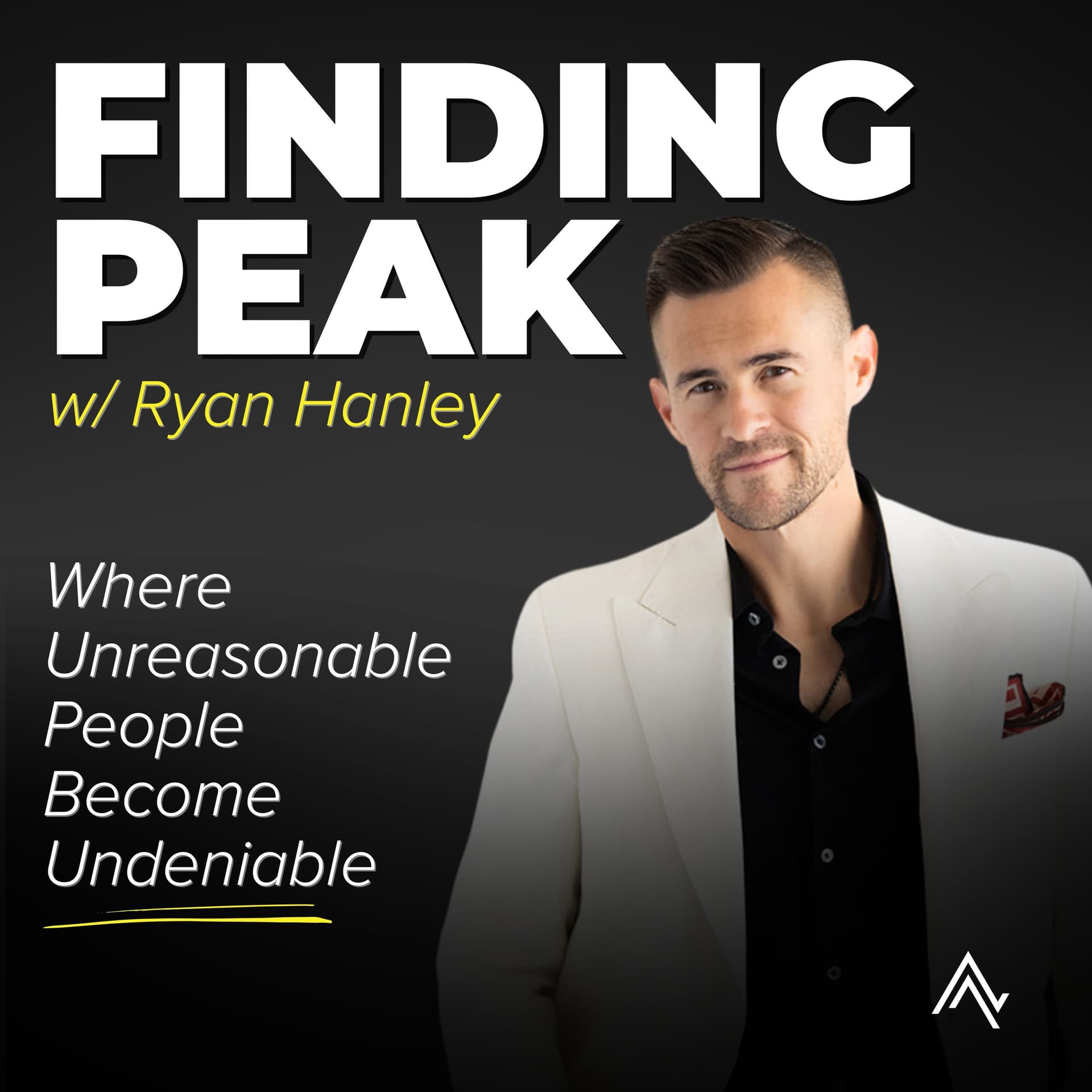
Podcast Notes: Finding Peak w/ Ryan Hanley
Episode
Personal Brands MANDATORY for Modern Leaders?
Guest
Olivia Atkin
---
Overview In this episode, Ryan Hanley and Olivia Atkin discuss the significance of personal branding in today's digital landscape, emphasizing how it can impact leadership, networking, and professional success. The conversation explores authentic personal branding, leveraging social media effectively, and maintaining authenticity amidst societal pressures.
Key Themes
- Importance of Personal Branding
- Modern Necessity: Personal branding has evolved into a critical component of professional success, especially with the rise of social media. A strong personal brand can help professionals connect and engage with potential clients.
- Authenticity vs. Professionalism: Olivia highlights the importance of being genuine and embracing imperfections in personal branding, creating a relatable identity for audiences.
- Navigating Social Media
- Platform Selection: Professionals should find the platforms where they feel most comfortable and where their audience is active. Olivia suggests focusing on a few key platforms rather than trying to be everywhere at once.
- Content Strategy: Engaging with an audience requires a structured content creation process. Olivia discusses the benefits of planning ahead, creating content in batches, and utilizing tools for effective management.
- Engagement and Connection
- Building Relationships: Networking is about creating long-term relationships. Authenticity in communication fosters connections that can lead to professional opportunities.
- Seasonal Trends: Olivia advises recognizing seasonal trends to better engage audiences, as user engagement fluctuates based on time of year and personal commitments.
- Authenticity in Voice
- Finding Your Unique Voice: It's vital for individuals to embrace their unique style rather than mimic others. Authenticity attracts connections and builds trust.
- Overcoming Initial Challenges: Olivia shares insights on dealing with early low engagement on social media and stresses the importance of persevering and viewing content outreach as a long-term strategy.
Practical Tips
- Dual Profiles: Consider having both personal and professional accounts on social media to differentiate content while still showing a personable side.
- Content Formatting: Make social media posts easy to read with clear formatting. Long paragraphs can deter engagement; breaking content into digestible sections increases readability.
- Content Creation Tools: Utilize tools like Apple Notes for organizing ideas and creating a content calendar that supports consistent posting.
Key Anecdotes
- Olivia recounts a personal experience of feeling underdressed at a family event but choosing to embrace her appearance with confidence, illustrating the importance of owning one's identity in both personal and professional settings.
Recommended Resources
- Achieving Success (Website): [Achieving-Success.com](https://achieving-success.com/)
- Olivia Atkin LinkedIn: [Olivia Atkin LinkedIn](https://www.linkedin.com/in/oliviaatkin/)
- Podcast Tools: Olivia recommends tools for video clipping, podcast recording, and content creation to streamline processes.
Conclusion The conversation underscores the essential role of personal branding for modern leaders, encouraging authenticity, strategic use of social media, and the importance of building genuine connections. Olivia's advice offers a roadmap for professionals looking to enhance their personal brand and achieve long-term success.
---
Additional Information
- Episode Host: Ryan Hanley
- Podcast Platform: Part of the Unplugged Studios Network
- Call to Action: Listeners are encouraged to subscribe, rate, and review the podcast to support its growth.
---
Feel free to explore additional episodes of the Finding Peak podcast for more insights on power, leverage, and influence in the modern business landscape!
Written by AI. May contain mistakes. Listen to the episode to check what was said.
Transcript
Automatic transcript. May contain errors.0:00Hiring isn't just about finding someone willing to take the job. You need the right person with the right background who can move your business forward. If you want candidates who truly match what you're looking for, trust Indeed Sponsored Jobs. With Indeed Sponsored Jobs, your post stands out to quality candidates who actually fit the role. According to Indeed data, 90 % are more likely to be hired and trusted by 1.6 million companies. Spend more time interviewing candidates who check all your boxes. Less stress, less time, more results. Now with Indeed Sponsored Jobs. And listeners of this show will get a$75 sponsored job credit to help your job get the premium status it deserves at Indeed.com slash podcast 13.
0:42Just go to Indeed.com slash podcast 13 right now and support our show by saying you heard about Indeed on this podcast. Indeed.com slash podcast 13. Terms and conditions apply. Hiring do it the right way with Indeed.
0:57I'm here on the job site with Dale, who's a framing contractor. Hey, good morning. They all traded up to GEICO Commercial Auto Insurance for all his business vehicles. We're here where he needs us most. Yep, they sure are. We make it easy for him to save on all his insurance needs, all in one place, with coverage that fits his business and bottom line. Oh, I shouldn't have looked down. It's all right. We're so far up here. Look at me. Take a deep breath. Oh, I'm good. So good. Get a commercial auto insurance quote today at GEICO.com and see how much you could save. Get more with GEICO. Happy holidays.
1:30Want to give your host a gift? Consider subscribing, rating, and reviewing the show this holiday season. It really helps the show grow. From all of us at Believe, have a Merry Christmas, everyone, and a happy holiday.
1:46And this is especially when I hear people bring up a Ed Milet, Joe Rogan kind of name. Already, my red flags go up. And I'm like, let's actually talk about this. Let's go. Yeah, make it look, make it look, make it look. The Ryan Hanley Show shares the original ideas, habits, and mindsets of world-class original thinkers you can use to produce extraordinary results in your life and business. This is The Way. Hello, everyone, and welcome back to the show. We have a tremendous conversation for you today with Olivia Atkin. Olivia is a former Lockheed employee, former data analyst, former adjunct professor, former player public relations professional for the New York Giants for almost five years, and now the founder of Achieving Success.
2:44If you are a leader or an entrepreneur and you struggle with defining your personal brand versus your corporate brand, where you should pay attention, where you should focus, how much effort should you put into your personal brand versus the brand you're trying to build. How do we marry those two together and how do we grow that brand to not just get notoriety, but to ultimately achieve real results, growth in our business, growth in our career. This is the episode for you. You are going to love this one. Lock in, get ready. There are tons of both high-level theory as well as boots on the ground, tactical advice, things you can do.
3:27Leaders and entrepreneurs, you're going to love this episode. Before we get there, I want to say thank you to everyone that has now made us an Apple Top 100 podcast for all of Apple Podcasts in the United States. It's an incredible achievement in a relatively short period of time, and it comes from you, the listeners. I love you for listening to this show. I appreciate that you share this show with your friends, that you share it on social media, and that you continue listening. I love you for listening. Let's get on to Olivia Atkin. Olivia, it's awesome to have you on the show. Thanks for making some time for us.
4:03Thank you for having me. I'm so excited to be on. Yeah. So I want to start – you do a lot of podcast consulting, helping people with personal brands, high net worth people grow in the podcast space. in general, how does building your personal brand today, has it evolved over time in terms of career development? It seems to me today, building a personal brand along with your career has become almost an essential where maybe 10, 20, 30 years ago, that was not necessarily the case. Do you agree with that? And where do you fall on that particular topic? I 100 % agree with you. I think in today's age, especially with the closeness people feel to social media, the accessibility social media gives you, if you don't feel a connection to someone you want to potentially work with, you're probably not going to hire them.
5:06So this is actually something an individual just hired me to work with them on, was getting on podcasts and starting their own podcast because they have a very eclectic, powerful, professional brand and business. I mean, they are making millions and millions of dollars annually and are working with people like Tom Brady and different big stars like that. But no one knows who he is when he walks in a room if there isn't that network already. And that's because, and he was the first one to point it out, he has no social media presence. When you Google his name, his company might pop up, but there's nothing on LinkedIn.
5:56There's nothing on Instagram. It's not that easy to find him and learn about him to make a decision to work with him and his company. So he's been in a business for 20 years. but when talking about connectivity to others and sharing that knowledge to help others he's struggling because he's going wait I don't have that professional personal brand because I only thought about the professional brand and building my business and I think what ends up happening as entrepreneurs or professionals, but a lot of times with entrepreneurs, it's all about the business all the time. There's sometimes a lack of thinking about your own personal development, meaning family time, regroup, mental health, and just that drive to meet goals, excel set those new goals and so when you take a step back you're going wait I'm doing all these other things why aren't people connecting with me because they don't feel that sense of really I can't even say the word right now but you know I get a lot of referrals because of the fact that you know how I'm going to talk, you know what I'm about, where my ethics stand, how I'm going to handle a situation and how I'm going to approach it based on conversations I have on platforms like yourselves with the podcast.
7:41And so I think it is really important to understand that you don't have to be a rock star on all these platforms, right? You don't have to be TikTok famous. You don't have to be Instagram famous. But know where people you want to potentially work with or connect with and build relationships with. Because in reality, networking and getting clients is all about building long-term relationships where those individuals sit. And then based on that, you'll be able to build out your personal brand while also making it seem effortlessly because you're being true to yourself. Can you expand upon the difference between building a professional personal brand on social media and I think what a lot of people picture in their head when they think about this topic, which is like kids dumping buckets of goo over their head to get more views on TikTok?
8:39yes of course and and that's the thing you have those videos that can go so viral like that and those trends but in reality building that personal brand is and professional brand is letting people in behind the wall right it's showing those little glimpses of what your life might be like how what you're doing to go, here's the space I'm in. These are the places I'm making an impact. Here's when things aren't as neat and clean and 100%. And really having those conversations. You know, one example I give is I have two LinkedIn's, two Instagram's, two Facebook's accounts. One is, you know, all my personal stuff where all my friends sit, my college friends, all of that.
9:36And I have a lot of people who still connect with me on my personal Instagram and personal LinkedIn. And you will see some different content than you will see on the business page. On all of the business pages, it's episodes that have been released, promoting other podcasts that I've been on or I think are really doing cool, interesting things. or tips and tricks and things like that. You're not seeing me fishing in Alaska or at a family wedding in Italy sharing some history from that culture that I've learned. My personal brand is following the morals of and ethics that I want in my business, but also showing this more personable side.
10:27Yeah, it's a really cool thing that I was able to, you know, I'll use an example. I always do community outreach, community service. So I might highlight a organization and a day of service that we've done. And so you get to see who I am as a person while letting you in to the aspects that make me who I am. And I think that's the thing we all have to remember. Social media has become this space where so many individuals show those A moments, those A-list moments, maybe the B, but not those C and D. and individuals are scared to show that sometimes you have to pivot. Sometimes the space you're in, you could excel in, but you choose to do something else.
11:24Talk about that. Talk about that journey and let that also bleed into your business brand as well because all those things you've learned will only help elevate your personal and professional brand. So do you recommend everyone have both a personal profile and a business profile on whatever platforms they choose to engage in? Yes. I think, and I use it in an example of this way. If you only have a personal brand or a personal account, for example, and you should be highlighting the accomplishments the company's doing, maybe something innovative, a challenge you might have. But do you want all your friends to that be popping up on their platforms?
12:16Or are they going to care? Right? They might be happy for you, but after a while, they're going to be like, why is Olivia only posting about her business? I'm not her client. I don't care. Whereas people will.
12:44Are you tired of endless follow-ups and missed opportunities in your sales process? Chasing leads is a losing game. That's why I created the One Call Close System, a battle-tested sales system that uses behavioral psychology to close deals in just one call. No more, let me think about it. No more, I'll get back to you. Using the one call close system, we took new reps from 25 % close ratio to over 80 % in just three months. To grow fast, you must close deals faster at zero extra marketing cost. The one call close system allows you and your reps to build trust, address pain points, all while watching your revenue skyrocket.
13:26Ready to stop chasing leads and start closing? visit masteroftheclothes.com today. Close twice as many deals this time next week. Visit masteroftheclothes.com to learn how.
13:43Organically find you by your name and the search engine optimization, but in reality, they're going to start searching the business name. So when you have that business page, It allows people to easily find what they're looking for, be able to navigate it and be able to find those key takeaways that you want the brand to represent. Because the other part is, especially as an entrepreneur, you can be the face of your company, but it should be a we. We're doing this. This is what the company is doing. It shouldn't all be I'm the face and I'm the, you know, Olivia is the only one. Look what Olivia is doing.
14:23Look what I'm doing. because it is really a wee effort. It feels to a lot of people I talk to like creating a personal brand. The holidays are here, and that means it's the most wonderful time of the year to save with Rakuten. Use Rakuten to stack cash back from your favorite stores on top of holiday sales. That's savings on savings. With Rakuten, you can get cash back on gifts for everyone on your list, From toys for the kids to kitchen gear for the person who loves to cook to electronics for everyone. You can even save on something for yourself. Just shop the stores you love and cash back is automatically added to your account.
15:04And you can get paid with gift cards, PayPal or check. Or eligible American Express card members can even choose to earn membership rewards instead of cash back. It's truly a no brainer. Join for free today and get a new member bonus after minimum qualifying purchases. Just go to Rakuten.com, download the app, or install the browser extension. That's R-A-K-U-T-E-N. Terms and conditions apply. And building brand in general, like a full-time job. And the pushback I get when people ask me just about the work I do, and I don't do consulting in the space that you're in, just I'll get questions. And they'll be like, man, it just seems like so much work.
15:46Like how do you, if you are an entrepreneur, how do you manage the job you have to do, CEO, board member, chairman, wherever you fit in the organization at that current moment? How do you manage your time? How do you allocate where you focus for the actual work that needs to get done to grow the business that maybe is the achievement people want to know about versus telling that story on social media? And I think that's a great question. And one thing I always say to keep in mind is you're not going to be able to reach everyone on social media all the time. So what feels the most organic to you, right?
16:27When I started my business and podcast, I talked to individuals who told me I had to be on every single platform. And they created an account for every single platform, TikTok, you know, Twitter. And we had all these business accounts. And they're like, it's okay, we're gonna repurpose the content. So you're going to, you know, maybe have that motivational quote or do a video and you're just going to post it on everything. But I personally never understood Twitter, never understood TikTok. So I was very uncomfortable and hesitant recording certain content because I knew it was going to be going up on those spaces and every platform is a little different.
17:14And so because I didn't feel comfortable doing it, I had a very hard time actually following through on it. And in reality, if my network, my community, they might be on TikTok, they might be on Twitter, but that's not where they're trying to have in-depth conversations. That's not where they're trying to network. So I really took a step back and evaluated where do I feel the most comfortable? Where do I look to engage in conversations with individuals I find the most rewarding? Number one is LinkedIn for me. I think it allows you to really communicate with people on a different level and seeing what people are doing.
17:57So for me, that was the most important platform to be on. Second is Instagram and Facebook. But then when, because I was actually comfortable with LinkedIn, in, it was very easy for me to take five minutes out of my day and maybe do a short post about what I'm thinking, you know, a conversation I had with an individual and the outcomes we got, how my thought process might have changed, how I might have approached something. And to your point with carving out the time, one thing I do is when I have a chunk of available time, I will take that two hours and go, for example, those two hours and say, let me sit down and do this content so that every week when I want to post, I have something in the bank.
18:54Now I'm not panicking to release something. I have something available and I'm able to turn it around and it will take me a minute and a half to do. And I think that's one thing a lot of individuals forget to do is plan. When you have that time or you know you're about to hit busy season, hold yourself accountable and say, okay, I'm going to sit down. I need X amount of videos or thoughts that I want to put out during that time. Let me just write it down now because I actually have the time. Yeah, that to me, most people do not have a plan. They certainly do not have a system or a process for getting content out.
19:42I use, and this is, everyone's is different. This is just, I use Apple Notes and I literally created folders in Apple Notes and I have, I have an inspiration folder and underneath that is draft article folder. Underneath that is ready for LinkedIn folder. Underneath that is ready to be repurposed to Instagram folder. And then the next one is, you know, does this potentially become a newsletter? And in that process, just giving the listeners at home an idea of what I do, and everyone's will be different, but the idea here is that I have a piece of an inspiration. Something may hit me. I see an article or someone else's video or listen to a podcast, whatever.
20:21An idea hits me. and then that can be slightly restructured over time for each platform to fit the platform, but you're not creating from scratch over and over and over again. And like you post something on LinkedIn, the next week you could post that same thing on Instagram, tailored maybe slightly differently with a slightly different image or whatever, or maybe put a little video with it. And now you have another piece of content that, as you said, takes you less than five minutes to put together. but I think the really important point, and I'd love for you to expand upon this, is choosing the right platforms for you.
20:56I did it, same mistake, right? Was trying to create everywhere and post everywhere and I'm going, you know, TikTok, I'm similar. For me, it's LinkedIn and Instagram. I don't even really post on Facebook that much. I have an unfortunate addiction to reading X just because I love the insanity. It's like chaos porn, I guess you could say. But I don't post there incredibly often. How does someone audit where they should spend their time? And maybe in there, how do they avoid, I think, that mental trap of feeling like they need to be everywhere if they go this route? That's a great question. And before I dive into it, I want to highlight something you said.
21:44and that is the importance of the process and procedure. I have a lot of conversations when it comes to doing everyday business things with entrepreneurs or even employee level and especially within the podcast space of really thinking of the strategy, the process, and the procedure because all of those are so important. And a lot of times we prioritize certain tasks and let the others fall off without having the correct process and procedure in place. And then you get hung up on have issues and then it drives you to say, okay, I'm throwing my hands up in the air and I'm walking away from this.
22:36And so I love that you mentioned that because that is one of the biggest things that I stress and I work with individuals on, especially within the podcasting space, because that is such a topic that people forget about is the importance of strategies and process is an implementation. because it is really important to have all the pieces together in order to have that easy flow. And so thank you for bringing that up. And to answer your question, one of the things that I do to get out the noise of feeling like you have to be on every platform is kind of the same approach that I take to speaking.
23:28You're only going to be able to reach a certain amount of people. You're only going to be able to connect with a certain amount of people. Even if you're in every single room and every single space, how many people are really going to benefit from that? What are the conversations you're having? So again, it goes back to something I'd mentioned earlier is where do you feel the most connected? what are the things that you find the easiest to navigate and to be honest and i'd love your opinion on this you should not be in every room and i i think that's a big mistake and it's a mistake people make the same way that individuals make the mistake of looking at I have to be super niche.
24:25I'm not going to be successful if I'm not niche. And this was something when I started out in my business and with my podcast, people said to me, you're too broad. You're not niche enough. Your business is going to fail. Same kind of conversations happens on social media. You're not on all the platforms. You're not going to actually be able to reach everyone. But do you want to be able to reach everyone? Or do you want to have quality over quantity. And I think that's something that you have to really ask yourself and then ask yourself once you figure out where you feel most comfortable, what is the information as a knowledge expert, as someone who's in the field, you wish you had?
25:09That if you were put in the reverse position, you were the client, you were the person looking for the right person for xyz reason you were able to see that through online platforms that's how you know not only what platforms to be on because when you put yourself in someone else's shoes you're gonna find out where you're going to are you going to tiktok versus linkedin if you're finding yourself on LinkedIn, that's probably a good space to be in. As well as, are you someone that if you're talking about real estate and the market is trying to learn more about the market and should share articles, should share, you know, these different aspects, or are you looking for those fast tips?
26:02And that can help build out your strategy. Yeah. One of the things that I talk to people about when again when they just ask me questions is and this is all learned through a lot of beats what kind of content do you like creating you know like if you don't if you're not visual if you're not willing to use the camera on your iPhone Instagram is not going to work for you you know like it's just that you know like there's a couple there's it is a visual platform in its nature. So if you're unwilling to take pictures when you're behind the scenes at the speaking event or behind the scenes at your company or, you know, do a little 15 second reel while you're going for a walk on an idea, like this is the type of visual and audio video content that works on that platform.
26:54And if you don't want to get in front of a camera or use the camera at all, then even considering Instagram is a mistake. You know, it just, it's not where you're going to be successful. You have to be visual. If you, if you're more of a writer, then you do need to gravitate towards something, maybe like Facebook or like, I mean, X, if you want to, X is really just economics and politics and everything else is, is you can't, you get zero traction there. So if you're not in those two spaces, it's almost, it's just more like, like I said, like chaos porn, but, um, you know, you want to gravitate to something towards LinkedIn.
27:29And then, and this is the part that, um, kind of leads into my next question. I find so many people, maybe they listen to that, right? And they're like, okay, I'm going to dedicate myself to LinkedIn. And then they write something and they get like three likes and they're like, this is stupid. It doesn't work. Like, how do you push past what is inevitably going to be unless you are walking in as some deck of billionaire who has some amazing story that just in and of itself attracts attention, right? Like you're going to have to build an audience and build, um, people need to be looking for your content.
28:08They need to see your name and go, Oh, this is someone who I respect, appreciate because I read this thing before and saw this. How do you get past those, that early lack of traction, which 99.9 % of people are going to experience? It's honestly, if you think you're not going to have a lack of traction, whether out the gate or periodically throughout the year, I would love to have a discussion with you. Because even now, I have that sometimes. And I try to prepare individuals with the fact that no matter what is happening in life, how amazing you are. Not everything's going to land. And algorithms play a massive thing.
28:52And Instagram, LinkedIn, they're always changing things. A recent stat I saw was you have to post something 60 times, the same piece of content, 60 times in order for it to actually reach your whole network. How many of us are going to want to repeat the same content 60 times in a row before it actually reaches it. So it's really understanding what is your purpose with putting that content out there. And there can be a lot of positive things that can happen for your business and for your personal brand, even if you don't have a business, that doing certain posts can do, right? So I see this in podcasting all the time because it's a very similar conversation.
29:47A lot of individuals think they could start a podcast, especially if they have a name that within an industry is very well known. And all of a sudden they're going to come out the gate and have a top podcast. And it's not like that. And some episodes, you can think, are going to knock it out of the park and everyone's going to want to listen to it. And those could be the episodes that get the least amount of listens. And it's not because of anything the guest did or anything that you as a host did. It just inevitably happens. And so one thing I always say is look at what time of year it is. And I use summer and holiday time as key examples.
Read the full transcript
30:38Around Christmas time and Hanukkah and all the different holidays and the new year, how often are you going on social media yourself and reading more of that business-oriented, industry-oriented content? Or are you spending more time with your family? Same in August. That's when a lot of people take family time. So if you yourself are spending time in other areas, maybe not going on and doing different things on social media, why do you think everyone else wouldn't be in the same boat as you? So understand the flows of seasons and what that means for content and how people are going to approach it.
31:26And a lot of times it's, they are going to see it. They're just not going to have the time or bandwidth to comment on it. So if you actually go into your data on that content, it might be way higher than those one or two comments or likes that you have. So understand that not everyone, no matter how awesome you're doing, is always going to comment or share it. It's what is the impact you want to make with that, that I think is the most important. Yeah, that's something that I've done. I have done some YouTube consulting over the time over my time. And one of the things that I tell people is you just have to post all the videos.
32:15You're never going to be able to guess. You're like, you're not Mr. Beast. You don't have a 30-person team, you haven't been doing this since you were six years old, like the vast majority of people in the world, right? Like you're, you're, you don't know which one is going to hit, right? And you could put the perfect title with the perfect thumbnail and amazing content and the algorithm just doesn't hit or the right number of people aren't on at the right time. And this person loves it, but just for some reason doesn't click the like button and it doesn't go anywhere. And then you could create another one that like feels boring and the thumbnail's blah and the title's just very banal.
32:54And then all of a sudden it hits and someone watches it and shares it and it, you know, and now all of a sudden that one, and you're like, I don't understand. And that, that confusion I think gets to people and what they miss is it's not any one individual post. It's the culmination of all the posts that you put out over time that ultimately lead to your success. And to try to guess or have expectations on one piece of content versus the other is only going to lead to letdown and frustration because it's not a one-for-one system. It just doesn't work that way. And I think that gets to a lot of people.
33:32The other thing, and maybe this is something you can expand upon for me, I think a lot of people don't hone this craft. They don't read copywriting books. They're not, you know, if you are, if Instagram is important to your business, they're not looking at camera angles and motion, like the things that draw people in and how to develop that three second hook or what's a good, um, what's a good heading that draws people in and how do you keep people moving through your article? or like we just put a piece of content out and go, well, you know, there's value in there. And it's like, yeah, but there's also, you're also competing against every other single person that posted today on that platform, every other platform, every TV show, every podcast, their kids, their partner, spouse, you know, every other thing in their life, your single post that you put out is competing against all of that.
34:26So to think that you can just put out, and I see this so much with people that are starting, particularly on LinkedIn, right? They'll put out a post. And it'll be a good image, and it'll be an interesting topic. And then it'll be like seven block lines of text just lumped together in this huge paragraph. And just looking at it makes my brain hurt. I just will not read that. And I know most people won't read that. and like these little people get like frustrated with me when I talk to them about like look at your like I'll someone will say hey look at this it's not going on I'll be like just look at your formatting and they'll be what do you mean I'm like it's so hard to read it this could be the the key to the holy grail this could be the map to an Eldorado and no one's gonna read it it's seven block lines of text stuffed together like you know make it digestible and so how do people go about or maybe just expand upon your thoughts and maybe some of the work that you do with your clients, both on the podcast side and on social media and branding around actually honing this craft or, or, or maybe, and, or outsourcing this to other people.
35:35Cause I know that's become a big business of say you interview me for an hour and then I pay you to chop that up and create the post for me. It's my original thoughts or whatever. So like maybe compare and contrast the time and energy of honing the craft to, to just outsourcing this completely. And I think that's such a great question. And I love how passionate you just got about this because it is something I have conversations day in and day out. When I started my business, one of the things I offered off the bat was a podcast audit. And this is when podcast audits weren't that big of a thing.
36:14And I was just like I can help you look at where the gaps potentially were. And in every single conversation, I did over 100 podcast audits in six months, and every single one was formatting, titles, and descriptions. And that is why that is now one of my services for my clients. A lot of times it's wrapped in to their overall package. But that is such an important thing. And one conversation I have with almost every podcaster I talk to is their description. And it falls on the line you just said of this massive text. So when I look at their podcast, I typically always start with looking at it from my computer.
37:09and inevitably so many people have the idea or have been told by someone they need to put everything and anything in their description and the descriptions formatting wise are so different from episode to episode you can't easily find certain information right the links to a guest your, as the host, contact information. Because every single time, it's somewhere else. Okay, that shouldn't be. It should be as easy as you can make it. The next thing is, if I have to scroll two times on my own laptop to get to the bottom, how many times on a phone am I going to have to scroll? The more you put in there, the more likely one of two or multiple things are really going to happen.
38:03So someone's going to get irritated and just click it and never actually take the next step to listen to your podcast or go to your website from social media. You've made it too challenging. The second thing is because someone can't, you made it too dry, they're going to go, okay, this didn't captivate me in the first four sentences. Why would I waste my time reading? Even if the actual content, that video on social media or your episode is really engaging, that's where people misstep. The third thing I say is if you've told me everything and I was able to rate it in four minutes, why would I take the step farther and listen to your episode?
38:49Or, you know, go to your website to find more information. You just gave me the cliff notes of everything I need to know. And there's no stats. You're not going to get a global podcast rating, ranking. You're not going to get the data you need as a podcast host by someone just clicking and reading your title and description. and when there's so many spaces as you mentioned for individuals to actually get information and connect with people how are you going to stop them from scrolling how are you going to stop them and have them engage with you and so I look at it as it's a formatting issue but it's also think of it in a more relatable way.
39:42So I use a example of your stopping to scroll and your elevator pitch. So in business, a lot of entrepreneurs know the importance of your elevator pitch. A lot of young professionals, anyone in the business space or even in other spaces, understand the importance to have that quick elevator pitch to tell someone who you are, what you're doing, purpose of talking whatever it might be so your title is that thing that's going to get someone to stop scrolling and go a step farther so if you're engaging if you were easy to read they're going to actually stop scrolling because their brain as they're going down the page has enough time to process that information if you use words that some people can't pronounce or are hard to spell, people might have hard times searching those, right?
40:41So you're already kind of dwindling. Well, now that you've hooked them in, what is your elevator pitch? What is going to have them read that and go, okay, I need to spend my time listening to that because that's going to be interesting. So it should not be five, six paragraphs. It should not be time stamped with 20 different bullets. It should be, this is what we're going to talk about. This is why it's awesome. Come on the journey with us. Take it a step further. And I've seen people transition out of that mentality, and it really does work. And the same people that use that in social media and that social media thought process are using it in their podcast space.
41:28So it's a mental idealism that once you pivot a little bit, you start to see that pivot in all areas of your life. One of the things that I've seen a lot of people do who take this on early is they look at their favorite podcaster or their favorite voice to follow on whatever platform they're on, and they try to mimic the way they do things. you know like when Alex Hermozzi first started blowing up two or three years ago literally every talking head influencer bro commentator you know out there basically just started mimicking Alex Hermozzi's style right or you know it's kind of tough to mimic Joe Rogan but a lot of people want to do that kind of you know I want to just be a meandering type of topic right and I think it's it's intuitive when we hear it, but not when we're dealing with it in our own head.
42:27People come to you for your unique style. And I see things like using the big dictionary words, right? If you're going to use a big dictionary word, that has to be your brand, right? That your brand is you use these big, crazy words that half of them people don't even understand. And, and a certain group of people come to appreciate you for that and love you for that, and that's how you build an audience. Or it's super bite-sized chunks or it's long-form meandering conversations. But it's like how do you massage people out of the kind of natural mimicry phase that often happens when we start and move into what is it that makes you authentically you?
43:12And I'll give an example. I get feedback on my shows for how much I talk in between questions. People will be like, oh, you're interviewing someone. You just ask them a question and move on. And I'm like, fuck that. One, it's my show. Two, I have this amazing person on the other end of the line that I've locked in for an hour of their time. I want to talk to them. I want them to know me. I want to know them. And how I feel like I get more information and richer answers and more engagement is by saying, oh, I had this experience, or here's my thought on that topic, versus just like question, question, question, question, question, which to me is a very boring style for me to listen to.
43:51That's, you know, so this is like who I am. I also, as probably obvious, I don't have a problem making words come out of my face hole. So sometimes it's just like, I need to get them out. So I just talk. But that's my style. That's what I do. If you don't like that, then this show is not the show for you and I'm perfectly okay. There's how many billion people, 8 billion people, 7 billion people in the world. I don't need all of those to listen to feel like I'm making an impact. So what is your advice, your guidance? How do you coach people to find their style that, and this is the caveat, will still fit into what is the kind of necessary requirements of operating on the platform?
44:35The very first thing I like to do is, and this is especially when I hear people bring up a Ed Milet, Joe Rogan kind of name. Already my red flags go up and I'm like, let's actually talk about this because so many people see video content and engage with that and they're seeing that 60 second, 90 second clip and go, this guy's so interesting. I want to do this. I could do a podcast. But realize that whether you're a guest on a podcast or you're a host of the podcast, where do you want people really to listen? So for a Ed Milet kind of show, most people are going to first find him on YouTube. Him on YouTube.
45:29They're going. They want to watch it. He's getting people where you're in a studio. You're talking. You're really seeing that dynamic. When we talk about podcasting, that's audio. That does not actually include YouTube. So when I also get people who go to me, well, that's a top 0.01 % must listen to podcasts globally. but they don't have an Instagram presence as much or they don't have all these followers on YouTube or as many listens. They must not really be that good. And I go, stop for a second. Where is their audience? And I'll use myself as an example. I'm the only podcast that is in all seven continents, right?
46:20So I'm even in Antarctica. I'm in 40 countries and 20 of them I'm on iTunes top 100 in my category. If you go to my YouTube page, I have not exceeded 400 views on any one of my 101 episodes plus that are out there. But I'm okay with that. That is not where my main audience sits. I record in video. I like to have, you know, I make faces during my recording of, oh, that's really interesting. Or, you know, just so people could see the dynamics, but also use it for social media content. So if I'm already recording in video, why not release it? But I'm not hyper focusing on the quality of my video or having six different cameras.
47:13because I know in reality 99.8 % of my listeners are coming from audio platforms. And so that's step one, is really understanding when you talk about podcasting, because it has come to be such a versatile word, when in reality it's not. Is that meaning a live feed? Is that meaning you want to have more of a presence on YouTube? or do you want that audio content with the option of video? But understanding where your audience is going to go to, to really connect with you, to really engage. The second thing that we then dive into is we're going to talk. We're going to get to know each other. What I have found where people try to mimic other individuals that they listen to on platforms and like, part of that is due to scarcity.
48:17They're scared of what the potential outcome will be. They see a template that works, and in their mind, they go, if I do X, Y, and Z and follow their pattern, it's going to work. But just to your point, you know, you will never see me see a big word, say a big word, see? I said see. I get tongue-tied sometimes. Part of that is due to the medical condition I used to have. I used to have epilepsy. So my brain works differently. Sometimes I say things in my own recordings and I know it's the wrong word or just does not come out due to how my brain works. So if I tried to do that, the level of difficulty that I would have, let alone the unauthentic version of myself you would get just of that due to that pressure and understanding that is not how I talk in my normal life what you would feel that through a mic people don't understand so much gets picked up through a microphone they really need to evaluate that aspect and just because something has worked for one person you also don't know what they're doing behind the scenes.
49:33So is that host really only recording for 30 minutes? Or are they bringing in a team and they're recording for two hours and doing all these edits to the audio so you get this product? Are they recording, as I call, the live to show? Meaning I record all my episodes as if you were in front of a group of people and you were live, no edits. And then if something happens along the way where internet goes out or you know something happens or you really fumble on something we can edit that out but there's a level of authenticity that happens when you go we're hitting record and whatever happens during that time wherever the conversation goes we're gonna roll with it and so having a conversation with someone while they're preparing for what their show will actually look like and then going this is what I'm hearing you say I'm really enjoying when you're leaning into this aspect or that aspect that is what helps figure out for you what people are going to engage in what are your friends family people you network with when you bring up certain things when your body language goes into certain positions really engage with and take away with because not only does that make you you but that's what makes you unique and different and people want to see that more than anything else yeah it's funny how we we are attracted to the people who own exactly who they are the way they are and then we try to mimic them and be like them and not ourselves.
51:22It's like this super odd thing about, especially early in someone's creation career or personal branding career. It's like, you know, take Gary Vaynerchuk, right? Early in his career, he's got this crazy haircut. He's this maniac. He's on the street. He's screaming. He's cursing. He's talking about all this different stuff. And, and then, but that's exactly who he is. I've met him in person twice. Like that is literally, he's also like the nicest guy you know i mean that niceness that comes off that's like actually both the experiences i've had with him are exactly like that so incredibly caring and present and then people will try to make that it's like yeah but you're not him like this is this crazy immigrant from jersey who owns exactly the way he is maybe maybe put on a little for show in certain instances but we all do that that's but basically who he is find that but for you like what is that thing And it could be a more buttoned up thing.
52:15It could be a more, you know, maybe you don't curse. Maybe you do curse. Maybe you refuse to use sports analogies. Maybe you, you know, love sports. And whatever that thing is, maybe you have a little inside insider jokes in your podcast for people who listen all the time. Like, but whatever that is that makes you interesting and different, that is the thing that people are going to grab onto, not the formulaic way in which you position your podcast. And that to me is just the biggest mistake that people make. And that's the thing. I'm sorry to cut you off. I want to add to that with a quick example.
52:52Because I think that goes and spills into all areas of your life, right? We talked earlier about professional and personal development. I think so many times we think we have to have this business persona. and then when we are not doing business things, we get to have a different persona. And how many of us can flip a switch like that? And really, you know, if something pops up when you're in personal time, are you going to want to have to completely transform who you are and vice versa? Why are people working with you? They're working with you because you know what you're doing. They can relate to you.
53:34They connect with you. And so an example I recently had was actually personally, I was in Italy for a family wedding. The first night we get there, we go to this hotel for dinner. I've been so busy traveling for different work obligations, this and that, that I was not part of any of the planning. Let me give that pre-notion. I was just like, I would love to not have to organize stuff. So everyone just tell me where I have to be and what works for everyone else. I will be there. So the first night we get into Italy, we're going to go out to dinner, just my immediate family. And no one said necessarily where we were going.
54:24And it had been a travel day. I did not feel like changing. So I was wearing my Lululemon or, yeah, Athleta sweatpants, kind of like workout pants, but the flared one, so looked a little bit more professional, a t-shirt. And I put on my North Face because that was the easiest quick jacket I had and it was a little chillier that night. and we roll up to this restaurant that's at a resort and i am seeing people get out in ball gowns and i'm sitting there now the rest of my family was more dressed up than me um i'm not talking like gown level and a sports jacket kind of thing um but could look like they were going to this place me I look up and down and like I feel underdressed and in that moment I was just like well this is who I am right I decided not to get changed I didn't know where we were going I didn't ask any questions and I'm gonna own it I'm gonna walk into that restaurant like I belong there and if other people don't like it that's on them because this is how I'm dressed and And my sister was like, Olivia, seriously, you're not Steve Jobs, right?
55:50You're not Mark Zuckerberg. Because I started using them as an example. Well, they walk into a room. They can wear whatever they want. She's like, but you're not them. Like, you're going to be embarrassed. And I was like, no, because I have the confidence to go, okay, I'm in this space. This is what I'm wearing. I'm still the same person, though. and I think that's a pure example of saying you have to embrace who you are and where you are right and so for me that and when we had walked into the restaurant not everyone was dressed up some people were in jeans some people it was very diverse and it so happened that that those people getting out in gowns were going to a different part of the resort so there was that preconceived notion that you had to be a certain way and in reality not everyone was dressed up and you got to just live in your own moment and appreciate the environment you were in and being able to connect with people and I think that's a pure example that can spill into other aspects of our lives when you think you have to show up and be a certain way dress a certain way and act a certain way.
57:04You're not being true and you become someone that is not you. And one day you're going to turn around and you're not going to see the results you want. You're going to be frustrated. You're going to have all these different feelings and it's all because you didn't just say, this is who I am. Yeah. I have two comments. in one, no one knows you're not, well, they know you're not Mark Zuckerberg, but they know you're not a Mark Zuckerberg type. You know what I mean? No one knows that. You could walk in and be like, look, look, bitch, I own this place. You know what I mean? Like no one knows the difference.
57:45And two, I love your point of the preconceived notion thing. I had a mentor say to me, would you rather go as far as you possibly can as who you are or go farther as someone you're not and live someone else's life? and that's a choice I think we all have to make. And not that you can't go even farther as yourself. You most likely will over time. But, you know, sure you can hack and gimmick and game the system and do all the little tricks and algorithm hacks. But if that's not who you are, then there's always going to be this friction that keeps you from moving forward. Olivia, I wish we had more time.
58:20I could talk to you about this stuff all day. I appreciate the hell out of you. If people want to learn more about the work that you do with branding, with helping people launch and make successful podcasts, where can people learn more about you and your work? So you can search Achieving Success LLC on LinkedIn, search Olivia Akin on LinkedIn. I answer all my messages. My website, you could go to achieving-success.com or you can email me at olivia.akin at achieving-success.com. it can take me up to like 72 hours to answer emails because I do get a lot of emails and I like to give the personal touch and actually answer all of them but I will actually answer you I love it I love it well I wish you nothing but the best I appreciate your time so much thank you for being here thank you for having me let's go yeah make it look make it look make it look easy thank you for listening to the Ryan Hanley show.
59:22Be sure to subscribe and leave us a comment or review wherever you listen to podcasts. Ain't anything for me. I never switched to no change in me. The only thing.
59:51system, you'll stop chasing leads and start closing deals in one call. This is the exact method we use to close 1 ,200 clients in under three years during the pandemic. No fluff, no endless follow-ups, just results fast. Based in behavioral psychology and battle tested, the one call closed system eliminates excuses and gets the prospect saying yes, more than you ever thought possible. If you're ready to stop losing opportunities and start winning, visit masteroftheclothes.com. That's masteroftheclothes.com. Do it today.
1:00:27If you like the show, please take a moment to rate, review, and subscribe. It really does help the show to grow. Thank you for listening.
1:00:41Happy holidays. Want to give your host a gift? Consider subscribing, rating, and reviewing the show this holiday season. It really helps the show grow. From all of us at Believe, have a Merry Christmas, everyone, and a happy holiday.
From the publisher
Became a Master of the Close: https://masteroftheclose.com
What does building an authentic personal brand truly mean in today's digital world? Olivia Atkin joins us to unravel the art of crafting a personal identity that resonates just as powerfully as your professional one.
Go deeper down the rabbit hole: https://linktr.ee/ryan_hanley
Connect with Olivia Atkin
- Website: https://achieving-success.com/
- LinkedIn: https://www.linkedin.com/in/oliviaatkin/
Social media can be a maze for professionals trying to juggle multiple platforms while maintaining a cohesive brand.
We explore this challenge with Olivia, discussing the importance of finding your comfort zone and focusing on the platforms that matter most to your audience. Drawing from our experiences, we talk about the benefits of a structured content creation process and highlight how outsourcing can ensure consistency in an overcrowded digital space.
We also delve into the necessity of identifying seasonal trends and how to engage your audience during peak and low periods.
Authenticity is the cornerstone of any meaningful brand, and we wrap up the conversation by emphasizing the power of being true to oneself. Through personal anecdotes, we illustrate the pitfalls of copying popular styles and instead encourage listeners to develop their own unique voice.
Whether it’s a mentor’s advice or a story of attending an event underdressed yet confident, the episode champions the idea that authenticity leads not only to personal satisfaction but also to greater professional success. Embrace who you are, and watch your brand flourish.
--
Recommended Tools for Growth
- OpusClip: #1 AI video clipping and editing tool: https://link.ryanhanley.com/opus
- Riverside: HD Podcast & Video Software | Free Recording & Editing: https://link.ryanhanley.com/riverside
- WhisperFlow: Never waste time typing on your keyboard again: https://link.ryanhanley.com/whisperflow
- CaptionsApp: One app for all your social media video creation: https://link.ryanhanley.com/captionsapp
- GoHighLevel: It's time to take your business workflow to the Next Level: https://link.ryanhanley.com/gohighlevel
- Perspective.co: The #1 funnel builder for lead generation: https://link.ryanhanley.com/perspective
--
Episodes You Might Enjoy:
- From $2 Million Loss to World-Class Entrepreneur: https://lnk.to/delk
- From One Man Shop to $200M in Revenue: https://lnk.to/tommymello
- Is Psilocybin the Gateway to Self-Mastery? https://lnk.to/80upZ9
Hosted by Simplecast, an AdsWizz company. See pcm.adswizz.com for information about our collection and use of personal data for advertising.
This show is part of the Unplugged Studios Network — the infrastructure layer for serious creators. 👉 Learn more at https://unpluggedstudios.fm.
Advertising Inquiries: https://redcircle.com/brands
Privacy & Opt-Out: https://redcircle.com/privacy


