
In short
Podcast Notes: Finding Peak w/ Ryan Hanley
Episode Title
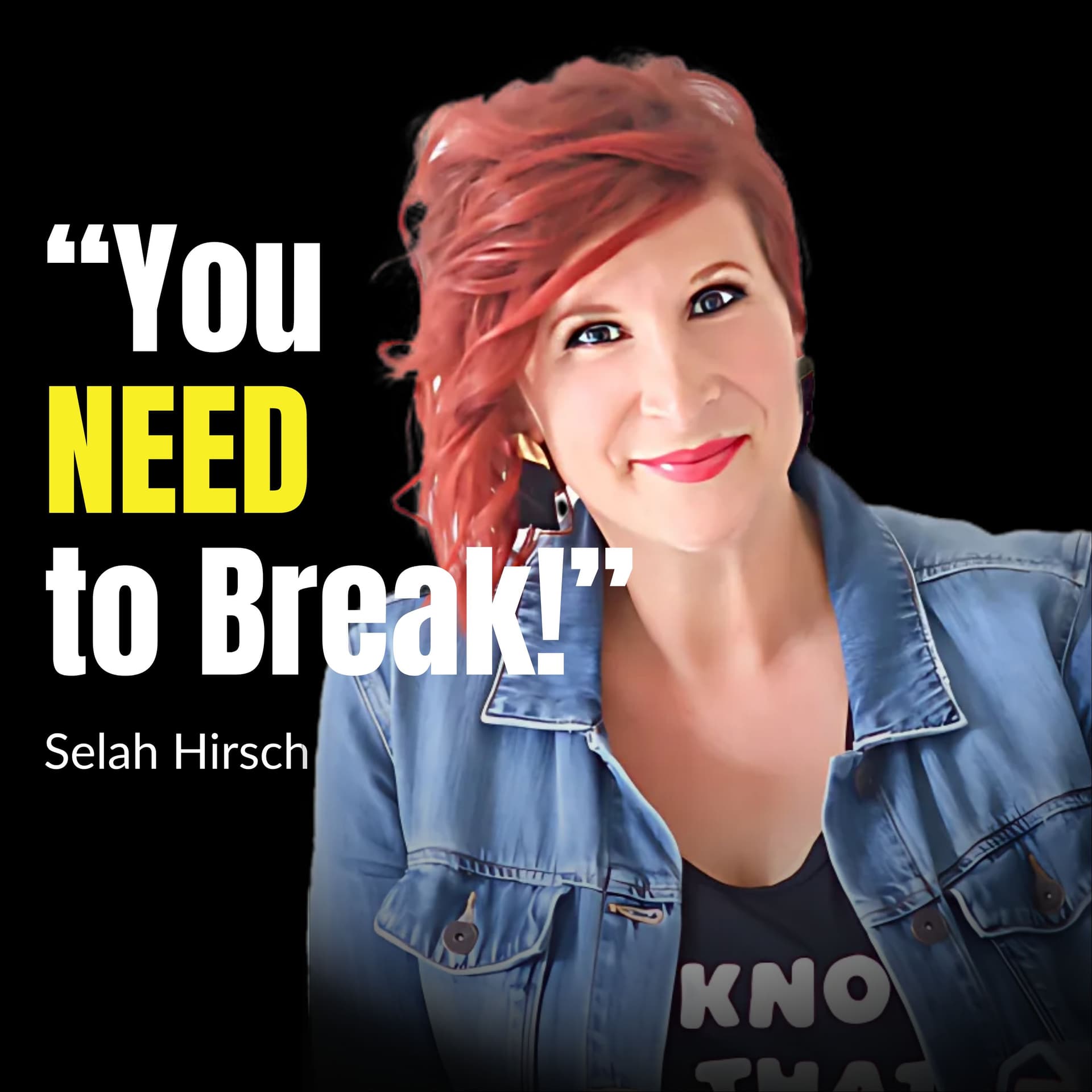
Why Every Entrepreneur Needs to Be Broken Once
Episode Overview In this episode, Ryan Hanley shares insights from his personal journey of struggle and growth as an entrepreneur. He explores the necessity of facing adversity and the lessons learned through hardship. The discussion is centered around the idea that sometimes suffering and being "broken" can lead to powerful transformations in life, career, and personal philosophy.
Key Themes and Discussions
- The Necessity of Adversity
- Experiencing Hardship: Ryan discusses the value of being "broken" as a transformative experience for entrepreneurs. He emphasizes that getting one's "ass kicked" is sometimes the only way to move forward.
- Burnout and Personal Wake-up Calls: He reflects on his year of burnout (2024) which forced a reevaluation of his approach to leadership and life.
- The Power of Pruning Seasons
- Pruning for Growth: The episode discusses metaphorical "pruning seasons," where one must let go of certain aspects of their life or business to foster growth.
- Mindset vs. Action: Ryan argues that having the right mindset isn’t enough; actionable change is essential for growth.
- Redefining Fulfillment and Success
- Fulfillment vs. Success: The conversation explores the distinction between fulfillment and societal definitions of success, highlighting that fulfillment is a more meaningful pursuit.
- Stop Chasing, Start Aligning: Entrepreneurs are encouraged to align their actions with their true values rather than chase external validations of success.
- Personal Branding and Authenticity
- Importance of Personal Branding: Conversations about personal branding reveal how Ryan has refined his approach to present himself authentically.
- Vulnerability in Leadership: He emphasizes the importance of being vulnerable and honest in defining one's path and success.
- The Role of Fear
- Reframing Fear: Ryan discusses how fear can be reframed as excitement and a catalyst for action.
- Owning the Moment: He shares experiences from public speaking, illustrating how he has learned to channel nervous energy into powerful presentations.
Key Takeaways
- Growth Through Pain: Embrace challenges as opportunities for growth and development.
- Balance Between Life and Work: It's vital to recognize that sometimes a "win" can simply be spending quality time with family rather than achieving every work goal.
- Authenticity Over Status: Authenticity in branding and personal expression is more valuable than conforming to societal expectations of success.
- Fear as Fuel: Fear can be transformed into energy that drives action; it's crucial to acknowledge and utilize it effectively.
Important Quotes
- "Sometimes, getting your ass kicked is the only way forward."
- "Fulfillment is more important than success."
- "If you can continue through adversity, you can come out the other side much more satisfied."
Conclusion This episode of "Finding Peak" with Ryan Hanley provides powerful insights on the importance of facing adversity, the significance of personal branding, and the value of aligning one's actions with personal values for true fulfillment. It serves as a reminder that struggles can lead to profound personal growth and transformation.
For more information about Ryan Hanley and to join his community, visit [Ryan Hanley's Website](https://books.ryanhanley.com/) or check out his [TEDx Talk](https://www.youtube.com/watch?v=9nWsxwgO83A).
Written by AI. May contain mistakes. Listen to the episode to check what was said.
Transcript
Automatic transcript. May contain errors.0:00AI agents are everywhere, automating tasks and making decisions at machine speed. But agents make mistakes. Just one rogue agent can do big damage before you even notice. Rubrik Agent Cloud is the only platform that helps you monitor agents, set guardrails, and rewind mistakes. So you can unleash agents, not risk. Accelerate your AI transformation at rubrik.com. That's R-U-B-R-I-K dot com. Hey guys, the end of this video is a little awkward. We didn't realize it at the time, but the last five or six minutes of Selah's audio cuts out, and we don't have video or audio. So the ending will be a little abrupt, but there is an incredible amount of value in this conversation.
0:48And we're going to have Selah back on the show because, as we mentioned, we didn't even get to the topic that I really wanted to address with Selah, which is personal branding in particular. so enjoy this episode it is high powered is absolutely incredible Selah is wonderful she's one of my favorite people in the world and I'm so incredibly excited to share her with you guys so enjoy the show I apologize for the awkward ending and as always I love you
1:23in a crude laboratory in the basement of his home
1:30we started the conversation and then we got like into life stuff so like at the so we get to so we get to like almost the end and he's like do you have a couple extra minutes he's like i really want to know about master of the clothes because what you know i want to i'm interested in how we can roll it out and i was like ah like hopefully you had like a little extra time after you know it's all good it's all good it's all good well power talk but that's great that he's into master of the clothes. I'm so proud of you for how you rolled that out. Can you believe that just launched the last few months ago?
2:00You worked on that for so long and you sat on that. You sat on that as a silent sleeper. I remember when I finally found that thing, I was like, Ryan, what is this thing? And you were like, oh, it's just this incredible proprietary sales process I developed. It's just sitting over here off to the side that could help millions of people. And then look at you finally giving it to the world this year. I love it. Cheers to 2025. Yeah, 2025 has already been a much better year than 2024. 2020, I'm glad that, I'm glad 2024 happened because it was a good, it was a good life lesson on, you know, like I thought I had a lot of the mindset stuff figured out.
2:42Like I thought I had a lot of it figured out and it figured out in air quotes, right? But 2024 kicked me on my ass. And you know, I mean, we talked every week for how long. And coming out of it and starting to kind of find my way again and prioritize properly and, you know, that kind of stuff. It was a good lesson that if you don't continue to follow the path, how easy it is to fall off the path and how important things like discipline, commitment, surrounding yourself with good people, like those kind of things, how important they are because when you detach yourself from those things, you lose the way really quick.
3:28Well, you had to fight to stay on that path too because it was one thing to stay on it. It's another thing to realize you're in a pruning season. I mean, I think that's what we talked about so many times is it was, what do I hold on to? What do I let go of here? And I watched you literally like separate Siamese twins, you know, with your bare knuckle fingers of this is what I wanted to, but this is now what I feel like I need to hold on to and vice versa. Look at this new thing now that is emerging in the space. And so 24 was shaping, it was pruning. It felt hard in our conversations, but I truly believe even how you're expressing where you are at this moment, that it was a much needed season, uh, just to, to prepare the ground for areas that you can really thrive in.
4:10And there are ultimately like deep reflections of you, your brand, your story, and the work that you want to bring into the world. Yeah. It's, um, it's funny. Like, I almost feel like we need to get our ass kicked once in a while, like every once in a while, maybe like once a decade, maybe like once a decade, just get your ass kicked to you, you know just to just to like remind yourself of one like you're not gonna die you know what I mean like you're gonna be okay and two that that like today I feel very very fulfilled getting master I mean and you were so instrumental in this like getting master the clothes out getting the TED talk done like yeah those two things in particular like reframing um what I wanted to be how I wanted to how I wanted to show up in the world.
4:59Like it, it, I needed the pain of 2024 to today be able to sit here and feel very confident in what I'm doing every day, how I live my life, what I want out of my life. Like, I think that I needed that reset. I mean, it sucked. There's a big part of me that wished that, you know, it didn't happen, but I think at the same time, um, if, if you can, if you can continue through it and, uh, and you were instrumental in that, um, it, it, it, it really, you can come out the other side, a much, I think much more satisfied person. I think what I'm trying to cultivate in my life today is satisfaction is the right word fulfillment, right?
5:47How do I, how do I, how do I operate each day from a sense of fulfillment and fulfillment? I think some people misunderstand fulfillment in so much as like they think it means conclusion, right? Just getting through the day. Here's a good example. And we talked about this a couple times. And you actually even said this to me one time, and it was a really good reminder. I can't remember when you said it, but I had a shitty week or whatever, but I got like one thing done. And you were like, that's the win. Like, all right, last week sucked. But you got this one thing done. and yeah, was it your most productive week ever?
6:25No, you kind of did this and you chased this rabbit and blah, blah. But you did get this one thing done and that's the win. So, okay. It is. Yep, that's what it is. And I think, so that's, I try to operate today with like, okay, you don't have to optimize every minute of your day. You don't have to have the perfect morning routine every day. You don't have to work out every single day. Like it just, life happens, right? sometimes, sometimes the win is being able to log out at 3 PM, pick up your kids from school, take them to the baseball game. And maybe you didn't get as much work done as I would have liked, but I spent eight quality hours with my kids, watched them play sports or, you know, whatever, and got to hang out with them and, and, you know, and have a great, great evening.
7:12And like, that's a win. That's a great day. And, uh, I think, you know, especially for people that are driven, that can be a particularly tough lesson. Well, I think we need some like rocky background music right now because I feel like every entrepreneur who's listening to this is like, this is my life right here. I love how you said you need to get it beat up every now and then. But then because that's what it feels like. It feels like a constant juggling act, you know, juggling priorities, focus, deadlines, cash flow, system, scalable growth. I mean, it's like literally like a storm, a perfect storm at all times, especially if this is a business owner or an entrepreneur and you can relate to that.
7:50I mean, the success that you've had with Rogue Risk, you know, with the, with leading innovative companies like you do with developing products, like Salesforce teams. I mean, just, there's so much that you realize is a constant pressure point. And, and to your point, I do believe that resilience is what we're talking about. Cause you've come through this stronger. And like, that's why I'm like, we need some pump up Rocky music here. I feel like I've been able to kind of be like Mick here, you know, on the sides a little bit like, Hey, what's going on? Okay. Send you back out there. You know, come on, let's dial back up.
8:18Let's get our focus in now, get back into the ring a little bit. And everyone needs something like that. They need someone in their life where they can be like, hold on, I'm actually winning, but this match is still going here a little bit, you know, and to your point, the win may be sometimes just surviving a little bit. I don't want to get too far into the boxing metaphor here, but I think at the end of the day, like you said, it's defining the win a little bit. And sometimes it's, you know, holding, holding, holding space, staying the course, you know, trusting the game plan. Other times it's probably not being afraid to take the risk.
8:46I think that's something I've watched you do is once you've acknowledged that you need to make a pivot or a change, you're like, let's go, let's jump here. And then equally, and this is what I love that you brought out in your TEDx talk is that you are not afraid to be vulnerable and realize that what is the success I'm chasing, you know, and identifying it, is it actually the success that defines me? Am I defining it? Or am I letting status and the perceptions of society and what I think I should be doing and the expectations of others really model that success, you know, and at the end of the day, that is the unfulfilled life that you're talking about.
9:20Um, I love this quote that you said, I listened to your, I've listened so many times to your talk, but I got to tell you the quote that you talked about the every day, millions of people go to jobs that they hate and pursue the, you know, the goals that they didn't choose because that's what they thought that they were supposed to do. I think rings so true because all of us can relate to that on one way or another. We can be so caught up drinking our own Kool-Aid or what we feel like our social media feed has fed us or what we see the success of another business owner or another colleague doing, that we can realize we are chasing shiny objects all day long.
9:55And at the end of the day, we're going to fall off a cliff. We've got to learn to do this better and do this right. I love how your story holds the space for both the ambition and the honesty to define success at a more authentic point. Yeah. I, you know, and we've talked about it so many times, like it, the biggest, the biggest unfulfilled moments in my life have been those moments when it was like, I should be this or people expect me to be this, or, you know, my, my boss thinks that I should be doing this, even though I know that's not what we need, you know, these moments where you allow others to dictate your future.
10:34And, you know, this is one of the lessons that I'm trying to teach my kids as early as I possibly can because, you know, I didn't learn these lessons until my 30s. And that's fine. That's my journey. And, you know, I actually was just talking to them the other day because new baseball season. And, again, people probably get bored of me talking about my kids in their baseball career. But I think it's a really – it's a good microcosm for life, right? Sports, I think, are a very good microcosm for life. And I oftentimes get a little frustrated when people are like, oh, not another sports analogy.
11:06It's like, I'm sorry. Like, sports, you can't hide in sports. Like, what I love early about sports or about anything competitive, it doesn't have to be like a kind of baseball or whatever. It could be anything competitive, is that especially early in life, you can't hide. If you're just playing video games, if you're just doing school, and not that I don't necessarily have a problem with video games. and I'm not a big fan of public education in our country, but I think that schools can be good. You can hide in those places. You can kind of not truly test yourself, but particularly in sports that have an individual aspect to them, like baseball, if you're the pitcher or you're the hitter or there's a ground ball hit to you or something like that, you can't hide.
11:55You either make the play or you don't. You either hit the baseball or you don't. You throw the pitch that you need to throw or you don't, and everybody sees it, and there's no hiding. And that's scary as hell. And what's been interesting, and this is where I want to – where just this comment is both of my kids really love baseball. They both play at a fairly high competitive level. They both play on their respective travel teams for their ages. And they both have started the season struggling hitting this year. They're just off to a slow start. And, you know, they both have been frustrated, and I should be doing this, and, you know, I should be hiring the lineup.
12:34And, you know, these are common frustrations that people have. And I just said to them, like, you know, I do these little, I'm sure that they're going to have lots of therapy bills later in life because of these monologues that I give them while we're driving. But I said to them, I said, guys, like, no one gets to dictate your future but you. it's not your coach doesn't get to dictate your future I don't get to dictate your future your mother doesn't get take no one dictates your future that's good if you if you want to be a better hitter if that's important to you and it doesn't matter to me if it's important to you or not right and I've said this to a million times like I played baseball I love coaching you guys in baseball because I played and I love the sport but if you said you wanted to be tennis players or golfers or ballerinas, I would be there with you.
13:24Like, I honestly don't give a shit. I, but I said, you've both chosen this sport. Okay. And you're struggling at this one particular skill. Okay. If you want to be better, the only way for you to get better is you have to decide that you want to be better and figure it the fuck out. Like go figure it out. Right? Like I will help you. I will take you to hitting lessons. We can work on the side as much as you want. I mean, for a baseball well, dad, there is nothing that they want more in life for their kid to ask them to help them. Right. I mean, it's just like, you know, and I, but I said to them, I go, guys, like right now you're letting where you're hitting in the lineup or the umpire, or, you know, you hit three balls at a shortstop and he made all three plays.
14:05And why, you know, why was he standing there? You know, whatever, all these things that young kids say about the sport. And I was like, you're letting these, these external things dictate your future to you. Like, did you approach that at bat? And this goes for anything. Go for a talk. It can go for being a leader. It can go for a sales call, whatever. Did you approach that moment with the right mindset? Did you approach it with 100 % of yourself? Were you focused? And if you were, the outcome doesn't matter. It doesn't matter. The outcome doesn't matter because you did everything you had to do, right?
14:42Everything else will figure itself out. And maybe the coach wants to have his kid and his kid's friends hitting one through five, and you hit six, and that frustrates you, and you can't crack. That's fine. Hit 500 from the sixth slot. Why are you letting an external factor dictate how you feel about yourself? And no one's ever perfect with that. But it's like that lesson to me, that is like the most important thing. And it's why, because I've had a lot of people ask me and we even talked about it. You asked me this question, why this topic for this talk? And it was, I honestly believe that, you know, and everyone who listens to the show knows that Christian, like, I honestly believe God put us on this earth.
15:33and it's to, to, to work towards becoming the best version of ourselves. That's why he put us here. He, he, he put us here for the journey, for the effort, for the struggle. Like I literally, the call I had, and I, I know I'm supposed to be interviewing you, but I'm doing all the talking. Um, and guys, just so you know, this is what Sayla does to me. She gets me wound up. I love it. I just let you go. Keep going. I have tons of questions for you too. I promise we're going to get to it. But like, like I was just at this call with, with, uh, with the guy, um, uh, we were talking a little bit about business, but as I told you and why we started the podcast late was we ended up talking about life a little bit.
16:07And he shared this amazing story with me where, um, you know, he, he, he had had this injury and he was feeling lots of pain and he was, uh, walking towards his church for Easter Sunday. And he just asked God and he said, you know, help me with this pain. And the pain started to go away. And, and he said, you know, I don't know if it was God or not. And I said, it was. And I said, the reason is because you didn't turn around and go back to the car. You could have turned around and gone back to the car and laid the seat down and put yourself in a comfortable position, but you didn't, you kept walking forward.
16:43You knew the pews in that church weren't going to be comfortable for your back. You kept walking forward. And so, so, so the, the, the, the payoff to that was right. your pain got reduced. Now, it doesn't mean it didn't go away, right? It was still there, but it wasn't screaming because you passed the test, right? You didn't give up. And I think that's such an important thing. Like no one would have questioned you going back to the car, laying down and saying, my back just hurt too bad. No one would have questioned that. You kept moving forward. And I think that's what we're here to do. Well, I think they, let's unpack that for a second further, because you talked about that in your TED Talk with that first point you brought up, which was reframing fear as the catalyst for action.
17:31And I think that that's what you're talking about here is you're realizing that we've got to strip back, you know, to our core, what is driving us and reframing success. I think the analogy that you shared, the story you just shared with your sons in baseball is a great example because, again, we're looking at success through the lens of all the other factors in our lives that are telling us what the measure is. But that measure is such a fake. It's such a trap. And I think that that is why I loved when we were working on your talk and you were like, Selah, I've got this idea of the status trap.
18:01And there's just such a word. That's a gripping thought. I've asked myself, where have I been trapped in my life? I'm like a person who would be afraid to be trapped in something. Like I'm the person who likes the aisle seat on the airplane. I'm like, I don't want to be next to the window and not able to like jump out and get something when I want to and need to. Like I don't want to be reliant on somebody, you know. I don't want to be stuck in an elevator. I don't want to be stuck with slow drivers. In fact, it's so funny. I got to tell you, the other day I was driving my kids to school and we were driving past this Catholic private school.
18:31It's kind of on our way to the kids' school. And there was this crosswalk. And this guy we know, he was riding his golf cart across the street from his subdivision, dropping off his kids at this Catholic school. And there was like a little cart path. And so he was able to take his golf cart. And here I am in like my minivan with all of our kids, right? And my kids are like, Mom, don't hit him with the van. I was like, what would make you think I would hit this man on this golf cart with our car? And then I realized I'm like a pretty aggressive driver. and our kids know, like, buckle up because, like, I don't want to be stuck behind slow drivers.
19:04I don't want to be caught in something. And I think it's interesting when you really frame status, you know, not as a prize to be won, but as this thief that's going to rob, you know, the depth of who you are. I mean, I think for the right people who are listening to this, it's going to cause a rise in you. And that was your talk. That was your talk at the TEDx. It was a challenge talk. In fact, when I go back and listen to it again, and if someone is on this podcast listening right now and has not listened to it, you might as well just stop this interview now and go jump over and listen to Ryan's talk.
19:36It's on YouTube. It's amazing because it's going to challenge you at your core. And what it's going to do is it's going to – you're either going to – you're going to pause it because you can't belly up to the bar and you can't take the talk. And you're going to say, you know what? I need to stick in the comfort places of life. And, you know, with that, we wish you the best. but if this hangs with you, you're going to realize that this is going to create a fear in me because I have to let go of the expectations of others. I have to allow the drive of who I am, you know, encapsulated in this kind of fear of, cause now I'm stepping into my own path.
20:11I'm stepping into my own definitions. I will not be held constraint any longer by this is it's going to actually cause some fear in me, but it's going to turn me into a place of action. And I think when you and I talked more about this, we realized, you know what, there are talks that are informational. There are talks that are passionate. There are talks that are going to create, you know, change, you know, across society or in places of people's worldview and things of that nature. And that's what, that's what talks and communication is for. And Ryan, I love your style as a communicator because you are gritty, you are raw, you are vulnerable and you challenge people.
20:46And at the end of the day, it's going to take two to tango. And I know that people like myself who don't want to be held down by anything in life are going to wake up and realize, you know what, but I am, but I am being held back by some status. And because at night I've got the dooms scroll going on, or I've got, you know, I'm in a mastermind and I'm, you know, subconsciously sizing myself up with others, or I'm looking at, you know, these deliverables and the scale size of my business. And I'm realizing in my industry, you know, there's a different measure of success. And at the end of the day, it's all a trap because we're not letting ourselves feel the fear, which is really the authenticity of defining our way.
21:26And I'll tell you, that challenge you brought out is going to wake people up to realize they have to find their way. Well, thank you. And as I said, I couldn't have done it without you. I, this is one of the things that I think has been the most interesting to me as I've matured in my career. When we're young and we look at those ahead of us that we idolize, right? And I think that's a good thing. I think it's okay to look at someone else, you know, it could be an icon like a Michael Jordan or it could be a mentor in your community or it could be a parent or whoever it is that you idolize. idolize when you're young, and young can even be into your early 20s, you look at the places where they're successful, and you assume that they have no fear in those moments.
22:19And when you have fear in those moments, you're like, oh, there's something wrong with me. I'm scared, right? And this is actually a conversation that I've had with my children as well about other things, not just sports. It's like, you're 11 and 9. Of course you're going to be scared. You're experiencing things that you've never experienced before all the time because you're brand new to life, right? Like you are constantly experiencing things for the first time. And, and when you experience things for the first time, you are going to have fear associated with those things, especially if you are searching for an outcome in that thing, right?
22:53There's going to be fear associated with it. And I think once when, when you can internalize the fact that Michael Jordan taking the last shot against Utah, sick as a dog, was fearful in the moment. Like, there's anxiety in that person, right? Like, he wants to win that game. He doesn't want to miss that shot, but he mastered the fear. He didn't let the fear stop him, right? And this goes for everybody, everything. Like, I just did a talk. I did a keynote in Vegas last week. And a wonderful event. Agent Broker United. It's an insurance event. Wonderful group of people. I had never spoken to this audience before, which is always something I love because I love, you know, you get a new cross cut of people that have never heard you or, you know, whatever.
23:42And the organizationally, it didn't, it wasn't going well. Like not, not the talk, but the conference, like not, not bad. They weren't necessarily doing anything wrong, but a couple of speakers had gone over their time, and that's what happened to me. So the speaker before me had a 15-minute slot to do kind of like just a quick hitter and hits a 15-minute mark and goes over. Now, the fear for me was I had to catch a plane at 2 p.m., right? So I had to be done with my talk at noon so I could grab my bag and leave because I live in upstate New York. It's incredibly difficult to get here by plane, guys, especially when you're coming from the West Coast.
24:23So, like, if I didn't catch that plane, which would get me into my home by 1130 p.m. on Friday, the next plane that could get me home got me in at noon the next day, which would have meant I would have missed both my kids' baseball games, and I just didn't want all that extra time not being home, right? So now I'm watching my time tick down as this guy goes over because I know I have this hard stop. And then, so, okay, so he finishes five minutes late. So now I go from having a 45-minute slot to a 40-minute slot. So now I'm trying to get my computer set up and my slides set up, and they didn't have an AV guy, which whatever, that happens at a lot of conferences.
25:04And I plug my computer in, nothing, can't get the slides to come up on the screen, right? So now I start panicking because, and normally I'm like cool as a cucumber in these moments, but because I'm like, but I had this deadline, right? So now I'm over. Now my computer's not working. Every minute is less time I get to spend with the audience. And they flew me into this place to deliver a message. I want to give this audience what they came here to see. I don't want to shortchange them. And so I'm sitting there. And then actually one of the other speakers comes up out of the audience and says, Hey, you go.
Read the full transcript
25:43I'll get your slides working, which was amazing. Shout out to Bravo. He's going to be on the podcast in the future. Awesome guy. um, shout out to him, but he comes up. So like, so, so I do take this big, deep breath and, and, and I'm telling you guys, like I get nervous energy for a talk these days, but I tend to not get fear. But in this moment, I'm feeling, I'm feeling the, the, the heart go. I feel the, the, the cortisol is flushing through my body. Like I feel it, right? I feel it. And so I take everyone listening knows those feelings right now. I think you're like making us all sweat a little bit.
26:19yeah and uh and and and and and if i didn't if i hadn't if i hadn't learned the lesson that i tried to share in the status trap about this this idea of mastering fear and fear as a vector what i what i said to myself was like fuck it they're they're i'm gonna take all this energy and i'm and i'll tell you sayla i fucking ripped like i just it was like i had this whole talk I turned around and I just I looked at the audience and I said are you guys ready and then you know I got like the murmur that they were and I said here we go and it was 32 minutes of full throttle because I was like you know what I'm gonna do I'm gonna take all this fear and energy I have and I'm just gonna go and granted I was probably a little more aggressive than I normally was I certainly curse more than I normally did I just was like I can't you know I can try if I tried to settle myself and I guess this is what I'm trying to do to share with people is like, if I tried to settle myself in that moment, it wouldn't have worked.
27:23I couldn't, like, instead of fighting the fear, I said, all I'm going to do is turn fear into energy. Cause, cause yeah. And I say this in the talk, fear and excitement light up the same exact neurons in your body. So, so what that tells me is you get to choose what it is. It's the same neurons. If you feel fear and you feel excitement, your brain, if you had one of those like brain hats on the same picture, same picture for those two emotions. So you get to choose, you get to choose. And I was like, and I didn't know that two years ago, but today I knew it. And I literally said to myself, this is, let's just go, let's use it.
28:03And we just went and hit it and I'm getting bro hugs and bro slaps and standing ovation. And it was awesome. And it end up being great. Not what I had expected, but great. But I guess my point is saying like that fear, the fear, like I could have said, Oh my God, these people are going to think that I'm a moron that I'm late, that I don't know how to work a computer. And I was like, Nope, I don't give a shit what anyone thinks about that stuff. I am going to try to give this audience what I had at that moment. I was now at this point, what 15, 16 minutes late. Like, I'm just going to give them everything I have for the 32 minutes that I have with them.
28:40I love it. And what happens happened. Okay. So I got to jump in and ask you a question here. What did it feel like then for you to take the stage at TEDx? Like, I want to know, what did it feel like for you to get on that stage? Cause you had hammered that talk. You were prepared. It was your thought leadership. You were bringing to the stage in that moment. That's a different stage. At least everyone listening here knows that stage. They weren't at your audience in Vegas, but they know that that That's a stage to be won. That is an honor. In fact, it was you building your personal brand, the blood, the sweat, the editing, the content.
29:16You have pumped out for years to say, hey, I've won an invitation to be on this stage. And with that comes the prep. With that comes the standards that you've got to step onto that stage. So I want to know, I want you to tell everyone two things. First of all, what did it feel like for you to take that stage knowing not only just the prep of the talk, but truly the brand that you had built that put you on it? And just like what did that feel like to you? I want you just to tell us about that. And then equally, I'm just going to just for time's sake, I'm going to put the other question there. What did it feel like when you were done with the talk?
29:47I want you to I wanted you to unpack both of those for us because those are moments. A lot of people haven't had a chance yet to experience to be a speaker on a TEDx stage. But we've got to know what it was like for Ryan Hanley. Yeah. Yeah, as scared as I've ever been because it is so much different than my normal style. So how I normally approach a keynote and how I did in Vegas is I have a, you know, I'm sure professional speakers or anyone who's a professional speaker may disagree with this style. I have a starting point and ending point, and I have no idea how I'm going to get there. So I have slides, but I will literally turn around and be like, I don't want to use that slide today.
30:28And I'll just click right past it. Right. So like I have a starting point from my talk and I have an ending point from my talk and how I get there. I oftentimes have no idea because I'm reading the audience. Are they energized today? Are they hung over? Is it early? Is it late? Is this a nerdy audience? Is this a, is this an audience rah, rah, like they just want to get fired up? Like, what are they looking for today? Because I think that – I think a lot of speakers approach – they have a stump speech, and I'm going to deliver my stump speech. This is what I say. This is how I say it. You either like it or you don't.
31:05And you can be very, very, very good in that style. Do not get me wrong. It's just not the style that I use. My way is to – I'm constantly reading the audience. I'm constantly looking at their eyes. What are they doing? Are they interacting? Are they nodding? Are they disagreeing? Are they murmuring? Are they, you know, are they engaging? Like, and then like, uh, you know, a good example of that is like, um, I tend to curse and I like to make sex jokes and jokes about liberals. I just do. I think those things are very, I think sex, I think being a hardcore lefty. I can see why Ben Ched was totally different.
31:44Yes. I think those things are fucking hilarious. You know what I I mean, like, I just, I mean, this might be crass, but I just find sex to be fucking hilarious. Like what you're actually doing is just so insane that like, I don't know. So I find it funny and I, you know, if I can drop a little like innuendo in there and get everyone to laugh, you know, it's whatever. So I'm in Nebraska and I promise I will answer your question. I'm in Nebraska and I start doing my thing and I tend early in a talk to kind of test the audience a little bit. Like, where are they? Right. So I'll put a few thoughts, a few, you know, push a little here.
32:20Okay, how do they respond? How do they respond? And again, I'm iterating. I have a place that I want to get them to, but I'm iterating so I can deliver the message in the way that they want. This is a great tip right now for anyone who's a communicator. You absolutely need to do this, Ryan. You are such a natural. You don't realize how many people don't know how to do this. Okay, keep going. That was gold. Yeah, so you're – thank you. So, so I, uh, and, and I, I don't like being on stage unless I have to be. So I, I'd like to get down with the people. So, um, so I'm down and I'm kind of walking in the middle and I'm talking and, and, um, I, I make this little sexual innuendo joke, like a fart in church, literally zero response.
33:02I have used this a hundred times and it always at least gets like a giggle. Nothing. Dead silent. Oh no, that's the worst feeling in the world. world. I'm like, okay, maybe Nebraska, people in Nebraska don't think sex is funny. That's fine. So, uh, so then pop, pop, pop. And I, I drop, uh, I drop an, an F bomb. And, um, and again, I try to do it in cheeky ways, guys. I am not like effing, like just dropping an F bomb on people to do it. Like I tend to like, maybe it's like a little, I, I, I, I tend to use deadpan humor, um in in the way that i you know right like any kind of and again nothing now all the gray hairs in the back are are now standing up and and like a couple of them are like shaking their head like in disagreement of what of my my existence what did you do what did you do after that Right?
34:00So I literally stopped the talk. Well, I stopped talking. I turn around. I walk back to the stage, and I sit on the stage, right? And so, like, my feet are dangling off the stage, and I'm staring at the audience. And there's probably 15, 20 seconds of silence. And I go, I'm going to make you motherfuckers laugh by the end of this talk. And I finally got them to crack, right? Like, they finally kind of, like, giggled. And I go, guys, I promise I'm not going to curse again, but I'm going to get you to laugh in this talk. Like, I go, that's the last time I'm going to curse. Way to call that out. I get that you guys.
34:37Yeah, I was like, I get that you don't like cursing. You don't like sex jokes. I'm like, I don't have any jokes about corn. And then they started laughing. So I lost them up and then we got into it. Okay. But that's my style. Okay. So Ted, to your point, to your question, Ted is so different, right? So different. One, they don't curse on Ted, right? You don't do sexual innuendo unless your talk is about that. Right? It's much different. And it is – there's no working the audience. Like you're not – you are talking to the audience. There's probably about 175 people in the audience. They're there, but you are – you're actually communicating to the YouTube video, right?
35:20That's what you're delivering is to the YouTube video. That's a good clarification. Yeah, you're not actually speaking to the people that are in that specific audience because that's the nature of the talk. That made me very, very nervous. And the mistake that I made, this audience, like, or this talk is I had planned every word, right? We had written every word, gone through. And what I was getting hung up on were there actually two transitions that for whatever reason my brain, I think because of the fear, my brain just wouldn't remember. And I kept getting stuck on them when I was practicing.
35:52Literally two lines. I just, my brain wouldn't retain them. So I'm sweating bullets. And I'll tell you, it was actually a good friend of mine, Chris Klein, who lives in Ohio, who came to the talk. I'm out pacing in the lobby. And he sits down next to me and he goes, what's up, man? He's like, you look nervous. And I go, I am. And he goes, fuck that. You got this. And it was like everything melted away. So when I got up there, I felt fairly, I was like, you know what? this is happening whether I'm fearful or not. So I'm just going to do it. So I went up and I started, and here's the thing, guys, the worst case scenario happened.
36:29I get, I get about a minute. So if you go watch the video and I'll have the video linked up in the description for those who haven't seen it, but I'm like, I get about a minute, like it's around a minute and a half, a minute 45. I can't remember exactly where it is. Somebody fat fingers, the slides in the back and takes my slides off the screen and puts the speaker transition slide up on the screen. So like there's a transition slide between the speakers that the, that the, the Ted does. And all of a sudden the transition slide goes up. So now I'm looking at the confidence monitor and my slide is not there.
37:00Right. So thankfully having done this before, I just say the same line twice and you can, you can kind of tell if you now know, but like I say the same line twice, like I'm emphasizing it. And, and in my mind, I'm going now, it felt like an eternity in my mind, it was probably seven to 10 seconds max, but, but they, they put my slide back in, but in my head, I'm going, Oh my God, am I going to have to do the rest of my talk without my slides? Right. And they put it back in, everything goes fine. Yeah. Push all the way through. And, um, and, you know, once I got through that moment, I kind of catch my wind off.
37:37We go very happy with the delivery, especially the last like three quarters. And, um, and then afterwards I literally like, like, yeah, it was like, here's the thing. So like, I didn't realize how much stress I had been carrying because when, when it was done, it was like, I took 200 pound sacks and slumped them off my shoulders. And I was just like, and it was all just fear of that talk that got through. um i know i know you have a a time here coming up yeah yeah i was like i'm great now yeah now i'm great you know i was like oh my god um i'm gonna have to have you back on because we didn't talk at all about personal branding this has mostly been an it's almost like you've been interviewing me but um so i want to have you back on because guys the reason i wanted to have sail on not not just because we have amazing conversations but um the the last year uh and and i want to be I want to be very kind, as kind as I can be to you.
38:39Like, Selah helped me reframe how I think about how I position myself in the world, how I talk about what I do. And then and this is what I this is what I really wanted to talk about today. And we're absolutely going to have you back on the show because I want to get through this. I the personal branding, the personal branding work specifically that we did together, like it wasn't, yes, do I have better words? Can I frame what I do better? Visually is what I do better? Yes, all those things. Yes. But that exercise helped me as a human being. Like I am more confident, I believe more structured, more defined, more clear on who I am and what I want to become because I did the personal branding work with you.
39:32And like, I guess what I wanted to get to and what I wanted to walk through with you was your process that you took me through because like, I would not be, I don't think 2025 has already been infinitely more successful to me than 2024 ever was. And that wouldn't, that simply would not be the case if you and I didn't work together for as long as we did. And I just want to publicly say thank you to you and just like I cannot thank you enough for what you did for me and the time that we spent together because I honestly believe that like I couldn't have made it through that time without you. And yeah, were we talking about personal branding?
40:16Yes, but you would force me to reframe thoughts, reframe ideas, reframe priorities and continue to, is this, here's what you told me you wanted to become. Is that in this frame? And I kept having to sculpt and sculpt. And it was almost like, like, like a, like, like a sculptor chiseling away. Like I had this ugly misformed rock, right. That had some good qualities, but also some, and you were like, that piece needs to go. And Hey, maybe, you know, here's how we frame that. And, and it just, it was absolutely amazing. and I just, you know, this is one way of saying thank you and I just appreciate the hell out of you and I would encourage anyone who, you know, business branding, I know our project was a little bit special, but like if you have this need and if you need branding work for your business as well, because I'm sure the process works the same with businesses as well, Sela is an amazing, amazing, amazing resource that I cannot, cannot, cannot recommend enough to everyone.
41:15And I highly recommend you reach out to her if it's something that you need.
41:30In a crude laboratory in the basement of his home.
From the publisher
My TEDX Talk: https://www.youtube.com/watch?v=9nWsxwgO83A
Join our community of fearless leaders in search of unreasonable outcomes...
- Want to become a FEARLESS entrepreneur and leader? Go here: https://books.ryanhanley.com
- Watch on YouTube: https://link.ryanhanley.com/youtube
- Master of the Close - Learn how to scale your sales process, fast: https://link.ryanhanley.com/masteroftheclose
- Website: https://expressmybrand.com/
- Instagram: https://www.instagram.com/expressmybrand/
2024 brought me to my knees.
After a year of burnout, broken systems, and personal wake-up calls, I realized something most people never talk about:
Sometimes, getting your ass kicked is the only way forward.
In this raw and honest conversation with Selah Hirsch, I unpack the hard reset that forced me to rethink everything—from how I lead, to how I sell, to how I live.
We talk about:
🔥 The silent power of pruning seasons
🔥 Why “mindset” isn’t enough
🔥 Launching Master the Close after sitting on it for YEARS
🔥 The true meaning of fulfillment vs. success
🔥 Why entrepreneurs need to stop chasing and start aligning
Whether you’re in a rough season or just came out of one, this episode will meet you where you are.
Check Out Our Sponsors
- OpusClip: #1 AI video clipping and editing tool: https://link.ryanhanley.com/opus
- Riverside: HD Podcast & Video Software | Free Recording & Editing: https://link.ryanhanley.com/riverside
- Shortform - The World's Best Book Summaries: https://link.ryanhanley.com/shortform
- Taplio - Grow Your Personal Brand On LinkedIn: https://link.ryanhanley.com/taplio
- Kit: Email-First Operating System for Creators (formerly ConvertKit): https://link.ryanhanley.com/kit
--
Recommended Tools for Growth
- OpusClip: #1 AI video clipping and editing tool: https://link.ryanhanley.com/opus
- Riverside: HD Podcast & Video Software | Free Recording & Editing: https://link.ryanhanley.com/riverside
- WhisperFlow: Never waste time typing on your keyboard again: https://link.ryanhanley.com/whisperflow
- CaptionsApp: One app for all your social media video creation: https://link.ryanhanley.com/captionsapp
- GoHighLevel: It's time to take your business workflow to the Next Level: https://link.ryanhanley.com/gohighlevel
- Perspective.co: The #1 funnel builder for lead generation: https://link.ryanhanley.com/perspective
--
Episodes You Might Enjoy:
- From $2 Million Loss to World-Class Entrepreneur: https://lnk.to/delk
- From One Man Shop to $200M in Revenue: https://lnk.to/tommymello
- Is Psilocybin the Gateway to Self-Mastery? https://lnk.to/80upZ9
Hosted by Simplecast, an AdsWizz company. See pcm.adswizz.com for information about our collection and use of personal data for advertising.
This show is part of the Unplugged Studios Network — the infrastructure layer for serious creators. 👉 Learn more at https://unpluggedstudios.fm.
Advertising Inquiries: https://redcircle.com/brands
Privacy & Opt-Out: https://redcircle.com/privacy


