
 Ask ChatGPT

- Podcasts
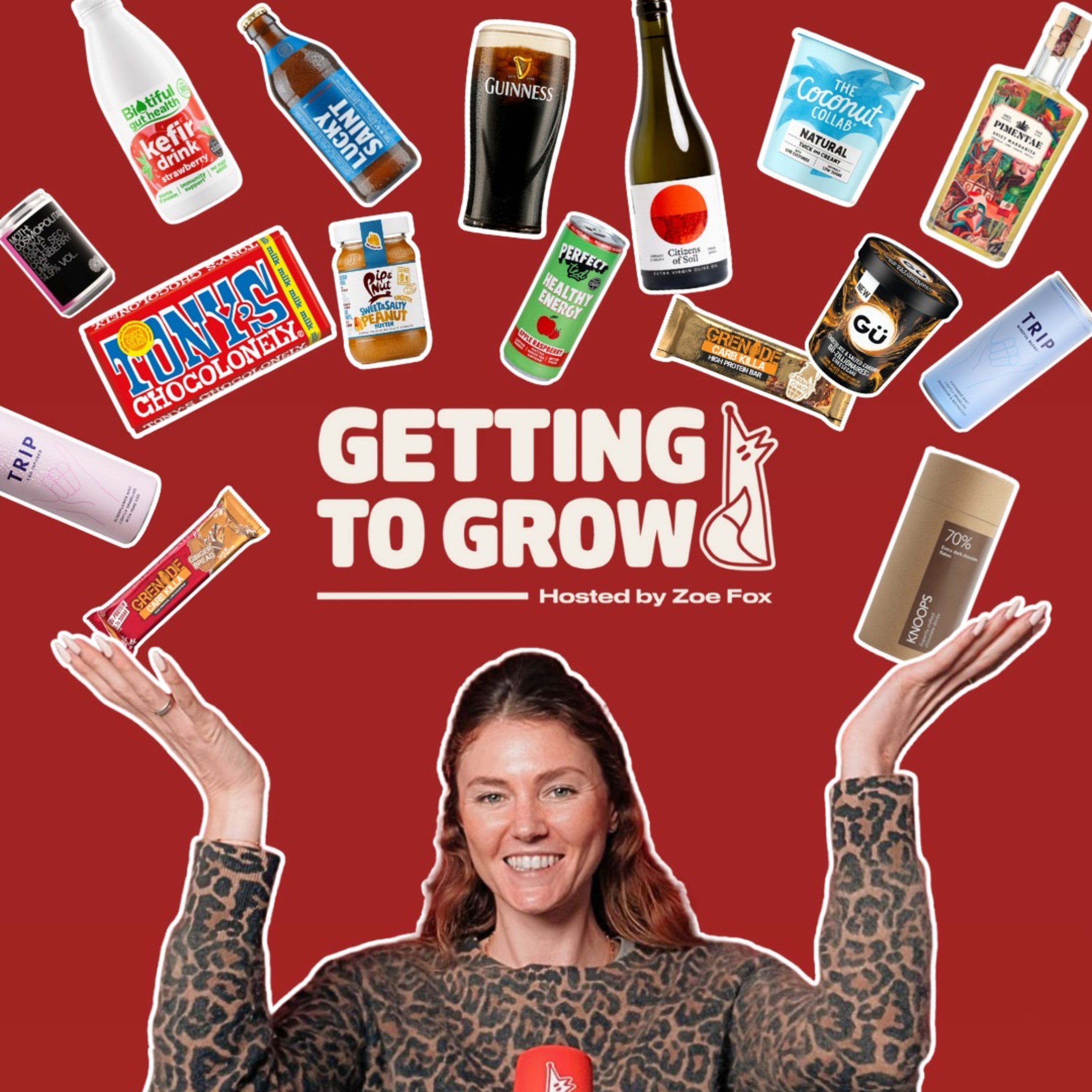
- Getting to Grow
- The Wine Industry Is Ripe for Disruption. Here's Why
Getting to Grow19 Nov 2026 · 1h 4m · 30 chapters
The Wine Industry Is Ripe for Disruption. Here's Why | with Charlie Vass, Founder of Vinca Wines
In short
Charlie Vass (co-founder of Vinca Wine) explains how Vinca is “disrupting” wine via premium organic Sicilian wine in convenient canned formats, and shares lessons on bootstrapping, scaling, airline listings, and costly early mistakes.
Guest backgrounds
Charlie Vass is a three-time founding member of Startup Brands (0 to £1m in 18 months across categories, channels, and countries, including US and Australia). He founded Plugin Brands, an award-winning outsourced FMCG sales agency, and Dive-In Agency for social commerce. He has go-to-market strategy, brand development, and retail/wholesale distribution experience.
Key claims
Wine consumers are alienated by intimidating industry language; Vinca speaks like friends and focuses on convenience + premiumization. Bootstrapping longer builds credibility with investors. Luck matters, but founders can “create” luck through persistence and putting themselves in the right places.
Notable examples
Misspelled Vinca on 150,000 cans (“Vince Wine”) and still released them. British Airways listing in year two drove major visibility across Europe. They scaled using outsourced canning and a bonded warehouse. They “faked it till they made it” for a recycled-aluminium “bottle-sized” format, securing Tesco’s listing based on mock-ups.
Written by AI. May contain mistakes.
Chapters
0:00
Early Mistakes in Building Vinca
Learn about the early challenges and mistakes faced by the Vinca founders.
“Tell us about some of like maybe the early mistakes and expensive mistakes that you've made while building Vinka.”
1:15
The Role of Luck in Business
Understanding the impact of luck on business success and recognition.
“I want to give a shout out to a special sponsor, Sam Lawrence Recruitment.”
6:38
Innovating in the Wine Category
Discussing how Vinca Wine aims to disrupt traditional wine consumption.
“He's worked in the wine industry for like 12 years.”
8:45
Founders' Backgrounds and Skills
Exploring the diverse backgrounds of Vinca's founders and their experiences.
“So he approached myself and Zach Walters.”
10:30
Consumer Perception of Wine
Discussing how wine is perceived and the intimidation felt by consumers.
12:20
The Importance of Luck and Opportunities
Examining how luck and opportunities shape the growth of Vinca.
14:00
Breaking Into the Airline Market
Learn the strategies for successfully entering the airline industry with a product.
16:47
Learning from Mistakes
Discover how to turn mistakes into learning opportunities in business.
“And there's loads that we've been reaching out to since day one that at first wouldn't speak to us.”
19:31
Networking and Mentorship
Learn how networking and mentorship can provide valuable insights for new businesses.
“I mean, one mistake we made was, I think it was in year one or year two, we made, it was the artwork for the cans.”
23:08
Sourcing Wine from Sicily
Understand the importance of sourcing quality ingredients and celebrating origins.
“that was just like, these are some of the most expensive mistakes we made.”
Show all 30 chapters
25:55
Scaling a Wine Business
Explore the challenges and strategies for scaling a wine business effectively.
28:00
Scaling and Outsourcing for Growth
Learn how outsourcing manufacturing can facilitate rapid growth.
“You know, we don't own warehouses, for example.”
29:20
Challenges of Meeting Demand
Explore the difficulties faced when scaling production quickly for new opportunities.
“So we launched this, this is the UK's first wine bottle made from recycled aluminium.”
30:56
Innovating with Recycled Materials
Discover the process of creating a wine bottle from recycled aluminum.
32:54
Bootstrapping and Financial Strategies
Understand the importance of bootstrapping and managing finances effectively.
35:00
The Right Time to Raise Capital
Learn when and how to consider raising capital for growth.
“I think as well, like there's a big perception of like, you need to have all your like ducks in a row before you start or you need to have X amount in the bank to start a business and then it will be comfortable.”
38:16
Resilience in Entrepreneurship
Explore the mindset needed for overcoming setbacks in business.
39:27
Leveraging Mentorship and Networking
Discover how to seek mentorship and utilize networking for business success.
41:29
Year-on-Year Growth Metrics
Examine the growth trajectory of the business over recent years.
“for helping now looking at the wine category and like your business growing um how much growth are you in like year on year over the past like five years?”
42:01
The Journey of Building a Team
Learn how the founders navigated early hiring and team dynamics.
“We didn't hire our first employee until it's about just over a year, 14, 15 months ago, that we hired our first employee, Aisling.”
44:41
The Culture of Hard Work in F&B
Discover the unique work culture in the food and beverage industry.
46:35
Vision for Vinca's Future
Explore the long-term vision for Vinca and its brand identity.
48:09
Building a Brand Beyond Selling
Understand the importance of passion over exit strategies in business.
49:26
Advice to Early Entrepreneurs
Hear valuable advice on seeking help and confidence in entrepreneurship.
“What would you tell yourself now from your five years of learning?”
51:16
Analyzing Today's Drinking Trends
Examine how changing drinking habits impact the wine industry.
54:45
The Importance of Focus for Founders
Learn about the significance of focusing on your own business journey.
56:00
The Growth of Vinca Wine
Learn about the growth of Vinca and its innovative approach to wine.
“You know, that's growing still 19 % year on year.”
56:50
Team Dynamics and Success
Discover the importance of team investment and defining success in entrepreneurship.
58:03
Overcoming Challenges in Logistics
Hear a dramatic story of overcoming logistics challenges in the wine business.
“It was a theatre and we're like so excited, couldn't wait.”
1:02:39
Reflections on Entrepreneurship
Reflect on the trials and rewards of entrepreneurship and personal sacrifice.

Ask about this episode
Get the gist, explore an idea or ask about something said.
 Claude
On Getting to Grow, what are the key points of this episode?
Searching your listeningTranscript
Automatic transcript. May contain errors.
0:00Tell us about some of like maybe the early mistakes and expensive mistakes that you've made while building Vinka. We made the artwork for the cans. They were passed between all three founders to like cast a scrutinising eye over, make sure everything's lined up, all the barcode numbers are correct, everything's exactly right. And we misspelled the name of our own brand. Oh my God. Bootstrapping is never the easy way, it's the hard way. But from the perspective of investors, the longer you can hold out, the more you've learned, the less you seem like bullshit artists. Are you building this to sell?
0:31No, I think it's a mistake that lots of founders do is kind of this obsession of kind of build it to sell it, build it to sell it. And I think that if you're waking up every morning and your motivation is like one day buying a yacht, I don't think it's going to keep you focused on what you need to do that day. Luck is so under-recognised in people's business journeys. It's like, we should all take a moment and be like, thank you to our powers because things fell into place. And I think that this happens so often. And rather than like pat yourself on the back and be like, we knew best and we made all the right decisions.
1:00Sometimes we're just in the right place at the right time. So five years of kind of building like to date. Over those five years, what's one thing that you like really did not anticipate happening? Oh, good question. Before we get into today's episode, I want to give a shout out to a special sponsor, Sam Lawrence Recruitment. We all know that finding the right people or the right job can feel really overwhelming and that's exactly where Sam comes in. He really just gets it. It's not just about ticking boxes. It's about connecting the right people with the right opportunities. He takes the time to understand you and exactly what you're looking for, whether you're building a team or taking that next career leap.
1:38So definitely get in touch. Trust me, you'll be glad you did. Charlie is a three-time founding member of Startup Brands, taking each from 0 to 1 million within 18 months across different categories, channels and countries, including launching operations in the US and Australia. He is now the founder of Plugin Brands, an award-winning outsourced FMCG sales agency working with the fast growth food and drink brands, and Dive-In Agency, a tick-top shop agency helping brands turn social commerce into real revenue. With a background in go-to market strategy, brand development and distribution through retail and wholesale channels, there isn't any one better place to help you supercharge your brand.
2:18Charlie and the Plugin Brands team work with a host of brands including Moju, Muller, Clipper T, Who Gives a Crap and Lovecorn. So if you're in need of an extra pair of hands to really step on your growth this year, Charlie is the guy you need to be in touch with. Now if you're running a product business and your inventory lives across spreadsheets, emails and about six different systems, this one's definitely for you. Unleashed is an inventory management platform built for manufacturers, wholesalers and retailers, giving you one source of truth across your stock orders and operations. It automates the repetitive stuff too, things like purchase orders, stock updates, low stock alerts, so that your team can focus on growing the business, not firefighting.
3:00They're already trusted by brands like Candy Kittens, Perfect Head, Burrow Broth and Refai, and they integrate with tools you're already probably using, including Shopify, QuickBooks and Salesforce. So if you're scaling a product business and want to get your operations under control, head over and start a free 14 day trial. And as a Getting to Grow listener, you'll get one month free using the code GTGPOD. Getting to Grow is also brought to you by the Coconut Collab. And full disclosure, as I'm sure most of you are aware, I work there. So I know how much love goes into everything that we make.
3:33We're all about creating delicious, dairy-free, plant-based treats that do not compromise on taste. From our creamy yogurts to our indulgent desserts, everything's made with coconuts and a whole lot of care. If you're looking for something naturally good but seriously tasty, and my favourite is just our natural coconut yoghurt, I have it most mornings with granola and lots of honey. Trust me, you're going to absolutely love it. Welcome back to another episode of Getting to Grow. On this week's episode, we have Charlie Vass the co-founder of Vinca Wine. Welcome Charlie to the pod. Thank you absolutely thrilled to be here.
4:07This by the way is like the pinnacle of making it as a FMCG founder it's like Desert Island Discs but for for challenger brands so I'm gassed to be here. Thank you so much. No thank you so much for coming that's really lovely to hear. I'm glad what I'm doing is making an impact that's all I can say. Now wine has been around for like ever. I was actually just in Pompeii and they were saying how they were making it there but they like diluted it with water which I thought was really interesting they didn't drink it like in strength so it's been around for a really really long time what made you look at like the category and the way people were drinking and think I want to do something different yeah for sure I think it's worth noting like we weren't the first people to ever do anything new and different in wine I think that there's different types of coming to a business and sometimes there are people who have like a instant like eureka moment and they you know the inventor of velcro who like saw his i think it was like he saw his dog had the the burrs that had little hooks on from plants caught in his fur and he's like look i can pull it off and it sticks back on eureka that's the new business plan that's cool and and i think that sometimes people um get hung up on this idea of like having an entirely original new concept and actually i think what a lot of challenger brands are doing is just looking what exists and doing it better finding like pain points or areas where bigger brands aren't necessarily like aligning with what consumers want and how trends are changing and i think that's exactly what we did you know we weren't the first we came along and thought we love drinking wine but actually there are loads of occasions where a bottle of wine isn't really particularly convenient thing to do like if i'm at a music festival and i go to the bar and order a glass of wine like nine times out of ten is terrible we're wine drinkers we wanted to like bring our favorite wines really high quality organic sicilian juice and just make it in new formats and new brands for wherever people want to drink wine and like through the process of bringing it to market obviously you weren't the first canned wine that ever came to market but did you have a lashback around like oh another kind of canned wine or was it more your reception was actually we can see the fit for something different and new yeah no i don't think we had had kind of pushback for me like oh another one there's there's lots that came before us and lots that are popping up all the time i think it's great when an emerging category has variation within it i think that we're all trying to do something which is like change the way people perceive and consume great wines i think what we've done is carve out a niche as you know being known for like premiumization like really high quality wine that just is more convenient um so yeah that's kind of where we where we differ i suppose and pre all of this what was your life like before vinca what were you doing it's really funny like being uh a co-founder i now have a new appreciation for actually some of the benefits of having like a regular job should we say i guess there's things that i never appreciated before like being able to go on holiday and not think about your job and things like that so um that's something that I missed to some extent and if I could go back and speak to my like pre-founding a business self I'd be like get some rest enjoy the times you can switch off because that's not happening again you live and breathe it but the flip side to that is I always had like slightly itchy feet for wanting to do something for myself and you know that kind of idea of you know if you're successful in your career it's like but I could be building something for me and with the people around me rather than for somebody else and I think that was always kind of um an underlying theme well what was your like what was the career what were you doing so before Vinka Vinka was founded by three people three three um old school mates there's myself Jack Green and Zachary Walters and Jack is the wine guy Jack's like he's lived and breathed wine since he first tasted it.
8:13He's worked in the wine industry for like 12 years. Okay. And he's done all the different jobs from like buying and selling really rare collectible wines that are like traded like the Pokemon cards and go for stupid amounts of money in auction to like mass supermarket tenders for millions of litres. Every job in the wine industry, Jack Green has done. He was looking around being like, there's a new trend, need to like, you know, do this better. The way people are enjoying wine is changing. How can we bring better wine in better formats? So he approached myself and Zach Walters. Zach was working as a designer.
8:52So like graphic design, packaging, things like that. So he worked for a design agency in New York and London that did lots of Diageo brands like Guinness and Tanquerie and Smirnoff and things like that. So basically making products look beautiful. and then my career totally different not in the drinks industry at all I actually came from the tech industry I was working as a head of sales for a tech company so entirely different skill sets I've always been a consumer of wine I've always been really passionate about enjoying the liquid but never worked in it likewise with Zach you know enjoys drinking wine but has never been on the kind of um sort of professional side of it and i think those are big strengths in starting something having one person who's an absolute expert but also having that kind of everyday consumer perspective like a bit of fresh eyes on it being like not everyone has their wine qualifications you know people who are browsing wine lists in restaurants or walking down the wine aisle sometimes feel a little bit timid about it yeah i think it's funny like wine is quite intimidating i always like generally leave it to my boyfriend where after dinner i'd be like oh you just choose because i'm like not worried i'll get it wrong like i know like a few that i like but i'm like you choose because he'll always make a good decision but you're right like if i'm going down the aisle i don't tend to veer out of what i know yeah for sure and i think that that's a massive massive miss on the part of the wine industry is it's a lot of old boys in red trousers swirling glasses and congratulating each other about how much they know and actually that's not who the wine consumers are like why everyone who drinks wine knows what they like and a lot of people are a little bit timid about breaking out of that for understandable reasons like you haven't done a wine qualification you don't you've got it wrong in the past and you've been like oh that was really disappointing i didn't like that and i think that if you're the one parting with the money if you're the one that's going to pick up that bottle in the supermarket aisle or pick that bottle from the wine list in the restaurant or order at the bar or the festival or whatever you should never be made to feel ignorant like it's your money you should be empowered to like make choices um and i think where the wine misses so hard is in that kind of um alienation of consumers and actually even the language they use to describe like the terroir of the region and stuff it's like people don't speak that way about when they talk about the wines they're like and it's not to say that they don't know what they like and they don't have a good palate they just don't talk like that so we always try and talk about wine in the way that you would talk to your friends about wine yeah in the early days of vinca because you guys are five years old now yeah because we had your fifth birthday we did indeed yeah um so five years of kind of building like to date over those five years what's one thing that you like really did not anticipate happening oh good question um i mean there's been a few like massive moments of like luck i think and I think that luck is so under recognized in people's business journeys it's like we should all take a moment and be like just like thank you to our powers because things fell into place and I think that this happens so often and rather than like pat yourself on the back and that we knew best and we made all the right decisions sometimes we're just in the right place at the right time and there's been a few moments where you know we built a product that we really believed did we start putting it out there but sometimes just fluke things like um okay so in our second year we won a listing to um several of the wines on board british airways across all of europe so huge volume really big step up in our production and really big step up in our visibility that meant that just by fluke so many people in the industry were on flight throughout that that summer going away on the holidays and then knew us they tried us on the plane they were really surprised you get great wine on on a plane maybe saw some some in-flight literature like great vinca's now on their radar and that was one of those things where like it's just being the right place and the momentum kind of picks up and stuff so i hadn't anticipated how important luck would be yeah it's funny i think you're right luck is a huge part and it is sometimes just like right time right place and just so many things can come into it like you could stay in a cafe longer than you're meant to be in guide walks and you still have a conversation with and i mean i was at a talked last night with Tuka Suleiman and he was like that's exactly what happened to me I just happened to be at a place and he met this guy and he's obviously in the tech size industry etc etc and his life was kind of like that was it yeah and I think we do take for granted but then in the same breath you can make your own luck in the sense of like if you're a hard worker you're clearly putting yourself out in those positions and you know you're you're kind of hustling in a way that founders do to put yourselves in places where opportunities come to you and therefore like you're creating your own luck but yeah i mean some people just get unbelievably lucky and they just happen to be there and they're like oh do you want the job or whatever the circumstance is but sitting on a plane actually is a really good point because i think a lot of new founders are desperate to get on airlines they're like oh i really want to get on a plane because volume's quite delicious you obviously sat there with a product um where you have a bit of a time to like look at the packaging you have a bit of time to read a bit as you said day to day we don't have that like they literally have you in a corner you have to sit and you have to read so we haven't actually spoken about this or gone into detail about getting like onto airlines in an episode so how was that process for you and how did you start to get those cogs working and was it something you were set on from the early stages yeah i think we we did we kind of like most founders and um people kind of defining strategy for a challenge around you look at all the different channels that your product could fit into and what purpose they serve your business like some of them are profit drivers some of them are like visibility um you know some of them are like uh exports like break into a new market those kind of things they all have like a reason for them and i think that the travel industry is is mostly it's volume you know they tend to be quite low margin opportunities it's about securing volume and securing visibility um and so for us we identified where do you want to be and which um airlines kind of align with our kind of brand values and things as well and so i think with all of the um the kind of the stockists that we that we worked with in the first couple of years it's about where you're seen is a big part of your brand perception as well and so that was like our our number one and kind of where we wanted to to be to be poured and look it's hard yards it's a long slog as you know and all your listeners will know there's an awful lot of not even rejection emails just like air just i was gonna say you're lucky if you get yeah just just ghosted and ghosted and ghosted and you know buyers in all industries are incredibly busy i like i literally shudder to imagine what their inboxes look like and how they must just skim read or not even open because they have so much to do with their day-to-day job and i think from our side we imagine that the role of a buyer is just um finding exciting new brands and products that are in high growth and and and plucking them in and get them going actually that's a fraction of their job and it's probably the most enjoyable part of their job is you know ranging changes and bringing new products in and stuff but actually a lot of it is just dealing with the demands of making sure that everything is on time in full and on shelf and and all the fluctuations that happen with supply chains and just managing all that stuff.
16:42So the fact that you don't hear from someone that you're trying to get in touch with, like don't be disheartened. It takes a long, long time. It can take years. And there's loads that we've been reaching out to since day one that at first wouldn't speak to us. And then it's like, okay, I've seen you about and they start to kind of, you know, make some positive noises. And my advice on that as well is to just be like a real kind of obsessive like linkedin creep as well just like find out who the people are you want to get in front of and just be relentless and shameless and just find out as much as you can about the individual what events they go to what they're interested in um try and set up fortuitous moments like you know there's been wine buyers who i've seen are speaking on panels at things and I'll just go to the panel, put my hand up to ask a question that I might not necessarily want the answer to, just so that they've like, remembered my name and my face and that like, as a way to just constantly feel like they're hearing Vinka here, Vinka there.
17:49And slowly you chip away at them. I think half of the battle is just like persistence. And it's the same with every, like lots of what people do, but consistency really is key and it's boring and it's like not very sexy, but kind of is the truth in the sense of if you keep consistent and persistent with what you're trying to achieve eventually like the message will deliver and people will as you said begin to hear you and like see your brand and see your product and then go oh i'm warming up to the conversation or like the idea of having a chat with you etc but we've spoken about you know some amazing wins obviously it's not all plain sailing and we all know that's how you know lots of visitors do fail um as well in like their early years tell us about some of like maybe the early mistakes and expensive mistakes that you've made um while building binker um yeah like so many mistakes and still making so many mistakes i think that my general philosophy on mistakes this may be something i've brought from my previous career in the tech industry which is very good at this is there's like the only mistakes which are truly catastrophic are ones that you don't learn from and so I've tried really hard to instill a culture in Vinka amongst the team of if something's a flop let's lift that rock up and have a look what's underneath it and be like why did it flop don't don't shy away from it and I'll never be angry or disappointed in in the team for things that didn't work I'd only ever be disappointed if anyone tried to cover up a mistake because that's that's a true that's a waste of money and a wasted opportunity to learn something so when we do something which is a flop which there's plenty of we're encouraged people to do like a little lunch and learn for 15 minutes in front of the team pull a couple of slides together and say this is the investment we made this is what we hoped would happen this is what actually happened and what would we do differently next time and it just means that they're not feeling insecure about something having gone wrong in their job and no one should because this is inherently risky like we're all taking risks and trying to will something into existence but people can like learn from it and focus on what matters like okay what why does ROI matter what are we trying to achieve and so next time they might make a different decision and increase your chances of succeeding um but And maybe your question was maybe about like specific mistakes we made.
20:14Give me some examples. I mean, one mistake we made was, I think it was in year one or year two, we made, it was the artwork for the cans. And we, they were passed between all three founders to like cast a scrutinizing eye over, make sure everything's lined up, all the barcode numbers are correct, everything's exactly right and you know you know there's no mistakes in the design or the spelling we misspelled the name of our own brand oh my god that's the classic though when like so many you've had too much time looking at it yeah 100 so like it's vinca v-i-n-c-a we spelt it v-i-n-c-e so we printed 150 000 cans that said vince wine instead of vince no if only there was like a uh a category buyer called vince and we could like send them to to them and pretend it was a deliberate customization but um you know that was a big mistake but you know it it was fine we actually released them into market and nobody noticed no way no one noticed okay that's yeah i mean yeah that's the kind of thing that in year one year two you can't afford to do anything else yeah yeah you can't afford to put them in the bin no exactly um so that's a big mistake but there's been plenty and there'll be plenty more yeah watch this space watch this space but as you said like you learn you learn so much um because i think that's like as you said like that's a if you're not learning from it yeah i also think on that note around kind of um failings and learning and sharing failings as well um and when we just started the business there's me, Jack and Zach, there was another canned wine brand, which sadly went under.
22:00And I found out the guy's name and I've managed to get his number from somewhere. And I called him up and I was like, I bet he's got loads of really useful learnings for us. Like he's sadly closing that chapter and has gone on to do some amazing other like entrepreneurial things with great success. But he's closing the chapter on that brand as we're like, you know, starting writing our our book to really run with run with the metaphor he must be able to teach us so many good things it'll save us some expensive mistakes but he might not want to hear from us it's quite like a raw thing yeah it's tricky yeah I don't want to kind of um I don't want to be gleeful like it's yeah we're all we want to like lift people up and and help and stuff so I thought he might slam the phone down when I call him and introduce myself but he didn't he said yeah I've got so much I could tell you.
22:50So we went out for breakfast together, ended up chatting for like three hours. And if I'm honest, I was partly hoping, as well as learning stuff, I was partly hoping he might have like a storage lock up on the old Kent Road full of like brand assets that you might want to sell cheap. But actually he was so helpful, kind of like a informal one-off mentor that was just like, these are some of the most expensive mistakes we made. These are some pitfalls to avoid. And I owe him a huge debt of gratitude for that. god amazing that he was so open with you absolutely and happy to help but generally I do find the food industry is like that like people are very happy to kind of pick up the phone and have a quick catch up about stuff and like sourcing wine and looking at kind of that landscape how was that process for you and I know everything that you do comes from Sicily so was that again was that conscious or was it because you landed on Sicily and they happened to have the best producer no i think well this is first of all all of the sourcing side of things which is basically the core pillar of our business is the wine's amazing all of that credit to jack um he is as i said in his previous career he was traveling the world visiting every vineyard tasting all the wines and he had a particular soft spot for sicily for a number of reasons not least they're very forward thinking with organic um wine making and secondly it's kind of california those are really prominent regions and we wanted to have a brand that celebrated place as well that was kind of key so there's lots of different places that make great wine and rather than be a brand that just says okay we'll take this from here we'll grab that from chile and that from spain and that from france and and and put them together under one brand it's like we want to we have a region which makes incredible wine we want to celebrate it and we want to kind of conjure that sicilian holiday mediterranean long lunch feeling um and that's kind of all through our brand storytelling um so that's why why sicily and what how do you in is it like in terms of importing alcohol into uk is it a big lengthy process do you have to get certain like certifications and certificates etc yeah there's a few things you need um the first one is called awrs it's the alcohol wholesalers registration scheme i wasn't sure if i'd remember what it stood for um which you register with hmrc and that basically gives you your ticket to be able to sell alcohol to to any big customers wholesale so that's essential um the other one is the alcohol licensing which do with your kind of local council and once you're up and running with those you know um those kind of the main things um like lots of businesses we started d2c that's kind of the way to to get off the ground and we were launching just off the back of covid which was an incredibly easy time to grow very fast and and make lots of money on d2c i think that that trend is kind of slightly plateaued perhaps with with some fast moving consumer goods not all of course i'm not saying like e-commerce is dead um easy time when people were um in lockdown people were bored they had plenty of disposable income they wanted to gift things to their friends they wanted to like bring little injections of joy into their day um and i think that yeah that was kind of the first thing but actually that's how we started and since then the wholesale side has absolutely dwarfed that it's um it's booming across you know when Tesco's Marks and Spencer's the travel industry music festivals the on trade things like that are you in the M &S downstairs did you have a look I did yeah you are there are you on the Tesco over the road I'm quite lucky I'm like surrounded by loads of grocers um so let's go to like scaling because I think this is something that a lot of founders happen like it happens obviously if you're you know lucky enough to kind of go to that next stage and a lot of founders that I speak to that come on the pod it all starts very similar in their kitchen you know they're making the product themselves whatever they're trying to do but it's all done like on a very small scale then they go to scale and this is where like problems can occur it's where like you know you have payment terms that you maybe didn't have before with like manufacturers and etc etc how did the scaling happen for you and how did you find those conversations like you were having to have internally because I'm assuming that costs cash yeah I think that it's really vital that you say yes to everything like we are trying to do we're not trying to trickle along and build something like this we everyone wants to like hockey stick their business nice and fast and so for us we knew that before we did anything we knew that we weren't just going to be okay we're going to sell to a couple of local bottle shops and a couple of local delis and maybe an independent shop here and you know we'll we'll start in one postcode and then spread to the next postcode we were like we want to build a national and international wine brand that reflects how modern consumers want to consume wine and because of that it was really important we baked scalability and from day one you don't want to have anything in your supply chain that means when you win the dream listing you're going to fall over so that That means for us, it means like maybe own less of your manufacturing, outsource it.
28:23You know, we don't own warehouses, for example. We have like a third party bonded warehouse. That means that if we wanted to store one pallet or 10 ,000 pallets, it's fine. Like it's just, it's infinitely rampable. And I think that's really important. And so when we, I think British Airways was probably our first big kind of like pinch me moment. It's like, okay, this is a big step up. let's make let's make it happen of course there was some like there was some running around like how we're going to make it happen but fortunately because we had you know um outsourced you know the the canning facility and and things like that we could kind of ramp up quickly and that's um and that's true for the next the next legs as well yeah i think scaling is one of those conversations where you have to be like prepared for it quite quickly because you might get opportunities that happen way quicker than people anticipate like i had a founder on where waitrose actually like literally slid into their dms and they were saying like we want to like turn this on quick and they just had to say no because they were like we physically can't make the product that quick i know stressful it is the nightmare but if you aren't prepared for it and sometimes in all fairness to them they probably weren't ready for it in the sense of they then didn't have like almost the cash to like tell people it was available to buy so yes i mean amazing store doors eyes on brand etc but people didn't really know who they were so i think it probably was a bit of a blessing in disguise because they're now in richards it's fine but initially i think like it's too much to like just turn out and also like they think maybe they weren't in the place they didn't know what they were doing properly etc but yeah it is it's i like as a sales girl i can't stand turning down business i will make sure i can do anything to be like no i'm gonna go to factory myself and produce it like i can't bear the thought of not like satisfying the customer yeah 100 i think um i think there's there's ways to to kind of get around it i think that there's you because of the restrictions of cash like we've always been a pretty cash strapped business we were bootstrapped for a significant first chunk of our journey um for us it's like you can't just go and develop three new SKUs, meet all the emojis, warehouse it, fund like a launch plan and then try and get customers.
30:40I'll give you an example. So we launched this, this is the UK's first wine bottle made from recycled aluminium. We were like, basically we were selling a range of canned wines into everywhere, like the entree, festivals, theatres, bars, cinemas, all sorts. and people were coming to us saying do you do a full-size format we want to like upsell more at the bar we want that festival customer to come transact once a higher amount and then not see them for longer that's kind of the the optimum in bar efficiency and we're like well we don't want to do glass it's not right you can't have glass on on on a lot of sites um in stadias and festivals plastic has an inherent cheapness to its perception i couldn't imagine buying wine in plastic no i do don't want that there was other options we looked into which is kind of like a cardboard bottle with like a has like a plastic inner and it relies on consumers separating their waste into different streams no one's doing that maybe in like sweden or the netherlands or germany where they're like hyper conscientious people aren't doing that in the uk they don't know that that's what's required of them so that didn't work either and we're like why can't we just do like a can the size of a bottle and that was kind of this obsession we had for a while and we thought oh my god let's just like find a way to make like a this a full-sized wine bottle from recycled aluminium um no one did it we were kind of the first and that meant you're breaking new ground which is is challenging we couldn't fund just creating a product out of nowhere so what we did is we sort of faked it till we'd made it and we had mock-ups and renderings we knew exactly what wine was because we were selling the same wine across the different formats and we just went out and we sold it based off a off a design mock-up and we we poured tastings from bottle samples we explained the premise to people and we won a listing with Tesco's for the bottles which off the back of that committed initial order we had enough runway out from when our first delivery date was that we could then use that to to finance um the production all the other stuff that we could never have done if we hadn't have got a first order so I think I wouldn't shy away from pretending something exists and and selling it and because you know particularly these big customers you do have a bit of bringing it was it was it was tight like it was it was a stressful time yeah but we made it we made it work and speaking of kind of cash you said that you've been bootstrapped for a long time especially in the start are you able to share how much money you all three put in when you started the business yeah it was to the tune of about 15 000 pounds so not an awful lot of money a lot for like personal funds right like it's um it's a daunting thing to do with like your 15k each or 15k collecting 15k each yeah um and that was enabled us to to kind of get through um you know launching the product as i said d2c is a wonderful way to get something off the ground you see the money instantly there's no payment terms you know the money's in your bank sort of like 24 hours after someone's pressed press add to basket um so that kind of kept us going and things um and then in our second year we this more investment round i think that on the the point of raising i think that bootstrapping is never the easy way it's the hard way but from the perspective of investors the longer you can hold out the more you've learned the less you seem like bullshit artists because you've actually got some things to point to not just we're gonna do this and we're gonna do that but you can say we have done this and we will do that it gives you credibility but also it's like you're showing that you're all in like we're so we didn't have any other it was like it was our big bet for all three of us we didn't have any backup plans we had to make it work and I think that for investors that speaks volumes and I think for your strategy as well you you I mean like there's this adage in kind of spending which is like spend a company's money like it's your own I think lots of companies ask their employees to adopt that for their like expenses policies and things like that just like question would you would you spend it if it was your own money um it literally was our own money so we were kind of we're pretty frugal because We didn't have any other choice.
35:01And that's really important. And I think that sometimes if you raise too much too early, as well as maybe losing part of what, you know, the percentage of your business that you own, it also can be a bit comfortable and comfortable isn't always the best place to be. I think as well, like there's a big perception of like, you need to have all your like ducks in a row before you start or you need to have X amount in the bank to start a business and then it will be comfortable. i think a real entrepreneur doesn't wait to be comfortable in anything like they just do and then like hope for the best and then the next stage comes and the next stage comes because there is never a right time it's like buying a house having a baby like no one you can't plan this stuff to a t and i think what you said is quite it's true like it literally was your own cash you only had x amounts you had to make it work with x amount and then obviously like you you were able to raise because you had like a bit of a business concept and could show.
35:55Did you always want to raise? Was that always the kind of, what you wanted, the path you wanted to go down? Because obviously lots of people don't because it means that they give away equity. But were you guys quite set on raising and giving a bit of a share of your business away? Yeah, it's not that we never wanted to do it. It's that we wanted to do it at the right time that meant that, there's a point is that if there's three of you, you're already diluted. now I don't resent that for a second like I can't think of anything that would be harder than being a solo entrepreneur I literally have the utmost respect for people who got there as a as a solo founder and do it on their own and other other solo driving force like it's so good having Jack and Zach fighting a corner being able to like yeah share in the highs and the lows um and it's so much more fun as well like you can giggle about shit that goes wrong and you can then be like oh one idiot why'd you do that like it's if you've got no one to bounce i mean i'm a solo founder for getting to grow and sometimes i'm it's hard like i'm okay you think about things i wish i could ask someone and my best friend probably is that chat to bt because i'm like act as my like founder you know but you that's heartbreaking it's terrifying isn't i'm so low just reach out i'll be like i need some help guys um but it's nice to have someone and also when you just like cannot face it or you can't face the day or you've got i don't know your kid's sick or you're sick you can be like i can't do today you need to take the reins 100 percent um and yeah i think to answer your question around the raising was um it's it's about choosing the right time to do it it's about the longer you can hold out and and bootstrap the more credibility you have and therefore the more credibility you have the more kind of value you can you can give to your your company and it's about that tipping point because you don't want to never do it and because if you want to scale quickly and you want to unlock the volume of like the big supermarkets expanding to export markets you know um brand building all those kind of investments you do need you do need capital and it's um you would stifle your growth journey if you if you never raised so it's just about picking the right point in your journey to do that and was there a moment along your journey where you thought you looked at like the two other founders co-founders and you were like guys i don't know if this is going to work or was it always like this is i mean founders always have that like this is going to work there is no other option but were there was there like moments along where you were like I actually don't know if this has the legs that we maybe thought it did I've never been asked that before and I genuinely like I've never thought that that's yeah I don't know if that makes me like no no it makes you no it makes you the perfect entrepreneur I just I just from day one just believed in it yeah I was like there's a like a glaring hole in the market for for for doing you know creating a brand that resonates with modern wine consumers I have 100 % confidence in my co-founders um and I was just raring to go yeah I've never been like this isn't gonna work but I only ever thought this is a setback on on the road yeah yeah I love that I think that's so many people need to adopt that mentality of like this is just a setback because you can you're gonna take so many more knocks you need to like build up that resilience to be like okay I'm gonna be knocked but actually I'm gonna come back stronger for somebody like listening now thinking okay i really want to like dip my toe into the alcohol market i've got this idea what would you say to them i think first of all like speak to people that's been such a massive learning on this journey is and you alluded to it earlier is that people are really generous with their time like it's amazing community and yeah you're you're a huge part of it and you're lifting up founders and sharing stories and learnings and and you know asking like the questions that lead to like less polished answers and and the truth and along this journey we've I've just like messaged people on LinkedIn or asked for an introduction from someone or picked up the phone and said do you want to have a coffee with me and people who are so much further along the journey than we were are like yeah sure like I'll I'll give you a couple of hours of my time and just had so many informal mentors along the way and I'm so appreciative of it and I try where possible now that we've learned a little bit we're certainly not the finish line but now that we've learned a little bit in the last five years try to kind of pay it forward and give advice because it's very satisfying if someone's coming to me these questions which I didn't know the answer to a few years ago I'm like you could be I could save you um weeks or months of trying to figure out that solution because it took us weeks or months to figure it out or i could save you wasting 10 grand yeah because we wasted 10 grand on that and all it would take is us having a chat and being like oh no here's we really fucked up on that one you don't want to do that um so my yeah my advice would be reach out to people be a linkedin pest like just find out who you admire follow them and like it's flattering to the recipient if you reach out to someone say listen I admire what you're doing I'm looking for kind of mentorship I've got an idea that I want to get off the ground I don't quite know where to start just do it like people will people will be really kind with their time they were so generous to us and still are so generous to us with their time yeah people are generally if you ask I think nicely be nice to people and if you ask nicely people are very up for helping now looking at the wine category and like your business growing um how much growth are you in like year on year over the past like five years?
41:41Like what's the kind of trajectory of you guys? So this year, we're looking about 200 % year on year growth. Wow. Every year we've posted between 150 and 200 % year on year growth. So it's been a very, very fast like up to work. And in that time, what kind of stands out is that for a long time, it was just the three of us. We didn't hire our first employee until it's about just over a year, 14, 15 months ago, that we hired our first employee, Aisling. And it's a huge step for us. It was like, it's always been just the three of us. That was actually totally unsustainable. You know, we'd kind of put it off for a long time.
42:22As I said, we've always been a fairly frugal business. And I think that was one of the reasons we kind of delayed hiring. But it was getting to a point where we absolutely need more hands on deck to stop this crashing. You know, it was kind of damage control. We had so many customers, so much volume that we needed to grow the team um and so it was it was with a sense of intrepidation and you know it must be quite it must have been quite an intense environment for Aisling to walk into three schoolmates who've started a business together yeah it was going incredibly well and they work so many hours together and have done for the last four years and she just walked in like she'd been there from day one like she was amazing and still is and has grown a lot in her role since but I think um yeah that that's continued to in that time uh the growth of the team has been really rapid you know yeah we've just gone into some new markets we've unlocked some new customers launched some mpd and uh yeah a lot a lot happening next year too and because of that we're kind of teeing ourselves up with with hiring and that's been a great journey it's it's amazing to see what was just our little dream.
43:36Now it's people's career. I know. Satisfying. Yeah, it's amazing. I'm going to be too corny about it, but genuinely the best thing about this is that I really, really like the people I work with. Yeah. I really do. And I think and hope that they like coming to work every day. And it's a big weight of responsibility. You know, there's now over a dozen names on the payroll each month. it's a lot of people's rent to get paid it's a lot of people whose career progression is kind of in your hands it's a lot of people whose career satisfaction and and you know people who when they talk to their mates about their jobs and they grumble about what an asshole their boss is and this and that you're you you are responsible for making their work fun and rewarding and for them to feel like they're building something they care about and we've been so lucky with all of our highest like like 100 of them are 11 out of 10 people you know and i hope long way that continue in our growth journey that there might be a time when when that isn't the case but we've got such good people in our team i think as you get bigger it's potentially a bit harder to kind of um have the i mean obviously we all hope that there's 11 out of 10 people that continue to be your business but i'm sure at the biggest of the brands like a coca-cola you aren't going to get everyone not everyone's going to be an 11 out of 10 because you're so big you don't maybe have control of the hiring process anymore but when you guys are the size you are it's like it's actually important for them to be like 15 out of 10s because like there's so much that you need for from them as well at that stage that you're like i actually have like you need to be so you need to be like thick as thieves at that stage because there's so much reliant on you etc etc um and it's your baby yeah like you can't bring people into the business that are going to rot it no absolutely and i think that you know founders sometimes need to remind we need to remind ourselves and i try to like they you can't expect people to care as much as you do but yet our team do seem to really care yeah they are entrepreneurs themselves yes like they act like it's theirs and it's wonderful because it is theirs they're building it yeah and it's so satisfying to see how much they care how creative they are finding solutions how they will go the extra mile to make things happen just like a just like a founder or an entrepreneur would i think that i don't know any other industry that does this i think it's like a food thing an f &b thing all the people i know in food like go the extra mile and then i go speak to my friends i work in other industries and they'll be like oh no like i kind of like didn't do much work this afternoon or whatever of course we will have of those days i'm not going to sit here and be like i am super productive every minute of the day but generally like i get my stuff done and i always go the extra mile i can't imagine not like it's not in me to like kind of like half our stuff like i'm 100 in i'm not at all and most people in fmb that i know are so i wonder if it's like something we've just like co-created in this world that i will just like yeah just such hard workers i guess it's fun right like it is fun work can and should be fun and like yeah it is about food you're passionate about drinks and you like going to work you know the people you work with it's sociable and it's a laugh and it should be yeah it definitely is looking into the future where do you see vinca in 10 years i think that what we want to do is we want the vinca to become synonymous with like really great wine that you kind of have for whatever you're doing you know it's about um it's about kind of premiumizing the category but making it relevant like wine's amazing like people love wine but they're kind of turned off by the way wine is sold and packaged and it's not kind of showing up in the right format with the right tone and in the places that they might want to drink it it's kind of been commoditized in in some of those occasions so i want people to just think vinca's that brand which makes me think of being on the way to a festival going to a house party packing up a picnic heading to the beach like i want people to say when they're going to the shops like grab some let's get some vinca's like i want the i want the brand name to be synonymous with the occasion that kind of informality um that rtds has done such a great job of but with the premium nature which is the vinca brand and the vinca liquid because yeah that's kind of basically the liquid is the brand that's all it's all hinges on that you know it's a pillar of the brand if it didn't taste good we wouldn't have got to where we've gotten and to where we hopefully will continue to go yeah and it is really delicious like i have a lot of inca and i do really like it like it's really good credit jack credit jack thanks jack for making amazing wine um are you building this to sell no i think it's a mistake that lots of founders do is kind of this obsession of kind of build it to sell it build it to sell it and I think that if you're if you're waking up every morning and your motivation is like one day buying a yacht I don't think it's going to keep you focused on what you need to do that day I think that um you know building a brand that you want to solve a problem for consumers thinking about your consumers and thinking about your team is what you should be doing every day I don't think you should be thinking about like you know jetting off into the sunset because if you are you're there's an inherent resentment to what you're for what you're doing day to day it's like i'll slog it out because one day x it's like i love i love today yeah i love going to work i love what i do for work always have hand on heart i have not been bored for five years i always used to get bored in previous jobs i'd be like i get restless feet i'd be like well what should i you know should i do something else this and that think about i've never been bored in five years and i don't take that for granted i love it and there's a lot to there's a lot for us to still do there's a lot to kind of go after as well yeah there's so much scope and i think you're right i when you said that i was like god have i been bored and i was like no i haven't either i've not been bored in like my 10 years in food yeah that's kind of mad when you say it like that um let's go back to like so think of yourself now and think of yourself five years ago when you started vinka when you you guys had that first phone call, like guys we're gonna start this.
49:57What would you tell yourself now from your five years of learning? I think the asking for the advice thing. I think I have done it, but maybe from day one, I wasn't quite, I didn't quite have the confidence. I didn't know, I just assumed people wouldn't wanna hear from us because we didn't have anything, we hadn't achieved anything yet on day one. so I was like people won't want to um share advice and I would say go back and tell my former self like don't wait around don't you know just from day one pick up the phone and just just be really honest but show up as your authentic self and be like we don't have a product yet we've got an idea yeah we have a coffee with us whereas I maybe waited a few months wanted to show something wanted to like pitch myself and pitch our products but actually it's okay like if you assume the best and you're polite and maybe flattering to people, they will be really generous and share the learnings.
50:55I'd like to see you guys on Dragon's Den. I think you'd be so good, the three of you. I can just see it now. Like, it'd be such a good episode. Because you've got... You're all quite different, but also, like, quite similar in, like, what you're doing. I can just see that being, like, a really good episode. Maybe. Watch this space. Maybe one day. Yeah. Get in touch, BBC. Right. Quickfire questions. Good. Okay, go on. Best early decision. partnering with jack green and zach waters hands down like the being friends before means you have this level of like implicit trust i couldn't have done it on my own i don't think that either of them could have done it on their own and yeah best decision i've made was going into business with those two worst early business decision i think worst early business decision was thinking that you could outsource growing your business i think anything that's going to drive a business forward needs to come from within and there are a million people that will tell you that they're going to take your business to the next level and actually uh it needs to come from you most overrated thing in drinks um this may be a contentious one but i would say that no and low has a disproportionate amount of airtime i would say i'm absolutely not hating on no and low i exercise mindful drinking myself I have alcohol-free beers in the fridge some amazing alcohol-free wines come into market and it definitely has a place but I think in the drinks industry I think that because it's new it it's treated like it's going to replace alcohol but alcohol has a really important part in the industry it has also alcohol has an important role in society I think as people are feeling more and more disconnected than ever I think that drinking within the sensible confines of moderation is actually a really valuable part of society and part of our culture so like i said not hating on it i think that it people act like it's the future and that the alcohol industry is dead it's not going anywhere just quickly on that actually because i was at a conference this week and we had a guy who's like quite big talking about like trends of food service and he mentioned that drinking is declining so people are drinking a lot less and that's going to continue what is your who is your like primarial primarial that's not a word who is your primary customer so the majority of our customers are millennials okay and it's people that know what good wine tastes like know what they like um might well be exercising moderation might well want wine at a time where there isn't good wine sold um and the moderation pieces is a key part of it like you know you mentioned m &s earlier lots of people who are shopping m &s skew slightly older and they're buying it because they want organic sicilian wine they want to have one glass at home midweek and they don't want to open the whole bottle of wine and that's where the single serves come in so um yeah yeah it's interesting because i think i think the younger generation are drinking less i went back to my old university not that long ago to do like a little bit of talk and they shut the student union really because nobody was drinking really i was like that was it's all where we went like what do you mean you shut it and they were like yeah we it doesn't make any money like even our we literally do like the most ridiculously priced one pound shots and people just don't go out times have changed and i was like that is beyond like that is br so how are you guys gonna like react to that i think like take the wine industry for example so over like wine's not going anywhere the wine industry globally is worth 550 billion dollars like it's not going to evaporate yeah because gen z's aren't drinking quite as much or maybe in the same way that we were drinking and frankly that's probably a good thing right there's lots of toxic traits of how our generation and generations before us consumed alcohol and i think it's really good that people are reassessing those i the way the why excuse me the reason i said this is maybe this takes up disproportionate airtime is i think that people are taking those improvements on kind of reassessing your relationship with drinking and assuming that means that alcohol is going away like i said that that that industry is not going anywhere the wine industry that said 550 billion dollars globally in the last five years it's been in like 19 decline that's because i don't um attribute that to the fact that people don't want to drink alcohol anymore i attribute attribute to the fact that wine is way behind where beers and spirits are in terms of innovating yeah making it relevant like the beer industry you know go back 10 years was was sort of uh dominated by um mass produced commodified huge brands without much variation in brand or flavor then the craft beer revolution came along it made it much more relevant premiumized the category exactly the same thing happened with rtvs like the spirits game was changed by rtv cocktails and there's been a huge boom in that.
56:00You know, that's growing still 19 % year on year. It's massive, not going anywhere because it recognized that the problem they were solving was maybe people wanna have a tequila and soda at a house party or on their way to a festival, whatever they're doing. And they didn't wanna take two bottles with them and a shaker and ice and stuff. Yeah. And I think wine just needs the same thing. And that's where Vinka comes in. one thing founders obsess over that really doesn't matter i think the competition yeah i think good one i think stay in your lane excel at what you're doing you know do it better than everyone else but don't look at everyone else just so hard not to compare though yeah but it's it's it's a it's a waste of mental bandwidth yeah look at where you want to get to who you're growing it with don't worry about anyone else one thing founders ignore that really does matter I think one thing that really matters and is really hard to do maybe overlooked is making time for your team when you have no time yourself if your to-do list is is is endless and you're focused on that you need to reprioritize and make sure that time with your team so i'm investing in your team's career development and and them succeeding is put up your priority list yeah definitely i think that's so important because actually like you aren't really anything without your team um and what does success look like for you now success now looks like okay so set sales targets the start of the year and said to the team if we 25 mil by the end of your team yeah if we hit these targets we could all go on holiday to sicily we'll go drink wine eat amazing food hang on the beach and go on some speed boats and they've already smashed their target so we're going to sicily in a couple of weeks amazing i love that and actually i've got one more question for you which is not on here so it's gonna make you think um say i gave you 500 grand right now i signed you a little check what's the first thing you do with the money and you have to spend it by next wednesday i think i would um develop new products i think where vinca has excelled and where our brand distinguishes itself isn't innovation yes in doing things better and and faster and for the first time and i think that um we've got loads of ideas for for new ways that we could do that and i would pump it into that have there been any like moments along your journey that you felt quite low or you've been in situations that you maybe didn't want to be in yes loads um one that springs to mind uh what i'll start at the beginning it was it was in year one we had just won what at the time was a significant customer they were ordering um their first order was a pallet of wine we weren't doing pallet deliveries yet we were doing boxes of wine direct to consumer online.
59:04So this was like great. It was a theatre and we're like so excited, couldn't wait. This was on the tail end of Covid and as Brexit was actually being enacted. So you know long after the referendum but as they were kind of figuring out how good to move across borders and things like that. And because of those things combined with the Suez canal being blocked everything in international logistics was kind of uh was a shit show so we were trying to move mountains to make it it work at the time our wine was being canned in a canning facility in in barcelona so we had our products there we had a customer in the uk who wanted to order our first pallet and we were trying everything to get it there all of the shipping companies were preoccupied with Brexit with the Suez Canal and and with the tail end of Covid so we're like what can we do we we will not let this customer down so we're in the office and we're like do we know anyone with an HGV license like how can we get hold of a lorry like what can we do and it was all it was no no no and we're like look how much how much like is a pallet we've got an estate car could you fit a pallet in the back of an estate car if you like repacked it yeah we can do it we can do it so we left the office we drove from bermondsey to barcelona in a day um we were like alternating driving and got there loaded up probably a dangerous and ill-advised amount of weight into this estate car drove all the way back i was with zach and he needed to get back for another pitch sooner and he was gonna be late for the next pitch so i was like okay i'll drop him off at leon i think where you can get a train on on the euro tunnel so he jumped in leon went straight into central london having not slept probably smelling awful went and pitched to the next big customer and i then drove from from leon to calais got on the on the eurostar and we had all of the paperwork filled out so we paid all of the alcohol duty to import wine into the country we had all the paperwork but it was like brexit was literally coming into effect that month so there was queues everywhere it was all um a bit a bit hectic anyway they as i got there the and i had maybe six hours left before like the absolute deadline to deliver for this theater before before opening night the customs official said to me we're impounding your car we're impounding your wine and we're impounding you it's like what i'm going to like duty jail so i was like stuck in this compound at Folkestone with all of these lorries that I don't know either didn't have their paperwork right or maybe they're trying to like import illegal cigarettes or I don't know what was going on there and I'm there in this little car just just stuck with this being like count down the minutes but how do I get out of here so I went and spoke to to the officials in like the kind of the the duty prison office and I was like please like what do I need to do to get out of here can you help me and this really sweet woman I think she kind of felt sorry for me she was quite maternal and she said to her colleague who had been kind of thrown the book at me he was like look he wasn't trying to do anything wrong and she said to him look he's so pathetic just let him go and they took pity on me let me go and by this time i was like you weren't in the role no we paid all the duty we done it was because the paperwork systems were changing it was it was the whole of brexit was being enacted that week um and i finally let me go and I was euphoric but after having been at like an absolute lowest moment and we made it to the theatre with like hours to spare before opening night I unloaded it didn't say anything I like I'm I must have looked so bad I'd been drinking espressos for like 48 hours I smell awful got it delivered in full on time didn't mention it and drove away and then I was having a beer with with the owner a few months later and I told him the story and he was so pleased that they've been a loyal customer i was gonna say they never do listing you the guilt he would feel that's it you've got him for life oh that's such a brilliant story oh my god i can't imagine also like distress yeah like that's probably one of those moments when you were like this i'm i miss my nine to five i'm in prison for this shit you were like i could have just had my pension i could have been on my health insurance i could be on a paid holiday yeah this is not what i signed up for thank you so much for coming on getting to grow it's been fab like listening to the vinka story and asking you questions so yeah i really appreciate your time thank you so much absolute honor thank you
1:03:55Thank you.
From the publisher
How do you build a wine brand from scratch, challenge the traditional wine industry, and get your products into major retailers, festivals and airlines?In this episode of Getting To Grow, Zoe Fox sits down with Charlie Vass, co-founder of Vinca Wine, to talk about what it really takes to build and scale a challenger drinks brand. From spotting an opportunity in the wine market to creating premium wine in more convenient formats, Charlie shares the highs, lows and lessons from building a business in a category that has been around for centuries.Charlie started Vinca with two co-founders, recognising that while people loved wine, traditional bottles weren't always suited to the occasions they wanted to enjoy it. Starting with canned wines and high-quality Sicilian wine, the team set out to make wine more accessible, convenient and relevant to modern consumers. They bootstrapped the business, secured major listings with Tesco and British Airways, and even developed the UK's first wine bottle made from recycled aluminium.The conversation covers why challenger brands don't always need completely original ideas, why bootstrapping can build credibility with investors, and why winning a major retail listing is only the beginning. Charlie also shares the story of driving from Barcelona to the UK to fulfil a customer order, the costly mistake of printing 150,000 cans with the brand name spelt incorrectly, and why founders should never try to outsource the growth of their business.In this episode:- How Charlie went from a career in tech sales to founding Vinca Wine- Why the founders spotted an opportunity in the traditional wine market- How Vinca is changing the way people consume wine- Why premium wine in convenient formats can appeal to modern consumers- How the founders bootstrapped the business with around £15,000- Why bootstrapping can give founders more credibility with investors- How Vinca secured a listing with Tesco by selling a product using mock-ups- The story behind developing the UK's first recycled aluminium wine bottle- How Vinca landed a major listing with British Airways- Why building scalability into your supply chain matters from day one- The story of driving wine from Barcelona to the UK to fulfil a customer order- What happened when 150,000 cans were printed with the wrong brand name- Why founders should focus on their own business instead of obsessing over competitors- Why you can't outsource the growth of your business- The dangers of building a business just to sell it- What Charlie would do differently if he were starting Vinca againIf you're interested in entrepreneurship, wine, food and drink, FMCG, challenger brands, consumer businesses, retail, fundraising, startups or building a business from the ground up, you'll enjoy this conversation.Follow Zoe FoxInstagram: https://www.instagram.com/gettingtogrow/LinkedIn: https://www.linkedin.com/in/zoe-foxgettingtogrow/Vinca wine:https://vincawine.com/https://www.instagram.com/vincawine/?hl=en
More from Getting to Grow
All episodesWe use cookies.They keep VO running smoothly and help us improve it. Privacy policy