
In short
The episode covers multiple global news items. Iran: Iranian state media and the IRGC’s news outlet say General Majid Khademi, head of Revolutionary Guards intelligence, was killed at dawn in a U.S.-Israeli airstrike. Israel’s Defense Minister Israel Katz claims he was a key target; BBC Persian analysis notes Khademi was appointed June 2024 after a prior predecessor was killed, and he previously led IRGC counterintelligence. The episode also discusses U.S. pressure on Iran regarding opening the Strait of Hormuz, with Pakistan (and also Egypt/Turkey) described as intermediaries; one claim is Iran won’t trade its Hormuz control for only a temporary truce. Israel also says it struck Iran’s largest petrochemical plant. Ukraine: Russian drone attacks hit Odessa, killing three including a mother and her two-year-old; 41 miners are trapped after a mine hit. A feature profiles Theatre of Veterans, using performances of Virgil’s Aeneid adaptation for injured soldiers’ rehabilitation. Other segments: South Korea’s apology over unauthorized drone incursions; Artemis II entering the Moon’s sphere of influence; India considering crocodiles/snakes along the India-Bangladesh border; offshore wind plans for islands.
Guests
Zia Gol (BBC Persian Service analyst); Greg Karlstrom (Middle East correspondent, The Economist, in Doha); Paul Moss (BBC global affairs reporter, Odessa/miners); Paul Adams (BBC correspondent, Kyiv Theatre of Veterans); Georgina Renard (BBC science correspondent, Artemis II); Jake Kwon (BBC correspondent in Seoul); Ambarasana Thirajan (BBC reporter on India-Bangladesh border reptiles); Tyler Dunn (BBC reporter on offshore wind in Jersey); Tyler Reddick and “Chumba”/Moto Casino/other ad voices are not guests.
Written by AI. May contain mistakes. Listen to the episode to check what was said.
Chapters
Tap a time to open that second in VOIran's Intelligence Chief Killed
1:20 to 2:19
Explore the context of the killing of Iran's intelligence chief and its implications.
“The Iranian authorities say the intelligence chief of the powerful Revolutionary Guards has been killed in a U.S.-Israeli airstrike.”
Analysis of Iran's Response
2:27 to 4:23
Understand the potential impacts of the intelligence chief's death on Iran's regime.
“has been killed in a U.S.-Israeli airstrike, according to Iranian state media.”
US-Iran Negotiations Overview
4:34 to 6:30
Gain insights into the complicated negotiations and diplomatic efforts between the US and Iran.
“And Iran's foreign ministry spokesperson, we're seeing reports coming through that Tehran are formulating some sort of a diplomatic response to the US, which they say they will announce in due time.”
Impact of Drone Attacks on Ukraine
6:31 to 9:00
Learn about the consequences of recent drone attacks in Ukraine and ongoing military actions.
“Well, over the last 24 hours, we've received messages from members of the public inside Iran.”
Theatre of Veterans: Healing Through Performance
9:01 to 14:00
Discover how injured Ukrainian soldiers are using theater as a form of rehabilitation and expression.
“Just search for BBC News on YouTube and you'll find Global News Podcast in the podcast section.”
Veterans Find Healing Through Theatre
14:00 to 15:10
Learn how veterans in Ukraine are using theatre to heal and connect.
“She says it took time to coax the veterans out of themselves.”
Upcoming NASA's Artemis II Mission
15:10 to 15:20
An overview of NASA's Artemis II mission and its significance.
“Still to come in this podcast, NASA's Artemis II mission enters uncharted areas in space.”
Tensions Between North and South Korea
16:51 to 17:31
Explore the recent tensions caused by drone incursions between the Koreas.
“The classics reminisce about the glory days.”
Analysis of South Korean President's Regret
17:31 to 20:20
Understand the implications of South Korea's president expressing regret to North Korea.
“In January, drones were launched from the southern side of the border into North Korea's airspace, with Pyongyang accusing Seoul of a serious provocation.”
NASA's Orion Spacecraft and Lunar Sphere
20:20 to 23:25
Discover NASA's Artemis II mission and its journey to the moon's gravitational pull.
“Next, we head to space to check in on the progress of NASA's Artemis 2 mission.”
Show all 13 chapters
India's Unique Border Security Strategy
23:25 to 26:01
Examine India's unconventional approach to border security using reptiles.
“India's border security force is considering an unusual method to combat illegal migration and smuggling.”
Offshore Wind Energy Potential for Island Nations
26:01 to 28:00
Learn how island nations are exploring offshore wind energy to achieve independence.
“Highly exposed to volatile fossil fuel prices and intensifying climate change, island nations around the world are starting to ask, could they make a fortune from the gusty seas that surround them?”
Exploring Offshore Wind Potential for Islands
28:00 to 30:04
Learn about the challenges and opportunities of developing offshore wind farms in island nations.
“I've been in the offshore wind industry for about 18 years and I've been working across the world in offshore wind.”
Transcript
Automatic transcript. May contain errors.0:00This BBC podcast is supported by ads outside the UK.
0:31America's Social Casino. Download the Moto Casino app today. Introducing Home Care Plus, a new subscription service from Lowe's that helps make life easier by giving members a hand with home maintenance. Let Lowe's tackle the tasks you keep meaning to do, like electric dryer vent cleaning, replacing hard-to-reach light bulbs, and more. Subscribe to Home Care Plus for just$99 a year and consider your to-do list done. Members get more at Lowe's. Available in select zip codes only. Cancel any time. Non-refundable fee. Product purchase required. Terms and service restrictions apply. Details at lowes.com slash terms.
1:05Subject to change. This is the Global News Podcast from the BBC World Service. Hello, I'm Ankur Desai and at 15 Hours GMT, on Monday the 6th of April, these are our main stories. The Iranian authorities say the intelligence chief of the powerful Revolutionary Guards has been killed in a U.S.-Israeli airstrike. Israel, meanwhile, says it's launched an attack on Iran's largest petrochemical plant. Three people have been killed by a Russian drone attack on the Ukrainian city of Odessa, including a mother and her two-year-old child. Also in this podcast... When we show this show, a lot of guys who are in war right now, they know after they're injured and they all can do whatever they want.
1:55The injured Ukrainian soldiers who overcome the horrors of war on a theatre stage. And India's border security force is considering an unusual method to combat illegal migration and smuggling.
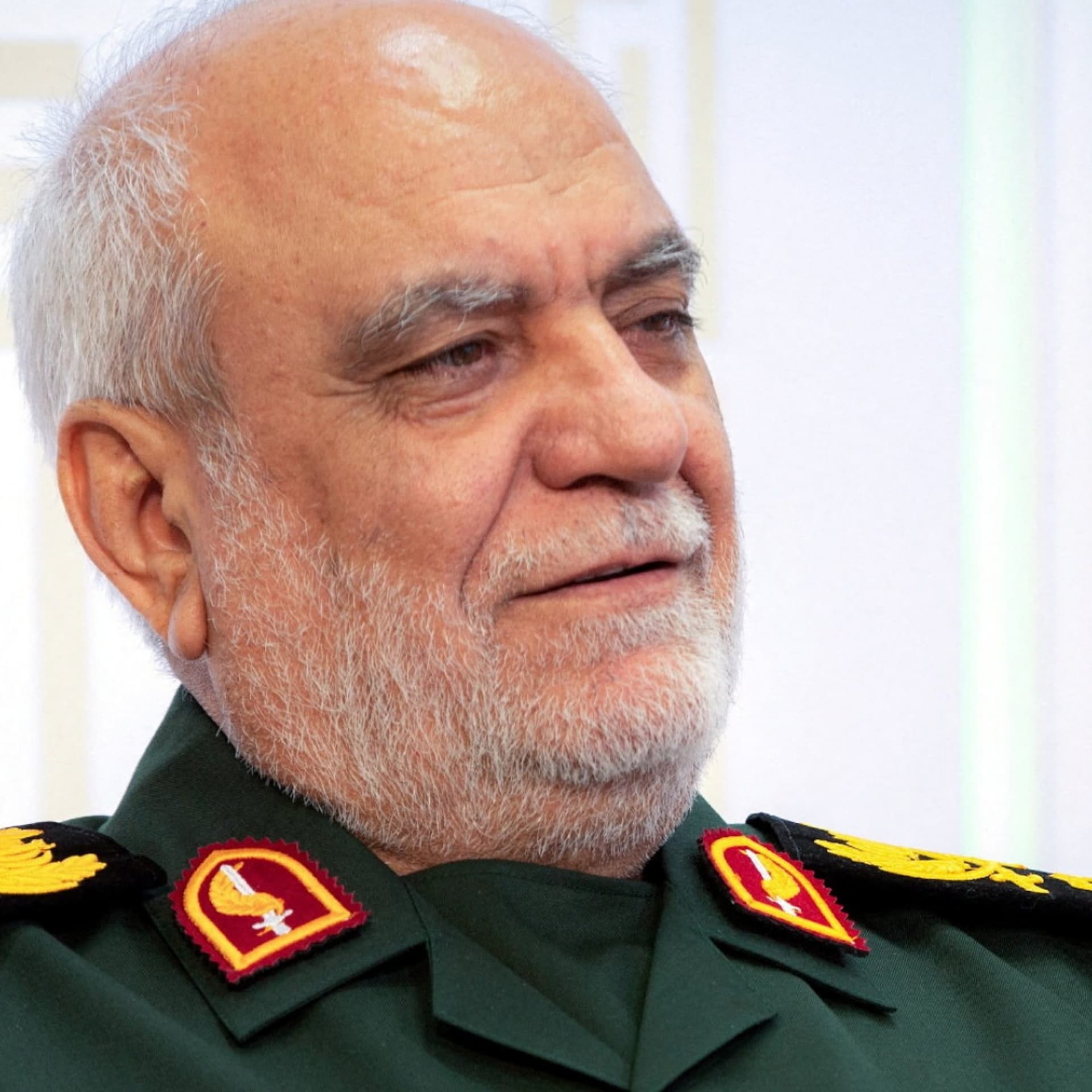
2:13But first, the clock is ticking and the threats are ramping up between Donald Trump and Iran. With the US president's deadline to open the Strait of Hormuz a matter of hours away, More on that in just a moment. First news that the intelligence chief of Iran's Revolutionary Guards Corps has been killed in a U.S.-Israeli airstrike, according to Iranian state media. The organization said General Majid Khademi was martyred at dawn. Israel has claimed responsibility, and Defense Minister Israel Katz says he was a key target. I was informed by the chief of staff that last night in Tehran, the IDF army eliminated Majid Khademi, head of the Revolutionary Guards Intelligence, one of the direct perpetrators of these war crimes and one of the top three officials in the organization.
3:04The Revolutionary Guards fire at civilians and we eliminate the head of terrorists. Iranian leaders live on a sense of persecution. We will continue to hunt them one by one. I got some analysis from Zia Gol of the BBC Persian Service. He was appointed to this post as a head of IRGC intelligence organization in June last year after his predecessor was killed in another strike by Israel during 12 days war in June. And before that, he was the head of counterintelligence in Revolutionary Guards. And I think he was close to Iran's former supreme leader, who was killed also on 28th of February this year.
3:46He has been appointed since then. And it seems on Monday at dawn, he has been targeted. And Iranian force news agency, which is the mouthpiece of Iranian Revolutionary Guards, has confirmed he has been killed. How much of a blow is this then for the Iranian regime, another senior figure and a growing list of leading regime figures targeted and killed by the US and Israel? Obviously, his organization was in charge of countering Spanish and spy agents around the country. I think he himself being killed, definitely adds a blow to the intelligence community inside Iranian regime. But having said that, we know in the past also whenever a commander of revolutionary guards are being killed immediately, in a short period of time, he has been replaced by another person.
4:33And in the past few weeks, it seems to me, the more hard line commanders are taking position after those commanders are being killed. When one is replaced, yeah. Exactly. That's interesting. And Iran's foreign ministry spokesperson, we're seeing reports coming through that Tehran are formulating some sort of a diplomatic response to the US, which they say they will announce in due time. That's something we're just seeing reported at the moment. But in terms of Iran standing firm despite pressure from the US and Donald Trump to open the Strait of Hormuz, how much will this death impact and weaken its resolve?
5:05I don't think the death of General Khademi has any impact on the negotiation or a peace plan. And we know there is a pressure from United States and also mediated by Pakistanis. They are hoping to persuade Iranians to agree to a peace plan, possibly open the Strait of Hormuz, and in 15 to 20 days, be able to talk to Iran, reach an agreement with the United States on nuclear program, and at the same time, to lift some sanctions against Iranians. But I think right now, Revolutionary Guards Commander are in charge, and I think they called a shot in the country. So far, at least we know the Iranian trying to depict this image that they are not in a hurry to agree to any peace deal.
5:45Just very briefly before you go, how crucial is it the role of Pakistan or any other intermediaries in trying to help resolve this conflict? Obviously, Pakistan is important. It's trusted by both sides. It seems to me the U.S. for the first time, President Trump trusting this Pakistani general, General Asim. And it seems also Egypt and Turkey are backing this peace process or peace plan. BBC Persians, J.R. Gore. Well, the Israeli defense minister also says they're continuing to strike Iranian infrastructure with full force, hitting the largest petrochemical facility in the country located in Islawiya, worth tens of billions of dollars to Tehran.
6:21It comes as Donald Trump is issuing threats of his own, saying the U.S. will target civilian infrastructure and will unleash hell if Iran doesn't open the Strait of Hormuz. Iran's deputy foreign minister says President Trump's threats constitute war crimes and says its retaliation will be devastating and widespread if the US and Israel were to strike civilian targets, according to state media. Well, over the last 24 hours, we've received messages from members of the public inside Iran. For their security, their words have been voiced up by our colleagues at BBC Persian. It feels like we're sinking deeper and deeper into a swamp.
6:58What can we do as ordinary people? We can't stop him. I keep thinking about a situation where in a month I'm sitting with my family with no water, no electricity, nothing, and someone blows out the candle and we go to sleep. We're worried about Donald Trump's threat to unleash all hell on Iran if Iran does not make a deal. We're stocking up on water and essentials. I don't see a bright future for Iranians at the end of this. With all these attacks, Iran won't be a place we can live in anymore. So many small businesses have already disappeared and the others will fade away too. So what hopes are there of a diplomatic solution to halt the escalation?
7:37Greg Karlstrom is the Middle East correspondent for the news magazine The Economist and he's in Doha. There is not much optimism which has been the case with every announcement of diplomacy between America and Iran over the past few weeks. As you say the idea is to start with an initial truce of a few weeks and buy some time for negotiations about a permanent ceasefire. This has been brought about by Pakistan essentially passing messages between the two sides. There aren't even proper talks going on between the U.S. and Iran. There's Pakistan playing a game of telephone here. But on the substance of it, the idea that Iran would reopen the straits in exchange for only a temporary truce, it's hard to see them doing that.
8:23The Iranians want to not only end this war, but secure some kind of guarantee that they won't be attacked again, either by America or by Israel. They view their control of Hormuz as essential to that. They're also hoping to monetize their control of Hormuz and turn that into a revenue stream by charging tolls on ships that use the waterway. And so to relinquish that control, to give up that very valuable card in exchange for only ending the war for a few weeks and a promise of negotiations that may not go anywhere for a permanent ceasefire, it's hard to see the Iranians agreeing to that. Greg Karlstrom of The Economist.
9:00And we have more on the main stories on our YouTube channel. Just search for BBC News on YouTube and you'll find Global News Podcast in the podcast section. Next, three people have been killed by a Russian drone attack on the Ukrainian city of Odessa, including a mother and her two-year-old child. That's according to the Ukrainian military. Meanwhile, more than 40 miners in occupied Ukraine have been trapped underground after their mine was hit. Here's our global affairs reporter, Paul Moss. The scenes from Odessa are horribly familiar. An apartment block in a residential area with part of its side completely destroyed.
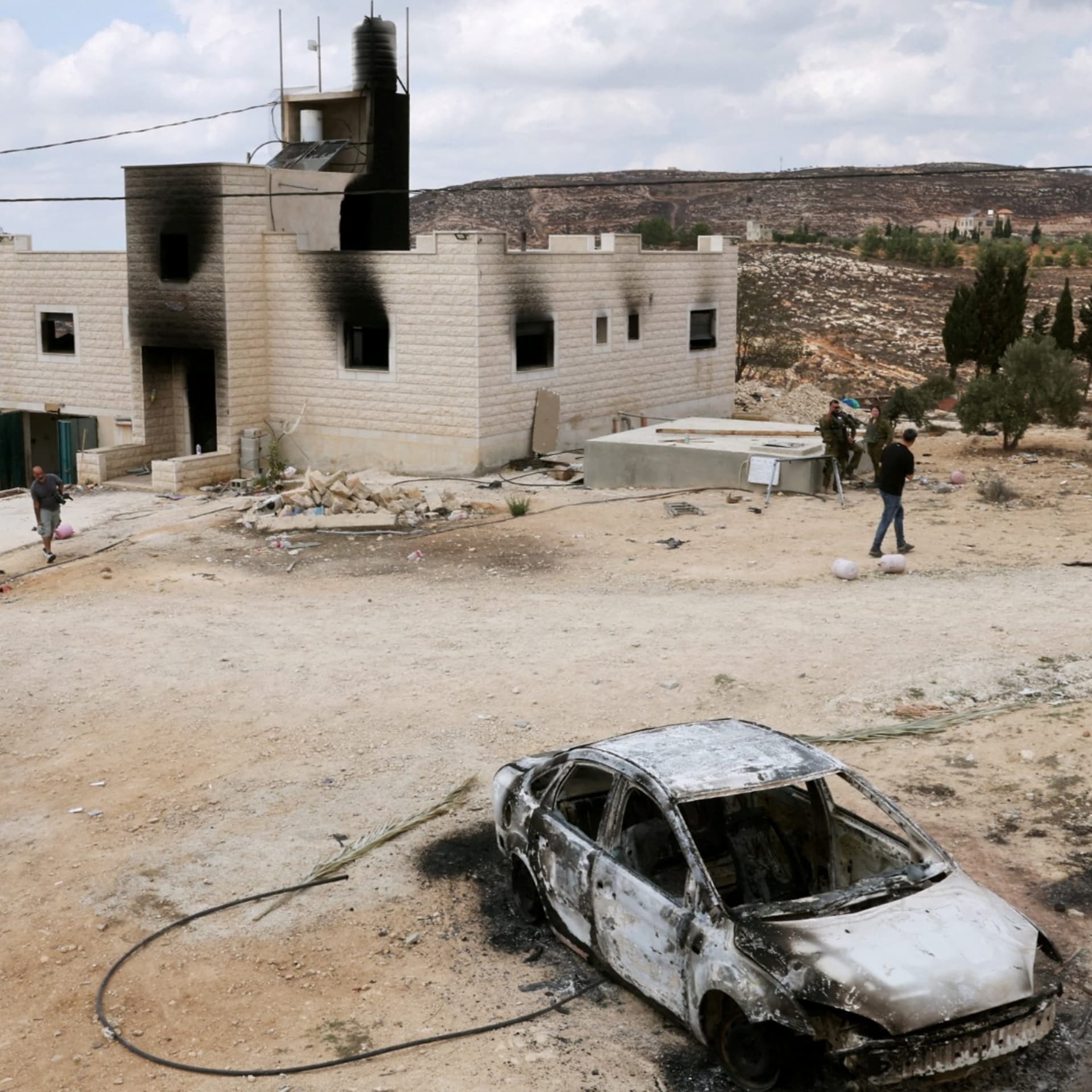
9:38The remains of a family home left dangling as firefighters anxiously search through the debris. Russia has recently stepped up its strikes on this key port, apparently trying to stop its continued use as an import-export hub from which Ukraine still manages to export its grain. But it's civilians who are bearing the brunt of these attacks. Three died in Odessa at the early hours of Monday morning. Speaking outside the destroyed building, the Orthodox Church Archdeacon Andril Palchuk described what happened as simply evil.
10:14On the eve of a great holiday such as Easter, he said, they continue to commit these acts and can't get enough of human blood. Ukraine has been striking back at Russia. The country's military said they'd hit a Russian warship in occupied Crimea, as well as a drilling rig. They also hit a coal mine in the Russian occupied region, the Donbass, according to local Russian installed officials. The latest reports say 41 miners have been trapped underground, but that rescuers have managed to make contact with them and supplied them with drinking water. Paul Moss reporting. While the casualties mount on both sides, Ukrainian theatre audiences are being treated to a unique experience, watching wounded army veterans who have never acted before performing a Ukrainian adaptation of Virgil's NA.
11:05The production offers injured soldiers, some with amputations and severe burns, an opportunity to bond, communicate and discover hidden talents after the horrors of war. Our correspondent, Paul Adams, has been to watch members of the Theatre of Veterans rehearsing for their next performance.
11:31On a Kiev stage, figures emerge out of a smoky haze. soldiers moving slowly, bowed down, burdened, thirsty, exhausted, fleeing war, searching for a place of safety.
11:47Their injuries aren't immediately obvious, but soon you see them, the prosthetics, the burned faces, the stumps where hands should be. The story is ancient, Virgil's wandering Aeneas, reimagined as a Cossack warrior by the Ukrainian poet Ivan Kotliarevsky at the end of the 18th century. But in this production, there's never any doubt about where we are. This is here. This is now. We join the cast for a midweek rehearsal. Theatre of Veterans is a remarkable organisation, giving soldiers who have experienced extreme physical and mental trauma a taste of life on the stage as an aid to recovery, acting as therapy.
12:32For each member of the cast, it's intensely personal. First of all, it's for rehabilitation, for mind, for soul, for body. Ivan Voinov was hit by a glide bomb in May 2024 near the city of Vovchansk, close to the Russian border. The explosion killed and wounded several of his colleagues. Ivan lost his left leg below the knee. He has two metal plates in his skull and a keen desire to see beyond his wounds. When we show this show, a lot of guys who are in war right now, they know after they're injured, it's not the end. Life keeps going and they all can do whatever they want.
13:22I think that I'm changing myself. Because all of us are changing because of something. Ina Korolenko's wounds are less visible. Months of ferrying dead and wounded soldiers from the front line and an explosion in her vehicle, which sent her to hospital for two months, left her traumatised and alone. This project was a very big chance for us to return to our life. Not too scared to say something to people about myself.
13:56Putting this inexperienced but enthusiastic cast through its paces is theatre director Olja Semyoshkina. She says it took time to coax the veterans out of themselves.
14:09The guys and girls came to us very withdrawn. We couldn't touch them. It was too much for them to handle. The first thing we did was establish contact. Then we started to trust each other and open up. We joke a lot. We crack some of the darkest jokes in rehearsals. The show has already played to enthusiastic audiences. Now they're taking it on the road around Ukraine. The veterans all play the same central character, Ene, a broken man going through hell looking for a place to settle. Somehow, through theatre, they've found it. I still don't think that I'm an actor. But step by step, we do something new in the theatre life of Ukraine.
14:59And to be a part of it, it's very cool.
15:09Paul Adams reporting from Kiev in Ukraine. Still to come in this podcast, NASA's Artemis II mission enters uncharted areas in space. the Orion spacecraft and its crew have officially entered the lunar sphere of influence the gravitational forces of the moon are now greater on the Orion spacecraft than that of earth
15:37you ain't heard about Moto Casino Moto has real Vegas slots any game you can find on the floor in Vegas you can play it on Moto I like my slots hot Moto's free to play like food stamps in line at the grocery store, at a funeral, in traffic, keep your eyes on the road, hop on Moto Casino. Moto Casino got jackpots that are bigger than my belly. Moto, America's hottest free-to-play social casino. Download the Moto Casino app today. Moto Casino is a social casino. We're prohibited. No purchase necessary. Visit Moto.us for more details. Moto Casino. America's social casino. Tyler Reddick here from 2311 Racing.
16:11Victory Lane? Yeah, it's even better with Chumba by my side. Race to ChumbaCasino.com. Let's Chumba. No purchase necessary. VGW Group. Void where prohibited by law. CTNCs. 21+. Sponsored by Chumba Casino. Hey, it's Ryan Seacrest for Jewel Osco. You don't want to miss the annual beauty event for big savings on all your favorite beauty products. Now through April 28th, spend$25 on participating products and save$5. Shop in store or online for items like Billy Women's Razors, Billy Body Buffer or Body Wash, Native Hand Soap, Neutrogena Makeup Remover Towelettes, and Q-Tips. And save$5 when you spend$25.
16:47Offer ends April 28th. Restrictions apply. Offers may vary. Visit JuleOsco.com for more details. Every soda next to Mr. Pibb got something to say. The classics reminisce about the glory days. The doctors giving a dissertation. The prebiotic bubbles giving TED Talks. Then there's Mr. Pibb. Sweet cherry up front. Bold ears on the follow. No pitch. No promises. Just bold cherry bringing the flavor. Some sort of top big, Mr. Pibb backs it up. Bull kick of cherry. And you're Mr. Pibb.
17:27You're listening to the Global News Podcast. To East Asia now, where tensions have been flaring between North and South Korea. In January, drones were launched from the southern side of the border into North Korea's airspace, with Pyongyang accusing Seoul of a serious provocation. South Korea's President Lee Jae-myung has now expressed regret to Pyongyang about the incursions, saying his government did not approve them. Mr. Lee said the reckless behavior of individuals had caused unnecessary military tensions. I spoke to our correspondent in Seoul, Jake Kwon, about North Korea's reaction to the drones.
18:03Pyongyang, I mean, they immediately condemned it. North Korea doesn't normally differentiate between action by the government and civilians, perhaps because there isn't much of a difference in North Korea, totalitarian society there. So when South Korea claimed that this was something that they didn't know about, this perhaps was by a civilian, North Korea didn't really believe it. Only when South Korea's ministry that deals with North Korea accepted responsibility and promised to never let it happen again, North Korea softened. And we heard from the North Korean leader's sister, Kim Yo-jong, who is really the de facto spokesperson, said she evaluates this message highly.
18:41But she also followed with the usual threat of retaliation in case of repeat offence. The South Korean government say they did not approve the drones. So who, in effect, launched them? So as far as we understand, there was a man in his 30s who is identified by his last name, Oh. And I spoke to a few people who do humanitarian activism regarding North Korea here. And they told me that Oh has been reaching out to them, has been hanging around the circle of North Korea analysts and NGOs. So he's someone who is very much interested in North Korea, whether that means trying to send leaflets over or simply learning about North Korea.
19:16And the investigation shows that Oh has been sending these drones over the border. And these drones are some of those that are sold in commercial market. You can buy them online and they would be taking pictures of North Korea. And there had been a few military officers and spy agency employees who gave him some advice or asked to see the footage afterwards. But the government investigation concluded that these officers acted on their own and there was no government involvement on the organizational level. What does the correspondence and also what's happened over the past few months say for the relationship between the two countries?
19:47Is it unusual for a South Korean president to directly express regret to Pyongyang like this? It is highly unusual for a South Korean leader to apologize to Pyongyang. Well, expressing regret, which is the lightest form of apology. And in fact, it's almost never done by either countries to express any regret. I think it appears weak to the voters or supporters at home and when the leader's core duty as the leader of the country that is technically at war. But South Korea is right now trying to thaw the tension. And this message really shows significant commitment by Lee Jae-myung to really build a good and better relationship with Pyongyang.
20:20Jae Kwon reporting from Seoul. Next, we head to space to check in on the progress of NASA's Artemis 2 mission. We recently received confirmation that the Orion spacecraft and its crew have officially entered the Lunar Sphere of Influence. That milestone taking place at a mission elapsed time of four days, six hours, two minutes and 54 seconds into the Artemis II mission. By reaching this milestone, it means that the gravitational forces of the moon are now greater on the Orion spacecraft than that of Earth. As you heard there earlier on Monday, the crew entered what's known as the lunar sphere of influence, where the moon's gravitational pull is stronger than Earth's.
21:00Now, the four astronauts have been preparing to fly the spacecraft around the far side of the moon, which will see them break the record for the furthest humans have ever travelled from Earth. Our science correspondent, Georgina Renard, told us more. I think this is the most exciting day of the 10-day mission, apart from the launch and the return. They'll get there closest to the moon during this flyby. They'll be 250 ,000 miles from our planet. And at the closest to the moon, they'll be about 4 ,000 miles from the lunar surface. But for about 50 minutes, they'll lose contact with Earth because the radio and laser signals that usually allow back and forth communication between the spacecraft and Earth will actually be blocked by the moon itself.
21:42So during those minutes, the astronauts will only have each other's company. it's been described by other astronauts who've lost contact with Earth as a moment of complete loneliness. They're at such distance from Earth, they can perhaps see it really, really far away, but also sometimes respite from the constant radio contact they have with mission control normally. Yeah, in a strange way, complete loneliness, but not entirely alone either as well. It's a unique experience, no doubt. And just reminds us of the purpose as well of flying all the way around the moon, especially on the far side which we don't know a great deal about so yeah the far side is much more mysterious region we never see it from earth it has a thicker crust than other parts of the moon and many more craters than the ones we were used to seeing when you know when we look up at the moon in the night sky so the crew will spend time taking photographs of the surface looking for unusual features making a note of anything they didn't expect to see it's not unexplored though So NASA is making a big deal of the astronauts seeing this area with human eyes.
22:45They'll be the first humans to see some firsthand. It's actually quite well mapped by robotic explorers, including one sent by India and China, who've even taken samples of that region. So not a new place to humans, but still somewhere, a place to discover new things. But it's also a place that countries might want to build a lunar base in the future or use some resources there like water to sustain a human presence. So strategically, it's very important for the US to understand more about it, because, of course, this Artemis mission is part of the global space race to reach the moon. And these countries want to reach Mars in the future after we get to the moon.
23:25Georgina Renard. India's border security force is considering an unusual method to combat illegal migration and smuggling. The government authority has asked local teams to look at the feasibility of deploying crocodiles and snakes along the India-Bangladesh border. Officials say criminals and smugglers are exploiting unfenced sections of the boundary. I spoke to our global affairs reporter, Ambarasana Thirajan, about this idea to use reptiles for border security. Usually when you talk about border security, you talk about cameras, infrared or high-tech gadgets. but now the Indian border force seem to be going back to one of the oldest techniques when people used to have crocs around the moat or the castles in the olden days.
24:11This border is about 4 ,000 kilometers. Two-thirds of it have been already fenced. The reason why it is triggering tensions between the two countries is because of what India says, human trafficking, smuggling of weapons, as well as drugs across the border. But some areas have not been fenced. They are unfenced because of the geography, rivers and marshy regions and swamps. So they want to release crocodiles and snakes in these areas. This plan has not been implemented, but one of the officers was saying there are many issues here. First of all, where can you obtain them? Where can you buy them?
Read the full transcript
24:46And second, what impact this will have on the ecology as well as for the local people. OK, it's a story you've covered before. How big an issue is this cross-border crime between the two countries? This has been a very violent area for many decades, and I was there about 15 years ago, reporting on the increasing number of border killings. Just listen to what I was saying in 2011. I'm right now on one of the most bloodiest borders in the world. Dozens of people, mainly Bangladeshi civilians, are killed along these border areas every year, and human rights groups in Bangladesh say about a thousand people have been killed in the last 10 years.
25:22This issue has got very little attention on the international media, I should say, because this issue has also triggered political tensions between the two countries about this, what India calls infiltration, whereas Bangladeshi human rights groups say many civilians are getting killed. And there have been a number of proposals how to reduce this illegal immigration between the two countries. And also it becomes an election issue. But many people would say, you know, even if you release crocodiles or even snakes along the border to deter these cattle smugglers and others. When one person whom I met in the border, he would always say, well, with the given and appropriate bribe, the borders are always open.
26:00Ambarasan Ethirajan. Highly exposed to volatile fossil fuel prices and intensifying climate change, island nations around the world are starting to ask, could they make a fortune from the gusty seas that surround them? Advances in offshore wind technology are prompting communities from the Channel Islands to Mauritius to consider whether they can become energy independent or even electricity exporters. But not everyone's convinced. Tyler Dunn reports from the Channel Island of Jersey, just off the northwest coast of France. Type Jersey into a search engine and there's a good chance you'll see an image of what I'm walking around at the moment.
26:41Corbier Lighthouse. It's a striking white lighthouse perched on jagged rocks at one end of a sweeping eight kilometre long bay. But this view could one day look quite different because early proposals for an offshore wind farm would see dozens of turbines, each reaching a maximum height similar to the Eiffel Tower, clustered in the sea about 15 kilometres south-west of it.
27:08Away from the coastline in the island's capital, St Helier, the logos of some of the world's biggest finance firms adorn the office buildings. I'm on my way to the quainter surroundings of the Royal Square, the location of Jersey's Parliament, where I meet the island's Environment Minister, Steve Luce. We think that we could return somewhere in the region of four times every pound we spend over the course of the wind farm, which is a considerable length of time, so we're looking 30, 40 years ahead.
27:41not everyone is blown away by the potential of making more than half a billion dollars down the road in St Helios harbour local fisherman Stephen Viney invites me onto his boat there's a lot going on with environmental impacts of fishing in areas that we're being displaced from it's a very worrying time because it seems that fishermen are being pushed to the side for big business. I've been in the offshore wind industry for about 18 years and I've been working across the world in offshore wind. This is Mark Laybourne. His company, Diner Energy, is based in Jersey and wants to develop the island's offshore wind farm.
28:18There's a big long list of islands that are looking at this, different levels of maturity. So we've got the Channel Islands very much moving ahead with offshore wind. Bermuda, Malta, also Mauritius, Sri Lanka as well. As we've seen in recent years with the macroeconomic shocks, we've seen islands that are really struggling to pay for their energy consumption because they're having to import it, we're seeing volatile prices, and they need security not only from their actual supply of energy but the cost of that energy as well. Mauritius is in the early planning stage of developing offshore wind.
28:51Professor Khalil Alahi from the University of Mauritius is the chairman of the country's Renewable Energy Agency. He says a wind farm could help cut the island's reliance on imported fossil fuels. We always have to add probably 10, 30, even say 40 % extra because if you do the project, for instance, a particularly large-scale project in China, or probably if you want to get more realistic posting in Europe or elsewhere, it's going to be less. But when you do try to do the same thing in Africa or in the context of a small island state, you do have additional costs to take care of. I think that we have challenges in terms of logistics.
29:30We have challenges in terms of transport. We have challenges in terms of capacity building and people who have to be trained in this area. Back here in Jersey, it occurs to me that islands have been buffeted by the will of larger nations almost as long as they've been buffeted by the wind. Whether they can harness the latter to become more independent, grow their economies, cut their emissions, would depend in part on them having the political will to take a risk and on a global industry outside their control. Tyler Dunn reporting. And that's all from us for now. If you want to get in touch, you can email us at globalpodcast at bbc.co.uk.
30:14You can also find us on X at BBC World Service. Use the hashtag globalnewspod. And don't forget our sister podcast called The Global Story, which goes in depth and beyond the headlines on one big story. This edition of the Global News Podcast was mixed by Charlotta Hadroj-Tojimska and the producers were Stephanie Tillotson and Oliver Berlau. The editor is Karen Martin and I'm Anka Desai. Until next time, goodbye.
30:46It's been over half a century since humans last travelled to the moon. Now, NASA's Artemis 2 mission hopes to change that. Four astronauts on a journey looping around the moon, which aims to take them further from the Earth than anyone has ever got before. I'm space scientist Maggie Adairin, and in this special new season of 13 Minutes, the BBC Space Podcast, we're telling you the story of Artemis II as it happens. Joining me is the astronaut Tim Peake. We're bringing you the inside story of every moment of the mission and chatting with some of the people making it possible. So buckle up for 13 Minutes presents Artemis II from the BBC World Service.
31:31Listen now, wherever you get your BBC podcasts.
From the publisher
The intelligence chief of Iran's powerful Revolutionary Guards Corps, general Majid Khademi, has been killed in a US-Israeli air strike. An Iranian statement said he'd been "martyred" in an attack at dawn. His unit had been accused by the United States of violently suppressing anti-government protests in January. Israel has claimed responsibility for the strike, and defence Minister Israel Katz says general Khademi was a key target. Also, NASA's Artemis Two mission has crossed a key threshold in space on its journey to slingshot around the Moon - the lunar "sphere of influence". It means the Moon's gravitational pull now takes over the trajectory of the Orion spacecraft. And India's Border Security Force has asked security officials on the border with Bangladesh to look at the feasibility of deploying crocodiles and snakes to prevent illegal migration and smuggling.
The Global News Podcast brings you the breaking news you need to hear, as it happens. Listen for the latest headlines and current affairs from around the world. Politics, economics, climate, business, technology, health – we cover it all with expert analysis and insight. Get the news that matters, delivered twice a day on weekdays and daily at weekends, plus special bonus episodes reacting to urgent breaking stories. Follow or subscribe now and never miss a moment.
Get in touch: globalpodcast@bbc.co.uk