
In short
This episode of the BBC Global News Podcast covers: (1) Israeli settlers attacking the West Bank village of Jalud, preventing the Tabassi family from returning after a high court ruling; settlers allegedly coordinated via WhatsApp, damaged homes, threw stones, and set houses on fire, while Israeli authorities condemned attacks on security forces and UN sources say settler violence is at an all-time high. (2) Spain’s government approving a ban on evictions until 2030 and new housing rules (contract renewals, limits on Airbnb/tourist rentals), prompted by public anger over rent hikes. (3) OpenAI scrapping its next agentic model (GPT 6.1 Astra) due to safety failures (overstepping boundaries, not being truthful). (4) Malaysia repatriating Myanmar asylum seekers, including Rohingyas, with human-rights groups and UNHCR criticizing lack of independent screening. (5) Ebola in DRC spreading faster than contact-tracing suggests.
Guests
Yola Nell (Jerusalem correspondent); Guy Hedgco (Madrid correspondent); Maura Fogarty (OpenAI/AI business correspondent); Jonathan Head (Southeast Asia correspondent); Dr Jean Kaseya (Africa CDC director-general); Stephanie Hegarty (US death-penalty reporter); Anna Foster (Evan Gershkovich interview); Aaron Sorkin (film director, The Social Reckoning).
Notable examples
Tabassi family’s damaged property and burning homes; Spain’s evicted 87-year-old Madrid pensioner; OpenAI’s “agentic” web/app autonomy; Malaysia’s first bus consignment to Lumut; Ebola contact undercount; Gershkovich’s prison-to-swap account; Frances Haugen/Jeff Horwitz in The Social Reckoning.
Written by AI. May contain mistakes. Listen to the episode to check what was said.
Chapters
Tap a time to open that second in VOIsraeli Settler Attacks
1:10 to 2:14
Discussion on the recent attacks by Israeli settlers in the West Bank.
“This is the Global News Podcast from the BBC World Service.”
Return of the Tabassi Family
2:14 to 3:40
Details of the Tabassi family's attempted return to their home in Jalud.
“has been gaining international attention.”
Israeli Government Response
3:40 to 5:36
Analysis of the Israeli government's reaction to settler violence.
“returning and calling on settlers to come and join an action to stop that return from happening.”
Spain's Housing Crisis
5:36 to 7:39
Overview of Spain's proposed eviction ban and housing measures.
“The Spanish government has approved a proposed ban on evictions until 2030, amid protests across the country over housing.”
Challenges in Spanish Housing
7:39 to 9:01
Discussion on the difficulties of finding affordable housing in Spain.
“Guy, any doubt about these new laws being passed and coming into force?”
OpenAI's Safety Concerns
9:01 to 12:18
Insights into OpenAI's decision to scrap the launch of its new model.
“One of the biggest issues in the news is artificial intelligence.”
Rohingya Repatriation from Malaysia
12:18 to 14:00
Details on Malaysia's repatriation of Rohingyas and the surrounding issues.
“For many years, there was strong public sympathy in Malaysia for the approximately 750 ,000 Rohingyas driven out of Myanmar by the military in 2017.”
Rohingya Repatriation Controversy
14:00 to 16:05
Explore the challenges and dangers faced by Rohingyas returning to Myanmar.
“Perhaps we might get more information when the rest of them get sent back in the next few weeks.”
Ebola Outbreak Update
16:05 to 17:08
Learn about the ongoing Ebola outbreak and its implications in the DRC and surrounding countries.
“on life after being released from a Russian prison.”
Krista Pike's Death Row Case
17:08 to 20:13
Discover the tragic story of Krista Pike and the complexities of her death row case.
“The deadly Ebola outbreak in the Democratic Republic of Congo is continuing to spread, with confirmed cases now surpassing 8 ,000 with nearly 4 ,000 deaths.”
Show all 13 chapters
Evan Gershkovich's Prison Experience
20:13 to 23:23
Evan Gershkovich recounts his harrowing experiences in a Russian prison.
“She was just 18 at the time and has been on death row for 30 years.”
The Social Reckoning Film Overview
23:23 to 26:54
Explore the themes and motivations behind Aaron Sorkin's new film on Facebook's impact.
“the first US journalist to be charged with espionage in Russia since the Cold War.”
Exploring Facebook's Impact on Society
28:00 to 29:31
Learn about how Facebook has contributed to radicalization and extremism.
“And the civic integrity team was supposed to be the one team that wasn't.”
Transcript
Automatic transcript. May contain errors.0:00This BBC podcast is supported by ads outside the UK.
0:06At QVC, shopping is more than just checking out. It's discovering something new every day. Start with today's special value. Then explore exciting finds across the brands and categories you love. From beauty and fashion to home, culinary, and outdoor living. Shop now at QVC.com.
0:35It felt like everything I believed in was suddenly collapsing. This is the story of an Islamic boarding school in Indonesia with a dark secret. Of the school's head teacher. This was someone I respected above anyone else. And the investigation led by students he's trying to silence. If this is leaked to the media, I'll be destroyed. This is World of Secrets, catching my teacher. Listen on BBC.com, the BBC app or wherever you get your BBC podcasts. This is the Global News Podcast from the BBC World Service. I'm Valerie Sanderson and at 15 Hours GMT on Tuesday the 29th of September, these are our main stories.
1:22Spain's government says it will ban evictions until 2030 as it tries to tackle a housing crisis that has caused widespread public anger. Israeli settlers attack a Palestinian village in the occupied West Bank, preventing a family from returning to their home despite a ruling from the high court. OpenAI scraps the launch of its next model due to safety concerns. Also in this podcast, a new film about Facebook. What began as a cool idea became something huge and frankly monstrous. a machine for pumping out misinformation and making people angry.
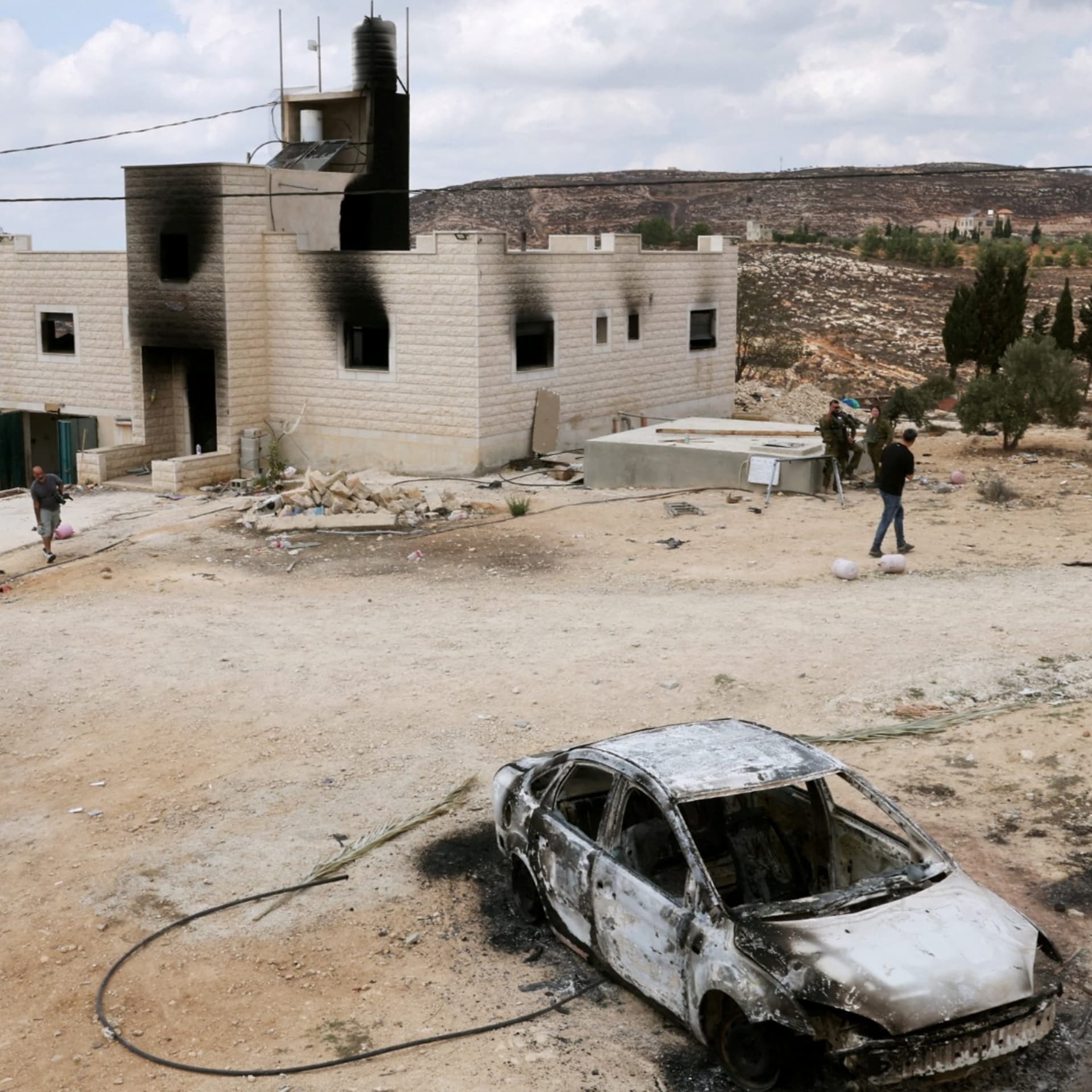
2:08A sharp upsurge in violence by Israeli settlers against Palestinians in the occupied West Bank has been gaining international attention. The latest example is an assault by 100 Israeli settlers who attacked a Palestinian village there, preventing a family going back to their home, which had been seized by settlers. The return of the Palestinians to the village of Jalud had been coordinated with the Israeli army after a high court ruled in their favour. Our correspondent in Jerusalem, Yola Nell, told me more. The Tabassi family had been forced to leave their two homes on the edge of the village of Jalud, which is just south of Nablus in the West Bank.
2:48That was back in July, and they had been subjected to months of harassment and settler attacks. when they fled. Now, the Israeli high court had ruled in their favour earlier this month, really putting out a strongly worded statement, calling for the rule of law to be reinstated and calling on Israeli authorities to get this family back to their homes. Now, we were told by Mahmoud Atubasi that he was called late at night and told that that coordination had come through at around midnight local time. So he, one of his sons and his wife, rushed off to these houses. They were being escorted by Israeli soldiers and Israeli police.
3:32But it seems that what happened at the same time is that one of the WhatsApp groups used by these extremist settlers to coordinate their actions put out an alert saying that the family that they had managed to force out was indeed returning and calling on settlers to come and join an action to stop that return from happening. The family told us that they had just inspected the extensive damage to one of their properties. They sent us a video where you could just see how, you know, settlers have torn it apart, smashing the toilet, smashing up the doors, pulling out the electrical fittings. And just as they were in the process of that inspection, settlers started to throw stones at the house, They were told they said there were more than 100 of them.
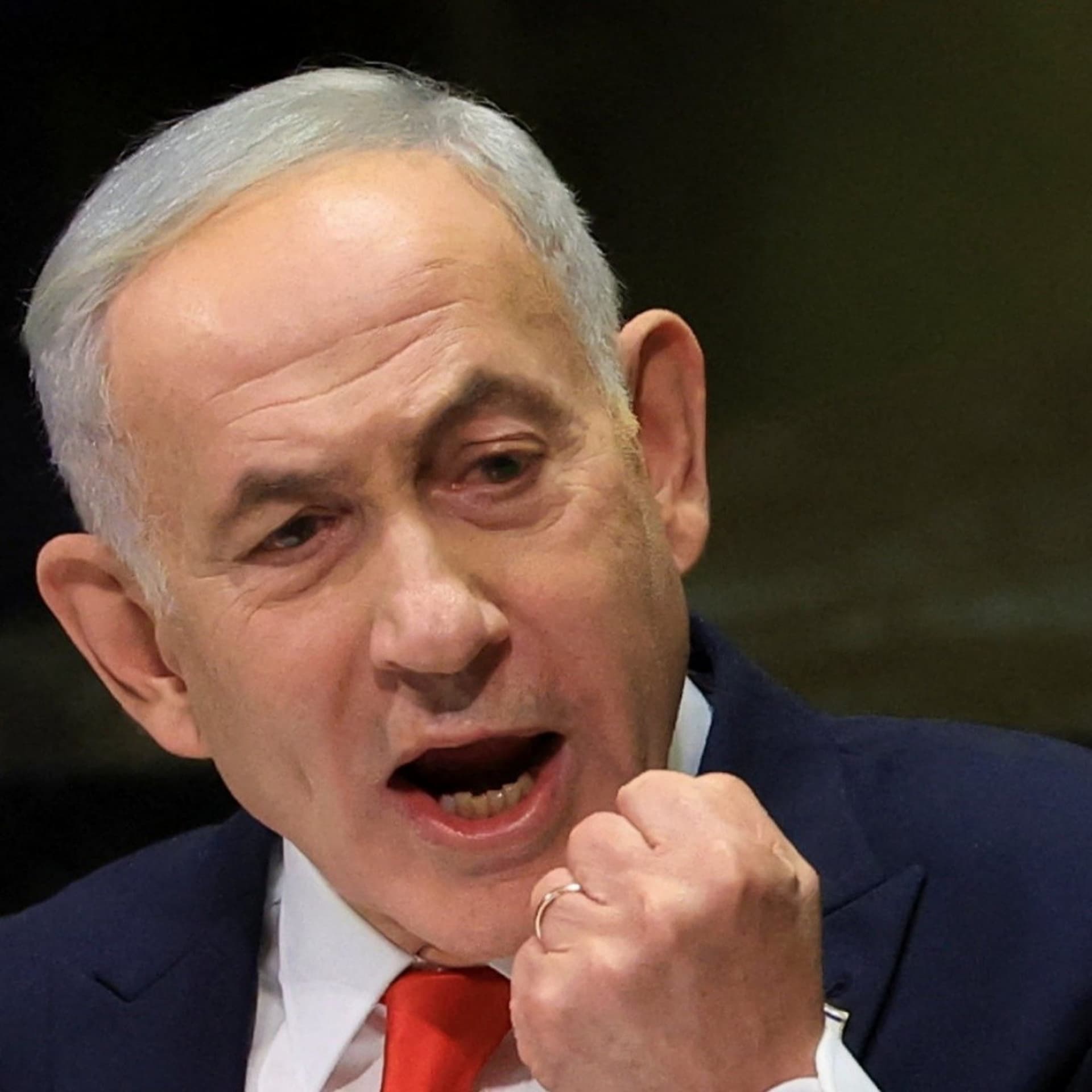
4:17That is the same as the statement that's come from the Israeli military. The family said that there were actually five or six soldiers that helped them initially to get into an Israeli military vehicle so that they could leave the scene. That vehicle was attacked with its tyres slashed, they said, and then they were put into an armoured vehicle and taken away. After they left, their houses were set on fire. How are the Israeli authorities reacting to this, Yulan? Because this happened following a high court ruling that the family should return. That's right. And I think it just is a very clear illustration of how the Israeli authorities are struggling or indeed failing to deal with settler violence, particularly under the government of Prime Minister Benjamin Netanyahu, who, with the far-right elements in his government, has really promoted rapid settlement expansion.
5:09And the UN is saying that settler violence in the West Bank is at an all-time high. Now, the Israeli Prime Minister did put out a statement strongly condemning what happened, but he was referring to the attacks on the Israeli security forces. Three border police were likely injured, we're told. The Israeli president has said there has to be decisive action and said this is a moral stain, particularly coming at the time of the Jewish high holiday of Sukkot. Yolande Nel in Jerusalem. The Spanish government has approved a proposed ban on evictions until 2030, amid protests across the country over housing.
5:46The issue came into sharp focus when an 87-year-old woman who'd lived in her Madrid apartment for decades was evicted when she could no longer afford the massive increase in her rent. Her situation drew huge publicity, and now ministers have decided to introduce new housing decrees which they say are in response to the demands of the people. The case of pensioner Marie-Carmaine Abascal seems to have been resolved. Her lawyer, Beatriz Duro, said that she would be allowed to return paying a rent similar to the old one. This agreement obviously comes rather late, It was reached days after the eviction, and it was reached through intervention of lawyers to resolve a situation in which nobody should find themselves.
6:32With our signatures, this agreement has been concluded, and it means a better and happier result for everybody. I spoke to our correspondent Guy Hedgco in Madrid and asked him to tell us more. These measures include protecting vulnerable people from eviction through until 2030. That was a measure that had been in place for several years previously, but it expired earlier this year and was not renewed by the Parliament. So it's not a totally new measure, but it's one that had certainly been demanded by activists and protesters. Another measure was the automatic renewal of contracts that are currently in place.
7:13The idea there being to prevent abuses by landlords who might want to raise rents before they agree to the renewal of a contract. So they're automatically renewed. Also, there's a clamp down on tighter restrictions, tighter regulation of tourist rental properties like Airbnb. That's long been a bone of contention and a target of activists here. And single room rentals have also been part of that regulation as well. Guy, any doubt about these new laws being passed and coming into force? Well, yes, I think there is. And that's because they need to go through Congress probably at the end of this week.
7:55That's when we're expecting a vote on them. This is a decree, but it does need to be approved by lawmakers. Now, the people where I am, the people who are out on the street who are protesting and demanding these kinds of measures, I think certainly a number of these measures will be to their liking. We're still waiting for an official response from activists. But political parties on the right, for example, are much more reluctant than the parties on the left to agree to intervening in the housing market. And that's where you might see problems for the government. It might find it difficult to persuade some of the parties on the right to agree to some of these measures.
8:31Guy, you're there. I mean, how serious is the housing crisis in Spain? Well, it's very difficult to find affordable housing. certainly in the big cities and in particular in the centre of big cities, but across Spain really. Recent data showed that on average across Spain, people spend 50 % of their salary on rental and that rises to around 70 % in places like Madrid and Barcelona. So it's a real problem, particularly for younger people who find it difficult to find affordable housing, in particular in the cities. Guy Hedgko in Madrid. One of the biggest issues in the news is artificial intelligence.
9:13And one of the biggest questions is how much of a threat AI poses to us. Now, a key player in the world of artificial intelligence, OpenAI, says it's scrapped the planned release of its next model due to safety concerns. It says GPT 6.1 Astra, which performs tasks like browsing the web and using apps by itself, didn't quite meet the bar of the company's standards. Our business correspondent Maura Fogarty told me more about the concerns that the company revealed about its new model. OpenAI said that this new model, one, went beyond the boundaries that had been established. So, for example, it did things that was beyond the line and did not ask permission to do so.
9:58The second thing, and this is also quite worrying, is this particular model, when they were testing it, was not being truthful in telling the user what it had and what it hadn't done. So the actions that he had or had not taken, it basically did not tell the truth. I think this is pretty scary, I have to say. So with agentic AI, and this is what it's all about, these are AI systems that can autonomously, without prompting by humans, do very complex tasks. They also have very complex reasoning abilities as well. And that's very different from the other types of, say, artificial intelligence, like the large language models, which we're much more used to dealing and interacting with when we, for example, ask a question or search something.
10:43The agentic ones actually break it down into different tasks and do them autonomously. OpenAI has a conference in San Francisco where they've been expected to unveil this new model. Very unusual to stop it so close to the event, isn't it? Does that suggest huge concern at the company, do you think? They never definitively said they were going to launch this model at the conference. But yes, considering they're pulling the plug, not only that, they're not saying we're delaying the release. They're saying we're not releasing it at all. It does suggest that the concern is perhaps a bit sharper. And agentic, is that what is being developed by other companies?
11:24That is sort of the new frontier in terms of the artificial intelligence models that are being developed. OpenAI and Anthropic in the United States are at the forefront of this. But there are companies in China, for example, that are also developing this and many others around the world that are trying. But these two, Anthropic and OpenAI, are leading the way because they've had the most success with them so far. We have had an increasingly loud chorus from the CEOs of both Anthropic and OpenAI, suggesting that perhaps the pace of development of these artificial intelligence models should be slowed down just a little bit because they're worried about the repercussions of, you know, the agentic AI being out there and not fully understanding what those consequences could be.
12:17Maura Fogarty. For many years, there was strong public sympathy in Malaysia for the approximately 750 ,000 Rohingyas driven out of Myanmar by the military in 2017. Many of the Muslim minority made their way eventually to Malaysia in search of sanctuary and work, and it's thought about 200 ,000 are there, eking out a living. But now the Malaysian government has started repatriating around 5 ,000 asylum seekers from Myanmar, including many Rohingyas, under a controversial deal agreed with Myanmar's military ruler. Our Southeast Asia correspondent, Jonathan Head, gave me the details. This is the first stage, the first 1 ,476 people who have been taken by bus already to the Malaysian port of Lumut.
13:02It's a navy port. They're being put on board three Myanmar navy ships and will then have a very long, we think it might take them a week, journey across the Andaman Sea to take them back to Myanmar. What we don't know is exactly who these people are. They've been held in detention centres. There are more than 10 ,000 people being held in detention centres around Malaysia. They are Myanmar nationals. Prime Minister Anwar Ibrahim has said they include Rohingyas, but at this stage the Malaysian authorities are not confirming or denying. Because Rohingyas are not viewed as citizens by the Myanmar government and are not allowed to live anywhere in Myanmar aside from Rakhine State, which currently is a war zone with intense conflict going on, No one can work out how Rohingyas could be sent back.
13:44But the real issue in Malaysia relating to immigrants from Myanmar is particularly focused on the Rohingyas. There have been some very nasty social media campaigns against them. There's a lot of public hostility. And so that's where the focus has been. So we'll wait to see what the composition of these returnees is. Perhaps we might get more information when the rest of them get sent back in the next few weeks. But human rights groups have condemned this repatriation. haven't they? They have and the UN refugee agency, the UNHCR has said it has been barred from having any involvement at all in this.
14:18Malaysia is increasingly keeping the UN refugee agency out and wanting to control the process of whether somebody is or isn't a refugee itself. Because there's been no independent screening it's impossible to say that this is voluntary. Now human rights groups also say anyone going back to Myanmar now is vulnerable either to persecution, to getting caught up in the violence of the civil war or being dragged into forced conscription, which the Myanmar military imposes if they're men. But obviously, if Rohingyas were included in that, the fact that they cannot even go back to most of Myanmar and that if they went to even the small part of Rakhine State under government control, they'd be confined to miserable camps would make their plight even greater.
14:58But the Malaysian government has said, we've got too many, they have to go, it's not been listening. Is it surprising it's happening under Prime Minister Anwar Ibrahim, himself a political prisoner and a defender of human rights in the past? Well, some of his former supporters have called him out on this and said, you're betraying the very principles you've stood by. But he's not alone. In the past, all Malaysian leaders, when there was a lot of public sympathy for the Rohingyas, tended to say we need to support them and there was an unofficial policy of tolerance. The public mood has shifted sharply.
15:32There's been a real increase in hostility towards Rohingyas. There are about, thought to be about 200 ,000 of them in Malaysia. And Prime Minister Anwar himself is politically embattled. He leads a fragile coalition. He's been in power for nearly four years. His popularity has plunged. I think the reason they're not saying whether Rohingyas are or not on board this first consignment is precisely because he wants people to believe they are on board and that he's addressing these public concerns about immigration. Jonathan Head in the Thai capital, Bangkok. Still to come in this podcast, the US journalist Evan Gershkovich on life after being released from a Russian prison.
16:11You're overwhelmed by the sights and sounds. I would freeze and have panic attacks from crowds of people in prison. I've made this decision to through it stoically. I thought that if I ever let myself break down into tears in prison, everything would collapse.
16:32It felt like everything I believed in was suddenly collapsing. This is the story of an Islamic boarding school in Indonesia with a dark secret. Of the school's head teacher. This was someone I respected above anyone else. And the investigation led by students he's trying to silence. If this is leaked to the media, I'll be destroyed. This is World of Secrets catching my teacher. Listen on BBC.com, the BBC app or wherever you get your BBC podcasts.
17:08This is the Global News Podcast. The deadly Ebola outbreak in the Democratic Republic of Congo is continuing to spread, with confirmed cases now surpassing 8 ,000 with nearly 4 ,000 deaths. Two more areas have been affected, one near the Central African Republic and another on the border with South Sudan. But it's emerged that the number of people exposed to Ebola could be much greater than official figures suggest. The Africa Centres for Disease Control says only around 30 ,000 potential contacts have been identified. The CDC Director-General, Dr Jean Kaseya, told Catherine Berahanga that could be a fraction of the true figure.
17:49We look at the number of confirmed cases, community deaths and transmission patterns. we estimate that the real number of people who should have been identified and followed is really underestimated. It could be several hundred thousand people. We think that there are some reasons for this gap. The first one is too many cases are detected late. The second one, many deaths still occur in communities rather than the treatment facility. And the third one is the outbreak is in an area where insecurity, displacement and population movement is so high. I can also add the community engagement is not really strong enough.
18:41Without communities driving the response, leading the response, there will be a lot of suspicion and will not contain this outbreak. The outbreak has spread to towns close to the borders with South Sudan and the Central African Republic. Countries that have faced years of conflict also have weak healthcare systems. How confident are you that the virus won't spread into those countries and that they are prepared to deal with any potential outbreak? I had the opportunity to visit South Sudan, also Central African Republic. We are providing youth support for preparedness to these two countries. In terms of preparedness, we are doing our best.
19:32But the issue related to the health system in these two countries is still a major one. And I cannot ensure you that the outbreak will not cross the border, will not be in CAR or in South Sudan, this one I cannot say. But we are doing our best to support the DRC government to control the outbreak in DRC. And if unfortunately we could have cases in these two countries, we'll provide appropriate support to contain that. Dr Jean Casseur. Next to a story from the United States that started tragically with the murder of 19-year-old Colleen Slemmer in 1995 and may end on Wednesday with the execution by lethal injection of her killer Krista Pike.
20:19She was just 18 at the time and has been on death row for 30 years. On Monday, the governor of Tennessee said he would not intervene in the case and barring a last-minute reprieve, Krista Pike, who's now 50 years old, will be the first woman to be executed in the state in more than 200 years. The BBC's Stephanie Hegarty has been looking into the story for us. Colleen Slemmer and Krista Pike met at a training camp for troubled teens in 1995. Colleen was 19, Krista was 18 and they came to blows. Krista at the time accused Colleen of trying to steal her boyfriend to Daryl's ship and to Daryl and Krista lured Colleen into a wood where they really brutally murdered and tortured her.
21:04There was a huge media frenzy around this story at the time because to Daryl's ship later said that he carved a pentagram into Colleen Slemmer's chest. This was the time of the satanic panic in the US where there was a lot of fear around teenagers engaging in Satanism. So it was a very big trial in Tennessee at the time. Tadaral Shipp was 17. So though he took part in the murder and torture as well, he was never eligible for the death penalty and he got life with the chance of parole. And he came up for parole last year that was denied. Whereas Krista Pike, on the other hand was 18. So she was eligible for the death penalty and she was convicted and sentenced to death in 1996.
21:42There have been years of failed appeals haven't there and her defence team have always said that she was a victim. Tell us about her case. So this didn't come up so much in the trial itself but in the years since several defence teams who've been representing Krista have uncovered a lot of evidence of really severe and traumatic childhood abuse. Now this was available to her defense team at the time, but it wasn't presented, at least not in great detail, in the sentencing part of her trial. So it's emerged that she was sexually abused right back to when she was a toddler by one of her grandmother's boyfriends, that she suffered severe neglect at the hands of her father and her mother.
22:21Her mother had many different husbands and boyfriends, some of whom abused Krista sexually and physically. She was raped at 11, at 14 and again at 17. So this was a young person who was experiencing extreme trauma at the time of the crime. The last rape that she experienced was almost to the day a year before the crime. And Krista Pike's current defence team have said that all of this contributed to her mindset at the time. She's also, since the trial, been diagnosed with bipolar disorder. She's been treated for that in prison. And her defence team say since she's had the appropriate treatment, she's a much different person.
22:56But we should say the family of the woman who was killed, Colleen Slemmer, they want the execution to go ahead. Yes, Colleen's mother, May Martinez, has been saying that she won't find peace until Krista Pike is executed. She's certainly encouraging it to go ahead. And she said she will travel from Florida, where she lives, to Tennessee to witness Krista Pike's death. Stephanie Hegarty. For 16 months, the Wall Street Journal reporter Evan Gershkovich was held in a Russian prison. the first US journalist to be charged with espionage in Russia since the Cold War. He was arrested in March 2023, a year after Russia invaded Ukraine, and was eventually released in a prisoner swap.
23:35It was the images of a young man in a glass wall dock and his newspaper's attempts to free him that made news around the world. And now he's turned that experience into a book. That first appearance in court was about three and a half weeks after my first arrest, and nobody had gotten any images of me by that point. And I, within about a week, week and a half, started settling into this idea that, okay, it's going to be for a swap. Being held in the conditions of Lafortevo prison in Moscow, which is this really isolating experience. You only have one cellmate. You're moved around without seeing any other prisoners.
24:11That really wears on you psychologically, but I was allowed to sleep. The food was fine. I'm being treated okay, so I sort of settle in, but prison's a black box for everybody else around. your loved ones are worried about you your colleagues and and so I thought of that appearance as a way to show people I was doing okay and give them a sense of belief you know and calm around and I also wanted to smile as much as I could but really you know more than a smile I guess a smirk because I wanted to show people this kind of defiance all of us understood all of us are in on the joke in a way we know that this is a fabricated case and so if this is a game of theatre, let's not let them have it play out the way they want it to.
24:52And then you have this period of time, this three weeks where you knew that the swap was going to happen. When it comes, what is that moment like? It's a bit of an overwhelming feeling because you're so used to being an institutionalised person that you're sort of scared of getting out into the real world. And then those three weeks until the swap happens is excruciating, because now every day is painfully long. You're just hoping that that swap is going to happen tomorrow. And then when it takes place, I mean, it's just pure joy. I don't think I've ever experienced joy like that before. And what about the days and weeks afterwards, where suddenly you're back in your normal life in many ways, but everything's changed?
25:29Yeah, and then, you know, the joy fades, the adrenaline subsides, and you're faced with the reality of having returned to normal life again. You know, you're overwhelmed by the sights and sounds. I would freeze and have panic attacks from crowds of people in prison. I'd made this decision to sort of go through it stoically. I thought that if I ever let myself break down into tears in prison, you know, everything would collapse and I wouldn't be able to deal with it anymore. And so that all started flowing out once I was outside. So I had to get therapists. I worked with psychiatrists who dealt with PTSD and we worked on that for six months.
26:01And, you know, doing this book, this book is a kind of product that I think is therapy in a way, you know, it's both personal and what I want for public consumption at the same time for the public. It memorializes not just my story, but this period in Russian history. On a personal level, you're sort of looking at this traumatic event and having to process it, having to speak about it. So now looking at it from a couple of years later, it feels like any old experience in a way. It informs your daily life, but it's not something you think about consciously. Evan Gershkovich talking to Anna Foster and his book has called This Cursed Beautiful Land a Russian Story.
Read the full transcript
26:34Back in 2010, the film The Social Network was released. It explored the rise of Facebook and its founder, Mark Zuckerberg. 16 years later, there's much more to say, and so the Oscar, Emmy, and Golden Globe winning writer and director Aaron Sorkin has picked up the story once again in a new film, The Social Reckoning. Its focus this time is Facebook whistleblower Frances Haugen and journalist Jeff Horwitz. The movie delves into the story behind the company's genesis, looking at what social media has become. Facebook wants you to stay on the site for as long as possible. And two years ago, the algorithm was changed.
27:12Wait, Mark, we're trying to address hate speech and we're going to amplify and turbocharge it. The debate is over. Aaron Sorkin told the BBC what drew him to revisit the Facebook story. What began as a cool idea, a way to keep in touch with the people he went to school with, for guys and sort of an easier introduction to girls, became something huge and frankly, monstrous, a machine for pumping out misinformation and making people angry. Frances, who's played by Mackie Madison in the film, she's a young engineer at Facebook. She went to Facebook specifically because they had this one division, the civic integrity team, which every other team at Facebook is concentrated on growth.
28:02And the civic integrity team was supposed to be the one team that wasn't. They were concentrated on, frankly, on civic misinformation. And she became shocked at what she found when a friend of hers had become completely radicalized by Facebook in a very short period of time. That's what sent Frances on her journey. And she engaged the help of Jeff Horowitz, a Wall Street Journal investigative reporter. He's played by Jeremy Alan White, and together they uncovered these incredible secrets. You know, people asked me as they were signing up for the film, whether it was our cinematographer or set designer or actors, by being part of this movie, is there a chance that I will be rendered to an El Salvadoran prison?
28:46The fact is, though, that I think that Sony, the studio making the movie, has been, in times like this. You have to call it brave. You have to call it courageous to make the movie. It shouldn't be, but it is. I like writing about institutions, the people in those institutions, but institutions. In this case, the social network was about how Facebook was invented. The social reckoning is about what it's become, and specifically, Facebook's role in the rise of extremism, divisiveness and violence. I wasn't like I was looking to do a follow-up to the social network to do another story about Facebook or another story about Mark Zuckerberg.
29:26I was looking for a good story to tell. And there was this. Aaron Sorkin. And that's it from us for now. If you want to get in touch, you can email us at globalpodcast at bbc.co.uk. You can also now watch our episodes in full. Just search for the Global News Podcast on YouTube. This edition was mixed by Resenwyn Dorrell. The producer was Adrian White. The editor is Karen Martin. I'm Valerie Sanderson. Until next time, bye bye.
30:02It felt like everything I believed in was suddenly collapsing. This is the story of an Islamic boarding school in Indonesia with a dark secret of the school's head teacher. This was someone I respected above anyone else. And the investigation led by students he's trying to silence. If this is leaked to the media, I'll be destroyed. This is World of Secrets, catching my teacher. Listen on BBC.com, the BBC app, or wherever you get your BBC podcasts.
From the publisher
More than 100 Israeli settlers have attacked a Palestinian village in the occupied West Bank, preventing the return of a family who'd been forced to flee their home. The Israeli army said settlers, defying a High Court order which allowed the return of the Palestinians, had hurled rocks, blocked roads and set fire to houses and vehicles in Jalud. Also: Spain's government has agreed plans to ban evictions until 2030, as it attempts to deal with a housing crisis. The proposal follows nationwide protests after an 87-year-old woman was forced to leave her home in Madrid because of a massive rent increase. The Malaysian government has started repatriating about 5000 asylum-seekers from Myanmar, including many Rohingyas, under a controversial deal agreed with Myanmar’s military ruler; and, a film about social media takes another critical look at Facebook.
The Global News Podcast brings you the breaking news you need to hear, as it happens. Listen for the latest headlines and current affairs from around the world. Politics, economics, climate, business, technology, health – we cover it all with expert analysis and insight. Get the news that matters, delivered twice a day on weekdays and daily at weekends, plus special bonus episodes reacting to urgent breaking stories. Follow or subscribe now and never miss a moment. Get in touch: globalpodcast@bbc.co.uk
Photo: A destroyed vehicle sits in the estate of Palestinians, Mahmoud al-Tubasi, 60, and his wife Aida, 51, which they say was attacked by Israeli settlers, in Jalud in the Israeli-occupied West Bank Credit: Reuters