
In short
Global News Podcast Summary
Episode Title
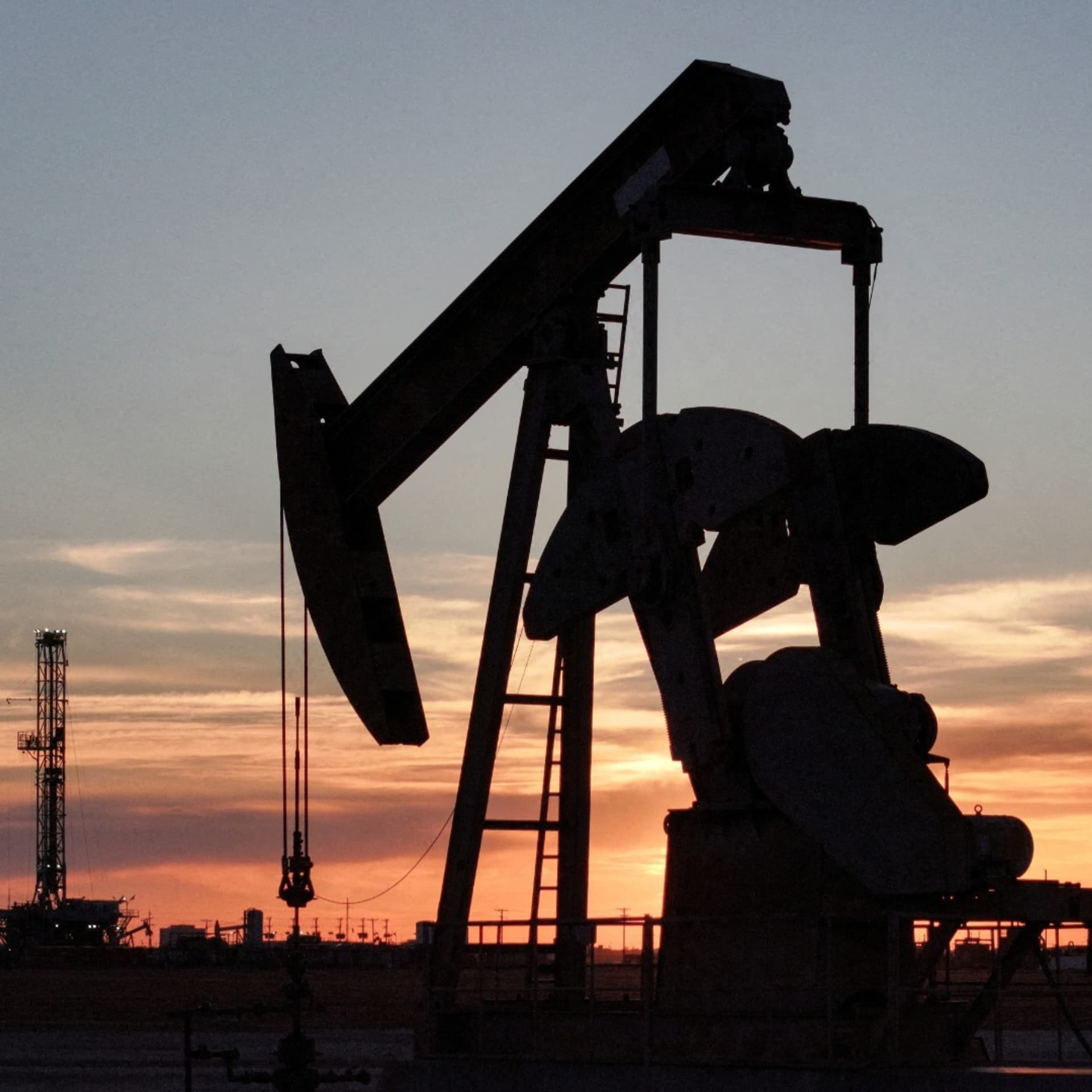
Oil Price Drops After Trump Hints at Short Iran War
Date
March 10, 2023
---
Main Topics Covered
- U.S. Relations with Iran
- President Trump indicates a potential for a shorter military conflict with Iran, impacting global oil prices.
- The U.S. military actions continue against Iranian forces, with a focus on keeping oil supplies flowing.
- Trump aims to reassure markets and limit the disruption to global trade.
- Impact of Oil Prices
- Following Trump’s comments, oil prices drop initially but show signs of rising again.
- Stock markets show positive responses after Trump's reassurances but remain volatile.
- Conflict in Lebanon and Israel
- Israel intensifies military operations against Hezbollah, targeting financial institutions linked to the group.
- Displacement of thousands of Lebanese citizens due to ongoing hostilities.
- Iranian Women’s Football Team
- Five members granted humanitarian visas in Australia amid fears of persecution upon returning to Iran.
- The athletes faced backlash for their silent protest against the Iranian regime during a match.
- AI Firm Anthropic Lawsuit
- Anthropic sues the U.S. government after being labeled a supply chain risk by the Trump administration.
- The lawsuit highlights tensions between technological ethics and military contracts.
- Winter Paralympics
- Russia wins its first gold medal since the end of a state-sponsored doping ban, raising questions about future participation in international sports.
- Death of Alexander Butterfield
- The former White House aide who revealed Nixon's secret recording system during the Watergate scandal has passed away.
---
Detailed Insights
U.S. Relations with Iran
- Trump's Statements:
- Claims that military objectives are near completion with a focus on undermining Iran's naval capabilities.
- Reiterates commitment to prevent disruptions in oil supplies from the Strait of Hormuz.
- Market Reactions:
- Initial drop in oil prices followed by recovery as uncertainties about the conflict persist.
- Global economies, especially in Asia, are bracing for rising fuel prices and implementing price control measures.
Conflict in Lebanon
- Military Actions:
- The Israeli military continues strikes in Lebanon, targeting Hezbollah.
- Reports of widespread civilian displacement, with many seeking refuge in Beirut.
- Humanitarian Impact:
- UNICEF reports over 700,000 displaced individuals, emphasizing the dire humanitarian situation.
Iranian Women’s Football Team
- Rescue and Asylum:
- Five players escape their handlers to seek asylum in Australia, raising concerns about repercussions for their families back home.
- Reactions:
- Activists and former athletes express solidarity and pride in the players' bravery amidst oppressive political conditions.
AI Firm Anthropic Lawsuit
- Context:
- Anthropic's refusal to comply with military contract demands leads to substantial legal ramifications.
- Implications:
- The case may redefine the relationship between AI companies and military applications, stressing the need for ethical considerations in wartime technologies.
Winter Paralympics
- Symbolic Victory:
- Russia's first gold medal represents a complex return to international sports following previous sanctions.
- The reaction to the medal ceremony highlights ongoing scrutiny over Russia's global presence in sports.
---
Key Takeaways
- Geopolitical Dynamics: The U.S. and Iran's interactions continue to affect global oil markets and stock responses.
- Human Rights Concerns: The plight of the Iranian women's football team underscores the intersection of sports and political oppression.
- Legal Precedents: Anthropic's lawsuit may set critical legal precedents for tech firms navigating government contracts and ethical dilemmas.
- International Sports Landscape: Russia's return to the Paralympics raises questions about accountability and the future of sports governance.
---
Contact Information For more insights or to share thoughts on the podcast, reach out via email at [globalpodcast@bbc.co.uk](mailto:globalpodcast@bbc.co.uk). Follow on social media using the hashtag #GlobalNewsPod.
Written by AI. May contain mistakes. Listen to the episode to check what was said.
Chapters
Tap a time to open that second in VOTrump's Comments on Iran and Oil Prices
1:21 to 2:16
Explore President Trump's comments and their effects on global oil prices.
“I'm Celia Hatton, and in the early hours of Tuesday, the 10th of March, These are our main stories.”
Military Strategies and Oil Supply Concerns
2:16 to 4:19
Discussion on Trump's military strategies and their implications for oil supply.
“Those comments led to a surge in the price of oil and a drop in stock markets across the world.”
Trump's Vision for Iran's Future
4:19 to 5:48
Analysis of Trump's vision for Iran post-conflict and his military objectives.
“naval escorts for shipping in the area, the deployment of U.S.”
Global Market Reactions to the Conflict
5:48 to 9:50
Overview of how global markets are reacting to the ongoing conflict and oil prices.
“David, I mean, we've heard a lot of different messages about the US military objectives.”
Impact of the War on Civilians
9:50 to 11:12
A report on the humanitarian impact of the war on civilians in Lebanon.
“with powerful explosions echoing across the capital, Tehran, at the very start of the 11th day of hostilities.”
Iran Women's Football Team Visa Situation
15:24 to 18:00
Discussion on the Iranian women's football team's humanitarian visas and safety concerns.
“After days of speculation about their safety, five members of Iran's women's football team have been granted humanitarian visas by Australia.”
Interview with Sardar Pache
18:00 to 19:28
Sardar Pache shares his thoughts on the courageous decisions of the Iranian athletes.
“As their coach departed the hotel, local Iranian activists chanted, Save Our Girls, with some of the players seen putting their hands over their ears.”
Athletes Under Pressure in Iran
19:28 to 22:58
Discussion on the difficult decisions athletes in Iran face regarding safety and freedom.
“But I think those five athletes who decided to stay, that was a very courageous decision.”
Anthropic vs Trump Administration
22:58 to 24:49
Overview of the legal battle between Anthropic and the U.S. government over AI restrictions.
“Sardar Pache, Iran's former world youth wrestling champion and national wrestling coach, who fled Iran in 2009 after criticizing the government.”
Russia's Return to Paralympics
24:49 to 27:39
Discussion on Russia's first gold medal win at the Paralympics post-doping ban.
“But the White House has said that under the Trump administration, you know, the military will obey the Constitution.”
Show all 11 chapters
Alexander Butterfield and the Watergate Tapes
28:01 to 29:19
Learn about the key role Alexander Butterfield played in the Watergate scandal and the installation of Nixon's secret recording system.
“And to end this edition, the White House aide who revealed the existence of President Nixon's secret recording system in the Watergate scandal has died at his home in San Diego at the age of 99.”
Transcript
Automatic transcript. May contain errors.0:00This BBC podcast is supported by ads outside the UK.
0:30companies don't just start here, they grow here. Not culture or business, culture and business. Puerto Rico. It's not what's next, it's where. Visit investpr.org forward slash business.
1:00wealth solutions to help meet your unique needs. With award-winning service, low costs, and transparent advice, you can manage your wealth your way at Schwab. Visit schwab.com to learn more. This is the Global News Podcast from the BBC World Service.
1:21I'm Celia Hatton, and in the early hours of Tuesday, the 10th of March, These are our main stories. President Trump says the war in Iran will end soon, but not this week. Global oil prices fall in response to Mr. Trump's comments. Israel continues to strike targets across Lebanon with links to the Iran-backed group Hezbollah. Also in this podcast, Russia wins its first Winter Paralympic gold medal under its own flag since 2014.
1:58Starting with the U.S.-Israel war with Iran. Over the last week or so, President Trump has said many things about his objectives for the war and how long it will take to achieve them. Before, he said the military campaign could take some time and the biggest strikes in the war were still to come. Those comments led to a surge in the price of oil and a drop in stock markets across the world. Mr. Trump now appears to have changed his tune. In a media briefing, he suggested the U.S. had nearly completed its military plan for Iran. We're achieving major strides toward completing our military objective.
2:38And some people could say they're pretty well complete. We've wiped every single force in Iran out very completely. Most of Iran's naval power has been sunk. It's on the bottom of the sea. It's almost 50 ships. I was just notified it's 51 ships. He also addressed concerns about Iran's chokehold over oil supplies. Tehran has, in effect, closed the Strait of Hormuz by making it too dangerous for ships to pass through. The U.S. president threatened to bomb targets in Iran that the U.S. has so far avoided, such as electricity infrastructure, if tankers could not pass through the waterway. We're also focused on keeping energy and oil flowing to the world.
3:27And I will not allow a terrorist regime to hold the world hostage and attempt to stop the globe's oil supply. And if Iran does anything to do that, they'll get hit at a much, much harder level. I will take out those targets that were easy and that I mentioned just before. We'll take them out so quickly they'll never be able to recover, ever. So is this change of tone by Mr. Trump driven by the rise in the price of oil and the disruption to stock markets? Our North America correspondent is David Willis. Donald Trump claims, Celia, that he knew oil prices would go up if he launched this attack on Iran.
4:05They've gone up less than he thought they would, he added at that news conference today. But he is clearly determined to limit the disruption to global trade that could result from a long-term blockage of the Strait of Hormuz. And he's offering U.S. naval escorts for shipping in the area, the deployment of U.S. minesweepers, even U.S. underwritten political risk insurance for those vessels that are wary of navigating that vital waterway. And he made the point that because the United States now has access to Venezuelan oil, following the capture of Venezuela's former leader, Nicolás Maduro, and is now the U.S.
4:49almost self-sufficient when it comes to oil and gas, any such blockade would affect other countries such as China more than it would the United States of America. But he does want this war to end, does Donald Trump. And at the press conference today, he almost seemed to me to be willing its conclusion, because this is a man, after all, elected on a promise to keep America out of so-called forever wars in remote corners of the world. He doesn't want to see prices go up in the run up to the midterm elections in November. But there are a lot of mixed messages coming from the administration over this conflict with Iran.
5:31And President Trump told CBS News that the war was pretty much complete before telling journalists later in the day that the U.S. was winning decisively but hadn't won enough and was still looking to achieve what he, the president, called the ultimate victory. Celia. David, I mean, we've heard a lot of different messages about the US military objectives. Did the president lay out a vision for Iran's political future? Not much. He did make plain, though, that his view of the Iran of the future, if you like, does not include the newly elected supreme leader, Mottaba Khamenei, as head of state. He, of course, is the son of the previous Iranian leader.
6:15And Mr. Trump has called his appointment disappointing. He said he would like to see someone more amenable to the United States in place in Iran and asked at today's news conference if the administration had plans to take Murtaghfirullah Khomeini out. He said he didn't want to get into that, but he did add that he was disappointed because we think it's going to lead to just more of the same problem for the country, said Mr Trump. David Willis. If President Trump was concerned about the rising price of oil and wanted to bring it down with his words, then that plan seems to have worked. I spoke to our business correspondent Nick Marsh in Singapore and began by asking him if oil traders had been reassured that the war won't disrupt oil supplies.
7:06Yes, I think they have to a certain extent. at least temporarily. But I'm just taking a look here now, Celia. The price of Brent crude does seem to be climbing up again. It dropped significantly after President Trump made those comments and markets on Wall Street, for example, and out here in Asia in the morning responded pretty positively. But it's climbing up. It's around$94 a barrel, which is still significantly higher, by the way, than before this war, this campaign was launched by the US and Israel. But it just goes to show, doesn't it, words can move markets, but also the facts on the ground can also influence markets as well.
7:47And in spite of the fact that Donald Trump made those assurances that the war would come to an end very soon, he talked about naval escorts getting ships through the Strait of Hormuz, things like that, the facts on the ground haven't actually changed. The war as it stands is still continuing. Neither side looks like it wants to back down and nothing is going through the Strait of Hormuz. The war could go on for some time, couldn't it? Are countries prepared for this if it does happen? Ordinary people in real life are already feeling the effects outside of the Middle East. Petrol prices are up pretty much everywhere you look.
8:22Out here in Asia, governments are already looking at things like price caps. Thailand's brought one in. South Korea's brought one in. There has been some panic buying in parts of Indonesia. I saw some in Pakistan as well, where schools are closed. The president of the Philippines, I saw, has told civil servants to switch to a four-day working week to try and save fuel. So governments out here are looking at the here and the now. They're trying to bring in temporary measures. No one really knows what's going to happen long term. But the real effects are starting to be felt in an area, let's not forget, where the vast majority of that oil and gas is supposed to be headed.
9:0390 % of what goes to the Strait of Hormuz comes to economies out here in Asia. So it's no surprise that people are feeling the effects on the ground, even after 10 days of this war having been launched. And just briefly, what about stock markets? How have they been doing so far? So we saw big losses yesterday in Japan, for example, in South Korea. They are regaining some of those losses. They were up quite sharply at the beginning of the morning. The KOSPI was up about 6%, the Nikkei around 4%. That's been scaled back a little bit. I'm looking at 2 % in Japan and 3 % in South Korea. So a rise, definitely.
9:43But again, every day something different changes. And even within the day, things can change quite quickly. Nick Marsh. Staying with the war, the United States and Israel have continued their bombardment of Iran with powerful explosions echoing across the capital, Tehran, at the very start of the 11th day of hostilities. Iran has again been retaliating, firing missiles and drone against its Gulf neighbors, including Bahrain, which has reported another fatality. Israel has also experienced further attacks. Meanwhile, the Israeli military has continued to strike targets across Lebanon, including financial institutions with links to the Iran-backed group Hezbollah.
10:24Tens of thousands of people have now fled the fighting. Many of them have been arriving in the capital, Beirut. Our correspondent, Wira Davis, is there and sent this report. This is the Rene Mowad State School in Beirut. You can probably hear children playing, kicking balls in the background, but they're not pupils here. These are children who've come here with their families from southern Beirut and from southern Lebanon. They've been displaced by the war. Now, there are five, one, two, three, four, five stories in this building. Every single classroom is full of children, full of families. So they've had to, on the ground floor down here, they've had to put up tents to accommodate the families.
11:06Virtually every school in Beirut now is full of families just like these. The UN Children's Agency, UNICEF, says that 700 ,000 people, including 200 ,000 children, have been forced to leave their homes under the threat of Israeli evacuation orders. Ahmad El Halabi, a technician and father of two from the Dahiya area of South Beirut, had to flee here with his extended family in the middle of the night as missiles were hitting nearby.
11:39We were running away from the bombing. There is no safety. I have little kids and the living conditions were already bad. You can only imagine how it is during wartime. I just want to keep my kids safe. Israel is expanding the scale and the scope of its campaign in Lebanon, not only targeting Hezbollah's leaders and fighters. Later, we went on to the site of an airstrike against a bank, a financial institution called Al-Kharr Al-Hassan in South Beirut. At least five of the bank's offices in the capital have been destroyed today. Hezbollah says it's a bank that provides financial and social services to clients across the country.
12:21But Israel accuses it of directly financing and funding Hezbollah's military activities in Lebanon and beyond. We're a Davis. Still to come in this podcast, the AI firm Anthropic says it's suing the U.S. government after the Trump administration designated the company a supply chain risk.
12:51Notice how some homes sell faster in your neighborhood? It's not luck. It's local know-how. Now, Remax agents know their streets, schools, and communities inside and out. And with Remax, those local pros are everywhere. Which means when you're ready to buy or sell, you'll get trusted neighborhood insight that puts you a step ahead. Reach out today. Remax. The experts close to home. Each office independently owned and operated. You know that wellness goal you set at the start of the year? It's not too late to stick with it and make your future self proud. especially with the all-in-one nutrition shake from Cachava.
13:30With 25 grams of protein, 6 grams of fiber, greens, adaptogens, and more. No fillers, no nonsense, just the highest quality ingredients. Stick with your wellness goals. Go to cachava.com and use code NEWS for 15 % off. That's K-A-C-H-A-V-A dot com, code NEWS. Finding great candidates to hire can be like, well, trying to find a needle in a haystack. Sure, you can post your job to some job board, but then all you can do is hope the right person comes along. Which is why you should try ZipRecruiter for free at ZipRecruiter.com slash zip. ZipRecruiter doesn't depend on candidates finding you. It finds them for you.
14:12Its powerful technology identifies people with the right experience and actively invites them to apply to your job. You get qualified candidates fast. So while other companies might deliver a lot of hay, ZipRecruiter finds you what you're looking for. The needle in the haystack.
14:56Join host Katie Milkman, an award-winning behavioral scientist and author of the best-selling book How to Change, as she shares true stories from Nobel laureates, authors, athletes and everyday people about why we make the choices we do and how to make better ones to help avoid costly mistakes. Listen to Choiceology at schwab.com slash podcast or wherever you listen.
15:23This is the Global News Podcast. To Australia now. After days of speculation about their safety, five members of Iran's women's football team have been granted humanitarian visas by Australia. The team had been accused of treason by supporters of the Iranian regime after all the players refused to sing the national anthem before their opening match at the Asian Cup last week. They were eliminated from the tournament on Sunday and were due to fly home. But as they continued to gather attention, supporters grew increasingly worried they'd face punishments from Tehran when they arrived home. The BBC's Katie Watson is on the Gold Coast.
16:04She actually saw the five women leaving the oversight of their handlers and crossing over to take refuge with the Australian authorities. When I spoke to Katie, she told me how this all began. When they remained silent in their opening match against South Korea, it was a bit of a statement. Certainly some people I've spoken to since then were very surprised in the Iranian community that they did that because they knew it would be a big step. But what was interesting, the subsequent two matches, they then did take part in the national anthem. So there were concerns from people here in the Iranian and Australian community that they had perhaps been forced to comply and there was pressure on them from the delegation.
16:43and in that delegation there are people within the regime. So there were huge fears about their safety if they went back to Iran, but also if they felt that they might want to seek asylum here in Australia, what would that mean for their families back in Iran? So this whole conversation kind of snowballed over the course of a week. And then, I mean, I'm at the hotel now where the women's team is. The majority of them are still here, but those five did escape the hotel. In fact, I saw it happen. But it was a very odd situation where there were some activists talking to some players. It was all very informal, but it was such a kind of engineered process.
17:27They then walked out of the lobby. And at that point, there was the Australian Federal Police who then took them to a safe location. But it didn't take long for suddenly I saw several people from the delegation run across the lobby, go down a stairwell trying to get hold and try and find these players who had disappeared, but to no avail because they were taken to a safe place. Their visas have been issued and the Australian government has said that they ensure that the women are safe and offered that support to any remaining players who wanted. Katie Watson on the Gold Coast. While the other Iranian team members have now boarded a bus, they're thought to be heading for the airport, the start of their journey back to Iran.
18:07As their coach departed the hotel, local Iranian activists chanted, Save Our Girls, with some of the players seen putting their hands over their ears. The Iran women's football team are not the first Iranian athletes to get caught up in a controversy after protesting against the regime. Sardar Pache is a former world youth wrestling champion and national wrestling coach. He fled Iran in 2009 after criticizing the government. He's now based in the U.S. and is the head of a human rights organization called HIWA. He spoke to Leila Nassu and began by giving his reaction to the women's decision to stay in Australia.
18:47This is very good news. And I'm proud of this brave woman because that's not an easy decision, especially when you are in that situation. I know a lot of athletes have been in that place and they debate themselves that what is the right decision because you leave your country behind, your family behind, and it's very difficult. But I'm proud of them. I think this is a good thing. And the whole point was Australian government give this opportunity to these athletes so they make a decision about their future. Either they want to stay there or they want to go back. I'm sure both cases are very stressful.
19:26You really don't know what the right decision is. But I think those five athletes who decided to stay, that was a very courageous decision. And I'm very proud of them. And I just want to send this message to them if they hear me. You know, people are proud of you. Your people look at you like your hero. And this is a whole new world in front of you. So keep continuing and you're a champion for your whole people. You yourself have had some experience of making a decision to leave Iran after being under pressure for speaking out against the government. Does this take you back to when you had that choice before you?
20:08Oh, absolutely. You know, each time you ask yourself when you go back, was it the right decision or not? Because you don't see your family. Me, myself, my both parents passed away two years ago. I could not go back to their funeral because I would be arrested. So these are like difficult times in your life that you face or, you know, you miss all of your city, your hometown, your people, you want to be there. But when your government forced you to go in that situation to make a difficult decision, leave everything behind, that's kind of like affect all of your life. But when I go back and with all of the pain, all of the wound, I still proud of my decision.
20:55I think I could make a platform for my people, for those athletes that don't have a voice and outside of the world to tell the people, this is what kind of regime we are facing. This is what look like, even as an athlete, and nothing is normal. And this is why the world should support those brave women, brave people, and also stand against that barbaric regime. It seems like from some of the reports that we're getting from Australia, that the women had to actively escape their handlers or the people that were with them in order to get to a safe place before making this decision and having that confirmed by the Australian government.
21:40Can you just give us a sense of how difficult that might have been, the sort of structures and restrictions that are in place on athletes competing internationally for Iran? Yeah, before, you know, talking to you just a few minutes ago, I saw the picture of one of the members of either intelligence agency or revolutionary guard with this team in Australia. It again, reminds me their face, how they talk and speak to these people. They break their dignity, humiliate them and also controlling them. As an athlete, you're not allowed to go out to dance, to drink, you know, and you have been watched.
22:22I remember they were walking behind our doors overnight so no athlete go out. And so they treat you like a slave. And especially for women, it's worse. So when there are situations, athletes make decisions because of all of that pressure, it's very difficult because you have to find the time at the midnight or like these athletes to just sneak away and find a safety place to be safe, to go introduce themselves to police. So not an easy situation, but as I said, I'm proud of these brave athletes. Sardar Pache, Iran's former world youth wrestling champion and national wrestling coach, who fled Iran in 2009 after criticizing the government.
23:08Let's bring you the latest chapter in the ongoing battle between the AI developer Anthropic and the Trump administration. In a first for an American firm, Anthropic has announced it's suing the U.S. government for calling it a supply chain risk. That's after the company refused to update its contract with the U.S. Department of Defense. The Pentagon wanted to use Anthropic's technology without any restrictions for things like mass domestic surveillance and fully autonomous weapons. Our North America technology correspondent, Lily Jamali, told me more. Well, this case is significant because it could really affect the way that artificial intelligence models are used on the battlefield in these very sensitive military contexts.
23:52So you mentioned Anthropic refused to update this contract that it had with the U.S. Department of Defense and that Anthropic refused to grant unfettered access to its AI models. So about two weeks ago, Pete Hegseth, the secretary of defense, told Anthropic it needed to remove any restrictions by a deadline that he gave them if it wanted to keep doing business with the military. That deadline passed. Anthropic did not capitulate. And right around the time of the deadline, President Trump accused Anthropic of being what he called a radical left woke company, saying you wouldn't let it dictate how military operations are done.
24:28One, Anthropik's lawsuit today accuses the administration basically of blackballing them, trying to destroy its economic value as an enterprise, and that it did so in Anthropik's telling of things on ideological grounds because the administration just doesn't like this company. So we heard any response from the government? Well, the Pentagon are not offering comment right now because this is now in inactive litigation. But the White House has said that under the Trump administration, you know, the military will obey the Constitution. And a spokesperson actually said and will not abide by any woke AI companies terms of service.
25:06So there again, you have that term woke. There is a real ideological lexicon being deployed here. Pretty clear they're digging in for a fight. And what about other U.S. tech companies? Are they signing contracts with the Pentagon? They are. And for the same kind of work that Anthropic has been doing in these classified military settings, this is work that is basically done to try to analyze data, to sort it. Intelligence agencies end up collecting a lot of this stuff. So you have XAI run by Elon Musk now getting into this type of work, as well as OpenAI, the maker of ChatGPT. Lily Jamali. At the Winter Paralympics in Italy, Russia has won its first gold medal since its state-sponsored doping ban came to an end.
25:55Victory for skier Varvara Voronchikina meant the Russian national anthem was played and its flag raised at the medal ceremony, a symbolic win for Russia, ending its Paralympics exile. Oliver Conway heard more from BBC Sports' Katie Fulkingham in Cortina. This was obviously the day that we had been anticipating the first Russian gold at the Paralympics since 2014. For Ronja Kina, she'd won bronze on Saturday for Russia's first medal of the Games and then won the Super G today. It was quite an eerie moment as she was announced as Paralympic champion. A real silence kind of dropped over the crowd.
Read the full transcript
26:29You could almost hear a pin drop, that type of silence. It was almost as if everyone was anticipating a reaction, but there wasn't really one. Nothing really happened. There was just some polite applause. And then, yeah, it was quite surreal hearing that anthem and seeing the flag raised. And just remind us of why Russia was banned and why it's been allowed back. Yes, the first after Sochi in 2014, there was the massive state-sponsored doping scandal that came to light. And then on the eve of the Winter Paralympics in 2022, of course, Russia invaded Ukraine. And the IPC had no choice but to ban Russia from those games and the games going forward.
27:06But that ban was put in place not because of the invasion itself, but more because the IPC felt Russia was using its athletes. and the Games as a bit of a propaganda tool. Now they don't think that's the case. And so in September last year, the General Assembly of the IPC voted to allow them back in. And yeah, six Russian athletes are here in Italy. Now, this is the Paralympics, not the Olympics. But will this win and medal ceremony today, will it pave the way for Russia to compete in Olympics and indeed other sports? It's hard to say, really. It kind of feels as if there will be a lot of eyeballs on these games.
27:42It's almost a guinea pig event, seeing how they go, seeing what the reaction's been. And that might inform decisions going forward. Last month during the Olympics, IOC President Kirsty Coventry, she said that sport is for neutrals and athletes shouldn't be held back by the politics of their country. But that would certainly be a huge decision for the IOC to make. Katie Fulkingham. And to end this edition, the White House aide who revealed the existence of President Nixon's secret recording system in the Watergate scandal has died at his home in San Diego at the age of 99. Alexander Butterfield oversaw the installation of the secret taping system, which the president ordered for the White House.
28:22When questioned at a televised Senate Watergate hearing in 1973, the president's deputy assistant admitted he was aware of the listening devices. Mr. Butterfield's testimony was a key factor leading to Nixon's resignation. I don't have the technical knowledge, but I will tell you what I know about how those devices were triggered. They were installed, of course, for historical purposes, to record the president's business. And they were installed in his two offices, the Oval Office and the EOB Office. Alexander Butterfield. In a 1975 interview with People magazine, Mr. Butterfield said Richard Nixon often forgot about the recorders and disregarded advice to destroy the tapes because he never thought the Watergate affair would reach a point where he would have to surrender them.
29:18And that's all from us for now. If you want to get in touch, you can email us at globalpodcast at bbc.co.uk. You can also find us on X at BBC World Service. Use the hashtag Global News Pod. And don't forget our sister podcast, The Global Story, which goes in-depth and beyond the headlines on one big story. This edition of The Global News Podcast was mixed by Chris Lovelock. The editor is Karen Martin. I'm Celia Hatton. Until next time, goodbye.
From the publisher
Oil price falls and stock markets rally after President Trump hints that war with Iran could be shorter than he'd previously said. But he also says America hasn't yet won enough. We also look at how the war is continuing to affect Lebanon, and how the Iranian women's football team has been dragged into the conflict fallout at a tournament in Australia. In other news, the AI firm Anthropic sues the US government. And Russia wins its first gold medal at a Winter Paralympics in more than a decade.
The Global News Podcast brings you the breaking news you need to hear, as it happens. Listen for the latest headlines and current affairs from around the world. Politics, economics, climate, business, technology, health – we cover it all with expert analysis and insight. Get the news that matters, delivered twice a day on weekdays and daily at weekends, plus special bonus episodes reacting to urgent breaking stories. Follow or subscribe now and never miss a moment. Get in touch: globalpodcast@bbc.co.uk



