
In short
This BBC World Service “Happy Pod” edition focuses on joy and community across several stories. Topic highlights: Artemis II’s moon mission and small-town pride; a Parkinson’s-support garden; a New Zealand double rescue; a survival memorial bench; a sustainability wedding; and powerchair football.
Guests/backgrounds
Mayor Brian Petrie (Ingersoll, Ontario; town of ~15,000); former NASA astronauts Nicole Stott (first woman to orbit the moon) and Steve Swanson; garden designer Arit Anderson (Parkinson’s advocate; sister has Parkinson’s) and gardener Anna Edwards; helicopter operator Lillian Newton (Precision Helicopters); Faith Harrison (22-year-old heart-attack survivor); Lara Peters and Mattis Dordregter (Netherlands wedding); powerchair football players Greg Baxter, Kath Goldsborough, David D, and England head coach Adam McAvoy (training).
Key claims/examples
Ingersoll locals celebrate Jeremy Hansen’s Artemis II launch; crew diversity includes first international partner and first person of color. Parkinson’s garden features wider paths, commissioned rose for Parkinson’s UK fundraising, and a “hand rill” handrail to aid walking/freezing; later moves from Chelsea Flower Show to an Oxford neurology hospital. Molly the dog was found a week after a 50m fall incident; Faith’s bench encourages cardiovascular disease survivors to live fully. Utrecht Central Station wedding used second-hand clothes and bikes/public transport. Powerchair football enables high-level play; David D reached Manchester United Powerchair FC.
Written by AI. May contain mistakes. Listen to the episode to check what was said.
Chapters
Tap a time to open that second in VOMayor's Perspective on Artemis II
1:27 to 4:30
The mayor of Ingersoll discusses local pride and excitement for astronaut Jeremy Hansen.
“When I woke up this morning, I looked out my back window and the moon looks a little bit different now.”
Former Astronauts Discuss Artemis II
4:30 to 7:54
Nicole Stott and Steve Swanson share their thoughts on the significance of the Artemis II mission.
“When I was in high school, people couldn't wait to get out of town.”
Creating a Garden for Parkinson's
7:54 to 11:23
Arit Anderson discusses a new garden designed to support those with Parkinson's disease.
“And it makes me really happy that we've, you know, put that in place with this crew.”
Features of the Parkinson's Garden
11:23 to 14:00
Anna Edwards explains the thoughtful design of a garden for individuals with Parkinson's.
“Well I had the opportunity to work with a community of gardeners who happen to have Parkinson's and what we did was have a look at some of the symptoms that they experience.”
Understanding the Parkinson's Garden
14:00 to 16:41
Learn about the design and purpose behind a garden created for people with Parkinson's.
“that we're there for you and that we see you and we hear you.”
Rescue Mission in New Zealand
16:41 to 20:11
Discover the inspiring rescue story of Jessica and her dog Molly in New Zealand.
“To New Zealand and a double rescue mission.”
The Happy Part Preview
20:11 to 20:58
Get a glimpse of an upcoming segment focused on the thrill of powerchair football.
“There's no other feeling in any other part of my life that you get from scoring a much changing goal.”
Faith Harrison's Heart Attack Journey
21:36 to 24:41
Listen to Faith's story of survival and her mission to inspire others post-heart attack.
“Welcome to The Interface, the show that decodes the tech that's rewiring your week and your world.”
Sustainable Wedding in the Netherlands
24:41 to 27:23
Learn how a couple's wedding highlighted sustainability and creativity.
“My outlook was don't care what anyone's got to say.”
Powerchair Football's Rise
27:23 to 28:00
Explore the growing popularity of powerchair football and hear from its players.
“That report was from Branca Lesser-Dissar.”
Show all 11 chapters
The Thrill of Powerchair Football
28:00 to 29:50
Explore the excitement and personal stories of players in powerchair football.
“Powerchair players control high-tech chairs that spin and manoeuvre the ball at dizzying speed.”
Transcript
Automatic transcript. May contain errors.0:00This BBC podcast is supported by ads outside the UK.
0:30on your expert's progress right on your phone while you live your life. Plus, you get unlimited expert help at no extra cost, even on nights and weekends during tax season. Visit TurboTax.com. Only available with TurboTax full-service experts. Real-time updates only on iOS mobile app. Here's golf legend John Daly. Hell yeah, these wins are piling up faster than my divorces. I only spent on Moto, America's social casino. You know I've won a couple of majors. And on Moto, I've won majors, grands, and epic jackpots on their classic Vegas slots with huge, huge bonus rounds. Moto Casino adds new games and awards players free coins every single day.
1:02Grip it and spend it on Moto Casino. Download the Moto Casino app today. Moto Casino is a social casino. What we're prohibited, no purchase necessary. Visit Moto.us for more details. Moto Casino, America's social casino.
1:17This is the Happy Pod from the BBC World Service.
1:26I'm Holly Gibbs and in this edition, the joy of Artemis II. When I woke up this morning, I looked out my back window and the moon looks a little bit different now. And I think everybody in town will feel that. You know, when you look up there, you can see that there's a piece of Ingersoll up there. We hear from the mayor of a small Canadian town, home to one of the astronauts. Also on this podcast, a garden supporting people with Parkinson's disease. We want to just make sure that this garden represents every person in the Parkinson's community, whether they have the condition, whether they're a loved one or a friend, that we're there for you and that we see you and we hear you.
2:06The woman who's had a memorial bench dedicated to her survival after she had a heart attack at the age of 22. And my phone, it just wouldn't stop ringing. I had so many people wanting to volunteer. I decided to just stop at 10. The rescue operation, which reunited Molly the dog with her owner one week after they were separated.
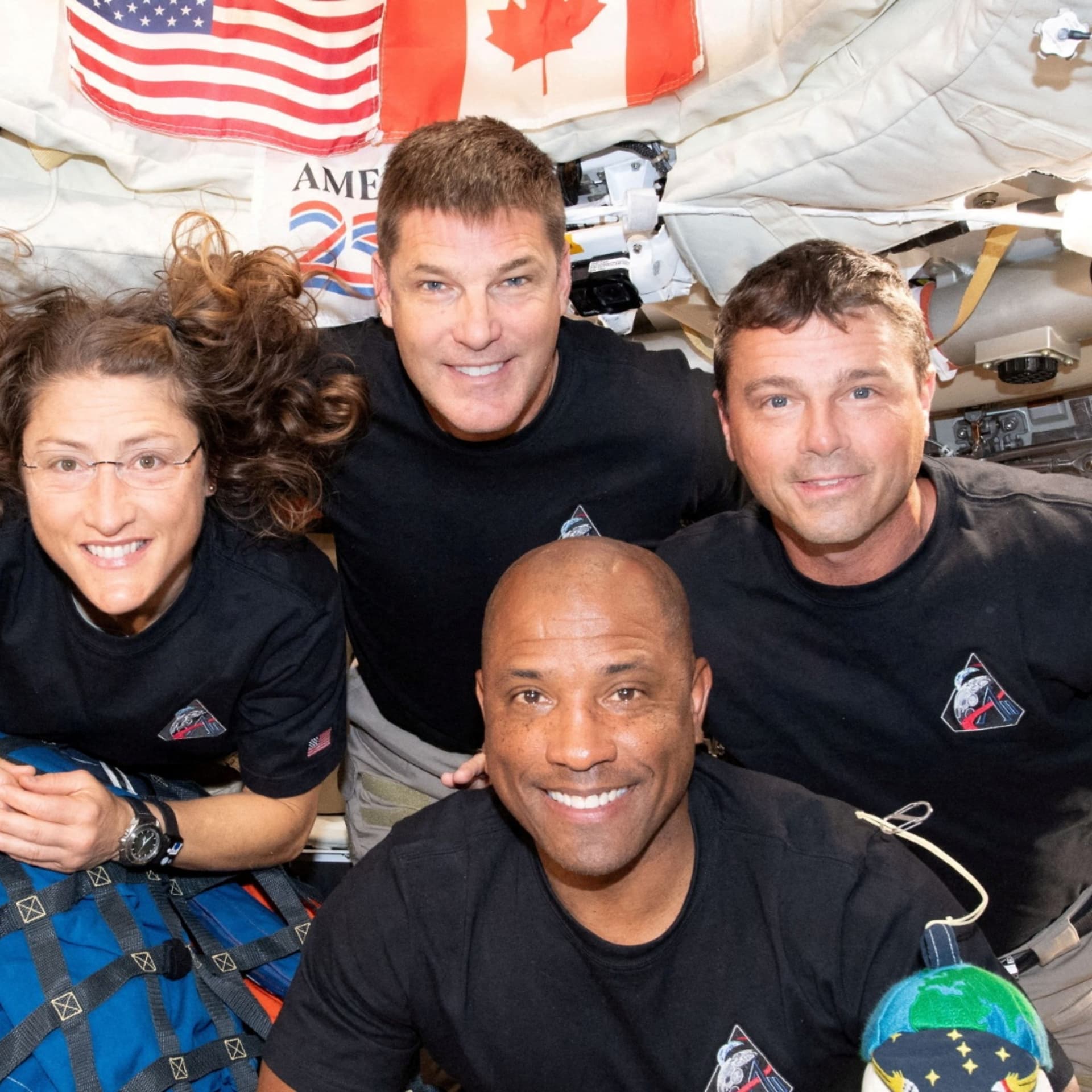
2:35astronauts have made history by going further from earth than anyone before on the artemis 2 mission and that wasn't the only record broken by the nasa crew christina cook became the first woman to travel to deep space while victor glover became the first person of color to do so Back here on Earth, people have been gripped by watching it, including the small Canadian town of Ingersoll, home to Jeremy Hansen, one of the astronauts. I spoke to the mayor of Ingersoll, Brian Petrie. Ingersoll is located in southwestern Ontario, right between Canada's version of London and the city of Toronto. We're a population of about 15 ,000 people now, and we're an industry town.
3:18We build things that go out all over the world. We've been building things for generations, and it's given us a good lifestyle here. Wow, you've got a population of 15 ,000 and one of them has gone around the moon and back. It's unbelievable. You know, Jeremy went all through high school here and everybody who knows Jeremy, he's a little bit older than myself, but they all knew he was going to do big things. There was no doubt about that. And it's just a great story of small town dreams becoming the reality on the biggest stage there is. How excited are people of Ingersoll that one of their own has achieved going on this mission?
3:52Everybody's just super positive. And, you know, Jeremy's a fantastic individual and he's such a nice human being. And so everybody is just pumped for him and they're all behind him. And his family, his mom and dad still live here. And so it's just, it's unbelievable to a lot of us that, you know, this is happening. He's been working on it for a long time, but it's just happiness all the way around that someone from our town is really achieving their dreams, not only for this town, but for Canada. and you know when I woke up this morning I looked out my back window and the moon looks a little bit different now and I think that's I think everybody in town will feel that you know when you look up there you can see that there's a piece of Ingersoll up there.
4:29And how are the locals celebrating? There's been a lot of individual celebrations everybody's been getting together to watch the news as it happens the launch specifically and then around the moon but our high school our local high school where Jeremy went to school there you know they've been fantastic of having what they call the Artemis II Club. When I was in high school, people couldn't wait to get out of town. They didn't see the benefits of small town. But stories like this show that doesn't matter where you grow up, if you have big dreams, you can go all the way to the moon and around it and be successful in small towns.
5:00Really, I don't want anybody out of our youth or past or present to think that just because they don't live in a big metropolis that they can't do things that they really want to put their mind to. And certainly not everybody can be an astronaut. But really, there's no limit to where you come from. You put in the hard work and you follow your dreams. And having that little piece of Ingersoll, being able to say we can take part in that, it means a lot. So why are people so excited by the Artemis 2 mission? I spoke to two former NASA astronauts, Nicole Stott and Steve Swanson, and asked them exactly that.
5:35There is just this awe and wonder that's presented through the way these missions are flown through the vantage point of the place that we're in. And you think about these four human beings that are traveling further than any humans have ever traveled off of our planet. That's a pretty exciting thing to think about. And then the fact that they're able to share that experience with us live inside of, you know, of their Orion spacecraft. and, you know, the opportunity to experience who and where we all are in space together this way, I think it's attractive to everyone, and it should be. Steve, what about you?
6:13I think as humans, we like to explore and go new places. And so this is definitely watching somebody else go to this really new place. Yes, we've been there before, but this is something that they have never seen in person. And to see them and get to feel the same things, because they do such a good job of explaining their emotions, what they're seeing out the window, everything like that, that I think they're taking everybody along and they're doing such a good job of being welcoming to everybody out there that we all feel like we're with them on that trip. And Steve, how encouraging have you found this reaction for the future of people wanting to become astronauts and wanting to go to space?
6:54Well, I'd say, yes, not just people wanting to go to space, but people who like space exploration as a field or an industry. I have students that I work with on that and everybody's watching. All the students have that live stream going all the time right now. It's just fantastic to see every time, you know, going to class, everybody's watching that. And so I think that's just fantastic. That has not happened before on any of our ISS flights, which, as Nicole and I, are still fantastic things. But it just doesn't seem to get the attention as much. But this one sure is. And it's just great to see the excitement these students have for this adventure.
7:29And Nicole, I wonder if I could ask you a bit of a personal question here. How does it feel to you to see the first woman to orbit the moon? I'm certainly excited about it. I think what we have in the crew that's on board Artemis II right now is just, you know, this wonderful representation of the astronaut corps in general. You know, we've got all flavor human beings that are trained and capable and selectable as crew members to, you know, to represent us on these missions. And it makes me really happy that we've, you know, put that in place with this crew. I'm hoping we get to the point where we're not even talking about it anymore.
8:09Right. Where it just is, you know, here we've got this cadre of people we're picking up. We're not even thinking about it. But I think it's it's worth mentioning, just like it's worth mentioning that we have the first international. partner traveling to the moon on this mission and the first person of color. I mean, it's about connecting with humanity. And I think this crew is, you know, the best we've had at representing that. What is your favorite thing about space? There's not just one memory. It like all wraps up into one big, beautiful memory to me. And it's affected by, you know, the people I got to share it with, the mission that we're on that's off the earth for the earth, the floating, you know, So you can't, it's just something you can't describe, this ability to move.
8:51But all of that kind of, you know, kind of is focused on this outside of the work, this experience that we have viewing Earth from space. And Steve, what about you? Yeah, very similar. I mean, we had so much fun in that environment. But looking back at our planet, it is one very, very beautiful. I enjoyed it. I could just sit for an hour just watching the planet go by and seeing all different things about it, watching the seasons change on the planet. And then the viewpoint, though, is just fantastic for realising that we are just one species on this planet and that we are all just a group of people on a spaceship in this vast universe.
9:33And one, we need to take care of it. And two, we need to treat each other as sisters and brothers and stuff like that. Nicole Stott and Steve Swanson. Next month, a garden inspired by people living with Parkinson's disease will be installed at a major hospital here in the UK. A garden for every Parkinson's journey was designed by Arit Anderson, who invited other gardeners who have the disease and their loved ones to help bring it to life. Arit told me the reasons why she wanted to create it. My sister has Parkinson's, so in my ideal world, I wouldn't be designing this garden. However, she has the condition and an opportunity arose for us to get funding from Project Given Back.
10:17And it was just too good an opportunity to be able to talk about Parkinson's on a world stage under the fabulous guise of being on a garden. And gardening is something that can help people with Parkinson's. The planting style that I've gone for on the garden is one that has familiarity. this is not about bringing in plants that are on the brink of extinction or any of that type of thing this is about having familiar plants and plants that actually at the workshop when I was with all of those gardeners who have the condition they gave me some of their favorite plants so I'm hoping that we're going to be representing as many of those throughout the gardens I really want the garden to convey the power of how a garden can help people with you know long-standing conditions and I want it to convey it in a way that is still full of joy a place where people can gather and that people can know that a garden has a place as part of their their their well-being basically.
11:21And is there anything that you've incorporated that's specific to your sister's experience of Parkinson's? Well I had the opportunity to work with a community of gardeners who happen to have Parkinson's and what we did was have a look at some of the symptoms that they experience. So things like walking, walking can be difficult if you have Parkinson's or you need to have space to walk alongside somebody or be in a wheelchair. So having a wider path than normal was something that we really thought about. Also as well, one of the precursor symptoms of Parkinson's is called anosmia, which is loss of smell.
11:59And we wanted to just sort of acknowledge the fact that this loss of smell is something that is a real symptom. And so we have a plant, a rose, sorry, that has been specially commissioned for Parkinson's and that actually will go on to raise money for Parkinson's UK. What do you want people to think and feel when they see this garden? just welcoming to make it really feel like it's a place of sanctuary and that actually that whether you have the condition or you don't have the condition that you can sit side by side a loved one and enjoy the experience of being surrounded by plants what is your favorite part of the garden favorite part of the garden that's like having a favorite child one of the elements of the garden that I hope will really work is the we're calling it the hand rill it's sort of a play on words of a hand row and is not only structurally beautiful it's imagine that you have a hand row a hand row height but it's going to have water running through it so it's given the functional element of support should somebody be walking and then just need to stop for a moment they can put their hand and rest upon it but there's also another symptom of Parkinson's called freezing, where literally the brain can't computate what it's doing at that time.
13:18And it stops and you physically freeze. And what you need to have sometimes is a sound or something that kind of triggers the brain to move on again. So this handrail will not only sort of have this, like I say, a very functional opportunity, but it'll also be there to maybe enable people to kind of come out of potentially a freezing episode. How does it feel to use your sister as inspiration? I mean, obviously, it's a difficult and emotional, very emotional experience for both of us. I guess, yeah, it's going to be sort of emotional, but I'm incredibly proud of my sister. We want to just make sure that this garden represents every person in the Parkinson's community, whether they have the condition, whether they're a loved one or a friend, that we're there for you and that we see you and we hear you.
14:03One of the gardeners who worked on it is Anna Edwards. I spoke to her and started by asking her about the specific features of the garden. It's got sort of several areas that are really important. And it partly reflects that it's a disease that is sort of manifold. There's about 40 symptoms people can have. And everyone's got their individual journey with this. For me, I think one of the most important areas is the handrail. Another part of the garden is a shelter, beautifully designed. And the idea really behind that is very much that a lot of people with Parkinson's, Their sleep is very much impacted.
14:37They sleep really badly. And the shelter is somewhere where people can use that garden at night. I would love people to understand why some of the features are as they are and to get a chance to explain that and show that to them. But it's beauty as well as the message of more understanding about Parkinson's as a disorder, how complicated it is. I had a big mental health crisis sort of about a year into my diagnosis, which came out of nowhere, really, and hit me like a ton of bricks. And that was a time where I was very depressed, very anxious. Yeah, that was a really scary period of my life. And at that point, I have to say, even my garden couldn't really entice me because I was just so low and so unmotivated.
15:20as I got better again and was able to garden again and was able to enjoy these things again. I'm sure that is part of the picture of staying well is being outside. Why is it important that we show health conditions like Parkinson's in creative ways like a garden? I mean, I think it's certainly one way to communicate what that condition looks like and what is helpful to people with that condition. and I think it's partly important that that's done in a beautiful way. So what will happen to the garden? So it's going on display in May. When the Chelsea Flower Show is over, this garden will be moved to Oxford to a hospital that is a centre of excellence for neurology and will then be used on a daily basis by people with Parkinson's, by their families, by carers.
16:10I just love the idea that over time this will be a haven for people. How proud are you to be part of it? Oh my God, it means the world to me. I mean, the thought of little me standing on a garden in the Chelsea Flower Show and explaining to people why the garden is designed as it was and answer their questions and answer questions they may have about Parkinson's. It's huge and I'm so proud of it. It's just wonderful and I mean, I'm so excited. It's ridiculous. I'm sort of like a kid waiting for Christmas at the moment. Anna Edwards. To New Zealand and a double rescue mission. Jessica Johnson and her dog Molly were hiking in a remote part of the country's South Island when Jessica slipped and fell down a drop of more than 50 metres.
16:55Jessica was airlifted to safety, but Molly the dog was missing and the chances of finding her were tiny. After a nationwide crowdfunding campaign and the help of volunteers who refused to give up, Molly was rescued a week later. Here's the moment that Molly and an injured Jessica were reunited.
17:20The BBC's Julian Warwicker spoke to Lillian Newton from Precision Helicopters, the company that led this rescue mission. It started off a week before, on the 24th of March, before Molly was found, where I got a text message from a friend of mine that another friend of theirs had fallen down a waterfall and that she'd lost her dog, Molly. we are the closest helicopter business and the spot where she lost Molly is so remote it would take multiple days to walk in there and you'd have to be extremely experienced at walking in the alpine terrain so we took it upon us to look for Molly off our own backs and our own budget we took our helicopter out and looked for her but we were unsuccessful we had three attempts and we'd had no luck.
18:12So that's when we decided, I had a gut feeling she was still alive, that I would approach the public and see if anyone would be interested in helping us fund a mission. And they were. I mean, the crowdfunding campaign worked, didn't it? Yes, I was overwhelmed. I had a goal of$2 ,400 to fly the helicopter there and back. And I looked at the account at nine o 'clock at night and there was eleven and a half thousand dollars there so I removed the bank account and told everyone to please stop donating. So you got the helicopter and volunteers came forward as well to help once you'd flown to the right spot?
18:52My phone it just wouldn't stop ringing. I had so many people wanting to volunteer I decided to just stop at 10 because I didn't want too many people. I had to be very careful that nobody else got injured in the process of trying to look for Molly. Yeah, it was pretty amazing. How is Jessica now? Because obviously she was injured when she fell. When I seen her, she was bruised from head to toe and covered in scratches. It's quite remarkable that she didn't get more injured or die. She landed luckily in the water, which broke her fall. But she was also very heartbroken until we pulled off this event.
19:32For Jessica, Molly was her life. She was her family, you could see. And she does lots of backcountry adventures, tramping everywhere with Molly. And I could understand how she felt. And how much of New Zealand has been following this story as it's unfolding? I think the whole country, plus then the rest of the world. I could not believe how far it took off. It's incredible. like our little business. We've only got three employees and that's myself, my dad and my mum. It's just crazy. Lillian Newton.
20:11Coming up on The Happy Part. There's no other feeling in any other part of my life that you get from scoring a much changing goal. You know, that euphoria. I don't think there's anywhere else where I'd feel that. The rise of powerchair football.
20:29You're listening to The Happy Pod.
20:57Visit moto.us for more details. Moto Casino. America's Social Casino. Love paying shipping and delivery fees just to wait weeks for your package? We didn't think so. That's why Lowe's delivers fast and free. All MyLowe's Rewards and MyLowe's Pro Rewards members enjoy free delivery and free same-day delivery on eligible orders. Yep, you heard right. Same-day, too. That's just another way members get more at Lowe's. Same day applies to orders over$25. Subject to availability. Restrictions and terms at lowes.com slash shipping terms. Welcome to The Interface, the show that decodes the tech that's rewiring your week and your world.
21:42On this week's episode, we'll look at the way that algorithms could change how much you're paying for your groceries. How even astronauts have issues with Microsoft Outlook. and whether the next trend in tech is less tech. Listen on BBC.com or wherever you get your podcasts.
22:03Memorial benches with engraved plaques can be found in public parks and gardens around the world and usually they're to commemorate someone who is no longer with us. But a young woman in the UK has just had a bench put up and named after her in honour of her surviving. Faith Harrison was 22 years old when she had a seven-hour heart attack. She was told by doctors she was lucky to be alive. Now she's on a mission to inspire others to simply live life. The BBC's Chloe Hughes went along to meet Faith at her new bench. Before my heart attack, I was a weightlifter, bodybuilder, strength training, but really just lived a carefree lifestyle, I guess.
22:47I think at that age of 22 you think you're invincible. Straight after I was pretty much told the heart function was really really poor which just meant my body organs weren't getting enough blood to support everything I needed to do. I was told if I didn't respond to medication I'd need an ICD so defib fitted in case of a dangerous arrhythmia to shock me and the potential again if my medication really didn't work that I would need a heart transplant which I don't think I would ever heard those words but I didn't realise at the time how much damage my heart attack had actually done to me and what the consequence of a heart attack actually is.
23:27How has that changed your life? It changed it completely I think it did a 180 but I think it did a 180 for the best reasons. I looked at life completely different I started to take care of myself more physically mentally and emotionally especially mindfulness. I stepped away from obviously strength training and went into Pilates which then led to opening my own studio which is going really really well and I'm really happy about it I think everyone everything in life went on the flip side but the best side it could have done. I'm just onto the bench now then why here? I mean it's a lovely view anyway so you can sit here and just talk and talk about life and what we're grateful for but also to reminisce people who maybe didn't survive cardiovascular disease and being able to raise awareness and educate and also you know for the people who did survive looking at them and saying go live your life have a good time.
24:21How do you feel when you sit here do you come here often? Yeah we come every time that we actually walk around Shoesby it's come our little spot to have a drink and sit and talk and for me it's it's not about me the bench really isn't it it does go for everyone that's got cardiovascular disease in order to educate and raise awareness. My outlook was don't care what anyone's got to say. Do whatever feels good for you, try your best and you'll never know if it's going to work unless you give it a go and as much as life gets uncomfortable and you know horrible at times there is always a light at the end of the tunnel.
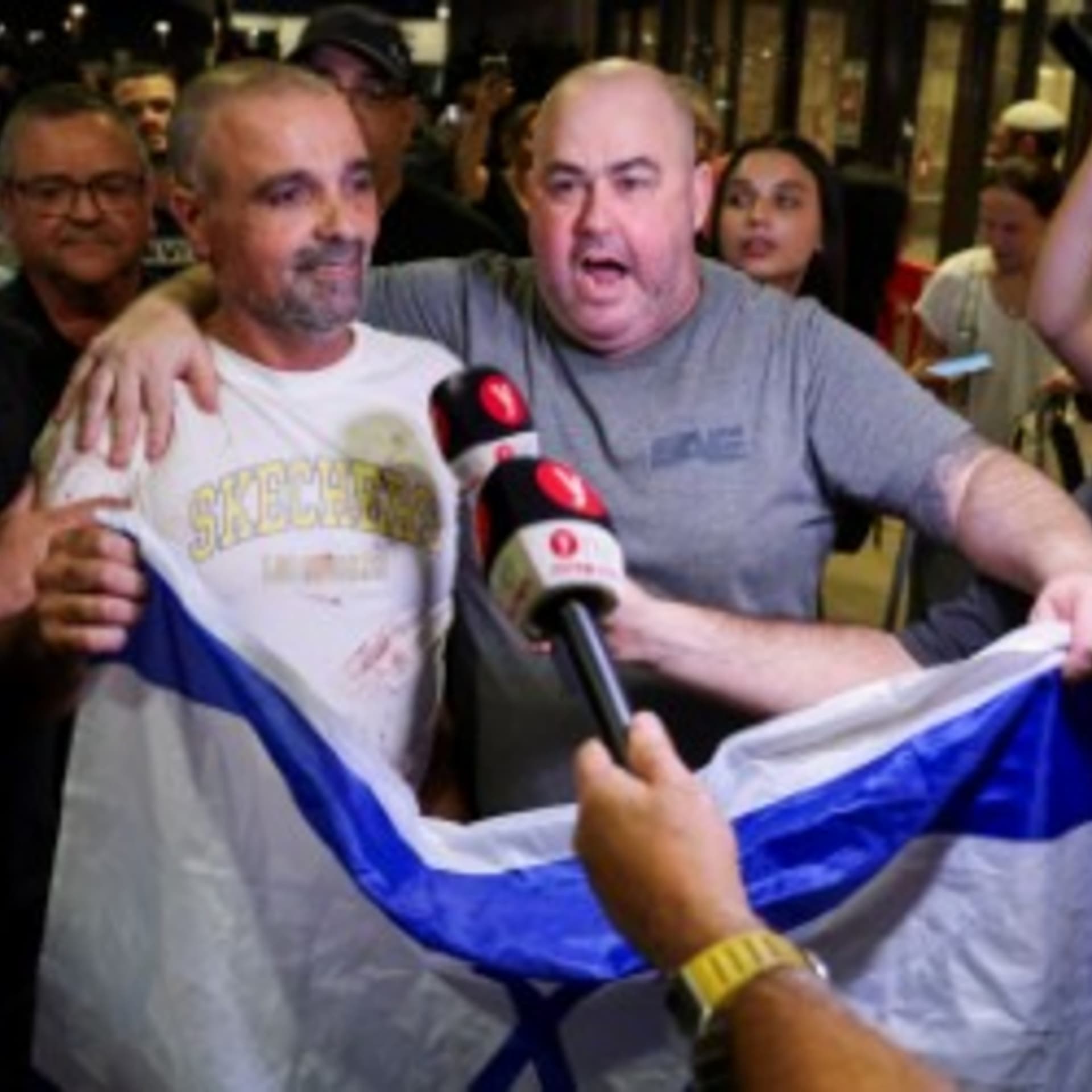
24:58I want people to realise that living is a luxury you know in terms of being able to walk and talk and see their loved ones. A lot of those things people don't have and we do take for granted. So as simple as being able to walk is a luxury. So take more opportunities in life and just do more, essentially. Faith Harrison speaking to Chloe Hughes. A couple in the Netherlands have held their wedding at one of the busiest railway stations in the country. And it's not for their love of transport, but to start a conversation about sustainability. The BBC's Branca Lesser-Di Saar has the details. Utrecht Central Station, Netherlands' busiest rail station.
Read the full transcript
25:41Not the usual setting for a wedding. But it's where this Dutch couple, 42-year-old Lara Peters and Mattis Dordregter, who was 44, decided to tie the knot. Surrounded by their guests, but also hundreds of passing commuters. It wasn't a love of trains that drove the couple to choose this unique venue for the ceremony. They wanted to make a statement. The theme of their wedding was sustainability, and the idea was to make it as green as possible. All those attending wore second-hand clothes, including the bride, who found her pre-love dress two days before the big day. We did a little work on it to make it really fit, and now it's fantastic.
26:20Yeah, I love it. I'm very confident, and I will be walking down the aisle with great confidence. Mattis says weddings are the ideal moment to raise awareness of overconsumption. Well, it's important because at the moment there are too many clothes in the world and a lot of clothes are not wear that many times. And especially with wedding clothes, it's just wear one time mostly. So I think this is a good sign to also spread the word that it is possible to do it with all clothes, no new clothes to do a whole wedding. And the sustainability theme didn't stop at the clothes. The wedding meal was vegetarian and all guests travel to the venue on bikes or by public transport.
27:05Lara says she hopes the event inspires other couples to make greener choices too. I hope with our wedding that other couples choose sustainable as well and choose second-hand clothes and sustainable transport and you can arrange everything. That's what we show. That report was from Branca Lesser-Dissar. Finally, powerchair football is one of the fastest growing disability sports around the world. It's a version of the game designed for people who use electric wheelchairs. And the Sports World Cup is taking place in Argentina later this year. The BBC's disability correspondent Nikki Fox went along to try it out.
27:46Fast, competitive and technical. This is a sport that enables people who use powered wheelchairs to play football at a very high level. Greg Baxter plays for Teesside. My disability has taken me to places that I couldn't have imagined. Powerchair players control high-tech chairs that spin and manoeuvre the ball at dizzying speed. Kath Goldsborough has been playing since the early days. There's no other feeling in any other part of my life that you get from scoring a much-changing goal. You know, that euphoria, I don't think there's anywhere else where I'd feel that. Many of these players have a disability that impacts their muscle strength and there just aren't the opportunities.
28:28I've always loved sport from like a young age, but I never could quite really get involved with it. David D is 15. He was told he'd never play football. Now he's a rising star at Manchester United Powerchair FC. I get to compete in a sport that I actually want to be in without any other carer or assistant helping me. I can't imagine my life without it. It's when it turns! I tell you what, I've got a bit of vertigo. I've got a similar disability to a lot of these players and find it hard to play any kind of sport, so I was not expecting to be training with an England head coach. This is so, like...
29:06Sensitive? Oh, my goodness. Absolutely. Try and get as nice and close to the cones as you can, but not hit the cones. Go, Nicky, go. This is Adam McAvoy putting me through my paces. I'm probably not going to be scouted any time soon, but when it comes to internationals, England are on top. We're one of the best power-tier teams in the world. We have that high level of expectation, quality of players. We're trying to win Europeans and obviously World Cups later on this year. So I'm going to roll it to you and I want you to turn towards it. OK. To score. Swack it. Go. There. Perfect. I whipped you the back of the neck, baby.
29:42Nikki Fox reporting.
29:50And that's all from the Happy Pod for now. We'd love to hear from you. As ever, the address is globalpodcast at bbc.co.uk. The editor of this edition is Karen Martin. I'm Holly Gibbs. Until next time, goodbye.
30:14Welcome to The Interface, the show that decodes the tech that's rewiring your week and your world. On this week's episode, we'll look at the way that algorithms could change how much you're paying for your groceries, how even astronauts have issues with Microsoft Outlook, and whether the next trend in tech is less tech. Listen on BBC.com or wherever you get your podcasts.
From the publisher
The mayor of Ingersoll beams with pride at the Canadian town being represented on Artemis II. Ingersoll is home to 15,000 people, including the astronaut Jeremy Hansen - who is the mission specialist. Also, we speak to two former NASA astronauts about why the Artemis II mission has gripped people around the world.
Plus, the garden designed to support people with Parkinson's disease. It will go on display in May at the British Chelsea Flower Show, and then find its roots at a specialist hospital. The woman who has a memorial bench in honour of her survival. The couple who held a sustainable wedding in Utrecht Central Station and, the rescue operation in New Zealand which reunited Molly the dog with her owner Jessica, one week after they were separated.
Presenter: Holly Gibbs. Music composed by Iona Hampson.