
In short
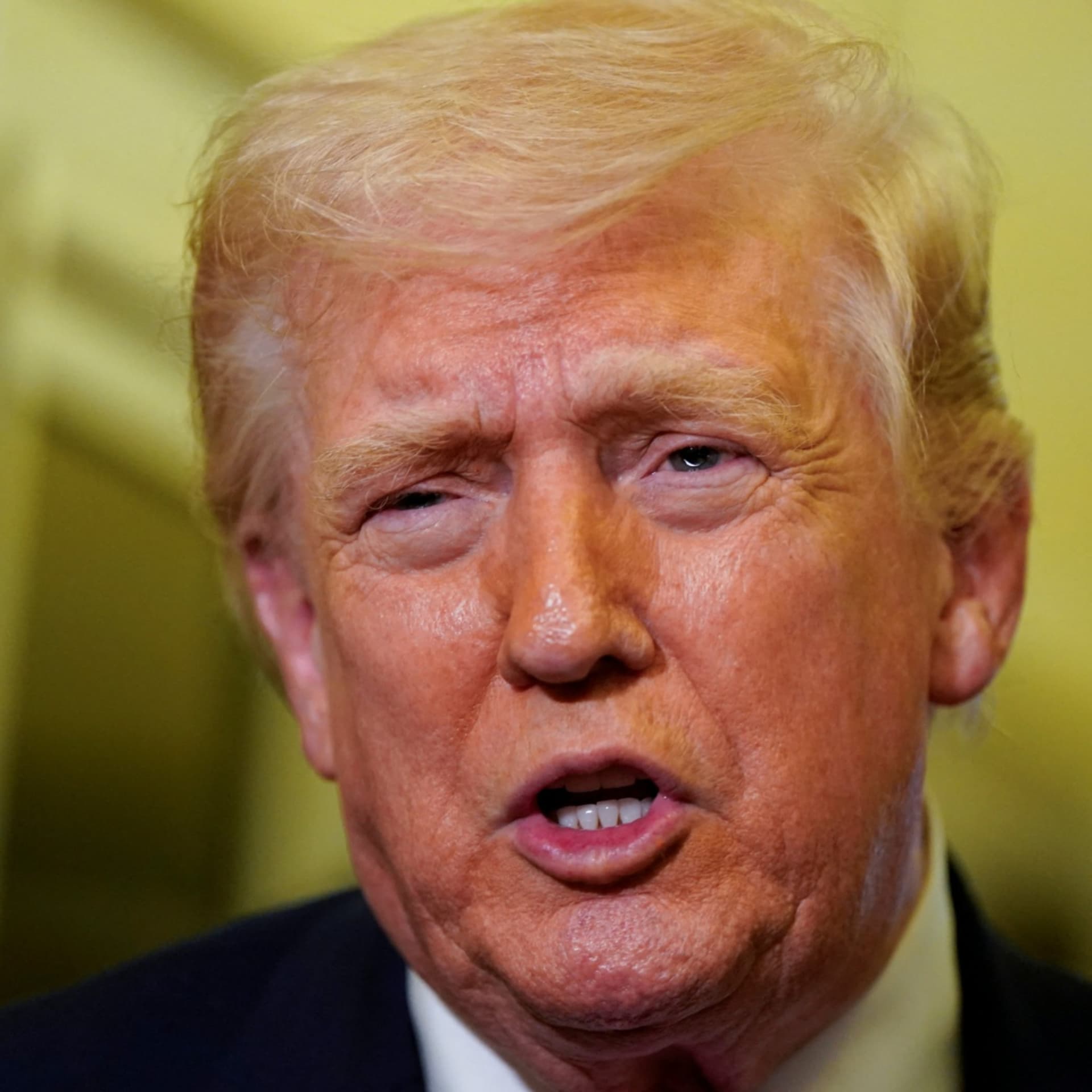
The BBC Global News Podcast episode focuses on the US-Iran war and its economic fallout, after Donald Trump said he could “take the oil in Iran” and potentially seize Kharg Island. It also covers NASA’s Artemis Moon mission, UN wildlife protections, and sports/other brief news.
Guests/backgrounds
No named “guests” in the usual sense; the episode features reporters and experts: Nick Marsh (BBC business correspondent in Singapore), Jeremy Bowen (BBC international editor), Rebecca Morrell (BBC science editor), Dr Sue Lieberman (Wildlife Conservation Society VP for international policy), Gary O’Donoghue (North America correspondent), and Ganshe Habibi (BBC Persian reporter). Also includes interviews/voices from BBC Persian and US MAGA supporters in Alabama.
Key claims
Trump’s remarks could disrupt oil flows and keep prices high (about $116/barrel). Markets fear sustained energy-infrastructure damage and possible shipping disruptions (Bab al-Mandeb, Strait of Hormuz). Jeremy Bowen argues US ground troops are increasingly likely and that “Venezuela” comparisons don’t fit Iran’s institutional regime. Wildlife: 40 migratory species gained protected status at a UN summit.
Notable examples
Israeli airstrikes damaging Iran’s energy infrastructure; Houthis threatening Bab al-Mandeb; Iran reporting power outages in Tehran and strikes on universities; Alabama farmers and church members weighing war costs; Artemis Moon resources (water/rare earths) and geopolitical “South Pole” race; UN listings like giant otter and snowy owl.
Written by AI. May contain mistakes. Listen to the episode to check what was said.
Chapters
Tap a time to open that second in VORecent Israeli Airstrikes in Iran
1:00 to 1:30
Discussion about recent Israeli airstrikes in Iran and their impact.
“This is the Global News Podcast from the BBC World Service.”
NASA and Historic Moon Mission
1:30 to 2:00
An overview of NASA's upcoming moon mission and its significance.
“Iranian capital is hit by another series of Israeli airstrikes reportedly damaging the country's energy infrastructure.”
Trump's Bold Oil Claim
2:00 to 3:00
Analysis of Trump's controversial statement regarding seizing oil in Iran.
“Donald Trump has been accused by critics of not having a clear objective for his war in Iran.”
Impact of Oil Prices
3:00 to 4:00
Examination of rising oil prices and their effects on global markets.
“The price of oil has soared yet again to around$116 a barrel after threats by the Iranian-backed Houthis to target ships in the Bab al-Mandeb Strait off the coast of Yemen.”
Economic Consequences of the Conflict
4:00 to 5:00
Discussion on how the conflict is impacting global economies and living costs.
“And what's interesting is Donald Trump spoke about taking the oil.”
Iran's Military Response
5:00 to 6:00
Iran's military reactions and strategic positioning amidst the conflict.
“The price of gas and oil is really starting to influence the cost of living.”
Challenges of Ground Troops Deployment
6:00 to 7:00
Exploration of the implications of deploying US ground troops in the region.
“Mohammed Baghaq Alabaf said that Iranian troops were waiting for American soldiers to attack so they can rain fire on them.”
Diplomatic Solutions Outlook
7:00 to 8:00
Analyzing the potential for diplomacy amidst ongoing military actions.
“over the Strait of Hormuz, about reparations, about US bases being removed from the Middle East.”
Tehran's Civilian Experience
8:00 to 9:00
Voices from Tehran describing the impact of the conflict on everyday life.
“But the Iranians, I would imagine, have made some preparations, have some surprises ready.”
Iran's Retaliation Strikes
9:00 to 10:00
Reports on Iran's actions in retaliation to the strikes against them.
“Iran can still threaten shipping in the Strait of Hormuz, and they don't need to do a great deal to do that.”
Show all 17 chapters
Public Sentiment on the War
10:00 to 11:00
Investigating American public opinion regarding the military campaign in Iran.
“Well, Iran is a completely different cup of tea in terms of ideology, in terms of the depth and breadth of the regime, the way that it's not based on individuals, it's based on institutions.”
On-the-Ground Perspectives from Alabama
11:00 to 12:00
Insights from Trump supporters in Alabama regarding the ongoing conflict.
“They need to accept that and do as they're told.”
Alabama's Divided Opinions on the War
14:03 to 19:35
Explore the mixed sentiments of Alabama residents regarding the military campaign in Iran.
“but they're really divided over their opinions.”
NASA's Return to the Moon
22:32 to 28:03
Understand the motivations behind America's renewed lunar exploration efforts.
“So far, the US Space Agency's Artemis programme is estimated to have cost$93 billion.”
Wildlife Conservation and Global Action
28:03 to 29:58
Learn about the international treaty efforts to protect endangered species and the actions required by member governments.
“Appendix 2 means they've agreed they will collaborate with other countries.”
Tottenham Hotspur Managerial Changes
29:59 to 31:32
Explore the recent managerial change at Tottenham Hotspur and its implications for the team's future.
“The English Premier League side Tottenham Hotspur have parted ways with another manager.”
British Mayor in France: A Unique Journey
31:33 to 34:06
Hear about the experiences of the first British mayor in France and her efforts to integrate British culture into her village.
“Like many close neighbours with a combative history, the French and the English still enjoy a light-hearted rivalry, tinged with mild mutual disdain.”
Transcript
Automatic transcript. May contain errors.0:00This BBC podcast is supported by ads outside the UK.
0:30which trails you take. You can invest your way with Schwab. Puerto Rico is having a moment of global attention. As companies reshore and rethink supply chains, they're choosing a US jurisdiction operating under federal law with competitive tax incentives designed for long-term growth. Not culture or business. Culture and business. Puerto Rico. It's not what's next. It's where. Visit investpr.org forward slash business. This is the Global News Podcast from the BBC World Service.
1:30Iranian capital is hit by another series of Israeli airstrikes reportedly damaging the country's energy infrastructure. Also in this podcast... This is what NASA embodies. This is what the space program around the world embodies. And we are proud to be a part of that journey. We meet the four astronauts preparing to make history on the first moon mission in more than 50 years.
2:00Donald Trump has been accused by critics of not having a clear objective for his war in Iran. But in an interview with the Financial Times newspaper, the President of the United States has stated a very clear goal to, quote, take the oil in Iran. He also suggested he could seize Iran's Khag Island, through which most Iranian oil is exported. Speaking to reporters on Air Force One, Mr Trump said that Tehran was desperate to make a deal and that the Iranian regime had already been toppled. We'll make a deal with them, pretty sure. Whether it's possible, we won't. But we've had regime change, if you look, already, because the one regime was decimated, destroyed, they were all dead.
2:44The next regime is mostly dead. And the third regime, we're dealing with different people than anybody's dealt with before. It's a whole different group of people. So I would consider that regime change. and frankly, they've been very reasonable. So I think we've had regime change, and you can't do much better than that. The price of oil has soared yet again to around$116 a barrel after threats by the Iranian-backed Houthis to target ships in the Bab al-Mandeb Strait off the coast of Yemen. In Asia, Japan's Nikkei and South Korea's KOSPI have plunged by around 4%. Our business correspondent Nick Marsh, who's in Singapore, is following developments since Mr Trump's latest remarks.
3:28He's been clear for now, Alex. Don't forget, you know, these objectives can change and they often do change from day to day. You know, for example, taking Carg Island, he said we might do that, we might not. I think it's part of a broad range of possibilities. President Trump's obviously made a lot of assertions during the course of this war about what the United States would do or what it could do. Many of them haven't materialised, but very often they do influence oil prices, at least momentarily. And as you said, the price of oil has got very high. I think markets have looked at the escalation with the involvement of the Houthis over the weekend, talk of some kind of ground offensive or the possibility of that, and they're seeing that the flows of energy will be disrupted quite heavily for quite a sustained period.
4:17And what's interesting is Donald Trump spoke about taking the oil. That might be a legitimate aim, but he drew the comparison with Venezuela. And around Venezuela, two very, very different places, things were quite straightforward. In Venezuela, Nicolas Maduro was removed. And, you know, the US began the process of trying to take over that oil industry. At the moment, they're nowhere near that. And huge economic consequences if the oil price keeps going up, as some commentators are forecasting. Yeah, I mean, we're already seeing them. Just heard about Australia with an emergency package to try and ease cost of living.
4:52All across Asia, governments are bringing in measures. The Philippines declared a national energy emergency. You know, fuel shortages are starting to bite. The price of gas and oil is really starting to influence the cost of living. It's having an impact on fertilizers, the price of food, so on and so forth. And countries all around the world are starting to scramble around looking at their supply chains. Where do we get our oil from? What price are we going to be paying for it? Do we look at Russian oil unsanctioned temporarily by the United States? That might be entering the market. So countries are very much already feeling this shock.
5:28And as we keep saying, the longer it goes on and the longer that the Strait of Hormuz is in Iranian hands and that there is a blockage there and that there's potential for hits to energy infrastructure, then the longer the price of oil and gas will remain high and all the corresponding effects that will have on markets, but also the lives of ordinary people. Nick Marsh in Singapore. Before Mr Trump's interview with the Financial Times, the Speaker of Iran's parliament accused the US of secretly plotting a ground invasion, despite talking about diplomatic efforts and peace talks in Pakistan to end the war.
6:02Mohammed Baghaq Alabaf said that Iranian troops were waiting for American soldiers to attack so they can rain fire on them. US Central Command has confirmed that the warship USS Tripoli has arrived in the region with around 3 ,500 military personnel on board. I asked our international editor, Jeremy Bowen, if American boots on the ground was a possibility. It's looking more likely because they're sending troops there. And of course, that can be just prudent. It can be a way of giving President Trump options. But if you look at the other possibilities that he has, and he has a few choices, but none of them are good choices, what he's saying he can get is some kind of a deal with the regime.
6:45And the leaked version of Trump's 15-point plan, it reads like a surrender document in terms of pretty much everything that Israel and the U.S. has ever asked of Iran is in that. Iran has countered publicly by making demands of its own about its continued sovereignty effectively over the Strait of Hormuz, about reparations, about US bases being removed from the Middle East. I mean, that's not going to happen either. So unless they find a way of jumping into the middle ground somehow, then what are his choices? Well, Trump can say, we won, we smashed them, we're going to go home. Their military industrial complex is broken, their stores have gone, they're not a threat anymore.
7:26I don't think anyone, particularly in the Gulf states, is going to find that convincing. Or some of his people at home is not going to find that convincing. So the other alternative is basically digging deeper into this war by deploying those ground troops, maybe trying to put pressure on the regime by taking the very strategic island where they have their main oil export terminal, Karg Island in the north of the Gulf. There are other small islands disputed with the UAE closer to the entrance to the Gulf, the Strait of Hormuz. And so he could do that. Well, these troops who are coming are really capable troops.
8:00But the Iranians, I would imagine, have made some preparations, have some surprises ready. Plus, they have to hang on to this territory and they have to try and use it as a way strategically, politically, to change the behavior of the Iranian regime. And tactically, they can take the territory, I'm sure of that. It might be painful for them to hang on to it. But how strategically does this get them closer to where they want to be in terms of changing the regime or at least changing the way it behaves. Presumably, it would stop them exporting pretty much any oil. Yes, Iran wouldn't be able to export oil.
8:35But if Iran still controls the Strait of Hormuz, neither would from those Gulf ports anyway, Saudi Arabia, Bahrain, UAE, Kuwait, they're not going to be happy about that. Neither is the world economy. Then if you switch over across Saudi Arabia to the Red Sea, you get to the Houthis who have fired barrages of missiles at the Israelis. They have not yet hit shipping as they did during the Gaza war, but they might. So there is a scenario where America may take some Iranian territory, fight to hold it. Iran can still threaten shipping in the Strait of Hormuz, and they don't need to do a great deal to do that.
9:11They don't have to destroy everything, just fire something occasionally at one or two ships. And then on the other side, potentially, this is worst case scenario world, the Houthis closed the Bab al-Mandab straight at the bottom of the Red Sea. And that means that one of the main trade routes in world shipping for really important stuff, semiconductors, cars, you name it, coming from Asia up through the Red Sea through Suez to Europe and onto America. If Hormuz is cut, Babam and Abbas also cut. That is serious global economic repercussions of the war, which we will all feel. Is this where Donald Trump thought he'd be at this stage in the war?
9:50Well, we don't know quite what's going on in his mind, but no, I wouldn't have thought so. I mean, he said himself that he thought it would be over quickly. And the analysis is essentially that he was expecting a repeat of Venezuela, where in a couple of hours, they kidnapped the president and his wife, the rest of the regime came around is now doing as it's told, allows the Americans to effectively control their oil sales and take a good cup for themselves. Well, Iran is a completely different cup of tea in terms of ideology, in terms of the depth and breadth of the regime, the way that it's not based on individuals, it's based on institutions.
10:27It's a terrible regime, kills its own people, but those institutions are still functioning and they're still managing five weeks in despite a massive onslaught by the Americans and the Israelis to fight back. Pakistan is offering to mediate. Is a diplomatic solution even possible now? Well, a diplomatic solution is always possible if people on either side are prepared to make a deal. But the tone of remarks coming in the last four or five days, for example, from the White House press secretary, basically echoing things Donald Trump has said. She said these guys, the Iranians, they need to realize they're beaten.
11:00They need to accept that and do as they're told. The point is being beaten in war is not a choice. You don't choose to accept that you're beaten. You're either beaten in a war or you're still fighting. which means you're not beaten. So the Iranian regime is still fighting. Ergo, it is not beaten. Whatever they hope and expect and say in the White House. Jeremy Bowen. Tehran faces intense bombing and power cuts as the US-Israeli war on Iran enters its fifth week. In the 24 hours up until Sunday evening, the Israeli military said that it had launched more than 140 airstrikes in central and western Iran.
11:40Iran's government says energy infrastructure has been damaged, although there are also reports that power has been restored to most parts of the capital. Iranians have used social media to share their hopes and fears as the war drags into a second month of fighting. Their comments have been read by our colleagues at BBC Persian. Last night they hid the middle of the street near a house with no specific target. No building, no person, nothing. Just the middle of the street. The alley next to was attacked, exactly where my mother lives. I tried to call over and over again. By the time I reached them, and until I saw they were okay, I think I died a hundred times over again.
12:22The Strait of Hormuz and the Iranian islands are in danger of being lost. Just because we are in conflict doesn't mean we should let Iran's land and sea borders be destroyed. Ganshe Habibiazad reports for BBC Version and she has been in contact with people in Iran. First, what's happening there? The latest that I have is that some parts of Tehran and its nearby city, Karaj, went dark tonight after electricity outage following strikes. Israeli defence forces have confirmed that they were attacking Tehran. Iran's Ministry of Energy has said that the attacks on power infrastructure in Tehran province has disrupted electricity.
13:05But they have also said, and I've heard from sources, that the power is now coming back. In other attacks in Iran, we have that a university in central Iran, Isfahan, has been hit again, according to reports by Iranian outlets. And Iran had threatened to attack American and Israeli universities in the region in response if the US won't condemn the strikes by Tuesday, as I said. And we'll have other reports of the strikes on Iran on northern provinces as well. But we also have the strikes by Iran on different countries. They have said that they have targeted Israel, Saudi Arabia, the UAE, Bahrain and Iraqi Kurdistan.
13:49And they have claimed that the operation was in retaliation for strikes on two major Iranian steel complexes two days ago. And what I'm hearing, they're very much anti-establishment, but they're really divided over their opinions. Some of them are still supporting the strikes. Some of them just want the war to end, even if it means that the establishment stays in power. A deal happens anything. They're just tired and fed up. Ganshe Habibi is out from BBC Persian. Well, polls suggest a majority of the American people are against the military campaign in Iran. Republicans, however, have largely stuck by President Trump.
14:32But with the conflict entering its second month, will that backing remain steadfast? Our chief North America correspondent Gary O'Donoghue has been to Alabama in the deep south of the US to speak to some of Mr Trump's Make America Great Again or MAGA supporters. Tim Pearce is on his tractor, spraying the peach trees on his farm in Clanton, Alabama. Clouds of water fan out behind him as he moves through the 1 ,200 trees on land his family has farmed for almost 100 years. This is a peach tree right here. But all is not well. This year he's lost almost 50 % of his crop because of a few days of sub-zero temperatures two weeks ago.
15:17On top of the crop failure, diesel prices for Tim are 50 % up since the beginning of the war. Tim can pass on some of these extra costs, but consumers won't pay over the odds. You'd think this might shake his support for the president, but no. If it's just going to cost me a little bit of fuel prices, the reward is greater than the expense. So getting the war done? Yeah, getting it done and not having to worry about the fact that Iran might have a nuclear missile they can send over this way. So I don't like war, but sometimes it's not preventable.
15:5770 miles west in Tuscaloosa, home to the University of Alabama, the college baseball team has just hit a home run against their arch-rival, Auburn. Outside in the car park, Brian Banks and Ben Plattner have set up a table. Lots of beer, chicken wings and delicious jalapeno peppers wrapped in cheese and bacon. Their support for the war is strong, but you can hear them wrestling with concerns. I think it's a little touch and go. I'm not disagreeing with what's going on. I think it needed to be done in the last 47 years. The way Trump has been handling his business, I would have thought he would have already handled it, but this is a lot bigger than we know about.
16:43How would you feel about US boys on the ground down there? Yeah, I didn't want to see that. It's whatever it takes to get that regime. Once you start it, there is no going back.
16:59Alabama is also the heart of America's so-called Bible Belt. Strong evangelical Christian faith here is central to most people's lives and backing for this president and his support for conservative values is solid. We pray, Lord, for our leaders of this nation. These Seventh-day Adventists follow the Ten Commandments closely, and in particular the sixth, Thou shalt not kill. So what does the congregation make of this war? Samuel Thomas Jr. is their pastor. I think that people believe that Iran is a threat, and as such they believe that as a threat it needs to be addressed. These Adventists are not pacifists, but most will only take on non-combatant roles in the military.
17:54To that degree, their natural support for Donald Trump is more qualified than other Christians, a view reflected by one member of the congregation, Gabriela Ibanezcu. I don't see any war justifiable in sending people to die unless they choose to die for the cause, but that's the war, you know, that's the nature of war. Donald Trump and his Secretary of Defense have often framed this war in religious language, a noble and righteous fight, they say, no mercy for the enemy. That makes some here uncomfortable, and the support of people in churches like this cannot wholly be taken for granted, says Pastor Thomas.
18:38If we look at history once again, there was support for Vietnam, and then it turned. There was support for Iraq, a desert storm, and it shifted. And so the reality is people can be quite fickle.
18:59For some evangelical Christians, this war against Iran is about supporting Israel. For others, it's more a simple test of loyalty to a president they believe has returned conservative values to the centre of American life. Like the rest of the MAGA base, they will go a long way to keep the faith with Donald Trump, but their loyalty is not limitless.
19:28That report by Gary O'Donoghue in Alabama. Still to come in this podcast. I'm planning to have an English breakfast for the children at school, just so they see what we're having baked beans for breakfast. It's not croissant, no. Zutalor, the first British-born mayor in France, promises to mix things up.
20:01It's carnival season, and the US Virgin Islands invite you to experience carnival and St. Thomas this May. A nonstop celebration of music, culture, food, and pure Caribbean vibes. Picture this. Colorful parades filling the streets, soca and steel pan in the air, dancing from day into night, and incredible local flavors at every turn. The energy is contagious. You don't just watch Carnival, you feel it. When you're ready to slow it down, the beauty of the U.S. Virgin Islands is right here waiting. From the stunning beaches of St. Thomas, St. Croix, and St. John, to the warmest hospitality and vibe like no other.
20:35It's the perfect mix of celebration and relaxation. Here's the best part. If you're traveling from the U.S., no passport is required. Just easy travel and no stress. If you love good food, great music, beautiful beaches, and unforgettable vibes, especially during carnival, this is where you need to be. Start planning your carnival getaway at visitusvi.com. That's visitusvi.com. USVI, naturally in rhythm. Hey, it's Ryan Seacrest for Jewel Osco. Are you looking for a refresh this spring? Make sure you take some time for self-care with savings on all your favorite hair care essentials now through March 31st.
21:12Shop in store or online for participating hair care items from Pantene, Head & Shoulders, Aussie, and Old Spice and earn four times points. Points can be redeemed later for discounts on groceries or gas. Offer ends March 31st. Restrictions apply. Promotions may vary. Visit JewelOSCO.com for more details. Decisions made in Washington can affect your portfolio every day. But what policy changes should investors be watching? Washington Wise is an original podcast from Charles Schwab that unpacks the stories making news in Washington right now and how they may affect your finances and portfolio. Listen at schwab.com slash Washington Wise.
21:53That's schwab.com slash Washington Wise. Today's episode is sponsored by NerdWallet's Smart Money Podcast. Personal finance can feel like a pop quiz you didn't study for. This podcast is your study guide. On NerdWallet's Smart Money Podcast, you'll hear from trusted journalists who explain the why behind major financial decisions. You'll get research-backed insights and clear pros and cons, whether you're planning a big purchase or just want to grow your wealth. Make your next financial move with confidence. Follow NerdWallet's Smart Money podcast on your favourite podcast app.
22:31Later this week, if NASA's launch schedule goes to plan, four astronauts will be heading to the Moon. So far, the US Space Agency's Artemis programme is estimated to have cost$93 billion. So, why is America spending so much time, effort and money racing to return to the Moon? Our science editor, Rebecca Morrell, has this report. 5, 4, 3, 2, 1, 0. Liftoff. We have a liftoff. We choose to go to the moon in this decade and do the other things, not because they are easy, but because they are hard. The words of US President John F. Kennedy setting America on course to the moon. In 1969, the Apollo program made history with the first lunar landing.
23:27And astronauts continued to go to the moon until 1972. Now, after more than 50 years, NASA is heading back. But why is the US so intent on returning? So that little black rock you can see there is a piece of the moon that was collected by Apollo astronauts and brought back to Earth in 1972. Professor Sarah Russell is a planetary scientist at the Natural History Museum in London, where the precious piece of lunar material is on display. And it's what these rocks contain that's getting people excited. The moon holds the potential for a gold rush. The moon has got the same elements in it that we have here on Earth.
24:07So an example is rare earth elements, which are very scarce on Earth. And there might be parts of the moon where these are concentrated enough to be able to mine them. But the moon's most sought-after resource is a surprising one, water. It has water trapped in some of its minerals, and it also has substantial amounts of water on the poles, the colder parts of the moon, especially regions which are called permanently shadowed craters. So these are areas that never ever see sunlight, and so they're super cold, and they can act as cold traps where ice can potentially build up. Water is vital for creating a moon base, and it's at the heart of a 21st century space race.
24:53All Russia's just wild about Yuri Gagarin, first man to conquer space. At Cape Canaveral, the Americans, though disappointed at not being first, are training these men to be astronauts and may still have a man on the moon before anyone else. Last time round, America was in a battle with the Soviet Union for space dominance. Today, it's China who's the competition. China's made fast progress with its space programme and it plans to get humans to the moon by 2030 Both countries want the best lunar real estate with the most abundant resources I think the real driver right now is that geopolitical incentive to be the first major power that gets to the South Pole Dr Helen Charman is the first British astronaut and she says it really matters who wins the race to the moon.
25:44So although you can't own a piece of the land because of the UN Outer Space Treaty, you can basically operate on that land without anybody interfering with it. So that's the big thing right now, is to try and, yes, to grab your piece of land. You can't own it, but you can use it. And once you're there, you've got it for as long as you want it. But the US wants to go even further. Returning to the moon is a stepping stone for going to Mars. Libby Jackson is the head of space at the Science Museum. She says a mission to the red planet will have to overcome huge technological challenges, but the moon is the perfect testing ground.
Read the full transcript
26:21There are many technologies that are essential for learning to live and work in space, particularly power, protection from radiation, recycling technologies. These are all technologies that if you try them for the first time on Mars and they go wrong, are potentially catastrophic. It's much safer and much easier to try them out on the moon. Libby Jackson ending that report by Rebecca Morell. Now to some good news. 40 species have been given international protected status during a vote on Sunday at a United Nations wildlife summit in Brazil. Here's the sound of some of them.
27:10That was the snowy owl, giant otter and a Hudsonian godwit. The move comes in the wake of a recent UN report which revealed that almost half the world's migratory species are in decline. Wildlife experts say the new listing means states will be expected to strengthen legal protections. Dr Sue Lieberman is the Wildlife Conservation Society's Vice President for International Policy and is at the summit in Brazil. Rebecca Kesby asked her why the numbers were in decline. There are a large number of migratory species due to human factors, such as habitat loss, over-exploitation, illegal trade. These species are declining.
27:53But for migratory species, no one country can solve the problems. It requires cooperation across the whole range of the species, and that's why this convention is so important. For those species listed on what's called Appendix 1, governments now that are members of this treaty are required to fully protect the species, not allow any exploitation, removal from the wild, and are required really to take action to protect the species. Appendix 2 means they've agreed they will collaborate with other countries. For example, for the giant otter here from the Amazon basin, all of the governments here now will collaborate.
28:32And there's now protection for the species across its range that never has been had. The same for the striped hyena, which is so rare, there may only be 5 ,000 individuals across much of Africa and Asia. So what this means is governments are now committed not just to talk about it, but to take action. The hammerhead sharks are now fully protected. Understood. But I mean, if so much of the problem is climate change, how realistic is it that governments locally are going to be able to have a major impact? There are a lot of threats that are not climate change. Overexploitation, illegal trade, taking animals out of the wild, that's not climate change.
29:12We can do something about that. For example, with the striped hyena, there's a lot of killing and human conflict. We can take action. It's not only climate change. Of course, we need to combat climate change. But there are a lot of other threats to species. For sharks, overfishing isn't about climate change. It's up to each of the 133 countries that are members of this convention to make it a reality. And those of us like the Wildlife Conservation Society, when we go home, we work with governments to make sure it does happen. And one of the key issues isn't only about enforcement, it's funding.
29:48So we hope that donors and private individuals who care about wildlife will now fund action for these species. Dr. Sue Lieberman speaking to Rebecca Kesby. Some football news. The English Premier League side Tottenham Hotspur have parted ways with another manager. Igor Tudor left the club by mutual consent. He was in charge as interim head coach for only 44 days and seven matches. The 47-year-old leaves the London club just one point above the relegation zone. More details from Jane Dougal. The former Juventus managers had a positive impact at previous clubs in short-term appointments, turning them around quickly.
30:31So it was hoped that he would be able to help move Spurs away from relegation, but he only took one point from five matches. So they've actually slipped closer to the bottom three under him. Spurs haven't been relegated since 1977 from the top flight. So Tottenham fans just see this as being unthinkable, but it is a real possibility. Seven games are remaining. So now the question is, who will replace Tudor? Several names are in the frame. Former Burnley and Forest manager Sean Dyche's name's been linked, although he said he hasn't been in talks with them. Former Spurs managers Mauricio Pochettino and 79-year-old Harry Redknapp have also been mentioned.
31:09Also former player Ryan Mason, to name a few. But for now, assistant coach Bruno Saltor will take training. The clubs say that they will have a new head coach in place for when the players return from international duty. They have approximately 10 days to prepare for their next Premier League match, which is Sunderland away. But for now, Igor Tudor has been dismissed. Jane Dougal. Like many close neighbours with a combative history, the French and the English still enjoy a light-hearted rivalry, tinged with mild mutual disdain. So this next news may chill the blood of some French women and men.
31:51A woman born to British parents has become the first British mayor in France. Maureen Searles grew up in the UK, but she's lived in France for 25 years and has now been elected as the mayor in Mont-Saint-Eloi near Lille. and as she told Paddy O 'Connell, rather than play down her Britishness, she's doing the opposite. This is really the climax of hard work for many years, but the last six months have been really intense. I haven't grown up here, so of course it's not my country, so I was walking on ice all the time. But now I feel that this famous ice is now gone. So here I am, seated in my office, and I need a lot of work.
32:35but I think I'm going to need two terms. It won't be enough in one. You're power-hungry now, Maureen. It's like suddenly it's two terms. Well, it's not power-hungry. It's to do for the village. So much needs to be done. This morning, a simple example. This is a small little Mary and it's also a post office, tiny village post office. And there was this mother that came in with a little boy and I said, bonjour madame, normal. And I looked at the little boy and I said, oh, hello, what's your name? and he was just astonished because I spoke English. And I said to the lady, oh, didn't you know from now on we address all children in English?
33:13And she sort of said, well, this is brilliant. I'm so happy I voted for you. And it was a joke, but she took it quite serious and she was absolutely delighted with this idea. Should you say there'll be mandatory high tea in the town hall? Well, we're trying already. I have brought at Christmas, I've tried the mince pies and things like that. and you should see the faces of people. What's in here? What's that? And slowly it's been anglicizing the Mary. And we're now going to have a Burns night as well. I'm planning to have an English breakfast for the children at school just so they see what we're having baked beans for breakfast.
33:50It's not croissant. No, we're having baked beans. Why? So all that, it's not because I'm trying to impose British rules here. It's just because I'm trying to open the mind of a little village which is used to its little routines, its little frames, always the same, just broader idea and in a lively, happy way. I must admit I import my sausages from Ireland and I do have an English breakfast. That won't change. Yes, I'm voting for you. I'm voting for you. Tell us what we can learn from Mont Saint -Éloi. What should we be doing from your village in return? When I arrived here, my husband and myself, We liked the fact it was a little village, little cosy little village, very French, easygoing.
34:38We were very quickly accepted. There was a lot of space, which I miss in the UK, but it's also this easy life. Come along, join in. It's less rigid in its ways. Maureen Searle's a mare in France. And that's all from us for now. If you want to get in touch, you can email us at globalpodcast at bbc.co.uk. You can also find us on X at BBC World Service. Use the hashtag Global News Pod. And don't forget our sister podcast, The Global Story, which goes in-depth and beyond the headlines on one big story. This edition of the Global News Podcast was mixed by Sarlota Hadroy-Tuzimska Zymska, and the producer was Daniel Mann.
35:31The editor is Karen Martin. I'm Alex Ritson. Until next time, goodbye.
35:43Saving money on everything for your next project when you shop at Menards. We have a huge selection of concrete and mortar mixes, from setting a post or pouring a walkway, to installing concrete block or natural stone. We've got the mix you need in stock today. View our entire selection of concrete mixes and supplies in store and on Menards.com. Plus, check out the weekly flyer for more great deals happening now. Save big money at Menards.
From the publisher
President Trump has said he could "take the oil in Iran" and possibly seize Kharg Island through which most Iranian oil is exported. He spoke to the Financial Times, as thousands of US ground troops arrived in the Middle East. But Mr Trump later told reporters a deal could be reached with Iran "very soon". The Israeli military says it has struck targets across the Iranian capital, where there are reports of heavy explosions and large scale power cuts. Also: a giant NASA rocket has arrived back on its launchpad after earlier technical problems, ahead of the Artemis mission to the far side of the moon; the English Premier League side Tottenham Hotspur parts company with another manager, Igor Tudor, who left the club by mutual consent; a woman born to British parents has become the first British mayor in France. And, governments attending a UN wildlife summit have approved a list of 40 new species for international protection -- including giant otters and striped hyenas.
The Global News Podcast brings you the breaking news you need to hear, as it happens. Listen for the latest headlines and current affairs from around the world. Politics, economics, climate, business, technology, health – we cover it all with expert analysis and insight. Get the news that matters, delivered twice a day on weekdays and daily at weekends, plus special bonus episodes reacting to urgent breaking stories. Follow or subscribe now and never miss a moment. Get in touch: globalpodcast@bbc.co.uk



