In short
BBC Global News Podcast covering: Trump’s announcement of a US-Venezuela oil deal; Nepal flash floods and glacier collapse; China/Tibet rescue efforts; Sudan lifting Khartoum curfew; ICE detention of Milo Yiannopoulos; Greenland forced contraception reports; Iceland EU membership referendum debate; Sri Lanka elephant deaths; and a film on Charles de Gaulle.
Guests (named people in the episode)
- Luis Fajardo (BBC Latin America expert, Miami).
- Azadeh Mishiri (BBC reporter in Nepal).
- Laura Bicker (BBC China correspondent, Beijing).
- Khalid Mohammed al-Baghir (Khartoum resident running food kitchens/hotels).
- Shima Khalil (BBC reporter on Milo Yiannopoulos).
- Adrian Murray (BBC Denmark correspondent).
- Sean Lay (BBC reporter on Iceland voters).
- Anne Barisan Etarajan (BBC Global Affairs correspondent on elephants).
- Julian Jackson (historian; discussed de Gaulle film).
- Evan Davis (interviewer with Jackson).
Key claims + notable examples
- Oil deal: Trump says agreement will more than double US oil reserves; mentions 65 billion barrels and $100bn investment; Venezuela’s Delcy Rodriguez calls it historic; experts link to restoring mismanaged oil industry.
- Nepal: missing nearly 2,000; 570+ dead; glacier/ice-rock-mud torrent; helicopters rescue people stranded in tunnels.
- Tibet: state media says 7 killed, hundreds missing; PLA machinery delayed by mudslides; journalist access restricted.
- Sudan: curfew/state of emergency lifted; residents report improved safety and business activity; war continues; RSF support cessation cited as key.
- Milo Yiannopoulos: ICE says UK-born illegal alien overstay; failed immigration hearing; final removal order; detained in New Orleans.
- Greenland: reports find forced IUDs/contraception violated rights; no genocide proven; Denmark to pay about $47,000 per affected woman; example: Inga Platu describes IUD inserted without consent.
- Iceland: young voters leaning “no” (polls show ~60%); debate includes NATO/EEA ties vs losing currency independence and EU seat/regulation limits.
- Sri Lanka: nearly 200 elephants dead in 8 months; ~90 killed by farmers; some by illegal electric fences or “jaw bombs.”
- De Gaulle film: discussed as boosting French pride; example: de Gaulle chair-smashing scene with Churchill’s wife entering.
Written by AI. May contain mistakes. Listen to the episode to check what was said.
Chapters
Tap a time to open that second in VOUS-Venezuela Oil Deal Announcement
0:00 to 0:37
Discussion of the US's huge oil deal with Venezuela and its implications.
“This BBC podcast is supported by ads outside the UK.”
US-Venezuela Oil Deal Announcement
1:15 to 2:19
Discussion of the US's huge oil deal with Venezuela and its implications.
“In the early hours of Saturday the 29th of August, these are our main stories.”
Impact of the Oil Deal on Venezuela
2:19 to 5:25
Analysis of how the oil deal could affect Venezuela's economy and political situation.
“The president has announced an agreement with Venezuela that he says will more than double US oil reserves and substantially lower petrol prices for Americans.”
Nepal's Flash Floods and Response
5:25 to 8:41
Reporting on the devastating flash floods in Nepal and ongoing rescue efforts.
“nearly 2 ,000, including many foreign nationals.”
Tibet's Rescue Challenges
8:41 to 10:36
Discussion on the difficulties faced by rescue operations in Tibet after the floods.
“And you may remember that horrific footage of the torrents of water crashing down through that building.”
Chinese and Nepalese Cooperation
10:36 to 11:40
Examining the cooperation between Chinese and Nepalese authorities in disaster response.
“So how reliable is that information that you're getting?”
Sudan's Curfew Lift and Current Situation
11:40 to 14:01
Insight into Sudan's lifted curfew and the impact on daily life amidst ongoing conflict.
“In Sudan, the military-led government has lifted a two-year curfew and state of emergency in the capital, Khartoum.”
State of Power in Khartoum
14:01 to 14:34
A discussion on the reliability of power in Khartoum amidst ongoing conflict.
“Now I'm in the office with the AC working and the lights on and I have water.”
Introduction to Current Events
14:34 to 15:00
Introduction to the Global News Podcast and upcoming topics.
“People are saying the world around us is changing and that's very true.”
Milo Yiannopoulos's Controversial Detention
15:00 to 17:18
Exploring the irony of Milo Yiannopoulos being detained by ICE despite his previous support for stringent immigration policies.
“Milo Yiannopoulos once called himself the most fabulous supervillain on the internet, caught in controversy with his remarks about Islam, feminists and race.”
Show all 17 chapters
Denmark's Historical Violations in Greenland
17:18 to 20:22
An examination of reports on forced contraception practices in Greenland and their implications.
“Some might say, ironically, Shima, he was a very big supporter of ICE.”
Iceland's EU Referendum Discussion
20:22 to 23:19
Voters in Iceland debate whether to pursue EU membership after a decade of negotiations.
“The first group, the Danish experts, they said there was no empirical evidence to suggest genocide at all and then concluded there was no intention proven.”
Struggles of Elephants in Sri Lanka
23:19 to 25:06
Highlighting the alarming rate of elephant deaths in Sri Lanka due to human conflicts and illegal activities.
“We don't have a seat at the table in EU institutions.”
De Gaulle Film and Historical Reflection
25:06 to 28:01
Discussion about a film on Charles de Gaulle and his complex relationship with Winston Churchill during WWII.
“The Wildlife Conservation Department says nearly 90 of them were killed by farmers.”
De Gaulle's Complex Legacy
28:01 to 30:05
Explore the complexities of Charles de Gaulle's character and impact on France.
“There's a wonderful, wonderful scene in the film which absolutely happened in reality where they're shouting at each other.”
Reflection on French Pride
30:05 to 30:30
Discuss the film's role in shaping modern French national pride and identity.
“He created the most powerful democratic presidency anywhere in the Western world.”
Reflection on French Pride
31:16 to 31:31
Discuss the film's role in shaping modern French national pride and identity.
“Mix, match and change your mind whenever you want.”
Transcript
Automatic transcript. May contain errors.0:00This BBC podcast is supported by ads outside the UK.
0:30Your business needs in one place, saving you time, headaches, and serious money. Stop paying for missing pieces. Go to odoo.com. That's O-D-O-O dot com to learn more. Choiceology, an original podcast from Charles Schwab, is a show about the psychology and economics behind our decisions. Join host Katie Milkman, an award-winning behavioral scientist and author of the best-selling book, How to Change, as she shares true stories from Nobel laureates, authors, athletes and everyday people about why we make the choices we do and how to make better ones to help avoid costly mistakes. Listen to Choiceology at schwab.com slash podcast or wherever you listen.
1:14This is the Global News Podcast from the BBC World Service. I'm Charlotte Gallagher. In the early hours of Saturday the 29th of August, these are our main stories. Donald Trump says the US has reached a huge oil deal with Venezuela. Nearly 2 ,000 people are missing following Wednesday's flash floods and mudslides in Nepal, while Chinese rescuers have arrived in Tibet. Also in this podcast, human rights violated but not genocide. Two reports on the forced contraception of women and girls in Greenland have been published and we learn more about France's wartime leader in exile.
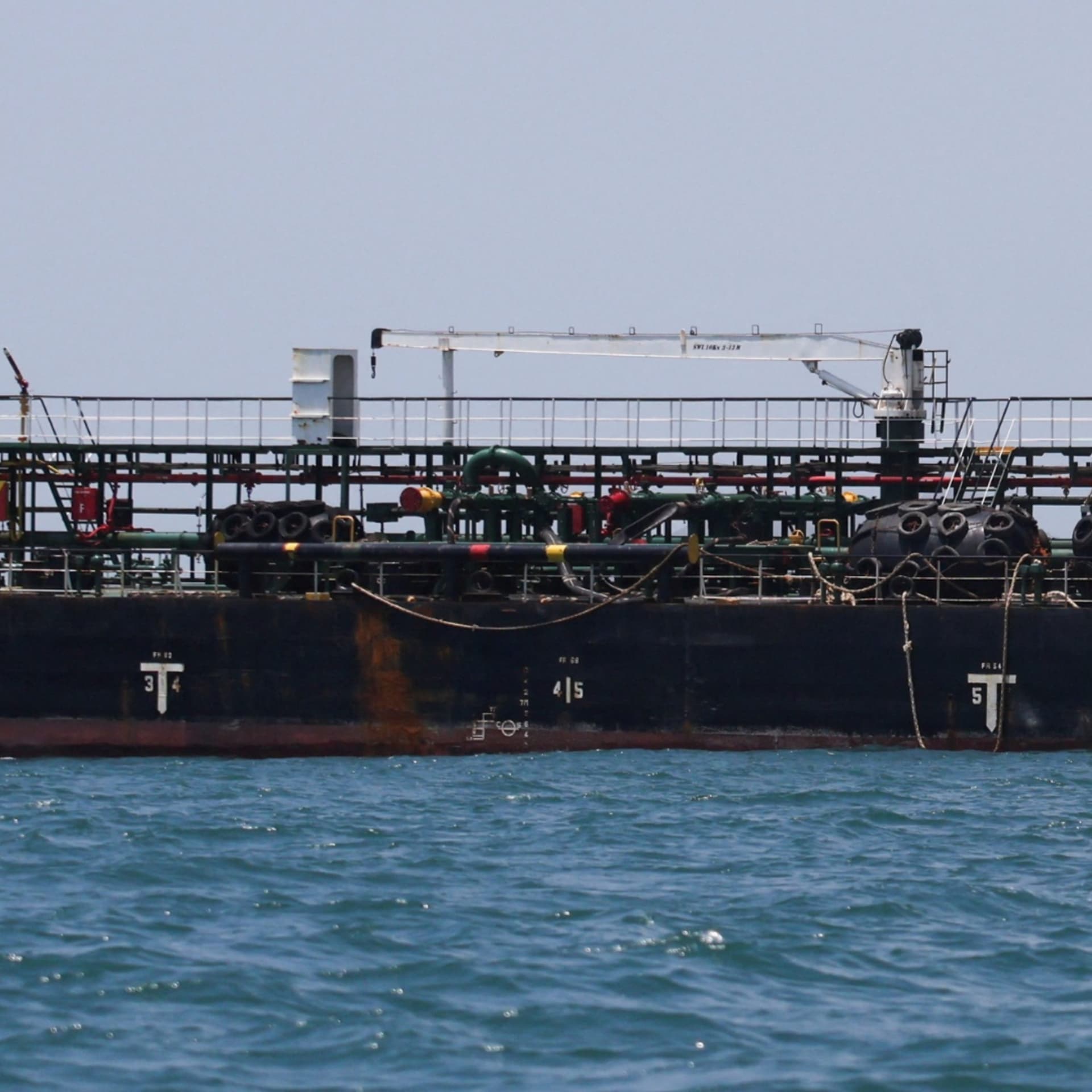
2:13But we start with the biggest oil deal in world history. Well, that's according to Donald Trump. The president has announced an agreement with Venezuela that he says will more than double US oil reserves and substantially lower petrol prices for Americans. Caracas has welcomed the deal as a historic milestone. The interim leader, Delcy Rodriguez, said the investment will help the nation's revival. Our Latin America expert in Miami, Luis Fajardo, has been telling me more. Certainly, we're talking about a very big deal, according to what President Trump said in his social media statement. He mentioned 65 billion barrels.
2:54That is estimated to be nearly one-fifth of Venezuela's oil reserves. Of course, Venezuela being one of the countries with the biggest oil reserves in the world. Also, Marco Rubio, the US Secretary of State, was posting in social media saying that$100 billion in investment would go to Venezuela. This is precisely the amount of money that some experts have suggested would be needed to restore the Venezuelan oil industry, which has suffered terribly in the last decade or even more because of mismanagement and all the turmoil that has confronted Venezuela in the last few years. So I think this will be probably seen as a win for Donald Trump ahead of the midterms.
3:35What do you think Caracas will make of this? There's certainly going to be some eyebrows raised in at least parts of the Venezuelan government. This goes against, of course, the entire ideology of the Bolivarian revolution of Hugo Chavez and Nicolás Maduro. The people who, Delcy Rodriguez, the president of Venezuela, originally reached government with that movement, which was all about economic nationalism and control of natural resources. This goes in the opposite direction. But on the other hand, there's going to be people in Venezuela saying that these oil resources have been drastically mismanaged in the last decade.
4:14This brought economic chaos to Venezuela. And if this oil deal brings prosperity again to the country, certainly people will have a different opinion on that. Because, I mean, it's definitely true that the US is exerting increasing influence on Venezuela since Maduro was ousted? It has, but on the other hand, it has been a delicate balance because in many aspects, the US is working with a government, the Chavista government of Delcy Rodriguez, which still controls a lot of aspects of domestic life in Venezuela. There's still, for example, very big criticism of political prisoners being still in Venezuela.
4:53So it is difficult to know up to what point the US government was actually doing or making the decisions in the ground at a micro level, but certainly at the macro level, big decisions like this suggest that the US government has created a huge, huge change in the political priorities and even the national priorities of Venezuela since the military actions of early in 2026. Luis Fajardo, the number of people missing after Wednesday's flash floods in Nepal has doubled to nearly 2 ,000, including many foreign nationals. More than 570 people are known to have died when a huge torrent of rock, ice and mud was unleashed by the collapse of a glacier in the Himalayan region.
5:40And even as rescue efforts continue, there are fears of further sudden floods. Azadeh Mishiri sent this report from one of the worst hit areas of Nepal. I've reached army barracks in Thichuli in northern Nepal and every few minutes there are helicopters that are landing, dropping off people who have been stranded by the floods, survivors, people who are injured and on the other side of the gate are just some of the people who are waiting for news of their loved ones. Families who are going up to a wall here with a list published of the Names of people the army has recovered so far, people who have been found.
6:22One of the people here desperate for news is Sujata Joshi. She tells me four of her family members are missing. Who in your family is missing? My sister-in-law. My cousin, my nephew.
6:46Her brother Sumit is here as well, and he tells me when the flood hit his home, he ran with his wife and his child. He survived. They were washed away. We were at home. When the flooding started, I rushed out. I asked my sister-in-law to hurry, but she was busy closing up our shop and got caught in the floods. One of the helicopters has just dropped off Balbirbike, who was stranded while working at a tunnel in Trishuli. We didn't know about the flood. We saw a huge cloud of brown dust from inside the tunnel. We felt a gust of cold air. We didn't know what was happening. One of the army's spokespeople here, Brigadier Rajaram Basnet, explained how difficult it is to rescue people from tunnels here.
7:37And even for the tunnels, the entry and exit point, they are closed. And it's very difficult to find out the, you know, entry and exit point also. I haven't seen this kind of, you know, disaster in my life. The warnings have eased now and emergency officials are letting people leave and get closer to the river. We're right next to the river Trishuli now. And the helicopters are still flying up above as search and rescue operations continue. It just goes to show how worried people are. The number of casualties have continued to rise and there's an anxious wait for the hundreds who are still missing.
8:16We've also just heard the Prime Minister Balan Shah and his cabinet have decided to donate a month's wages to the government's relief fund, a little over six months in office, and Balan Shah is now responding to the worst disaster Nepal has seen in more than a decade. Azadeh Mishiri in Nepal but across the border in Tibet information is much harder to come by given China's tight control of the region which it annexed in the 1950s Beijing says seven people have been killed in Tibet and hundreds are missing Our China correspondent Laura Bicker is monitoring developments from Beijing What we've heard is that Chinese rescuers have finally made it to the worst affected area and that area is known as Girong Port It's the main land border between Nepal and Tibet.
9:04And you may remember that horrific footage of the torrents of water crashing down through that building. They've told state media that all that they can find are the ruins of buildings. All they can see are collapsed structures. Now, they are, of course, searching for survivors. I think the one thing to point out is only 21 of them have made it. and I've been watching state media carefully because it is the main way I'm able to get information to you. And what you saw were the pictures of them on foot making their way through torrents of water, scaling cliff faces and basically hiking through the Himalayas to get to this area.
9:42The People's Liberation Army are also trying to make their way there with heavy machinery, but they've been held up and they have also warned that because of heavy rain in the area, They're suffering from more mudslides and it is hampering rescue efforts. So you can see there are major obstacles to overcome. About 558 people are thought to still be missing in that area. 260 of them are said to be foreign nationals, many of them making that pilgrimage between Nepal and Tibet. On better news, there were a number of people trapped in that area. the Chinese authorities have managed to free them and take them to safety.
10:23And there were over 500 foreigners in that group. And Laura, how reliable is the information coming from the Chinese authorities? Because I've heard you say before that as a foreign journalist, you can't really get to the area. And that's the same for most journalists operating in China. So how reliable is that information that you're getting? Yeah, I should explain you need government permission as a foreign media to get to Tibet. and that really doesn't come very often if it comes at all. Chinese state media are there. They are at the kind of front line with the firefighters, with the People's Liberation Army, but everything is through them and they too are carefully controlled.
11:02But it is kind of difficult to speak to actual local people in the region because they've been warned not to speak to journalists. So, Laura, to what degree are the Chinese and the Nepalese authorities cooperating? So this is a question that's quite difficult to answer because if you speak to different people, you get a different answer. Officially, the two sides are cooperating. China has also offered assistance to Nepal. President Xi Jinping has called for greater cooperation internationally and greater monitoring when it comes to the likes of these glaciers, glacier lakes and potential landslides.
11:37So it'll be interesting to see what happens after the shock of this disaster subsides. Laura Bicker in Beijing. In Sudan, the military-led government has lifted a two-year curfew and state of emergency in the capital, Khartoum. It's 18 months since the army seized back control of the city from the paramilitary Rapid Support Forces, or RSF. But the civil war, now in its fourth year, rages on elsewhere. During the state of emergency, Khalid Mohammed al-Baghir ran food kitchens for thousands. The BBC's Paul Henley asked him about the lifting of the curfew and what life was like before. It was really horrible during those days.
12:21People, they don't have work, they don't have any resource of income, so they were faced like loads of problems of hunger, needing medicine, etc. There are still security checkpoints. There's still an army presence in the capital, isn't there? It's more by the police, not by the army. Right, so what's changed? What's different? Oh, it's a lot of differences. Now people feel more safe. They can move freely. The business can work till late night. There is so many impact in different ways. Like inner impact, the feeling of being safe, now people can move, they can cross the bridge, etc. Even for the business, it's good.
13:08Taxi drivers can work, small shops can work, any other businesses can work better. Do you think all those people who fled the capital will now start to come home? Yeah, most of them, except the people who don't have any funds to repair their houses, the destroyed houses. I think if the government work hard to make life more easier, I mean the basics, electricity, water, etc. etc. More people will come back to the capital. What kind of economic price have you paid during this war? You run hotels in Khartoum, is that right? Yeah, exactly. It was horrible. It was fully destroyed. They stole everything.
13:54The appliances, the computer system, even the security camps. And are the basics for daily life returning? Is the power back on and reliable? Yeah, but it's not stable. But it's better than before. Now I'm in the office with the AC working and the lights on and I have water. It's better. Do you think that the military government has a real chance of winning this war? Only in one case. If the countries that are supporting the RSF stopped. That was Khalid Mohamed El-Baghir in Khartoum.
14:33Still to come in this podcast. People are saying the world around us is changing and that's very true. But I do think that that does not mean that we have to lock ourselves in an agreement with the European Union. Iceland holds a referendum on whether to restart talks on joining the European Union.
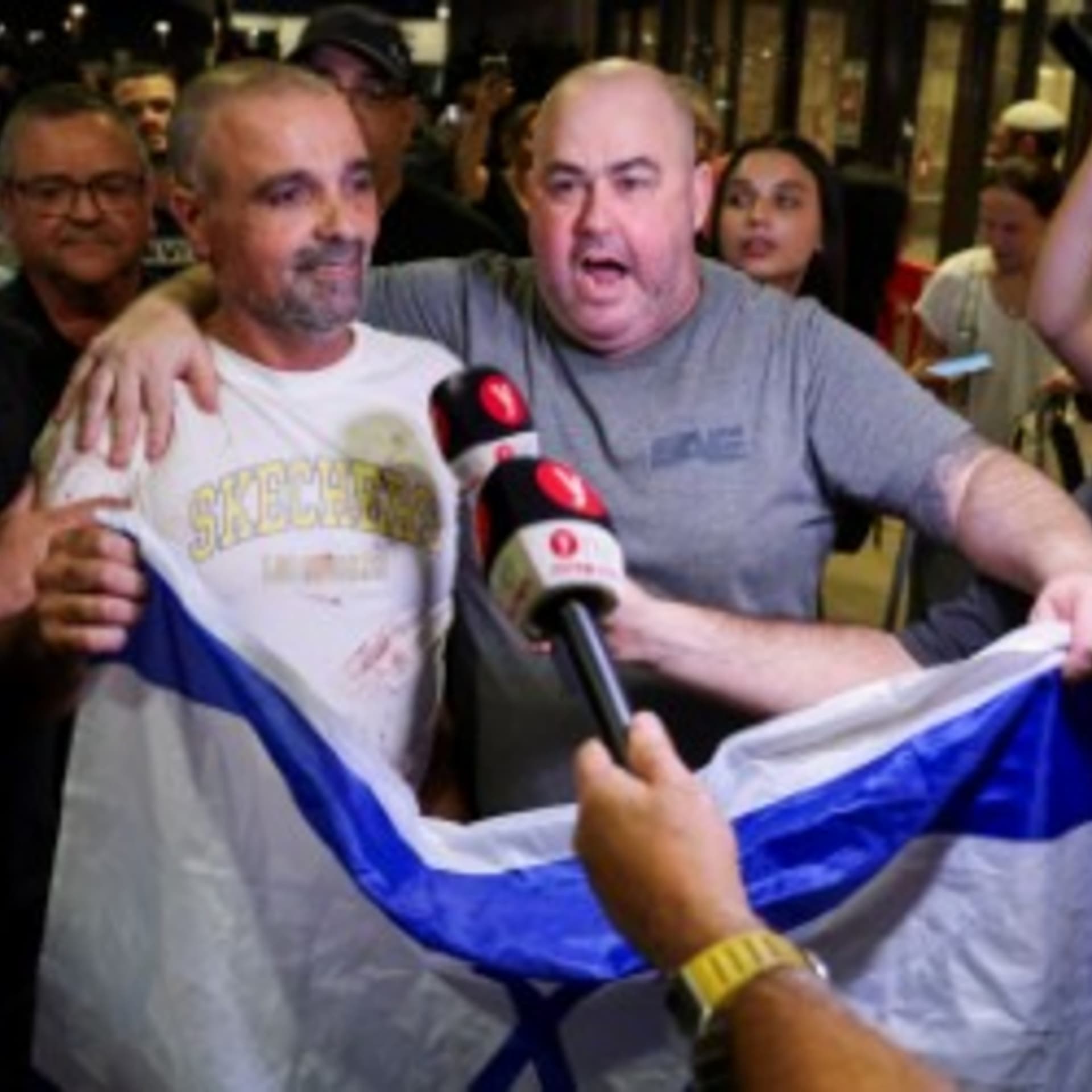
14:59This is the Global News Podcast. Milo Yiannopoulos once called himself the most fabulous supervillain on the internet, caught in controversy with his remarks about Islam, feminists and race. The British far-right commentator who lives in the US was an early supporter of Donald Trump and the MAGA movement. But the 41-year-old has now found himself on the wrong side of the strict immigration policies he's publicly endorsed. He's been detained by ICE and is awaiting deportation. Our correspondent Shima Khalil told me more. Milo Yiannopoulos is a self-styled provocateur. People may remember him from the first Trump administration.
15:41He rose to prominence really as an editor of Breitbart, very, very prominent conservative publication at the time. He was an editor, he was a news editor there, but he was so outspoken against everything, the Black Lives Matter movement, feminism, transgenders. And he was an early supporter of Donald Trump during the 2016 election, headlining events called Gays for Trump during the Republican National Convention. He backed President Trump's tighter immigration restrictions in the United States. And then he had a recent fallout with Mr. Trump and the Trump administration. He said that he'd lost his way.
16:22He more recently was working for Kanye West, again, a very controversial figure, obviously the rapper in the music industry. But this is where people would remember him. Recently, though, we haven't heard much about him or from him. So when the news came out today that he was arrested by ICE, I think it took everybody by surprise. Do we know yet why he's been detained? Well, we have a statement from ICE now, from the U.S. Immigration and Customs Enforcement. They said that they had arrested, they described him as an illegal alien from the United Kingdom in New Orleans International Airport, and that he had entered the United States legally in 2019.
17:04But as the statement put it, he had chosen to overstay his welcome. ICE says that he had failed to attend an immigration hearing. He was issued with a final removal order last month, and then he was arrested today. we also know that he will remain in ICE custody pending removal or pending deportation. Some might say, ironically, Shima, he was a very big supporter of ICE. Just looking at his tweets from last year, he says, total legal immunity for ICE agents when they're on duty. We've got to deport millions and millions and millions of people. Without that, nothing else matters. Exactly. And for a person who was so outspoken about deporting people, who was so outspoken in favour of essentially what ICE is doing right now, of Donald Trump's policies about immigration, for this particular person to be then detained by ICE is quite ironic.
17:59Indeed, it's painfully ironic to be himself called an illegal alien and to be eventually deported by ICE. Shaima Khalil. Experts say Denmark's campaign of forced contraception on women and girls in Greenland in the 1960s and 70s violated human rights but did not meet the legal definition of genocide. Two long-awaited reports were released on Friday and both found that the women's rights were breached. More than 4 ,000 Inuit women and girls who were the main ethnic group in Greenland were given IUDs or coils, often without their consent. Many say they suffered pain and trauma, and some are left sterile, like this woman, Inga Platu.
18:47I wasn't told anything about me having an IUD inserted. I was in hospital for a minor operation in my pelvic area. When I came round, an IUD had been fitted. Without me being asked first, I was 20 years old. I'd imagined my future with more children, but I wasn't able to. I envied my friends who were having children and starting families. We decided to adopt. The practice was so widespread that Greenland's population growth severely slowed. Greenland is a self-governing territory of Denmark, which will pay around$47 ,000 to each affected woman. I got more from our Denmark correspondent, Adrian Murray.
19:29Two separate reports have been published by Greenland's government. Now, initially, they commissioned one panel to investigate or examine what the legal aspects of this case were. So that's whether human rights violations had occurred and also, crucially, whether this would constitute genocide. Now, this happened about a year and a half ago. The experts behind that panel, they had a disagreement and they split into two groups. What's happened is there are now two reports that have been released that were authored by two different groups. Now, in terms of the findings that the government presented, both of these reports concluded that there were cases of forced contraceptions and that there were violations of the women's human rights.
20:16But neither established that genocide had occurred. The first group, the Danish experts, they said there was no empirical evidence to suggest genocide at all and then concluded there was no intention proven. The second report by two international experts, however, was a bit more nuanced. They did not establish genocide. But this report, however, said there were reasonable grounds to believe that involuntary contraception was actually systematic, that it was discriminatory. And that in their view, however, on this genocide issue, only a court can decide. So they stopped short in that capacity in terms of their conclusions.
20:58That was Adrian Murray. A decade after Iceland broke off negotiations to join the European Union, voters are deciding whether or not to start talking about applying for membership in the future. Early polling shows the result could be very close. Here's the top headline on the national broadcaster.
21:23They're saying that big queues were reported in the capital, Reykjavik on Friday as people lined up for early voting. Now, Iceland is already part of the European Economic Area and residents have the right to travel and work throughout the European Union. But Donald Trump's threats over Greenland, its vast neighbour to the north west, have left some in Iceland wondering whether they should join the EU. The BBC's Sean Lay brought together two young voters. In a moment, we'll hear from Magnea, now Johannes Dauter, a deputy member of Reykjavik City Council, who plans to vote no. But first, here's Fornhilde Davidsdauter-Serbeck, vice chair of the pro-European Icelandic Youth, who plans to vote yes.
22:12I think it's just the changed reality, a changed geopolitical circumstances. I think that we belong most with Europe. I think we share a lot of values of democracy and human rights. The US has been a historically very strong ally for Iceland but like now with a new leadership they're becoming a more unreliable, untrustworthy, you can't really know what they're going to do next. Magni, does that worry you what's happening around Iceland at the moment? People are saying the world around us is changing and that's very true but I do think that that does not mean that we have to lock ourselves in a trade agreement with the European Union.
22:48We do have trade agreements, for example, with China that might be put at risk if we join the European Union. When it comes to protection, we are a funding member of NATO. We have a bilateral protection agreement with the United States of America and we are a part of the European economic area. So we do have strong ties with Europe. We are part of the single market. We can go and work and study everywhere else. Thorhilda, that's a good point, isn't it? I mean, it's hard to see what the advantage would be of joining EU, certainly on an economic grounds. We don't have any say. We don't have a seat at the table in EU institutions.
23:22And now we are kind of in the EA agreement sheltered by Norway. But I think if Norway were to join, Iceland's negotiating power would decline significantly, which I think is one of the biggest reasons for joining the European Union for Iceland would be to adopt the euro. So now in Iceland, we have the Icelandic krona, which is the smallest independent floating currency in the world. We have sky-high interest rates. We're still not in the customs union. So we're still paying terrorists both ways. That increases the grocery prices and just makes the cost of living in Iceland significantly harder.
24:02Magda? I'm not a big fan of internationally outsourcing power and authorities. joining the EU would mean that we would have to change our constitution. Our seat at the table is very small. We are a small nation of only 400 ,000 people. That means that we only get six seats at the European Parliament, which is under 1 % of the votes. And I do fear that we would just drown in that regulations in there because we don't have the power. Right now we are part of the European Economic Area. We can say no to things in there. and in the end it's our parliament that implements the law. It's not the European Union.
24:38Having an independent currency is a good thing and the corona has been a shock absorber when Iceland experienced economic crisis or shocks. When it comes to young people and voting, the polls now in Iceland are showing that 60 % of young people from 18 to 29 are actually going to vote no. They don't want to join the European Union. Next, more than 200 wild elephants died in Sri Lanka in the first eight months of this year. The Wildlife Conservation Department says nearly 90 of them were killed by farmers. Our Global Affairs correspondent Anne Barisan Etarajan has more details. Elephants are considered sacred in Sri Lanka.
25:20Nevertheless, since 2021, the average number of deaths each year has reached 400, triggering concerns over their long-term future in the island nation. The increasing encounters between humans and wild elephants are proving deadly. Many of the elephants were shot or came into contact with illegal electric fences. 26 that died this year had consumed jaw bombs, explosives hidden in food that detonate inside the animal's mouth. Killing elephants which are endangered is illegal in Sri Lanka and can carry the death penalty. But this is rarely enforced. Scores of people also get killed by elephants every year.
26:02An estimated 5 ,800 elephants roam across Sri Lanka's protected habitats, wetlands and highlands. But experts warn that if elephant deaths continue to rise at the current rate, up to 70 % of the island's elephant population would be gone in the coming years. Ambarisan etarajan. Finally, millions of people in France have flocked to see a film about the French Second World War leader Charles de Gaulle over the summer. Now, de Gaulle resistance is about to open in the UK and Ireland. You chose our side, the side of freedom. You see a child attacked by savages, you step in. La France dépasse un enfant, Monsieur le Président.
26:48Elle a toujours continué à se battre.
Read the full transcript
26:53The film is about France's darkest hour, when German forces occupied the country. De Gaulle, then a little-known figure, had escaped to London. And it was from the BBC studios here in Broadcasting House on the 18th of June, 1940, that he called on the French to resist the Nazis. No recording was made, but here's a speech from a few days later.
27:25He was saying, Honour, common sense and the interests of the country require that all free Frenchmen, wherever they be, should continue the fight as best they may. The film was inspired by a book by the British historian Julian Jackson, who's been speaking to my colleague Evan Davis about the French general's tumultuous relationship with his host, the British wartime leader Winston Churchill. Complicated is an underestimate. It is a fantastically difficult relationship to understand. A lot of people think, oh, two men hated each other. They spent most of the war quarreling. There's a wonderful, wonderful scene in the film which absolutely happened in reality where they're shouting at each other.
28:07De Gaulle smashes a chair, leaves the room. And as he's leaving the room, Clementine Churchill is coming in. And De Gaulle, who's always very polite to women, says, I'm delighted to meet you, madam. She goes in to see her husband and says, what a charming man. So there's an element with De Gaulle of play-acting in his tantrums. But why the anger? I think because once de Gaulle was in London, once he'd established himself, he really needed to show that he wasn't a puppet of the British. And so he behaved often abysmally to Churchill. He bit the hand that fed him. And why did he bite the hand that fed him?
28:46Because he wanted to show that France had teeth. And Churchill, he saw in de Gaulle someone a bit like a romantic. but he was under pressure from somebody who hated the goal although he hardly knew him which was Roosevelt in the United States. Talk to me about why this film might be enjoyed now. What is surprising about the film and you can't predict whether a film will be successful or not is the amazing success it has seemed to have had in France. It's given two things. One, there's a lot of writing about how badly the French behaved in the war about collaboration. all things that happened, all things that are true.
29:24And I think this is a film that gives the French a sense that they can actually be proud of their country, that there is another story to tell. And I've been very struck by quite young people that I know who write to me, a young man in his late 20s. He wrote and said, I went to see the film and I came out and I was crying. So I think there's a sense, a legitimate reason to be proud of your country. This extraordinary sort of larger-than-life figure who in some sense did save his country. He did lots of things that we might not find admirable. He was not in all ways an attractive figure, but I think it could be said that he saved the honour of France, and I think that's what a lot of French people are responding to.
30:05He created the most powerful democratic presidency anywhere in the Western world. For all that, there are lots of criticisms of the way that the Fifth Republic works, of its authoritarianism, etc. It hasn't served France too badly for the last 50 years. I think that that's an extraordinary legacy. That was Julian Jackson.
30:30And that's all from us for now. If you want to get in touch, you can email us at globalpodcast at bbc.co.uk. You can also find us on X at BBC World Service. Use the hashtag Global News Pod. Don't forget our sister podcast, The Global Story. This edition of the Global News Podcast was mixed by Rebecca Miller and the producer was Marion Straughan. The editor is Karen Martin. And I'm Charlotte Gallagher. Until next time, goodbye.
31:15You can even get help from a dedicated advisor. That's full service wealth management. Mix, match and change your mind whenever you want. Because at Schwab, you can invest your way. No matter your goals or appetite for investing, Schwab has everything you need all in one place. Visit schwab.com to learn more. Is the hit Netflix show Emily in Paris just harmless escapist TV? Or is Emily ruining Paris? I'm Asma Khalid, and I host the Global Story podcast from the BBC. The president of France has described the show as super positive for his country, soft power through cinema. But is TV tourism good for a city?
31:56For more, listen to The Global Story on BBC.com or wherever you get your podcasts.
32:08Introducing Choiceology, an original podcast from Charles Schwab. Join Wharton Professor Katie Milkman, an award-winning behavioral scientist and author of the best-selling book, How to Change, as she shares true stories from Nobel laureates, authors, athletes and everyday people about why we do the things we do and how to make better choices to help avoid costly mistakes. Each episode covers the latest research in behavioral science and dives into themes like the power of self-control, shaping your mindset for success, navigating new beginnings, and why starting over can feel so hard. Listen to choiceology at schwab.com slash podcast or wherever you listen.
From the publisher
Washington and Caracas have agreed a "historic" deal, which will more than double US oil reserves and provide investment for Venezuela's energy industry. Also: Emergency aid efforts are stepped up in Nepal and Tibet as nearly 2000 people are feared missing after the floods. Sudan lifts a two-year-old curfew and state of emergency in Khartoum. Experts say Denmark's forced contraception of Indigenous women in Greenland didn't meet the legal definition of genocide. British far-right commentator and MAGA supporter, Milo Yiannopoulos, is detained by ICE. And the surprise hit film about the French wartime leader Charles de Gaulle.
The Global News Podcast brings you the breaking news you need to hear, as it happens. Listen for the latest headlines and current affairs from around the world. Politics, economics, climate, business, technology, health – we cover it all with expert analysis and insight. Get the news that matters, delivered twice a day on weekdays and daily at weekends, plus special bonus episodes reacting to urgent breaking stories. Follow or subscribe now and never miss a moment. Get in touch: globalpodcast@bbc.co.uk Photo: An oil tanker near Puerto la Cruz, Venezuela Credit:REUTERS/Leonardo Fernandez Viloria