In short
US-Iran tensions in the Strait of Hormuz after US “Project Freedom” guided stranded ships; Iran retaliates with drones/missiles; risks to a fragile US-Iran ceasefire. Episode also covers: a fatal car-ramming in Leipzig, Germany; Samsung’s family paying a record South Korean inheritance tax; EU leaders meeting in Armenia to push coordinated defense; Met Gala celebrity fashion backlash tied to Jeff Bezos; microplastics in the atmosphere warming the planet; Wu Yize winning the World Snooker Championship.
Guests (named)
None in the transcript.
Key claims/examples
US says it sunk six Iranian ships and guided commercial vessels; UAE says it was first targeted since the ceasefire; Iran warns against a “quagmire.” Leipzig: 2 dead, driver arrested, motive unknown. Samsung: Lee Kun-hee family pays about $8bn inheritance tax. Met Gala: Bezos co-chairs; calls to boycott. Microplastics: darker particles warm more than white reflect. Snooker: Wu Yize beats Sean Murphy in a final-frame thriller.
Written by AI. May contain mistakes. Listen to the episode to check what was said.
Chapters
Tap a time to open that second in VOUS-Iran Tensions Escalate
0:45 to 1:41
Discussing the resurgence of hostilities in the Gulf and recent attacks.
“Fears of a resumption of hostilities in the Gulf after the US says it's guided some stranded ships out of the Strait of Hormuz.”
The Impact of Project Freedom
1:41 to 3:18
Analysis of the US initiative to guide ships through the Strait of Hormuz.
“We begin in the Middle East, where the US-Iran ceasefire is on very shaky ground.”
Reactions to US Actions
3:18 to 5:10
Exploring various responses to the new US military operations.
“We told them what our intent is and we do believe that likely beginning tonight a number of them will begin to conduct that transit.”
Consequences of Escalation
5:10 to 6:41
Examining the potential risks and consequences of US-Iran interactions.
“When Donald Trump launched this project, Freedom, I don't think he was trying to deliberately provoke the Iranians or trying to disrupt the ceasefire.”
Casualties in Germany
6:41 to 7:47
Report on the tragic incident in Leipzig and its implications.
“The Iranians want to show that they're going to keep it closed or at least controlled.”
Details of the Leipzig Incident
7:47 to 9:57
In-depth coverage of the car attack in Leipzig and ongoing investigations.
“when a car drove into a central pedestrian zone of the eastern German city of Leipzig.”
Samsung's Inheritance Tax Payment
9:57 to 13:54
Analysis of Samsung's substantial tax payment and its implications.
“What we know is that they have said the suspect is no longer a danger, that it is fine for people in Leipzig to go out in the streets again and wander around.”
European Leaders Address Security Challenges
15:06 to 16:55
Discussion on European leaders' meeting in Armenia and defense strategies.
“European leaders gathered in Armenia have stressed the need for a coordinated approach to security in response to global turmoil and strained relations with Washington.”
Armenia's Political Balancing Act
16:55 to 18:50
Analysis of Armenia's shift towards the West amid Russian influence.
“where the latter suggested the US had no strategy when it came to its war on Iran.”
Met Gala 2023 Highlights
18:50 to 22:55
Insights into the fashion statements and controversies at the Met Gala.
“Now, it's not that often that people turn up to parties holding a replica of their own head or dressed as a chandelier.”
Show all 13 chapters
Microplastics and Climate Change
22:55 to 24:40
Exploration of how microplastics contribute to global warming.
“Tiny pieces of plastic pollution have been found in some of the most remote places on Earth, from the depths of the sea to the ice in Antarctica.”
Wu Yize: A Snooker Champion's Journey
24:40 to 28:01
The inspiring story of Wu Yize's rise to snooker stardom.
“Now to the wonderful story of the 16-year-old kid from China who left home to travel to the UK and pursue his dream of becoming a snooker world champion.”
Snooker Champion's Inspirational Journey
28:01 to 28:26
Learn about a snooker champion's rise from humble beginnings to success.
“That's how serious they're getting about snooker here.”
Transcript
Automatic transcript. May contain errors.0:00This BBC podcast is supported by ads outside the UK.
0:30Take 5, the stay-in-your-car 10-minute oil change. Find your nearest shop at take5.com. This is the Global News Podcast from the BBC World Service. Hi, I'm Ankur Desai, and in the early hours of Tuesday 5th May, these are our main stories. Fears of a resumption of hostilities in the Gulf after the US says it's guided some stranded ships out of the Strait of Hormuz. In retaliation, Iran has fired a barrage of drones and missiles at targets in the region. Also, two people have been killed and 22 injured after a car was driven into a crowd in Germany. And backlash as celebrities take to the red carpet at the Met Gala.
1:13Also in this podcast, we analyse how China is fast becoming a juggernaut in the sport of snooker. My parents are the true champions. My dad has been my side. My mom has also been going through a lot over the years. They are the source of my strength. I love them so much. As a 22-year-old sensation, Wu Yiza has won the World Snooker Championship in a final frame thriller.
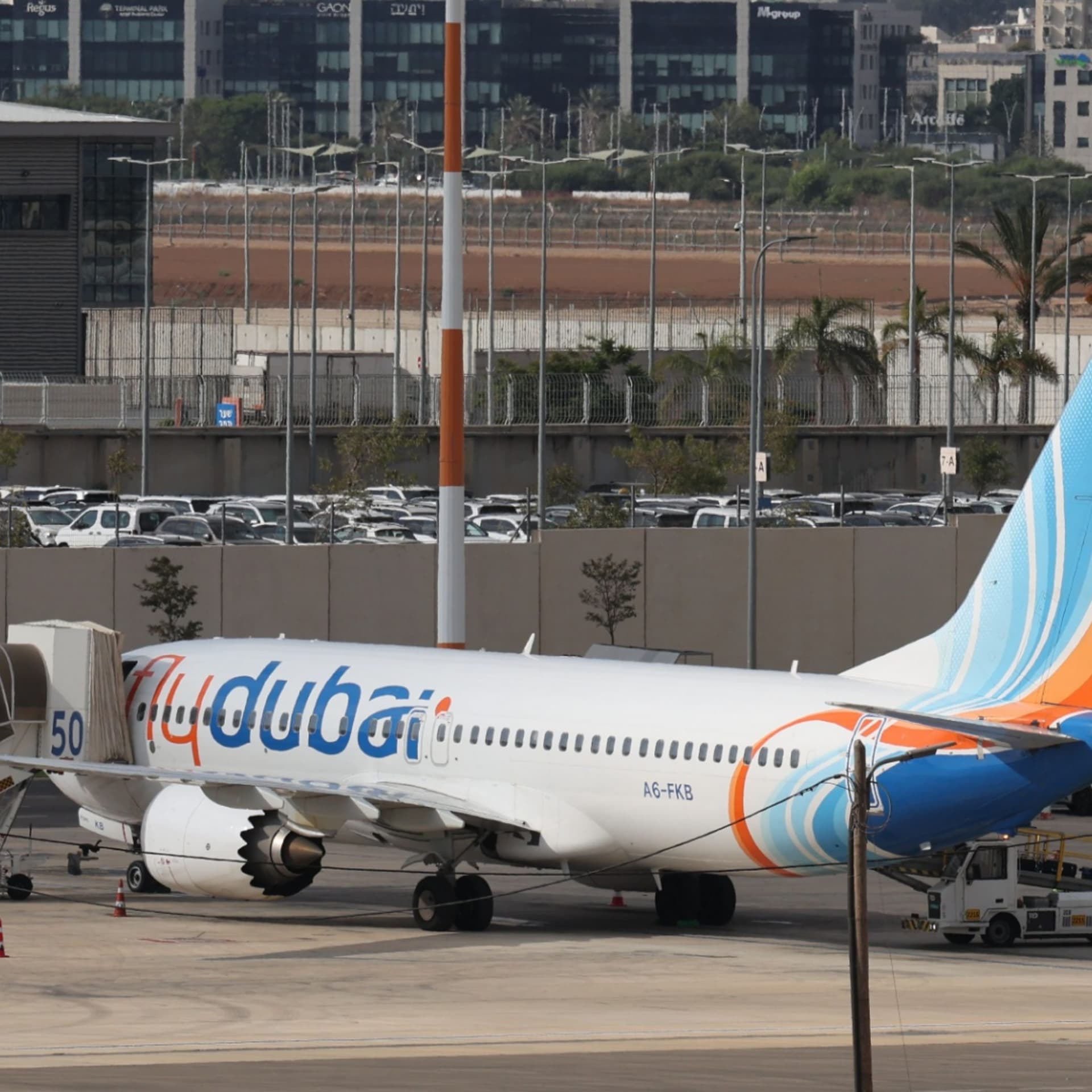
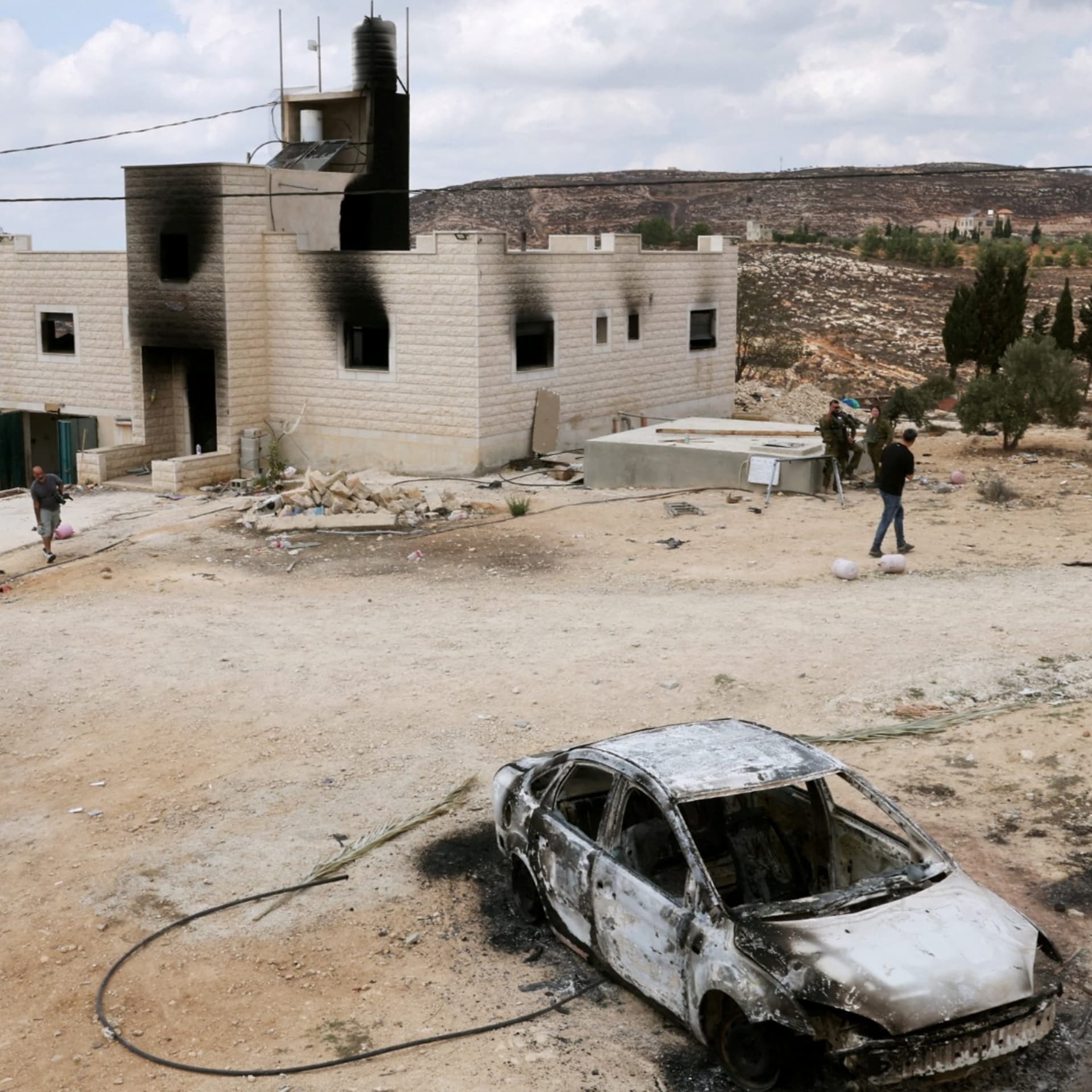
1:41We begin in the Middle East, where the US-Iran ceasefire is on very shaky ground. The United Arab Emirates says Iran has fired missiles and drones at its territory, accusing the country of dangerous escalation. The strike on an oil port sparked a fire, injuring three people. This is the first time the UAE has been targeted since the ceasefire was agreed four weeks ago. The attacks came in response to President Trump launching his Project Freedom operation to get stranded commercial vessels out of the Strait of Hormuz. The U.S. said American missile destroyers and merchant ships had sailed through the strait and several Iranian small boats were destroyed.
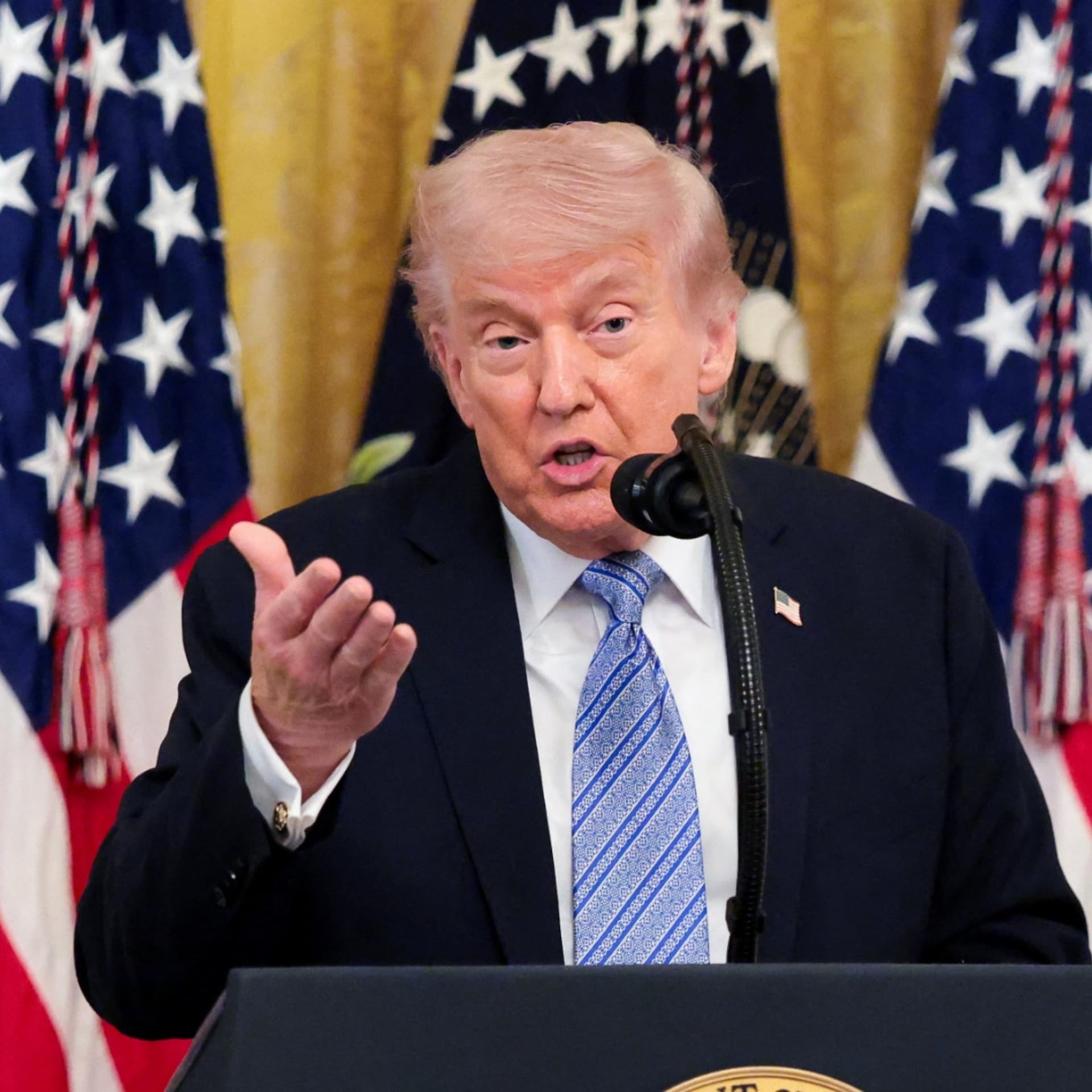
2:21From Washington, here's our North America correspondent, David Willis. Donald Trump has said the US effort to guide stranded ships out of the Strait of Hormuz is in response to pleas for help from countries all over the world. He's called it an humanitarian gesture and given it the name Project Freedom. But the move is threatening to undo an already fragile ceasefire that's been in place between the United States and Iran for the last month. The head of U.S. Central Command, Admiral Brad Cooper, told reporters that Iran had used cruise missiles, drones and boats to try to disrupt the mission, and U.S.
2:59forces had already sunk six Iranian ships that were targeting civilian vessels in the region. Retired U.S. General Jack Keene told the BBC low-key mine-clearing operations and other such preparations have been underway in the Strait of Hormuz for some time. And we've been in communication with ship owners, ship insurers and the merchant ship captains themselves for a number of weeks. We told them what our intent is and we do believe that likely beginning tonight a number of them will begin to conduct that transit. As of now there are no plans on our part to do any escorting of vessels through that.
3:40We're telling them the straits are clear. U.S. Central Command said guided missile destroyers belonging to the American Navy had passed through the Strait of Hormuz and that American forces were assisting transit for commercial shipping with Navy destroyers and warplanes on hand to shoot down missiles or repel fast boat attacks by Iran. But it's a high-risk strategy, and so far there are few signs that tanker owners seem sufficiently confident or sufficiently insured to take advantage of it. Raman Kapoor is the captain of a crude oil tanker stuck in the Gulf. First and foremost, it's my crew's safety, first and then my ship's safety.
4:26So as a captain, I would not take this risk at the moment. Writing on his Truth Social platform, Donald Trump said Iran had taken some shots, as he put it, at US allies in the region, among them a South Korean cargo ship, and that no other vessels had been damaged going through the strait. Iran claimed earlier that it had hit a US warship in the region. Perhaps it's time for South Korea to come and join the mission, the president added. David Willis in Washington. In a social media post, the Iranian foreign minister, Abbas Arachi, warned the US not to be dragged back into a quagmire. So why has President Trump decided to potentially jeopardise the ceasefire?
5:09We asked our North America editor, Sarah Smith. When Donald Trump launched this project, Freedom, I don't think he was trying to deliberately provoke the Iranians or trying to disrupt the ceasefire. What he wanted to do was tackle his biggest domestic problem, which is the way the blockade of the trade of hormones is putting prices up here in America and around the world. And that is, of course, what is making his war in Iran so very unpopular with the American public. So the thing is that it was inevitable. If the U.S. was going to try and get tanker ships moving through the strait, that this was going to risk the exchange of fire, which is, of course, exactly what happened today, that that threatens the fragile ceasefire.
5:49On top of that, we've had Donald Trump saying that the U.S. is ready to launch new attacks on Iran from the American bases in the region if that's what is required. But, as I say, I don't think that that was his purpose. The reason that he has been taking this action has got more to do with lowering prices than it has to do with restarting hostilities. It's just that if that was his aim, that hasn't been very successful either because as a result of what's happened today, the oil price has gone up and the value of the US stock market has gone down a bit. Our international editor, Jeremy Bowen, says the conflict is again at a very dangerous juncture.
6:25It was inevitable that something like this was going to happen and this is the way that wars escalate. These are moments where miscalculations about each other's motives are likely and possible and dangerous. And that is the problem that they're facing at the moment. America's strategic bind is they need to get that straight open. The Iranians want to show that they're going to keep it closed or at least controlled. And the foreign minister today has been saying to MPs that not only are no nuclear talks going on with the Americans, but there will be no going back to the way things were before the war started on the 28th of February.
7:00that no hostile vessels from hostile nations would be allowed through, that there would be new mechanisms to control the strait. Let us not forget the strait was open before America and Israel attacked. And now actually opening it has become a major war aim of the war that didn't seem to have clear strategic reasoning behind it when it stopped. As for the Gulf states, deeply alarming. Sources I've been speaking to absolutely reflect the public statements as well. The UAE particularly said publicly they will not be intimidated. They put a whole lot of new weapons from the Americans. So, look, this is a time for steady and calm leadership in Tehran and in Washington.
7:43Are we going to get it? Jeremy Bowen reporting. Two people were killed and several others were injured on Monday when a car drove into a central pedestrian zone of the eastern German city of Leipzig. Police say the two dead are a 63-year-old woman and a 77-year-old man, both German nationals. It's the latest in a spate of such incidents in recent years in Germany. Police say the driver, a 33-year-old German man, has now been arrested. The mayor of Leipzig, Buchhard Jung, said it was devastating. A terrible tragedy has unfolded in Leipzig. We're stunned by what has happened. A man has driven at high speed into the shopping district.
8:25We're mourning two deaths, with three people currently in a critical condition and many others injured. It's impossible to find the right words to describe this horrific rampage. Authorities say they do not yet know a motive, but say the man has previously suffered from mental illness. With more details about what happened, here's Bethany Bell. We've heard from the Prime Minister of Saxony, the state in where Leipzig is, saying that he's believed to have had psychological issues. He's also a local resident. He, as we know, has been arrested and the police are continuing their investigations. They've said that two people have lost their lives in this and a number of others injured.
9:11They said it was still too early to say the numbers of injured. And there is this very big emergency and rescue operation underway in the centre of town, what we understand is that this car drove along a street that leads towards the pedestrian area in the centre of Leipzig, a very touristy area, an area where there's a university, where there are sites connected with the composer Johann Sebastian Bach, a very busy area in Leipzig where it's very popular for people to be out in the evening. and this is when the incident happened. The authorities have not said yet whether they believe that this was a deliberate attack or whether it was an accident or something else.
9:57What we know is that they have said the suspect is no longer a danger, that it is fine for people in Leipzig to go out in the streets again and wander around. But this is something which has caused great grief and shock. Bethany Bell reporting. Now here's a phrase you don't hear very often. Paying taxes is a natural duty of citizens. That was a quote from the South Korean family behind the mighty Samsung business. Its late chairman, Lee Kun-hee, died back in 2020, leaving a fortune worth around$45 billion. The family has just paid a massive inheritance tax bill of$8 billion, US dollars, the largest such payment in South Korea's history, possibly the world.
10:46While the country's inheritance tax is among the highest in the world, the Samsung payment is still roughly one and a half times the country's total inheritance tax revenue for 2024. Quite the windfall for the government. So what does all this tell us about the company? My colleague, Rebecca Kesby, spoke to Jeffrey Kane, an American journalist and writer of the book, Samsung Rising, inside the secretive company Conquering Tech. Samsung is not any ordinary business. South Koreans even have a term for their country. They call it the Republic of Samsung. And so this is a company that is just massive by any standard.
11:25It doesn't just make the smartphones and the chips that we all hear about. They build apartments. They have a hospital. And you can literally, in South Korea, this is no exaggeration, You could, if you wanted to, live cradle to the grave on Samsung. Just literally get a Samsung apartment, watch your Samsung TV. They do have a Samsung managed graveyard, to give another example. So it is massive and so tied to the success or the failure of South Korea. It's the company that's the nameplate brand of South Korea. What Samsung does reflects on the country. Were you surprised at how enthusiastic the family was to pay this inheritance tax?
12:03I was absolutely surprised because getting to this point has been a seemingly never-ending succession of scandals and jail sentences. It's just been wild. It is a very high percentage that people pay in South Korea for inheritance tax. I think it's 50%, which is the highest in the world, I think, or among the highest in the world. It's really stunning what Samsung has done. A lot of people did not expect so much money to come so seemingly easily. But one of the reasons why Samsung and other Korean companies have behaved this way in the past, resisting these payments, is exactly that reason. They complain that they just have a sky-high inheritance tax rate, and it's unreasonable by the standards of most developed economies.
12:51It was a reluctant payment. It was something that they were trying to avoid for many decades. They really wanted to lessen the burden of this inheritance tax. But the bottom line is that Samsung has been through so many scandals over its history. Jay Lee himself, the chairman, has been through scandal after scandal, even as he has been rising to the chairmanship. And so the bottom line is that if they fight this, there's going to be trouble for Samsung. There's going to be trouble with the government, with regulators, with the population, with the citizens who are not always so happy about the outsized power of Samsung.
13:25So they just have to bite the bullet and they have to pay it. That's that. But what does that tell us about the powers of nation states to rein in some of these super rich people that are, or corporations that are potentially richer than any given country? It says a lot. And it says that when a nation, when a government puts its mind to it, yes, it can rein them in and it can make them pay their fair share. Geoffrey Cain speaking to Rebecca Kesby. so to come in this podcast we're on the red carpet
14:02we're in new york as the stars gathered for the met gala
14:20the crew Two of NASA's Artemis II mission have returned home safely after successfully completing their groundbreaking voyage around the moon. Splashdown confirmed. Humans are back in the business of going to the moon. But while the mission is over, the Artemis space program is just getting started. 13 Minutes, the BBC Space podcast, is looking back on their epic journey and discovering what the future holds for the Artemis space program. Just imagine what we as humans can do next. 13 Minutes presents Artemis II from the BBC World Service. Listen now wherever you get your BBC podcasts.
15:05This is the Global News Podcast. European leaders gathered in Armenia have stressed the need for a coordinated approach to security in response to global turmoil and strained relations with Washington. The EU Commission President Ursula von der Leyen said Europe must step up its military capabilities by speeding up production. We have to step up our military capabilities to be able to defend and protect ourselves. There is a vast amount of money available for the investment. Now we really have to step up and speed up the production process for military capabilities. The European Political Community, or EPC, was set up after the Russian invasion of Ukraine in 2022.
15:53The country's president, Volodymyr Zelensky, told the summit Ukraine was ready to help bolster European defence resources. Also attending the meeting was the first non-European, Mark Carney, the Prime Minister of Canada. Our correspondent, James Waterhouse, is in Yerevan. He spoke to my colleague Alex Ritson about the meeting. It really is. This is a European bloc trying to take on a growing list of very real challenges. It's not now just about the war in Ukraine. That, of course, is high up on the agenda. We've seen continued support announced for Ukraine today. But there is also the war on Iran, this US-Israeli-led military operation against Iran that is causing endless economic shockwaves, not least from the blocking of the key shipping lane of the Strait of Hormuz.
16:41And to add to that, you know, Donald Trump's frustration with Europe's defence spending is not new. What is, I think, is that indifference to European security now developing into withdrawal. Because Donald Trump had a falling out with the German Chancellor of Friedrich Merz a few days ago, where the latter suggested the US had no strategy when it came to its war on Iran. Donald Trump has now pulled 5 ,000 troops out of Central Europe. He's pulling out long-range missile systems designed to curb Russian aggression. And you could certainly tell today in Yerevan that that was fuelling a sense of urgency.
17:18Yeah, the British Prime Minister Keir Starmer has admitted there that Europe's alliances are not where we want them to be, to quote directly. It is, and no-one said Donald Trump's name, but Emmanuel Macron, the French president, called it the elephant in the room. He called it a continued over-reliance by Europe on America's security umbrella. And what this collection of leaders really want, what they are striving for is, I'm going to use jargon now, strategic autonomy, where as a collective they should be able to manufacture their own weapons, generate their own intelligence and defend themselves against threats like Russian aggression.
17:55But that will take decades. James, briefly, is Armenia being quite brave hosting this meeting? It's an interesting balancing act for Armenia. This is a country historically that has had political and cultural ties with Russia. It still buys Russian gas at a discounted rate. But recent events and political turnings of the tide mean that Nikol Pashinyan, the Prime Minister, he is looking to align the country westwards. He is wanting to join the European Union. There's a separate summit happening tomorrow between the European Union and Armenia, where they'll look at visa opportunities. And Vladimir Putin has made it clear he's displeased with this.
18:38He said you can't align with Europe and be part of our economic alliance. And on Russian state TV, there are some commentators threatening another Ukraine if that was to happen. James Waterhouse reporting. Now, it's not that often that people turn up to parties holding a replica of their own head or dressed as a chandelier. But at the Met Gala, we expect nothing less, as the biggest names in Hollywood line up to face the photographers on the museum's famous steps. One shoulder, one shoulder. Right over here at the bottom. The annual fundraiser rakes in tens of millions of dollars for the museum and is seen as the hottest ticket in showbiz, with Vogue's Anna Wintour running the guest list.
19:23It's normally sponsored by major fashion houses. But this year, Jeff Bezos is footing the bill and co-chairing, which has led to rumours that some famous faces were refusing to go. One person that did show up is the tennis star Venus Williams, who's also co-chairing alongside Nicole Kidman and Beyonce. I never thought I'd get here in life. I'm alive, here I am. That's how I feel. I'm like dancing inside. Also there, our North American correspondent Neda Taufik, who spoke to us from the steps. Right in front of me at the moment is Madonna, who is wearing a hat of a ship, carrying a horn in her hand with a black gown and a long gray veil that is being carried by no less than seven girls wearing nightgowns.
20:12So music is playing. So Madonna arriving in one of the more dramatic entrances onto the Met Gala steps with this kind of performance art, because the theme is fashion as art. Well, that's the dress code. And so we've seen everything from, you know, Heidi Klum turning up as quite literally a statue and those kind of sculpted looks, even people wearing mannequins on them, to more understated dresses that either reflect inspiration from paintings and other art or just somebody's kind of personal feelings. For example, Venus Williams, the tennis star, who's actually a co-chair of this event, I asked her about the Swarovski necklace she was wearing with her gown.
20:54And she said it combined, you know, a bit of her kind of tennis victories along with paying homage to her mother and father. So, so far, this Met Gala, this theme has been very widely interpreted. Yeah, I hope when Madonna turned up, they were playing a bit of Vogue for her because that would have been properly apt as well. I also love seeing some of the photos on the BBC News homepage. Sabrina Carpenter wearing a dress with lots of film around her body as well. Yes, and I actually asked her, we kind of shouted here from behind the hedges, what the film was, and she simply just shouted back, Sabrina.
21:29So she's clearly put a lot of thought into her gown. And some of my other favorites were Janelle Monae. She was wearing cables and circuit boards and pieces of computer woven into a gown with some moss on it. So I think clearly trying to make a statement about nature and technology, perhaps. And then there were two people that came that I honestly didn't know who they were at first. Katy Perry had a space-like silver mask until she removed it. We didn't know it was her. And Bad Bunny came dressed like an older man. So we almost missed that it was Bad Bunny, after all. OK, just before you go there, there's been some controversy and backlash based on the fact that Jeff Bezos has been a big part in this.
22:09Yeah, that's absolutely right. Jeff Bezos and his wife, Lauren Sanchez Bezos, are basically bankrolling this whole event, and they've been named honorary co-chairs. And so in the lead-up to this, around New York, in the streets and subways, some campaigners were calling for celebrities to actually boycott this. There was a projection that said if he can buy the Met Gala, he should pay more in taxes. So really, just because of growing inequality in the economy, there are some criticisms usually for the Met Gala, saying it's an elitist event, out of touch with regular New Yorkers. But given that Bezos is one of the wealthiest men in America, it has put an added spotlight on that.
22:46And I actually asked Cher what she thought about it. And she simply just kind of gave a look and said, I'm not a fan. So I'll let you guess what she meant by that. There's a Taufik reporting from the Met Gala in New York. Tiny pieces of plastic pollution have been found in some of the most remote places on Earth, from the depths of the sea to the ice in Antarctica. And a new study published in the journal Nature Climate Change suggests that bits of plastic in the atmosphere are helping to drive up global temperatures. More from our environment correspondent, Matt McGrath. The durability of plastic is one of its great strengths.
23:23But this same property means it does not dissolve or degrade quickly. Instead, it breaks down into ever smaller fragments. Floating on the lightest breeze, these minuscule pieces have reached the remotest parts of our world. To date, it's their impact on animal and human health that's been the focus. But this new work suggests the massive flood of fragments swirling around the atmosphere is helping warm the planet. A key discovery is the difference the colour of these micro and nanoparticles makes. Professor Drew Schindel from Duke University in the US is one of the report's authors. There's a few of the very light-coloured white particles.
24:02They reflect sunlight back out into space, therefore lead to a cooler planet, but the majority of them are darker. They're either, they start dark or they age while they're floating around in the atmosphere and they yellow and turn a little bit darker. So the net effect is warming and that's really, I think, a powerful conclusion. The researchers say the problem is worse where plastic accumulates, such as over the area of the Pacific known as the Great Garbage Patch. They argue that this previously unknown effect of microplastics should be considered in future climate assessments. Matt McGrath reporting.
24:40Now to the wonderful story of the 16-year-old kid from China who left home to travel to the UK and pursue his dream of becoming a snooker world champion. That boy is now a 22-year-old superstar. His name is Wu Yize and he's become the second Chinese player to win the World Snooker Championship, a year after his compatriot Zhao Jingtong. Wu held his nerve to defeat England's Sean Murphy in a final frame nail-biter and pockets a sweet prize pot of more than$600 ,000, which he says he will spend on buying a house in England for his parents. And speaking through an interpreter after the match, he thanked them for the sacrifices they've made for him.
25:23My parents are the true champions. Since I made the decision to drop out of school, my dad has been my side. My mum has also been going through a lot over the years. They are the source of my strength. I love them so much. Our Beijing correspondent Steve McDonnell told us how the news is being received in China. For people who maybe they're not super snooker followers, they've woken up this morning to the social media sensation following this victory. I mean, some of the comments on social media, this young man has nerves of steel. The era of Chinese snooker has arrived. Thank you very much for making me fall in love with snooker and stuff like this.
26:12I mean, on China's version of Twitter, which is Weibo, the hashtag Wuizhou winning the world championship had, well, 18 million hits when I last looked. It's the top trending topic on there. And the Chinese march into the snooker world continues. I mean, for people who aren't aware, for example, you know, you've got 129 professional snooker players in the world on the circuit. 32 of them are now Chinese. That's a quarter of all players, the largest number outside of Britain. And so you can see why people in China are getting very excited about snooker and the prospects for snooker in this country in the future.
Read the full transcript
26:51And Stephen, this goes back to a player called Ding Junwei, who made the breakthrough, let's say, 15, 20 years ago as a teenager himself. And that seemed to be the catalyst, didn't it, for a lot of the training academies and a lot of the next generation to follow in his footsteps because there hadn't been much snooker heritage besides him in the country historically. Yeah, exactly. And he's actually been making comments himself, as you might expect, like proud as punch. He came second and it was, as you say, the breakthrough moment. But he's on social media saying, look, you know, we can go on from here cheering on China's snooker players of the future.
27:33And, you know, the other thing is that for Wu Yitzhi, like you mentioned his story earlier on, I mean, he comes from a place called Gansu in the west of the country. It's kind of known as a, well, it's a kind of less developed place, famous for desert and this type of stuff. I mean, he comes from a big city there, but he left school, dropped out with the support of his parents, moved to Sheffield and joined this group of Chinese players who are now based in Sheffield. there. That's how serious they're getting about snooker here. And it's really a sort of rags to riches tale for him. He started in Britain living in a flat there in the same bed as his dad with no windows.
28:14And so for him to come through, become the world champion, wins all this money, says he's going to buy a house for his parents. You know, it really is fairy tale stuff. Our Beijing correspondent, Stephen McDonnell. And that's all from us for now. If you want to get in touch, you can email us at globalpodcast at bbc.co.uk. You can also find us on X at BBC World Service. Use the hashtag Global News Pod. And don't forget our sister podcast, The Global Story, which goes in-depth and beyond the headlines on one big story. This edition of The Global News Podcast was mixed by Alana Bowles and the producer was Helena Burke.
28:56The editor is Karen Martin. I'm Anka Desai. Until next time, goodbye.
29:26The Artemis Space Program is just getting started. 13 Minutes, the BBC Space Podcast, is looking back on their epic journey and discovering what the future holds for the Artemis Space Program. Just imagine what we as humans can do next. 13 Minutes presents Artemis II from the BBC World Service. Listen now, wherever you get your BBC podcasts.
From the publisher
Growing fears for the ceasefire in the Middle East after the US and Iran trade fire as American forces try to open up the Strait of Hormuz to commercial shipping. President Trump said two US-flagged merchant vessels were able to transit the waterway. The UAE said Iran also launched cruise missiles and drones towards its oil facilities. Also: Two people are killed and several others injured when a car drives into a central pedestrian zone of the eastern German city of Leipzig; the South Korean owners of tech giant Samsung agree to pay a huge inheritance tax bill of eight billion US dollars - the largest such payment in the country's history; stars turn out in all their glory for this year's Met Gala despite fears of a backlash against the new sponsor Jeff Bezos. And, Wu Yize becomes the second Chinese winner of the World Snooker Championship.
The Global News Podcast brings you the breaking news you need to hear, as it happens. Listen for the latest headlines and current affairs from around the world. Politics, economics, climate, business, technology, health – we cover it all with expert analysis and insight. Get the news that matters, delivered twice a day on weekdays and daily at weekends, plus special bonus episodes reacting to urgent breaking stories. Follow or subscribe now and never miss a moment. Get in touch: globalpodcast@bbc.co.uk