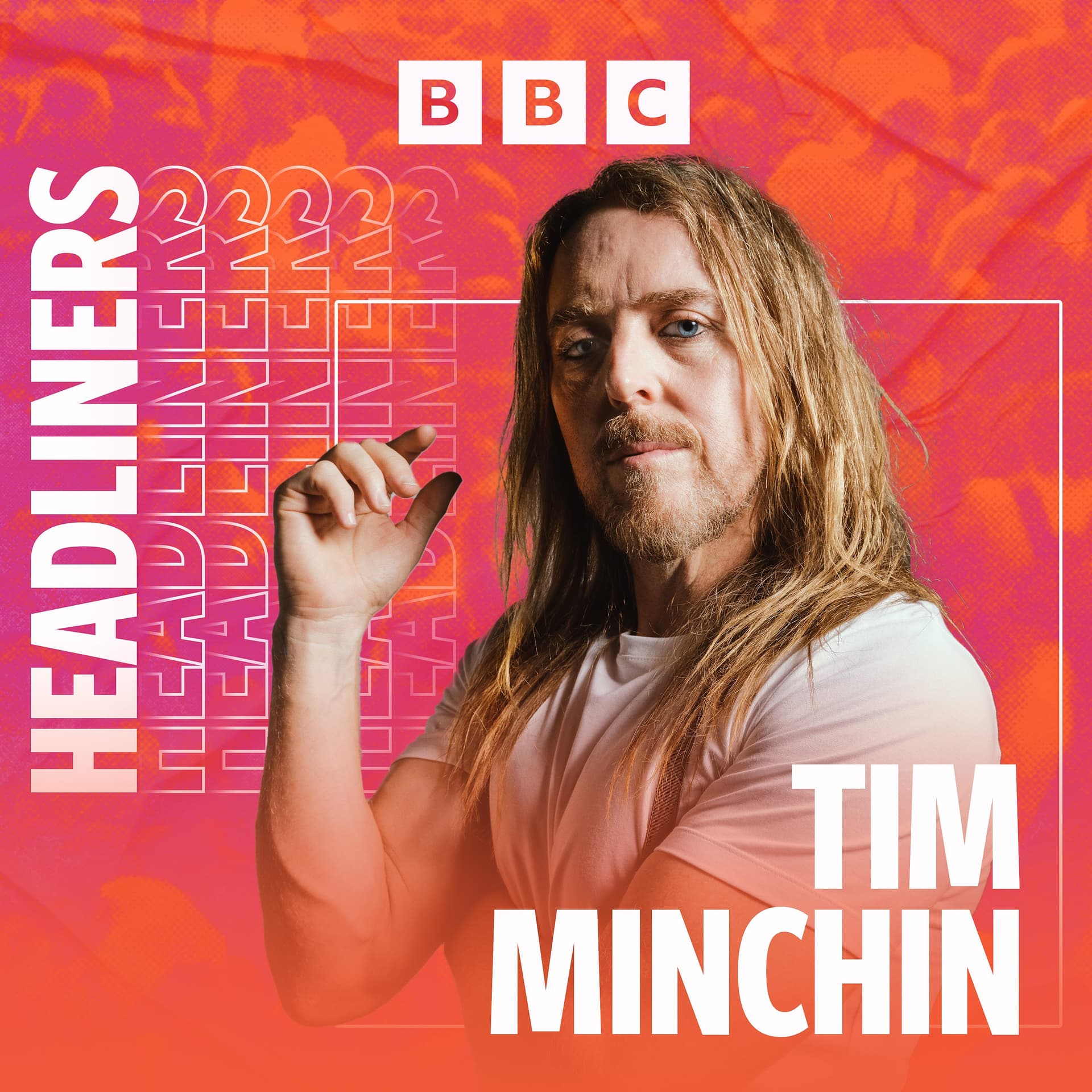

In short
Will Kennard, half of Chasing Status, discusses drum and bass culture and his work founding East London Arts and Music (ELAM), a state school focused on industry-linked creative training, high expectations, and social mobility.
Guest backgrounds
Will Kennard is a legend in the drum and bass scene and co-founder/“status half” of Chasing Status. He also runs ELAM (East London Arts and Music), which he helped launch via the UK free school/academy movement. He previously taught music/production in a state school in Manchester.
Key claims
Drum and bass is a protective, loyal community that resists fashion trends. ELAM combats “wasted talent” caused by unequal resources and confidence/aspiration gaps between privileged and state-school students. High expectations plus a supportive, safe creative culture build confidence. ELAM’s industry briefs, published work, and work placements reduce imposter syndrome and help students succeed in interviews and careers. AI in music is exciting, but the industry doesn’t yet know rights/sync implications, so ELAM hasn’t built a dedicated AI unit yet.
Notable examples
ELAM’s day-two safeguarding intervention involving social services; students doing published industry-style briefs (e.g., Rinse FM/press releases); work experience at Universal Records/UTA; an ELAM student going to Oxford for computer science from the games course; students performing confidently for 200 people; alumni entering BBC and major management roles.
Written by AI. May contain mistakes. Listen to the episode to check what was said.
Chapters
Tap a time to open that second in VOThe Submarine Story and Career Highlights
2:01 to 3:52
Will shares a humorous story about nearly missing a performance and discusses his career trajectory.
“And it got so desperate, our manager was like, right, I think I've got a submarine that can take you to the mainland where there'll be a motorbike that will take you to Madrid.”
Insights on Their Latest Record and Club Culture
3:52 to 4:55
Will discusses the excitement around their new album and the club scene's impact.
“Did you know that you had something that was going to just be kind of game-changing again and just catapult you back into a place that you've been?”
Loyalty to Drum and Bass
4:55 to 7:05
Will reflects on the loyalty of the drum and bass community and his connection to it.
“I mean, it's a really strong, like loyal scene, isn't it?”
Navigating Relevance in the Music Scene
7:05 to 8:32
Discussion on the challenges of staying relevant as artists and the importance of evolution.
“Did you ever have a period of no one cares?”
The Role of East London Arts and Music
8:32 to 12:20
Will highlights the significance of East London Arts and Music in staying connected and energized.
“Because often people become irrelevant just because they no longer are energised by the streets.”
Reflections on Opportunity and Talent
12:20 to 13:35
Will discusses the disparity in opportunities for talented youth from different backgrounds.
“These kids are making beats at 16 that were better than my beats at 23.”
Founding East London Arts and Music
13:35 to 14:01
The discussion covers the founding of ELAM and its initial challenges and aspirations.
“that feeling of, you know, wasted sort of opportunity and talent.”
Navigating the Challenges of Founding a School
14:01 to 17:48
Learn about the founding experiences of a school and the unexpected challenges encountered.
“I mean, I was reading interviews that you did two years before 2014, Times Education Supplement, East London Media.”
Building Trust with Students and Families
17:48 to 21:58
Explore how a school builds trust with students and their families in challenging environments.
“How has your staff built those bridges of trust?”
Emotional Balance as an Educator
21:58 to 23:56
Discuss the emotional aspects of managing a school while maintaining professionalism.
Show all 28 chapters
Preparing Students for Industry Success
24:26 to 28:00
Understand how the school prepares students for real-world experiences in the creative industry.
“Be the first to listen to your favourite shows like Evil Genius, Good Bad Billionaire and You're Dead to Me with a subscription to BBC Podcasts Premium on Apple Podcasts.”
Building Confidence in Young Creatives
28:00 to 28:58
Learn how to instill confidence in young creatives and the importance of a supportive environment.
High Expectations and Rigorous Education
28:58 to 31:34
Explore the significance of high expectations in education and how it affects young people's confidence.
“do you think, Will, having been on this journey now and seen so many of these kids, the key elements to building confidence in these young people?”
Learning from Young Producers
31:34 to 33:51
Discover how young music producers are setting new benchmarks and the humility that comes with it.
“And now, like, okay, they've not got the actual sort of in yet into the industry or the name, but my gosh, what they're doing is wild.”
The Impact of AI on Music Creation
33:51 to 35:59
Delve into the challenges and opportunities AI presents in the music industry and education.
“that you're like, I don't even know how to critique this.”
Class Barriers in the Music Industry
35:59 to 39:54
Examine the class barriers within the music industry and the importance of equal opportunity.
“because that's where those are the important people, right?”
Expanding Creative Education Beyond London
39:54 to 42:00
Learn about the drive to expand creative arts education outside of London and the challenges faced.
“Because it's a phrase that's often used, Will, which is you have to see it to be it.”
The Importance of Arts Education
42:00 to 45:45
Discussing the challenges and importance of arts education in the UK, particularly in light of funding cuts.
“I mean, schools, you know, these sort of austerity feel, it's just sort of not going away, really.”
Navigating Fundraising Challenges
45:45 to 48:27
Exploring personal experiences and strategies in fundraising for educational programs.
“When alumni can come back to a school and that's something, you know, my kids' schools benefit from, alumni networks are off the scale, right?”
Maintaining Integrity in Admissions
48:27 to 50:43
Discussing the importance of fairness in the admissions process and the challenges faced.
“No, no, I'll just take the money and run.”
Success Stories from Alumni
50:43 to 52:56
Highlighting the positive impact of alumni on current students and the school's reputation.
“But yeah, sure, I'll do it now, whatever.”
Balancing Music Career and Education
52:56 to 55:19
Discussing the challenges of managing a music career while supporting an educational institution.
Challenges Before a Live Performance
55:19 to 56:00
Sharing a personal story about the challenges faced before a significant live performance.
“But if you are, and we can cut all this stuff out, if you are, I'd just be the story around Chase and Status, Boiler Room, absolutely huge, millions and millions of views, but only one dude.”
A Race Against Time: The Airport Saga
56:00 to 58:08
Will shares a harrowing story about missing a crucial performance due to travel delays.
“Unbelievably sort of depressing turn of events for me.”
The Aftermath of a Performance
58:08 to 1:00:07
Exploration of the emotions and experiences after headlining a show.
“No, he definitely doesn't feel any sympathy in any way.”
Winning a Brit Award: A Surreal Experience
1:00:07 to 1:03:45
Will reflects on the surreal moment of winning a Brit Award and its significance.
“headlining your own gigs in front of thousands and thousands of people?”
The Evolution of Drum and Bass
1:03:45 to 1:05:40
Discussion on the current state and challenges within the drum and bass scene.
Advice for Emerging Artists
1:05:40 to 1:06:40
Will offers advice for new artists navigating the music industry landscape.
“Now, with people like Sammy Vergey, it's, you know, coming back and it's so nice to see, right?”
Transcript
Automatic transcript. May contain errors.0:00This BBC podcast is supported by ads outside the UK.
0:30at Whole Foods Market. You can't predict the future, but you can prepare for it. Arizona State University is building degrees for what's ahead. Programs designed around emerging fields taught by faculty whose research is shaping our future, not just teaching about it. It's why we've been ranked number one in innovation for more than a decade. Your future is worth preparing for and you don't have to prepare alone. Become future ready. Explore more than 400 programs at asuonline.asu.edu. That's a degree better.
1:04BBC Sounds. Music, radio, podcasts. Headliners with Nihal Arthanaike. Hello and welcome to Headliners with Nihal Arthanaike. Today's episode is a really special one because I'm chatting to a legend of the drum and bass scene, Will Kennard. One half, the status half of Chasing Status. now if your only familiarity with Chasen Staters is that iconic boiler room set you might not have any idea who Will is and there's a story involving a private jet and a submarine as to why he couldn't be there for that but if you know anything about drum and bass you'll certainly know how iconic this man is we spoke about all of that and also most importantly the East London arts and music the actual school that he runs and what that's taught him about schooling and access to the arts So, ladies and gentlemen, Mr Will Kennard.
2:01And it got so desperate, our manager was like, right, I think I've got a submarine that can take you to the mainland where there'll be a motorbike that will take you to Madrid. And then there'll be, you know, the back of a van. And it was just so ridiculous. Anyway, we didn't do that. And I got there with 15 minutes to go. I was just stood outside the bloody entrance to this venue. We're listening to the last 15 minutes sort of hiding. and then yeah it became the biggest online thing we ever did and we catapulted him into starting and whenever we get stopped now whenever we get stopped people are like can we get a photo and I was like yeah yeah and they just go up to Saul and like put her arm on and give me the photo and he's like so recognisable
2:48Headliners with Nihal Arthematica BBC Radio 5 Live Hello dude Hi mate This is lovely This is really lovely Getting a chance to see you about this on a lovely Sunday I'm sorry I'm keeping you inside on a lovely day Not at all, I'm inside anyway, don't worry Are you writing at the moment? Are you in between records? What's the will status at the moment? We are writing We are writing our like 100th album And new record label lots of excitement lots of nervous questioning who we are what are we trying to do can we can we stay young and fresh but it's it's exciting there's some good people in the team and we're kind of riding the wave of like recent success and yeah it's an interesting time man but yeah very much studio I'm going to meet Saul after this in the studio we've got a we're in Taliard up in King's Cross there um so spending a lot of sunny days in a dark room with no windows making angry music.
3:52It's great. Did you expect what Badadan did? Did you know that you had something that was going to just be kind of game-changing again and just catapult you back into a place that you've been? Not at that level, man. I mean, you know, we knew it was a cool record. We were, like, really happy with the way it turned out. And we just wanted to make something that would get played in the clubs and you know get pulled up by djs and just get club support and then obviously these things just take a life on their own right the stars align and suddenly it becomes a ringtone and you get sort of you know videos of like this is the only song that puts my baby to sleep and you're like what on earth has happened here you enter a different level of like you know culture you know british sort of so it becomes a sort of its own thing but um it was it was like this great man and we're always just so like grateful for that kind of stuff you know and but yeah it sort of got back we got back into the clubs properly back in the clubs and that that whole album was really just about just getting back into the faces of young people going out raving and you know which is kind of what what we were all about and what we still are all about so yeah it's great fun it's interesting because being stalwarts of the drum and bass scene means that I guess unlike some other genres, there will always be such a hardcore group of people that don't care about fashion and trends and viral moments because they're just drum and bass fans.
5:29Yeah. Yeah, big time. I mean, it's a really strong, like loyal scene, isn't it? And which it kind of sets it apart, I think, from a lot of other scenes. It's kind of its own thing and it's quite protective of its music and its culture and who sort of comes in and out. And I think I remember saying to Calvin Harris once, oh, we should do a tune together. We should do a drum bass tune. And he looked to me like, if I do that, I will be like destroyed. That world will not let me do that. And I sort of took his point, you know, from outside, people look in the drum bass scene and think, wow, you know, that's you either really in it or you're really not.
6:10which is interesting and people that sort of try and dip their toes in it often because it's fashionable or trendy or whatever don't necessarily do too well but um we yeah we've always been like loyal to that that world that we kind of grew up in and grateful because that is kind of like the sort of foundation for us and it keeps us kind of sane and when you just lose your mind making me random music and you just you know what I mean it's like so random making stuff where does it fit? Is it going to do well? And it's the one thing we always just come back to is like, right, well, when it is getting confusing, just go back to basics.
6:48We've got a scene, we've got a community of people here. Let's just work towards them and with them. And then, you know, as you build confidence, you sort of venture out. And we've done that in the past a lot. But we always come back to sort of where we're from. And we're very grateful for that. It's a special thing to have, I think. Did you ever have a period of no one cares? Yeah. Yeah, yeah, yeah. Well, not no one cares, but foreseeing the future where we were going down a route of we're becoming a legacy act where young people don't care. And that was the thing. And it hadn't happened totally, but it was...
7:32Suddenly you wake up one day and you go, are we relevant? anymore and it was like because you just think you're always relevant right you're in your own little eco you know bubble or echo chamber or whatever and it and i just it was more of a premonition rather than the reality but it was a quite a quick one of like oh my god i reckon if we just keep plodding on for another year like this we won't really actually be relevant and then you know and stuff moves fast these days and that was that was when it was like right let's let's um let's kind of rethink the next record and that's where the too rough volume one mixtape came from and the whole like everything from the aesthetic the genre the vibe so there was that feeling of like soon no one will care and it's good to think that like that and not just think you're going to be awesome forever and um and get caught up in your own hype you know you sort of think you're the guys and suddenly you're not the guys and uh we're quite we're quite sensitive to that How important do you think your founding and involvement in East London arts and music is in that?
8:41Because often people become irrelevant just because they no longer are energised by the streets. They're no longer listening to kids, right? Totally, yeah. And they fight against it and it almost offends you, the young music. I don't get this, it's weird, because it's literally designed for you to not like. If you're an 18-year-old making rap and your dad walks in and goes, this is sick, you've messed up. It's like you're clearly not making the right music for your peer group. So, you know, it is. And yeah, and of course, just by proxy, as you get older, you're not hanging around with a big group of young people.
9:23I have to say yeah through through Elam it is the biggest source of energy for me I'm down there a lot and whether it's in an organized sort of environment if I'm delivering some kind of master class or you know talk or something or if it's just me there showing people around just just soaking up the energy and just hearing conversations and hearing clips of music and just speaking informally with the young people there. And, yeah, it is, I come out of that building every single time super energised and just feeling like that's where it's at, you know, and, you know, if I can, I'd love to still be a part of that in any way that's helpful.
10:06So I send my kids to private schools, right, and I went to a rough state school. So I see the difference that paying for schooling makes. I see, and this isn't just smaller class sizes. It isn't, you know, Oxbridge entry being a kind of normal thing that you can aspire to. It's an attitude and confidence. And I wonder you having gone to an elite private school, but then seeing these kids teaching at North Trafford College, whether there was a sense of unfairness in what you saw and the opportunities available to those kids in comparison to what your contemporaries at school had. Oh, my gosh, yeah.
10:53I mean, there's the biggest eye-opening experience I ever had. Yeah, I went to a great school. And obviously, when you're young, you take it all for granted, and I hated every moment of it. But I mean, then when I went to actually work in a state school in a sort of tough part of Manchester, and met these wonderful young people who were just as talented, if not more talented than myself. And I was teaching music, production and tech and recording and everything around what I was also trying to do. And at the time, I didn't really think how poor the resources and the opportunity was there. I was just immersed in being a young teacher, making the best of what I had.
11:32The other teachers were great. Everyone was trying the hardest. And I left after a few years teaching there to come and pursue my own career, which was taking off. I was like 24 now. And I moved back to London. I stayed in touch with all these kids. I was telling my mates, listen, I found the next so-and-so. I found the next singer, the next rapper, the next producer. Trust me, these kids are the best. They're better than me. You know, watch what happens. And over the years, I was just really discouraged that none of them went on to make it. And I sort of, just that sense of wasted talent, wasted opportunity just like stuck with me why the hell was I making it and they weren't and um you know it wasn't the only reason but then it just slowly putting the pieces together that experience that pivotal two years that they had from 16 to 18 compared with what I had um was clearly a big part of it and whether it's the sort of soft skills you spoke of the sort of attitude confidence i mean or just the the sort of aspirational side of it that maybe a high pressure private school might sometimes instill in a young person but also the resources that you know the work experience the opportunities the the physical classroom equipment worked i mean you know it was just the whole experience was was different completely different and you're seeing it the other way around I guess but um and it was it was that was the catalyst to sort of do something about that that feeling of what a waste of talent like for everyone for these young people for the music industry for the creative you know like the industries as a whole like what are we doing here how are these people not making it but kids sort of from wealthier backgrounds making it who aren't necessarily better.
13:24You know, am I better than these kids? You know, maybe not. These kids are making beats at 16 that were better than my beats at 23. And I've gone on to do well. So it was just that kind of, yeah, that feeling of, you know, wasted sort of opportunity and talent. And that set us up going about trying to do something about it. And yeah, it's been an exciting project. It's amazing. 10 years, yeah. And I mean, last year it was 10 years outstanding Ofsted for ELAM, the East London Arts and Music. And interesting that you could bring this group together initially. I mean, I was reading interviews that you did two years before 2014, Times Education Supplement, East London Media.
14:10And it was interesting. You had an investment banker, you had a solicitor, two teachers, yourself at Chasing Status. Yeah. And in that kind of first few meetings when you all sat together in a room, what became the kind of, well, we didn't see that coming. We didn't know that was going to come. Yeah. My gosh. A lot of things. I mean, look, we were a young group full of beans, like really, really excited. There was a new wave at the time of these sort of academies, the free school movement that was actually set up under the Tony Blair government, but then sort of pursued by the Tories who were in power.
14:58Well, Michael Gove especially led the charge on that, didn't he? And it was an idea, yeah, that any group of people could propose a school. And if there was demand and they could convince the government that they could deliver. and we jumped at the chance and yeah we sort of did a lot of research and got a lot of backing and spent two years sort of figuring out what this school would look like and how it would run and we were approved we went through a long application process and we were approved I think the youngest group to ever be approved my brother who was one of the steering group with me became the headmaster he was the youngest headmaster in the country at the time he was 27 he looked about 13 i mean and but so the reality of it there was you know millions of meetings a lot of like work that went on into sort of planning and then suddenly you're in front of parents who who are nervous about the next two years of their kids life you're going to every single parent's house or flat to talk to them to meet them to say this is what this is you're seeing inside the world of you know three four hundred young people like behind the scenes and you're then you know convincing your first cohort to come to the school and then you're quite quickly seeing the reality of some of these young people's lives and I think day two we had social services come in with a young boy uh so they just came in with a young boy and he you know his parents have been sort of beating him up or something horrendous and that was day two and the social services came in my brother was on reception and they said right this is a situation you know what's your policy around safeguarding here for the school and you know we had some prep work done we weren't you know we had policies but my gosh that was like oh my god you know social services coming to the school how are you going to safeguard this young this vulnerable young person on day two and that was the start of many you know incredibly and this kid was amazing and talented but you know had a difficult background and so there was that you cannot plan for that that sort of right the reality of running a school that you're where you're reaching out for kids that don't come from privileged backgrounds and necessarily stable homes the reality of that isn't just it's going to be sick we're going to be making wicked music all the positive energy there's a lot of of challenge that comes with that and so and we've been learning and still are learning like all big schools over the last 10 years how to be a brilliantly caring school and inclusive school to all sorts of different people and it takes a lot of resource and time and planning and thinking but yeah that's uh something i would look back now and think how naive i guess we were just thinking this is going to be great it's going to be just all you know sort of exciting and it's actually been a lot to to look at but you know some brilliant people involved there so we're lucky for that my wife will works in a pupil referral unit wow yeah so she sees exactly what you're talking about and one of the greatest challenges there is that you can make some progress during the day and then as soon as they leave your doors the chaos that is their home lives envelop them again and you come back and sometimes you just have to start again the following morning sure And on it goes.
18:23How has your staff built those bridges of trust? Because the people that you're supposed to rely on most for trust are your parents. But when those parents, not all, of course, but some of them, there's no trust coming from them, right? Yeah. How does you as a school, as East London Arts and Music, manage to build that bridge? Well, I mean, you know, kind of the sad reality is, right, so, you know, particularly since COVID, it's been a tough time actually for young people coming back into the system and the sort of need for pastoral care, that side of sort of extra support has gone through the roof, really.
19:05The need was probably always there before COVID, but just wasn't highlighted as much. And the reality is that we, and particularly me, a big role I have now is raising money right we're a state school we get a budget from the government from the taxpayers money and it's not great and that's the same for every state school up and down the country they just feel they do not have enough money to deliver across all of these kind of sort of issues and so I spend a lot of time raising money from the creative industries going out to the music labels the gaming labels the film world whatever it is and saying look you know this it's not enough this place just to be a school it has to be the best school in the world it has to have the best facilities the best staffing the best support because that's otherwise we're just going to be doing these young people a disservice like you know lots of other places that struggle so and we're lucky we have you know we have a great fundraising team and we've harness the power of the creative industries to to fund and a lot of that funding goes into extra staff and extra support which wraps around the sort of educational program there and takes the pressure off the teaching staff who are up to their eyeballs in full-time teaching you know 350 16 year olds so there is that right and i mean we have great staff and we have a great staff body that provide that sort of trust.
20:37And of course, it just comes down to setting a culture as well of kindness, of openness, of caringness, of support. Like the one thing that everyone I show around the place, the one thing everyone comes away from saying, how mature and responsible and courteous everyone acts there. And the one thing that I love is, you know, we have a lot of performance-based sort of stuff going on there as well. And whenever I watch a show or performance, you'll have a young kid stand up and sing a kind of rock indie song and all of the rappers will be howling and whooping in the background you know kids from completely different cultural backgrounds into different things and there is and that that maturity and you know when I was at school we were all bullying each other and it was all you know neggy neggy and I just think like the confidence maturity from the young people there to just just support whoever it is trying whatever they're trying however bad it is or however good it is everyone really kind of supports each other there and I think that's a culture we set up from the very start the first cohort sort of drove home and we've we really sort of kept that going and yeah that helps create an open platform for people to talk and feel like they don't have to hide away but it's yeah listen um it's an ongoing challenge and it's it's a tough one but we're lucky with our resources definitely me how do you balance the emotional involvement with the practical needs of the school in the sense that you must hear so many stories that must make you so emotional both positive and negative yeah but you also you know you're a founder you have to you know handle your business yeah how do you balance those two things yeah i think i just i have a never-ending feeling of gratitude really for the place and the people that work there and people that give their time and money so you know there's some there's some heavy things that happen there and you you get to know young people there and sometimes you know the outcomes aren't great and sometimes you know some terrible things have happened to some of the young people but overall it's a it's a really positive experience and i just think you know i'm also doing a job there i have a duty to you know i'm a governor i'm a trustee of our trust that looks after the school and our sister school as well actually but i i think you know just yeah not not trying to dwell too much on the on on those things i'm kind of quite good at compartmentalizing my emotions my wife calls me a robot at times but i'm yeah i'm just i think yeah my experience of public school boys today is that you have to be very good at that you know you know maybe maybe maybe maybe it's just me but um yeah you have to kind of you'd be sort of strict about what you sort of let in and let out and um it's you know it's a it's a privilege to do what i do and i just think uh it's a privilege to work with the people i work with and particularly these young people and you know overall it's it's 99 incredibly positive energy and um just focusing on that and uh and taking from that is really, you know, what I'm about.
23:56Prep for a busy week with Whole Foods Market. Start your day with fully cooked breakfast sausages from Amy Liu, 365 brand frozen waffles with no bleached flours, and of course Whole Foods Market eggs, which are all cage-free or better. In the evening, bring home a build-your-own family meal that feeds four for just$35. Choose one entree and two sides. Shop smarter, not harder at Whole Foods Market. Get more with BBC Podcasts wherever you listen. Be the first to listen to your favourite shows like Evil Genius, Good Bad Billionaire and You're Dead to Me with a subscription to BBC Podcasts Premium on Apple Podcasts.
24:36You can also enjoy a range of our podcasts ad-free with an Amazon Music subscription.
24:46what's the route once they get into the industry itself to make sure that they're not crippled by the imposter syndrome and anxiety that all of us get to a certain extent. Big time. Yeah, yeah, yeah. But you can get them in that place, but then suddenly if they're surrounded by people from different social backgrounds to them, that can be incredibly intimidating. Melt. Yeah. I mean, yeah, exactly. It happens. It happens. It's hard enough anyway. for anyone um so yeah i mean it's a good question uh and that's kind of something that sort of is at the core of what we do right so we teach a you know nationally accredited curriculum it's the highest level qualification you can do at 18 it's not for me that's just the bare bones beginning right you get a distinction an extended level four diploma you can go to oxbridge on paper right you know we've had a kid go to oxford doing computer science from the games course so the ucas points to as high as you can get however so what right but if you can't go into an interview if you can't sort of sell yourself be confident articulate uh and so from day one we kind of drive home this kind of feeling of like you're not in a school you're at a place of work you're kind of already in the industry you're setting up businesses your your work is all your work that you do coursework is with a view for it to be published not just homework to be marked and we do that in line with like a tremendous amount of industry partners who literally give us briefs every unit has a different partner that gives us a brief so young people are writing whether they're doing an English unit rather than just doing a fictional sort of project they're actually writing a press release for an artist or they're writing something for Rinse FM or you know whatever it might be and that kind of experience happens with everything so there's constantly people from industry there quite big people uh in and out of the school they're having to sort of speak to these people do interviews there's a lot of master classes as well and then we have a really really great work experience and program lots of young people flood into whether it's universal records or uta you know agency or whatever it is and sort of take over for for three or four weeks across the year and that's pretty unrivaled as well and it's not just sort of going to your local newsagent doing work experience it's like really intense so there's and there is just this kind of expectation it's kind of like if you come here you have to sort of conduct yourself at that level right quite quite mature level and and it's that's just the sort of bare minimum what we do and I kind of we do find a lot of young people come out of elam and go into year one university and then quite quickly because the level at year one uni isn't actually as good as high as where they were at the end of the final year elan which is for me a dichotomy it's sort of like it's not great to hear that because i don't want them wasting year uni but i'm sort of secretly quite proud of the kind of level that we're attaining but ultimately i want young people to sort of be moving into work like significant work opportunities and everything we do is to make sure that in that moment when they come and speak to you or your producer not only is their portfolio of work insanely relevant and real not just a bunch of homework or a bunch of projects that kind of don't mean anything they've actually had work published they've actually sold made money from their work maybe but also that they feel comfortable in the presence of someone that doesn't look like them or talk like them and and I think that is the the journey some of our young people come in and they can barely look you in the eye of 16 and they leave and I see them stand up and give a speech to 200 people which I struggle to do and it's just like it but that journey blows me away and it's all that it's all in there it's all just waiting the talent is it oozes out these young people they just need the framework and confidence to kind of get it out of them.
28:57What are the key elements do you think, Will, having been on this journey now and seen so many of these kids, the key elements to building confidence in these young people? What is needed? I think, you know, high expectations is one. Like, we were very worried setting up this place that it would become a kind of bit of a DOS media course. You know, like back in this, or if you're doing media studies, it's like, is that a real Of course, what are you learning to DJ? And, you know, some other kids are doing history. And so, like, so we were, like, obsessed with, like, this isn't going to be a kind of dossier creative arts school.
29:34This is super rigorous, five days a week. Everyone is doing maths and English on top of their main subject because we just think that everyone should be doing maths and English all the way through to 18. So some kids are there doing almost five A-levels of work, which is completely bonkers. Most music, art schools are not part-time. You may be getting a level two BTEC or something like that. So there's a kind of setting the benchmark really high. And I think that's maybe what sometimes, you know, the experience of public school kids, particularly good private schools, there's a real high expectation and it's a pressure.
30:13It's a hothouse, it's a pressure. And it's not great, actually. It kind of killed my confidence a little bit when I was in that environment because I wasn't naturally that academic like some of my peers. But I think when coming out into the real world, that pressure, that high expectation was maybe quite good for me. It raised my sort of, and that gives you confidence, right? You start to naturally sort of gather this confidence because you sort of start to think, actually, there's a level above this and if you can reach it. So we have high expectations and we expect a lot from our young people.
30:44But so it's that, you know, the way you carry yourself, you know, all those things and and but also like just creating and we talked about this a safe place for people to be who they want to be creative people young people who are you know can can often think differently do things differently yeah traditional school might not have a space for them to feel normal being like that and I think we you know we really harness a sort of safe place to try your ideas out behave you know express yourself differently whatever it might be and that support whether it's from other trainees or staff or whoever it is that naturally brings up your confidence right you're not being battered down you're being you're being brought up so it's it's a it's a culture of of sort of yeah being you know acceptance and support but there's definitely definitely a thing we drive hard one of our values is just straight excellence and it sounds a little militant but i just kind of believe that that is the benchmark and it has to be what you're going for you know what i mean and even if you can't fall short you're still right up there and um we kind of accept nothing nothing less in a kind of supportive way
32:06um what is it like when some of the students realize who you are and totally randomly so they're like maybe see the badadam video and then it's like wow that's that dude yeah i'm like that's that guy that acting like a bad man in a video now he's like you know like a teacher with a lanyard on i definitely wear a few different hats in my career i guess but um yeah i think I'm around there a fair amount so most young people kind of know who I am now and there's a few like super you know young fans who are making drum and bass or really in my world I mean that's mad you're a young fan you're making drum and bass and Will Kennard's walking around right like that's that's wild but you know what I'll do a workshop with a lot of those young guys or girls and I'll get into a room and I'll be like right play me what you got let me give you some feedback let's get into it and they'll play me some beats and I'll just be like oh my god this is better I don't know this is better than I was I'm asking them you know looking at me like tell me what to do I'm like sorry how did you do this um it used to weirdly the standards has gone through the roof of young producers now like uh what they're able to do and I guess the access to like information online and resources and everything's getting cheaper and easier to sort of and it's sort of from 10 years ago I was quite you know I would go in the difference was big between where I was and where these young people were.
33:33And now, like, okay, they've not got the actual sort of in yet into the industry or the name, but my gosh, what they're doing is wild. And I'm, yeah, I'm sort of like having to learn from them as well. But so that's a humbling moment. That's a real way to humble yourself, a 16-year-old playing your beat that you're like, I don't even know how to critique this. But how are you preparing them for what impact artificial intelligence will have on the creation of music? Yeah, I mean, big question, nightmare question. In a way, the whole AI music movement thing is just happening like a million miles an hour.
34:13And it's sort of super exciting. but we in all in all honesty our syllabus currently we haven't designed a proper proper course around a proper unit around that yet um i mean we are actually looking at as a trust as a group of schools a potential opportunity to to do something in a new in a new school that is revolving a bit more around the technology around the creative arts so it'd be like a more tech focused school but yeah I you know I don't have a perfect answer for that there is of course uh our teaching staff of course are like making everyone aware of all the tools out there and what's happening and even the young people are really clued up to the things on TikTok with Timberland and all these kind of like current things happening in the AI space but I don't the music industry doesn't know what's going on at the moment with AI they don't know how the rights are going to work how online is going to work how sync's going to work so it's hard to teach it in all honesty like because no one quite knows what to teach yeah um i personally i think it's a really exciting time and you know obviously it's up to the sort of trade bodies and the various organizations to kind of protect artists but just from a kind of artist point of view i think there is an opportunity to do something really great and you know i always want our young people to be on the cutting edge of whatever's happening.
35:40But that, you know, again, Niha, talking about, you know, the value of being around young people, I mean, I'm can't, you know, I haven't really got into it with a lot of them yet, but I really can't wait to see what the attitudes are of these 16, 17 years. Are they resistant to it? Are they embracing it? Do they give a damn? You know, because that's where those are the important people, right? Like, they'll be really affected by this more than any of us. Like this is going to be their life for the next 20 years, like pivotal years. So I'm really interested to see what they think. But I'm not, yeah, it's interesting, yeah.
36:15There's so much conversation recently, especially after the last Brits, and some artists have been quite forthright about class in music. Yeah. And the perception that more and more of the big artists you're seeing come from privileged backgrounds. now of course Elam East London Arts and Music is very much attempting to change that yeah looking as someone who is an artist but also at the cutting edge with Elam what do you think about class and the class barriers that exist to entry yeah I think so firstly like it's funny the artist thing I'm not so bothered about the artist thing like the all you know there's a lot of as far as i'm concerned there's a lot of artists that don't come from sort of you know posh backgrounds that are absolutely smashing it i'll tell you what what worries me and what was really the the impetus for elam it wasn't so much thinking about artists it was thinking about the industry as a whole so you know i'm really good that's i'm more i'm more interested in young the young guy or that comes in and wants to be the the next central c or whatever right he wants to be a rapper okay but for whatever reason maybe he's not going to become the next global superstar rapper but he's as sharp as it gets sharp as a button like smart you know natural entrepreneur type right he's got inbuilt confidence character so actually i want him to go and run sony records or at least have that option or go and you know set up his own huge record label or agents or whatever it is there's a million brilliant jobs in our industry that have talented people earning loads of money having a brilliant life and the access into that world is very murky and it that is where you find sort of nepotism and sort of middle class kids who who've got a bit of they don't have to necessarily work for money when they're 18 because they can get supported so they can do sort of more work experiences free stuff and or maybe they someone knows someone they got little or even just they just you know have a bit more confidence because you know what I mean like they've traveled more whatever it is and it's sort of so that's what I want to change is like the artist thing they'll artists I don't know if I totally agree with all the artists are sort of posh kids when I look at you know I work with a lot of young rappers and singers and most of them are not and they're all smashing it so i'm more interested in in the thousands of jobs out there and that the problem with that is aid is a social mobility thing like there's just a fairness right it should be equal opportunity for the best not just the most lucky but also like let's not screw up our own industry right i've have you got the best people working for your company is this the best that universal records can be is this like what it is who works in these offices how do you get them and um these are the questions we asked all the sort of heads of these companies 10 years ago and they were all right honestly we're a bit worried about it we don't have a clue actually how these people get to us and if we're getting the the biggest pool out then so that was the sort of okay there is a there is a need to do something about it and um I'm, I'm, I, my best stories as kids coming out of Elam now winning Brits and on stages and radio.
39:45And I love that. But there's kids going to work at the BBC and work at big management companies and manage other kids from Elam who are on stages. And that for me is the best story. How powerful is it? Because it's a phrase that's often used, Will, which is you have to see it to be it. Yeah. Yeah. I mean, yeah, it's exactly. You have to have some people under the hood and see what this whole world is. And most young people, if you sort of came in and said, have you thought about career as, you know, in radio, or have you thought about career in, you know, marketing or publishing, or they wouldn't have a clue, you know, but what's that?
40:29What the hell is that? You know, I'm like, well, you know, my agent is a talent agent and he has made a fortune and flies around the world going, you know, hanging out with the biggest artists in the world. And, like, would you consider that for a job? You know, and it's like, I don't even know what the hell that is. So, yeah, showing this world, you know, could be journalism, could be anything. There is so much more to it. And I think a lot of schools maybe don't have the resources to really, they're just trying to get through, you know, the school experience. And I think, you know, we're trying to kind of show that there is such a big world out there.
41:06And not only this is what it looks like, but this is how you need to sort of train for it and prepare for it. Are you aware of any other Elam type places that exist in the UK? Is it a model that anyone from another city has approached you to say, how do we do this in Manchester? How do we do this in Liverpool? How do we do this in Sheffield or Bradford or Glasgow or Edinburgh or Swansea or Cardiff? Yeah, of course. Yeah, we're not the only creative art school doing things with an industry focus. There's not many. Obviously, I have to sort of shout out the Brit School, which is, you know. Of course, who were very helpful to you guys, right?
41:47And we've worked closely with them, and they're wonderful people and a brilliant school. But they were not enough. They were not enough, particularly out of London. And our next big driving factor will be to open another school, maybe in the north which is you know where the impetus for this school came from my time in manchester which i love dearly but and i i just think yeah i i want it to i don't i want to sort of prove the argument wrong that you know oh it's all very well if you live in london you know to go to this place and you've got all the access and you know it doesn't have to be like that and um we're talking long and hard to sort of the government and the music industry about doing more of what we're doing up north or further afield, it's a tough time.
42:32I mean, schools, you know, these sort of austerity feel, it's just sort of not going away, really. And money is being pulled left by the centre from new school projects. Council budgets are just being shrunken. You know, we see it all in the news. So it's a really difficult time at the moment. And we're sort of fighting hard to kind of be noticed and get our argument across. and you know the government's sort of like this is all very well but we know with we're talking about you know world war three over here or whatever the hell they're talking about it's sort of so it's a tough time for the arts and it's one of the most dangerous times right the arts gets forgotten quickly in these moments and when you think about what the arts means to the uk as an export you know it's really one of the biggest exports to this country with like global leaders if you think of such a small country what we contribute to the arts like and the amount of talented young people out there that need this route need this output they don't fit into the sort of normal system of schooling and then it all just goes completely wrong when they leave and again that wasted time thing like it is now more than ever uh it's needed and i just we're always lobbying and and there's some good there's some good signs and labor have been talking some some some positive steps but we we're just sort of constantly pushing pushing pushing kind of open up you know the budgets and and give us a bit more opportunity to to do some stuff nationwide basically and you talk about it from a governmental and local government perspective but speaking to lots of people as i do who are involved in fundraising that's becoming much tougher as well i mean it's never straightforward and easy but that's becoming much harder yeah yeah yeah big time i mean but you know this is why i'm i sort of i'm like cool it's all good we'll raise the money as well i mean you know the the music industry is doing well yes it really is yeah there's big money in game we teach games design you know games are not going away you know the world of gaming isn't exactly shrinking it you know the we teach film and television you know these these are the industries that are doing well and have been really supportive but you know i'm the sort of annoying guy that's going back to them every year going right i need more help i need more money i need more this more that and you know there's ways of doing that and it's a bit political itself and it's it's quite a lot of work but we're getting there and i think we're proving with with elam you know like you said they're not interested in you know a double ofstead outstanding or you know are you know brilliant results they're interested in the outcomes are kids coming and working for our companies if so great here's some more money and that's fair it's a two-way thing and this isn't we're not just doing this for charity this is like let's treat this like a business and make it really successful and show them how it works and it that is really happening it does take time like the you know 10 years feels like a long time but for as a school it's not that long and only now our alumni are really flooding into the marketplace and, you know, and that's sort of changing the game, I think, you know.
45:45I mean, that's amazing. When alumni can come back to a school and that's something, you know, my kids' schools benefit from, alumni networks are off the scale, right? Like so when someone comes in who's been through the exact same experience, the power of that is extraordinary, Will. Yeah, yeah, yeah. I mean, that's connecting the dots in the most real way possible, isn't it? And yeah, we have lots of young people come back and tell their story. And those masterclasses are, you know, no one's, you know, sort of falling asleep at the back of those ones. You might have the head of a massive agency come in and talk.
46:22And it's inspiring and it's a privilege for these young people. But sometimes it's hard to relate, right? Here's this 50-year-old talking about global markets. And then you have a young person that's worked for a big management company and signed their first deal. and they're like this is how it was when I left Elan and what I did and what went wrong and those stories are brilliant aren't they and and yeah we get a we get a lot of that and there is that loop closing is is a special thing were you comfortable asking for money from the off or was it something that you really had to kind of overcome the kind of I don't know embarrassment or whatever up yeah no i yeah i am the worst person on paper to be a fundraiser i hate asking anyone for anything let alone money i'm like i don't know what it is i'm so bad luckily my partner in our music industry saw this really good he's great at getting out there come on you know help us with this let's do that i i don't want to ask people to collaborate with us i don't want to ask people for to to learn you know money to a school I don't want to I'm I just I don't know what it is so so yeah I'm the worst person on paper but I just had to suck that up and ultimately for the success and the survival of the school I've had to get good at that and uh there's a real art to fundraising and we've got a fundraising team now that that support but a lot of it is obviously on built on personal relationships and um I spend a lot of time you know developing those and but no fundamentally I'm not I'm not pushy enough I'm too nice I just sort of if someone says yeah we'll give you 100 quid I'm like oh thank you so much and then our team will be like you should have asked them for 50 grand what are you talking about oh god okay yeah sorry it's it's a real tough one for me that Nihal and I kind of hate it but I I know it's the the reason why I'm around the table still if I'm not doing that then like why am I there you know like there's only enough spaces for a few you know governors and trustees you can't and it's like everyone needs to chip in and there's some brilliant fundraising um i guess i'm one of those do you um are there barriers in place or say chasing status a book to pay some you know rich 18 year olds birthday party rich parents they you know the kid's got me on chasing status to dj at my 18th and my 16th you sidle up to the dad and go, oh, by the way, have you heard of my East London Arts and Music School?
Read the full transcript
48:54No, no, I'll just take the money and run.
48:59You know what, I try not to, I mean, we donate a fair amount of money from our shows to Elam and, you know, Big Upsaw for being part of that. That's him as well. But I definitely try not to have too many conflicts of interest. um the one interesting thing that i do get quite a lot is i get phone calls from people i know uh saying listen man you know my son you know really wants to go heard about his school like you know anything you do there like he really loves it but here it's quite hard to get in and i'm like oh man it's not really the way it works and you know some of these people are like super successful high net worth individuals and they give me some sob story and i'm just like i can't I'm sorry, like that is what we're fighting against.
49:46You know what I mean? Like you have to earn your place there and it's free to attend. But, and our assessment program is about, and it's designed to find raw talent, not kind of a polished diamond. So we're careful with how we do that. But one thing we don't do is we don't give everyone, so that anyone an advantage through the assessment process, no matter who you are. because once you do that, you're kind of blowing your whole model up. So it's difficult to say no. I'm like, sorry, but this would mean the world to him or her and it doesn't need to get there. I'm like, ah, sorry. Just go to the – log in on the website like everyone else.
50:29Yeah, this isn't like guest list for one of my shows, right? It's not access all areas laminates for you and your family, right? Exactly. This is the exact thing we set the school up to combat. But yeah, sure, I'll do it now, whatever. That young person you were talking about earlier on who went to Oxford University to do computer science. Yeah. What did that mean, not for that young person, because it's obvious what it meant for them, but for their family that this happened, that they came through ELAM and ended up at a place that presumably when they were like 12 or 13 would not have seemed like.
51:09No, yeah. Yeah, well, listen, it was probably a relief for them. It was probably a big leap of faith sending them to Elam, right? You know, a lot of the resistance is from young people. This young man was very academic. He was doing games. He came in to do a games course. They're building literally 3D virtual reality games with code and illustration and all that development. It's an amazing cause. He was obviously, you know, incredibly good and naturally gifted. And I guess, yeah, through the qualification, he was able to apply for Oxford and got in on his own merit. But it was probably just a big relief for the parents because I can imagine they might have known they had some very, very academic gifted young person thinking he's going to go to a sort of math school or a science school or a sort of top, top kind of academic school.
52:07and instead he's gone, I want to go to Elam and do gaming. And to a parent, gaming? What? You want to go and play computer games in a school, which is not at all, but, you know, hard for a parent. It's quite so risky. So I hope it gave them, you know, their leap of faith was worth it. And, yeah, it meant a lot to – it meant a lot just to – it's good for us because I think a lot of parents, again, that's demystifying what this school is. It's a rigorous place of study. It's not let's go and sing some songs and doss around for two years. And, you know, so we use that story just to really highlight.
52:44This is like the best education, the best standard of education you can get at this age group. It's not a sort of mid-level kind of doss. And so that was great. did um did Saul ever kind of have to have a conversation with you about how you managed to fit all of these things in because you know chase and status very much is a driver as you just pointed out about how you can fundraise and but also as well I don't need to tell you how much of a full-time job it is being a recording artist right and a touring recording artist as well yeah yeah yeah listen he obviously to start with he's like sorry what the what the you're doing of school uh and you know but he he knew my my rationale and you know where it come from and my sort of passion and in all fairness was super supportive i mean and has has been super supportive all the way through and yeah i'm careful i you know i always put our business not first but like it is a priority I have a duty to him and our business and and all the other people that were involved in the team right it's not just yeah yeah big time and actually I remember some advice a few years back when it was all getting a bit on top and probably taking my half the ball in terms of our career as artists um and one sort of friend who was involved said you know the best thing and I was worrying about a trustee meeting here and a small issue there and just all I was we'd been pulled all over the place at the school and uh it's sort of quite wise sort of old friends the best thing you know the best thing you can do for elam is be successful as chaser status and uh i kind of at the time was like well what are you talking about you know i've got to be the school and but i kind of got the got the point actually and it sort of you know it's it's opened a lot of doors and it's got a lot of noise and it's you know it's it's i'm lucky for that uh and that's enabled us to do a lot of things and so don't blow that like come on this is they all help each other and you know as as much as I get from Elam um and we I mean we work with we've had kids on our albums you know so we get a lot from it but yeah I Elam obviously gets a lot from my profile and like so I have a duty in a way to the school to keep that profile relevant and like you know and that drives me on and Saul's not not loving that you know he's he loves the energy it brings and yeah he's been down there loads as well so it's you know it's fairly harmonious Ni Hao I say that today let's let's look when we're getting close to finishing this album and it's all I have to ask you about the boiler room yeah the chase and chase boiler room I know got it now we had a conversation about this and you're more than welcome to say no we had a conversation about it but it wasn't on air so so I'm not going to talk about it anymore.
55:44But if you are, and we can cut all this stuff out, if you are, I'd just be the story around Chase and Status, Boiler Room, absolutely huge, millions and millions of views, but only one dude. Yeah. Of the Chase and Status duo. Unbelievably sort of depressing turn of events for me. Essentially, yeah, I prepped and planned this set for weeks and weeks of work. And then I was flying back. The event was 2 a.m. or 2.30 a.m. in a venue in London. I was flying back from Ibiza, from doing a show, left at 8 in the morning, give ourselves plenty of time. Yeah, that's plenty of time. I mean, you could have almost rode back.
56:2850 hours. Yeah, exactly. So 15 hours on the plane taking off. and yeah the plane stops and there's a delay of an hour on the runway and then the captain comes and says oh the the plane that's just landed has crashed in the there's the nose not a fatal bad crash but the nose has hit the ground and exploded and there's debris everywhere what that's never what he says give me a few hours but it's fine fast forward six hours later still in the plane airport shut down uh get off the plane and now and now we're like right okay it's a it's a private jet it's a private jet it's a million pounds on a private jet we've got to get back this is a once in a lifetime thing impossible no no no planes coming in or out okay it's a helicopter it's a helicopter to palma where there'll be a plane and then you know palmas basically become sort of overrun with like all the diversions so they can't take a chopper which wasn't even an option anyway and it got so desperate our manager was like right I think I've got a submarine that can take you to the mainland where there'll be a motorbike that will take you to Madrid and then there'll be you know the back of a van and it was just so ridiculous anyway we didn't do that the planes the airport opened up at uh at midnight took off landed straight there and I got there so Saul had been we decided just go on anyway and I'll just try and jump in after 10 minutes and I got there with 15 minutes to go and we'd agreed that if it was over halfway mark i wouldn't just weirdly go hello so um i was just stood outside the bloody entrance to this venue we're listening to the last 15 minutes sort of hiding and then yeah it became the biggest online thing we ever did and uh we catapulted him into starting and whenever we get stopped now whenever we get stopped people like can we get a photo and I was like yeah yeah and they just go up to Saul and like put her arm down and give me the phone and he's like so recognisable and I'm just like yeah that was that and then I just went back and then I just went back home and just went to bed and that was it.
58:42I think I know the answer to this question but when someone hands you the phone and says oh can you take a picture of me chasing status right yeah does Saul give you a kind of guilty like oh mate or does he give you kind of smirk. No, he definitely doesn't feel any sympathy in any way. Like I said, I think I know the answer to that. Yeah, he's still loving it. Although he doesn't love his photo being taken, so it's not like he's having fun. It's the only solace you're taking from this whole sorry episode. Ultimately, he's still looking fairly miserable.
59:17Which again, like I said, is this solace that you can cling on to from this whole kind of boiler room sorry episode. Two-way sword. It's a two-way thing. So are you now kind of thinking, what is the online viral opportunity for me, Will Kennard, from Chasing Status, that I can do on my own? Well, another boiler room with just me, I guess. We'll try and do another boiler room in the future and I'll somehow sabotage Saul, you know, travel, I'll pay someone to sort of take him off somewhere else on the virus day and just get all the glory for myself. I mean, yeah, difficult. I think, yeah, we had that big moment.
59:56But, yeah, I don't know. We are hopefully going to do another boiler on one day, but maybe I can not miss my flight and get some FaceTime. How do you come down from, you know, headlining your own gigs in front of thousands and thousands of people? Well, you know, you know, Nihal, Worryingly, not that much. There's obviously the immediate, you come off stage and you're pretty buzzing and you're like, you can't go to sleep no matter what time it is. And you're just, it's an intense, obviously, atmosphere. And the really great shows do stay with you. And like, you know, you're buzzing and, you know, particularly if you've got new music floating around and it's kind of like you're testing that out.
1:00:38Or if that's going down well, that's really, really exciting. But, you know, often, you know, just there is no like special thing. you just kind of have to try and switch off after a few hours we've done so many shows now because of our DJing career we don't sort of do a kind of band thing where they'll write an album and tour it and then stop and we're just always performing right every single week as you know we're out in another country in it which is amazing and but it means we're on a stage three times a week almost sometimes you know just every week to 50 weeks a year so it kind of you you naturally get used to that.
1:01:14And it's not the same as when you were first doing it, where you were mind blown when you come off a stage. Saying that, there were obviously certain shows and gigs. The Milton Keynes gig we did when Stormzy came out last year was like mega. Talking of helicopters. Yeah, talking of choppers. Choppered him in. James Bond jumped out of a chopper with a tuxedo on from a wedding year's best manner. Did the song and flew straight back and gave his speech. I mean, weird, complete madness. But those shows are, you know, quite, they do stay with you and, you know, you're kind of floating on cloud nine for a few days after.
1:01:53But, yeah, sometimes it's business as usual, you know, and you just head down and you don't get too gassed and you kind of know what you've got and you just focus on the next thing and keeping it moving. That's the job. and how about when you come off stage with a brit in your hand oh man yeah that's that's uh that too that was yeah didn't didn't switch off for a few days after that i mean that was a surreal moment for for us uh super proud like been going to the brits and watching the brits for years and we'd been nominated one in 2014 for like best group and i remember sitting there in on the floor and, you know, next to the sort of runway that people walked down and Coldplay won it and it was like, oh, never mind.
1:02:39And I remember Chris Martin walking down the T and I swear he looked at me and just winked at me as he was walking by me like, see you later.
1:02:50Never forgotten that moment. Maybe I was reading into it, but I don't know. But, yeah, amazing, like, just amazing and amazing to sort of stand up there for the John Bass community that we talked about. and I mentioned that in my speech like you know you did yeah repping at that level is was was a really proud moment for like I felt just for everyone involved in our in our magical scene and that's I think the thing we took away the most from that moment so it's cool and you know the buzz around it is fun and you know there's a lot of good press and stuff and it was great it was nervous we were nervy man jeez you know we're not nervous getting up to play in front of thousand people but just going and speaking saying 10 words you know the o2 like on tv is terrifying man i mean it's it's it's a nervy moment so but once you get over that it's like yeah seeing your family there and all your mom's crying it's like it's a nice it's a nice moment do you think drum and bass is the healthiest it's kind of ever been like does it feel like it gets bigger with every year or is it kind of ebbs and flows and you're ready for the the kind of the bit where it kind of disappears again yeah no it it definitely ebbs and flows in terms of like it's commercial sort of success like you know and it's always done that sort of cyclical and it becomes a flavor of the month and all the a and r's go oh we've got to get a drum bass tune uh because they've one of them's sort of randomly popped off and then you know everyone's trying to do the same thing so that that happens but the actual scene itself is always really strong I think it's become more global than ever I you know we're going to America way more than we ever did it was never really a big thing there now and suddenly we're playing not just us loads of artists are playing these massive massive festivals on big big stages there so I think yeah it's more global than ever I my worry is because it has had a big wave of commercial success and we're definitely a part of that but what happens then is you you get sort of the downside of that so the other side of that hill if you like and suddenly the creativity goes out of it because everyone's just trying to do the same thing and everything's got a singer and some of the same piano chords and the same structure and it's all just a bit it gets watered down a bit and you know and then you get which naturally happens with lots of scenes and then you get a sort of young group of producers who kind of revolt against that and then get a bit more creative and a bit more edgy and different and that hopefully invigorates a new a new sound and a new generation and and John basically been good at that sort of regenerating itself and keeping fresh but you know it's a dangerous time that success in a kind of underground movement because you yeah you saw what happened to UK Garris probably the best example right of a scene that got sort of saturated and kind of killed itself.
1:05:40Now, with people like Sammy Vergey, it's, you know, coming back and it's so nice to see, right? Yeah, he's curating a warehouse project. So sick. And there's all sorts of artists coming through the world, but it's taken a long, long time. But yeah, that is the danger. You know, Grime sort of had a similar thing. There's lots of scenes that have come, got popular, and then not really come back. and I'm always nervous that the ask for the world will do that but I don't know, it's in good safe hands Yeah, the one thing I've been saying to this really, really exciting collective of Asian DJs called Daytimers and I've said to them avoid where possible any interviews with any broadsheets where they're trying to tell the world that this is the next big thing like I just said like don't fall into that trap of you know, because for any newspaper it's just a churn yeah give me a key story yeah of course something you think yeah right just make it real um listen man thank you for giving me the most precious thing of all time um thank you man this is a privilege i listen to show all the time i'm like i can't believe i'm on i'm with you man i was a bit intimidated it's pretty high brass stuff these days buddy i'm like wow thank you for listening thank you to will for that conversation i'd love to keep the dialogue going but the dialogue being with you and me nihal at bbc.co.uk and if you love this episode as much as i did i would recommend checking out episodes with other great musicians de la soul or madness frontman sugs right here on your podcast feed and we're back with more of those conversations next week i shall see you then
1:07:30Hello, Chris Jones here from Rugby Union Weekly. We're all over the Lions Tour of Australia. Pre-match podcast, post-match podcast, on the whistle podcast, from all the Lions matches down under. We also have a special Lions Top 10 series with two greats of Lions rugby, Matt Dawson and Jamie Robertson. We've been ranking everything from... Icons. To... Controversies. We've got moments. Tours. Tries. Tries. You're in the controversies, Matt. Right at the top. Jamie, you're in the controversies too. Indirectly. Indirectly, not your fault. It is all there. Two men who have been there, done it, and won it on a Lions tour.
1:08:03Get it now. Lions Top 10s on Rugby Uni Weekly on BBC Sounds. Get more with BBC Podcasts wherever you listen. Be the first to listen to your favourite shows like Evil Genius, Good Bad Billionaire, and You're Dead to Me with a subscription to BBC Podcasts Premium on Apple Podcasts. You can also enjoy a range of our podcasts ad-free with an Amazon Music subscription.
From the publisher
Status of Chase and Status, Will Kennard, joins Nihal for an in-depth conversation.
They discuss his incredible career in music, and the work Will does with young people.
Nihal Arthanayake presents his Sunday evening show and podcast, featuring exclusive in-depth interviews with headline guests across entertainment, sport, culture and politics.