Ask ChatGPT


 HealthTech Hour
26 Aug 2026 · 52m · 20 chapters
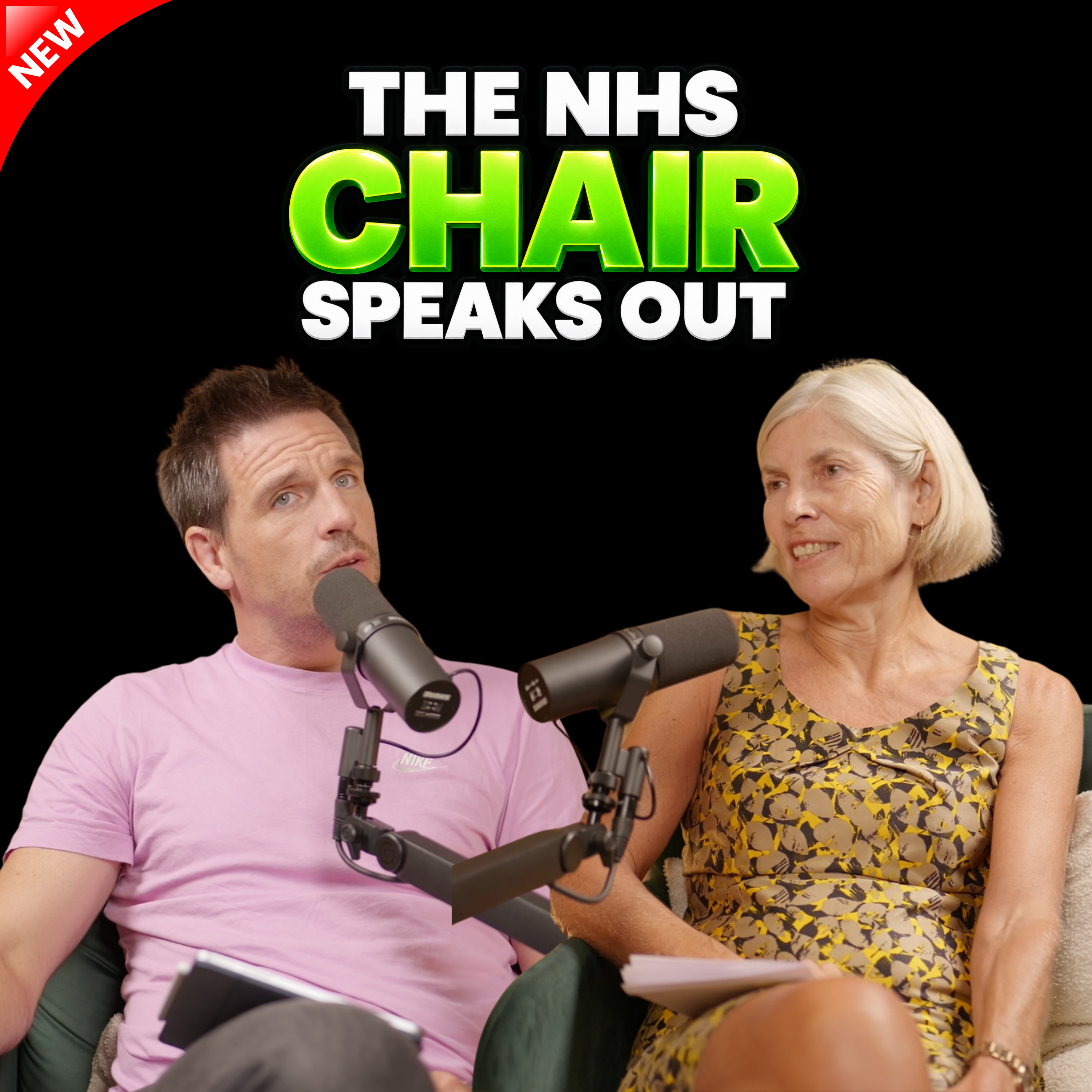
Dr Penny Dash (Chair of NHS England) discusses global healthcare models, NHS data and electronic health records, innovation vs adoption, patient data “single source of truth,” and how misinformation and health anxiety affect demand—especially urgent cancer referrals.
Dr Penny Dash is chair of NHS England; she started as a hospital doctor, became a public health leader, and previously led McKinsey’s health/healthcare tech practice across Europe.
No single country has a clear “winner,” but the NHS has globally leading practices. Adoption of better care can take ~17 years; NICE and clinical audit helped shorten this. Major remaining issues are unacceptable variation across providers and the need for richer, searchable patient data (not PDFs) to enable case-mix-adjusted comparisons and data-driven pathways. Patient fears about data sharing are understandable but single-record benefits are “phenomenal.” Misinformation increases inappropriate demand and referrals.
New Zealand (early EHR/data capture), Australia (primary care innovation but high unit costs), Singapore (shift-left community care), Germany (contracted standard of care; tariff flexing; utilization reviews), Sweden (primary care access models), cancer referral rates dropping from 1 in 10 to 1 in 9 (and previously 1 in 20) without cancer; prostate cancer biopsy anxiety; NHS 111/NHS App/online triage.
Written by AI. May contain mistakes.
Learn about the evolving landscape of healthcare globally and the potential of India's systems.
“India is probably going to become the global exemplar in healthcare provision.”
Explore how Dr. Dash maintains her optimism amidst healthcare changes.
“And whenever I meet you and we talk and whenever I hear you on stage, you're a voice of optimism.”
Discussing the effectiveness of different global healthcare systems.
“Like we talked about this before the show.”
Examining what the NHS can learn from healthcare practices in New Zealand and Australia.
“Singapore is basically a single party state city.”
Dr. Dash discusses the innovative use of technology in India's healthcare system.
Discover insights from healthcare models in Germany, Sweden, Canada, and the US.
“So that's very interesting what they do in Germany.”
Explore the tension between innovation and the adoption of new ideas in healthcare.
Understand the challenges in adopting best practices and innovations in healthcare.
“And this idea of adoption, which for the sake of this discussion, let's talk about adoption in terms of spread, uptake, you know, and so what's your kind of take on this tension, if at all?”
Examine the implications of a single patient record and the role of technology in healthcare.
Discusses the potential benefits and pushback regarding a single patient record system.
“A large amount of people believe that a single digital source of truth for a patient record is a net good place to be.”
Explores the difficulties and inefficiencies in accessing patient data across systems.
Reflects on the inadequacies of current health record systems using PDFs.
“So one was one of the most devastating moments of my career.”
Discusses the challenges of accessing hospital data and the user experience.
“So instead of us having this amazing set of data now that would allow us to really understand what are the root causes of some different diseases.”
Analyzes the expectations the public has regarding NHS services and social responsibility.
“Because you always compare it with financial services.”
Discusses the role of society in supporting healthy lifestyles and managing obesity.
“Because many people say what you've just said, including many people in the system.”
Explores the impact of misinformation on health service demand and public perception.
“having all of that people with a cold are still turning up at a and e that means those systems aren't working.”
Explore the challenges of managing increased health inquiries and the importance of accurate information.
Discuss the implications of rising health checks and cancer referrals on the NHS system.
“But at times people think, oh, well, you know, there's always the one in 100 ,000 where maybe is something.”
Learn how improved data can enhance patient care and reduce health anxiety.
Discover personal strategies for resilience and mental health management in tough times.
“So I've definitely had plenty of difficult spots.”

Get the gist, explore an idea or ask about something said.
 Claude
On HealthTech Hour, what are the key points of this episode?
Searching your listeningAutomatic transcript. May contain errors.
0:00India is probably going to become the global exemplar in healthcare provision.
0:03Steve Roest: Oh wow, I love this. Do go on. And it was about 10 years later when I realised great electronic health records by all of these massive, very supposedly successful global companies were just a place that people put PDFs. I remember the day when I found out that the primary care record, the GP record, was not the same as the hospital care record. I remember finding that out and I was like, what? What? What? Isn't that our job in the NHS? If you turn up at A &E with a cold, then it's our job to help you do that. And over that 45 years, it has got dramatically better, which is quite easy to forget.
0:41And so I do think, in fact, quite strongly that over the next 45 years...
0:48Steve Roest: Hello and welcome to this week's Health Tech Hour with me, Steve Roost. Each week we bring you the best news, views and interviews with the leaders, CEOs, clinicians, investors, lawyers, journalists, who are changing the face of healthcare in the UK and beyond. As regular listeners know, I am the CEO and co-founder of a health tech business myself called PocDoc. PocDoc has built the digital infrastructure to allow prevention to scale globally, and our Healthy Heart Check is now the number one diagnostic tool being used across the UK to screen for cardiovascular disease risk outside of GP surgery.
1:23Steve Roest: So if you're interested in more, in hearing more about the Healthy Heart Check, please go to pocdoc.co that's pocdoc.co or head to boots pharmacy to you well etc where you can use it and get it yourself um thank you as always to pocdoc for supporting the show and thank you to everyone who is listening live on uk health radio we love the live platform uk health radio has a ton of other presenters doing amazing shows so i would urge you to listen thank you if you are listening to this or watching this across any of the podcast channels or youtube so as of the last episode we are now being broadcast in multiple languages so we've cloned me and i am now broadcasting this in french german japanese spanish and arabic so bonjour guten tag konnichiwa hola and salaamu alaikum for all of our listeners across the world We're now, I think, the most globally distributed health tech podcast in the world, which is really, really exciting.
2:25Steve Roest: And thank you very much for listening. We have got a very special show today. So our guest today is Dr. Penny Dash, who is chair of NHS England. She began life, her career as a hospital doctor and then a public health leader. She then led McKinsey's health tech practice or health care practice across Europe. and she's steered NHS England through one of the biggest periods of change both in the healthcare system and in society more widely. Just so we're all listening as we know we're a broad church, the chair of NHS England is probably one of the top four or five roles in global healthcare at any one time in terms of significance and importance.
3:02Steve Roest: So it's a huge honour to get Penny onto the show. So Penny, welcome to the show. How are you? I'm very well. Thank you, Steve. Good. Right. So you clearly, the narrative thread that runs through your whole career is that you really care deeply about improving the health care system, whether that's been done in your roles at NHS England, in public health, McKinsey, etc. And whenever I meet you and we talk and whenever I hear you on stage, you're a voice of optimism. You're not, you're a realist. You don't, you never sugarcoat anything, but you always find a way, however difficult things are, to take an optimistic view of things.
3:36Steve Roest: So over the last 25 years, how have you managed to keep that optimism, that flame burning through such periods of tumultuous change? Let's start there. Well, it's actually a lot more than 25 years because I'm quite old. So it's more like about 45 years. I didn't. I was going to. I went low. Always a good thing. I think because I know it sounds glib and lots of people say this but it is because I do feel really strongly about it and I can see all of the potential for things to be better and that's not just me saying I have some you know secret skill to see that it's because I like listening to people I find people I read I'm always reading particularly news magazines I'm less kind of reading proper books I'm always reading I'm always trying to learn for whatever reason I've always had an inquisitive mind and when I look at what's happening even 40 years ago 45 years ago the different sorts of health care that were out there the differences in the way in which people interact with health care the differences even though we didn't really talk about it quite so much but we still you know we spoke a lot about things like smoking cessation 45 years ago the way in which different people find it easier to adopt healthier lifestyles all of that gives me great hope because you can actually see that we could have a much better health care system and over that 45 years it has got dramatically better which is quite easy to forget um and so i do think in fact feel quite strongly that over the next 45 years i mean oh my goodness i won't live to see what is likely coming downstream we don't know you might be at the forefront of these life you might need to keep penny dash around a little bit longer you might be number one in the life extending i'm not sure about that therapy but but i can only imagine that it's gonna evolve even further okay but as you say i'm you know i'm a realist and uh a i recognize that change uh not everyone's comfortable with change and that has been a big learning over the last 45 years and I've actually I've changed dramatically because of that you know I've gone from being probably quite a sort of ardent campaigner I was a big campaigner in my youth I've then my sort of 30s probably thought the louder you speak the more likely things will happen okay and and now I recognize it's much more nuanced than that so I can see that change is hard people often feel uncomfortable about change and that's why it can be quite hard to adapt Over that 45 year period, which other countries, if any, would you actually swap healthcare systems with?
6:38Steve Roest: You know what I mean? Like we talked about this before the show. And I believe having worked in the NHS and what we do at PocDoc for a while. And my mum worked in the NHS for 30 years and things like that. But having now gone overseas with PocDoc and speaking to other people in other healthcare systems, it's not like there's a clear winner outside the UK either. No. Well, you've just answered the question. Well, yeah, but what do you think? I definitely don't think there's a clear winner. What I do think is that there are things that we do here in the NHS, which are absolutely globally leading edge and other countries are really interested in and seek to adopt.
7:17There are things that happen in other countries around the world, which we should absolutely be adopting. and the things that I would tend to point to would be I think New Zealand has done a very good job on tech. They did a lot quite early on, so probably around 2010, something like that. They're quite early adopters of electronic health records, of capturing data, using the fact it's not a similar system to ours, so single payer model. Did a lot of work on public health, a lot of work with primary care. so I think that's New Zealand's always an interesting one because quite analogous there are elements of Australia which been very impressive some of their innovation in primary care is interesting I'm not necessarily saying you would adopt it quite as it is but they have quite a different payment model
8:11Steve Roest: which is insurance based or partial insurance based down there it's a mix it's a mix so roughly yes numbers won't be accurate we won't hold your feet yeah but about 50 50 percent of people have private health insurance okay but there are things I would not adopt from Australia like they have very very high cost health care okay so unit costs are very high and as a result increasingly more and more people can't afford insurance because if the unit costs of delivering health care are very high then the insurance premium is going to go up so they're in quite an interesting model where they if you looked at our unit costs versus their unit costs we're in a much better place we're delivering better health care outcomes for the amount of money that we spend but some of the things that they do are interesting and we should be willing to look at that so that's there i think if you go to southeast asia singapore everyone always says you know really interesting how they have all the things that we've spoken about over the last 25 years like shift left develop good models of community care neighborhood care adopt technology they've just done yeah i mean i think what's interesting about when you look i mean i've already gone off the agenda for the show so but this is what we do so that's fine but the the the interesting thing at least about two of the countries you mentioned so singapore and new zealand are very small populations very small i mean new zealand's highly rural or significantly more rural than Singapore is.
9:41Steve Roest: Singapore is basically a single party state city. Absolutely. Which means you can do quite a lot and you don't necessarily have to worry too much about canvassing opinion. And on top of that, extremely, well, not completely, but very strong public cohesion about things like not smoking and so on. So therefore, if you go skirt over those, And then you come to, well, actually India. Oh, my goodness. So India is off. Is it? I think India is probably going to become the global exemplar in healthcare provision. Oh, wow. I love this. Do go on. That's amazing. Yeah. Let's have it. So as in many, many other things, they love their tech.
10:31And so technology in healthcare in India, I suspect is, you know, yeah, there's some cool stuff happening in the US. obviously but India is just off and they are using technology in ways that the US could only dream of and and we could only dream of and more which I think is of interest to us here they're doing it in a way which I really like this term democratizes access to healthcare okay and they feel very strongly about that many of the founders of tech firms and the help that sort of the managers and the doctors working in healthcare delivery so by using technology you can reduce the unit cost of care and it's not just you know technology now was standardized operating processes 20 years ago okay and they were very early and standardized operating processes and are now tech enabled those standardized operating processes and so they are delivering outstandingly good health care for dramatically lower unit costs than almost anyone else with with unbelievably huge populations
11:35Steve Roest: and unbelievable society challenges and things like that yeah so wow yeah is the main thing wow so i that's going to be very interesting you know watch that space um and then as as we move west of course europe uh definitely the payer model in germany uh way in which they've used data and analytics some really interesting ways in which they uh purchase health care think about the cost of health care the thing i like about so i i spent a lot of my life in germany bilingual german and and actually last week i was over in germany you know as we as we look to expand pocdoc in that region and one of the things i really really am enjoying about the public health care the public insurer model is that the entire standard of care is contracted that's right with absolute clarity yeah with very little flexibility around it which is some people might complain about but actually it provides a really clear basis to go forward because it's a blueprint and the blueprint doesn't really change yeah you know i think that's really refreshing yeah and they do some really interesting um contracting things that again we should be looking at more so if they have a long waiting list for a particular surgical procedure i mean all this stuff is easier to do in surgery than in medicine but um they uh put the price up they say we'll pay more oh they can flex it can they absolutely they flex the tariff oh really yeah and then if they have more and more providers coming into that space which we definitely have in some areas they then lower the price wow so they're managing the market that would be amazing yeah so we in theory have some elements of a market not totally but we have some elements particularly around elective surgery which we treat the market but we don't flex the tariff based on how big the waiting list is.
13:28So they do that. And then they do a very good job of doing utilization reviews. So actually checking if this hospital puts in a bill for this or this private provider puts in a bill for this. Did they actually do it? And crucially, did it meet the threshold? Right. So they're using data and analytics to continually check. Are we actually... Their auditing is top notch. Exactly. So they're saying, are we getting what we think we've paid for? And then flexing price as well. So that's very interesting what they do in Germany. I think they have issues in other areas. They have over-provision of quite a lot of services, which is why they have to do that, try and manage, because you don't want supplier-induced demand.
14:11So they do a good job of that. And then, of course, the Nordic countries, I still think, are some of the most interesting for us to look at.
14:18Steve Roest: Yeah, in terms of innovation adoption and prevention, I suspect, as well. Primary prevention, strong sense of social cohesion. Sweden, which I'd recommend to anyone interested in this, very interesting article in the Wall Street Journal, looking at primary care in Sweden. It was published in about May time, something like that. and looking at how bidders we've got here sort of increasingly quite a big range of offers in the primary care space which can be digital offers some of the things you're doing things like online primary care right the way through to more traditional models of primary care but almost opening up that market so that you don't just have to go to your registered GP you can actually choose who you go to and still have it covered through the the state model i mean i think that we you know i love getting technical on this show as listeners will know but this idea when you break when you when you really focus on the idea of reimbursement and you look at the unit that is being reimbursed and if you're able to get health care to that point that opens up a lot of flexibility and a lot more adaptability yeah and i'm not sure necessarily that's you might tell me i'm wrong whether the nhs is at that point at this point in any area but i don't know but that that that does seem to me to unlock a lot of downstream benefits in other systems it does absolutely and and i think that those these are all the things that we should be looking at more and we should be thinking well if they do that there why can't we do it here because we've got quite similar public sector ethos um and so on and then of course we go to um canada and the u.s so canada uh canada has quite a lot of challenges which i think people often don't really realize so they struggle with uh waiting lists they struggle with access to primary care probably more so than we do so again sometimes quite easy to get down on what we've got but canada has its own struggles quite again quite similar system to ours uh and they are really interested in learning from us.
16:25That would be quite a good example of somewhere that's interesting. What are you doing? How can we learn from that? And then of course we go to the US and I always think it's a shame that everyone thinks that the US is this fully privatized system. When of course it isn't. 50 % of US healthcare is paid for by the state. The problem is that it is not universal and that is I think pretty terrible. Many people would say it's awful. And when you go and you see the health need and the poor health status of so many people, it's difficult to see that in such a rich country. But some of the ways, again, of thinking about different models of care, the way in which technology can be used, different contracting mechanisms are very, very interesting.
17:15and as ever in the US that can-do culture means that people come up with an idea think about doing something differently and then do it and that then means it gives us some really interesting real life case studies essentially to look at and learn from.
17:32Steve Roest: So on that on that topic how do you feel that the the system here embraces or not the opportunity to try different things is it a culture of trying things or a culture of not trying things or a bit of both depends on the day of the week it depends on what you know what's your kind of what's your take on the whole thing yeah i mean in many many ways we have an absolutely outstandingly brilliant health care system in that there are doctors nurses physios managers out there a delivering outstandingly good care in many many places uh and b thinking through how could we do things differently and c uh going around the world looking at all of those things albeit through a particular lens now i think more people should be looking at the sorts of things i'm talking about but we do tend to have you know doctors do doctors in particular do a lot of going off to conferences and learning about what's happening in terms of new treatments and then d my final one is we have a fantastic history of evaluating things that is true and that is widely worldwide absolutely and we should never we shouldn't lose that uh now there are things in all of that which i think we could do better on but we should recognize we start from a point of strength so if that's all the good stuff uh and you know i can see and you can see and lots of people can see i i could name all sorts of examples of that but i can also absolutely see that some of the challenges we have about pace of adoption and that is really frustrating well i can see two big things one is people with great ideas new product i think great ideas within the system new products being developed within the system or outside the system who struggle to get them adopted in the first place can't even find a way in can't find someone to speak to and then uh on top of that the problems of scaling things up and more widespread adoption of what we know is good practice well this tension between innovation and adoption we'll go into in the second part of the show but i'm going to stop right now for our first commercial break of this week's health tech hour with my amazing guest dr penny dash nhs chair nhs england chair rather we'll be right back in two minutes don't go anywhere
19:59Steve Roest: welcome back to the second part of today's health tech hour with my guest dr penny dash chair of nhs england so we picked up just right at the end was this this tension or potential tension between innovation good ideas which can come from inside the system they can come from outside the system they can be clinical they could be non-clinical they can be med device they can be non-med, they could be anything, lots of different things. And this idea of adoption, which for the sake of this discussion, let's talk about adoption in terms of spread, uptake, you know, and so what's your kind of take on this tension, if at all?
20:37Yeah. So again, trying to put a bit of context and history around this. So people always used to talk about 17 years.
20:45Steve Roest: Yeah, I heard that. That's ridiculous. but yeah yeah so and there was some good data for that and some good studies and um take 17 years from someone somewhere figuring out a better way to do things before it getting widespread and and if we went back into time some really quite staggering things you know like uh way in which you treat doing a pentasectomy or way in which when we're looked after during pregnancy you know many many things you look at it now and think oh my goodness how do we possibly do those things and why did it take long to stop doing them really you know interesting in this 17 years actually was you could see it almost you could see it live you could absolutely see well yeah why why hasn't this caught on and why are people still so far behind so that 17 years i think would be hard to find examples of that now the 17 years so yeah i mean gut feel i'd agree with you yeah so we definitely i think that has come down significantly and that has been helped by things like nice has played a really big role so essentially developing clinical guidelines into best practice care or good practice care and then disseminating them fairly rapidly you know what i'll give a quick shout out to the guys at nice so so um on those on that clinical guidelines thing so one of the most instructive things that that someone told us when we started with pocdoc was have you guys looked at the nice clinical guidelines for your area and we were really i mean we were like a few days old at this point and we and i thought oh that's probably a good plan let's go have a looky look and um to your point nice publish clinical guidelines for every single condition in flow charts and beautiful text and things like that and keep up to date which tells you exactly how that area is is delivered and therefore you can then work out how your thing fits into it there isn't another healthcare system that does that by the way no exactly it's totally unique and free yeah so that has made a massive difference then uh the whole principle of medical audit and clinical audit so this was an area i was quite militant on in my younger days on the barricades on the barricades okay couldn't quite believe why this seemed to be such a i mean but it literally was 1990 when people started to talk about medical audit the opposition to it was unbelievable what do you mean by medical audit let's measure what we did and did it work oh wow that's it that's it let's maybe say we've just done this appendicectomy in you know 100 people over the last year let's see how many of them had post-op infection how many of them had some other form of complication and let's compare one hospital to another and that was 35 years ago people were freaking out about absolutely freaking out wow yeah yeah i mean massive massive opposition to it massive opposition to measuring and comparing was that driven through fear of liability well all sorts of things you know i'm too good for anyone to measure what i I went to medical school and how dare you?
23:53Steve Roest: How dare you? You know, a lot of that. Yeah. And then also there are some valid concerns, like are you fully case mix adjusting? And so that's always a big one. You know, you're going to have different outcomes in centres that look after people with more complex needs. Yeah, and if it's a league table situation and I see really unhealthy patients, my results will look worse. Absolutely. You know, Johnny Surgeon down the road who sees healthy people. Exactly. Yeah. So, you know, all of that. Very valid. but in some ways put the valid issues out there don't put the underlies issues so you know a lot of this stuff has changed significantly things like girft done a fantastic job get it right first time listeners get it right first really impressive program uh sort of almost resurrected the whole principle of audit let's look at what we're doing modernized it put a lot of energy into that so there's been all these different things which have uh made a massive difference that 17 years and so it'd be cancer networks be another good one cardiac networks lots of those things so many many things which have uh really helped and improved adoption but and this is a big but we still have a long way to go and we have a long way to go for two ways so one is we still got massive variation and that cannot be right and I think we're too tolerant of that massive variation you wouldn't see that in other industries you mean between different regions doing things differently so we mean between different hospitals between different GP practices between individual GPs between individual nurses between individual surgeons between individual physicians far too much variation um and and we know it's there because we can see it and recently we've got the data to do it so that we've still got a long way to go to address that um and then the second bit is that the whole way in which i've been talking is of course old world way about well let's measure this and see if we can see this well the more that we start to look after people and have underpinning technology behind that whether it's electronic health records or much more so as we start to use some things like ambient voice technology that accurately captures the interaction that then weaves in some of the results from diagnostic tests we ought to be able to do a dramatically better job of actually having much more accurate data really being able to properly case mix adjust that because we've got all the patient information there we know exactly what was their blood pressure their pulse their weight their lipid levels their key risk all of it and then we can really start to compare well what's happening here there and and look at that and then of course where i think we will get to and we can already see it happening is that then the technology will dictate what the care pathway should look like and is that starting to happen that last little bit that last bit is it or are we in the foothills of that uh we're in the foothills of it but it is definitely out there um so you can definitely see already lots of development of lots of digital tools that say you know if someone's got a b c d then this is what the right care pathway should be and indeed you as a user you can look that up nhs online will give you a lot of that data but if you put it into even on google whatever that ai is that is at the start of google yeah uh that will start to say well if you've got these symptoms then you should be doing this so you as a patient really do now have quite a lot of data that says this is what should be happening in this particular case yes that you can then use in your interaction now there's also lots of negatives of that which we could come on to but yeah but it it creates a different pressure that the system's not had to deal with before which is highly empowered absolutely highly informed whether it's accurate or not you can that's the that's a big area of debate but but patients that believe themselves to be really informed um and how it deals with that is a really interesting area yeah and you look at things like which we've had for a while but get better and better as the tech gets better things like uh gp uh systems that can look at drug interactions that can say why's hang on maybe this patient shouldn't be on this drug if they're already on these two yeah so that is only gonna going one diary it's going to be more and more and more sophisticated so on the issue of patient data there's been so i think i think everyone broadly agrees that a single patient record is like a net good idea i think not everyone no i thought we got past that i thought we got at least conceptually that a single patient record was a good idea we don't even that point okay Well, okay.
28:48Steve Roest: A large amount of people believe that a single digital source of truth for a patient record is a net good place to be. So what do you, is this a bit like your example about the medical audit situation? Because there's a lot of pushback seemingly in and around this space around different, there's different arguments and different points being made but it just seems like a lot of negativity that might be holding back the progress to this end goal whoever or however we ultimately execute that but i don't know what your thoughts are yeah there is and i think it's sad um it's been going on for a long time um it goes right back to what i was saying from 1990 when there was resistance to this.
29:38It's the same groups of people. But it's such a shame because it then just spreads misinformation and you start getting, you know, people who are genuinely nervous because they genuinely think that their healthcare data, which may contain things that they may not have shared with other people, they genuinely think that there is a high risk of that data being put out in the public domain if we move to a single patient record and you know of course there are going to be some risks nothing is nothing in life is risk-free but the advantages of having that data are so phenomenal to the individual to future development of care and of science that it it's so it would be so sad to not be able to get this through and also the
30:31Steve Roest: the adoption curve of new technology massively steepens if you're able to unlock access to large quantities of patient data to be able to use with those tools or products and things like that because you know at the moment in order to access patient data you have to go gp surgery to gp surgery and time days sharing rooms which is fine and everyone knows that's the system and that's that's what we do that's that's just how it goes but if you want to really lean into some of these new technologies in a very safe and very controlled way with all the safeguards and checks and balances in place obviously then it that's a very very rocky road to have to do that um i remember the day when i found out that the um the primary care record the gp record was not the same as the hospital care record i remember finding that out i was like what what and then yeah that's so that's a whole nother area right oh good well so recently yeah Let me share this with you.
31:29Well, I'll give you two things. So one was one of the most devastating moments of my career. So in about 1995, I did some work with different organisations starting to develop some of the first wave of electronic health records. and i presumed clearly erroneously but i just presumed that the way in which one would build up a health record is you would do it because this is what was starting to evolve in other things you'd do it almost through drop drop down screens so you come and see me as a doctor and i would put in your name it would go male female do that you know date of birth or someone else would put that in and then you know it would say what are your symptoms and you'd be chest pain you know is it radiating down your arm or the classic way in which you're taught through the whole medical school highly structured approach to taking notes and you build up electronic health records such that you could just do drop down screens on all of those questions very much like now if you have to fill out a health questionnaire it ask you all those questions yeah so i presume that's what it would be and it was about 10 years later when i realized that uh great electronic health records by all of these massive very supposedly successful global companies were just a place that people put pdfs oh wow really yeah and so you go into your electronic health record now if you go onto So NHS app, there will be embedded PDFs there from possibly 10 years ago.
33:14And that's what it will be, PDFs. It won't.
33:18Steve Roest: Unqueriable. Unqueriable. So instead of us having this amazing set of data now that would allow us to really understand what are the root causes of some different diseases. Why do some people get this? Why do some people get that? and even more so why is this treatment effective in some people and not in others all of this stuff that we could be doing you can do a bit of it through searching the pdfs but you can't do anything like what you would do if you got the raw data in there no no of course not so that was a bit has been a big disappointment that was one and then and then the second have you checked the pdfs penny just have a look at those first before and then the second is um I had a family member in a hospital, very good hospital, NHS hospital, and was promised that they would be able to access everything that happened to them, including all their results, all the different diagnostic tests, through the hospital data system.
34:30okay all right so then you go on to that well now you need a login you need your number you've got to set up a password we'll come back to you with with uh we'll have approved your login within 24
34:44Steve Roest: hours oh my goodness well yeah well and also they you know the hospital's got an it department that's managing that and you know like it's not exactly very user-friendly is it and this is meant to be one of the good ones right i think well maybe it'll be on the app so you go on the app and yeah half the data is on the app but only half the data is on the app so isn't this ridiculous 2026 yeah and some of your data is on your nhs app yeah and you know when i've been had a blood test and then it turns up on the app within a few hours i go wow that's an incredible experience isn't it you know we're moving forward and i can look back and i can see again not very searchable i can't turn it into a graph, which I'd like to do.
35:25Yeah. Because you always compare it with financial services. Yep. So financial services, you can do a little graph of what's happened in your bank account, you know, how many pairs of shoes have you bought, whatever it might be. It would be nice to be able to do that. But, you know, we'll get there. But the fact that it's a different place to go for the NHS app to the hospital data system, as you say, is a long way to go.
35:48Steve Roest: I remember I found that one out and I was like, oh, that doesn't sound that doesn't sound efficient to me it doesn't on the face of it it doesn't sound that doesn't sound optimal right then we're going to go for our last commercial break with my guest today dr penny dash and then we will be right back so don't go anywhere
36:10Steve Roest: welcome back to the final part of today's health tech out with me steve roost and my guest today dr penny dash who is the chair of nhs england so what do you do you think or rather well do you think that there's a a real a conversation that has to happen in terms of the social contract between the nhs and the wider public about what to expect or do you believe the expectations are kind of in line or like what's your view around this type of because the nhs is an amazing institution unbelievable and it's like for for for anyone who's still alive it's pretty much always been there give or take and but it feels like it's being asked to do more and more and more with changing societal needs i don't know whether you think that that is reflected in the social contract that people in the uk have with it or what's your kind of take on that yeah i always feel slightly uncomfortable with this conversation.
37:09Steve Roest: Okay. Because many people say what you've just said, including many people in the system. And it started off about 20 years ago. And we started to put notices on, we the NHS started to put notices on buses. Okay. You know, if you've got a cold, you don't need to go to A &E. Oh yeah, I remember that. Yeah, I remember that yeah and people felt really strongly about this and that at the time that was the discussion about the social contract with the nhs and we need to you know tell people to behave more responsibly and not turn up at a and e if they've got a cold and i've often thought about that and i've always said i felt a bit uncomfortable because i thought well isn't that our job in the nhs because if you turn up at A &E with a cold then and we think you could be looked after better somewhere else like in your own home with some LEMSIP tucked up in bed yeah then it's our job to help you do that right so I don't really quite like this thing about telling I think that our system should enable people to actually receive the most appropriate care in the most appropriate way yeah so i sort of think before we i think that's a good interpretation of it i think that's a good response before we start lecturing people let's just you know almost sort out our own services yeah and so i do think because we still have some of that going on uh that's because we haven't done as good a job as we could so we set up uh 111 we've got nhs online well if despite having all of that people with a cold are still turning up at a and e that means those systems aren't working.
38:52Because we ought to have a way that you can't turn up at A &E without going through those systems.
38:58Steve Roest: Like a triage concept. Exactly. And that's how other countries would deal with this. Or they'd put in place different incentives or different models or different types of information to support it. In an insurance based system you can't go and because otherwise it doesn't get covered basically. Exactly. If you don't check in with your insurer before you go. Yeah. Now, I don't think we want to do that. But there are certainly ways in which we could be helping people to interact with the system in a much better way. So that's one bit. All of that said, I maybe started to evolve a bit more my thinking.
39:36And some of the things that I think are quite hard now are obviously some big challenges around obesity. yeah um you know how do we support people on that but all the data would suggest that most people who are overweight or obese do not want to be overweight or obese
39:56Steve Roest: i'm not shocked by that statement i would imagine that yeah gutfield says that's right so again i think it's how do we as a society and it's not just the health care system clearly how do we as a society do a much better job of supporting people to eat healthily and take yeah this is one of the things that i've always wondered is obviously above my pay grade which is fine but that food policy doesn't really sit anywhere underneath or within health policy like health like any you know it doesn't sit it sits under defra i think technically well no it does it does a bit there is a team within the department of health and social care who are responsible for obesity in the widest sense but do have to work with other government departments okay because then there are you know as with most things there are there are wider sets of interactions and you're getting into discussions with food manufacturers and supermarkets but i do think you know we ought to be able to as a society do a better job on that so that that would be one and then i think i've come back to a bit where i started one of the things which i think is one One of the biggest risks and biggest, well, not risks, but it is a risk and it's a challenge is on this increasing amount of information that is out there and erroneous information.
41:12And that is then when I do start to really change my thinking a bit. But again, the same principles probably apply, but it is what I witness now is a lot of the health information which is out there. you know i get something turns up on my instagram feeds or you can see it online or you know you hear from other people and it is frankly misleading uh and it is wrong and it is resulting in quite a lot of demand in the health service uh it's whipping up fears can you put a quantification
41:44Steve Roest: on the amount of demand that you think is due to misinformation or is that too crazy you can't do that i don't know but but enough to notice in the data enough to notice yeah and you know and some of it is yes we want to have you know we want people to be aware of their own health we want people clearly to be aware of is something wrong do i need to get help do i need to get some advice but sometimes it's got so extreme that you know the real risk is that we've just got floods of people uh asking for advice asking for diagnostic tests when the data just does not support the use of that and if we want to have which we all do want to have in this country a free at the point of use universal health care system which the overall majority of people feel very passionate about as indeed do i then we need to find a way in which we can support more appropriate use it's interesting isn't it because there's one argument which is the genie doesn't go back in the bottle kind of concept and you know the i feel like well-meaning though discussions i'm not saying these discussions are happening i'm hypothesizing but discussions between you know the mechanics of state in the uk with social media platforms and things like that i i'm sure they're happening i'm not really sure whether they're going to get very far in the grand scheme of because it's just it's a firehose of content it's really difficult to determine algorithmically whether one post about something is accurate or another post about something isn't accurate when it's basically a fire hose and I feel like the NHS sometimes has a bit of a raw deal because not only is it the provider of care it also is being told it also has to be the champion of accurate information yeah about care as well which is quite which means you have to have a fully fledged comms machine out there kind of fighting fires and communicating things it's really difficult it's a very difficult spot it is but again actually yeah to be optimistic here yeah let's be optimistic you're right so the tech could help us here okay so if i take some of the things that are happening live now um is it's a lot easier now than it was 10 years ago 20 years ago certainly 30 years ago to decide as some people are doing i'm going to go and have a whole health check i'm have a health screen i'm going to do these blood tests get a healthy heart check and do all the things well some of the healthy heart checks right but you've seen people do these things at a younger and younger age yeah and public health doctor in me and actually the nhs doctor in me would say oh this is you know this isn't good we're going to have no end of uh incidental findings and that is true you go down this route of all these health checks you will absolutely find an abnormal blood test you'll find your kidneys are funny shape you'll find you know you've got a bit of this you've got a bit of that you know your right leg is a little bit shorter than your left leg okay you'll find it all yeah yeah and the problem at the moment is once you found it you found it yes once you've read it you've read it once you've seen it you've seen it and you therefore then you know again lots of nhs doctors are fantastic at saying this is nothing.
45:06This really is nothing. But at times people think, oh, well, you know, there's always the one in 100 ,000 where maybe is something. So I better refer you on for some more tests and some more tests and some more tests. And that's the path that we're on a bit at the moment. And you can see that in things like referrals for cancer. You know, that's gone from where one in 10 people referred for cancer would actually have cancer. okay so this is urgent cancer referrals right nine out of ten would not have cancer okay right now yeah that's down to nine well then a few years ago it was 19 out of 20 wouldn't have cancer okay and now it's becoming even less so in other words we're referring more and more people because more more people are becoming health aware and concerned and think i might have cancer yeah and this is
45:55Steve Roest: through the urgent pathway where there's like there's a hard there's a hard cap on the response rate on the end it's like two weeks or something absolutely two weeks something like that absolutely now in some ways it's a good thing because we want more people to come forward and and so on yeah but you can also see the risk is it floods the system and then the people who really have got cancer struggle i think the prostate cancer psi is a classic it's a classic one and it raises anxiety and concern and the camp and then if you go down this route there's a bit of something we probably not anything but we better check it out there's then side effects often from those tests the more invasive you get you start sticking needles into things start doing biopsies well the prostate cancer biopsy is renowned as being a very very invasive and unpleasant experience so there's all these sorts of things now actually so we're at the moment we're in a difficult place because we're sort of half using technology and half using these things and people are becoming much more um informed about their health all of which is good but the risk is the risk now as the tech gets better and as the data gets better exactly we're talking about we ought to be able to start to do a much better job of saying actually we've now got the data that says if you're 35 and you've got a b c d e it's a highly highly highly unlikely to be anything and therefore we don't need to go on and do all these things whereas if you've got some of these other things then actually it is worthwhile pursuing this and so that's my optimistic bit well that goes back around to having a a consolidated patient record with that information in it yeah and well and not just the health information but wouldn't it be amazing if we had information on everything that we're all eating that would be great so we could probably put to bed some of the continual i mean i'm sure you have every single time you read the news online there's another eat these five things don't eat these six things my favorite is like these three things lower cholesterol within three weeks that's right yeah i'm gonna do these i'm about to do 48 hours of the german porridge time are you okay i'm gonna give it again good luck with that one good luck but you know we could get much better with that so if we had all of that data we had all of our family history we had all of our medical data plus we had the continual monitoring of your blood pressure your pulse all these basic things like your cholesterol and hemoglobin actually all really straightforward things to do we'd build a fantastic data set and actually in my optimistic mood we could remove a lot of health anxiety yeah because you can get ahead of it get ahead of it and explain it and you'd actually say all this completely normal yep yeah um i think the thing that we spoke about before the show that that leaves me with a huge amount of optimism is that the conversations that that you know we're having for just sample of one are much more geared around how do you look at an entire population that could be at risk and put in place screening programs that not just test but also then connect into things that could have an impact and actually there's really deep discussions happening around changing the economic reimbursement from an up front per patient cost to actually paying for the outcome which which you know works with with platforms like us because we can track it all the way through and i think that's that's the direction of travel that that has to be leaned into across across everything yeah exactly right cool well look one of the things that we we do um ask everyone that comes on the show at the end of the show is um what what's the motto or the the self-talk that you've used over your career when you've been really in difficult spots that you want to kind of share with the world that people might take something from if they're also in a difficult spot bearing in mind you're not allowed to swear but you can you know you we can bleep it out probably but i don't know if that's the way you're going to go?
49:46So I've definitely had plenty of difficult spots. I bet. Definitely. I think finding a way to somehow just try and take the edge out of it is the really big thing and different people do that in different ways. For me it's definitely go for a walk, go for a swim. I don't like running so I don't do that.
50:17Steve Roest: But you can run, listen, that's okay. Other choices are available. Hot bath, probably a small glass of wine and a good night's sleep and talking to people. And just trying to put things in context. So it's a big deep breath in other words just let's just wait a minute uh things can be difficult for for days or even weeks um and i've definitely had that at times not quite sure you know where's all this going but i think somehow and and one of the most interesting things which i see and i worry about i think many people there's a really interesting uh financial times article on this again a few weeks ago many many people over the age of 40 can put the the ups and downs of life into context and can do the sorts of things i've just been talking about and come out the other side and say you know there'll be another day and i'll have another shot at it or if i don't then this too shall pass this too shall pass exactly or you know it was meant to be and i'll move on and one of the big concerns around younger people's mental health
NHS data, global healthcare systems, cancer referrals, the single patient record, A&E pressures - Dr Penny Dash, Chair of NHS England, on what the UK gets right, what it gets wrong, and what it could learn from the rest of the world.
Is there a healthcare system better than the NHS? Steve Roest sits down with Penny Dash — former hospital doctor, ex-McKinsey European healthcare lead, and now Chair of NHS England - for one of the most wide-ranging conversations the show has had. After more than four decades in the system, she remains a rare voice of optimism: a realist who never sugarcoats, but always sees the potential for things to be better.
In this episode:
0:00 Is there a better system than the NHS? 0:51 Intro 2:26 Staying optimistic after 45 years in healthcare 5:44 Which countries do healthcare best 9:19 Why India could lead the world in healthcare 11:50 How Germany prices surgery like a market 19:12 Innovation vs adoption: the 17-year lag 27:41 The single patient record debate 42:22 Why your GP and hospital records don't connect 47:48 "Telling people not to come to A&E is our failure" 56:31 Why 9 in 10 cancer referrals find nothing
🎧 New episodes every week with the founders, clinicians, journalists and leaders shaping the future of healthcare. Follow HealthTech Hour: