Ask ChatGPT


 HealthTech Hour
23 Sep 2026 · 50m · 20 chapters
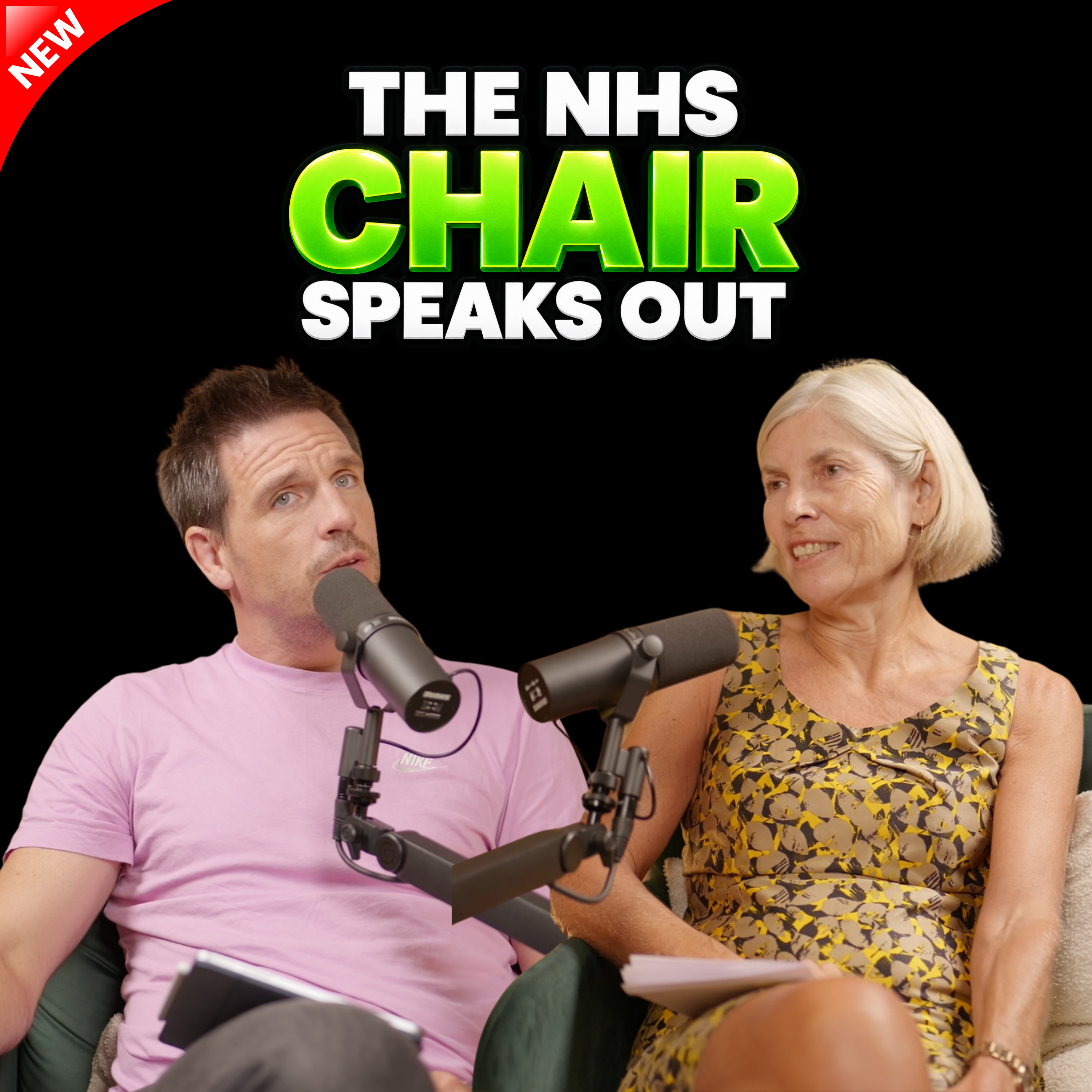
Community pharmacy’s role in supporting the NHS, especially during COVID, and how better funding and expanded clinical services (BP checks, Pharmacy First, independent prescribing) could strengthen prevention and care.
Jay Patel is co-CEO of Day Lewis, a family-founded pharmacy chain started in 1975; he grew up working in the business and now helps run a network of about 250 pharmacies (England-focused) with ~1.3 million patients registered.
Community pharmacy’s profile rose during COVID when other services shut; pharmacists are now more clinical (new graduates qualify with independent prescribing). NHS England prevention services like the pharmacy blood pressure/hypertension case-finding service “saved” Patel’s life. Pharmacy First formalized consultations leading to OTC and prescription-only medicine supply for defined conditions, and prescribing could expand further as knowledge and digital tools improve.
Patel’s coronary artery disease detected via a pharmacist BP check, leading to a heart bypass; COVID vaccination, lateral flow testing, and test-and-trace work done by pharmacies; concerns about capped dispensing fees and reimbursement not covering drug costs, plus online pharmacy “skimming” away from complex patients.
Written by AI. May contain mistakes.
Learn how a pharmacist's intervention highlighted the vital role of community pharmacies.
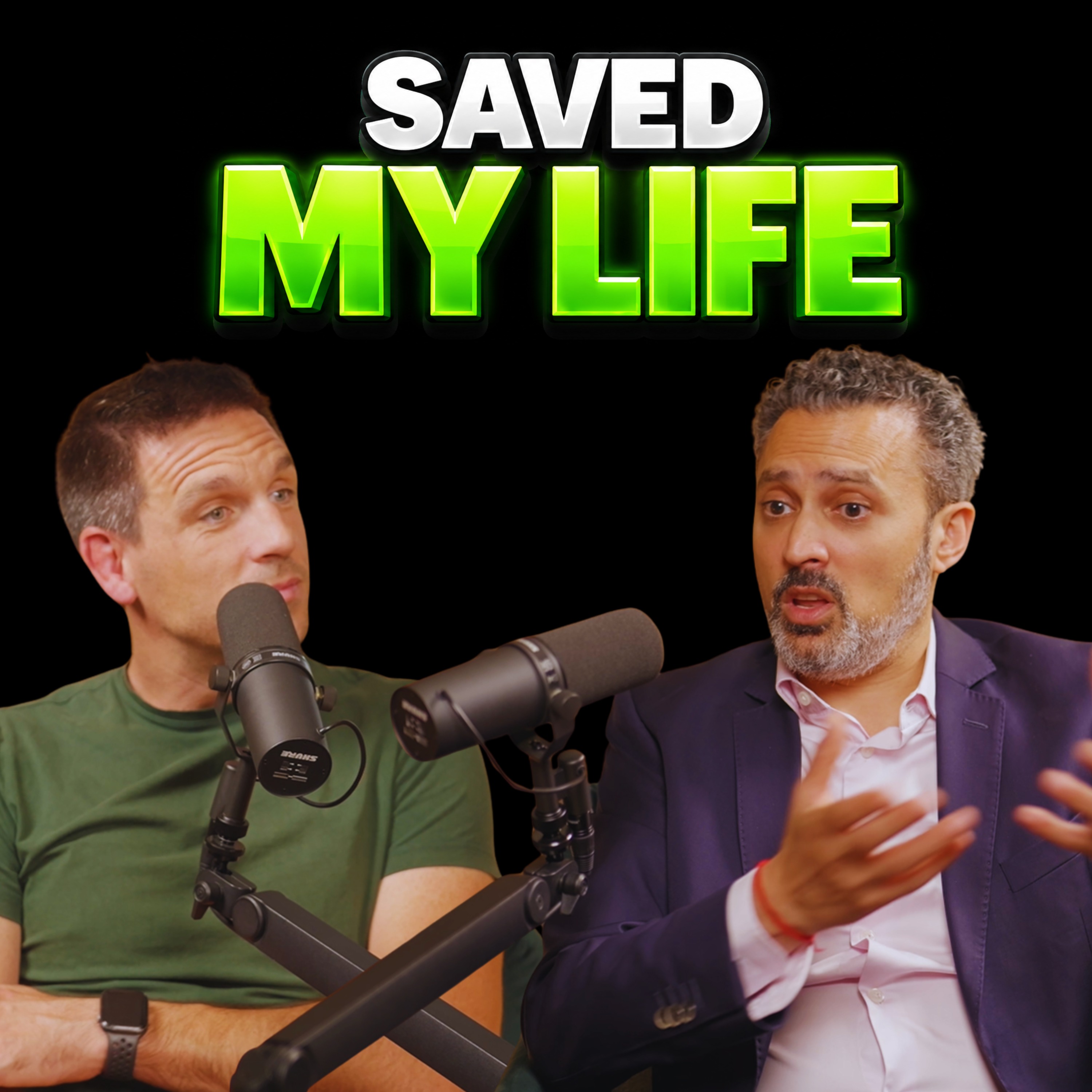
“That's the one that saved my life, absolutely.”
Explore the increasing role of community pharmacies in the UK healthcare system.
“And thank you to Poc Doc for supporting the show.”
Learn about the history and growth of Day Lewis pharmacies from its founders.
“I think it's always been important in the background, but I would agree with you.”
Understand the influence of family and personal interests in choosing a pharmacy career.
“And so what were your earliest memories of the business?”
Discover the importance of relationships in running a successful pharmacy chain.
“It's a, it's a really, it's like, it's a really inspiring story.”
Examine how community pharmacies serve as essential healthcare hubs.
“That really makes a difference to the patient.”
Learn about successful NHS England services and the preventive role of pharmacies.
“I think generally we went through a phase in the last decade where analog interactions were largely deemed inferior and not necessarily as effective and went highly digital.”
Learn how a chance pharmacy visit led to a life-changing health intervention.
“the blood pressure hypertension case finding service which I believe.”
Explore the ongoing importance of community pharmacies in health checks.
“pick that up in the second part of today's show so we're going to go for our first break now on today's show with Jay Patel the co-CEO of Day Lewis one of the largest pharmacy chains in England.”
Discover the historical changes that allowed pharmacists to expand their services.
“with me, Steve Roost, and my guest today, Jay Patel, co-CEO of Day Lewis.”
Hear insights on how pharmacies adapted to serve during the pandemic.
“Because you were sort of, I mean, I felt a little bit like you guys were sort of left a little bit sort of to the wolves a little bit.”
Discuss whether pharmacy services received the recognition they deserved during COVID.
“And just to be able to watch and watch the glass and not be able to get close and get in there was really difficult.”
Examine how technology, especially AI, could transform pharmacy operations.
Learn about the potential for pharmacies to increase prescribing roles.
“And how far on the prescribing side of things do you believe that pharmacy could go?”
Explore how community pharmacies adapt to patient needs and technological changes.
“sort of the process approach to kind of managing a customer or a patient during their journey.”
Gain insights from Jay Patel on key lessons learned throughout his unique pharmacy journey.
Explore the financial challenges faced by community pharmacies in the UK.
Discuss the economic implications of pharmacy funding and drug pricing.
“But the number of people getting more stuff each year is going up and up and up and they don't get paid anymore.”
Examine the potential pitfalls of centralizing drug procurement in pharmacies.
“So government procurement is just, you know, the government can't do this.”
Consider the importance of taking action and embracing life amidst challenges.
“So normally at the end of every show, I ask the guests to tell us if they had one sort of motto or self-talk that they want to pass on to everyone else that they've used to get through difficult situations.”

Get the gist, explore an idea or ask about something said.
 Claude
On HealthTech Hour, what are the key points of this episode?
Searching your listeningAutomatic transcript. May contain errors.
0:00That service saved my life. Is that right? That's the one that saved my life, absolutely. I suffer from coronary artery disease, so heart disease, and I picked that up in a random interaction with one of my pharmacists who was eager to perform a BP check on me. And it took a while, a long time for the government to take any intervention. I think pharmacy was abandoned, really. The focus was on general practice and the managed parts of the network. The clinical services that pharmacy provided wasn't funded, hasn't really been funded from new money. It's basically someone saying, well, we're going to pay you less for the dispensing and we're going to then make you do this.
0:39No. So I've paid for it.
0:41Steve Roest: No. We've internally paid for those. That can't be true. Hello and welcome to this week's Health Tech Hour with me, Steve Roost. Each week we bring you the best news, views and interviews with the leaders, clinicians, CEOs, journalists, investors. the list goes on who are changing the face of healthcare in the UK and beyond. As regular listeners and viewers know I am a CEO and co-founder of a health tech venture myself which is called PocDoc. PocDoc's Healthy Heart Check now has been done by people in every single UK postcode area. So in less than three years we've managed to get people in every single postcode area to do the Healthy Heart Check from the Shetlands right the way down to the Cilly Isles.
1:19Steve Roest: It's absolutely fantastic. And the Healthy Heart Check is now the number one tool that the NHS uses to screen for cardiovascular risk outside of GP surgery. If you'd like to know more, please go to pocdoc.co. That's P-O-C-D-O-C.co. And thank you to Poc Doc for supporting the show. Thank you also if you are watching or listening to this show either live on UK Health Radio. We love UK Health Radio. Johan and his team do an amazing job and our numbers whether they're viewer numbers or listener numbers keep rising and keep rising so in the last month alone we've had approaching 1 million streams across all platforms we couldn't be happier there's over 50 countries listeners or viewers in over 50 countries every single month that download or watch the show we must be doing something right but we deeply deeply appreciate you guys showing up listening on any of the podcast channels watching on youtube and on any of the instagram channels so thank you thank you thank you and we really really appreciate it so on to today's show i am thrilled that we've got someone on from community pharmacy again so for those of you who've ever listened to the show i've got a deep love for community pharmacy having spent many many days hours as we built pocdoc because we started building pocdoc in community pharmacy so i was in consulting rooms talking to pharmacists and things like that and it was it was great and and huge respect for the sector so we have one of the most influential um individuals in community pharmacy in the uk on the show jay patel who is the co-ceo of day lewis day lewis has 1.3 million patients every week every month no i think just we're registered 250 pharmacies has been in business for nearly 50 years or just over 50 years and is one of the absolutely most influential healthcare institutions in the country.
3:05Steve Roest: So Jay, thank you very much for coming on. Thank you, Steve. Thank you. Thanks for having us. Yeah, so let's get into it. So every year that goes by, every year that I've definitely been doing PocDoc and every year I've seen that the role of community pharmacy or the importance of community pharmacy seems to get bigger and bigger in the delivery of the healthcare agenda or the healthcare change that the country wants to see. Have you felt that? I mean, what's your kind of opinion on this? Because it feels to me like community for the role of community pharmacy and the importance of it continues to grow.
3:36I think it's always been important in the background, but I would agree with you. You know, it's it's it's the profile of community pharmacy has definitely moved forward and move upwards in the last in the last few years, particularly fueled during the COVID pandemic, when large parts of the health network shut its doors. community pharmacy found itself at the coalface of delivering healthcare across the UK. The access has always been there and largely actually driven by some of the trust that our patients have with our pharmacists and our teams across the UK. In addition, I think there has been an improvement and an enhancement in the skills and training of community pharmacists.
4:22They are more clinical nowadays. So, for example, maybe many wouldn't know that every newly qualified pharmacist now comes out with an independent prescribing qualification.
4:34Steve Roest: That's a big step forward. That's a huge step. And I think that NHS England has called that out as kind of a keystone as part of a lot of its policies, right? The fact that that happens. The independent prescribing piece is a big, that's really important. Yeah, it's massive. Again, that clinical badge. but in addition to that it's a it's a unique blend of of highly professional clinician you've got that that easily accessible location in deep-rooted communities and in addition to that I think it's underpinned by a level of compassion that that that they that might out that teams may have with their patients locally often those teams live in those neighborhoods and have served several generations of the same family in those neighborhoods so that combination is a really powerful one well bringing up the the family day lewis is a family business is it and so it was it started in 1975 with your dad is that correct yes my dad and uncle um they bought their first pharmacy in a small town called southborough tunbridge wells and um and then you know we grew up I was born in 1980 so I'm lying about my telling my age now but we were we were we were raised or brought up in the back of that business okay and then we just watched it might mean myself and I'm the oldest of three tables you watch that business grow from single acquisition to just growing growing growing and then we've got before you knew it by by 2025 2026 we were up at about 200 and and And 40, 50 pharmacies, which is a remarkable journey.
6:06Steve Roest: It's an incredible story. And so what were your earliest memories of the business? Well, my mum sent me to work with my dad when my youngest brother was born. So I was about five years old at the time. I think her logic was get out of the house and you take him. So I was raised large parts of the holidays in the back of a pharmacy, playing with price guns and chasing my younger sibling around. At one point there was a dog in the back of the dispensary. It was many years ago. And again, just largely being looked after by counter-assistance and technicians in the pharmacy, some of which are still working with us today.
6:47So we grew up in the back of that. And then just as we evolved through being a teenager into university, I pursued a career in pharmacy. Did you have a choice about that?
6:59Steve Roest: Yeah, we did. I would say we were carefully manipulated by our father, but in a healthy way. His goal and outset was to find a role which fits your personality. And then the second de facto statement was, and there is a role for everyone in this business. So if you look at the three of us, we co-share the CEO role between myself, my brother, and my sister. Okay. We have responsibility collectively for the whole of the business, but we then have expertise in different areas, mine being pharmacy and operations. But what you'll find is we are all pursuing roles that are a good fit. My brother is very analytical.
7:41He loves numbers, numerically, a numerical genius at the age of 11, 12 years old. He's gone into finance and he's great like that. My sister is highly determined, loves challenges in his HR. I'm more inquisitive. I like to see how things are put together and again, pursue a career in, in an operational sense. So, yeah.
8:00Steve Roest: It's a, it's a really, it's like, it's a really inspiring story. And so was your dad's and your uncle's vision to always acquire and grow and grow and grow, or did it happen more by sort of happenstance and chance? Or did they, did they have the vision when they started it? Did they believe they could get to 250 or, you know, how, how, how did that kind of play out? My dad and uncle were very driven. My dad, we wrote a book about him. We published his biography. He passed away 10 years ago. But we published his biography about three years back. And it was titled Nothing is Impossible. So he was just this guy that wanted to go out and do this.
8:38And he set himself a target. He wanted to grow to 100 pharmacies. When he went to 100, he said, let's get to 200. He wanted to grow a chain of pharmacy businesses and build a healthcare business that would touch the lives of, and I'm quoting him, so he touched the lives of many millions of people around the world. And we haven't got as far as that, but we are largely present in England and we do have some healthcare businesses abroad as well. But he was driven to do that. I think just that level of passion is contagious. Yeah. And, yeah, that's how we are at present. That's awesome.
9:15Steve Roest: And what are some of the things, because we're a broad church, right, so they're listening to the show and we're listening to the show. So there's going to be people that are in pharmacy. There's people not in pharmacy. What are some of the things about running a pharmacy chain that are important that people probably have no idea about? It's all about people. You know, it's our USP is our relationship with our people. My particular company, we're people centric. But as a whole, any successful community pharmacy has always carried people at the center of its purpose. Any of the ones that have maybe fallen by the wayside potentially have lost track of that and lost their way a little bit in that space there.
9:57So it's about leveraging that relationship with your colleague or with your customer or your patient. And then that sprinkle with some form of clinical training can really unlock great changes in patient behavior. So on one extreme, you could be a very highly skilled clinician. But if you are cold and absent from the patient, it's largely ineffective. We position ourselves as a best of both. but it's more about people relationships than it is about product or that clinical knowledge. That really makes a difference to the patient.
10:37Steve Roest: I think what I, so my introduction to community pharmacy, as I mentioned in the intro, was when we were, we built together with an amazing person called Janice Perkins, who's kind of an OG of community pharmacy. I know Janice very well. Shout out Janice. So her and I built the community pharmacy proposition for PocDoc. So it was her and I in the beginning going out across to all goodness knows random pharmacies all over the country and sort of demoing it, changing it, doing this, doing that. And it was a really, really insightful education for me in quite how much of an anchor community pharmacies are in those communities.
11:15Steve Roest: Like how important the community pharmacy actually is in that center, sometimes even more so than a GP surgery, because it sees more footfall and it's open all the time. And there's walk-ins and it sees all kinds of different problems. Is that what you've kind of found as you've scaled that they are these anchor institutions that you can leverage into developing really deep relationships? Yeah, absolutely. Each of our pharmacies are the same, but in many ways, each of them are different. We've tailored that experience potentially to different communities. Again, I keep on saying the access is really important.
11:48People are coming in all the time. And we've got access, obviously, physical access to a premises. but you've got, unlike a GP practice which again, no disrespect to how they operate we have different layers of personnel in the pharmacy you'll interact with whether it be a counter assistant at the front who might pick up on a little bit of a strange situation that you may be experiencing to a technician that's a little bit more that's more functionally skilled and then it could be a pharmacist in the back it could be a lot of our patients are managed by remotely or we have deliveries then And it's that delivery driver who will pick up on strange changes in patient behavior and will report that back in there.
12:30You've got that interaction with several people in there. And in addition, when they're not, when my team aren't in that pharmacy serving patients, they're in that community shopping in the same places as these patients are. Yeah, bumping into people, right, in the cafe. and how you're doing and all of that familiarity beyond the professional sense, which kind of really makes it that institution. I think it's become more and more respected and accepted. I think generally we went through a phase in the last decade where analog interactions were largely deemed inferior and not necessarily as effective and went highly digital.
13:13And actually it's coming back round. It's nice to see somebody, to speak to somebody. And by default, again, by nature of what we do, it's that acute need of going to a pharmacy. But there's also a chronic need to go into a pharmacy. Some of our patients are there every month collecting their repeat prescriptions. There is a prevention agenda going on in pharmacy, as we know. You've launched a POC talk across that. and also you know there is a that we are managing you know long term conditions which again it's part of a holistic
13:53Steve Roest: service. I think one of the one of the most successful NHS England services well there's two actually right one is the blood pressure hypertension case finding service which I believe. I know that very well. Yeah well I believe but look I'm not the guy that counseled the numbers and stuff like that but I believe it's regarded as one of the most successful prevention services. That service saved my life. Is that right? That's the one that saved my life, absolutely. Wow. And I can't talk. It's been an absolutely incredible service for me personally. And I suffer from coronary artery disease, so heart disease.
14:29And I picked that up in a random interaction with one of my pharmacists was eager to perform a BP check on me and I just thought, okay, I'll sit there and I'll entertain this. And he then pulled me aside and said, you've got a problem. We need to look at this further. And got me to think about it. I went away, got myself, did some further checks. And yeah, three months later, I'm having to have a heart bypass, trying to work around some rather aggressive, of narrowings in my coronary arteries largely genetically driven um possibly exacerbated by you know just lifestyle choices as you have when you're younger um but that that was the turning point and i can actually i've got a picture in my phone when i could you know took that blood pressure reading and i refer back to that date regularly so that was um just a chance interaction that addressed that and said, look, you need to go and do something about this.
15:35Steve Roest: So that's why I think that those services, and that's for me the reason why, one of the reasons why community pharmacy can play such an amazing role in the prevention agenda, because that story can play itself out thousands of times a day across the UK, which is someone just walks into a pharmacy, gets a blood pressure check, finds out something they never knew before, and they need to go and get treated. yeah it's it's just it's amazing and someone might just walk by the pharmacy or they might be in the pharmacy to get something else and they see a poster and they're like oh do you know what i will do that because i'm here and they don't have to make an appointment with the gp you know what i mean it's just such a perfect i think it's a it's a great service it's an interesting one people again um from a health perspective and um might the commissioners are quite notorious for this they want to see immediate impacts you did something today and it had an outcome today and that's what it was.
16:26Actually, in pharmacy, you're walking through it all. You're seeing the poster. It's playing on your mind. You know you're rushing out, but at some point you'll think about it. You'll then hear a text message come through from the pharmacy, come in for a BP check. Now you're thinking, okay, you're contemplating making a change. Then you actually decide to take some action. The team are proactive with that. And it's that third or fourth interaction that you have rather than it being that kind of you missed the email and suddenly that's it. You're interacting with it regularly enough to kind of convert patients
16:54Steve Roest: and activate them well and also the service in theory is sort of always on right so you're not missing the opportunity to get your nhs health check you you can go into a pharmacy and ask them for a blood pressure check or any of the other pharmacy first services which i think is another amazing evolution over the last few years which is that you got because you pharmacy first didn't exist before were you able to do the stuff under pharmacy first before or was that a new thing with those services we were able to do some of it um but um it was largely anything that was a consultation with a patient to enact a an otc supply of a medicine was it was has always been there but the formalization of those seven conditions yeah and treating them with prescription only prescription only medicines um is a is a new um a new service and they're going to expand that from the the seven pharmacy first conditions into um into several more um they'll they'll layer that with a prescribing service so it was a starting point that allowed us to kind of grow that clinical consultation diagnosis and supply of meds service that I think is going to be the backbone of many things to come.
18:03Steve Roest: Well we will pick that up in the second part of today's show so we're going to go for our first break now on today's show with Jay Patel the co-CEO of Day Lewis one of the largest pharmacy chains in England. We will be right back.
18:28Steve Roest: Welcome back to the second part of today's Health Tech Hour with me, Steve Roost, and my guest today, Jay Patel, co-CEO of Day Lewis. So one of the things we were talking about before was around pharmacy being abled or allowed and to embrace more of a prescribing role after offering a consultation service pharmacy first and then expanding that looking back how because you i know that you sit on a board at community pharmacy england and you're deeply involved in the future of the pharmacy in the uk at what point back in history did people start to think that pharmacists pharmacies could do more of this thing like how far back does this thinking go you see what i mean yeah it's it's it's it's gradually um changed over the years i I think the first real breakthrough came with the vaccination service.
19:14So that was, whilst there was incremental improvement, a patient went into a pharmacy one day and left with that pharmacist vaccinating them, injecting them. That personal contact, you know, that... That was a barrier. It was a barrier. Suddenly they left thinking, ah, that patient is a clinician. So it was, you know, maybe originally the white coat pharmacist in the back suddenly became the you know the the frontline clinician and i think that was a pivotal moment in in many of these things um i then think that um during the uh that was a flu vaccination during the covid pandemic um the lateral flow testing the test and trace all of that sort of stuff was was largely driven by pharmacy and then the covid rollout uh again um another um you know highly emotional service, but largely driven by community pharmacy in addition to the general practice.
20:08But those, it would be, we come to life during a crisis. Yeah. And there's just been a few of those recently.
20:20Steve Roest: Yeah. And then I think generally just as the pharmacist has been more freed up to have those conversations with patients and they've gone from a largely behind the scenes role to a proactive, engaging role. That's really added some magic dust onto that as well. That's amazing. We haven't had a CEO of a pharmacy chain on the show before, so I've never been able to ask this question. but if you can cast your mind back when did you and your team realize that covid was going to be what covid was as in it wasn't just the flu this was a whole different ball game can you remember what that was like back then it was early march and we knew we i it was my 40th birthday of time but i remember it was um we we started seeing numbers and teams go down and and and just the you know there were fires going on all over the country so it started off with one point in in Surrey you see you know panic behavior in a town and it was just lighting up the lights were going on and we were like oh now now this is serious and it took a while a long time for for the government to to take any intervention I think pharmacy was abandoned really the focus was on on general practice and and and the managed parts of the network and which which very quickly shifted to to you know a remote service you know screens digital which was great but we you know we can't do that in pharmacies and so suddenly we then shifted from the patients you know being a little bit kind of agitated in certain regions to suddenly influx of patients coming to see us because they couldn't get anywhere else and then suddenly that's what happened that's So I snowballed beyond that point.
22:14Steve Roest: Because you were sort of, I mean, I felt a little bit like you guys were sort of left a little bit sort of to the wolves a little bit. Like not like there was it felt like there was an assumption that the pharmacy would be open. It was tough. It was horrible for us because the three of us, we were largely, you know, we want to get out there and be with our team. And just to be able to watch and watch the glass and not be able to get close and get in there was really difficult. But, you know, the team had to handle it on their own. and there was no PBE. We had to wing it. We were building bespoke screens and all sorts.
22:49And we all experienced it. But I felt awkward when I was with the team and they had this innate desire to say, we will serve our patients and we're going to stay here. And it's something I will never, ever forget. That's amazing.
23:08Steve Roest: So do you feel like pharmacy sort of not undervalued necessarily, but didn't get the sort of credit during COVID as a sort of sector that they deserved maybe or not? I don't think it did. In hindsight, maybe that's warming, but I don't want to talk critical about any part of the network. It was a challenging time for all. I would like to believe that people will not forget what pharmacy did during the pandemic. and I hope that it's true for patients. It's also true for the commissioners. We have been wrestling, again, I said it before, is community pharmacy is highly effective, but on the face of it, it doesn't look sophisticated, and people get seduced by sophistication, by digitization, and so actually, you know...
23:58Robots. We want to go there. I work with robotic solutions. We have pharmacies with kiosks, you know automated kiosks in the front i've got automated dispensing behind the scenes but it's it that that's not where the magic happens magic happens with patient interaction um and i
24:15Steve Roest: just hope that we we continue to remember that yeah and how do you think it must be hard because the the the pace of change in technology in in general not in pharmacy necessarily but just in general is quite fast so where you know if in five years time where do you what do you think the biggest changes might be versus pharmacy today and pharmacy in five years time um ai um without running um the risk of saying like a cliche ai will make a big improvement uh and it will do so um in a less obvious way i i would say that um we've been um i've been using ai in my role now not in a clinical sense but um you know voice recording and transcription actually what i'm finding is that's helping me think clearer think clearly you know have to be able to communicate better have more eye contact with my with my colleagues such it also helps me to process my thoughts better so it's almost like that AI people think AI is going to be automating function actually AI as a feedback loop to professionals making them better so we're looking at some technology in the US at the moment saying clear with that with some other colleagues in AI where it provides feedback to a consultant who's having a conversation with their patient after the event, almost like post-match analysis to say, by the way, you know what, you could have said it this way, you could have said it that way and it's helping make people better as opposed to a technology which has often made people dumber, right, in some sense.
25:51Steve Roest: Yeah, because they're using it as a crutch yeah to tell them what to say absolutely so that that will be a big interview and then generally just um a lot of the time we are in pharmacy picking up um you know at the end of the line there's always stuff that we're picking up that could have been dealt with somewhere else so largely a lot of our conversations with patients aren't always um clinical they're largely administrative and i think the ai could help reduce the administrative noise so is my prescription ready where in the network is it can i can i book in a consultation you know that all kind of um that um reaching out to a patient based on an intervention capturing their feedback bringing that back in again and managing those sorts of administrative functions um away from the people so that people are then freed up they are they are you know they're they're coached better and um they're not um you know being interrupted by um by just you know just background and day-to-day activities.
26:46Steve Roest: And how far on the prescribing side of things do you believe that pharmacy could go? How far can that process go, do you think? You started with the seven, now it's going to get expanded a bit. Is there an end to that? I mean, there might not be, I don't know. At the moment, a community pharmacist who is qualified with an independent prescribing qualification can prescribe the majority of drugs as long as they are competent in those conditions. There are obviously some things that may be off limits, maybe some controlled drugs, but largely anything that is for diabetes, cardiovascular disease, for other health elements, we are able to prescribe that.
27:29So the limitation will be not on the ability to write that prescription. It would be down to the pharmacist's knowledge of said condition. And realistically, 80 % of patients suffer, 20 % of the conditions. So, you know, once you learn enough about diabetes, cardiovascular disease, a classic one, you can serve large cohorts of patients. So that would, the knowledge barrier will get less. And then in addition to that, it would be just the, you know, the digital tools and the patient's tools, sort of the process approach to kind of managing a customer or a patient during their journey. So, you know, being able to record that consultation appropriately and manage it in that way, that will sort of facilitate that consultation process.
28:20At the moment, it's very much a scripted conversation, but maybe with the technology, you can actually record patients' body height, weight. You're getting that clinical record. So it's moving from a labeling system in pharmacy, which labels your drugs to a clinical reporting system to potentially it being a a crm solution that allows you to kind of screen your cohort those tools will then will make a big difference so it's about people training technology and the process
28:48Steve Roest: flow changing so i'm gonna ask you something now and i don't know i don't know the answer but i guess that's why i asked a question but sometimes people think it's a leading question but it isn't so um online pharmacy naming no names digital pharmacy i think particularly 10 15 years ago was hailed, if you like, to your point earlier around the future is here kind of thing. But it hasn't actually, I mean, I think the latest sort of figures I read about potentially the sort of leading company was about 2 million, you know, people in some way, shape or form, which isn't a massive percentage. So you could read that in one way in terms of like, oh my goodness, there's lots of room for growth.
29:27Steve Roest: But you could also read that as another way, which is very, very, very large percentages of the population are choosing not to or are choosing to continue to engage with um bricks and mortar pharmacies so what's your kind of take on on this whole area we are a bricks and mortar business first um i would say that um you know when i'm looking at the online offering it usually serves um well patients you know and active patients better than it would serve chronic patients so when i've looked at my my patients that may have gone online they are younger fitter healthier patients and i'm still left with um not in a negative you know family community pharmacy still managing um chronic patients or multi-medicines um why is that i i think it's because um you know that's where um we're good at solving those sorts of um patient problems that you can't that a machine just can't do yeah and bespoke um to a patient's need uh so that's helpful i um i I think also just generally, we're in the NHS.
30:30There are challenges with global medicine supply, getting hold of drugs. Is that right? There are some challenges, yeah. Obviously, most of the medicines are manufactured overseas. There are chronic shortages at the moment.
30:43Steve Roest: Sorry, on that. This is something I think generally sometimes people read about. Maybe they experience it. But is that right? There are medicines sometimes they're just not available. Yeah. And it links to transportation. You know, someone blocks a strait of Hormuz, you can't get goods in and out. Or it could be drugs are often made from products linked to petrochemicals. So there's a global oil shortage. There will be a challenge. Sometimes a pill may be boxed in one location, but the capsule comes from China. The contents come from India. So anything in those areas could cause that challenge.
31:20And so what happens is community pharmacy, actually, a large part of our frustration is goes into solving those problems on the ground. So you come patient comes in. You know, I can't just say the machine, the machine can't just say, sorry, I'm going to deal with straight up. My issue with remote and online pharmacy, which the convenience is there for some patients. But it's often it's really easy to skim patients. and whilst it's open to everybody, sometimes it can say, well, if you are complicated, we don't really want to deal with you. We want to get that. So there are some exclusions that aren't obvious but can be built, baked into a user interface or a service level.
32:05To sort of kind of like qualify people out kind of thing. Absolutely. And that's what pharmacy doesn't do. It serves everyone and anyone. Anyone is welcome in a community pharmacy. I think in my case there's always a need for improved convenience and we can do that, we've done that through collection kiosks in our stores so we can come for 24 hours a day and things like that which are helpful and generally when there's part of the patient journey that I wouldn't have come into that pharmacy for the blood pressure check that potentially saved my life I would have been in there to collect my repeat prescription and somebody would have said
32:45Steve Roest: get some cough medicine or whatever yeah or my kids and somebody would have said by the way do you want to do this um and i would have said yes and let's be let's be clear i knew i had a history of heart disease i am a seasoned professional i own a business um just because i don't have an excuse yeah the knowledge is there you might fire an email knowledge there but you need somebody to activate that and to convert that knowledge and insight into action yeah and And, you know, that might be, yes, people that are proactive and wanting to jump on things. Yeah, they'll respond to an email campaign.
33:20But it's the guys that often that do need it the most are the ones that would bury their head in the sand. Right. Not the worried. Well, it's the it's the, you know, the people that are just a little bit ambivalent to it all.
33:34Steve Roest: Yeah, no, I agree. So we're going to go for our second commercial break now. we'll be right back after this break for the final part of the show with today's guest co-ceo of day lewis jay patel we'll be right back so
34:01Steve Roest: welcome back to the final part of today's health tech out with my guest today Jay Patel co-CEO of Day Lewis so um during your upbringing from when you were five years old running around with a price gun and you know doing all that stuff to today um what are some of the biggest lessons either that your your dad and your uncle taught you or that you learned through observation because you've you've you've through you you've had a really unique kind of journey you know having seen that and been part of building one of the largest pharmacy chains in the country and so what what did you take from your childhood and your adolescence and your young adulthood as you grew in that environment um a lot um but to summarize it i would say um the first one was a build a network of trust around you surround yourself by people that you can trust and that will that that you can support and they can support you build that network really important uh the second one was um was to never stop learning to always be curious we are the three of us and others in my organization we always want to learn more and more and more about things and the third one would be nothing is impossible you know don't um be afraid of of um of achieving um often that would require um insight um is really important but actually action just take action um so many people myself included i've wasted so much of my life just being paralyzed by information and knowing what i should be doing but then looking for more information about it they're not actually taking action um and you know i'm i'm blessed that i'd had somebody that helped me take an action on that given day because you know i was a walking heart attack yeah i'm waiting to happen so that was it and then the fourth one after all of that is um life is short man you gotta have some fun along the way right um and i can't think of yeah i can look at other things but that would for me would be a a balanced list of four things that would that I felt I've learned through lessons that I've been taught by others, but also just, you know, I've lost parents, a parent, I've become a parent, I've, you know, had to go to hospital and have my chest cut open and be told, you know, you might, you know, all of these sorts of things here.
36:33My own experiences have shaped it and reinforced it at the same time.
36:38Steve Roest: yeah I think that's really that's really powerful it's really really interesting I think one of the things that to that last point around you know life isn't a dress rehearsal you know like this is the one shot we get so one of the things that I I've yeah take it take a swing what's the worst that can happen yeah that's why that you know so I do this thing on the last Friday of every month I offer my day up for free I call it the last Friday club and anyone can book an appointment and I can just help them with whatever business problem that they've got so just totally for free and I'm shocked at the number of people that contact me and they're like oh I don't know if I should or I shouldn't and I'm like well just what are you waiting for?
37:15Steve Roest: Like it never feels perfect. You might as well just have a swing and see what happens. Otherwise nothing's going to change. No it won't. It's so obvious. But like I said the inability for people to take action or afraid of taking an action the anxiety that that causes internally and equally just the damage it can cause by not doing something about it or you just it's it's so obvious that you're going to end up in a in a far worse off place than by taking it made by making a decision and doing something anything just do it yeah and in your in your business and how you run your business with your your siblings how do you sort of combine what is a very clinically uh what's the word um there's lots of clinical risk yeah that has to be managed appropriately but that desire to enable and encourage co-workers and staff to think independently and take responsibility and to try different things.
38:11Steve Roest: Because sometimes, you know, looking at the NHS and things like that, the clinical safety risk is used as an excuse sometimes to not do things differently, I think. We have taken a real balanced approach in our organisations. We have a value centric organisation. We have our six core values and collectively they make up the way forward. So, yes, it's important to be disciplined and professional, but it's also important to reward, recognize and empower your people. Right. We have to be different through innovation. That's the third value. You know, to have fun, to look after your customers. All of these things collectively, they are equally important.
38:49But you can't just say, well, I'm only going to be professional and clinical. No, you've got to make things more easily accessible for your patients. You have to look after your team and don't discourage it. Make them feel loved and make them feel supported in order for them to go out and do what they've got to do. All of these things are important collectively. And if you just do one of those things on its own in isolation, you're not going to get anywhere.
39:14Steve Roest: I think I completely agree. I've asked this question of a few guests around their specific sector. But if you could wave a magic wand looking at other countries, would you swap England or the UK's community pharmacy sector for anyone else? No, I wouldn't. I really wouldn't. And I would say that I think that I work with thousands of pharmacy owners across the country. I know them personally. We work collectively together. These guys are hugely passionate about what they do. They are proud contractors. They will serve their neighborhoods to no end. And actually, our problem has come from our need to continually serve.
39:59And actually, it's got to a stage now where it's not, you know, our funding is all over the place. And it's probably because you kind of, you know, we're taken advantage of. We just continually give and give and give. And you assume that actually that would get a reward. and more often than not, you kind of just, you know, why bother? They're going to do it anyway, and that's the challenge. So in terms of the commitment of community pharmacy here in England, it's second to none. In terms of what you can get from a community pharmacy, it's unlimited in some respect there. We are constrained by resources from time to time.
40:36We don't get me wrong, but the willingness is there. and you know it's you can get a lot of information online you can you can you can learn more about your condition if you want to but you've got to have somebody that will hold your hand and say are you sure you want to do this it's not the same as talking to someone can you do it it's not the same and that that's what you need right yeah and also you know however good online
41:03Steve Roest: is it doesn't there are always questions or things that the pharmacist can can tell you or asks you that don't show up in your chat gpt search or they show up differently or again and you don't know where that information is coming from necessarily and you know all these different things it's not the same as having a conversation it's also mental health it's like how are you feeling today yeah how are you and you you can see it and you go this patient isn't well you you know it um from what they're not telling you and uh and that that humanistic behavior is so important and it's becoming more and more important in certain areas when we get as we're going more digital having that and preserving that is really really important and i'm not saying it from a perspective of trying not trying to innovate trust me we've innovated we've we're an organization we've got robotic solutions that manage medicines centrally i've got all the tools of an online organization i'm i know patient level orders bagged up labeled you know on a massive conveyor line automated kiosks um we're working with pocdoc and trying to trying to be innovative in the sense that all of those things important but none of them are important without that face-to-face kind of um availability knowing that it's there when you need it and and you can walk in and get it is important and and i think i want to pick up on something you kind of alluded to which again we're a broad church so we try as much as possible to sort of educate people around stuff they might not already know so the pharmacy dispensing contract getting quite technical here basically as i understand it it gets renegotiated however many every so often right but basically as i understand it the total amount of money in the pharmacy industry that can be paid for dispensing is capped yes and depending and it grows we get more and more prescriptions going up there and i'm paid the same for it exactly so what that means dear listeners here's one more for you actually the clinical services the pharmacy provided wasn't funded has largely been hasn't largely merely be funded from new money it's basically someone saying well we're going to pay you less for the dispensing and we're going to then make you do this no i've paid for it no internally paid for those that can't be true so it's is that true yeah it's it's there because it's it's just it's they don't know what to do um or how to manage that but it's it's there so i'm you know it's yes and and the pharmacists have done that that their own their own goodwill even worse than all of that is in many cases on the dispensing side that community pharmacy um is being paid less for that drug that they're dispensing than they are paying for it yeah so this is the other thing i heard this is mad paying for you know we're we're we're we're we're propping up the nhs and saying what you it comes out of my pocket because they say the average is there so i'm having to pay money to buy something at a higher price than it's being reimbursed isn't there also like some kind of like cash flow risk that you guys take as well like because you you you pay for the drug but then you don't get reimbursed there's some kind of it's three months late and the rest it's really that's why i say this is would i go anywhere else for you know would i trust any other pharmacy services no because i know what my t what what my contractor colleagues and my pharmacy owners are doing and pharmacists is doing and the outcome that they're getting with the with the resources that they're given is is exceptional imagine what you can get from that if you actually backed it and said you know what yeah we back you to go and solve this um i think it's it's sometimes um decision makers aren't always um uh you know out there seeing what's going on and it's very easy to get um you know clinical reports and papers um that that will tell you one thing but when you go out there you can see it's so obvious just back pharmacy and they will deliver it i I mean, I remember the first time I heard about the pharmacy contract and someone had to explain it to me like three or four times.
44:48Steve Roest: I'm like, wait, what? Like it's capped. Like why? But the number of people getting more stuff each year is going up and up and up and they don't get paid anymore. And they're like, well, no, it just you get what you get. And so you're per patient or per activity or whatever you want to say just goes down and down and down. It's crazy. Even on the margin on the drugs, actually, they kept that. So they say, right, you can only make this much. So profit's not a bad word, but what happens is I'm buying drugs, keeping the prices low. Suddenly I go to a supplier and say, I can't buy that anymore. And, you know, I just can't afford it.
45:18Steve Roest: Yeah. And or there's a shortage of the market. And the price suddenly jumps from, you know, pennies to tens of pounds. Yeah. Because that's just when you when you chop, chop, chop, make something cheaper and cheaper and cheaper. Yeah. And at one point, it's not worth doing this. Yeah. And then prices just bounce back again. It's classic economics. And no one's just watching it happen. So, yeah. Back pharmacy, I would say. And do you, because some of those issues you talked about there are like deeply structurally economic around the sector. They're like government policy level stuff, right? Is that right?
45:56Steve Roest: I mean, this is, okay. I mean, the thing is, the drugs bill in the UK in pharmacies is about 10.5 billion pounds. That's what it costs. Okay. That pharmacy, all those drugs that come from the pharmacy, pharmacy owners like myself and others have bought, put on the shelf, got ready. If it gets damaged in the dispensary, it's my cost. If it gets stolen, it's my cost. Now, we manage that. We get it out to patients. In context, I don't know how many billions of pounds the government spent or wasted on PPE. It's one product. A lot. So government procurement is just, you know, the government can't do this.
46:34it's not even capabilities intention might be there but if you don't have the capability just don't do it but the fact that we can manage that level of sophistication and each of those packages you know a packet of generic blood pressure pills can be 20 pence it has to be temperature controlled to the pharmacy, signed for, labelled and handed out you know imagine if you went to a supermarket a packet of chewing gum costs you a pound imagine that the guys have to label it and check it off and verify it's it's that we we've we managed that drugs ball really really well um and unfortunately when you get when you do something too well someone just says well you take it there's more too good
47:13Steve Roest: a job right you can do more you can do more and now it's like the the willingness to want to was there it's now we can't it's not a wanting to i just we can't do anymore is there any kind of and again I have no idea how this would work but why because it sounds to me that pharmacies procure your own drug supply why isn't that sort of centralised and it's just flat pricing the whole time or it just wouldn't work, would that not work it's difficult because it's it's a generic in either way you could say it would work it couldn't work because the management of that again who would own that, the government tried to purchase their own supplies on face masks and it went catastrophically wrong.
47:58That's a great point. It's about being able to store it, being able to move it. And also, classic is if you do things centrally, you then suddenly have one supplier for one drug. When you have that, one person, it goes, the saving isn't necessarily there, but the risk you have when that guy goes, I can't make it, and you go, well, what about supplier B and C and A? They say, well, we stopped making it because you weren't buying it from me. You need to have a variety of different suppliers for drugs so that there's continuity and there's failover.
48:26Steve Roest: otherwise you're just left with single points of failure like one factory somewhere it's okay if it's a chicken factory it's not okay but that that stops fine I've got to go to McDonald's not KFC right but if you suddenly have one of three distribution centers for medicines shut down or internet failures or whatever people die and you're not saving any money doing it in the first place so it's just you need that flexibility I completely agree Right. So normally at the end of every show, I ask the guests to tell us if they had one sort of motto or self-talk that they want to pass on to everyone else that they've used to get through difficult situations.
49:06Steve Roest: But I already asked that question because we were deep into it and it was your four things. So I think I want to end on your note, your last, your fourth one, which was what? We only have one life, I think, right? Life is a gift. And, you know, just just embrace it and take action and and do something, anything. we are really caught now in a world where you know inaction, inactivity is so prevalent that it's just it was rotting my mind and it was destroying my health and you know just move, take action, get out there and do something. Brilliant. Jay thanks so much for coming on the show and we'll be back again next week with another show.
49:48Steve Roest: Thank you to everyone listening and watching. Thanks, thanks Steve
Community pharmacy, pharmacist prescribing, Pharmacy First, NHS medicine shortages, prevention, blood pressure checks — Jay Patel, co-CEO of Day Lewis, on why the pharmacy on your high street is the most underused and underfunded part of UK healthcare.
A blood pressure check he almost declined caught the heart disease that would have killed him. Steve Roest sits down with Jay Patel — qualified pharmacist, MBA, Community Pharmacy England board member and co-CEO of one of the UK's largest pharmacy chains — on why community pharmacy is quietly becoming the front line of prevention, and what it could do if the system actually backed it.
In this episode:
0:00 The pharmacy check that saved his life 0:44 Intro 3:10 Welcome & why community pharmacy keeps growing in importance 5:50 Growing up in the back of a pharmacy 11:11 Why pharmacy is a bigger front line than your GP 14:12 The blood pressure check that saved Jay's life 19:13 Pharmacist prescribing and Pharmacy First 24:49 Why AI will make pharmacists better, not replace them 47:45 Why pharmacies lose money on your prescriptions 49:27 The four lessons that shaped him
🎧 New episodes bi-weekly with the founders, clinicians, journalists and leaders shaping the future of healthcare.