

- Podcasts
- Performing Arts
- Hidden Brain
100 episodes
Hidden Brain, page 2
by Hidden Brain, Shankar Vedantam · English
Why do I feel stuck? How can I become more creative? What can I do to improve my relationships? If you’ve ever asked yourself these questions, you’re not alone. On Hidden Brain, we help you understand your own mind — and the minds of the people around you. (We're routinely rated the #1 science podcast in the United States.) Hosted by veteran science journalist Shankar Vedantam.
 Ask in Claude
 Ask in ChatGPT
All episodes, page 2
Radical Acceptance
“Radical Acceptance” argues that design thinking for a meaningful life starts with accepting reality as it is (acceptance as “step zero”), not with resisting it or bargaining with it.
4 May 2026 · 1h 30m · 36 chaptersDesigning a Life that Matters
How to design a meaningful life when old rules stop working—using Michael Phelps’ post-Olympic depression and Stanford design-thinking research to challenge “fulfillment” and “impact” as the only…
27 Apr 2026 · 51m · 25 chaptersDo You Feel Loved?
The episode explores why people often don’t feel loved even when they are loved, and how common “love strategies” (tests, manipulation, performance, hiding flaws) can create distance instead of…
20 Apr 2026 · 1h 33m · 42 chaptersHow to Change the World
Whether violence or nonviolent resistance is more effective at producing radical political change, and why; includes how nonviolent campaigns succeed, when they fail, and psychological/cultural myths…
13 Apr 2026 · 1h 31m · 30 chaptersThe Debt Trap
The psychology of debt—how mental biases, marketing tactics, and economic shocks can trap people even when they try to do “everything right,” and how to regain financial freedom.
6 Apr 2026 · 1h 40m · 37 chapters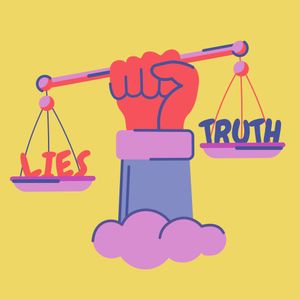
When It's Okay to Lie
Hidden Brain episode “When It’s Okay to Lie” argues that honesty rules are complicated: people often use deception to prevent “unnecessary harm,” but lies can also damage trust.
30 Mar 2026 · 52m · 21 chapters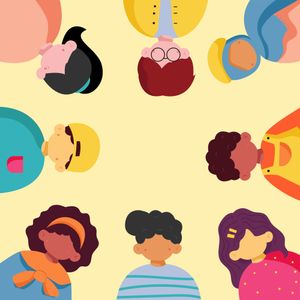
Group Think
How group identity shapes perception, preferences, and behavior—sometimes uniting people (even enemies) and sometimes driving polarization, discrimination, and misinformation.
23 Mar 2026 · 1h 28m · 35 chapters
Rethinking Depression
Hidden Brain explores “rethinking depression” by comparing how medicine once misread fever to how modern science may misread depression.
16 Mar 2026 · 53m · 19 chapters
Yuck! The Science of Disgust
The psychology and politics of disgust—how an emotion evolved to prevent contamination can also drive social exclusion, moral judgments, and propaganda.
9 Mar 2026 · 1h 37m · 29 chapters
The Secret of Charisma
Hidden Brain explores charisma as a psychological and social force that draws followers to leaders in politics, religion, and sports.
2 Mar 2026 · 1h 34m · 33 chapters
Do You Feel Invisible?
Hidden Brain episode “Do You Feel Invisible?” explores how the human need to feel significant can be crushed into a sense of invisibility (anti-mattering), with consequences for mental health,…
23 Feb 2026 · 1h 28m · 48 chapters
Why You're Smarter Than You Think
How intelligence is judged and measured, why rejection can reflect others’ assumptions rather than real ability, and what IQ tests miss about engagement, creativity, and implicit learning.
16 Feb 2026 · 1h 34m · 33 chapters
Keeping Secrets
When to self-disclose vs keep secrets, and the psychological, relational, and health costs of concealment versus the risks of oversharing.
2 Feb 2026 · 50m · 22 chapters
Coming Clean
Cognitive dissonance—how people and leaders justify actions to reduce mental discomfort, sometimes changing beliefs or doubling down on harmful choices; how to harness it for long-term behavior…
2 Feb 2026 · 1h 37m · 18 chapters
You 2.0: Trusting Your Doubt
Hidden Brain explores “doubt” as a leadership and decision-making tool—how uncertainty can improve choices, relationships, and learning, rather than being mere weakness or indecision.
26 Jan 2026 · 1h 37m · 40 chapters
You 2.0: The Practice of Patience
Patience as a psychological skill—how to persist when progress is invisible, when impatience is harmful, and practical methods to wait better (reflecting on feelings, reappraisal, finding purpose,…
19 Jan 2026 · 1h 41m · 31 chapters
You 2.0: How to Get Out of a Rut
The episode explains why people get stuck in long-term goals (“ruts,” “writer’s block,” “midlife crisis”) and summarizes research-backed strategies to get unstuck, especially the “stuck in the…
12 Jan 2026 · 1h 38m · 36 chapters
You 2.0: Cultivating Courage
Hidden Brain episode “You 2.0: Cultivating Courage” explores how people become brave in the face of fear and uncertainty, arguing courage is not innate but cultivated through narratives, moral…
5 Jan 2026 · 52m · 20 chapters
You 2.0: Stop Spiraling!
Downward spirals—how small negative cues trigger self-fulfilling prophecies, belonging uncertainty, and “tiff bits” (tiny facts with big theories), and how to interrupt spirals with wise…
29 Dec 2025 · 1h 33m · 36 chapters
The Reset Button
The episode argues that “awe” can function like a mental reset—shifting people from narrow self-focus to a broader, systems-level view—and describes how awe can reduce anxiety and trauma, with…
22 Dec 2025 · 1h 37m · 45 chapters
The Path to Enough
The “plenty paradox” and dopamine homeostasis—how constant pursuit of pleasure (food, drugs, gambling, porn, social media, etc.) can trigger the brain to compensate, leading to dopamine deficit…
15 Dec 2025 · 1h 32m · 34 chapters
The Paradox of Pleasure
Hidden Brain episode “The Paradox of Pleasure” argues that addiction is not just about illegal drugs; it’s about how the brain’s pleasure-pain balance responds to modern “drugified” behaviors.
8 Dec 2025 · 51m · 16 chapters
Murder Mystery
Why people seek out violent, scary stories (horror, true crime, disaster/pandemic fiction) despite professed moral objections; argues this reflects “morbid curiosity” (information-seeking about…
1 Dec 2025 · 52m · 20 chapters
Parents: Keep Out!
The episode argues that too much adult supervision and rigid rules can undermine children’s independence, authentic communication, and problem-solving, while unstructured play helps kids develop…
24 Nov 2025 · 1h 19m · 32 chapters