
In short
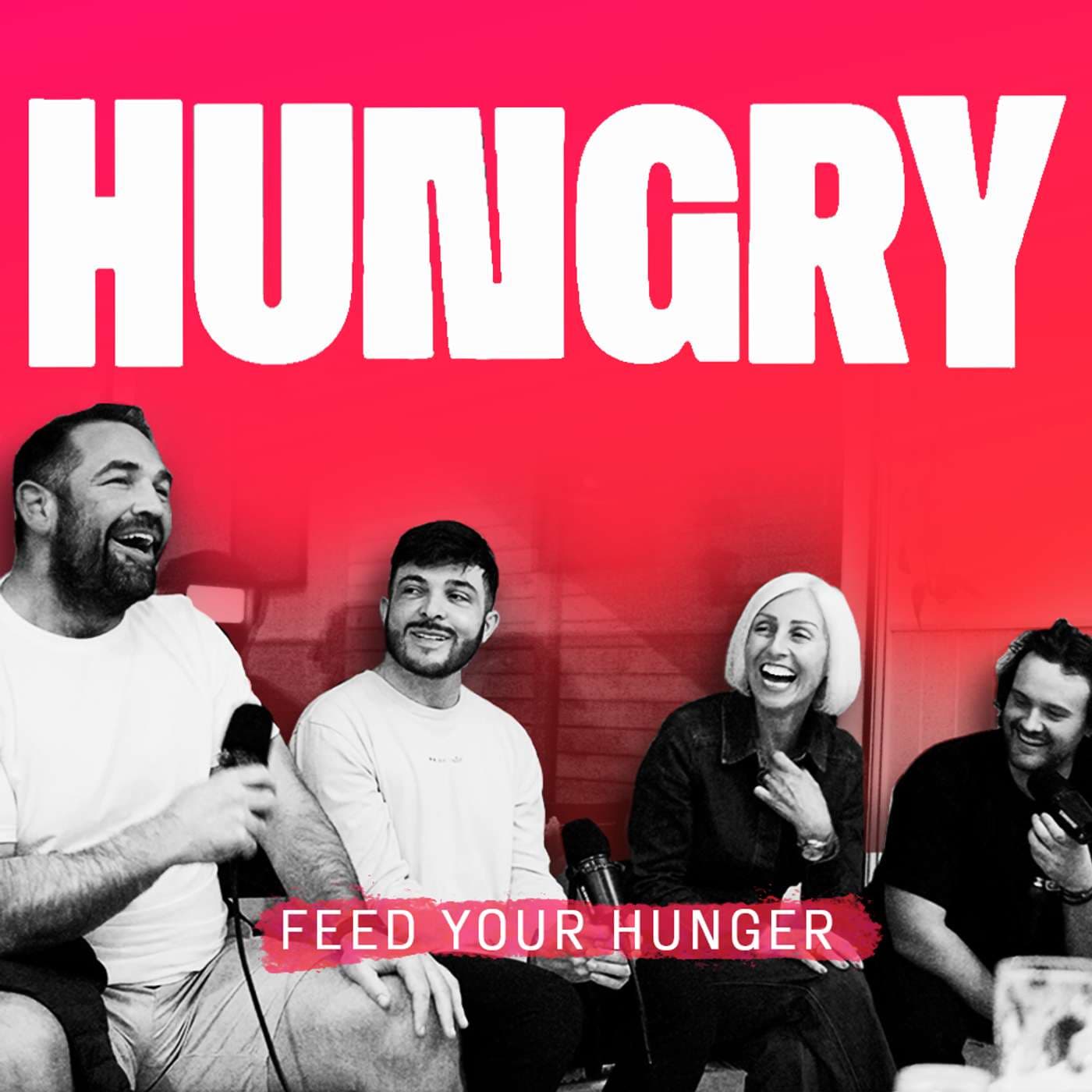
Podcast Summary: HUNGRY - Episode 18
Episode Title
18 Years of Brand Building Gold in 45 minutes - Jolly Hog, Living Things, Boundless founders
Podcast Description
HUNGRY is aimed at Challenger Food and Drink brands looking to accelerate their growth.
Key Themes and Takeaways
- Perfection vs. Action
- Key Insight: "Perfection is the enemy of action."
- Founders emphasize the importance of putting products on the market rather than waiting for a perfect launch.
- Example: 50% ready for launch is better than 100% stuck in the warehouse.
- Real Experiences Over Textbook Lessons
- 2D vs. 3D Lessons:
- 2D lessons are learned from textbooks.
- 3D lessons come from real, painful experiences in business.
- Lessons Learned Through Hardship
- Kathy (Boundless):
- Lesson learned about focusing on product quality rather than trying to appear "cool."
- The realization that consumers care more about what’s inside the product than how it’s marketed.
- Ben (Living Things):
- Avoiding excessive perfectionism in product development.
- Experience launching products quickly to avoid falling behind competitors.
- Ollie (Jolly Hog):
- Reflects on the painful experience of opening a restaurant in a poor location.
- Emphasizes the necessity of resilience and the lack of shortcuts in building a brand.
- Importance of Teamwork and Trust
- Kathy:
- Highlighted the need for founders to let go and trust their teams.
- The difficulty of transitioning from control to collaboration.
- Ollie:
- Stressed the significance of clear roles and communication within teams.
- Quality Over Quantity in Brand Building
- Discussion on Quality:
- Quality isn’t just about the product; it encompasses relationships with retailers and stakeholders.
- Founders share experiences of how focusing on the quality of their offerings has been foundational to their successes.
- The Challenge of Maintaining Authenticity
- LinkedIn Critique:
- The founders express disdain for the unrealistic portrayals of success often found on LinkedIn.
- Discuss the pressure of social media narratives and how they often distort the reality of running a business.
- Evolving as a Founder with Business Growth
- Founders discuss the necessity of personal evolution alongside their brands.
- The importance of becoming comfortable with discomfort and learning to handle the pressures of business.
- Exits and Long-Term Vision
- Debate on whether to have a clear exit strategy versus focusing on building a strong business.
- The consensus that building a business should be driven by passion and purpose rather than solely by potential exits.
Conclusion
This episode emphasizes the raw, real experiences of founding and growing food and drink brands. It offers invaluable insights into the challenges, lessons learned, and the importance of authenticity and quality in brand building. The discussions reflect a shared understanding that success is not linear and that resilience, adaptability, and teamwork are crucial for overcoming obstacles in the competitive landscape of the food and beverage industry.
---
Additional Notes
- The podcast encourages listeners to engage with the content and provide feedback on their experiences as challengers in the food and drink sector.
- The episode underscores the community aspect of the industry and the importance of collaboration and support among fellow entrepreneurs.
Written by AI. May contain mistakes. Listen to the episode to check what was said.
Transcript
Automatic transcript. May contain errors.0:00Perfection is the enemy of action. You can sit in a room, you can kind of pore over designs and copywriting and product attributes and you can try and deliver the most sort of perfect launch into the market. But if you do that, you might actually just never launch. And I think 50 % on the truck is much more valuable than 100 % stuck in the warehouse. LinkedIn, what a crock of shit. The most stressful inducing app I've ever known. For building our brand, it's been really helpful. It's been really hard. Didn't you do a meal deal, Sarni? Yeah, yeah. What happened with that? We won't talk about it too much.
0:38No, I'm joking. But that is a really good example. We were front of store. Everyone saw Jolly Hog. Front of store in the meal deal. What do you think went wrong? I don't know when we asked.
1:01Thank you, Cathy. Right, we're going to jump in without trying to break any more glasses. But before we jump in, I'd love to welcome Bryony, who's from Unleashed, our wonderful sponsor. And you're just going to give a couple of minutes on what you guys do and how you help challenge your brands. That's not going to make any noise, but yeah, just speak into it. Brilliant. I'm Bryony, just like Dan said. so probably well we've been sponsoring the hungry podcast for about 18 months maybe um back in this man who smashes glasses and all the way all the way love what he's doing uh we are from unleashed when i say unleashed um there's two people at the back of the room who are also from unleashed mike k and myself and instead of talking about software for a minute i'm going to tell you an interesting fact about all three of us so k is an international hula hoop artist these are true by the way this isn't like guess which one is not true these are all true uh mike is fluent in arabic of a lebanese dialect apparently that's really important um and i am writing a musical so if so you can approach us later on and not talk about software is what i'm saying because we are real people um so um what did i want to say to you today so what is unleashed i suppose i should say a little bit about what unleashed is we are inventory management software so we run a real-time database which in turn allows you well manages all your stock and in turn allows you to make some pretty good informed business decisions that will help scale your business so right from forecasting to cogs can i use acronyms in this business in this room if not ask someone later so uh cogs tracking um through to stock on hand availability from raw material work in progress to finish goods.
2:56So we talked to Unzero and QuickBooks and there are actually five customers in the room. So what I'm saying to you is don't talk to us tonight, unless you do want to talk about hula hoops and musicals. Talk to the customers in the room if you really are looking for an inventory management software to sort of boost your business. And the people who have got a little Unleashed badge on are customers of ours. So I think we've got Helena from True Start. we've got Ava from Freya at the back, forgot that the right way around? Yeah. Yeah. We've got Mo, who used to be at Tiny Rebel, we've got Jake from Bristol Distilling Company, and of course Ben Veer, who's like a serial referrer for us, I think we're about six or seven businesses that you've referred to us over the years.
3:44So that's enough. And one living. I'm so not up to date, I do apologise. I'll give you a badge in a minute that's it I think that's all I wanted to say it's a real pleasure to sponsor tonight we hope you have a fantastic evening thank you so much
4:07right well thank you so much guys I think what I want to open with is like there's some lessons that can only be learnt through experience through the hard way um and i was listening to a podcast with a guy called chris williamson who's super super smart and he was saying there's there's a there's a difference between 2d lessons and 3d lessons so 2d lessons you can like sort of learn in a textbook but 3d lessons you can only learn through painful experiences um in life that could be you know heartbreak it could be grief and i'd love to sort of apply some of these really hard lessons in brand building because we all go through a lot of hard shit doing this um that yeah you could only learn through going through it so Kath let's start with you mate and what would you say has been that sort of lesson um really painful but taught you it was so painful it taught you so much kind of wisdom on your journey I just whacked that there yeah oh yeah I just whacked that there um oh god as if um i think like one of the most painful lessons that we learned as a brand at start was of trying to be cool uh trying to speak this kind of narrative that you've got to kind of like have all this stuff on your packaging that says this about you and kind of be hip and kind to be cool and all this shit which actually i swear a lot by the way um so you'll have to bleep all that out um is the fact that ultimately what we found out was what for our our products is people only care what's actually in the packet they care what it tastes like it cares what they actually you know is delivering for them in their day-to-day life rather than opposed of should we have this on the labeling should we be able to talk to someone in a certain way should be you know kind of like making yourself quite niche without actually realizing that you need to actually focus more about what's actually inside what you're what you're delivering and it's really quite strange because that is actually how boundless was built was the fact i wanted to deliver a really good product and it kind of got lost when we first launched we were too very much branded thinking do you know i mean like you know how's everyone going to perceive like this word opposed to that word and all of this kind of stuff and it kind of lost us at first so it was a harsh lesson to word to learn and why we then had to kind of like change our position about how we talk to our consumer because ultimately what they were really interested in was what was in our packet and not what was actually in our wording and i thought that was that was a real valuable lesson for us because that took us a few years to learn that and that probably stopped us from growing as quickly as potentially we could have done and yeah and a lot of expense you changed how do you actually specifically change it um we talk to people much more emotionally do you know i mean much more directly do you know i mean rather than kind scientifically and kind of like trying to talk to them in the way that they wanted to be informed rather than remembering that it's a fucking snack and I've got like three seconds of your fucking time.
7:36Do you know what I mean? And no one actually even has time to think about that. Do you know what I mean? They actually just want it to tell you what it does on the tin. You need to be Ron Seal. Do you know what I mean? So yeah, we learn harshly from that. So lots of expensive rebranding, destroying of packaging, starting again and that kind of stuff and to know that remembering that what we actually deliver in that packaging as in the actual product is bloody tasty and good for you and uh yeah trying to be too cool when i'm clearly not very cool so yeah yeah yeah benny boy you've had uh quite an eclectic fmcg career minor figures bear snacks and obviously now with living things that's absolutely killing it um what would you say your kind of 3d painful lesson is yeah i think probably to it's a bit of a build on kathy's actually but to not boil the ocean for the fact that kind of perfection is the enemy of action and you can you can sit in a room you can kind of pour over designs and copywriting and product attributes and you can pour over it and over it and over written over it and try and try and deliver the most sort of perfect launch into the market but if you do that you might actually just never launch um and i think 50 on the truck is much more valuable than 100 stuck in the warehouse so just just getting on and just getting something out there for customers to interact with to pick up to buy to try and you know not be afraid to improve and develop and reformulate as you go along the journey and to take learnings as you go and and I think about the time we were sort of we we launched living things really really fast um because we're we're 14 months into the journey and we're already sort of 2 000 stores but about to be in 10 000 and we we we kind of oh that's totally shit babe I know it's shit but but we We agonised for weeks and weeks and weeks over a fucking raspberry pitcher on the can.
9:52Was it tasty enough? Was it refreshing enough? Was it pink enough? And this went on and on and on and on. And all the while you're racking up bills, you're not launching, people are launching ahead of you, getting going. And just not trying to boil the ocean and not trying to be the most perfect thing on the shelf, I think is probably a lesson we learned quite fast. Amazing. Ollie, one to you mate So many lessons, my brother's here I'm in business with him, Max and my other brother Josh and actually one of our favourite things ever is to talk about the dark times when we're together, like at Christmas we'll be raucously laughing about some massive fuck up that we've done and there's been loads and I guess like the big ones that stand out I mean we opened up a restaurant our second restaurant um and we thought we really knew what we were doing we're from bristol and we were like yeah we know good locations we're this is happy days and we put loads of cash into it and loads of motion into it and um this is whilst building a retail brand and having an events business and lots of other things and we we literally opened up a pork restaurant in what i can only describe as the vegan capital of the universe and like within a year me and max were just like this is just horrendous we didn't sleep you know for any sunday night on a sunday night we didn't sleep for like a whole year came up with these things like um uh what was it um get get no loads of stuff but like the meetings would be like trying to get some positivity into it would be like get stuff done and have fun but it was just a load of bollocks and then we had anyway we ended up closing it we lost loads of cash um but we learned loads from it and the big thing for me is once someone once said to me at the start of the journey who knew a lot about retail and building brands was that there's no shortcuts in building a brand and people come up to us and it's lovely when people come up and they go i love your sausages i love your bacon you guys are smashing it but i immediately just kind of my reaction is yeah it's carnage behind the scenes and and we've been growing in in this for us is like i don't know 17 years and we talk about a 17 year overnight success story because it's like there hasn't been any shortcuts we've done it all from scratch to grow it and that's not me preaching about how great we are we've kind of had to learn and other other things like we we went to one of our first buyers meetings with me max and josh and mum bought josh uh a new suit from mateland it was 35 quid it was three piece a three-piece suit and it was horrific and we went up there with a box of sausages and this was our big thing it was our first ever pitch into a retailer the retailer will remain unnamed and we got a text as we walked through the door saying sorry mate can't make it Max had cancelled his holiday his family holiday and we were just like wow but you kind of have to just be relentless in this game to like come back we had a meeting six months after that meeting the buyer didn't eat sausages and you know like it's just relentless and I think there's probably isn't any words of wisdom in there but we've just we kind of had there's no shortcuts I think when you're building a brand to last what are some of the um like common shortcuts that you thought you could be a shortcut is actually just there's only there's only the long long long cut yeah
13:22anyone can take that by the way
13:28well as in like you could say going into a shitload of distribution really quickly can bite you in the ass okay i've got one so we were talking about earlier actually account managers so as you grow your business like me and max were the account managers for every account relentless when you get into all of the retailers which we're lucky to be in but as founders the buyers and the retailers I guess expect you to be in the mall and you have to try and find a balance with account managers so if you shortcut it and you don't turn up and and you know the founder I can't be asked anymore that's a really important one to get right I think and make sure you're there for the introduction of the brand make sure you're there when you're talking about product you'd have to be at all of them but getting that balance right that's one that I don't think you can mess around with that's not easy no today because you're trying to be in multiple places at multiple times and for me so I'm sole founder and literally you're trying to split yourself into multiple kind of places all these kind of times and you know what's more important to you and I think sometimes that comes back to trying to make sure you do really have a clear strategy yeah and because there are so many things that like could fall in your lap and you think oh my god we could be there and that's like a hundred million bags and we've only sold a thousand this year do you know what I mean so that would be epic and but you got to be realistic like in the sense of is that really part of your strategy is that just now white noise do you know what I mean and yes it would be great to get into that retailer or that you know whatever it is that kind of like point of sale but is that really part of your strategy and is that really part of something that you can cope with because as we all know going in somewhere onto shelf or whatever it may be is is actually the easiest part it's really hard but it's the easiest part is staying in there it's maintaining that and i think if you've kind of just gone into a place that you just think oh i'll take that i think yeah we all well i'm sure i'll talk about that later but um yeah you uh i think you can be really easily deviated and i think that's really that's that's a hard balance and i think you only you only learn that by actually getting burnt yeah i i look i totally agree with that i think um i think maybe like as a society we've been we've been sold this kind of from from the LinkedIn sort of circle jerk that goes on like every day constantly and from things like The Apprentice or or success stories from a couple of decades ago like uh the innocent exit to coke what you don't sort of see behind the curtain is the um the the pain it takes to get to that kind of critical momentum and I think it's really unusual to take a brand that day one sort of launches on a shelves or the fridges of a Tesco and those that do really often struggle because you you sort of land on the shelf as this kind of UFO overnight that no one knows what the fuck it is unless you have many many many millions of pounds of promotional spend and trade marketing spend so I think you have to do your hard yards whether it's six months or 12 months 24 months or longer of starting to build your cache of like credibility in the right accounts first that and that gives you the kind of permission and ability to to go kind of really really big mainstream distribution yeah the long cut basically the long way of doing it yeah um i want to talk about i think um as your brand scales and evolves i think in parallel or in tandem to that you as a founder have to scale and evolve I think only what you said there mate about you know going to the meetings and stuff is one of those examples but Kathy will start with you like what is how of your business and brands evolved how have you had to evolve as a founder to sort of you know dance with with the evolution of your brand we've great difficulty because i'm a control freak um uh yeah i think like when you're like i say a founder or sole founder or in any capacity of how you work as a team as founders you you are in everything you know you are like in supply chain you're in like speaking to the retailer you're speaking to your manufacturer or you're producing your product you're also your brand spokesperson all of this kind of stuff and I think everybody here if you are in your own business and you are naturally entrepreneurial and therefore you are naturally like this is my baby do you know what I mean I love it I care about it I care more than anything else but to let go is the only way that you can expand so if you have a dream whatever that dream may be for your product as brand then it has to be that you need to expand and ultimately to do that you've got to have other people take the reins in certain certain points so hire good people of course I mean you know I think I'm really lucky that I have been able to hire some amazing people and I'm really big about my team I really treat my team like family and we do operate like family I really like to work in a collaborative way with my team and that has helped me let the reins go to such but I have also hired some shocking fucking people um like yes okay I've paid them more because I fucking paid myself nothing do you know what I mean but like um and that is because that is that is on me and that is because I've probably not wanted to let go enough so I've kind of been like oh yeah they could probably do half of what I really need them to do rather than thinking well I actually need them to do the whole thing that I need them to do so I in all fairness I probably set them those people up to fail which is unfair and that's on me not on them but also because I think there's if there is that thing is no one's ever going to care about your business the way you do do you know what I mean you are much more invested in it than they will ever be but I think you really have to remember without them you won't get the end goal of whatever it is you're achieving so it is really hard to let go and I found that difficult but I have recognized that I have needed to do that and that is the only thing in honesty that's made boundless become a bigger brand is the fact that I have actually been able to trust my team it wasn't easy but I think once you start to do that I think it's easier the first hire is the hardest the second makes it a bit easier do you know what I mean you kind of move with the momentum and I think yeah you need to get people to support you yeah I kind of think you have to become like a bit of a sort of 70s Indian guru you have to kind of like a Hindu guru you have to kind of like convince a group of people whether it's your friends and you convince them you're still mates but you're not going to fucking see them very much for the next three years or it's your partner and you're also not going to fucking see them very much for the next few years or it's a group of people you're going to hire and you need them to absolutely go to the wall for you and to you know really believe in the vision and the mission and take the pain but also take the good times too so I think that's probably part of it I think um I think probably learning to lean back a little bit and giving people the room to grow and do their jobs which is hard because you're obsessed with it and you want to make it work how do you do that how do you do that um the fundamental is hiring good people the second I think is really good good clear communication constantly whether it's using things like slack or seeing people face to face or setting the kind of framework for people to work in and then making sure they work within that and those setting those parameters um what else i think you also as a founder you you kind of ride this like constant like roller coaster of um like happiness but also fuck i'm about to fall out the seat of this roller coaster whether it's like running out of cash or how am I going to make next payday or how am I going to fund that next production you do kind of have to take a bit of comfort and it's going to be pretty hairy and you've got to ride this thing and you've got to totally believe in it if you don't totally believe in it there's like no point doing it I think um yeah I think that would be that would the two things is is the having having the like um resilience to to push through the good and the bad times and then the kind of team and the family and the friends piece and not to keep using loads of analogies but you're you're also like that night from um monty python where you just keep getting cuts you keep like i've still got another fucking arm i've still got another fucking leg like I'm just ahead now but I've got a nose you know come at me keep going um I can take more amazing yeah I guess um a lot of it's been said but I think from my point of view and Max's is that we've we've built up a team over time and really good people's come in and do a much better job than me at marketing and other people but um making sure they're really clear on what we're about as a business has been the thing that is kind of we have to stay on top of all the time and we've done it in different ways through away days and lots of different things but making sure that they're really clued on to what their job is and I feel passionate about it so I used to play professional rugby I did it for 14 years and I knew what my job was I got hammered every day on what my job was it was like you're going to go and smash people as hard as you can and this is what I need you to do don't touch the ball don't want you to touch the ball don't do any of the glamorous stuff because you're crap at touching the ball but make sure you go and smash people and you're relentless at doing that for 80 minutes every Saturday and you're there in training and this is your job and your job is part of a bigger thing because there's someone else who can touch the ball and go and do that and win us games and kick the points and score the try and I learnt that in sport and that was just like something that was just kind of drilled in know your role, understand your role everyone clear on their role throughout the whole squad and you're going to go and achieve something and that's what, I'm not saying we get it right all the time but we spend quite a lot of time making sure that people know what they're doing Amazing.
24:34I'd love to know, like, what's the most underrated piece of brand building wisdom you've ever learned? Who taught it to you? And why is it? Why is it so underrated? If everyone wants to jump in on that. Yeah. So a guy once said to me, Max, that this is a bit cheesy, but it was like his line was like, quality is the best business plan. and it's been said before but I was kind of like I'm not into these quotes but this one has stuck with me for ages and the way he brought it alive was that um it wasn't just about quality products which you have to have you have to have a quality product and if you're building a brand for us where we are in in me like it can easily be a race to the bottom and commoditized and really bad and so we had to be relentless on quality but it was also about not just on product on packaging on colors and all the detail it was about quality relationships i was speaking to someone earlier about our relationship our stakeholder stuff with people in retailers food service everyone tonight like relationships with people that we work with um all of those are like the the quality of that has meant that we've been able to go and grow the business um so we talk about quality a lot as a business um and we don't again we don't get everything right but we kind of that's always with us amazing do you want to go okay i'm happy to go um been really lucky to work for a few really great people i think you've had most of them on your show dan so giles brooke who sort of innocent and then bear and then like lots of other businesses guy called anthony lawman who was like a big director at mars and then run like wilkinson sword and then ishan who was on the bear journey ran oatly so we were like deadly rivals for a few years and now he's at gym karnat and the three of them kind of spoke the the same language so the first was obsession so like total total total obsession with your customer your retailers down to store level like have you visited your top 20 waitrose stores your top 20 tesco stores do you know the manager's name do you know the regular shoppers that go in do you know the other like what's going on in those areas like do you know how to really really really drive your brand in that particular store and then let's multiply it by 200 waitrose 600 tesco so that like relentless level of obsession and fixing problems and getting to know people and building big displays and like just just really really driving rates out like insanely hard i remember we we had like a back to school campaign at bear we wanted to get our brand out there we didn't have much budget the business was like run on a shoestring so we would go into every asda store and try and get like fsdus like big displays built and i remember we we got asda brighton uh we convinced the store manager to basically let us put a display at the end of every single aisle so it was like 20 displays and then I remember the regional manager like phoning up like what the fuck is this like it's way too much stock you're taking the piss but it was like that level of just like taking things making it work at ground level and then like multiplying it as quickly as possible that that really like really grew the brand and And then I think just basic commercials would be the second one.
28:07So in my industry, if you don't have 50%, 60 % gross margin that you can run the business off, reinvest in promotions, trade marketing, and have healthy hygiene factors in the business and healthy economics. What are those hygiene factors? Just rate sale, cost of goods, being able to reinvest to then continue to drive rate sale and bring cost of goods down. If you can't do those basics, you've got a fundamental problem. And you're not necessarily always going to be there from day one because you need scale and there's a big unlock and things. But you need a roadmap to get there. I think the new current world of particularly investment is not looking at multiples of revenue.
28:52It's looking at multiples of profitability. So you need to have a profitable business that's scalable to be able to one day exit. Or if you want to float on a stock exchange or just run the thing like Arizona iced tea or something for like 100 years, you need to have those hygiene factors in place. So that would be my tip. amazing yes stew forsyth from minor figures came on he was just like bite off more than you can chew and then chew like hell that was his whole like thing and i was like yeah fair enough mate uh kathy what about you mate um so mine's slightly different to you guys don't mean you're sounding more sense than what i'm about to say um but um i'm clearly like i like to chat I like a love of waffle and my friend's dad who actually started Frobishers and was really good friends with basically a juice company that started in the southwest but it's like kind of grown all over the UK and stuff he founded that and I went to talk to him about what I was doing at Boundless and he was good friends with the guys from Innocent because he knew him from some you know Sunburst or whatever it was anyway and he was asking me so what is it you're doing at boundless and i said oh yeah well we do this and i make this and it's really good for your garden all this sort of stuff and he went uh so can you say it to me in three i mean well what do you mean like say it to you in three goes you need to be able to say it in three do you know what i mean tell me what you do in three words you've got three seconds or seven seconds of someone's time in terms of snacking so if you say in three seconds it means you've got four seconds of them to think i'm making an informed choice and i think that was probably the best lesson for me because in terms of what we did I was trying to launch something in gut when no one wanted to talk about gut it's certainly in food and it was really discombobulating because everything we talked about is sight it was science at first and it was really kind of like really confusing and we grow it in the UK and we work with amazing charity partner Katie wherever you are at Frank Walter over there and all of these things that we were doing and we were trying to like this is all this like fucking noise and it was like well can you say it in three and eventually we we were able to say it in three and that was the best advice for me gut happy snacking gut is what we do happy is your emotion snacking is what it does on the tin it's a snack do you know what I mean so it's it's a that was the greatest advice for me because in terms of having a product that was we're really carving out a new kind of sector within function or delivering function in snacking we needed to make it clear to the consumer and before that we were really unclear and i think for us that really that was the best advice i've ever had and that has actually elevated our business in in a really big way amazing um final question then we'll open this up to you guys um but what's one truth you believe that most food and drink founders would disagree with you on and why i think i hear quite a lot just be really good at one thing and i do totally get it and i take my hat off but we we've gone the other way so that we we want to be really good at sausages and bacon that's our core business we want to grow that but we were like actually if we can spread the brand into other categories that's really powerful for building our brand and actually if our business has got restaurants and events and other things then that's really helpful because we are living examples if we didn't have a retail business that was funded by our restaurant and our events business to start off with like during covid we would have just gone under because our restaurant went under and lots of other things happened so we had other channels that made us relevant and then the other categories we literally our first listing was like just one sausage line one bacon line and now we've got i think we're in five or six different categories and some of them are a lot smaller than others but for building our brand it's been really helpful it's been really hard when you're in the meal didn't you do meal deal sani yeah yeah what happened with that we won't talk about it too much no i'm joking but that is a really good example it comes out next week it comes out of store next week oh really um we did it for yeah two years but we were front of store everyone saw jolly hog in the meal deal what was what do you think went wrong if you don't mind me asking i mean there's that's a whole other pod okay yeah yeah that could be our round two mate but i think um it ultimately that without boring you the meal deal has moved on a lot right um people don't want to eat as many sandwiches they like sushi and um salads and i totally get that uh and it's so hard the margins are so tight to get into the meal deal to make anything really good quality it's really tough in summary but what i'm trying to say is that we've gone into other categories and it's been great for us in terms of building a brand amazing ben lad um i think it's a bit controversial i i think it probably is but um there's a whole sort of wave of people saying how amazing it is to fail fail fast learn quick failure is the art of whatever i think that's actually bollocks i think um no no one wants to fail i think failure is a bad thing um the fact is most people probably most people in this room aren't privileged enough to afford to fail and it's fine for mark zuckerberg to pump out oh yeah yeah failure is great but failure isn't good no one sets out to fail and if you do that's just a really bizarre strategy from the outset so although i talked at the start about not not wanting to be a perfectionist and to just have action and get shit done i and i know there'll be fuck-ups along the way there always is but um to write stuff off as a failure like i'm sure you guys don't feel good about the fact it's been great for brand but it's probably cost you a bucket load of money and you don't feel good about the fact that, and you're probably, hopefully not going to be on LinkedIn celebrating the fact that it's not worked.
35:00You won't see it anywhere. Because men's not.
35:04So that would be mine. Yeah, it's interesting. I feel like we've rebranded mistakes as failure because failure, Paul, like works. Do you know what I mean? I think making mistakes is fine, but failure is, like, fucked, basically. What about you, mate? Well, I'm a little bit bleed on from you for LinkedIn. What a crock of shit. Right. The most stressful inducing app I've ever known to man. I think it is the most, I mean, everybody uses it. I fucking use it. It is the absolute biggest deviator for you in terms of like what you should stay focused on. you spend hours on it on the fact that i'll get hold of a buyer and they'll see what i say and like basically you're gonna have to be a lot more savvy than that in order to make sure some buyer picks you up do you mean they're getting millions of dms a day they don't even bother to like even pick those up nine times out of ten it is absolutely and utterly a load of useless white noise of course we use it I'm not gonna lie um but I find it absolutely ridiculous I don't know what to fucking say on it I constantly are like making up some bullshit stories about how I feel about the day which I don't feel like that I feel like it's all gone tit peat tong tits up and I'm literally like hanging on by a shoestring and I'm going, yeah, yee-haw, we're everywhere.
36:45We're everywhere, we're doing everything for everybody and we love each other and all of this shit. And it's absolutely just social media on acid. And I feel like I am in this system that I've got to stay in because now we're all in it. And yet I feel like I hate everyone else's positive news. Do you know what I mean? It makes me feel like I'm a complete fucking failure. Why are we in there? Why are we doing that? Do you know what I mean? It's just, you know, and I just feel like it just, like, kind of takes you off in this, like, real depressive state. And, yeah, I hate LinkedIn. By the way, I'm dyslexic, so it's...
37:36fucking nightmare like actually trying to write a post and then I read someone else's post and they've got like mega points and they've got like like data attached to it and it feels like and I'm just like yeah I'm just like trying to smash it in a different way and everyone's yee-haring and it all feels a little bit high-fivey like and uh obviously I'm posting loads like I said um but I find it like a real like in I mean disingenuous thing do you know what I mean and I feel like it makes us all feel like everybody else is doing great even though like you're saying Ben and I do agree you that there's loads of things on there about failure everyone's still yee-haw in failure and I think that's like so false because your point is really valid no one wants to fail it feels like absolute daunting do you know what I mean to fail and I feel like even though everyone's like being positive on there I do feel there's like this like social media negative energy that kind of is like yeah well good because that we might be able to like steal their space now do you know what I mean and that is that is honesty because I think if you are in a challenger brand, SME, startup, whatever it is, you are running hard to compete.
39:02Do you know what I mean? And it doesn't matter whether you're in drinks or you're in meats or you're in snacking or you're in yogurts or whatever it is, or coffee or whatever it is you're doing, we are mainly competing against massive conglomerates. And therefore the real small space that's out there for grabs are like the likes of us so you you are yee-haring somebody in the same point thinking about how you're going to steal their space and all of this sort of stuff and I find it just like uber uber fake and it's probably something I'm like so really badly not fake and I find it really hard to be even though I'm clearly doing a good job of it on LinkedIn do you know what I mean but I just yeah I feel like LinkedIn is a crock of shit luckily this podcast is not sponsored by LinkedIn I quite like LinkedIn to be honest amazing well thank you guys let's open these up to questions have you got the little okay banging who's got questions if you want to whack your hand up and then Rich will come around with a little mic that again doesn't work but we'll pick up the audio in post.
40:16If you're a challenger brand that's absolutely killing it in D2C, but you're struggling to crack retail, then you've got to listen to this. Maybe you've got an Ocado listing, maybe you've got a Whole Foods listing, maybe you're absolutely killing it in Selfridges, maybe you're absolutely killing it in your farm shop and your indies. But my friends, making the leap, crossing El Chasum, crossing El Rubicon to grocery retail is not easy. It's the Champions League of FMCG. It's super hard. It means playing at a higher level, And that's where some of you amazing brands sadly stumble. Look, retailers want stories backed by data, not dreams and a pretty pitch deck.
40:53And let's be real, supermarkets are not just going to magically make a space for you and your little brand. They need data. Something's got to go for you to get in, for you to get on shelf. And that is why I've got to tell you about Northstar. they are the team that's helping purpose-led fmcg brands go from gut instinct dreams to unstoppable pitch decks that actually unlock retailers northstar i'm not like another data company that force fiji data like foie gras that act like a nasa space mission it's super super simple to use their team are amazing and they actually get the challenger mindset northstar are your shortcut to smarter decisions stronger pitches and investor confidence all built specifically for challenger brands like yours you don't need a massive sales team you need northstar link in the show notes click that link and you'll be able to book a free demo with northstar highly highly recommend that and thank me later i've been running my business for 260 days but you said about having a child and being similar resonates completely i'd love to find out what surprised you about when you were sub one year old where you are now if you were to speak to that person and go by the way this is gonna happen that can happen you know what surprised you over the last i don't know how long you've been going but a long time uh what surprised i think honestly i think every day is like such a surprise when you run your own business i think um what surprised me how how i've been really um i've been yeah just really happy to see how people have picked up the product those you know like the first listing i remember ours was like oak coffee on brick lane and going in to see it on the shelf it's like really surreal moment and you're really excited you build yourself up you go and buy a can and you're like what do you think of this brand to the person behind the tail they're like I don't know mate it's just a drink in the fridge so yeah just all the kind of little sort of first moments the first listing the first packaging run the first employee the first like team night out like all of the firsts have been like really pleasant surprises it surprised me how deep you can dig and how resilient you can be when you need to be as well when your back's against the wall and you're like shit we're going to make payday um you just you just you just go into a mode where you just make stuff happen and make stuff work i think that's probably the most surprising thing i would totally second ben there i think you're going to find how resilient you become like in the sense that um being a wise woman once said get comfortable with being uncomfortable do you know what I mean and I think that's what you'll you'll find as in you know the first knock seems like wow how am I going to get over that and I actually think you become like those knocks suddenly don't seem like anything anymore and then you have like a massive whammy you think oh my god how are we going to get through this and you do because I think to Ben's point earlier obsession you're obsessed with trying to make this work and push through so you'll become more resilient than anything you've ever done ever before i prior to starting boundless i worked in the city for like 25 years i was a commodity trader and i thought i was fucking resilient do you know what i mean no i was not until i started running my own business and that sort of stuff and i think also i would say you are going to work longer and harder for less than you've ever worked before and the irony is with that is you're going to love it and i think that is what's really fundamentally important important is this country is built on entrepreneurial spirit small businesses and i think we get quite a lot of hard knocks from governments i'm not trying to be political but we do do i mean there isn't actually a lot of help in terms unless you are beyond out there seeking it and yet we are probably the fundamental structure of the most amount of people that are employed in the uk small businesses absolutely support the uk's economy and that is because we are resilient we are we push forward we take knockbacks we keep coming forward and we keep pushing and i think once you have run your own business albeit successful and even if it wasn't successful and i don't mean to champion being failure i mean to say because you get up and you go again do you mean is the fact that that is what you will get out of any of it is that there is nothing you won't be able to take on in your life and i think that is probably a pretty epic thing to know about yourself so yeah amazing also congrats on starting your own business yeah well done mate well done you're buggered yeah i guess like if i look back when in our first year we when we're just like hand linking sausages and making them and selling them we were just three brothers in business trying to make uh really good sausages and that's what it what it was in that first year and i'd like to think that we still are three brothers that love making sausages and we still get on really well and part of our we well we definitely still get really well but part of our like super strength is we're just kind of um real and authentic so like when we go to things we still we were at buyers meeting today in sainsbury's and we went dressed like this we're not in a suit we're not different we kind of try it we don't know all the lingo or like all the retail jargon but we can we're ourselves and we're real and I think that makes a big difference to our business and we've been the same since we started.
46:59Amazing. Couple more questions.
47:05Hello. So yeah, lots of people talk about exits, right? When you set up a business or not when you set up a business, actually that's got my question. What's your views on having a really clear plan to get out or just growing the business and seeing what happens? I mean you've probably got more experience than me but like um I guess you can only sell a business that someone wants to buy um and lots of people say to us you know when you know what's your plan what's your three-year plan I'm like well we just want to get past the next three months we want to grow um and we still got family business and stay in it um and you do hear all these success stories on LinkedIn and things like that and you hear people raising funds all the time um and I look at it and I'm just like well actually we just need to create something with value um and we're happy with that at the moment but we haven't got like a three-year plan but you hear it all the time right and it can't help but listen to I mean you've got more experience than me probably it's been a bad night for LinkedIn has that so not sponsoring this podcast I think um I think it's totally fine to not set out and not have a plan to to your point and to just set out to create a really great business and sell people really great products.
48:21I know we've got George over here and I think his family have been making bread for like over 100 years. And there's something really amazing and special and quite rare about that. And that should be celebrated. There's no shame in that. And it, you know, not everyone has to create something they sell in three or five years for multiple millions of pounds. But I think if you do set out to do that, it is a bit of a different mindset if you're really clear you do want to do that I think things like founder stories being very in interwoven into your brand makes it difficult to sell your business quickly I think about something like Deliciously Ella even her names in the in the brand and took a very long time to sell the business or Ben and Jerry's is another kind of example of that but yeah like it absolutely can be done the investment landscape has shifted people want to value businesses based on profitability now not just on turnover which they did before the kind of pandemic it's harder than ever in the UK to get investment and fundraise people are more cautious than ever we often like see the big exits in America and we're like oh wow we could do that here but it is a really different landscape so yeah I think just just being really clear on what the kind of business is is is it something you want to pass down to family or children is it something you want to IPO is it something you want to exit really quick or is it just something you want to build a really great business that sells really great products and there's nuance to all of it and there's no right or wrong or shame in any of those businesses um but it's bloody hard if you want to exit quite quick and you've got to bring in suits and you know it's when are you getting out mate who knows who knows who knows who knows but yeah i would say like you know i come i grew up around the business of food so my family started an ice cream company in the 1900s in stroud it's still run by my family by my brother you know when i was 13 i was like sweeping floors and earning pocket money and that's just a really different business to the business I run myself so yeah and it affords a different lifestyle yeah I think um I think you for me you start a business with a purpose and the purpose should be to serve what you're thinking for the consumer do you know I mean so where that leads you is therefore a different journey do you mean I think if you you know people are gonna people buy why you do something not what you do so i think you've got to have a why and therefore that could leave you on a very different trajectory i think timing if you're an exit timing will find you unfortunately you can't say when your time is going to be it'll happen to be when it is in that kind of uh way i totally agree with ben i think businesses are very valued very differently now in terms of like what people are looking at in exit terms.
51:31Do you know what I mean? You need to have profitability. I think there is certain sector of that is if you're growing channel and proving that a channel can have growth, then there's a little bit of change out of EBITDA for that. Do you know what I mean? In terms of what somebody else can do for that. I think you also have to be honest with yourself of how much you can grow the business to be X. so are you looking at it to take a wage for x amount a period or grow it as like you say a family business or is it the fact that you are going to need a strategic partner to get to any kind of level of profitability that you can have like you know a certain level of staff or this or whatever I think and that will matter what your product is and what your category is and stuff like that I think it's also about how long do you want to be in something for I think overnight success actually doesn't really exist I'm mad for me I think overnight successes are fads and you may be lucky to have created a fad and you're bought out but the chances are PepsiCo have bought you for x about a million means fuck all to them and you've gone out and that's great but you'll see that brand gone within six months they don't care do you mean so I think it that's a very different kind of factor I think that ultimately I think you shouldn't start a business unless you're a tech company do you know I mean you shouldn't really start certainly an FMCG F &B you shouldn't be starting something just for the view that you're going to exit I think you've got to truly believe in what you're doing do you know I mean and people by people and in terms of like Ben said you know getting funding nowadays is really hard obviously as a female founder it's even harder we only get like up to two percent of all funding that goes on in the uk do you know what i mean so it's much harder in that in that sector as well and um people are dazzled by um tech companies investing you and they'll get 100 times return of their money within a year that's just not going to happen in fmb it's a lot lot harder because you're up against so many more big conglomerates within that space um but i think it's okay to change strategy too do you know what i mean i think being wedded to one thing when you start a business in fmcg or as fmb i think the whole point is that you're not wedded to an end result you should be wedded to your purpose and what you're actually trying to do and I think that will definitely lead you on a path that may not be set out but I think don't be wedded to what your end goal is because Oatly the 10-year overnight success do you know what I mean now isn't worth what it was floated on an IPO and all of that kind of stuff so I think yeah just remember just just get through and I think a little bit what you've said as well my love is the fact that like maybe we just get through the next three months and uh let's not worry about the next three years because we might not make that so let's just do that so yeah guys i think food's almost ready so we'll wrap that up you're all fucking legends thank you so much let's go get nice and drunk
55:02thank you so so much for listening to the podcast i really really do appreciate it if you liked that episode only if you liked it please do give it five stars subscribe tell all your friends families foes next door but one cat dog whatever please tell everyone about this podcast it means the world to me and i really want to understand what your pain points are as the new wave of of challenger food and drink brands please do hit me up on linkedin search dan pope and hopefully we can together create a more meaningful and powerful podcast for the next wave of challenger food and drink brands thank you so much

