
In short
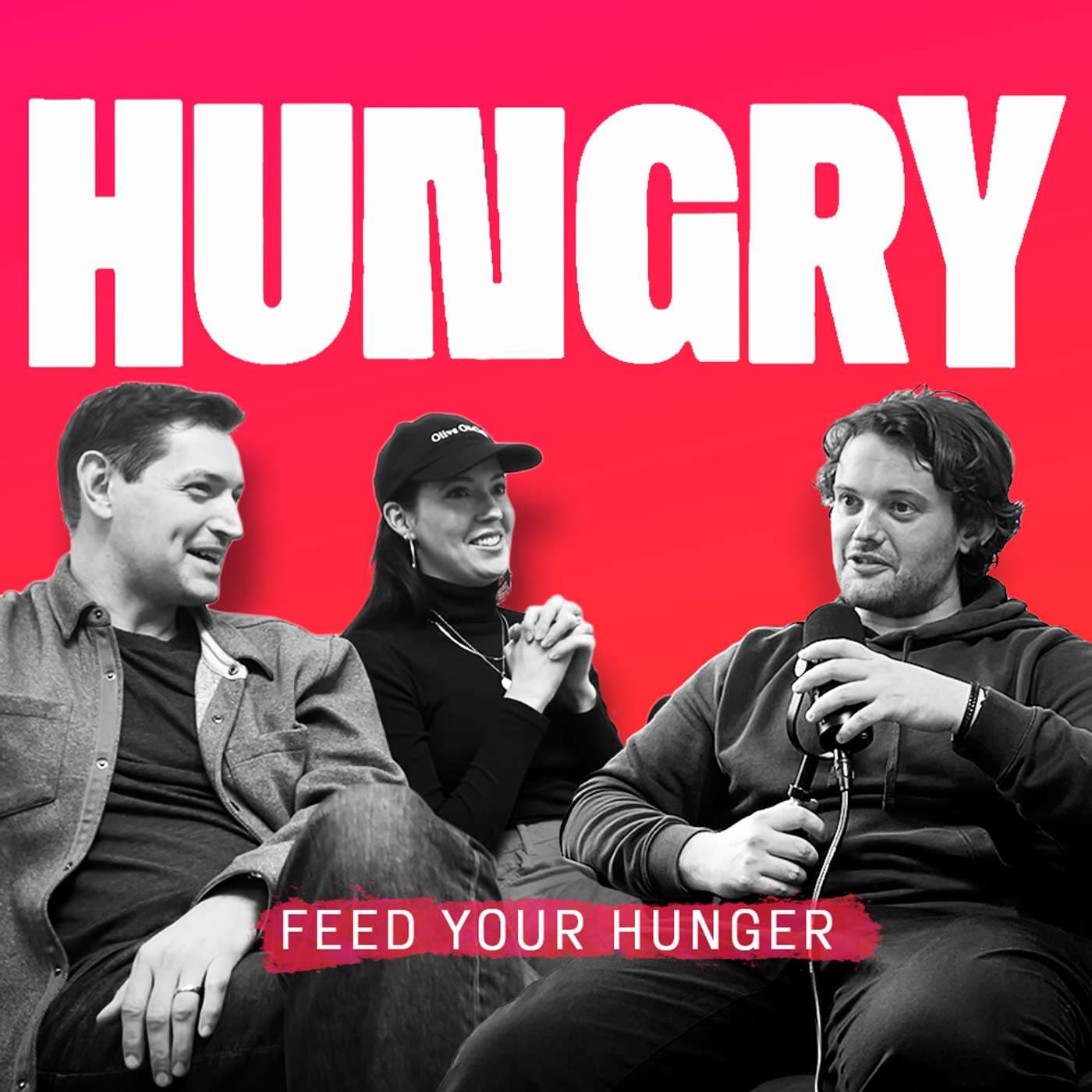
HUNGRY Podcast Episode Summary: 19 New Brand Building Laws - Citizens of Soil and the Olive Oil Mafia
Episode Overview In this episode of the HUNGRY podcast, the hosts delve into the world of olive oil, featuring the founders of Citizens of Soil, Sarah and Michael. They discuss innovative approaches to brand building, sustainable practices, and the transformation of olive oil from a commodity into a community-driven product. The episode covers 19 key points regarding brand strategies, market dynamics, and community engagement.
---
Key Concepts and Discussions
- The Essence of Olive Oil
- Terroir: The concept explains that different places yield different flavors. The soil, climate, and farming practices profoundly influence the taste of olive oil.
- Health Benefits: Emphasis on polyphenols, which are unique antioxidants found in extra virgin olive oil, contributing to its health benefits.
- Cultural Significance: Olive oil's historical and spiritual ties across cultures, particularly in the Mediterranean.
- Community over Commodity
- Building Relationships: The importance of cultivating relationships with farmers and creating a community around the brand rather than just selling a product.
- Direct Payment Model: Citizens of Soil pays farmers directly, prioritizing quality and sustainable practices over commodity pricing, creating a fairer system for producers.
- Innovative Brand Strategies
- Sampling and Interaction: The idea of memorable first experiences with olive oil (e.g., olive oil ice cream) rather than traditional bread and salads.
- Effective Marketing Strategies: Utilizing the AIDA model (Attention, Interest, Desire, Action) in advertising and the significance of community building over hard sales tactics.
- Market Strategy and Growth
- D2C Focus: The transition from traditional distribution methods to direct-to-consumer sales, emphasizing community subscription models.
- Changing Language: A simple change from “Subscribe to Olive Oil” to “Join the Olive Oil Club” resulted in a tenfold increase in subscriptions.
- Navigating Challenges in the Industry
- Impact vs. Profit: The balancing act between maintaining purpose-driven values and achieving commercial viability.
- Fundraising and Scaling: Issues faced during fundraising, particularly concerns about the total addressable market. The hosts emphasize the importance of presenting a strong impact narrative to potential investors.
- Decision-Making Framework
- One-way vs. Two-way Door Decisions: Understanding the types of decisions made in the business and the importance of recognizing when a decision is reversible (two-way) versus when it is not (one-way).
- Conflict Resolution: Effective communication strategies between co-founders to handle strong opinions and decision-making processes.
---
Key Takeaways
- Community-Centric Approach: Fostering a sense of community among consumers and producers is vital to long-term brand success. This approach leads to higher quality products and consumer loyalty.
- Innovation in Sampling: Breaking traditional norms in how products are sampled (e.g., ice cream and cocktails instead of bread) can create unique consumer experiences that resonate deeply.
- Adaptability in Branding: The ability to pivot and adapt marketing language and strategies can have significant effects on consumer engagement and sales.
- Sustainable Practices: Emphasizing sustainability and direct farmer relationships can differentiate a brand in a crowded market and foster loyalty.
- Investment in Growth: Securing the right investors who align with the brand’s values can help accelerate growth while maintaining a focus on impact and community.
---
Conclusion This episode of HUNGRY highlights the powerful intersection of food, community, and sustainable practices through the lens of olive oil. Citizens of Soil exemplifies how a challenger brand can disrupt the status quo, advocate for quality over quantity, and build a loyal community around shared values. The insights provided by Sarah and Michael not only serve as a guide for food and drink brands but also illustrate the potential for transformative change within the industry.
Written by AI. May contain mistakes. Listen to the episode to check what was said.
Transcript
Automatic transcript. May contain errors.0:00The magic of it, the reason it has been celebrated as this health food and superfood going back forever is because of these polyphenols, this magical mix of antioxidant-boosting, anti-inflammatory properties that exist in it. That while there are polyphenols in coffee and in wine and in tea and in chocolate and other things, like especially dark chocolate, extra virgin olive oil has a very specific dose and some of them only exist in it and have been really well researched over decades with proven health benefits. Whether you just make the grade of extra virgin or you're making the best extra virgin you can, it doesn't really matter.
0:34it gets blended together and you're paid on weight. And that whole system incentivizes people to harvest intensively, to deprioritize quality, and actually only accelerates climate change that we're seeing all across the Mediterranean.
0:56I think it sets the context for olive, because I just don't know anything about this. Do you know what I mean? It certainly sets the context for like the beautiful romance that a lot of people that step into the world of olive oil go into exactly and the fact that much like you often see in the world of wine these like connections back to provenance the places that it comes from the people the terwar but like the rich history that is with olive oil i think but there's almost more romanticism more spirituality when you enter olive oil because the olive tree itself is like this international sign of peace olive oil has been used in religious ceremonies dating back to antiquity so it's used in islam it's used in in judaism it's used in christianity it is so when you say antiquity as in back you know before before ancient greece you know but back to you know before biblical times yeah we have had olive oil wow so it has been with us for thousands of years as a core part and i often talk when i do olive oil trainings and tastings about how it really progressed like the west.
1:57It moved us from with grapes, wheat, olives. It really like moved us through. So when I talk about antiquity, I'm talking about, yeah, back to, you know, thousands of years we've had the olives. It was actually a bush that was cultivated into a tree. And it's been with us. It started off in things that we use actually to clean our bodies. So in ancient Greece, not only did they use it in competitions and coat their body, but it was something they actually would rub on their body and then scrape it off to get oils and really clean yourself. Oil is a really good means actually to clean your skin.
2:30And then at some point, someone decided to actually consume it. And from there, when you talk about the ancient, how Athens was founded, Athens got its name because of a competition that Zeus had two of the deities decide who was going to be the patron god of the city. Poseidon was there. Poseidon gave the sea. So he cracked the land and came a saltwater sea. Athena, in all of her wisdom that she has, decided to give the city. She knelt down on the ground. So Poseidon had this big spectacle and he was like shooting, you know, a big pool of water arrives. She kneels down, she plants a seed and up comes this tree and the people of athens decided this was a much better gift for them because not only did it give uh shelter they could use the wood to build things um but that it could also provide nourishment nutrient and food and all the things that olive oil as well as light their temples because olive oil is also used for flames so it was like this all-encompassing resource and it represented like this abundance and it went on to represent peace so this is kind of athens gets its name from athena winning that competition that's a beautiful story even i didn't in that one you don't know that's true yeah that's like the sort of the ex-fant of the greek dogs i live in the world i'm obsessed with olive oil i'm constantly surrounded by other olive oil experts i read all the books that's exactly why i wanted to start there because i love people who are intrigued in but some greek classicist is going to call me out on you didn't crack the river i went like this yeah yeah i love people who've got uh wonderful foibles or obsessions with crazy things i've got loads i think it's wonderful when you have that sort of passion when you say it turned from a bush to a tree like what does that how does that happen like what's the difference like yeah well um we it's just the cultivation of what was a wild bush in in the middle east is where it came from and the fact that we cultivated and moved it across the tree enabled it to grow and turn into all of these things like actually provide olive wood you know provide shelter provide tools provide things like that um but yeah if you abandon when you see these abandoned groves across the mediterranean which is a huge problem because there's not enough money in olive oil it's a commodity system producers are squeezed and then huge amounts they're leaving certain regions also the climate is putting immense pressure on them for production so when they do the trees actually go from looking like a tree back into a shrub it's wild you just see like a bushel of like all this brings everything coming out um there's a beautiful book about olive oil that i always give the team whenever they start and they talk about and it has a line about it's one of the few things that actually needs cultivation from humans to be what it's supposed to be otherwise it doesn't produce the same level and it doesn't have the same production it needs man to be involved that's amazing yeah there's a sort of a symbiotic relationship between ours as humans and and then so in that book what are some of the other weird and wonderful lessons about olive oil.
5:22Ah, I mean, well, it's an incredible book about all the scandals because extra virgin olive oil is one of the most fraudulent, certainly food industries, going back again to ancient times. You can go to Rome and there is a mountain, which we went to in Rome on our trip. I forced you in the rain. It was closed. It was not a nice environment, but I was like, I have to see this. We're looking through this closed gate. What you all thought to Michael as you were going up this hill and the pouring rain. We're all looking through this closed gate at what might be there. It is a hill that is made out of the old amphora containers that held olive oil.
5:56Amphora containers as in? They're like clay pots. Yeah, the clay pots that would hold wine. They'd hold supplies. It was like their old kind of shipping containers, old packaging. Yeah. And the Romans would ship this because they brought an olive oil from across the world. So from across the Mediterranean. And they would stamp where it came from because even the Romans cared about traceability of their olive oil. So you can see this now because of how much they consumed. all throughout the Roman Empire, there is what is a man-made mountain in Rome that is made out of these containers. And you can see the different traceability coming from North Africa, coming from what was Iberia, then the Spanish peninsula, tracing their olive oil, because they've always had different gradients of what they thought was better, who made it best, what trees, what varieties, which is something that kind of went away for a long time.
6:41And what we certainly take a lot of pride in is like, where these things come from, why that makes a difference, why an oil, even in spain this one from the north of spain it's going to taste different from the one in the south of spain and one day we'll see that hill of pots one day one day but you know what guys it's not open to the public every day and you have to book and it's not very fun in the rain because it just looks like a hill it doesn't look like the pot so it's not it's exciting yeah but i mean that's what again what i love about if you're obsessed people's foibles a fucking hill is to some people can be the most sort of incandescent magical thing around what is because So I know on your website, you've got like different areas, different regions, terroir.
7:19I don't know. I didn't actually know. What is terroir? It's so funny that you say that because when we started the business, so terroir, and I don't say it right either because I'm not good at French. I speak Spanish. Terroir. Yeah. Say it. Say it. Yeah, it's terroir. Yeah. Terroir is this thing that exists. We knew it from wine because Michael has had a career in spirits. So we knew. Things from a different place are going to have a different taste. It's this concept of a sense of place. It's as simple as that. different land different soil types different um irrigation different climates all of these things affect flavor and so things from different places will have different tastes yeah okay this variety on this hillside will actually taste different than that same variety over here on this plot of land wow and we see it all the time we see it with our own batches that we do with our family even the vintage every year it changes but certainly the different part plots of land that it's on and it can literally be as simple as um on this side of the hill it gets sun that during the morning on this side of the hill it gets done in the afternoon winemakers know this well that can literally be the difference in the flavor of the resulting product um winemakers obsess about this a lot of other category you know coffee i think start to get into it a bit when chocolate chocolate yeah when you're a single ingredient and all of your flavor everything is coming from this one thing we can really obsess about it in a way that i think if you're a packaged food that It might have nothing against packaged foods, but if you have several different ingredients in your mix, you don't have that same obsession with one single crop going well.
8:47Have you tried Ireland's chocolate? Have you guys tried that? The brand I used to do with, oh my God, their chocolate is astoundingly good. But again, they've got it all from, they own the farm in St. Vincent. Okay. And it is just, it's mind boggling, the sort of the depth and the tech. You eat with chocolate butter, and it's like going to Willy Wonka land, but like in a different gastronomic galaxy. is fucking insane but again it is that that link of like how good's the crop how good's the yeah the weather what's it when you're a single ingredient you you got to go one step upstream to what will impact flavor that thing yeah if you're not making a recipe instead it's the recipe is the soil type the recipe is the climate the recipe is the type of the variety of olive that becomes the recipe exactly and the world salting product is just the single ingredient That's why we think farmers are fucking chefs, rock stars, producers, winemakers all in one, because so much of it is coming down to the decisions.
9:42Oh, so you think going upstream, the farmer is the... The farmer is the recipe creator in our sense. I was watching this gorgeous video of Fergus Henderson, you know, St. John. Yeah, yeah, yeah. I'll send it to you. It's about 17... Sorry for listeners, we're in Farringdon, so it's up the road to St. John. but he was like you've got to let the because their whole thing's nose tail was like you've got to let the the vegetables sing to you yes and that's what you create like he goes we're just we're almost like a conduit we just sort of take whatever it is we move it onto a plate the whole nose to tail thing is like let the pig sing to you it was there's a beautiful video but it's from 2017 it's about 18 minutes but it was all for his 60th birthday he goes into all of this into this kind of doesn't call it terroir or stuff like that but it is essentially the same thing whereas you go further upstream that's where the the magic happens we have the same thing in i would say the same thing about whenever i'm i tell people when i do these olive oil tastings i do a lot of these big guided olive oil tastings and workshops and from everything from chefs to uh grocery development teams everyone looking as like so they can learn about olive oil not just ours and i say smell it first because it's going to let you know how to use it because the different terroir because the different varieties because the different profiles because the decision the producer made for what style they wanted represented you might smell an olive oil and realize gosh it actually smells a lot like tomatoes maybe i'll use this with tomato dishes or oh it smells quite like fruity and almost like apples and you can decide how you're going to use it just like you're saying the chef is looking at ingredients and that's dictating what they make i say have a couple different olive oils and that's going to kind of guide you on what so let's go into that then so give me an example because you've got a panoply of different producers right Give me an example of one in Greece, one in Spain, one in, I don't know, another area.
11:28And then talk me through what we've just discussed, like the land, the texture, the soil, how they... I love what you said, the farmer is the chef, the rock star, the god all in one. I want to go to these beautiful individuals and how they create these different things first, and then we'll swim into how you can actually apply that to different recipes and stuff. well sarah's the olive oil smellier here so i won't even uh try to interject i'll just say you're there you know the yeah yeah i mean the basic and and this is i'm the basic person of the two of us here so the basic tenants are fruit pepper and bitter and everything falls on that spectrum when it comes to fruit pepper and bitter this is how you taste olives whenever i do a tasting you're looking for fruitiness which is actually not just fruit it can be vegetables it's like plant.
12:16I'm always like, look for the smell of life. It should smell like something that's living, something green, something fresh, maybe it's bananas, but maybe it's also herbs. Then you want to actually feel a sensation on your palate, which is bitter. And that's astringency. And a lot of people try olive oils and they actually think that's a negative thing because sometimes we're predisposed to think that bitter is a bad thing because when we're young, well, bitter can be quite toxic and it's something that our bodies kind of push us away from. And it's actually something that develops later as you get older, but people love bitter.
12:43This this coffee this is chocolate this is negronis that is a flavor that people develop and like and then the final yes is the peppery hit that and all these kind of represent the nutrition when it comes to polyphenols but it also represents what it's going to do for the aromas and what you cook and how it elevates food and then with those different farmers with that with that sort of triad of of bitter fruity and uh peppery yeah pepper uh talk me through the different farmers are the three it's gonna be three people yeah let me give you different examples so i have a producer in portugal she was my second producer i i think of her as my first producer that i picked because we started with family friends in crete so it was just i didn't know anything about all of all getting into it we were just doing the harvest with them but when i went out anna in portugal she's an alentejo she is a one woman where's that is that like how far from lisbon uh it's about i've been there like five times yeah fly into lisbon drive two hours dead east into Spain.
13:41And right before you get to the Spanish border, she's in a little town called Frontilha. And Alentejo is mostly known as the wine region. Right. It's a huge agricultural region. It's a sunny belt there in Portugal. She is working with a variety that more often than not, it's a very difficult variety to work with. It turns bad quite quickly on the tree, like it will start to ripen really early. But she's making so many specific decisions and timing. And the land there, because of the drought, they have really extreme droughts in the summer, really extreme heat, lots of sunshine, loads of sunshine.
14:19It's actually stressing the trees quite a bit. And when the trees are stressed, you get higher polyphenols. Now, polyphenols, as you probably know from the food space, are these like antioxidants. Well, polyphenols, yeah, yeah, yeah. Well, I say that because they're becoming so trendy, which is weird because they've always been there. Polyphenols are these like antioxidant compounds that exist in loads of plants and things that we eat all the time, but there's different levels and there's different types. This isn't accurate. Some scientists are going to get really off, but I think of it like vitamins because there's different vitamin C, vitamin E.
14:51So people need different things. And polyphenols are a category like this. Some address anti-inflammatories. Like oleocanthal is one of the more common polyphenols but there are many different types of polyphenols it's one of the it's the most it's only exist in extra virgin olive oil so there's some really powerful ones that are known in olive oil so i guess just taking a step back on that now that i've taken us on a nutrition tangent yeah this we're going to jump around all over the shop yeah extra virgin olive oil is the magic of it the reason it has been celebrated as this health food and um super food going back forever is because of these polyphenols, this magical mix of antioxidant boosting anti-inflammatory properties that exist in it.
15:34That while there are polyphenols in coffee and in wine and tea and chocolate and other things like especially dark chocolate, extra virgin olive oil has a very specific dose and some of them only exist in it and have been really well researched over decades with proven health benefits. So this is why when I first started the business and rocked up at Selfridges as one of our first listings doing my in-store sampling, people were coming up telling me, I don't know anything about olive oil, but my doctor has told me I need to start having extra virgin olive oil. Every time we do a tasting without fail, doctors have recommended and we get people that come to us because of that, because there are powerful things behind extra virgin olive oil on the health side.
16:11And producers now, and I guess kind of always, but particularly the past decade or two, have been playing with that more in the decisions that they make. There are things that you can do to stress the trees that make them produce more of these polyphenols. So when the trees get stressed, they're basically putting out all this like protection for themselves. So as they get stressed, they're, they're forcing these like polyphenols to grow to help protect them. And, and then there's things during the processing. So this producer in Portugal, Anna really likes nutritious oils. She's really into strong flavored oils.
16:41She's really into ones that, you know, um, she's looking after her own health and her family's health. So she's wanting farming organically, farming regeneratively, which is biodiverse filled groves that are healthier soils, make healthier oils. This is a big thing that we say, but then she's also making decisions. She's harvesting super early when the olives are super green, they're not ripe yet, but it's giving it more polyphenols in the finished product. And then she's milling in a way, very strategically, in a very quick way to basically crush that fruit as soon as possible, extract the juice of it and get that through and the faster you do all this and the timing and the decisions you make will give you a higher grade of olive oil.
17:22It's the difference between someone taking an apple that's all banged up and bruised and squeeze it for juice versus one that's like fresh gorgeous you're having rotten fruit juice versus having something. And that time from plucking the olive off the tree to it becoming oil the shorter that time the higher quality oil you're going to have. And how does this How does it become olive oil? Yeah, it probably won't pick it up, but it's fine. I'll give it a minute. So you're getting olive off a tree, or bush, but it's become a tree. Hopefully it's a tree. What happens? Well, like Michael said, you're getting off the tree and you're taking it to the mill.
18:06Now what happens at the mill, and you're wanting to get there as soon as possible, when it gets to the mill it goes through kind of a sifting to remove leaves stems that sort of thing so you're just left with the fruit then it goes through a wash is it fruit and olive? yes so the olive is a stone fruit much like a plum cherry it's in that same family wow yeah so because I always thought it was kind of uncategorizable I wouldn't have said it's because I know tomato is it's not a vegetable yeah yeah yeah but it tastes like it yeah yeah because tomato is a fruit isn't it yes yeah yeah yeah so that was my sort of that's not my sort of party trick party trick say oh by the way mate tomato is a fruit but yeah I was always thinking when I was eating olives I was like is this a vegetable like what the fuck is this but yeah it's a fruit like it yeah like an avocado it's a fruit it's a stone fruit um which is why we often refer to it as like a fresh fruit juice and when you put your mind in that context every decision you make from bottling from preserving from making sure you put disclose the harvest date and all sorts of things like that really fall into place yep so this fruit yeah it goes through a little wash then it goes through kind of like a crush so most people no longer use presses because I can get into why those aren't as good anymore but it crushes the olives and then it turns in it starts to well it goes through a melaxxer which basically makes it look like an olive paste so it starts to mix it you think like tapenade it looks exactly like tapenade yeah and as the oil starts to just form on it then it goes through a centrifuge pulling out that meat of the olive from the oil itself and that finished product and this is the cleanest most modern milling system that I'm talking about.
19:37There's some other grades that people were like, oh, there's three steps. It's like, yes. But when we're talking about top quality oils, trying to get as quick as possible, highest polyphenol, highest flavor, it's this extraction. It's from the paste, separate, pull out the oil, and then the rest goes off to a refinery. And that refinery is where you get regular olive oil. That goes to a whole separate place. It leaves that mill, goes on to a place that's going to bleach, deodorize, extract, put heat, everything to stretch out more oil that is a regular olive oil but what comes out whenever you take that fresh paste and just pull out the oil that juice that is virgin oil and i think the the key there is once you've gone through this whole process of taking a basically an olive into a tapenade into an uh centrifuge and extracting out the oil and getting this virgin olive oil you can't make such at least yeah keep going it's impossible to make extra virgin olive oil you make virgin olive oil by making it through this process but then it actually goes off to a a sensory panel someone has to actually smell and and taste that has the aromas and um flavor of extra virgin to be certified as extra virgin okay so it all starts as virgin virgin yes then Anyone making any olive oil in the world through this cold extraction method, what you're getting at the end of it is a virgin olive oil.
21:04And then it must be certified below a certain level of acidity. There's some chemical analysis. So you want to basically say this is extra virgin olive oil. Correct. Right. And there are panels in every country. So every extra virgin olive oil. So they're tasting it. Yeah. They're tasting it. They're smelling it. And it undergoes a lab analysis. And those things together are what classifies it as extra virgin olive oil. What about Evo oil? E-V-O-O. That's extra virgin olive oil. Oh, there we go. I've always thought, I was like, what is, because you see some brands. You are not the only person.
21:32The top class, Evo extra virgin olive oil. I was like, that is just, that is very sort of middle class going, I've got Evo oil, fuck it now. I was thinking that because there's a few, there's another brand called Peculiar or Peculiar or something. Yeah, yeah, from the Southampton. Yeah, yeah, yeah. Which was, they were like, oh, this is Evo oil. And I was like, fair. Yeah, and now we understand it's extra virgin. Yes, okay, interesting. And there's a certain threshold at which we judge that in the olive space, so the lab analysis will give you an acidity indicator, which all extra virgin have to be under a certain amount, and frankly even virgin have to, and if it goes too high, which means the olives were probably in a bad shape, like I was saying, banged up, maybe fermented, just not good quality, ate up by bugs, whatever, then it might not even pass virgin standards, which means it goes on to what we lovingly call in the olive oil space lampante which means lamp oil and it is the biggest insult you can give someone about their oil but it is also a classification in the olive oil world like not suitable for human consumption right it's really just for lamps keeping the lamps on yeah yeah lampante you can we'll try oil sometimes right really yeah yeah yeah yeah interesting and so when you go to like what you're getting in the supermarkets in general out of all these different things you've told us and the story like what is the um what are those degrees and versus where you're fitting into the and it's hard to know what to buy right i mean yeah this is what i'm saying it's like you could buy something shelves and most of the brands where's the ebu yeah yeah where's the ebu yeah you know the with brands that typically have a very similar style um even packaging has a very similar similar style you know you get shelves that are full of brands and it's very hard for a consumer to know um what's good where it comes from sort of you know an italian flag on the bottle or it doesn't really mean anything you know i mean the reality is what the opportunity that we saw in the space is that we didn't start from that we started from wanting to help family friends but when we look at the shelves just quickly let's go into that so how did this the genesis of this because you were um you were doing drinks mate which we can talk about yeah uh and then yourself sarah you were in the big you just said on the lift that you were in big advertising what was your what your sort of talk take me back sort of the sort of five to ten years before you went to the to help your family friends like what was that life looked like don't that what it won't these won't yeah this is good yeah it won't pick up so i'm a career marketer so i've worked agency and
24:15so i'm a career marketer i've come up an agency but actually this business i was working for like four years three or four years in sustainability at the time we were creating this project so i was working for the agency no no a separate i had moved into this company called provenance.org which were pioneering transparent supply chains traceability end-to-end using blockchain to ensure that if a brand made claims about something that it was backed up and we were doing deep dives into coffee supply chains tea supply chains tuna supply chains like to make the mafia that runs the tomato supply chain in the south of italy and the huge human rights issues we did some really like deep dives into that's actually legit just look up the tomato uh you know issues in the tomato supply chain um with migrant labor in the south yeah yeah so we were doing these deep dives and whenever yeah when we were doing um it's okay the mafia don't listen to the podcast um they're in a lot of they're they're not not in olive oil um so whenever we started to work with our family friends who were we were already going every year they were just we just would bring their olive oil back to friends here in the uk family you know bring it home for christmas every year we were actually there for a drinks festival in athens uh because michael was always doing the Athens bar show at the time.
25:36And we were stopping to visit our friends in Crete, going there for harvest, bringing back olive oil. But as because I was working, we always loved it. And we were like, why is it tasting? I mean, like two liter jugs. I mean, we would fill our suitcase with these big containers and then put it in small little bottles clear because I knew nothing. I would pour it in clear glass bottles, which is like a huge way to ruin olive oil. And we give it to our friends and family for Christmas. And then we, I was working in sustainability and I I was getting really interested in soil health and soil regeneration and regenerative agriculture.
26:06Like, I just felt like it was a solution to so many things. And here we were in Greece. Before it was cool. Before it was cool. And here we were in Greece looking at these, like, degraded soils. And our friends who are farmers there are telling us it's like Africa is coming. Like, the Sahara is taking over the region. Like, the soils are so degraded. They're turning to sand. We can't harvest. We can't do it. You know, it's breaking down. And so I thought, God, if they would apply some of these practices. So it was kind of inspired by this. There was a desire at the beginning to want to help our friends because in olive oil, I mean, you can kind of explain the commodity system of olive oil.
26:39Yeah, I mean, the way all these small producers work is they take their olives. They don't own the mill, right? So a mill is owned by a cooperative. They take their olives to the mill. The mill turns it into oil and buys that oil from them at whatever the spot rate is on the given day. Spot rate. Commodity rate. So there's a published commodity rate in the market for Greek olive oil, for Spanish olive oil, for virgin, extra virgin. Like there's a very clear set standards as the commodity price of that day. Like coffee. Okay, sure. With you. So you as the farmer, you get whatever the price is that day.
27:15And if you don't have someone else sell it to, the mill becomes your only customer, really. And that price is just about worth doing, but not much more than that. not not always and especially it doesn't work for farmers who put any extra effort into what they're doing yes you can get a different price for certified organic but it doesn't really incentivize any other better practices or farmers who might actually harvest early like i was saying you get better you get sometimes a better flavor higher antioxidants just doing better practices trying to get a lower acidity it doesn't incentivize quality and it doesn't incentivize better than looking after the land better the the mills pay based by the kilo so if you pay based on the kilo, you will get people who prioritize quantity over quality.
28:00It's just the simple commercial of it. And they'll bring the grossest olives, the worst olives. Because why would you? It's not what you're consuming for your family. This is an anonymous supply chain. No one's ever even going to know it's come from you. The mill's just going to throw everything together. Your oil and your oil and your oil. All these families, all of theirs was blended into a big tank and shipped off to whoever the end customer is. So whether you just make the grade of extra virgin or you're making the best extra virgin you can, it doesn't really matter. It gets blended together and you're paid on weight.
28:28And that whole system incentivizes people to harvest intensively, to deprioritize quality, and actually only accelerates climate change that we're seeing all across the Mediterranean. Right. So if you pay people directly, you pay them more to do great farming practices, pay them to harvest earlier, to make a better quality. It only happens when you go directly to the farmer. Yeah. So, you know, we're talking about the Seth Godin's new book on strategy. And it's one of his best books, I think. And he basically talks about system, time, empathy in games. and it's basically you read the book it's just he's constantly reiterating that through a gazillion different examples and on the when he was on the podcast he goes a lot of things what the issue is is most people don't realize we're in a system you know it's like a fish doesn't know it's in water yeah um and he says half the battle is understanding what the system is or how the system works yeah um is the first thing but then he says the system is like a river flowing like it's just it's been it's been there since the beginning of time is you've got two options you can either try and push upstream which you're going to get unless you're a fucking salmon right but you're going to get you're going to get just you know bulldozed by by the system um which is kind of what's happening with these producers the other option is to try and dig a little thing on the side and let the river which is essentially what you guys are doing with with this by going direct to the to the farmers paying them more and getting a better product um and i just want to sort of go into the sort of the systems of soil it's like i'm one of my obsessions at the minute is this system thing um do you guys know henry dimbleby who did leon his book ravenous i mean that his whole that whole book ravenous is essentially the food system yeah and he's basically saying you've got to attack it from all these different angles one so you've built this little slipstream here um with with citizens of soil but what have been some of those massive challenges in in getting what i understand logically as a great thing to do to actually happen do you know it's funny we and we have investors in our business and a lot of these investors um one of the big reservations is you work with all these small producers how big can this business really get Well, the answer is there are literally thousands of these producers who their only recourse for selling is by going to their mill.
31:09When we go to them... Sorry, just so I can get my head on this. So mill, yeah? So small producer, gazillion thousands of these, goes to mill, mill turns into the big corporate shit you see on the supermarket. Yeah, mills often sell onto other mills and it gets devoured up. And this goes to the big sort of conglomerates, essentially. Yeah, that sit in... Completely homogenizes the product that Small Poozer is making. Yep. So by being blended into anonymity with hundreds of other farmers' oils and then shipped off to bulk producers, that system is pretty well established. Yeah. They move around the med.
31:46I just talked to a farmer in Cyprus two weeks ago, and he said the Italians are here and they're just buying up the mills. Like they're just going and buying everything because Italy had a bad harvest. So Italy obviously already buys from all over the world. They bottle it as Italian. You know, this is the flow. But they were going, and he was letting me know. And we had here in Greece. The Italians are here. They're here to buy, like they're here to just gobble up oil and blend and blend and blend. And that's the commodity system. And so you get all these farmers, of which there are thousands of small holder producers, whose only recourse is to sell to their mill, their local mill, because they don't have another custom for it.
32:24And they're not going to start their own brands. I mean, most of these people are, they're not marketeers, they're not salespeople, like, they're farmers. Like, they want to farm and make a good quality product. Yeah. And so... Sometimes they do have their own brand, but you're right. Adding in international export, adding in all of this is not where they actually... They're not going to set up a DTC, because we're going to get onto that. But, like, they want to have a, probably have a nice bit of sangria in the afternoon and grow some gorgeous olives. Like, there's a massive difference between being in snotty England.
32:50I mean, it's a lifestyle. Do you know what I mean? There's a big difference, is it? Yeah. Pretty jealous at most of the year, actually. I get it. Yeah, yeah, yeah. So for us... So the biggest issue was the investors were like, how can we produce enough? Say this thing does boot off. Yeah. Okay, yeah, interesting. We're like, there are literally thousands who would... How do you get the product consistent if it's coming from thousands of different sources? Well, this is... So this is the challenge of making core lines and blending to a flavor profile for our core lines. But we can also do, through our club, we can do a different one every single month, which is great because there's some flexibility to highlight different regions and show off the whole world of olive oil and we also have our extra rare range which is more small batches single parcels when it's gone it's gone but our core greek and core spanish are increasingly going to become blends of these small producers in those areas that we blend to that flavor profile we're trying to create but what if one of those goes down i'm just sorry i'm just curious like whatever one of those goes down what are the producers yeah yeah it happens yeah i mean like the quality oh we have producers sometimes that we can't buy you know because of the weather something has affected the climate their machinery broke you know we had a producer this year their machinery kept breaking down all dairy and harvest which means it didn't go fast enough which means the quality wasn't there yeah that is why we have a network of producers that we can kind of pull from yeah our oil and waitrose the first year that producer lost 90 of her harvest the second year because of the climate it's 90 percent 90 down but then how do you how do you can show so then you will say say them waitrose bike like how do you show the product going into waitrose is consistent so because we're blending to a flavor profile well i'm finding in that case we did it was like finding the right producer that had a very similar one thing people have to get over just think of it like wine the vented this is a single ingredient it should taste different year on year not vastly yes it's always a delicate variety it should always be delicate if it's always peppery but it is not going to taste exactly our family we harvested the same week one year to the next and the notes changed so substantially it lost this like avocado note and it got like this tomato note instead like that's a very natural thing that happens but you can kind of monitor the intensity and pick farmers and work with a farmer yeah so you yeah i'm just trying to get so you yes it's almost like you like you know what you're that mix you're trying to get and you tell them exactly this is all sarah's you know yeah you know i'm just it's just because i think it's such as i said to you guys it's such a fascinating business um just model and brand and everything and it's like i'm so excited to speak to you but yeah i think and also i think it is again this that's the idea of like as seth says play to the system right so it's like he goes you've got to dance with the system to change the system so it's like if you're going to go and say right well if our olive oil if our suppliers are down um then you know we're not gonna have a product to go into retail but it's like so there's enough of them what we can oh yeah we can we can make that happen but then also it's like well we're gonna play to the system because we're gonna have playing to the system is saying we've got this extra rare uh thing on d2c which and then the community is you know comes out so you're still getting sales there that's incremental sales that's the sort of the the easter egg each month as well what's the what's the olive oil All the oil of the month.
36:09Yeah, all the oil of the month, which is genius. When Sarah talked about this one producer who first year we bought 10 ,000 liters from her, second year she was 90 % down on yield. So we lost her for what was our waitrose oil. We had to find another profile that was similar. It was a fantastic other oil that I found. We went with them. And then now... But we used her oil in the club for one of the months. So we still bought as much as we could from her. The following harvest. So this year she had a good harvest. She was back. she was the first person I paid literally the first check we cut was to get her oil because one I knew she hadn't had an income for a year because there was not a substantial income and two like and this is the relationship we have with the farmers like they always know that we will continue to buy from them whenever they have the availability when the quality is back and and that is how we really have made a lot of trust with them and like a really good relationship that they will prioritize us and cancel out if they did have other clients and customers that we're buying from abroad especially as we're starting to buy more and more of a percentage of their overall yield you know it's it's scary to think that one customer is going to be buying 80 of everything you do every year because if we pull out that's 80 of the sales they're going to find but actually we're building up that trust year and year and we're growing and there are a lot that allows them to continue to reinvest and grow with us yeah and actually there's a really nice going back yeah no i like yeah and again that's another example of dancing with the system right and and but like creating your little strip slipstream which you're doing wonderfully and then how do you like do you just pick up the blower do you go on google like how do you find producers yeah no i so uh i network through a lot of legends in olive oil i i there are legends in olive oil there are some like international who's a legend in olive oil they're like international judges they're everything from like people who've written books on olive oil to international olive oil judges these are the zeus like sort of figures of olive oil the people that are running you know competitions there's an incredible i have a you know two mentors what actually they're both in spain now but one was originally from greece or from italy um who've been doing these competitions for decades traveling you know all over looking at olive oil production also there's some great communities so i did my i did an olive oil course in spain and through that I met a lot of producers, but so much of it comes from word of mouth.
38:30Like our farmers are so excited to work with us because of the community we create for them with each other, which is where this whole idea of turning a commodity into a community. It's not just about what we want, that farm to table connection. We also want the farmers to have a connection, to grow, to learn, to like evolve, get better practices, improve their quality together. Like on our WhatsApp chat that we are with them, we're talking about nutrition, how to get polyphenols. We're talking about, you know, how to get rid of fungus and bugs without pesticides. And we're talking about like all the issues that they deal with.
39:02So we've got about almost 15 producers now who are all in the WhatsApp group, all sharing information with each other. And we're just trying to be the conduit for that. But this year we'll also do our first actual meetup where we're paying, we're covering a lot of their costs to all be able to come together physically. Which is a really big deal. That links to Seth's version of the, as I said, it's time game systems and empathy. well we're skipping right to the empathy the empathy in the games which is like getting these you know and putting people in a whatsapp group to almost question each other uh challenge each other like learn from each other that's almost like a game and then the empathy of like yeah these people need to be co-eleased together and dance together you know they do i mean we have a lot of uh we prioritize a little bit yeah yeah we um we prioritize uh and champion like female producers as well.
39:50So we have some incredible men that we work with, but it's always with groves that are at least 50, their partnerships, at least 50 % female run, female owned, husband, wife, husband, wife, siblings, even just friends. We have a couple that are just friends that have gone in on a deal, but it's always a 50, 50 at least. Um, but because of that, these women are often the only woman in their area that are producing all of them. They're the only farmer that has a woman in their area. So they really like that. They need that community actually, because they don't know anyone like them in rural Crete.
Read the full transcript
40:19There's nobody like them in this peninsula in Croatia. There might only be one or two. We went to Croatia and we're like looking for, we're like, where are the female farmers? There's two. There's just the two. What taught me through a day in the life of these female olive oil farmers? Like what time do they wake up? What do they have for breakfast? What do they do? The breakfast question is great because it feels like almost consistently they all do yogurt with olive oil and fruit and nuts. Really? The breakfast of champions. So, have you been, do you know the chef Jackson Boxer? Have you heard of him?
40:50He's got Brunswick House. He's just opened Dove. His whole thing in Notting Hill, his sort of like hero dessert is soft serve with olive oil. And I know you guys have done this. I was like, we launched that. That is, I mean, I'm sort of salivating now because I'm so hungry, but like, we'll get onto that. But yeah, so sorry, they have fruit, nuts, yogurt, olive oil. Yeah, they are, I mean, they're farmers, they're producers. They're waking up early in the morning because... What sort of time? Like five? You know, might as well be, yeah, like sunrise. Some of them have animals on their groves, so that's a natural.
41:22I mean, we just had a call this week. So we have a quarterly call as well with all of them, like seasonal updates. So right now it's pruning season, which is after harvest. Pruning. Pruning is when you're trimming the trees back after the harvest. So one of them was actually out in her grove showing us some new baby animals because they haven't. She was like, oh, and she had named them Valentino and Barbie. She said, oh, I hate to name them because then I can't eat them. But it's like the farmer's life, like so farmer appropriate, showing us her animals on the screen. So they are often getting up really quite early, farming all day.
41:53And then like all of all, there's different things you do in the season. Right now they're pruning. They're literally going tree by tree, trimming, getting them cleaned up, letting the trees rest. They need to rest in the winter and then start preparing. Then they'll start doing like fertilizing and different treatments, like natural treatments all through the spring. the summer it's just like making sure there's a balance of like enough water because there's drought in so many of these regions and then there's the whole harvest period in the autumn and that's kind of like the cycle but these producers are often like in addition to farming bit by bit of their land and often because these are groves with other things on them they're growing other things as well like a bit of biodiversity sometimes for sale sometimes just to support the ecosystem but they often they have to go to market then and sell their oils and bottle these up and get them tested like the little village market village markets you guys are really giving a lifeline to them yeah they usually spend the rest of the year selling their oil in different ways and so we're you know markets international markets local restaurants but you know it's um sometimes international buyers will so some of our extra rare producers in particular are so outstanding they you know they win award after award and as a result they're like on the radar of international buyers so international buyers like japan for example japan is a huge consumer of top quality extra virgin olive oil fucking huge market it's huge they have their own exacting standards i thought it would be like sesame or central actually they have not only their own competition they have two separate massive what are they using it what's that used for in japanese food they really prioritize well they do of course flavor and quality is an obsession with yeah i understand that but like what japanese food would you use Apparently they're using it on sushi, they're using it on salads, and they're just consuming it for its own.
43:43So the Japanese buyers, a lot of our top quality producers, they go to. Because as soon as they win awards, they just look at who's got the top awards and they're so good at securing it. Who took gold? Yeah, who took gold? Let's go get their own. Our small farmer, Anna and Alan Tejo, you know, she's not even making about a couple thousand liters a year. We got to her right before she got, I think, her first gold medal, which was only her second year doing everything herself, including milling. And the Japanese were there as well. Wow. They're just like on it. And it's amazing for us because they check quality so well.
44:18So whenever you go, they've fully inspected a mill and everything. Yeah, they give you sort of the Toyota full rundown on olive oil. And I think it's, you know, we obviously champion women and Sarah can speak to the societal impact of why we do that. But there's also a real practical reason. You know, we've toured around all across the Mediterranean and we meet a lot of men in the farming industry and all of the cultivating industry. And the story is always the same. Well, my father did it this way and his father did it this way. And it's generations have always done it the same way. and then we meet the women and they're like well i start off by doing my uh master's in sustainable land management and then i did a 400 hour coursework on uh regenerative agriculture like they're so overeducated that they approach farming in a completely different way than if you have done it the same way for generations we we can't keep doing the thing the same way we've done for generations yeah and it's almost the quality is almost a given when we meet the women in these, not to say that there aren't men doing amazing olive oil, of course there are.
45:24Yeah, yeah, yeah. But it's kind of a given when we meet the women that the standard of quality is already there and they also prioritize sustainability and nutrition. Yeah, the nutrition one is an interesting one. It's a three-layered, it's not just the quality of the olive oil at the end product, it's sustainability and nutrition are equally important to them, which we don't see as much. If you're a challenger brand that's absolutely killing it in D2C, but you're struggling to crack retail then you've got to listen to this maybe you've got an ocado listing maybe you've got a whole foods listing maybe you're absolutely killing it in selfridges maybe you're absolutely killing it in your farm shop and your indies but my friends making the leap crossing el chasum crossing el rubicon to grocery retail is not easy it's the champions league of fmcg it's super hard it means playing at a higher level and that's where some of your amazing brands sadly stumble.
46:17Look, retailers want stories backed by data, not dreams and a pretty pitch deck. And let's be real, supermarkets are not just going to magically make a space for you and your little brand. They need data. Something's got to go for you to get in, for you to get on shelf. And that is why I've got to tell you about Northstar. They are the team that's helping purpose-led FMCG brands go from gut instinct dreams to unstoppable pitch decks that actually unlock retailers northstar i'm not like another data company that force feeds you data like foie guac that act like a nasa space mission it's super super simple to use their team are amazing and they actually get the challenger mindset northstar are your shortcut to smarter decisions stronger pitches and investor confidence all built specifically for challenger brands like yours you don't need a massive sales team you need northstar link in the show notes click that link and you'll be able to book a free demo with Northstar highly highly recommend that and thank me later the so talk me through the business model because you guys by the time this goes live the um the raise release will have been done so we'll talk about that yeah yeah yeah yeah so you raised a significant amount of money which is amazing we have to say how much it is yeah I mean we've uh by the time this will be live i think we'll uh close raise of over 1.5 million which is in congratulations because that's that's no easy uh feat um and i want to get into how you've sort of the business model the channels i think we are talking at the supper club mate about kind of um or about the sort of the d2c how it's a huge d2c uh focus and the opportunities there i think for me one of the reasons I got really excited about this is sort of the whole consumption expansion like you with the refills with the bottles like there's just an endless if I look in this sort of through a commercial lens like opportunities to to one help things help loads of people but also make significant money as well so talk me through the business model and how your different channels and then we'll get on to the the fund raise which is not there's no fun in fundraise but you know I mean, it hasn't been as torturous a process as I think some people make it out to be.
48:36Well, you say that and you're like, toss and turn all night and don't sleep. Sure. You wake up and we're like, oh my God. I'm just the sort of guy who's just like, everything's chill. Everything's fine, everything's fine. But I wake up in the night and I'm like, hardwashed. I can't imagine you being a sort of a person who wakes up in the middle of the night. No, this is him that I'm talking about. I mean, literally this morning. This morning I was at 5.30 in a cold sweat. Who's the better sleeper? Me. uh-huh definitely one thousand percent sarah interesting interesting um but i will the business model that's that's kind of my time to shine yeah um you know sarah is definitely our north star and she sets the whole vision for the business but um i try and make sure the commercials are in check and i'm like we're gonna pay the farmers this crazy high amount that is like not even a set they what's the price they name how are we gonna make this work i'm like okay so and now we need a whole new luxury division of our, you know.
49:30Yeah, yeah, yeah. Which is why, actually, from the beginning, we put it in a very beautiful luxury packaging because I never set out to make something inaccessible. I didn't want to have such an oil that people couldn't afford. But I knew at the beginning it was going to have to be expensive and that the way we were going to pay farmers meant that it was going to be a premium oil. So I needed to look uber luxury and kind of fit in a place like Selfridges in order to justify that cost. Yes, because the bottle is... So for me, it's the red and the blue. They just... The wine bottles. I can't remember when I first saw the brand, but it was a couple of years ago.
50:05But it just, yeah. And then we put it in a burgundy wine bottle because people already have in their heads an established price point for what they're willing to pay for wine. Semiotics of wine. 100%. Yeah, yeah. So if you are going into a shop and you are preparing to spend 15 to 20 pounds on a bottle of wine, olive oil is... And most of ours are priced in that same range. Yeah. Of course, we'll have some that are more high-end and rare. That is a function of how little of those batches of oil that there are. But it was a very deliberate design decision to put it into a wine bottle first. Because it also communicates that terroir, that a different grape will give you...
50:47Merlot will taste a different thing. Cabernet Sauvignon. same thing with Arbukina and a Piqual again from doing hundreds of these podcasts there's a salient timeless rule which is just steal the clothes from another in the most reductionist way steal the clothes from another category you'll stand out in your category and I think have you seen the gin brand Ngin just get gin put it in a petrol can and you're going to stand and it's on all the fucking bars. It's like, it's just so, it's not, it's so simple. Simple is not easy. That's another thing. But it is very simple. It's like, put it in a wine, you've got all the semiotics like we're used to spending that money and it stands out.
51:32But it's so weird that it wasn't more of a thing because, I mean, I often talk about it like our first, our family that we started with are historically wine producers. Yes, they made olive oil alongside it, but they were wine producers. Our first bottle came from the wine region of Crete, like it all made sense. But I'm like, so many olive oil, like the communities are the same the culture the places are the same i'm like why don't they just use the same bottle like you go to winemakers and they have their wine and then they've done some like boring standard olive oil bottle for their olive oil and i'm like come on like let's it's so simple but that simplicity is not is it's not easy and we think so yes so back to the business the the sort of the verticals if you want to yeah so it's a vessel speak but um we we will have our extra extra virgin range and we'll have our extra rare range and we're looking at other ranges that can sit alongside those between more cooking everyday oils or flavored oils.
52:23We're looking at the whole olive oil category end to end. But then the club, the membership is its own evolving separate, almost separate part of the business because the behaviors of those people, those customers, it's also our best value. So whereas our extra rares can be, you know, 35 pound per bottle, 40, something Magnum's go up to 100. The club, which is where you can get these refills every month through your letterbox is 15 pounds free shipping so it we're trying to make that the most and in that same pouch format we can do right through the letterbox it is convenient it's every month different oil from a different producer it's just like people have a coffee again stealing good ideas from other people doing it coffee subscriptions have been doing this for a really long time and yet nobody's done it in olive oil yeah and we looked even other subscriptions in olive oil, they're always, oh, we'll send you six bottles every six months or something, you know.
53:16But none of that can be instead of the letterbox format, which we think packaging innovation is a really big part of our story. Talk me through that. Well, no one ever done a pouch for olive oil. We're the first to do it in any national grocer in the UK. Which is wild because when I did a course in Spain, all they kept telling us is that we need, education-wise, we need to tell people that we need to communicate and get the industry to switch to bag and box because it's the best way to preserve, keep air out, keep light out, keep all, so they kept hammering. They do that in wine, don't they? They do it in wine, but no one wants to take the jump because even winemakers will tell you, but people don't like, they want the glass bottle, they want that whole experience.
53:50So us putting in a pouch right away, I can't tell you, we still get messages all the time from other olive oil producers who find it fascinating that we attempted it. For my innovation, so I did, interviewed with Giles Brooks the other week, Giles Brooks, sorry, who did Innocent, Vitacoco. Yeah, yeah. with him next week actually in islington and um he was saying telling a wonderful story about how innocents were um they basically had their juice in a tetra pack uh and it was their orange juice in a tetra pack it wasn't it was doing well but it wasn't what they thought it could could be and they basically put it into those plastic cartons with the lid that goes you know the the famous innocent, you know?
54:34And it's like, it's just changing that. And the trajectory of their business changed overnight. And I think, as you say, it's like, it's kind of common sense is something that, I think it's so easy to convolute building a brand. And it's just like, okay, what's working in another category? It's probably going to work in this category. And I think the genius - And refill's been done in other categories too. Yeah, refill, like, it's like - And yet, not done in olive oil. People still are like, is this laundry soap? you know if they just see it on its own in a in a instagram story like it is a shocking weird thing yeah i just found it yeah yeah well that's another example of sort of dancing with with with the system not trying to reinvent the wheel but yeah so the specific so you've got you really did like that book didn't you oh mate i'm obsessed i'm literally sort of knee deep balls deep in that book right now yeah um the the yes so the different products you've got you've got the wine bottles which are that that that that channel goes into sort of retail wait it's in waitrose in selfridges Ocado Booths Table and Coal next one is the the pouches which we were the first in when we launched on Waitrose it was the first refill pouch for olive oil in any national grocer and and what are they refilling it into again into the bottles okay yeah well that's actually interesting because we find that some people have their own vessels just like they have their own wine or not wine vinegar and oil so they have like their own ceramic or something yes my brother my mum just bought my brother this kind of ostentatious but you know kind of very colorful um olive oil bottle we did we did tasting if you guys are going to do it go into that yeah that's genius there's gonna be a whole range of um we're gonna launch but uh we're working on some of that stuff now and some people just actually pour from the pouch because you know which was not never our intention actually really nice to pour from um we have designed it in such a way that you can there's a little hook you can actually hold it to if you want to pour from the pouch but yeah we did design it to be refilled into our bottles and from waitrose data especially at the beginning and we do see that that's what people tend to do buy a bottle and then refill and then and then you've got the two they're next to each other on shelf yes exactly and so this angle that one sorry was that easy to sort of wangle or was it because no uh but actually it's it's been a bit of a double-edged sword they they loved the idea to have the refills and the bottles in and so every store they wanted do both SKUs.
56:56And actually, it's actually been harder to expand our distribution because they only want to put both in. Both together. They don't want stores that only have one or the other. So they're looking, they're going to make room for two SKUs for us to get more stores. Okay, yeah. Yeah, yeah, yeah. So, um... But from selling... Yeah, from the shopper's perspective in terms of standing out on shelf, because of the color, the red, sorry, and the blue. Yeah. It just, the shelf presence is so strong when you have those two. It's like a... well and we were again inspired by wine labels we looked a lot like natural wine labels and we we kind of canvassed uh wine shops and wine bars and took the design elements we liked out of wine packaging to bring it into an olive oil design yeah um and i think that makes it pretty easy to stand on the shelf because despite the fact that olive oil has been around for thousands of years, it feels like the brands haven't changed in thousands of years.
57:55There are now more and more brands are doing some exciting stuff, and it's great to see other people elevating the category alongside us. We're not trying to do it alone. We encourage other people to be more experimental. We saw one of the largest brands in the world at the Waitress Food and Drink Festival doing olive oil margaritas, and we were like, bravo. like cocktails and olive oil in it like pushes the boundaries it's great to break out of these traditional um it was funny because for olive oil two years ago we did the the waitrose food drink show um there was all we were there's all these other olive oil brands around us and everyone was just giving people like samples on like a spoon or with like a little bit of bread to dip and that's what we've just from the very beginning i've wanted you know our first serve was like olive oil and ice cream which is what we served at the first waitrose or like in a martini so we did that olive oil on ice cream like no bread no salad like that's like the internal rule like we don't talk about so i think i do you know nina parker oh yeah um yeah yeah yeah so i interviewed her last week and again this is another thing i think um if you ask yourself the questions like sampling as an i think that's the most cinematic theatrical if you get the right people doing it obviously you know this doing your tastings that is the best brand touch point it's your first impression but i think so many people myself included probably uh think okay we'll put it on a spoon or we'll put it on a on a stick if you i think if you just say to yourself right whatever sampling session we do any brand listening to this is like we're not allowed to use forks or sticks or just don't do what's expected don't do what's expected your whole like so what nina does is because i've i've i used to do the white mouse stuff when i was basically just a divvy giving it out on a stick, right?
59:41But she's doing it with noodles in Selfridges. It's just like, it's so simple, like doing it with ice cream. It's like that whole perfect Ted at Taste of London were doing slush puppy matchup. But it's just like, the vehicle to, but it's just, it creates such a talking point, like an olive oil margarine, olive oil ice cream. Starts the conversation, gets them out of their kind of mindset of what they think an olive oil should be or how it should be used. We need to just break out all the rules. But I think that brand, because I was chatting to their stand. I mean, it's a huge commodity. I mean, it's like three agencies before you even get to who's actually running it.
1:00:20But they were quite inspired by the fact that the year before, we were like, no, we're not doing bread and tried to come up with something really. They were literally right next to us. Yeah, so they were inspired by that, which I was like, that's good because we want the whole category to be lifted up. I love whenever someone tells me that there's an olive oil dessert on a menu or something or in a cocktail. It doesn't matter if it's ours. I'm like, yeah, one, people should be eating health. I think olive oil is like a really fun thing to kind of bring out flavors and pop in some polyphenols. But everything, I saw what happened with the craft spirits movement when Michael was kind of launching that here in the UK more than a decade ago and all these distilleries and everyone.
1:00:56The more people get excited about craft gin, the more people get excited about craft olive oil, we can all like, all tides. Riding tides, boats, all boats. Riding tides, boats, all boats. I think the same with podcasting as well. Like, I think sometimes it's not a zero-sum game. And actually, who is it? Who's Mark Palmer, who's did Green and Blacks. He's now doing Corson Press. Okay. LA Brewery, like, sort of industry titan. But he always says, like, the issue with brands is, like, don't compete with other challenger brands. You're trying to displace the big fucker, right? Like, don't worry. and I think it's, yeah, you can learn from so many people.
1:01:38So, yeah, so you've got those, and then the D2C side of things, because that's booting off. That's 70 % of your business, right? Yeah, I mean, D2C is... How did you learn how to do that? We didn't. We still don't know, I don't think. We're literally about to make, hopefully by the time this airs, have an offer for our first D2C hire, but we've never even had someone in-house do D2C, which is insane. Like, when I want to update something on the website, it's still... So are you using Shopify or... Yeah, we use Shopify. We have a subscription tool, but it's... But we've kind of hacked it together.
1:02:11We've hacked it. I mean, and even today, you know, we think one change and the whole thing could come crashing down, but it's only because it's been largely built and run by us. You say it in such a relaxed way, mate. Yeah, I need you as to... I mean, we can't do anything right now to fix it. Yeah, no, no. And it is doing the job. It's doing more than the job. We are, I think we have far and away the biggest subscription business for olive oil in the UK. We have, and it is also the fastest growing part of our business. I think the move to, and small changes, right? Last year we said you can subscribe to refills.
1:02:53Two years ago, yeah. Two years ago, yeah. Okay, so let's go into this. We always had the subscription. What you need to see is a wonderful kind of adventure park of kind of how brands can get to consumers. Again, Jack, my mate Ruben from Purdy and Fig, he was talking about like one word changes. And like the whole thing just went, like what have been those one things that are so inane and then suddenly you're just doing an extra 20K a month. I'm putting numbers on my arsehole, but like, you know what I mean? But you're not wrong. I mean, December 2023, on our website, you could subscribe to refills.
1:03:33January 2024, we changed from subscribe to refills to join the Olive Oil Club. overnight 10x number of subscribers every week. Fuck off. I mean 10x every week. Join the olive oil club. Join the olive oil club. And we used to have tiered pricing if you're monthly or bimonthly. And we just did flat price, 15 pounds a month, join the olive oil club. And I mean, literally within weeks, we're seeing 10x per week that number of subscribers joining every week. Wow. So what other sort of little nifty hacks? And you're driving people from Instagram and LinkedIn. Like how are you getting the top of the funnel filled up?
1:04:14Like what's the crap with that? So definitely we have like a play with ads, which is something we've over the past year built up and got a bit more confident in. Although it was still, again, we need someone to run it. We need someone to like come up with that creative. I think what has worked is we kind of stripped out. We just started taking organic content that worked and iterating that on for paid ads. And that really was where we saw a big leap because a lot of agencies. Works on social, we'll work in ads. Yeah. Like put it on social. Not always. Sometimes it's like an iteration. but so given it like tell me like what's what's been one ad that you've kind of worked on social that you've then used and it's booted off so a like about like meet the founders kind of ad yeah which is a just this i think if you have a d2c business everyone will tell you the same thing like the behind the scenes or meet the founders hear the story is just like the richest ad and iterating that seven times over we had an ad this year that i started it which was like i found an olive oil so good it made me quit my job and that was that was that was the what's the thing ada which is attention interest desire action yeah that framework i think is what uh jack uses sure yeah so so that attention to grab it the three second hook is i found this one of that made me quit my job yeah wow and then any other iterations of of and then you just kind of can mix that because then do i tell a nutrition story yeah because they're super engaged on that I mean, I had one that I shot.
1:05:36We were staying at a place in, we rented an Airbnb in Paris and I just shot a video trying to explain polyphenols because so many people, this was a year ago, people were like, what is this? And they were all curious. For me, it was, yeah, just, it was like last winter. I just shoot this in like, not even, just a little quick organic video. Show on the iPhone. Show on my iPhone, explain polyphenols while I make a salad. Turn that into an ad. It was one of our best performing lists. And it wasn't meant to be anything. I think it's like, it's kind of like the wild west of D2C in terms of cowboys and indians and like this is what jack was saying he was like actually less professional the better yeah and he was like he was like literally we'd done the full shebang shoots and stuff but actually sometimes it's just well that's what i would see like we would do photo shoots and get all these beautiful photos that we would then put up in ads and it just didn't translate the way me on with the phone walking around the groves and just being like do you know what an early harvest is and talking and putting that out there so then okay so then that's how you get people in and then what are some of the things again super tactical in terms So join the Olive Oil Club.
1:06:34Yeah. What other ways? And I think we've also now, we have enough producers we work with now that we can actually do a different oil every month. And I think that's a really, that has got people to stay with us. That sets the Purdy and Fig model of going from you get the same spray every month to you get different scents. Now we're able to say, this is a discovery experience. Do you want to learn about olive oil like you've learned about wine and coffee? Come with us on this. Get a card about the producer. See how to pair it, a special recipe. make it more of an experience than just like you're refilling and getting the same thing.
1:07:05And when we had multiple oils that were the same. Commodity into community, it's just such a, I mean, it's one very delicious aphorism, but it's just, I mean, we're pulling at all angles here, but it's just so clever. I mean, it is, turning a commodity into a community is more than a catchphrase for us. It is at the core of everything we do. We put it on like team docs. We say it on our team. One of my goals coming into this conversation was to pull that across from the farmers where you're paying Maria outside of Lisbon an extra couple of, well, not a couple of bucks. That would kind of go against what you're doing.
1:07:40Yeah, significantly more dough for her olive oil. But then actually, you know, how you're doing it with the experiences and stuff like that. So we see, we have levels of community, right? So community of farmers, then community of subscribers, and then even investors because we have a community of investors and we treat them differently. We treat our citizens. There's a whole citizenship play there. The investors get to send the ice bottles each month. No, I'm joking. I'm joking, I'm joking. But they're all communities, right? Yeah. And it's about cultivating each community and making them feel.
1:08:15So we want our investors to come together. Empathy. We want our farmers to come together. We want our citizens. I'm thinking a bit longer term here, but how do we, do we have our own Reddit threads? Do we have our own Reddit threads? Oh, sorry, yeah. Like, do we have our own... We're going into a different terroir there, mate. I was like, watch our channels that people subscribe to. The citizens who are subscribers to our club can all start talking to each other. Yes. How do we facilitate that conversation? Yeah, because that's one thing I've always wanted to do with this podcast, and it's like something I'm trying to think about is how to build more of a community.
1:08:51Yeah. Because I think people are pining for in-person. Well, you came to the supper club, mate. So I think there's something about putting challenger founders who are just these courageous crazies. They're my kind of people. You've got to be a wild fucker to do this. It's not easy. And I think people are pining for kind of tribes and that's what you're doing. But what's the sort of the utopia of where you're trying to get to in terms of community stuff like and how are you sort of okay yeah i mean well it's too i think to michael's point there we see our farmers so there's a whole like farmer program and this fund and things that we're wanting to do on the farmer side which we're starting this year with our first like meetup where we're bringing them together but then we actually want to get to the space where people there's more of an experience around of course like supper clubs and meetups but getting people you you're with us for a couple of years you get an invite to harvest you can go to one of these harvest you can go to an oleo tourism like an actual experience go meet the farmers learn yeah what they call just like what is it i don't know what the wine tourism is called like vin tourism but anyways yeah i think it's called wine tourism yeah yeah it's olive oil tourism so getting people to actually go see see the grove see how it's made yeah are there things we could do here like you know there's olive trees in the uk that people plant i know you can't believe it no no no just looking out of this sort of this but are there ways for us to cultivate the essence of olive oil through like the mediterranean lifestyle here and things that we could do yeah you know um i think yeah connecting community together through events that aren't just even food yes that are wider we just did a tasting uh well an event at so house where we brought in a nutritionist because we have the segment of a community that are really interested in nutrition it wasn't a foodie event per se i mean we did have of course things for them to eat but it was people diving into the questions we did a bar core event recently which we just sponsored a bar core class which is that you know intense workouts like um inspired by ballet and out in west london and you know this is exactly they're coming together we're breaking bread we're having a conversation and we're doing something really active which really resonates with that community what have been on this uh journey like some of the so So, Michael, mate, your drinks background, what are the one or two principles you've taken from drinks that you've applied to Citizen and Soil?
1:11:20And then yourself, like in terms of like what's the, from your big agency background, what are the one or two principles you've taken from there that you apply to this? anybody who worked at Maverick Drinks the company that I set up in 2013 would probably remember me saying the classic sales line always be closing the ABCs of sales I think it's Glen Ross I think is where it comes from ours was always build community that was a line same ABCs of sales only ours is always build community because I think the hospitality is such a relationship based business um and i think our products were never going to be the cheapest so just just go like a little step back reverse reverse a little bit the maverick drinks what skews was that maverick drinks we had uh brands from the u.s ireland uh france distributor yeah we were distributors so we don't own any of these brands sorry we owned a few of the brands but we also So we had a lot of brands we didn't own.
1:12:26And we are the custodians of those brands. And some of them were national brands, you know, in all the national grocers like Bathtub Gin. Others were more niche, but had super fans. And we kind of catered to that whole spectrum. But always build community was something I just kept drilling into our sales team. Because you're not going to win on price. you will win on quality. I stand by the quality of everything we do and that's true today with all of us we do. But I really felt like the more we could bring people together and be that connector in the industry, the more people would want to find ways to work with us.
1:13:12They'd be actively looking for ways to work with us and actually creating opportunities for us rather than us having to come to them with opportunities. Amazing. ABC, anything else? That and I think because there were a lot of brands that we didn't own and we don't own the farms, we are the butler and the sales and marketing function. Yeah, we always tell our farmers, we just had a call this week and we're like, here's your sales and marketing team. Just like calling in. That's how they want to think of us. That's genius as well. Not actually having to do any of the production yourself. Yeah, but also we're on a team with them.
1:13:47You are the world class at farming. let us be world class at sales and marketing and I think that being the custodian of someone else's thing is a really important there's a sense of responsibility that comes with when we're selling our Tuscan oil it's not our oil it's we're selling Candice and Fabrizio's oil we really need to we feel a sense of responsibility to them because they have entrusted us with their oil to do right by everything that we put into the bottle. Yeah. So almost Maverick Brands is kind of similar to, it's kind of a similar model to Citizens of Oil. As in you're not actually owning the...
1:14:38Yeah. You're owning the brand, but you're not owning... I suppose it was slightly different because there was multiple different brands going into Maverick brands, whereas this, you've got a multitude of producers. Yeah, and in some cases, we dictate the flavor. You know, we're creating what we wanted a bit. It depends on the producer, but yeah. Okay, interesting. We have a bit more of an ops-heavy. But the sense is that we are custodians. Yeah. And in being so, we have a responsibility to these producers to do right by them. Yeah. And that's how we build trust. That's how we build community. And that's how we build a business for five, ten years, not one two years yeah yeah yeah yeah um that's my amazing and what about what about yourself i mean i'm trying to think back to like what god what i learned in like years of agencies and different ones from like massive agency to small agency but i actually think the most of the grit and the decisions that came from citizens of soil actually came from my time working in sustainability at provenance because that was another founder led, you know, like relentless, um, uh, driven founder around purpose, like all everything, you know, impact was like the North star of everything and how, and approaching our business, which is, um, my, we, we wait, I sit on impact.
1:15:57Michael sits on commercial. I'm always pulling to like more, like what can we do for farmers? What can we do to change the system? What can we do? And he's like, okay, how do we make these numbers work? But I actually, from the very beginning, followed a model of every pound that we spend in this business needs to go for like, it's like as if it's a vote for the world. We're casting a vote for the world that we want it to be. So making a decision with this producer, the reason we've chosen these producers is because we think by paying these better people, this better system, it is going to make the world a better place.
1:16:28We are picking this packaging because by putting our money towards this, it is actually going to make the world more like the world we want to see. We just launched, you know, the past six months, we launched this completely zero waste sample format. We partnered with Nopla. That's what we were talking about at the supper club. My inebriated brain is kicking back into action. We'll show you one. Completely zero waste. That is not a practical commercial decision. You will pay, we pay, you know, four times the price of normal sampling, if not even more. it's an insane cash up front for a small business it was something i wanted to do from the beginning had to wait till we could actually afford it it's not practical in that moment i'm not even sure we could afford when we did it yeah we certainly yeah it didn't make sense from a financial perspective but what it did is put a launch pad in the industry that was like this is how we should be doing sampling then fast forward a couple months we're at the waitrose food and drink festival and two or three of the bigger brands in this country come up all of all brands and they're like we want and i gave them the name i'm like yes use this packaging here's their email like i was like do it changing the system and they had known yeah they had known about this company like one of their heads sustainability had told me she'd been wanting to do this for like a year or two they just can't get signed off can't get signed off now they get signed off because we've pushed that forward and i think that's the job of like challengers and so i see that a lot of like how can we like push decisions and make everything we do something that we're very proud of from like a purpose perspective and that it also like pushes the industry forward yes no it's it's it's it's it's wonderful i want to talk we were talking mate before um you arrived sir about um strong opinion versus meek opinion and who makes the decision so you're you're you guys in a marriage husband and wife team so marriage is a big enough task co-founders is even bigger task yeah um I feel definitely more co-founders break up than marriages.
1:18:21Exactly. I'm like, when people, you know, sometimes investors would ask that, like, they're a bit like, oh, what's the risk if we invest in a married couple? I'm like, we have so much bound to us, like mortgage and family. Like, what are you talking, this is not as easy to walk away from than some co-founder. Two founders might fall out. If we fall out, it's quite a big deal. Exactly. But I think to get some, I want it, because the strong, we're going to go in, swim into the strong opinion, meek opinion, because I think it's a delicious framework which gets you out the kind of... Trouble. Well, no, just the semantic sludge which so many brands and decision-making people, you know, decision-making people, but like making decisions you can get stuck in.
1:19:00But you're from Washington, D.C. Originally, yeah. Yeah, Americans always say D.C. They don't say Washington, D.C. And I'm not even from Washington, D.C. I'm from Maryland, but everybody, it's close enough. I understand, yeah. And you're from Dallas. Texas, yeah. Texas. Talk to, how's someone from, American from Washington different from an American from Texas? Whoever wants to take that. You're like pairing, I don't know, a Londoner to someone who's from Manchester or something. You know, like I'm in this country, I would be a northerner. Oh, really? Wow. Yeah, rural, warmer. I mean not that Michael's no more but culturally that's the difference between you know our families and how you know just the environment we grew up in I grew up in like cow town like a cowboy southern you know my family are southerners and grew up in lots of sunshine and more of that environment and we were more city suburb and also I think DC is a lot more
1:20:09white collar, Texas a lot more blue collar. Yeah. I'm proudly from a family of rednecks. Yeah, yeah, yeah, yeah, yeah. No, I just think, I was trying to get into, before we get into this sort of strong opinion, meek opinion just moving forward. What's the, like, world view of each? I think we have a pretty... Again, that's a huge brushstroke thing, but I'm just trying to... I think we have a pretty similar worldview. I think there's something, the fact that we separately on our own moved abroad. I actually started off in Spain. I moved to Madrid. So I think the sort of person that leaves like, you know, I left a corporate great job.
1:20:48You'd leave everything. Leave all your friends. Leave all your family. You were on the track. Because there's some ambition, there's something in there like a driving force. Not scared of risk. Not scared to be out alone and isolated. Like literally I moved to Madrid knowing no one with like two bags. And then I did it again. At least when I moved to the UK, I knew him by that point, but I, you pack up again, two bags, don't even have legal documentation to be in a country. Like it's a crazy thing to do. So when you talk about entrepreneurs are crazy, I'm like migrants, immigrants are crazy. Like the flip side of that, the written, I've kind of discussed this and read a lot about this is I believe the reason America is so forward thinking traditionally versus, um, the UK, at least in, um, in entrepreneurship, building businesses, startups is because ultimately it's originally it's a country of immigrants yeah you've got that risk built deep in your dna we haven't been there long have you haven't been there long is this idea this appetite for risk you've got to be a crazy fucker to go on a boat and be like right let's see what's going on here like quite literally yeah i think that's the reason you're looking for opportunity right yeah there's this appetite for for for risk you've got all that you know and i but then i suppose the other you very rarely i'm just this is sort of coming up like you guys are going the other way which is coming to you know europe but there is that sort of whether you're from dc or from dallas is the link i suppose is that appetite for risk and sort of jumping off the precipice into the unknown yeah and you know now we're both it's almost uh there's a quote um what's the one from the book words um about going back to home and feeling like a oh yeah you start to feel foreign where you came from like we don't feel like americans anymore really yeah wow how long have you guys been in london together uh together since 2013 yeah and then i was in spain for a couple years before that but you've been in london i've been here since 2006 about 19 years yes um so you know this is for intents purposes and my parents listeners they'll be crying when they hear it but you know they know that this is home yes yes but also likewise we feel like home because that's us we're the sort of people that could make home a lot of places like we might you know we go back to spain and i got the quote i think it's the purpose of travel is not to um be a foreigner on on or just feel like a foreigner on um foreign land but to actually feel like a foreigner on your homeland yeah whenever we go home we definitely feel like i'm always like americans are crazy i mean of course we love them and some of our best friends and family are but you do feel outside.
1:23:25I've got a mate who's gone to Dubai, sort of the gold rush of Dubai. And he came back over Christmas. And, you know, it's Christmas in London, I think it's just wonderful because it's like everyone's, you know, this is the best. He was like, I'm not sure I like this, mate. And I'm like, I'm like, shut the fuck up. Like, this is the best country in the world. Okay, that's super interesting. Now, let's talk about... We're both not British citizens. Yeah, we're both British. We're here. I was just trying to get some context, but now let's talk about the strong opinion, not strong opinion, decision making process because, yeah, I don't know who wants to take it.
1:24:02Whoever's got the strongest opinion on it. I mean, I think it a little bit close. Yeah. I think for, for us, we know each other so well that we, and we, we have to see each other all day, every night, you know, we can't get in a huge argument over work stuff. It would naturally filter into our personal lives. So we're going to nip that in the bud. And if one of us feels really strongly about something, it's because there's some conviction, something burning inside says, this is definitely the right thing to do. And we also trust each other. I trust you if you feel extremely sure about something.
1:24:48And I feel less sure. and equally I know that if I say I really think it needs to be done this way you're willing to trust me that we can go ahead with that or anything any examples of this I think where we have separate fields like he sits in ops and finance and that sort of side we largely stay in our lanes I'm sustainability, I'm sourcing, I'm all of all decisions but I'm marketing so where we overlap a bit is brand because Michael, he has a great brand You know, he's led a business before and he has a great brand eye. But that is the only, like, contentious, I suppose, because we both have often sometimes strong thoughts.
1:25:28And there is a natural pull between impact and commercial realities. Yeah. You know, Sarah will always win on those arguments because impact is the more important bit. But we are, you know, people, planet and profit. It's equal. Yeah. So we do have to be commercially minded for a lot of our decisions. I really can't think honestly like even if you had asked us like on a personal level like what's one of our larger fights like we don't really let it get to that I think I'm maybe I'm quite I'm certainly quite direct and I communicate probably I over communicate probably so it never gets to that point where it like boils up so I don't think it gets it doesn't and I've been in fowdy fowdy showdy relationships and I don't want to do that anymore so I'm like yeah I don't think we also make us what we're saying downstairs it's like most decisions we talk you know um Jeff Bezos says that most decisions are, you've got two types of decisions, two way door, and one way door decisions.
1:26:24So two way doors, you walk through that door and you're like, oh, I don't like this, I can go back. One way door, as you walk through that door, you're through that door. So like a one way door for you guys would be building a massive fuck off olive oil production plant in Greece. Right, that's a one way door. A two way door would be like, do we call it Olive Oil Club 2.0? Yeah. but I think what most brands get stuck on at least I've experienced this firsthand is it's a two-way door decision but they think it's a one-way door decision yeah and you get as I say stuck in semantic sludge where you're just like you're going having meetings about meetings about meetings it's like just fucking move fast and what I love about your thing is like who's got the stronger opinion go yeah and it's just like and realize you can that reverse that decision pretty quickly yeah and sometimes we kind of get on the edge where he's like do you have a really strong opinion about this and i'm like well i do but like i feel like you have a much stronger so it's like then you end up starting there is there is nuance there but it has shortcutted so many discussions what's the any other what's the nuance first well i think i think the nuance is it usually centers around brand where we where we both have pretty strong opinions on something and then it's well it always goes who feels quite stronger okay you you seem to be like you really and I can tell I can look at her I can tell she's really really what give me an example of that oh I mean on the brand specifically I think on the brand it's usually around um a lot of design decisions um the kind of um well even just recently there was a NPD product that we were going to launch and we were both really keen to like launch it for a while kind of working on it I found the producer you know we were going through this forever and then I kind of at the last minute was like it does it's it's just gonna just completely distract us this mpd from like what is working like we should just lean into what is working instead of almost creating i started to see it unravel like the market was the mpd if you don't want me asking well no because we still might do it okay but i was like it wasn't like it wasn't another olive oil it was like you think it was another olive oil it was a kind of a different thing and yeah and i would actually i think you could tell that i was like i know you really like this i know we've been talking about this for ages i know we've planned this in i'm like we could sell this tomorrow oh i'm like it will definitely sell commercially it's gonna sell and i'm like we have to kill it it's going to eat the business it's going to distract all of us we're going to have to learn a whole new ways a whole new customer base just lean in it's um and that's hard because you know it's very hard i know i could sell it there's distractions masquerade as opportunities and that's one of the hardest things and um it's completely tangential but stephen king has got an amazing book called on writing he says you've got to kill your babies and it's basically like you may write a passage and you think that's the fucking best thing you've ever written but like does it link to the story and or brand story or purpose and it's like you've got to kill your babies and it's like i think so many brands traditionally founders have the you're opportunist right there's so like you see an opportunity and you get bored quickly and it's like i'm i'm hopelessly bad at that like I mean, I was talking once about doing like another two podcasts.
1:29:33Yeah. Things come all the time. Talk about distractions. What if we just, and then we have to keep going back to center and be like, yeah, all of well, like we are in all of our business. How do you go back to the center then? I'm asking this selfishly, like, because I think moving. So I think it's one of us brings each other back. Yeah. That's the thing about having co-founders. Like you have someone to kind of put you back. But I do think, I always think I'm relentless in the goal that I'm trying to achieve and what's the fastest, best way for me to get there. So do I want to start an all well skincare line?
1:30:06I absolutely do. This is a dream. That is going, and that wasn't my MPD. That's what I'm happy to talk about. But it's like, that is great. We actually have all the contacts. We have all the experience in it. My mother's been working in skincare her whole career. Like there's all these connections. Again, this is, is this a new site? Is this a new brand? Is this a new package? like we are only at the part we're getting this great traction why throw ourselves off with that you know like you can have things waiting in the wings i think you kind of test and play with like little spots but to shift focus to shift money you just have to think of like that's going to take a longer this is jack rubin so from purdy and fig his whole thing and he basically because i mean he was my mate so he basically just ripped ripped me to smithereens on the podcast oh okay He's like, Popey, fucking focus.
1:30:53Yeah. He's like, and I think we often forget the thing that made us great. We're all, you know, the thing that made us great. We're like, just do more of that. Yeah. We're always looking at, I think founders are always looking at like the negative. Oh, that needs improving. Oh, where's that? It's like, actually, the other is actually just to say, like, you're clearly doing something right. Yeah. Do more of that. Press more on that accelerator. And one of the things Ruben was saying to me is he goes, with Purdy and Fig at least, he was like you've got um there's three ways to grow a brand so this mic's been a bit dodgy um uh new products new markets or the other ones escaped me but basically he was like the issue with brands they try and do all three simultaneously yeah so like just do one one first yeah first and then so he was his his whole thing was me why don't you the way he sort of summed up was like whatever you're doing now just do it for another two years because if you just do that and he was And then I fucked off the other podcast.
1:31:53I fucked off all the consultancy. And I was like, just do this one thing. Even nine months ago, we had plans that we were going to do a lot of other products that could also be shipped in the same boxes as our olive oil could be subscribed alongside olive oil. That also didn't have any brand awareness. So under the same brand? brand yeah like um a brand like salt for instance i'm just picking an example there were many examples salt salt yeah would we also do a salt that people could subscribe to with the olive oil so yeah you get an olive oil something you need to replenish regularly something which it fits the metric of like what we need doesn't have it is treated like a commodity that um we can and we can break that chain that has um very few if any distinctive brands i mean salt is a bad example because Malden is dominating that market.
1:32:46You just got the Salda Ibiza. Yeah, which is one we have at home. Oh, it's so good. But like in the world of... Have you seen the salt as you sort of like... Yeah, yeah, yeah. Yeah, it's water, yeah. But in the world of brands, there are not that many distinctive brands in salt. And using salt as one example, we have probably 10. So an opportunist would look and see like a business case for this and be like, look, it literally slots in to what we do currently. And a lot of people externally have said like... Oh, so many investors, what? There's only a cap to how much olive oil you can really sell.
1:33:17And we're like, no, don't buy it. Okay, let's talk about that. So you said raising this money, so 1.8 million is a significant amount of money. Congratulations. One of the kickbacks from the investors was the total addressable market. Is premium olive oil big enough? Yeah. So talk me through how you combated that common objection first. and then what were the other sort of big sort of monsters or tranches you had to sort of overcome in terms of raising this money? I mean it takes distinctive brands to create that category right so like what is the kombucha market like what was this a couple years ago?
1:33:53I don't know how big that is well I mean I'm just saying like but 10 years ago it was nothing it was not a category and now it's like filling all of our shelves. Dairy oat milks yeah exactly that was a crusty thing in some specialty coffee how many flat whites were sold 20 years ago yeah like yeah you know these things didn't exist until somebody came and premiumized it and did it in a really distinctive way. Yep. And so we recognize that the premium olive oil category isn't that big. Would you sort of sell in the total oil market or would you just do because could you say right like vegetable oil is worth 2 billion if we encroach from that is that how you're selling it in sort of thing?
1:34:31Yeah and also people coming from other like how many butter people can we convince to olive oil? you know okay like how how many people can get the edible and how big is that rapeseed oil like all these things how many people can we bring into the extra virgin kind of extra virgin olive oil category to grow the size of the category it's not about how big it is now to us we we genuinely think we are helping to grow that category yep and we hope that other interesting brands also come along to help grow that category it's a big enough category that can be grown um that's a pretty i don't say easy case to make i think people who who are investing in us really get it yeah um and we're delighted with some of the investors we've got on board but some have also got on board if you don't mind me asking uh well i'll tell you when the fundraise is finished but yeah okay um but definitely notable exit founders a lot of exit drinks founders so many great angels yeah from that space um and funds that have uh real experience and DDC as well, which we haven't had today.
1:35:35And who are also importantly impact focused, which is I think where a lot of sustainable brands get tripped up is if you don't get money that aligns with your values, like as in they are happy to let you make expensive decisions, pay your farmers way more than you probably, the record would normally indicate. So I think having investors that are backing impact because they see what the end goal will be is really important and gives us the freedom to make the brand decisions and the sustainability decisions that will shape it if we take a step back to our first fundraise i remember saying to sarah um you know sarah said so like people are going to own part of our business and i was like well we have two of all new to it like we did not understand any of the fundraising eis seis any of this i was like what does all this mean what is eis is what entrepreneur entrepreneurship's what enterprise investment scheme oh fuck I was miles off so yeah for angels it's a great incentive in this country because they can get tax relief for investing and then what's the S-E-I-S or even earlier stage so you can get like 50 % tax relief 30 % depending on which is a great incentive even if you're just wanting you know I highly encourage women listening it's a great thing to start getting in like angel investing because we need more women investing that was another thing that we went after our first one like can we have a cap table that's like 50 % female because this is what we're trying to do.
1:37:01And I remember saying to Sarah, we have two paths here, right? We can keep this small and have it as a lifestyle business that we do ourselves. Which is still lovely. And this is what I... Which is perfectly fine. Sorry? How long has this been going? Technically a little over four years. But I'd say July 2022 is when we decided we're doing this. That's when I quit my job because I was still working full time. With you. And I said, we can keep this small and we can do it as a lifestyle business and it's ours and it's just you and me and we do something that we really love. And you'll probably have to still work on the side.
1:37:37You may have to also have a second job, maybe a side hustle. But the downside is that the impact we will have will also be small because it will take us a really long time to build. Or we can take money from investors who believe in our ambition, grow this a lot faster and have a much bigger impact on the farmers we work with and be able to work with more farmers and accelerate the change that we want to see. And that has its own downsides and everything, but we're at a fork in the road. And I remember Sarah saying, I want to do the big impact thing. I want to do the one that pays the farmers more.
1:38:16I was like, okay, then that's the decision. So now we go raise money. Now we go after this big way. And now you can't look back and think, oh, it was so nice. But that's a one-way door. Spare room. That's not a two-way door decision. Yes. Yeah. I had that same sort of thing with the production stuff. I was telling you about doing this. And this is why we're trying to build a production company off the side. And I'm constantly battling with this tension. Is that a distraction? Is that my salt through the thing? Or is it actually highly leveraged? Because it's like we've got all the experience. And again, it's a constant tension.
1:38:49The short answer is like, I think another thing on this is you can start. Do it. Yeah, yeah. But you can start small fires. There's a nuance here. You can have your main bonfire burning. You can start a few small fuckers and see what happens if that sort of kindling turns into anything big. But I think it's the small bets thing. David Hyatt, who did Hyatt. Do you know Hyatt Denham? Oh, yeah, yeah, yeah. He's been on. He was like, yeah, start, play small bets. The issue is I think people think it's massive bets the whole time. No. No, when we did enough small bets, we said, okay, there's enough here that we can pour some petrol on those small fires.
1:39:24Yeah. So, and that's the fork in the road. Yeah. Do we go get cash from investors who really believe what we want to do to go run at this as fast as we can? Yep. Or do we sit by the fire and it's a nice, comfortable place to be, but it's a small fire. It's a campfire. And we keep that fire burning. We've decided to go. It was finding the right investors, though, because even that first round, we sat in calls where we got off. How did you find the right investors? Because that's a dance. I mean, I remember sitting on a call with this one investor and I was like, I don't want her to invest. She's going to be a nightmare.
1:40:05She doesn't care about the impact. She doesn't care about the sustainability. She's always going to be pushing back on these things that we decide to do. Absolutely not. We also, especially the first round or two, we were very careful about who we were bringing into our community of investors, making sure they were also good people, people we would enjoy having a meal with go out to dinner with like who would you want to sit around a table with and i think along is people we knew to start off with um people who i'd known from the drinks world who had seen go on to exit their drinks businesses yeah founders are a really good source i think at the beginning finding people who've already or gotten to a certain point that they might not have exited yet but they might have enough capital in it so do you is your there's a plan you've said exit a few times to exit at some point some point yeah yeah I mean, that is, again, that's the responsibility we take on when we take on investors, is that they would like to see a return on their investment.
1:40:59But you'll get to the point where the impact is enough, and you've made enough change, but then also there's a good amount of money. I don't think there's enough on impact. I think we can always do more. Yeah. As in what I mean by that story is that you're happy to pass, at some point, that you'll be happy to pass reins on who'd be able to do more impact than what you'd be able to do. So we build it so entrenched in the brand that you couldn't pull the impact out of the brand if you're trying to scam it. Some brands get acquired, they slash their B Corp, they forget about all the policies that got them in the door.
1:41:30That's just not a path for us. So baking every, how we operate, what the brand is made of, what people associate it with, with this community and the impact side is really important. So at some potential exit in the future, they're not just stripping the brand. How much of that can we protect? What are some of the other hard things and objections in terms of raising this amount of money? Like what are the objections you came across? I think that was the biggest objection was definitely how big can this be? I mean, the people who we've decided to work with are the ones who push us most on the purpose behind the business.
1:42:09And that is, we want people who want us to prioritize that as well as growing this business as fast as we can. It can't be done at the detriment of the impacts of the business. It is, impact is what helps us grow fast. Yes. What have been some of the, in terms of the last... Well, I think other people don't see it that way. They see it as, if you grow fast, you might have to sacrifice some of the impact. we see the impact is what is driving and causing people to want to buy from us yeah yeah it makes sense what have been some of the biggest like just the days we were just like like you're only just like the biggest challenges where you just you just it feels like an insurmountable oh uh well earlier this year um we are we've sold so well going into christmas we've literally just sold out just 2024 yeah 2024 i mean sales were flying in december we We sold out of most everything.
1:43:06We rushed to get oil over. We actually paid for a dedicated van to drive from Greece to here, to get the oil here as fast as possible. And 3000 liters of rise, ready to go into bottle and pouch, completely frozen. I mean, literally rock solid frozen. What happens if it's frozen? It doesn't damage the oil actually at all. It can preserve it. It can preserve it. But the problem is you can't heat up extra virgin olive oil or you lose the quality. With you. Cannot apply heat to oil. For quality, from a quality perspective to keep it as strong as we want. So it meant we just had to like just let it thaw.
1:43:42Just wait. Wait for weeks. And it's sitting there and you're watching your website is sold out. Sold out. Everyone, people are getting messages, stockers are upset. Waitress is placing orders. You're pissing off, you know, a cotto. You're everyone because you're not able to fulfill and you're just like, it's just sitting here. What do you, how do you cope with that? I'm sure we did. I think. We, yeah. Because it's literally out of your hands. You can't do anything to accelerate that process. I will say we brought over an oil. So we always prioritize the club. The club is the most important thing to us, those members.
1:44:12So we had already prioritized that. Like I said, that was the first person I paid. And that was at the end of last year. So that oil was here. And we were able to fulfill the club. So we were like, sign up for the club. Everything's out of stock on the site. The club is getting fresh new harvest oil directly from Mariana and Greece. Buy it right now. And that was the driver. Just keep driving people to the club. because how can you use the club to drive to uh to in retail do you think you know do you use that to drive shoppers to store so not intentionally we don't actually intentionally cross over the two okay that's because a lot of brands would no they're different products which is i think an interesting so okay the club is a different oil club is a totally different experience totally different oils the oils that you try in that club you would never get in retail okay so i think Somebody recently, we were talking to another brand who's really kind of, they're a bigger brand than us, much bigger, but they're struggling with their D2C and to make it work.
1:45:05And I'm like, but you're not offering anything different than what they can just pick up or add in bulk on a Cotto or whatever. I think that's the, if you are going to be a brand that's going to play in both, you need to offer some exclusivity, something unique, some sort of set, something that they can't buy in grocery that they can buy with you. And that's our club oils are the best pound for pound value, the highest quality, you know, for that. it's such as i just the william chase he did tyrell's and he just said there's no and this is why i can have thousands of these conversations and never get bored because there's just there is no rules to building a challenge brand yeah and i think that what what you guys are doing is just it's mind if you want something that's going to be the same that's we have that we have that in waitress we have that in a car you can get the same bottle it will taste the same yeah the consistency is there if you love something and you want it to not change we have that for you yeah but if you also are open to trying all small of the world and you you don't care what comes to the door so long as it's delicious nutritious and nutritious um then that that's the club and actually a lot of people want both yeah they like to discover new things but also they want their um tried and true i know i can get this i know exactly how it's gonna taste so we have yeah both options with the money where are you spending that what's what's what are you trying to go to like what are some of the because that's hard decisions what do you mean where is the money going to as in like what are you going to like what the big sort of decisions you're going to make over the next year for this to happen we need some more people um we've been doing this on just yeah quite a bit of new we've got half the team haven't even been in the business six months yet wow so we've got we're like three or four for a while more people coming in also specifically around d2c because we want to bring in expertise there rather than just being well we'll hack it together and figure it out change it to olive oil club and see what happens and see 10x the increase yeah yeah i will say a huge amount of the money goes like even with this raise is going straight out the door to farmers yeah i mean so much so we need so much oil this year to continue our growth um we'll be buying a lot of oil um and also we will put a lot more into marketing than we have before to really accelerate the growth of the club um and to support even more grocery listings that we're talking about this year.
1:47:24If you look on our B Corp, when we did our certification, because of how much money we give directly to farmers because they go through your finances, it labeled us as an agricultural farming business. And I kept having to say, we are not. I had to have a call with them. No, we're a brand. We're a retailer. I feel like we're misleading people acting like we're farmers, like we think we're farmers. And they said, it's just about where the money goes. And that's when I realized how we were so different than every other food brand that was on B Corp because every other food brand was a food retailer.
1:47:51Yes. And a brand product. And we were listed as an agricultural grower, which shows you exactly where the money went to. Will we keep that as we scale? I don't know, but we're about to cut some pretty big checks of like crazy money back to the med. So we'll find out how that works on our recertification. But I thought that was such an interesting indicator to show me, God, like a lot of businesses don't operate like this. Guys, let's wrap that up. I've absolutely loved it. I think what you guys are building is going to be astounding. And I'm super excited for you. And I just love the way you guys have just come at it from a completely oblique, ancillary way to build a brand.
1:48:30But it's amazing. So thank you so much. Thank you. We're happy to have you in our office. You're always welcome here. Oh, mate, I want to turn this into my digs, mate.
1:48:41Thank you so, so much for listening to the podcast. I really, really do appreciate it. if you liked that episode only if you liked it please do give it five stars subscribe tell all your friends families foes next door but one cat dog whatever please tell everyone about this podcast it means the world to me and i really want to understand what your pain points are as the new wave of challenger food and drink brands please do hit me up on linkedin search dan pope and hopefully we can together create a more meaningful and powerful podcast for the next wave of challenger food and drink brands thank you so much
From the publisher
“we changed three words at 10x’d our D2C revenue over night”
Citizens of Soil is a BANGING brand
eye-splinteringly, soul-nourishing gorgeous packaging
transforming commodity into community
wonderful founders Sarah & Michael
y’all gunna love this one!!
btw jump to 30 mins, if you wanna plunge straight into the brand building gold
ON THE MENU:
- The Origins of Terroir: Things from a Different place have a Different taste
- Anti-Fragility in Nature: Stressed Trees release polyphenols to protect themselves, so should humans
- How to go MASS MARKET yet use high quality, small producers
- Seth Godin’s “On Strategy”: Using Time, Game, Empathy, Systems to create change
- Format Innovation> Product Innovation. Format is PISS EASY innovation that literally no one think about
- Steal Clothes from Other Categories Rule: use semiotics of wine to make it easier for consumer to pay £££ for Olive Oil
- No Bread & No Salad rule: Samplings are the theatre of consumer goods. Your first interaction is everything. Make it Different. Make it Memorable.
- How to 10x monthly D2C Revenue by changing three words “Join the Olive Oil Club” > “Subscribe to Olive Oil”
- Why Premium brands must sack off “ABC”Always Be Closing. Replace with Always Build Community. You wont win on price. You’re in the relationship business
- The Art of Successful D2C Adverts using AIDA - attention, interest, desire, action
- Stephen King “Kill Your Babies” - Never forget Distractions masquerade as Opportunities
- Meek. vs Strong Opinion Decision Making frame work: make hard decisions, under pressure, at SPEED
- Jeff Bezos: One Way vs. Two Way Door Decision Making Rule
- Raising Money when there’s no proven “Total Addressable Market” SELL THE FUTURE CATEGORY
- Why mpact must be so entrenched in your brand it can’t be taken out, Impact helps you grow fast
- How many flat whites were sold 20 years ago? Rule: Brands create new categories from scratch.
==============================================
🌟 HUNGRY's Absolutely Bloody Marvelous Sponsors🌟
=============================================
►North Star: (www.northstarbc.co.uk)
Get your FREE 30min Consultancy Session with North Star 👉 https://calendly.com/andy-northstar/free-30mins-with-north-star-team
---------------------------------
🤝 Let's Connect!
►Let's link-up here (https://www.linkedin.com/in/daniel-pope/)
►Stalk me here (https://www.instagram.com/_hungry.pod/)

