
In short
```markdown
Podcast Summary
In Depth With Graham Bensinger
Episode Title
Alex Honnold's Epic Escape: No Food, Nuclear Winds
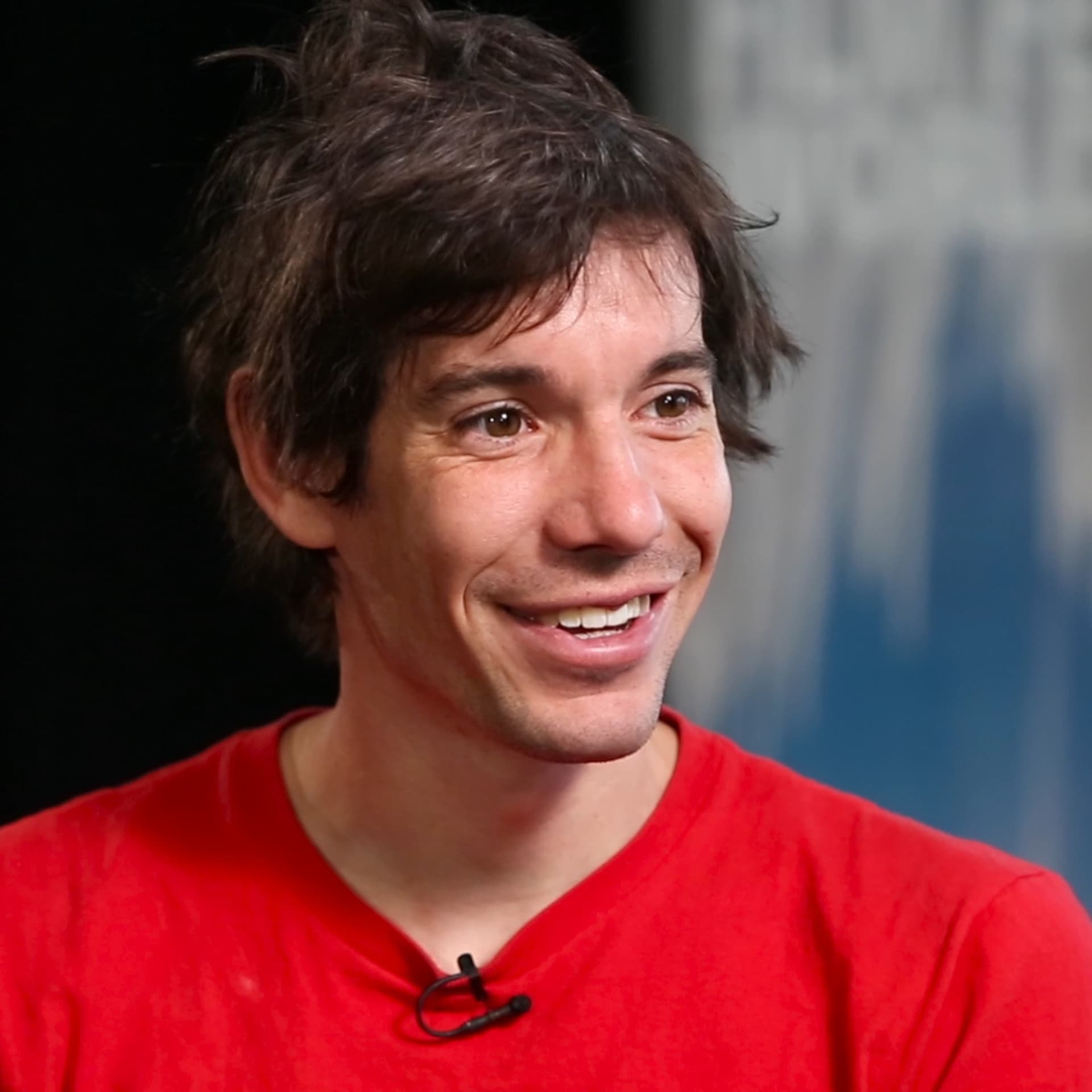
Episode Overview In this episode, climber Alex Honnold discusses his experiences with extreme climbing, particularly highlighting a harrowing 53-hour continuous effort in Patagonia. Honnold describes the physical and mental endurance required for such climbs, the challenges presented by unpredictable weather, and his strategies for survival and coping with tough situations.
Key Concepts and Discussions
- Extreme Climbing Endurance
- Honnold reveals that he has engaged in continuous climbing efforts lasting up to 53 hours without sleep.
- His early experiences, such as climbing El Capitan in 22 hours at age 21, serve as a foundation for his current endurance.
- The Patagonia Experience
- Circumstances:
- The climbing team attempted to summit a large mountain, Ceretore, but encountered an unexpected storm.
- They were ultimately forced to retreat down the west side of the mountain, leading to a challenging 20-hour hike back to safety without food or shelter.
- Survival Strategy:
- Honnold and his partner were left without supplies after their planned route was disrupted.
- To cope with the cold and exhaustion, they utilized a method of walking until warm, then resting briefly when cold.
- Climatic Challenges
- Nuclear Winds:
- Honnold discussed the intense winds in Patagonia, describing them as "nuclear winds" due to the area’s geographic isolation and lack of landmass to block wind patterns.
- Mental Resilience:
- Facing severe weather conditions while climbing and waiting for weather to improve tests both physical limits and mental fortitude.
Key Takeaways
- Preparation is Essential: Climbers must build up their stamina and acclimatize to the rigors of extreme conditions.
- Adapting to Conditions: The ability to adapt strategies in response to unforeseen challenges is critical for survival in climbing.
- Mental Toughness: Climbers often face not just physical challenges, but also mental hurdles that can affect their decision-making during critical moments.
Conclusion This episode provides insight into the life of Alex Honnold, showcasing his extraordinary climbing feats and the psychological and physical demands of extreme sports. The discussion emphasizes the importance of preparation, mental resilience, and adaptability in the face of nature's unpredictability. ```
Written by AI. May contain mistakes. Listen to the episode to check what was said.
Chapters
Tap a time to open that second in VOAlex Honnold's 53-Hour Climbing Challenge
1:07 to 3:19
Hear about Alex's extreme climbing experience and survival story in Patagonia.
“You'll literally hike for 24 or climb for 24 hours straight?”
Facing Harsh Conditions in Patagonia
3:21 to 4:56
Explore the challenges faced by climbers due to severe weather in Patagonia.
“But instead, we sat for like four more hours, we repelled, like we got worked, and then we had to walk for 20 hours without food, which is pretty grim, like hiking on a glacier.”
Transcript
Automatic transcript. May contain errors.0:00Graham Bensinger:When you want your spring break to feel like... And your kid's pool day to feel like... And your hotel bed to feel like... Ooh, and room service to feel like... Because at Hilton, hospitality feels like... Your cabana's ready. Would you like fresh towels? It matters where you stay. Book now at Hilton.com. Hilton. For this day. 5 a.m. I'm up with a crisp Celsius energy drink running 12 miles today. Grab a green juice, quick change and head to work. Meetings, workshops, one more Celsius, no slowing down. Working late, but obviously still meeting the girls for a little dancing. Celsius, live, fit, go.
0:47Graham Bensinger:Grab a cold, refreshing Celsius at your local retailer or locate now at Celsius.com. Hey, everybody. It's Graham and it's Friday, which means today we get to bring you another trending clip. What you're about to listen to is trending this week on our Facebook page. Hope you enjoy. This week, Alex Honnold.
1:14Graham Bensinger:You'll literally hike for 24 or climb for 24 hours straight? Yeah, I mean, I have, yeah. Without taking a, like, without sleeping?
1:23Alex Honnold:This last season in Patagonia, my partner and I did a 53-hour push. So it's like 53 hours of, like, continuous effort.
1:31Graham Bensinger:And how much do you sleep during this?
1:33Alex Honnold:No, like, that's, like, continuous 53 hours of, like, climbing, hiking, you know, fleeing for our lives. And how, like, how do you get to the point where you can do that? Oh, you just build up to it. I don't know. I mean, I remember the first time I climbed El Cap in a day, it took us 22 hours, and I was crushed. Like, so worked. You know, I was 21 or something, and, like, it was the biggest effort I'd ever done. and it was like I was useless as a climber for the next like five or six days. And now I'm like...
2:00Graham Bensinger:And El Capitan is like the Everest of rock climbing.
2:03Alex Honnold:Yeah, yeah, it's certainly like, that's a fair analogy, yeah. It's the most beautiful one in the world, I think. Oh, did you? Yeah. Yeah. No, it's good. I'm going to use that sometimes. But so 53 hours of climbing. So the thing with our 53-hour push is like we did a 24-hour push climbing and then we wound up, we were supposed to get to the summit of Ceretore, which is like a really big mountain, and then rappel back off the east side, which is where our camp was. But instead, this epic storm came. We sat for a few hours. We got worked. We wound up having to retreat down the west side, which is like the opposite side of the mountain range.
2:33Alex Honnold:So then when we got down, after like six hours of rappelling in a storm, we had to walk all the way around the mountain range to get back to town. And we were on like the southern ice cap, which is like one of the biggest glaciers in the world, basically. And so then we just, and we had no more food or like we had no supplies. We had no tent because we were just trying to do one continuous push climbing. So then we just had to walk back to town. It's like if you don't walk out, you'll just perish, you know? Right. Because, like, we didn't have food, so it's not as if you can just, like, sleep for a day and feel better.
3:03Alex Honnold:What do you mean you didn't have food? Well, we'd already eaten our food because we'd already done, like, 24 hours of climbing. Okay.
3:08Graham Bensinger:And you thought you would be done? Yeah.
3:11Alex Honnold:So had we finished the way we were supposed to and had we not gotten stuck in the storm, we would have been done in 24 hours. We would have been a little bit hungry, but we would have wound up right at our camp. We would have cooked dinner and we would have hiked out. It would have been great. Right. But instead, we sat for like four more hours, we repelled, like we got worked, and then we had to walk for 20 hours without food, which is pretty grim, like hiking on a glacier. And we were carrying backpacks full of climbing gear, like 20, 30 pounds worth, you know, crampons, boots, like ropes, all this stuff, and like nothing useful at all.
3:40Alex Honnold:You know, like no tent, no stove, no shelter, no food. You're just like, we're carrying all this stuff for 20 hours with like nothing. It was like very depressing. But my partner had this strategy where you just walk until you get warm, and then you just lay down on the trail and fall asleep until you get cold again, which is like 15 minutes, and then you wake up shaking. Because, I mean, we were just like laying down in the dirt in the rain, and you'd fall asleep for like 15 minutes, and then be like, oh my God, we're cold, and then start walking again until you got warm. It was really grim. Man.
4:07Alex Honnold:And what's the worst conditions you've ever been in when you've been high up? Soloing or with a rope? Either. Well, with a rope, like, I mean, horrible conditions. Like, I mean, this experience I'm just talking about in Patagonia, of like, you know, nuclear winds. And we were at the top of this like icy spire. So we were like connected to a sheet of ice, like literally hanging from ice screws, like sitting on ice waiting for like four hours, hoping that the sky would clear. Because the forecast that we'd seen a couple days before looked like it should get better. It turns out the forecast had changed and it never got better.
4:36Alex Honnold:But so, I mean, it's Patagonia. It's like nuclear winds, overcast. Well, and the thing about Patagonia,
4:41Graham Bensinger:and correct me if I'm wrong, there's no other landmass anywhere in the world in line with it. So there's nothing to block. So there's just constant winds.
4:50Alex Honnold:The wind is legendary and definitely lives up to it. You're like, whoa.
4:55Graham Bensinger:And that's this week's fan favorite. To see more popular videos, go to our YouTube channel at youtube.com slash Graham Bensinger.
5:07Graham Bensinger:Close your eyes, exhale, feel your body relax, and let go of whatever you're carrying today. Well, I'm letting go of the worry that I wouldn't get my new contacts in time for this class. I got them delivered free from 1-800-CONTACTS. Oh my gosh, they're so fast. And breathe. Oh, sorry. I almost couldn't breathe when I saw the discount they gave me on my first order. Oh, sorry. Namaste. Visit 1-800-CONTACTS.com today to save on your first order. 1-800-CONTACTS.
From the publisher
Alex Honnold talks about building up to and pushing through some of his most threatening climbs.


