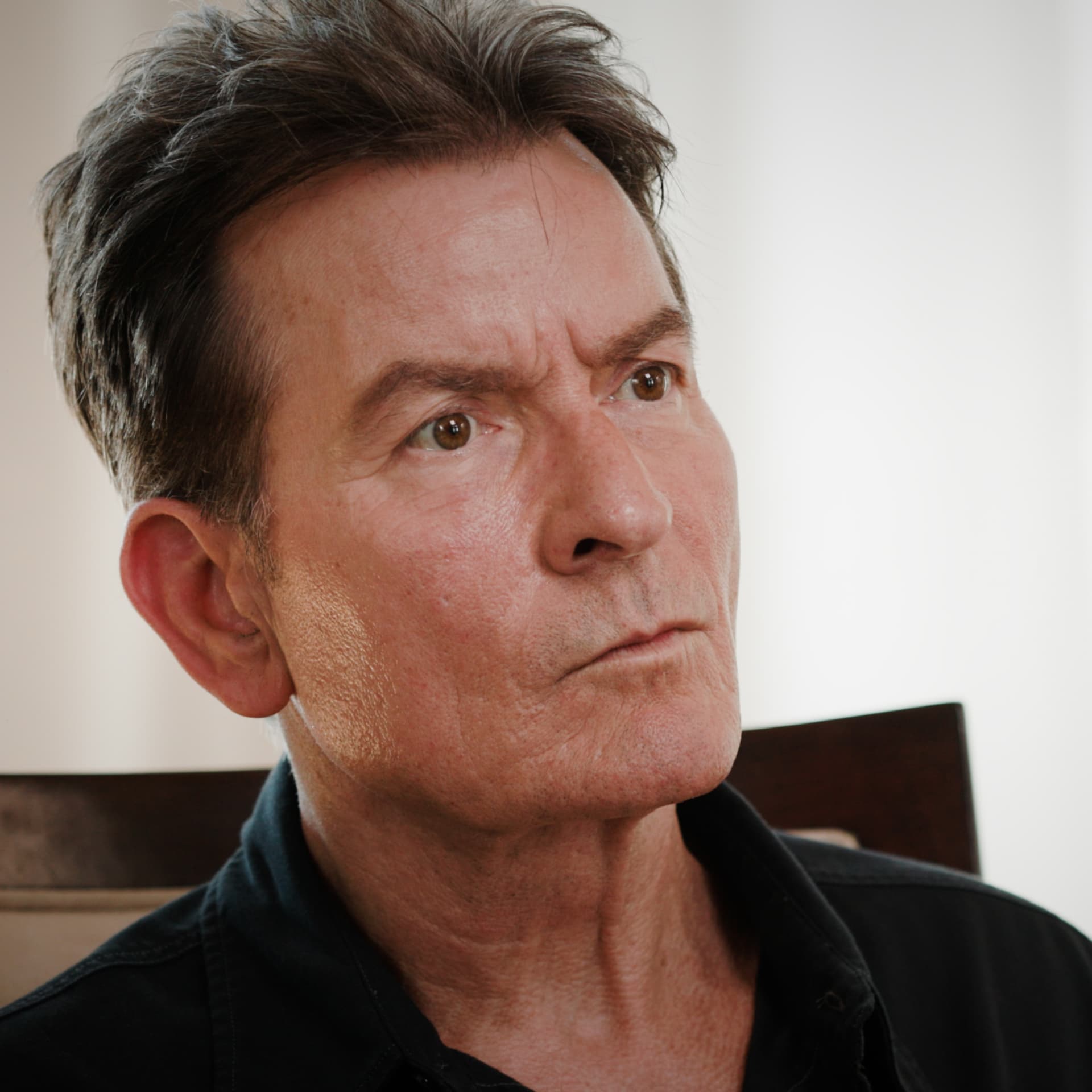

In short
Charlie Sheen discusses his life story as told in a book and documentary, framing it as a “reset moment” toward sobriety. He connects childhood influences from his father to later fame, addiction, and legal/government consequences, including HIV acquisition and sexual/drug risks.
Guests
The transcript is primarily a one-on-one interview with Charlie Sheen. Other named participants include Betsy (his manager) and several people referenced as collaborators or acquaintances (e.g., Emilio, Sean Penn, Steven Spielberg, Oliver Stone, Tony Danza, Jay Leno, Andrew the doc director). No other guest speaker is clearly present in the dialogue.
Key claims
- He says booze and drugs fueled each other, and he feared someone would die in his lifestyle.
- He reports contracting HIV after a specific period of sex/drugs, stating he “didn’t have it before that.”
- He describes the book/doc release as closing “unanswered questions” by telling his stories in his own voice.
- He claims a prostitute didn’t “rat him out” for prison; instead, authorities pursued tax issues from money earned by sex work.
- He says he stopped nicotine and references quitting methods (e.g., Alan Carr method; “smoking hypnotist” Kerry).
Notable examples
- Childhood: sleeping bags during family moves; his father’s “matching socks” poverty line; fascination with filmmaking and early Super 8.
- Fame: Spielberg filming him on a comedy pilot; Oliver Stone audition; Wall Street and Born on the Fourth casting fallout.
- Addiction: ecstasy plus steroids (“rocket fuel”) leading to bloating; Toronto “end of the line” moment without drugs/booze; HIV and sexual details (not “butt sex”).
Written by AI. May contain mistakes. Listen to the episode to check what was said.
Chapters
Tap a time to open that second in VOExploring Addiction and Consequences
0:05 to 0:25
Charlie Sheen discusses the intertwining issues of addiction and the lifestyle he led.
Book and Documentary Insights
0:25 to 3:05
Sheen reflects on the responses to his book and documentary and the need to tell his story authentically.
“How about the best time you guys ever had together?”
The Writing Process and Personal Voice
3:05 to 6:05
Charlie Sheen shares his journey of writing his book and the importance of maintaining his voice.
“One of my goals was to just kind of present all this stuff and then just move forward.”
Influences from Family and Upbringing
6:05 to 8:25
Discussion on how Sheen's father's upbringing affected their family dynamics and experiences.
“You weren't there at all for one second of any of it.”
Cultural Experiences Growing Up
8:25 to 11:43
Sheen talks about his childhood experiences traveling with his family and their impact on his worldview.
“because I can't, you know, those memories, you know, I talk about it in the book, that those only exist from parental reminisce and dinner table stories and chatter.”
Reflections on Film and Art
11:43 to 14:00
Sheen discusses his admiration for the film Apocalypse Now and its significance in cinematic history.
“He would have his deals structured in such a way that we were, you know, we would get extra tickets and hotel stuff.”
Reflections on Apocalypse Now
14:00 to 16:50
Exploring the chaos behind the making of Apocalypse Now and its impact.
“But those are just some of the reasons why I place Apocalypse atop that mantle, you know?”
Brando's Unique Mind
16:50 to 19:10
Discussing Marlon Brando's extraordinary mental abilities and childhood impressions.
“This episode is brought to you by Google Chrome.”
Journey to Smoking
21:00 to 24:10
Charlie Sheen discusses his journey with smoking and influences in his life.
“And then it's like you've made a promise to the audience that this is, all right, here's what you're in for.”
Impact of School on Growth
24:10 to 27:50
Sheen shares insights on his academic challenges and their influence on his career.
“observing, digesting, just, you know, and not really like planning, like, oh, cool, that's what I want to do one day, like not even close to anything like that.”
Show all 46 chapters
Baseball Dreams and Realities
27:50 to 28:00
Reflecting on lost baseball dreams and the unexpected paths they led to.
“When I was reading that in the book, I can completely picture the situation.”
Reflecting on the Baseball Dream
28:00 to 29:13
Charlie Sheen discusses how missing out on baseball led to his acting career.
“I'm still baffled how I didn't miss intentionally one question.”
Lessons from Father's Advice
29:14 to 31:16
Sheen reflects on the impact of his father's guidance on his career choices.
“And then there I am writing a story about that in a book that I'm writing.”
Experiences in Film and TV
31:17 to 36:54
Sheen shares anecdotes from his early days in television and interactions with Spielberg.
“But your dad, to his credit, said your word's your word.”
Auditions and Expectations
36:55 to 41:20
Sheen recounts his auditions, self-reflections, and the pressure of iconic roles.
“he's a lovely man and the greatest filmmaker of our generation.”
Betrayal and Career Decisions
41:21 to 42:00
Sheen discusses the emotional impact of losing a role to Tom Cruise and the significance of betrayal.
“Hey, man, I changed my whole career because of that movie.”
The Tom Cruise Casting Controversy
42:00 to 45:20
Charlie Sheen discusses the unexpected casting of Tom Cruise in a role he believed was his.
“You ever talked to Oliver about why he gave Tom Cruise the role that you and Oliver agreed you were going to play?”
Reflections on Fame and the Brat Pack
45:20 to 48:40
Sheen reflects on his experiences with fame and the dynamics within the Brat Pack.
“There's stuff about accidental master classes and stuff like that.”
Memories of Childhood and Relationships
48:40 to 52:00
Sheen shares anecdotes about his childhood experiences and their effects on his relationships.
“for that to to come my way and I and I describe it in the book as my own line around the block you know your director of the Doc Andrew had mentioned to me I think you were at Magic Mountain, 11 years old.”
Confronting Law and Consequences
52:00 to 55:40
Discussion about Sheen's past legal issues and the consequences of his actions.
“It wasn't like, yeah, I didn't really care about that part.”
Realizations on Addiction and Change
55:40 to 56:00
Sheen reflects on moments of realization regarding his addiction and the need for change.
“It was a lot of time in jail that could have been possible.”
Facing the End of the Line
56:00 to 57:28
Charlie Sheen reflects on a pivotal moment that marked the end of his substance abuse journey.
“There was a moment in Toronto that you just had with the prostitute where you knew that was kind of at the end of the line.”
The Ill-Advised Mix: Ecstasy and Steroids
57:28 to 59:37
Sheen discusses his experiences with a dangerous combination of drugs during filming.
“Yeah, it was like, you know, as I write in the book, she had 10 ,000 nicknames she could have come up with, and she landed on Fatso, which is really specific.”
The Functioning Alcoholic
59:37 to 1:02:58
Sheen shares insights on managing heavy drinking while working in Hollywood.
“But there was also other very telltale behaviors and red flags connected to all that.”
The Choice to Enter the Dark Side
1:02:58 to 1:04:53
Sheen opens up about his gradual descent into drug use and its consequences.
“And you get to a point and you do have to meet with people before you, this isn't all done like in the shadows over the phone and then they see you when you show up.”
The Moment of No Return
1:04:53 to 1:08:56
Sheen recounts a near-fatal experience and the realization of his drug dependency.
“And then when I said, all right, well that, you know, I finally put down the pipe and said, all right, just doing the booze thing.”
Negotiating with the Cartel
1:08:56 to 1:10:01
Sheen describes a tense negotiation process with drug suppliers amidst his struggles.
“Yeah, things were starting to kind of get that tunneled vision.”
Negotiating Addiction
1:10:01 to 1:11:35
Charlie Sheen discusses the complexities of negotiating during his addiction.
“So it required some negotiating and like that.”
Reflections on Past Relationships
1:11:36 to 1:13:44
Sheen reflects on his past relationships and the impact of his behavior during his addiction.
“You know, we were obviously just came from talking about kind of the period of your life where, you know, drugs and booze.”
The Role of Lawyers in Conflict
1:13:45 to 1:15:58
Sheen discusses how lawyers exacerbate conflicts in custody battles and divorces.
“and something about profiting on the sorrow.”
Learning from the Past
1:15:59 to 1:17:11
Sheen shares insights about the lessons learned from his tumultuous personal life.
“Do you think it was more the lawyers that were leading you to get to that place or just the lack of sobriety?”
Revisiting a Controversial Story
1:17:12 to 1:19:44
Sheen details a past incident involving a restraining order and his perspective on its narrative.
“Don't be like, you know, it's like there's just so many examples of people that are having a great time and they're deeply in love and everything's working out and they're like, we're going to get married.”
Understanding His Sexuality
1:19:45 to 1:21:48
Sheen addresses questions about his sexual experiences and curiosity related to drugs.
“And so we made the decision that we couldn't get both sides of the story.”
HIV and Past Experimentation
1:21:49 to 1:24:00
Sheen hints at the possible time frame for contracting HIV and the associated experimentation.
“What about that has kind of still given you pause when people inquire about it?”
Reflections on Documenting Addiction
1:24:00 to 1:25:18
Charlie discusses his decision to include his dealer in the documentary and reflects on his past behaviors.
“in all the planning stages, and, you know, we know that...”
Diagnosing HIV
1:25:18 to 1:26:31
Charlie shares his experience of discovering he contracted HIV and initial reactions.
“Because I didn't have it before that and then found out I had it right after that.”
Facing the Reality of Illness
1:26:31 to 1:27:44
Charlie talks about his mental state and feelings when confronted with his health issues.
“And what's it like for you when you get to that place?”
Misconceptions About Treatment
1:27:44 to 1:28:43
Charlie reflects on his early treatments and addresses misconceptions about side effects.
“because I had some perspective to look at it as, okay, I thought it was going to be this and it's not.”
The Burden of Secrecy
1:28:43 to 1:30:53
Discussing the challenges he faced with extortion and the decision to go public about his HIV status.
“which is either a vaccine, or this would have been an entry protocol treatment in the MAB world, monoclonal antibodies, right?”
Turning Point in Recovery
1:30:53 to 1:35:08
Charlie shares pivotal moments that led him to embrace sobriety and personal responsibility.
“And there were headlines that there were past lovers who you knew you had HIV.”
The Duality of Past Experiences
1:35:08 to 1:37:52
Reflecting on the complexity of his past substance use and how it shaped him without regret.
“Meaning because your daughter needed you to show up for her.”
Charlie Sheen on Sobriety and Celibacy
1:38:00 to 1:43:20
Sheen discusses the mindset shift following his sobriety and his celibacy decision.
“but I'm okay with, like, having that much f***ing knowledge about it.”
Reflections on Relationships and Parenting
1:43:20 to 1:50:40
Sheen shares insights on his relationships, especially with Denise, and the joys of parenting.
“And I was trying to come up with material and this joke was stupid and that one was even worse.”
The Evolution of Fatherhood
1:50:40 to 1:52:00
Sheen reflects on the complexities and rewards of being a father and witnessing his children grow.
“And you guys, you and your parents are super close.”
Reflecting on Fatherhood and Personal Growth
1:52:00 to 1:57:28
Charlie Sheen discusses the evolution of his relationship with his children and his personal journey.
“and then they become difficult, and then boys are harder at first, then they become easier.”
Reflecting on Fatherhood and Personal Growth
1:58:18 to 1:58:54
Charlie Sheen discusses the evolution of his relationship with his children and his personal journey.
“Uncovered windows can make your home feel up to 20 degrees hotter.”
Transcript
Automatic transcript. May contain errors.0:00How's it going? Good, good. Can you just give me like one minute? We'll let him get out. Just one. There we go. Second mark.
0:16We good? Booze or drugs? Bigger problem. Well, it was one fueled the other. How about the best time you guys ever had together? Um, nobody OD'd, everybody got laid. How about that?
0:38It was adrenaline. It was anticipation. It was also not knowing if I was going to answer the door to gorgeous women or handcuffs. His fear was that the lifestyle at that level, at that pace, that somebody would have died. What's your best guess as to how you contracted HIV? I didn't have it before that, and then found out I had it right after that. When people say sex with men, you immediately think of, like, butt sex, and it wasn't that. Was it the drugs that made you curious, or were you curious before the drugs and the drugs gave you the confidence? Yeah, that's a good question.
1:25I wanted to start by talking about the book and the doc. Cool. First, how did the response compare to what you were expecting? Well, I didn't have a lot of expectations. Really? Yeah, I had more, well, I guess there were fearful expectations. There were stories that I had written about how it was going to be perceived, consumed, digested, processed, you know, criticized.
1:54But the ratio, I think, as they tell me, has been in my favor. But the place I feel it the most is out in the world, because I'm not scrolling through comments and looking for things. And I'll read a big print piece, because I know what went into it and how much time I spent. But I'm not watching all the on-camera stuff that I do. I'm not trying to dissect it. But I am really inspired, I'm encouraged by the reaction just out in the world. The common theme to a lot of it is courage and bravery, you know, stuff like that. But I think that's, nobody feels gypped. Nobody feels short-sheeted, you know.
2:42They feel like, wow, okay, this dude sat down to tell his story and did so. and then some. Right. You know, yeah. So it is, the great news is I don't think I ever have to do it again, you know, because that was one of my goals to, in the middle of, or approaching what has really turned into kind of a reset moment, you know. One of my goals was to just kind of present all this stuff and then just move forward. And what makes you feel like it's a reset moment? And I say that because I was talking to Betsy, your manager, the other day, and she mentioned you kind of felt like it's your ticket back.
3:26Because there's a lot of unanswered questions. I think it closes a lot of circles that we're still kind of lingering open. Yeah, just people hearing a lot of stuff but never really hearing it from me. And it's not about having the final word or the last laugh. It's just really about telling the stories in the way that they actually happened instead of everybody else's version of them. You were kind of bouncing around the idea of a book for a while, right? I think you had a buddy that many years ago was starting to put some stuff on paper for you. Yeah, no, and he was, you know, pretty decent guy, but we just were the wrong fit, you know?
4:21And so, and then I would read the stuff that, you know, the stories I would tell, and I would read them, and it just never felt authentic, you know? I don't think it ever really can unless you're actually putting your pen to your paper. And you deserve a ton of credit for doing it yourself. Thank you. I should say, initially it wasn't going to happen that way. The publisher had hired a ghostwriter to start with you and explain the disconnect in the first chapter and then how quickly you were able to then start doing it yourself. Yeah, it was actually a book doctor. It was a person that was supposed to be there just to help me with structure and pacing and all that other stuff.
5:10And I was like, okay, all right, if that's what it's going to take just to put this thing in motion, I'm fine with that. But as long as he's not there as another writer. Yeah, and I think it was, you know, there were some things that he pointed out that he introduced early on that I think were valuable, you know. I don't want to shit on the guy. but it just, as it kind of went along, it got more obvious by the day that there was really only, that there was room for only one voice on the page and that was mine. Right, and the reality is he could have been amazing but you're doing this once and you want it to be in your voice.
5:55Yeah, and I didn't need to be questioned about everything and that's what started to happen. Are you sure you want to include that? Are you sure? And it would have been cool. It's like, okay, but all right. So you were there too. Oh, wait a minute. You weren't there at all for one second of any of it. So, right. So that, that, that, that got a little prickly. because it probably saps some of the enjoyment of oh absolutely absolutely yeah and so um and you know we parted on on great terms and all that and and but then when I finally got to really experience my own rhythm and and just that I was that there there was one captain at the helm and that was me and it was it was it was challenging and exciting and um and daunting you know because there's that feeling like I would send an incredible editor, Amy Bell, you know, and I would send each chapter as it was finished and I would get glowing reviews, you know, and lean into this.
6:56Let's trim some of that. But yeah, amazing, amazing. Keep going, keep going. But then the next day, what am I staring at? You know, a blank screen. And what was your process? story that you told us? It was, I started with like a really broad outline and then paired that down. And then as I told the stories that I felt were the ones that weren't just important to me, but that were entertaining to read. You know, I wasn't going to present like a journal or a diary, you know. I wanted to take the reader, the audience really on a journey. And so what I started doing was a lot of handwritten notes about the outline for that chapter.
7:41And then I would recognize things that could be, as I got deeper into it, that could be called back. Stuff that I could connect from the past to the future to the present to the stuff that sort of followed me either cosmically or symbolically or just mysteriously or creepily, you know? And so, yeah, I just think I gained more confidence as the process unfolded. Was it easy to remember? Yes, it was. It was, yeah. And the stuff I couldn't, I didn't rely on a lot of other people to fill in those blanks because then it's their story. The only time that I had to function as a journalist and not an author was when I had to shake my parents down for, like, all the early New York stuff and all that because I can't, you know, those memories, you know, I talk about it in the book, that those only exist from parental reminisce and dinner table stories and chatter.
8:39And did they enjoy that? They did, yeah. They were really helpful with that stuff. But once I, you know, you get to a certain age in your life, and that's when the memories start to form and are still accessible. Okay, so this is a little too inside baseball, but I know there was a lot of conversation about whether to release the book or the doc first. You initially had one opinion that you kind of later felt like maybe that, eh, if I had to do it over again, I probably would have released the book first. But then they came out like within like six hours of each other, just on a different date, right?
9:17Yeah, that was interesting. I initially felt that the doc would be just a wonderful companion piece to the book and also kind of set the stage for it and be a great endorsement for it. And then a lot of the stories that I had agreed to do that were like really cool, big, splashy press pieces, they then said, those are dead if the doc comes out first, because then they can no longer say for the first time ever speaking about this, this, this, and this, you know so then that's kind of how we had to start negotiating and finagling and and like that but it's not i i didn't really i couldn't call netflix i'm like all right here's the new date um i couldn't tell schuster all right here's the thing at that point they're they're gonna do what they're gonna do and i i think it worked out pretty good though so i want to take you uh way back to when you were a kid and growing up but i wanted to kind of start by talking about your dad.
10:22How do you think his poor upbringing impacted you guys early on? Yeah, I don't want to like judge his upbringing or criticize it, but he didn't want us to experience the same kind of struggles. And those were just basic daily needs, you know. And I do, there's a line in the book where I say that, you know, dad grew up so poor that his idea of the high life was, you know, having matching socks, you know? And so, yeah, I think he has a drive and a determination and a focus and that moxie I talk about in the book, that he was going to do whatever he had to, you know, no matter what, to give his family a much better experience than he had, you know?
11:17I mean, his mom died when he was 11, you know. And so that's just take that piece. Where do you go from there? So I can't pretend to know what that would be like or would have been like. But yeah, he knew he was really good at what he did and was going to keep getting better at what he wanted to keep doing. And was always family first. He wasn't one of these guys like, all right, I'm going to Spain. I'll see you in three months. He was like, all right, we're all going to Spain. All right, we're going to Italy. We're going to the Philippines. We're going to Mexico. We're going to the moon, you know.
11:48He would have his deals structured in such a way that we were, you know, we would get extra tickets and hotel stuff. Which had to be the coolest thing ever when you guys were kids. Yeah, it was and it wasn't because you get to a certain age and school is actually fun for a minute and you're making friends. And then it's just like, it's like you're just kind of abducted, you know, by aliens. and you just vanish one day and then you wake up and you're in a different part of the universe. But it was cool culturally. It was, I think, eye-opening to just get a sense that the world was a lot bigger than Malibu, you know?
12:28By the way, what was the deal with sleeping bags in houses that you guys would get? That's one of those details that Emilio reminded me of when I talked about that first place on Point Doom. It was on Birdview Avenue. And he said, yeah, dude, I don't know if you remember, but we were all in one room for a year in sleeping bags. Then why? Because Dad wasn't making the kind of dough that everybody just assumes he was. And he was job to job, check to check. And so, you know, you're renting places. And, you know, food was more important than actual beds. And a bunch of kids sleeping. Hey, you know, we're camping for a year.
13:10So, yeah, it's just what we had to do, you know. You called Apocalypse Now the greatest movie ever made. Correctly, I labeled it as such, yeah. What makes it that for you?
13:28There's no computers involved. The elements that had to be endured, the performances, the storytelling, the insanity, the fact that every time you see it, you see something different, something new, or something affects you differently. It's a film that could never be made today. And if it did, we would feel the helicopters wouldn't have any weight. They try to do this thing. I went to the movies years ago, and I saw the latest King Kong version, and they try to do an apocalypse thing, sweeping through these jungles and right and it just wasn't I mean yeah I look cool but I but I knew that nobody's life was in danger yeah and just what you know the country's in the middle of a civil war you know dad has a heart attack Brando shows up 300 pounds I mean it's just like one thing after another and how Francis like kept it together you know and he shot a million feet of film and that's like actual film and somebody's like going through in an editing room in the freaking jungle you know um there's some story somebody told me about a lady that um he had a meeting with or had a night with or something and she like left with two reels of film during apocalypse and held it hostage and said unless this this or this happens you're not getting that those canisters back.
15:01But those are just some of the reasons why I place Apocalypse atop that mantle, you know? You said Brando's brain was kind of wired differently. Yeah, it was. From your kind of experience, what did you see? As an 11-year-old or a 10-year-old, he did that thing where he could draw a circle in the air with one hand while drawing a square on his chest with the other at the same time. And then he would say, change, and then that would become the square and this would become the circle. Have you ever tried doing that? No. It's literally impossible, and he just did it effortlessly, which showed that somehow, however it's wired in his, I think Sean described it as the muscle on the top floor.
15:50His top floor was pretty magical. And it was a trip to experience that at that age. And you're even aware of that as a kid, though. Yeah, I mean, yeah, and not like his whole filmography, obviously, or his historical place in Hollywood, but just those moments on Lake Kalariah. Yeah, no, there was something really, really special about him. And I do write in the book that I think he liked children better than adults because he was pretty convinced that they understood him better. You wrote about your dad. His body may have been with us. The guy we called dad was not. Yeah. Elaborate a little bit on that, if you don't mind.
16:45Sure. I just got a little nicotine in my muscle up top. This episode is brought to you by Google Chrome. You think you know a browser, but Gemini and Chrome? That's new. It can help you with practically anything on the web, like restoring a vintage motorcycle from a 50-page restoration block, or finally break down that long article you've had open for weeks. Gemini and Chrome is here for it. Ready to make anything online make sense? There's no place like Chrome. Check responses set up required, compatibility and availability varies 18+. Are old batteries the same? That's like asking if all soccer players are the same.
17:23Take Messi, the most decorated player ever. Is there any other player who has achieved that? No, just him. Now take Duracell. Is there any other battery with power boost ingredients inside? No, just Duracell. Remember, goats only trust goats because they're built different. And Messi only trusts Duracell.
17:48How often do you use it? A lot. It actually counts your puffs. Oh, does it? Yeah, then you can clear it. And I stopped. I just clear it without really charting the progress. You smoked? Two packs a day for 33 years. Okay. Yeah. I was, yeah, I smoked like I meant it. and you started in the Philippines on platoon yeah yeah because I didn't smoke as a teenager I was an athlete you know and so it never and I would see it and it didn't fit in it smelled bad you know Ramon smoked I was like what are you doing um and but then Oliver you know wanted the character to smoke and there's a story in there about Johnny Depp you know um and we were like one foxhole apart in that training camp and I would smell it you know and then you but you'd see, picture a backlit Johnny Depp at like 22, like a cigarette in the Philippine jungle.
18:44I mean, it doesn't get a lot cooler, right? And I'm like, all right, I'm probably not going to achieve that, but if I get something close to that, then it's a win. Johnny's a trip, man. Good dude. And he would start offering them, you know, come on, you know you want one. You know, hard guy to say no to. But then, yeah, it was just one of those things that just found its traction and took hold, you know. And the rest is history. Yes. But this, I'm actually one of the guys that uses the vape responsibly because I think that's kind of what it was created for, people to get off, stay off, or never start cigarettes, I think.
19:32Do you think you ever stopped completely? Probably, yeah. I have that guy's number in my phone for years now, Kerry, you know, the smoking hypnotist. Really? Yeah, he's the guy. Like, you go to him once and you're done. So, and he's like, you know, a half hour from here. So I know that's, like, right there and available. I just haven't spent that 30 minutes getting there yet, you know? Making steps, though. Yeah. Yeah, and my daughter Sam read a book that promises, the Alan Carr quit method, promises when you finish this book you will be done with nicotine. And she had a surgery coming up and she did it and she was done.
20:15She said it just magically vanished. I have that book. I'm about halfway through it. How long has it taken you to get it halfway through? About two years. Okay. Yeah, you know, page a night. All right, so I was asking about your death. Yeah, that was specifically referring to his birthday. His 36th, I think it was, during Apocalypse. Yeah, and we didn't know what we were rolling into. We were just gonna show up on his lunch break and just cut the cake and give him a hug and cut out. But that's the day they were filming that famous hotel opening sequence. That's another thing about Apocalypse. Like, start a movie like that.
20:59Like, go ahead. Like, set a movie up like that. And then it's like you've made a promise to the audience that this is, all right, here's what you're in for. And you have to deliver on just that experience that you've just witnessed in the first five minutes. You know? It's pretty heady stuff, isn't it? What made, was it called Hearts of Darkness? Yeah, the documentary. What made that so hard to watch for you? Because it was the first time that anybody peeked behind that curtain. And I think, I don't know how I phrased it in the book, that it was Frances's wife, it was Eleanor, and she, something about put dad's, I don't know if I used the word trauma, his behaviors, whatever, on full display for the world to consume, or to finally consume.
21:54and that included us. Because if you weren't in the room, you didn't know. And so we saw that and it was like, oh, damn. It went there. Like what were you seeing and it was impacting you? I could see that it had nothing to do with the scene. It had nothing to do with any of the, you know, whatever the goals were cinematically or creatively for that particular day. It had everything to do with his father, you know, Because he had died close to that, or not long after, not long before that. And so I think he was mourning him and just feeling, you know, there's something also about being that freaking far from home, and that isolated and that detached.
22:40There's a feeling of, and I've experienced myself, it myself as well, that things are, you get a little more sensitive to stuff that wouldn't affect you as deeply back on the home front. Why do you think that is? Because help is a long ways away. That's just how I see it. So I think that there was a combination of the stress of the movie, the loss of his father, or tons of booze, obviously, but I think the booze unlocks things that are already sort of brewing or percolating or needing some type of release. How about what you remember from your very first silent Super 8 film camera? I mean, I literally have memories of the Ireland experience with that Move Zoom 2000.
23:46and it was, you know, we were fascinated by it, and as I write in the book, it wasn't about, like, making, you know, boring documentary shooting the countryside and the culture. It was about, like, all right, now we have one piece of equipment that is, you know, it's not as big or as fancy, but it's what Dad uses to do his job, and this job that we've been, you know, up close and personal, observing, digesting, just, you know, and not really like planning, like, oh, cool, that's what I want to do one day, like not even close to anything like that. But it wasn't, it wasn't a hobby at first. It was a passion.
24:30As soon as we knew that we could document things and create stories and play characters, and we were just copying, you know, if he was building houses, we'd be probably banging nails somewhere, you know, so it was kind of like that. But I do remember that Emilio shoots me, or I don't know how he subdued me, but I had to roll down and die in the shot. But my shirt came up, and my back was laying in a patch of stinging nettles. And it started burning and itching and starting to spread, and he hadn't cut yet. And I remember not wanting to ruin the shot. At seven or eight, yeah. And I finally was just like, f*** this, I'm out, you know, and just started screaming and running.
25:17And then he did say, you ruined the shot. But there is that theme in the book about, you know, pain is temporary, films forever. And the whole neighborhood kind of got in. They did, yeah. Right? Yeah. And Sean Penn was even one of the big early supporters. Sure, oh yeah. How did you make the hula hoop Steadicam? uh well I didn't it wasn't it was literally how I describe it it was surgical tubing that we used to buy at the supermarket you know because we would make it we would use it for our wrist rockets and so yeah anything that could be turned into a weapon we would we would we would find a way but yeah I thought that it was strong enough to support the camera in the middle of the hoop if it was just being walked.
26:08It was pretty good in concept, right? Yeah, but the weight of it kind of pulled it outside of the hoop, and then I knew that, yeah, it was a frickin' mess. It was a mess. You'd assess your academic performance how? It was a complete disaster. Yeah, I mean, it was okay for a minute. Why was it okay for a minute? Because it was still, the experience was still fun, and it didn't... Through middle school. Yeah. But then, yeah, high school, everything changed. It just got, the place was too big. There was too many people. There were too much responsibility. They were asking a lot, you know, and insisting that we spend so much time trying to learn a bunch of shit that I knew would never apply or matter anywhere else except in those classrooms.
27:01And I always felt like it was just busy work and that whole thing, well, it's important to learn how to learn. It's also important to learn to live how to live, you know? And, yeah, so that, and then I got the car. You know, you get a car, and suddenly you're not at the mercy of where the bus stops or tells you to get off. Yeah, no, that opened up a whole new part of the universe for me, you know? You were close to passing biology. I was. Right? No, well, biology is the one I needed to stay on the team, stay on the baseball team. I mean, had you played it a little differently? Yeah, had I like...
27:44Sat at the desk for... Another 20 minutes, maybe? Yeah, had I gotten like an 81 or a 74 instead of 100 %? When I was reading that in the book, I can completely picture the situation. I mean, is it that visible to you now when you look back on the moment? I'm still baffled how I didn't miss intentionally one question. It doesn't get a lot more stupid. I don't have a fancy word for it. Yeah, and it was connected to this big graph that everybody else drew on the back of the test. and mine it was started and then just like scribbled through like that part doesn't matter but then 20 questions came from that graph that you had to build yeah no it was a mess um so yeah that killed the baseball dream and then well you know the rest with the uh with that last final you know yeah I mean the I guess reality is the baseball dream I mean, probably the best thing that could have happened was it not working out because it gave you the ability to pursue this other childhood passion.
29:00Sure, or the motivation to at least. Yeah. Yeah. It is pretty ironic, though, that the one class that decided whether I get a diploma or not was English. And then there I am writing a story about that in a book that I'm writing. I just wish Mrs. Farmer was still alive to read it. And you did end up getting the diploma. I did, yeah, on The Tonight Show with Jay Leno. Yeah, they finally realized enough time had gone by. I was only a credit and a half short. And they were like, just give it to him. Get him out of our hair, you know? MGM and the Karate Kid. How about when you look back on your dad's advice today?
29:44How do you reflect on that? It's good today. it sucked in the moment. How so? Because it killed an opportunity that could have been really life-changing, you know? I shouldn't say it sucked in the moment. It was probably the right thing in the moment, just looking back, but we can't look forward in the moment, right? And even when we look back, we can't change anything about it. So you can't have regret because unless you just want to stay stuck in that piece of time. It's probably a good thing. I don't know that I would have kept the job once it started because I didn't have enough experience to take on something that required all those nuances.
30:33How so? Well, if you look at the performance, if you look at what Ralph did with it, it's a fantastic performance. You can't really picture anyone else doing it. And so it's just one of those roles that I don't know that the film would have been as successful. I don't know that it would have. I just would have had a different take on it, you know, than what he brought to it. But he was already coming off of a couple of decent sized films and had the confidence and the experience to deliver on that one that I didn't. it would have been yours. You just had a conflict with a lesser project. With the grizzly thing, yeah.
Read the full transcript
31:17But your dad, to his credit, said your word's your word. Yeah, no, which was great advice. One big film won't carry you as far as a noble reputation in this business. It would be hard for him as a father, though, too, when he's sure aware enough to recognize that this could be a massive break for you. Yeah, and keep in mind, and he's gonna, he's not gonna be thrilled that I'm sharing this, but he's shared it, I think. This is coming from the guy who turned down Blade Runner. Has he ever publicly mentioned that? I'm not sure. I think it's been in, I think I read it somewhere. Yeah, he didn't want to do Blade Runner.
32:01And his reason was what? I don't really know. Okay. I don't think he got it. I don't think it was his cup of tea, you know. And I think that was, yeah, but whatever. But he's consistent in, you know, sticking to his guns, right? Yeah, no, I think he helped me. I realize now he helped me more than he hurt me with that advice. You want to jump around a little bit to some of the film and TV days over the years? How about the first one being you're taking over for Michael J. Fox, you just mentioned, Spin City. Right. First day you're there, Steven Spielberg is following you around doing behind the scenes, right?
32:49Well, that was actually, that was on a pilot. Okay. That is the reason Spin City happened. Got it. Okay. Yeah, yeah, yeah. It was called Sugar Hill. And that's where I met Gary Goldberg. But that had to be crazy. That was a trip, yeah. Okay, so do you explain that? Because, well, Gary Goldberg and Stephen were really good friends. And I guess Stephen had been at the pilot taping of Family Ties, right? So it's a big hit. And Gary said, well, you're my good luck charm. So now whenever I do something, you've got to be there, right? So he invited him and didn't tell anybody. So I, right? And my only experience, I think, leading up to that was the guest spot on Friends, right?
33:35So we do the cold opener, the first scene or whatever, and I'm just kind of leaving the set and just trying to get back, maybe a wardrobe change or whatever, and there's a guy walking backwards with a camera in front of his face asking me about how I'm feeling, how was that first scene? And it starts to take shape, and it's Spielberg behind the camera. And it's, suddenly there's a lot going on, you know? And so I finally come to a stop because I don't want to keep him, force him to keep walking backwards, right? And he's got like this, you know, whatever camera was, you know, he could get in 1999, right?
34:19And he asked me one question. He says, how do you know when to start your next line with all this audience laughter, you know? And I wasn't trying to be a smart guy. I said, I usually begin again once they've stopped, which is, you know, he was like, oh, yeah, of course, of course. Like, of course, that makes sense. But what didn't make sense was just that moment in itself. There's Steven Spielberg, and he's filming me, and now he's asking me a question about like, you know, like the mechanics of some of the comedy and it was just like, it was a mind blow. Then the thing was, the rest of that pilot, I know he's there, you know?
35:07And we did meet earlier, a couple years earlier, I did an episode of Amazing Stories and he visited our set one day and was really cool, but we didn't really interact, you know, he was the EP on it. But yeah, and then Emilio and I have joked for years that there's a thing that, you know, when you meet him that you get so flustered that you say something like, it's a Brody to Jaws you, Mr. Quint Berg, because Jaws for us is, you know, there's Apocalypse, then there's Jaws, and I'd seen Jaws as a child, you know, 100 times in a movie theater like that. So, yeah, so that's kind of the backstory on that.
35:44You ever talk to Spielberg about it? No, but I did go to his house because Denise was friends with his stepdaughter, with Jessica. And so we went there once, just stopped in, and he had hurt his knee so he couldn't get up. And it was in the middle of spin. And he said, you know, we're counting on you for season seven. And I said, well, it's not just me. It's, you know, I got this whole team behind me, you know. And he says, no, no, no, whatever, whatever it takes. You just get us to season seven. Because I guess that's when some fun financial things happen for everybody. And I just told him, I said, I will do my darndest.
36:32I will do my best, Mr. Jawsberg. And so, yeah, we didn't get to season seven. And I always wondered if he was like, huh, I told him. I told that guy. I said, look, you know, do this for us. And he didn't deliver. I don't think he saw it like that. But, no, the few times we've interacted, he's a lovely man and the greatest filmmaker of our generation. Hands down, period, the end. How about your first audition with Oliver Stone and him basically saying you suck? That was fine. That was fine because I did. Because I did. Because I knew it was bad. I knew it was bad. Yeah, and then I got yelled at years ago by Tony Danza because I'm not even the one that insulted him.
37:25I did this interview and I said that Oliver kept saying that you're too mannered. You're doing all this Tony Danza , right? His words, not mine. So I said that in the interview and then I read it before it came out and I was like, okay, it feels like I'm taking a shot at him. So I reached out to Danza and I said, hey man, this might piss you off. It didn't come from me, but it's in this piece. He's like, ah, don't worry about it. So I sent him some flowers just to kind of really kind of pad the landing.
38:04And I guess he read it and I get this letter and it's the card attached to the flowers I sent him. And he says, keep your apology. And some other colorful language. But then I saw him years later somewhere in Malibu and gave each other a big hug. But it was weird that it wasn't my original, I'm not the guy who said it, you know. But that came out of that original audition. So Tony Danza was with me in the frickin' Platoon audition, according to Oliver. So you sign a napkin when you're in the Philippines filming Platoon, committing yourself to doing Wall Street for Oliver. But you don't look back on now this iconic movie fondly.
38:59Why? Um, it just wasn't the... I didn't have any fun doing it. Yeah. It was, there was so much pressure on that set, and there was so much, I think Oliver put so much on himself to, you know, based on what Platoon was doing and still doing when we started that. It was still a raging inferno at the box office, you know, and all the Oscar nominations, and that whole thing started up, and... He was getting on you a ton. His stress became sort of contagious, you know, and it was, I could see the weight of the world on him, And I was just kind of, because the times we had during Platoon and just the boys club sort of vibe and just how much we bonded and relied on each other.
39:46And just the level of camaraderie you can't really recreate, you know. But I thought some of that would transfer to the concrete jungle. It didn't. I mean, I'm not saying that every day on it was like, you know, digging ditches in a heat wave. But it just had a different frequency than Platoon. And then when I saw it, you know, I'm not putting anything about my performance on Oliver. I've got to be responsible for that shit. But, yeah, I just didn't feel I looked comfortable or just like I really understood what my responsibilities were in the movie. I was so confused by a lot of the actual content, a lot of the financial stuff.
40:33It just was like a world I'd never cared enough to investigate. And the training for it was insane. It was, yeah, it was very tedious and really frustrating. And I write in the book that I just at one point just said, all right, I'm just going to say it like I mean it. I don't care what it means. Or, yeah, and not, because I don't have to, like, really break it down. I don't have to be an expert. I just have to sound like one. Right. Yeah. But it was still, you know, then you run into like serious imposter syndrome with. And that's been a theme kind of at different stages of your life. Sure. Yeah.
41:12And I don't think I'm alone with that one, you know. Right. But yeah. And it's just so strange that people, like it's like the number one or two talked about film, like out in the streets is Wall Street, you know. Hey, man, I changed my whole career because of that movie. I'm like, right on, dude. yeah and it's cool I mean I'm glad that I left behind something that people really enjoy and still watch and pass down to their kids and all that stuff but yeah and also I was writing the book and I was like okay well that that one's described as you know being really flowery and all of you know everybody's best friends on that one and the next one was like okay and that went really well I'm like there's got to be all these film sets can't sound like you know it was just one big frickin' happy family or nonstop party, you know?
42:01You ever talked to Oliver about why he gave Tom Cruise the role that you and Oliver agreed you were going to play? The thing that was weird is he said, you know, I want you to do Born on the Fourth. And we had meetings about it, and we had a dinner with Ron Kovac, and then I stopped hearing from him. We stopped talking about it. and I reach out to Oliver and I'm told that he's in Cuba, whatever, this is like 1988 or 89, right? I'm like, okay, well tell him I'm looking for him, you know, and Emilio, he calls me, he says, hey man, you sitting down? And I think somebody died, right? I'm like, no, what's going on?
42:44He says, Cruz is doing Born on the Fourth. I love that Emilio thought that I need to be seated to get news he thought was going to make me faint. I mean, what are we doing here, right? It's a movie. Oh, but it is a big deal. It's a big deal, yeah. Well, it was also the betrayal factor of it. Right. So I was like, okay, all right. Oliver's been a fan of Tom's for a long time. It's a different movie if Tom does it than if I do it. And I was like, what are you going to do? You can't lose something you never had. But you guys had already agreed that it was yours. Right, but I didn't sign a contract.
43:20There was no, but I did, there was a handshake. Like, it was, it was, we were far enough down the road to feel like this was our next thing. I mean, you signed a napkin in the Philippines for Wall Street. I know, I know, I know, yeah. So my word was honored between us, but it's fine. Okay, but so you guys crossed paths in a bar. It was one conversation. It was in a bar, like, in, I don't know, man, Long Island or someplace. and I stopped in and he was there and I was drunk enough and he was drunk enough for that thing to finally be brought up. He was like, I just felt like you didn't have any passion for it.
43:59I felt like you lost interest. I was like, well, I didn't see you. How do you know how much passion I lost or interest that evaporated if we never talked about it again? He was like, my instincts told me that, You know, the Oliverisms, you know. He could just tell. He could just tell. Whatever, it's fine. And then, you know, it wasn't like a thing where, you know, I'm gonna talk about him. Because then you see the movie and you're like, oh, okay. All right, he turned it into that. You know, when someone gets a job and does that with it, you're just like, phew. You know, of course. You don't sit there and dissect it, like, I'd have done that better.
44:43No, go yourself. That's a brilliant, and he should have won the frickin' Oscar. You know? But yeah, and then I did some bad, just forgettable films, sort of around that same time. Although Major League was not one of them. So I don't know if Major League happens if I do Born on the Fourth. Really? Yeah, I think the timing of it's something like that. And people are like, you know, people are gonna research this, and they're gonna find the timeline, They're gonna correct me and I don't care. I'm just pretty sure that one would have gotten in the way of the other, you know And if it's not true, that's what I'm going with.
45:21So I want to talk to you about fame You had written You know I flew private jets to the championship games of all four sports acronyms usually booked day of Bouncing like a pinball between conversations with the most unique and creative folks alive was exhilarating a guy can learn a lot when the night's travels include Madonna and Jack Nicholson. Pretty line, isn't it? Yeah, like describe. Well, I did. I did. I did describe it. That continues. There's stuff about accidental master classes and stuff like that. No, it was if it was what I was trying to do, especially with that with that section, was just trying to give the audience, give the reader a sense of, you know, what that felt like, just how life-changing it was from literally one day to the next because it's BP, it's before platoon, and it's AP, it's after platoon.
46:26And so that's why there was really never any time to make any adjustments or kind of prepare for the unknown. Well, how do you prepare for the unknown? You don't. And I'd seen a lot of friends, close friends, with their meteoric rise to their own levels of fame. I'd been around it with the Emilio crew. Brat Pack. I'd go out of my way in the book to never call them the Brat Pack, because I know how much each of them despises it. Why? Because it was a label that was put on that moment in time that was a magical moment for all of them. and because this guy couldn't get the attention of a few hot girls that night at the Hard Rock, he decided that it was their fault and he was going to just, ha, here's what you all need to be referred to as for, you know, moving forward.
47:22And I always thought that was cheap. And then that guy in the freaking documentary that Andrew does a really good job with has like a real moment to say, yeah, I could have rethought that. And he just keeps it just mayor of Puttsville, you know. So whatever. So that was like a conscious decision to not use just that dismissible and cheap label. You said your self-destruction that came from a long time of wanting things you couldn't have. You know, and this is where you referred to, I guess, to use the name you don't like, the Brat Pack. Right. And then even your best friend Chris got, you know, super famous on the heels of that, too.
48:16Footloose. Yeah. Yeah. Why do you think that's where, like, that was the genesis of it? Because it was within arm's reach, but light years away. and in watching it happen not just across the room but at the same table in the same limousine in the same you know in the same orbit with these guys and just why it couldn't why it didn't what is it gonna take what's it gonna take for that to to come my way and I and I describe it in the book as my own line around the block you know your director of the Doc Andrew had mentioned to me I think you were at Magic Mountain, 11 years old. It's a thing that he cut out.
49:05It's a thing that he cut out, yeah. And three women. Gorgeous young ladies, yeah. Kissed your dad. They did. Okay. I could see them hatching their plan, like in a little circle right over there, and getting the courage to make the approach, you know. And I'd seen it a lot with people wanting autographs or a picture. And I thought they were going to do the same thing. and I couldn't really hear what the dialogue was between dad and the three gals. But I guess it was, they said, this is what we want to do. And he was like, sure. Not in a creepy way, you know? And I didn't, and then I say, okay, they're going in for a kiss and I thought it was a cheek thing.
49:46And it was like right on the lips, three in a row. And I'm like, hmm, hold on a second. You know, I saw that as like, okay, There's another part of it. And do you remember how that affected you? Oh, yeah. Oh, yeah. It's like, I got to, you know, find a way to, you know, acquire some of that magic sauce, you know? That was cool to see. Tell about Candy and the time together. Candy was a complete fantasy. And I'm, I'm, I know it happened, and I know she existed because of the fallout from it. You know, was that dad got the credit card receipt, and there's this charge. I was in the living room watching TV.
50:37It was like midday, and it's the, you know, the old, like a MasterCard billing statement. And he, just during a drive-by, he doesn't even stop. He just drops it in front of me. and there's arrows pointing to this$200 charge and there's just one question, what's this? With a question mark. And then he walks all the way back to his office in the back of the house. And so I'm looking at it like, oh, s***. And I thought about what story can I build, what crazy alibi can I try to sell him that he's going to know is complete bulls***. So that was kind of a long walk back there. And then it turned into a two-hour lecture about sex versus love and when there's money involved it's not this.
51:24It's just like, all right, okay, got it, got it, got it. I was just going to agree with anything just for the lecture to end. But he was cool about it. He wasn't like, you're grounded for a year. No, he just needed to
51:41just highlight some things for me about the experience that he thought I might have overlooked or was deceived by or confused about, you know, and I wasn't. I was like, okay, that made that happen. This thing, this, you know, there was a financial component. It wasn't like, yeah, I didn't really care about that part. You know, I thought she was really good at her job, to be honest. You wrote, the feeling I'd get from the gate buzz or doorbell when the girls arrived was like 100 Christmas mornings all at once in my favorite age from childhood. What's that age, you're wondering? Explain that. But how do you explain that?
52:31How do you put words to that feeling that I put words to? It was adrenaline. It was anticipation. It was fear. It was excitement. It was... Unknown, I think. Yeah, because I also follow that up with also not knowing if I was going to answer the door to gorgeous women or handcuffs. You know, anytime you roll those dice, you don't know if someone's been infiltrated on the other end or if someone... And it's interesting the way that played out that I always kind of had that fear that it was going to go bad eventually. Why do you think you had that fear? because I knew I was breaking the law. You could debate, you know, the validity of that law, but it still, you know, it carries, it has a penal code attached to it.
53:19No pun intended. So that was low-hanging fruit, sorry. Yeah, but it was cool when it wasn't handcuffs. And it never was, because that never happened on my end. and that was all the that went down at base camp, you know? Was that more exciting companionship to you than a girlfriend or a lover? Different type of excitement, for sure, yeah. Because it wasn't, you know, we didn't have the internet, so it wasn't like you're going through a bunch of photos. You just had to take somebody's word,
54:03and Heidi's word was golden. Heidi's life. Yeah. How do you view her? I have no ill will because she didn't really do any, she did nothing wrong to me. And, you know, it was kind of strange to hear it, how she put it in the documentary that, you know, She made it sound like she ratted me out and I went to prison. There's like a whole kind of middle section that she left out. Okay, explain that. Well, she didn't go to prison because she sent me a girl. She went to prison because she didn't pay the taxes on the money that she made from sending those girls. Because that's what they went after. Yeah, they didn't care about this misdemeanor nonsense.
54:48They cared about, you know, this was like Treasury Department s***, you know. Something that you didn't completely get into in the book was you talked about though, had you had to do that period over in terms of interacting with the government, you would have handled it differently. I would have eaten it. You would have? I would have, yeah. Why? Because that's easier to live with than being a rat. I wasn't a rat by choice. I was a rat because I was kind of... They stuck me in a room with no doors, basically. And that's what they do when their star witness has the goods on their prime suspect. You didn't see any other way out.
55:37There was no other way out, yeah. And it felt like a bridge too far. The consequences. It was a lot of time in jail that could have been possible. Threatened. Threatened. Never would have happened. You don't think so? Never would have happened. Not a chance. No, because that would have involved all of my friends rolling on me, which just wasn't... They weren't going to do, you know. There was a moment in Toronto that you just had with the prostitute where you knew that was kind of at the end of the line. What is it about that moment that caused you to just say undone? Well, there was no dope in the mix.
56:20There was no booze in the mix. So it was like in that moment I realized, okay, those things really kind of make these moments better. Make them more fun. Make them more just acceptable. and I talk about this thing that you know that if you know changing my headspace is you know that there should be some alignment with the type of company I also choose to keep and what's that line something about you know you can't if you're going to wear hamburger pants on safari don't complain about being attacked by a lion or something like that paraphrasing but yeah if it just, it didn't fit. It didn't fit sober.
57:07It felt awkward sober. And it was just one of those moments that I kind of sat down inside. I was like, okay, all right, let's just, let's make this decision and stick to it, you know? And then, of course, you know, the fatso line, that was like, oh my God. Did that really bother you? Well, yeah, I mean, oh, I thought you said, did that really happen? Yeah. Yeah, it was like, you know, as I write in the book, she had 10 ,000 nicknames she could have come up with, and she landed on Fatso, which is really specific. And, you know, not just me, but Emilio and I, we were a little bit heavier during the filming of Rated X.
57:43You know, we were playing two guys that just frickin' lived in that world, you know. Okay, speaking of that, though, you also talked about how there was a period of time where you're on this combination of, like, ecstasy and steroids. Right. What was that all about? Yeah, I kind of just say that in passing, don't I? Yeah, I mean, that is an interesting mix. These pants are f***ing killing me. Oh my God, there we go. That's because you're losing weight? I think so, yeah. But it's also, I can't find a pair of pants that I'm wearing and they're not wearing me, you know? So, but I'm buying everything online.
58:23Maybe that's the problem. Maybe I need to, like, walk into a store and, like, let's figure this out together. I mean stores also have less and less now because everybody's buying stuff. Yeah. Online. Yeah. So, but now they feel better. So yeah, that thing was about, that was during the Rookie. Yeah. And yeah, we were, we called it rocket fuel and that was kind of the drug of choice for the Jackson 5, you know, Cage and Eddie and Phil and Carrie and myself. And. What, what, what was the drug? Ecstasy. It was ecstasy, yeah. And so, nicknamed Rocket Fuel. Because there was Jet Fuel was cocaine, but then Rocket Fuel was X, you know.
59:08And then there was a guy working on the set, and I don't know if he was Clint's trainer specifically, but he was there in some capacity, some health capacity. And then he was like, hey, I can get steroids if you want those too. And I'm like, sure. And so I'm doing Anivar and that kind of stuff. But just getting bloated, not working out. You gotta work out if you're gonna do steroids. I mean, you shouldn't do steroids, but if you're gonna do them, you need to hit the weight room, right? Yeah, it was just an ill-advised combo and just got so bloated. But there was also other very telltale behaviors and red flags connected to all that.
59:48And Clint was just like, you know, this has gone bad. Yeah. You remember that? Well, I just remember kind of that I could tell that there was an air of suspicion and that felt that felt bad I feel like I'd let him down, you know, did you guys ever talk about that? I've seen him out in the world since that and he's always you know congratulated me on You know just getting my together. Hope you're doing well and no always always lovely and good tidings with him You mentioned the Jackson 5. How about the the best time you guys ever had together? San Diego. San Diego. It's just one of those nights, and everything worked out, you know?
1:00:36But again, you know, everybody's got families and kids and stuff and things, you know? What are the pieces that are involved with something working out? Nobody OD'd. Everybody got laid. How about that? Okay, there we go. Check those two boxes, yeah. You mentioned when you were drinking your most with vodka, you were going through, like, was it a few a day? A few bottles? Yeah. Yes. You're still, you know, functioning and working and like, how does that work? It doesn't work. I couldn't drink heavily on the set. I could sip on the set and just kind of keep a little fuel in the engine just to not You know get shaky or sweaty Booze decides for you kind of what do you you know the amounts that you're that that you wind up needing That's not a disease thing.
1:01:39That's just a that's just a physiology thing. And what does that mean? That's not like I don't believe in the disease model I think it's a crock and but I'm talking about like your body develops a dependency based on well a tolerance and it's just a you know if you need more you're gonna drink more and that's not because there's you know some weird evil something in your brain that's that's making that happen no these are choices and so that's just that's just for me I'm not telling anybody like this has to be their new reality I'm just been in my experience you know but I think a lot of that drinking isn't always talked about like mid-production until we get to that six-pack in 96-97.
1:02:25That's when it was, the job was just a distraction in the background. It was about just getting to a location, you know, mixing it up with fun and new people and, you know, we'll worry about the filming part is It's an afterthought, you know? And it was just doing work just to get the dough that I needed to keep paying the dealers or the bartenders or the girls or the drivers or the, you know, just all the supporting characters, you know? Because you said somewhere you were doing what you considered to be films for the purpose of funding. Exactly. Yeah. Yeah. No, the films are dog. And you get to a point and you do have to meet with people before you, this isn't all done like in the shadows over the phone and then they see you when you show up.
1:03:16No, you have to be in the presence of people that say, all right, here's what we want you to do. And just that these people didn't, they could see, you know, the condition I was in or the state of mind or whatever and didn't like call my agent or talk to Tony or call my mom or somebody, you know, and say, hey, the last thing this dude needs to be doing right now is, you know, trying to, trying to pull off a movie performance, you know? He's propped up at best. But they didn't give a. It was all about just, let's get the poster at me fed with him holding a gun. Just like that. But again, it's still on me saying yes to that first meeting.
1:04:01You know? So you can make the argument that, yeah, that did happen by choice. that I did put myself, I was able to make it to that room on that day with that person for that job. And maybe I was waiting for someone to say, you know, this guy, let's put this train back in the station for a minute. Genuinely, do you think that could have been impossible? I don't know. Because I know I wasn't presenting well. You don't hire a guy missing his hands to paint your house. Am I going to yell that for that? Do you think it was that evident to people? Absolutely. Absolutely. Yeah, there's only so much you can hide.
1:04:43There's only so much, especially when you get, yeah, I was going at that freaking level. Booze or drugs? Bigger problem. It was, one fueled the other. One was needed with the other. And then when I said, all right, well that, you know, I finally put down the pipe and said, all right, just doing the booze thing. Because that's manageable. and I discovered that that I think is probably the gnarliest drug on earth. The booze? Booze, yeah. Yeah, because it's really acceptable and it's always Miller time and it's always in its own category. It's always drugs and alcohol. But yeah, no, it takes you to places.
1:05:30you know. When you decided you wanted to shoot cocaine, like what was the thought process there and then what do you remember from actually happening? Yeah, it was really, it came down to what was available because that whole chapter starts with trying to get off the needle for that other drug uh new bane and so i got hooked on that and then um for how long were you like uh like four months okay yeah and so and that that started with the sexual encounter that led to this person sending you drugs all over it started with a nurse fantasy and i'm like you don't by any chance have the outfit and she was like i got it in the car i'm like all right well why not why not tonight then.
1:06:23So yeah and I decided it was time to put that down and just you know I talk about in the books just gonna drink that poison out of my veins the other poison right. You decided to put it down because you realized this was gonna be bad. Yeah it was yeah it was it was it was getting ugly and I needed more and it was you know I was trying to have long sleeves and I talk about you need a bigger tattoo or a longer sleeve or something you know because you'd never done needles before that you always stayed away from sure when yeah yeah yeah but that was the moment where you started yeah yeah let's get this let's deliver this stuff and i think i said uh in the in the in in the manner that the evil docs at pfizer intended um and so yeah so i i was i was like one day away from like finally feeling sort of stable you know and it's when I found that one needle in the office that was because I talk about the lighting and all that stuff is like was ground zero for the needle activity and and then I found the needle and it was you know I talked about that at some point in any opiate detox there comes a time when you it feels like your bloodstream has been replaced with termites and that's true if you can if you can imagine how that would feel that your body that the blood running through your body is now termites how would that feel it's the worst thing in the world right yeah it's a thing of like you just can't you can't get something out of you you know has to it needs time and i was really close to that that feeling leaving and i found the needle and then but there wasn't the drug i wanted to go into that syringe and send it home.
1:08:17There was an accidental bindle of cocaine. And that's why, all right, well, I'm in the mood to shoot something, and I've only seen this in movies, and decided, yeah, you know, I'm going to shoot cocaine. And that's when it went bad. But that was kind of the genesis of why those two elements wound up in that situation. It wasn't planned, but it became a plan as soon as those were revealed. Do you think, had you not gone to the hospital in that situation, that you would have died?
1:08:56Maybe, you know. Yeah, things were starting to kind of get that tunneled vision. I think I described it as the sounds going to warbles.
1:09:12and just black cubes getting larger. Yeah, it was terrifying. It was terrifying to you when you were actually in it? Oh yeah, yeah, because I was starting to lose control of my legs, and I could only take these really tiny short steps because my feet were shaking really bad, and it was just like, man, this has gone really bad. It's gone to that place that I never thought it would wind up at, you know? Did you believe when you were told that the cartel was cutting you off? I thought it was a joke. Okay. I thought Marco was making a joke. Yeah. And he was, you know, you can tell that man is dead serious.
1:09:54Oh, you can? You can, yeah. What did he act like? He just said, this is not a joke, see. This is real. And I was like, okay, how do we fix it? And he was like, I don't know. Yeah. So it required some negotiating and like that. What was the negotiation? Just that, first of all, convincing them that he wouldn't, I mean, look at his day job, right? He's not going to like, he's not going to turn into a dealer just because now he's sitting on mounds, you know, of dope, you know? It's like, so he kind of had to explain it to them like, no, this is a unique situation. This isn't like you've normally sent that much because that dude is distributing and then, yeah, but it looked like that to them.
1:10:45But he had to explain that who their customer was and that that just wasn't part of, you know, just not something this guy would ever do. And that was on the heels of, what was it, like snorting almost four and a half pounds of cocaine over three weeks? No, it wasn't snorting, it was smoking. Oh, smoking. Yeah, which is a big difference because, you know, you've never done crack, right? I've not. Yeah, you know what, I don't recommend it. Yeah, I think that's one you should avoid. I don't know that it would enhance any part of your life at this stage of the game, you know. Yeah, so that was cool.
1:11:28I mean, it's cool that they that they came to their senses, and the party could continue. Here's a tough topic. Okay. You know, we were obviously just came from talking about kind of the period of your life where, you know, drugs and booze. Sure. Just, you know, sobriety was not a thing then. There were, you know, well-documented stories that you weren't always as nice to exes during this period. Sure. When you reflect back on that now, what do you think about? I just think, you know, a lot of it just could have been handled just a lot more peacefully, just a lot more civilly or with more civility.
1:12:16It's difficult in those situations because, you know, as parents, you become a protector. And then when there's a threat that something is between you and your children, that raises the stakes to places and with feelings that you've never experienced or I've never experienced. And so it kind of turns into like this stand you're going to take for your children. Sometimes a lot of that rage can be, you know, I see it as passion. I think passion sometimes is confused for rage. There's different levels, of course, and you do cross that line. And I'm sure they'd say the same thing, that nobody should have taken everything so personally.
1:13:05That it really wasn't... So you tried a relationship, it didn't work out, now you've got to go through a few things to button it up. You know, I, yeah, it's, yeah, I think it lacked a certain maturity on both sides. How so? Just not engaging so much in the stuff that we were, you know, each side is being told to keep each camp inflamed, you know, because that's how those guys stay rich. That's how the, you know, that's how those lawyers stay rich. I think there's a pretty good line in the book where I say they preach unity but so division and something about profiting on the sorrow. I wrote it better in the book.
1:14:04But yeah, they all have dinner at night and say, okay, all right, they're getting close on this. Let's make sure we screw that part up. Let's make sure that they don't agree on that. You know, he's offering this, but make sure she doesn't know that until the next. You know what I'm saying? It's a whole freaking game that's played. And a lot of people don't know. But California is one of the states where you can both have the same lawyer in those proceedings, you know. And if we'd have known that, we'd have been like, fine. Let's just him. That guy. Dave, you're fucking hired. And then you've taken away that one component that thrives on the constant state of conflict.
1:14:54What would get you worked up the most? The kid stuff. Okay. Just here's the thing. And suddenly you're not allowed to spend time with a human being that you helped create. Based on what? Well, you're dangerous. Based on what? Well, they said this. Okay. And they're like, what, like, he threatened my life. Just whatever. Whatever it is. Whatever the f*** it is. And it's just like, okay, is it, was it recorded? Is it on video? Was it a thing? Was there a witness? No, no, no. Okay, so, again, based on what, you know? And, you know, but, yeah, I'm glad. It's not, you know, I mean, I'm more than glad, obviously.
1:15:38I'm, I'm, it's, it's, it's much, it's a, it's a peaceful place that we've all arrived at, you know? I think as you get older and you just, you don't have the energy for all that freaking, all that chaos and rancor and just all that toxic s***, you know? In the negative headlines you'll, you know, read about that I was alluding to, Do you think it was more the lawyers that were leading you to get to that place or just the lack of sobriety? It was a combination, sure. You get frustrated. You get just running out of patience for certain things. There's only so much, like the level of tolerance for unresolved conflict.
1:16:31But, you know, it's like Denise talks about in the doc, and Brooke even talks about it. It's, you know, when there's kids in the mix, and it's, we should have arrived sooner where we are today. You know? And that's why I don't get into it in the book at all. Because the kids are going to read it. If I was going to write about it, I would have had to have written about both sides. Yeah. And nobody wants that. What do you think you learned from going through all of that?
1:17:05get to know someone, you know? Don't be in a rush. A rush meaning? Rush to get married. Rush to get married. Don't be like, you know, it's like there's just so many examples of people that are having a great time and they're deeply in love and everything's working out and they're like, we're going to get married. And then it's just like, you know, it's, yeah, and it just, it goes really, I'm not saying that this happens to everybody, but there's enough examples and cases and that where it does. What did your dad stand up and say in his toast? John remembers it better. What's the quote that John had?
1:17:51Uh, I hope you guys know what you're doing. Know what you're doing, yeah. Yeah, no. You don't remember that one though? I don't. I was sort of distracted that night because of something that was going on at that wedding that I just didn't want to write about because it wasn't. Anything you care to share now? I mean. Or the cliff notes? Yeah, I mean, there's two people getting married that day. One of them was hammered and that person wasn't me. So sorry, Brooke. And she would admit to that, you know. On the lighter side, you know, there were also stories, you know, connected to negative stuff that ended in a way that was clear that, you know, nothing went on.
1:18:43like your friend Jane and the limo. And the backstory being that she hit you with a restraining order only to then be hitting you up to come out and be intimate. Yeah. Oh, yeah. Yeah, we're taking a ride around the block, you know? And it's like, and I have that line that, you know, I'd been in thousands of limos in my life. That was the first time I ever entered one as a hostage. That's just a side of the story that I never had the opportunity to share. And I always felt like that was kind of one that was an open circle that needed closing. And the reason it's not in the doc is because I said that I think it's a better story if we can include her.
1:19:30I said, let's hear it. Let's bring this person in. And we couldn't find her. We couldn't find her. And we literally hired a private eye, and she just vanished from planet Earth, either by choice or by accident or who knows. And so we made the decision that we couldn't get both sides of the story. But the one that was out there for so long, I felt needed some amending. And you amended it how? But by telling the back story, by telling what happened after to then still be in that person's company by their choice after all that stuff doesn't support all of those claims. And we had a great time. And that's all in the book.
1:20:26I was kind of hoping maybe that that would generate some type of outreach from that person. Really? Well, yeah. Just like, you know, how have you been? And the reason I called her Jane is because I didn't want people prejudiced from the second they started reading that chapter. I want them to at least be engaged in the experience and absorb the story in a way that they're not automatically attaching their You know their experience their memory of it right at the right from The get-go how would they have been prejudiced if they if I used her real name There is it. Oh, okay Well, this is that thing where I know how it happened and this is what the thing and the rest of this is a line and shame on him.
1:21:15So at least I get someone into the story deep enough and then maybe they start recognizing certain details that are similar or familiar or whatever and then it's like, okay. And by then, they're hearing other things that were never a part of it. And by then, now they're hearing that, yeah, there was a lot more there. I watched a number of the interviews you've given in promoting the book and the doc And the only time that you seem to ever get a little uncomfortable is when people ask about, how do you describe it in the book? Flipping the menu. Right. Yeah, the other side of the menu. What about that has kind of still given you pause when people inquire about it?
1:22:02Because when people say sex with men, you immediately think of like butt sex. I mean, sorry to be graphic, but that's kind of like where the mind goes, right? Yeah. And it wasn't that. So I don't want to be like, okay, I did this thing, but that part of it didn't happen. But it didn't. You know what I'm saying? And so I don't know that that matters. But that's the only part of it that I'm like, it wasn't full-fledged, man. It was that shit like you'll experiment with in college, you know? I never went to college, so maybe that explains it. But it's not a shame thing. It's just kind of like, huh, that's a bit of a broad category.
1:22:43that was more specifically, the curiosity about that was more specific than that. Was it the drugs that made you curious, or were you curious before the drugs and the drugs gave you the confidence? Yeah, that's a good question. Sitting here, I don't really know. I'm not going to say, oh, yeah, it was absolutely the drugs, because there's two schools of thought, that the drugs open doors that are already somewhere in that house, or that they create them. So I don't know. It never happened without the insane amounts of crack. Really? What are insane amounts of... Like the stuff that you were asking about, when the cartel says, hey, your man is dealing.
1:23:39If we're supplying that kind of weight, your guy is a dealer, and that's just the way it is. So, yeah, that's the kind of, you know. And I think we made a really interesting choice, or Renzi did, to include Marco in the documentary. Because we were, Renzi and I were talking about it in all the planning stages, and, you know, we know that... Marco is... He's the dealer. Oh, that's right. I told Renzi that was my favorite interview. Okay, good. Good. Well, we just decided, you know, people have told these stories of, you know, crazy partying and all the people. And I'm like, I don't think anybody's ever had their dealer in their documentary.
1:24:23And he's like, I don't think so either. So we reached out to Marco. And pretty courageous of him to agree to do it. you know because we don't know like what the thing is or what who's he who he still whatever right um and he was like yeah sure i did my time i'll sit down because he did it for me which is really cool you know what's your best guess as to how uh you contracted hiv probably in that pocket of time with the experimentation with the thing and i you know i don't really ever say that in the book or the doc, but there's a reason in the book that it does fall into that, as far as the chronology goes, into that specific window, into that moment.
1:25:13And what gives you the confidence that it happened then? Because I didn't have it before that and then found out I had it right after that. But never identified the person that you actually got it from? No, no. Could never drive? No, because it's at that point, that much partying, trying to actually pin that on. And the only reason to do that would have been to just as a, you know, just as like a responsible thing for others, right? I think the barge had moved far enough down the river at that point that it wasn't about that. it was about, oh, let's get this thing under control, you know. And describe the headaches that you started getting.
1:26:03I thought it was a brain tumor or spinal something or liver cancer or something terminal for sure, which is why I didn't want to go to the hospital. And I think I avoided it for like a day and a half, you know, and finally just had to go. And Denise was helpful with that. She was helpful getting me there. um yeah and but when you get the results when you get the news you're like oh okay all right let's just let's take it let's just take this in you know it does it is it it's not the best news um but there was other news that could have been a lot worse you know and they're like well and i'm like well what's the you know it's like in jaws brody's running around going how do we handle us how do we handle this you know and and they said well the IV that's been in your arm for the last two days that's already you know done wonders you know you're responding perfectly to that and like okay so when it's you know you're in that moment and but there wasn't a thing where I was like all right well we're on the eighth floor so if I leap out that window I'm not gonna survive you know it wasn't about that it was just like okay we have to get him you You did not ever get to that place?
1:27:19No, no. It was really depressing. I was like, oh,. Okay. And what's it like for you when you get to that place? When, you know, really depressing? Just feeling just not stuck in this place, but getting to the doorstep of hopelessness. Doesn't mean you have to open it and go in and stay there, but just definitely arriving at that unwelcome mat, you know? How do you get yourself out of it when you're in it? because I had some perspective to look at it as, okay, I thought it was going to be this and it's not. So that's a pretty big win that I'm going to take in the middle of this big loss, you know?
1:28:03And so, yeah, no, it was like, okay, we can treat this thing, and there's like, here's all the technology for that, you know? So I was fortunate that that was all available. I read somewhere that whatever the initial meds you were on, you felt like they gave you borderline dementia. No, that was a dramatic, stupid... I said that at some goofy f***ing fundraiser for this other experimental bull**** I was on that actually worked but never got FDA approval, and there were all these crooked scientists and doctors involved. just trying to chase the brass ring of pharmaceutical, which is either a vaccine, or this would have been an entry protocol treatment in the MAB world, monoclonal antibodies, right?
1:29:04And it worked, but it just couldn't. There were too many crooks in the kitchen, in the lab, too many crooks in the lab. And I just remember getting up there, and I said that just kind of off the cuff. And there was a big investment group there, and I was trying to make this thing sound awesome versus the other shit that I'd been on, which, by the way, saved my fucking life, right? Yeah. But I wanted this thing to be kind of in the pipeline. And it just had a lot less side effects, you know. So, yeah, there was no dementia. That was stupid. Yeah. I don't even know. I mean, I've seen it enough or heard about it enough, but I don't know.
1:29:45How could you talk about what that would look like from your own point of view? Because you wouldn't know that you're kind of missing things or you're not your complete self, right? I don't think. I'm not a freaking doctor or scientist, obviously. But, yeah, so to make that comment was not just irresponsible. It was stupid, you know? What did the treatment teach you?
1:30:13Keeping it under wraps was a lot worse than just having it. And I didn't realize that until I finally sat with Matt Lauer and was just like, here's what's going on. That side of it was really difficult because there was a lot of nefarious behavior Because people tried to extort you, right? Yeah, I was extorted and tons of f***ing bribes and payments and all kinds of shakedowns and bulls***. And I was just like, all right, the only way to make this go away is to do what I did on the frickin' Today show. Just on live television. Tell the world. And there were headlines that there were past lovers who you knew you had HIV.
1:31:01Right. You didn't tell them. Yeah, it was all bulls***. All bulls***. Did that all go away once you did that interview? Most of it. Most of it. There were still some trailers, you know, some tales on that comment. How do you deal with it? Just lead with the truth, you know? And then when push comes to shove, if those people really think that they have a case or a claim or something, you know, I guess dare them to present their evidence. and that at some point everybody's gonna fold because they're holding a fake hand, you know? I'd like to talk kind of more, you know, present day. Good. Good. I survived all that s***, man.
1:31:46That's why we're sitting here. But was there a moment that you knew you'd gotten to the other side of it? Yeah, it was early on. Because the other side of it was exactly that. It was... It was like just right there. And I, you know, all this feeling, all this, all these years of like all this energy and all these people and all this frickin' you know, everybody's idea about, you know, why that, the only way I'd get, you know, I'd one day be free of all this was following their plans, following their, you know, just doing it their way. And I finally just said, all right, we tried that for a long time and it just, it's just not, it's just the wrong fit.
1:32:40What does that mean, their way? Their way, just as far as, you know, there's just a thing, there's a pattern, you go through treatment, then you do the other thing, then you wind up in the program and you just kind of stay there like your whole life. And I was just like, I'm not doing that. And you never agreed with the whole rehab thing, right? No, for a while I did. Okay. But it never felt authentic for me. It always felt like I was doing it for others. And there's a pretty good line in the book when I say it's hard to ask for help when somebody else has raised your hand for you. You used to be kind of sick and tired of being sick and tired of yourself.
1:33:15Well, I got sick and tired of being told that this was the only path to solution or freedom or any of that stuff. And I always questioned it. And there were, what, like you said seven interventions? Somewhere around that number, yeah. I got to the point where I was like, all right, there's a thing. There's one last door I haven't, you know, one last option. And that's the one that I hold, you know. And I'm like, I did all this other pretty cool shit on my own. Let's see if there's value in giving this other thing a shot on my own. And that's when I owned it. And that's when I realized it was literally like one step across a line that was like just right there.
1:34:06And it had been right there for a very long time. And I'm not saying that this has to be everybody's path or don't, you know, stop what you're doing man because I did it this way. That's bull. You can't do that. That's not fair. you know because a lot of people are curious about hey man how'd you pull it together and it's like I did it and I'm not claiming that this needs to be anyone else's approach to this I just got to a place in in my very unique experiences in this lifetime in that world and decided that um this had to be the way it was going to happen it was the only way I was going to own it you know and uh And that's what happened.
1:34:50And I talk about the story in the car with Tony and Sam. And was that a catalyst? Absolutely. Tony being your close friend. Tony Todd and Sam, my daughter. Yeah, and that was a powerful moment. It was just like, all right, okay, this is happening right now for this very specific reason. Meaning because your daughter needed you to show up for her. She needed to get somewhere. Yeah, and I forgot. And the thing, and I was like, I don't have a DUI in this lifetime. And I never will. But it's people would think that if anybody would have a DUI, it's me. Right. And I don't have that. It's not on my resume because I never mix the cuffs with the wheel.
1:35:27Just drew the line. I was in limos back in the mid 80s when they were like really long and gaudy and clunky, you know, and not like cool to be in. And, you know, I drive past popular bars in Malibu and there's my my 9-11 still sitting where I left it that night, sitting there for two days. They're like, when are you going to get your car? Like when I'm not drinking. It's like the math is really simple. But. But, yeah, so then that that turned into, you know, there's a thing in the book I talk about, you know, there's talkers and doers in this life. you know and in that moment it was time to you know um to shut the up there's nothing left to say and just get busy doing and it was literally the next day you know um people like oh but then what about like what about like i'm like what about nothing what about like that's when it started and that's when it was completely embraced.
1:36:36You know? I'm not saying there weren't days where it felt like that would still be a good idea. Of course there are. You can't do something for that long and rely on it for that long and then just one day be like, goodbye forever. No, because it becomes part of your DNA. It becomes part of your of your of your blueprint and there's people like why'd you do that many drugs man? And like because it felt great You know I'm saying that's the part that like and I'm drawn to people that just admit that right off the bat You know why'd you stay on the pipe for ten years? Well because it really felt good and you add all those girls to the mix or whoever else to the mix and yeah It was it was a really awesome time until it's not, you know?
1:37:32But yeah, I don't look back on all that stuff like, oh my God, that's the stuff that almost killed me. I mean, yeah, some of it, sure. But a lot of it is still fondly remembered. And that's a pretty, you know, I didn't have to pay the ultimate price for that level of of experience or data or memories or, you know, but I'm okay with, like, having that much f***ing knowledge about it. And, you know, and, you know, it's available upon request. How about that? Yeah. I don't roll around unsolicited like some f***ing douchebag that wants to close all the bars or tell everyone how to live their life, fuck off, right?
1:38:32But I'm here, and I'm sitting on all this groovy stuff. So if you're curious about any of it, yeah, boom. Here it is. But I don't lead with that. By the way, I had written down a quote from a Playboy interview you did years ago. Okay. I think it's relevant based on what you're just saying. But if you look at the core, the foundation of what I pursued, who the f*** wouldn't? What red-blooded young American male in my position wouldn't? All the guys who criticize it would have done the same thing, but probably would have died because they don't have the Constitution I was cursed with. Wow. I was cursed with.
1:39:11How about that? That's an interesting button on that. Something else you said recently that I was kind of surprised by. You said you become celibate. Yeah. Why? Not like the creepy, like, you know, mom's basement type version. What was that whole category? Like, incel? Is that the thing there? Whatever. Yeah. Yeah, it just, I mean, as soon as I quit drinking, and like all my kids like showed up at once, you know, and then the girls would, Sam and Lola would move in and then, you know, they'd go back and forth to Denise and then they cycled out and the boys showed up and then Brooke was available but then unavailable and then sort of over there but maybe over here at times and going through her own shit, you know.
1:40:07So it was like there was this constant, and it was cool, you know, it was like I could just, you know, be a dad again and have interactions and build relationships again and just be in their lives in a way that I hadn't been able to. So, and not like living in a giant house with like 25 freaking rooms, you know. There wasn't any room in the reality that my life suddenly became. and I just wasn't interested and I'd done so much of that. You know, the Rolodex is really sort of filled with all that fun, cool stuff or uncool stuff. And so I just wasn't lonely without companionship, you know, and just didn't, I wasn't going to bed at night like, darn, if only they're you know if only the bed didn't feel so empty no man it was like okay this is what I need right now you know I've been told that you'd like to have a partner at some point sure yeah because I think there's a lot of cool stuff on the horizon and it seems fun to you know to share some of that or at least the experiences or whatever could you ever see getting back together with Denise?
1:41:42I don't think so. I don't think so. And I don't say that negatively. I just feel like, I think, you know, we came together in a way and I think,
1:42:01I think there's still, I think the right person for her is still out there. And I think the right person for me is still out there, you know, and, and, and she's terrific. And that's nothing against her at all, you know? They'll try to spin that. Sheen rejects Denise. I don't think so. I think you made that. And you guys have become, the reason I asked was because you guys have become friends. Well, she comes to the premiere, right? And she's out there and she looks fricking fabulous and doing her thing. And so I'm like, I should go out there, you know? Not like, just to support her. because I you know she's going through the whole thing with her soon-to-be ex and whatever's going on there and it's terrible and I hope it I hope it ends peacefully you know um but I thought okay that that's a it's it's it's gonna turn into a cool moment if I go out there I just ran out there and I think that photo like went all over the world didn't it yeah no and it was but in a good In a great way.
1:43:02Yeah, we both had. And then it gave me, because I had to do this speech that night in front of the, were you at the premiere or no? I was not, no. No, but I've never worked with Netflix and everybody that matters at the company was like there. And Renzi was like, you're going to speak last. And he told me that on Tuesday or Monday. It ruined the whole week. And I was trying to come up with material and this joke was stupid and that one was even worse. And then with Denise there, it just, it gave me some cool stuff to just open with, you know? If you get a laugh early, you know, it's, the rest is going to be okay.
1:43:43And so, and then she was in the audience and loved what I said about her. So, yeah, it all sort of just found the right, it landed nicely, you know. You wrote, I've come to realize the more glitz you rely on for identity, the more unidentified one remains. Right. And it took me a while and the lesson was really pricey. Yeah, that's actually, that's from us first arriving in Los Angeles and how dad always preferred a home that was just that, a home, right? And there's actually a word that I invented for that line, which is doubloonary. The more glitz and debloonery one relies upon for their identity, the more unidentified one remains.
1:44:45And that's just about pirate treasure, like gleaming gold coins, or doubloons, correct? So debloonery would be like amassing those treasures, or the behavior that leads to doing that. So what's the lesson that you've learned? Oh, exactly what I wrote, that you don't need all that s***. You know, it's not, it can't, your identity, your core self, whatever you think you stand for, should not be, at least for me, linked to all things materialistic. You just never really get in touch with the stuff that really matters. you know obviously for a while you were living as large as you know one could live and then the past number of years since you've been sober from what I understand you've scaled back a lot sure yeah I'm kind of doing it in Reverse right yeah it's like you you know you live in apartments or townhouses or thing you know look places right they're a lot more modest and then you you know you strike gold and you start living in mansions.
1:46:06The mansions thing early and then now I'm back at the, it's totally flipped and it's fine. It's kind of refreshing. What was that like for you? Like this? Yeah, no, it was good because you can only fit so much of your stuff into a much smaller place. So when it came time to have to just like sell the big house and you know and I don't I don't like storage I don't like you know I think Carlin used to talk about you know renting tiny houses for your stuff and then visiting your stuff in their tiny house and it's just like this thing that we become held hostage by our stuff so it was really cool to just shrink it all down and how many things that we use daily do we really need more than one of.
1:46:59How many cars can you drive at the same time? How many watches can you wear? But I say in the book these days you know I wear a Timex and drive a Cadillac and I write that proudly. You know I had one of the nicest you know vintage watch collections probably in the country at the time and was late to everything. Sometimes not by hours, by days, you know? Was there a time in the past number of years where you were kind of feeling the pain the most financially? Yes and no, because I would usually take a step back, and it was like, all right, let's get out of the want. This is what I want, and then let's just settle into this is what I need.
1:47:51and that's it's a it's a it's not an impossible adjustment but it's not always the smoothest one either because it comes with entitlement well I'm so used to having this thing and having it that way why isn't it still like that well there's all these things that I played a role in that whatever you know and and um but my buddy Eddie Braun you know I was like we were driving somewhere and I I was like, damn it, I f***ed it all up, man. I gave it all away. I f***ing burned it all to the ground. And Jesus, now what? And he was like, well, now what is that you're alive? He says, and he says, and he, his fear was that the lifestyle at that level, at that pace, you know, just, he, he, he was fearful that if it, if it kept going on that same trajectory, that somebody would have died.
1:48:47and that somebody didn't even have to be me that something in that that level those you know that type of excess and that type of just the abundant the quest for that type of abundant energy you know abundant worship at some point there's something has to give. So I kind of look at it as, you know, I don't know what's supposed to happen or what was meant to be or, you know, where we are on the, on like, you know, people talk about their journey and how do you know where you are on your journey? That would imply that you know exactly how long your journey is. Because everybody's living life for the first time.
1:49:43Well, okay. Yeah, right? There's that part. So, yeah, it was... Why ever it happened is fine, and I'm okay with that, you know? I don't... I mean, my life is really full and blessed and still exciting as hell and very rewarding, you know? And it doesn't rely on glitz and doubloonery. By the way, I heard one of the cool things about your doc was that you and Sam have reconnected. Yes, yes. It started to dialogue. With an asterisk. Okay. Yeah, no, I was so heartwarming to see that she didn't know the role that she played and found out in the doc. And so I see that as a moment to reconnect. You mentioned you have five kids.
1:50:40uh what's it like being a parent and grandparent uh yeah today uh it's pretty good it's pretty good i mean not every day is great with it um do you have any children i have uh eight week old oh geez wow congrats thank you okay um still in that lack of sleep yeah yeah yeah yeah although my dad warns me once they talk it gets even worse. Yeah it's funny we're in such a rush to have our kids talk and then walk and as soon as they do we tell them to you know basically to shut up and sit down you know anyway no it it's a trip it's you I've experienced a lot more appreciation from my own parents and And thinking about, holy hell, man, they, with me, you know, some version of what I'm dealing with.
1:51:40And you guys, you and your parents are super close. Yeah, we are. Yeah. And always have been, you know. But no, I think we get to revisit parts of our own childhood through our own children, you know. And everybody talks about, well, girls are easier at first, and then they become difficult, and then boys are harder at first, then they become easier. It's kind of this moment time with my children, you know, that I got to all, I got to watch them all become adults or young adults, you know, and one day you're, you know, navigating things that you really want them to learn sooner than later, and then you blink and you've, you've got a roommate, you know, who's upstairs cooking breakfast.
1:52:31It's like, Oh wait, that's my son. Yeah, it's the evolution of the whole process. But no, I wouldn't trade it. It's the place where the rubber meets the road, man. That's where you really find out who you are and what you're worth and just the stuff that really matters. And then lastly, over the past couple hours, I've hit on a lot of the highlights from your life. You know, nobody has received more attention the past number of weeks than you. I know more and more opportunities are, you know, coming your way. Let's hope. What do you, I mean, but even talking to Betsy, that, you know, it is. like what do you want for yourself moving forward?
1:53:30It would be really exciting to be, for people to talk about my work again. And I'm getting a taste of that with the book, you know? A lot of people are talking about the doc, and yeah, that is a version of my work, but I'm not a producer on that, for a reason, you know? And I can't say I was a hired gun for that, but I didn't really, I couldn't really shape that in the way that it ultimately was presented. The book, though, I did, and that I'm really proud of. That's the hardest job I've ever had and the most rewarding, hands down, period, the end. So I don't know if I'm ready to give up the autonomy of being my own boss, because that's something I hadn't felt in 40 years, and that was exciting, to not have to walk around a room and get approval from a bunch of people that had never done it before.
1:54:26And they're speaking to me, like, from, you know, an expert standpoint. And basically telling me that I'm wrong about things that I can only, I'm the only one that knows about, you know. So I don't know, I mean, if I were to, people are like, you're going to act again? I'm like, yeah, probably, you know. and but it I think it needs to be something really challenging something fresh something that's you know that an audience is really going to appreciate you know yeah I don't have any interest in like doing a bunch of art house films that play in one city and wind up on the carousel and eight people see it you know I think I'm gonna do something it's it's needs to feel like an event It needs to feel like something that people get excited about.
1:55:20But again, not knocking the book because that has given me, you know, I mean these are two boxes that I checked that I never had experienced. I never, you know. New York Times bestselling author. That's pretty good, right? That's pretty good, yeah, thank you. Um, so like that, the guy that got, you know, kicked out of his English class, um, I'll take it. Um, I don't know, I don't know what two o 'clock is going to look like. People are like, what are the next 10 years? What are you? I don't, I don't know. Um, but, uh, but, but whatever happens, I'm going to be front and center to, to, to just, you know, wrap my arms around the good stuff and and just let them you know Let let the nonsense just float downriver, you know, it's a cool moment to be in the middle of right now it's a lot of work and It's it's but the way I'm dealing with it is just it's it I can only focus on What's right in front of me and that's not a thing.
1:56:29That's just a like a you know paying attention to reality thing you know and there's that thing that you know doing all these interviews and shows and things and there's always the you know there's the speech you give in the car on the way to the event there's the speech you give at the event and then there's the speech you give on the way home you know so this situation here today I don't have a speech for the drive home so that's a good thing that's a good thing it's a moment I'll remember all right on you know I know I've been after you for probably a dozen years about a minute yeah you did not need to do this and I'm so grateful you did no come on thank you so much but I told you when we first spoke on the phone I said look it's not lost on me that you were there when nobody else was you reached out when um you ever see deuce bigelow oh sure yeah you know he always comes home and he checks that you have no new messages just like complete loser right that i had no new messages unless you were calling you know what i mean by that like like just as far as as as media outreach you know and so that that was not lost on me that that's that that has great value that you were interested not because it was a time to be interested in me.
1:57:59And so that's good stuff. Hell of a story. That's some noble s***, you know? Amazing. Amazing. Thank you. Thanks for listening to this week's podcast. Don't forget to leave a rating and review. And for more in-depth interviews, visit GrahamBetsinger.com.
1:58:23Uncovered windows can make your home feel up to 20 degrees hotter. Stay cool and save up to 50 % off custom window treatments during the 4th of July mega sale at blinds.com. From outdoor shades to room darkening blinds, finding the perfect fit is easy. Get free samples, expert design help, and professional measure and install services. Or DIY with confidence and support every step of the way. Shop up to 50 % off site-wide plus huge savings on doorbusters right now during the 4th of July mega sale at blinds.com. Thank you.
From the publisher
Graham travels to Malibu, California to profile Charlie Sheen, best known for his roles in ‘Two and a Half Men,’ ‘Major League’ and ‘Platoon’. Sheen reflects on growing up in the spotlight, his own rise to fame and shares his struggles with addiction and other controversies. Sheen then takes Graham on a tour of his childhood neighborhood to look back on the experiences that shaped his career and they crack open his new alcohol-free beer for a taste test.


