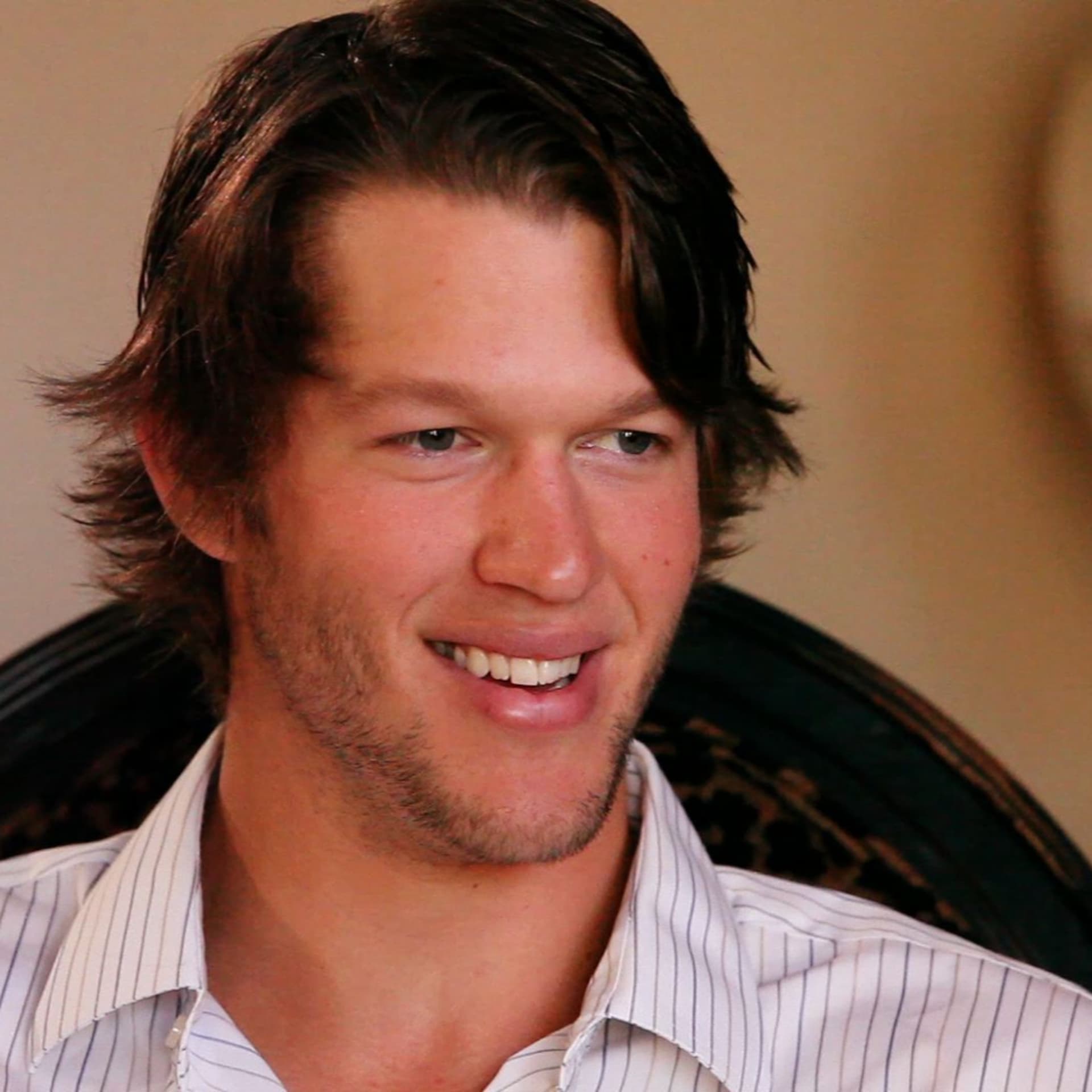

In short
Clayton Kershaw discusses his mindset and routines as a Dodgers ace, the pressure of postseason expectations, and how faith and purpose beyond baseball shaped his life. He also explains the origin and goals of Kershaw’s Challenge, including orphanage work and plans for school/classroom and community-center expansion in Africa.
Guest backgrounds
The episode features Clayton Kershaw as the primary guest. The host is not identified in the transcript. Mentions include his wife Ellen Kershaw (co-founder/major driver of the charity’s Africa involvement) and teammates Sean Talleson and Jason Schmidt (prankster), plus former Dodgers scouting director Logan White and catcher Brad Ausmus (quoted).
Key claims
Kershaw says he never expected to win awards or the World Series; he describes postseason doubt as lasting until the next start. He credits routine for bullpen confidence and says he doesn’t watch himself on video. He frames baseball and charity as ways to glorify God, citing Colossians 3:23.
Notable examples
a high school five-inning perfect game (mercy rule) with Dodgers scout Logan White present; his 2008 minor-league call-up secret; Jason Schmidt’s jersey prank on his first big-league day; Africa trips including Rwanda gorilla trekking and Kibera slum conditions; charity origin from “Hope,” an HIV-positive girl needing food and a home; orphanage ages 1–18 and plans to expand Destiny School classrooms (reducing class sizes from 50–75 to ~20–30).
Written by AI. May contain mistakes. Listen to the episode to check what was said.
Chapters
Tap a time to open that second in VOKershaw's Early Dreams and Challenges
0:04 to 0:26
Kershaw shares his childhood dreams and early challenges in baseball.
“It can help you with practically anything on the web, like restoring a vintage motorcycle from a 50-page restoration block, or finally break down that long article you've had open for weeks.”
Kershaw's Early Dreams and Challenges
0:45 to 1:32
Kershaw shares his childhood dreams and early challenges in baseball.
“hall of famer had gained the reputation as a post-season failure you know you definitely don't want to fail your last game.”
Postseason Pressures and Mindset
1:32 to 3:00
Discussion on Kershaw's postseason failures and his game day focus.
“and that's where our conversation began.”
Inspiration for Charity Work
3:00 to 4:35
Kershaw discusses his charity work and its impact on African communities.
“like fun stuff to do and we're there we've got South Africa we went down in shark cages oh wow those are where all the sharks are yeah you have like 10, 12 foot, you know, gray white sharks swimming all around.”
Offseason Training Routine
4:35 to 6:41
Insight into Kershaw's offseason workout regimen and travel preferences.
“And it's just, it really is just a huge honor.”
Reflections on Winning the Cy Young
6:41 to 8:12
Kershaw reflects on the significance of winning the Cy Young award.
“And then obviously it's pretty cool when you do.”
High School Perfect Game Experience
8:12 to 9:39
Kershaw recounts his perfect game in high school and its impact.
“Because when you're a kid, you never really think about the odds or the negative side of it.”
Pranks and Teammate Memories
9:39 to 11:03
Kershaw shares humorous stories about pranks with teammates.
“What was a good game for Logan White, the scouting director for the Dodgers, happened to be at that game.”
Minor League Call-Up Experience
11:03 to 12:39
Kershaw narrates his experience of being called up to the Dodgers.
“Whatever we did, I'm going to blame on him.”
First Day in the Big Leagues
12:39 to 15:17
Kershaw describes the mixture of excitement and embarrassment on his first day.
“We had, you know, probably 20 or 25 people at my opening, my first game, and it was pretty cool.”
Show all 37 chapters
Journey to Africa: Overcoming Hesitations
15:17 to 16:49
Kershaw discusses his initial reluctance to visit Africa and his transformative experience there.
“Kershaw's Challenge, your charity, obviously you and your wife Ellen have spent a considerable amount of time now in Africa.”
Understanding Poverty Through Experience
16:49 to 18:59
Clayton reflects on the stark reality of poverty he witnessed in Africa and the joy of its children.
“And that was pretty awesome to see, too.”
Kershaw's Challenge: The Birth of an Orphanage
18:59 to 21:01
Clayton explains how the idea for his charity and orphanage stemmed from his connection with a girl named Hope.
“And I think that's just, the better you do, the more you give.”
Future Goals for the Community Center
21:01 to 22:45
Clayton outlines plans for a community center aimed at supporting local families and promoting self-sufficiency.
“And to give this some context, some of these areas are places where no electricity, no sewage, no running water.”
Music Motivation Before Games
22:45 to 24:33
Kershaw reveals his surprising workout music choices and how they energize him before pitching.
“And that would be a really cool thing to see.”
Game Day Mindset and Routines
24:33 to 26:39
Clayton discusses the mental preparation and routines he follows on game days to manage nerves.
“Yeah, my teammates, Ellen says I've gotten better on game day about, you know, being able to communicate a little bit in the morning.”
The Importance of Routine in Pitching
26:39 to 29:05
Kershaw emphasizes the significance of maintaining a consistent routine to enhance his pitching performance.
“Does the game tape that you watch of opposing hitters help at all?”
Nerves and the First Pitch
29:05 to 30:47
Explore the emotions and mental processes that pitchers experience before throwing their first pitch in a game.
“I always look, I always kind of look around at the stadium and just kind of, to kind of gather my surroundings a little bit and just kind of know, just kind of gain some feel a little bit.”
Managing Emotions on the Mound
30:47 to 33:08
Discover how pitchers handle emotions during a game and the importance of staying composed.
“So I think that everybody has that type of nerve situation.”
Offseason Training and Recovery
33:08 to 34:39
Understand the challenges of offseason training and the importance of recovery for pitchers.
“Your wife was saying, I think it was maybe LA where you guys were after the season ended.”
The Pain of Playoff Losses
34:39 to 36:56
Hear about the emotional impact of losing a playoff game and how it affects players long-term.
“So, you know, by the time the offseason rolls around, you need to start trying to build it back up again.”
The Reality of Making Playoffs
36:56 to 38:37
Learn about the reality of playoff opportunities and the importance of valuing each season.
“And, you know, I think until you pitch that next game, you know, you're always going to have doubts.”
The Journey of Love: Clayton and Ellen
38:37 to 41:02
Follow the story of Clayton Kershaw's long-term relationship with his wife Ellen, from high school to marriage.
“And this year was his first year with Tampa to get to go to the playoffs.”
The Proposal Story
41:02 to 42:00
Listen to the charming story of Clayton's proposal to Ellen and the thought that went into it.
“And then I've always said family is what you make it.”
Clayton's Proposal Story
42:00 to 43:51
Learn about the thoughtful details behind Clayton's proposal to his wife.
“We were definitely familiar with each other by then.”
Faith Journey and Understanding
43:51 to 45:54
Explore Clayton's evolving relationship with faith and its significance in his life.
“She had to have known something was up at dinner.”
Cultural Shock in the Minor Leagues
45:54 to 48:26
Discover how Clayton navigated his faith in a diverse minor league environment.
“And I think that's kind of what it's all about.”
Skip Johnson's Impact on Mechanics
48:26 to 51:03
Understand how Coach Skip Johnson helped Clayton improve his pitching mechanics.
“Yeah, well, you know, I didn't have a whole lot of, like, pitching lessons, per se, growing up or anything like that.”
Learning from Sandy Koufax
51:03 to 53:24
Hear about Clayton's experiences with the legendary Sandy Koufax and the lessons learned.
“And you've credited having control of your slider as kind of a significant turning point?”
Draft Day and Letting Go of Control
53:24 to 55:50
Explore Clayton's reflections on draft day and his journey to relinquishing control over his future.
“but just talking the mental side of it with him and just seeing how simple he made things, it was pretty cool for me.”
Becoming a Millionaire Overnight
55:50 to 56:01
Discover how Clayton managed the transition from financial struggles to sudden wealth.
“Worrying is kind of a, it's not a trusting thing.”
Finding Purpose Beyond Baseball
56:01 to 56:44
Explore how Clayton Kershaw's perspective on life has evolved and his faith in a bigger plan.
“Until you realize that somebody has a bigger plan for your life than you.”
Wealth and Responsibility
56:44 to 59:19
Kershaw discusses the impact of sudden wealth and the responsibilities that come with it.
“One of your friends told me you go from basically having, you know, no money in your wallet at the time to becoming a millionaire overnight.”
Commitment to the Dodgers
59:19 to 1:00:08
Kershaw shares his thoughts on his future with the Dodgers and his excitement for the upcoming season.
“To what extent, I mean, even the first few years of your big league career, have you found you kind of have to take a crash course in finance?”
Dominance in Ping Pong
1:00:08 to 1:00:56
A light-hearted discussion on Kershaw's ping pong skills and his enjoyment of the game.
“So ping pong, you said you're pretty dominating.”
Idolizing Will Clark
1:00:56 to 1:02:32
Kershaw reflects on his admiration for Will Clark and the impact of meeting his childhood idol.
“And then from there, it's still the same table.”
First Fame Experience
1:02:32 to 1:03:26
Kershaw recounts his first experience of fame right after being drafted by the Dodgers.
“And Ted Lilly, who is with the Dodgers, I became pretty good buddies with him him and I got to talk to him a little bit and We got to take a picture with him.”
Transcript
Automatic transcript. May contain errors.0:01This episode is brought to you by Google Chrome. You think you know a browser, but Gemini and Chrome, that's new. It can help you with practically anything on the web, like restoring a vintage motorcycle from a 50-page restoration block, or finally break down that long article you've had open for weeks. Gemini and Chrome is here for it. Ready to make anything online make sense? There's no place like Chrome. Check responses set up required, compatibility and availability varies 18+. this week on the in-depth podcast clayton kershaw the three-time cy young winner talks about his early dreams of making it to major league baseball i think any kid you know you want to be a professional baseball player but the dream never really goes past that so uh it definitely you know is beyond anything i ever dreamed about but before his 2020 world series triumph the future hall of famer had gained the reputation as a post-season failure you know you definitely don't want to fail your last game.
0:55And you know, I think until you pitch that next game, you know, you're always going to have doubts. The Dodgers star opens up about that disappointment as well as his game day mentality. There will be times when teammates come up to you and say something to you and you just won't hear them because you're like that focused. And the inspiration for his charity's work in the poorest regions of Africa. With an orphanage, you get to help maybe 10 kids out at a time. But with this, hopefully hundreds are moving in and out and in and out, and that would be a pretty cool thing. When we sat down in November 2023, Kershaw was just coming off his second Cy Young Award, and that's where our conversation began.
1:37So how soon after the season do you start working out? I did a week of nothing, and then a week of running around, doing cardio, playing basketball and stuff. and then start lifting again. And you get pretty antsy? Yeah, I get really antsy. I'm not a big sit-around guy. Yeah. Yeah, I got to go do something. So, you know, I'll either run around the neighborhood or, you know, we have that basketball court right across the street. I'll go play over there some. Does the travel wear on you during the season?
2:08I don't know. I definitely, I don't know why, but I guess definitely when I'm here in Dallas, I don't ever want to go anywhere. So during the offseason, I just kind of, I like to stay here. maybe that might be a result of traveling so much but other than like time zone change and stuff it's not that bad yeah yeah just telling ellen i've uh i got people looking yeah yeah uh telling uh ellen i spent time in africa too uh been to uh rwanda tanzania kenya and south africa cool um not i mean probably like six weeks there or so yeah a couple years and it's like you always like after you go you want to get back every year and then it's like life just kind of gets in the way I know that's an amazing part of the world though it is yeah it is if you ever have time like we were in maybe some of the like fun stuff to do and we're there we've got South Africa we went down in shark cages oh wow those are where all the sharks are yeah you have like 10, 12 foot, you know, gray white sharks swimming all around.
3:16I bet that was pretty cool. Yeah, it was really cool. And then they have, like, the world's highest bungee jump in South Africa. And then Rwanda, you can go gorilla trekking to see, like, the almost extinct mountain gorillas. Oh, wow. Obviously, that's, you know, a lot different than... Yeah, we've been to Vic Falls a few times in Zimbabwe, and I've done the... The zipline thing? Well, I did the... I kind of did the bungee jump. They call it a swing. Okay, it's basically instead of head first its feet first. Okay, it's almost weird scarier but like basically just free fall straight down and then the instead of just like hanging there the swing catches you and you Start going like this.
3:54Yeah, it was pretty fun though. Where was I think it was China or somewhere There's a famous one somewhere else where somebody was doing it in the thing busted. Yeah, same spot Oh, it's in Bob. Okay. Okay. I thought it might Yeah, probably not the smartest thing I've ever done, but it was fun. Good story. So, I mean, first, Cy Young. How satisfying is it to win? It's definitely a cool feeling. I'm not really sure. You never expect to win anything like that. You know, growing up, you always think about trying to make it to the big leagues and doing that type of stuff. But you never think about actually winning awards or winning a World Series or things like that.
4:31So, you know, to get to do that and get to be associated with those names is really cool. And it's just, it really is just a huge honor. And it's interesting. You said that in, I read your book and enjoyed it. And you talked about in your book how, you know, your dream was to make it to the big leagues, but you never really dreamed of doing anything special. Yeah. Well, I mean, yeah, I think any kid, you know, you always want to, you know, I love baseball. And so obviously you want to be a professional baseball player. But the dream never really goes past that. You just want to be in the big leagues.
5:03And, you know, you don't really think about all that other stuff that, you know, you want to have success, you want to, you know, win World Series and things like that. So it definitely, you know, is beyond anything I ever dreamed about. And it's fun. How did you celebrate? Yeah, so we had some really good friends and family over here, you know, just people kind of close to us. And, you know, that way if the, you know, it didn't go our way, if we didn't win or anything like that, at least we'd, you know, still have a party anyway. Did you really think there was any chance that you wouldn't win?
5:35You never know. You never know. You never want to assume anything. You never want to, especially it doesn't look great if you have a big blowout party before, you know. So we just wanted to make sure to, you know, kind of keep it toned down. And then, you know, after that, we started telling people to come by and say hi and stuff like that. So we had a fun time, though. Your friend and Dodgers teammate, you know, Sean Talleson said when he was talking to you, if you didn't win it, you really would have felt like you lost. What's the kind of mindset there? Is that just kind of because you're so competitive?
6:08You know, I don't know if it's a, you know, I guess you do kind of in a way lose the, you know, but to be associated, be a finalist is pretty cool in itself. But once you get to that point, obviously you want to win. So, you know, you don't really think about it. But ever since they started naming these three finalists, you kind of let yourself start thinking about it a little bit. And, you know, even last year, too, when I got second, you know, all right, Dickie won. And I knew I had a pretty good idea that RA was going to win. But still, there's still that glimmer of hope, you know, when you're doing all the interviews and people are coming to your house that, you know, hey, I might actually win this thing.
6:40So, you know, I guess there's a little bit of disappointment if you don't win. And then obviously it's pretty cool when you do. We were talking about big league dreams when you were growing up. There was a student leadership class that you took in high school. And I think because you were going after your wife, Ellen, at the time. but there was a topic that came up about dreams and influential people, and you speak about in your book how that was actually kind of a defining moment for you. Yeah, well, you know, I never wanted to take any extra class than I had to, so Ellen's mom had signed her up for this leadership class, and, you know, I started thinking Ellen was pretty cool, and I wanted to hang out with her a little bit more, so I figured I'd get in good with the parents and go to the class, and it was a leadership class, he was talking about getting acclimated into high school and starting to do some extracurricular activities or sports or whatever it may be.
7:32He started talking about dreams and what you might want to do now to get to that point. He started asking people what they want to do. I was kind of bluntly, but matter of fact, I just kind of said, I want to play baseball. I want to be a baseball player. He wasn't intentional about it, but he started rattling off all the stats about all the odds that are against you. And 1 % go to college, and then 1 % of that goes to the minor leagues. And just there from there and there and there. So I kind of took that personally a little bit. It kind of motivated me in a way just to be like, hey, who are you to tell me what I can and can't do?
8:06Did it really bother you at the time? It did. I kind of got upset a little bit. I just wasn't expecting that response. Because when you're a kid, you never really think about the odds or the negative side of it. You just want to play baseball, and it's going to happen. You don't really think about that until you get a little older. And this is a teacher, too, somebody that's supposed to be encouraging. Yeah, well, I don't think he meant it like that. I think he was just trying to kind of be a realist. And it was good for me, though. I never really thought about the other side. Well, this might be kind of hard, and it's not just going to be handed to me.
8:40So I think that was good for me to motivate me and work at it a little bit. I want to take you through some of the notable games throughout your career, one of which in high school. You're playing Justin Northwest High School playoff game, and you pitch an all-strikeout perfect game. At what point in that game did you really know something's going on here? Well, I have to be honest. It was just five innings because it was a mercy rule. But perfect game's a perfect game. Yeah, I mean, it was – so you don't really think about it, though, because it was only five innings, and you play seven innings in high school.
9:15So I hadn't let myself think about it. But, you know, we ended up scoring that 10th run. We won 10-0, and it just kind of happened like that. I didn't really – I don't think I even realized what happened until after the game had ended and people started telling me what was going on. You didn't realize you struck out every single – I don't remember now. I might have known, but I think I was probably focused on pitching the next inning. So I didn't really think about it. But it was cool. What was a good game for Logan White, the scouting director for the Dodgers, happened to be at that game. And that worked out well.
9:46I'm glad he was there for that one. Right. I mean, was the crowd into it at the time or was it kind of? Seven years ago. I can't really remember. You know, I think, you know, it was really fun. I do remember that. I do remember, you know, people coming up to me after the game and, you know, telling me congratulations and things like that. And it was a playoff game, so it didn't mean a lot for us. And, you know, it was just, I really didn't think about it a whole lot. I think you guys, from talking to Sean Tollison, you guys used to have fun playing ball and on the road, you guys would travel and all of that.
10:25He told me you guys used to kind of play pranks and whatnot. How about a Tulsa, Oklahoma hotel room when there was like all the games were rained out? and I guess six guys in a bed and the maid walks in? Yeah, I mean, I couldn't even go into. Sean is such a big prankster. We had a lot of fun. Yeah, it's pretty cool. I've known Sean since we were 13 or 14, so to be on the same team now when we were 13 is pretty special. But, yeah, he is a really good prankster. I just tried to follow along. I'm going to blame it all on him. Whatever we did, I'm going to blame on him. You guys do anything now? Prank-wise, Sean's a big scarer.
11:10He loves to scare people. So we lived together. We kind of did him and his wife and me and my wife lived together in spring training. And it's kind of fun for six weeks just to kind of hang out. But we just, it was, I mean, every time you turn a corner, you got to be careful because either Sean or somebody is trying to scare the bejesus out of you. So it was pretty fun. We got some good laughs out of that. How about May 2008, you're playing for the Dodgers minor league team, the Jacksonville Suns. It's a game against the Carolina Mudcats, and you're pitching. And after the first inning, the manager pulls you.
11:45Yeah, yeah. Take it from there. Well, I thought I did something wrong. You know, I was like, what is going on? You know, I asked our manager, you know, what's the deal? And he said, don't worry about it. Just go in the clubhouse and hang out because you can't tell me anything yet. And so. And genuinely you thought something was wrong? Well, I started getting, after I started thinking about it, I was like, what could possibly this be about? And, but so I had eight innings to think about it until the game ended. So I'm sitting in the clubhouse and I'm like, what is going on? You know, and after the game, he calls me in the clubhouse and, you know, tells me that, you know, I got called up.
12:17And it was a special time for me. I still remember it. You know, he tells me I can't tell anybody family-wise because, you know, the other person on the Dodgers is going to get cut or released. and he doesn't know yet, so don't tell anybody until we tell him. But I couldn't hold it in. I went and called Ellen. I went and called, you know, I told her to just kind of round up as many people as you can and get to L.A. And it worked out. We had, you know, probably 20 or 25 people at my opening, my first game, and it was pretty cool. Well, you said it was when you actually found out. You wrote it was the most ridiculous feeling you've ever experienced.
12:52Yeah, I mean, it was. Like, in what ways? Just, I think, during the minor leagues when you play all that time, you always know that that's what you're working for. But during the season, you don't really think about that. You're just kind of playing. And so once it hits, it's like the initial shock, like, oh, my gosh, my dreams come true. I'm going to the big leagues. And then a matter of, oh, my gosh, I really have to do this. I have to get people out. I want to stay up there. And so there's a little bit of fear, a little bit of anxiety, a lot of excitement. It's just kind of a whirlwind. What did you say when you called the first person?
13:27I said, Ellen, don't tell anybody, but I got called up. Ellen, she's probably one of the more enthusiastic people in the world, so it's really fun to get to celebrate things with her. She was just so ecstatic for me, and I think I was still kind of in shock. But once she started celebrating and I heard her excitement, I started getting excited too. So how does Jason Schmidt play into the first day with the big league club? Yeah, well, Schmitty, he's a prankster too. You know, he was kind of an older veteran guy, but he loves to joke around and stuff. So, you know, I'm pitching the Sunday day game, and I show up Saturday night, and I get to watch the game.
14:10And, you know, Jason, they put my locker right next to his, and, you know, I'm not really thinking about it. and I kind of just reach into the locker and grab what I thought was my jersey, and it happened to be his, and he noticed right away, so he told everybody in the clubhouse not to say anything. So I walk out for the National Anthem, and we all have to stand on the rail, and Jason thinks it's hilarious. The National Anthem starts, and they just pull up on my face, and then they go straight to the back, and it says Schmidt 29 on it, and I'm like, oh, my gosh. First day in the big leagues. And, I mean, the whole team was just cracking up.
14:49It was a good welcome to the big leagues moment. Were you having fun with it at the time, or were you like pretty? I was embarrassed. Yeah, I was embarrassed. I really was. It's one thing if you know a joke's happening, but if you literally have no idea, it's a little bit different. Did anybody say anything to you afterwards? Yeah, I mean, I went straight into the clubhouse and changed. But he actually was wearing my jersey too. So it was – he just – but he knew it was going on, So he enjoyed it a lot more than I did. Kershaw's Challenge, your charity, obviously you and your wife Ellen have spent a considerable amount of time now in Africa.
15:25I understand before you first went there was a reluctance, hesitation on your part to actually go over there. Yeah, well, you know, there's a lot of anxiety that goes into going over there, I think. And, you know, Ellen had talked about it forever, And once she came back from that first time, I knew I was going to have to go because it was such a big part of her life. And I say have to because it wasn't really on my heart. It really wasn't a passion of mine. But I wanted to support her in that. And so when I went over there, you talk about going in January, you still got to work out, you still got to throw.
16:06I was worried about all that. I was worried about the flights, just how long it takes to get over there. But once I got there, it was eye-opening. All the stuff that she talked about, she really just said, you just have to see it. And it's really true. I got off the plane and went straight into the villages and just started seeing everything. And it really does, it opens your eyes. And it was a really incredible experience. How would you describe what you saw the first time you went? You know, you understand that Africa is a third world country, but until you go over there and you see the living conditions that some of these people are living in, it touches you.
16:48It's hard to see. But then the other thing I noticed right off the bat was these kids that are running around the streets, they're smiling, they're joyful, their culture, they're just so happy with, as long as their basic needs are met, they're a really happy, happy culture. And that was pretty awesome to see, too. And it kind of, I started thinking about back here, if we don't get the right Christmas present, we're upset. And these people, if they have the right food, clothing, and shelter, they're the most joyful culture I've ever seen. Right. And you don't realize, and really under, you were talking before the interview, and I mentioned I spent some time in Africa, too.
17:26And you don't realize how dire the poverty actually is in some of these areas. until you actually can see it firsthand, because nothing you see in a magazine or on TV can really do it justice. Yeah, I mean, until you make it real, until you really see it and feel it and understand what these people are living in a day-to-day culture and society, it is tough to explain. And Ellen would try. But she kind of said, until you go over there, you're really just not going to understand the part of my life. So, you know, three weeks after we got married, I was over there with her. Was that the honeymoon?
18:07Well, we actually had a honeymoon before, but it was a tough off-season travel-wise. But, yeah, it was well worth it. That was the thing that impressed me, too. I spent time in Kibera slums in Nairobi, Kenya, like 800 ,000 people living on 600 acres. And these kids who, I mean, malnourished, you know, have limited hope. I mean, they're running around with a smile on their face. And you said it wasn't depressing. Yeah, well, I think that's kind of the whole thought behind Kershaw's Challenge. You know, our charity is that, you know, we didn't do anything to deserve what we have. And it's just a huge blessing that we get to be in this country, get to go home to warm meals and get to sleep with the roof over our head and stuff like that.
18:53And so with that in mind, to whom much is given, much is expected. And so we want to be able to give back. And I think that's just, the better you do, the more you give. That's kind of the way Kershaw's Challenge is kind of the theme of it. And we want to be able to help people. And it's just, you know, it is tough to see, but, you know, and it gets overwhelming because you see so much poverty and you're like, well, what can one person do? But, you know, once you get going, once you just take that first step, you know, the steps align pretty easily after that. So you have an orphanage that you guys have created.
19:32I believe nine orphans live there now, ranging in age from one who's five or six to 18 years old. How did the idea really come to fruition for the orphanage? Hope, a little girl named Hope. That's probably the starting point for all this. She was a fighter, but she needed help. And Ellen kind of instantly felt the connection with her and called me. And she just said, I don't know why, but we need to do something. And so we started sponsoring her. And we were able to get her some food and some medication. She's HIV positive and she just needed her meds, but in order to take her meds she needed the right food to combat the medicine.
20:17That was a good starting point, but she needed more. She needed a family. She needed a place to call home. That's what started Kershaw's challenge, kind of. We wanted to build a home for her and give her a spot and now she's doing great. I think she might be 14, I think, by now, or 13 or 14. She is just doing great. She's one of the nine in the orphanage. She's got house moms that love her to death, that take care of her. She's going to school every day, just like all these other kids. And that's the reward of what we get to see, is see this kid that might not have made it to where she is now.
20:58And it's a pretty cool thing. And to give this some context, some of these areas are places where no electricity, no sewage, no running water. Meals are consistent meals or rarity for people that live in some of these areas. And you could see a 12-year-old girl raising her brothers and sisters in a shack that they live in because they don't have parents. They've died of AIDS. Tell about the plans that you guys have to renovate the school and then build the community center. Yeah, so the orphanage is running great, and obviously we're going to still support that and make sure that that's always up and running and a good spot for these kids to go.
21:43But we've also worked with a school called Destiny School, and it's probably a 15-minute, 20-minute drive from the orphanage, and we've met with their headmaster over there, and they do great work. They just are confined in their space. You know, they've just got too many kids in one class. And so the money that we raise this year is going to go towards building some more classrooms onto the school and really just expanding it and, you know, giving these kids a better chance to learn. So there's, you know, 20 or 30 in a class as opposed to 50 or 60 or 75 even at times. And that's what the majority of the money is going to this year.
22:17And then, yeah, our overarching theme is we kind of want to build just like a place where people can go, you know, maybe not spend the night there, but at least can go. and get a meal and just kind of maybe go to a microfinance class and learn how to make money and so they can kind of be self-sufficient. Just things like that. We're calling it a community center. That's kind of a longer term goal. But hopefully in the next few years we can start building on that. And that would be a really cool thing to see. I think it can touch a lot more people because with an orphanage, you get to help maybe 10 kids out at a time.
22:53But with this, hopefully hundreds are moving in and out. and in and out, and that would be a pretty cool thing. I was told to ask about the music that you use to get yourself pumped up. That was probably more of a high school thing. But it's not. I mean, it's kind of funny, some of the songs you have playing in the Dodgers facilities as you're working out. I mean, they aren't exactly the hard rock songs that you'd expect. to be a big time pitcher to be blaring. So, you know, workouts, day one is so, I call day one the day after you pitch. And so that's a really fun day for me. I get to go in there and just kind of get to blow it out workout wise, running wise.
23:40And it's always fun when you get a group in there and you're kind of working out together. It's just a lot more fun that way. But I definitely like to blare some music in there and just kind of, I call it getting weird. A lot of guys, you know, started getting on the bandwagon with me. So it was pretty fun. Yeah, but getting where, you know, Ellen put Beyonce in the book that you would blare that going to the stadium. So then I asked some of your teammates and I heard it was, you know, in addition to Beyonce, Taylor Swift, Kelly Clarkson, Avril Lavigne. Those are the go-tos. They're all classics.
24:13They really are. They're good songs. I mean, but those are, it's like the pop songs. You know, I like the pop songs. I'm starting to like the electronic house music, just the beats that go on and on and on. So after three hours, your head's just about to explode. But that's pretty fun, the remixes and stuff like that. I understand on game day when you're actually pitching, there will be times when teammates come up to you and say something to you, and they're literally looking right at you, and you just won't hear them because you're that focused. Yeah, I don't know. Yeah, my teammates, Ellen says I've gotten better on game day about, you know, being able to communicate a little bit in the morning.
24:57I used to just kind of, not like mean or anything, but just kind of like emotionless. Just kind of like, not a fun person. Not a lot of personality. Why do you think that is? I don't know. I guess I have like maybe some anxiety about pitching that night. And, you know, I'm just thinking about it too much or something. But I think before I get to the field, I've gotten a lot better about that. But yeah, once I get to the field, like I think I'm still able to talk to guys and I'm still able to communicate But you know, I definitely don't want to just shoot the breeze You know, I'm not just sitting there, you know one to you know ask guys how their day was Well, and it's interesting because your teammates have said that you've also noticeably gotten better with that Like you'll hear things more that they say to you now than was the case, you know, even a year or two ago Yeah, I think it's just I don't know whether I just thought I had to be that way but it definitely helps me a little bit.
25:50I definitely have something in the back of my head that I have to pitch that night, and so I think that keeps me from wanting to bounce off the walls or wanting to laugh with guys like I usually do every other day, but I think I've definitely gotten better and able to at least talk to guys and be normal a little bit. What are you thinking about on game day? I mean, hopefully I can get some guys out. I think nothing too specific. I mean, is that it? Or are you anxiety-filled? Well, I get nervous. I get nervous for every time I pitch. And so I think that, for me, is a good mechanism to just kind of focus on what you've got to do and maybe sometimes think about certain pitches and, oh, I want to strike this guy out.
Read the full transcript
26:33And so just kind of visualizing it and stuff like that. It's kind of always on replay throughout the day and stuff like that. Does the game tape that you watch of opposing hitters help at all? Yeah, I watch, I never watch myself on video. I don't like doing that. Really? I know what I've done, so I don't need to see it, but, you know, I like watching, you know, other left-handed pitchers face the team that I'm pitching against. Really, not to watch what they do, but just kind of get a feel of what the guys in the batter's box are going to do, where they're standing, you know, what they're, just kind of what they look like, just to get familiar with them, and, you know, I'm not a huge studier, but I definitely want to be prepared and not see some guy that I've never seen before in the batter's box.
27:17I want to at least know what he looks like up there. Back when you were 21, catcher Brad Ausmus said about you, a lot of young guys with bullpens, they're just going to throw and throw, throw and throw, throw their pitches until it feels right. The pitching coach usually has to drag them off the rubber. Clayton sticks to his routine regardless of how he feels, and he sticks to that routine every single bullpen. The only guy I've ever seen do that is Roger Clemens. Explain why. Save your bullets. You know, I mean, I think it's twofold. You know, I don't ever want to blow it out in a bullpen because, you know, you're not getting anybody out.
27:55It doesn't really matter. And then the other thing. I mean, it's a conscious decision. Yeah, for sure. You know, there's bullpens that are terrible that, you know, I understand. A lot of guys just want to keep throwing until they feel better. But, you know, I think by that point during the season, you just got to have enough confidence to know that, hey, it's going to be right when you go out there. You're going to be fine. And, you know, then the other thing is, too, is that, you know, I'm a big routine guy. And I don't like to say superstitious, but I'm a big routine guy. I like doing the same stuff every fifth day.
28:25So that's the same goes with bullpens, too. Why does the routine help you? Well, I think my rationale behind it is, you know, every fifth day, I want to make sure that I've done everything I possibly could to be ready for that start. And so if I pitch bad, I don't want to have in the back of my mind, well, if I didn't change that, if I did that, then I don't want to have that in the back of my mind. If I didn't pitch well, I just want to know, hey, I didn't pitch good. And that's it. So for me, that's probably the main reason why. What emotions do you have as you're actually taking the mound? Yeah, that first time, nervous.
29:03You know, I definitely, you know, I always look around. I always look, I always kind of look around at the stadium and just kind of, to kind of gather my surroundings a little bit and just kind of know, just kind of gain some feel a little bit. I always look around and then throw my warm-up pitches. And after, you know, once the, once that first pitch is thrown, you know, I guess it's like for me, what I say to myself is, I remember how to do this. I'll be okay. But until that first pitch is thrown, you never, you know, you just, there's just, what if, you know, what if I can't even throw a strike today?
29:39What if I walk the first four? You know what I mean? Just things like that that, you know, are constantly running through your head. But until I throw that first pitch, you know, ball or strike, just to know that I can at least throw it and it's somewhere near the plate, I feel, I just gain instant confidence and then I'm good to go from there. What is it about the first pitch? Obviously, you can throw. I mean, just to make sure that, well, you never know. I mean, you never know. Like, you warm up, but you go out into that game, and it just takes a second. It just takes that one pitch against a batter to know that, you know, you can compete, you can do this.
30:14You've done this before. This is normal to you. And, you know, maybe it's a little over the top, but for me, I just need one pitch. You're obviously around other pitchers all the time. And to what extent do they share similar feelings walking to the mound in that first pitch? I think every pitcher feels the nerves. I think every starting pitcher especially, I think that just shows that you care about what you're doing. You don't want to fail. And I think any time you don't want to fail at something, there's going to be some nerves because you want to succeed and you don't know if you're going to do it or not.
30:48So I think that everybody has that type of nerve situation. and I don't know if everybody kind of feels that after that first pitch. It might be after they're done with their bullpen. They're good. You know, I do feel like there's a certain time, though, when the nerves switch off and you feel confident in what you're doing. You mentioned you look around the stadium. What do you see? What do you hear when you're up there on the mound? I just kind of soak it all in just for a split second. You know, I'll look up into the right field and just kind of soak it all in, really. Just kind of try to understand what you're doing and where you're at and not too many people get to do it and just kind of be thankful for that and then go compete after that.
31:33What about once the game starts? I mean, do you see or hear anything outside of it? I just try not to think once the game starts. I'm not a big thinker. I have to just go compete. Really? Yeah. I mean, so you aren't thinking about even certain pitches? You try to think about the next pitch, But other than that, I mean, I'm not, you know, oh, this guy, I need to throw this here. You know, at the end of the day, just go compete and don't let anybody get a hit and just be an absolute bulldog out there. And, you know. That sounds pretty elementary. Yeah, I mean, never get tired, never show weakness, and just go out there and absolutely dominate somebody.
32:10Have there been moments where you've had to avoid showing weakness or try and. . . You know, you're going to get emotional at times. You know, you're going to be upset with a call or you're going to be frustrated you gave up a hit or something like that. But, you know, I think showing a little emotion is okay. You don't need to be a stone face out there. But, you know, you definitely have to hold some back for sure. You're supposed to take two weeks off after the season to give your body a rest, you know, take some time. Yeah. But you have a really difficult time doing that, right? Yeah, I mean, I take a week.
32:43I do take a week, but I feel like my body almost feels worse when I stop doing stuff. So like after that week, I feel way worse than I ever did during the season. And so I try to get going. And then the next week, you know, even if I, you know, I'll go shoot hoops. So I'll go run around the block or, you know, ride the bike or do something. And that kind of triggers it again. And I start feeling, as long as I can sweat a little bit every day, I feel like that's great. But then after those two weeks, you know, you start getting into lifting again and getting into the fun stuff. Your wife was saying, I think it was maybe LA where you guys were after the season ended.
33:17You were at some event. You come home at like 10 o 'clock at night, and she says, you know, just go work out tomorrow. And your response is something to the effect of, well, somebody started working out today, and I don't want to be a day behind all offseason. Yeah, you don't. You know, there's always minor league season ends a month earlier than you, so they get more rest. So they're going to have that extra time to get ready to go. And we went into the playoffs. So the 20 whatever other teams that didn't make it to the playoffs, they had that extra rest. So for me, it's almost like you're kind of behind the eight ball immediately because you went to the playoffs.
33:54But why? Because they get that time. While we're playing still, they're resting. So by the time that we're done with the games, they're already lifting. So we're already like two weeks behind. And in your head, what difference does it make? Well, two weeks is a big deal. Two weeks of lifting is a big deal, so you've got to catch up fast. You can't take any extra days. Really? Yeah. So will you, because of that, not really allow yourself the full time that maybe you're... Yeah, definitely throwing, you've got to take the normal time. I'm a big believer in that. You definitely have to let your arm recover.
34:29But as far as lifting and stuff, it gradually... Once the season starts, your lifting gets a little bit easier, and then towards the end of the season, it even gets a little bit easier. So, you know, you're already losing strength, whether you want to or not, throughout the season. So, you know, by the time the offseason rolls around, you need to start trying to build it back up again. I'm sure your favorite topic, the National League Championship Series, Dodgers-Cardinals, Game 6. You end up, you know, I think giving up 10 hits, 7 runs. The Dodgers end up losing the game. the Cardinals advanced to the World Series.
35:10How hard was that loss for you to take? It was pretty tough. I mean anytime your season ends it's no fun. So and then you know when you're a main reason why it ends it's also not a great great feeling. So you know we didn't you know we didn't score any runs that day so that makes me feel a little bit better even if I pitched awesome. But you know at the end of the day you know we didn't I didn't pitch well and you know who knows if I'd given up one or two runs they might have felt like they were in it and they might have scored some runs too so you know you can't help but feel you know pretty responsible for that and you know it's it's never a good feeling.
35:47I know some of your childhood buddies had driven up for the game so after the game you guys spent time in the hotel they were joking with you got you laughing a little bit how much does something like that help in getting over it? Yeah I mean it definitely helps the initial shock value of it you know you kind of kind of have to move on quick when those guys are there and uh you know they obviously they don't they don't care much they just you know they're going to be my buddies regardless but uh you know even even flying back with the team the next day all the guys were you know pretty normal and joking around saying great season and stuff but you know until you kind of digest it for yourself it took me a lot longer than a day or two yeah how long did it take uh i don't know i'll let you know when i get there Really?
36:34Yeah, I mean, you always have a bitter taste in your mouth. I mean, I still... Like, what do you still think about? I mean, it's still no fun to talk about. It's still no fun to think about. And so that probably means that I'm not completely over it yet. You know, I'm not staying up at night thinking about it. But it's definitely not... You definitely don't want to fail. You know, you definitely don't want to fail your last game. And, you know, I think until you pitch that next game, you know, you're always going to have doubts. I mean, your friend and close friend and teammate Sean Talleson said, I mean, it was obviously kind of devastating and that you'll think about it all offseason long.
37:15How true? Well, I mean, there's some truth to it. You know, I'm not going to think about it every single day. But, you know, it puts a damper on the season that we had. And I think until opening day, you know, it's the last game we played as a team. So, you know, there's something to be said for that. To what extent is it great motivation, though? I don't need any motivation. I'll be, you know, I definitely want to go past that. So, you know, I definitely don't want to, you know, you don't get to go to the playoffs every day. So every season, you know, it's definitely something where you don't ever want to fail like that again.
37:54So, yeah, I mean, I guess it could be like fear of failure. That's probably a good motivation. That was something you realized early on when you got to the big leagues, right, that you were just kind of expecting that you'll be back in the playoffs. Yeah, yeah. It doesn't always happen. Yeah, you take it for granted. You know, you get called up and you're in there and you're just like, oh, wow, I'll go in the playoffs again. Great. You know, I'll get to go two years in a row. All right, this is normal. And then you go those three years and you don't go. It makes you – this year I really tried to relish that.
38:27I really tried to understand that, wow, some guys never get to go to the playoffs. I played with Jamie Wright, who's an awesome guy. He played for 17 years, and he's still playing. And this year was his first year with Tampa to get to go to the playoffs. And he was over here last night and just said, wow, I hope I can – I've got to play again. I've got to feel that again because when you play that long, that's kind of the only thing left to do is to win. And so he's, you know, it makes a lot of sense. You and your wife, Ellen, I think have a unique relationship from the standpoint of how long you dated before you got married.
39:07You were, you know, high school sweethearts. How old were you guys when you first started dating? Freshman year. So we were, she was a little bit older. She was 15. I was 14. Oh, man. Yep. young love. But no, it was, you know, we were, you know, Ellen kind of says this too, is I think we were just kind of more friends, you know, and kind of became best friends. And, you know, we just enjoyed hanging out with each other. And it was, we kind of ran in the same circles, had the same group of friends. And so it was, it was just, it was a fun time for us. You remember how you officially asked her out?
39:48Yeah, I do. Just, you know, I was working up some courage the class before, and I was like in a passing period in the hallway. And, you know, I was going to lunch, and so I asked her out. She said yeah, and I went and told all my buddies in the cafeteria. So it was a good day. You know, I know you don't have any siblings, but Ellen's siblings and her family have kind of become your family. You said she was kind of the first person that you really, you said in your book, she was kind of the first person you really opened up to. Yeah, well, I'm not a big talker. You know, I'm not great at talking, especially about myself and stuff.
40:28It's just not fun for me to do for some reason. But, you know, I think she, you know, she wasn't buying that. And, you know, I did. I talked to her a lot. And she was really easy to talk to. And she's great at that. You can ask all her friends, too. She doesn't like to talk about herself either. She's just kind of a great listener. So one of us had to talk, so we took turns, and it was great. And her family kind of just encompassed my mom and I, and we kind of became part of the family pretty easily too. So it was awesome. And then I've always said family is what you make it. So my best friends are, I think, my family, and obviously Ellen's family is now my family too.
41:13So, you know, if you ask me, I feel like I've got a pretty big family. Why do you find it difficult to talk about yourself? I don't know. I get awkward about it. I don't know. It's just, I don't know. I'd rather talk about other stuff, I guess. Leading in the evening that you ultimately proposed, Ellen was actually crying before you came over because you hadn't proposed to her. Well, I think, I'm trying to remember. I think she came home for Thanksgiving. She was in college, and I was home for the offseason. And I think she kind of expected I was going to propose over Thanksgiving, let alone I had this whole grand scheme of things to propose over Christmas break.
41:51And how old were you at the time? I got married when I was 22. So I was 21 when I proposed. You've been dating since 14, 15 years old, so you guys have been dating. We were definitely familiar with each other by then. And, yeah, I think she was kind of expecting that, But then that was great because she had, I think she was like, well, I have no idea if or when this is ever going to happen. So by the time Christmas break rolled around, it wasn't on her mind at all. And it was a pretty big surprise to her, I think. So, I mean, tell about how you, what about the proposal? You're going to make the guy tell the proposal story?
42:24I mean, that's kind of an impressive proposal. Oh, my gosh. All right, well. You're kind of being awkward. Yeah, well, yeah. So this is, well, I guess I pick her up and we go to Six Flags. I guess that's the first step. And there was a lot of thought and planning. Yeah, I mean, I wanted to have a full day of fun. And, you know, we went to Six Flags, and I got, you know, a big spender, got the VIP pass, got to go to the front of the lines, and, you know, rode some rides the whole day. It was cold and windy, and it was not the best day for Six Flags, but we had fun with it. And then we came home, and I told her we were going to go to dinner.
43:02and we went to dinner and we went to like the in Dallas they have the little reunion ball and there's a restaurant that rotates around and we got to go up there and that was you know had an awesome dinner and I actually I got a limo too and still Ellen to this day says I just thought you were being fun for a date and had no idea and then we go back to my townhouse at the time and And Ellen's sister and her brother had helped me decorate it with Christmas and a bunch of Christmas trees and stuff like that. And it was, I proposed there. She said yes. It was good. I'm sure I'm leaving out some good details.
43:44And then from there, we went over to her parents' house and all of her friends and my friends and family were there, too. So it was a fun night. At what point do you think she realized what was actually going to happen? She had to have known something was up at dinner. She claims not just be, but, you know, it's not like we go out in limos every day. So I'm sure she had to know something different was going on. How about faith? You know, you never seemed like we're fully interested in faith when you were younger. And that started to change as you got older. Yeah, well, you know, I think for me, you know, you grew up in Dallas, and we grew up in Highland Park, this awesome community and you know I think you call it everybody kind of calls themselves a Christian around here and so I started doing the same thing I was like oh yeah I'm a Christian and you know I went to church on Sundays and kind of did all the things but you know I don't think it was until probably like junior, senior, maybe sophomore year, sophomore, junior year that I was really like well what is this you know what is Jesus what does this really mean to me you know what is this Jesus guy all about and you know I didn't want to just keep calling myself that without having some type of knowledge.
44:52So it wasn't until I started asking myself those questions that, you know, I really started to make, you know, my faith my own and, you know, really kind of gave, kind of gave control over to him. And that was, that was a big step for me, for sure. How often do you pray? Well, you know, I think prayer is something that, you know, you pray throughout the day. You know, I think, you know, you're always just kind of in constant communication with God as you go. And, you know, I think for me, it just kind of, you know, keeps you understanding what your purpose is there for. You know, for me, you know, all the things that I do, all this baseball stuff, you know, everything in Africa, all the charities, all that stuff is all great, but the ultimate glory is not for us.
45:37You know, we're not here to try and gain accolades for ourselves and gain fame and all this stuff. I think, you know, the reason that we play baseball and I get to do interviews like this is to understand that, you know, God gave us all these opportunities to glorify Him. And I think that's kind of what it's all about. You have a favorite Bible passage? Yeah, it's, I say it's Colossians 3.23. Whatever you do, work at it with all your heart as if you're working for the Lord, not for men. And, you know, I'm not a Bible scholar or anything like that. I do, you know, I do, I can't quote as many verses as I should be able to, but that's one for me that really hits home.
46:23Because, you know, it shows that God's going to give you the tools and he's going to give you the abilities, but it's up to you to work at it. And it's up to you to cultivate that and glorify him through what you do. And that is, you know, so ultimately all that work you put in for baseball, all that work you put in for Kershaw's Challenge, You know, you do it because you want to, but ultimately you do it for him. The kind of group of friends you grew up with and where you grew up, everybody, for the most part, seemed to have similar views, values, religious beliefs, and then you get to the minor leagues.
47:02Completely different story. The first time, you're kind of out of the bubble that you grew up in. And what was it like having to explain to people your religious views who, you know, were probably looking at you a little bit cross-eyed? Well, you know, I don't know if it was cross-eyed, but I think, you know, more than anything, it was just people came from completely different backgrounds, like you said. So, you know, what I've learned with, you know, is that you love everybody regardless. And so for me, what that means is you kind of show with your actions first. And you kind of just talk to guys and you just kind of see where they came from and what they're all about.
47:39And, you know, they'll notice something different about you or something that you do, and they might ask a question. And, you know, for me, that's kind of the opportunity that you talk about it with guys. But, yeah, it was definitely a culture shock. It was definitely, you know, you come in and guys have never heard of, you know, Jesus or never heard of, you know, Christianity or what it means. Or they have, and they just completely disregard it. So it's one of those things where you definitely learn how to be bold in your faith because, you know, they're going to question you on it. And, you know, around here you never really get questions.
48:13You just kind of assumed. But that was great for me. It kind of helped me have my guard up and be able to be bold about my faith with these guys. And, you know, some of them are still my best friends to this day. You're in high school. You visit Coach Skip Johnson. Yeah. How did he help you mechanically? Yeah, well, you know, I didn't have a whole lot of, like, pitching lessons, per se, growing up or anything like that. But Skip, yeah, in between junior and senior year, going into senior year, you know, I started working with Skip a little bit. And he kind of helped me with mechanics. You know, I just never really had, like, a full talk about it until Skip.
48:51And he really helped me out. It helped you out a ton. Yeah, for sure. I mean, because you, like, it was almost as if overnight you gained five miles an hour on, like the fastball, right? Yeah, I mean, there was a lot that went into it. You know, I think, you know, I used to throw kind of sidearm and I kind of went back to over the top and, you know, being able to just kind of use your body the right way. And yeah, definitely Skip had a big part to do with that. What if it wasn't for your time with him? How do you think it maybe what transpired the end of high school and where you got drafted and all of that?
49:27But how do you think it would have differed or would it have differed at all? Yeah, you know, I don't really think about it. You know, I think, yeah, I mean, who knows how I would have pitched senior year without Skip or without the tutelage that he had given me. So, yeah, I don't know, honestly. It could be a lot different story. Early in your career, pitching coach Rick Cunningcutt and your then manager Joe Torre were very insistent on you making a certain adjustment. Explain what that was and how it took a while before you kind of gave in. You know, Honey's great, and I've worked with him forever.
50:09I was struggling again. I had some bumps my first few years, and basically what was happening was I had two pitches. I had a fastball and a curveball and didn't throw a changeup a whole lot. But, you know, I was having trouble throwing my curveball for strikes. And so basically I was a one-pitch pitcher. You know, all they had to do was take the curveball and they just start hitting fastballs. And they basically said, hey, you need to figure out, you need to start throwing this curveball for strikes or you need to figure out another pitch to throw strikes or else it's going to be real tough for you.
50:43And I started working on a slider. And it was kind of natural to me. It kind of felt good coming out of my hand. and kind of took it. I worked on it in one bullpen and then came in the next game with it, threw it a few times. And then from there, just kind of more and more consistent. I was able to throw it for strikes. And, you know, that's kind of what happened. And you've credited having control of your slider as kind of a significant turning point? Yeah, that was huge. Just because, you know, as a hitter, you try to eliminate pitches. And, you know, if you're able to throw a few different pitches for strikes, they have trouble eliminating that.
51:20So, you know, whether it's a good slider or not, it's a different speed, it's a different look, and you know, they have to respect that. So that was huge for me. How much is deception part of the pitching style? Yeah, I mean, I think there's something to that. You know, definitely not something I try to do, but I think just the mechanics of my delivery are deceptive. That's at least what other people have said. They have a tough time picking up the ball or things like that. So Joe Torrey, when he was your manager, invites you to fly on the Dodger team plane back to a benefit in L.A. with Sandy Koufax, who's also on the plane.
51:58What was that experience like for you so early on in your career? Yeah, it was awesome. You know, I hadn't met Sandy a few times before that, but, you know, L.A. to Phoenix is about an hour flight. So, you know, I hadn't met Sandy a few times back with him. It was pretty cool. You know, just kind of talked. He's a normal guy, which obviously you think of Sandy Koufax, you think of, wow, I mean, how do you have a normal conversation with that guy? But it was awesome just for me to get to talk to him and really just kind of hang out. And I think you've talked to or worked with him since 2007, is that?
52:33Yeah, I mean, he always comes to spring training, so he always at least watches a couple bullpens. And, you know, the great thing about him is he's not like, hey, you have to do this exactly like me because that's how I did it and that's how I was the best ever. So he kind of just watches you for what you have, and he'll give you little suggestions here or there. But the great thing about him is he's not there to change you. He's just there to help you, and that's a pretty cool thing. What do you think you've most learned from him or has been the best part of your time around him? Well, he simplifies things pretty baseball-wise, and for me that's great because I don't like to overcomplicate things.
53:09So, you know, I think for me, you know, the mentality of the way he pitched was huge. Just, you know, just go compete. Just go be aggressive. Just go, you know, at the end of the day, just get the guys out, you know, and that's great. You know, obviously there's some more stuff that goes into that, but just talking the mental side of it with him and just seeing how simple he made things, it was pretty cool for me. When I think you first got your college scholarship, I believe you were at the time concerned, you know, just how you'd have gas money to get to college. And you end up getting drafted first round, you know, forego college to have the opportunity to play professional ball in the big leagues.
53:58There was a moment you talk about in your book where you're, I believe, out to lunch having burgers with your agent or your advisor at the time. And he tells you how much you could potentially make for signing. How well do you recall? I do remember that. He kind of asked me, you know, what would you be willing to forego college for? And I threw out some number. And he said, well, maybe double that. And that's what you could get. if you keep doing what you're doing. And a lot of emotions with that, too. It's just an incredible feeling to know that you might get to play baseball past high school and then that you don't really have to, that part of your life is, you don't have to think about money in terms of what your next decisions are.
54:52And that was a pretty cool thing. Yeah, but more so than that, too, I would imagine. I mean, obviously, you know, money was tight growing up, and it has to be such a satisfying feeling to know that here, because of your success, you're going to be able to, you know, take care of your family. Yeah, and that was a great feeling. You know, I think it was hard for me because I wanted to, you know, like I said before about my faith is that you want to try and control everything, you know. And, you know, for me, it wasn't until, you know, I started, I worried about all that stuff. I worried about money.
55:29I worried about, you know, just what was going to happen in the future and all that stuff. And I didn't really believe that, you know, it was all going to work out. And it wasn't until I kind of started relinquishing control in my own life that everything started kind of falling into place the way that it did. And so that was a big step for me. In what way? You know, relinquishing. I stopped worrying as much. Worrying is kind of a, it's not a trusting thing. You're not putting your trust in God. It's not easy to do, especially sometimes you've got worries, you've got struggles. How is this ever going to figure out?
56:08Until you realize that somebody has a bigger plan for your life than you. You know, I could have never expected in my wildest dreams I'd be sitting here talking to you about stuff. And so, you know, I was only focused on the next day. What can I possibly do to do all this stuff and, you know, stay up at night worrying and being anxious and all this stuff. And, you know, it wasn't until I was like, hey, you know, he's got this. I don't need to worry about this that I started, I kind of just kind of was relieved. And so, you know, that draft day and everything couldn't have worked out. and I could have never dreamed that for myself any better than what happened.
56:44One of your friends told me you go from basically having, you know, no money in your wallet at the time to becoming a millionaire overnight. How do you handle that? I mean, especially at that age because you're what, like 18? Yeah. You just don't change. You know, I think nothing should really change if you have$10 or$10 million. dollars. You know, I think you can help some more people and you can, you know, take care of some debts or anything like that that you have, which is awesome. But, you know, at the end of the day, you know, money shouldn't change you. You know, you should be the same person and, you know, other than maybe, you know, buying dinner for friends every once in a while, I don't think, I think a whole lot should change.
57:29Yeah, it's been reported that, you know, Dodgers offered you a$300 million contract somewhere in the neighborhood of that. And regardless of the validity of that or what ultimately ends up happening, obviously you're going to be fabulously wealthy and probably beyond your wildest dreams. And I know you've said with that comes responsibility. I can't. I can't even imagine what that would be like. I think the first thing that comes to mind is that is a tremendous amount of expectation or responsibility that we've been given. And there's going to be a microscope on what we do with that. And I think a great magnitude of how much wealth you have is how many people you can help with that.
58:21And so hopefully, if we were able to sign a contract or anything like that for a large amount of money, you know, the scope of who we can help out and, you know, the charities that we can affect and just the lives we could change with that amount of money expands. We can help so many more people and that's ultimately a pretty big... Have you had conversations about that? I mean, about what you would like to do when that point in time comes? I mean, Ellen and I really haven't, you know, Ellen and I have talked about, like, you know, how we just never want it to change. How we never want to change our lifestyle or change anything that we're doing.
59:03The more money you make, your lifestyle doesn't have to change. And I know your favorite topic is money to talk about. Yeah, that's awesome. But I think we really haven't talked about it just because it's not real yet. It's a lot of hypotheticals. To what extent, I mean, even the first few years of your big league career, have you found you kind of have to take a crash course in finance? Yeah, I mean, for sure. You know, I think about, you know, fortunately for me, I've got some really great people helping me out with that. But, yeah, you definitely have to learn stuff that you never think you'd have to learn.
59:43And it's different for sure. How about the likelihood that you re-sign with the Dodgers? Yeah, I mean, I'm open to anything. You know, I think, you know, I'm there next year no matter what. I'm going to be in L.A., and I'm really looking forward to that. You know, we're going to have a great team, and I'm excited about that. And then, you know, after that, I really don't know what's going to happen. We'll see. Do you have a gut feeling? I don't, honestly. We'll just see. So ping pong, you said you're pretty dominating. Did I say those words? Is that a quote? I've heard that on multiple occasions.
1:00:21You try and be humble, but ping pong is one of those things where it's a huge, I mean, it's up there with baseball. I was going to say, you seem more confident, actually, from what you've said about ping pong than you do in your baseball skills. I really do. Ping pong is such a fun thing for me. I definitely, you know, my buddies are really good, too. So we've got some great matches, a lot of doubles going on. And, you know, we had a tournament. Sean and I were partners in spring training. So just a great sport. I love it. How did you get into it? You know, my mom, growing up, one of our friends was giving theirs away.
1:00:55So we got one. And I played her growing up a lot. She was pretty solid. And it was a good learning point. And then from there, it's still the same table. Never bought a table. Still the same one I've had since I was 15. So it was awesome. We have I wanted to play the Passed down question for you from Will Clark Clayton, hey, Will Clark with the Giants Here, congratulations on a great Career to this point And much continued success and health My question to you Is, after a long Season, I know you wore down You pitch a lot of innings, you're a number One pitcher, during the offseason Do you take a little bit of time off in order to sort of rehab your body, or for you, is it a 12-month-a-year job?
1:01:47Have a great one, pal. Hey, thanks, Will. That's pretty cool. Yeah, this was my guy growing up, number 22. That's why you chose 22. Yeah, that's why I'm number 22, yeah. I mean, I wish the Dodgers let me play first base, you know, the four other days I don't pitch, but, you know, Adrian's pretty good, so we'll keep him there. Will was your favorite player? Will was the guy. Will the thrill. Yeah. So, you know, I do take a couple weeks off. Thanks for the, you know, and just, and then get after it. So it's pretty cool. And you've met him? I got to meet him. Yeah, he's like a special instructor for the Giants.
1:02:26You know, kind of the arch rival. But I remember him as a ranger growing up here. But, you know, so he's out on the field some. And Ted Lilly, who is with the Dodgers, I became pretty good buddies with him him and I got to talk to him a little bit and We got to take a picture with him. So that was pretty cool moment for me. What would you say your first? 15 minutes of fame work when you were growing up Well, I guess it was right after I got drafted, you know, I think You know you get drafted and then you know I signed with the Dodgers or you fly out to LA to get all your physicals and stuff and You know I got to go to the game I got to go to a game and they introduced myself and Preston Mattingly on the field.
1:03:08We were the first round picks that year. And, you know, that was kind of cool. You get introduced to a Dodger crowd and you get to wave. And I guess that was kind of my first like, wow, you know, these people, hopefully I get to pitch in front of these people. And, you know, that was probably my first like, wow, you know, this is kind of cool. That's it for my chat with Clayton Kershaw. To see video clips from our interview, including me attempting to survive a game of ping pong with Clayton, go to youtube.com slash Graham Bensinger. And before you go, a friendly reminder to leave a rating and review.
1:03:41Thanks again for listening.
From the publisher
Clayton Kershaw reflects on his rise from a high school dreamer to one of baseball’s most dominant pitchers. He opens up about Cy Young expectations, game day nerves, his relentless routine, and the deeper purpose he found through Kershaw’s Challenge in Africa.


