
In short
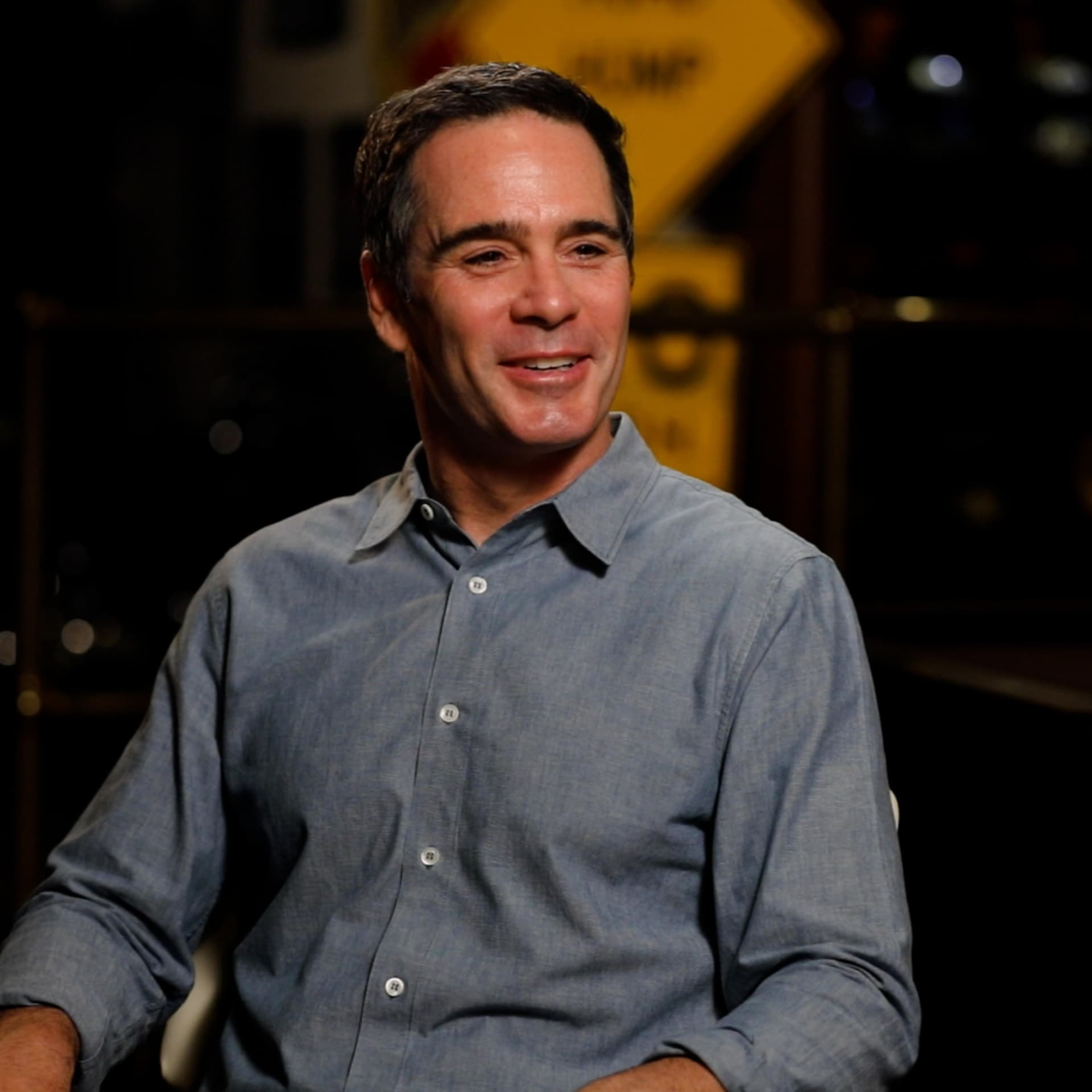
Jimmie Johnson discusses his decision to retire from NASCAR, the emotional grind leading up to it, and how NASCAR’s economics and changing fan consumption affect driver pay and the sport’s structure.
Guest backgrounds
Jimmie Johnson, former NASCAR driver and multi-time champion; interview host is Graham Bensinger.
Key claims
Johnson says the grind changed him, he became grumpy, and after winning resets faded, frustration grew until he articulated retirement. He emphasizes his goal was to win a race, not chase championships. He estimates driver contract earnings fell about 50% from 2015 to now, driven by lower tune-in numbers affecting sponsorship, purses, and car funding. He notes lower-tier drivers may struggle to afford standard insurance. He argues NASCAR has too many races and suggests cutting the schedule to 25–28 events.
Notable examples
Mentions retirement wave since 2015 (Jeff Gordon, Tony Stewart, Dale Jr., Carl Edwards, Danica Patrick, etc.) and the “window” when teams could win “at will.”
Written by AI. May contain mistakes. Listen to the episode to check what was said.
Chapters
Tap a time to open that second in VOJimmie Johnson's Retirement Reflection
0:43 to 1:41
Jimmie Johnson shares his feelings about retiring from NASCAR.
“Describe the feeling when you knew it was over in NASCAR.”
The Grind of Racing
1:42 to 2:48
Johnson discusses the pressure and changes in NASCAR that affected him.
“some moments of frustration of like, what am I doing this for?”
The Economics of NASCAR
2:48 to 4:51
Johnson explains how economics and sponsorships have changed in NASCAR.
“Jeff Gordon, Tony Stewart, Dale Jr., Carl Edwards, Danica, Mackenzie, you go on, you know, all retire during that period.”
Proposed Changes to NASCAR
4:51 to 5:35
Johnson suggests changes he would make to NASCAR's race schedule.
“But on that downturn, the guys on the bottom side, I've heard rumors where these drivers can't afford permanent or temporary insurance, which is just kind of standard issue in a sport with so much risk.”
Transcript
Automatic transcript. May contain errors.0:00They say you can tell a lot about a person by the contents of their freezer. So what does a bottle of Jägermeister say? It says you have standards. You don't cut corners. And you like your Jägermeister shots the way they're meant to be enjoyed. Ice cold. As for the frozen taquitos and mystery leftovers, we'll keep that between us. Drink it cold or don't drink it at all. Jägermeister. Damn, that's cold. Drink responsibly. Jägermeister liqueur 35 % alcohol by volume. Imported by Masked Jägermeister, U.S. White Plains, New York. Hey guys, Graham here. It's Friday, which means we get to share with you another one of our most popular clips from a past interview.
0:38What you're about to listen to is trending this week on our Facebook page. Hope you enjoy. This week, Jimmy Johnson.
0:51Retirement. Describe the feeling when you knew it was over in NASCAR. The grind, more than anything, had kind of changed me. And I wasn't holding up to the core values that I kind of held for myself. And I was just grumpy for the last couple of years. And the breakup with Chad and moving on was probably the peak of it. There was some excitement in starting over and working through developing the team and bringing it back to its form. making the decision and saying it out loud that I was going to retire just or stop NASCAR took this weight off my shoulders that I didn't know was really there. And what was the feeling you first had where you started to know personally before you even articulated it to anybody?
1:42There's just some moments of frustration of like, what am I doing this for? You know, I don't need to be this pissed off at times, right? Like I don't need to do it. And then we'd win a race. You're like, oh, I was just, you know, an overreaction. I'm good. Then you stop winning races and you don't have that moment to kind of reset. Changes things and it became more serious and I was saying it more regularly. Was it hard to know that that would kind of deprive you of the ability to keep going after eight? It was never about the number of championships for me. I couldn't believe that I won one, five, six, seven.
2:19I just couldn't believe it. My goal was to win a race. So I cleared that hurdle in year one. That put pressure on me that was part of the grind. And then I realized subconsciously what was weighing on me. What was it about that that made you realize it? There's a window of time where we could essentially win at will. There was a point where it's like, well, we'll just work hard and we'll figure it out. And it continued to work over and over. And when that started to fade, that's kind of an eye-opening moment. So we were talking about economics earlier, and you look at NASCAR since 2015. Jeff Gordon, Tony Stewart, Dale Jr., Carl Edwards, Danica, Mackenzie, you go on, you know, all retire during that period.
3:03How much do you think economics played into that? NASCAR's been going through quite a bit of change since Tony, even prior to Tony's retirement. The playoffs have changed a couple of times. rules continue to change and a lot of that is to help the bottom line and ultimately the bottom line has moved so much because the way fans consume our sport has changed a lot in the last 15 years or more. I would say that through earnings and potential for a team, it's been down probably 50 percent. 50? Yeah, I would say that from a driver contract standpoint from 2015 to where it is now is probably half. Even for the top drivers?
3:46For the top drivers, yeah. And what starts that whole process is the tune-in numbers. Tune-in numbers drive the sponsorship numbers. That obviously drives the purse and then certainly the sponsorship on a given car that a driver shares in. And then for the top drivers, when all of a sudden you have the realization to be a 50 % pay cut, you've already had success and you're thinking about the grind in the 38 weeks, it gets to the point where it's like, why? Yeah, I mean, it might weigh in on some. I was very aware of my investments and what they earn in a year. And even at 50%, there's no way those investments were going to come close to that.
4:31So I always knew it was my greatest source of income. On the financial front, what impact does that have on kind of the non-top drivers? The great fortune being a top driver and a 50 % reduction, you know, it's still a big number. And the sport has been evolving and actually kind of on a downturn. And now I believe it is ticking up. But on that downturn, the guys on the bottom side, I've heard rumors where these drivers can't afford permanent or temporary insurance, which is just kind of standard issue in a sport with so much risk. and you hear drivers, I can't afford it, I'm not going to do it.
5:09If you were running the sport and you could make any changes you wanted, what would you do? I've always firmly felt that there's just too much racing in NASCAR. That's my opinion, and I've had that conversation with executives at NASCAR. Reducing the schedule down to 25, 28 races, I think, would be the ideal way to go about it. As always, thanks for listening. To see more trending clips from my team, go to youtube.com slash Graham Bensinger.
From the publisher
Seven-time NASCAR Series Cup champ Jimmie Johnson recalls “the grind” of his final years in the sport, saying he was grumpy most of the time. He talks of the significant salary decreases among drivers and suggests that NASCAR cuts at least eight races out of its 36-race season.


