Ask ChatGPT
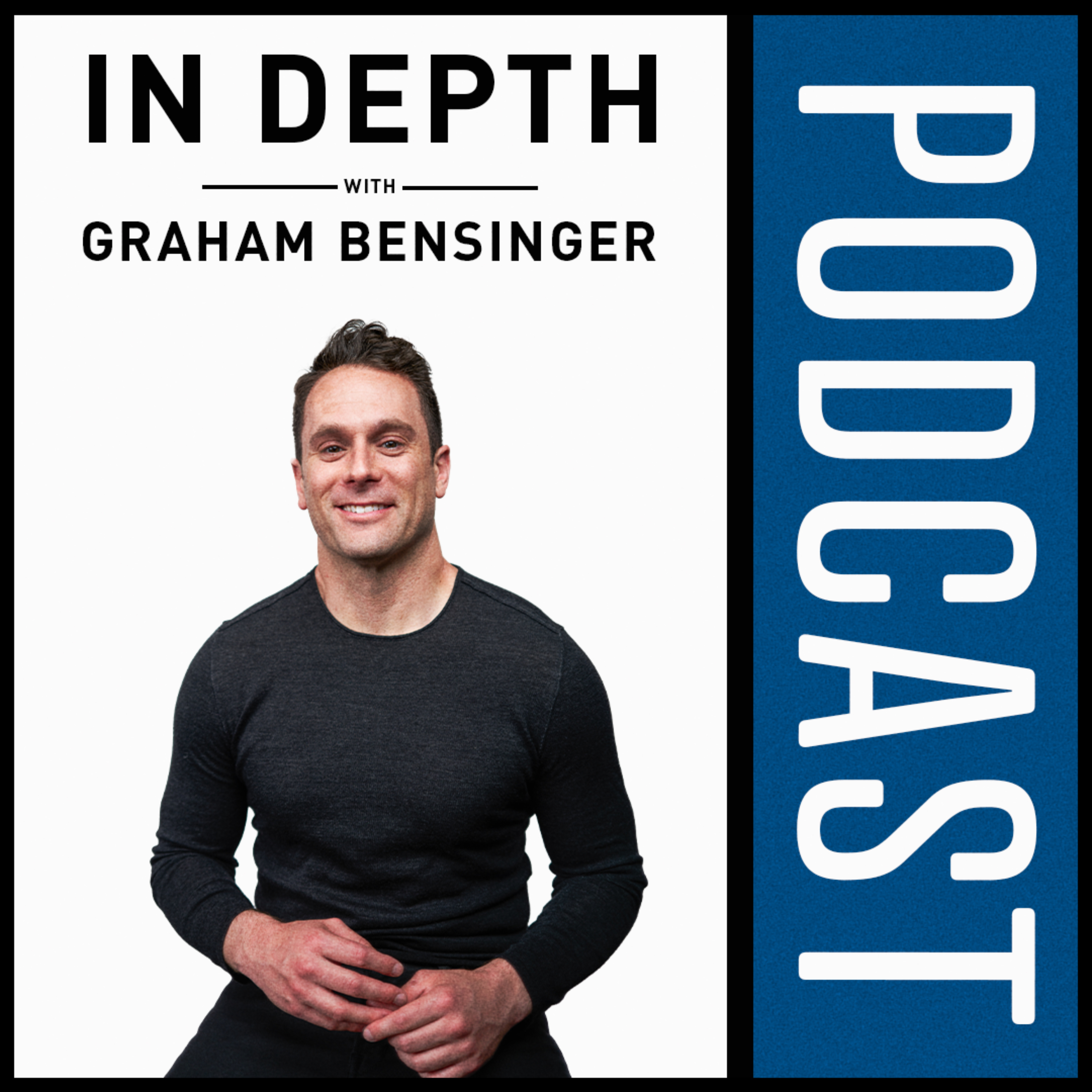
 In Depth With Graham Bensinger
9 Oct 2026 · 7m · 4 chapters
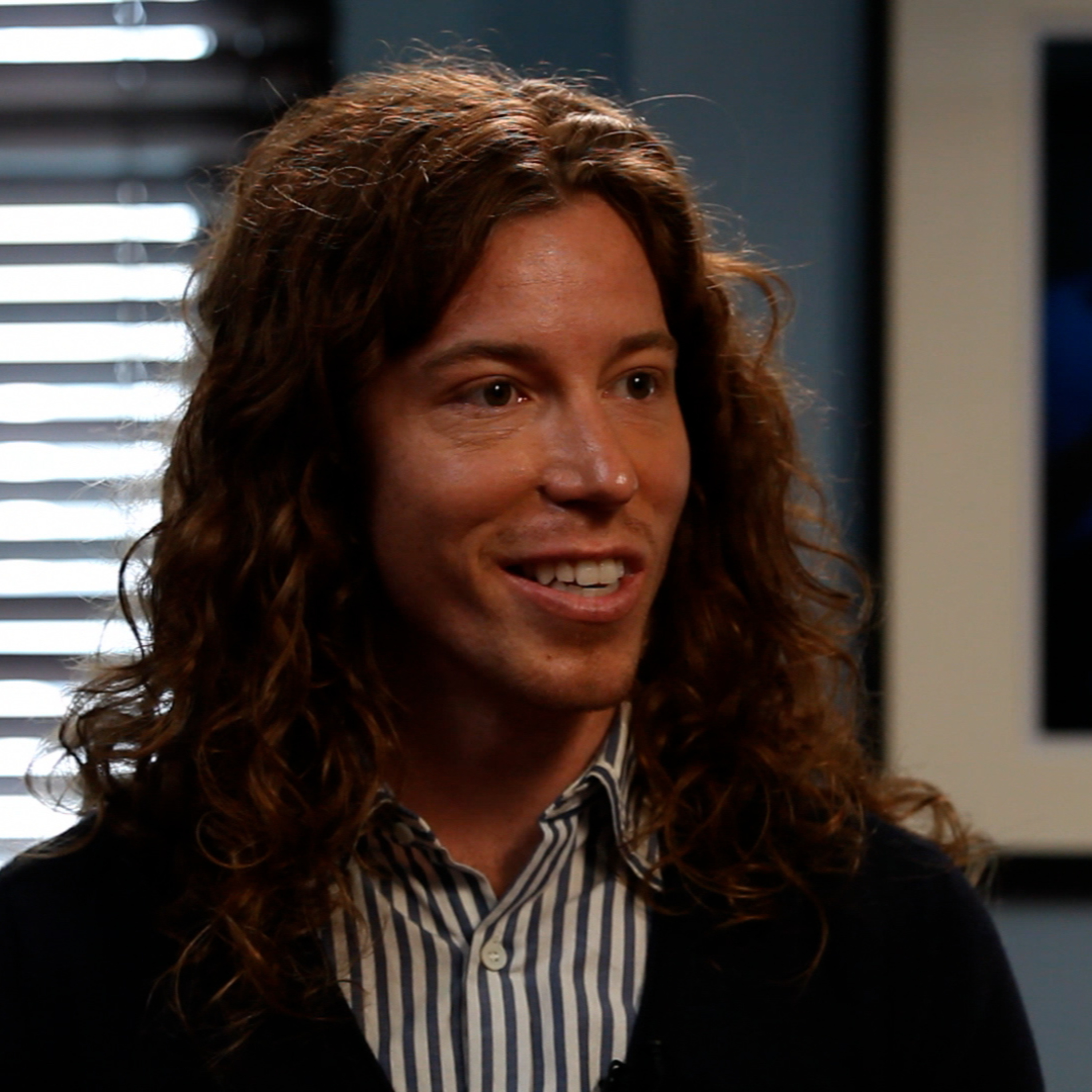
Shaun White discusses how he stays deeply involved in brand decisions, the growth of his Burton-related business empire, and the difficult practice of turning down lucrative deals. He explains how his name and likeness are controlled, and how early experiences shaped his image standards.
Shaun White is an Olympic gold–winning snowboarder/skateboarder with a long-running partnership with Burton starting when he was seven; he later expanded into pro models and multiple product categories.
He personally reviews sponsorships and products to ensure alignment; his loyalty to Burton began after signing a long-term deal around age 19; he’s reached a career point where saying “no” is exciting; he gained approval rights to control how his image appears.
Burton pro model snowboard designed with his brother; product progression from helmet, boots, outerwear, and women’s line; he recalls rejecting an early poster photo and requiring approval of future images.
Written by AI. May contain mistakes.
Shaun discusses his involvement in various business ventures and brand collaborations.
“You have in kind of building your brand empire, clothing lines, snowboards, video games, your own gum, the list kind of goes on and on, sunglasses.”
Shaun reflects on his early career, sponsorships, and the evolution of his brand.
“Well, the idea worked because, you know, who's going to understand me and know what I like more than my own brother in that sense?”
Shaun shares insights on rejecting lucrative offers and the importance of brand alignment.
“But yeah, one of the best decisions of my life.”
Shaun discusses his awareness of personal image and the need for approval in branding.
“I think it was at age 15, you have your agent put in all your contracts moving forward.”

Get the gist, explore an idea or ask about something said.
 Claude
On In Depth With Graham Bensinger, what are the key points of this episode?
Searching your listeningAutomatic transcript. May contain errors.
0:00Hey guys, Graham here. It's Friday, which means we get to share with you another one of our most popular clips from a past interview. The clip you're about to hear is trending on our Instagram right now. Hope you enjoy. You have in kind of building your brand empire, clothing lines, snowboards, video games, your own gum, the list kind of goes on and on, sunglasses. How involved are you in the business decisions? Extremely involved. It's my name going on the products and those things. And I immediately take a look at everything that comes in. I go, okay, even before we do some sort of product, the sponsorship, you know, do I like this product?
0:49Do I like this company? Do I like their, you know, presence in the marketplace in that sense? You know, how would I align with them? How would that be something that would be natural? But everything's really come about in a very natural and kind of organic way where when I was younger, I mean, I think you think now and go, oh, wow, you have all these products. I didn't like wake up and go, oh, I need a gum and I need all these things. It just kind of happened. You got your first snowboard sponsorship, I mean, when you were literally a kid. Yeah, when I was seven. So that's like a great example of being young.
1:24I started with Burton when I was seven and, you know, I was making my way up the ranks and I finally got to the point where I went pro and I got a pro model snowboard. I'm like, okay, well, I want my brother to help me design it. And so that kind of became a thing, because he was always doing a lot of artwork. And from there, it grew, because the boards were selling so well, into a pre-model helmet. The helmet sold out. And then it was a snowboard boot, and that did well. And then it became a whole clothing line. And now a home line. Yeah, well, that's just Burton. You know, that's boards, boots, bindings, and outerwear.
1:55And we have a women's line, too. But it was just fun, because it was something that I did off the hill. I mean, I'd look at fabric swatches, and Pantone color books and like you name it we would get the samples in from overseas and make adjustments send them back and who better to actually test the product than me you know I mean function wise so it was cool and then there's an ownership that would see somebody on the mountain wearing my jacket I'm like my jacket you know I saw that from like a napkin drawing now somebody's actually wearing it and then that kind of developed everything else you know that that system worked my brother and I working together and from there and how long did it take you to get comfortable with that because he can obviously spend a lot more time designing it than you can because of your other responsibilities, but it still has your name on it.
2:42Well, the idea worked because, you know, who's going to understand me and know what I like more than my own brother in that sense? And I trust him. And I know that his style is my style. And even at times when he'll come up with ideas, I'm like, man, that's really lame. You know, I don't like that at all. obviously we fight like brothers in that sense but he's always kind of like one step ahead of me in that sense and I like that you know he's listening to certain types of music and I'm like this is awful like I don't like and then a year later I'm like this is the best song ever you know he's just kind of like always been the older brother and you know that's how things have developed but with the with the target line all the clothing there it's so much easier to make streetwear.
3:24With Burton, it's an amazing thing, but the products are so advanced. They're storm flaps, wind-resistant panels, and so much function that goes into the jackets. When you make a t-shirt, you're like, oh, it's cotton. It's a nice fit, and put a cool logo on it. Put an interesting graphic or a certain design. How about the business deal you're most proud of? Gosh, um, hmm, probably Burton. I mean, it's something that, that. Because of the longevity of it? Yeah, I mean, I was 19 and I ended up having this, this moment of like, you know, I don't think there's anywhere else I want to be. And, and I, I become loyal to these brands, you know, over time.
4:04And 19 at the time, you're just coming off winning Olympic gold. I had just won the first, my first Olympics and I was, I was sitting there and I'm like, man, I want to be with these guys for the long run. I signed this super long, it was a 10-year deal or so. But yeah, one of the best decisions of my life. It freed me up to do all these other things and really kind of roll the dice and have fun and look at opportunities off the hill that were interesting as well, with the gum and all these different things that just kind of came about and we're like, wow, this is something that we could actually do.
4:34How about the decision that's been the most difficult to make? A business decision? I mean, the funny part is that when you see there's this big list of things that I am working on currently, there's this massive list that I say no to. I mean, every day it's like you get this. Your agent once said, I mean, you've turned down a ton of money. Yeah, I still remember being a little kid and camping out with my family in a motor home because we couldn't afford to live at the resort and do the whole deal. Yeah, I mean, that's why I get a hotel room now. It's really nice. I'm like, oh, this is great. You know, like I have, you know, my roots to pull from and, you know, I appreciate everything now.
5:16So when I turn down like some massive deal, I'm like, wow, I never in my dreams would have imagined I would be, you know, just pushing this massive offer aside. But that's the true point I think I've reached in my career where I'm excited that I have that opportunity to say no to stuff. Right. I think it was at age 15, you have your agent put in all your contracts moving forward. There's some sort of right of approval where you have the ability to control the use of your name and likeness moving forward. How conscious are you of your image? Well, that's what's funny. I mean, it really did come about in a very natural way.
5:55I mean, I was able to grow with this success and with the sport as well. I mean, the sport wasn't nearly what it is now. when I first started. There was no Olympics. There was no X Games. Or X Games had just started. But I remember there was like this giant poster that came out with me on it. And I was a little kid. I was like, yeah, 15 or 13 or so. And I'm looking at this poster. I'm like, this looks awful. I look terrible. And this kid had me sign it. He's like, I'm going to put it on my wall. And now I'm thinking, oh my gosh, this kid's going to have this horrible photo on his wall. And I signed it.
6:27Now his friends are going to see it. You know what I mean? And I felt... You're smiling, but it's like infuriating. Yeah, I felt very upset about that. I'm like, wow, how do I stop this from happening again? And I told my agent the problem. He's like, oh, do you want to approve these photos before they come in? I'm like, yes. I want to make sure that everything that goes out, it looks cool and I think it's rad. And that was like, I don't think I called it the right of approvals, but yeah. As always, thanks for listening. To see more trending clips from my team, go to youtube.com slash Graham Bensinger.
7:01you
Shaun White on involvement in building his brand, working closely with his brother, a long-term deal with Burton and having the financial freedom to turn down massive sponsorship opportunities that don’t fit