Ask ChatGPT

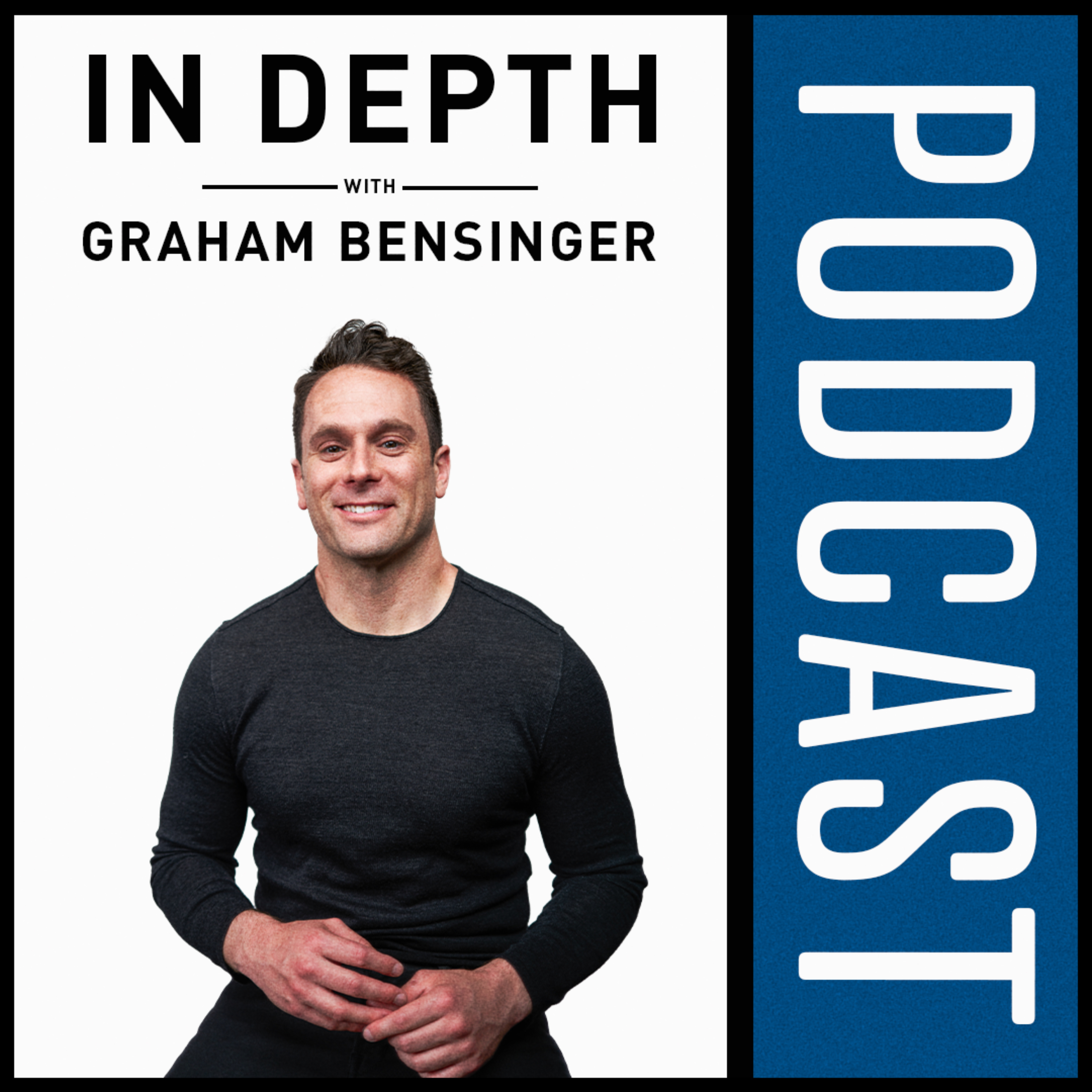
 In Depth With Graham Bensinger
15 Oct 2026 · 8m · 3 chapters
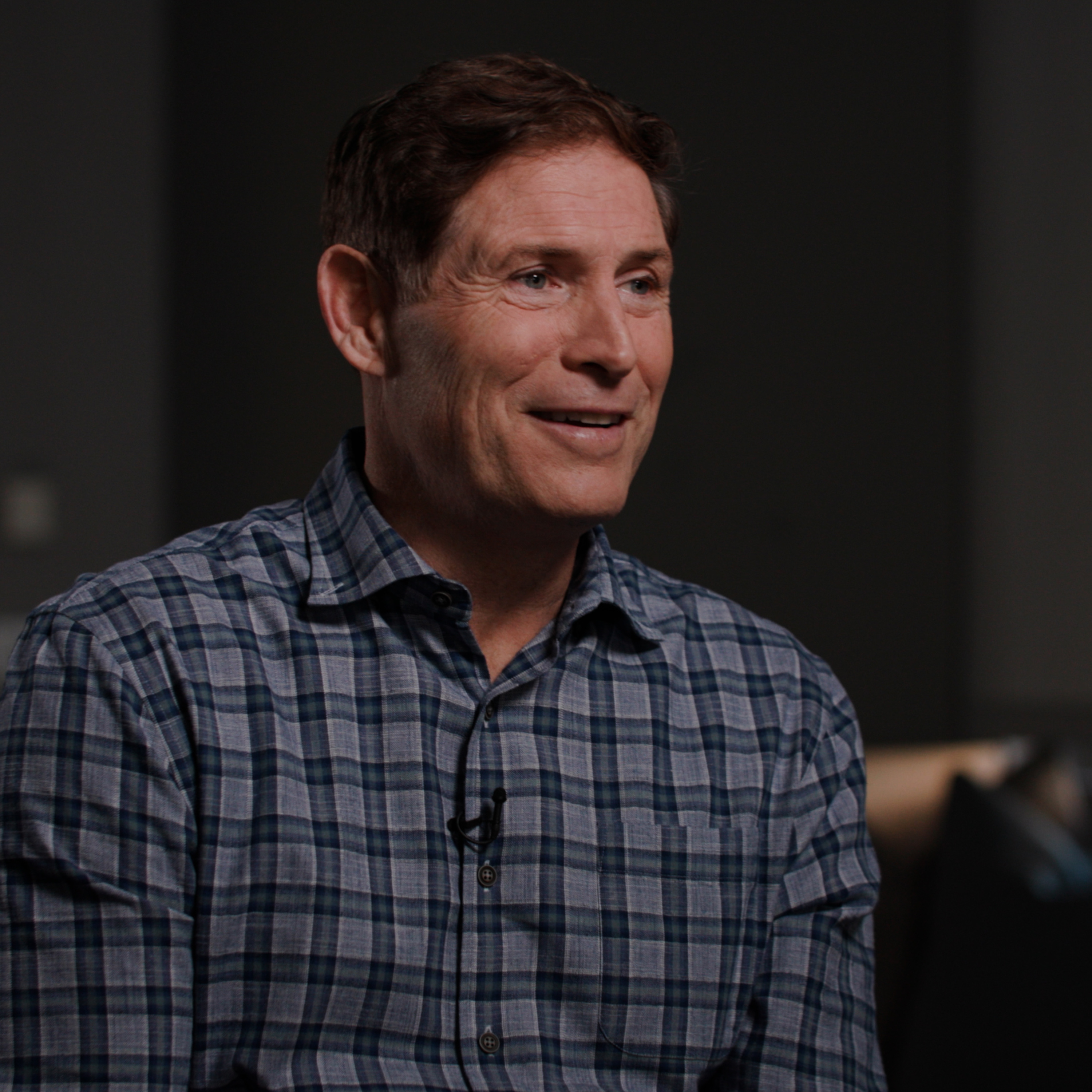
Steve Young discusses NIL (name, image, likeness) and how money and fame affect young athletes’ accountability, growth, and the broader NCAA/legal landscape.
Steve Young, former NFL quarterback and Super Bowl winner; he describes being academically driven (A in honors calculus at Greenwich High School, later strong LSAT performance) and credits a teacher, Terry Lowe, for challenging him.
Money isn’t inherently evil, but fame and NIL funds often “steal accountability” and can derail personal development. Putting large sums into 16–17-year-olds’ hands can disrupt home/friend dynamics and hide athletes from future challenges. NCAA failed to compensate athletes, forcing courts into a “Wild West” situation Congress must fix.
Terry Lowe’s calculus challenge (first day warning, later earning an A); Young’s LSAT timing/99th percentile; Young’s proposed “hybrid” compensation plus financial education from day one.
Written by AI. May contain mistakes.
Steve discusses his high school and college experiences, focusing on academics and sports.
“In fact, I never really missed a day of school, and I got A in honors classes, so I was all about school.”
Steve shares his views on NIL issues and the impact of fame on accountability.
“So much so that he said he convinced me to be a mathematician when I went to college.”
Steve discusses potential changes he would make to benefit college athletes.
“You can have free school for life at our college.”

Get the gist, explore an idea or ask about something said.
 Claude
On In Depth With Graham Bensinger, what are the key points of this episode?
Searching your listeningAutomatic transcript. May contain errors.
0:01Low energy, unfocused, foggy, you might be dehydrated. Whether it's hot yoga, over 100 degree weather, or too much sun. Gatorlite, with a specialized blend of five electrolytes, was scientifically designed to help move fluids into the body faster for rapid rehydration. Shop now at retailers nationwide. Gatorlite hydrates faster than water. Is it in you? Symptoms noted are signs of mild to moderate dehydration. Consult a healthcare professional if symptoms persist. Before this, there's this. As you celebrate the game, take a deeper look at its roots. The people growing the grass, paving the lots, welding the goalposts, inspecting every football.
0:47The hardworking people that make every Sunday possible. Carhartt is proud to outfit the crews behind the game. Visit carhartt.com slash join the trades to learn more. Hey, it's Thursday, which means we're coming at you with a short, feel-good story from a past guest. Hope you enjoyed the clip. This week, Steve Young. Your GPA in high school was what? It was a good one. In fact, I never really missed a day of school, and I got A in honors classes, so I was all about school. I was about, you could say I was an athlete nerd. Well, because you had two groups of friends. You had the jocks and then you had the honors students.
1:31Yeah, I did. We had chess club and they taught me how to do that. And yeah, I enjoyed the different conversations of the different groups. Greenwich High School was great for prep, college prep. Law school was tougher, by the way. Law school, well, law school was tougher because we won three Super Bowls while I was going to law school. Law school started January 5th and the Super Bowl is February 4th. By the way, from what I understand, you didn't open your LSATs for a while, and you scored in like the 99 percentile. So I know this for a fact because I lived it out with game plans. Every Friday, every Wednesday, I would write the game plan on the whiteboard at home in my writing, put it all in order.
2:15And then every Thursday, we'd do, you know, red zone. And then Friday, we'd go goal line. And then Friday afternoon, I'd have it all on a whiteboard. The whole game plan, motions, tendencies, blitz, everything. And then Friday and then Saturday morning, I would sit in the quarterback meeting room, and whoever was around me at the time, I would just close my eyes and see the board, and I would just read it, and I could do that. And so I know that there's a part of my brain that can do that. So that's what I think. When you think about school, I can read things, and then I can close my eyes and see them when I, yeah.
2:54So this is me trying to compliment you and you trying to - Sneak out of it. Explain why you're making an excuse for why you do well. What'd you major in in college? So it was at the time, it was called international relations or political science. Like a double major and a minor, right? Finance, right, yeah. And then I minored in French because I'd taken French in high school. and recently I took the kids to France and we got stuck somewhere and I had to go ask for directions and they're like dad use your French man let's go and I went out there and they and I literally couldn't I couldn't I had more Spanish than I had French just being around the kids because they were Spanish immersion such a disappointment Graham could you could you say anything I could if someone spoke it I could understand it okay but I could not speak a word it was so sad I'd spent some time trying to learn the language and let it all go.
3:50Why do you think you pushed yourself so much even back then, academically? I was not a tiger child. I was not, I don't know, my parents are tiger parents. Like, we just played ball. I think Greenwich High School was a great school, great teachers, people that challenged me. Terry Lowe was my honors calculus in my senior year. And he says, I know that you're thinking you're some famous football player. I know you think you can come in here and try to get away with it. It ain't going to happen here. That was the first day. And then first cast, C -. He's like, I told you, I'm going to run you out of here.
4:32I know you're not going to make it. And I had him come to Hawaii as teacher of the year for the NFL in the middle of my career because of how he challenged me in honors calculus to own it. And I did. And I earned an A from Terry Lowell, one of my greatest accomplishments. So much so that he said he convinced me to be a mathematician when I went to college. And freshman year, I took some advanced theoretical calculus class. Got blown out. How does the seriousness in which you took academics impact your view of NIL today? Well, I'm hoping. Look, fundamentally, money is not evil. It can be really evil, but it doesn't have to be.
5:23It can be abundant. You have to fight for it. Fame, 90 % of the time it steals accountability and steals from you from your growth. But it doesn't have to. power, again, one of these hit rates of about 100%. People get power and then things go to hell. I guess what I'm saying is it shouldn't impact it. It doesn't have to. 90 % chance it will. 98 % chance it's going to impact very badly. So I think we know - How so? Because you get put money in the hands of a 16 or 17-year-old kid when it could be generational wealth for the first time in the family, or not, no matter what the situation is, it's gonna change the dynamic in the home, it's gonna change the dynamic with your friends, it's gonna change the dynamic of how you feel about success, or how hard it can be, or how difficult your life can be in the future, and can hide, in some ways damn you, from the progress and the achievement and facing the challenges that are coming, and that's what's scary, but that doesn't mean it has to.
6:34It's just that at that young age, throwing money at 16 or 17-year-olds is, I mean, it's tough when you're 22, 23. It's brutal. And you know the stories. You know the people that have wrecked by it. So, yeah, there's tremendous chance that NIL money, now we go a generation away and we look back, we're like, man, that did not go well. I don't know how much time you have. But the NCAA did not answer the call to recognize the athletes need to be compensated in some way. Kept fighting, pushing, being dogmatic, being fundamental about a problem. And it got so fundamental that the courts had to then say, look, you're not even doing what needs to be done here.
7:21We'll do it. Once the courts do it, now you're in a Wild West insanity that only Congress can fix. No one else can fix it. or the courts themselves can amend. So we're in a mess for a long time, and it's too bad. Because having college players compensated in a really, what I would think of as an abundant way, is really possible, but it's too late now. Low energy, unfocused, foggy, you might be dehydrated. Gatorade Zero powders have been scientifically designed to help improve hydration balance in the body. With a clinically proven electrolyte blend and no artificial colors or flavors. Great tasting hydration, no matter where you're going.
8:03Shop now online or at retailers nationwide. Gatorade hydrates better than water. Is it in you? Symptoms noted are signs of mild to moderate dehydration. Consult a healthcare professional if symptoms persist. Fall has never looked or tasted this good. Sweet Greens Fall Harvest Menu is back with seasonal favorites dressed to impress and made to be devoured. Warm roasted sweet potatoes, crisp apples, maple glazed Brussels, and crave-worthy flavors in the autumn harvest bowl, maple glazed salmon plate, and roasted bacon Brussels side. The season's most desirable menu has returned to Sweetgreen, featuring fall's best dressed.
8:42Make your move. Order on the Sweetgreen app. If you were the one making the decisions, what changes would you make? You can have free school for life at our college. you can have insurance for till you're 50 years old because we're you know your body's going through a beating we're gonna have insurance so you never have to worry about it like those are real it's real money real things but doesn't necessarily and then make sure that they make money now making two hundred fifty thousand dollars a million dollars a year or four million dollars a year I think it's just I'd figure out ways to make sure that they were like anybody You'd find a hybrid where you're getting paid, you're not running around broke, and then make sure that they had the financial fluency to know what to do, at least have a chance at what to do with it.
9:38They're in school, you've got a business school, most of them. Like, make the partnership, figure out from day one, let us help you manage this money that's coming in. That's it for now, but if you're hungry for more in-depth with Graham Bensinger interviews, head over to youtube.com slash Graham Bensinger. You can dive into our deep library, which includes more than 2 ,000 clips spanning 12 plus years. Thanks again for listening. Before this, there's this. As you celebrate the game, take a deeper look at its roots. The people growing the grass, paving the lots, welding the goalposts, inspecting every football.
10:22The hardworking people that make every Sunday possible. Carhartt is proud to outfit the crews behind the game. Visit carhartt.com slash join the trades to learn more. Fall has never looked or tasted this good. Sweet Greens Fall Harvest Menu is back with seasonal favorites dressed to impress and made to be devoured. Warm roasted sweet potatoes, crisp apples, maple glazed Brussels, and crave-worthy flavors in the autumn harvest bowl, maple glazed salmon plate, and roasted bacon Brussels side. The season's most desirable menu has returned to Sweetgreen, featuring fall's best dressed. Make your move.
11:02Order on the Sweetgreen app.
Legendary 49ers quarterback Steve Young looks back on his high school days and the significance of academics, a mindset that carried him through to law school. He also shares his thoughts on the current state of NIL policies and how the NCAA can improve going forward.