
In short
Inflection Moments Podcast Episode #11: Howard Schultz - From Milano to Main Street
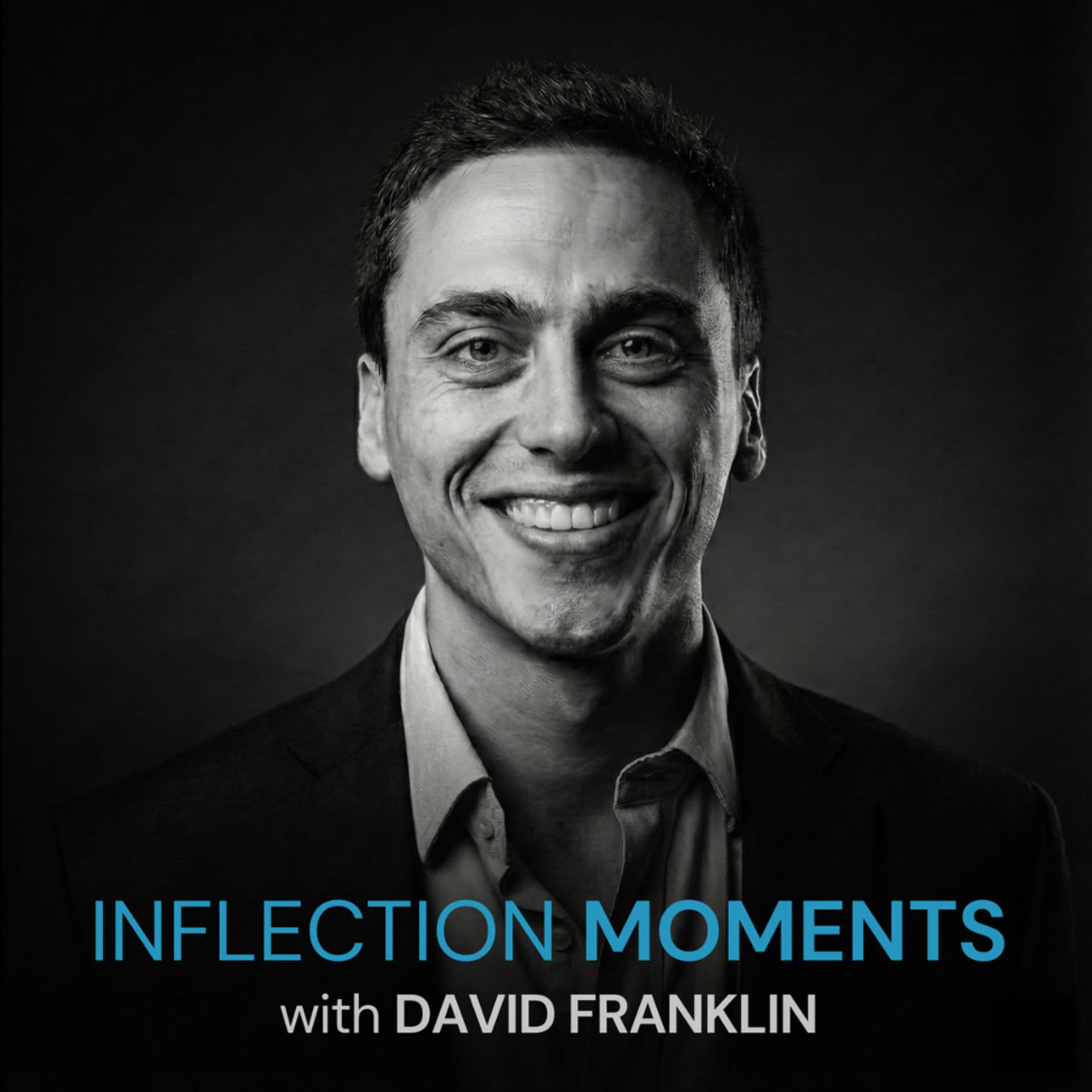
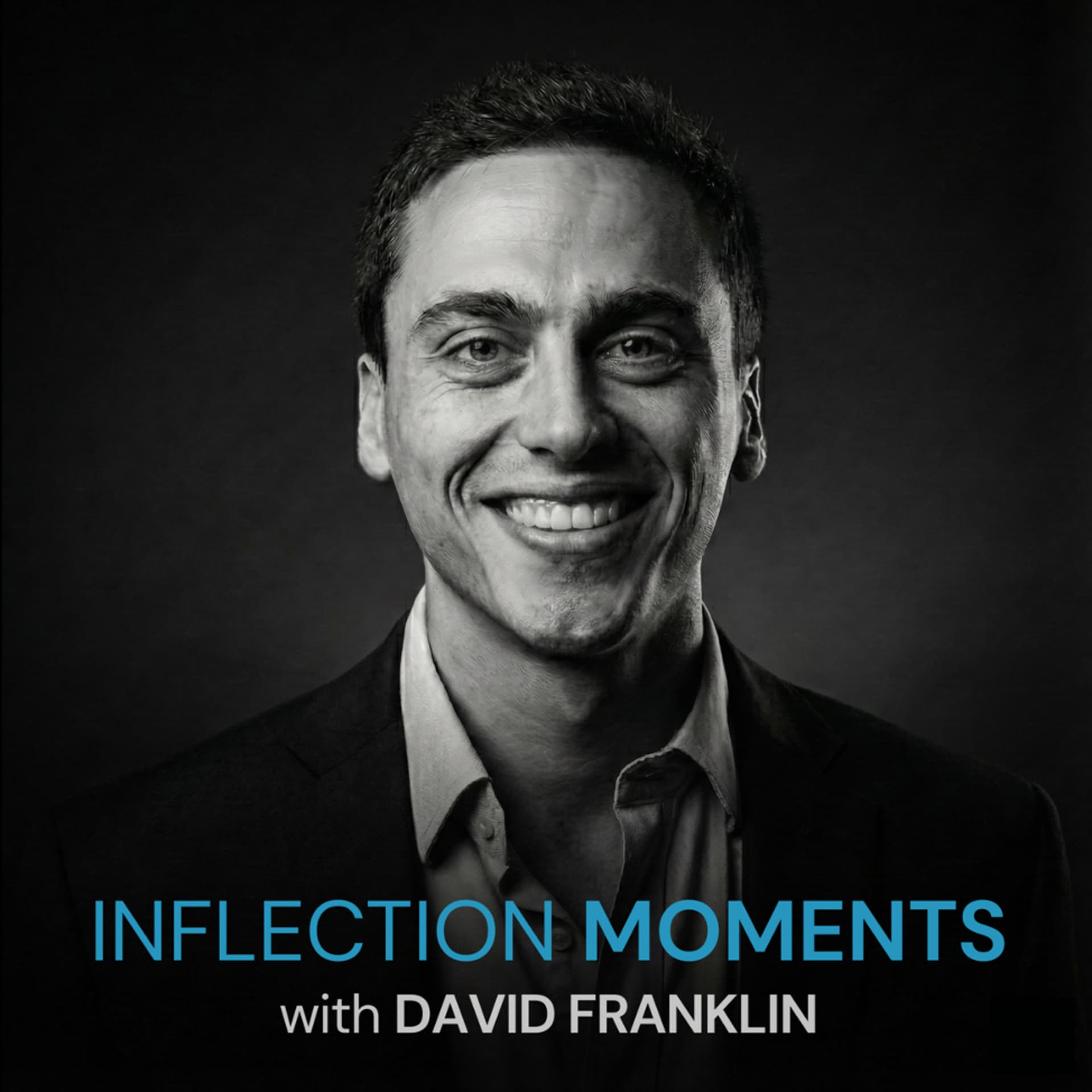
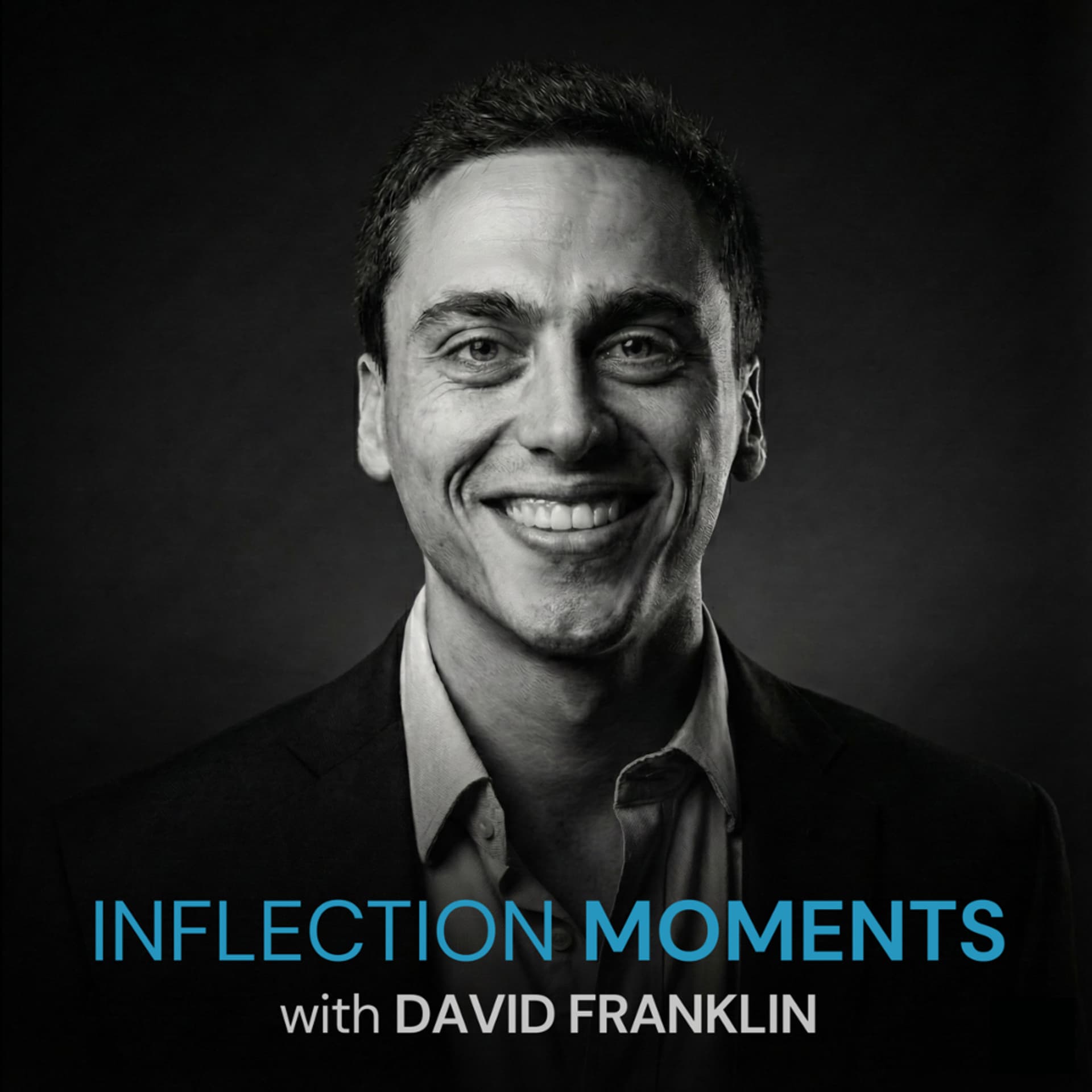
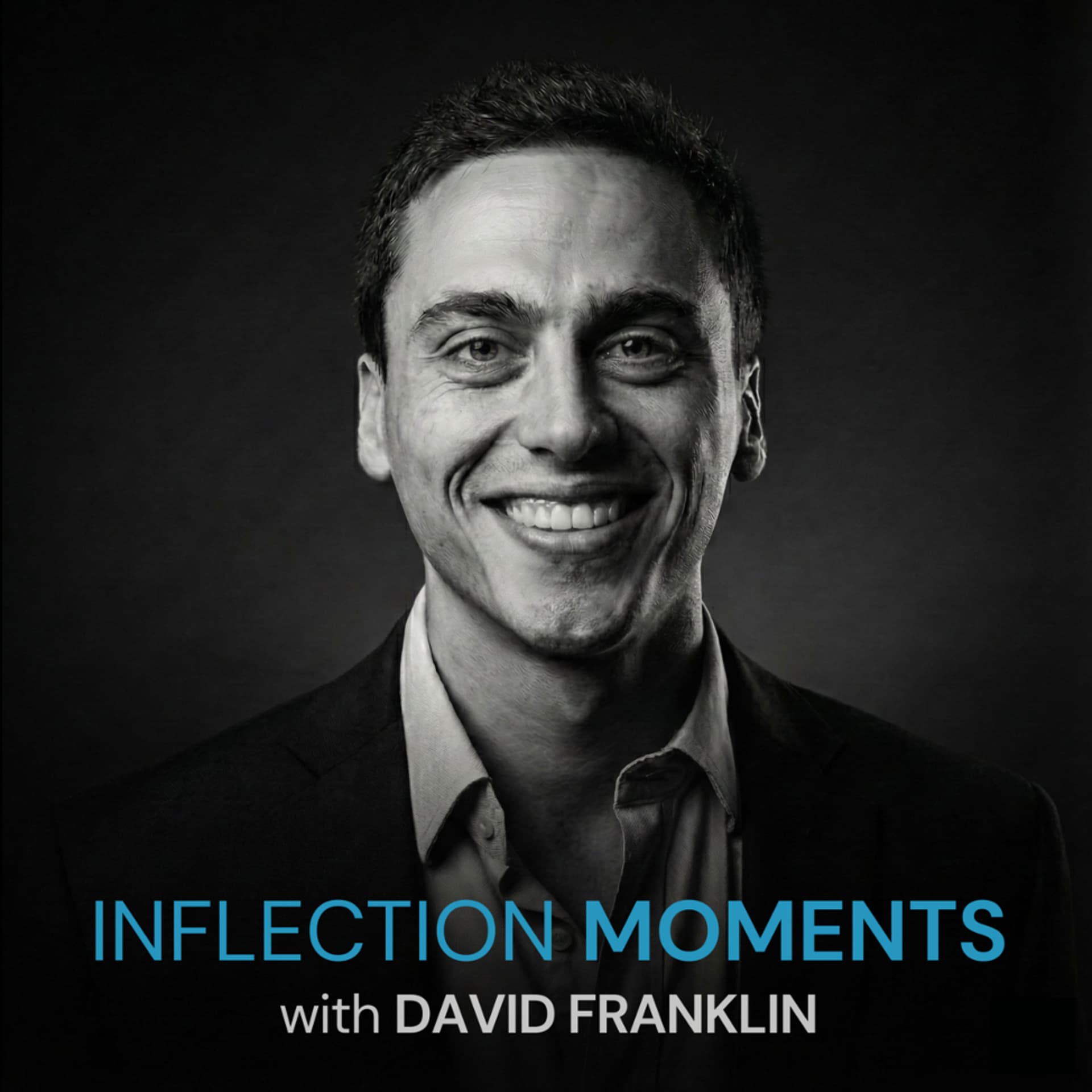
Podcast Overview Podcast Title: Inflection Moments Host: David Franklin Description: Inflection Moments explores the pivotal turning points in the careers of successful entrepreneurs. The podcast provides insights into how these moments shape their business philosophies and impact their companies. Website: [inflectionmoments.com](https://inflectionmoments.com)
---
Episode Summary In this episode, David Franklin delves into the life and career of Howard Schultz, the longtime CEO of Starbucks, who transformed the company from a small Seattle coffee retailer into a global brand. Schultz's journey highlights the importance of community, experience, and values in building a successful business.
Key Themes
- Transformative Experiences: Schultz’s childhood experiences shaped his business philosophy, emphasizing dignity in the workplace.
- Courage and Resilience: Overcoming numerous rejections and crises demonstrates Schultz's perseverance and commitment to his vision for Starbucks.
- Cultural Significance: Schultz's vision of Starbucks as a 'third place' between home and work reflects a deeper cultural connection beyond merely selling coffee.
---
Inflection Points
- The Defining Moment With His Father
- Background: At seven years old, Schultz witnessed his father's struggles as a blue-collar worker, which left a lasting impact.
- Key Insight: This moment instilled a desire in Schultz to build a company that values the dignity of work and provides a safety net for employees.
- The Trip to Milan
- Experience: Schultz's visit to an Italian espresso bar sparked his vision of transforming Starbucks into a community-focused coffee shop.
- Cultural Revelation: Recognized coffee shops as social spaces, emphasizing experience over mere transactions.
- The 217 Rejections
- Challenge: Faced with rejection from 217 investors while trying to establish his vision for a coffee company.
- Mindset: Schultz viewed each rejection as a learning opportunity, embodying resilience and determination.
- Closing Every Store for Retraining
- Decision: In 2008, Schultz closed 7,000 Starbucks stores for retraining employees, a costly decision meant to restore quality and culture.
- Outcome: This symbolic gesture was aimed at reconnecting employees with Starbucks' original mission and values.
- Choosing Values Over Profits
- Crisis Management: During the 2008 financial crisis, Schultz chose to invest in employee engagement rather than cut costs.
- Long-term Perspective: Belief in reinforcing company values to maintain brand integrity and customer loyalty during tough times.
---
Key Takeaways
For Founders
- Transform Pain into Purpose: Utilize childhood experiences and difficulties as a driving force behind business decisions.
- Trust Your Gut: Follow your instincts even when data suggests otherwise; conviction can lead to groundbreaking decisions.
- Value Perseverance: Embrace rejection as part of the entrepreneurial journey; resilience is often more critical than talent.
- Stick to Your Values: Maintain core values during crises; they are foundational to long-term success and brand loyalty.
- Prioritize Long-term Goals: Focus on sustainable growth and cultural integrity rather than short-term financial metrics.
For Investors
- Recognize Leadership Impact: Understand how a leader's vision and values can create or destroy brand value.
- Evaluate Company Culture: Consider the company's culture as a key factor in its long-term viability and success.
---
Conclusion Howard Schultz's journey with Starbucks is not just about building a coffee empire but about redefining the employer-employee relationship and creating a brand centered on dignity, community, and experience. The episode illustrates how pivotal moments can shape not only the trajectory of a business but also the way we think about work and corporate responsibility.
Final Thoughts: Every entrepreneur will face inflection points that require tough decision-making. The real story lies in how they respond to those moments, guided by their values and vision.
---
Call to Action If you found this episode insightful, share it with others who might benefit. Subscribe for more lessons from remarkable entrepreneurs and consider joining the newsletter for additional resources.
Written by AI. May contain mistakes. Listen to the episode to check what was said.
Transcript
Automatic transcript. May contain errors.0:02Today, you and I are going to explore the five pivotal inflection points of Howard Schultz, the person that transforms Starbucks from a small Seattle coffee bean retailer into a global phenomenon. Just to put things into context, anyone in the food and beverage industry is going to tell you how difficult it is to operate in this space and how it's even harder to build a successful concept that can scale beyond your hometown, across the US, and ultimately the world. We're talking over 38 ,000 locations and a market cap that's reached as high as$100 billion. It's extraordinary stuff. So how does he do it?
0:39Because to this day, maybe with the exception of McDonald's, no other company has been able to do it on this scale. And the answer is an interesting one. Because this isn't a story about some wealthy kid given every advantage. He grows up in the housing projects of Brooklyn, watching his father struggle through one dead-end blue-collar job after another. No health insurance, no workers' compensation, no dignity. That childhood shapes everything. his values, his business philosophy, and ultimately his entire vision for what a company should be. This isn't just a story about coffee. It's a story about how one person's childhood pain, real pain, becomes the catalyst for completely reimagining the employer-employee relationship.
1:24It's about how one trip to Milan sparks a vision that would totally redefine American coffee culture. And it's about the resilience required to face hundreds of rejections and the courage to persevere even when the company loses its way. Each of these five moments is a crossroads. And when you study them, you're going to start to see trends that separate the visionary founders from everyone else, a way of thinking about problems and a way of seeing what others miss. So let's dive in. Welcome to Inflection Moments. I'm David Franklin, and you and I are about to dive into something fascinating. You know that moment when everything changes for an entrepreneur?
2:02When one decision, one pivot, one breakthrough suddenly shifts their entire trajectory. That's what we're hunting for today. If you're building something, if you're that founder grinding it out, making those impossible decisions that keep you up at night, this episode is for you. Because today, we're going inside the mind of one of the most successful entrepreneurs in history to uncover the exact moments that transformed their journey from ordinary to extraordinary. Here's what we're doing. We're dissecting the five most pivotal inflection points in their career, but more importantly, we're uncovering the strategic thinking behind each decision, the kind of insight that separates the builders from the dreamers.
2:40Ready? Let's get started.
2:48The first inflection point in Howard's life happens before he was even old enough to understand what it meant. He's seven years old, coming home from school in the Canarsie projects of Brooklyn. And when he opens that door, he sees something that's going to stay with him for the rest of his life. His father, Fred Schultz, is lying on the family couch. His leg is in a cast from his hip all the way down to his ankle. Fred's a truck driver working for a diaper service company. One of those blue collar jobs you work because you need the paycheck. It's March 1960 and he slipped on a sheet of ice while making a delivery.
3:25He breaks his ankle. Now, what matters most about that moment, and I need you to feel this, is that in that era, if you're a blue-collar worker without much of a formal education and you have an accident on the job, that's it. You're done. There's no workers' compensation. There's no severance pay, no health insurance. Years later, Howard describes this moment and he says, when I was seven years old, I had a defining moment in my life. I saw the fracturing of the American dream. And I saw my parents go through hopelessness and despair. And those scars, that shame is with me even today. Even today, decades later, after building an empire, after becoming a billionaire, those scars are still there.
4:07In his autobiography, Howard writes something even more visceral. He says, that image of my father slumped on the family couch, His leg in a cast, unable to work or earn money, and ground down by the world is still burnt into my mind. This is crucial because here's what separates Howard from so many people who experience real trauma in childhood. He doesn't just survive it. He doesn't just internalize this pain and move on. He transforms it. He asks himself a question that's going to define his entire career, which is what if I could build a company that my father never had the opportunity to work for?
4:44a company that values and honors the dignity of work, the dignity of every man and woman. So Howard, that seven-year-old kid standing in that living room, watching his father suffer, watching his parents consumed by this financial insecurity with no safety net, he had no idea what he was setting in motion. He couldn't have known that decades later, he's going to offer comprehensive health insurance to part-time employees just working 20 hours a week in the retail industry. That is almost unheard of. He couldn't have known either that he's going to create something later known as Beanstalk, which is giving equity to every eligible employee.
5:21That's from the baristas behind the counter to the execs and the officers. And this is so important. Starbucks was the very first private company in retail to do this at the time, the very first one. But the seed that was planted on that couch of Brooklyn, it's a deep point. And it's a question that drives everything to this day, which is what if a company could be both highly profitable and treat its people with the highest standards of dignity? And what if success didn't have to come at the expense of your workers?
5:58All right, inflection point number two now, let's fast forward to 1981. Howard is now in his late 20s. He's working for a company called Hammerplast, a Swedish kitchen equipment and furniture company that's based in Seattle. It's a good job. It's stable, decent paycheck, and Howard's married and the comfortable path is right there in front of him. But then he encounters something that's going to change everything for him. A small local Seattle coffee company called Starbucks. Specifically, this is a company that's ordering equipment from Hammerplast and Howard starts paying attention to them. He's intrigued.
6:29There's something different about these guys. So he does what any curious person would do. He goes to visit them. So he walks into that first Starbucks store on Western Avenue and something happens for him. He later describes it like this. I experienced this epiphany. I fell in love with the people, the product, the company, and the culture. And I knew I wanted to be a part of it. And that kind of instant connection is so rare. Most people just don't walk into a store and feel that viscerally about it, but Howard does. So he does something that's kind of crazy and certainly one that most people in this position wouldn't do.
7:03He leaves the security of Hammerplast. He takes a huge pay cut and he joins this tiny coffee company to run their marketing. Now his friends think he's crazy, you know, leaving a stable job for a coffee company, which keep in mind at that time, coffee was not a big industry. There were no industry titans and certainly not one of these multi-billion dollar industries where the path to success was just laid out in front of you. But how to understand something really crucial about these inflection points, which is sometimes you have to recognize when you're standing at one and you just have to have the courage to step through.
7:34So Howard joins Starbucks and soon after he makes this trip to Italy. And this is probably the single most important moment in the journey of Starbucks. He goes to Milan and he walks into this Italian espresso bar. And what he experiences at that moment is not just a cup of coffee. It's a revelation about what a coffee shop could actually be. Because in Italy, the espresso bar isn't just this place to grab caffeine and leaves. it's social, it's intimate, and it's part of the culture. People linger around, they connect, and there's an artistry to it. The baristas are respected, they're craftspeople, and there's beauty in the ritual.
8:07There's this community. So Howard stands there in that Italian espresso bar, and he has this epiphany, this clear picture of what could exist in Seattle, in America. He can see it so vividly that it becomes almost real to him before he builds it. Later, Howard reflects on this moment. He says, when I walked into that first Italian espresso bar, I didn't just see a good opportunity for a business. I saw a cultural institution, not just commercial transaction. I saw the future. So here's what's crucial about this moment. Howard returns from Italy and he approaches the leadership of Starbucks with this vision.
8:45He tells them, we need to transform this company. We need to add espresso drinks and we need to create this experience. this social gathering place that Italians have perfected. And this is what ultimately becomes known as the third place. You know, the space that's not your home, that's not your work, but that third place that has that really distinct meaning that makes you want to keep coming back. But here's the problem. The Starbucks leadership, they don't share this vision. They're comfortable selling coffee beans and they have this huge reservation. They do not want to get into the restaurant business.
9:15They don't want to deal with customer service. Why would they want to complicate things? for most people that rejection from the leadership of starbucks at the time that'd be the end of it you know the company says no to howard okay you accept it you move on but howard's different he doesn't just accept that no he becomes obsessed with it he realizes that if starbucks won't do what he sees so clearly he's going to have to build it himself that's the moment when howard decides that he's going to leave starbucks he's going to create a separate company and he's going to call it il giornale and he's going to make that vision real all right inflection point number three and now we're getting into the meat of the story because what happens next is where howard discovers something fundamental about himself and about what it really takes to build something that matters so in 1985 howard has the vision to leave his job and bet on what he saw in milan He has this vision, this crystal clear picture of what Il Giornale can become, and it's super ambitious.
10:20But the problem is that nobody else can see what Howard's seeing yet. And I mean, nobody. So Howard goes around to all these VCs and banks and angel investors, anyone who's going to listen. And he pitches them on his vision. He tells them about the experience he had in Italy, and he walks through this potential of the espresso bar culture in America. He's telling them about building this coffee company, but with these distinct values at its core. And Howard just hears the stream of no's again and again and again. 217 times. Just let that sink in for a moment. 217 rejections. That's the actual number that Howard would lay to cite.
11:00He heard no 217 times before he gets his yes. Think about that for a second. Most of us, if we get rejected even five times, we start questioning ourselves. 10 rejections, we're probably going to look for a different path. What about 20? Most people are going to just be seriously doubting whether this was a good idea. But 200 plus, that requires something different. It requires a kind of faith that most people simply don't have. And it really just makes me think of the episode that we did on Melanie Perkins several weeks ago, about the hundreds of rejections that she had and the doggedness to keep believing in your vision.
11:36Now, importantly, during this time, Howard isn't sitting in some comfortable office. he's scrappy and he's hustling he's doing whatever it takes for context he's working as a barista behind the counter learning the craft he's mortgaging his own assets going without a salary borrowing money all of which while his wife is pregnant with their first child but howard is absolutely convinced despite the mounting evidence against him that he's going to build something extraordinary and here's what's interesting and it's something that comes up time and time and time again in the episodes that we've done thus far.
12:09Howard does not approach these rejections as a sign that his idea is wrong. He treats them as data points. Each no gives him more information and each rejection teaches him something about who might listen, what investors actually care about, and how to refine his pitch. There's a quote from Howard that really captures this mindset. He says, I learned that it's not about the number of no's you get. It's about your resilience. It's about your ability to take that rejection, learn from it and come back the next day with more conviction that you had before. I think that's such a wonderful quote and it's one that founders should just keep front of mind for every note that they get.
12:47But here's what's really worth understanding about this moment. Those 217 rejections that Howard gets, they're not this barrier to success. They are part of the journey and necessary. They are what separate Howard from everyone else who has a good idea, but doesn't have the bravery to see it through. Because you know how many entrepreneurs would have quit after rejection, just number 50, number 100. But Howard isn't building Starbucks to get rich quickly. He's building something he believes in so fundamentally that failure simply wasn't an option. That's the difference between someone who succeeds at this level and everyone else.
13:25Because it's not IQ, it's not connections, and it's not luck. It's just pure resilience. It's the willingness to endure repeated rejection without losing conviction in your vision, something that any founder listening to this knows all too well. Those hundreds of rejections teach Howard something invaluable because eventually Howard does secure the funding that he needs and eventually he realizes that his idea was solid enough to survive scrutiny because he believes in it long enough to keep going. And when you're convinced of something, you don't need everyone to agree with you. You just need enough people to believe in you.
14:00And that's what separates the founders who build billion dollar companies from the ones that don't. And as an interesting side note, a couple of years later, things get really interesting, like really interesting, because by 1987, the founders of Starbucks approach Howard because they want to sell. Just remember, this is the same company that rejected Howard's ideas just a few years earlier. For Howard, this is like an early Christmas present to hear the news. And eventually Howard raises the capital that he needs, just a smidge under$4 million. And Howard has what he needs to extend Starbucks.
14:29So Il Giornale, the coffee company that Howard's running, acquires Starbucks and adopts the Starbucks name across the store estate. And this is the crucial moment that as the years go by, Howard can point back to and identify as the moment where a regional Seattle phenomenon moves to California, then across the country until it ultimately becomes the global phenomenon that we know today.
14:58Okay, inflection point number four now, and we're in early 2008. While the financial crisis of the time hasn't materialized yet, Starbucks has its own company-specific issues that has caused it to lose its way so fundamentally that surface-level solutions are just not going to fix it. Back when Starbucks IPO'd in 1992, it was still this mission-driven company with this authentic Italian-inspired coffee culture as the halo effect that drove customers to its stores. But 16 years in public markets have eventually morphed Starbucks culture into something that many firms in this position fall prey to.
15:31Being bottom line obsessed and prioritizing growth over the store and customer experience. And by this point, Howard takes it upon himself to address the deeper issues that have infected the company. So he makes a decision that almost nobody in corporate America would ever consider. A decision that's so strange that the business press think he might have actually lost his mind. So in February 2008, how it makes this announcement he says starbucks is going to close every single store in the united states all 7 000 of them on the same day at the same time for three and a half hours now on the surface this sounds insane as a publicly traded company hemorrhaging money analysts are questioning your future and your response is to close all your stores i mean what kind of business decision is that.
16:21But Howard knows exactly what kind of decision it is. It's what he later calls a symbolic gesture, a line in the sand, and a statement that says, we're not accepting mediocrity anymore. I love that. You know, that ties straight into what we were talking about with Frank Slootman about declaring war on mediocrity. All 7 ,000 stores close so that 135 ,000 employees can be retrained. Now, not trained, but retrained. Because they're not training people on new procedures or new products. They're retraining people on the fundamentals, the craft, the art of making espresso, and the meaning of what Starbucks actually is.
17:02And this is an espresso masterclass. It's a reminder of why quality matters. A reconnection with the original vision, the one that Howard had seen in Milan all those years ago. And here's what's remarkable. that decision cost Starbucks nearly$7 million in lost revenue for those three and a half hours. And that might not sound like a big deal for a company of Starbucks' size, but for a company with big growth plans in an economy that's starting to slow, this is quite a risky decision at the time. You've got the Starbucks board, Wall Street, every financial analyst looking at the decision and coming to the same conclusion that this is financially irrational.
17:41But Howard is thinking differently here. He's not thinking about that one day, he's thinking about what happens in the weeks and months after when 135 ,000 employees walk back into their stores with a renewed sense of purpose. Howard's thinking about the fact that Starbucks had become so obsessed with growth, with opening new stores, with hitting quarterly targets that had completely lost sight of the original mission. A company that had become obsessed with the bottom line and not the value that it was giving customers. You get so many people in corporate America talking about this, but very few actually practicing what they preach.
18:15And to go to the lengths of shutting every store in the country is just not rational by the metrics of Wall Street, but it's absolutely rational by the metrics of building a lasting, formidable company. But Howard is not out of the woods yet, because the real pain is just around the corner.
18:38all right inflection point number five now and we're just a few months ahead of where we were a moment ago it's october 2008 and as soon as you hear those words october 2008 you know what's happening we're talking about one of the worst economic collapses since the great depression wall street is in total free fall banks are failing retirement accounts are evaporating and companies everywhere are just in pure survival mode. And Starbucks? Starbucks is bleeding money. Their fourth quarter profits have dropped 97 % from the previous year. Just think about that, 97%. I mean, that isn't just a bad quarter, that is a total catastrophe.
19:18Now, if you're a publicly traded company in that moment, what do you do? What does business school teach you? 101 would say you cut costs, you slash spending, you lay off people and you eliminate anything that doesn't directly contribute to the bottom line. You do whatever it takes to protect shareholder value. That's the rational thing. That's what the textbooks tell you to do. And that's what most CEOs would do. But not Howard. In October 2008, in the middle of this crisis, Howard makes a decision that his board questions, that investors question, and that probably made a lot of financial analysts shake their heads.
19:53he decides to fly 10 ,000 Starbucks store managers to New Orleans for a three-day leadership conference 10 ,000 people for three days in New Orleans during one of the worst recessions in decades and the cost of this is 30 million dollars now when the board pushes back and they do push back Howard explains his reasoning and this is crucial he doesn't say we're going to do this because I feel like it he says something much more strategic he says this I know that if we want to transform this company, we have to re-engage the hearts and minds of the people on the front lines. This is how we do it.
20:30Well, Howard understands and what most execs don't is that Starbucks' problem in 2008 isn't actually a financial one. Yes, of course, the economy is collapsing. And yes, people are spending less. But that's not the core issue. The core issue is that Starbucks has lost its way. Like going back to what we were just talking about, about economics 101, about what the textbooks tell you you should do when the economy turns south and how to protect your company, most people are just going to do these classic cost cutting measures. But Howard sees through this. He sees that if you do these cost cutting measures, if you lay people off, if you reduce their benefits, and if you treat employees like expenses, you're accelerating this decline and you're not solving the problem.
21:07You're actually making it worse. So again, he brings 10 ,000 managers to a New Orleans and what happens there? They talk, they reconnect, and they remember why they chose to work for Starbucks in the first place. They're reminded of the company's values of this commitment to quality and reconnecting with this third place experience for customers. Because the way Howard thinks about this is it's an investment in the culture of Starbucks. And it's a statement that we are not going to sacrifice who we are to survive this crisis. And here's what you need to understand. This goes back to that seven-year-old boy on the couch in Brooklyn.
21:42It goes back to Howard's foundational commitment that you don't treat employees is disposable, that you don't cut benefits to save money, and that in tough times, you double down on your values and not abandon them. So when Wall Street say, cut health insurance to save cash, Howard just says, no, we're not doing that. And when investors challenge Howard and question why he's spending 30 million on a conference, wondering whether he's insane, Howard says, this is exactly what we need to do right now. And this transformation works. by 2009 Starbucks had stabilized and the next year after that the company was thriving again and the stock price more than tripled from its 2008 lows same store sales growth is back and the emotional connection with customers was restored but more importantly and I think it's worth really clarifying this Starbucks had rediscovered its soul the company had faced this darkest moment and instead of becoming smaller and meaner and more transactional with customers in order to protect its growth again, it emerges stronger and more aligned with the vision Howard had carried since he was a kid watching his father suffer on that couch.
22:50So thinking about what founders can take from this, Howard shows that when a company loses its way, even some of the biggest titans in the US, you can't just fix it with spreadsheets and cost cutting alone. You have to go back to the foundational values in the first place and And you have to rebuild from there. You have to have the courage to admit what's actually broken. And you need to invest in people and culture, especially when it looks financially responsible on a quarterly earnings call. That's what separates companies that merely survive crises from companies that emerge from them stronger.
23:26And that distinction, that willingness to provide your principles over fixing short-term campaign is what separates Starbucks from thousands of other companies that face the same crisis in 2008 and what should guide your decisions when the next crisis you face comes along.
23:48So let's zoom out from these five pivotal moments of Howard's career and ask what do they actually have in common? Because if you're listening to this episode, if you're an entrepreneur or founder or even someone just thinking about building something. The real value isn't in the Starbucks stories themselves, it's in understanding these patterns, the frameworks, and the way that Howard thinks about problems and makes decisions. So let's go over a few things that emerge when you really study these moments together. The first one is about transforming your darkest moments into a sense of purpose.
Read the full transcript
24:18So thinking about this for Howard, Howard doesn't just survive a difficult childhood, he doesn't just overcome it and move on, instead he uses it. He asked himself, what kind of company would have treated my father with dignity? And then he used that idea to build his company. That's the difference between someone who heals from trauma and someone who channels it into something meaningful. Because the best entrepreneurs, they don't run from their pain. They transform it into solving problems for other people. The second one is trusting your gut over what the spreadsheets will tell you. because every major decision we talked about in this episode, joining a tiny coffee company, leaving for that trip to Italy, buying Starbucks, closing 7 ,000 stores, every single one of them defined what the spreadsheet said to do because the spreadsheet will say, don't leave a stable job.
25:05Don't spend 30 million on a conference in a recession. This doesn't add up. But Howard has something that the spreadsheet doesn't have. He has conviction. He has a visceral sense of what was right, even when he couldn't prove it analytically. And he was willing to bet on that feeling. The third common thread here is that perseverance trumps talent. So we spoke about those hundreds of rejections, and I want to come back to that because it's so important. 217 times, someone said no. 217 times, Howard could have quit and nobody would have blamed him. You know, you tried, it didn't work, move on. But here's what separates the founders who build billion-dollar companies from everyone else.
25:47And it's not IQ. It's not where you come from. and it's not connections or luck. It's about perseverance, the ability to hear no again and again and again without losing belief in your vision. And I think that's the single most important entrepreneurial trait that I've learned from following Howard's story. The fourth common thread here is that your values are non-negotiable, even in a crisis. And I think this one's crucial because when Wall Street told Howard to cut health benefits to save money, what does he do? He says no. And when the board questioned spending$30 million on a leadership conference during the worst recession in decades, what does he do?
26:27He does it anyway. Because Howard's commitment to treating employees with dignity isn't conditional. It's not, we care about dignity when the times are good and the profits are strong. It's consistent. It holds true regardless of the situation. And that unwillingness to compromise on your core values, that's what builds trust with people. And that's what builds a brand that matters. The next comment that I see here, and it's true of all the founders that we've studied on inflection moments, is about building for the long term and not the next quarter. Keep in mind, especially as a public company, Wall Street's going to evaluate you quarterly.
27:01Every 90 days, did you hit the numbers? Are you growing revenue? And what's the stock price? But Howard plays a different game. He's willing to sacrifice these short-term profits for the long-term brand strength of the company. closing stores retraining, maintaining benefits when competitors are cutting, and investing in your technology and new products, even when it's going to hurt your quarterly earnings. Wall Street hated so many of those decisions when they happened. But over time, Howard's proven right. And that long-term bet pays off massively. And that's what happens when you optimize that long-term thinking instead of just placating analysts on quarterly earnings calls.
27:39and the last comment that i see here and again one that comes up on so many episodes that we've done so far in inflection moments is that culture eats strategy for breakfast you know all the clever strategy in the world doesn't matter if your culture is broken to make this more tangible when starbucks starts to slow after being in the public markets for 15 years the problem isn't oh we need a better supply chain or we need different marketing the problem is actually a cultural one Starbucks had lost the soul of its company it had become obsessed with growth and expansion at the expense of quality customer service and purpose something that happens to so many companies when they go public and Howard understood that you can't fix that with a new business plan you've got to go back to the beginning and you've got to reconnect with why the company exists in the first place you've got to reignite the emotional commitment of the people who work there and the people who you serve and that is more important than any strategy.
28:44So wrapping things up here on this episode on Howard Schultz, here's what I think you should take away. It's not about how to build a coffee company, it's about a pattern, a way of thinking about problems and decision making. Because when you face an inflection point in your career and you're going to face plenty of them, you get to choose. You get to choose the comfortable path, the rational one, the path that everyone would understand and approve of, or you can choose the harder one, the one that requires conviction, the one where you bet on yourself and your vision. And Howard chose that harder path again and again and again.
29:16And it doesn't just make him successful, it made him matter. It made Starbucks matter. And it transformed the way that American workers think about dignity and benefits and what a company could be. That's the real inflection story, not the moments themselves, but what you choose to do when you stand at that crossroads. Thank you for joining us on Inflection Moments. If today's story sparked a new perspective or challenged your thinking, be sure to share it with someone you know loves this stuff as much as you and I do. Maybe it's a college buddy, your water cooler buddy, or maybe even someone in the family group chat.
29:49If you enjoyed this deep dove, make sure to leave a five star review and subscribe to our channels so you can be the first one to hear what we've got coming next. And if you're interested in insights, ideas, and lessons from some of the world's greatest entrepreneurs, sign up for our newsletter. The link is in the show notes. Until next time, keep building and talk soon.
From the publisher
Howard Schultz is the longtime CEO and architect of Starbucks, the company that turned a small Seattle coffee retailer into a global brand and mainstreamed the idea of the “third place” between home and work. His episode on Inflection Moments traces how a kid from Brooklyn public housing falls in love with Italian espresso bars, then spends decades willing Starbucks into a company that sells community and experience as much as coffee.Schultz’s story runs from pushing the original founders to expand beyond selling beans, to leaving and then returning to buy the company, to orchestrating Starbucks’ hypergrowth across the U.S. and then globally. Later, he steps away, only to come back again during crisis—shutting down stores for retraining, refocusing on the core experience, and making controversial bets on culture, benefits, and technology.Schultz's story is worth studying because it shows how to build a mass-market, premium-feeling brand at scale, and what it takes to repeatedly recentre a business when growth starts to dilute the original magic. For founders, the takeaways include how to turn a differentiated experience into a system, how to use values and mission to attract both customers and employees, and how to navigate the tension between efficiency and soul as you scale. For investors and backers, Schultz’s arc is a case study in the power, and fragility, of brand, and in how much value can be created or destroyed by a single leader’s willingness to confront uncomfortable decline, then course-correct in public.Chapters(00:00) Introduction(02:48) Inflection Point #1: The Defining Moment With His Father(05:58) Inflection Point #2: The Trip to Milan(09:57) Inflection Point #3: The 217 Rejections(14:58) Inflection Point #4: Closing Every Store for Retraining(18:38) Inflection Point #5: Choosing Values Over Profits(23:48) Common ThreadsConnectFollow our channels below if you're interested in insights, ideas, and lessons from the greatest entrepreneurs in history:Newsletter: www.inflectionmoments.comLinkedIn: linkedin.com/in/david-franklin8456/Spotify: https://open.spotify.com/show/0aqoOm5...Apple Podcasts: https://podcasts.apple.com/us/podcast...YouTube: @InflectionMomentsIf you're enjoying the episodes, make sure to like the video and subscribe to the channel so you never miss an episode.