In short
Podcast Episode Notes: Inflection Moments - Episode #20: Evan Spiegel: The $3 Billion Rejection
Episode Overview
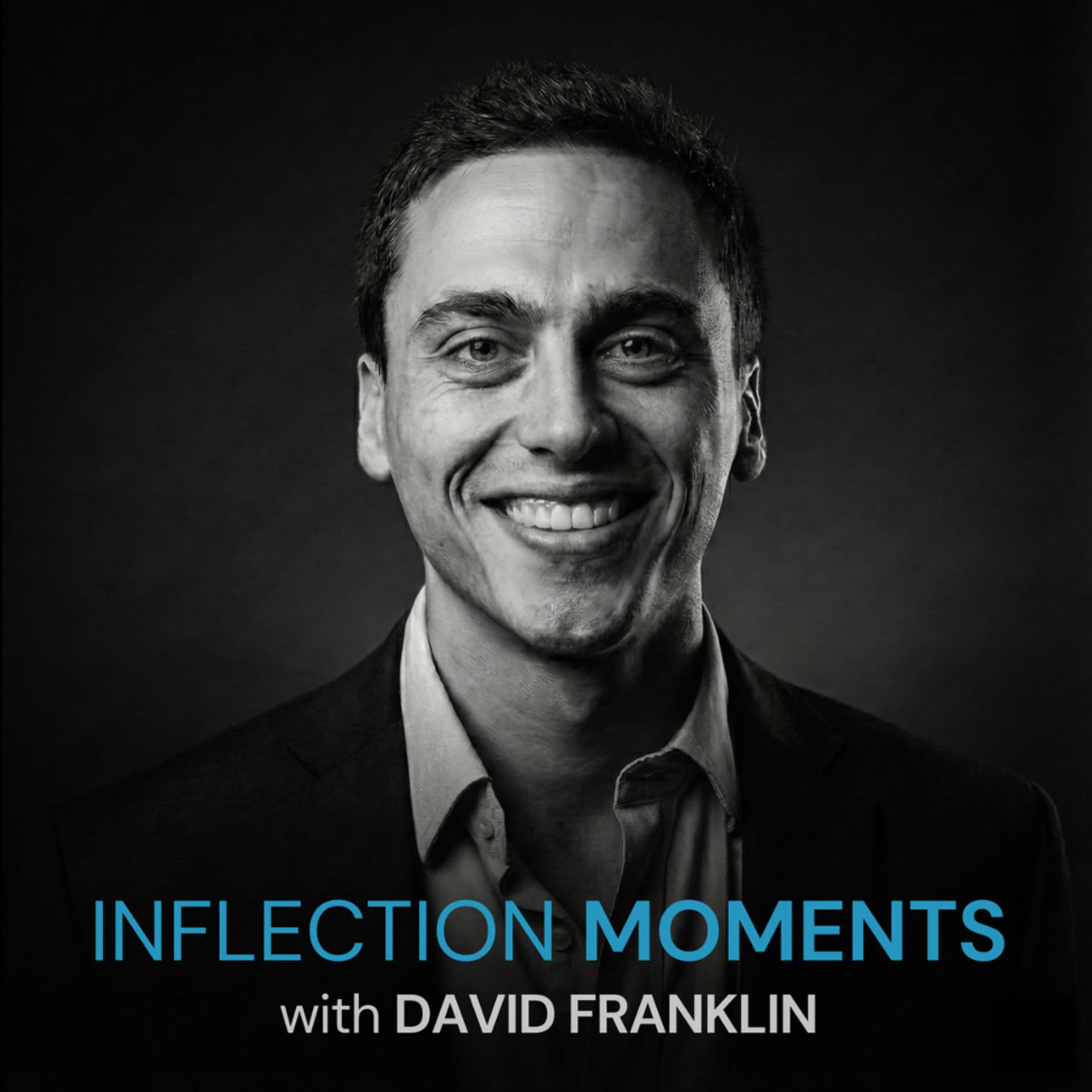
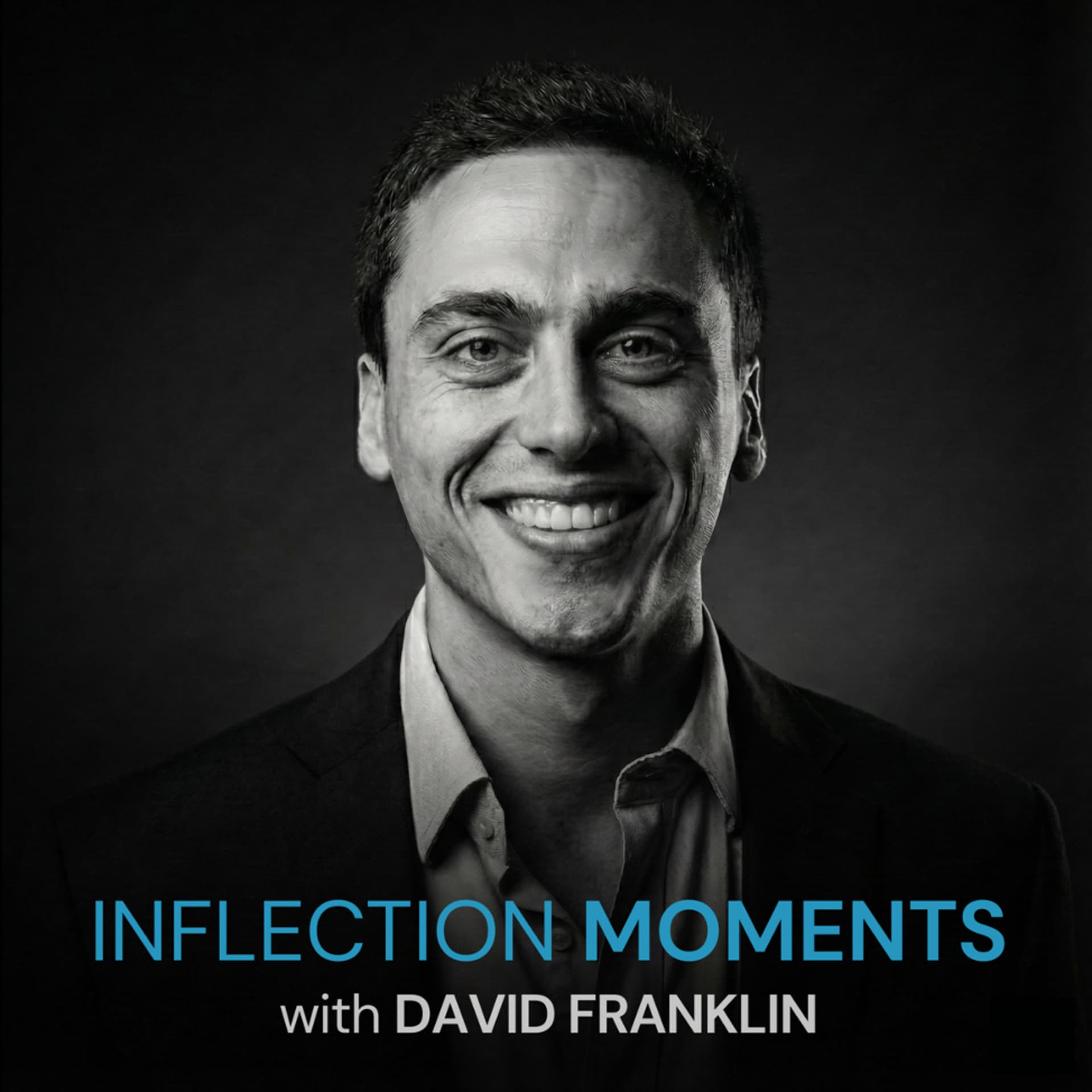
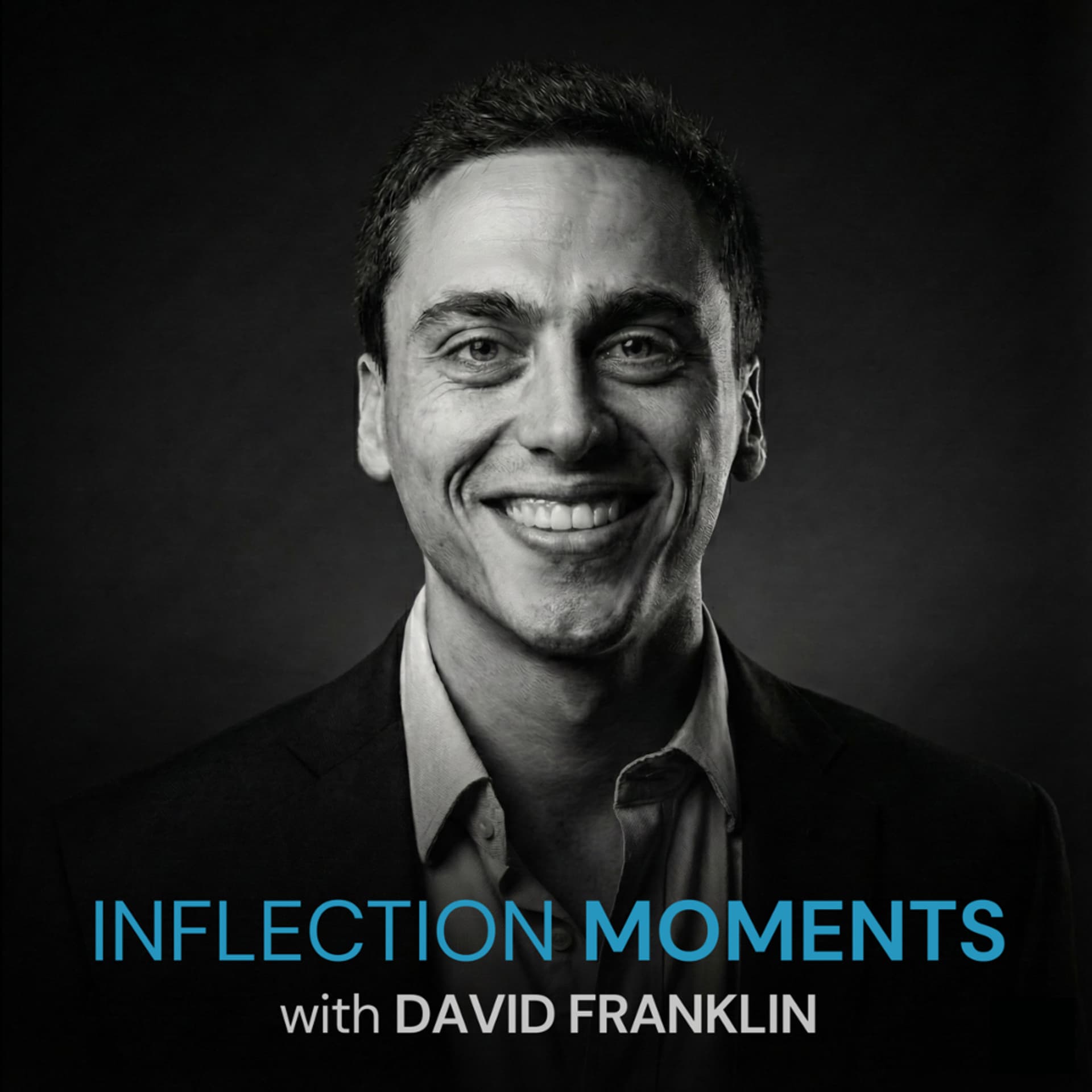
- Host: David Franklin
- Guest: Evan Spiegel, Co-founder and CEO of Snap (parent company of Snapchat)
- Key Themes:
- Redefining social media with a focus on ephemerality and authenticity
- Key inflection points in Spiegel's career that shaped Snapchat's trajectory
- The importance of design philosophy over features in technology
Key Inflection Points
- The Ousting of Reggie Brown
- Background: The initial co-founders, Spiegel, Murphy, and Brown, developed Peekaboo, a precursor to Snapchat.
- Conflict arises over co-founder roles and contributions leading to Brown’s ousting.
- Decision to remove Brown sets a precedent for prioritizing alignment with the company's vision over personal dynamics.
- Securing Lightspeed Funding
- By early 2012, Snapchat's user base is rapidly growing but facing server cost challenges.
- Evan approaches Lightspeed Venture Partners led by Jeremy Liu, who sees the potential despite skepticism about Snapchat’s revenue model.
- Lightspeed invests $485,000, marking the pivotal moment for Snapchat’s financial survival.
- Turning Down Facebook's $3 Billion Offer
- In November 2013, Evan and Bobby decline a $3 billion acquisition offer from Facebook.
- The decision is driven by a belief in Snapchat’s unique value proposition and fear of becoming just a feature on Facebook.
- This moment crystallizes Evan's conviction in his vision for Snapchat and its potential to define a new communication standard.
- Launching Snapchat Stories
- In October 2013, Snapchat introduces Stories, revolutionizing how users share content.
- The feature allows users to compile snaps into a narrative that disappears after 24 hours, promoting authentic sharing without performance anxiety.
- This innovation significantly boosts user engagement and positions Snapchat as a platform rather than just a messaging app.
- The Redesign Disaster
- In late 2017, Evan announces a major redesign aimed at simplifying user experience but fails to adequately test it with existing users.
- The redesign leads to backlash, frustration, and a decline in daily active users, resulting in a significant drop in stock price.
- Evan learns the importance of user feedback and the balance between conviction and adaptability.
Major Themes and Takeaways
- Philosophy Over Features
- Building products based on a strong philosophical foundation allows for differentiation.
- Evan’s approach contrasts with typical market-driven strategies that focus on immediate imitation of competitors.
- De-risking Your Downside
- By taking $10 million off the table in prior funding, Evan mitigated personal financial risk, enabling him to make bold decisions like turning down Facebook's offer.
- Speed of Iteration Over Perfection
- Emphasizing rapid iteration allows for quick learning and adaptation, despite the risks.
- After the redesign failure, Evan openly admitted mistakes and began implementing user feedback promptly.
Closing Thoughts
- Evan Spiegel's journey exemplifies how conviction and clarity of vision can lead to transformative outcomes in entrepreneurship.
- The episode highlights the lessons learned from both successes and failures, emphasizing the importance of humility and adaptability in leadership.
Additional Resources
- For more insights from successful entrepreneurs, subscribe to the Inflection Moments newsletter: [inflectionmoments.com](http://inflectionmoments.com)
- Follow on social media:
- [LinkedIn](https://linkedin.com/in/david-franklin8456/)
- [Spotify](https://open.spotify.com/show/0aqoOm53QLcOgyOkXFXNkO?si=5c7fc64ca22348e1)
- [Apple Podcasts](https://podcasts.apple.com/us/podcast/inflection-moments/id1841530808?i=1000743810616)
- YouTube: @InflectionMoments
Make sure to subscribe and share your favorite episodes to continue exploring the challenges and triumphs of innovative entrepreneurs!
Written by AI. May contain mistakes. Listen to the episode to check what was said.
Chapters
Tap a time to open that second in VOThe Birth of Peekaboo
1:46 to 5:30
Discover the early days of Snapchat's precursor, Peekaboo, and its challenges.
“I'm David Franklin, and you and I are about to dive into something fascinating.”
The Co-Founder Conflict
5:30 to 13:08
Explore the tense dynamics between Evan, Bobby, and Reggie leading to a lawsuit.
“His parents went through a messy divorce when he was a kid.”
The Courage to Cut
13:08 to 13:18
Understand the bold decision Evan made to oust Reggie for Snapchat's growth.
“Sometimes the most important decision you make isn't about who you bring on.”
Snapchat's Explosive Growth
13:18 to 13:30
Learn about Snapchat's rapid growth and the challenges of server costs.
“Now we're going to jump ahead to early 2012.”
Going All In on Snapchat
13:30 to 14:00
Examine Evan's decision to drop out of Stanford to focus on Snapchat's potential.
“We're talking about growth that most startups would kill for.”
Evan's Leap of Faith
14:00 to 16:00
Discover Evan's decision to drop out of Stanford and the risks he faces.
“Every snap that gets sent costs money to store, money to transmit.”
Finding a Visionary Investor
16:00 to 19:00
Learn how Jeremy Liu becomes intrigued by Snapchat and pursues Evan.
“Someone who's willing to say yes when everyone else is saying no.”
The Investment Decision
19:00 to 22:00
Explore Lightspeed's investment in Snapchat and its implications for Evan.
“In May 2012, Lightspeed invests$485 ,000 in Snapchat at a seed stage valuation.”
Evan's Vision Against All Odds
22:00 to 24:50
Understand Evan's struggle against industry skepticism and his refusal to sell.
“That's a return of more than 2 ,000 times.”
The $3 Billion Offer and Its Consequences
24:50 to 28:00
Examine the pressure faced by Evan regarding Facebook's acquisition offer.
“Zuckerberg has already tried everything.”
Show all 25 chapters
Evan's Decision Under Pressure
28:00 to 30:07
Learn how Evan Spiegel navigated the immense pressure to sell Snapchat.
“And years later, Evan tells a story and it kills me.”
Strategic Financial Moves
30:07 to 31:28
Discover how early financial decisions positioned Evan for success.
“Years later, Evan explains, I wish I could say it was wisdom, but I think Bobby and I just loved what we were doing.”
The Challenge of Competition
31:28 to 34:16
Understand the intense competition and how Instagram's influence altered Snapchat's landscape.
“not so much that you're complacent, but enough that you're not desperate.”
Evan's Vision for Public Sharing
34:16 to 36:22
Explore Evan's vision to evolve Snapchat beyond a messaging app.
“And Evan said no, not out of arrogance, not out of stubbornness, out of clarity.”
The Launch of Stories
36:22 to 40:08
Learn about the launch of Snapchat Stories and its transformative impact.
“So thinking about what Evan's vision is here, he wants to create a timeline, a way for users to share moments throughout the day, to tell stories, to let their friends see what they're up to.”
Impact of Ephemeral Content
40:08 to 42:00
Analyze how the concept of ephemeral content changed social media.
“Now there's actually a place for brands to tell narratives, to run campaigns, to reach users at scale.”
Understanding Snapchat's Cultural Advantage
42:00 to 43:58
Explore how Snapchat's unique culture gives it a competitive edge.
“it was copied everywhere, even though it's now a commodity feature that exists on every app, it's still most authentic on Snapchat.”
Evan's Ambitious Redesign Strategy
43:58 to 49:24
Learn about Evan Spiegel's vision to simplify Snapchat amid user confusion.
“It's clean, it's organized, and it's logical.”
The Fallout from Snapchat's Redesign
49:24 to 52:54
Delve into the backlash and consequences of the controversial redesign.
“Snap reports its first ever decline in daily active users.”
Lessons Learned from a Redesign Disaster
52:54 to 56:03
Discover the key takeaways from Evan's redesign experience and its impact on Snapchat.
“Now here's what I find fascinating about this story.”
Evan's Philosophy as a Competitive Moat
56:03 to 57:16
Learn how Evan Spiegel's strong philosophy shapes Snapchat's identity and strategy.
“He says, what they've done is they've changed their products.”
De-risking Personal Life for Business Success
57:17 to 59:01
Understand the importance of de-risking personal finances before taking business risks.
“Here's something I think most people miss about Evan's decision to turn down Facebook.”
Balancing Perfection and Speed in Iteration
59:02 to 1:01:06
Explore how Evan Spiegel balances his perfectionism with the need for rapid iteration.
“And the final thread is about the speed of iteration over perfection.”
The Power of Clarity in Leadership
1:01:08 to 1:02:41
Discover how clarity in vision and conviction has shaped Evan Spiegel's leadership style.
“So putting these all together, philosophy, de-risking, and speed.”
Lessons from Evan Spiegel's Journey
1:02:43 to 1:03:12
Learn the key takeaways from Evan Spiegel's journey in building Snapchat.
“And yet Snapchat is still here, still growing, still innovating, still defining how a generation communicates.”
Transcript
Automatic transcript. May contain errors.0:00Today we're focusing on Evan Spiegel story and here's why. Evan is the co-founder and CEO of snap the company behind Snapchat and the social app that now reaches more than 450 million people every single day. He took Snapchat from a disappearing photo toy built in a Stanford dorm room to a public company doing over$5.5 billion in annual revenue, while riding a valuation roller coaster that once had his personal net worth swing from roughly$15 billion at the peak to around the low single-digit billions today. For founders and investors, Evan's story is a case study in building a durable consumer habit in the shadow of giants.
0:40It's about what it means to design for a specific generation's behavior, survive copycat attacks from the largest platforms on earth, and keep compounding a product even when the market has written you off. And here's why his story matters to you today. We're in this era where AI is commoditizing software. Every platform starts to look the same. The barriers to building something are at an all-time low. But what Evan understood and what most founders completely miss is this. The hardest thing to copy isn't your features, it's your philosophy. In today's episode, you're about to hear Evan's five key inflection points.
1:19And these include the moment he ousted a co-founder and nearly lost everything, the pivot that saved Snapchat from irrelevance, the$3 billion no that shocked Silicon Valley, the product innovation that fundamentally changed how social media works, and my favorite, the crisis that almost destroyed the whole business and what he learned from it. These are the moments that matter, and these are the decisions that count. So let's get into it. Welcome to Inflection Moments. I'm David Franklin, and you and I are about to dive into something fascinating. You know that moment when everything changes for an entrepreneur?
1:55When one decision, one pivot, one breakthrough suddenly shifts their entire trajectory. That's what we're hunting for today. If you're building something, if you're that founder grinding it out, making those impossible decisions that keep you up at night, This episode is for you, because today we're going inside the mind of one of the most successful entrepreneurs in history to uncover the exact moments that transformed their journey from ordinary to extraordinary. Here's what we're doing. We're dissecting the five most pivotal inflection points in their career, but more importantly, we're uncovering the strategic thinking behind each decision, the kind of insight that separates the builders from the dreamers.
2:33Ready? Let's get started.
2:42Let me take you back to July, 2011 in the Pacific Palisades in Los Angeles. Evan Spiegel, Bobby Murphy, and Reggie Brown are camped out at Evan's dad's house. This is what living the startup dream looks like. Three guys, a living room, a laptop, and a vision. They've just launched an app called Peekaboo. It's the precursor to Snapchat. And all three of them, they're Kappa Sigma brothers from Stanford. They've lived together freshman year, third floor of Donna Dawn. These guys have been partying together, coding together, and dreaming together. Now, here's how it started. That spring, Reggie Brown is sitting in his room, and he's thinking about something that honestly, I think a lot of people have thought about.
3:23He sent a photo to a girl that he regrets. And he's wondering, what if there was an app where photos just vanished? No permanent record, no evidence, just a moment. and then it's gone. Evan hears this idea, and he seizes on it immediately. Now, why does Evan move so fast? Because he understands what he brings to the table. He's got a business mind. He's done internships at Red Bull. He's worked on a failed startup called Future Freshman with Bobby. He understands product design from his classes at Stanford. So he's the guy who can see the vision and turn it into a business. Bobby Murphy, Bobby is the technical genius.
4:04He's already graduated from Stanford with a degree in maths and computational science, and he comes back to code it. He's the one who can actually build the thing. And Reggie, he's the marketing guy. He designed the ghost logo. They called it ghost face chiller, which I absolutely love, by the way. He's drafting press releases and he's thinking about positioning. So you've got the classic three found a story. They're addressing each other as dude and bro and dog in text. They're working around the clock. So the app goes live on July 8th, 2011, and they're convinced, genuinely convinced, this is going to be huge.
4:43But then the summer ends and the reality hits. Peekaboo has 127 users. That's it, 127. They've reached out to journalists, nothing. Reggie even tries positioning the app as a sexting tool. And this is real. From an actual press release draft, peekaboo lets you and your boyfriend send photos for peeks and not keeps. I mean, come on, nothing is working. And then just to add insult to injury, they start getting cease and desist letters. There's a photo book company with the same name. So now they've got a legal problem on top of attraction problem. So at this moment, all three of these guys are staring at what looks like failure.
5:27And that's where the real story begins. Let me paint what Evan's feeling at this moment. He's 21 years old. He's got this thing in him, this drive. His parents went through a messy divorce when he was a kid. He watched his dad, John Spiegel, build a successful law practice in LA. And now it's his turn. This is his shot. He wants peekaboo to explode. He wants validation. He wants to prove to his family, to his classmates, to the world, that this crazy idea everyone mocked in that Stanford classroom was right all along. But here's what's brewing underneath, and this is where it gets really interesting.
6:05Reggie sees himself as an equal co-founder, and I mean equal. It was his idea. He came up with disappearing photos. He created the ghost logo. He was there from day one. As far as he's concerned, when this explodes, he deserves a third of everything. But in Evan and Bobby's minds, something very different is happening. They're the ones doing the real work. Bobby's coding day and night. I'm talking 16 hour days. Evan's designing the product, thinking through the user experience, hustling to get traction. They're the ones who are executing. And Reggie, they think he's not contributing enough. He's got a great idea, sure, but they need execution, not ideas.
6:49They've got plenty of ideas. They need someone who can code, someone who can design, someone who can build. So you've got this tension and it's building, but neither side is being totally honest about it yet. By August, the dynamic has completely shifted and you can feel it. Reggie starts to sense that Evan and Bobby are pulling away from him. He feels like they're having conversations without him, making decisions behind his back. He's in the room, but he's not in the room, if that makes sense. And then something happens that's actually pretty dramatic. Reggie does something that shows you exactly how paranoid he's gotten.
7:26He starts eavesdropping on their phone calls. He listens in on conversations between Evan and Bobby and what he hears, it confirms his worst fears. They're planning to cut him out. The confrontation comes in August. It's what court documents later describe as a contentious phone conversation. Reggie's prepared for this. He's thought about how to protect himself. And on August 11th, 2011, he files a patent application. Here's the move. He lists all three of them as equal co-founders without telling Evan and Bobby. He thinks this is going to protect him, give him leverage, make it legally impossible for them to cut him out.
8:04But Evan and Bobby, they're done. They're done. They make the call. They change all the passwords, every single one, servers, email accounts, everything. Reggie is locked out completely. This is brutal. I need you to really grasp this. The app has barely launched. They have 127 users and now the founding team is imploding. It's falling apart. So Reggie sues. He's claiming he was the originator of the idea and he was, he came up with it and that he deserves one third ownership. The lawsuit drags on for years Emails get released Texts get exposed Internal communications come out It's messy It's ugly And in that moment It could absolutely have killed the company But here's what I want you to understand About who Evan Spiegel is in this moment Most 21 year olds I'm going to be really honest here Would panic They'd try to patch things up They'd try to keep everyone happy They'd avoid the conflict at all costs Maybe they give Reggie something just to make the lawsuit go away, just to put it behind them.
9:11But Evan does the opposite. He's ruthless. He and Bobby decide if Reggie isn't aligned with the vision, if he's not pulling his weight, he needs to go. Period. No equity, no credit, nothing. And I want you to really think about this because it's shocking. It's shocking for someone so young. Evan is still a junior at Stanford. he hasn't even graduated yet. Bobby's only been out of school for a year. He's working full-time at a company called Revel Systems. They're barely scraping by. Bobby is using half his paycheck, around$5 ,000 a month, just to keep Snapchat servers running. They're living month to month, and yet they're willing to blow up the founding team.
9:54That takes conviction. That takes clarity about what matters. And then there's the key move, and I want you to really hear this, they double down on the business. They don't slow down. They don't second guess themselves. They don't get paralyzed by the legal threat. Instead, they rebrand. In September 2011, peekaboo becomes Snapchat. Brand new name, fresh start. And they introduce a feature that notifies users when someone takes a screenshot because they're listening to what users are afraid of. Privacy anxiety is a real thing and they're solving for it. And here's something Evan said years later that tells you everything about his mindset in this moment.
10:35There are very few people in the world who get to build a business like this. I think trading that for some short-term gain isn't very interesting. That long-term orientation, that willingness to endure short-term pain for long-term gain, that's already in him. At 21 years old, while his founding team is imploding, while he's getting sued, while he's got 127 users, that's already in him. So think about the result of all this, the gamble pays off. By December 2011, just three months later, Snapchat has 2 ,241 users. By January 2012, 20 ,000. And by April, 100 ,000. The growth curve is insane. And the percentage of active users is hovering around 90%.
11:22Do you know how rare that is for a social app? It's almost unheard of. And here's how it actually happens. It's kind of beautiful, actually. Evan's mom tells her niece about the app. The niece is in high school where kids have iPads, but Facebook is banned. She shows Snapchat to her classmates and they love it. They start using it to send each other messages during class without teachers knowing. It spreads from one LA high school to another, then to college campuses around Southern California. By early 2012, Snapchat is going viral among Gen Z teens, organically. No marketing, no paid ads, just word of mouth.
12:02Kids telling kids. Reggie Brown is gone, but Snapchat is alive. And here's the brutal lesson, the lesson that most founders learned the hard way. Evan's willingness to make the hard call, to cut someone out when they weren't aligned with the vision, freed him and Bobby to move fast. They didn't get bogged down in some co-founder drama. They didn't have to negotiate every single decision with a third person. They just built. The lawsuit haunts them for years. But in September 2014, three years later, they settled with Reggie. He gets$157.5 million, paid out in installments, with a final payment of$107.5 million coming in 2016.
12:44And he gets official recognition as a co-founder of Snapchat. By then, Snapchat is worth billions. So let's be clear. The decision to oust Reggie nearly destroyed them legally. It cost them over$150 million. That is not cheap, but operationally, it gave them the clarity and the speed to scale. This is a lesson that most founders learn the hard way. Sometimes the most important decision you make isn't about who you bring on. It's about who you're willing to cut out when they're not aligned. And that takes courage.
13:27Okay, inflection point number two. Now we're going to jump ahead to early 2012. At this point, Snapchat is exploding. I'm not using that word loosely either. We're talking about growth that most startups would kill for. High school students, college kids, all around LA and beyond. What started with Evan's mom telling her niece about the app has turned into an absolute phenomenon. By April 2012, they're hitting 100 ,000 daily active users. But here's the problem, and it's a massive one. It's existential for them. Server costs are exploding. Every snap that gets sent costs money to store, money to transmit.
14:06it. And as usage grows exponentially, the bills are just skyrocketing. They're paying over$5 ,000 a month just to keep the servers running, just to keep the lights on. At this point, keep in mind, Evan has dropped out of Stanford. And I want you to really hear this. He drops out weeks before graduation. So his parents are naturally furious. He's walking away from a Stanford degree, not just any degree, but a Stanford degree for an app that has zero revenue and burns thousands of dollars a month. That's a big bet. That's a really big bet. But Evan is convinced this is the moment. If they don't go all in now, if they don't find capital now, they miss the window and the opportunity closes.
14:49So getting inside Evan's head for a moment, what he needs is a lifeline. He needs someone, not just any someone, he needs someone who understands what they're building. Someone who can see past the headlines because the media narrative at this point is this is just a sexting app. That's what every news article is calling it. Disappearing photos must be for sexting. But Evan knows that's not what Snapchat is. It's something deeper. It's tapping into something fundamental about how young people want to communicate. He needs a VC who can see that, who can see past the narrative. But here's the catch.
15:24Evan is 21 years old. He's a college dropout. He's got zero business experience. And most importantly, the app has zero revenue, zero, not a dollar coming in. Most VCs in Silicon Valley would take one look at this and laugh. Disappearing photos for teenagers, where's the business model? How do you monetize ephemeral content? These are the questions everyone is asking. And they're fair questions if you're thinking like a traditional VC. But Evan needs someone who thinks differently, someone willing to bet on a product that defies all the conventional wisdom about what makes social media work. Someone who's willing to say yes when everyone else is saying no.
16:06Enter Jeremy Liu. He's a partner at Lightspeed Venture Partners in Menlo Park. This is a real VC firm, serious players, and here's how he finds out about Snapchat. His partner's daughter mentions it. That's it. She tells her dad that high school students only use three apps, Instagram, Angry Birds, and Snapchat. Liu knows the first two. The third one, he's never heard of it. So Liu does what any good VC does. He starts researching. He Googles Snapchat and nothing comes up. No website, no press coverage, just a generic email address. He sends emails, no response. He tries LinkedIn, still nothing.
16:50Finally, and I love this, he finds Evan Spiegel on Facebook and sends him a message. Evan responds, but he's not interested. We're not looking for investment right now, he writes. Just like that, not interested. They're barely keeping the lights on and the founder is telling the VC he's not interested. But Liu persists. He's intrigued. He invites Evan to come up to Menlo Park just to chat, not to pitch, just to talk. when they finally sit down, Liu asks Evan something. Why did you only respond to the Facebook message and not any of the others? And Evan's answer is pure Evan Spiegel. Ready for this?
17:29It was because you had President Obama in your profile picture. That's it. The guy who's deciding whether to invest hundreds of thousands of dollars and Evan just chose him based on his profile picture. It tells Liu everything he needs to know about this founder. This guy makes decisions based on instinct, on gut, on what feels right. Not on spreadsheets, not on business plans, just what feels right. During that meeting, Evan explains his philosophy. He talks about how Facebook and Instagram create performance anxiety. People are tired of curating their lives, building a highlight reel, making everything look perfect.
18:10Snapchat is different. It's about fun. It's about being yourself. It's about communicating without the pressure of permanence. So Liu is intrigued. So he does something smart. He starts talking to young women, the most discerning early adopters in social media. Are they obsessed with Snapchat? Are they really using it? And the answer is yes. They're using it multiple times a day. But even Liu isn't sure what Snapchat is. Is it a messaging app? A photo app? A toy? The category doesn't even exist yet. There's no playbook for this. Here's where it gets interesting because Liu makes a call. He decides to trust the users, not the pundits, not the analysts, not the traditional VC wisdom.
18:56He looks at the metrics. Snapchat has grown from 1 ,000 daily users in late 2011 to 100 ,000 daily active users by April 2012. That's 100 times growth in six months. a hundred times with essentially zero marketing no paid ads no pr blitz just organic viral adoption and the engagement users are opening the app 18 times a day on average that's insane for social media that is unheard of most apps are thrilled if users open them once or twice a day snapchat is 18 times. So Lou makes the bet. In May 2012, Lightspeed invests$485 ,000 in Snapchat at a seed stage valuation. It's the first institutional check.
19:46First real money from a professional investor. And for Evan and Bobby, it's a lifeline. It's everything. They can finally pay themselves. They can hire engineers. They can scale the infrastructure. They can stop worrying about paying for servers with half of Bobby's paycheck. But, and this is where the story gets really interesting, things get complicated. And this is where Evan learns a lesson that will shape every future fundraising decision he makes. The term sheet that Liu presents includes aggressive terms, really aggressive. Lightspeed gets right of first refusal on future funding rounds, which means if there's a next round of funding, Lightspeed gets to decide whether they want it and they can take up to 50 % of that round.
20:3150%. They can essentially take as much as they want. It effectively gives them veto power over other investors. It makes future investors hesitant because they can't get the ownership stake that they need. Most 21-year-old founders would just sign it. They need the money. They're desperate. The servers are failing. This is survival money. So yeah, they sign. But Evan is paying attention and he doesn't forget. According to sources who spoke to the New York Times years later, Evan and Bobby quickly regretted some of those terms. They felt like Lightspeed had used their inexperience against them.
21:05They felt like they'd been taken advantage of. And here's the thing. They were right. It's not that Liu was being malicious. He was being a good VC. He was protecting his investment, getting the best terms he could. But he used his leverage against two 21-year-olds who didn't have a lawyer who understood this stuff. And it left a mark. Evan learned something in that moment. something fundamental. Capital is power. If you let investors control your company, they can kill your vision. With Lightspeed's cash, Snapchat stays alive. Evan officially drops out of Stanford, for real this time, not just practically.
21:41The app finally launches on Android, and it opens it up to millions of users. By December 2012, Snapchat hits a million daily active users. By the end of 2013, they're at nearly 35 million. That is exponential growth. Lightspeed's$485 ,000 investment eventually becomes worth over a billion dollars at the IPO. That's a return of more than 2 ,000 times. Lou becomes one of the most celebrated VCs in Silicon Valley. But here's what's important. The friction over control shaped how Evan thinks about power and governance. It shaped everything he does from this point forward. Years later in March 2017, when Snap goes public, Spiegel structures a deal differently than any founder has before.
22:28Public shareholders get zero voting rights. Zero. Let me say that again. Zero. Class A shares, the one sold to the public, have no votes at all. You can own Snap stock, but you have no say in how the companies run. Only Evan and Bobby hold the class C shares with voting power. It's unprecedented and investors were furious. Wall Street hated it. There were articles saying this was bad governance, bad precedent, that Evan was a dictator and they had too much control. But Evan didn't care because he'd learned the lesson back in May 2012 with Lightspeed. If you let investors control your company, they can kill your vision.
23:08They can compromise your philosophy that can push you to optimize for different metrics than what you believe in. So he never let that happen again, ever. The Lightspeed funding round didn't just save Snapchat. It taught Evan the most important lesson in Silicon Valley, never give up control. And that lesson would define everything he did next.
23:36okay inflection point number three and now we're going to jump to november 2013 snapchat is absolutely exploding i'm talking about growth that most ceos will never experience in their entire career the app is now seeing 400 million snaps sent daily think about that that That is more photos than Facebook and Instagram are processing combined. 400 million snaps every single day. They've got 26 million daily active users in just the United States. And 71 % of them are under 25. Evan has built something that is the native app for an entire generation. Teens aren't using Facebook anymore. They're using Snapchat.
24:20But meanwhile, Facebook is in crisis. Teen usage is declining. and Mark Zuckerberg knows exactly why. He's not stupid. He can see the data as well as anyone. During the Q3 2013 earnings call, CFO David Abisman actually admits it. Daily teen engagement is dropping. On the back of that call, the stock wipes out$3 billion in market cap in a single day. Wall Street is panicking. They're wondering whether Facebook has peaked. Are they losing the next generation to some app that they've never heard of? Zuckerberg has already tried everything. In December, 2012, he launched an app called poke. It was a near perfect clone of Snapchat and it flopped.
25:02Total failure. Earlier in 2013, he made a quiet acquisition offer to Evan around a billion dollars. And Evan said, no, but now Zuckerberg is back. And this time the offer is impossible to ignore. $3 billion, all cash. Let me paint the picture of what this means. It's November, 2013. Evan is 23 years old. Bobby Murphy is 25. If they accept this offer, they each walk out with around$750 million. That is generational wealth. That is never have to work again money. That's everything a 23-year-old college dropout could dream of, literally everything. On paper, this is the dream exit. You build an app in your dad's living room, and now the most powerful person in tech, the guy who created Facebook, who's worth over$20 billion, is offering you$3 billion to sell.
26:02Your lawyers are telling you to take it. We're talking about serious lawyers, smart people, people who understand the law and understand capital. They're saying, take this deal. Meanwhile, your investors are skeptical. Industry insiders are saying, Snapchat is a fad. It'll be dead in two years. Facebook will crush you no matter what you do. This is your one chance to cash out, to get rich before it all goes to zero. But Evan, Evan wants something different. He doesn't want to work for Mark Zuckerberg. That's not a small thing. He doesn't want Snapchat to become a feature inside Facebook. He doesn't want to be a product manager reporting to someone else's vision.
26:42He wants to build something independent, something big, something that matters. And here's what he knows, something that most 23-year-olds don't. If you sell now, if you take the$3 billion, you're essentially admitting that Snapchat was just a feature all along. You're proving that Facebook was right, that teenagers don't actually need a separate communication platform. They just needed a feature on Facebook. But Evan doesn't believe that. And he's not going to let his investors' fears or his lawyers' doubts or the entire industry skepticism tell him what to do. The pressure is excruciating. And I want you to really understand this moment.
Read the full transcript
27:24It's not just internal doubt. It's pressure from everywhere. Zuckerberg doesn't just send an offer letter. He flies to LA. He comes to Venice, California to Snapchat's turf, not Facebook's. The two sit down face to face and Zuckerberg makes his pitch. He talks about Facebook's vision for the future of communication. He talks about how well Instagram is doing inside Facebook. and he dangles the$3 billion. And Evan says no. But saying no is just the beginning because after that meeting, the pressure intensifies. His lawyers are literally convinced the company's going to zero. And years later, Evan tells a story and it kills me.
28:05He says, I remember joining a conference call with some of our lawyers and they were saying, this thing is basically going to zero. It's just a fad. And I'm like, oh, hey guys, they didn't know I was there because I joined a minute or two early. The lawyers thought Snapchat was worthless and they're smart people. These are accomplished attorneys, but they're looking at this through a traditional VC lens and through that lens, you take$3 billion when it's offered. But here's what really matters. Zuckerberg isn't just making an offer. He's threatening Evan. In the communications between Facebook and Snapchat, Zuckerberg mentions that Facebook is building another Snapchat competitor.
28:41The subtext is crystal clear. sell or we'll bury you. And listen, Zuckerberg can actually do it. Facebook has billions in cash. They have the best engineers in the world. They have over a billion users. If they want to kill Snapchat, they can throw everything at it. They have the resources and they have the will. So what does Evan do under this pressure? What does a 23-year-old kid do when the most powerful person in tech is threatening them, when his own lawyers think he's delusional, when his investors are pressuring him to take the money? He watches the data. That's it. That's what he does.
29:16He doesn't panic. He doesn't listen to the lawyers or the investors or the threat. He just watches the data. He's seeing that over 400 million snaps are being sent daily. He's seeing that Snapchat users are opening the app 18 plus times a day. More than Facebook. More than Instagram. He's seeing something that most people don't see. At college football games, students are watching games through Snapchat. through the live camera and they're getting more views than some TV broadcasts. The data is telling him one thing. Snapchat is not a fad. It's a behavior. It's a new way people want to communicate and behaviors are hard to kill.
30:00Evan and Bobby make the call. They turn down$3 billion at 23 and 25 years old. Years later, Evan explains, I wish I could say it was wisdom, but I think Bobby and I just loved what we were doing. We loved what we were working on and we believed in the future of it. Ultimately, we were able to convince our investors too that our opportunity was much bigger over time. But here's where it gets really interesting because there's something genius that Evan did before this moment. And this is a move that most founders completely miss. In a prior financing round, Lightspeed and Benchmark let Evan and Bobby each sell$10 million dollars of stock as secondaries.
30:40Think about that strategically. They're not taking 750 million. They're taking 10 million. That's enough to buy a house, enough to feel financially secure, enough to pay off student loans, enough that you're not desperate anymore. And Evan explains exactly why. He says in his own words, that allowed us to just swing for the fences. There wasn't that feeling of, oh no, I'm not going to be able to buy a house or have a family. We were like, We each got 10 million bucks. Let's go for it. So let's think about what he did here. He de-risked his downside so he could take the biggest risk of his career.
31:13This is the strategic move. Most founders don't understand this. They think it's either all in or nothing. Either you're desperate and willing to do anything or you're conservative and play it safe. But Evan shows there's a third path. You take enough money off the table to feel secure. not so much that you're complacent, but enough that you're not desperate. And then you swing for the fences. This isn't recklessness. It's calculated and it's courageous. But here's what happens next. Facebook doesn't give up. Over the next few years, they launch clone after clone, poke, slingshot, messenger day, one after another, and most of them die.
31:55They're forgotten within months. But Instagram Stories, Instagram Stories is different. Launched in August 2016, it's a pixel perfect copy of Snapchat Stories feature. And it works. Within a year, Instagram Stories surpasses Snapchat's entire daily active user base. So in some ways, Zuckerberg gets what he wanted. He copies Snapchat's most important feature. Instagram Stories becomes the dominant way people share stories on social media. Snapchat's future becomes a commodity and everyone has it. But here's what's fascinating. Facebook still can't kill Snapchat because here's what Facebook couldn't copy.
32:35They couldn't copy Snapchat's philosophy. They couldn't copy its creator ecosystem, the 400 ,000 plus developers using AR lenses. They couldn't copy its intimate friend-based network. They couldn't copy its cultural cachet among Gen Z and they couldn't copy the feeling of using it. In a 2018 interview, Evan was asked about how he feels about Facebook copying Snapchat's features, and his response is perfect. He says, what they've done is they've changed their products, but I think fundamentally, they're having a really hard time changing their mission. I think what Instagram Stories has copied is the exact visual design of Snapchat Stories, but the one thing they can't copy is the feeling of using it.
33:18You can copy the features, but you can't copy the soul. by March, 2017, when snap goes public, the company is valued at$24 billion. That's eight times what Zuckerberg offered. Evans personal stake is now worth over$4 billion. So turning down that $3 billion offer ended up earning him an extra billion at this point, but it's not just about the money. It's about the freedom. It's about building on your own terms on your own timeline. and according to your own vision. That is priceless. So let's think about what the lesson is here. When you have conviction, when you've de-risked your downside, when you're watching the data instead of listening to the pundits, when you have clarity about what you believe and why it matters, saying no to the obvious path can be the most strategic decision you make.
34:09Everyone in that moment was telling Evan to take the money. Everyone. His lawyers, his investors, the entire industry. And Evan said no, not out of arrogance, not out of stubbornness, out of clarity. He knew what Snapchat was, he knew what it could become, and he wasn't going to let anyone, not even the most powerful person in tech, convince him otherwise. That is what conviction looks like.
34:41Okay, it's now October 2013, just weeks after turning down$3 billion. just weeks, Evan is facing a completely different kind of problem, a product problem, and it could determine Snapchat's entire future. The app is massive among teens, 350 million snaps sent daily, but it's still fundamentally just a private messaging tool. You send a snap to your friend, they view it, it disappears, that's it. One-to-one communication. It's addictive, it's fun, but it has huge limitations. There's no feed, no timeline, no way to share more broadly with your friends without sending individual snaps to each person one at a time.
35:20And here's the real problem. There's no obvious path to monetization. How do you sell ads in a one-to-one messaging app? How do you make money when all your content is ephemeral and private? Evan knows Snapchat needs to evolve. It needs to become a platform, not just a messaging tool. He needs to give users a reason to spend more time in the app. He needs to create content that advertisers can sponsor. He needs a place where brands can tell stories, not just where individuals send photos. But keep in mind at this point, Evan is terrified. He's terrified of becoming Facebook, terrified of becoming Instagram.
35:58He doesn't want a feed full of polished, curated, performative content. He doesn't want users overthinking every photo, worrying about likes, building highlight reels. That is the opposite of what Snapchat is supposed to be. So the question becomes, how do you build a public sharing feature without creating the performance anxiety that Snapchat was built to solve in the first place? How do you become a platform without losing your soul? So thinking about what Evan's vision is here, he wants to create a timeline, a way for users to share moments throughout the day, to tell stories, to let their friends see what they're up to.
36:34Not in a curated, highlight real way, but in an authentic, real-time way. but he doesn't want it to feel like Instagram. On Instagram, every post has to be perfect. You're broadcasting to the world. Your photos live forever. They get judged by likes and comments. It's this whole performance. Snapchat needs to be different. Different in the structure itself. But beneath the product vision, there's also a business imperative. Snapchat needs to create inventory for advertisers. They need a place where brands can tell stories, where campaigns can run, where they can reach users at scale. Private messaging doesn't give them that.
37:14So the real challenge is, how do you design a public feed that removes performance anxiety instead of creating it? This is a massive design challenge. Think about it. No other platform has ever done this. No one. Every social platform in history is built on permanence, on lasting. Facebook's entire model is permanence, creating a digital scrapbook of your life that lives forever. Instagram is about curating your highlight reel, making sure every photo is perfect before you post. Twitter is about permanence and variety. Everything in social media is about lasting, about what survives. And Evan is proposing the opposite, a feed where everything expires, where content vanishes after 24 hours, where there are no likes, no comments, no public metrics.
38:02This is radical thinking. Think about it from a user perspective. Why would you spend time creating content that's going to disappear? What's the point? It doesn't make sense. It goes against every instinct in social media design. But Evan has a different hypothesis. He believes that because content disappears, people will feel free to share more. They won't overthink it. They won't worry about whether it's perfect. They won't agonize over every detail. They'll just post spontaneously and authentically. It's a bet on human psychology. And if he's wrong, if people don't get it, if the feature confuses users, if it fragments the product, it could be catastrophic.
38:41It could give Facebook the opening they need to kill Snapchat. In October 2013, Snapchat launches stories. Users can now compile photos and videos into a narrative that lasts exactly 24 hours. Friends can view that story an unlimited amount of times within that 24-hour window. And after 24 hours, it's gone forever, completely deleted. And Evan chooses a tagline that I absolutely love. And that tagline is, it's about time. That's not random. He's making a statement about how social media should work. It should be temporal, ephemeral, in the moment, not permanent, not curated, not performative, just time-based.
39:23And here's the genius of that design. By making stories ephemeral, Evan removes the pressure. You don't have to make your story perfect because it's going to disappear anyway. So you can share the boring parts of your day the mundane moments, the silly stuff. You can just be yourself. You don't have to perform. The product team designs it to feel native to Snapchat. Stories appear as circles at the top of your friends list. You tap to view, you swipe to skip. It's intuitive, it's fast, and it's mobile first. And again, repeating this important point, it's critical. There are no likes, no comments, no social media engagement, no public engagement metrics.
40:00You can see how many people viewed your story, but that's it. No social pressure to conform, no race for engagement. For advertisers, this is a revelation. Now there's actually a place for brands to tell narratives, to run campaigns, to reach users at scale. Snapchat finally has a monetization path that instead feels native. So thinking about the outcome of all this, Stories becomes the defining feature of Snapchat almost overnight. Within months, it's the most used part of the app. Users spend more time on Stories than they do on direct messages. By early 2014, users are watching hundreds of millions of stories daily.
40:41By 2016, over a billion stories are being viewed every single day. That feature fundamentally transforms Snapchat's engagement metrics. And here's the key insight. Before stories, you opened Snapchat when someone sent you a message. It was reactive. Someone had to initiate. Someone had to send you something. After stories, you opened Snapchat just to see what people were doing, to see what your friends were up to. It was proactive. That shift from reactive to proactive usage, that is the key. And that is what turned Snapchat from a messaging app into a platform. And then, as you'd expect, the competition notices.
41:21Instagram watches what Snapchat has built and they realize we need this. So here's the really wild thing. The innovation of stories doesn't just save Snapchat. It changes the entire social media landscape forever. Within a few years, Facebook adds stories to the main app. WhatsApp launches stories. Messenger gets stories. YouTube launches its own version. Even LinkedIn eventually adopts the format. So taking a step back, Evan invented a new grammar for social communication. The 24 hour ephemeral narrative. It's now the standard on every platform. It's the way people share on the internet. And even though it was copied everywhere, even though it's now a commodity feature that exists on every app, it's still most authentic on Snapchat.
42:06And the reason is because Snapchat was the first because Snapchat built it from philosophy, not as a feature because the entire culture of the app supports it. You can clone an interface, you can copy code, you can replicate the mechanics, but you can't clone the culture. You can't copy the soul of a product. That is what makes Snapchat defensible. And that's what makes it survive. And that is what Evan understood when no one else did.
42:41Okay, final inflection point now, and it's late 2017. Evan is back on a flight from china and he's inspired not just a little inspired really inspired he's been studying chinese super apps wechat duyin what would become tick tock internationally and he's watching what these companies are doing and he's thinking snapchat needs to evolve because here's the problem over the years snapchat has become complicated messages stories discover content from publishers snap map everything is jumbled together new users open the app and they're confused they're asking questions like what am i looking at where do i go how do i use this the app that used to be dead simple is now a mess keep in mind growth is slowing investors are getting nervous and evan knows if we don't simplify this if we don't create some order out of this chaos we're going to lose the next generation of users to something cleaner something simpler So on the flight home, Evan sketches out a new vision with one of his top designers, Will Wu.
43:43The core idea is elegant. Separate friends from media. On the left side of the app, your personal relationships, direct messages, and stories from people that you know. On the right side, professional content, publishers, creators, celebrities, ads, algorithm-driven, not chronological. It's clean, it's organized, and it's logical. call. By doing this, Evan is convinced that this will solve Snapchat's biggest problems. It'll make the app more intuitive for new users, give Discover more prominence, make Snapchat more attractive to advertisers and publishers, and compete with Instagram, which has been eating their lunch since launching Stories in 2016.
44:22So now we're at November 2017. During Snap's earnings call, Evan announces the redesign publicly to Wall Street investors and analysts. and here's the thing he's made bold product bets before ephemerality stories spectacles and they've worked so he's confident that this will work too but this time this time is different this time snap is a public company there are shareholders there are quarterly earnings calls there's wall street watching every move and evan is about to learn a brutal lesson about the difference between being a private company and a public one so let's think about what evan's trying to do he's trying to fix the onboarding problem.
45:01He's hearing directly from users the app is too complicated, too hard to navigate, too cluttered. He's watching new users download Snapchat and then abandon it. And the reason is because they can't figure out how it works. And then there's the business side. Publishers are complaining. They're saying we can't get users to find our content on your discover mode. Meanwhile, advertisers want more inventory, want better targeting, clearer placements, and they want a redesign app with dedicated media sections that make Snapchat a more attractive platform for brands. So the intent is good. The strategy seems sound, but Evan makes a critical error.
45:35He doesn't adequately test the redesign with Snapchat's core users before rolling it out. He's so convinced the changes are logical, so certain they'll improve the product that he just pushes forward, despite the internal concerns. So Evan orders his engineering and design teams to build the redesign, and he gives them six weeks. Six weeks to redesign the architecture of an app used by hundreds of millions of people. It's an impossibly tight deadline. Many employees end up working 12-hour days, six days a week, just trying to meet that deadline. They work themselves to exhaustion. And you know what?
46:10They miss the deadline and the redesign isn't ready. But in November 2017, Evan goes ahead and announces it publicly during Snap's earnings call anyway, without telling most of his team. Very few people at Snap, including the top executives in design and engineering, have any warning that Evan is about to announce that redesign. The guys who built it, the guys who said it wasn't ready, they find out along with the rest of Wall Street. In December, Snap finally starts testing the app internally, and the early results are mixed. Some engagement metrics improve, but many others, including user engagement with friend stories, one of Snapchat's core features drops significantly.
46:50Multiple employees warn Evan about the risks. They tell him the redesign could alienate the core users. They suggest delaying the rollout, iterating more, testing more, getting feedback before you ship this to hundreds of millions of people. But again, Evan pushes forward. He delays the launch until early 2018, but he doesn't scrap it. And in February 2018, the redesign starts rolling out to all users. The reaction is immediate and brutal. Users hate it. They hate it. The new interface mixes direct messages with friend stories in confusing ways. The algorithm-driven discover feature feels chaotic.
47:28Users can't find their friend's content anymore. All the simplicity that made Snapchat special is gone, replaced with confusion and frustration. And then, February 21st, 2018, something happens that even Evan can't control. Kylie Jenner tweets. and that tweet says so does anyone else not open snapchat anymore or is it just me oh this is so sad keep in mind kylie jenner has a hundred million followers she's not just a celebrity she's the voice of gen z and she just told her entire audience that she doesn't use snapchat anymore the tweet goes viral instantly and the direct consequence of this is that the stock price plummets over 7 % in a single day.
48:12That wipes out$1.3 billion in market value in one day. Then there's a change.org petition demanding that Snap remove the update and that gets 1.2 million signatures within days. One-star reviews flood the app store. Users are threatening to delete the app entirely and move to Instagram. And here's the thing that really gets me. Evan refuses to back down in mid-february during a conference he doubles down on the redesign he says even the complaints we're seeing reinforce the philosophy even the frustrations we're seeing really validate those changes it'll take time for people to adjust he's telling people he's telling millions of angry users that they're wrong that they just don't understand yet that they need to be patient and he's doing this as the CEO of a public company whose stock is in free fall I mean think about the position he's in.
49:05Wall Street is panicking. His own employees are demoralized. His core users are abandoning the app. Competitors are circling and instead of omitting the problem, instead of rolling back the redesign, Evan is telling the world to have faith, to wait, to trust the vision. That's either the most brilliant leadership move or the most delusional thing imaginable. By mid-2018, the damage is undeniable. Snap reports its first ever decline in daily active users. And what happens is that the stock drops below its IPO price of$17. Competitors smell blood. Instagram is crushing them. Facebook is piling on.
49:42The narrative in the media has shifted. Snapchat is finished. Evan is finished. This is what happens when a founder gets too much power and not enough oversight. And then Evan does something unexpected. He admits he was wrong. Not partially wrong, not sort of wrong, completely wrong. In a leaked internal memo, he writes this to employees. He says, we rushed our redesign, addressing one issue, but inadvertently creating many others. It's a rare moment of vulnerability from Evan. For months, he's been defending the redesign, insisting that users will adapt. And now he's standing up and saying, we messed up.
50:19We shipped something we shouldn't have shipped. We moved too fast and we hurt our users and our business. But, and this is important, he doesn't abandon the philosophy behind the redesign. He still believes that separating friends from media is the right strategic move. He just acknowledges that the implementation was bad. And then he does something that most CEOs do reluctantly, if not ever. And that is, he starts iterating fast. In May 2018, Snap rolls out changes to address user feedback. They put friends' stories back in chronological order. They moved them back to the right-hand side of the app where they were before.
50:55They fixed the algorithm. It's not a full revert. It's not, we admit we were totally wrong. Here's the old version. But it's a significant course correction. At the Code Conference in May 2018, Evan reflects on the experience. And this quote just kills me. He says, one thing I underestimated at the time was how much it would impact our investors. They just could not comprehend why we would totally change our product and redesign the service. For me, that was a really great lesson because it teaches the importance of having that long-term vision, even though it's going to surprise people, even though it's going to make people feel uncomfortable.
51:27Your job as a leader is just to explain stuff all the time. So reading in between the lines a little bit with this, he's not blaming the investors. He's not being defensive. He's just saying, I didn't communicate well enough and I didn't help people understand why I was doing this. that's on me so thinking about the outcome of all this the redesign costs snap daily the company loses millions of daily active users the stock craters and competitors gain ground for a brief moment it actually looks like snapchat might be finished like evan's moment is over but evan doesn't quit he fights back over the next two years snap introduces a wave of new products snap map lets users share their location with friends snapchat plus launches as a subscription tier that generates over 700 million dollars in arr by 2024 they double down on augmented reality new versions of spectacles and develop a platform for ar lenses that attracts over 300 000 creators they invest heavily in original content and creator monetization and by 2024 snap is paying out over$500 million to creators annually.
52:36That's real money going to real people, creating real content on the platform. By 2025, Snapchat reaches 453 million daily active users globally. That's more than they had before the redesign. Revenue is approaching$6 billion annually. The stock recovers and Snap survives. Now here's what I find fascinating about this story. The lesson isn't about avoiding mistakes. Every founder makes mistakes. The lesson is about how you recover from them. Evan could have panicked. He could have fired half of his team. He could have abandoned the vision entirely. He could have gone into defensive mode and blamed the users for not getting it.
53:14That's what most leaders do in a crisis. Instead, he stayed focused on the long term. He acknowledged his errors publicly. He listened to the feedback. He kept iterating. he treated his users like adults, not like numbers on a dashboard. And in a weird way, the crisis forced Snap to mature. It taught Evan that conviction is important, but so is humility. That being bold doesn't mean being stubborn. That leadership isn't about always being right. It's about being adaptive enough to learn and change when you're wrong. Years later, Evan would say the more important thing for us is building that muscle of not putting numbers before doing the right thing.
53:54So putting this all together, the debacle around this redesign taught him that sometimes doing the right thing means admitting you got it wrong and fixing it as fast as you can, even if it's painful, even if it costs you billions in market cap, even if it means you have to humble yourself in front of the world. That is what separates good founders from great ones. Not that they don't make mistakes, but they can admit them, learn from them and come back stronger.
54:28okay so let's take a breath we've walked through five moments ousting reggie brown securing light speed funding turning down facebook launching stories and surviving the redesign each one is a separate story its own drama its own stakes and its own lesson but when you zoom out when you look at them together something bigger emerges you see patterns, threads, a way of thinking that connects all these moments. And I think there are three threads that really matter. The first one is this idea of philosophy over features. Here's the thing that most founders don't understand. They build by looking at what's working in the market.
55:06They ask what's Instagram doing? What's TikTok doing? And how can we do that better? They're iterating on existing ideas, competing on execution, trying to optimize what already exists. But Evan does the opposite. He starts with a belief, a fundamental belief about how the world should work. Communication should feel fun and spontaneous, not performed and curated. Social media should reduce performance anxiety, not create it. Technology should keep you grounded in the real world, not pull you deeper into a virtual one. Then he builds products around those beliefs. That's why when Facebook copies stories, it doesn't kill Snapchat.
55:47Yes, they copied the feature, the 24-hour ephemeral content format. It's pixel perfect, but they couldn't copy the philosophy. They couldn't copy the belief that sharing should be about friends, not followers, about authenticity and not aesthetics. We explored this already earlier, but Evan talks about this. He says, what they've done is they've changed their products. But I think fundamentally, they're having a really hard time changing their mission. I think the thing that they've copied is Instagram stories copied the exact visual design of Snapchat stories. But the one thing they can't copy is the feeling of using it.
56:23He's saying something profound. Philosophy is your moat. Features are commodities. Anyone with good engineers can build a clone. But you can't reverse engineer conviction. You can't copy why something exists, only what it does. This shows up everywhere in Evan's decisions. When he's deciding whether to oust Reggie Brown, he's not thinking about short-term harmony. He's thinking, does this person share the long-term vision? When he's deciding whether to sell Facebook, he's not thinking about the$750 million payout. He's thinking, can I build something independent that matters? Operating from philosophy gives you something powerful.
57:00It gives you clarity when everyone else is confused. It lets you say no when everyone else is saying yes. And it creates products that feel different because they are different. They come from a different set of beliefs about how the world works. That's the first thread. The second one is this idea of de-risking your downside to maximize your upside. Here's something I think most people miss about Evan's decision to turn down Facebook. The headline is, Young founder rejects$3 billion, believes in his vision, swings to the fences. is. It's inspiring, it's contrarian, and it's bold. But there's a move he made before that decision that's even more important.
57:38Before the Facebook offer in the earlier funding rounds, remember he took that$10 million off the table, not in stock, in cash, through secondaries. $10 million, enough to buy a home, enough to feel financially secure, enough that he's not desperate anymore. That's the move. That's the real strategic insight. Most founders think about risk in binary terms. Either you go all in and risk everything or you play it safe and never achieve anything big. It's this false choice between recklessness and conservatism. But Evan shows there's a third part. De-risk your personal life first, then take massive risks with your business.
58:15You see this throughout his career. When he pitches Lightspeed, he already has 100 ,000 daily active users. He's not asking for money with zero proof. When he launches stories, he's already validated ephemerality with the core product. when he's building spectacles. He positions it as a camera company first. So if the hardware fails, it doesn't sink the whole business. And when he's dealing with the redesign crisis, he's built enough goodwill that he can survive the mistake. It's not about taking dumb risks. It's about stacking the odds in your favor so you can take smart risks. And that requires patience.
58:49It requires discipline. It requires strategic sequencing. You don't just sleep. You build a foundation first. You de-risk your personal life. you prove the core concept, then you go big. That's the second thread. And the final thread is about the speed of iteration over perfection. Here's something that seems contradictory at first. Evan is a perfectionist, obsessive about design, obsessive about product quality. He'll spend weeks debating whether a button should be round or square. He's not someone who ships fast and break things Silicon Valley style. But, and this is crucial, he's willing to ship things that aren't perfect.
59:25Get feedback, iterate quickly, break them when necessary, and rebuild. The redesign is the perfect case study. He ships something that's broken, uses revolt, the stock plummets, and instead of freezing up, instead of defending it forever, he just starts iterating. He starts listening to feedback, he makes changes, and he fixes it. In Evan's own words, he says, one of the things I've noticed with our team is that if we lean too heavily on data, we just wait and wait and wait and can get stuck in very small iterations. I think for us to continually push forward as a company is really important as long as that underlying philosophy is sound.
1:00:02He's saying something subtle. Data can paralyze you. If you wait for perfect data, for perfect product market fit, for perfect timing, you will never ship. Sometimes you have to trust your philosophy, ship the thing, and then learn fast. But, and this is key, you have to actually learn. You have to listen to users. You have to be willing to change. Conviction without adaptability is just stubbornness. Evan walks that line. He's stubborn about his philosophy, but flexible about execution. When the redesign fails, he doesn't say we're wrong about everything. He says we're wrong about how we did this, but the underlying idea is still sound.
1:00:41That's the balance. Hold your vision, but adapt your tactics. Speed matters because speed teaches you. The faster you ship, the faster you learn, the faster you iterate, the faster you understand what works and what doesn't. But that speed only works if you're learning from the right principles. If your underlying philosophy is sound, then quick iteration gets you to the right place. But if your philosophy is wrong, then fast iteration just gets you to the wrong place quickly. That's the third thread. So putting these all together, philosophy, de-risking, and speed. The thing that connects all these three is conviction.
1:01:15Evan knows what he believes. He knows why Snapchat exists. He knows what makes it different. That clarity, that bone deep certainty about the mission lets him make decisions that look crazy to everyone else but end up being brilliant. Philosophy gives you the direction, de-risking gives you freedom, and speed gives you learning. And conviction ties it all together. That's what I keep coming back to.
1:01:46So here's what I think about Evan Spiegel's journey. He's not the most technical founder. He doesn't write code. Bobby's a genius there. He's not the most charismatic leader either. He's notoriously private, almost awkward in public. He's hard to read, and he's made massive, expensive mistakes. The Reggie Brown lawsuit cost him over$150 million. The redesign wiped out billions in market cap. The first version of Spectacles was a commercial flop. but what he is, what he truly is, is clear. He's clear about what he believes, clear about what Snapchat should be, clear about how communication should work, how products should feel, how companies should operate and that clarity, that refusal to compromise on the core philosophy even when everyone is telling him he's wrong is what allows him to survive every crisis, outlast every competitor and build a company that's still standing when everyone said it would fail.
1:02:39Instagram copied stories. Facebook tried to bury him. The stock market punished him. His own users turned on him. And yet Snapchat is still here, still growing, still innovating, still defining how a generation communicates. These lessons are what separates the people who build something that matters from the people who build something successful. It's not intelligence. It's not connections. It's not luck. It's clarity about what you believe and the willingness to act on that belief, even when the entire world is telling you you're wrong. Evan Spiegel had that and it changed everything. Thank you for joining us on Inflection Moments.
1:03:18If today's story sparked a new perspective or challenged your thinking, be sure to share it with someone you know loves this stuff as much as you and I do. Maybe it's a college buddy, your water cooler buddy, or maybe even someone in the family group chat. If you enjoyed this deep dive, make sure to leave a five-star review and subscribe to our channels so you can be the first one to hear what we've got coming next. And if you're interested in insights, ideas, and lessons from some of the world's greatest entrepreneurs, sign up for our newsletter. The link is in the show notes. Until next time, keep building and talk soon.
From the publisher
Evan Spiegel is the co-founder and CEO of Snap, the parent company of Snapchat, which redefined social media by putting ephemerality, authenticity, and creativity at the center of how people communicate. His episode on Inflection Moments traces how a Stanford design student, ridiculed for building a “disappearing photos app,” reshaped an entire generation’s approach to connection: prioritizing moments over permanence and intimacy over virality.
Spiegel’s story runs from an early fascination with design and product psychology to the creation of Snapchat in his fraternity house with co-founders Bobby Murphy and Reggie Brown. After early backlash and controversy, he turned the skepticism into fuel, growing the app from a niche college tool into a platform that reached hundreds of millions of daily users. He consistently resisted imitation and short-term monetization pressure, from rejecting Facebook’s $3 billion acquisition offer to reinventing the business through AR lenses and Spectacles.
His story is worth studying because it shows how conviction in a design philosophy can outlast market noise, allowing a founder to build not just a product but a new language of expression. For founders, the takeaways include how to build intuitive products that align with cultural shifts, how to survive being underestimated, and how to iterate fearlessly in public. For investors and backers, Spiegel’s arc is a window into the power of founder stubbornness: the balance between vision that changes the world and ego that can nearly burn it down. It’s a modern lesson in building enduring value from ephemeral ideas.
Chapters
(00:00) Introduction
(02:42) Inflection Point #1: The Ousting of Reggie Brown
(13:27) Inflection Point #2: Securing Lightspeed Funding
(23:36) Inflection Point #3: Turning Down Facebook's $3B Offer
(34:41) Inflection Point #4: Launching Snapchat Stories
(42:42) Inflection Point #5: The Redesign Disaster
(54:28) Common Threads
(01:01:46) Closing Thoughts
Connect
Follow our channels below if you're interested in insights, ideas, and lessons from the greatest entrepreneurs in history:
Newsletter: www.inflectionmoments.com
LinkedIn: linkedin.com/in/david-franklin8456/
Spotify: https://open.spotify.com/show/0aqoOm53QLcOgyOkXFXNkO?si=5c7fc64ca22348e1
Apple Podcasts: https://podcasts.apple.com/us/podcast/inflection-moments/id1841530808?i=1000743810616
YouTube: @InflectionMoments
If you're enjoying the episodes, make sure to like the video and subscribe to the channel so you never miss an episode.