
In short
Inflection Moments Podcast Episode Summary
Episode Title
#23. Ray Kroc: The 52-Year-Old Salesman
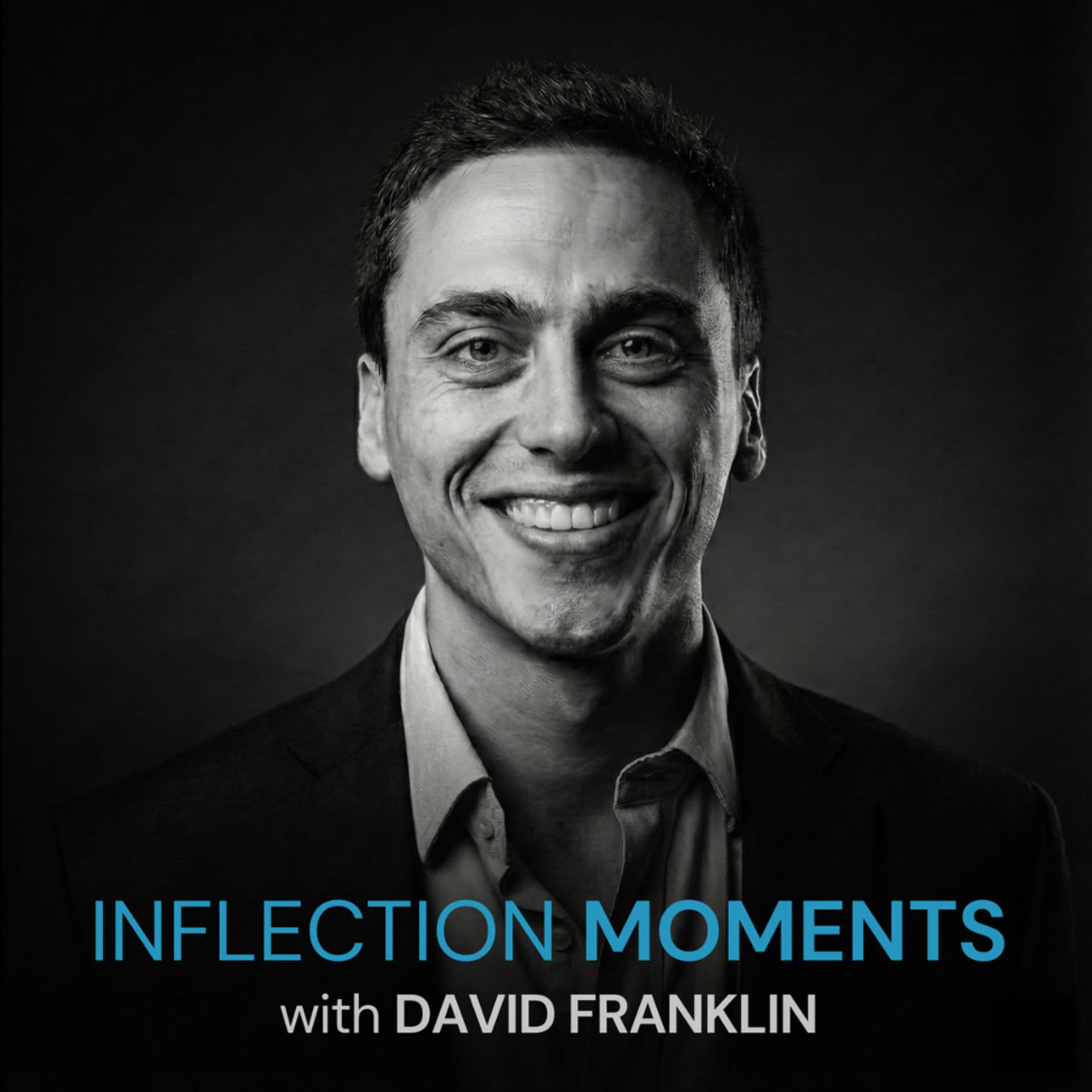
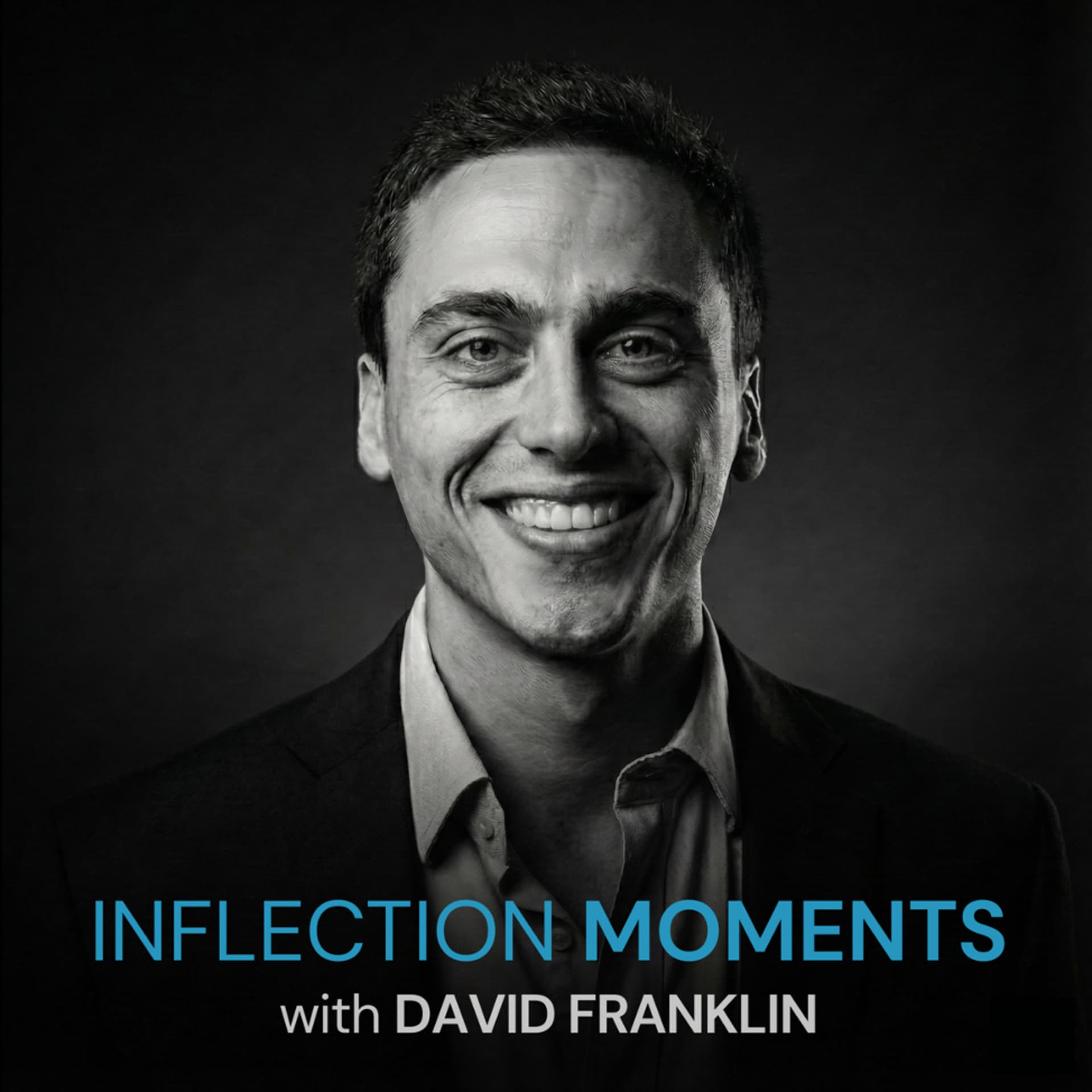
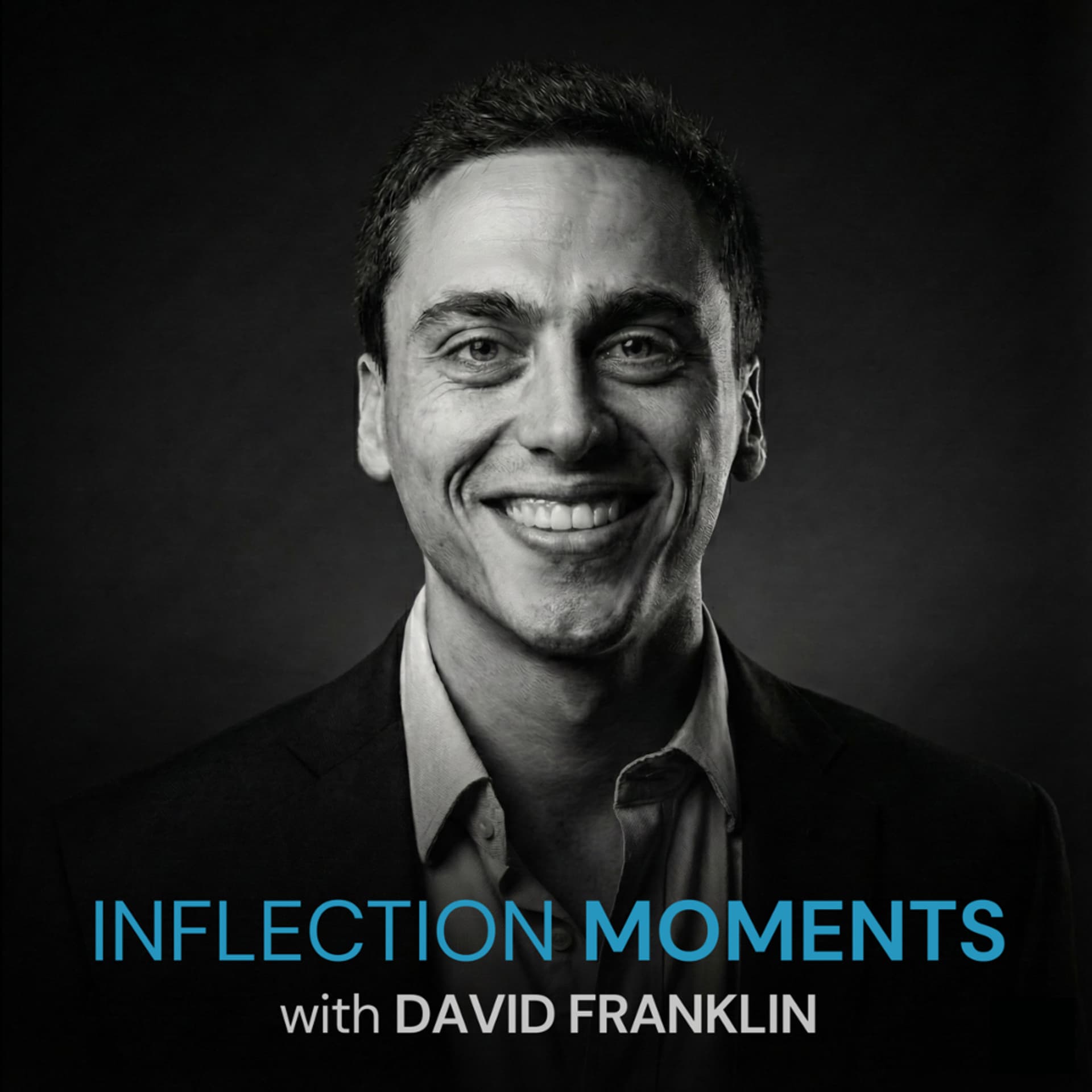
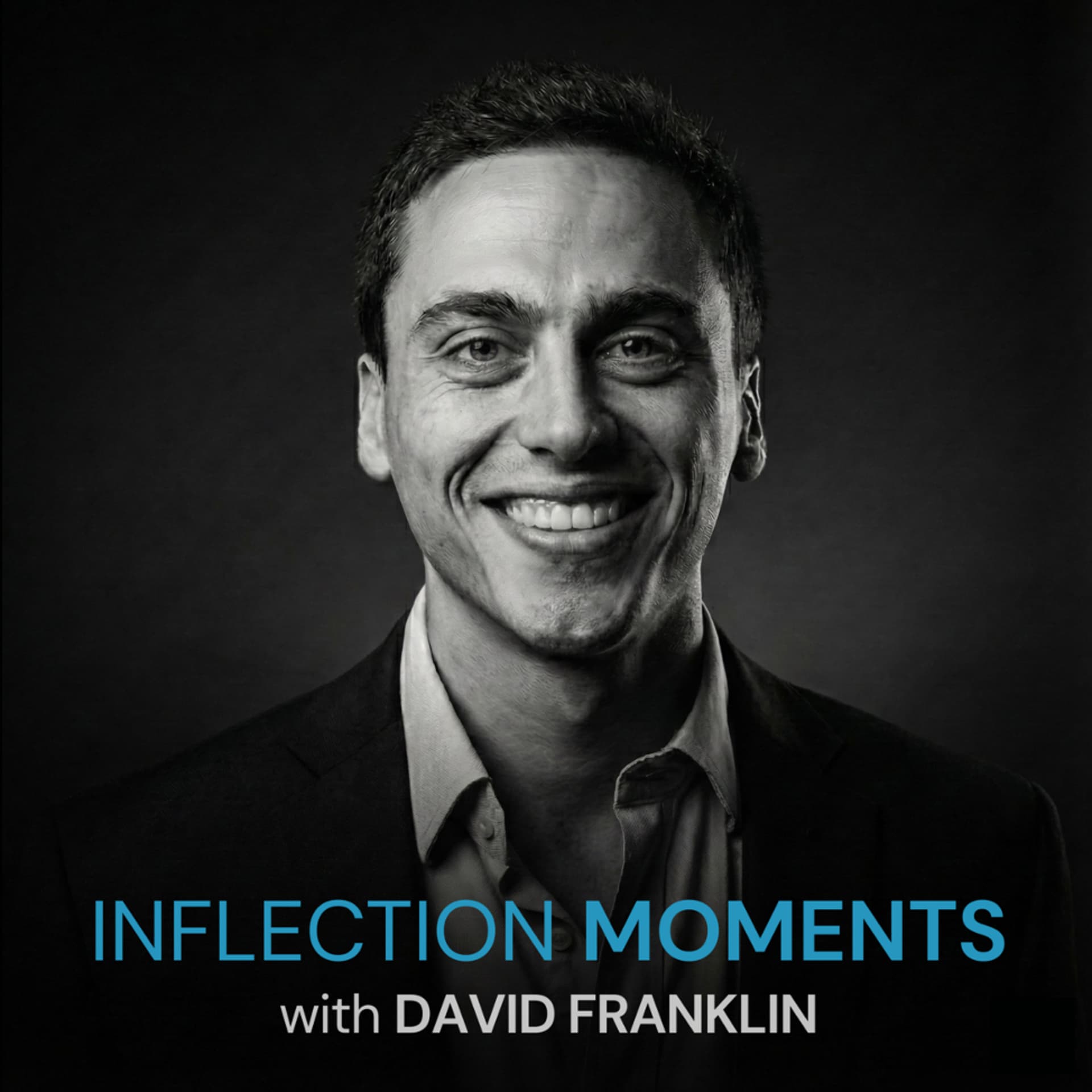
Podcast Overview The Inflection Moments podcast, hosted by David Franklin, focuses on pivotal turning points in the careers of successful entrepreneurs. This episode delves into Ray Kroc's journey, the architect of the McDonald's franchise, showcasing how he transformed a small burger stand into a global empire.
---
Episode Description Ray Kroc, a 52-year-old struggling milkshake machine salesman, encountered the McDonald brothers in San Bernardino, California. Captivated by their innovative "Speedee Service System," Kroc leveraged this idea to create one of the most recognizable fast-food franchises. The episode explores Kroc's turning points, emphasizing operational excellence, franchise economics, and the importance of execution.
Key Takeaways
- Execution Over Invention: Kroc's story exemplifies how strong operational execution can overshadow the original idea.
- Systemization of Excellence: Founders can learn to create replicable systems that ensure quality and consistency across locations.
- Real Estate Strategy: Investors can glean insights into Kroc's innovative approach to franchise economics by leveraging real estate.
---
Episode Chapters
- Introduction (00:00)
- Overview of Ray Kroc's background and his entry into the fast-food industry.
- Inflection Point #1: The Vision in San Bernardino (02:38)
- Kroc discovers the McDonald brothers’ revolutionary system.
- Initial challenges and Kroc's decision to franchise their concept.
- Inflection Point #2: The First Franchise (11:09)
- Opening Kroc’s first franchise in De Plain, Illinois.
- Initial customer confusion and the slow start, but eventual success due to the restaurant's efficiency.
- Inflection Point #3: The Real Estate Revelation (18:51)
- Frustration with low profits leads to a critical pivot towards real estate.
- Establishing a separate company to manage land leases for franchisees.
- Inflection Point #4: The Buyout of the McDonald Brothers (25:07)
- Kroc's acquisition of the McDonald brothers’ interests in 1961.
- The moral ambiguity surrounding Kroc's decisions during the buyout process.
- Inflection Point #5: Systematization Through Hamburger University (32:11)
- Establishment of Hamburger University to ensure consistency and quality across franchises.
- Kroc’s focus on instilling a culture of excellence.
- Common Threads (40:16)
- Recap of Kroc's key traits: pattern recognition, system-building, and decisive action.
- Closing Thoughts (44:50)
- Reflection on Kroc's legacy as both a visionary and a controversial figure.
---
Detailed Insights
The Visionary Salesman
- Background: Kroc was in a tough spot at age 52, dealing with health issues and financial struggles.
- Discovering McDonald’s: His curiosity led him to the McDonald brothers’ restaurant, where he recognized their system as a replicable franchise model.
Relentless Pursuit of Quality
- Initial Struggles: Despite the initial confusion with customers, Kroc’s insistence on maintaining high standards helped solidify the brand’s reputation.
- Franchisee Selection: Kroc preferred owner-operators to ensure a commitment to the brand's values.
The Real Estate Strategy
- Financial Control: Kroc's real estate strategy provided immediate revenue and control over franchise operations, allowing for rapid expansion.
- Mutual Incentives: The model aligned McDonald's interests with those of franchisees, creating a collaborative environment.
The Morally Ambiguous Buyout
- Conflict with the McDonald Brothers: Kroc’s growing frustration with the brothers’ cautious approach led to the buyout, which has been viewed critically.
- Legacy Considerations: Kroc's failure to honor a handshake agreement with the brothers raises questions about ethics in business practices.
Institutionalizing Excellence
- Hamburger University: Kroc established rigorous training programs to ensure standardization across franchises, emphasizing QSCV (Quality, Service, Cleanliness, Value).
- Franchisee Community: Kroc fostered a culture where franchisees felt aligned with the brand's mission.
---
Final Reflections
Ray Kroc’s journey illustrates the importance of
- Experience-Based Vision: Recognizing opportunities based on accumulated expertise.
- Systems Over Charisma: Building scalable systems to ensure consistency.
- Ruthless Decisiveness: Making bold and sometimes ethically ambiguous decisions to achieve long-term goals.
Conclusion Kroc’s story is one of resilience, innovation, and moral complexity, highlighting how a vision, when executed with relentless drive, can transform industries and lives. His legacy offers valuable lessons for entrepreneurs about the power of systems, the significance of strategic thinking, and the realities of business ethics.
---
For more insights and updates, connect with Inflection Moments through their [website](www.inflectionmoments.com), [LinkedIn](https://www.linkedin.com/in/david-franklin8456/), and on [Spotify](https://open.spotify.com/show/0aqoOm53QLcOgyOkXFXNkO?si=a6474541e17f4db7) or [Apple Podcasts](https://podcasts.apple.com/us/podcast/inflection-moments/id1841530808).
Written by AI. May contain mistakes. Listen to the episode to check what was said.
Chapters
Tap a time to open that second in VOThe First Inflection Point: Discovering McDonald's
1:40 to 11:08
Learn about Ray Kroc's pivotal moment when he discovers the McDonald brothers' unique operation.
“I'm David Franklin, and you and I are about to dive into something fascinating.”
The Second Inflection Point: Opening the First Franchise
11:09 to 14:00
Follow Ray Kroc as he opens his first McDonald's franchise and tackles initial challenges.
“Okay, inflection point number two now, and it's April, 1955.”
Ray's Obsession with Standards
14:00 to 15:00
Learn how Ray Kroc enforced strict operational standards at McDonald's.
“The McDonald brothers have strict specifications for how the restaurant should operate.”
Financial Challenges and Growth Tensions
15:00 to 16:00
Discover the financial difficulties Ray faced and his vision for expansion.
“They're worried that rapid expansion will dilute the brand.”
Developing Consistent Operations
16:00 to 17:00
Understand how Ray emphasized consistency across McDonald's locations.
“who have skin in the game, who will be obsessed with quality because their livelihood depends on it.”
Franchise Selection and Quality Control
17:00 to 18:00
Learn about Ray's criteria for choosing franchisees and maintaining quality.
“But something important is also happening.”
Challenges of Limited Profits
18:00 to 19:00
Explore Ray's struggles with profits despite growing sales.
“And this isn't just a slogan for Ray, it's the entire operating philosophy.”
Introduction of Harry Sonneborn
19:00 to 20:00
Learn how Harry Sonneborn's insights began to change Ray's outlook.
“Franchisees are clamoring to get in on the action, and growth is happening.”
Realizing the True Business Model
20:00 to 21:00
Discover how Ray shifted his focus from burgers to real estate.
“He wants to make money, not just a little money, real money, serious money.”
Innovative Land Acquisition Strategy
21:00 to 23:00
Understand Ray's strategy for acquiring land beneath franchise locations.
“And then he says something that will change Ray's life.”
Show all 23 chapters
Aligning Interests for Success
23:00 to 24:00
Learn how Ray's real estate strategy aligned interests between McDonald's and franchisees.
“He's building a real estate empire disguised as a restaurant chain.”
Rapid Expansion and Control
24:00 to 25:00
Explore how Ray's new strategy allowed for rapid expansion of McDonald's.
“It also gives Ray the leverage he needs to maintain quality control across a rapidly growing franchise system.”
Frustration with McDonald Brothers
25:00 to 26:00
Understand Ray's struggles with the McDonald brothers' control over decisions.
“Ray's operation is generating sales that exceed$37 million annually.”
The Buyout Negotiation
26:00 to 28:00
Learn about Ray's attempts to buy out the McDonald brothers and the challenges involved.
“has been coming up throughout these inflection points which is total control.”
The Handshake Agreement and Its Consequences
28:04 to 30:08
Learn about Ray Kroc's controversial buyout of the McDonald brothers and its implications.
“According to multiple sources, including the 2016 film The Founder, Ray and the McDonald brothers allegedly had a handshake agreement for an ongoing royalty payment of 0.5 to 1 % of future revenue in perpetuity.”
Accelerating Expansion Post-Buyout
30:08 to 31:53
Discover how Kroc transformed McDonald's into a global empire after buying out the founders.
“Without the McDonald brothers to slow him down, Ray accelerates expansion.”
Maintaining Quality During Rapid Growth
31:53 to 33:56
Explore the challenges Kroc faced in ensuring quality across a rapidly growing franchise.
“but they were content with a small regional operation.”
The Birth of Hamburger University
33:56 to 38:29
Learn how Kroc institutionalized operational excellence through training and education.
“He needs to bottle Ray Kroc and hand it to the next generation.”
The Legacy of Ray Kroc and McDonald's
38:29 to 40:17
Understand Kroc's complex legacy as the architect of McDonald's and his impact on the fast food industry.
“Thousands of managers and franchisees graduate every year.”
Lessons from Ray Kroc's Journey
40:17 to 42:00
Identify key patterns in Kroc's approach to entrepreneurship and business success.
“We've been deep in the details of Ray's story, five pivotal moments, five inflection points where he made decisions that changed everything.”
The Importance of Systems Over Charisma
42:00 to 43:19
Learn why Ray Kroc prioritized systems over charisma for sustainable growth.
“The second thread here is about systems over charisma.”
Decisiveness and Risk in Business
43:20 to 44:29
Explore how Ray Kroc's decisiveness and risk-taking shaped McDonald's success.
“30 years is a long, long time, remember?”
Lessons from Ray Kroc's Journey
44:30 to 45:59
Understand the value of expertise and persistence in achieving business success.
“his decisiveness, his willingness to make the hard calls and live with the consequences, that was a huge part of why he succeeded where others would have failed.”
Transcript
Automatic transcript. May contain errors.0:00Today, we're focusing on Ray Kroc's story and here's why. Ray was a salesman turned business builder who took a small Southern California burger stand run by the McDonald brothers and scaled it into McDonald's, the global fast food chain that would go on to serve tens of billions of meals and operate thousands of locations worldwide. He wasn't the original founder of the restaurant, but he was the architect of the franchising engine, the operating system, and the real estate strategy that transformed a regional original concept into one of the most recognizable brands on the planet. For founders and investors, Ray's story is a lesson in seeing systems where others see a single store.
0:40It shows how to turn a tightly defined process into a replicable playbook, how aggressive expansion and standardization can create an enduring moat, and how the person who scales an idea can end up owning more of the outcome than the person who first had it. But here's the thing. this episode isn't about summarizing red crock's Wikipedia page we're going to dive into the five pivotal turning points that transformed him from a struggling milkshake machine salesman into the architect of the world's most successful restaurant franchise and more importantly and this is what really matters we're going to pull apart how he thought differently at each of these moments you're going to hear each story with real quotes from the people that were there and some ideas that might completely change how you think about opportunity persistence and what it really takes to build something that lasts.
1:26Because that's the promise of this podcast, and I take it seriously. We're here to share stories about what the most successful entrepreneurs in history did in the pivotal moments of their journeys, so you can apply these takeaways in your own business. So let's dive in. Welcome to Inflection Moments. I'm David Franklin, and you and I are about to dive into something fascinating. You know that moment when everything changes for an entrepreneur? When one decision, one pivot, one breakthrough suddenly shifts their entire trajectory. That's what we're hunting for today. If you're building something, if you're that founder grinding it out, making those impossible decisions that keep you up at night, this episode is for you.
2:05Because today, we're going inside the mind of one of the most successful entrepreneurs in history to uncover the exact moments that transformed their journey from ordinary to extraordinary. Here's what we're doing. We're dissecting the five most pivotal inflection points in their career. But more importantly, we're uncovering the strategic thinking behind each decision, the kind of insight that separates the builders from the dreamers. Ready? Let's get started.
2:38Ray Kroc:Okay, first inflection point, and it's 1954. Let me paint this for you. Ray Kroc is in the middle of what you might generously call a challenging period of his life. Actually, let's be honest, he's pretty much broke. He's been selling Prince Castle multi-mixer shakers since 1939, and it's been a brutal slog. These machines can make five milkshakes at once, which sounds innovative, but cheaper competition from Hamilton Beach is killing his sales. So here's the reality of Ray's life at this exact moment. He wakes up before dawn in whatever cheap motel he's been staying at that week. He's studying territory maps over breakfast at some diner.
3:15All day long, he's driving between restaurants with mixer parts rattling around in his trunk, getting rejected more often than not. And at night, he's calling his wife Ethel from a payphone, updating his sales records and preparing for tomorrow's appointments. He's been married to Ethel since 1922, 32 years at this point. And their relationship is strained. She's tired of his wild schemes, tired of him mortgaging their finances for the next big idea. And his body is failing him. At 52, he's already dealing with diabetes and arthritis. He's had his gallbladder removed. Most of his thyroid gland is gone.
3:51But here's what's remarkable. Here's what Ray himself said about this moment. He said, I was 52 years old. I had diabetes and incipient arthritis. I'd lost my gallbladder and most of my thyroid gland in earlier campaigns, but I was convinced that the best was ahead of me. That conviction, that belief that the best was ahead is crucial. Because think about this. Most people in Ray's situation would look at their circumstances and think, you know what? Maybe it's time to settle down. Find something stable. Take that pension, right? but not Ray. So what does Ray want? On the surface, he wants to sell more multi-mixers.
4:27That's his job. But if you dig deeper, and this is what makes his story so interesting, what he's really searching for is vindication. He wants to prove that all those years on the road, all those failures, all those times people doubted him, including his own wife, weren't for nothing. He wants that one big break that will finally make everything make sense. and then then this order comes across his desk the mcdonald brothers in san benadino california they want eight of his multi-mixers eight most soda fountains and restaurants only needed one maybe two eight means they're making 40 milkshakes simultaneously so ray is intrigued in fact more than that he's fascinated what kind of operation needs to pump out 40 milkshakes at the same time Now here's where most salesmen would just process the order, ship the mixes, cash the check, add it to their numbers, done.
5:21But Ray's curiosity won't let him. He decides to fly out to California and see this place with his own eyes. He has to understand it, not because the sale depends on it, but because he needs to know. When Ray arrives at the McDonald brothers restaurant in San Bernardino, he expects to be impressed. But what he encounters is beyond anything he imagined. It's lunchtime. The parking lot is absolutely mobbed. Over 100 people, families mostly, all lined up at the windows. No car hops on roller skates like the typical drive-in. No waitresses. Just a simple walk-up window and a shockingly limited venue.
5:5815 cent hamburgers, 19 cent cheeseburgers, french fries, soft drinks, and milkshakes. That's it. Nine items total. Ray watches as customers walk up, place their orders, and receive their food in under 30 seconds. 30 seconds. In 1954, getting restaurant food quickly usually meant waiting 10, 15, sometimes 20 minutes. This is unprecedented for it to be under 30 seconds, and it's revolutionary. So Ray starts talking to people. He asks, why did you come here? And they tell him, the burgers are good, the fries are hot, the price is right, and I don't have to wait. It's not fancy and it's not trying to be fancy.
6:38It's fast, it's cheap, and it's consistent. Then Ray goes inside to meet the McDonald brothers, Dick and Mac, and watches their operation. They've taken the principles of assembly line manufacturing, the kind of efficiency that Henry Ford brought to automobile production, and applied it to making hamburgers. Each worker has one specific job. One guy grills the burgers, another one dresses the buns, a third runs the fry station, a fourth handles the drinks. Nobody is scrambling around trying to do everything. It's choreographed, systematic, and efficient. The McDonald brothers call it the speedy service system, and it's unlike anything Ray has ever seen in the restaurant business.
7:18But here's the thing, and this is where it gets interesting. McDonald brothers are content. By 1954, they'd sold 21 franchises. They're making good money. They're happy with their relatively small operation. They tried franchising a bit, but they're not interested in aggressive expansion. They're careful, methodical, almost timid about growing too fast. But Ray sees something that they don't. Or maybe they see it, but they don't want a headache. Ray looks at the single location doing incredible business and thinks, this could be everywhere. This could be on every major crossroad in America. So this is it.
7:53This is the moment, the decision that changes everything. Ray approaches Dick and Mac McDonald and makes his pitch. He wants to be their franchising agent. He wants to take their system and replicate it across the entire United States. The brothers are skeptical. They've been burned before by franchisees who didn't maintain their standards. They're protective of their creation. But Ray is persuasive. He spent 16 years as a salesman after all, and he knows how to sell an idea. More than that, he's genuinely enthusiastic. He believes in their concept with an almost religious fervor. And here's what makes Ray different in this moment.
8:29Here's the distinction. Most people who visited the McDonald's Brothers restaurant thought, wow, this is a great burger stand. But Ray thinks this is a replicable system that can be franchised at scale. And eventually, the McDonald Brothers agreed to give Ray a 10-year master franchise agreement. Now, the terms aren't particularly generous to Ray. He'll get about 1.4 % of gross sales from franchisees, but he doesn't care about the terms right now. He cares about the opportunity. That night in his motel room at San Bernardino, Ray does a lot of heavy thinking. In his autobiography, Ray writes, that night in my motel room, I did a lot of heavy thinking about what I'd seen during the day.
9:07Visions of McDonald's restaurants dotting crossroads all over the country paraded through my brain. So let's dig a little deeper into what is going through Ray's mind at this point. And I think it's this.
9:17Ray Kroc:He's 52 years old. He's been grinding for three decades without much to show for it. This is his moment. This is the opportunity he's been waiting for his entire career. He recognizes it because of all those years on the road, all those restaurants he's visited, and all the knowledge he accumulated about the food service business. Someone younger, someone without his experience, might have just seen a busy burger joint, but Ray sees the future. So Ray leaves San Bernardino with a signed contract and a vision that will consume the rest of his life. He's not thinking about selling milkshake machines anymore.
9:51He's thinking about building an empire. but and this is important he has no idea how hard it's going to be he has no idea he'll nearly go bankrupt multiple times he has no idea that his marriage will fall apart he has no idea that he'll eventually have to buy out the mcdonald brothers in a deal that will taint his legacy all he knows in this moment is that he's found something worth betting everything on and he's right now i want to pull out the key insight here because this is going to matter for the rest of his story this is about pattern recognition. Ray had been in the food service industry for decades, first selling paper cups, then selling milkshake machines.
10:29He's been inside hundreds, maybe thousands of restaurants. He understood the economics, the challenges, and the inefficiencies. When he saw the McDonald brothers operation, he didn't just see a novel idea. He saw the solution to problems he'd been observing for years. That's what made him different. He had context that others didn't have. The McDonald brothers themselves didn't fully appreciate what they created because they were focused on perfecting that single location. But Ray saw it as a blueprint. That's the first inflection point, the vision that would change everything.
11:09Ray Kroc:Okay, inflection point number two now, and it's April, 1955. Ray is about to open his first McDonald's franchise in De Plain, Illinois, a suburb just outside Chicago. This is his hometown area, the place where he grew up in Oak Park, where he sold lemonade as a kid, where he worked at his uncle's soda fountain. The restaurant is designed by architect Stanley Meston using the McDonald brothers' exact specifications. It's eye-catching, red and white glazed tiles, the golden arches built right into the structure, and a sign with Speedy, this little chef character as the mascot. There's no indoor seating yet, It's a walk-up operation designed for speed, designed for volume.
11:46Now keep in mind, in 1955, the typical American restaurant experience is either a sit-down diner with waitresses or a drive-in with carhops on roller skates bringing your food to the car. That's what people expect. What Ray is opening is something completely different, something that will require educating customers about an entirely new way of eating out. And Ray has invested everything into this, not just money, but his reputation, his marriage, his health, everything. This has to work. There's no backup plan. So getting into Ray's head a bit more, what does he want? You and I, we talk a lot about validation, about proving something to the people who doubted you.
12:25This is that moment for Ray. He wants to prove to himself, to his skeptical wife Ethel, to the McDonald brothers, and to everyone who's ever doubted him that this concept can work outside of sunny California. Can the speedy service system translate to the Midwest? while families in Illinois embrace fast, cheap hamburgers the way that they did in San Bernardino. But there's more. Ray isn't just thinking about one successful restaurant. He's already thinking about 10 locations, 20, 100. He wants to prove that it's as scalable, that the system can be replicated with the same quality and efficiency anywhere in America.
12:58So opening day arrives and Ray is nervous as hell. The restaurant opens for business and customers start trickling in. But here's the thing. Some are confused. They're waiting for someone to come take their order at the car like they would at a drive-in. They don't understand this new model. So Ray and his team have to walk out and explain. No, you come up to the window. You order here. You get your food here. It's awkward. It's new. Some people don't like it. But slowly, word spreads. The hamburgers are 15 cents. Cheaper than almost anywhere else. They're hot. They're fresh. And you can get them in less than a minute.
13:32For busy parents. For workers on lunch breaks. For teenagers looking for a cheap meal. this is a revelation. This is exactly what people need. They just don't know it yet. By the end of the first day, total sales are$366.12. In today's money, it's about$4 ,300. Not spectacular, but it's a start. The system works. The model works. But now, here's where the challenge really intensifies. And this is where we see the real tension of what Ray is trying to do. The McDonald brothers have strict specifications for how the restaurant should operate. The burgers must be made exactly the same way every time.
14:08The fries must be cut to precise dimensions, cooked at exact temperatures. The cleanliness standards are almost absurd. Everything must be spotless. The kitchen, the parking lot, even the uniforms. Ray loves this. He's a natural salesman, but he's also obsessed with systems and standards. He starts enforcing these rules with an almost fanatical zeal. He's scrubbing the parking lot himself, picking up cigarette butts, making sure every surface gleams. But the real challenge, the one that's going to haunt Ray for years, is a financial one. Ray is getting a tiny percentage of sales, about 1.4 % after the McDonald brothers take their cut.
14:44The DePlane location is doing okay, but it's not making Ray rich, not even close. He's still struggling to pay his bills. And there's tension with the McDonald brothers. Ray wants to move fast, open more locations, franchise aggressively. The growth is there and he can feel it. But Dick and Mac, they're cautious. They're methodical. They want to ensure quality control. They're worried that rapid expansion will dilute the brand. These conflicting visions are eventually going to tear the relationship apart. But that's coming later. Right now, Ray has to figure out how he's going to make this work.
15:15So Ray makes a crucial decision. He's going to be relentless about quality and consistency. If this is going to work at scale, every McDonald's needs to feel exactly the same. A hamburger in the plane needs to taste identical to a hamburger in San Bernardino. know. The fries need to be the same. The speed needs to be the same.
15:32Ray Kroc:The cleanliness needs to be the same. So he starts developing detailed operations manuals, creating training programs for franchisees, establishing rigid standards for everything from how to flip a burger to how often to clean the bathroom. Nothing is left to chance. And he makes another critical decision about who gets to be a franchisee. A lot of the franchising operations at this time are just selling licenses to anyone with money. You have cash, you're in. But Ray doesn't want that. He wants owner operators someone who will actually run the restaurants themselves, who have skin in the game, who will be obsessed with quality because their livelihood depends on it.
16:06In his autobiography, he writes, we'd rather get a salesman than an accountant or even a chef.
16:11Ray Kroc:And the reason is because he wants people who can sell the experience, who can connect with customers, who understand that this is about way more than just flipping burgers. But Ray is learning some brutally hard lessons about the business side. The profit margins from just the franchise fees and small royalties aren't enough to sustain growth. He's working insane hours, reinvesting every penny, and he's still barely scraping by. Meanwhile, his marriage to Ethel is deteriorating. She's frustrated with his obsession, with the financial instability, with the fact that he's never home. But Ray can't stop.
16:45Ray Kroc:He's convinced that this is going to work, even when the numbers don't support that conviction yet. By the end of 1955, Ray has opened two more McDonald's locations, total gross sales for the year across all three restaurants is$235 ,000. Not bad, but remember Ray is getting a tiny sliver of that. But something important is also happening. The system is working. Customers love the speed. They love the price and they love the consistency. Families are making McDonald's a regular stop. Ray is learning what works and what doesn't. He's refining the model, adjusting it and improving. More importantly, he's attracting attention from potential franchisees.
17:25Ray Kroc:People are seeing the success of these early locations and thinking, I want to be a part of this. Ray is selecting them carefully, looking for people with the right attitude, the right work ethic, the right hunger. And here's what I absolutely love about this period. Ray's absolute refusal to compromise on the fundamentals. He could have cut corners to make more money. He could have relaxed the standards to make franchisees happier. He could have focused just on expansion and scale, damning the consequences. But he didn't. Because he understood something crucial, the only sustainable competitive advantage was delivering a consistent product at scale.
17:57There's this famous mantra he adopts, QSCV, quality, service, cleanliness, and value. And this isn't just a slogan for Ray, it's the entire operating philosophy. Every decision gets filtered through these four principles. And he has this other saying that becomes iconic. If you have time to lean, you have time to clean. He's fanatical about cleanliness. in an era when a lot of restaurants are kind of grimy, McDonald's restaurants gleam, they shine, parents trust them. And that trust, that's invaluable. But here's the hard truth. Ray is still struggling financially, the franchise fees and royalties aren't enough, and he needs a breakthrough, a new way of thinking about the entire business model.
18:38Ray Kroc:That breakthrough is coming, and when it arrives, it's going to change everything.
18:50Ray Kroc:Inflection point number three now, and it's 1956. Ray is frustrated, genuinely frustrated. He's opened multiple McDonald's franchises. The system is working beautifully. Customers love it. Franchisees are clamoring to get in on the action, and growth is happening. But Ray is still broke. Again, to go over this, under his agreement with the McDonald brothers, Ray is only getting 1.4 % of gross sales. By 1960, despite having system-wide revenue of$75 million across all McDonald's franchises, Ray's company is only earning$159 ,000. So think about that. 75 million in total sales, and Ray's operation is netting basically nothing.
19:29Ray Kroc:He's reinvesting every penny into expansion, and he's running out of money. His wife, Ethel, is supporting them on her income. Ray is living lean, scraping by, betting everything on a future payday that may never come. This is when someone enters the picture who's about to change everything. Harry J. Sonneborn. Sonneborn is a former vice president of finance at Tasty Freeze, and he's sharp, really sharp. He reviews Ray's contracts and financials, and he immediately sees the flaw in the business model. So let's go back to Ray and think about where his mind is at that moment. On the surface, it's obvious.
20:03Ray Kroc:He wants to make money, not just a little money, real money, serious money. He wants to be able to expand aggressively without constantly worrying about going bankrupt. He wants financial stability and independence from the McDonald brothers, who are becoming increasingly frustrating to work with. but there's something deeper, something more important than this. Ray wants control. The franchise agreement with the McDonald brothers gives them veto power over major decisions. They can block expansion. They can reject franchisees. Ray has to constantly negotiate with them and it's slowing everything down.
20:32Ray Kroc:He can see the future of this company, but the brothers keep pumping the brakes. He wants the freedom to run this business the way that he thinks it should be run. And then Harry Sonneborn sits down with Ray and asks him a question that's going to change his entire understanding what he's building. He asked Ray, how did the land deals work for the franchises? Ray explains the franchisee finds a piece of land that they like, gets a lease, usually 20 years, takes out a construction loan, builds the restaurant and starts operating. Slyborn thinks about this for a moment. And then he says something that will change Ray's life.
21:04Ray Kroc:You don't seem to realize what business you're in. You're not in the burger business. You're in the real estate business. Ray's confused. What does he mean? And Harry breaks it down. Ray can't build an empire of 1.4 % cut of the 15 cent hamburger. The margins are too thin. The math doesn't work. But if Ray owns the land beneath each restaurant, he can lease it to franchisees. That gives him two things. First, a steady revenue stream that starts immediately when the lease is signed. Not months later when the restaurant opens immediately. Second, he gets enormous control over franchisee behavior.
21:40Ray Kroc:Think about it. If a franchisee isn't maintaining standards, if they're cutting corners, if they're damaging the brand, Ray can threaten to cancel their lease. That's the ultimate hammer. It ensures compliance in a way that a franchise agreement alone never could. But there's a problem. Ray doesn't have the capital to start buying land. He's barely keeping his existing operation afloat. So this is where Ray's persistence and creativity really shine. And this is where the genius comes in. He and Harry sit down and sketch out a plan. They're going to establish a separate company. They call it Franchise Royalty Corporation.
22:11Ray Kroc:In 1956, this company will be responsible for acquiring land and leasing it to franchisees. Here's the model. Franchise Royalty Corporation either buys the land or secures a long-term lease. They build the restaurant or arrange for it to be built. Then they lease the property to the franchisee who operates the restaurant and pays two things, rent a franchise realty and royalty fees to McDonald's Corporation. This creates two income streams, two separate revenue flows, And here's the genius part. The rent provides immediate cash flow. That cash flow can be used to finance the acquisition of more land, which fuels more expansion, which generates more rent.
Read the full transcript
22:47Ray Kroc:It's a flywheel. Harry helps Ray structure the financing. They use the land as collateral for loans. They leverage the growing value of McDonald's real estate holdings to fund aggressive expansion. Ray embraces the strategy completely. It fundamentally changes how he thinks about the business. He's not just selling hamburgers. He's building a real estate empire disguised as a restaurant chain. And here's the brilliant part. And I want you to really grasp this because it's so elegant. This aligns McDonald's corporate interests with franchisee success. Think about the incentives. If a franchisee fails, McDonald's loses that rent and has to find a new operator.
23:21Ray Kroc:So McDonald's has every incentive to support franchisees, to help them succeed, to ensure they're making enough profit to pay rent and royalties. It's a mutually supportive system. It's not extractive. It's collaborative by design, but it also gives rate control, total control. And Harry puts it perfectly. He says, we're not technically in the food business. We're in the real estate business. The only reason why we sell 15 cent hamburgers is because they are the greatest producer of revenue from which our tenants can pay us our rent. And the impact of this is immediate and dramatic. By 1960, McDonald's has 200 restaurants.
23:56Ray Kroc:By 1970, over a thousand locations. The real estate strategy provides the capital McDonald's needs to expand at an unprecedented rate. It also gives Ray the leverage he needs to maintain quality control across a rapidly growing franchise system. It's a masterclass in creative business model innovation. Ray didn't invent the hamburger. He didn't invent franchising. He didn't even invent the speedy service system. What he did figure out is the economics that would allow the system to scale without falling apart. And it required thinking about the business in a completely unconventional way. Most restaurant chains are focused on selling food, but Ray realizes the real value was in the real estate.
24:35Ray Kroc:That insight, that reframing of what business McDonald's was actually in is what separates him from everyone else. But Ray still has a problem. He doesn't fully control McDonald's. He's still beholden to the McDonald brothers who are growing increasingly uncomfortable with how fast and aggressively Ray's expanding. and that tension is about to come to a head. And when it does, Ray is going to make a decision that is going to be one of the most morally ambiguous moments in this entire story.
25:07Ray Kroc:Okay, inflection point number four now. It's 1961 and something has shifted. Ray's operation is generating sales that exceed$37 million annually. The McDonald's brand is becoming nationally recognized. But Ray is frustrated. because every major decision requires approval from Dick and Mac McDonald. They're cautious, conservative, resistant to some of Ray's more aggressive ideas. They worry about quality control. They don't like how fast Ray is moving. They feel like the brand is getting away from them. And frankly, Ray feels like he's doing all the work while they're collecting royalties from the comfort of California.
25:42Ray Kroc:He's the one traveling constantly, evaluating franchisees, enforcing standards, and solving problems. The McDonald brothers are the ones who created the system, sure, but Ray is the one building the empire and the tension becomes untenable and something has to give. So getting into Ray's head for a moment what he wants is the same as what has been coming up throughout these inflection points which is total control. But more than this, he's at the point in his journey now where he wants to own McDonald's outright. He wants to make decisions without having to consult the brothers. He wants the freedom to expand as aggressively as he thinks the market can handle.
26:16Ray Kroc:And he wants to finally make serious money. Under the current agreement, he's still giving a significant cut to the McDonald brothers. If he owns the company outright, all future profits are his. But there's also something psychological happening here. Ray is 59 years old. He spent the last seven years building McDonald's, and he's starting to see it as his creation, his legacy. The fact that the brothers' names are on it, that they can veto his decisions, that they're skeptical of his vision, it grates on him. So Ray approaches the McDonald brothers and asks them to name their price. What would it take for them to sell their interest at McDonald's and walk away completely.
26:51Ray Kroc:And the brothers ask for$2.7 million, a million dollars each after taxes. That might not sound like a lot of money considering the total revenue that the McDonald's locations are generating, but thinking about the unit economics of these restaurants, not very much drops through to the bottom line. And the brothers themselves are only making half a percent of total sales on royalties from each location. What's more, in 1961, that's still a staggering sum of money. It's the equivalent to roughly$28 million in today's dollars. And at this time, Ray is shocked at the price. He thinks it's outrageous, but he also knows he has to do it.
27:24Ray Kroc:He has to extricate himself from this agreement if McDonald's is going to grow the way he envisions. But here's the problem. Ray doesn't have$2.7 million, not even close. Despite the explosive growth of McDonald's, Ray himself is not personally wealthy yet. The real estate strategy is working beautifully, but it's capital intensive. All the profits are being reinvested into expansion. But this is where Harry Sonneborn saves the deal. Harry, who's now the CFO of McDonald's, helps arrange the financing. They leverage McDonald's real estate holdings and future revenue streams to secure loans. It's creative financial engineering, but it works.
27:58Ray Kroc:Now here's where the story gets controversial, and this is where Ray's legacy gets complicated. According to multiple sources, including the 2016 film The Founder, Ray and the McDonald brothers allegedly had a handshake agreement for an ongoing royalty payment of 0.5 to 1 % of future revenue in perpetuity. The brothers claimed this was agreed to, but never put in writing. Ray allegedly never honored this agreement. Think about what this means. By 1977, that would have been worth about$15 million each year to the brothers. By 2020, 2012, potentially over$300 million per year. Whether this handshake deal actually existed is disputed.
28:35Ray Kroc:The brothers didn't document it, Ray denied it, or simply didn't acknowledge it. And because it wasn't in the written contract, there was nothing the brothers could do. So Ray makes the ruthless decision to move forward with the buyout. He pays the$2.7 million, but he doesn't honor any additional informal agreements. In his mind, the written contract is what matters. Handshakes are nice, but in business, you document your agreements. In 1961, at age 59, Ray becomes the sole owner of McDonald's Corporation. He's bought out the McDonald brothers completely. The 228 restaurants in operation are now entirely under his control.
29:12Ray Kroc:and here's where Ray's ruthless streak really shows itself. The buyout agreement didn't include the original McDonald's restaurant in San Bernardino. The brothers kept that location. They had promised it to their longtime employees but Ray is furious about this. In his anger he opens a new McDonald's restaurant right across the street from the original location. Since the brothers no longer have the rights to the McDonald's name that was part of the buyout. They're forced to rename the restaurant The Big M. Raised McDonald's, with its modern design and golden arches and massive marketing budget, crushes the original restaurant.
29:46Ray Kroc:The Big M closes after six years. Dick McDonald would later say he had no regrets about the sale. In fact, he tells one interviewer, you won't have to hold a tag sale for us. But there's a sadness in how it ended. The two men who invented the system that made McDonald's possible pushed out by the salesman who saw its potential before they did. The buyout fundamentally changes McDonald's trajectory. Without the McDonald brothers to slow him down, Ray accelerates expansion. He pours money into advertising, especially TV advertising, which is still relatively new in 1961. He introduces Ronald McDonald as the company mascot in 63, creating an iconic brand character that will be recognized worldwide.
30:24Ray Kroc:By 1963, McDonald's has sold over a billion hamburgers. That achievement is proudly displayed beneath the golden arches at every restaurant. Ray is now free to execute his vision without compromise. He expands the menu carefully, always testing new items with franchisees before rolling them out nationally. The fillet of fish is added, created by a franchisee in Cincinnati to serve Catholic customers who don't eat meat on Fridays. In 1965, McDonald's rolled this out nationwide. In 67, Jim Delligatti, a Pittsburgh area franchisee, introduced the Big Mac at his Union Town location. In 68, it became a national menu item and the company's signature burger.
31:02Ray Kroc:The growth is explosive. By the early 70s, there are thousands of McDonald's locations. The golden arches are becoming as recognizable as the American flag. But Ray's personal life is messy. He divorces Ethel in 1961, the same year as the buyout. In 1969, he marries Joan Beverly Smith, a woman he'd been pursuing for years. Joan will become his partner for the rest of his life. and after his death, one of the most prolific philanthropists in American history. The buyout of the McDonald brothers is the most morally ambiguous moment in Ray's story. Did he steal McDonald's from its rightful founders?
31:37Ray Kroc:Or did he simply outwork, outsmart, and outstrategize two men who didn't have the vision or the drive to build what he built? The answer probably depends on your perspective. What's undeniable is this. Without Ray Kroc, McDonald's would never have become what it is today. The McDonald brothers were brilliant innovators, but they were content with a small regional operation. Ray saw a global empire and he had the ruthlessness and persistence to build it.
32:11Ray Kroc:Okay, final inflection point now. With the McDonnell brothers out of the picture and Ray in full control, he faces a new challenge, a different kind of problem than anything he's encountered before. How do you maintain quality and consistency when you're opening hundreds of new locations every year. It's the classic scaling problem, the one that kills most businesses. What works with 10 locations falls apart at 100. What works at 100 implodes at 1 ,000. Ray understands this intuitively from his years selling multi-mixes to restaurants across America. He'd seen countless establishments that couldn't maintain standards as they grew.
32:45Ray Kroc:They start with obsessive attention to detail, but then volume increases and suddenly the original vision gets diluted. Quality suffers, consistency disappears and the brand promise evaporates. In most franchise systems at this time, training is haphazard. Maybe the franchisor shows you the ropes for a few days, hands you a manual and wishes you luck. But Ray knows that won't work for McDonald's. The speedy service system is too precise. The standards are too exacting and the brand promise is too specific. He needs something radically different, something that can institutionalize his obsession.
33:19Ray Kroc:So Ray wants to clone the obsessive attention to detail and operational excellence of those early McDonald's restaurants. He wants to replicate it across thousands of locations. He wants every McDonald's, whether it's in the plane or Dallas, or eventually Tokyo to deliver that exact same experience, same menu, same taste, same speed, same cleanliness. That predictability is the brand promise of McDonald's. That's what keeps customers coming back. But more than that, Ray wants to build a system that can outlast him. He's in his late fifties. Now he's not going to be around forever. He needs to institutionalize his standards and values so they persist even when he's not there to enforce them personally.
33:57Ray Kroc:He needs to bottle Ray Kroc and hand it to the next generation. The challenge is immense. As McDonald's expands, Ray is dealing with franchisees who are all from different backgrounds. Some have restaurant experience, but many don't. They all have their own ideas about how things should be done. Some want to add items to the menu. Others want to cut corners to boost profits. Some are naturally fastidious about cleanliness and others aren't. So here's the dilemma. If Ray lets franchisees do their own thing, the brand is going to fragment. A McDonald's in one city will be different from McDonald's in another.
34:30Ray Kroc:The promise of consistency, the core of the value proposition will evaporate. But if Ray is too controlling, franchisees will rebel. They're business owners after all. They've invested their money and their livelihoods and they don't want to be treated like employees following orders. Ray has to find a way to maintain rigid standards while making franchisees feel like partners in building something great. So in 1961, the same year he buys out the McDonald brothers, Ray establishes what will become known as Hamburger University. It starts in the basement of a McDonald's restaurant in Elk Grove Village, Illinois.
35:02Ray Kroc:The name is deliberately whimsical, Hamburger University. It sounds fun and memorable, but the training, that's deadly serious. Franchisees and managers attend a rigorous program where they learn every aspect of McDonald's operations, how to grill burgers to exact specifications, how to cut and cook fries, how to manage inventory, how to manage equipment, how to handle customers, and how to train employees. They don't just learn the theory, they practice in real kitchens, often during the lunch rush, learning to execute under pressure. And they graduate with a degree in hamburgerology with a minor in French fries.
35:36Ray Kroc:Again, the language is playful, but the standards are uncompromising. But Hamburg University isn't just about technical training. It's about indoctrination into Ray's philosophy. Students learn about QSCV, again, quality, service, cleanliness, and value. These aren't abstract concepts. These are operational principles. They guide every single decision. So let me give you examples of how obsessive Ray is about these principles. Starting with quality, every ingredient is standardized. The beef patties must be exact weight in dimensions. The buns must be toasted for a specific number of seconds. The cheese must be placed on the burger at a precise moment until it melts properly.
36:15Ray Kroc:Nothing is left to interpretation. So how about service? Speed is paramount. Ray believes that if you can't serve a customer in under a minute, you fail. The entire kitchen layout, the workflow, the staffing levels, everything is designed to maximize speed without sacrificing quality. Third is cleanliness. This is where Ray is most fanatical. Again, to repeat that saying we've heard earlier in this story, if you have time to lean, you have time to clean. And keep in mind at the time, Ray has been known to walk into a McDonald's, spot a piece of trash in the parking lot, and immediately start picking it up himself.
36:51Ray Kroc:He inspects bathroom tiles. He checks behind equipment. He believes that cleanliness isn't just about health codes. It's about respect for the customer. In fact, in a 1966 memo to franchisees, Ray writes about cleanliness with an almost religious fervor. He makes it clear. This is non-negotiable. A dirty McDonald's is a betrayal of the brand promise. And the last pillar is value. This is not just about low prices. It's about the total experience. Yes, the food is affordable, but it's also hot, fresh, and consistent. You're getting value because you know exactly what you're paying for. And McDonald's delivers on that promise every single time.
37:29Ray Kroc:Ray also creates detailed operations manuals, hundreds of pages documenting every procedure, every standard, every protocol. These manuals become the Bible for franchisees and deviation is not tolerated. But here's what's clever about Ray's approach. He makes franchisees feel like they're part of something bigger than themselves. He creates a culture where franchisees see themselves as stewards of the McDonald's brand, not just independent operators trying to make money. He introduces something called the three-legged stool concept. McDonald's success depends on three groups working in harmony, corporate, franchisees, and suppliers.
38:06Ray Kroc:All three legs need to be strung for the stool to stand. It's a way of framing the relationship that makes franchisees feel valued while maintaining corporate control. By the late 1960s and throughout the 1970s, Hamburg University becomes legendary. Eventually, McDonald's will establish campuses around the world in Tokyo, London, Sydney, Munich, Sao Paulo, Shanghai, Moscow. Thousands of managers and franchisees graduate every year. The training ensures that whether you're eating a Big Mac in Chicago or Sydney, it tastes the same. That consistency becomes McDonald's most valuable asset. It's what allows the brand to expand globally without losing its identity.
38:45Ray Kroc:And the growth numbers are staggering. By 1965, there are 700 McDonald's locations in the US. And by 1984, when Ray dies, there are 7 ,500 restaurants in nearly 36 countries, and the company is valued at$8 billion. So taking a step back for a moment, there's something almost paradoxical about Ray's approach. He creates rigid and flexible systems that allow for massive and flexible growth. The systems enable the expansion. Without those systems, the whole thing would have collapsed under its own weight. Ultimately, Ray dies in January 1984 in San Diego, California at the age of 81. from heart failure.
39:24Ray Kroc:He'd suffered a stroke a few years earlier, but remained chairman of McDonald's until the end. At the time of his death, McDonald's is serving 75 burgers every second. The company he built from a single franchise into plane is the largest restaurant chain in the world. His legacy is complicated though. He's celebrated as a visionary entrepreneur who revolutionized the restaurant industry and American eating habits. But he's also criticized for how he treats the McDonald brothers, for his ruthlessness, for creating a fast food culture that many blame for health problems. But what's undeniable is this, Ray Kroc saw something that nobody else saw and he had the persistence, the obsession and the ruthlessness to build it into reality.
40:05Ray Kroc:He wasn't the founder of McDonald's, but he was its architect.
40:16Ray Kroc:All right, so let's take a step back for a moment. We've been deep in the details of Ray's story, five pivotal moments, five inflection points where he made decisions that changed everything. But now I want to pull the lens back and ask what's really going on here. What's the pattern and what can we learn from this that actually applies to your life? Because that's the promise of this podcast, to empower you with the decision-making and strategic thinking of the most successful entrepreneurs in history. So what's really going on with Ray Kroc? For me, I see three major patterns running through his entire journey.
40:47Ray Kroc:The first one is his vision derived from experience, not imagination. And I really want you to sit with this because it's going to change how you think about entrepreneurship. We romanticize the idea of the visionary entrepreneur, the person who has some brilliant unprecedented idea that comes out of nowhere, a flash of genius, pure imagination and insight. But that's not how it usually works, at least not with Ray. And I'm also willing to bet not with most of the people that you admire. The best entrepreneurs are pattern recognition machines. They accumulate deep domain expertise. They see things that aren't working, and then they recognize solutions when those solutions appear.
41:23Ray Kroc:Ray had been in the food service industry for decades, selling paper cups, selling milkshake machines, visiting hundreds of restaurants and understanding the economics, the challenges, the inefficiencies. When he saw the McDonald brothers' operation, he didn't just see a great burger stand. He recognized it as the solution to problems he'd been observing for years. This is so important, you guys. Ray's vision wasn't random. It wasn't luck. It was earned through 30 years of grinding, 30 years of paying attention, and 30 years of learning the business from the inside out. That's why he saw the potential when the McDonald brothers themselves didn't fully appreciate what they created.
42:00Ray Kroc:The second thread here is about systems over charisma. Ray understood something that most entrepreneurs miss. Something that separates the people who build things that last from the people who build things that collapse under their own weight. You can't scale charisma, but you can scale systems. Think about what Ray built. Hamburger University, operations manuals, QSCV, the real estate model, the three-legged store. These aren't sexy things. They're not the stuff of inspirational TED Talks, but they're what allowed McDonald's to go from one location to 7 ,500 without falling apart. Ray was obsessive about documenting processes, about removing variability, about creating systems that could run without him.
42:42Ray Kroc:And he understood this fundamental truth. If the success of McDonald's depended on him personally being in every restaurant, it would never scale. Look, this required a level of discipline and attention to detail that most people simply don't have. It's boring work, systematizing everything. It's way more fun to open new locations, to chase growth, to be the visionary entrepreneur that everyone admires. But Ray understood something different. Growth without systems is just chaos. Again, growth without systems is just chaos. These systems aren't glamorous, but it's how you scale. And the third common thread is this ruthless decisiveness when it matters.
43:21Ray Kroc:Ray was persistent. 30 years is a long, long time, remember? But Ray was more than just persistent. He was capable of making big, decisive, sometimes ruthless moves when necessary. That real estate pivot in 1956, that fundamentally changed the economics of the business. The buyer of the McDonald brothers in 1961, that gave him total control and removed the constraints that were slowing expansion. They weren't small tweaks. They weren't incremental improvements. These were bet the company decisions that required courage and conviction. And Ray made them decisively, even when they were financially risky, even when they were morally ambiguous.
43:59Ray Kroc:I think a lot of entrepreneurs get stuck because they're unwilling to make the hard calls. They know something needs to change, but they delay. They waffle and they try to please everyone. But Ray didn't. When he saw what needed to happen, he acted. Now I want to be clear about something here. This doesn't mean Ray was always right or always ethical. The way he treated the McDonald's brothers is questionable at best. Whether that handshake royalty agreement existed or not, the fact is that two men who created the system that made McDonald's possible died without benefiting from its massive success.
44:29Ray Kroc:So I'm not holding Ray up as a moral paragon. I'm really not. But I am saying this. his decisiveness, his willingness to make the hard calls and live with the consequences, that was a huge part of why he succeeded where others would have failed.
44:50Ray Kroc:So here's what keeps coming back to me about Ray Kroc's story. He spent 52 years learning, failing, grinding, and accumulating expertise. And then he spent the next 32 years building something that outlasted him. We live in this culture that worships the 22 year old founder who builds a billion dollar company in three years. And look, when that happens, it's incredible. But Ray's story reminds us that there's another path, the path of deep expertise, relentless persistence, and recognizing the right opportunity when it finally appears. Ray wasn't the smartest guy in the room. He wasn't the most innovative.
45:26Ray Kroc:He didn't invent the hamburger or the assembly line, or even the franchise model. But what he did see is a system that worked and understand why it worked and have the obsessive determination to scale it without breaking it. And I think that's actually more actionable for most of us than the Wunderkind story. Most of us aren't going to have a billion dollar idea fall into our laps at 23, but we can accumulate expertise. We can pay attention to problems in our industries. We can recognize solutions when we see them. We can build systems and we can be decisive when it matters. Thank you for listening.
45:59Ray Kroc:We'll talk soon. Thank you for joining us on Inflection Moments. If today's story sparked a new perspective or challenged your thinking, be sure to share it with someone you know loves this stuff as much as you and I do. Maybe it's a college buddy, your water cooler buddy, or maybe even someone in the family group chat. If you enjoyed this deep dive, make sure to leave a five-star review and subscribe to our channels so you can be the first one to hear what we've got coming next. And if you're interested in insights, ideas, and lessons from some of the world's greatest entrepreneurs, sign up for our newsletter.
46:32The link is in the show notes. Until next time, keep building and talk soon.
From the publisher
Ray Kroc is the entrepreneur who transformed McDonald’s from a single family-owned burger stand into one of the most recognized and profitable franchises in history. His episode on Inflection Moments explores how a 52-year-old milkshake machine salesman, who was long past the age when most people stop taking risks, seized a small concept and turned it into a global blueprint for operational excellence, scale, and consistency.
Kroc’s story begins in the 1950s, when he visits the McDonald brothers’ restaurant in San Bernardino and becomes captivated by their “Speedee Service System” - a fast, highly efficient kitchen model unlike anything he’s seen before. Convincing them to let him franchise the idea, Kroc expands across the U.S. by enforcing strict standards, pioneering real estate ownership as leverage, and transforming McDonald’s from a roadside diner into a cultural institution. His relentless drive and cutthroat business instincts made him both controversial and iconic, turning a modest idea into a global food empire.
His story is worth studying because it illustrates the power of execution over invention, and how the right operator can outscale any innovator. For founders, the takeaways include how to systemize excellence, how to balance brand consistency with local flexibility, and how to turn infrastructure into competitive advantage. For investors, Kroc’s arc is a timeless lesson in franchise economics, real estate strategy, and the mindset of a builder who refused to settle for incremental ambition when the opportunity was exponential.
Chapters
(00:00) Introduction
(02:38) Inflection Point #1: The Vision in San Bernardino
(11:09) Inflection Point #2: The First Franchise
(18:51) Inflection Point #3: The Real Estate Revelation
(25:07) Inflection Point #4: The Buyout of the McDonald Brothers
(32:11) Inflection Point #5: Systematization Through Hamburger University
(40:16) Common Threads
(44:50) Closing Thoughts
Connect
Follow our channels below if you're interested in insights, ideas, and lessons from the greatest entrepreneurs in history:
Newsletter: www.inflectionmoments.com
LinkedIn: linkedin.com/in/david-franklin8456/
Spotify: https://open.spotify.com/show/0aqoOm53QLcOgyOkXFXNkO?si=a6474541e17f4db7
Apple Podcasts: https://podcasts.apple.com/us/podcast/inflection-moments/id1841530808
YouTube: @InflectionMoments
If you're enjoying the episodes, make sure to like the video and subscribe to the channel so you never miss an episode.