
In short
Inflection Moments Podcast Notes
Episode Title
#25. Jim Sinegal: The Apprentice Who Became The Master
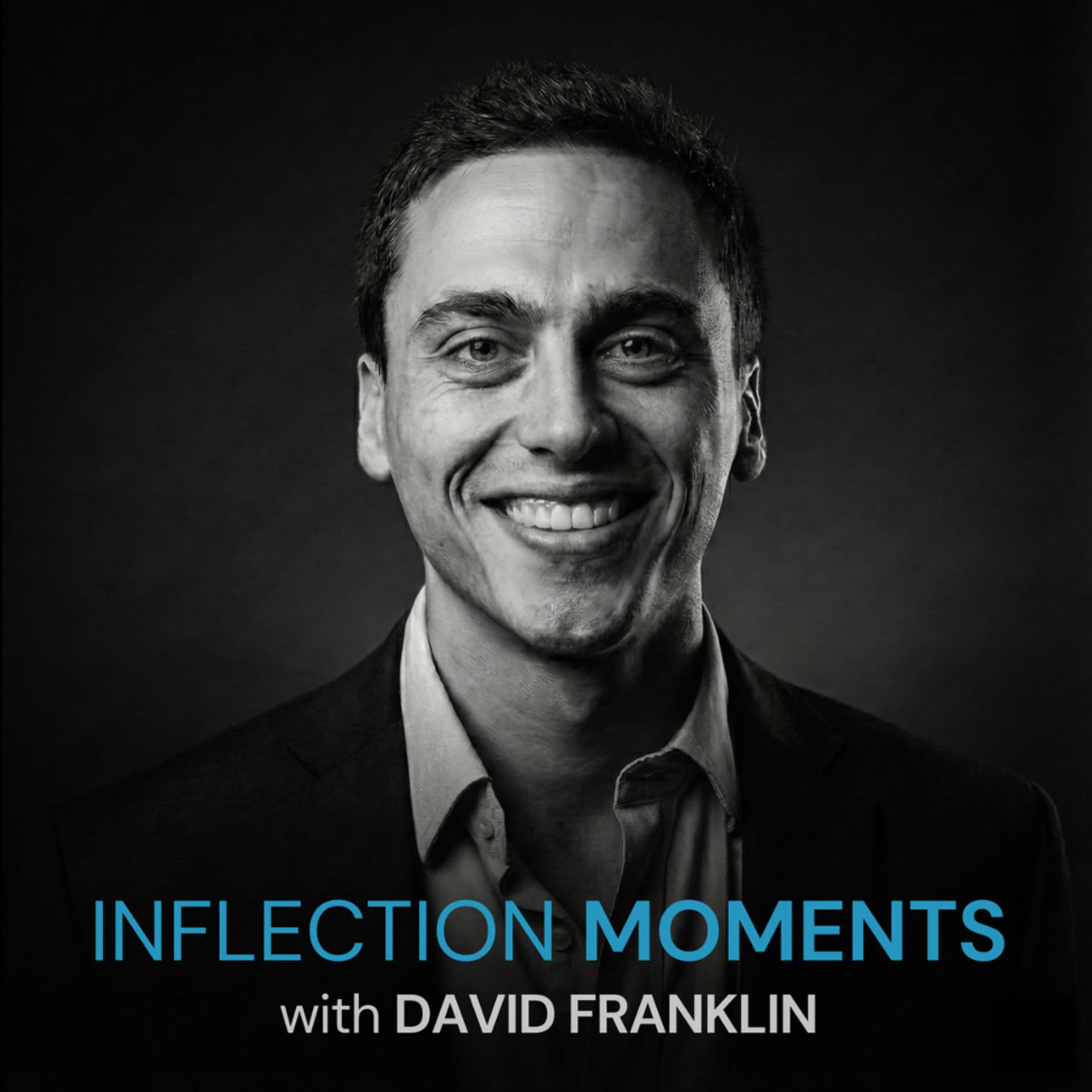
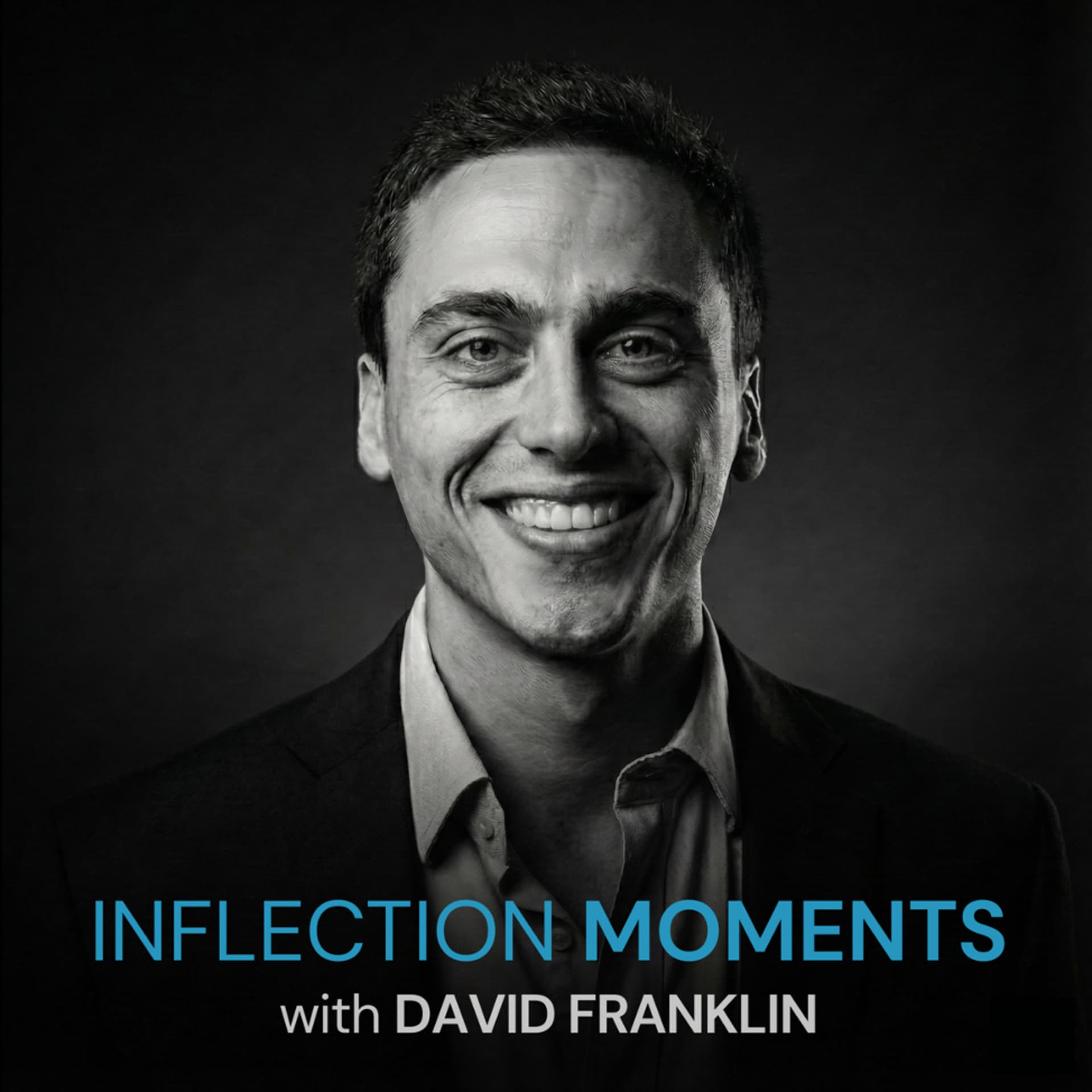
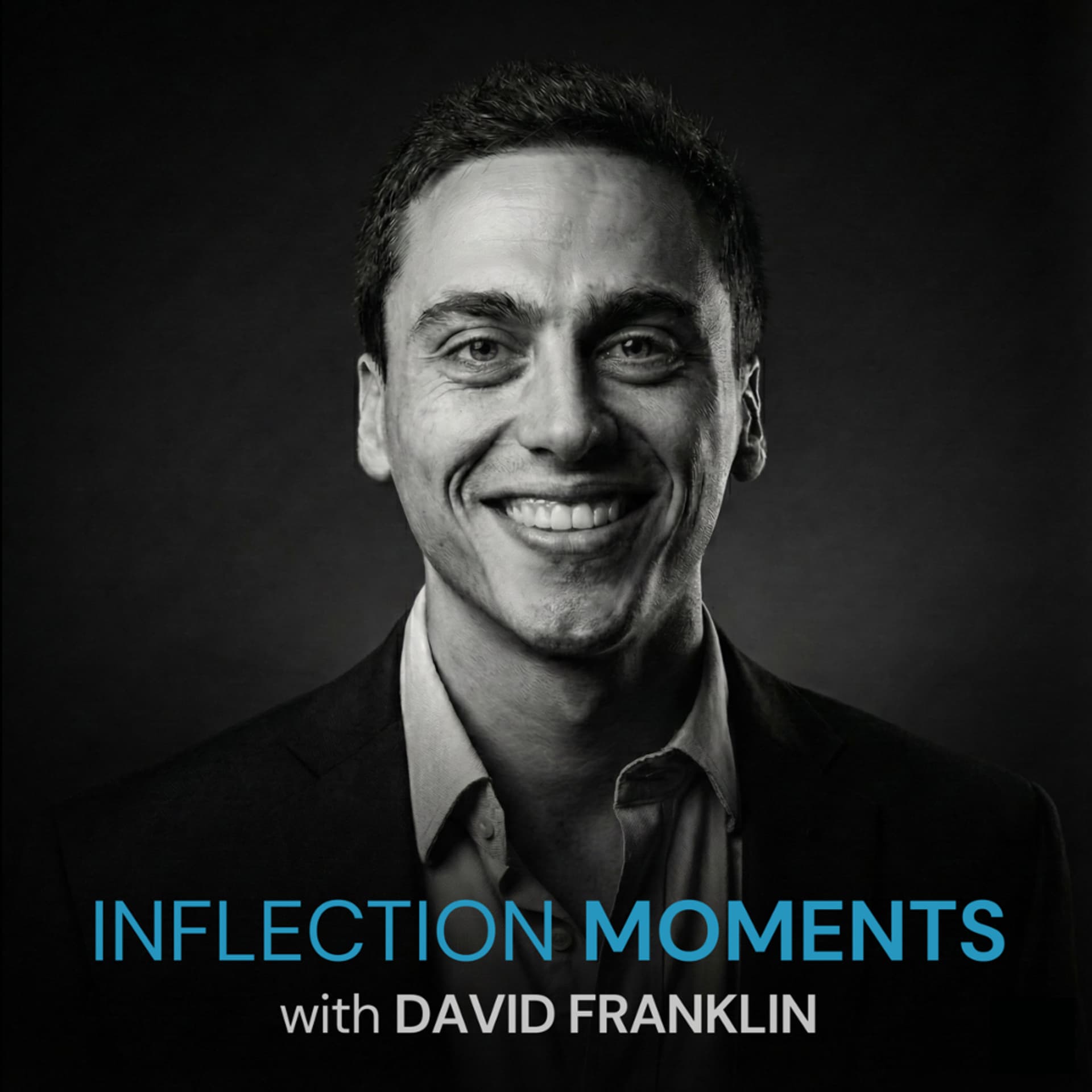
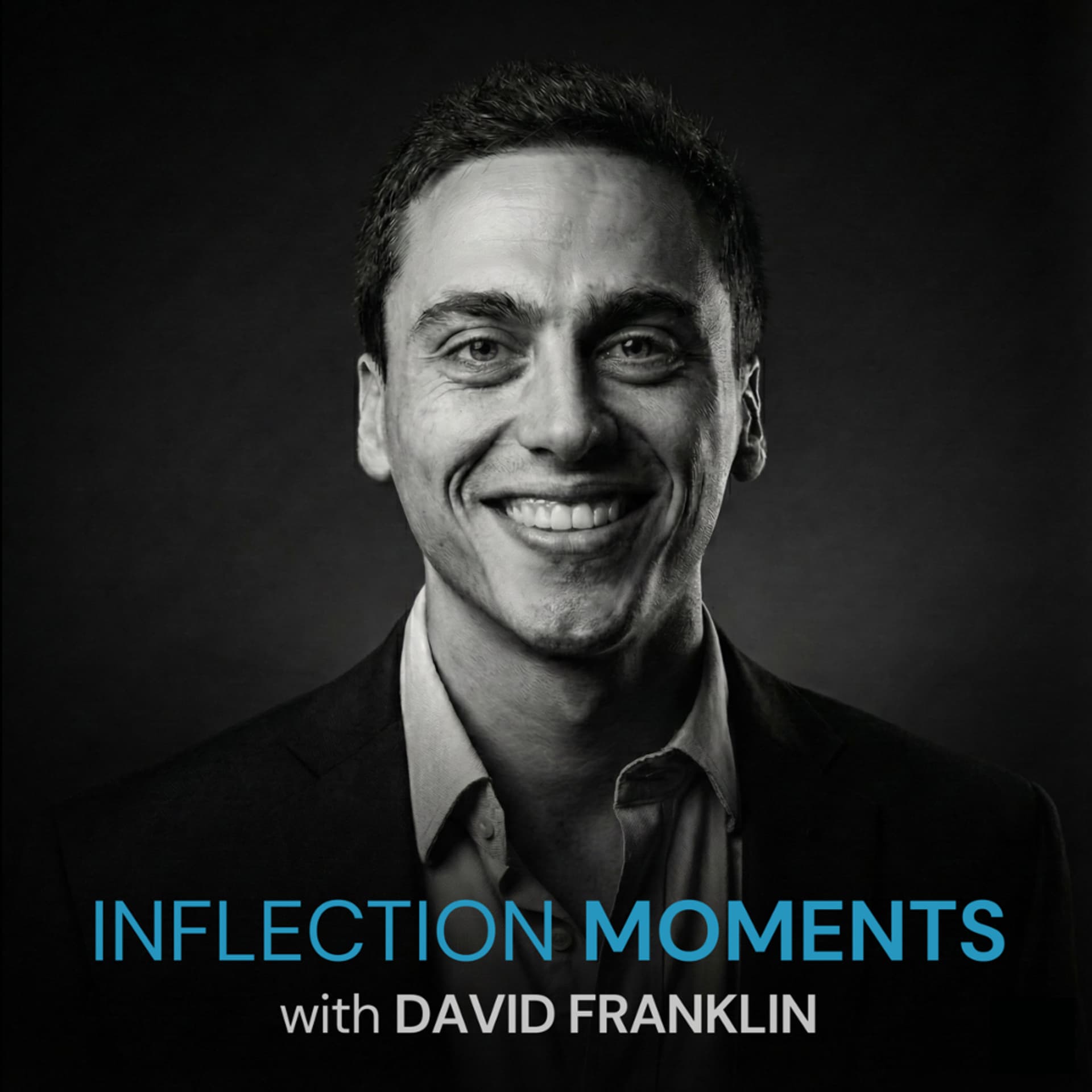
Podcast Description "Inflection Moments" is a podcast hosted by David Franklin, focusing on pivotal turning points in the careers of successful entrepreneurs. This episode features Jim Sinegal, the co-founder and former CEO of Costco, and explores his journey and innovative business philosophy.
---
Episode Summary Jim Sinegal, co-founder of Costco, transformed the retail landscape by adhering to a radical philosophy that prioritizes ethical treatment of employees and customers while still achieving significant profitability. His journey from stocking shelves to leading a retail powerhouse is marked by several key inflection points that illustrate his strategic thinking and commitment to integrity in business.
---
Key Inflection Points
- The Sol Price Apprenticeship (03:48)
- Mentored by Sol Price, founder of FedMart and Price Club.
- Learned the importance of fairness and ethical business practices.
- Price's philosophy revolved around treating customers with fiduciary duty.
- The Founding of Costco (11:03)
- Co-founded Costco in 1983 with a mission to provide exceptional value.
- Implemented the “14% rule,” capping markups on branded goods.
- Created a unique shopping experience by focusing on efficiency and employee engagement.
- The Merger and The Breakup (17:37)
- Merged with Price Club to combat competition from Sam’s Club.
- Conflicts over business vision led to a split, allowing Costco to retain its core mission without distractions.
- The Private Label Revolution (24:00)
- Launched Kirkland Signature as a unified private label brand that signifies quality.
- Shifted the focus to create a trusted brand synonymous with value.
- The War With Wall Street (30:50)
- Faced pressure from Wall Street to cut wages and increase prices.
- Advocated for employee welfare, proving that treating employees well leads to higher productivity and lower turnover.
---
Themes and Takeaways
- Fiduciary Duty:
- Jim Sinegal viewed the relationship with customers as a fiduciary responsibility, always prioritizing customer trust over short-term profits.
- Intelligent Loss of Sales:
- Sinegal emphasized the importance of operational simplicity, declining to stock excessive SKU varieties and opting to focus on high-volume sales.
- Integrity as a Competitive Advantage:
- Demonstrated that ethical treatment of employees and customers can lead to stronger business performance, as evidenced by Costco's growth and profitability.
---
Closing Thoughts (45:14)
- Sinegal's legacy disproves the notion that maximizing profit requires sacrificing ethical principles.
- By embedding values into the company culture and structure, Costco has sustained its mission of prioritizing customer and employee satisfaction over shareholder demands.
---
Additional Resources
- Newsletter: [inflectionmoments.com](http://www.inflectionmoments.com)
- LinkedIn: [David Franklin](https://linkedin.com/in/david-franklin8456/)
- Spotify: [Inflection Moments on Spotify](https://open.spotify.com/show/0aqoOm53QLcOgyOkXFXNkO?si=a6474541e17f4db7)
- Apple Podcasts: [Inflection Moments on Apple Podcasts](https://podcasts.apple.com/us/podcast/inflection-moments/id1841530808)
- YouTube: [@InflectionMoments](https://www.youtube.com/@InflectionMoments)
---
By understanding the pivotal moments in Sinegal’s journey and the principles that guided him, entrepreneurs and investors can glean valuable insights into building a business that thrives on ethics and efficiency, ensuring longevity and customer loyalty.
Written by AI. May contain mistakes. Listen to the episode to check what was said.
Chapters
Tap a time to open that second in VOJim Sinegal's Journey Begins
0:45 to 2:52
Exploration of Jim Sinegal's background and impact on Costco's philosophy.
“thin and employee turnover unusually low for the industry.”
The Philosophical Roots of Sol Price
2:52 to 4:10
Understanding Sol Price's influences and foundational beliefs in retail.
“I'm David Franklin, and you and I are about to dive into something fascinating.”
FedMart's Founding Principles
4:10 to 6:50
Discussion of the principles that guided the founding of FedMart and their impact.
“and soul's father works in the garment factories of the lower east side now I want you to picture of these factories.”
Jim Sinegal's Rise in Retail
6:50 to 9:05
Jim Sinegal's evolution in the retail world under Sol Price's mentorship.
“He teaches every employee about what he calls FedMart's four priority principles.”
The Fall of FedMart and Rise of Price Club
9:05 to 11:01
The transition from FedMart's downfall to the founding of Price Club.
“Sol brings in a German investor named Hugo Mann to help them expand.”
Launching Costco in Seattle
11:01 to 14:01
Jim Sinegal's strategic decision-making in launching Costco in a new market.
“So we're now in 1982, and Jim Senegal is in his late 40s.”
Jim Sinegal's Revolutionary Vision for Costco
14:01 to 19:20
Explore how Jim Sinegal disrupted traditional retail practices to create Costco's unique business model.
“They have money, but they hate wasting time.”
The Price Costco Merger: A Double-Edged Sword
19:20 to 22:48
Understand the complexities and challenges that arose from the merger between Costco and Price Club.
“On paper, this merger makes perfect sense.”
Kirkland Signature: Building a Brand of Trust
22:48 to 27:20
Learn about the creation of Kirkland Signature and its impact on Costco's brand identity.
“It would have been trying to do two things at once.”
Quality Over Price: The Kirkland Strategy
27:20 to 28:00
Discover how Kirkland products were designed to outperform national brands while being cost-effective.
“But Jim is very specific about the strategy.”
Show all 17 chapters
Jim's Impact on Product Quality
28:00 to 29:15
Learn about Jim's influence on product quality at Costco, using examples like golf balls and vodka.
“Golfers started playing with it and they realized this thing is amazing.”
Kirkland's Market Power
29:15 to 30:54
Explore how Kirkland Signature transformed Costco's market position and revenue.
“So this isn't just about making good products, it's about leverage.”
Costco's Philosophy vs. Wall Street
30:54 to 33:18
Understand the conflict between Costco's employee-focused model and Wall Street expectations.
“It's conquered the suburbs, and it's conquered the coasts.”
The Long-Term Vision of Jim Sinegal
33:18 to 37:18
Discover Jim's long-term strategies for Costco's success, focusing on employee welfare and sustainable practices.
“Jim, if you want to cut wages to match Sam's club, the stock would go up 20 % tomorrow.”
Three Keys to Costco's Success
37:18 to 42:01
Learn the three fundamental threads that shaped Costco's unique business model and success.
“And that, I think, is why he's one of the most important retailers of the last 50 years.”
The Unstoppable Philosophy of Jim Sinegal
42:01 to 44:16
Discover how Jim Sinegal maintained Costco's success by focusing on simplicity, integrity, and employee respect.
“Like people, most companies die from obesity, not starvation.”
The Legacy of Values and Corporate Culture
44:17 to 46:30
Learn how Jim Sinegal preserved and scaled Sol Price's values to create a sustainable corporate culture at Costco.
“Jim Senegal didn't just build a retailer.”
Transcript
Automatic transcript. May contain errors.0:00Today, we're continuing a mini series on the kings of mass market retail. Each episode is intentionally structured one after another because each person inspires the next and each one uses these principles to build incrementally larger companies. On our last episode, we explored Sol Price, the founder of FedMart and Price Club, the membership based warehouse stores that pioneered the core model later used by Costco. So it's appropriate that today we're focusing on Jim Sinigal, a true protege of sold price and someone who came up frequently on the last episode. For context, Jim Sinigal is a co-founder and longtime CEO of Costco, the membership warehouse
0:40Jim Sinegal:club he helped build into a global retailer worth$400 billion while keeping prices razor thin and employee turnover unusually low for the industry. He took the sole price playbook of low margins and high volume and proved that you could run a public company that paid workers well, delighted customers, and still compounds shareholder value for decades. For founders and investors, Jim's story is a masterclass in letting values and operating discipline drive your strategy. It shows how a simple model, limited SKUs, treasure hunt merchandising, and membership fees can become a truly powerful moat and how long-term trust with customers, employees, and suppliers is worth more than squeezing out every last point of margin in the short term.
1:27Jim Sinegal:The common thread here between Jim and Sol is that they built this empire on this radical, almost crazy belief that you treat the customer as a fiduciary. And I really want you to think about that word, fiduciary. Treating the customer as someone you have a legal and moral duty to protect. Jim believed that if you did that, that trust becomes a moat so wide and so deep that competitors just can't cross it. But here's the thing, and this is critical, it wasn't some idealistic naivety. This wasn't charity. Senegal was ruthless about implementing this philosophy. The margins are capped at exactly 14 % for branded goods and 15 % for Kirkland Signature.
2:10Not 15.1%, not 16%. The number is non-negotiable. It's a commitment.
2:16Jim Sinegal:It stops him from ever backsliding, even when Wall Street is absolutely screaming at him to raise prices. Because look, this isn't just a retail story. It's a masterclass in playing the long game when everyone else around you is chasing quarterly earnings. So today, you and I are going to break down the most important inflection points in Jim Senegal's life that explain exactly how he did this. The moments that mattered. And more importantly, you're going to understand the strategic thinking, the actual decision-making frameworks that you can apply to your own business. So let's dive in. Welcome to Inflection Moments.
2:54I'm David Franklin, and you and I are about to dive into something fascinating. You know that moment when everything changes for an entrepreneur? When one decision, one pivot, one breakthrough suddenly shifts their entire trajectory. That's what we're hunting for today. If you're building something, if you're that founder grinding it out, making those impossible decisions that keep you up at night, this episode is for you. Because today, we're going inside the mind of one of the most successful entrepreneurs in history to uncover the exact moments that transformed their journey from ordinary to extraordinary.
3:26Here's what we're doing. We're dissecting the five most pivotal inflection points in their career, but more importantly, we're uncovering the strategic thinking behind each decision, the kind of insight that separates the builders from the dreamers. Ready?
3:40Jim Sinegal:Let's get started.
3:48So for Jim's first inflection point, let's go back. Because to understand Jim Senegal, you really have to understand sole price first because essentially you and I are not really telling the story of senegal building costco we're telling the story of sole prices philosophy moving through gym into costco so soul is born in 1916 in the bronx his parents are jewish immigrants from belarus they arrive at ellis island speaking no english with virtually nothing and soul's father works in the garment factories of the lower east side now I want you to picture of these factories. These are death traps.
4:21This is the era of the triangle shirt waste factory fire in 1911, where 146 workers, mostly young women, burned to death because the owners had locked the doors to prevent theft. So Sol grows up in this intense environment of socialist fervor, communist organizing, and labor strikes. The workers are fighting back against exploitation, and this shapes his entire worldview. In fact, I found this quote in Sol's biography that I just love. He says, in the New York Jewish community at the time, there was no such thing as Republicans. The socialists were the conservatives and the communists were the radicals.
4:55Jim Sinegal:How crazy is that? This is crucial because it means that when Sol eventually becomes one of the most important capitalists in American history, he never forgets where he came from. He doesn't see capitalism as permission to exploit. He sees it as a tool to serve people who are getting screwed. So fast forward, Sol becomes a lawyer in San Diego and he's successful. But then one of his clients shows him something that completely changes his thinking. It's a business in Los Angeles called Fedco. Now we've explored this in the previous episode, but I think it's worth revisiting because it's just so important in the formative experiences of Sol that carry through to Jim.
5:32Now Fedco is weird. It's a non-profit membership club exclusively for federal employees, you know, postman, government workers, that group of people. And the concept is simple. About 800 of them pull their buying power. They pay a tiny membership fee, and then they can buy goods at wholesale prices. And here's the thing that blows Sol's mind. It's working. People are driving hundreds of miles
5:55Jim Sinegal:from San Diego to LA just to shop there. So Sol sees this and he thinks, I want to do this. Why can't we do it in San Diego? But Sol does something that most entrepreneurs wouldn't do. He calls up the FedCo board and he says, look, we want to partner with you. Let's do this together. And they say no. So Sol calls back. He says, okay, fine. You own the whole thing. We'll just operate it as a franchise. You get the upside. They say no again. So what does Sol do? He shrugs and then he decides to do it himself. In November 1954, he opens FedMart and it explodes. The first year, they hit$3 million in sales.
6:36Jim Sinegal:Their goal was less than a million. They are three times ahead of that plan. Now, this is where things get interesting because FedMart isn't just a store. Sol builds it with a specific philosophy encoded into the DNA from day one. He teaches every employee about what he calls FedMart's four priority principles. And I want to read these to you verbatim because they're going to echo directly into Costco's philosophy decades later. The first pillar is to provide the best possible value to customers. The second, pay good wages to employees. The third, maintain honest business practices. And the fourth, make money for investors.
7:15Jim Sinegal:Notice the order. Customers first, employees second, investors last. This completely inverts the traditional capitalist framework. Sol is saying, no. If you build a business on the foundation of customer value and employee respect, the profits will follow. But here's the problem. How do you actually do this? How do you operationalize this philosophy when you're competing with Kmart and Walmart? So Sol does something radical. He decides that FedMart will have a hard cap on markup. No branded item will ever be marked up more than a specific percentage. This seems insane. It means that even if you could charge more, you don't.
7:55Jim Sinegal:You are deliberately leaving money on the table. He also implements what he calls the intelligent loss of sales. And I love this concept. So let me give you a specific example. So FedMart sells lubricating oil, you know, WD-40. A normal hardware store carries three sizes, small, medium, and large to be maximally profitable. Sol looks at this and he says, no, we're only carrying the large can, just one size. And his managers say, but Sol, what about the customer who only wants a small one? And Sol says, we lose them. That's an intelligent loss of sales. And why? Because by only carrying one size, you eliminate complexity.
8:32You get massive volume discounts and you pass those savings to the customer. So enter Jim Senegal. Jim is 18 and he's bagging products, but Sol takes him under his wing. Sol teaches him not just how to run a warehouse, but the philosophy behind it. He teaches him about fiduciary duty. He teaches him the art of disciplined constraint. Jim absorbs all of this. He becomes an ideological disciple, but then disaster strikes. In the early 1970s, Sol brings in a German investor named Hugo Mann to help them expand.
9:09Jim Sinegal:But nobody realizes that Hugo Mann isn't interested in discount retail. They're interested in FedMart's real estate. It's a fundamental misalignment. And at the very first board meeting after the deal closes, Sol and Hugo get into a massive fight. It's loud and it's personal. And Hugo Mann makes a decision. He fires Sol. He fires Sol's son and he changes the locks on their office doors. So keep in mind, they're doing this to Sol Price, the founder, the visionary, the man who basically invented this entire industry is literally locked out of his own company. And who's the one that finds out about this first?
9:48Jim Sinegal:Jim Senegal. Jim is the one who has to tell the employees what just happened, and he's devastated. Within five years, FedMart is dead. Hugo Mann runs it into the ground. But here's the thing, and it's critical. Sol Price is 60 years old. He's been humiliated. He's been fired. But does he retire? Of course not. In fact, he leases an office the very next day and he says, we're doing this again. And they do. And they create Price Club. And they focus it entirely on the one part of FedMart that they felt was underappreciated. The warehouse operations that Jim Senegal had run. They realized that margins weren't made in the stores.
10:28Margins were made in the warehouse. So when Jim finally joins Price Club, he brings with him everything he'd learned. He brings the furoshu philosophy. He brings the intelligent loss of sales, but he also brings something Sol maybe didn't have, which is operational discipline. Jim is obsessed with efficiency. He measures everything. He turns Sol's philosophy into a machine, and that machine is what Jim Senegal is going to take to Seattle in 1983.
11:03So we're now in 1982, and Jim Senegal is in his late 40s. He's spent over 30 years in discount retail,
11:10Jim Sinegal:FedMart, Price Club. He's proven himself. He understands this business at a cellular level. He knows where every penny is buried in a warehouse floor. He knows the smell of a forklift battery. He knows the exact sound a pallet jack makes when it's overloaded. Most people, most people at this stage in their career, after three decades of grinding in warehouses, will be settling down. They'd be thinking about retirement. they'd be checking their 401k and thinking about playing golf in Palm Springs. But Jim is restless. See, Price Club is huge in Southern California. It's a dominant force in San Diego in the Southwest.
11:44Jim Sinegal:But there's a whole country he hasn't touched, and specifically, the Pacific Northwest. It's wide open. Nobody, absolutely nobody, has brought this warehouse club concept north to Seattle. And that's when he gets a call. A guy named Jeff Brockman, A Seattle native, a lawyer, a guy from a family of retailers. He sees Price Club in California and thinks, this needs to be in Seattle. This concept is perfect for my city. But Jeff has a problem. He has the money. He has the real estate connections. He knows the landlords, but he has no idea how to run a warehouse club. He doesn't know the operations.
12:22Jim Sinegal:He doesn't know how to stack a pallet. And everyone he talks to says the same thing. There is only one guy for this job. You need Jim Senegal. Now, I absolutely love this story about how they bonded. It's not some boardroom story. It's a travel story. Early on, they're traveling together to China to look at manufacturing. They're trying to source products directly, and they get detained by authorities because they have the wrong visas. They're stuck in a room for 90 minutes. It's tense. It's scary. And they don't know if they're going to jail. And Jim turns to Jeff in the middle of this stressful situation and says, well, this is another fine mess you've got me into.
12:57Jim Sinegal:It's a Laurel and Hardy reference in a Chinese detention room. Jeff laughs and that's the moment they know that they can work together. They know they have the chemistry to build something massive because they know they can trust each other in a foxhole. So what Jim wants at this point is clear. He wants to launch a warehouse club in Seattle that offers the same value proposition as Price Club. High quality goods, extremely low prices, members only. But there's a huge question looming over them. What makes you different? What's your angle? How do you distinguish yourself from the giant that Sol Price built?
13:30Jim Sinegal:You can't just be a copycat. You have to have a point of view. Keep in mind, the conventional wisdom in 1983 is simple. Put your warehouse in the middle of nowhere. That's the Sam Walton playbook. Cheap land, low overhead, make people drive to you. Put the store in the cornfields where the land is practically free. But Senegal has a contrarian instinct. He looks at the map of Seattle and he sees prosperous small business owners. He sees professionals. He sees affluent customers. He sees a city that's growing, a city that's becoming sophisticated. And he thinks these people do not want to drive 40 minutes to the boonies to buy toilet paper.
14:06Jim Sinegal:Their time is valuable. They have money, but they hate wasting time. They want value, but they also want convenience. So the challenge is this. Do we follow the playbook? Do we follow what everyone else is doing? Or do we break the rules? And Jim decides to break the rules and pursue something different. He says, we're going to put the warehouse in the city. We're going to pay more for real estate and we're going to target a slightly more affluent customer. This is a huge bet. It carries higher costs and slower inventory turns potentially. It's risky. If the volume isn't there, the higher rent will eat them alive.
14:40Jim Sinegal:But Jim sees an opportunity that nobody else sees. He sees that value isn't just about price. It's about convenience for the right customer. So on September 15th, 1983, Costco opens its first warehouse on 4th Avenue South in Seattle. And Jim tells the first employees to park their paths in the customer parking lot in order to make the place look busy, to create a sense of momentum because they're nervous. They have no idea if this is going to work. They're sweating. But it does work. It works immediately. The place is packed. People are lining up. And crucially, from day one, Senegal institutes the 14 % rule.
15:18Jim Sinegal:This is that commitment device I mentioned earlier. And I want you to really focus on this because this is the secret source. This is the thing that makes Costco, Costco. It's a rule that says no branded item will ever be marked up more than 14 % above our cost. Not 14.1%, not 15%, 14%. Think about how radical this is. If Costco buys Levi's jeans for$20, the maximum price they can charge is$22.80. cents. Even if they could sell them for$30 and still be cheaper than everyone else, the rule forbids it. So why does he do this? Why is he leaving money on the table? Because he understands that trust is asymmetrical.
15:58Jim Sinegal:It takes years to build and it evaporates instantly. If a customer walks in and sees a price that feels padded, even a little bit, that trust is chipped away. It feels like they have to check Amazon on their phone to see if it's a good deal. the magic becomes broken. So he institutionalizes it. He makes it impossible to violate. He takes the decision out of the hands of his buyers. He says, we're not in the business of margin. We're in the business of volume. And the result of all this, Costco becomes a rocket ship. They were hoping for maybe a dozen stores. They thought if we work hard, maybe we can build a nice little retail chain.
16:35Jim Sinegal:But by 1991, eight years later, they have 37 warehouses and are doing$3 billion in revenue, zero to$3 billion in eight years. At this point, Senegal and Brotman have created something that has never existed before, a membership-based, limited SKU, high-volume model that serves affluent customers. They aren't serving the lower-income people. They're serving people who understand value. They are serving the small business owner who needs 50 pounds of flour and the lawyer who wants a high-end television. They're serving the person who drives a Mercedes but buys their tires at Costco. And by 1985, they add the iconic$1.50 hot dog and soda combo, a price point that Jim Senegal will fiercely protect for the rest of his life.
17:20The business is working. It's working spectacularly. But there's a problem on the horizon, a storm gathering in the South, and it has a name.
17:37So we're now in 1992, and I want you to picture the landscape of American retail because it's shifting under everyone's feet. Costco is booming. It's the darling of the Northwest. It's growing fast, it's profitable, and it's loved. But there's a competitor out there that's also booming. And it is, in many ways, the father, or maybe the grandfather, of everything Costco is doing. Price Club. Remember Sol Price? Remember how he and his son Robert created Price Club after being locked out of FedMart in the 70s? while they haven't been sitting still. They've been running for 15, 16 years. They have warehouses all over the West.
18:12They're dominant in California and they're profitable. But there's a third player in this game and this player is scary. Sam Walton and Walmart have been paying attention. They've been watching Sold Price. They've been watching Jim Senegal
18:25Jim Sinegal:and they've decided they want a piece of this action. Sam's Club is now aggressively expanding and because they're backed by Walmart's limitless capital and their legendary supply chain, they're starting to eat Price Club alive. They're opening stores right next door. They're undercutting prices and they're ruthless. By 1993, Sam's Club owns around 400 warehouses. They control nearly half of the entire warehouse club market. Price Club is getting squeezed, their margins are eroding, and their growth is stalling. And Robert Price, Sol's son, who's now running the show, and Jeff Brockman and Jim Senegal all realize something terrifying.
19:02Jim Sinegal:If they don't merge, one of them is going to get picked off. They're going to get eaten by the shark that's Walmart. Now, of course, we explored in the last episode that Sol's values aligned perfectly with gyms. So there's also a side of this that made natural sense for the two to merge. But the reality is that Walmart's coming for them and they need to do something about it. On paper, this merger makes perfect sense. It's a textbook MBA case study. You combine the purchasing power of the two biggest players, you become the undisputed leader in the industry. You eliminate redundancies. You don't need two HR departments, two IT departments, two purchasing teams.
19:37You save millions instantly. You pull the customer bases and you become truly national. So in 1993, they announced the merger. The new company is called Price Costco. And on the surface, there's optimism. It's built as a merger of equals. The Price family owns about 48%. The Costco side owns 52%. Jim Senegal becomes CEO. Robert Price becomes chairman. It looks like a dream team. But very quickly, almost immediately, a problem emerges. And this problem isn't about numbers. It isn't about logistics. And it's not about supply chains. It's about the soul of the company. Now, as we explored in the Sol Price episode, eventually these issues get ironed out.
20:15But it's actually worth digging into what happened in those years immediately after the merger. Because it's not as smooth sailing as we might think it was. Jim, Senegal and Sol Price, now in his late 70s, have a fundamental disagreement about what the company should look like. See, Sol has evolved. He's been using Price Club, not just as a retail operation, but as a vehicle for real estate accumulation. The Price family really does love real estate. They see value in buying the land, holding it, developing it, and selling the air rights. They view the warehouse club as an anchor tenant for a broader real estate play.
20:46Jim Sinigal looks at this and he sees one thing, which is that it's a distraction. Jim's view is simple. We are retailers, not landlords. We're not developers. We're not speculators. Every dollar we spend on real estate speculation is a dollar we are not spending on making the prices lower for the customer. He argues that real estate is a different business with different metrics and different incentives. If you start focusing on the land value, you stop focusing on the toilet paper price. And if you stop focusing on the toilet paper price, Sam's Club kills you. But it gets worse because Robert Price, soul son, wants to launch this complex electronic catalog system.
21:21A kiosk where you order things that aren't in the store. It's innovative and it's forward thinking, but Jim hates it. He thinks it adds complexity. He thinks it confuses the customer and he thinks it will slow down the operation. And Jim, Jim is telling his mentor's son and his mentor's legacy that they're wrong. I mean, can you imagine how hard that conversation is? Jim loves Sol. He reveres him. But Jim also has a clarity of vision that is uncompromising. He's willing to fight even against the people he loves if it means preserving the integrity of his business. He's willing to look his hero in the eye and say, Sol, you're wrong.
Read the full transcript
21:55And if we do it your way, we lose. The board meeting is a tense. The cultures are clashing. The employees are confused. Are we Price Club? Are we Costco? Are we a real estate company? Or are we a retailer? By the middle of 94, less than a year after the champagne popped, it becomes clear. The marriage was premature. So in July 94, they do something remarkable. Something that you almost never see in big business. There's an asset split within Price Costco. The real estate assets, the things Sol and Robert loved, go into a separate company called Price Enterprises run by Robert. And Jim Senegal, Jim takes the retail business.
22:30He takes the warehouses, he takes the employees, and he takes the mission. It's messy, it's expensive, and it's awkward. But crucially, in 1997, Senegal drops the price from the name, and it becomes the Costco Wholesale Corporation.
22:45Jim Sinegal:Sol Price eventually steps away from the board. He essentially retires from the company that he built. This painful and expensive breakup, this is the inflection point that transforms Costco because if Senegal had been polite, if he'd compromised, if he had allowed the real estate distraction to continue, Costco would have become a confused conglomerate. It would have been trying to do two things at once. And in business, if you try to be two things, you end up being nothing. By forcing that breakup, Jim made a ruthless choice. He chose focus over growth. He chose the purity of the vision over being the biggest he possibly could.
23:19Jim Sinegal:He chose to be smaller, but stronger. And the results speak for itself. By 1995, Costco has 207 warehouses and$16 billion in revenue. They are the undisputed leader. Sam's club is bigger in store count. They have more dots on the map, but Costco is winning on the metrics that actually matter. Loyalty, volume per warehouse, and unit economics. So Jim saves the soul of the company. He proves that you can love your mentor, but you have to kill their bad ideas to survive. And that clarity, that absolute refusal to be distracted is what sets the stage for the next revolution.
24:00Okay, inflection point number four now, and we're in the early 90s. So let's paint a picture of what it looks like being a Costco customer in the early 90s. You walk into a warehouse, you're pushing that giant cart
24:09Jim Sinegal:and you walk down the aisle. And what do you see? You see a bewildering mess of names. you've never heard of. You see Chelsea toilet paper, you see clout detergent, you see pinnacle notepads, you see meridian coffee, Nutri Nuggets dog food. These are all Costco house brands, but they look like generic knockoffs. They look like the stuff you buy when you can't afford the real stuff. From 1983 to 94, Costco followed the traditional retail playbook. Every category gets its own made up name. The idea was that you needed a brand that sounded like it belonged in that specific aisle. Chelsea sounds soft for toilet paper.
24:44Jim Sinegal:Clout sounds tough for detergent, but in practice, it was confusing. It was diluted and it was a mess. There was no trust transfer. If you bought Chelsea toilet paper and loved it, that didn't make you more likely to buy clout detergent because you had no idea they're from the same place. You didn't know that they were both Costco. So keep in mind at this point, Jim is traveling through Europe in the early nineties. He's looking at the retail landscape over there and he notices something fascinating. In the UK, consumers are buying house brands from stores like Marks and Spencer and Tesco, but they aren't treating them like cheap knockoffs.
25:16Jim Sinegal:They're treating them like better versions of the national brands. They trust the store brand name more because they trust the manufacturer. This lights a bulb in Jim's head. He thinks, what if we could do that? What if we could create a single unified private label brand, One name, one identity, and one promise. What if we could put that name on everything from diapers to vodka to golf balls and to tires? And what if that brand became synonymous with quality at a discount? Again, quality at a discount. It might not sound like it, but it's radical thinking at the time. Most retailers, you know, Sears, Safeway, Kroger, they're doing the exact opposite.
25:53They're doubling down on diversifying their portfolio of brands. They're creating dozens of fake brands to simulate choice. But Jim wants to do the opposite. He wants to simulate focus. But here's the problem. What do you call it? This is a branding nightmare. You need a name that sounds good on a bottle of champagne, but also sounds good on a bag of dog food. You need a name that works in Japan and in Canada and in Mexico. So they start brainstorming. So early on, someone suggests Seattle signature. It makes sense. You know, Costco is headquartered in the Seattle area, and it sounds premium. But they check the trademark office.
26:28Jim Sinegal:It's denied. Someone else owns it. So they try other names and nothing sticks. Nothing feels right. Jim is sitting in his office and he asks, okay, where are we now? What city is this building in? They're in Kirkland, Washington. Kirkland, Jim says. Let's call it Kirkland Signature. And I love this part. Someone in the room objects. They say, Jim, nobody can spell Kirkland. It's too long. It's clunky. It's not a brand name. And Jim says, then nobody will spell it. They'll just recognize it. and they'll associate it with quality. That is all that matters. And by the way, in the irony of ironies, Costco moved its headquarters to Issaquah a few years later, but the name stayed.
27:10If they'd waited, we might be buying Issaquah Signature Rocket today, which definitely nobody can spell. So in 1995, Kirkland Signature launches. And the inaugural products, you know, are they sexy? Are they exciting? No. They're shampoo and antacids. But Jim is very specific about the strategy. He lays down a law that becomes the gospel of Kirkland. He says every Kirkland signature product must be equal to or better than the leading national brand, and it must be at least 15 to 20 % cheaper. Read that again. Equal to or better. Not almost as good.
27:45Jim Sinegal:Not good enough for the price. Better. This is not a race to the bottom. This is a strategic assault on national brand margins. Let me give you three quick examples of how obsessive they are about this. The first is the golf ball. A few years ago, Costco released a Kirkland Signature golf ball. Golfers started playing with it and they realized this thing is amazing. It spins like a pro ball. It flies like a pro ball. Turns out Jim's team had found the factory that makes the high-end tour balls. They use the same patent expired technology. Titleist sells a dozen Pro V1s for$50 or$60. Costco sold two dozen for$30.
28:23Jim Sinegal:It caused a panic in the golf industry and titleists actually sued them. That's how good the ball was. The second example is vodka. There's a persistent rumor that Kirkland vodka is actually Grey Goose in a different bottle. It's not true technically, but it is made in the same region of France, using the same water source, using the same wheat, and using the same distillation method. And in blind taste tests, it consistently beats Grey Goose and it costs half as much. and the third example is the tuna. Jim is obsessed with tuna. He hated the quality of canned tuna in the 90s. He thought it was getting mushy and flavorless so he worked with suppliers to change the process.
29:04Jim Sinegal:He demanded better cuts of fish. He demanded different processing. He personally taste tested cans of tuna until they got it right and the result is that Kirkland tuna became the gold standard. So this isn't just about making good products, it's about leverage. Once Kirkland signature became a trusted brand, it became a weapon. If Gillette wants to raise the price of its razors, Jim can say, go ahead, we'll put Kirkland razors right next to you. They'll be just as good. And they'll be half the price. Good luck. It changed the power dynamic forever. The retailer was no longer a passive shelf for brands.
29:38Jim Sinegal:The retailer was now a manufacturer. So what's the result of this decision to rename everything Kirkland? I mean, the numbers are staggering. By 2024, Kirkland Signature generates approximately$86 billion in annual revenue. I want to put that into context for you. Nike, the biggest apparel brand in the world, does about$50 billion at this point. Coca-Cola does about$45 billion at this point. Costco's private label is nearly twice the size of Nike. If Kirkland Signature was a standalone company, it would be in the top 30 of the Fortune 500. It would be bigger than Boeing and bigger than Disney.
30:13Jim Sinegal:All of that trust, it flows from one decision, the decision to kill Chelsea and clout and unify everything under one boring name. Jim understood that brands are just vessels for trust and if you fill that vessel with quality over and over and over again, eventually it becomes bulletproof. But while Jim is winning the war on the shelves, he's about to face a much bigger war in the boardroom, a war that will challenge his entire philosophy of capitalism.
30:49Okay, final inflection point, and we're going to move forward now to the early 2000s. Costco is a behemoth.
30:55Jim Sinegal:It's a public company. It has hundreds of warehouses. It's generating billions in revenue. It's conquered the suburbs, and it's conquered the coasts. But if you look at the stock market, something's wrong. for a long stretch in the early 2000s, Costco stock price is flat. It's stagnant. And the reason isn't because they aren't selling enough. And it isn't because customers don't love them. It's because Wall Street hates them. I want you to really understand the atmosphere of this time. This is the era of chainsaw Al Dunlap. This is the era where the CEO is a hero. If he fires 5 ,000 people to boost the stock price by a nickel, this is the era of ruthless efficiency.
31:32Jim Sinegal:And in the retail sector, there's a God. And that God is Walmart. Walmart is crushing it. Their stock is soaring. And how are they doing it? By squeezing labor, by paying minimum wage, by keeping benefits to the absolute legal minimum, by churning through employees like they're disposable batteries. And Wall Street analysts, the guys in the expensive suits at Deutsche Bank and Goldman Sachs, they look at Walmart and they nod. They say, that is how you run a business. That is efficiency. Then they look at Jim Senegal, and they see a guy who's paying his checkout clerks$17 an hour. They see a guy covering 90 % of health insurance premiums.
32:08Jim Sinegal:They see a guy who refuses to mark up goods to maximize profit. And they're furious. They're genuinely angry at him. What Jim wants at this point is dead simple, but it's incredibly hard to execute. He wants to prove that decency and integrity is what generates alpha. He wants to prove that the standard capitalist model, where labor is a cost to be minimized, is actually mathematically wrong. He isn't trying to be a charity. He's not a hippie. He's not running a non-profit. He's a capitalist. But his hypothesis is different. His hypothesis is if I pay you$17 an hour, when the guy down the street pays you$10, you're going to work harder.
32:44Jim Sinegal:You're going to be terrified of losing your job. You aren't going to steal from me. You're going to be nice to the customers. You're going to stay with me for 10 years. He wants to prove that turnover is the hidden tax that destroys other retailers. So the challenge here is a brutal one and it plays out in quarterly earnings calls and analyst notes that a public record, there's a famous quote from a Deutsche Bank analyst named Bill Dreher and he writes, Costco continues to be a company that is better at being a club member or an employee than being a shareholder. Another analyst says, Mr. Senegal, you are too generous.
33:17Jim Sinegal:You are giving away the shareholders money to your employees. They pressure him constantly. Jim, if you want to cut wages to match Sam's club, the stock would go up 20 % tomorrow. Jim, if you just raised the price of a hot dog to$2, you'd add millions to the bottom line. Jim, why are you offering health insurance to part-time workers? It's a siege. And you have to remember, a CEO works for the shareholders. If the stock lags for too long, the board can fire you. The shareholders can revolt. This isn't a dictatorship and Jim would be vulnerable. He's going into these meetings and these 28 year old MBA graduates lecturing him, a man who's been in retail since 1954 about how to run a P &L.
33:56Jim Sinegal:They call him the benevolent dictator and they don't mean that as a compliment. They mean he is stealing from them to be nice to the little people. At one point, an analyst asked him point blank to reduce health benefits and Jim snaps. He says, I will not do that. These are people who run our business. We're not going to to balance the budget on the backs of our employees. And he tells another reporter, Wall Street is in the business of making money between now and next Tuesday. I'm in the business of building an organization that we hope to be here 50 years from now. I love that. It's just such an iconic quote, but the pressure is intense.
34:32Jim Sinegal:The stock is underperforming Walmart. The narrative is that Costco has a profit problem. So does Jim cave, does he compromise? Does he say, okay, maybe we can freeze wages for a year. No, instead he doubles down. You know, fast forward to the financial crisis of 2008, 2009, when every other company is freezing wages or laying people off, Jim approves a wage increase. He spreads the raise over three years instead of doing it all at once, but he commits to it. He tells his board, this is when our people need us most. If we cut now, we break the trust. And if we break the trust, we lose the culture.
35:06Jim Sinegal:And then come all these other of things. You know, he refuses to touch the hot dog price. He refuses to increase the markup cap. He stands in front of the storm and says, you're wrong. Your math is short-term math. My math is long-term math. He relies on the data that wall street ignores. So being more specific about this, he looks at his shrinkage numbers, you know, theft and retail shrinkage is a huge cost, usually one and a half percent or 2 % of sales, but at Costco it's 0.2%. And the reason is because employees who are paid well and treated with respect don't steal and they don't let customers steal.
35:41Jim Sinegal:So Jim also looks at his turnover numbers. In retail, turnover is usually 60 or 70 % a year. That means you are replacing your staff every 18 months. The cost of hiring and training those new people is astronomical. But at Costco, turnover for employees who have been there more than a year is under 6%. Jim argues that this hidden savings pays for the higher wages. He argues that he is actually getting more productivity per dollar of wages than Walmart, even though he pays nearly double. So thinking about the result of all this, who won this war? Jim retired as CEO in 2012. And as he walked out the door, the verdict was undeniable.
36:21Over his tenure, Costco stock didn't
36:24Jim Sinegal:just catch up to the market. It crushed it. If you had invested a thousand dollars in Costco in the early nineties, by the time you retired, it was worth significantly more than if you had invested in Walmart. The Costco premium became a real thing. Investors eventually realized that the stability of the workforce was a competitive advantage, but the real victory wasn't the stock price. It was the resilience of the model during the great recession. When all the other retailers were collapsing, Costco kept growing. And the reason is because their customers trusted them, because their employees were loyal.
36:59Jim proved that this zero-sum game of capitalism, the idea that for shareholders to win, employees must lose, is a lie. He proved that you can have a$400 billion market cap and happy employees and happy customers. Jim didn't just build a store, he built a refutation. He built an ironclad argument against the soul-crushing efficiency of modern finance. And that, I think, is why he's one of the most important retailers of the last 50 years. Not because he sold the most stuff, but because he did it without selling his soul.
37:40so let's take a step back because we've walked through 60 years of history we've gone from that warehouse in san diego with sole price barking orders to the founding in seattle to the messy divorce and price club to the invention of kirkland and finally to the war with wall street and when you look at these five inflection points individually they seem like just good business decisions. When you look at them together, you see something much deeper. You see a philosophy of business that is almost extinct in the modern world. So I want to pull out three specific threads here that connect every single one of these moments.
38:12These are the master keys to understanding how Jim Senegal built a$400 billion empire that nobody has been able to copy. The first thread is the concept of fiduciary duty. In most of capitalism, the relationship between a business and a customer is adversarial. Even if we don't say it out loud, that's the reality. The business is trying to extract the maximum amount of money that you are willing to part with. And you, the customer, are trying to surrender the minimum amount necessary. It's a negotiation and it's a battle. That is why dynamic pricing exists. That's why convenience fees exist. That is why printer ink costs more than human blood, for God's sake.
38:52The goal is extraction. Jim flipped this entire dynamic on his head.
38:56Jim Sinegal:He viewed himself and Costco, not as a seller of goods, but as a buying agent for the customer. Do you see the difference? It's subtle, but it changes everything. If I'm selling to you, I want the price to be high. But if I'm buying for you, if I'm your agent, I want the price to be low. This is what connects Sol Price's original vision to Jim's 14 % rule. When Jim capped margins at 14%, he was legally binding the company to be on the customer's side. He was saying, even if I can charge you more, I won't because my job isn't to profit from you. My job is to protect you from the market. That is why the membership fee is so brilliant.
39:35It aligns the incentives. Costco makes almost zero profit on the actual merchandise. The profit comes from the membership fee. Think about what that does to the psychology of the business. If my profit comes from selling you a TV, I'm incentivized to sell you a crappy TV with a high margin. but if my profit comes from your membership renewal then my only incentive is to make you so happy so trustful and so satisfied that you renew next year i don't care if you buy the tv or the salmon or the tires i just care that you trust me so this creates a trust mode in a world where everyone is trying to rip you off the company that refuses to rip you off becomes an addiction you stop checking prices you stop thinking you just buy that cognitive relief that freedom to stop worrying that you're being scammed is the most valuable product that Costco sells.
40:25The second thread is one that we've already explored in the sole price episode called the intelligent loss of sales. This is the hardest lesson for entrepreneurs to learn. We are wired to say yes. Yes, we can do that. Yes, we can stock that. Yes, we can serve that customer. We think more equals better. More SKUs, more locations, more services. But Jim built his career on the discipline of no. Look back at the inflection points. He said no to rural locations. Everyone said warehouse clubs belong in the boonies, but he said, no, we're going to the city. We'll lose the rural customer. And that is okay.
41:01He said no to 95 % of products. Walmart carries 140 ,000 items, but Costco carries 4 ,000. That means if you want 47 different types of toothpaste, Costco says, we don't want you as a customer. Go to Walmart. They deliberately lose that sale. So why is that intelligent? Because by stocking only one toothpaste in a giant pallet, they eliminate analysis paralysis for the customer. But operationally, they become a machine. They don't have to manage 47 vendor relationships. They don't have to stock 47 slots. They don't have to price 47 items. They buy that one massive toothpaste in such massive volume that they get a price nobody else can touch.
41:42Jim also said no to real estate speculation. In the merger, he walked away from millions of dollars in potential real estate value because it distracted from the core mission. He also says no to high margins. He literally left billions of dollars on the table by refusing to mark up goods. This is the paradox of constraint. By refusing to do everything, you become unstoppable at the few things you actually do. Like people, most companies die from obesity, not starvation. They eat too much opportunity. they try to do too many things. Jim protected Costco from obesity for 30 years. He kept the menu simple.
42:21He kept the mission simple. He was a gatekeeper who refused to let complexity enter the building. And the third and final thread is the one he fought Wall Street over. It's this idea that decency and integrity is what generates alpha. And I want to reframe this because it's so important. Usually we think of treating employees well as a moral choice. you know, a nice to have, something you do if you're a benevolent person. But Jim treated it as a physics problem. Friction slows things down. Friction costs money. And what creates friction in a business? New employees who don't know where things are, employees who hate their boss and work slowly, employees who steal, and customers who are angry because the service is bad.
43:03These are all forms of friction. By paying 50 % above the market rate, by offering health insurance, by treating people with respect, Jim was essentially pouring oil on the gears of the machine. He removed the friction. He eliminated this turnover tax, you know, the massive hidden costs of constantly hiring and training new people. He eliminated the theft tax, the 2 % of revenue that other retailers lose to shrinkage. He eliminated the apathy tax, the cost of employees who just don't care. On the one hand, Wall Street looked at wages as an expense, but Jim looked at these wages as an investment in your growth.
43:37And here's the kicker. This is an enormously strong moat. Competitors like Sam's Club could copy the layout of the store. They could copy the products. They could copy the concrete floors, but they couldn't copy the culture. Because to copy the culture, they'd have to tell their shareholders, hey, we're going to slash our profits for the next five years to double everyone's wages, and we promise it will pay off eventually. No public company CEO can survive that pitch. So Sam's Club was stuck. They were structurally unable to copy Jim's greatest weapon. When you weave these three threads together, you know, fiduciary duty, intelligent loss of sales, and integrity as alpha, you get something that looks less like a company and more like a cult.
44:16And I mean that in the best possible way. Jim Senegal didn't just build a retailer. He built a system that was internally consistent. You can't have the intelligent loss of sales without the fiduciary duty because customers won't trust you to limit their choices unless they know you're on their side. And you can't have integrity as alpha without the 14 % rule because if you're gouging customers, your employees will know it and they'll become cynical. It all fits together. It's a clockwork mechanism where every gear reinforces the other ones. And that is why decades later, Costco is still Costco.
44:51Jim Sinegore retired. Soul Price passed away. But the machine keeps humming. The hot dog is still$1.50. The margins are still capped. The employees are still smiling. Because the philosophy wasn't just a poster on the wall. It was the entire architecture of the place.
45:14Let me end with a story that captures everything about Jim Senegal. Years after Sol Price had stepped down, after the company had gone through turmoil, merger and separation, Sol Price was in his 90s. Jim Senegal had become a legend. He'd built Costco into a global giant. He was wealthy. He was respected. And Sol Price, the original visionary, the mentor who had taught Jim everything, wrote Jim a letter. In this letter, Sol acknowledged that while the ideas had been his, the execution had been Jim's. Sol had been a theorist. Jim had been the engineer. Jim later said about receiving this letter, I've been waiting 50 years for that letter.
45:52It's a reminder that even the giants of industry are human. Even the titans are driven by these deeply personal connections. Jim didn't just build a company. He preserved a philosophy. He took SoulPrice's values and he scaled them. He proved that you could run a$400 billion company on the principle that customers come first, employees come second, and shareholders come last. These are the values that are built one of the most formidable moats in corporate America. And the way you protect values is by encoding them into structures that outlive you. That is the real legacy here. Thanks for listening.
46:31We'll talk soon. Thank you for joining us on Inflection Moments. If today's story sparked a new perspective or challenged your thinking, be sure to share it with someone you know loves this stuff as much as you and I do. Maybe it's a college buddy, your water cooler buddy, or maybe even someone in the family group chat. If you enjoyed this deep dive, make sure to leave a five-star review and subscribe to our channels so you can be the first one to hear what we've got coming next. And if you're interested in insights, ideas and lessons from some of the world's greatest entrepreneurs, sign up for our newsletter.
47:04The link is in the show notes. Until next time, keep building and talk soon.
From the publisher
Jim Sinegal is the co-founder and longtime CEO of Costco, the membership-based retail giant built on the radical idea that doing right by employees and customers could be the most profitable business strategy of all time. His episode on Inflection Moments explores how a soft-spoken executive, mentored by industry pioneer Sol Price, quietly built one of the world’s most trusted and efficient companies, proving that ethics, loyalty, and scale can coexist.
Sinegal’s story runs from his early days stocking shelves at FedMart, to co-founding Costco in 1983 with a mission to deliver “value so good it’s almost unfair.” Under his leadership, Costco became synonymous with low margins, high wages, and fanatical customer trust. While competitors raced to cut costs and push margins, Sinegal doubled down on efficiency, culture, and alignment, turning warehouse shopping into an experience millions love. Even as CEO, he answered his own phone, wore name tags like everyone else, and capped executive pay at a fraction of industry peers.
This story is worth studying because it flips conventional corporate logic on its head. It shows that integrity can be a competitive advantage, not a compromise. For founders, the takeaways include how to embed fairness into the core of a business model, how to scale culture across thousands of employees, and how to turn customers into evangelists through transparency and consistency. For investors, Sinegal’s arc offers a blueprint for building trust, demonstrating that the most enduring returns often come from building companies that people are proud to work for, buy from, and believe in.
Chapters
(00:00) Introduction
(03:48) Inflection Point #1: The Sol Price Apprenticeship
(11:03) Inflection Point #2: The Founding of Costco
(17:37) Inflection Point #3: The Merger And The Breakup
(24:00) Inflection Point #4: The Private Label Revolution
(30:50) Inflection Point #5: The War With Wall Street
(37:40) Common Threads
(45:14) Closing Thoughts
Connect
Follow our channels below if you're interested in insights, ideas, and lessons from the greatest entrepreneurs in history:
Newsletter: www.inflectionmoments.com
LinkedIn: linkedin.com/in/david-franklin8456/
Spotify: https://open.spotify.com/show/0aqoOm53QLcOgyOkXFXNkO?si=a6474541e17f4db7
Apple Podcasts: https://podcasts.apple.com/us/podcast/inflection-moments/id1841530808
YouTube: @InflectionMoments
If you're enjoying the episodes, make sure to like the video and subscribe to the channel so you never miss an episode.