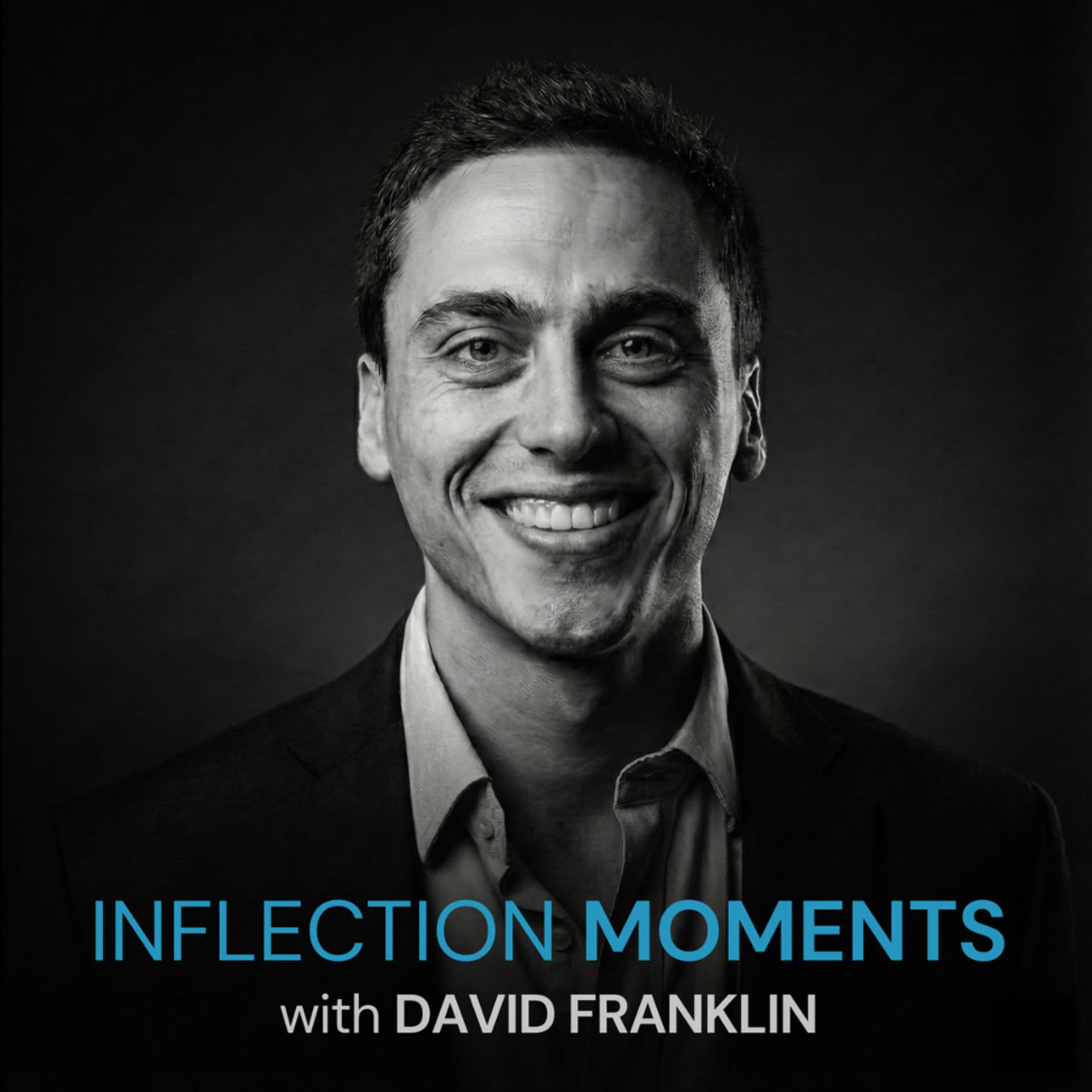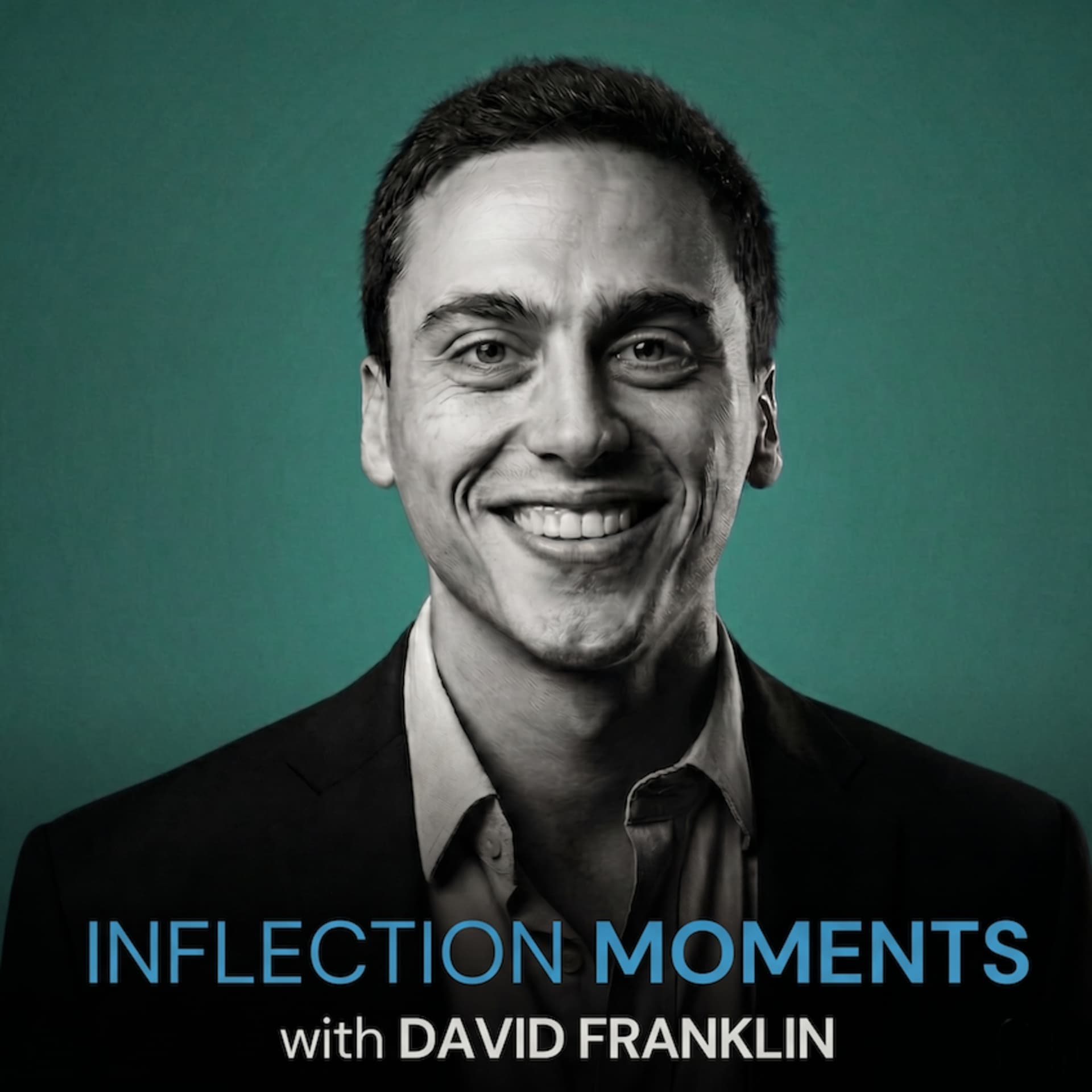

In short
Episode topic: Holly Jackson, co-founder of SheSpot, discusses how she and co-founder Kalila built a femtech sexual-wellness platform through underserved-market insight, early partnerships, fundraising lessons, and growth tactics shaped by advertising constraints.
Guest backgrounds
Holly previously worked in UK consumer brands (Sainsbury’s, Diageo, THG) and as a senior management consultant/advisor focused on consumer strategy. She grew up in an entrepreneurial household; her mother quit university to pursue entrepreneurship, and her father traveled internationally. Holly met Kalila at Oxford.
Key claims
SheSpot was “dreamt up” at Oxford but launched after COVID-era planning and customer pilots. A full-time plunge came when side-hustle growth made split responsibilities unsustainable. Momentum matters: early virality must be followed by strategic partnerships. Fundraising taught her to reject unfavorable terms and choose investors aligned with long-term values.
Notable examples
Zoella partnership (gifted products; led to tens of millions reached and sales spikes), then Sephora UK outreach, followed by Superdrug and Debenhams. Growth tactics emphasized offline community, pop-ups, events, ambassadors, and medical-expert referrals due to heavy industry censorship limiting Meta/Google ads.
Written by AI. May contain mistakes. Listen to the episode to check what was said.
Chapters
Tap a time to open that second in VOIntroducing Holly Jackson
0:38 to 1:40
David introduces Holly Jackson and her venture, SheSpot.
“So Holly is the co-founder of SheSpot, which is a femtech platform for women's sexual wellness.”
Holly's Entrepreneurial Roots
1:40 to 3:18
Holly discusses her family background and entrepreneurial influences.
“So Holly, thank you for joining us and welcome again.”
Building Experience in Corporations
3:18 to 5:56
Holly reflects on her professional experiences in consumer brands and consulting.
“Yeah, my siblings are very, very different to me, much more creative, much more in the arts, so totally different.”
Mentors and Influences
5:56 to 10:32
Holly shares the mentors who shaped her journey and professional philosophy.
The Genesis of SheSpot
10:32 to 14:02
Discussion on the origin and development of SheSpot with co-founder Kalila.
“In In fact, day one was sort of 10 years before day one, if that makes sense.”
From Side Hustle to Full-Time
14:02 to 15:10
Learn about the transition from a side project to a formal business.
The Tipping Point of Commitment
15:10 to 17:58
Explore the moment of deciding to fully commit to entrepreneurship.
Strategizing for Impact
17:58 to 20:03
Understand the importance of prioritizing impactful projects as a founder.
“And I think that's, again, something today that I'm sure a lot of founders struggle with is creating the time for the big picture thinking.”
Catalyzing Growth Through Partnerships
20:03 to 21:17
Discover how a partnership with Zoella boosted brand visibility.
“And so kind of we just reached out like, oh, you know, would you like us to gift you some products maybe for your social media accounts?”
Maintaining Momentum After Virality
21:17 to 24:16
Learn how to sustain business momentum following a viral partnership.
“That was definitely our first like inflection point.”
Show all 25 chapters
Networking for Founders
24:16 to 27:03
Gain insights on effective networking strategies to build partnerships.
“I think I always think that being a founder is this incredible privilege in that it opens doors to speaking to people and meeting people that you could never really access if you didn't have the founder excuse.”
Navigating the London Founder Ecosystem
27:03 to 28:00
Explore the vibrant startup ecosystem in London and its challenges.
Navigating Founder Networking Events
28:00 to 29:38
Learn how to prioritize networking opportunities as a busy founder.
The Challenges of Fundraising
29:38 to 30:41
Understand the complexities involved in raising capital for your business.
“So I think first and foremost, it's what am I going to learn?”
First Experiences in Raising Capital
30:41 to 36:27
Explore the emotional and practical aspects of a founder's first investment round.
“and in terms of the skills to take it from this is just your baby to now you've got to bring on other people.”
Choosing the Right Investors
36:27 to 39:08
Discover the importance of aligning with the right investors for your business.
Prioritizing Resources After Fundraising
39:08 to 42:00
Learn how to effectively prioritize resources and expectations after securing investment.
“So being fundraising from a position of strength is the best thing you can possibly do.”
Navigating Financial Responsibility and Creativity
42:00 to 45:32
Learn how financial constraints can drive creativity while managing investor expectations.
“And you're like, wow, we can go away and do all of these things that we didn't have the funds to do before and resources to do before.”
Growth Tactics in a Censored Market
45:32 to 47:22
Explore unique growth tactics in the sexual wellness industry amidst advertising restrictions.
“So, you know, what has been the best sort of growth tactic, maybe going into a bit more about those partnerships and distribution channels that maybe have been super beneficial for you?”
Learning from Mistakes in Marketing
47:22 to 51:13
Understand the importance of learning from marketing missteps and the realities of self-promotion.
“And yeah, and then building advocates and a network of ambassadors, whether they're kind of formal ambassadors that you may pay commission to.”
The Importance of Work-Life Balance for Founders
51:13 to 55:41
Discover strategies for maintaining a healthy work-life balance while running a business.
“And that can be really, really challenging to deal with.”
Personal Insights and Quickfire Questions
55:41 to 56:00
Get to know Holly Jackson through lighthearted questions about her life beyond business.
Personal Insights and Lighthearted Questions
56:00 to 57:24
Explore Holly's personal interests and what life might look like outside business.
“So I guess the first one is if you weren't in business, what do you think you'd be doing?”
Creative Productivity Hacks
57:24 to 59:34
Holly shares how nature and water influence her creativity and productivity.
Lessons from Entrepreneurship
59:34 to 1:02:28
Holly reflects on resilience and gratitude learned through her entrepreneurial journey.
“But what is something that you're most grateful for?”
Transcript
Automatic transcript. May contain errors.0:00If you ask any great founder or investor how they got here, the answer is usually not a straight line. It's a series of decisions, risks, setbacks, and turning points that shake the path along the way. This is Inflection Moments Conversations, a companion series of one-on-one conversations with founders and investors focused on the defining moments in their career so far. These are the moments that tested them, that changed their thinking, and influenced what happened next. In each episode, we unpack those moments and the lessons behind them for the people building and backing the next batch of great businesses.
0:35So without further ado, let's dive in. Let me just introduce you because I think it's worth our listeners hearing a little bit more about what makes you special and worth kind of listening to on your journey because you've got a particularly fascinating one. So Holly is the co-founder of SheSpot, which is a femtech platform for women's sexual wellness. The platform provides over 100 products for promoting self-care and pleasure and is targeting a market of over 500 million women. So far, Holly and her co-founder Kalila have successfully created a community of more than 10 ,000 people. The company recently completed its first fundraising round and has attracted Tier 1 advisors to support the growth in what has been a long underserved and underinvested market.
1:16it. To go into Holly's background a bit more, Holly spent her formative years working at iconic UK-based consumer brands, including Sainsbury's, Diageo, and THG, on top of which she was also a senior management consultant and advisor in consumer brands as well. And on a personal note, Holly and I know each other from our uni days back in Oxford, and I think we even studied the same degree doing geography. So Holly, thank you for joining us and welcome again.
1:44Holly Jackson:thank you David very happy to be here looking forward to having a conversation awesome so I guess just to start with you know yes you're a founder now and you've been doing this for four or five years but you know I think predominantly what happens as I understand it and because as I've observed there's a lot of the decision making style your strategic thinking a lot of that is influenced by moments and experiences when you were younger growing up And it's interesting to connect your childhood and upbringing into your experiences today. So it'd be interesting to hear a little bit more about your family background and how that kind of maybe first introduced you to this idea of entrepreneurship.
2:23Holly Jackson:Yeah, absolutely. So I grew up in a pretty entrepreneurial and business focused household, I would say. So my mom was actually an entrepreneur at a young age. She sort of quit the idea of university to move abroad and pursue an entrepreneurial dream which she spent the next 10 years of her life building so that was very much I guess for me growing up a view of how I shaped risk and taking the plunge from a very young age and my dad traveled a lot for work internationally so I think business was very much part of our kind of dinner table conversations at home and I think that really kind of led me to the kind of belief that you can build your own path, right?
3:05Holly Jackson:And that risk-taking is a part of life and that actually there's no conventional way to do life and business can take you all across the world. So I think, yeah, those kind of parental upbringing influences were definitely critical to kind of shaping where I am today. Yeah. And did you have any siblings? Like when it came to, you know, thinking about what you're wanting to do, like was this something that maybe was specific to you or do you think that this was something that some of your siblings might have thought about as well? Yeah, my siblings are very, very different to me, much more creative, much more in the arts, so totally different.
3:42Holly Jackson:So I think this is something that was kind of a personal drive for me. I think I've always kind of been interested in making money, in strategy, in, yeah, particularly for me, the consumer. I've just always been really intrigued in kind of consumer psychology. And so for me it was like how can I um do that from a business lens right so yeah very much my own path and my my own doing sure so let's hear a little bit more about those like institutional experiences because you know admittedly the bigger institutions are not necessarily the most entrepreneurial but you'll probably end up meeting certain people observing certain things and sort of like all these different things compound eventually over time so I guess you know you've worked at a handful of really the UK-based consumer brand.
4:29So it'll be interesting to hear maybe a few stories from your time there that really made you sort of eventually start planning and sowing the seeds for SheSpot.
4:38Holly Jackson:Yeah, absolutely. So I think, well, firstly, kind of back at university, to speak of institutions, you know, I think we saw, right, a lot of our peers went down the sort of more conventional corporate routes. And I think for me, that never really felt right at that point in my journey. I didn't feel ready to kind of pigeonhole myself. And I kind of had this desire to get into the consumer space and to go into a high responsibility, high growth environment. So which kind of led me to THG straight after university. I think with that role, I didn't know what the job title was going to be until the night before the job.
5:12Holly Jackson:So, you know, there was definitely that taking risk, but I knew it was going to give me kind of business acumen and kind of on the job learning. um having done that for a while it was then I guess that move that you're referencing there into into sort of the consulting and the operating world um where you're just learning on the job and I think you know you're getting inspiration from business leaders both on the investment side and the PE side as well as you know the CEOs of some of the biggest consumer brands in the country um so I think for me it was uh yeah having that exposure and having that training as a consultant early on that kind of really kind of set me up for a career and a founder life in kind of strategy and whatnot.
5:56Yeah, I think it's a really fascinating bit of experience that you have because a lot of startup founders, I feel, especially in the consumer space, it's not second nature to understand from maybe like a board level or a corporate investor level. A lot of the time it's kind of like, I like this kind of industry, so I'm just going to start building a company in that industry but eventually when you start growing and having some success like you're going to have to start speaking to certain individuals who are going to have a slightly more business or institutional mindset around things so being able to have that experience from especially from a consultant standpoint where you're in a position of authority speaking to senior individuals in this industry I mean that must have been a phenomenal way of kind of keeping all that information in your head so when the time that you had to i don't know pitch like start building partnerships that must have been super helpful yeah no i really think it is i think
6:53Holly Jackson:there's a lot to be said for that right particularly in the consulting space where you have access to the people that are top of their game as clients and it almost kind of desensitizes you i'm sure we'll get on to it later when you are speaking to investors in the future because you're kind of desensitized to the fact these are some really huge names um people too you know because you've kind of done it from a younger age um so yeah I think it's a it was a really really good um sort of platform for me um and a learning awesome so I think it's worth maybe focusing a little bit on like maybe certain individuals that were almost like mentors to you um and they could be individuals from your personal life from your professional life because I feel like there are certain individuals that have this disproportionate effect on founders, whether it's people that they know, like it could be mom, dad, first boss, first, you know, work, water cooler buddy, whatever you want to think about that.
7:52But then there's also maybe people that you don't necessarily know that you've studied from afar that have done something that you would love to emulate, whether it's in the same industry as you or a parallel one. And so what sort of names come to mind as your sort of early influences and mentors in your journey?
8:10Holly Jackson:Yeah, absolutely. So I think kind of on a personal level, and I guess from day one, it has been my mother. You know, I think she taught me independence from an early age. And I think particularly pertinently the role of leading with strong values and purpose and doing business in the right way, which I think is really critical when you're running a business because being led with the right values treating those that you employ with the right respect and values and those that you work with I think is is just fundamental so that's very much shaped I guess how we run SheSpot today and I guess my personal approach to things I think in consulting I learned a lot by contrast um so there were leaders that I really admired um and there were the ones that I didn't want to sort of emulate um and that's both as I said on the kind of the operating client side as well as in the private equity space um I think for me it was absolutely the first boss so I had this incredible woman who was you know a couple of grades above me and she took me under her wing And I think at that very formative age, spent the time with me, gave me feedback and taught me to accept feedback and learn how to take feedback.
9:28Holly Jackson:And I think I'm sure that's something that a lot of the listeners will resonate with. Right. It's like the difficulty of taking feedback early on, but then how important it is. And as a founder, how fundamental that is moving down the line and being able to feed back to your teams, feed back to your suppliers, feed back to your clients. So having that first boss, I was so lucky. And I will never forget her and kind of what she taught me. And I think in the world that I'm in today, we've taken on a really incredible senior advisor. He's worked for some of the most kind of prestigious consumer brands at a very high level and is a very different thinker to me.
10:04Holly Jackson:His background is all in kind of innovation, which is not something I have any experience of. So it's been fantastic for me to be exposed to an incredible thinker, thought leader, and somebody that's fantastically experienced in thinking in such a different way to the way my brain ever operate. And so he is at the moment, like a fantastic mentor and influence on on me from a business perspective. that's great yeah and i love how different in terms of the kind of profiles each of those people are you know like i on a personal level you know i find that there are certain individuals professionally that inspire me but actually like if i think about the person that gets me and inspires me and is able to sing those things together it's probably my wife like and my wife has she's a successful business person in her own way but like i think there's something super value about someone that's known you throughout that journey on a personal and professional level like your mom um so that's also i think that kind of as we'll talk about in a moment like that really does feed into so much about what you know she's spot and what you're doing now is kind of um building on so okay so let's switch gears a little bit and talk about the moment the key moments on your journey that have really helped to build she's spot into what it is today which is a phenomenal story of you and your co-founder building something that has been perennially under-invested in, not just in the UK space, but more globally.
11:37So it'd be interesting to know, you know, if you think about back to day one, when you, or maybe not even day one, before day one, when you and Kalila are having these conversations about leaning in and taking the plunge, I'd love to hear what that experience was like.
11:53Holly Jackson:Yeah, absolutely. I'd be delighted to show. In In fact, day one was sort of 10 years before day one, if that makes sense. So my co-founder and I have known each other since our first week at Oxford. By fate, I think we were put in halls and bedrooms next to each other. And so kind of instantly became best friends. And I think at that young age, that very formative age, we are having these discussions around kind of women's health and kind of the broader wellness space. space and kind of shared frustrations around how underserved women were, around like why was nobody doing a better job in this space, how it was so ripe for disruption.
12:34Holly Jackson:And we kind of very much like dreamt up a business idea back then. It took a couple of, definitely was like a couple of evolutions of what we wanted to do, but we always said, right, we need to start a business in this space. We then went down the very corporate paths. She went into law. I went, you know, down kind of strategy and consulting. and so kind of the idea was always there the seed was very much planted but it wasn't until sort of the back end of COVID where I guess we had a little more time on our hands we're both working full-time but you know not being able to socialize meant socializing on FaceTime and we kind of came up with our business plan over hours of FaceTime calls I just remember being sat in my room you know on FaceTime with Kalila with like papers scattered everywhere and we were just mapping things out remotely and it was this incredible sort of ideation process but I think what it really stemmed from was the idea and the problem that we're solving for is how critically underserved women are when it comes to their sexual well-being and this is a huge problem worldwide and a massive massive growing market um so yeah I think we started off sort of thinking what's the problem you know we are the target audience we are young women like this is relevant us and we're building to solve the problems that we're facing.
13:49Holly Jackson:So starting with what was the problem and then looking outwardly at the market and kind of trying to spot the gaps and trying to spot a place that we could fit into, right, and build a business. It really sort of went from there, from those conversations remotely to building a pilot, testing, trialing, speaking to customers, gathering data gathering insights um getting feedback um to then sort of saying right okay well this pilot's gone pretty well um we're definitely into something because we've spoken to all of these women we've got all these data points um people are telling us yes there's a need for this um so it kind of transformed from that to them taking the plunge and saying okay well let's incorporate let's set up the business let's you know do all of these things to actually create a formal business and launch um so we sort of side hustled for uh a few years um a bit of a kind of project on the side of our day jobs and it was kind of growing and growing growing organically um until i think we reached a kind of a tipping point where it no longer became a side hustle and was like actually this is this is making money like this is staged we're putting new customers in here um we're really on to something and i guess that was really the slot then of saying right this is business let's go for it let's do it properly was that was that sort of like a product or a sort of cause and effect moment or was it maybe like a gradual sort of like you were doing the right thing over enough period of time that eventually the kind of the numbers made sense for you to do this full time um it'd be interesting to know maybe a little bit more about that the moment where you and clear around to each other and said okay we've got to we've got to focus our full energy on this yeah for sure so I would say it was definitely very organic um and uh and I think a really big thing for me and my journey on this has been kind of that experience of working on something whilst you're working full-time so um you know when you're working full-time you're on path to promotions you know you're playing all the corporate politics um you've got the stability right you've got your kind of path set out for and you enjoy your job when you're building something on the side it's very hard to manage both things and for me I was doing that for quite a while um and what I found was there was this tipping point where she thought was getting to this level where it needed more what I found and what I found really challenging in this whole journey has been kind of split of responsibilities opportunities and showing up to your corporate job day in day out and putting 110 % into that job whilst also putting 110 % into your side hustle so while SheSpot was growing organically at the same time for me it became kind of not viable to carry on doing this split thing and after you know a number of months of thinking oh my god what do I do do I take the plunge do we just you know say SheSpot was this kind of fun experiment but like maybe you know let's focus on our stable corporate careers i think i i took a step back and i said i've got to go all in yeah and i would imagine you know both you and kalita are super talented individuals you know if this hypothetically you know was more challenging than expected i mean you'd still have plenty of opportunities to go back to um but at the same time you know putting yourself back in that moment again i think it's something a lot of people listening to this will be able to associate with you know a lot of people have ideas and a lot of people try things out on the side but the actual decision to like step away from all of the comfortable safety net that a big corporate job gives you the benefits the pension contributions you know the sort of ability to not have to worry about you know all these different things I think it takes a lot of courage you know even if all the data is telling you that this is like the right thing to do like you and I both know that in entrepreneurship like there's no guarantee of success and those first few years are the absolute hardest um so it'd be interesting to know a little bit you know when when you and Clela were going to do this what was the sort of and you've incorporated as and done all the sort of legal things you needed to do to start the business and and take it from there like what are your priorities you know because now you've got all this time you didn't have but how are you spending it in a way that's going to be most beneficial to to shoe spot yeah absolutely or suddenly as you say like wow okay i've got all of this time freed up i'm doing this full time yeah how do i prioritize and i think even today as a founder learning to prioritize is the single hardest thing day in day out so um yeah for me it was like working on the things that were really going to move the dial right like when you take the plunge like that when you're like right i'm all in i'm going after this it's i don't want to start growing in tiny tiny increments and kind of you know i guess growing slowly we want to really go after the big um impact projects the really big impact things that are going to take us to the next level and then the next level after that um for me that was what that looked like you know working on partnerships getting our name out there um building up the brand getting into press all of these things that you know require face time require networking and just require the strategic thinking.
19:18Holly Jackson:And I think that's, again, something today that I'm sure a lot of founders struggle with is creating the time for the big picture thinking. So for me at that stage early on, it was amazing. I've got all of this free time now to think, let's map out the next few years strategy. Like let's think about what's going to give us the biggest return on our time investment and our financial investment. And so, yeah, that was the priority is the big impact stuff. Yeah. And I mean, having studied your story a little bit, I mean, that sort of focus ended up manifesting, right? Because I think that was a huge moment with you and Khalilah building this partnership with Zoella.
19:58It'll be interesting for the listeners to hear more about that and the significance of that.
20:02Holly Jackson:Yeah. So we, it was phenomenal. I think it was kind of six months in and we reached out to Zoella or Zoe Sugg, who's kind of the UK's original YouTube blogger, with an audience of over 10 million across various social channels and a really, really engaged audience as well in our prime space and demographic. And so kind of we just reached out like, oh, you know, would you like us to gift you some products maybe for your social media accounts? And a miracle came back in terms of this message, which was, yeah, we'd love your products, But also, we're really interested in this space. We have no experience in it.
20:44Holly Jackson:And we think our audience would love it. Would you like to do a partnership? And this whole kind of this little message back just transformed into this beautiful partnership that got us in front of tens of millions of people. It drove our sales absolutely wild. And at a very, very early stage in our journey, it gave us this platform and credibility that I think really set us up for success and future partnerships further down the line. So I think it was that moment of like virality now that we hear so much about, inflection moments. That was definitely our first like inflection point. Yeah. And I feel like especially with consumer brands and the sort of nature of the distribution channels or like social media, basically, you know, it really rewards those rare but high virality moments.
21:33and I feel like that's sort of how the algorithm self-reinforces itself like once you have one of those moments like you just get catapulted up the feeds and like I'm sure you just get all of these natural PR benefits so it'll be interesting I think you might have shared a little bit about when you're on the way to see uh I think down in Brighton was it uh it must have been this crazy moment to think like this is the sort of like proof of concept moment that has just been it's so hard, right, for founders to get that, you know, not just at any point, but as early as you did. So, I mean, it's interesting, maybe pivoting slightly more towards what happened after that.
22:09It would be interesting to know, you know, what impact that gave you both from an audience standpoint, but also in terms of securing the next partnership.
22:18Holly Jackson:Yeah, and I think that's the really fundamental point here. And I think, you know, you talk about virality for consumer brands and that's all well and good, but it's the momentum after that. that is fine if you have your viral moment great you enjoy it in the moment it gives you you know some short-term commercial spike but you need to maintain that momentum otherwise it's a peak in time so yeah after this incredible partnership with Zoe and with Zoella um it really it got our name out there in a way that we could have only dreamed of and actually led to a number of inbound opportunities falling into our last um so we had a couple of months after that we had Sephora UK get in touch with us just drop into our inbox and say look intellectual wellness is massive for us we don't have experts we are not big in this space and we'd love to explore partnering with you and I think it's one of those moments you take a step back and you think is this spam and I remember that email I'll never forget it and Kalila and I looked at each other and we said no this can't be real it can't be I mean this is every kind of business owner's dream in our space so um turns out it was very much real um and I mean the Sephora partnership that was really the next level for us um partnering with a huge name gets you you know ridiculous press in front of an audience that organically would take you years to reach um and kind of instant credibility and learnings and just opened so many doors for us so following sephora speaking of momentum we then got super drug we then got department store in the uk debonhams like there's this knock-on effect and so i think the kind of takeaway for me is momentum is critical it's all very well to have these partnerships and these like inflection points but we do then need to be able to carry on strategically carry on that momentum yeah and as a founder you know i think a lot of the time it's a lot of the time the grunt work is done in front of the computer screen like doing your sort of day-to-day but realistically like you're going to be out there meeting key individuals in the industry like not just in terms of building off that sort of digital virality but you know talk to me a little bit more about how you've been able to sort of like get in the room with the right people because i think a lot of people listening to this regardless of what um business they're building that's the hardest thing it's getting in the room with the right people so that they can hear your story um so it'd be interesting to hear a little bit more about you know when you're building these partnerships how you're able you know those those two that you just spoke about about them uh ending up in your inbox is like the best possible scenario but for maybe some of the partnerships where that hasn't happened and you it's been more on their outreach side it'd be interesting to tell a little bit more about how you're getting yourself in those situations to strike partnerships and have things happen that will really enable you to scale.
25:18Holly Jackson:Yeah, so I think a couple of things. I think I always think that being a founder is this incredible privilege in that it opens doors to speaking to people and meeting people that you could never really access if you didn't have the founder excuse. So, you know, you can reach out to the most incredible people that have built businesses and reach out say I'd love some advice or like could I just pick your brains about something this is what I'm building and more often than not people will come back to you um and they will give you their time and you know these are people that if you didn't have the kind of I'm building a business rationale you'd never get to speak to so I think a really really big part of it is taking the plunge and like not being afraid to reach out to people.
26:04Holly Jackson:That was definitely, that's definitely been an evolution for me. I think you start off feeling like, oh God, they don't want to speak to us. I'm not worthy of their time. And there's almost this imposter syndrome you feel. But once you do take that plunge, once you do reach out, I think it opens doors and you'll find that people are incredibly generous with their time. The ideal is then the ripple effect, right? Once you reach out to someone you really idolize or find really inspiring often more often than not they'll say well why don't you speak to so and so and so and so and it's about building that network and then that network can lead to partnerships that network can lead to more opportunities that network can open up new markets for you because you're speaking to people all over the world so um for me i think the piece of advice that i was given quite early on and that i've really tried to kind of run with is don't be afraid just reach out like what's the worst that's gonna happen and linkedin is incredible for that like it's absolutely amazing i think tailoring your message is the absolute thing you need to do um not sending out these spammy outreach messages but actually kind of showing that personal element um as well as kind of networking and making sure you're in the right room so putting yourself in the right spaces whether that's kind of trade shows or like panel talks or kind of you know networking things um i think it's picking and choosing who are the people that you want to be in a room with um right and not being afraid to approach them yeah and how have you found like i mean london is a huge so i know you're you're based actually in spain um but when you're in london how have you found that ecosystem for attracting the right people being in the right rooms all of that do you find like it's really one of the places in the world where you just have to be in order to make a success of this industry or do you find it's maybe a little less focused on on that i think for the broader founder community london is like second to none in terms of anything i've ever seen um i'd love to spend some time in the us because i'm sure it's incredibly vibrant there and on a totally different level but london is so vibrant there is so much going on with um like founder communities networking events i do think there's almost like overwhelm with that though sometimes and I think this is something I've experienced personally and I have seen other founders also experience which is you can feel this you can feel compelled to go to every founder networking event sure right and this like ultimately it sucks up your time and as a founder your time poor because the to-do list is endless um it's difficult enough to prioritize as it is and so when you've got this endless list of networking things I do think that is an element of saying right which one's actually gonna be worth my time right do you find yourself like you know a lot of people when they think about time priorities everyone has this different style right some people write it out some people kind of have it top of mind but you know when inevitably the more successful you get the less time that you have available so like what's your filtering mechanism now for saying this is really worth my time versus this might have been useful a few years ago um and maybe when i had more time on my hands i would have done that but to it'll be interesting to know like and to get inside your head for a moment like what are the sort of most important things that are priorities to you now and that you have over time been able to refine and say this is these are the single most important things i need to spend my time on in order to have the biggest effect yeah for sure so one is kind of industry learning and i think whatever business you're in as a founder you have to be like on the ball you need to like be finger on the pulse with what's hot in your space, what's going on, what are the trends, because you don't want to be lagging behind, you want to be at the forefront of them.
29:58Holly Jackson:So I think first and foremost, it's what am I going to learn? And is it going to tell me something new that I don't know? What am I, yeah, what am I going to get from this? What's my key takeaway going to be? And is that going to be worthwhile for me? And then secondly, it's who's going to be in the room? And am I going to be able to reach them as well? Right? So I think I'm always finding out who's going to be there, and then making a beeline for them where possible. Sometimes easier than other times. But yeah, I think for me, it's the people and it's the learnings. Yeah. Natural kind of continuation of connecting with the right people.
30:33I think it's fascinating to hear more about the story of your first investment round because that is so multifaceted in terms of what it requires and in terms of the skills to take it from this is just your baby to now you've got to bring on other people. You've got to create this compelling message that is ironclad because people are just going to poke holes in your thesis. It's so impossible to do this process in a way that is like, not like banging your head against the wall in many ways. You know, like even the most successful founders when they're raising capital, they get so many rejections and it can be hard sometimes to kind of persevere and pull through.
31:13So I think I'd be interested to know a little bit more about when you first started raising capital what was that experience like um how are you going about the process of building you know the pitch you and Kalila like it'd be interesting to hear a
31:26Holly Jackson:little bit more about that so yeah for context prior to kind of starting the fundraising process we'd bootstrapped for about two to a half years so put in our own money um run the business based on our own kind of working capital and so we'd been through all of that and got to a point where yeah the investment was the right move um and so we did a kind of fast investment round and gosh was it painful um in terms of the prep I think it took us months it took us months because alongside kind of creating our pitch we're also scaling the business right I think it's one thing there'll be a lot of founders listening I'm sure that are like pre-concept and like pre-launch that like work the pitch and then raising investment and then planning to launch there'll be other founders i guess closer to us which already had this operating business it was growing needed to keep growing to show momentum but also on the side like going through this incredibly intense and kind of soul-searching process of putting a pitch together but what a valuable experience i mean i think putting a pitch together and and going out and raising investment is like the one time where you delve so deep into your business and your mission and your ambition um but for us it was like multiple rounds of iteration and often we would like get to a final version of our story sleep on it and then come back the next day and be like no we haven't quite got it and like often we took big shifts and kind of ripped up everything we'd worked on for the last week and went back to the drawing board so i i think we potentially took too long and I would say this is something that with hindsight I would have gone faster on because very easy to strive for perfection and I think when you're going out for first investment round you don't know what to expect we hear about these like scary investment processes right these really intimidating processes and it all sounds very formalized and actually reality of ranging angel investment is it's far more fluid than you could ever imagine so getting the story together and then actually getting the calls in um you then start to kind of get into the fundraising right process and momentum sure and then when you first had those like those there's that first batch of conversations and like i think with everyone that first batch of the conversation is always the most like rusty, like you're just kind of getting through like some reps to kind of get like calibrated a little bit.
34:05So it'd be interesting to know like what sort of things came out of those that first batch of conversations that made you more introspective, both from a business and a personal level, because until that point, really, as a founder, you don't really have to answer to anyone except your co-founders. So it's interesting, you know, when you start to kind of have that dynamic brought in what are the sort of things that you know start kind of manifesting and making you realize maybe you have to tweet here and there so our first conversations were with
34:37Holly Jackson:some really top people that we'd been introduced to they were also people that really knew our space so for us it was a baptism of fire because we got thrown into the deep end with people that knew our space very intimately and kind of shot us down so i would say very quickly we were like wow okay we're not going to build an app um that's a terrible idea um so i guess our business strategy was challenged from the outset and yeah then on a personal level it's it's also like a dynamic right of like working with a co-founder and on a personal level it's resilience it's like picking yourself up from something you've spent a long time working on and saying right we're going again we believe in this we're taking the rejection and we're going so that was our very first very early uh experience and then we had the more generic outreach and generic conversations with non-sector specialists and it's all done through for us linkedin outreach it was kind of cold outreach but it was uh incredible response rate we received and then it was that round that we came back refreshed um and with a better dynamic between us as well pit print and then we started to get kind of the really positive conversations the challenging conversations but the ones that kind of gave us a lot of positive reinforcement i think it was our first cold outreach response that we got back we got our biggest ticket wow super early stage with no other investment under our belt and that was like right we're off here we're off to the races let's go um so yeah i think momentum with zen definitely i guess momentum for us and for a lot of founders is going to be like the uh defining yeah it's also it's also interesting to hear a little bit about you know choosing the right partners right like i know these aren't employees you're not you know speaking with them every day but like in many ways that first round of external investment is so important because ideally as a founder you don't want people who are unrealistic expectations who are making you do things that you wouldn't otherwise do and maybe share a little bit more about how when you're having those conversations you might have had offers from people that weren't the right people and conversely how do you know that the people that are going to be your investors are going to be the right ones you know because it's such an important part for you yeah and we're incredibly lucky to have an amazing pool of investors who get what we're doing and yeah they're really kind of invested in the business and invested in like us loving what we do right and pursuing this for the longer term um but we did have some more hairy experiences towards the back end of our our investment rounds and closing it we were introduced to um two really pretty big dogs in the like uk consumer space i'm talking like c-suite level of like some really big consumer businesses um and these guys kind of came in as a duo and kind of we had a lot of conversations with them they were really interested in investing um and we kind of got down to kind of the nitty gritty on things like terms and it was just it was it was the terms were bad the terms were not favorable and i feel like with an investment it needs to be everybody needs to be comfortable it needs to be a fair deal so we offered a big ticket and kind of the strategic support from these investors and their deal was they'd only come in as two right so you lose one you lose both of them and that was a really big moment for us because it forced us to go with our gut instinct whilst on paper like ticked lots of boxes um and maybe you could have like let some of the terms go there was this gut instinct that like this doesn't feel right we're not getting the right vibe from them we're not having the right kind of conversations and it was the it was the first time that we'd really said no um and walking away from a big ticket like that and from a big you know a big name as well a big name investor a huge deal for us but I think that's where like if you've got a co-founder you've got to be on the same page and like fortunately but um yeah that was uh an experience that taught us a lot about standing our ground and like valuing our knowledge of the business and valuing where we were going and not just giving away like a massive stake in our business for people that thought they knew better right and i can think that that's such a that's such a common situation i think when people are raising capital right especially the first round it can be so tempting to say yes to whoever is interested um and also not just to whoever is interested but like in theory big powerful people who in theory have lots of connections that could in theory make it easier to grow but i can imagine that even making a decision as tempting as that in the short term long term obviously doesn't make sense for you right you know especially when you're a founder this is your this is your life right like this is everything that you're building you just need to have the right people on board and I guess in terms of how you were able to sort of like make that decision then did you have the capital that you needed so it wasn't as like much of a priority um because I can imagine hypothetically if that conversation had happened earlier in the journey it might have been more difficult to say no to so how how did you um how did you play to have that conversation at the end of the day yeah you're completely right and there's something so valid and like powerful in being in a position where you feel confident because you've got the runway, you've got the cash flow, you've got the investment behind you, you've got great investors behind you and things are looking positive.
40:26Holly Jackson:I think you're right. If we'd have been early on in our journey or if we'd have been in a tricky financial situation, I think that's then when you're forced to say, oh God, do we need to sacrifice some of the things that are maybe really important to us or sacrifice a big stake of the business because we need this. So being fundraising from a position of strength is the best thing you can possibly do. And I know that's kind of how that's what we've learned now for this fundraiser we're in at the moment is to make sure we're feeling super confident from a position of strength where we don't need to make compromises on the investors we take on.
41:02Holly Jackson:So 100 % like the biggest learning. on so i i guess to close out that theme then so now that you you know let's go back to you've just closed the investment round you've got this money to invest it must be a bit kind of that must be a new situation you know you've until that point in bootstrapping with your own money it's a different kind of kettle of fish and now you've got you know how much now in the bank to invest so walk me through how you think about that you know you've now it's kind of similar to when you first took plunging you've got all this time at your disposal now you've got to prioritize your time similar but different you've got all the you've got way more resources behind you so how do you start prioritizing those resources into the things that are going to drive the biggest impact yeah so it's really surreal when this huge sum of cash lands in your business bank account um a really surreal moment um and it's both kind of exhilarating but also terrifying exhilarating And you're like, wow, we can go away and do all of these things that we didn't have the funds to do before and resources to do before.
42:08Holly Jackson:We can go and test and go iterate. We can try these things. We can spend on this, this and this. It's also terrifying because you've got the responsibility of other people's money. You've got expectations from external investors that are counting on you to provide a return. And also, I think creativity can be really squashed when you have more money. so when you are capital constrained it it's certainly forced us to think outside the box and i think it's forced us to be our most creative when you suddenly have funds there are all of these experts around you employees agencies suppliers there are all of these people that like will sell you the dream and tell you how they're going to transform your business for you and help take you to the next level and they're charging a lot for it um it's very easy for that money to like very quickly drain away so um for us it was this kind of process of thinking we've got this money we've had all these things on the pad we've really wanted to do let's go and do them but we kept very top of mind how do we do this in the most kind of prudent way um because i've certainly seen a lot of founders sort of fail because you're not a cash flow or suddenly you hire a massive team or yourself stuck into some contracts with agencies that are just draining your bank account and you're not seeing a return.
43:28Holly Jackson:And for us, that just that would not have been sustainable or feasible. So having that kind of prudence in mind, I think, was top of mind for us. Right. And I would imagine, especially in consumer goods, you know, and the sort of the trends that you're following, they move so quickly. So, you know, I guess the kind of common playbook is invest in marketing, you know, spend a boatload on ads and sort of take it from there. But in many ways, sometimes this kind of like preordained, predefined playbook is not necessarily what's best for you. There's no one that knows your business better than you and your co-founder.
44:07And there must have been so many opinions being thrown at you about, oh, this is the best thing to do. And you've got to do this. You've got to do this. go it might maybe even go back to that north star that you had when you first started the business about like why this is important what makes you special what makes you different so how how are you able to sort of channel that and maybe ignore a lot of the conventional wisdom and follow what felt right to you even if it might have felt scary or you know different from how everyone else would have done it so our space is actually pretty uh unique in the like being in the sexual wellness
Read the full transcript
44:39Holly Jackson:industry we're highly censored so this has been a bit of a blessing in disguise for us not being able to do things a conventional way and for us that means not being able to advertise on meta not easily be able to advertise on google whilst it's meant that we've not been able to throw the money behind ads and get that kind of ROAS coming through it it has protected us in a way I think from quite unsustainable growth and a reliance and shrug of feeding thousands and thousands of pounds into ads and and that's what your business grows on so I think in a way like we've actually been forced into that um so we've been forced into thinking how do we grow our business more organically um and then for us that's really meant kind of meeting the right people partnering with the right people getting our name out there and building a brand in quite a different way so we've looked to kind of take i guess advisors um and bring people into our circle that get that and maybe they're not like specialists in our space but they've had experience of working and building a brand that is not conventional um so yeah we've been forced into it yeah i think for people listening and consumer a lot of people are you know they're going to have regulations of their own but it really does sound like for what you're doing you have maybe slightly more shackles than others do in the same situation.
46:04So, you know, what has been the best sort of growth tactic, maybe going into a bit more about those partnerships and distribution channels that maybe have been super beneficial for you? Because I think a lot of people listening just assume it's the conventional ones, but for you, it might be slightly different considering the industry that you're in.
46:23Holly Jackson:Yeah, so I think when you're constrained online, you kind of got to go back to basics, I think, and look to the way that businesses perhaps grew before digital became the go-to and that's community and building relationships and building a community base and a client base in person so what we've seen is taking a step offline and building a more grassroots community through events through yeah different panel talks through different networking things we've been to through So even then nurturing that community on email or newsletters, like all of these things, the power of speaking to people and then the word of mouth is still as strong as ever.
47:04Holly Jackson:And I think often we look to digital and social media and ads and everything that's online as like the go-to tool. And we forget that the power of women speaking to women and advocating for your brand is gold dust. So for us, where we've been constrained online, we've really sought to go in person and I guess build something physical. So pop-ups are amazing. Events are amazing. And yeah, and then building advocates and a network of ambassadors, whether they're kind of formal ambassadors that you may pay commission to. um we also partner with like medical experts that then can recommend their clients during client consultations um or whether they're just the public that come along love and love your brand and tell all their friends about it um that's that's been the route that we've gone down when uh when we haven't been able to prioritize online yeah and there's something so valuable about this sort of like refreshing arc back to pre-digital times i think you know for a lot of founders who are listening to this they're curious right like they are just absorbing what they can in their spare time on the internet and it's almost obvious but no one really talks about it but like you really do have to just be out there in the game in the sort of non-digital world building partnerships and conversations you know i think that's something that i've definitely had sort of i've forgotten about along the way you know it's very easy to kind of soak up as much information as you possibly can and build a digital presence online but yeah i mean i think that's a great way of putting it and in your case it's kind of been uh not just something that you should do but need to do you know to to grow and to grow in the way that you want so thank you i think maybe just um pivoting slightly into the kind of last stage of our conversation which is really about like high level reflections and maybe being a bit philosophical about what you've learned along the way and you've done a phenomenal job so far at tying those experiences to these sort of like reflections already but I think for people listening you know you've been doing this for some time now and you built up this wealth of experience and wisdom and that others who are listening would find fascinating even if they're in different industries so I think you know now that you've been doing this some time if and I know you've shared a few moments of like what you would have done differently along the way but like let's say you're speaking to the Holly that is about to launch SheSpot, what are the things that you would tell that version of yourself that you've learned along the way that would end up saving you a bunch more time had you had that knowledge at the start?
49:48Holly Jackson:Number one for me would be don't strive for perfection and don't let striving for perfection get in the way of you moving fast. I know we hear a lot about like building fast, building fast, going fast, launching fast, but like the reality is it's so easy to go slower um and that's because launching a business or getting ready for a pitch for your first investment round or whatever investment round it might be like they feel like huge moments and it's very easy to build up to that moment and almost like get to a point where you have such a high level of confidence in what you're doing that then you're like okay now I can go if I look back at the moments as I said whether it was launching the business or doing those first investor outreach it's a matter of going fast because you might miss the wave right might miss the moment where actually what you're doing is trending or it's super relevant in the market um you might miss out on opportunities someone might come along and eat your breakfast right and do what you're doing and do it bigger and better and faster so um striving for perfection is um it can hold you back so that so thank you for people listening that you know everyone makes mistakes everyone has difficult things that happen along the journey so is there something that maybe stands out for you that you remember going through and maybe that you you took something from that helped for sure and the world that we live in i think it's a lot of self-promotion i think when you're a founder you feel compelled to promote all the good news uh whether that's, you know, to your investors, you want to be telling them good news, or whether it's on LinkedIn, there's this echo chamber of just positive news of how well everyone's doing.
51:35Holly Jackson:And that can be really, really challenging to deal with. So for us, mistakes are inevitable. Like, it's not all smooth sailing, there's absolutely no way. And when we closed our investment round, we really wanted to invest in marketing the business. It was one of the things we hadn't been able to invest so many funds and prior to that I think we spent a hundred pounds in our marketing budget for the year um and you know we got um we got sold as marketing agency we got sold the dream and whilst we did challenge and we did our diligence we ended up spending an awful lot of money on an agency that just did not deliver what they said they would and feeling incredibly disappointed and being in a position where you have to fire these people which in itself is an awful process to go through but um these things make you stronger and you learn from them you don't make them stay mistakes again but it's not all positive news out there and i'd certainly say and and somebody gave me this advice which is like don't drown in the noise around you like it can get sick if all you're hearing about is the positive because that's not the reality so um yeah sometimes you've got to keep your head down and and nice up i guess just one further question on this is you know i think and this is something i struggle with as well like when you're when you're a founder it's so easy to just assume any spare time you have goes into the business or you feel guilty that you don't have enough time to spend on things in the business so like you just assume that all the spare time is to go into that but i think eventually you know there are other parts of life that are important too um so it'd be interesting to know how you how you understand or define like a good life good work-life balance or um i think it's jeff jeff bezzell says work-life harmony like it can be difficult to find perfect balance but it'll be interesting to know like you know today's version of you versus maybe if you were to go back in time and share some wisdom about how to balance all the other parts of life well um it'll be interesting to hear what your thoughts are on that yeah being a founder is it's non-stop um it is totally totally different to working for somebody else and being in that corporate life um it is one stop but it's not just kind of the to-do list it's the emotional uh burden and the mental yeah burden as well you cannot switch off it's incredibly difficult to switch off there's always stuff to do um there's always more you can be doing as well and I think you touched on guilt and that's definitely something that I've experienced is this sort of when you are taking time off, feel guilty because you're like, well, this is time I could be doing this or doing this and you could be building more.
54:15Holly Jackson:And particularly then when you've got investors, right? And you think, oh, well, I've got investors that invested in me and you've got all these expectations. So a couple of years ago, you know, there are years when you're not taking any annual leave and, you know, you risk the points of burnout and i think it's got to a point now where kalila and i have both recognized that getting to any any sort of level of being close to burnout is not beneficial for us person not beneficial for the business and it's not beneficial for our investors so it's within everybody's interest that you take care of yourself whether that's your physical health your emotional well-being and that you take time out from the business and certainly what i found is when you do get that chance to take a step back and maybe go and lie on a beach somewhere um sure you're checking your emails every so often and like that's fine you're still sort of semi-plugged in like unfortunate enough to have a co-founder i can hand over to but being able to kind of step away from the day-to-day that's actually when some of your best ideas come to you it's actually when you can be your most creative i guess because your mind is sort of switching off but at the same time it's there strategizing and reflecting and so from a business point of view having time out can actually lead to wonderful outcomes so any founder taking time out you have to do it you cannot keep going without the time back and i just from kind of studying about where founders get their best ideas i think you're exactly right like a lot of the big creative ideation moments happen when you're not in work mode like there are people that have them when they're going on runs there are people that have them when they're meditating it's like when your mind is not sort of like in the day-to-day of decision-making mode it can be you know i i like how you put it like at the end of the day that's going to be the best version of you for all the people that depend on you there's the sort of assumption that every spare minute of time is to be spent doing replying to emails building partnerships whatever but actually i think you phrased that really well about you know getting the best version of yourself.
56:21So I guess to wrap up then, you know, to finish with some more lighthearted, quickfire questions, because I feel like it's always interesting for people to get to know sort of what you're like personally without the sort of business hat on. So I guess the first one is if you weren't in business, what do you think you'd be doing?
56:40Holly Jackson:Oh my God, that's incredible. I think I would be on an island in the middle of the ocean, running some kind of water sports business kind of living the island life really I think nature as I've grown older kind of a connection to nature has really kind of come to the forefront of like what I enjoy and what I get satisfaction from and so I think if I wasn't in a business world I'd be off in nature doing something like you know living in a totally different way living outside of this materialistic world that we live in today and I guess being more in harmony with the natural world around us yeah well I mean that's still on the cards you know let's say you know 10 15 20 years down the line that I'm hoping that happens to you island like falling I think um okay greatest like productivity or focus hack like things that give you these brainwaves of productivity uh for me it's actually there's a bit of a theme going on here with the island life but for me being and I think there's actually something psychologically here that I was reading about being in front of a big body of water really I think expands your mind to creativity and it's been scientifically proven that when you're kind of out facing the sea or a lake that's when your mind can be at its most creative I guess because it gives you this sort of panoramic view and horizon so um i love to kind of go down take my laptop or just go and chill by the water and reflect and take some time out with fresh air um i found for me that not only kind of calms my mind being outside and as i said with a beautiful view of the ocean but i think it's a really brilliant moment to like reflect and pause and take a step back okay next one is if you could have dinner with any person living or dead who would that be and why would you why would that be such a cool thing to do i think i might go for anna winter here um she is such an example of a strong businesswoman that has created and had such an impact in her space um and has created such a brand for herself um I've listened read quite a lot about her um I actually listened to a talk that she gave at the Oxford Union years ago and I remember just being inspired by her and how she commands a room the tale she has to tell um I think she's terrifying but I think that would be part of the thrill of having dinner with her so yeah say Anna Wintour yeah she'd be like I think there are a handful of people that just like also have these incredible one-liners and quotes and stories as well i mean that must be incredible um okay last couple what have you learned the most about yourself since starting she spot like maybe something that you wouldn't necessarily have thought or noticed about yourself had it not been for this experience but like what's the kind of thing that it's shown you most i think that i have this a deeper resilience than you could ever imagine you have until you're put through these tests and you're kind of beaten down and beaten down and beaten down and you go on this roller coaster in life and being a founder and certainly my experience i'm sure everyone listening to this will relate of being on a roller coaster day in day out experiencing these massive highs probably not them enough but also experiencing these massive you know lows where you're questioning everything really questioning your life choices um it it's made me realize that yeah we have this deep resilience as human beings um that can make you stronger and stronger and stronger and that you are stronger than you think you ever could be yeah i think that's great and i think that's just an inevitable part of running any business even the most successful ones i'd say you just realize this depth of resilience and as a founder you don't really in many ways get a choice you know you're the one if the buck stops with you you're the one that has to navigate through all of these really challenging situations so i love that i think the last one uh and it's not a business one at all it's more of like a personal one is what are you most grateful for you know like i think a lot of people when they think about their journeys like especially as a professional one it's like maybe it's something business related or like some sort of validation that someone took in you.
1:01:15But I think in many ways, you know, people's resilience and confidence and drive comes from something perhaps that, you know, maybe it was the upbringing, maybe it was, you know, parents that gave them this great start in life. But what is something that you're most grateful for?
1:01:32Holly Jackson:So gratitude to me is incredibly deep and important. And I think we should all every day feel lucky and look around for what we have, no matter what that might be. but gratitude is powerful and I feel deeply deeply grateful for yeah a loving family and a family that supported me to pursue something something that's also pretty out there and potentially a bit taboo and unconventional but it's always back to me and believe me but I think gratitude outside of that for having the privilege to be here building something something that I feel passionate about with people I love and people that I'm choosing to work with is it's an incredible privilege it comes with the difficulties and the stresses and the sacrifice don't get me wrong but it's also a very very deep privilege to be in this position and yeah I'm very very grateful for that well I'm on the subject of gratitude Holly I will extend mine to you for joining me for this conversation and giving such a wonderful account of all these lessons and experiences that you've had as a founder.
1:02:42I think there's going to be a bunch of stuff in there for founders, entrepreneurs, both in your space, curious about your space, but also building things of their own. So thank you so much. It's been such a pleasure having this conversation with you, Holly, and thanks again.
1:02:57Holly Jackson:Thank you, David. I really, really enjoyed speaking and thanks for having me on.
From the publisher
In this episode of Inflection Conversations, we sit down with Holly Jackson, Co-Founder of SheSpot, to unpack the journey of building a brand in one of the most overlooked and misunderstood categories in consumer health.
Holly shares the experiences, mentors, and early institutional lessons that shaped her thinking long before SheSpot existed, and how those influences showed up once she stepped into the reality of building a company herself.
We talk through the founding story of SheSpot, the challenge of creating trust and traction in women’s sexual wellness, and the inflection points that forced Holly to sharpen her priorities as a founder.
For founders, there’s a lot here on resilience as a daily practice. Holly reflects candidly on decision-making, staying grounded under pressure, and the importance of gratitude while building in a category that requires conviction, patience, and a willingness to challenge convention.
Chapters
(00:00) Introduction and Background
(07:19) Mentors
(11:15) Founding Story of SheSpot
(17:59) Prioritizing as a Founder
(30:29) Takeaways From The First Fundraising Round
(43:40) Finding Creative Ways to Build a Business
(48:54) Reflections & Advice to Early-Stage Founders
(56:21) Rapid Fire Questions
(01:00:56) The Power of Gratitude
Connect
Follow our channels below if you're interested in insights, ideas, and lessons from the greatest entrepreneurs in history:
Newsletter: www.inflectionmoments.com
LinkedIn: linkedin.com/in/david-franklin8456/
Spotify: https://open.spotify.com/show/0aqoOm53QLcOgyOkXFXNkO?si=a6474541e17f4db7
Apple Podcasts: https://podcasts.apple.com/us/podcast/inflection-moments/id1841530808
YouTube: @InflectionMoments
If you're enjoying the episodes, make sure to like the video and subscribe to the channel so you never miss an episode.