
In short
Inflection Moments Podcast Episode #4: Reed Hastings - The Systems Thinking that Build Netflix
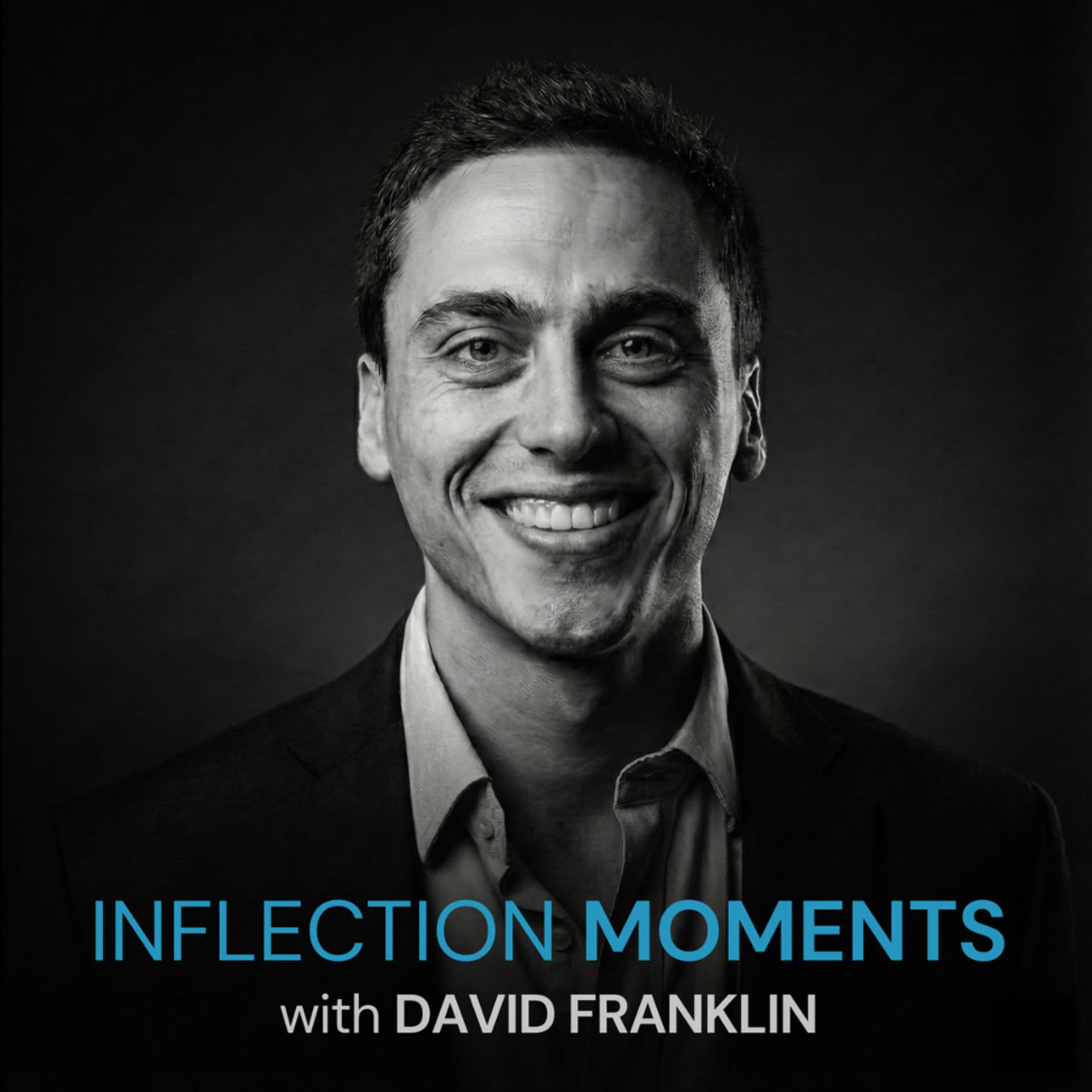
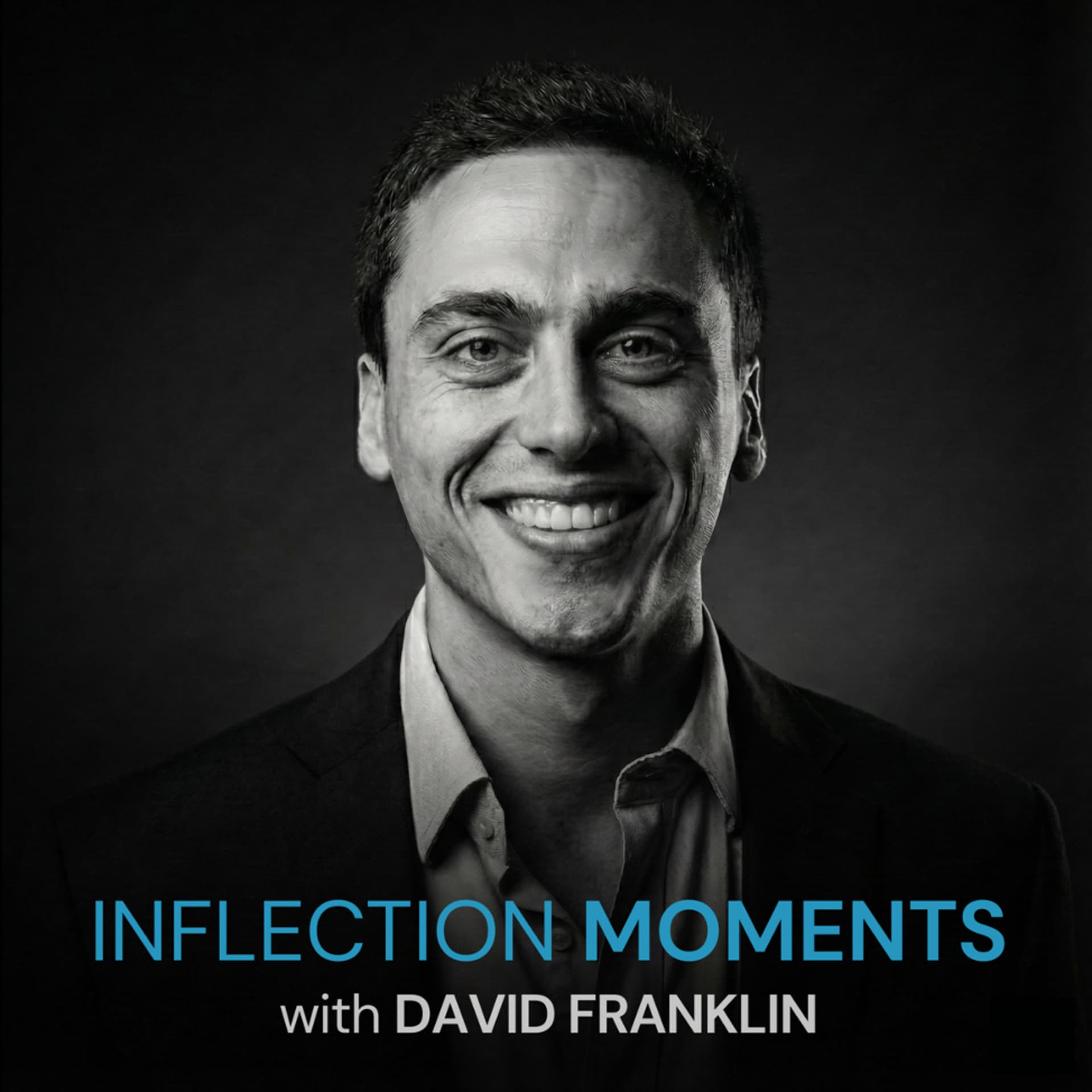
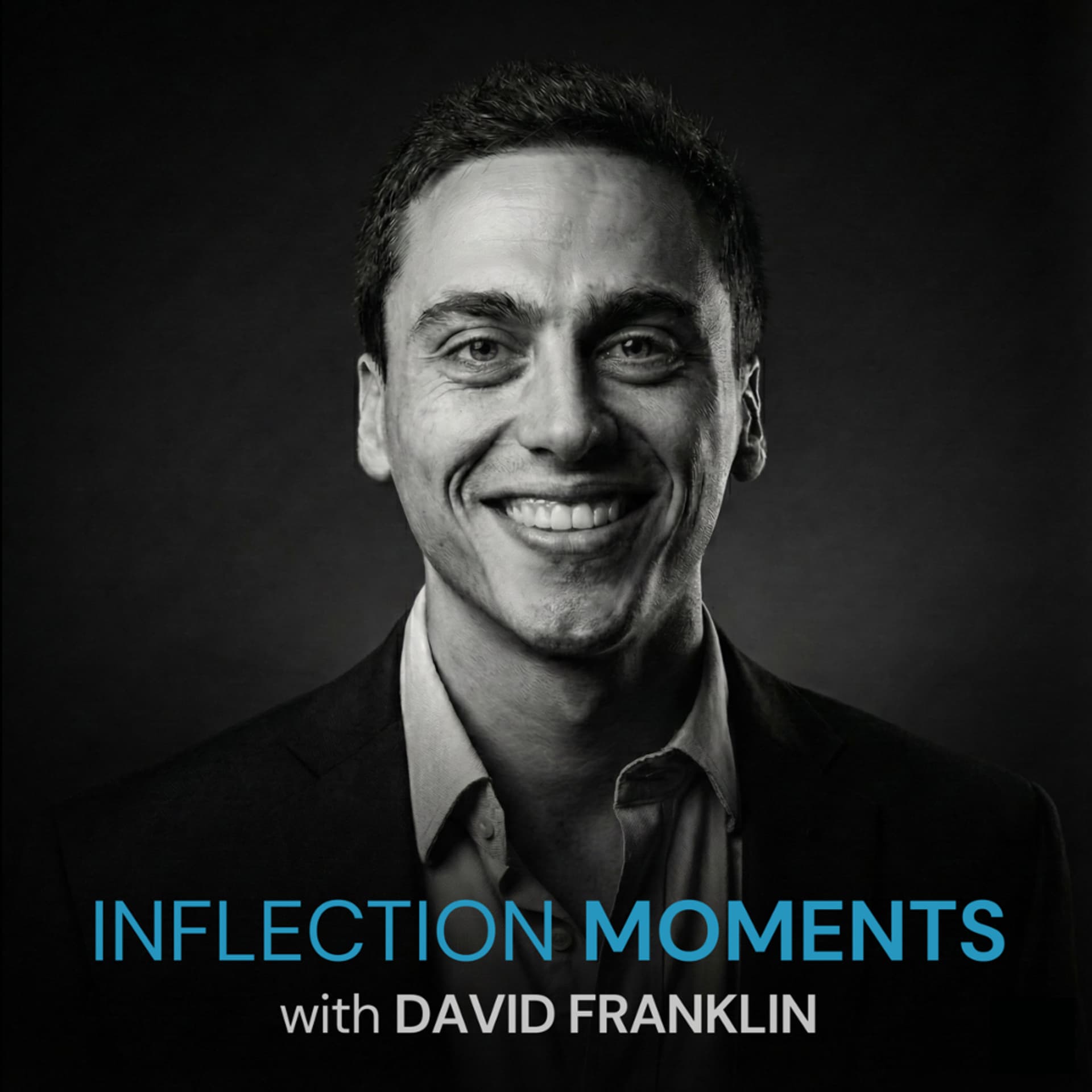
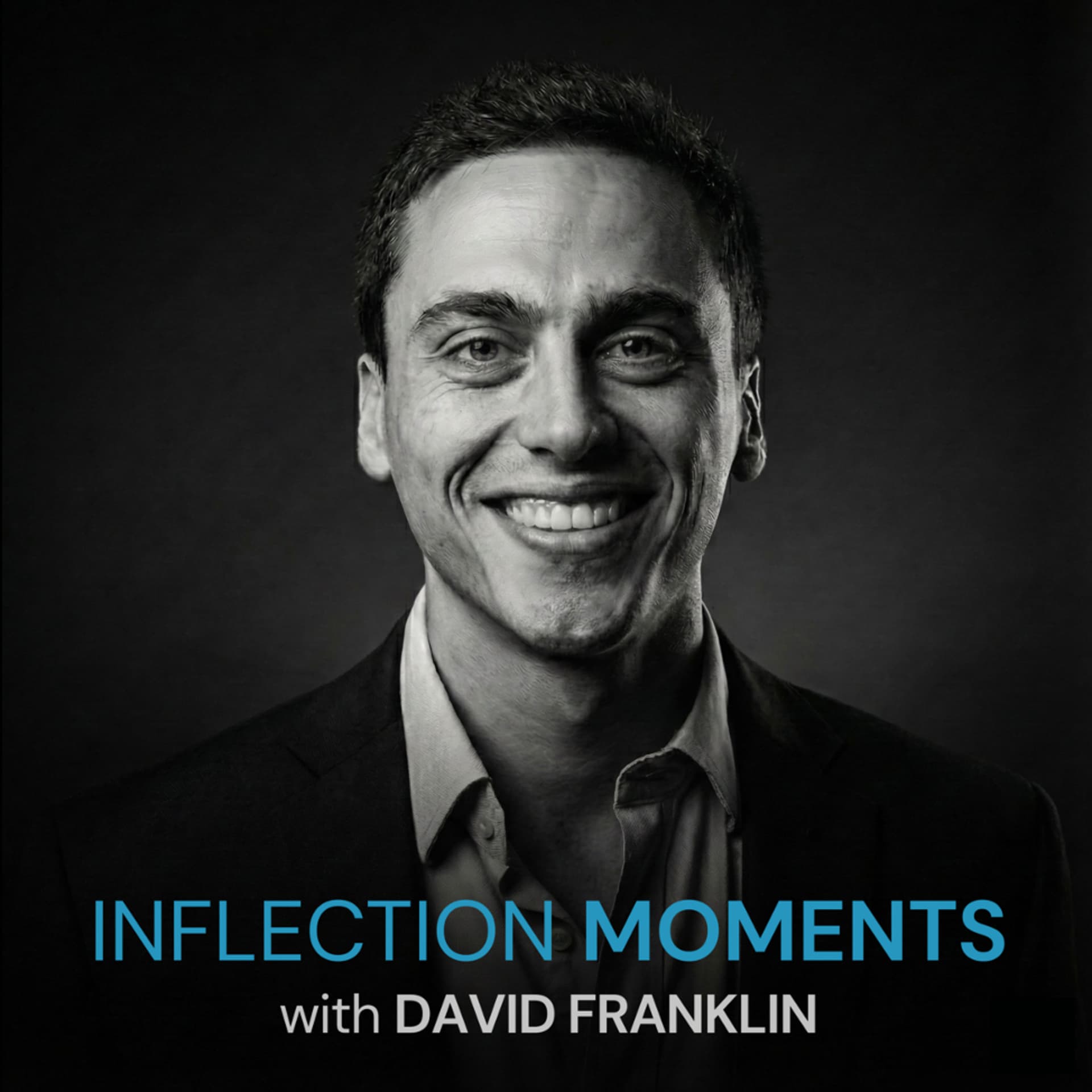
Podcast Overview Title: Inflection Moments Host: David Franklin Description: Inflection Moments explores the pivotal turning points in the careers of some of the world's most successful entrepreneurs. Through their stories, listeners gain insights into the frameworks and mental models that drive entrepreneurial success.
Episode Summary In this episode, David Franklin interviews Reed Hastings, CEO and co-founder of Netflix. Hastings shares his journey from a math teacher to a tech entrepreneur and discusses the transformative moments that shaped Netflix's evolution from a DVD rental service to a global streaming powerhouse. The episode highlights five critical inflection points in Hastings' career and the lessons he learned from each that contributed to building Netflix's innovative culture.
Inflection Points Discussed
- Learning Systems Thinking in Rural Africa
- Experience: Hastings served in the Peace Corps in Swaziland, where he taught math and applied systems thinking to solve local problems.
- Key Takeaways:
- Emphasized community engagement over control.
- Developed a mindset to address root causes rather than symptoms.
- Honed the ability to manage uncertainty and think critically.
- The $750 Million Education
- Experience: Hastings founded Pure Software, which struggled with bureaucracy as it grew.
- Key Takeaways:
- Learned that adding rules and processes can hinder innovation.
- Recognized the importance of hiring for cultural fit and independent thinking.
- Developed principles for future ventures, focusing on minimizing bureaucracy.
- The Netflix Founding
- Experience: Hastings co-founded Netflix in 1997, identifying opportunities in the emerging DVD market.
- Key Takeaways:
- Focused on mental models over traditional market research.
- Utilized a subscription model, allowing for different customer behavior.
- Recognized the power of data in shaping offerings and understanding customer preferences.
- The Streaming Pivot
- Experience: In 2005, Hastings anticipated the shift toward streaming video before it was widely accepted.
- Key Takeaways:
- Emphasized the importance of cannibalizing existing success to prepare for future trends.
- Launched a dual transformation, maintaining both DVD and streaming services.
- Cultivated a culture of rapid iteration and learning from customer feedback.
- The Qwikster Crisis
- Experience: In 2011, Hastings attempted to separate Netflix's DVD and streaming services, leading to a significant backlash.
- Key Takeaways:
- Showed the importance of "farming for dissent" to gather critical feedback.
- Turned a major crisis into a learning opportunity, reinforcing the value of customer-centric decision-making.
- Emphasized that failures can become powerful advantages when processed effectively.
Key Concepts and Frameworks
- Systems Thinking: Viewing problems as interconnected systems rather than linear sequences of events.
- Freedom and Responsibility Culture: Empowering employees to make decisions by providing context rather than control.
- Treating Failure as Data: Utilizing failures as learning opportunities to improve future decision-making.
- Long-term Vision with Short-term Flexibility: Balancing a clear vision with the ability to adapt tactics based on immediate feedback.
Closing Remarks
- Hastings’ narrative illustrates the significance of resilience, adaptability, and proactive decision-making in entrepreneurship. His experiences highlight that success is not just about strategic planning, but also about cultivating a culture that embraces learning and innovation.
- David Franklin encourages listeners to adopt these mental models to enhance their own entrepreneurial journeys.
Additional Insights
- The episode serves as a masterclass in entrepreneurship, showcasing lessons that extend beyond just Hastings and Netflix, providing a blueprint for founders and investors on recognizing weak signals, designing organizations for success, and embracing calculated risks.
Resources
- For more insights and episodes, visit [Inflection Moments](https://inflectionmoments.com) and subscribe to their newsletter for updates.
---
This markdown note captures the essential elements of the podcast episode, providing a structured overview of the discussion while highlighting key takeaways and frameworks that entrepreneurs can apply to their own journeys.
Written by AI. May contain mistakes. Listen to the episode to check what was said.
Transcript
Automatic transcript. May contain errors.0:00Picture this. It's 2011 and Reed Hastings is about to make what looks like the biggest blunder in corporate history. Netflix stock is at$304 a share. The company has 24 million subscribers. By all accounts, they're absolutely crushing Blockbuster and winning the DVD by mail war. Then Hastings does something that sounds absolutely insane. He decides to split Netflix into two companies, raise prices by 60%, and get this, call the DVD business Quickster. Quickster. I mean, how crazy is that name? Within weeks, Netflix loses around 800 ,000 subscribers. the stock plummets 77 percent saturday night live is making fun of him and wall street analysts are calling for his head most ceos would be done career over but here's what's wild this disaster this complete catastrophe becomes the exact moment that transforms netflix from a dvd company into the streaming giant that's eventually worth north of 300 billion dollars how how does this even happen because while everyone else is panicking, Reid is doing something completely different.
1:09He's using what he calls farming for dissent and treating failure as data. He's applying a decision-making framework that most entrepreneurs never learn. One that he'd been building through five pivotal moments that shaped not just Netflix, but how you and I think about building companies in the 21st century. Today you're going to hear the story of those five inflection points and more importantly, much more importantly, you're going to learn the specific mental models Reed uses to navigate each crisis. Mental models that you can apply to your own entrepreneurial journey. This is going to blow your mind.
1:43Welcome to Inflection Moments. I'm David Franklin and you and I are about to dive into something fascinating. You know that moment when everything changes for an entrepreneur? When one decision, one pivot, one breakthrough suddenly shifts their entire trajectory. That's what we're hunting for today. If you're building something, if you're that founder grinding it out, making those impossible decisions that keep you up at night, this episode is for you. Because today, we're going inside the mind of one of the most successful entrepreneurs in history to uncover the exact moments that transformed their journey from ordinary to extraordinary.
2:17Here's what we're doing. We're dissecting the five most pivotal inflection points in their career. But more importantly, we're uncovering the strategic thinking behind each decision, the kind of insight that separates the builders from the dreamers. Reed Hastings isn't your typical tech founder. Before he ever touched a computer, he was teaching math to kids in rural Swaziland. Before Reed discovers Netflix, his first company, Pure Software, taught him everything about how not to run a business. And before he became the CEO who redefined entertainment, he was just a guy getting slammed with late fees at Blockbuster.
2:51Sound familiar? But here's what makes his story so compelling for entrepreneurs. Reed doesn't succeed in spite of these setbacks. He succeeds because of how he processed them. Every failure becomes a system. Every crisis becomes a framework and every mistake becomes a principle that would eventually power one of the most innovative companies on earth. See, most founders think success is about having the right strategy or the perfect product. Reed proves it's about something completely different. It's about building systems for making better decisions under uncertainty. It's about creating what he calls freedom and responsibility cultures where the best ideas win regardless of hierarchy.
3:30And it's about having the courage to bet everything on what you believe is true, even when the entire world thinks you're wrong. The five inflection points we're diving into today aren't just Netflix milestones, they're masterclasses in entrepreneurial thinking. From his Peace Corps experience that taught him about systems thinking, to the pure software failure that showed him the dangers of bureaucracy, to the Netflix founding that proved the power of his mental models, to the streaming pivot that demonstrates his long-term thinking, and finally, to this quickster crisis that reveals how to turn disasters into your edge.
4:00Each moment shapes not just Ree's approach to business, but creates principles that have influenced thousands of entrepreneurs. And by the end of this episode, you'll have a toolkit of mental frameworks that you can apply to your own biggest decisions. Let's dive in.
4:21So let's get started with the first inflection point. Most entrepreneurs learn about systems by reading books or taking courses. Reid learns by living in a mud hut in rural Africa, teaching math to kids who walk miles to school each day. It's 1983, fresh out of Bowdoin College with a math degree. Reid joins the Peace Corps, but here's what's interesting. This isn't some idealistic kid looking to save the world. as Reid writes to his professors, the first year I loved, I lived with a family about three kilometers from school and walked through gorgeous valleys twice a day. The second year I lived at the school was with the other teachers and spent my afternoons playing cards and drinking beers.
4:57But then something shifts. Reid starts seeing problems everywhere. The school is on top of a hill with an amazing view, but as he puts it, great view, cool breezes, but getting water up there is a real bitch. Now here's where most people would complain or just accept it. Reed does something completely different. He starts thinking in systems. Instead of expensive water pumps that are, and I'm quoting here, expensive and notorious for breaking down, he designs a rainwater collection system. But, and this is the key, he doesn't just solve the problem, he involves the community in building it. He writes, the parable about teaching someone to fish versus catching fish for them is a big philosophy here.
5:33This is Reed's first lesson in what would become the Netflix management philosophy. Give people context, not control. Don't just solve problems for people. Create systems where they can solve the problems themselves. But it gets better. Reed also gets involved in honey farming with African killer bees. And yes, these are literal killer bees. So Reed writes here, The killer bees approaching America are the diluted descendants of our bees. Smaller, slower livestock like chickens and rabbits and stuff are not infrequently stung into paralysis and death. Faster creatures like me can sprint out of harm's reach with only a few bees giving a spirited chase.
6:10Most people would run away, but Reid writes a proposal to the US government that aid to help Swazi start beekeeping businesses. This aid gets approved, and he teaches a course on hive management and honey marketing. Think about what's happening here. Reid is learning to see systems within systems. The water problem isn't just about water. It's about community engagement and bringing sustainable solutions. And the bee project isn't just about honey. It's about developing the local economy and knowledge transfer. Here's a deeper lesson. Reed is learning to be comfortable with managing uncertainty.
6:41So he later writes about this when racing across a savannah on a motorcycle. So direct quote, Will I ever again race across the hot savannah, bare-chested, motorcycle-pairing, admiring the acacia trees heralding, this is Africa? I hope so. So this experience creates what would become Reed's core operating principle. Systems thinking combined with calculated risk-taking. But there's something else here happening too. Reed is learning to be brutally honest about reality while staying optimistic about what's coming. As he writes in his daily routine, the strong feeling persisted that I wasn't very challenged.
7:13Most people would sugarcoat that or make excuses, but Reid documents it clearly and then acts to change it. And that brutal self-honesty becomes a foundation for what Netflix would later call radical candor. Years later, when Reid is now building Netflix, he applies these exact same principles. Instead of building a company with rigid policies, he builds systems that give people freedom and responsibility. rather than micromanaging. He's now providing context and trust people to make good decisions. And instead of avoiding difficult conversations, he creates a culture where honest feedback is expected and valued.
7:46So this Peace Corps experience teaches Reid that the best systems are the ones that empower people to think for themselves. That real innovation comes from understanding root causes, not just treating symptoms. And that if you can handle killer bees in rural Africa, well, building a tech business isn't quite so intimidating.
8:08So let's dig into inflection point number two. Most entrepreneurs learn about management for business school. Reid, on the other hand, gets a$750 million education in what not to do by building his first company into a cautionary tale about bureaucracy. It's 1991. Reid found Pure Software with two partners. They're creating debugging tools for Unix applications, which is basically software that helps other software work better. And honestly, the initial product, Purify, is exactly what developers need. The company doubles its revenue every year for four years. They then go public in 1995 with Morgan Stanley as their investment bank, and everything looks perfect.
8:44Except Reed is miserable, and he's learning lessons that will completely reshape how he thinks about building companies. Here's what's happening. As Pure Software grows, Reed does what most founders do. He starts adding rules and processes around the whole thing. Reed later reflects on this. He goes, I was 33, the company had grown to about 50 people, and I was still trying to control everything. Each new rule seems logical, and each new process makes sense in isolation, but together, they're killing the company's ability to innovate and adapt. Reid later describes this as his bureaucracy trap.
9:14He goes, we got more bureaucratic as we grew. So in this way, this scrappy startup that could move fast and solve problems becomes a slow-moving machine that's optimized for preventing mistakes instead of creating breakthroughs. But here's where it gets really interesting. Reid isn't just experiencing this, he's studying it. He's a maths guy, remember? And he starts seeing patterns. The more rules they add, the slower they get. The more people they try to control, the less initiative they show. And the more focus on process, the less they focus on results. Then comes the wake-up call. In 1996, Pure merges with Atria Software to become Pure Atria.
9:47A year later, Rational Software acquires them for$750 million. Sounds like success, right? Or you'd be wrong. The acquisition happens because Pure missed its numbers and needs to be rescued. And as Reid puts it, it was a soft landing to what would have been very bad news. Most founders would spin this as a victory, but Reid does the opposite. He treats it as data. He spends two years after the acquisition thinking deeply about what went wrong and how to avoid the same mistakes at his next company. So laying this out a little bit more, here are the specific insights that I think Reid extracts from the pure software experience.
10:20First, hiring is everything. Reed realizes that his hiring process was optimized for technical skills, but ignored judgment and culture fit. At Pure, he hires people who could code, but couldn't think independently. They needed to be managed, which required more managers, which required more bureaucracy. Second, process is the enemy of innovation, which might sound counterintuitive, but hit me out. Every rule you add to prevent mistakes also prevents breakthroughs. And in this way, Reid starts developing or become the Netflix principle. We try to have as few rules as possible. Third, context beats control.
10:57Instead of telling people what to do, Reid gives them the information that they need to make good decisions themselves. So Reid later explains this. The best managers figure out how to get great outcomes by setting the appropriate context rather than by trying to control their people. Fourth, Reid realizes that no matter how good your product or your strategy, if your culture doesn't support innovation and speed, you're going to lose to companies that do. And as Reid later says, I'm in the camp that culture eats strategy for lunch. Direct quote. But here's the most important insight. Reid learns to distinguish between two types of growth.
11:31The first type, there's this growth that makes you stronger. You add talented people, you improve systems, you expand capabilities. And second, you have this growth that makes you weaker, which is adding bureaucracy, slowing decision-making, and reducing innovation. I find this kind of interesting because I think most founders when they think of growth is like you're chasing the right customers or the wrong customers. Reed takes a really different view and I think it's super interesting. He's looking at growth in two ways, where the decision making either gets better or worse. I think that's really powerful.
12:00Most companies accidentally optimize for the second type. They add people and processes without thinking about how it affects their ability to move and to innovate. So Reed decides his next company is going to be different. The pure software experience creates Reed's core management philosophy. Hire amazing people, give them the freedom to do their best work, and trust them to make good decisions. Don't try to prevent every possible mistake. Instead, create systems that are going to help people learn from mistakes quickly. This becomes a foundation for what Netflix calls freedom and responsibility.
12:31It's not about eliminating rules because you're lazy or idealistic. Instead, it's about eliminating rules because they're often the biggest barrier to building something great. I love that. take out the rules because they're often the biggest barrier to building something great. This pure software experience teaches him that bureaucracy is what kills great companies, and his next one will be built specifically to avoid that trap.
12:58All right, let's keep moving. This leads us to reflection point number three. This is the story of how Reed founds Netflix. Here's what most people get wrong about Netflix's origin story. People just think it's about Reed getting mad about a$40 late fee and deciding to start a rental company. That is not what happened. Through this research process, I think the real story is about two entrepreneurs using mental models to see opportunities that market research would have told them were impossible. So let me take you back to early 1997. Reed has just sold Pure Atria and is thinking about what to do next.
13:30He's carpooling from Santa Clara to Silicon Valley with Mark Randolph, who had worked at Pure. They're both serial entrepreneurs looking for their next opportunity. Mark is fascinated by Amazon's success and wants to find a large category of portable items to sell over the internet using a similar model. So considering the success story that Netflix eventually becomes, I think you'll find it funny some of the early ideas that these two founders brainstormed over. So these ideas include customized shampoo and personalized dog food. So they consider and reject dozens of ideas. Then DVDs enter the picture.
14:01It's 1997 and DVDs are brand new in the US market. Most people have never even seen one. The format is so new that they literally have to test whether you can mail a DVD without breaking it. So they mail a CD to Reed's house in Santa Cruz as a proof of concept. When it arrives intact, they know they're onto something. But here's where it gets interesting. Reed and Mark aren't just thinking about DVDs, they're thinking in mental models. They're asking, what are the underlying forces at play here? Reed sees that entertainment is moving from physical to digital. But, and this is crucial, he also sees that the infrastructure isn't ready yet.
14:36Rawband is limited, streaming is slow, and people don't have the devices. DVDs are the bridge technology, better than VHS, but still physical. So Reed later talks about this. He says, we named the company Netflix for a reason. We didn't name it DVDs by mail. The next mental model is how Reed thinks about the economics of inventory. Traditional video stores need to stock multiple copies of popular movies and can't afford deep catalogs. but a centralized warehouse model changes the economics completely. You can have one copy of thousands of obscure movies and still serve customers efficiently. This creates what Chris Anderson would later call the long tail.
15:15Netflix can now profitably serve niche tastes that Blockbuster ignores. The third mental model that Reed adopts is the subscription versus transactional model. This is something that while very common in the software industry today, back then was not. Most rental businesses charge per transaction because that maximizes revenue per interaction. But Reid recognizes that subscription models create different customer behavior. So as Netflix CEO Barry McCarthy later explains, it was Reid's insight that the subscription model would resonate with consumers in a compelling way. So customers stop worrying about individual rental costs and start exploring more content.
15:50The next model Reid starts to use when he founds Netflix is that data creates a competitive advantage. And I think this is the insight that most people miss. It might sound obvious, but Reed realizes that every rental decision creates data about customer preferences. And over time, this data becomes incredibly valuable for what people want to watch. Traditional video stores see this data, but they cannot capture it systematically. But Netflix can. Now, here's what makes this so remarkable. In 1997, none of these mental models can be proven with market research. DVDs are too new. Subscription rental doesn't exist.
16:24Remember that. At this point, it doesn't exist. something we all take for granted now, but back then, this is something that doesn't exist. Their long tail hasn't been tested, and Netflix is essentially placing a bet on how multiple trends will interact with each other. Most entrepreneurs would want validation of these concepts, but Reid and Mark decide to test these core assumptions with minimal investment. So they start Netflix on April 14th, 1998, with 30 employees and 925 titles. The initial model is pay parental, just like Blockbuster, but without late fees. It works, but not spectacularly.
16:56Then in September 99, Reed makes the decision that changes everything. He launches the subscription service. For a flat monthly fee, customers can have up to three DVDs out at a time, no late fees, no due dates. So as Barry McCarthy later recalls, we began to grow exponentially overnight. In 98, I think the business did$1 million in revenue. In 99, we did$5 million, then$35 million, and then$75 million, and$150 million, and then almost$300 million. But here's the really interesting part. While Netflix is growing, established players are dismissing them. In 2000, Reid approaches Blockbuster CEO John Antioco about a partnership.
17:34So the Blockbuster CEO literally laughs at him. Blockbuster is making$800 million a year in late fees. Why on earth would they want to eliminate them? This is where Reid's mental models give him a massive edge. He can see what Blockbuster can't. Late fees are not a profit center. They're a customer satisfaction problem that's waiting to explode. Netflix's no late fees positioning isn't just convenient, it's emotionally very powerful for customers. So at this point, Amazon actually offers to buy Netflix for around$50 million. And Randolph thinks it's fair, but Reed, who owns 70 % of the company, turns it down on the plane ride home.
18:08He's not just betting on DVD by mail, he's betting on his mental models about where entertainment is heading. I think founding Netflix teaches Reed several crucial lessons about entrepreneurship. We're talking a lot about mental models, but I think they really do beat market research. When you're trying to create something new, there's often no existing market to research. You have to rely on frameworks for thinking about how the world works. So first, I think timing matters, but not how most people think. Reid doesn't wait for the perfect moment. He waits for the moment when multiple trends are aligning in his favor.
18:38For those of you who study Charlie Munger, this is something that Charlie Munger calls the Lollapalooza effect. DVDs, broadband infrastructure, and changing consumer preferences all had to evolve together. The next lesson I think Reid takes from this experience is that your edge comes from systems and not features. Anyone can eliminate late fees, but only Netflix has the subscription model, the recommendation engine, and the data flywheel working together as a system. And the third key lesson I think that Reid takes from this experience is that incumbents have more to lose than gain from innovation.
19:08Blockbuster cannot embrace Netflix's model because it would cannibalize most of their existing business. And this gives startups a systematic advantage in disrupting existing companies. Taking a step back, I think this founding experience gives Reid confidence in his ability to see around corners using these mental frameworks rather than just following conventional wisdom. And this becomes crucial for the next decision Netflix will face, which is when and how to pivot to streaming.
19:38Let's keep it moving. Let's go into inflection point number four, which is when Netflix pivot into streaming. Most companies wait until new technology is proven before they adopt it. Reid does the opposite. He bets Netflix's entire future on streaming video three years before it makes sense to anyone else. It's 2005 and Netflix is crushing it in DVDs. They have over 4 million subscribers, revenues growing at 35 % a year, Wall Street loves them, and Blockbuster is struggling to compete with their DVD by mail model. Any rational CEO would focus on optimizing the machine that's already working. But Reid is thinking about something completely different.
20:17How to kill his own business before someone else does. I love this. I mean, he later explains this. He goes, for the past five years, my greatest fear at Netflix has been that we wouldn't make the leap from success in DVDs to success in streaming. So you can see that Reid has already started to think about how he can cannibalize his own business so the next version will be even more successful. Most companies are afraid of competitors. Reid is afraid of his own success making him complacent. Here's what Reid sees that others don't. Technology adoption follows predictable patterns, but most people focus on the current state instead of where it's going.
20:51In 2005, broadband penetration is still quite limited, video compression isn't great, and most people are still watching TV on, well, televisions, not computers. So at this point, you'd think that streaming makes no sense if you look at what the landscape looked like back then. But Reid isn't thinking about what's happening in 2005. He's looking years further ahead. He's looking at the fact that bandwidth is increasing, that compression is improving and device capabilities are only getting better. More importantly, consumer behavior is shifting. People want on-demand access to content and they want it integrated into their digital lives.
21:23So Reed makes a decision that looks absolutely crazy at the time. Netflix is going to invest heavily in streaming technology while continuing to grow the DVD business. So this isn't a pivot just yet. It's what he calls a dual transformation. Netflix will run two businesses simultaneously until streaming is ready to take over. The engineering challenge is massive. In 2005, Netflix engineers begin developing the streaming platform. They have to solve video compression, content delivery networks, UI design, and digital rights management. Each problem is really technically complex and they have to solve them all simultaneously.
21:58But the business challenge is even harder. Content licensing for streaming is completely different from DVD licensing. Studios are terrified of digital distribution because they think it's going to cannibalize their existing revenue streams. So keeping this in mind, Netflix has got to negotiate separate deals for streaming rights and often paying millions for content that they can already offer on DVD. Then there's the user experience problem. The initial streaming catalog only has about a thousand titles, a fraction of their DVD selection. The quality isn't great and you can only watch on computers.
Read the full transcript
22:32So Reid talks about this when they launched in January 2007. He says it will be underwhelming. Most CEOs would wait until the product is better, but Reid does the opposite. He launches knowing it's imperfect, but he uses the customer feedback to improve it rapidly. This is a crucial insight about innovation. You can't optimize your way to breakthrough performance. You have to be willing to ship something that's good enough and iterate quickly. So that's worth repeating because a lot of entrepreneurs get stuck in this headspace where everything has to be perfect. But as Reid shows, you need to be willing to ship something that's good enough and iterate quickly.
23:08Here's where Reed's systems thinking from Africa becomes crucial. He doesn't just build a streaming service, he is building a platform that can evolve. So Netflix starts creating partnerships with device manufacturers like Roku, Microsoft, Xbox, Sony, PlayStation, and Apple. Instead of trying to control the entire experience, they make Netflix available wherever people want to watch. And Netflix's content strategy is equally systematic. Netflix doesn't just license random movies. They use their DVD rental data to understand what people actually want to watch. They can see which genres are popular, which actors draw audiences, and which types of content get rewatched.
23:46And this data gives them a massive advantage in licensing decisions. But here's the really bold part. Reed isn't just betting on streaming technology. He's betting on a complete transformation of how people consume entertainment. So he explains this to his team. He goes, we're not just changing how people get movies, we're changing when and where and how they watch them. While the results start slowly, they accelerate rapidly. By 2008, Netflix has 10 million subscribers. By 2010, streaming hours exceed DVD hours for the first time. And by 2020, 2012, Netflix is available in Canada and Latin America.
24:22Netflix has used this DVD business to become a cash cow that funds their global expansion. But the most important result is the strategic one. Netflix now has a platform for innovation that competitors can't replicate. Blockbuster tries to copy Netflix's streaming service, but they don't have the data, the technology infrastructure, or the content relationships. They're always playing catch-up. I think this streaming pivot teaches Reed several crucial lessons about managing innovation. First, I think innovation requires courage to cannibalize your own success. Most companies fail because they're too attached to what's working today to build what will work tomorrow.
24:55The next thing that Reed is learning is that platforms beat products. Instead of building a single streaming application, Netflix builds a platform that can support multiple devices, interfaces, and content types. And this creates optionality for the future. The third is that data creates a sustainable moat for Netflix. Their recommendation algorithms and viewing data become moats that are almost impossible for competitors to cross. The next thing I think we can learn from this is that timing innovation is about thinking 5-10 years ahead and not looking at the current state. you need to bet on where technology and consumer behavior are heading, not where they are today.
25:29But most importantly, Reid learns that success requires what he calls dual execution, running your existing business excellently or building your future business simultaneously. This lesson becomes crucial when Netflix faces its biggest crisis in 2011.
25:50them. All right, final inflection point. It's July 2011. Reed is about to make the most expensive mistake in Netflix's history and accidentally discovers the most powerful decision-making framework of his career. At this point, Netflix is at its peak. The stock price is over$300 a share. They have 24 million subscribers. They've crushed Blockbuster, dominated DVD by mail, and streaming is starting to take off. Reed should be celebrating, but instead he's obsessing over a problem that keeps him awake at night. Here's the problem and here's the negative side of the last inflection point we just talked about.
26:24Netflix is actually two completely different businesses pretending to be one company. The DVD business requires warehouses and inventory and postal logistics. The streaming business requires technology infrastructure, content licensing, and global scalability. They have different cost structures, different growth trajectories, and different strategic priorities. Most CEOs would manage this complexity internally, but Reid decides to do something radical. He wants to split Netflix into two separate companies. DVDs will become Quickster, streaming will keep the Netflix brand, and each business can optimize for what it does best.
27:00On paper, the logic is perfect. In reality, this is a total disaster. So Reid announces these changes to the market. Customers who want both services are going to pay$16 instead of$10, a 60 % price increase. DVD and streaming are going to have separate websites, billing, recommendations. And if you want to change your account information, you'll have to do it twice. The reaction is immediate and brutal. Customers start flooding Netflix with really angry emails. Saturday Night Live even does a parody of Reid's apology video. But Reid doesn't apologize in reverse course. He does something most CEOs never do.
27:34He's using this crisis to test his own decision making. So here's what happens next. Reid implements what he calls Farming for Descent, a systematic process for gathering critical feedback on major decisions. Instead of listening to his executive team, Reid reaches out to dozens of Netflix employees, board members and industry experts, and he starts asking them not just whether they like the decision, but why it's wrong and what he's missing. The feedback is devastating. Customers don't see DVD and streaming as separate businesses. They see them as one entertainment service. The price increase feels like a penalty for being a loyal customer.
28:08The separate websites create friction instead of convenience, and most importantly, Reid has violated Netflix's core value proposition, making entertainment simple and affordable. So after two months of his stock price plummeting and losing subscribers, Reid does something most CEOs find impossible. He admits he was completely wrong. So we're now in September and Reid publishes a blog post that begins, I messed up and I owe everyone an explanation. But here's what's remarkable. He doesn't just apologize for the execution. He apologizes for the entire strategic direction. So Reid goes in this memo, It is clear from the feedback over the past few months that many members felt we lacked respect and humility in the way we announced the separation of DVD and streaming and the price changes.
28:50That sadly was not our intent, and I offer my sincere apology. Three weeks later, Reid kills Quickster entirely. Netflix remains one company with two services. The price increases stay because Reid realizes that the core logic is still correct, but everything else gets reversed. The damage is severe. Netflix loses 800 ,000 subscribers in Q3 2011, their first decline ever. The stock dropped 77 % from its peak, and Wall Street analysts are calling for Reed's resignation. Most CEOs would be completely finished. But Reed does something different. He treats the entire crisis as a learning experience.
29:27The most important insight is this. The crisis surrounding this quicks to rebrand teaches Reed that great decision-making isn't about avoiding mistakes. It's about building systems that help you recover from mistakes quickly and completely. So Reed later talks about this. He goes, companies rarely die from moving too fast and they frequently die from moving too slowly. The quickster mistake happens because Netflix is moving too fast, but the alternative moving too slowly and letting competitors catch up, that would have been fatal. The recovery from this is actually very fast. By Q4 2011, Netflix is adding subscribers again and the stock starts climbing back up.
30:05More importantly, the content licensing relationships that Reid damaged during the crisis forced Netflix to double down on original programming. And this leads to Netflix creating House of Cards, which transforms Netflix from a distributor into a creator. Years later, Reid reflects on this. He says the Quikster crisis was simultaneously the worst and best thing that happened to Netflix. It was the worst because we almost lost everything. It was the best because it taught us how to make better decisions under extreme uncertainty. These principles are going to be the foundation for Netflix's global expansion, original content, and ultimately that transforms them into one of the most valuable media companies.
30:43And I think this experience teaches Reed that the difference between great entrepreneurs and everyone else isn't that they don't make mistakes, it's that they turn their biggest mistakes into their most powerful advantages.
31:01So here's what we know about Reed Hastings. He's not your typical Silicon Valley founder who drops out of college to build the next social media app. He's a mathematician who taught kids in rural Africa and turned a$40 late fee into a$300 billion empire by systematically building better decision-making frameworks. The most important lesson here is not from Reid's story about Netflix's strategy. It's about how he thinks. Every crisis becomes a learning opportunity. Every failure becomes data for better decisions. and every success becomes the platform for the next transformation. Think about the five inflection points we just covered.
31:37In Swaziland, Reid learns systems thinking by solving water problems with killer bees nearby. At Pure Software, he learns that bureaucracy kills innovation by building a company that nearly killed itself with rules. At Netflix's founding, he learns that mental models beat market research by betting on DVDs when everyone thought they were crazy. During the streaming pivot, he learns to cannibalize his own success by building the future while managing the present. And during Quickster, he learns to turn disasters into advantages by farming for dissent and sunshining failures. Each moment builds on the previous ones.
32:12The system's thinking from his time in Africa helps him see Pure Software's bureaucracy problems. The Pure Software lessons help him design Netflix's freedom and responsibility culture. Founding Netflix teaches him about mental models, which guides the streaming pivot. The streaming success gives him confidence to attempt Quickster, and then the quickest of failure teaches him his most powerful decision-making frameworks. This is how great entrepreneurs, I think, really develop. Not through business school or mentorship programs, but through deliberately taking the frameworks from their experiences and applying them to increasingly complex challenges.
32:45Now, I think the specific tactics Reed uses, like the radical candor, this farming for dissent, they're not the things that matter for your business. What matters are the mental models behind them. So let's think about these one by one. This systems thinking over linear thinking. Most entrepreneurs think in a straight line. If I do X, then Y will happen. Read things in systems. If I do X, it will interact with forces A, B, and C to produce outcomes I haven't considered yet. The next one is this idea of context over control. Most managers try to get better results by controlling what people do.
33:17Read gets better decisions by giving people better information and trusting them to make good decisions. The next framework here is this long-term vision with short-term tweaking. Most companies are either obsessed with quarterly results or locked into rigid five-year plans. But Reid combines this idea of knowing what direction you're going long-term in your vision with this tactical flexibility. The next is treating failure as data. And I think this is the thread that keeps coming up in the episodes that we've done here on Inflection Moments. Most entrepreneurs try to avoid failure or hide when it happens.
33:49But Reid accepts making mistakes as part of the process. More than that, he designs for failure. He makes it cheap, fast, and informative. And the final key framework here is, I think, Reid sees culture as your edge. Most founders treat culture as this nice-to-have, fluffy side effect. But Reid treats culture as the most important product Netflix builds because culture determines how well everything else works. These frameworks work because they're based on how innovation actually happens in uncertain environments. Reid knows he can't predict the future, but he can build systems that adapt quickly when the future arrives.
34:26You can't avoid all these mistakes but you can make them cheap and informative and you can't control complex outcomes but you can create context where good decisions are more likely. So here's what I want you to remember. Reid didn't build Netflix in spite of his failures. He built it because of how he processed them. It was the Peace Corps experience that seemed like a detour at the time which is what taught him systems-based thinking. His time at Pure Software might have seemed like a failure at the time, but it taught him about culture. And the crisis surrounding the Quickster rebrand that almost destroyed Netflix taught him his most powerful decision-making tools yet.
35:02I think what the key learning is here is that your failures aren't obstacles to success. They're the raw material for building better frameworks that drive your success. And your current challenges are not problems just to solve once, there are opportunities to develop systems for solving similar problems much faster in the future. The question isn't whether you'll face uncertainty, make mistakes, or encounter failures. The question is whether you'll treat them as data for building better decision-making systems. So taking a step back, Rhys starts as a math teacher in rural Africa and ends up revolutionizing how 3 billion people consume entertainment.
35:37Not because he's a genius, but because he's systematically built better ways of thinking about complex problems. And you've got the same opportunity. The frameworks are there, the mental models work, and the only question is whether you'll apply them to your own inflection points. As Reid himself puts it, most entrepreneurial ideas will sound crazy, stupid, and uneconomic, and then they'll turn out to be just right.
36:06So here we are, Reid Hastings, not your typical Silicon Valley wunderkind who drops out of college to build the next social media app. He's a mathematician who, while teaching kids in rural Africa, learned how to apply systems-based thinking to solve problems. And the same systems-based approach that solves how to deliver water supply to a small village is what eventually builds a$300 billion empire. Thank you for joining us on Inflection Moments. If today's story sparked a new perspective or challenged your thinking, be sure to share it with someone you know loves this stuff as much as you and I do.
36:40Maybe it's a college buddy Maybe it's your water cooler buddy or maybe it's even someone in the family group chat. If you enjoyed this deep dive, make sure to leave a five-star review and subscribe to our channels so you can be the first one to hear what we've got coming next. And if you're interested in insights, ideas and lessons from some of the world's greatest entrepreneurs, sign up for our newsletter. The link is in the show notes. Until next time, keep building and talk soon.
From the publisher
Reed Hastings is the co-founder and longtime CEO of Netflix, the company that reinvented movie rentals, then streaming, and now shapes how hundreds of millions of people watch TV and film around the world. His episode on Inflection Moments traces how a math teacher turned engineer builds Pure Software, stumbles hard as a first-time CEO, then uses those scars to architect one of the boldest pivots in business history: from mailing DVDs to becoming a global streaming powerhouse.Hastings’ story runs from getting laughed out of the room by Blockbuster, to making terrifying, all-in bets on streaming and original content like House of Cards years before the market proved him right. Along the way, he codifies a radical culture of “freedom and responsibility,” where there are no vacation policies, adequate performance earns a generous severance, and the only real rule is to act in Netflix’s best interest.This story is worth studying because it shows what it looks like to repeatedly disrupt your own business before someone else does, and to build a culture and decision-making system that makes those pivots possible rather than accidental. For founders, you’ll take away how to read weak signals early, how to design organizations for talent density and candor, and how to make asymmetric bets when the spreadsheet says “too risky.” For investors, Hastings’ journey is a blueprint for backing leaders who are willing to cannibalize their core product, absorb short-term pain, and trade smooth narratives for long-term strategic compounding.Chapters(00:00) Introduction(04:15) Inflection Point #1: Learning Systems Thinking in the African Bush(08:09) Inflection Point #2: The $750 Million Education(12:59) Inflection Point #3: The Netflix Founding(19:39) Inflection Point #4: The Streaming Pivot(25:51) Inflection Point #5: The Qwikster Crisis(31:02) Common Threads36:06 Closing RemarksConnectFollow our channels below if you're interested in insights, ideas, and lessons from the greatest entrepreneurs in history:Newsletter: www.inflectionmoments.comLinkedIn: linkedin.com/in/david-franklin8456/Spotify: https://open.spotify.com/show/0aqoOm5...Apple Podcasts: https://podcasts.apple.com/us/podcast...YouTube: @InflectionMomentsIf you're enjoying the episodes, make sure to like the video and subscribe to the channel so you never miss an episode.