In short
Podcast Summary: Joe Lonsdale: American Optimist - Ep 106 with Zac Bookman
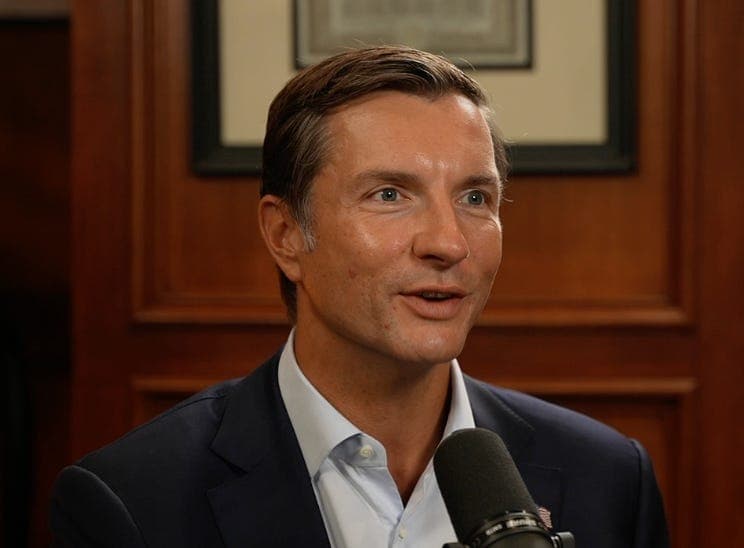
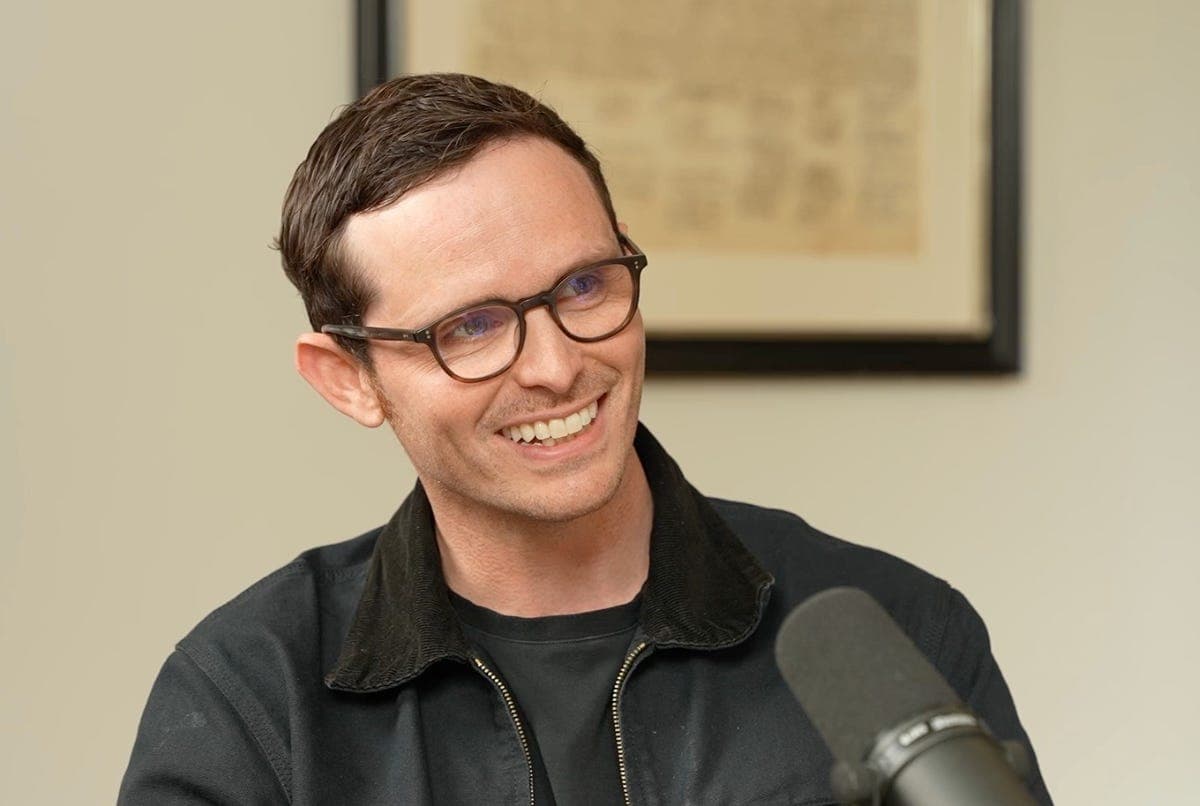
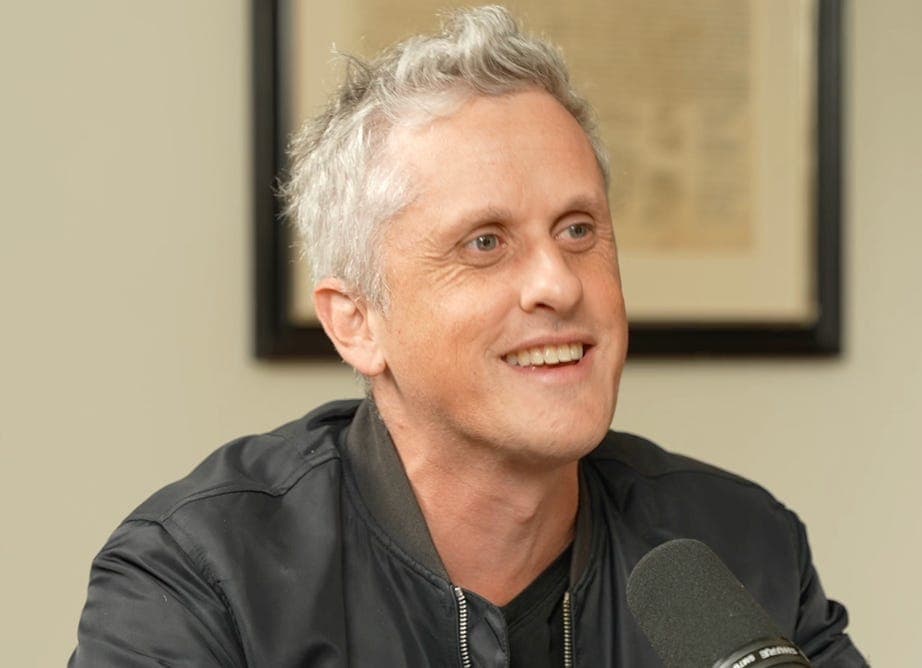
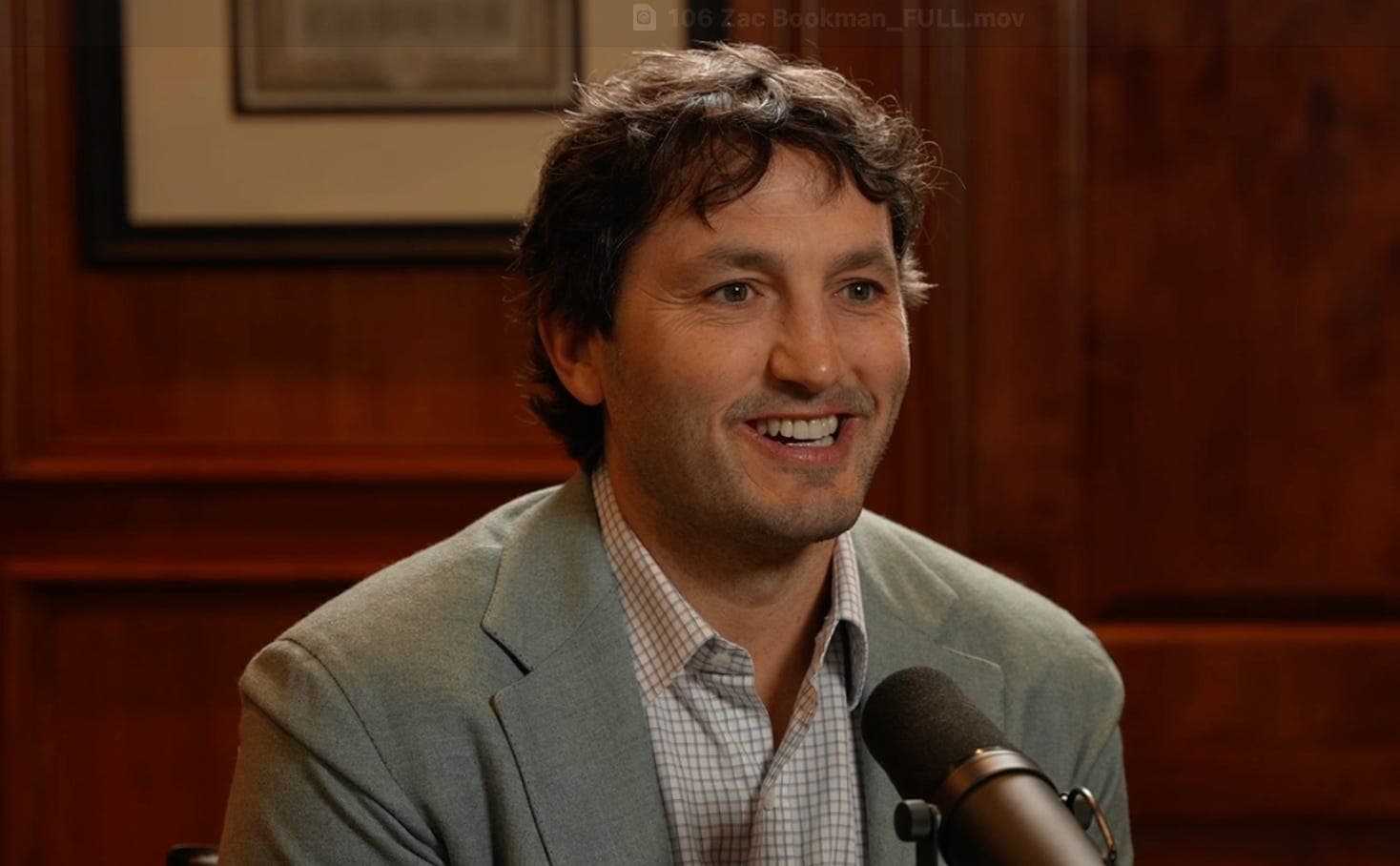
Podcast Overview Title: Joe Lonsdale: American Optimist Host: Joe Lonsdale, entrepreneur and investor Guest: Zac Bookman, co-founder and CEO of OpenGov Description: This episode discusses the journey of OpenGov, its transformation into a $1.8 billion GovTech leader, and the broader implications for government efficiency and technology, especially through the lens of AI.
---
Episode Highlights
Introduction (00:00 - 01:45)
- Joe introduces Zac Bookman and highlights the significance of government efficiency.
- The context of OpenGov's growth and transformation into a GovTech powerhouse.
Zac's Background (01:45 - 07:10)
- Overview of Zac's journey from law to entrepreneurship.
- Experiences in fighting corruption in Afghanistan and how it shaped his views.
Fighting Corruption in Afghanistan (07:10 - 11:30)
- Discussion on the challenges of corruption in Afghanistan and the realities of U.S. involvement.
- The surreal experiences faced while trying to implement anti-corruption measures.
Origins of OpenGov (11:30 - 19:35)
- The inception of OpenGov to bring efficiency and transparency to government operations.
- Initial struggles in raising funds and gaining credibility in a skeptical environment.
Make-or-Break Moments in OpenGov (19:35 - 26:35)
- Key decisions that shaped the direction of OpenGov, including team disagreements on product focus.
- The necessity for a clear vision and leadership during challenging times.
Understanding Local Government (26:35 - 28:10)
- Insights into how local governments operate and the complexities involved.
- Importance of understanding government processes to implement effective solutions.
Unique M&A Strategy (28:10 - 32:24)
- Zac shares OpenGov’s approach to merging and acquiring smaller GovTech companies.
- Focus on product quality and cultural fit over mere revenue metrics.
Advice for DOGE (32:24 - 37:35)
- Zac's perspective on government efficiency and the relevance of DOGE in the current political landscape.
- Challenges and expectations of making significant changes within governmental structures.
Pivoting OpenGov to AI First (37:35 - 44:45)
- The strategic shift to integrate AI into OpenGov’s offerings.
- Potential benefits of using AI for improving government services and operations.
Personal Reflection
Biking Across America (44:45 - End)
- Zac recounts his experience biking across the country, promoting OpenGov while facing physical challenges.
- Reflections on American culture, diversity, and the importance of unity in driving progress.
---
Key Takeaways
- Government Efficiency: The podcast emphasizes the need for efficient and transparent government operations, especially at the local and state levels.
- Entrepreneurial Spirit: Zac's journey illustrates the resilience required in entrepreneurship, particularly in challenging sectors like GovTech.
- AI Integration: The potential of AI to enhance government functionality is a focal point, with an emphasis on trust and transparency.
- Public Service as a Noble Calling: Zac envisions a future where working in government is viewed as a significant and respected career path.
- Cultural Diversity in Governance: The importance of understanding local needs and cultural nuances when implementing tech solutions in government.
---
Conclusion This episode of American Optimist showcases the transformative potential of technology in government, highlighting Zac Bookman's experiences and insights from building OpenGov. Both Joe and Zac express optimism about the future of governance and the role of innovation in addressing systemic challenges.
Written by AI. May contain mistakes. Listen to the episode to check what was said.
Transcript
Automatic transcript. May contain errors.0:00We're running out of money. I hired, by the way, an executive team, your standard, you know, hot shit, Silicon Valley executives who all want a quick win off this network effect. This is going to be the Facebook of governments or what have you. I go to an offsite and I'm like, we got one bullet left. That's it. We got one product to bet on. Do we bet on a system of record, like budgeting software, or do we bet on comparisons and benchmarks? The team split right down the middle. And that was a big wake up moment for me where I was like, I have to be the CEO here.
0:36Zach Bookman is an old friend of mine. He's the co-founder of OpenGov with me, which he built into a multi-billion dollar company. And he's making government cool again. You know, we've been talking about this for decades, but the vibe shift has happened. Efficiency is a cool word. We're going to make government cool again. We're going to make government great again in America. It doesn't just mean Doge in DC. You know, a lot of our lives are most impacted by our state governments, by our local governments. Zach works with thousands of these governments in America, and he's delivering solutions that are impacting all of us in really positive ways.
1:06And he's really excited about what's coming next with AI and otherwise. It turns out you can build a great business that makes a lot of money and positively impacts millions of lives, including fixing our government. There's a great story here for him to tell. I'm Joe Lonsdale. Welcome to American Optimist. Really excited to have my friend Zach Bookman here with us today. Zach, thanks for being here. Thanks for having me, Joe. I'm really excited to be here. Zach was co-founder of me with OpenGov, which he still runs. This is a CEO, an amazing company. Zach, tell us a bit about you. You graduated from University of Maryland, went to Yale Law School.
1:34You clerked at the Ninth Circuit. What's your background? So I grew up, I guess as it relates to open government, I grew up near government. I grew up in Washington, D.C., born in D.C., grew up in Maryland, went to high school in D.C., and then I went to the University of Maryland. First 20 years of my life were just, I thought government was everywhere. And, you know, everyone knew someone who worked in government. In Maryland, I guess it was, the way you were. It's just kind of when I ended up, I was, you know, entrepreneurship then was like a lawn mowing business when you're young. And I raised money from friends, family and fools to do an investment fund when I was 20.
2:08But I guess you could say I was a failed entrepreneur and I went to law school and then I did a master's degree in public administration. And after grad school, went to Mexico and was a Fulbright fellow studying transparency and corruption in the Mexican government. Good place to learn corruption. Well, after I solved that, went to the Ninth Circuit and clerked for Judge Sandra Ikuta in Pasadena, which is literally on fire right now. So it's a wild time to even be talking. It's crazy stuff. And I went up, practiced two years of law in San Francisco, and then I went overseas to Afghanistan and served as an advisor to General McMaster on the anti-corruption task force.
2:48And that was a kind of surreal year. and as you may remember, we were starting OpenGov at the same time. Yeah, I'd met you through a friend you clerked with in the nice circuit and one of my smartest friends from Stanford really impressed by you and we got to know each other. You were helping me build our fund originally and ended up co-founding OpenGov together and then you went off for a year during the founding to go solve corruption elsewhere instead. Yeah, yeah, I wish I could. I was obviously joking about Mexico and we joke sometimes that we solved everything in Afghanistan and came home and decided to focus on state and local government in the United States.
3:19What did you solve in Afghanistan though? Like, obviously you can't fix it. It's a mess. Like, did the US even like have a meaningful impact? Was it just a joke? We couldn't have done anything? We shouldn't have been there? It was a pretty sad experience for me. I mean, on the one hand, it was exhilarating. It was amazingly educational. So General Petraeus set up this task force and it had a kind of a dual mandate to map all the spending from the coalition. The coalition was basically the United States plus everyone who wanted to get into NATO. and, you know, people would send over like a broom brigade and other things, but like 50 countries were involved and we were spending a lot of money.
3:57And where was U.S. money going with respect to its contractors? There's all these stories about handing out cash to tribal leaders and stuff, right? The movie, the movie War Dogs, you ever see it? Yeah. Or you heard of it, maybe? Anyway, it was like based on some of this, you know, people would literally set up like, oh, I'm a government contractor and I'll build you a stadium and they'd get some award for, you know, a very large amount of money. And it was just like a couple in the Midwest who's like declared, you know, so crazy things were happening when you're spending that kind of money, things are going to happen.
4:27And then the task force spent most of its time on trying to help the Afghan government investigate and prosecute high level corruption cases. You may remember the Kabul bank scandal. And there was this really brutal scandal in the Dawood military hospital where the corruption ran all the way through the hospital to the point where the nurses at bedside were demanding payments from af wounded afghan soldiers in order to receive food and water and people starved to death who couldn't afford the payments that's and these are afghan patriots who are fighting for the afghan nation so it's a brutal culture this was this was really um like serious stuff wild stuff and the task force was totally surreal i went over there i was literally wearing a sport jacket like this.
5:16I was a lawyer and General McMaster, I, I, I met him through a mutual friend who helped architect the surge in Iraq and was in kind of General Petraeus's brain trust with General McMaster. And he said, come over, I want you on my strategy team, son. And, and I spent, it took a year, by the way, I had to go through, you know, deep background check and security clearances. And they sent me to Blackwater to shoot guns and, and funny story there, I was on the eve of, I quit my job. I sold my car and rented out my apartment in San Francisco. And I remember playing golf with you right beforehand. I said, Hey, this is what's going on.
5:56And you were like, what are you nuts? Like we got this fun going on and we're talking about OpenGov and like all these amazing things are happening. And I was like, I think this is important. I think I can manage multiple things. You're like, you're nuts, but you know, um, and somebody in Congress forgot to attach a counterterrorism line to the defense bill for$75 million that included my contract. And so the task force calls me up and they're like, we can't have you over. And I was like, well, that's not going to work. I've rented my apartment and quit my job and sold my car. And they're like, there's nothing we can do.
6:34I said, we will fix this. I was like, I need to talk to the general like now. And anyway, it ended up getting fixed, got over there and I show up and everyone's walking around in green pajamas and I'm wearing like a sport jacket and there's guns everywhere and tanks. And this is like - You're supposed to grow a beard before you go too, because it shows your, if you're a fresh face - Oh, I grew my hair. I grew a beard. I bought clothes at the local tailor and I just like started, it's like went, you know, full on. And overall it was an amazing experience, but we, you know, the mission creep. The other thing I saw was when you have loads of smart people working in committees, things don't really happen.
7:15And - Wasn't the general in charge though? He wasn't. The committees were in charge of a lot of stuff, huh? The general was in charge of this task force. This task force is at ISAF headquarters, the International Security Assistance Forces headquarters. At the time it was being run by John Allen. John Allen and General Petraeus got in trouble shortly thereafter for the email scandal. Um, there's a hundred plus thousand people all over the country. Uh, there are aid organizations, civilian contractors. I mean, this is like bureaucracy at a level that we don't even have at home. And the aid organizations aren't all, aren't always good either.
7:51Some of them are, are grifting, right? And so this is a mess. People are going full local living amongst stuff. I mean, I, I wrote a piece for the New York times at war blog. I went out into, uh, took six trips around the country and I went out into kind of a Taliban area and I met a local, they had me at a local Shura council. Okay. This is like their city council. And we walk into the building, which we built, your taxpayer money, build the building and there's filled with furniture and they're sitting on the ground in the courtyard and it's in the middle of winter and there's snow on the ground.
8:27And I asked the guy, I said, why are we sitting on the ground? It's freezing out here. And he's like, well, you know, the sun is out and, uh, you know, and I'm like, and he's like, well, you know, in the summer we like to sit out here too. I was like, well, isn't it very hot? He's like, yeah. And he's like, we just like to sit outside. And I'm like, so why'd we build you a building? And he's like, I don't know. And then he sits us on the couch that says U.S. government on it. And it turns out we bought them a shipping container full of laptops. and he's like the issue is we don't read and write wow this is the type of stuff that's going on all over the place it's it's actually good intentions just preposterous execution this is where to me a lot of like this america first lashback comes from as it was clear there was just like insane amounts of money being wasted in afghanistan on stuff that maybe was good intentions but it was like come on and like i mean you just you just cited earlier there's a culture where in certain parts of that culture, there's a massive corruption.
9:29And I don't know what happened to them to break it that badly. But if nurses are killing people for not paying them off, like you can't fix that culture with - I don't actually see it that way. The culture, the Afghan culture is kind of amazing. So before the Soviets invaded in the late seventies to bring communism to this country, this was a place where people of our parents' generation used to like drive their VW buses across Iran from Europe and go hang out by the river and eat grapes and like go for hikes. And it was like, it was like a paradise. And the culture is actually really warm. It's really generous.
10:07And there's a super complicated 40 plus year history of invasion and then opposing parties funding religious madrasas and freedom fighters. And this is a country that is, I mean, it's the great game where the nations around it. So it became a war zone. It's all sides. The local people are sitting there like, what, who are you? Why are you here? What's going on? So that's what happened to a culture. Cause I was going to say like a culture where you could have nurses in hospitals that grew up. In the fifties, people were wearing suits and ties. Got it. And women were going to school. And John F.
10:41Kennedy went over there and we were helping them do power plants. And this, so what we know of Afghanistan is not what our parents' generation knew. It's a result of some horrible things. And we're watching everything going on in the Middle East now. and you know history is alive and it like writes itself anew so um i don't i don't think it's like their like their culture i mean also if you if you're pumping in hundreds of billions of dollars their culture was broken by what happened yes and hundreds of billions of dollars flowing through all over the place and people's hands there and the money's going no one's going to close their hand yeah no i mean in africa this is what happens i think a lot of places where you're sending in so much money that you actually like create a culture of corruption because that becomes like the default incentive if that's going on.
11:23We see this in small companies. If a small company, you've overcapitalized companies, right? And it's small, it's not ready. It didn't actually have product market fit. You dump a ton of money on it and great things happen. Not usually, actually. All sorts of waste and pockets of waste and weird cultural problems. You can tell Mark Andreessen has been on your board. I know. That is my fault, not Mark's fault. No, no, no. That's his thing about not overfunding these things. I agree. Well, early, early on, I think he also learned that the hard way. Of course. Early on, big rounds at high valuation.
11:56You kind of have to learn that yourself. They were the soft bank, you know, like 10, 12 years. You kind of have to learn that yourself though. I mean, cause it's one of those things where you're like, what? I would be fine with more money. I was jumping to OpenGov. So you came back, you'd helped us kind of with the original ideas. The founder helped you get going. I ended up replacing a CEO, which is very common early on these things. And you came in to be basically the really early CEO. That was, that was 2012, 2013, 2012. Yeah. Yeah. Dakin and Nate and me and you got it off the ground. You were our founding chairman.
12:24We were investors, board members, and Dakin and you, you said, Hey, come on back in the summer of 2012. And I got back and it was, it was like total chaos and a completely different world. And I was, you know, I also showed up in a sport jacket and they were all like, what are you doing? At that point in Mountain View, it's a Redwood City, I guess it's a little bit different culture. Give the audience a sense of what OpenGov does and how it operates, maybe a use case. So OpenGov, the company was bought by Cox Enterprises for$1.8 trillion last year. Billion. I wish I had a T. Did I say trillion?
12:57That's funny. We usually can edit that out. I like you on a mission. Leave it in there to make fun of me. I'm dealing with all these government budgets right now on Doge. So it's like trillion, this, it went with$1.8 billion, which is a nice, it was a nice win. It did really well. And it was a cool, it was really cool for me is it was a mission where we were creating this for, to help the country and help these cities based on things we found out and other stuff we were doing. So it's really cool to have like a for-profit mission that ended up both making money and helping thousands of cities.
13:24I think it was one of your core and fundamental insights that you and Nate and a third guy from Stanford started a nonprofit 2009 or 10. And you wanted to map the California budget and understand where the money was going and what was happening and why the state was having trouble, which it was and is. And it was through that work that actually you and we realized you can't really build technology and software at real scale and get it to the enterprise in a nonprofit context. It's just not set up for that. You've got to combine the for-profit motive to get the very best people with the mission that inlines and inspires everybody, including the customers and prospects.
14:07100%, it's the people and it's the processes, which is obviously intuitive to you now, I was a CEO, but there's so many things you do to run and grow a company with these really aggressive processes to take your mission and take your stuff and bring it to the world. And like a company is built for that specifically, a nonprofit just does not work to do that scale. And it's interesting because I tried to tell Michael Bloomberg this at the time, and this is why it's going to be much more impactful, I think, than just paying for money for people in these cities. And he was apparently really offended by this and didn't want to talk about it.
14:32It was like a, somehow for him, it's like, I make money on my Bloomberg finance thing and I, and I, and I spend money on my government. Did you ever get an answer to that? I mean, I never fully understood. Yeah. People around him said he just like, this is not his, he's like very old fashioned. His view of the world is you cannot ever make money on government because it's his way of giving service, which I get, but I was trying, but I was trying to explain. It's not like, even, even if you just want to give all the money away, you got to use that framework. We spent years wondering like, wow, we, we would love to ally and think they would love what we're doing.
14:59Somehow for him and make, I think he's, he comes from the left a long time ago left. And I think money is a dirty thing and it's not when it comes to service. You don't combine. I read his book, Bloomberg on Bloomberg. And - I think it's a kosher. He has a line in there. He made his, when the company started working, he's like, I went home and I bought a mink coat and it cost$10 ,000. And I was, so I, you know, maybe it's a dirty thing, but he put it in his book. It's dirty when you combine it with service. He wants to be kosher. Like you don't combine it. And I respect that. There's something that makes sense about that.
15:34But I think that our nation's governments wouldn't agree with that. They want and need the best tools to do their job. And they need companies built to achieve that, which is confusing because a lot of people on the popular side would intuitively agree with Michael, like, oh, if you're making money off government, that must be, you must be sketchy. But at the same time, you and I both saw that it's the only way to create these things to make thousands of things work. Well, the companies that are actually making money off these are quarterly driven public roll-ups or private equity for - Well, that is kind of icky.
16:04So there are a lot of icky ones is what you're saying. There are, that's what's, that's what's the status quo. Yeah. You're going to attack it and try to do good. Anyway, the mission of the company is to power more effective and accountable government. And it's down into the DNA, into the soul of the company. I think it's okay to go that chain a bit longer. It is very different than other government tech companies. Cause I think the historical gov tech companies, like you said, you buy things up, you try to raise their prices. You, you, it's like, it's like these giant private, you, you, it's like, it's like these giant private, cut costs, juice the EBITDA.
16:30Customers hate you. It's one of the things that our companies like our big thing of open gov and a lot of things we did in Silicon Valley. is let's do something where the customers love you. And they do. What's your MPS? Do you have an MPS? It's actually really hard to measure. We think it's high, but if I gave you a specific score, it'd be kind of bogus. It's definitely higher than anyone else in your space. Well, part of it is the complexity of government. You've got maybe a city administrator, then you have a deputy, then you have a department head, then you have a user, and above the administrator, you have a council.
17:01So who are you measuring? Who's actually the customer? Who's really happy? or any other citizens use could cure getting to experience it. Yeah, exactly. And so it's a very, very complicated space. And how you described it is exactly right. Some of the stats, Oracle, apparently 1 % of its public sector customers end up in lawsuits. Just regularly have to sue them. And more than half end up, quote, fully dissatisfied. Well, I think there's like a certain type of aggressive capitalist. It's like, if some people aren't suing me, I'm not pushing hard enough, which is not at all our framework. I can see someone thinking that, right?
17:35It's a different way of doing it. Whereas we're like, actually, like maybe we left a few dollars on the table, but we'd rather have the brand and the engagement to do the right thing always if we can, which is my preferred way of doing it. Our first value is build the trust, do the right thing. And the second is live our mission for the greater good. So these companies are really hard and take a long time to build. I've made a lot more money doing things other than OpenGov, even though I'm very proud of our work together on it. We did make some money. Uh, what were some of the hardest challenges?
18:05What were some of the mistakes that we, that we made as well? What are some of the hard things? So, I mean, getting one of these things off the ground requires someone as crazy as you and Dakin and Nate and, uh, the people who are backing us, amazing people. It's literally, uh, you know, Bobby Yazdani is a friend of yours. He stood us up on stage like many years and was like, you all are crazy. You're crazy. We were speaking at like the Sabo Global Conference or something. And so there's just a true, like kind of crazy gene that has to be. And, and I feel very lucky to have been associated because if I'm honest, Joe, I wouldn't have done this on my own.
18:42There's no way. You kind of have to get pushed a little. I was a little too institutional. Yeah. But you're talented enough that we needed your help. So that's good. Well, thank you. But, um, so this takes, I mean, it's, it takes like a coalition and, and then people have to work together. and when you have people, you have conflict. It's like, it's literally that simple. And so all the disputes, all the confusion, all the misalignments, all of that. And then you sprinkle a bunch of money on it because if you don't move fast, if you don't have the resources to move fast, you end up like a lot of the garage built companies that age out and then you put too much on it and you're doing waste and burning cash.
19:20One of the, two of the hardest things for me early on, I'm curious how you react. One of them was I'd always want to do things like government should be doing. And I say, here's like this, the way they should be comparing and this is what they should be doing. But it turns out they don't have a specific budget and mandate for it. It's really hard to get to what they should be doing. Let me dig into that. That's a, I'm not upset anymore, but that was a point of significant contention. So we were building this company the first couple of years and you had this very strong vision for a network of governments that learn and share from each other and benchmark.
19:51And we will build the world's largest repository of public financial performance data and they can find out what's wasted and how to do better and so on. And I came back and I was like, oh, Joe, successful entrepreneur. He knows what he's talking about. He's one of our spiritual leaders. I said, he's gotta be right. And I wasn't a very good CEO at the time. And so I hired somebody, let's do natural language processing and machine learning. And we had a whole data team and we're working on this and we're building this comparisons and benchmarks. There's only one problem. There's no budgets for it.
20:22The government - People don't want it. The government didn't want it. I think some people want it. No, it's deeper than that. They say they want it, and then they'll offer you 5 ,000 bucks for it. Yeah. Well, you know what? It costs a lot more than 5 ,000 bucks to build and a lot more than 5 ,000 bucks to even sell it to you. It's true. That's not a business. It's true. And so after a couple of years of this, we're running out of money. I'd hired, by the way, an executive team, you know, your standard, you know, hot shit Silicon Valley executives who all want a quick win off this network effect.
20:52This is going to be the Facebook of governments or what have you. I go to an offsite and I'm like, we got one bullet left. That's it. We're running out of money. We got one product to bet on. Do we bet on a system of record, like budgeting software, or do we bet on comparisons and benchmarks? The team split right down the middle. And that was a big wake up moment for me where I was like, I have to be the CEO here and I have to figure out what's going to work. And I love Joe and I love these executives, but I have to use my judgment and we've got to build budgeting software. and we've got to get to the tools.
21:25You come for the tool, you stay for the network. We've got to build the systems of record before we get the data to do the amazing things that we always wanted to do. You came back and we talked about it. Half the freaking team quit in the next two or three months. Well, they realized it's going to be hard work to actually build the processes. And it's not why they joined. Yeah. And, and, and. So anyway, that was one moment. I want to turn around. Why did you want to start this company? I mean, there's a few different things, but we had this smart enterprise wave thesis, which actually you and I wrote a great paper on the coming transformation.
21:53I think from 2011 or 2012, right around the time we were studying. A lot of stuff in that seemed right. It was a great piece to go back and look at. We can link it under the thing. So, you know, it was clear that there were a lot of new possible companies that were going to be created, kind of like there is now, which you can talk about in AI separate, but there's a bunch of new things, thanks to the cloud, that could be done, that couldn't be done before. And there's a lot of things that work in ways that were better than they could work before. And it's like, what are the most important ones?
22:20And like, I was obviously working on Adapar, which is, you know, sit on top of the world's financial capital of trillions of dollars. That's a very important new cloud company. It's doing great as well. And it's very clear to me that like being on top of like cities and states and helping government work better. First of all, it's like one of the most important things to do to make our civilization function. It's very inspiring. I think it's very important as a mission. Like if these governments are stupid and they're not using new tech and then you can't count votes, you can't put out fires. It's not a good thing.
Read the full transcript
22:44So I think things like that need to be done more efficiently. And then on top of that, it was, it was like, it's clear it is really valuable as well to have something that that's needed by these tens of thousands of customers and to make them work better. And so, so this was, you know, and I knew it was really, really hard. I didn't appreciate quite how hard it was, of course, which is always the case. You kind of, as an entrepreneur, you kind of don't want to appreciate quite how hard things are going to be, or you wouldn't really do it as much. If you knew how hard it was going to be, you probably wouldn't do it.
23:10This is always the thing about talking to entrepreneurs is like, if you're trying to do something in the space where they've worked for 10 years, they're always extraordinarily negative on you. And it's just like a rule. Like the two rules is, first of all, I mean, you don't take like an SMB business to the Stoppelmans. They'll be like this. No, terrible. You know, guys don't want to do that. It's yeah. It's like, first of all, any CEO, you bring in everything was shit before I was there is always the rule. And then the other rule is like, yeah, it's the space is like a hundred times harder than you realize.
23:34It's like the two things I get from every single CEO. but it was, but listen, I'd been in Palantir. I knew government was frustrated. It's a different part of government. Um, and, and it just, it was just Claire was so broken, right? It was Claire was so broken that there had to be something to do. And so did you get, you know, I mean, I got laughed at when we tried to raise money, including from some of your friends and your network. And it was a, it was a vuncular kind of laugh, like, ha ha ha. Good luck with that. You fools. Did you get that? A little bit, not as much. Cause I just made Palantir kind of work.
24:02So maybe they're afraid to laugh directly. It was like, yeah, Joe, that's like a, nonprofit area, not a for-profit area. And we're like, well, there's these big companies here, but they're like, oh, it's impossible. And it was almost impossible, but we figured it out. The first thing was that government only pay for the processes that they're already doing. That was big. The other thing that was very unintuitive to me was how hard it is to grow quickly, even when it's something people need. And so you end up having to buy stuff as well in order to expand. So you can obviously grow organically, but it just seems naturally really hard to grow organically.
24:35I guess you have some stuff growing 50 % right now, which is unusual, but it's hard for these companies to grow faster than 20 or 30%, usually for the most part. Why is that? I think it has to do with both the innovation cycle and the buying cycle. So to actually, people underestimate how complicated government is. And if it wouldn't bore the heck out of you or your listeners. Give us some examples. Well, a lot of people, I don't think stop and try to understand what these governments are. So let's take a city, for instance, a city. What do we do? We create an incorporated entity. We, the people incorporate an entity, get it incorporated by the state.
25:12And we throw in all these for-profit and nonprofit business lines that we either don't want or can't have in the private sector. And we set up a corporate structure, if you will. There's a board of directors. We call it the city council. It represents the stockholders who are the residents. And the board appoints a CEO. We give it some diminutive title like general manager or city manager or town manager. Yeah, the CEO always gets a little tiny title, but they're actually really important. They're the CEO. Yeah. And they appoint an executive team. The executive team has funny titles like director of public works, director of parks and recreation, director of the library.
25:49But if you think about it, these are the services that we want and we rely on every day. And it's funny because the mayor is more like the chairman of the board usually than they are like CEO. cuts the ribbons and has a guy in town, he makes$6 ,000 a year or a gal and, or sometimes unpaid. And they spend all of Tuesday night and frankly, way too much time. And it's like the sixth grade class president or something, you know, it's like, likes to, you know, be a ceremonial figure, but they don't run. Some strong mayors are involved. So the top 1 % of governments are run by a strong mayor. So these are the largest cities in America that people think of when they think, go, oh, that's a city.
26:23But we live in towns. We live in counties. We live in unincorporated areas and we have governments everywhere. And we drive on the roads and we flush the toilet and we turn on the light switch. And we never think about this is your tax dollars. This is your property tax. This is your gas tax. This is fees, fines, hotel tax, what have you. And that money goes into various different coffers. By the way, you can't spend, that money goes into funds. And the core difference between a company and a government is often the multi-fund accounting. So everyone says, you're taxing my gas, you idiots. You can't even, you can't even, you know, deliver my water correctly.
27:04Well, I can't spend the gas tax on your water because it goes into the roads fund. And that's all I'm legally, that's all you, the people allow me to spend it on. And so there's all these contradictions and confusions and everyone just gets angry, except it's our government. Well, sometimes, and sometimes it is run poorly, but sometimes it's run really well too, right? When it's run poorly, people should get out of bed and go fix it. Yeah. Not even just vote. You can raise your hand and go run for town council. You can go be city manager. That's true. It's a, hey, Joe, it's a free country. I know, I know.
27:37It's, and it's all my friends have, but it's pretty rare. They don't want to. It's easier to complain. Yeah. And it's hard. I mean, to be clear. We pass some propositions sometimes. There's different ways of affecting it, but yeah, it's tough. um what do you think's gonna happen about ai i want to i'll tell you my views but i want to hear joe lonsdale on ai with respect to state and local government in particular let's do one acquisition question really quick john chambers might be who was on our board might be the the best expert all of us know on this because he bought over a hundred things at cisco and crushed it and he was really helpful to have around obviously what were what were some of the things you learned as you're because you bought a lot of companies you integrated them you you got you bought them well and you grew them 50x in some cases and stuff so like like like how do you do these things Luck played a very large role in this, but we, our strategy was completely different to our competitors.
28:23Our competitors would buy companies based on revenue, based on profit, customer footprint, based on basically anything other than product quality. And Joe, you're a product person. You're a builder. You want the best people. You want the best user experience, the best user interface. and we took some of that snobbishness, if you will. Well, it's Silicon Valley DNA. It's Silicon Valley DNA. Yeah. And we just don't want to be associated with companies or products that we don't believe in and that we don't admire. And that was the heuristic. And John, I met John at the WEF, at the World Economic Forum, and he was the most gracious.
29:04I think he was just leaving Cisco and looking to build his kind of venture fund. And he got involved. And one of the very first things he said to me, I had a deal with some entrepreneurs that I'd known these people. I've been in the local government industry with entrepreneurs for years. And so I know who's trustworthy, who has that kind of shared values, who's building the best products. And I told him about one. He said, you can't buy that. They're not located in Silicon Valley. And I was like, what do you mean? He's like, I've done 185 acquisitions. You got to do it in Silicon Valley. You got to do this.
29:35You got to do that. And I was like, well, I signed a term sheet with these guys in Boston and their product's amazing. and this is going to revolutionize how we get permits and licenses, which is a huge important space in local government. And it was another CEO moment where I was like, I'm not going with John's advice. And John was a little annoyed, a little disappointed, and probably like, I probably wasted my money on this company, namely Zach. And it's worked magnificently. And as we strung together successes across permitting and licensing, procurement, asset management, asset management, by the way, It was located in Iowa.
30:12And the company's amazing. The best product in the market. This runs the entire public works. This is ironic because John did WebEx to help people work together across the world. Well, John now, and we've become dear friends and he's an amazing mentor. And he's like, Zach, you educated me on M &A. No one's done more M &A than me. And no one's made more mistakes than me. And I thought I knew what was going on and you redefined it. And he says now two nice things. I'm like, John, a lot of this is industry dynamics. They, they tend to work. The software is very sticky. I really appreciate the kind words, but that's kind of funny example where it's like, this space is a little bit different and, but product quality has been the, has been the.
30:50And how did you integrate like the cultures and the tech and stuff? Was there any tricks on that? It's been super hard. We, um. You go to these places sometimes. Well, I mean, I, I, yeah, you got to show up. You got to show face. You got to show the energy and the enthusiasm. We believe it. We, we have, we are values driven company, build the trust, live our mission, act with urgency, learn and grow. Win is one. And we repeat this stuff and we talk about it and people look at me like I'm nuts. And some people leave. Most we've retained most people, the enterprise asset management acquisition in Iowa, we lost a quarter of the people.
31:25Well, I, yeah. And I, and I found there's places like Iowa, there's amazing people, but there's also some people who are not used to the intensity of the culture. There's a lot of that. And, and we also found in other companies, Look, everybody, everybody's home is messy when you dig in. Everyone's marriage has issues and everyone's company is not quite as good as they market. And so we saw a lot of companies with lots of problems and you dig in and wait a second, that person actually hates that person and they fight all the time and they don't even trust each other. And so we'd end up having to go do psychotherapy and marriage counseling and the whole thing.
32:00And it's like, you know, it's, it's, it's hands-on. These things are always, these things are always messing on the inside, but you make them work. I love it. Well, it's amazing what you've accomplished, Zach. It's been great being your partner at OpenGov. Thank you. You know, the two of us have been talking about government efficiency for decades. It's finally cool now. All of our smart friends are going and doing, you know, doing Doge and stuff. What advice would you give to the Doge team? Go deep and maybe start with the postal service. I have a funny story. I mean, it's literally personal and related to the Doge.
32:29Seven month old baby. so my first baby was open gov child out of wedlock and uh and now kind of growing up a little bit and we took the baby to the post office to get a passport this was like six weeks ago and it's not that easy to take a five-month-old baby and there's nap times and there's a window of 30 minutes where they take walk-ins and we show up and the woman behind the counter at we show up at 9 34 9 30 10 is the open window. And she says, no, no more walk-ins. And we said, what we're carrying this, you know, stroller. And there's a woman in front of us with her daughter and the woman is sobbing and a young couple with a baby comes in afterward and everyone is stunned.
33:12And this woman behind the counter just says, no more walk-ins. I only take two a day. And I said, well, it's 934. There's no way you could have processed two passports in four minutes. And people start crying. I mean, this is insane. The woman just didn't want to do it or she made up her own rules. And I'm a recovering lawyer and I'm kind of obnoxious. And I said, I'm going to need to talk to the manager here. It took like 15 minutes for a manager to trundle out of the back. And the manager was scared of the employee. Very obvious. This is a rogue employee. This was a level of dysfunction that was extraordinary.
33:45Yeah. It's crazy. It's totally insane. It's totally insane. This is the United States of America. This is Lombard Street in downtown San Francisco. And one individual gets to ruin the days and weeks or vacations of young families because she made up a policy on her own that is not the post office's policy. And it's gotten so sclerotic that she can't be managed. Something is clearly broken here. I've heard, by the way, talked to some of the people involved. And maybe it was you who told me this. Since COVID folks are allowed to, federal employees are allowed to work from home or remotely. They have to come in one day a month.
34:28So many people have moved away to other mountain houses or beach or home with the folks. And they come in the last day of the month and the first day of the next month, and they end up working in the office two days in two months. Is this true? I've heard, I've heard, I've heard about it. I guess we're going to find out more of the details once we get in and map it out. And president Biden's administration is trying to lock it in. So all these people are allowed not to have to come in at all anymore. They're trying to, as they leave and make all these agreements. But I think, I think we're I think, I think there's a lot of hype.
34:55I think there's a lot of excitement. I think what tends to happen and you know, me for many, many years now, and I'm often the one whether it's at the, at the dinner or in a meeting saying, Hey, like you actually have to understand how these institutions work and you have to go deep and you think it's really simple and it's not. And you think everyone who works in a government agency is stupid and they're not. There's actually a lot of smart people. There's a lot of people who care. I do believe that. And so I do, you know, as excited I am to maybe not have the experience we had in the post office last month, I do think this is an undertaking of extraordinary magnitude.
35:33And look, it's going to be extremely contentious, including to, you know, go full Twitter style on various government agencies, but there needs to be a level of, there needs to be a level of empathy and there's gotta be a level of understanding or it would seem to me it's not gonna be particularly successful. I would never bet against Elon given the track record. I think it needs to be extremely bold, but then there also has to be another side of it. You're right, that has some empathy and understanding and frankly, partnering with the best people in some of these places. And that's how I've always succeeded at Palantir.
36:02And I think at OpenGov as well, as you find, but also you find at the government that there are some good people there and you partner with them and they, and they, and they pull you in. Like the reason OpenCup gets pulled in is because there's a really competent person in one of these cities and they're like, I am competent and I want to get things done and we're going to work with the best thing. Right. And to me, that's like, that's what you need is there's, yes, there may be like that annoying lady and a few lazy people, but then there's like a few great people and let's find them and make it work.
36:26I mean, two notes on that. One, my, my father was a civil servant. And he worked at the National Academy of Sciences in Washington. And I mean, he was at his desk at 7.30 in the morning every day. I mean, most people in Silicon Valley aren't actually at their desk at 7.30 in the morning. Let's just get real. And he would come home after six at night and then we'd do a little dinner and he'd sit on the couch reading his stuff. And it's like, that was the 80s and 90s. There's a lot of people doing that. And the second anecdote is these regulations that we all hate, let's just get crystal clear on who created them.
36:59We. It's very obvious in local governments. It's less obvious. You know, there's an us versus them in the federal context. We vote for these people. Political parties. But we vote for these people. And every time there's a crisis or every time there's some corruption, we create new rules, new regulations. And what does that do? Slows everything down. How many companies have you had that have blown up or made the wrong move or had a near-death experience? The board, it's not a good board if it then goes into the entrepreneur and says, all right, from now on, Here's how things are going to work.
37:29And here's a new set of rules and regulations on how we're going to. It's not really how it works, is it? You don't want to overregulate. You do that and you're going to slow everything down. You're going to make it worse. If you overregulate, you're going to make it worse. I totally agree. One more question on this area is AI. That's a big one. I'm really excited about how AI is going to hopefully make government way better over the next decade. How are you thinking about AI? How are you using AI? We are excited too. We are extremely excited. We're pivoting the entire company to go AI first. And this is the obvious stuff.
37:57from using it in how we work, using it in how we develop software, how we code, including some tools in the 8VC portfolio. We are lacing our product with AI. We're using it to outreach and touch customers and show them our love. Basically everyone who has two arms becomes an octopus with eight arms and the whole thing. So you know all of that, everyone's talking about that. In the government context, there's two things we think are gonna happen. One is, and in my opinion, many of these systems are gonna start to be run by AI. And there's a second layer of that where like entire large processes could end up being run by AI.
38:35And this is where things get really scary. And why we think we've got to build this with trust and transparency at the core, but this is gonna happen. And whether it's Salesforce or open AI, the governments are innovating themselves. We see many governments, believe it or not, that are actually using AI, in some cases ahead of certain companies. They are excited about it. So it's moving extremely fast and it's why we're putting trust and transparency at the core of everything we're doing, but we're reinventing what we're doing. And it's - Well, you've built software that AI agents are probably very capable of using, so we might as well teach them how to do it.
39:08But it's agreed and it's imperative that we run the AI instead of the AI running. And we were talking about this earlier. I still think it's like you might have an apartment that instead of having 20 people, 10 people retire, you have the people who are left use AI to each do be more effective. And eventually over time, maybe three or four times more effective, but the people, but there's still people running those processes. We using these agents. It's, it's, it's about productivity. It's about quantum leap forward and what's possible in terms of government service. Our nation's governments, most people don't realize this.
39:40They can't recruit the people they need right now. It's tough. You have to compete. You have to compete. Yeah. I mean, we have a dozen amazing recruiters that are outreach that are using AI to magnify their outreach. We're building brand. We're doing all these things and you're running a local town and you're regulated like crazy. You can only pay this much. You have all these step functions for how to get ahead. If you do something great, you get a slap on the back. If you do something bad, you're like pockmarked and like run out of town. It's a very difficult environment to work. I've been running out of town a few times.
40:17It's a difficult environment to work in. And so we're seeing our customers and governments across the country that are understaffed. Everyone's upset. Oh, they're so overstaffed. It's not, it's, it's, it's not that simple. And AI holds the tremendous potential to do more with what you have. Yeah. Cause all these people are overwhelmed as well. And so let's help these people. They like their job better. If there's, if certain routine parts are done automatically and they get to spend more time. But also we all get so frustrated. You want to go, you know, renovate your bathroom or build a deck and you need permits.
40:45Let's issue these permits in five minutes and be very transparent about what the process is and the steps. Let's take your payment in and let's tell you we took your payment in and tell you when it's coming and all of that. So there's all these processes. It should just be really fast. Well, but there, but there is one thing. I mean, I do want to mention people get confused. Government is not one size fits all. You know, we're out here in the suburbs with large properties. You don't want a shopping mall next door. We do need zoning. Yeah. You don't want a shopping mall next door. Yeah, that's true.
41:15And yet there are, uh, there are towns like Kyle, Texas. I don't even know, that's not very far from here, that is booming. They want the shopping mall. And so the job number one of a government is to elucidate the wants and interests and needs of its community. And this is something we started off with that I think we weren't very clear on. We thought there is a little more one size fits all. The tech can be useful, but the way they want to use the tech is very, very different. You got to be really clear what the rules are and how to tailor it and how to bias it in different ways. Give them the ability to do for their residents and citizens what those people want.
41:50The people in charge need to be in charge. And then you help them go fast. If it's a horse community in Florida or in California, they don't want massive building and five minute permits. That's true. Woodside, California would probably push back on this use case. They want an AI agent that just like tell, this just like to delay. It's very kind to you and sends you. Yeah. Makes you take three years to get the approvals for your fake horse barn. in order to build something on your property. Zach, we started the American Optimist to push back on the pessimism and cynicism in our country. And a lot of people sadly expect dysfunction from their government.
42:25But what do you think government could look like and will look like over the next decade? Is it still pocket of dysfunction and some really good things? Like how do we make this something that's really great? I'm excited that effective and accountable are not bad words anymore. This is our mission statement to power more effective and accountable government. It is a big vibe shift, huh? It's a big vibe shift. I'm excited that the word efficient is not, I mean, maybe it is politicized, but it doesn't have to be. I want a world where you can hang an American flag in front of your house and it's not a political statement.
42:57And I think that we can return to a land where government works for its communities, not just for the people. I want a world where it's a noble calling to go work in government. You know, 80 or a hundred years ago, our best and brightest went into government. the McNamara's, the Kennedy's, what have you. Like it was noble to be in government. David Gergen said the baby boomers wrecked it. And we're in a generation now where I think there's like a resurgence of like, wow, government could actually be really valuable and really cool. And if we do this right, it can set up our markets and it can help us innovate and it can create a better quality of life.
43:39But I'm very bullish on what's happening in terms of the innovation taking place in government, the people that are going into government, what's happening in government. And this is not at the federal level, just to be crystal clear, in case you're, you want to push me on it. We only sell to state and local governments. Half of our money, half of the taxpayer dollars go to state and local governments. And we never talk about it. Yeah. This is a huge part of our country, state and local that we talk, we talk way too much. You know, I work with Cicero obviously on the state and I'm really passionate about that.
44:07And it gets way less play than it should relative to the, I think all of us have this instinctual thing, like being in a, in a dog pack where you think about the leaders and you're thinking about the leaders in DC, but there's actually leaders in the state. There's leaders locally that matter, matter just as much to our lives in many cases. Well, there's also like a pretty strong dialectic, like the states, and you know, this, you're friends with many governors, they, they get annoyed with the federal government all the time and have fights. And who do you think you are? This is the state of such and such.
44:32Well, the exact same thing happens with the local governments to the state governments. Oh yeah. So, you know, disagreement is definitely American. There are some big ones like that in Texas. Let's end on a fun note, Zach. A few years ago, you biked across the country from San Francisco Bay to Chesapeake Bay. What'd you learn about America? What surprised you? That was a very painful trip. I biked from the San Francisco Bay to the Chesapeake Bay. And we promoted OpenGov and met our customers and did like blog posts. And I don't really know what I was thinking. I thought I'd be able to cycle for six hours a day and then run the company for six hours at night in like a crappy motel.
45:10And, and this is before Starling too. So it probably wasn't ideal for, well, and I was so ignorant. Yeah. I'm on the phone torturing people at the company and then the service fails and I didn't, so the, the route connects the scenic byways in nine States across, it was, it was created at the bicentennial of the United States in 1976. and it's absolutely beautiful, but I didn't know the word scenic was code word for hill. And it was so unbelievably hilly. And I just accumulated fatigue. My body started swelling with the inflammation. And you told me, you're like, Zach, maybe hop on like an electric bike or just get in the sag wagon for a while.
45:50Just like hurry up and get back and like work on the company. No one really cares. And I was like, you're correct that no one cares, but I'm very stubborn. And we've kind of marketed this and I'd really feel badly if I didn't, you know, fight it out. You're the kind of guy we didn't talk about. You run like 50 mile races and stuff. So you are pretty extreme on this stuff. I, you know, I, there's something around and you're a chess player and there's something around, I think it was, it was Winston Churchill who he took a painting and he said, you know, the ultimate relief from statecraft is not actual relaxation and, you know, sunshine or hanging out in the chaise lounge.
46:29It's like, it's painting and using the other side of your brain and doing something creative and getting super immersed and kind of a flow state. He didn't use the word flow. You got to engage in good marketing. There's something I think when you're working so hard on like, you know, building software and distributing it to state and local governments that like, you know what? I'm going to go run in the woods or like cycle all day. Put yourself so hard to leave. You know, kind of clear out the brain. The trip, it's a big country. Lots of hills. It's unbelievably diverse. And the most beautiful states might be Utah and Kentucky.
47:04So lots of roadkill. I almost became roadkill on multiple occasions. And you see how different our states are and the cultures and what we're trying to do in the American project. and so there's lots of cause for optimism, but there's a lot of work to do if we're gonna stay unified and we're gonna stay focused on like American values and Western civilization and market economies and innovation and leading the world. What makes you most optimistic about, you know, why are we gonna make it work? I'm gonna sound like a terrible, you know, I don't know, tech bro or something like that. It's funny because I came from the land of government and, you know, you in many respects taught me a lot about the Silicon Valley ecosystem system and got me involved.
47:48And I was late in the game. You were making jokes that you were like, Zach, you're, you're like 31. I think you're too old. Like, this is going to work, man. I don't think you should be involved. You did. And, and, um, but I'll be honest, the, the innovation that's going on in America, and it's not just Silicon Valley anymore, makes me very optimistic. Chambers wrote his book, Connecting the Dots, and he went all in. And this is a guy running, you know, one time it was the most valuable company in the world. And he does early stage venture and is all in on startups. And occasionally I'll pass him a company.
48:23Hey, so-and-so is doing this larger company. They're amazing. It's too large. I want smaller. I want smaller. And it's going on in not just Austin and not just in New York and Seattle, but it's going on all over the country. And this is a chance for rejuvenation and reinvention and so on. And it's not political. It's people who want to just work really hard and create new things and create value. So that gives me, that gives me hope. And then the fact that the government might be cool again and not at the federal level in what OpenGov is doing and the promise we have, I have, sorry to be a little promotional here, but we sold the company last March.
48:57And I told you over lunch today, it's a weird experience. The company's just beginning. It's literally just beginning. You've known me as a nervous wreck for a dozen years that this thing was going to fail. and it almost failed multiple times. Sounds like being cashflow positive suits you, but I know you have some really good plans too. That's fair. But I actually think that the potential to do good is just beginning. I love it. Well, your energy to build from scratch, the energy to build all over America, that's definitely something to be optimistic about. And confident government is something we all need and I'd love to see it happen.
49:29So let's do it, Zach. Thanks for having me. Thank you.
From the publisher
In 2012, Zac Bookman and I set out to bring efficiency and transparency to state and local governments using the best of Silicon Valley technology. Some said we were naive; others laughed when we tried to raise money from them. Over a decade later, OpenGov is a govtech leader, recently acquired by Cox Enterprises for $1.8 billion. And now, government efficiency, namely DOGE, is all the rage!
What does it take to bring government out of the stone ages and into the cloud? And how can DOGE and the new administration seize upon this cultural and political sea change? We discuss this and more with OpenGov co-founder and CEO Zac Bookman. A litigator by training, Zac fought corruption as a Fulbright fellow in Mexico and as an advisor to General McMaster in Afghanistan. As we launched OpenGov, Zac was recruiting candidates on his cell phone from NATO HQ — reflective of his intense work ethic and leadership.
We start with Zac's entrepreneurial journey and key lessons from Afghanistan, before diving into the make-or-break moments in building OpenGov. We also discuss his remarkable M&A track record and strategy of buying tiny govtech companies and helping them scale. Next, we explore Zac's advice for DOGE and how to effect meaningful and lasting change within government. Finally, Zac outlines how OpenGov is harnessing AI and the new possibilities for more functional and responsive governments around the country.
00:00 Episode intro
01:45 Zac's story
07:10 Fighting corruption in Afghanistan
11:30 The origins of OpenGov
19:35 Make-or-break moments
26:35 Understanding how local government works
28:10 Zac's unique M&A strategy
32:24 Advice for DOGE
37:35 Pivoting OpenGov to AI first
44:45 Biking across America & optimism
This is a public episode. If you would like to discuss this with other subscribers or get access to bonus episodes, visit blog.joelonsdale.com