In short
Podcast Notes: Joe Lonsdale: American Optimist - Episode 109
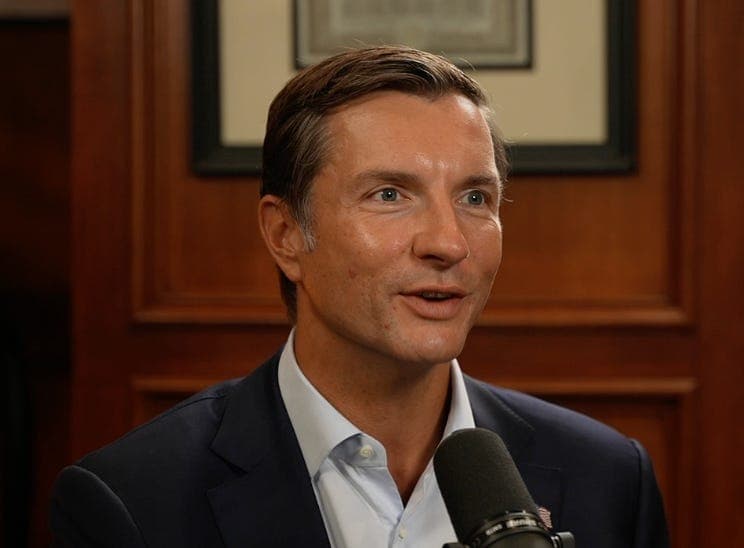
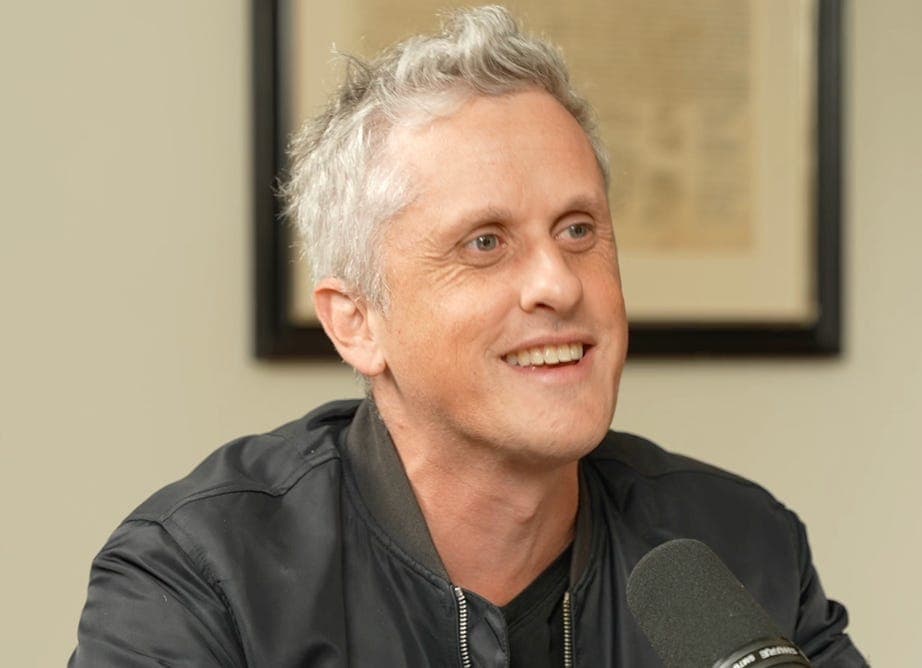
Episode Summary In this episode, host Joe Lonsdale speaks with Anson Frericks, former president at Anheuser-Busch and author of "Last Call for Bud Light." The discussion revolves around the drastic changes at Budweiser, the implications of top-down corporate governance, the clash of economic philosophies between Milton Friedman and Klaus Schwab, and potential solutions for restoring corporate America. Frericks shares insights into the ESG (Environmental, Social, Governance) and DEI (Diversity, Equity, Inclusion) movements that have influenced corporate behavior and how companies can refocus on their core missions and shareholder value.
---
Key Concepts
The Rise and Fall of Bud Light
- Controversial Ad Campaign: A recent ad campaign led to a significant loss of $40 billion in market capitalization for Budweiser and thousands of job losses.
- Cultural Shift: The move of Anheuser-Busch's headquarters from St. Louis to New York introduced a more progressive corporate culture, distancing the brand from its traditional Midwestern values.
Purpose of Corporations
- Two Economic Philosophies:
- Milton Friedman: Advocated for shareholder primacy, emphasizing the importance of maximizing shareholder value through quality products and services.
- Klaus Schwab & Stakeholder Theory: Argued that corporations should serve all stakeholders, complicating corporate governance and leading to conflicting priorities.
Influence of Major Asset Managers
- Corporate Pressure: Major asset managers like BlackRock, State Street, and Vanguard exert pressure on companies to adopt ESG and DEI policies, often at the expense of profitability.
- Case Study: Anson Frericks points to the shift in Bud Light’s strategy as a result of these pressures, leading to disastrous outcomes.
Corporate Accountability
- Lack of Accountability: Frericks discusses how corporate leadership often escapes accountability for poor decisions, despite significant financial implications for shareholders and employees.
Discussion Highlights
Insights from Anson Frericks
- Background: Frericks shares his experiences at Anheuser-Busch and the cultural changes he witnessed post-acquisition by InBev.
- Starting Strive Asset Management: Frericks left Anheuser-Busch to create Strive, an asset management firm focused on maximizing returns for shareholders without the influence of activist agendas.
The ESG and DEI Movement
- Impact on Business: The podcast outlines how the rise of ESG and DEI has not produced the promised benefits for corporations and has instead diverted focus from core business goals.
- Shift in Corporate Policies: Recent trends show some corporations beginning to roll back their ESG/DEI commitments due to financial pressures and backlash from consumers.
Optimism for Corporate America
- Cultural Revolution: Frericks expresses optimism that a return to meritocracy and core business values will lead to renewed economic prosperity.
- Role of Leadership: Effective leaders can catalyze change by focusing on business objectives rather than political agendas.
---
Key Takeaways
- Corporate Focus: Companies should prioritize their core missions and shareholder value over political correctness and social issues.
- Courage to Speak Up: Individuals within organizations can challenge prevailing narratives and advocate for a return to meritocracy and quality service.
- Future of Corporate America: A cultural shift towards prioritizing effective leadership and accountability is necessary for the revival of corporate success and stakeholder trust.
Final Thoughts The episode emphasizes the need for a cultural reawakening in corporate America, driven by leaders who understand the importance of their primary mission: serving customers and maximizing shareholder value. Anson Frericks’ experiences serve as both a cautionary tale and a roadmap for future corporate governance.
---
For more insights and to explore further discussions, visit [Joe Lonsdale's blog](https://blog.joelonsdale.com?utm_medium=podcast).
Written by AI. May contain mistakes. Listen to the episode to check what was said.
Transcript
Automatic transcript. May contain errors.0:00You have these two schools of thought going back to the 1970s, what's the purpose of a corporation? In the US, you had Milton Friedman says, focus on shareholders, shareholder value. That's sort of your primary customer. And how do you focus on your shareholder? Just create great products and services. And over in Europe, you have the Klaus Schwab World Economic Forum, Davos crowd that said, no, no, no. The purpose of corporations serve all stakeholders equally. It's very challenging to do that because who do you put above the other one? It's almost trying to serve like multiple gods. Yeah, exactly.
0:25When you have multiple things, you actually have no thing at all. You just fake it. The thing that drives me crazy is that the market is like this super efficient system. It's like an evolutionary system. But the system can't actually work and evolve without really clear feedback mechanisms if it has all these fake things you're plugging into it. It just drives me crazy. Right. You're exactly right. And then even if you take a look at those two economic models for the next 50 years in the U.S., created much better investment returns for people in that stakeholder model in Europe. And the S &P 500 was up 10 % on average a year over that time frame.
0:54The European broad-based indices were up 7%, which might not sound like a lot. If you had$100 ,000 invested in the US in 1970, it'd be worth$4.5 million today, only$1.5 million in Europe.
1:12Had a great chat with Anson Frerichs. Anson wrote, last call for Bud Light. And after leaving AB InBev, he co-founded Strive Asset Management with Vivek Ramaswamy. You know, Anson is a really talented guy. He has a background working at all the top places. He was a superstar at AB InBev, which owns Budweiser. And he kind of saw how a company that got moved out of the Midwest into New York got caught up in the crazy woke wave going on, saw how all these asset managers were forcing big companies to go in this more woke direction to kind of blackmail them if they didn't do certain things with ESG, with DEI, and made them really want to fight back.
1:48Not only did he start Strive and Athletic Capital to support companies and investing that's more aligned with core American values, but he's speaking out and he really deeply understands what went wrong and how we can take back corporate America and bring back prosperity to our country. I'm Joe Lonsdale. Welcome to American Optimist. Today we have with us Anson Fairricks. Anson, you're the founder of Athletic Capital, co-founder of Strive Asset Management with Vivek Ramaswamy, who's an old friend of yours. And you were a former president in Anheuser Bush. Thanks for joining. Yeah, thanks for having me, Joe.
2:15Really looking forward to the show tonight. You wrote a book that came out a little while ago called The Last Call for Bud Light, The Fall and Future of America's Favorite Beer. I guess you were there during the heart of some of that, or you actually were there right before that nonsense happened, huh? Yeah, I was there right before the nonsense. I mean, frankly, I left Anheuser-Busch because I saw sort of this train wreck ahead of me. I saw the company that had went all in on sort of the ESG DEI agenda, started inputting diversity dashboards, quota systems. The company didn't do a partnership with Black Rifle Coffee Company because they thought that company was too controversial.
2:45And one of the reasons I left and started Strive, and it was funny that a year later, worlds collided as everything we did at Strive, which makes sure companies were focused on the customer, focused on shareholder value, kind of collided with the Bud Light-Dill and Mulvaney partnership. You kind of took the opposite direction of what you saw. Well, tell us a bit about your background to start. I think you were Yale undergrad at Harvard Business School and you were at Citadel after that. What's your background? I went to Yale for undergrad, like you said, with a private equity firm called Summit Partners.
3:11After undergrad, business school was working at Citadel. I was actually on their long, short healthcare team. It was the worst job I probably ever had as I was literally forecasting how many people were going to need knee replacements and hip replacements based on weather patterns and how people are going to fall and break hips. That was going to be very exciting. At the time, I then ran into the folks from 3G Capital. And that was a group of sort of Brazilian guys that had rolled up kind of the beer industry in South America. They bought InBev over in Europe, which owned like Stella Artois and left.
3:40And they just bought Anheuser-Boschie and Captain Lens. South America, all the rich families, a lot of them are tied to these beer fortunes, I guess. There's a lot of really impressive people all around for whatever reason. They made a lot of money in beer. And these guys put it all together. And I hear they're really good at talent, right? So these were impressive people? Super impressive people. Georgie Paulo Lehman, Marcel Telles. Georgie Paulo Lehman is a former Wimbledon tennis champion, created one of the largest investment banks in Brazil, was wildly successful. And these guys, they put together the world's largest beer company.
4:09They've also gone on to buy Kraft Heinz. They own Burger Kings. They own a bunch of different businesses. And their whole piece was originally was meritocracy. We want to hire the best, we want to hire the brightest, and then have them come in, run companies more efficiently. and for a while they were very successful doing that. And this is maybe a metaphor for a lot of other things in our country and in the world. So they were focused on the top talent. They're focused on meritocracy. We've all heard stories in the business world about the amazing things they built. So I can see why you'd want to go work for them.
4:34And it's just kind of weird to go from Wall Street to a beverage company, but you're working with these people, folks on meritocracy, biggest company in the world. And yet it feels like something happened inside of that company where some of these woke values took over, where meritocracy was pushed to the side. What happened and when did that happen? And were these guys still in charge when that happened? Yeah, I mean, they really weren't. I think that was part of the problem. And I think there was really like two things, two things that went wrong for this business. The first one is that sort of the InBev style, which is the 3G capital InBev, zero-based budgeting operating style.
5:05It only works when you have things to buy. To some degree, these guys got too successful. They bought everything. There was nothing left to buy. And all of a sudden, they're forced to now build brands. These guys were never brand builders, which we'll talk to. But I think the separate piece of this, Joe, is that, you know, it's almost a metaphor what happened to this company is even why some of the power, I think, went to so many people went for Trump first in 2016. And then afterwards, the company came in 3G Capital. They bought Anheuser-Busch headquartered in St. Louis, Missouri. And within five years, they said, ah, we can't get good talent to St.
5:34Louis, Missouri. And we need to move the whole corporate headquarters, essentially, from St. Louis to New York. That's where they put sales. That's where they put marketing. And I think this is a problem where you think about kind of like the hollowing out of the center of the country. I mean, Anheuser-Busch for 150 years had found tons of talent in St. Louis. They built the world's biggest beer brands, biggest beer company in the United States. Within five years, they hollowed out a lot of infrastructure, moved it to New York City, put a lot of different people in that had never worked in the Midwest, never understood Midwest values, worked with now different marketing agencies, different sports agencies.
6:05And then within seven years, you have sort of the Dylan Mulvaney partnership, especially after they adopted a lot of the ESG DEI philosophy to try and grow brands, which as we've seen, hasn't really worked. What's going on with these shifts here? This was a simple one where you had a lot of the senior managers at what was InBev, the company that bought Anheuser-Busch, were more Brazilian. They were Belgian. They're more European. They had been more used to living in more so-called cosmopolitan cities. And then most of them, just frankly, them and their spouses just didn't like living in St. Louis.
6:33And so in really the 2015-2016 timeframe, they used this excuse that St. Louis was behind. I think Uber wasn't in St. Louis at the time. That's the quote I remember to justify the move was, man, Uber's not even here. We're just behind trends. We're behind where things are. So that's why we want to move to New York City to be closer to urban centers, closer to where trends are happening, closer to innovation, which candidly wasn't really the quintessential American beer drinker. I mean, if you take a look where St. Louis is, they have 60%, 70 % market share. In New York, they have 20 % market share.
7:04Just very different, I think, ideals. But I think it was worse. It wasn't necessarily... You can find a lot of hardworking people in St. Louis. You can find a lot of young people who want to move to St. Louis. It was just more of a, I think they just didn't like the middle of the country. Yeah, they were rejecting the culture of their customers themselves in a way. They almost were too haughty and too elitist that their culture of being there is not what they wanted to do. And then obviously they brought in a lot of this woke nonsense. And I guess just New York and San Francisco in general were so immersed and so steeped in these broken cultures that once you're there, they kind of took over the whole culture, it feels like.
7:37Were there people pushing back? Like you were there internally as part of it. Like, what was it like when you pushed back? Was it, you know, what was the story there? Yeah. So, you know, and the company really started changing when you had to move from St. Louis to New York City. And this is also an interesting timeframe. This is sort of the 2016, 2017 timeframe where you saw a lot of corporate America changing because at this time when Trump came to power, he pulled out of a lot of these sort of national organizations, the World Health Organization, Paris Climate Agreements. And this is when you had these large asset managers, BlackRock, State Street, Vanguard, that we're now getting pressured from the state of California, whose pension fund dollars they manage, state of New York, whose pension fund dollars they manage, European sovereign wealth funds, others that are now pressuring business to so-called solve a lot of these existential crises that now no longer Trump and the government were going to do.
8:24So at that time, you're having a lot of pressure from getting these asset managers that are coming in, forcing on companies an ESG, DEI agenda. And I think Anheuser-Busch was very uniquely susceptible to it. They had just bought SAB Miller. They created the world's largest beer company, but there was nothing left to buy. And now they're being told by Wall Street, you have to grow organically. And the big push was, hey, if you just do ESG, DEI, all of a sudden, you're going to have tons of people that are going to start buying your brands. And that just never really materialized. So this was happening in this sort of 18, 19, and even the 2020 timeframe.
8:55And then as you recall, I think this whole ESG, DEI movement, I mean, really got blown off track during COVID. The Black Rocks and others kind of like set the table by having the business round table in 2019 evolve the purpose of a corporation away from what Milton Friedman says was the folks on shareholder line. You know, at the time when they did that, there were only like four companies that were, they wouldn't, they wouldn't sign their statement. And I bought all of those stocks and all four of those overall have outperformed massively, which I think is like a really good sign to like go with the contrarians, you know?
9:24No, 100%. I mean, because they, they, you, you, you have to look at the incentives and now the incentives changed from, Hey, your largest, your so-called shareholders, BlackRock State's administration, Vanguard, instead of focusing on shareholder value, they said stakeholder value. So do ESG, DEI, get involved in more politics. And this got really warped around the COVID timeframe. Because if you remember during COVID, all of a sudden this existential crisis of COVID hits, and even Trump was very much pressured to sign what was called the Defense Production Act, where you could compel companies like General Motors to create ventilators.
9:58You could have Delta flying medical supplies. And companies really got off track. And it was really, he was pressured by the state of New York, people in New York who were dying early on COVID. But that got companies off track. I mean, we didn't have a book. We were making hand sanitizer. Walmart's doing COVID testing facilities in their parking lot. Google is, you know, talking about all the COVID. It was a huge distraction, obviously. And in some cases, you do want to be helping out with a crisis in the country. But it's obviously things are very, very distracted at that time. Right. You know, and when there's a real crisis, like, great, you got to help.
10:24And at that time, a lot of people thought, okay, we got to help. The problem was, is that the COVID crisis, that existential crisis ended pretty quickly. I mean, no hospitals were overrun. You didn't have any of these big issues of mass people dying early on. But then the next sort of so-called existential crisis emerged within two months. And that was when George Floyd died. And now all of a sudden, after George Floyd's death, all these companies had just gotten off their mission. We're trying to appease all these stakeholders for COVID. And now the next big existential crisis they're being told to solve by BlackRock, State Street, Vanguard, others is this crisis of systemic racism.
10:58It's a fake engineered thing coming out of nowhere and then completely distracting you and then getting you to try to give money to communist organizations, right? It was just a marxist organization. It was totally insane. I want to step back a little bit to this idea of stakeholder capitalism. I think maybe the World Economic Forum and Klaus Schwab was pushing this along with these others. And Milton Friedman, who I got to know when I was at Stanford, he was there at Hoover a lot, was more about shareholder primacy. Like how did we shift from shareholder primacy and getting results for shareholders in the market working to make things efficient versus the stakeholder capitalism thing where the market top down is told about its other priorities?
11:33Was that World Economic Forum? Like you said it was some of the pensions. Like why did they start doing that then, not before? Like what happened in the last 10 years? Yeah. I mean, unfortunately, just taking a step back, I mean, you have these two schools of thought going back to the 1970s. But what's the purpose of a corporation? Yeah. In the U.S., you had Northern Freedom Assess, focus on shareholder, shareholder value. That's sort of your primary customer. and how do you focus on your shareholder just to create great products and services and over in europe you have the klaus schwab world economic forum you know davos crowd that said no no the purpose of corporations serve all stakeholders equally it's very challenging to do that because who do you put above the other one it's almost trying to serve like multiple gods yeah exactly when you have multiple things you actually have no thing at all you just fake it and the thing that the thing that drives me crazy is that the market is like this super efficient system it's like an evolutionary system like as a venture capital you know an entrepreneur person like my and you too Our job is to help the system evolve, but the system can't actually work and evolve without really clear feedback mechanisms if it has all these fake things you're plugging into it.
12:28It just drives me crazy. Right. You're exactly right. And then even if you take a look at those two economic models for the next 50 years in the U.S., created much better investment returns for people in that stakeholder model in Europe. And the S &P 500 was up 10 % on average a year over that time frame. the European broad-based indices were up 7%, which might not sound like a lot, but if you had$100 ,000 invested in the U.S. in 1970, it would be worth$4.5 million today, only$1.5 million in Europe. And then also, if you take a look at any broad-based societal metric, GDP growth, per capita income, unemployment rates, inflation, the U.S.
13:01has trounced Europe on all of those over the last 50 years. Europe is actually quite poor compared to us now. People don't realize our poorest states are actually richer or wealthier on average than Europe's wealthier countries, which is kind of shocking. right? I think West Virginia and Louisiana are ahead of a lot of the UK and places like that. No, you're absolutely right. And so American free market capitalism has produced unbelievable economic prosperity and growth for all, but there's been some bumps along the way. I mean, one of the bumps that we had in the last, call it 15 years, was the Great Recession of 2008, 2009.
13:32And then when you think about some of the change from this focus on American free market capitalism to this European model, a lot of it traces back to 2008, 2009, where a lot of people saw a lot of people were losing houses and everyone saw the banks getting bailed out. And so there was this whole Occupy Wall Street movement that popped up, the 1 % movement. And a lot of the banks to try and repair that image, you see, that's when they started adopting this policy of ESG DEI, which were terms that it started actually in 2005. The UN human rights deal, they had a whole deal in 2005. Nobody used it, but all of a sudden, they started gaining popularity after the great recession as banks were trying to repair their image.
14:10And then like anything, you start following the money. And the other thing they started realizing is that if I start asking companies to get involved in more environmental, social governance issues, or DEI, diversity, inclusion issues, all of a sudden I can start making indexes and I can start scoring companies. And if I just, you know, take an oil and gas company out here, there's some, you know, alcohol company I don't like there, you know, Tesla, they don't have, they don't have unions. I don't like that. I call the sun. I can start taking and picking and choosing companies, but putting them in an ESG index, charging people two to three X the amount of money that I was for a regular index.
14:44And then all of a sudden you have a bad incentive system. And of course, no one's going to buy that stuff normally, especially once they see it's not performing. But of course, our pension funds actually aren't the money of the people themselves. There are money being managed by others to impose these politics on us. And I think it's maybe even darker than what you just said. I think when you have these top down systems that people create, they get captured by power and to use for power. So I think, I think the nature of humanity is that whenever, whenever something like this exists, people will start using it to express their views and to force people to do things and to push people to things.
15:15And it seems like a lot of the left captured these things and use them to attack and punish their enemies and, and force people to fund their stuff. I mean, isn't that how this iterated? I mean, a hundred percent, Joe, you're, you're absolutely right. You know, the, the, the left started using sort of business to get done through the backdoor business that couldn't get done to the front door government. I mean, the state of California is a perfect example. So the state of California is the largest pension fund in the United States. It's$280 billion. And what's crazy right now is they're only being funded at about 80 cents on the dollar.
15:43So if you're in the state of California, you're on their pension system, you don't expect to get your full pension. One of the reasons is, is that that pension system is essentially controlled by the government. I mean, the governor, Gavin Newsom appoints a bunch of people there. And even the state of California, they've said that we're going to use our pension dollars to promote an ESG and DEI agenda. It's not about actually maximizing returns and making sure that the people of California can have a pension with dignity, but they're using that to force oil and gas companies to go out of business because they have a lot of money.
16:12They want to remove that. And they're using it in a very weaponized and politicized way to get done again through the backdoor business where they can't get done through the front door. Well, they've raised the returns for a lot of my friends who invest in oil and gas out here in Texas because their money's not here. So it's a harder for some people, but it's in some ways it makes us make more money. What inspired you to write the book after all this last call for Bud Light? Like, was there something in particular you were angry about? You wanted to explain? Like, what was the purpose for you of writing that?
16:37I think the purpose is, Joe, is when you take a look at the march of capitalism over the last, you know, couple hundred years, it's been positive. But, you know, there's again, there's some bumps along the way. And I think that we just went through a very bumpy time period, especially over the last five to ten years, where you had a lot of businesses that got off track from their mission. I think that made those businesses less profitable. but then also I think fractured society a lot more as not only Bud Light, but you had companies like Disney and Nike and the NFL and Starbucks and Target. I mean, you go down the list, a lot of businesses really lost track of what their purpose was, what their mission was, who they were serving.
17:13And I don't think that there's really been a reflective novel yet that really looks into exactly what happened. Why did companies get involved in politics? Why was it bad for the business? And then ultimately what needs to be done moving forward? And I think there's no better story to tell than really the Bud Light story, where Bud Light became essentially the one holding the pin that popped the ESG bubble, where all of a sudden people said, wait a minute. You know, okay, like, I didn't really like when Disney got involved in the parental rights issues in Florida. I don't like the NFL getting involved with players kneeling.
17:43But man, like Bud Light, the ultimate sort of like Midwestern working class, everyday citizen beer. Now, all of a sudden, they're getting involved in controversial transgender politics. Like, how did this happen? And that's where you actually first saw that millions of consumers left a company. Billions of dollars of shareholder value were just erased. And then the company is still sort of dealing with the aftermath and the consequences. And I think really the story about being unable to articulate what the purpose is of this campaign, who does it serve, it really showed what the problems were with ESG and DI.
18:14So that's the story to write. And hopefully we prevent this cycle from happening again at some point in the future. Well, it really is amazing what a little bit of courage does on these issues when people start speaking out, because I think everyone was already thinking some of this stuff was pretty crazy. Like I'm personally, I'm not like anti-trans or anything like that. But, you know, I probably think that children probably should not be able to make that decision. But, you know, but it's amazing that like with with with like people who are having advantages being born male and women's sports, I think it's an 80-20 issue in the U.S.
18:41at least that they shouldn't have those advantages being in those sports. And yet you weren't allowed to say this. Even I was not really speaking out on this as much. And I was probably more than almost any of my friends. Even I would try to avoid certain things, just not to have like a thousand people scream at me online or something. They really censored us. It is interesting how finally it's kind of opened up. Does it feel like the corporations are realizing they have to be more careful not to be extremists and activists? Or are they just going to find new ways to be activists the next few years?
19:05Like, where are we with this? I don't know. I mean, it seems like the camp's really splitting in two. I think that for the vast majority of companies, they're realizing that the ESG DEI agenda, it didn't make them more profitable and it didn't help them actually create, so it's called, better societal value. It became more divisive more than anything. So you're seeing a lot of companies that are walking back from these positions. I think Goldman Sachs this week no longer is going to force quota systems on board members. You're not going to be having Disney's drops in the DEI. But other companies are leaning in.
19:32Costco over the last week has really doubled down on their DEI initiatives. continue to have supplier quotas in terms of how they're going to get products. I guess they're based in Washington or something. They're based in a very lefty area. They're up in Seattle. They're up in Washington. I think JP Morgan is kind of doubling down as well, kind of more based in New York. And I think this is going to be problematic. Now, you mentioned you shorted a bunch of companies that were in the business roundtable. We went long on the ones that didn't. I think this is actually an interesting opportunity to see which companies are walking back from a lot of the ESG and DI commitments.
20:04I think those ones are going to massively outperform. the ones that try and serve every single... I'm surprised to hear that about JP Morgan because Jamie Dimon seems like he has a lot of common sense. That's too bad he's not being able to push back on that internally. I guess this is very hard sometimes for a CEO, even if he believes something sometimes to confront his team on, huh? I think so. I think this is probably... And this is even with Jamie. He's probably made such a commitment to it over the last couple of years. It's hard for him to unwind that since he's still in the seat. And his employees are going to ask me, I'm like, well, when were you lying to me?
Read the full transcript
20:32Were you lying to me then when you were all in on DEI a couple of years ago? or you line me to me now when you're now walking back from it. I just think as well, there's kind of two types of DEI. I think that there are companies that got into it authentically when they said, we just want DEI to be finding the best, the brightest. This is what Mark Cuban claims DEI is. The good part. This is what Mark Cuban, and I think that Jamie Dimon falls into this, that they just believe that's what it is. Unfortunately, though, what they don't realize, it's become a pejorative term for the vast majority of Americans.
21:01What DEI actually became in corporate America was quota systems and it became exclusionary. You couldn't even push back on DEI in corporate America. So it wasn't as inclusive as it was. It became if you complain about hiring a black person over a white person because you're saying the white person is more competent, you are racist. That's what it became. It became there's no white men that you should be putting in these jobs. It became the percentages are crazy. I'm sure you've seen this. It was something like 6 % or 7 % of these promotions and hiring over a period in Fortune 500 were to white males where it had been like 50, 60 % before.
21:33It was actually crazy. People became afraid to hire white men. I mean, that's what it ended up meaning in most of these places. Right. I mean, that's what it ended up being. And then there was even a cancel culture about certain brands and ideas. I mean, one of the other reasons that I left Anheuser-Busch, I was frustrated the company moved away from being a meritocracy. They changed that principle. You got more about gotten promoted based on the diversity, quality of your teams. But even I tried to do a partnership with Black Rifle Coffee Company when I was at Anheuser-Busch. This made all the sense in the world.
21:59I mean, the guy who's drinking a six pack of Budweiser at night is a lot of times drinking Black Rifle Coffee in the morning. But in the 2021-2022 time period, I had the whole business model, the whole case. Black Rifle had grown from$70 million to$300-some-odd million of revenue. They needed a distribution partner to take their new 16-ounce can coffee into Walmart Kroger 7-Eleven. So we were going to make a bunch of money doing that. And then all of a sudden, our external affairs team based in New York City said, no, we can't do this partnership. It's too controversial. Like, what are you guys talking about?
22:28Like, the mission of Black Rifle Coffee Company is sort of like coffee and culture to firefighters, police officers, people who love America. But they were saying, well, no, because of like, you know, the Black Rifle. And I don't know if it fits our DEI kind of agenda. It's some people in the January 6th were wearing Black Rifle Coffee Company hats. I'm like, come on, guys. Like, you got to be kidding me. If someone says this to me, my first thought is that, you know, I'm going to write to the founders and the owners and tell them their people internally are insane. Like, did you ever think to write to the 3G guys and be like, your people are internally have gone crazy or you just left?
22:59You know, I mean, I probably should have. But at the time, Joe, I candidly, I was the whole company and the culture was changing. Meritocracy was already gone, which I was shocked about considering 3G and who these guys were. Now all of a sudden, because we moved to New York City, we looked at everything through this lens of Fifth Avenue in New York. Basically, it was already gone, not worth the fight at that point. It's their own fault. It's not worth the fight. And so, Caitlin, that's why I left to start Strive with the A, because we said, really, you need to drive a cultural revolution across corporate America.
23:25We need to get businesses back to being focused on the bottom line, back to business, serving their customers, whatever your unique company mission is, do that. But don't necessarily have a new agenda forced on you by outside activists, the BlackRock Statesview vanguards. McKinsey was all in on this diversity matters study that was completely debunked. And so we just decided to go do something entrepreneurial instead. No, well, and I love it. And I became a small investor and strive through Vivek right away when you guys started it. Then for people today, would you encourage people to fight back more if they're seeing this nonsense though in their companies?
23:59Or is it the kind of thing that you just have to run away from still today? Or do you think there's room to kind of fight and push people and try to teach them to act better? No, but I think that now it's an amazing opportunity. I mean, the Overton window has opened in a massive way. Whereas two or three years ago, to your point, I mean, you would be called racist, bigoted if you push back on any DEI agenda, whether it was quota system, whether it was giving hundreds of millions of dollars to BLM. I mean, heck, like every company for a while had to have the BLM square, even though BLM, they said on their website that we wanted to essentially destroy the nuclear family.
24:31And if you just disagreed with that, all of a sudden, you're racist. But I think as we've seen, and again, I mean, really it was what I think Bud Light opened this, where people saw the real problems that happen. If you get involved in a lot of this social and political issues, especially if your brand has nothing to do with it. And then all of a sudden, it's actually sad because the company lost millions of customers, billions of dollars of shareholder value, and$40 billion has been erased since this happened. Thousands of people have lost their jobs. They work with tons of independent distributors, family-owned distributors across the country.
25:02they've laid off tons of people uh suppliers have closed shop i mean it really shows the problems what happens when you lose focus on your customer and the bigger issue is there's been zero accountability i mean you still have a lot like the same ceo is there the same board of directors why haven't they fired the people who did this these people who did this should be fired by the owners i don't understand in corporate america it's like it's like it's like there's so rarely accountability for these things it's very strange to me i mean i love to talk to the owners like maybe they're afraid of being called racist or something i don't know but this is part of the problem.
25:30So the 3G guys we spoke about, they kind of stepped aside from the board five, six years ago. So now it's a lot of their kids that are running it. It's these European families that are running it. And those folks, I think that they are just wholehearted believers in ESG. And I think this is a broader conversation to have. I mean, maybe even as part of the America First agenda for certain companies and brands like Anheuser-Busch, maybe they should be sold back to American owners. And I think that would actually be better even for the shareholders, the european ones because i don't think that here in the u.s you can serve sort of the european folks that might have more of a pro-esg dei agenda and serve more consumers here in the u.s that just want bud and bud light to be bud no i mean it's absolutely ridiculous you know if my kids had taken over a family business or something i bought and they were running it and they did this nonsense and they let these commies run things i'd take them out of that position and make them go work on a farm for a year you know this is ridiculous these kids should be ashamed of themselves it's it's really disgusting and i know they're like going all their circles dating in New York and London and celebrating all this nonsense.
26:29And it's like, these guys never could have created wealth with these ideas. And it's kind of disgusting to me. I don't know. It just horrifies me to see second, third generation wealth doing these things. It's really sad because you do get a lot of it. No, I mean, it is. It is really sad because the people that actually get hurt, I mean, it's not you if you're in your whatever billionaire circles and on boards and running around New York and London. It's everyday folks. It's the beer wholesaler ships in St. Louis, Missouri and in Austin, Texas and all over. And now that they've lost 30 % of their revenue.
26:57They have to fire half their staff. I hope the 3G guys, if they see this, I hope they think about how to go back and try to fix having raised their kids badly until this is still be happening and how they're hurting as many people from that. So let's talk more about Strive. I want to hear what you guys build. You spun out athletic capital of that as well. What do you build at Strive Asset Management? What are you building now? Yeah. So Vivek and I, we decided we got the idea really for Strive in the summer of 2021. And both of us saw that corporate America was changing. I was living in Atlanta, Georgia during this time period.
27:26You remember there was the Georgia Voting Rights Initiative happened in 2021. This is where Governor Kemp signed a law that says you need to have an ID to vote, but then also expanded polling access and others. And corporate America really lost their mind over this. BlackRock was the very first company that said we're against this law. We're pushing back on it. Other people should as well. Coca-Cola and Delta, which had nothing to do with voting laws that they came out against. If you recall, Major League Baseball canceled the All-Star Game in Atlanta, Georgia that year. Crazy. Because of this law, which is insane.
27:53And what's funny is they moved it to Denver, Colorado. I've also lived in Denver, Colorado. There are, I mean, you know, Denver, Colorado is about the whitest town I've ever lived in. There's no like black people. No, exactly. They moved out of the blackest town to the whiter town for DEI purposes. Like this is ridiculous. I mean, it's, it's totally comical. So it was funny is that I saw a lot of people that were throwing out Coca-Cola, canceling major league baseball tickets. And, um, frankly, just didn't want this, this nonsense happening. And Vivek had recently left his company Roy vent because, um, he had wrote some op-eds about more free speech needed on the internet.
28:25And his company wanted him to take a lot of positions on DEI matters. He didn't want to do it. So we were talking about these issues over the summer of 2021. We thought that we could better serve, I mean, 150 plus million Americans that just want business focused on business. And some of the first decks we actually thought about doing was putting together a portfolio of companies. We actually thought about creating an airline just called Merit Airlines. We're going to hire the top 5 % of pilots. I love it. Just like you. I don't care if somebody's transgender. Like if they can fly a plane, they're in the top 5%.
28:53Sure. I'll hire them. I don't want those to force somebody who's unqualified to be flying airplanes. So we just said, you know, maybe we'll do that. And we'll charge people a hundred dollars more than Delta, but you'll be guaranteed to have sort of the top five. Did you see, did you see Kamala when she left the last flight for the vice presidency had the first like all female, like flight crew is like, she's still doing it. Even, even now. It's crazy, crazy. So we thought about that. We thought about creating a company called pop without politics to go after Coca-Cola because I was in the beverage world.
29:23Before Elon bought Twitter, we thought about creating a Twitter that was free speech, but ended up creating Strive because we thought that we could change culture across corporate America if we created a new asset manager where we would create just low-fee passive index funds, like large cap value, large cap growth, S &P 500. We would invest into companies and we would be a better fiduciary for folks like yourself and others that were frustrated with BlackRock, who was taking everyday citizens' money via their 401ks or investments, investing into businesses, and then forcing them to get more involved in politics.
29:59They were doing this by writing annual letters to CEOs, telling them they need to earn their social license. They were going on media talking about how they're going to force behaviors and change at companies if they weren't adopting ESG and DEI policies. And then they were really voting for shares at companies. If you're a publicly traded company, you have shareholders can put up proposals every single year. And there was a massive increase in the number of ESG proposals that activists and nonprofits were starting to put into companies after this business roundtable evolved the purpose of the corporation in 2019.
30:31Before that, these ESGDI proposals, less than 2 % of the past. But by 2021, everything from racial equity audits to defund the police initiatives, to overturning election integrity laws, to having oil and gas companies produce less oil and gas. All of a sudden, 30 to 40 % of these were passing in corporate America because BlackRock, State Street, Vanguard have$20 trillion of capital. They are the single largest shareholder 95 % of the S &P 500. And they have an outsized influence with the 20 to 30 % of the shares they can vote. So all of a sudden, all these businesses are getting involved in these issues.
31:02We thought there's got to be a better way. Should we be punishing these places? I mean, I think Texas pulled$8 billion out of BlackRock. You know, a lot of red states have still been really slow to react. I think BlackRock's trying to backpedal now and trying to pretend it no longer did this horrible thing to our civilization, along with State Street and others. Like, should red states be pulling money out of that or have some of them come over to you guys? Like, what's changed here so far? Are we winning at all or where is it going? Yeah, I mean, I think there's two ways that you can go about kind of like dismantling this big three.
31:32Again, BlackRock, State Street Vanguard, Cartel. One way there are probably fiduciary breaches, and there's a lot of legal complaints that are coming against. There was actually one in Texas where American airline pilots were successfully saying that, hey, you guys took my 401k. You, BlackRock, invested into ESG promoting funds, and you advocated for ESG policies. That hurt my returns. And so, therefore, that's one way that I think these guys are being forced to take a look at their fiduciary responsibilities. But the other way is just to compete. And frankly, if you have your own money, you can invest it however you want to.
32:03And if you want to take your money and you want to invest it into these ESG or DEI promoting asset managers, man, you can do it. But just know that your money is going to be pushing for quota systems and racial equity audits and all this other stuff. Whereas we at Strive said, we're just not going to do that. We're going to invest in the businesses where we want companies to focus on their mission, be excellent at doing that, hire an American way, be unapologetic about whatever your mission is. If you're an oil company, be a great oil company. if you're a social media company be about free speech and try to have many phone as possible and if you like that mission you think that's going to make you more money and create a better societal outcome then you have strive i love it and and tell us a little bit about working with vivek you've known him since high school you guys you guys were mock trial partners in high school um he seems like obviously you know he's a friend of mine he's a really smart guy he also he sounds like he got busy though and went and did some other stuff other than just running the business huh what ended up happening with that it was uh yeah it was kind of funny because when I left Anderson Bush to start Strive, we had a whole conversation on, hey man, you're doing this for at least the next five plus years, right?
33:06You're not running for Senate. You're not doing anything else in politics because he was thinking about some other things. He said, no, no, no, we're all in on Strive. I said, okay, great. So we do it and we're very successful. Our first year, we launched the company with the most successful exchange-traded fund launch of the year for a new issuer, raised hundreds of millions of dollars within a couple of weeks, ended the year at over a half billion dollars. and then he gives me a call around Christmas of 2022 and says, hey, man, I got to have a conversation with you. I said, yeah, what's up? He's like, I'm thinking about running for president.
33:35I said, come on, you got to be kidding me. We had just done our Series A. It was led by some of the Texas family offices. And I said, man, we just did our Series A. We got so much momentum. Like, what are you talking about? He said, well, that's part of the, I mean, that's the whole deal. We're having so much success. I think there's an opportunity to bring our message around free speech and meritocracy and American free market capitalism and that all these sort of ideals we were talking about at Strive to a broader audience. And so I think he next called Peter Teal because I said, man, you got to call Peter because he's one of our big backers.
34:07And he calls Peter. And I thought Peter would tell him it's a bad idea. But of course, Peter listened for a couple of minutes and then said, you know what? I think it's a great idea. You should go and do it. And after that, he left and started running for president. But as you know, I mean, in any startups, there's always some ups and downs along the way. ended up, I think, being great for us because we were true to our mission. I mean, he stepped away from the company so he could go and do politics. Strive was focused on just unleashing American free market capitalism. He was going to be focused more on democracy, and he stepped away to do that.
34:37And now he's off and running and Strive's still thriving as well. What's Vivek best at when you work with him? What's he best at doing as a builder? You know, this is something that I think shocks a lot of people when I say this, because a lot of very successful people, financially, et cetera, aren't great listeners or don't listen to feedback. He's actually a very good listener. And when you're with him one-on-one, he will listen to you. He will hear you. He will respond to you. And I think he does a very good job about that. So I'd say listening. And the other piece is just honest feedback also.
35:09He does a really good job of being very clear with honest feedback, what you're doing well, what you're doing, what you're not doing well. But then also, he's a very good partner. Everything we did was very collaborative. I think this goes back to the listening piece. It goes back to the feedback piece. I think it goes back to just getting to what's ultimately true. And I think that became a big part of his campaign of the truths and the 10 truths that he has. He's very good about listening, listening to all sides, changing his opinion with the facts change, and then using a first principles approach to figuring out what is actually true, whether that's in business or in politics.
35:43I was really inspired by his campaign. I shared a bunch of those videos early on that he made. And it's awesome to see. I think he really helped, helped form the zeitgeist and then support President Trump and taking that forward. You guys definitely played a role in that. Let's talk a little bit about optimism for the future. So what's the way forward for America on all these issues? How do we protect corporate America from this woke mind virus? How do we cure it? Are there policy changes? Are there things investors should be doing? Like, what are the next steps for all of us? Yeah, I think that the next steps for all of us, I'm incredibly optimistic.
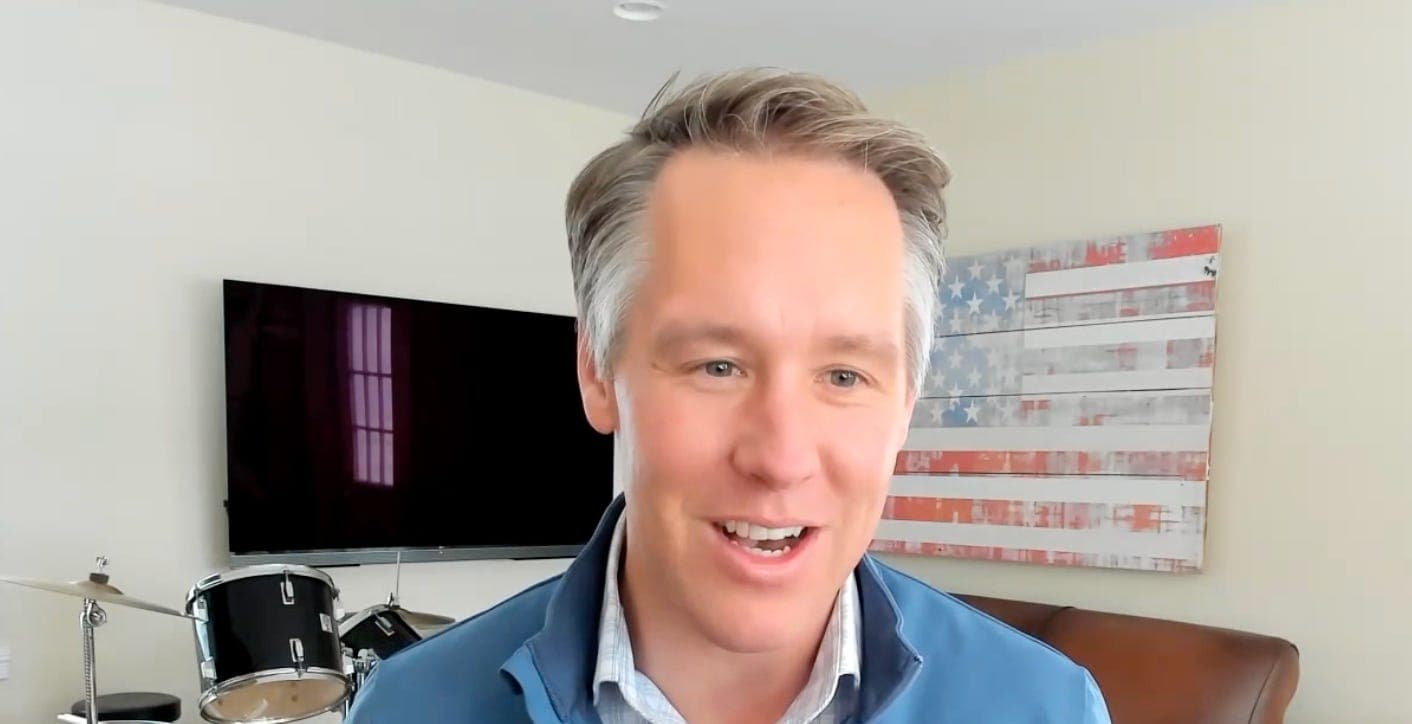
36:12I mean, I love your podcast, American Optimist. I actually came to my bar and had my American flag behind me here because I actually think we're getting back to the principles of American free market capitalism that made this country wildly successful over the last 100 years, that created unprecedented wealth and prosperity. And we're doing that by dismantling a lot of these programs that frankly just didn't work. A lot of people think that Trump's responsible for the dismantling of DEI programs. I think Trump is really just given all these companies cover to roll back programs that they saw weren't adding to the bottom line, weren't helping them innovate, weren't helping them actually going out and creating workforces that were amongst the best and the brightest.
36:49And so now that they're pulling a lot of these back, I think we're about to enter into an era of unprecedented economic prosperity, new job creation, new innovation, because businesses are getting back to what they do best at, and that's innovating, serving their customers, and leading all this other social stuff to politicians. I'll tell you one way I push back, and I try to be really nice about it, but people will email me wanting help or want to work with me or want to do something in Texas and they'll have pronouns on their bio. And to me, when you have the pronouns noted, unless you actually are trans or unless you're really close to trans people, most of the time the pronouns are part of like the woke industrial complex and you're signaling a B sense, you're signaling that you're obeying this kind of like woke way of doing things.
37:30And so I'll tell them really nicely, like, just so you know, when you have those pronouns, it means there's a good chance that you're signaling to everyone that you agree with some really radical left stuff that I personally don't agree with and that's okay we can still work together but i want you to know that if i'm going to be introducing you to people who are helping you they're going to be like joe who's this crazy woke person why are you trying to get me to help someone who obviously doesn't have my values and i just want you to understand that's how it's going to come across and a lot of them if you say something like this they're like oh yeah thanks i never thought to take those off obviously i'm going to do that now and i take them off and i'm wondering is like i think there's things like this we need to be doing they are are there are there other things that we can do to put pressure in the right ways or to help kind of move things back to normal yeah i mean And I think, Joe, that's a real simple one that you just spoke about.
38:08And because there was so much fear over the last couple of years. So I had this debate with people about the pronouns. Why do they have them? And a lot of people say it's like, well, I just kind of felt I had to because we got this chief diversity officer that came in. And the chief diversity officer talked about pronouns and how that's the nice thing to do. And so I just thought that I had to do it because other people were doing it. And we always talk about this a lot. I mean, you know, fear is contagious, but courage is contagious, too. And there's been this whole just preference falsification over the last five years.
38:37People didn't want to put pronouns in their emails. People didn't want to have to say that biological men can compete against biological women in sports. People didn't want to have to be forced to accept that gender affirmation care for kids is okay. But they felt, again, that they could be called a bigot if they didn't do that. Things are shifting big time now. And I think people need to just think for themselves, did I really believe these things or was I forced to do it? I love that even Pete Buttigieg and AOC have taken their pronouns off now. So even they were bullied into doing it to have to be part of the cause, which even they think is ridiculous.
39:06Yeah, they think it's ridiculous. One of the most, I think, courageous people right now, he's actually someone on the left, he's a good buddy of mine named Seth Moulton. And Seth Moulton is a congressman from Massachusetts, veteran. And he was one of the first people in the Democratic Party that says, listen, guys, I have two daughters. I do not want them playing against biological males in sports. And he was essentially canceled by a lot of people on the left for that. A lot of people said he should step down. He was bigoted. His campaign, head of his campaign stepped down as well. A lot of people were protesting outside of his office, but I think that's the courage that you just need to step up and just say, Hey, there's, you know, this isn't some right wing conspiracy theory that's pushing back on this.
39:41This is not sort of the right wing that's trying to cancel people. This is just common sense. And I think we need to get back to common sense. And I think you're going to start seeing it more on the left. But hopefully I think with more people like yourself and others speaking up, it gives more people courage to speak up and actually say what they believe. I love it. I have a lot of respect for Seth Moulton, too. I don't agree with him on certain things. Obviously, he's a Democrat and I'm not. And there's things we're misaligned on, but he's a courageous American. He's on the House Armed Services Committee.
40:04We need more moderate Democrats like that who actually say with a common sense and not be afraid of the radical left. And, you know, I think on the right, we have to stand up to our crazies, too, sometimes. It's going to take courage, too, if we have to admit it. Right. There's both of those. You know, we started American Optimist to push back on a lot of cynicism and pessimism in our country. And I had multiple friends who left our country after making a lot of money. They thought it was just going to be a woke-topia. They thought they were going to get stolen from. They thought they were going to be discriminated against for having been too successful.
40:31Like, why do I want to deal with this? I'm just going to leave. And, you know, for me, America still stands for the shining city on the hill, even though it's not perfect, even though it's broken in certain ways. I think for me, part of this MAGA movement is the fact that it can be great again and it's going to be great again. And so what's the best case scenario for us kind of recapturing all these institutions and taking back our country? Are you optimistic it gets done? Are we going to root all this stuff out? Are things going to be in a great place in five or 10 years? You know, I really am optimistic, Joe.
40:57You know, you think about this country, we never said it was perfect, but we said we were always in pursuit of a more perfect union. And I think that this is a good step forward that we've been making towards getting back to the ideals of the Constitution and of the freedom and all folks are created equal. One of the things that actually made me most optimistic over the last couple of years, If you think about some of the recent Supreme Court decisions, there's been some big ones. The one that actually didn't cause almost any controversy was students for fair admission versus Harvard. And this was the Supreme Court case that overturned affirmative action.
41:25And it was a very different response. And the Democrats really didn't respond to it. People on the left didn't respond to it. Very different than when Roe v. Wade was overturned a year prior, where people almost lost their minds. Everyone in corporate America issued responses. A lot of CEOs got involved. And that's because I think we actually are heading more towards a meritocracy. People, you know, if you're black, if you're gay, if you're female, you don't want an asterisk next to your name every time you get promoted. You want to know that you earned it. And I think that that's why you saw just like a big movement towards black, Hispanic, females all move more in the Trump direction because people are rejecting the identity politics.
41:58People are rejecting the quota systems. People are rejecting that Joe Biden governs in the way by saying that I'm going to appoint a female vice president. I'm going to have a black female Supreme Court justice. Why? You just say you're going to hire the best and the brightest, then you remove any of the asterisks. And I think it's amazing, I think, what Trump has done to create a very diverse cabinet, a very diverse group of folks that are around him, just by saying, I want the best and the brightest. I'm very optimistic that that's going to trickle down, I think, into corporate America. You're seeing, again, Goldman Sachs, Amazon, Facebook, Meta, all dropping a lot of their DEI and ESG policies.
42:31And I think people are getting back to business. So I'm optimistic. I think even more so. I think people have now lived through this kind of crazy episode the last five years. And even if, you know, five years from now, there's some blip and we have a fallback. I actually think folks like Mark Zuckerberg, he's not going to censor speech again. I don't think you're going to have Goldman going back to some of the quota systems that they were implementing. I think people are going to get back to back to business. I'm very, very optimistic. I love it. Well, you know, affirmative action was originally called positive discrimination and they rebranded it affirmative action.
42:58It's much more clear when you see it as positive discrimination. Actually, we shouldn't have any discrimination. And we're definitely all embracing it again. And this is a great note to end it on. Thanks so much for joining us. Thanks, Joe. Thanks for having me. Really appreciate it.
From the publisher
Budweiser was the undisputed king of American beers, until one controversial ad campaign erased $40 billion in market cap and thousands of jobs. How did this happen? Where did top-down frameworks like ESG and DEI originate? And how can we get corporate America back on mission?
This week we're joined by Anson Frericks, a former president at Anheuser-Busch and author of the new book: “Last Call for Bud Light: The Fall and Future of America’s Favorite Beer." He recently founded Athletic Capital and co-founded Strive Asset Management with Vivek Ramaswamy.
After graduating from Yale and Harvard Business School, Anson quickly ascended the ranks at AB InBev, which acquired Anheuser-Busch in 2008. But he began to notice the beer brand straying from its all-American roots. The culture shifted dramatically after InBev moved sales and marketing from St. Louis to New York City, and Budweiser became emblematic of a decades-long battle over the purpose of a corporation dating back to Milton Friedman's shareholder primacy theory versus the World Economic Forum's embrace of stakeholder theory. Anson explains how the latter captured boardrooms across Europe, spread to America, and led to the proliferation of ESG and DEI within our largest financial institutions.
He details how BlackRock, State Street, and Vanguard wield their outsized influence to force stakeholder theory on corporate America, and explains why, shortly before Bud Light's historic collapse, he left to launch Strive Asset Management as an alternative asset manager focused solely on maximizing returns for shareholders. Anson provides an important case study in what went wrong on Wall Street and in boardrooms across the country, and more importantly, how we can get back on track.
00:00 Episode Intro
1:57 The rise & fall of Bud Light
08:50 What is the purpose of a corporation?
10:48 Milton Friedman vs Klaus Schwab
13:50 How BlackRock manipulates investors & companies
16:15 What went wrong at Bud Light
19:00 Costco doubling down on DEI
23:35 How to fight back
28:10 Why Anson left to start Strive
35:38 How to save corporate America
This is a public episode. If you would like to discuss this with other subscribers or get access to bonus episodes, visit blog.joelonsdale.com