In short
Podcast Notes: Joe Lonsdale: American Optimist - Episode 112: Peter Thiel on DOGE, Tariffs, Building Generational Companies & the Future of Civilization
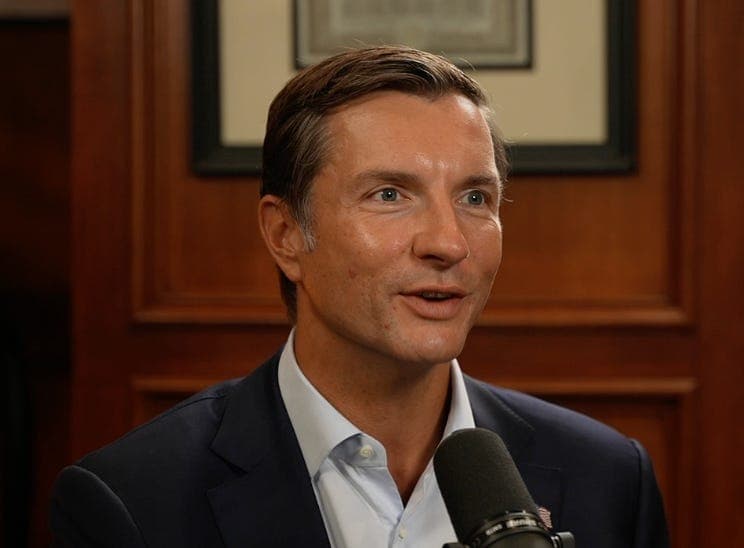
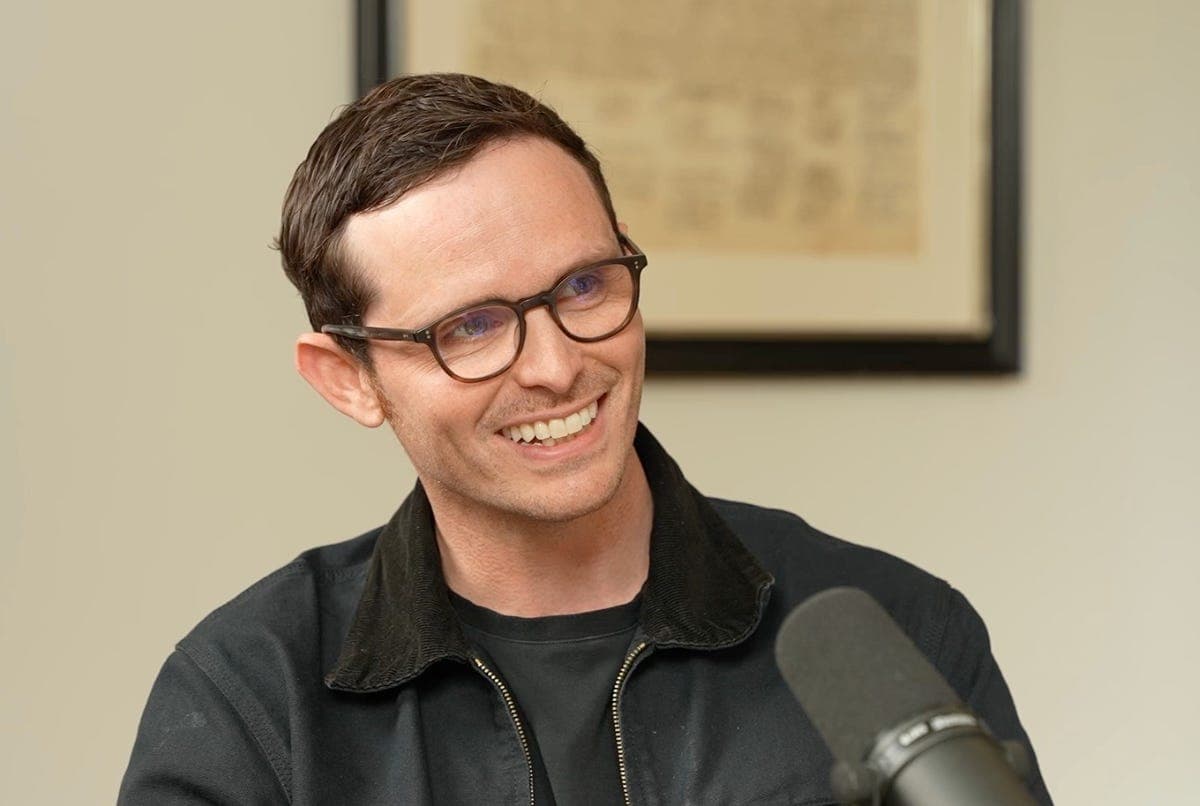
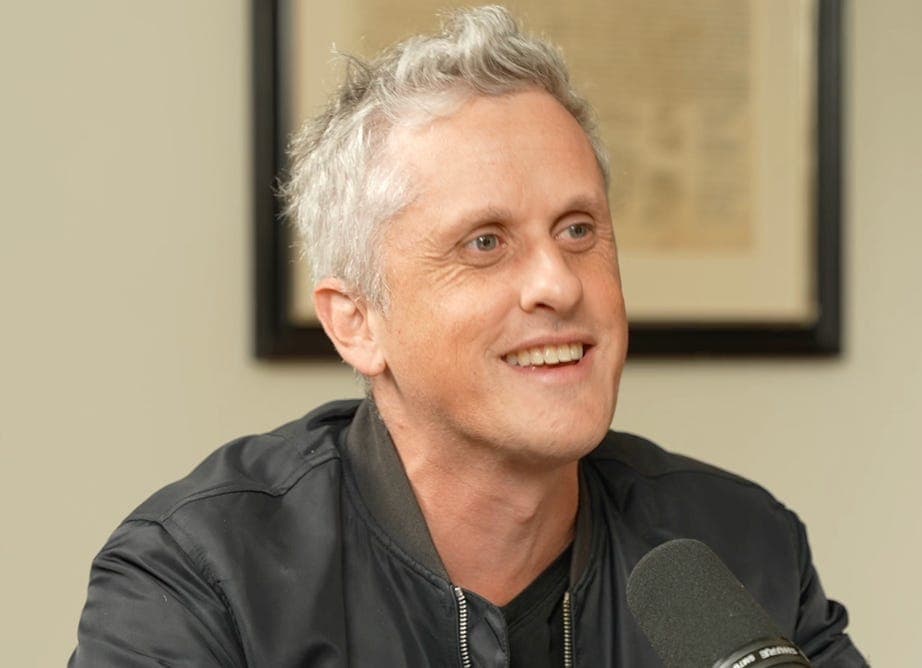
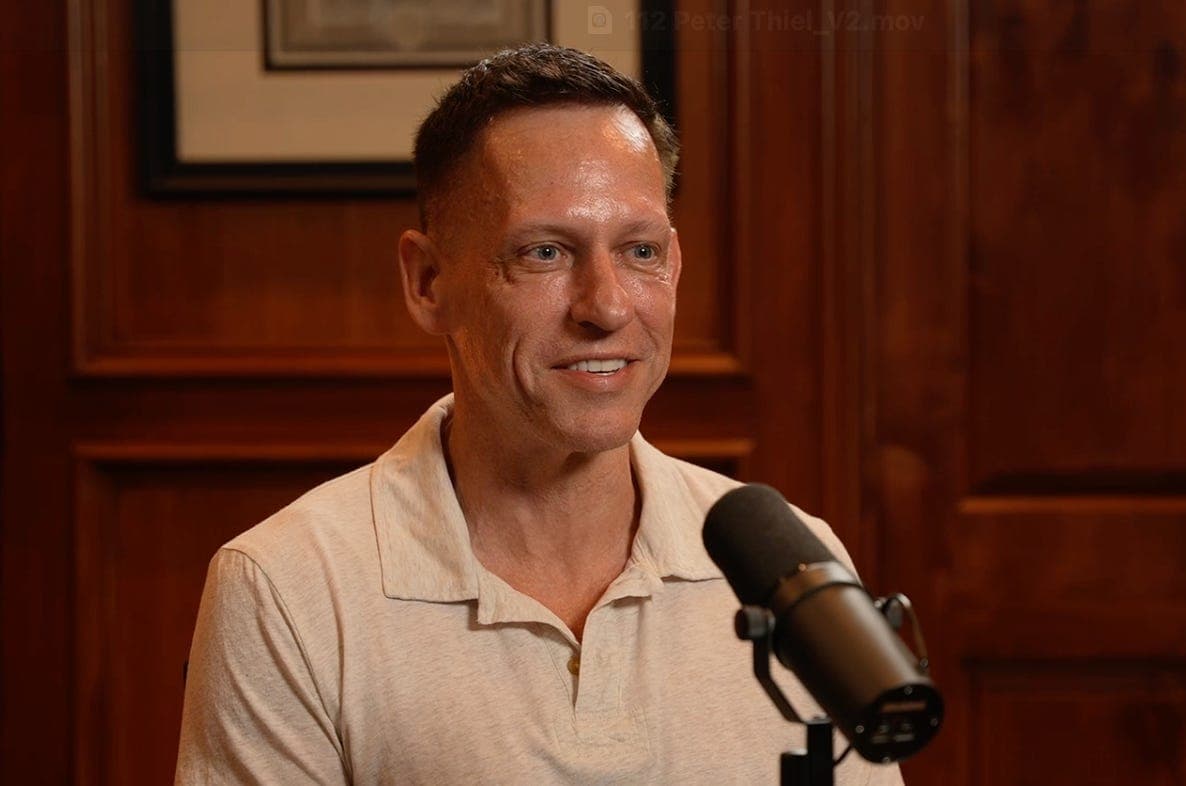
Episode Overview In this episode, Joe Lonsdale interviews Peter Thiel, a prominent entrepreneur, investor, and co-founder of companies such as PayPal and Palantir. The conversation covers a range of topics, including economic challenges, technology innovations, cultural shifts, and the potential for societal improvement.
Key Themes and Topics Discussed
- Introduction to Peter Thiel
- Co-founder of PayPal, Palantir, and other significant tech companies.
- An influential thinker in the American technology sector for over 25 years.
- Current State of Higher Education
- Discussion of the University of Austin (UATX) vs. traditional elite institutions like Harvard.
- Concerns about the lack of direction and clarity for students in elite universities.
- Thiel emphasizes the breakdown of elite institutions and the confusion faced by students today.
- Focus Areas for Talented Individuals
- Thiel advises that individuals should focus on technology and its various fields (e.g., computer science, software, AI).
- He discusses his belief that technology offers the most promise for societal progress compared to other fields that are perceived as stagnant.
- Insights on Palantir
- Challenges faced while building Palantir, including a lawsuit against the Army, which revealed deep dysfunctions in military procurement.
- Thiel reflects on the difficulties in implementing change in "broken sectors" like defense and government.
- Optimism vs. Pessimism
- Thiel expresses a preference for moderate optimism, highlighting the dangers of being either overly optimistic or pessimistic.
- The importance of being realistic about challenges while still striving for improvements.
- Economic and Trade Policies
- Discussion on President Trump's trade policies and tariffs, especially concerning China.
- Thiel expresses cautious optimism about the current administration's ability to effect change.
- Cultural Shifts in Silicon Valley
- Thiel observes a "vibe shift" in Silicon Valley, moving away from a monolithic center-left ideology.
- He notes the impact of talent mobility and the influence of cultural changes on tech companies.
- The Future of Civilization
- Thiel discusses the broader potential for rebuilding aspects of society, including healthcare and education.
- Opportunities in "broken" systems could lead to significant advancements.
- DOGE and Political Change
- Thiel expresses unexpected optimism about the DOGE movement as a catalyst for political change.
- He believes it represents a contrast to traditional governmental inefficiencies.
- Final Thoughts
- Emphasis on choosing battles wisely, being cautious of overextending efforts in various issues.
- Encouragement to focus on feasible areas for change and improvement.
Key Takeaways
- Higher Education Crisis: Elite institutions are failing to provide direction, leading to confusion among students.
- Tech as Solution: Technology remains the most dynamic sector for innovation and progress.
- Realistic Optimism: A balanced perspective is essential to avoid complacency or despair about societal challenges.
- Cultural Revitalization: A shift in Silicon Valley dynamics could lead to new opportunities and ideas.
- Strategic Focus: Identifying and tackling the right issues can lead to meaningful societal shifts.
Conclusion This episode with Peter Thiel provides valuable insights into the current state of technology, education, and culture, while emphasizing the importance of optimism and strategic engagement in addressing societal challenges. Thiel's perspectives encourage listeners to think critically about their roles in shaping the future.
Written by AI. May contain mistakes. Listen to the episode to check what was said.
Transcript
Automatic transcript. May contain errors.0:28I'm particularly bullish. a dozen miracles in terms of tech breakthroughs. I think so many of the tunneling is this mafia adjacent, super corrupt labor union adjacent. What does it cost to build a subway in Manhattan? It's like a billion dollars a mile. Billions. Yeah. Billions. I think it's 10 times as much as Paris or something like that, which we don't think of exactly capitalist efficiency. It's insane. And Elon's a 10th the cost of Paris, right? So it's like a hundred X multiple. It's crazy. But then the place where I always think it's non-trivial is there's some non-tech reason we're not even at the Paris level.
1:09Peter Thiel is truly one of the great minds of Western civilization. He's been an important mentor to me, someone I've been lucky to get to learn from and partner with in business since I first came into the business world 20 years ago. He's constantly reinventing himself. He's constantly exploring and looking at the world from totally new angles. He's been successful again and again and again in a variety of different areas. And it's always a delight to get to talk to Peter, to get to hear about what he's thinking about, what he's pondering, and to hear what's next for our civilization. And to get to hear some unique views he always has.
1:39He always has an orthogonal take on things. And he's always working on the cutting edge of what's going to happen next in the world. Let's hear from Peter Teal. Welcome to American Optimist. Really excited to have my old friend and mentor and American legend, Peter Teal. Thanks for having me on the show. Yeah. Peter, I got to describe you as founder of PayPal and Palantir and Founders Fund. How else would you describe yourself? Founder, investor. I don't know. I like figuring things out where the world's going. I'm into winning and into ideas. I like both. Winning and ideas. I always think of you as kind of an applied philosopher, but you don't like the term philosopher.
2:11It sounds really lame, actually. Well, you're in Austin for a special lecture series at UATX. Let's start there just briefly. What's been your impression of our new university and the students? It is surprisingly strong. But Joe, I've told you before that if you don't pull off University of Austin, if you're not able to create a successful university at this time when they're all committing suicide, engaged in self-destruct, it's like an absolutely hopeless thing to do. But I think the caliber of the people is really high. And I've done a decent amount of lecturing, speaking at different universities in the last few years.
2:55And it's just striking how it's very unclear what people are doing. It was a big achievement in a way for students to get into elite colleges like Yale or Harvard or Stanford, but they're completely lost once they're there. you know, high school still has an organizing function for it, where the point of high school is to get into college. And then college, you know, elite universities, I think the organizing function 50 plus years ago was you were supposed to get into the elite in our society. And that is completely broken down. You know, there was an Alan Bloom speech at Harvard in the 1980s where he started with this obnoxious framing.
3:46It was my fellow elitists because everyone at Harvard pretended to be egalitarian, but they were secretly elitist. And I think you couldn't give that speech at Harvard today because there's nothing elite about it, nothing about forming an elite. You can't even pretend it behind closed doors or anything like that. And so for the next generation of people going into these places, they're just really lost. This is unclear what to do. It's interesting. A lot of our elite institutions are broken down. where they're not as - Yeah, but they're not elite institutions. They're not anymore. A lot of the institutions that are on our society have kind of broken, so they're not elite.
4:18And of course, the institutions they feed into are probably also much less elite. So, I don't know, 1950s and 60s, the CIA was elite and people at Harvard and Yale would get in there. At this point, probably, I don't know, they've probably done too many illegal drugs to get into CIA. You probably wouldn't want to get into CIA. It's not elite anymore. But there are no real elite institutions it tracks into. There were all these things around it that were the best things in our society that aren't anymore. So stepping back a second then, this is the question. We have a lot of builders and investors in our audience and we have these kids at these top colleges.
4:51Some of them are pretty smart. Assume you're talking to a smart, ambitious person. How do you decide what to focus on, what to work on in our society? What should their goals be at this point? You know, I'm always so bad at the sort of how to help advice. But I would say that for the last 25, 30 years, tech, meaning broadly, you know, computer science, software, internet, mobile internet, now crypto and AI in the last few years, this has been sort of this one vector of progress in our society. This is where you can do new things. This is where you can build new companies. We can debate whether it's big enough to take our civilization to a new level or whether it's just big enough to build companies that are worth billions or hundreds of billions or trillions of dollars.
5:51But it's been sort of the one place you can meaningfully do things. And then almost everything else is somehow stale, sclerotic. It's extremely Malthusian in practice. I studied philosophy as an undergraduate and then went to law school, which I didn't realize, but when I majored in philosophy as a sophomore, you're actually deciding to go to law school and then you sort of get narrowed. In theory, law school gets advertised as this broad form of graduate education, but you just get narrowed into being a corporate lawyer. And it's probably of the law, banking, medicine, consulting, those are like the four big tracks people had at Stanford probably in the late 80s when I was there, probably also in the early 2000s when you were there, maybe two-thirds of the undergraduates were on one of those four tracks.
6:45Law's the one that's held up the best, I would say. And it's still pretty, you know, it's pretty unhappy. Yeah. I would tell people to go into tech. Yeah. And that's broadly what you're supposed to do. And, you know, it doesn't necessarily mean you should start a company, but, you know, there's sort of a range of these companies you can work for. And it's surprising how much that's still not the narrative. You know, especially like if you're at the, I don't know, at a place like Harvard, my impression is they don't even know that Zuckerberg created Meta Facebook at Harvard. It's like this is - They're disconnected from the reality.
7:27They're disconnected from that. They have not even caught up to 2005. So the time I was working for you, working on the hedge fund, you were invested in Facebook, you're doing other investing, and we decided to really go on and spend a lot of time on Palantir. Why was that the right choice then as tech? But would you go more specifically, like what was your high level around that at that time? How are you thinking about it? What gap are we going after? It was very broadly government. And then it was within that it was defense. More narrowly, it was sort of the intelligence community that's sort of defense adjacent.
8:01It was a couple of years after 9-11. We're sort of starting it in 2003, 2004. And there were all these ways that I felt that we had these very low tech and very privacy violating solutions for the terrorism problem. It was annoying that you had to take off your shoes at every airport, which was like just not security, but it was this incredibly intrusive security theater. And then, yeah, the question was, could you do something where you'd have way more security with way fewer technologies doing more with less? And so, the terrorism context was, could we have more security against terrorists with less intrusive civil liberties violations?
8:49And then there was broadly this question, was there some way to reset all these things in the government. And it was a black box. And we did not know whether places like the CIA and NSA and places like that had some super duper computer working in the background that was catching all the terrorists. We sort of suspected they didn't. And it took a while to figure that out. But I think our suspicions were probably correct. Yeah, we saw them doing a lot of things that made us suspect that they actually gotten way behind Silicon Valley. And there were details that it was hard to say. I remember our first trip to Langley in 2005, we've gotten in-Q-Tel to invest and you and I were there.
9:32And I think it took us about a day or two to process. But at the end of the trip, it was like, do you want to buy some stuff from the CIA gift shop? And it was like, you can get a windbreaker and a CIA cap. There's these coins that were kind of cool. I think they were half of them were made in China, which is... And then of course, there was probably some... There's some steel man version where it was just a decoy and there was really a lot of stuff going on in the background, but - Do you remember the doors all had these - We had our doubts. Eye detectors on each of the door that you're supposed to scan, you're out to get in, but none of them worked.
10:01So, wherever you go around, there'd be like the eye detector, but they were broken. They turned them all off, which I thought was kind of like a typical - Yeah, I don't know. Yeah, there were all these - And so, in that context, you'd think, okay, there's some very big problem that can be solved. In some ways, it turned out to be more difficult than one would have thought. There obviously are all these sectors we have that are very, very broken where education, healthcare, all these sort of deeply broken sectors where the solution, there's some obvious solutions and the fact they have not been implemented tells you there's some big barriers to implementation.
10:42They're set up not to allow you to break them. This is kind of what I think of. The Palantir version is there was this, I forget what the acronym stands for, There was this software program. This was once we moved from intelligence community into the broader military called DSIGs, which was sort of this, in theory, was a system where you're supposed to figure out ways to integrate the data across all these units in the field and headquarters and integrate what was going on, which is incredibly important thing to do. In practice, it was sort of a kludgy consultant, billion dollar boondoggle that didn't work.
11:15And we naturally thought we would replace it in six months. And it took something like 10 years. We finally replaced it in 2019. And we had to sue the army. And we had all our consultants quit and said, this is just the most ridiculous thing. You can't sue your customer. And you definitely can't sue the army. And not only will you not get them as a customer, you will not get anybody else in DC, you'll just be blackballed by everybody. And then, but then, you know, and it was under, it was in 2016 that we sued them. It was under a 1994 law where, you know, the military was supposed to have an open procurement process.
11:55And then what you can do when you sue somebody is you get discovery and you discover what's going on in the sausage making factory that no one's investigated for 22 years. And there's a lot of stuff and there were internal reports that Palantir worked better, which didn't matter because obviously nobody can assess the software. But then more scandalously, there were orders to suppress the reports. There were emails that people had to hide the findings. And there was a cover up. And this did not sound like the open procurement process. And you won at the court level, then you won at the district, at the DC circuit level.
12:35And, you know, you were forced to, they were forced to reopen the process. And then, you know, after a decade, we sort of got the contract. So, yeah, so there was something that was doable, but it was not as straightforward as it sounded. It feels like there's these, and SpaceX had to sue as well, of course. I feel like there's these parts of our society that are set up to just maintain their broken nature and you have to just punch really, really, really hard through them. And it's very rare people do that, you know? Yeah, SpaceX was the first successful template to do it. And there's, you know, there's obviously something like this, you know, the university system seems as broken or more than the military procurement process.
13:15And then especially with the, you know, are designed to prevent newcomers. And it's like if you actually had a newcomer, they would just eat the field or whatever. They tried to crush you. It took us thousands of pages of regulation. I think there was an Elon metaphor he told me once, and this was like, I don't remember when, but it was like maybe 2010, 2011. And it was sort of like there were these three or four aerospace companies in the US that were like really badly managed and badly run. And it was sort of, they were these very fat cows on this grassy enclosed field. And if you ever got in there, there was just going to be a bloodbath.
13:58Oh, yeah. It's like this carnivore and there's a big fence and you got to climb this really big fence. Yes. Eventually you get in there. It's going to be. But so this is a very optimistic thing, though, because both Elon and what we built together with Palantir, We're able to be great enough and persistent enough to overcome unnatural barriers and do something very optimistic and fix things. Should we also be trying to do that in healthcare and education and universities in some sense? Because it was almost impossible, but it turned out after like years of work that we did it, shouldn't we also do that now in other areas?
14:32It is worth trying in a lot of areas. Look, I always think it's better to be optimistic than pessimistic. It is, it's probably not, the place where I quibble with the name of your show is that I don't think it's good to be insanely optimistic or insanely pessimistic. At the extreme, optimism and pessimism are the same thing. Because if you are extremely pessimistic, there's nothing you can do. If you're extremely optimistic, there's nothing you need to do. You just need to, you know, the singularity is near. It's the Kurzweil book titles, a very optimistic title. And all you need to do is sit back and eat some popcorn and watch the movie of the future unfold.
15:19So, both extreme optimism and extreme pessimism converge on laziness and on people not doing anything. So, yeah. So, I think moderate optimism is the correct thing. And then I think you have to always pick your battles. The part that's, I think, more difficult about education and healthcare, or historically was more difficult, was that these were areas that lots of people were trying to reform. And there were lots of different attempts people had. Whereas let's say in 2004, 2003, 2004, 2005, when we started pound here. The idea of trying to do a military related software startup, there was nobody who even wanted to give you money as a venture capitalist.
16:11People thought we were insane. And so there was sort of an element where if you could get through, you would have no competition. And then, you know, a decade later, we still had no competition. There's probably a lot more going on in the defense space now than there was in the mid-2000s. And again, having zero competition, it's good if it works. Maybe it just tells you you're insane. So even that's an ambiguous thing. But then the place where I've had, probably the two areas where I've had the, you know, we've tried to invest. I mean, I've had this venture capital thing. We started Founders Fund in 2005.
16:50So in different ways, I've been at this and I've done some angel investing before that, but I've been doing this for 20 plus years. And the area where we've probably had the least success from a returns basis in software, the two worst areas are educational software related companies and healthcare IT companies. And like education, we felt was so hard. We didn't even, we did very little. Healthcare, we tried a few more things. And the rough version of what's gone wrong in the healthcare sector. So, we've done so little in education, I feel I can't even comment on it. But healthcare, what's roughly gone wrong is you have all sorts of things that sound like a pretty good plan for reforming the system.
17:45And it's okay, it's this one angle on the pricing model that you need to change. But then there are 10 different ways you can do it. And it's these complicated ways you have to get the payments to shift from the insurance companies or the government or the hospitals, which are very kludgy. If you can just get consumers or doctors to change, that might be easier, but they typically are not the people who pay. And so, there's this very kludgy, messed up system. Lots of people try to do it. My sociological model is always that I'm deeply skeptical of investments where a lot of VCs would go to some silly VC networking event and want to brag about it.
18:31And I feel there's a lot of that with the healthcare education startups. There's like the green tech stuff too. It's too popular. The green tech stuff. Yeah. I mean, at some point it loses money and then it's not popular anymore. But while it lasts, it's very popular because there's no fast term accountability in venture capital. Sometimes you have momentum and the valuations go up and that does give you a field where the things are working. But in practice, it's five, 10 years later, you get liquidity on these businesses or even longer. It takes incredibly long. And so people tend to over-index on these sociological factors and what's popular.
19:15And so there's a way that the healthcare education sectors, even though they're very broken, people have these often too conventional ideas on how to fix them. And so, yeah, it's, I don't know, you know, another trend where I've tried investing some over the last decade is, you know, all these marijuana related businesses. And it's like, yes, it's obviously like a big trend, but it's an obvious trend. And then it turned out to be extremely hard to figure out what to do with. Yeah. Things that are too popular and too obvious is just you have to have a totally different take on them or it's not going to work.
19:56Like if you have an unpopular take on it, that might work. That's interesting. I want to pivot to macro for a little bit. We're a few months into the new administration. Donald Trump hired a lot of people, a lot of people we know are working different parts of the administration. I'm going to maybe obviously obligatory question on trade, but first, like what are you most excited about that's going on in the administration right now? Are there things that you think are really cool or things they're doing well? I'm the most hopeful I've been about things in a long time. I think there are some very deep problems that need to be fixed.
20:29I think the opposition is completely exhausted and out of ideas. And so it's maybe the first time since early Reagan that there's really an opportunity to change some things in this country. And it's not the sort of lame Bush Republican thing we had for a long time in between. And I don't think it's the completely sabotaged first Trump administration where you had, I don't know. it got blocked on every level outside and inside the administration. So I think they will get, you know, it's very unusual. Normally the second term does less than the first term. This is going to be the, I think will be the real first term.
21:19Yeah. I have a lot of really bold friends in HHS and DOD and Department of Education and all these places. And then there also are extremely big things that are very broken. You have a 6 % budget deficit, 5 % or 6 % GDP budget deficit. And that's basically, there's probably no fun way to fix that. You raise taxes, you cut spending. There probably are some efficiency gains you can make. But what do you think of Doge, speaking of efficiency gains? It's like, can they get half a trillion dollars with Doge? What can they do? What do you think? Can we do more? I think there's a lot you can get. There's going to be a lot of resistance to getting it, you have to, you know, the correct answer is just, you need, you know, it's always my correct answer, you know, my answer on tax policy, you know, what should tax rates be?
22:06Just always a little bit lower. I'm not going to tell you the number. They should always be a little bit lower. And, you know, how much it should always be, the government should be more efficient. And then once you've made it more efficient, you should make it more efficient. And there's a lot of room for that. there's a lot of shocking there's a lot of shocking stuff they're funny even i wouldn't want to limit it to half i don't know it's it's a it's a four trillion dollar annual spend budget i think i think it's higher now yeah and of course you know a lot of that's entitlements but i think i think i think i think six and a half now actually because i think four we're taking in four points on things we're taking in we're spending six and a half because 3.8 entitlements that's a lot um yeah and but even even the non-entitlement pieces you know is incredibly is incredibly off.
22:49No, and entitlements have lots of fraud too, probably. I've been a little bit shocked. I knew there was waste, but there seems like a lot of scams they're finding. I guess a lot more scams, I guess, than I even knew. I think there were scams. I think the non-profit stuff is... The NGO stuff's out of control. ...is really out of control. It's sort of like... I don't know. It's sort of like virtue signaling is a sign that you're doing something evil. And so much of this left-wing philanthropy, nonprofit world, I think was, you know, it was just a cover for, you know, borderline criminal activity.
23:24That's how you shield yourself. You have put a virtue signal up while you're stealing money from everyone. Yeah. There's one of the, and there's all the stuff you have, you have to really go into the weeds of how this stuff works, but the way it was explained to me, there's sort of a level five description, which is a line item, you know, description of what the actual dollars are going to. And then there are ways these things get summarized. And the way they got summarized for a lot of the political appointees was a level four description. We summarize a bunch of level five descriptions as an alternate, in a level four way.
23:57And then obviously, there are ways you can have, I don't know, you can have 20 groups that are providing food to different African countries and you can summarize that as food to Africa, that's maybe an accurate description. And then if they're actually all working on the Biden reelection, that's an inaccurate description. At some point, the descriptions are so inaccurate that the people in the government could be prosecuted for fraud. And one of the people who looked at this a lot thinks you could just prosecute these people for fraud. Something like this is what Oliver North was prosecuted for in the Iran-Contra scandal in the 80s was he mischaracterized the money and he mislabeled it.
24:43And it was like, you know, he was accused of defrauding the government. And I think you could prosecute thousands of these people for criminally for the thing that they wanted to prosecute Oliver North for in the 80s. Well, I hope they do. I think a lot of people need to be punished not to do it again. Otherwise, it's going to get turned back on. I want to ask you, we've been talking about China on and off for over 20 years and their imbalances. I think this week, the president declared trade war on them effectively with 125 % tariffs as of now, it'll probably change in the next few days because things keep changing.
25:13Yes. But it's like, what do you think of the trade and tariff policy? What's going to happen? Bond yields sold off more than I expected, yields went higher than I expected so far. Like what's going on? Yeah. I'm hesitant to comment since obviously it's a very fluid situation, but something like the sort of reset that they're talking about now seems where we're going, where you need a very drastic reset with China. In theory, you need to reset with other people, but what we really need to get them to do is also reset things with China. I think the rough numbers are that about a quarter of the US trade deficit is bilaterally with China, but another quarter is indirectly with China.
25:54So China is sort of half the problem and so it's selling components that then get reassembled elsewhere. And then China is the geopolitical rival. So there's a way in which if people in Mercedes in Germany are selling cars to the US, we might want to have those pretty well-paying jobs in the US and not in Germany. And there are all kinds of sort of mercantilist policies that at the margins Germany engages in. But it's probably not going to repurpose the Mercedes factory to build tanks to invade the US or something like this. Whereas this sort of dual use problem is the problem with China. And so there are ways the economic relationship with China is fairly efficient.
26:47If people working for a dollar and a half an hour in a Foxconn factory, we don't really want to get those jobs in Wisconsin. But it is this geopolitical rivalry that's in the background where that you have to somehow factor in and that the economists never are able to factor in properly with China. And so I think, yeah, the, I don't know, I'm not sure I would call this the optimistic plan, but the reset in trade that seems desirable to me would be that we radically change the relationship with China and we sort of induce a lot of other countries to radically change their relationship with China.
27:32And maybe that's how we build a stronger Western alliance of the free world. There's going to be some interesting negotiations in the next few months. Do you think that we could bring maybe using AI, some more advanced manufacturing here that wasn't China? Is that a real thing the next decade to do a bunch more of it here, thanks to our more efficiencies and proper activity? There's probably always a decent amount of things like that. You have to always be extremely granular on how expensive the robots are, how expensive the equipment is, because in some sense, manufacturing has been getting steadily more automated for 250 years.
Read the full transcript
28:11And you've had the machines that make the machines, the machines that make the machines are getting sort of smarter and more complicated. And there are ways in which AI is a quantum leap. There's a way in which it's just a natural continuation of this two century long process. But yeah, I think there are some parts that can be moved to the US with AI. Maybe also if you change some of the environmental rules and some of the other anti-industrial policies we have in the US. But then if parts of this are moved to other emerging market countries, Vietnam is a communist country. It has bad mercantilist policies, but it's not planning to take over the world.
29:05And so at the margins, if we can move things from China to Vietnam, that's a big win. I want to ask you about a theory I have. It's based on how you see things. So one of the things you've been talking a lot about lately is how our culture, I don't want to put words in your mouth, but things are broken to such an extent that we're not advancing as quickly as we were in the industrial revolution, right? Something's wrong with our culture. Something's wrong with science. It's not advancing. Yeah. It's generally been stagnant in the world of atoms, not the world of bits for something like 50 years.
29:35And then why it's happened is overdetermined, but there are cultural factors. Maybe we just ran out of ideas, which is a very pessimistic version. Maybe there's something wrong in our culture. Maybe we're too risk averse. Maybe we're scared about how apocalyptic some of the science and tech are. But for a range of different reasons, it's slowed down since the 1970s. And I tend to think of things, and I'm not sure if this is how you see it, but I take some of maybe your interest in Girard and mimetic theory, and I say people tend to all think of things the same way, even when it's incorrect, because it's natural to be mimetic and to think of things the wrong way together.
30:10That's kind of why cultures move in the wrong way. And so I tend to see that there's a lot of opportunities right now, thanks to the fact that you do have this kind of broken cultural situation where people are thinking of it wrong. So for example, I'm particularly bullish, I don't know, it's random, but on Elon's Boring Company, I'm excited. I was working on it with some of the guys yesterday on tunnels, because I think it's just obvious we could create trillions of dollars of value by building tunnels and getting rid of traffic around our cities. And the reason that opportunity exists is because of this thing that's really broken, because it's an obvious thing, but it's so broken that no one's doing it.
30:38Are there things like that where there's opportunities tied to the fact that things are broken? Do you see it that way? Anything that fits that pattern is a great opportunity. So, if it's broken not because of the science or tech, so it doesn't require a miraculous, you know, you don't have to have a dozen miracles in terms of tech breakthroughs. You have to just do something in this non-mafia controlled drilling way or whatever, where, you know, I think so many of the tunneling is this super corrupt contracting. It's mafia adjacent, you know, sort of super corrupt labor union adjacent. And so, I don't know, it costs, you know, what it costs to build a subway in Manhattan.
31:21It's like a billion dollars a mile. Billions, yeah. I think it's 10 times as much as Paris or something like that, which we don't think exactly capitalist efficiency. It's insane. So. And Elon's a tenth the cost of Paris, right? So it's like a hundred X multiple. It's crazy. But then the place where I always think it's non-trivial is there's some non-tech reason we're not even at the Paris level. Yep. But if you could push through, then you could do something big. You could do something big even if you could get to the Paris level. And so you have to think really hard about what that political blocker is and how to overcome that.
32:01And so there's all these things that are dysfunctional and broken and not working. and like if things like right now, I think you're more optimistic than you have. And you said, like, should we be trying to use our voice and fix things more? I know a lot of friends have just decided to exit, right? And a lot of friends are in Singapore and Switzerland, they gave up. They think it's going to be too hard to fix it. I feel like you're in between this where you're, you've done a lot of things to fight for our society and to fix a lot of things, but then you're like, skeptical, you should be pushing too hard in a bunch of areas.
32:27How do you think about that trade-off with voice and exit on these things? I think it's very important to try. It's very important to pick the right battles, is what I would always say. And so, I don't know. Yeah, the in-between answer is, I don't think you can just be, I don't know, shooting at bad guys when they're two miles away and firing your guns at random. And it's like, yeah, you get credit for some kind of you know, Marxist labor theory of value. You're trying hard, but we're not, Joe, we're not Marxists. It's not about trying. It's about actually winning. It's not, we're not measuring input.
33:05We're measuring, you know, where you can actually get output. I keep trying in a lot of these areas. I, you know, we've made a number of investments over the years in nuclear technology. And it always, when you look at the science, there are all these much better ways that in theory you could do it. You can build small modular fission reactors. Maybe the fusion technology is not that far away. There are different verticals within the industry where things are extremely broken and in theory should find a way to build a successful company that overcomes some of these problems. And then there's a sobering reality that the Nuclear Regulatory Commission basically hasn't approved a new reactor design in 50 plus years.
33:58And so, it's always these things that you're trading off. Probably one place where I'm structurally a little bit more pessimistic is that there's something about the cities that I think is very hard to reform. And I'm in Los Angeles. We just had these catastrophic fires. And what's I think just depressing about it is that there are half a dozen reasons we can give for the fires. It can be the California Coastal Commission that didn't allow people to build modern houses that were fireproof. It can be the fire department that didn't have, you know, where there was no water in the reservoir. It can be the, you know, the three Kristen women running the fire department who maybe will be now replaced by three Karen women or something like this.
35:01Or it can be the homeless people with blow torches running around or, you know, and or it can be the mayor who is, you know, out to lunch in Africa or whatever. And somehow the pessimistic thing is that maybe the mayor gets turned to scapegoat and gets, you know, doesn't get reelected or something like this. But that's about the limit. And then this just looks like a structurally hard to reform It's very hard to fix LA, but couldn't you? Then this is where, you know, this is where, this is where I would be deeply skeptical, even of a place like Austin, Texas. You know, it's, it is, I mean, it's a government town.
35:46It's a bad university college town. It is a good university. Well, University of Texas, not, not University of Austin. We're doing well, but even UT has some great students too. It's not too bad. Yeah. The whole, the whole, the whole structure. The professors are going to be more progressive. They're going to break, they're going to break the politics. The whole economic structure. But there is an answer here. There is an answer here. Right. So what's fascinating is in the Texas Constitution, cities only exist at the behest of the state. And so if you actually got the city to be a little more, if it became a little more broken and you get the legislators and the governor to step up, you can create a capital district and you actually run it like in a competent way.
36:19So I think the very first governor to actually fix a blue city will be like a hero and then you'll do it in a bunch of other red states. So I think it's possible. Right. Am I just totally naive here? what you've had 20 years of republican governors why have they not pushed for this and you've had a bunch of bush republicans as you would call them who and i and i like greg abbott i think he's a good guy but there's just not like the energy to like go in and be like we are just gonna fight this and fix it and it's unacceptable and we're getting rid of this nonsense there has not been that energy yet in the party so like if i for example were to take over in 10 years and do that i would just fix the city i say this is unacceptable it's broken here's what we're gonna do instead like there's the fact there's more people dying from not having enough police It's just insane.
36:58We just got to fix it. That's what I would do. Okay. Anyway, this is where I would push back. Just walking around Austin the last few days, it seems like there are a lot of homeless people. Right now, the progressives are in charge in the city. You're right. It's a problem. And then somehow, it doesn't bother the Republican governor because Republicans don't have to live in Austin. They live elsewhere. I think it bothers him. They've talked about making a capital district. There's a lot they're trying to do well right now. It's not a top 10 issue. Yeah, it's not yet. And I think it should be. So just going back to the question then, like, so do you, I think, so we talk a lot about.
37:35So yes, there's some point where it's, you know, it's the right battle to pick, but. You can't do all of them, obviously. You can't, I don't know. I know this is probably not the best analogy, but it's, if you go surfing, you know, it's, yeah, you want to paddle just in front of a wave and you have to, but the wave has to be there. Yeah. And if you're paddling like crazy on a still day where there are no waves, it doesn't work. Yeah. So we live in these complex systems. And a lot of people, they basically are maybe too pessimistic or too optimistic, like you said. They just think the system's going to happen no matter what.
38:07I guess for the great man theory of history, you say it's not just that a great man come and does something. You have to understand the system. You have to understand what's possible. But you do believe people can then make a big difference if you understand it well enough. Yeah. There's probably some sense of timing. There's some point where these things can break through. you know, yeah, if Austin can be fixed, you'll be the one to fix it. If it can't be fixed, I'll be the one to have told you so. And maybe that's a lesser achievement. We will see what we could do. Joe, like the optimistic thing is, I think there are some other things you could do that might be bigger than fixing Austin.
38:43I am working on many big things that are important. So, if you get too distracted by Austin, this could be a very, very costly mistake. Although studying - You're selling yourself short. You're just thinking fixing Austin is this really big thing you can do. And for an average person, this would be a big thing, but you know. So I think studying SF and studying Austin led me to understand the NGO thing, which I then was very helpful with DC. And we actually are working with people running a lot of agencies in DC to go after the NGOs and based on things we've learned in the last several years. So I think sometimes studying the problem around you, you follow the trail and you do find useful things to fight for.
39:20Speaking of timing, there's a big vibe shift going on in Silicon Valley right now. I think it's very different than it was. two years ago in a positive direction. Some people say there's even a spiritual revival component to it. Do you think it's real? And what's changed in the vibe in the Silicon Valley? What's possible now based on that? I think it has. I think it's shifted a lot. And then of course, you have to sort of think about why was it so monolithically center-left-left before. And you can analyze it on the level, I was on the meta board for 17 years from 2005 to 2022. And there's sort of one version where it was people like Zuckerberg or Sheryl Sandberg were just these sort of communist billionaires.
40:17And then there was sort of a bottom-up theory where it was kind of this woke millennial workforce that was sort of this mob that was ruling the company or something like this. But then there's also sort of a top-down theory that it was basically incredible pressure from this left-wing regulatory state that pushed these companies. And I think that was a big dimension of it. There was sort of a lot of surface area where these things could be regulated. And as long as you sort of tilted them to the left, you ended up, you thought you were appeasing the beast. You protected yourself. There's some way in which the founders, again, cite someone like Zuckerberg, I don't think were deeply political.
41:15He didn't want to spend his time building products, thinking about that. He didn't want to spend his time at congressional hearings in DC. So it was just easiest to do something. It was easiest to do something. And it often seemed like it was sort of a moderate amount you had to do. We had to do, okay, we do some DEI. it's, you know, we'll get credit for this and then it won't hurt us that much. And then basically at some point, and then, you know, if you do something and it doesn't work, so let's say, let's say we're doing DEI, but we are, our workforce is getting, is not getting better. it's always ambiguous.
42:02And you can say that you haven't done enough of the thing, or you can say we have to stop it altogether. And so, the way I would tell the arc was for many years, the answer was just, we'll have to do more and we have to do more. And then at some point, it completely collapsed. And that collapse happened in some way over the last four or five years. But it wasn't really safe to admit it until like the last several months, right? I think it felt very unsafe to admit it in the first Trump administration because in some ways all these things went into overdrive and they were sort of polarized around these sort of tribal politics or the tribal politics were used to push these things into overdrive.
42:53I think by the time Biden came in, it was safe for people behind closed doors to say, this stuff is really not working. or, you know, and then certainly by the time Trump came back, it was, you know, even if people did not support President Trump in 2024, didn't support him publicly, there was an incredible felt sense among all the top CEOs I know in Silicon Valley that there's all the stuff you can't talk about. There are things they tell me behind closed doors that are very different from what they feel they can say in public. And the gap felt really, really big for a number of years. I know there was one of the bigger tech companies.
43:44Again, it's over determined as a bottom up, top down, middle level management layer. There are all sorts of layers of the stuff that got messed up. But their version was, yeah, you had the most woke workforce in San Francisco. And so, So it was just, they were going to move a certain percentage of their people out of San Francisco every year. And that was the plan. And then, you know, it was not what they could talk about. So it was sort of a conversation they'd have with me and, you know, not inside the company. And so I think the delta between what people said behind closed doors and what they thought they could say in public was extremely big.
44:26I guess this is always a problem with these speech codes, these restrictions on free speech is that they eventually backfire very badly on the left, which is pushing them. Because at some point, it sets up this thing where people don't flip at the margins. At some point, it sets up this thing where they flip radically. At some point, you know, it only takes, you know, one little child to say the emperor has no clothes and you get a cascade. That's right. It's scary about Wilkie AI as well, I guess, the same way. You don't want to make too many rules to try to protect it from saying things because all of a sudden it could go the other way.
45:03It's interesting. Well, yeah, there's other reasons you want to do that too. But I think something like this is what happened. I think there's sort of this setup for, I think it's the Timur Koran, private truths, public lies. It's a sort of economics theory of when you have a revolution. And it's when everybody is lying and everybody knows that everybody is lying. And then you can get this, at some point, you can get this very, very fast preference cascade. And something like this happened in Silicon Valley in the last few years. It was a buildup that took a few years for people to realize that things were very different.
45:45And then eventually they realized that everybody realized it. And then it can break. Probably this is, by the way, also the more the hopeful thing on Doge where the pessimistic view is, man, the government always grows and no departments ever get shut down and nothing ever changes. I think Milton Friedman's line on it was, there's not a single government program that's ever gotten defunded once it gets started. So it's always just a one-way racket. But then, you know, in 2019, maybe people like the two of us had our suspicions that there were people in government weren't working very hard. But after five years of remote work, and what we know from our companies is that remote work is not working.
46:25And five years of people, 90 % or whatever of the federal workforce not working and not making a difference, you sort of realize that these people weren't working before and it doesn't matter. And maybe you can replace them with AI, or maybe you can replace them without AI and just use the AI can be completely fake and we can improve things tremendously. Well, that's a very optimistic note from you, Peter, to end it on. So thank you very much for being here today. All right. Thanks for having me.
From the publisher
From co-founding PayPal and Palantir to writing the first check into Facebook and investing early in SpaceX, AirBnB, and numerous other unicorns, Peter Thiel has shaped the American technology world for over 25 years. Dozens of our most talented leaders have been inspired by Peter, and as a major influence on how we understand the world, he’s also helped to shape the future of the West. Peter likes exploring clever ideas and wisdom, and loves to win.
What's next for our civilization? How should talented people decide what to focus on? And where are the best opportunities amid our myriad challenges? There's no one better than Peter at understanding broken systems, recognizing civilizational currents, and charting a contrarian course. We begin with his mental framework for building in dysfunctional areas, and why Palantir proved more difficult than we ever thought. Peter reveals his worst investments of the past few decades and why broken sectors are often impervious to change. He explains the talent, philosophy, and timing necessary to build a truly generational company.
We also cover DOGE, President Trump's trade policy, and why Peter is more optimistic about the new administration in Washington than at any point since President Reagan. We discuss whether the vibe shift in Silicon Valley is real, and Peter's theory for how Meta (where he served on the board for 17 years) was captured by the woke mind virus. Lastly, he explains the precursors for cultural revolutions, i.e., the woke backlash, and why he's uncharacteristically bullish on the DOGE movement and new opportunities for lasting political change.
00:00 Episode intro
01:40 UATX vs Harvard
04:45 What should talented people focus on?
07:40 Peter's thesis behind Palantir
11:05 Why Palantir sued the Army
14:30 Optimism vs pessimism
17:10 Peter's worst investment areas
20:30 Peter's perspective on Trump & DOGE
25:45 Trump's trade policy & how to deal with China
30:40 New opportunities in broken areas?
35:10 Los Angeles, Austin, and broken cities
40:25 Is the Silicon Valley vibe shift real?
45:45 Cultural revolutions and why speech codes backfired
This is a public episode. If you would like to discuss this with other subscribers or get access to bonus episodes, visit blog.joelonsdale.com