In short
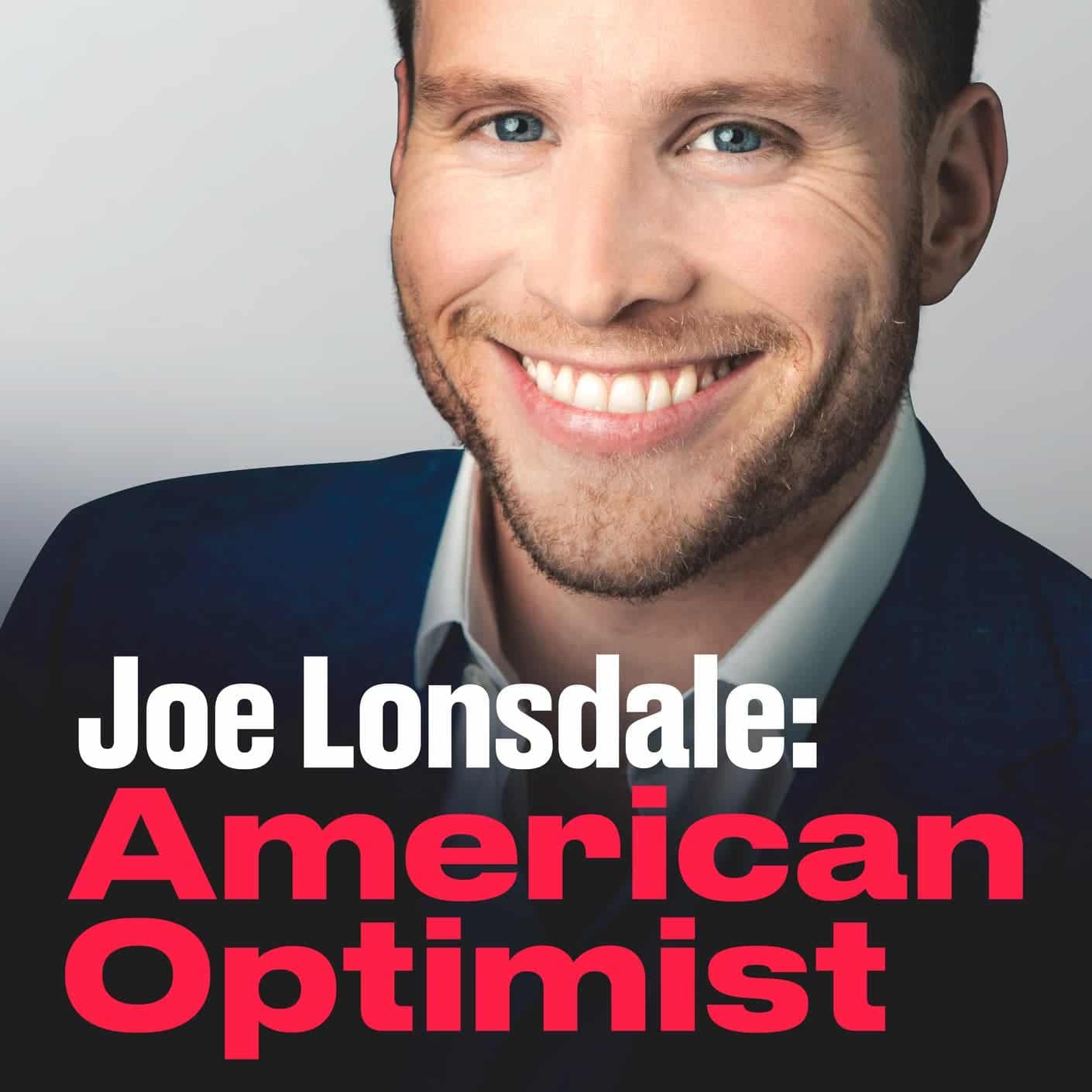
Podcast Notes: Joe Lonsdale: American Optimist - Episode 121: Reid Hoffman on AI Optimism & How the Democratic Party Alienated Silicon Valley
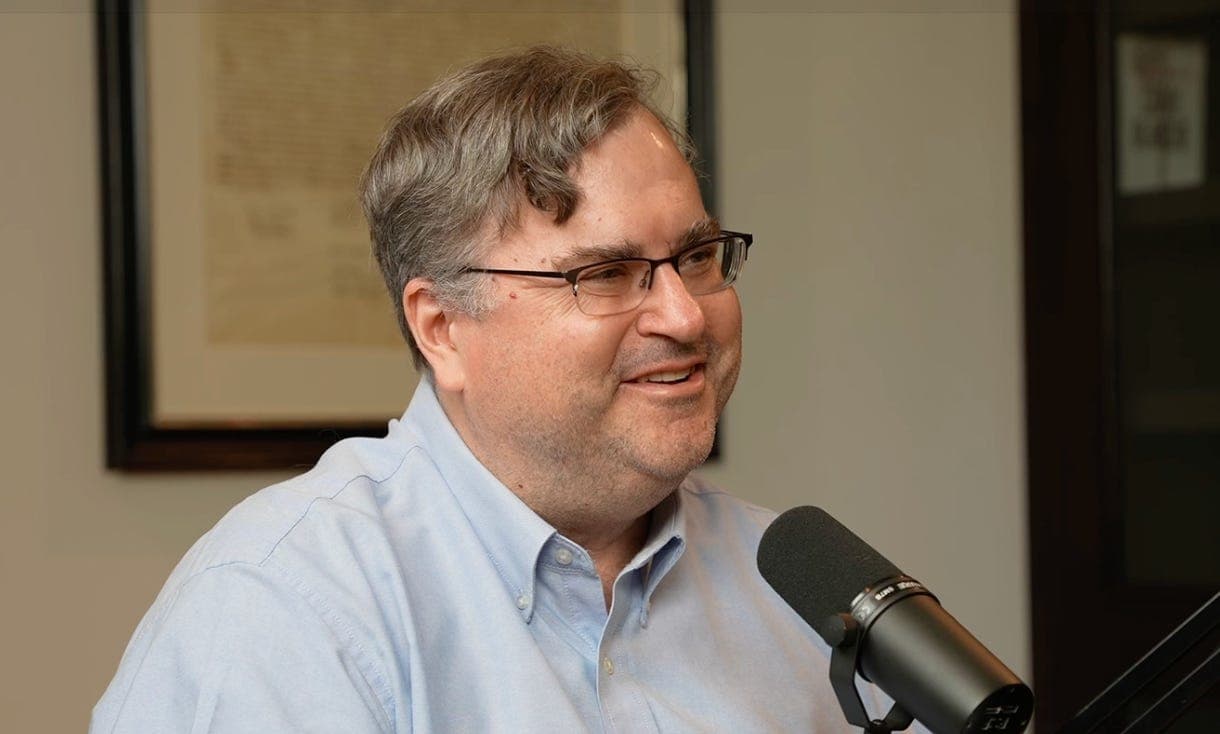
Podcast Overview Host: Joe Lonsdale Guest: Reid Hoffman Focus: Discusses AI optimism, the intersection of technology and politics, and the challenges faced by Silicon Valley in relation to the Democratic Party.
---
Key Themes
- AI Optimism vs. Fear
- Hoffman's View:
- AI should be viewed as a tool for progress rather than a threat.
- The narrative around AI often leans towards fear (job loss, data privacy).
- Emphasizes a proactive approach to AI’s potential benefits: medical assistants, educational tools, and legal aid.
- Cultural Comparison:
- Discussion of how the fear surrounding AI mirrors historical fears about technological advancements (e.g., printing press).
- The Role of the Democratic Party
- Hoffman's Critique:
- The Democratic Party has alienated Silicon Valley by focusing on issues like diversity, equity, and inclusion (DEI) at the expense of innovation.
- Hoffman calls out how the party's approach may inhibit technological progress.
- Case Study: Autonomous Vehicles
- Mention of Hoffman's investments in Aurora (autonomous trucking), emphasizing regulatory challenges in blue states compared to red states that are more open to innovation.
- The Six Levels of AI Investment
- Investment Framework:
- Hoffman outlines a framework categorizing investments from energy infrastructure (Level 0) to applications and services (Level 5).
- Discusses where he sees opportunity in the startup ecosystem, with a focus on Level 5 applications.
- Education and AI
- Potential for AI in Education:
- Hoffman advocates for embracing AI in educational settings, suggesting AI can personalize learning and improve outcomes.
- Cites the need for educational reform to allow for innovation amidst union resistance.
- Addressing Special Interests
- Challenges to Innovation:
- Both hosts address how entrenched interests (healthcare, unions) resist changes that could benefit society at large.
- Discussion on how to combat these special interests and promote a culture of innovation.
- The Future of Social Media and AI
- Hoffman's AI Clone:
- Talks about his experimentation with creating an AI version of himself to engage in dialogue and explore new technology applications.
- Caution Against Misuse:
- Recognition of potential misuse of AI technologies, emphasizing the importance of responsible development.
- Political Landscape and Intellectual Diversity
- Cultural Shifts:
- Reflection on how political alignment in Silicon Valley is shifting, with some feeling alienated by the current Democratic platform.
- Importance of intellectual diversity in tech and policy discussions.
---
Key Takeaways
- AI as a Positive Force: Hoffman argues for a hopeful discourse on AI, focusing on its transformative potential rather than its perceived threats.
- Navigating Political Divides: The conversation emphasizes the need for bipartisan discussions to promote growth-oriented policies in technology and innovation.
- Importance of Innovation: Calls for a cultural shift in how innovation is perceived and fostered within political frameworks, especially in education and healthcare.
---
Conclusion The episode presents a compelling dialogue that challenges prevailing narratives around AI and politics, advocating for a more optimistic and collaborative approach to harness technology for societal benefit. Both hosts reflect on their shared commitment to innovation and the importance of dialogue across political lines to foster a better future.
Written by AI. May contain mistakes. Listen to the episode to check what was said.
Transcript
Automatic transcript. May contain errors.0:00AI is coming for humanity, AI is coming for our jobs, AI is coming for our data. It's all this kind of fear and paranoia, which is a normal human response, but an irrational one. What could possibly go right with your AI future? People misunderstand a little bit of what the general frame of the AI revolution is. We build it towards a better future, and you don't get the futures you want by avoiding the futures you don't want. You're involved in Aurora. Tell us about this. Autonomous trucking. Aurora, a company headquartered in California, but of course, in modern regulatory environment. Where are we driving our first heavy-duty trucks?
0:32Texas? Of course. The Democratic Party really did alienate a section of Silicon Valley. There's a bunch of things that red states are doing better than blue states, and we should learn from them. I think one of the things that makes great founders, entrepreneurs, and investors...
0:54The American Optimist podcast has been featuring a lot of my friends. A little more on the right recently, we've had Peter Thiel, Marc Andreessen, Dave Rubin, Steve Hilton's running for governor of California. Just this week, we had Russ Vaudon, who's Trump's OMB director. I decided, let's try something new. Let's go over to one of my old friends on the left, Reid Hoffman. Reid is very controversial in right circles because he's been a major Democratic donor, but he and I also have a lot of things in common otherwise. We're both huge techno-optimists. We both see how AI is going to lift up hundreds of millions of lives.
1:26I think Reid would agree with me that there's lots of special interests, even on the left, trying to stop this from doing great things. How does he react to that when we talk to him about it? What are the areas of policy we disagree on and agree on this? And how are we going to get AI to be an optimistic future? What is Reid building in this area? Let's hear from one of the great builders of Silicon Valley. Welcome to American Optimist. We are very lucky today to have Reid Hoffman with us. Reid, thanks for joining. It's a pleasure to be here. I think we've known each other for quite a long time.
1:51At least 10 years. Yeah, at least 10 years. I was a little intern a long time ago at PayPal, but I wasn't senior enough to interact much with you then. But we've gotten to know each other in other contexts. We generally are like fighting when it comes to politics, but it turns out we agree on a lot of things in tech and in policy as well. Yes, 100%. So you're a partner, Greylock, chairman of Village Global. You have your podcast. It's very popular. You have a new book, Super Agency. I love the title of the new book. It says, what could possibly go right with our AI future? That's a good subtitle for American Optimist.
2:17I want to get to AI. What's exciting about the future? But before we do that, I want to go back to PayPal a little bit. It's interesting. All these characters are bigger characters these days than it used to be, whether it's Elon or Peter or David Sachs. Or you or me. Yeah, it's true. Or you or me as a junior intern there. And now I'm not going to say it's not as important still, but it's a great group. What was unique about that culture? What was your, in your explanation in your mind, for what brought those people together? What do you have in common? Well, it was a set of different things. You know, I got, when Peter and Max founded PayPal, each of Peter and Max said, okay, who's my closest friend who understands startups?
2:53Let's get them on the board. So for Max, it was Scott Bannister. For Peter, it was me. And so I was like at the very beginning when the two of them founded the company, joined the board, and then later joined the company as an executive. And part of the thing that they did masterfully was getting people who are just intense learners, intense risk takers and agents, and not interviewing of, have you had 20 years of experience previously doing this? But are you really, really thinking and working hard at doing this problem, being technical, etc.? And so, that's kind of the set of the culture. And there were just tons of things that I learned from Peter, from Elon, from Max, from David.
3:36There were things I learned from each of them. And I thought that kind of intensity of learning in terms of how we were doing things was simply amazing. So, it's more substance-based and experience-based, of course, what I've seen Peter is very focused on. Do you think a lot of them are still learning at a really high pace today? Do you think it's harder to do that when you've been doing these things for 20 years differently? I would generally say so. I mean, I think one of the things that makes great founders, entrepreneurs, and investors is kind of an infinite learning curve and a commitment to it.
4:04And so, you know, it's part of the reason why, like, for example, you know, the vast majority of us are all very focused on AI these days because of that same thing. And you have to be learning new things to do it. You can't say, oh, the tech patterns of 10 years ago, I'm just going to roll over and kind of start applying them now. That's lunacy. I mean, part of what's so exciting about what you and I and they do in technology is you have to reinvent the game every three to five years. And that reinvention of the game is that you have to have this learning cycle in order to do it. So before I jump into that, one more question on PayPal.
4:37So PayPal culture, you know, as big tech became ascendant, these cultures seem like became a little more monolithic, a little less intellectually diverse. Was there something about PayPal that would prevent that from happening? Or was it just like everything shifted a certain way over time? And do you actually think intellectual diversity is important in these cultures? Do you agree that they became too monolithic in some ways? Well, for sure, intellectual diversity is important, but it's what's most important in each of these cultures is that they're truth-seeking cultures and that truth-seeking part of learning what is their game.
5:08Now, each culture is different. So I do think that there's a coherent PayPal culture that's different than a Microsoft culture, that's different than a Google culture, that's different than an Apple culture. And each of these cultures are wildly different. And it's part of the, like there's these truisms, aphorisms that we have in Silicon Valley, like A players only hire A players and B players hire C players. And, you know, we use that as a heuristic, but it's not all A players. Like it's the A players at PayPal who would be massively successful there are not the same players as the A players at Apple who can be massively successful.
5:39So you actually get these areas of coherence and cultural identity. Sometimes you have characteristics that irritate people. like for example you know the like apple is very command and control i don't know how much you know about their culture but almost all the decisions are made by executives by long memos written their way all the way to the top which to you and me as entrepreneur people seems it drives us crazy yeah drives us crazy right so but there's a reason why the cultures are different and there's reasons why they match to different kinds of play and different kinds of excellence that get to scale ecosystems it feels like the paypal culture you're actually supposed to maybe argue and debate and have really strong opinions a lot more than that one.
6:19Yes. And I don't think you are at Apple, really. Yeah. It doesn't seem like it anyway. No, it's very interesting. So, what could possibly go right with our AI future? And we're all having to learn, again, everything's new in the last three or four years about what's possible. First of all, what are the best arguments for AI optimism? There's a lot of people who are afraid right now. What makes you so optimistic? So, part of the reason I wrote Super Agency is because as you and I both experienced the dialogue is like AI is coming for humanity, AI is coming for our jobs, AI is coming for our data, you know, and it's all this kind of fear and paranoia, which is a normal human response, but an irrational one.
6:54And so it was like, no, no, the way we get to our amazing future, which we have, by the way, the dialogue around AI is very similar to the dialogue around the printing press, you know, et cetera. It's like, no, no, we build it towards a better future and you don't get the futures you want by avoiding the futures you don't want. You have a vision you know what you're going for. Now, as you and I know, we are line of sight from a medical assistant that's 24-7 on every smartphone for every person who has a smartphone. That's huge, right? Lots of people do not have easy access to doctors, easy access to clinics, easy access to emergency rooms.
7:32Big, big deal. And even in countries where you have single payer systems, imagine when you had a medical assistant that was on the phone that said, oh, no, no, I'm going to jump the queue. You're going to be in there tomorrow morning. This is really important. Or no, no, this is fine. Let me help you with it. And you can check in six weeks later. Medical assistant, tutor, legal assistant. I mean, just all of these ways of elevating humanity. And it's part of the advice I give government officials because it's help people see the benefits they're going to get from AI so they're not just focused on what are clearly going to be a lot of job transformations.
8:07But it's like, that'll be hard, just like the industrial age, but also beneficial in the medium and long term, just like the industrial age. Let's talk about the healthcare one a little bit more, because I think this is, I do a lot in the policy world. And, you know, I think it's interesting because the way you talk about it is very similar to how Mark Andreessen talks about it, who's obviously he's gone really into the Trump administration and different politics. But I think we all agree this is really good for us if we can deliver better healthcare much cheaper. Healthcare is 20 % of our GDP, give or take right now.
8:36There's a lot of market failures in healthcare. You know, it's interesting if you're in a red state, the health systems are in control. And if you're in a blue state, the health systems are in control. So, these are very powerful interests. They'll be on whatever side they need to be on to lock out competition. So, it seems like it's going to be a huge battle. And it's as weird, it's going to cross party lines. It's going to be like the innovators and the people who want cheaper healthcare and better healthcare against this like really powerful special interest. You see it this way too? Like, what are we going to have to do to fight this battle and win?
9:03Unfortunately, all institutions, including large companies, tend to want to set up the system such that they are enshrined in power and control. That's a regulatory regime is going out of control. That's large companies that sometimes if they are too embedded with politics, you know, affecting regulation in order to do that, healthcare is the canonical one because there's all kinds of things. If you or I were given kind of like a carte blanche to say, here's things we could do to change drug discovery process. Here's things we could do to change the creation of an AI medical system. Here's things we could do.
9:33like for example you were talking about companies but plaintiffs attorneys associations here's things we could do powerful yes here's things we could do to change legal liability to enable innovation that helps americans american citizens there's just there's a long list in each of these things and it's really important to do and it's one of the things i'm you know frankly you know i'm always hopeful for can we can we kind of roll back for example medical liability in selective ways to allow for innovation, for allow for startup. This is dangerous for you because these are big donors to Democratic Party.
10:06Are you sure? I don't think they only donate to Democratic parties. They donate to both. But they've two more than left. I don't know. Maybe. They do. They do. But that's fair. But they're very powerful interests. And sometimes, and by the way, I think people should get sued and have to pay money if they're negligent, right? Of course. But they make things infinitely expensive by having it be ridiculous, right? And by the way, this is also like, for example, like, why is it so expensive for companies to go public? because we allow essentially wide-ranging plaintiff lawsuits against public companies.
10:35We actually want more companies being public. We want people participating with that. We want to allow plaintiff lawsuits but have fixed lanes for them. Another example of this, the head of the California Labor Union, I think, attacked me personally in some random tweet for supporting autonomous construction. And this is something I'm very optimistic on, actually lowering costs for everyone. It's just like obviously positive sum. But of course, we're going to have attacks like this. In this case, it's a core stronghold in California. What do we do against these? There's going to be coming from both sides.
11:05Do we have a responsibility to fight back on our own side when they're crazy like this? Well, actually, I mean, look, I try to fight against these kinds of... Look, I think it's a very good thing that there are institutions that are trying to advocate on behalf of, call it middle-class American workers, including unions. But unions can get it wrong. I'm frequently, on whatever side I'm on, fighting back against that, whether it's a autonomous vehicles, whether it's autonomous construction, because that is, in fact, the future. And an abundance, I'm sure you love it as well, is exactly right. And it is funny to sometimes talk to an occasional Democrat who goes, I'm for abundance.
11:41You understand that this is a change in regulatory posture, part of which there's a bunch of people on both parties who have incremented that regulatory structure. Well, they want to keep the regulation to help their own company. Yeah. So it's like, no, no, we have to factor back the regulatory structure in order to enable it. And like, for example, if we're not looking for automation, that's how we get GDP growth. That's how we get prosperity. Construction, awesome. Transport, awesome. You're involved in Aurora. Tell us about this. Atonement trucking, I think a big early investor. Is it starting to work?
12:14Like, what do you have to do there? Well, I mean, look, so Aurora, a company headquartered in California, but of course, you know, in modern regulatory environment, where are we driving our first, you know, heavy duty trucks? Texas. of course right and look it's it's it's it's we should be doing more of this like i yell at california people say we want this in california too because that's actually going to do that's going to unlock incredible amounts of productivity it's going to unlock basically like safety i mean there's just lots and lots of reasons so we've got the first heavy duty trucks working on routes in texas and it is awesome what's it going to take so this is interesting because i have a lot of friends who, even though they're on the left, when I have something innovative in policy, we'll usually get it done first in a red state and then bring it to the blue state.
13:02What's it going to take for the blue states to let you do these things there? Like, how's that going to happen? Well, I send everyone a copy of Abundance because, you know, Abundance, you know, while you could argue that it's written from a progressive standpoint is very clearly, there's a bunch of things that red states are doing better than blue states. And we should learn from them. We should do that. We should say housing prices and construction, exactly what you're mentioning. Regulatory, allowing things like, for example, autonomous vehicles to develop and get better and learn from it and deploy it.
13:32That's part of how you're part of the future. And so, you know, whenever I meet with a blue state governor, I point to these things. So, do you think there's an argument that people like you should maybe be backing pro-innovation abundance candidates on the left, if you're on the left? Is there a way to do that more? Are you doing that? Oh, I certainly do that. I mean, look, I'm fundamentally more of a centrist than anything else. So it's kind of like I dislike the extremes on both sides. And so, and you know, you know, you know me, just about everything I say and do is about innovation in technology and the economy.
14:02Let's talk also about AI, inflection AI. You built this with Mustafa Solomon. I think there's a big bet on personal intelligence. I think you got acquired by Microsoft. What were the lessons learned there? So we were right about chatbots. And so, but we got the timing a little wrong. We launched five months after ChatGPT. If we had launched just a little earlier, maybe it would have been better. And there's a limited number of startups that are going to be able to do the scale compute infrastructure that is required for frontier models, right? Not zero, right? Then we're going to open AI, obviously moving the scale, Anthropic, et cetera.
14:38But it's going to be a very limited number that's going to be doing the mega computers in order to do this. Zuckerberg is like, I saw this thing, it slides in Manhattan he's planning on building now. Have you seen this? It's like, no one's going to be able to build these. It's crazy. Yes. And by the way, that's still a good thing because that scale compute. I mean, I think people misunderstand a little bit of what the general frame of the AI revolution is, which is scale compute of learning systems that learn off mass amounts of data with scale teams doing them. And that's essentially the unlock that we've had with revolutionizing, adding intelligence to everything.
15:10Like we're going to add intelligence to these microphones. We're going to add intelligence to the lights. We're going to add intelligence to the cameras. There's going to be intelligence everywhere. It's going to be a really, really good thing. And some of that will be done through massive scale computers. Now, the reason why people say, well, is it only going to be the Microsofts, the Googles, the Open AIs, the Anthropics? Actually, I think everyone's going to win because I think startups can do applications. Startups can do distilled models. Startups can do things off open source models. I think there's going to be a bunch of different things.
15:37That's part of you're in my business. We invest in startups. but I think it's going to be, I think it's one of the mistakes we made with inflection was, oh, we're going to go after the scale compute side. And that's something you should be very careful about doing if you're a startup. That is very hard. I guess Elon did it right, but he had to raise a lot of money to do it. And I don't have any inside information, but I hear like a billion dollars a month is an expense line. Difficult as a startup. I was having this debate a little bit with Peter the other day. I don't want to mischaracterize substitution but here's i think if you use framework you'll be telling what you think so so so a lot of people are investing in ai uh they want to be in part of it i have like there's six levels level zero is energy and all the energy infrastructure level one is chips nvidia level two is data centers level three is like all the model companies right which is the meta and google and x is that a thropic level four i'd say is software infrastructure which is like horizontal to deploy ai uh and you can argue palantir is kind of level four and level five for me is actually the applications and services, like directly doing the services in the economy.
16:38And so as a venture fund, most of what I'm doing is level five right now. And I think that a little bit of level four, but I'm worried level three is going to eat a lot of level four. And that's the question. And I'm curious if that is similar to how you think about it. Well, I do think, I think it's generally speaking, most of our business should be focused on kind of level five with elements of level four out of this framework. But it's also that contrarian, but right, like if you find an interesting chip company, You might go, oh, I'm actually going to do this one. It could be something level one that's still worth doing.
17:08Yeah. So you can actually do level one. Or for example, it's, oh, actually, everyone's really focused on this narrow set of techniques, you know, mixture of experts with LLMs and, you know, neural networks or diffusion models. And if you find something that's different. Then way to deploy it. You know, then you might go, okay, I'm going to operate in different levels. We call it a level four or something to do infrastructure, this spiel miss. Because I have done a few level four things. Like we were in Olama early on. I don't know what it's worth. It's amazing. Everyone's using it. Yes, it's great.
17:35You're building a law investing a lot here. Tell us about Manus AI because that's an application layer company for this. Well, sort of. It does have application because the one thing about the framework is companies can actually have a combination of them. So like no, Manus is not going to go try to build a 700 billion or a trillion parameter model. But it might build a model still for what it's doing for drug discovery. Exactly. Right. So it's still going to do models, but it's going to be doing this kind of specific thing with specific data and using other models as a way of doing it. And that's part of the thing that is the reason why it's like, look, as you know, when the whole flood of everyone's moving this way, be very careful about moving where the whole flood's moving.
18:15Look at where the other interesting things are. And so part of, it was like three or four years ago, I went to my partner's gray lock and said, there's going to be a ton of coding agents. There's going to be productivity software. There's going to be, you know, kind of a robotic process automation. There's going to be all this stuff that's great. I'll help you on investment. on it. What I really want to look at is the areas that most people in Silicon Valley are not looking at. And I actually think drug discovery could be one of those areas. I talked to Sid Arnamukarji and he said, okay, cancer is the totally right focus here.
18:43And by the way, because I'd known Sid as the Pulitzer Prize winning author of Emperor All Maladies, a celebrated international oncology researcher. It was news to me when we were at dinner at a sushi restaurant in New York when he was like, you know, I brought cancer drugs to market. I was like, no, I didn't know that. Oh, let's talk about how this could work. And that's how Manus came about. Can you tell us any more about it? Like what's the progress or what are we going to do? Well, we've got some very good progress. We've hired an amazing CTO, although we haven't announced that yet. Right.
19:16And we've actually got even, we've made so much progress that we found some interesting drug candidates already, even though we haven't finished our tech stack for possibilities for things like triple negative breast cancer and other things. And so it looks very promising. I love it. I love it. We're doing it. We're doing a lot of AI applied to bio too. It seems like just one of like the purely good things for the world for us to understand this stuff and save lives. I guess you've been doing interviews lately with your AI twin. Can you tell us a little bit about this? What's that all about? Well, so, you know, similar, I think in the ways that we think about things, it's like every technology, there's a way that you can apply it well, as well as always applying it badly.
19:56And part of what we're trying to do as techno optimists say, how do we shape it? So it's applied well. So you have this technology that most people call deep fake and deep fake is kind of like, boy, that just sounds like it's bad. So I was like, all right, well, let's start experimenting with it and see how it can work in better ways. And literally like my staff was like, Like, oh, no, everyone's going to hate this. You know, it's going to seem like, you know, you're creating a deep fake, et cetera, et cetera. And I'm like, I am, but it's of myself and it's transparent. And I was like, well, let's just make it as a conversation.
20:26Like the very first one is I'll have a conversation with it. Like, well, we'll just do that and see where it goes. I mean, it's literally just raw experimentation. And you just gave it all of your writing, all of your everything. Yeah. So we did a custom chat GPT model for the read brain. We did 11 labs for The Voice. And then we're changing. It was our one initially. But as different models happen, we're doing different video. Do you give it your emails too? No. Too much. No, too much. Too private. Yes, exactly. You know, read AI should know my emails. It's not that I would necessarily be opposed to it as much as I didn't need to in order to get something that was good.
21:08And for example, here is the kind of thing that's very interesting as you start just experimenting. It's one of the reasons why as techno optimists to say, how do we do small experiments in order to learn how to steer to get in the future? And that's part of the thing that's great about innovation on startups. And it was like, actually, in fact, I gave last year a speech in Perugia for an honorary doctorate. And then I had Read AI give the same speech in languages, because I really only speak English, in Hindi, in Chinese, in Japanese, in Italian, and talk about human connection. It's like, well, here's a good use, right?
21:44And I'm sure there's many others. That's very interesting for your global PR is to have your own AI just read things in our language. I hadn't thought about that. Yeah, exactly. And my voice, it's really funny. You're listening to like, I've never heard my voice speaking Hindi. I've never heard my voice speaking Japanese. And it was like, wow, it is clearly my voice. I hope that's not too bad on the accent. I was told I had a Southern Indian accent in Hindi, but it's like, okay. We're going to have to try this from American Optimist to see if we can get some listeners in Hindi or something. Yes, exactly.
Read the full transcript
22:16I've been a little bit afraid of making an AM model myself out in the wild. because I guess people could probably get it to say some pretty bad things, right? Yes. So, I haven't put it out in the wild for this exact reason because there's a whole group of hackers who they wouldn't care if it was Joe or Reed or anything else. They just wanted to say crazy stuff. They'd particularly like it if it was Joe or Reed, in fact. Yes, exactly. So, I'm trying to figure out how to make an interactive read AI work and so that's still a TBD. So, stepping back, let's go into policy a little bit. This is dangerous again because we have a lot of things we disagree on, but I think we surprisingly have a lot of things we agree on on this stuff.
22:49And so for one, one of the areas we mentioned healthcare earlier, education is similarly, obviously it seems amazing. You can build a whole ontology of what people need to learn. And you have people doing this like Jill Lamont with Alpha. I'm sure you've seen many others. And so I'm, I think we're both really bullish on what AI does for education and America. There's lots of industries where you can have something better and it wins in education. We have very strong special interests to kind of stop good ideas from competing and winning. A lot of us are trying to put in things like parental choice, school choice, which we think will accelerate AI adoption massively in the areas you have it because it allows better solutions to win and parents can choose those.
23:23That seems unfortunately a very right-left issue right now, which I don't like because the biggest special interests are the teachers, unions, and the left. And so how do you think about this from your perspective? So I've helped a bunch of friends like Reed Hastings, the charter schools, because I actually think that having the diversity of working on it is actually extremely important. And so that kind of how do we have multiple shots, learn what's really good. You know, I helped. That's key. Yeah, exactly. And so, you know, I helped the Khan Academy on a whole bunch of things, including Khan Migo and a bunch of others.
23:52So it's like, how do we be doing tech innovation to make this work? And it is a problem, you know, with a subset of, you know, a set of unions where they go, I want this job not to change at all. Technology changes the job. We have the best learning technology we have created in human history. It's more important than the book relative to a learning technology. And so people say, well, we shouldn't allow our students to use this. Like, no, no, we should be encouraging them to use it. We should be figuring out how it is. Now, one of the things I think is funny about, you know, kind of like where people say, well, like I get forwarded these studies.
24:27See, when people are using these AI models, they're offloading their cognitive ability and it's causing them difficulty. And I said, well, look, those studies are not very thoughtful because it's like, sure, if it's really easy and I can go type in and get the essay from that versus I have to do all the work. part of intelligence comes from laziness, e.g. that'll do the easier one. But if you have like educational assessment, like here's one of the things I think a small number of years, call it three, five, how is assessment going to be done? It's going to be one-on-one oral interviews with AIs.
24:59And by the way, if you had chat GPT, write all your essays and you didn't actually learn anything while you're doing it, when you go into the oral examination with an AI, you're going to fail. And the oral examinations will actually be harder than the schoolwork that you and I went through because part of being smart when we went through college was, ah, we figured out the three questions were likely going to be in the exam and we really prepared for them. We didn't prepare for 20 questions. That would be inefficient, right? Well, now with oral examinations, you don't know. You just have to be ready.
25:28And in terms of like getting this to the most people in the most effective way, let me give you another example I like. So Roland Fryer is a - Oh, great. You're a great, great, amazing guy, right? I literally was just talking to him last week. I love him. I love him. So one of his studies he did a long time ago was, he comes from the inner city himself as a black man. And he went to these kids who were underperforming and he tried to test what interventions would work. And it turned out after trying lots of things, actually paying the kids for good grades worked way better than everything else.
25:55It turned out a lot of them were smart enough. They just didn't have any incentive. They didn't care. And so he showed that. And then so others, so there's some of these schools taking this now and putting it into the AI schools and doing it with incentives. And it just seems like it's working so well. And it turns out this is like something that all the administrations, all the teachers unions, they just hate. They'll never do it themselves. And so the only way we're going to get it done, the same way that your autonomous trucks are in Texas, is by building these schools in places like Texas, where we're allowed to.
26:19I've tried to build them here. You can't build them here yet. And that's starting to work and work and work. And so it seems like that freedom model is just better in this case. I would totally agree. And actually, I should go ask Roland about the incentives. Because precisely when people are saying, oh, how do we get adoption of AI amongst young people? It's like, well, pay them something in order to do it. Like, for example, have a result. whether it's give directly or anything else. It's like actually direct cash incentives are very handy. Our whole society works on them. I'm going to take this one step further.
26:47I want you to push back on me here because we've viewed these differently. So, a lot of people in tech, as they start to encounter these things, and there's special interest on both sides, but there's a lot of stuff around like a focus on things other than merit that tends to come from the left, in our view. There's a lot more things focusing on merit and growth and punching through and trying new things. And I think that shifted a lot of people who I know who maybe would have called themselves modern Democrats before who are, some are even to the right of me now, which is pretty extreme. And if we're honest - You said it, I didn't say it.
27:16But it's because they really do care about like growth and innovation and merit and like not spending too much time for just signaling. Like, have you noticed this too? And like, what's going on with all of this? Well, I think the, look, and I regret this and wish it didn't happen, but I think the Democratic Party really did alienate a section of Silicon Valley the tech people, whether it was attacks on crypto, whether it was, you know, kind of just attacks on big tech, you know, all these things. And one of the things that I think Silicon Valley kind of shares is this like deep view that the way you make massive progress for humanity is creating scale technologies.
27:51And the principal way of creating scale technologies is companies. And so if you're attacking that and limiting it, then you have all kinds of problems. Now, Now, you know, and obviously just like you got crazy people on both sides. So you got crazy people saying, no, no, no, no. We shouldn't allow any technological progress until you have the exact proportionate of races and genders and everything else. And it's like, no, no, no, no. You're never going to have that. Yeah. Progress in technology. It's fundamental. And it's only it's loud voices. But the loud, crazy voices that this is part of the reason why, like, how do we get people working together in the center is like one of the things that you and I really agree on.
28:29because the loud, crazy voices, those are just not helpful. And how do we achieve that on the left in terms of making our country healthy again? Because for people like me, Frank, it's very scary. I actually don't want to have to spend as much time on politics. I don't want to be scared. And I agree there's things that I don't like on the extreme right too. And it's fair. And I know that's what you'd probably rather talk about more from your perspective. But I think Sam Alman said the Democrats gave up their culture of innovation and entrepreneurship. And there's these people like Mumdani, like others who are very extreme.
28:56How do we combat this? Well, let's take kind of what's going on with universities as an example. So, I mean, my principal critique of a lot of the stuff is it's being too incompetent and destructive in terms of the process. So, for example, you could do the current way of how you're attacking Harvard and say, I'm going to withdraw funding. I'm going to disallow international students for coming. I'm going to like do a whole bunch of other things, which are going to cause a lot of damage, including NIH funding, science, medicine, etc., which I think is a huge catastrophe. But what I would have done with a similar concern is I would have said, OK, here is we're going to tell you that you're going to get no more federal money unless you, for example, produce a report about diversity of thought on campus and what you're doing to enable it and promote it, how it affects students, how it affects faculty, how you're getting a broad perspectives here.
29:49we have these concerns about, for example, that ideologies might be very destructive. We'd like to hear you publish a report on that and what you think about it and what you're doing and start that way. I don't know if you'd agree with this, but to me, when I see those schools, there's a couple of things. One is that the administration size has tripled over the last 20 years. And these people tend to be, there's been reports showing them tend to be more extreme than professors. So very extreme group of 10 ,000 people. And then the thing that really gets to me is there's these departments that determine what postdocs and professors get to come there.
30:17And once the department gets captured, they kind of don't let anyone else in. So you have entire sociology departments, anthropology departments, history departments, where even if you like happen to like believe in markets or think the British empire wasn't all bad, you're probably not allowed, right? And the question is, I mean, how does it even get fixed? You can write a report, you could talk about it. It seems like you have to change the structure of how it's run to let people in there, right? There are structural changes, but like if you just take the report mechanism I suggested as a first step, like you could add the questions of, are there like give me an answer by department and publish it what you're going to do by department yes yes exactly because then by the way we put it out in the discourse like if someone then publishes well our department believes in critical race theory and we don't want to have any conversation with anyone who would possibly critique it okay let's go to the next step right because diversity of thought discussion intellectual discourse that is what's fundamental to universities.
31:12And anything that questions that is a real serious problem. And so that kind of thing I think is very important. And then by the way, similarly, I think we've all noticed the administration bloat in kind of universities. And it's like, okay, justify your administration costs. Why is this not less? And by the way, if you don't publish the report on it, make it so that everyone can see it, then we'll cut off funding. This one's actually very funny because when you really ask them, their best response is the government's requiring all this administration. But then I'm like, okay, you guys, they're running the prime education.
31:46They don't want you to be doing it. Could you tell them what they could do differently? But the real answer is they don't want to tell them because they like having all this administration. So it's interesting, you know. Yeah. And look, I think that's the kind of thing that, for example, you're accepting public money. That should be like what you're spending on overhead should be public. There's the right way and the wrong way to go about things. I think there's a lot of pent up frustration and anger that's leading to very aggressive attacks, which maybe there's slightly more nuance you could use in how you do these things.
32:11Look, I think the general problem is this is almost like Star Wars. Like when it's motivated by hatred or motivated by anger, you should try to calm yourself and be reasonable as you're getting into it. Whatever side you're in. That's a good Yoda. That's a good Yoda. Yes, exactly. I appreciate that. It doesn't mean you're wrong, but you don't want to be acting out of anger. You want to be stepping back. Because you'll probably do some wrong things when you are. Yep. Okay. Well, I think that's true of everyone on both sides. On both sides, for sure. This is not a... I've seen it on both. That's good advice.
32:43I want to talk briefly about the growing anti-Semitism in the US. Just I'm curious your thoughts. I've spoken out against some of the people that Joe Rogan has chosen to platform without pushing back and some of the stuff Tucker seems like he's gone off the rails. There's the stuff on the right that I'm actually speaking out against and I get a lot of attacks. Some of it may be from bots from Pakistan, but I think some of it really is from people on the right who don't like that, you know, Matt Gaetz and everyone said, oh, you can't attack them. Obviously, there's probably a lot of stuff on the far left, too, at the universities.
33:09I tend to think that Ibram Kendi critical race theory stuff was bad because, and I'm curious what you think. I think if you define oppressed and oppressors as an important framework and you say, okay, the reason, for example, that these African-Americans aren't doing as well is like because they're oppressed, you can't say anything else about any cultural or things to fix. If you say that, then you kind of also have to say, well, the reason Jews must be doing better, they must be oppressors. because it's, so if you look at it, like 19 and 25 year olds have gone through the system who have these frameworks.
33:37The majority of them have problems with Jews right now, which is terrifying to me. Like, what do we do to fix this? How do you think about it? So, well, one, I mean, I think part of the reason why the Jewish minorities always tend to be very successful is a high focus on education. I think that's a really good thing. You know, say, hey, how do we get ahead by studying, by being good? We want that everywhere, right? Not just in kind of Jewish culture. I do think that the notion I find and look, I've gone and argued against a lot of kind of lefties who are like saying, look, the only like, for example, they say, you know, Israel is committing genocide against Palestine.
34:18You're like, no, it's not. Genocide is something different. You could say there's civilian casualties in some ways that the war is being promulgated. That's really suboptimal. You can argue about that. Yeah, you can argue about that, but it's not genocide. And so, and to use that kind of rhetoric is the kind of thing that then creates, you know, kind of hatred as per the Yoda and Star Wars thing. So, it's like, no, no, do not do that. I mean, like, for example, when we saw that kind of dumb testimony, you know, in front of Congress about, well, you know, depends on what the word genocide means.
34:54Like, no, no, like genocide bad. advocating genocide bad right um and so i think what's important is to say look we have to we have to think the the value of life the value of of of good discussion the value of truth seeking is really important and one of the things i love about america is that we are like it's we're melting pot it's like bring people from multiple traditions multiple ethnicities multiple religions and you should commit to that. Like, so for example, I have an issue with religions that say other religions bad. It's like, no, no. Like part of being an American is we have many religions.
35:36And it is interesting because I do think there's something healthy about having a tribe and having identity. And part of the natural nature of a tribe is it's going to say ours is the best and other ones are worse. I think maybe to some degree, that's actually okay because you want to have an identity, but you probably shouldn't be like attacking and hurting others. As long as you say it's okay, like the principal question i ask people on a religion thing is do you believe that there can be good people of other religions who are deserving of personhood and respect if the answer is yes i have few problems if the answer is no i have lots of problems yeah yep and i and i do think not to go too deep into this there are probably some religions that say it's okay for the government not to be under our control whereas there are some parts of some religions say we have to control the government which to me is also a bit of a problem it turns out the u.s works well because you have to have multiple religions.
36:21So you can't have one religion and control the government. It doesn't work. Yeah, exactly. As we wrap up, a couple of things to end on here. One, what advice would you give to young entrepreneurs, young builders? Where should they be focusing on the AI wave? Well, the advice I give all people is start using it, right? A lot of people talk about AI and don't use it. So start using it. You and I know that essentially it's going to transform just about every industry because we're going to have co-pilots for everything that involves language, information, et cetera. And even like a steel mill has financials, sales, marketing, supply chain analysis, all of which involves language, all of which will involve AI, even if you don't get an AI that reinvents steel process.
37:03Who knows? And so now what that means is if you're a startup and you're not fundamentally using AI for what you're doing, what planet are you on? Is the sky blue where you live right so start engaging start using um start deploying is there so you don't see start playing with it as well i don't know for me for me i don't i always learn by play i feel like we've all play like my daughters i'm trying to help teach them how to like make games with it i think i think it's really fun everyone should be vibe coding i mean look here's one of the things that most people don't realize like when you say there's a co-pilot we're all going to have a software engineer co-pilot like if you're going to be a a a professor of english you're going to have a software co-pilot helping you do what you're doing.
37:45If you're going to be an accountant, you're going to do that. If you're going to be a lawyer, you're going to have, everyone's going to be using software. Yes. I love it. And I think we're obviously both very bullish in what's possible with AI. What do we have to all do to get there? What's the best case for non-specific future? And what should you and I and other leaders be doing that brings that about? Well, I think the key thing is getting mass adoption. Like actually, my big worry in the competition with China, look, there's all kind of worries about like, will we move fast enough? Will we be aggressive enough?
38:17Where will the right models be built? What does it mean for the five layers you talked about and all the rest? But actually, one of the things that made this little tiny island called Britain a world empire is they embraced the industrial revolution early and thoroughly. It wasn't invented there. They They embraced it. The adoption of this really matters. We care about like our children, our grandchildren, the adoption of the AI industrial revolution, what I call the cognitive industrial revolution is very important. So, getting that adoption is, I think, key. I love it. And finally, I want to ask, obviously, PayPal was this unprecedented collection of talent.
38:53And do you see any courts of talent emerging like that today? Like who are the next leaders in Silicon Valley we should be looking to? Well, obviously, you know, easy for us, for ex-PayPal alumni, PayPal, that was great. It was, of course, amazing. But like OpenAI, I mean, there's already been multiple multi-billion dollar spinoffs of OpenAI. You know, like one of the things we were doing at LinkedIn was essentially like funding open source projects and, you know, Confluent and other things. That's, you know, not as big as the OpenAI stuff, but it's still great. And, you know, J. Krebs, you know, did an awesome job there.
39:26So I think part of the reason why Silicon Valley goes is because some of these companies that bring together this really smart talent start factoring off that talent. And that's one of the reasons why like Annalise Exynion's regional advantage is so key about the not having, you know, anti-competes is because it allows that spinoff from a large company to go do that. And I think that's one of the things that made California and Silicon Valley what it is. That's how it works. We see it from Palantir too a lot. And so, the big winners, they're the ones that everyone comes out. There's a whole bunch of cool stuff coming out of Palantir alone.
39:59Well, it's a very exciting future. Reed, thanks for joining us today. My pleasure.
From the publisher
Reid Hoffman is a longtime leader in Silicon Valley and vocal AI optimist; he's also a major Democratic Party donor. What happens when AI runs headfirst into labor unions and key Democratic interests? Why is Reid calling out his party for alienating Silicon Valley? And can a divided country unite around a positive AI future?Join us for an important conversation at the intersection of technology, politics, and policy. An early member of the PayPal mafia, Reid went on to co-found LinkedIn and became a prolific investor as Partner at Greylock and Chairman of Village Global. He's also a Microsoft board member, popular podcast host, and author, most recently of “Superagency: What Could Possibly Go Right with Our AI Future."We begin with lessons from PayPal and the unique culture that united an iconic cast of characters. Then we dive into Reid's latest book "Superagency" and his case for AI optimism. Reid's enthusiasm collides with Democratic Party strongholds, so I challenged him on how he reconciles these conflicts and whether AI can win out over special interests. Case in point: autonomous trucks. Reid's a key investor in Aurora, which is based in California but launching its first trucks in Texas. Red states are increasingly the laboratories of innovation and growth, which Reid acknowledges and admits is a major challenge that he raises with blue-state governors. Next, we discuss the six levels of the AI investment stack and where Reid is focused, plus his advice for startups amid the scale compute race. We also explore the future of social media and why Reid is creating his own AI clone. Finally, we revisit Silicon Valley's pivot to the right and why Reid is calling out the Democratic Party for prioritizing DEI and identity politics over merit and innovation.We didn't focus the episode on our obvious political disagreements, but rather the areas where we agree: Reid is an optimist and shares that trait with a lot of my PayPal mafia friends even if he doesn't share our worldview. If we're going to accelerate our country into an optimistic AI future and lift up millions of lives -- which I hope to help achieve! -- then we need to have conversations across the aisle aimed at advancing pro-growth, freedom-oriented policies.
00:00 Episode intro
02:00 What made the PayPal Mafia unique?
06:38 The best arguments for AI optimism
10:59 Reid's optimism vs Democratic Party strongholds
14:15 Inflection AI & lessons for AI startups
19:53 Why Reid made an AI clone
22:54 AI tutors vs teachers unions
26:59 How Democrats alienated Silicon Valley
32:56 Pushing back on antisemitism
36:38 Advice for entrepreneurs in the AI age
This is a public episode. If you would like to discuss this with other subscribers or get access to bonus episodes, visit blog.joelonsdale.com