In short
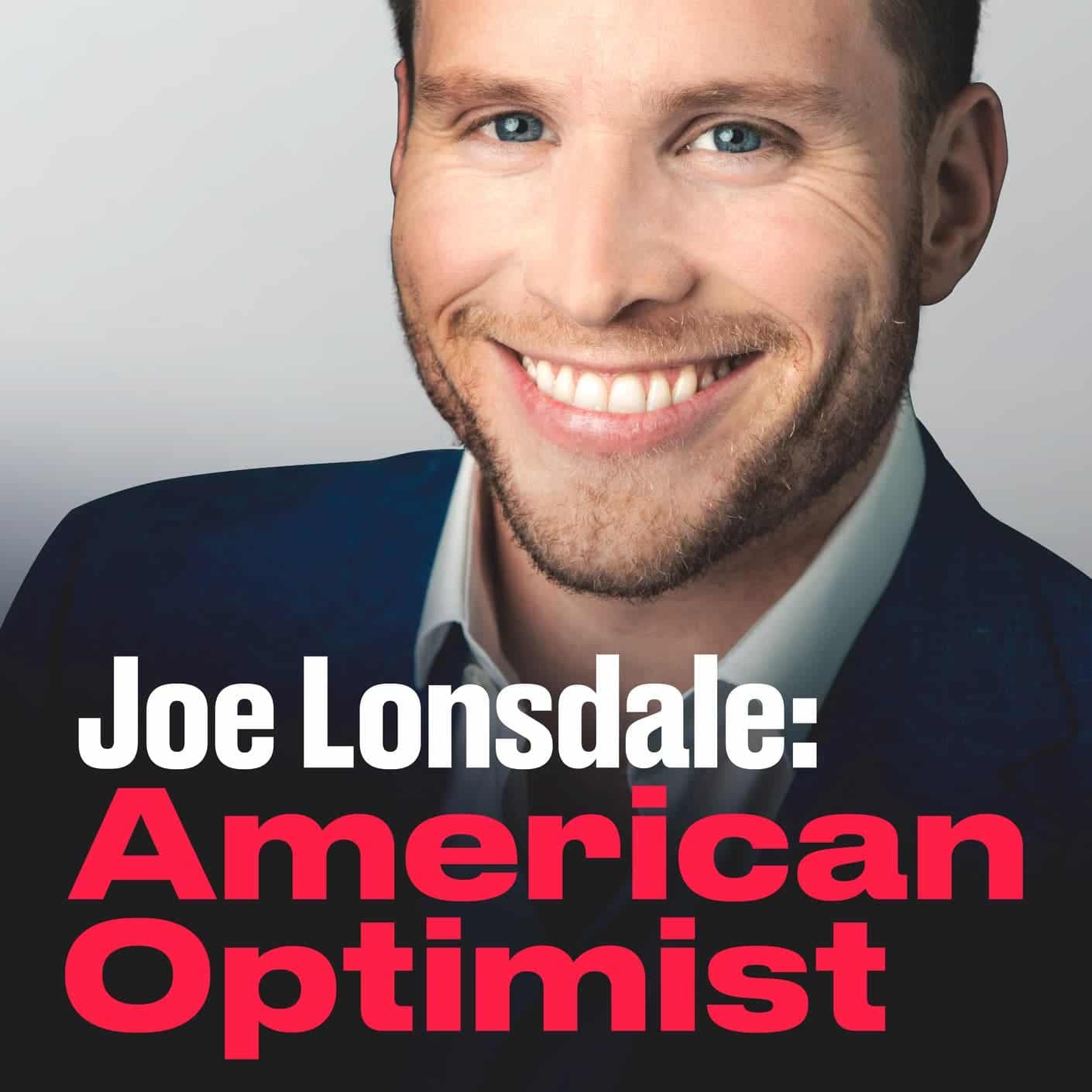
Podcast Notes: Joe Lonsdale: American Optimist
Episode 128
Hollywood Star Zachary Levi on Speaking Out for Trump, AI vs the Arts, and His $100M Texas Studio Project
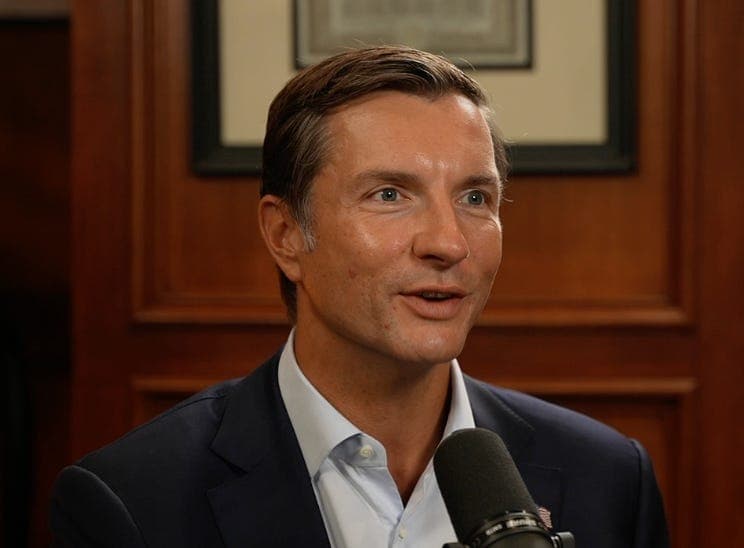
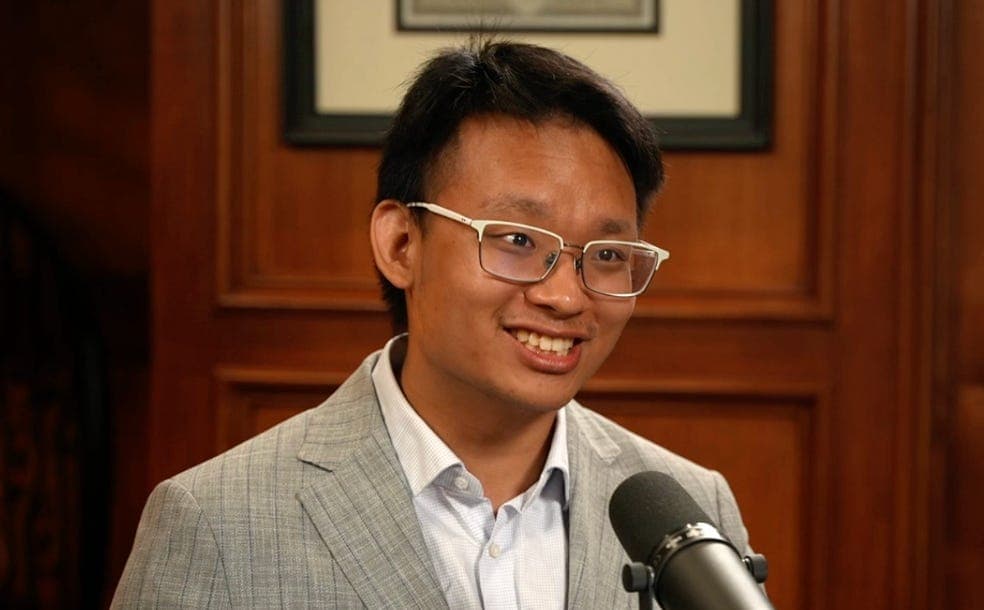
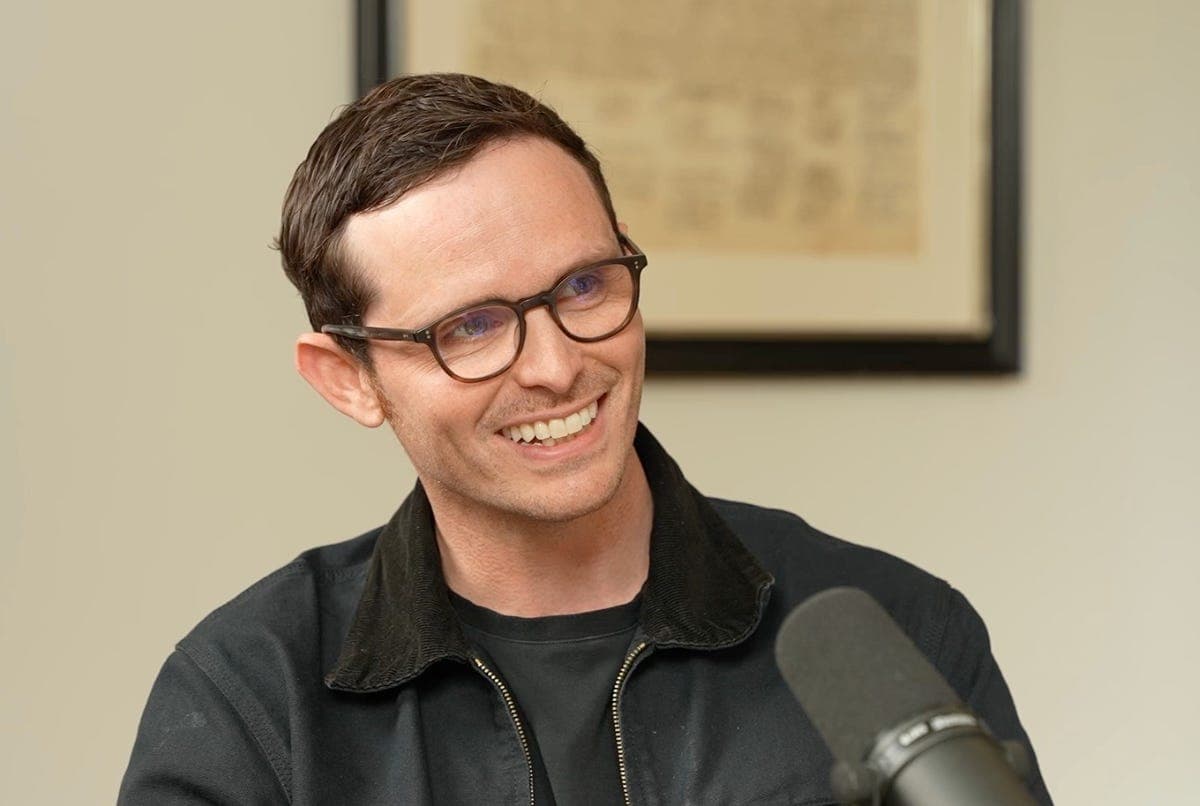
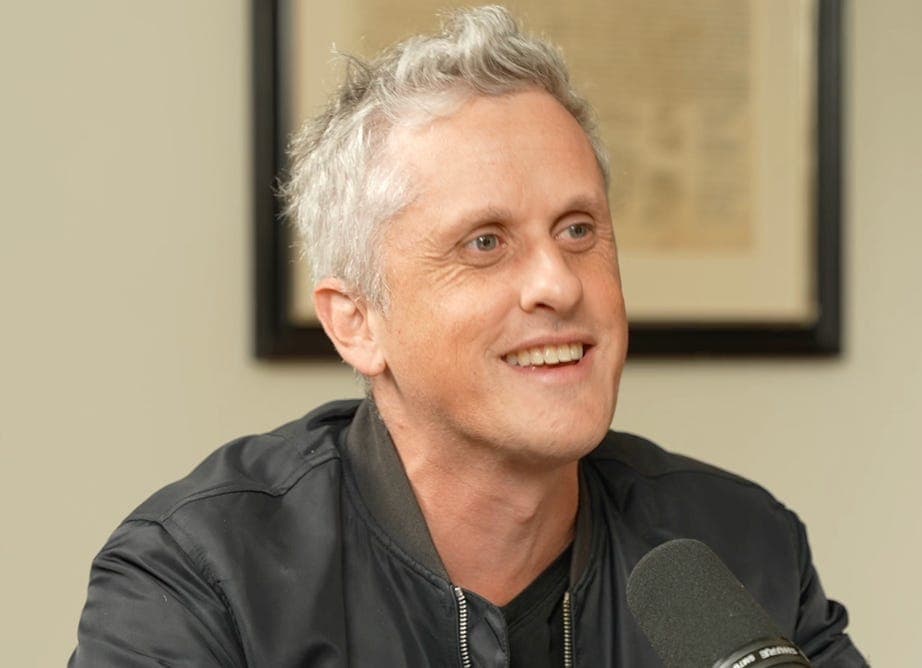
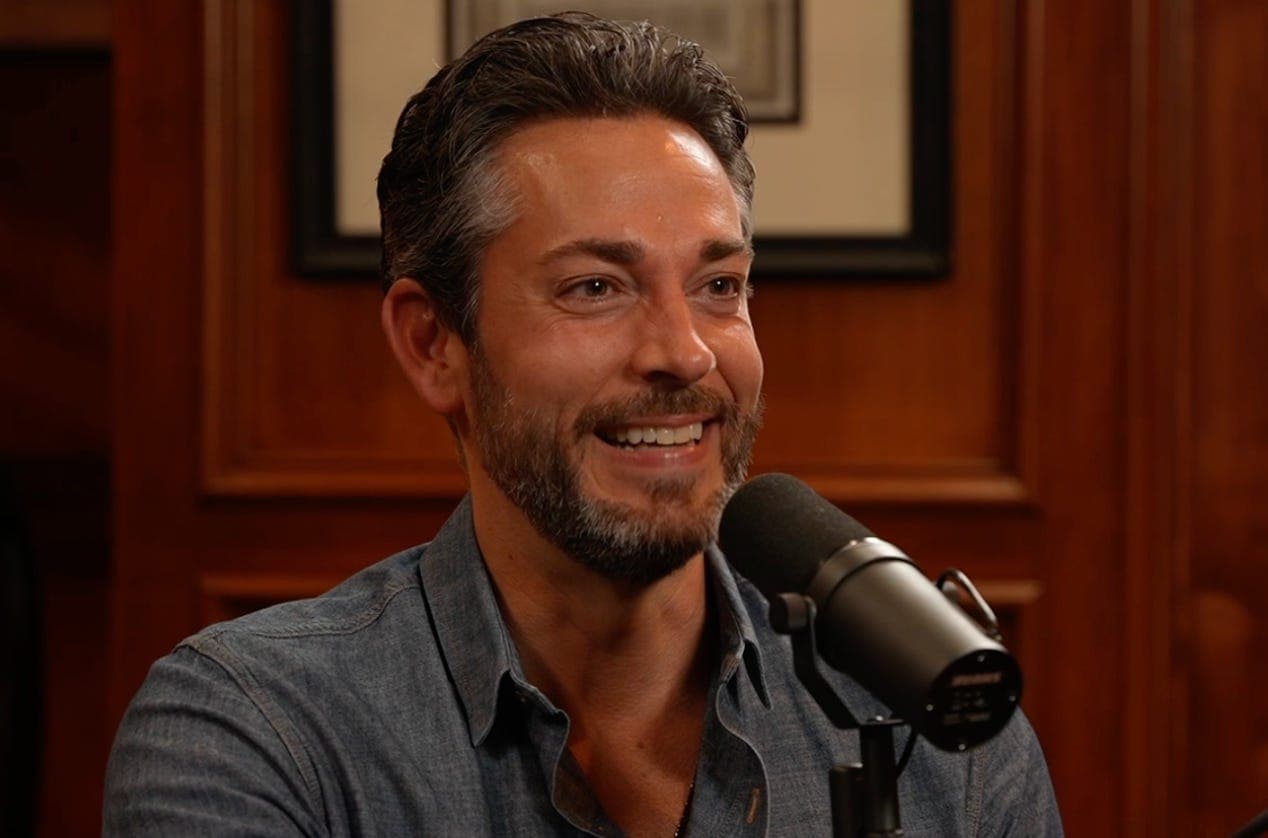
Episode Overview In this episode, host Joe Lonsdale interviews actor Zachary Levi, known for his roles in *Chuck*, *Shazam!*, and Disney's *Tangled*. The discussion revolves around Levi's bold political endorsements, his Christian faith, the implications of AI on the arts, and his ambitious $100 million studio project in Texas.
Key Themes and Discussions
- Speaking Out in Hollywood
- Levi discusses the courage it takes to voice opinions in an industry often dominated by a singular narrative.
- He emphasizes that principles should take precedence over self-preservation in the face of political pressure.
- Levi's endorsements of Robert Kennedy Jr. and Donald Trump are highlighted as rare instances of Hollywood figures taking a stand.
- The Role of Leaders and Truth
- The conversation touches on the legacy of Charlie Kirk, who is noted for his ability to engage with opposing viewpoints with truth and compassion.
- The contrast with the Emmy Awards, where no mention was made of Kirk, highlights Hollywood's capitulation to "woke" ideologies.
- Building a New Hollywood
- Levi introduces his studio project, Wyldwood, located outside Austin, Texas.
- The aim is to create a community-oriented space for artists that prioritizes great art and collaboration over ideological agendas.
- The studio is envisioned as a holistic community, offering hospitality and educational facilities.
- Technology vs. Humanity
- The discussion shifts to the impact of AI on the arts. Levi expresses concern that AI could overshadow human creativity and replace jobs in the entertainment industry.
- He and Lonsdale debate the role of AI in potentially enhancing creativity versus its risks of automation leading to job loss.
- Capitalism and Its Merits
- The podcast covers a discussion on capitalism, with Levi contrasting figures like Jeff Bezos and Elon Musk, noting the importance of using wealth responsibly.
- Both host and guest agree on the need for conscientious capitalism that prioritizes community and human values over profit.
- Opportunities and Challenges in AI
- Levi shares a pessimistic view of AI's potential to disrupt creative jobs, while Lonsdale adopts a more optimistic stance that emphasizes AI's ability to create new opportunities.
- The debate includes the future of jobs and whether AI will ultimately lead to a decrease in employment opportunities or if it will foster new types of work.
Key Takeaways
- Courage in Advocacy: Speaking out against prevailing narratives in Hollywood can have significant personal and professional risks, but Levi believes it is a necessary calling.
- Community-Centric Art: The need for a new Hollywood that prioritizes community and artistic integrity is urgent, especially amidst increasing ideological division.
- AI's Dual Nature: While AI presents exciting possibilities for creativity and efficiency, it also poses existential threats to traditional job structures that need to be addressed proactively.
- Optimism for the Future: Despite current challenges, both Lonsdale and Levi express a belief in the potential for positive change driven by community engagement, responsible leadership, and innovation.
Conclusion This episode of *American Optimist* serves as a reminder of the vital conversations happening at the intersection of culture, technology, and personal values. Levi’s insights encourage listeners to reflect on their roles in shaping the future of art and society amidst complex challenges.
Written by AI. May contain mistakes. Listen to the episode to check what was said.
Transcript
Automatic transcript. May contain errors.0:28We're not stopping AI. Beyond that is why I moved to Austin to build a new type of Hollywood. What I'm building at Wildwood is not just a movie studio. It's also a living community. I believe that we are called to be both deeply empathetic and deeply logical. You're like a conservative hippie, aren't you? A little bit. Yeah. A little bit.
0:51My daughters know Zachary Levi as Flynn Rider in Tangled. He's a really popular actor, has been in a lot of great movies and shows. and he's done something Hollywood doesn't usually do. He's spoken out for other values. He's spoken out for his Christian faith, for President Trump and RFK when he thought that was important. He's building a new studio that represents his values here in Austin, Texas. It really gives me a lot of optimism for America when I see some of our leaders from spaces like Hollywood willing to show the courage, willing to build the new things that we need for our society to push it forward.
1:21We have very different views on some things. He and I had a great debate on AI in the show. It was really fun to get to know Zachary Levi. I think you'll enjoy meeting him too. Welcome to American Optimist. Zachary Levi, thank you for joining us. Thanks for having me, man. Happy to be here. You're most famous as an actor from Shazam, Tangled. I think Chuck was a TV show we all saw. You also, you're an author. You wrote Radical Love, Learning to Accept Yourself and Others. And you've been speaking out lately and having opinions, which I love. Well, particularly because they're on the same page.
1:48That's fair. I actually like debating with people too, though. It's good when people have an opinion. Brother, me too. Me too. And I know we were just talking about it a second before, But this is, you know, one of the one of the things that Charlie brought to this world. And it's and it's the thing that we need to continue to carry on. We need to carry on spirited, loving debates so that we can bring people to a middle ground where we can all be working together for a better world. So, yeah. Amen to debate. That's all of our jobs. And so, you know, I have a bunch of young daughters there. Fans of yours are excited to meet you, I think, from Tangled, especially.
2:16Oh, sure. My eight year old. She had one question. She's because most of the roles you do are like that one are very family friendly. She was unsure if it was responsible for Rapunzel to be dating a career criminal. all she asked me if that was a good decision uh that would be the writers i guess i don't know but i will say though i mean i mean that's an excellent question and it's funny but um but it is you know i've always found flynn to be kind of like the han solo of disney princes right it's like why would princess leia you know date han solo or even be you know interested in was because while they might be career criminals on some level it's because they there's a redemption arc in them right it's like deep down in those characters there is a good man it's just that they needed that love of a good woman or something to instigate that that kind of change that evolution in who they are so and it makes for good storytelling you've had your first child recently i did yeah yeah he's uh nearly six months old right right now his name is henson ezra levi pew and he is just the dreamiest man i mean i've wanted to be a dad since i was a kid I knew it was a part of my identity, like in my bones.
3:22I got a lot of catching up to do with Mr. Six Kids over here. But and it's it's it's not exactly what I expected. It's far better than I expected. But it's but it's a lot of the things that I did expect it to be in that. And you can attest to this. They are the greatest teacher, the greatest mirror. They're the greatest, you know, reflector of, oh, who am I? What are the choices that I'm making? how can I be a better individual in this world? How can I lead them better? And also just like watching them and be like, oh gosh, like that's me. That was, was that what I was like for my parents? Like, oh man, do I have a lot of, you know, explaining and repenting to do, but you know, he's six months right now.
4:04He's finally, he's getting his first teeth and he's still that dreamy little, little, you know, little baby. I love it. It's 14 months this week for my son. Oh wow. So we're having fun with it too. How old is your youngest? Pretty young. The last two we used is ours but we used the surrogates and so it's confusing okay so so we have like four normal away and then and then we had a boy and a girl they were only like not quite nine months apart actually i ended up not sending out a notice for the very last one because i felt awkward because it's like people would all reply like what's going on here yeah how did you have babies so wait a minute they're not twins but they're like real close like some health issues but we still wanted to have more so we sure so we kept going yeah yeah i think it's beautiful man yeah he's like you know i'm really happy to have them all so yeah we're probably done six is a lot i love I think you're saying we're probably done.
4:46I mean, my wife's sort of in charge here. Yeah, yeah, yeah. At this point, it requires science, so we'll see. Yeah, sure. We'll see. And I don't know if it's tied to the thought of having a kid or family, but you've shown a very unusual courage in your industry lately. I think it is courage where maybe it's your Christian faith, maybe it's something else, but you actually came out and actively supported RFK, supported Trump, something that very few people in Hollywood have done. I know a lot of people in Hollywood who agree with you and who are good friends, who are very famous, who just stay totally silent and they think they have to for their career.
5:14Like what gave you the courage? How did you decide to speak out? Well, you know, I think that there are just more important things than one's career, I guess. Right. I think that we live in a society, in a world now that has been so safe.
5:37And yeah, it's just been so safe that I don't think a lot of people have even considered this idea. other than people who go into the armed services and who are operators or whatever right but we haven't had real danger real like life-threatening um you know uh global things going on that have been dragging us as a people into constant on our own soil type of wars for a really really really long time nothing's been existential to us 100 and i and i think that we've not that i think that self-preservation is a bad thing but i think that when you make every decision based on your own self-preservation you're missing out on a greater calling in your life and i don't want to die i don't like you know i don't think charlie wanted to die obviously but charlie understood that there are some things that are more important than even protecting your life and for me it's a far cry you know losing one's life is the ultimate sacrifice losing your career is a pretty big sacrifice.
6:35Fortunately, despite my best efforts, I still am getting hired by some people in Hollywood. I haven't been officially or entirely blacklisted. But even if I was, I believed that, I do believe that we all have a responsibility to stand up for what is right. We have a responsibility to stand up for what is true. And also it's not always easy, right? Like Trump is a very polarizing person. I don't like all of Trump's Trumpiness. I don't think you need to like every aspect of a candidate particularly when we're being offered only two yeah a lot of times this is just uh you know you having to really eat the chicken and spit out the bones right people people forget that because you can get really angry on the right at the very worst things kamala does you get really on your left the very worst things trump does and we're not none of us are necessarily supporting the worst things no we're not we're not and and i think that you know i think for anybody on the left to they don't like trump because of you know certain actions personal or professional or whatever that is i get it i understand kamala is not some paragon of integrity right now she might be better at hiding it a lot of the people on the left are are way better at that kind of showmanship or that that you know oh you know that shaking your hand with one hand and stabbing you in the back with the other i mean this is just politicians in general typically right right or left or you know what have you there's a lot of these things that are going on so i immediately i'm not looking at either kamala or trump and thinking i'm going to vote on these guys based on how good of a person they are because i don't know most people don't know i don't know all the things that are going on behind the scenes with trump or with kamala but i can look at what they're providing as far as how they see our country how they see the world and what their policies that they want to enact how those would trickle down seemingly and what do i think ultimately would be better for this nation and sometimes you got to do that holding you know holding your nose with a vote or whatever i know a lot of people like you were mentioning there's people that you know people i know very famous people in hollywood that are intelligent enough to recognize that that's the way they needed to vote but they also So we're like, oh, but I don't know what this will mean for my career.
8:50Now, you know, could I have exercised more caution or wisdom in all of that? Certainly. But also, if everyone does that, if everyone is just like, oh, I know this is true. I know this is probably what I got to do. Well, then one side loses because no one will speak out at all. Because nobody speaks out. This is what I was faced with in tech. I've been speaking out for the last 10 years more than others. and certain people try to come at me and counsel me. And it's actually really good when you can speak out and you can still succeed though, because then it's even more powerful. Absolutely, absolutely.
9:23And my goal and my hope is that, you know, through all of this, through all the bumps and bruises and whatever, that people will see my heart and they will understand that just because I voted for this man doesn't mean I endorse everything about him. I was given two options. We were all given two options. And I think the triage, you know, something that we all learn early on as children, or at least I did. I remember being in elementary school and we're learning about, you know, you know, medics and, you know, things like, oh, there's a fire. There's an earthquake. Like, what's triage? Well, triage is something we need to apply to everything in our lives.
9:54Like, what is the most important need followed by the second, the third, the fourth, so on and so forth? And I find that on the left side of the ideological divide, I think everything's important, right? I think that every single person is important. I think we're all God's children. I think that we need to value everyone. And I think it's worthy of having conversation, debate about every issue that we have. But some issues are just simply more important in the list of importance. And so when you have, for example, you know, trans rights to me, do I think that there are trans people in the world?
10:33but absolutely there are people that identify as that that's a whole other conversation of is that mental illness is that real is that a spiritual thing i don't know i'm not a doctor i'm not going to get into all of that but i can say even just on the surface level of it the amount of trans people in the world is significantly smaller than the amount of people that are that are affected by the open borders and the poisoning of our food our water and our air which is everybody right so i got to look at those two things and i got to say okay well there's this group here that feels marginalized and but they're they are a small group of people who are fighting for what they're fighting for let's have that conversation happy to have that conversation and do that in love and also do that in logic i think a lot of times logic i believe that we are called to be both deeply empathetic and deeply logical if you are all empathy with no logic that's bad if you are all logic with no empathy that's bad yeah and so i'm happy to have those conversations but it's like you got to address well what is who is bleeding out the most right now where is the most amount of bleeding the bleeding was we have an insane problem at our border with millions of people that are coming over many of which are decent human beings looking for a better life but amongst all of them very very very bad actors who are murderers and rapists and so on and so forth our house we have out in california five of the neighbors got hit last year by cartels basically there's stuff like that was happening everywhere exactly and that affects everyone so should not we then prioritize the things that are affecting affecting everyone and then we work our way down to other things that are affecting a smaller group of people and it's interesting because i think there's some rational people who honestly just want to help trans people i do think there's people who who use the issue to try to try to get power and i think it's the same thing with uh criminals across the border people who really want to stop criminals coming across the border and then people who like use it to get power and so it's always really hard like who are you talking to because sometimes you know on the trans thing for me uh i think i probably fall more where charlie kirk falls that it's more of a mental illness is my view although although i i can't say i'm 100 sure about that you know but it seems that's that way it does seem like like there's certain places where like one girl will be that way and then like five more girls in the class will have it it seems like it's a contagion but yeah and there's things like that it seems like people are taking advantage of that for political purposes but at the same time doesn't mean you should you should necessarily make someone feel terrible for no and that's why i think we're called to whether you're a christian or buddhist or jew or whatever it is like i do believe we ought to all walk in love right now Now, love doesn't always mean you have to like somebody.
12:59I think that loving, the best definition I've ever heard is to love is to will the good of the other. You want to will their good. That doesn't mean you have to be their friend. Doesn't mean you have to like them. You don't have to have them in your life. You want to see the best for them. Yes, you want to see the best for them. And if you really do start there, then that means how you approach that person comes with, I think, a kindness. It comes, like a lot of times, you know, Charlie could get angry. Charlie could get a little dismissive sometimes. But a lot of the time, I think most of the time he would see somebody so long as they respected him and we're not trying to gotcha Charlie, he would sit there and he would he would talk with them.
13:31He would be kind with them. And even though he vehemently disagreed with, you know, whatever their conclusion was about why they were trans or why other people might be trans, you can still have that conversation and you can do that in a love. You can do that in kindness, regardless of where you stand on it. But there are certain things that are just statistically correct, at least from my perspective, which is that you cannot just have open borders. I don't care what country you are in. I find it ironic when, you know, people who are all about like there shouldn't be borders and everyone should be able to just come in here.
14:02And then you were to ask them like, OK, cool. Are you OK if people just move into your home right now? Well, no. I mean, I don't want was like, well, OK, this is where the fallacy is. If you're not willing to say if you're saying no property, nobody should have private property and nobody there shouldn't be any borders except for me in my house and all that stuff. Well, that's very hypocritical. And so this is where I think a lot of the issues lay. And then for me, you know, supporting Trump really came down to I was supporting Bobby. I believe in him and continue to believe in him and Tulsi Gabbard just, you know, to the ends of the earth.
14:33I think there are incredibly human beings who are truly fighting the good fight all the time. and so for bobby you know i i if bobby would have been on the kamala ticket which never would have happened but hypothetically if he would have been on the kamala ticket there might have been a chance that i could have voted on that ticket because bobby more than anything needed to get into the position he's in right now to clean up where we're at with all of these pharmaceuticals with our food with our water with with everything right like that affects every single person straight gay trans queer doesn't matter all of that is poisoning everybody so that's something we needed to address i want to jump into the maha stuff because i'm super interested um it's interesting when we started chatting we hadn't even mentioned charlie necessarily before but it's just so natural that all of our minds and he's a friend of mine this is a very tough week on that um it's interesting the emmys just happened and they talked about a lot of the things going on in palestine of course all the left-wing signaling there's no mention of charlie at all is that is that weird i mean is Is that just what you expect, I guess, of Hollywood?
15:34It seems like very strange when it's something that millions of people in our country are struggling with. It's a big issue. And it's just they don't even mention it. I mean, I think it's unfortunate. I think it's sad. But I don't find it shocking or weird. I mean, it's Hollywood. Listen, I have a lot of love and respect for a lot of the people that were at the Emmys and that are in my industry. However they feel about me, I still have lots of love and lots of respect for that. So much talent that's there. but as you said in the same way that people who that you know who are in that industry voted for trump i can't talk about that there are people that feel very badly for charlie and for his family and for this country for that matter because of what happened but they know based on the programming based on the the media spin and everything that if they were to get up on that stage and say i just want to call out that it was really tragic what happened to charlie kirk and i I, you know, I call us to, you know, a call to end political violence and may we pray for each other or something like that.
16:35That person would have been lambasted. Really? Oh, absolutely. Because even trying to make a neutral statement just because people hate him so much. Yeah, because in Hollywood, that's not a neutral statement. In Hollywood, Charlie Kirk is an extension of Donald Trump. Got it. Charlie Kirk was a huge part in getting Donald Trump elected. I mean, a massive part in getting Donald Trump elected. and getting Bobby together with Donald Trump, which is a big part of getting Donald Trump elected. So they can't extricate that from each other. They're not able to look beyond that. But what they can do, in part because they might believe it and in part because it's a virtue signal, they can go on and they can talk about things that have been deemed acceptable to fight against in Hollywood, like free Palestine and things like that.
17:20Walk me through this a little bit because I guess Reagan was an actor in the 50s and 60s And he was a big leader who helped fight against the communists and the unions back then. That was a really big fight in Hollywood. Gosh, I guess it was 60 years ago now. Like, when was Disney pushed to the point that it started injecting all this far left stuff and a lot of the things it does? One of these institutions, a lot of our institutions kind of got conquered. And we talk a lot about that in our society. Like, when did this happen to Hollywood? Why did that happen? Is it possible to reverse it? Well, I mean, I'm actively trying to reverse it.
17:49But I have found that the only way to really battle that is not, you're not going to be able to try and turn the Titanic. Like it's too big a boat. It's too big a boat to try and get any of these major studios to really come to their senses and recognize that somewhere along the line, they've been compromised. Somewhere along the line, ideologically, something got in there that then they started to go along with. I think in, I want to believe that for the best of intentions, right? These things, Jordan Peterson talks about this. When you're trying to usurp something, when you're trying or, or, or rather incept something, you don't just take it a hundred yards.
18:33You take it five yards and then you get pushed back four, but now you still got a yard on that. And then you take another five to get pushed back three. And then it's incremental, right? So nobody came in swinging and saying, you got to use all this woke ideology. They started with little bits of just kind of, well, what if we just did this? And what if we just did that? And some of it, I think, was in the spirit of diversity, in the spirit of equality. Yeah, you do want to support gay people and black people and all these things that are nice. All of it. All of it. But when you start to, I think, lose the plot and now you are, again, very small part of the populace, you are catering to this little part of the populace, still human beings, still worthy of God's love.
19:19But when you are now putting a bunch of that type of ideology into your cartoons or to your movies or whatever, you are now actually compromised. Right. So, but the, I don't think that you can, listen, everyone can go boycott, you know, plenty of people, Bud Light, right? Like people went crazy and they boycotted Bud Light and Bud Light, Cracker Barrel. How's that one? Like, holy crap. I got reversed right now. I got reversed real fast, real fast. But I think that's also because even the moderates are kind of seeing a lot of this now. Even the moderates are saying like, wait, wait, what are we doing?
19:56Why? You know, it's crazy. But I think that the best way to combat that is truly, and this is what I have been actively trying to do, is why I moved to Austin. To build a new type of Hollywood. So you're building a new studio. Yeah. Tell us about it. What's it called? Yeah. W Y L D W O O D. Uh, you can go to wildwood.com. We're actively raising money now and, you know, finding partnerships and all that kind of stuff. But, but ultimately the long and the short of it is 25 years ago, I started working in Hollywood. I believe that God called me to do that. And it very much came true. I'm 18, 19 years old.
20:32I'm beginning to work in Hollywood. I'm like, Oh my gosh, this is all happening. This is amazing. But immediately I was confronted with the reality of what Hollywood was. It's a very, very broken system. And I, God created me to care about humans and excellence, like, like to care about other human beings and care about excellence. And, and that's very difficult when you're working in an environment that doesn't really, in my opinion, by and large care about either of those things. Hollywood is not a place that values the artists or values the audience. Therefore, you know, the excellence that we're giving to the audience.
21:03It seems to value the top artists, but just not everyone else, huh or not even them really but i don't know that they really value those i mean one could argue that maybe they do but they're not valuing them because they actually see the value of the human being yeah they're valuing them because they sell tickets yeah it's not the dignity of the person it's not yeah they could use someone up and throw them out exactly exactly and so i was apoplectic i was so angry and i was so heartbroken i was like god why would you call me into this industry and i really very very i felt god talk to me not audibly but as it as god will speak to us in our soul and the answer was zach i've called you into this because it is broken because it needs there needs to be a better version of this that does value the humanity of the artists and their art and therefore the excellence and therefore valuing the audience because you are giving them what is and it doesn't all have to be wholesome it doesn't all have to be you know family entertainment or kids or whatever but may it be excellent number one and may it not be infected with a lot of just ideology to push us toward destinations and might i add i i believe that across the spectrum like i don't really i think there's been a lot of like let's say christian movies or christian art that's horrible it's really not good quality stuff and it's because they were relying on the ideology of it thinking well this is enough it was ideology first not the art first exactly exactly and also but also i don't mind if you have ideology that underpins it But why do you have to be so heavy handed about it?
22:32You don't have to say Jesus every other word. Not every movie has to have an altar call. You can, in fact, some of the most profoundly, let's say, Christian or godly symbolic movies don't even touch that. They're movies that are bringing people in through the entertainment. And through that, you are infusing really good moralities, really good lessons. That is the way we ought to be doing things. And so that's the kind of studio that I want to build. It's not going to be G-rated Christian conservative. If anything, it's a very libertarian type of a studio where people like myself and people that would be a counterpart on the other side can work together in harmony, agreeing to disagree on wherever we might stand politically, but coming together to co-labor and co-create really excellent things.
23:18And more than that, trying to solve for lots of other brokenness in Hollywood, or not even just in Hollywood, in the world. like what i'm building at wildwood is not just a movie studio it's also a living community it's a it's a you know it's hospitality it's schools for our kids like i when i was 19 i'm looking at the future i'm looking at all of these people that i knew they were older and had kids and they were all getting shipped off to all these different places to save the money to save the studio's money for like filming incentives and whatever it was but when they would do that because traditionally everything was shot in la so you didn't really have to leave and then all of a filming incentives start popping up and you're having to look at your spouse and your kids and be like, Hey, I love you, but I'm going to see you in two months.
23:58Cause I got to go live out here now. And the amount of marriages that, that broke up because of that, the amount of community that gets broken up because of that. And so I think that to be able to create an environment where I can wake up, I can walk my kid to a school that by the way is actual education and not indoctrination. And then I can drop them off and I can walk to work and then I can coordinate our work schedule and his school schedule so that I can meet up with him at lunch and we can throw a ball and we can talk about what are you learning at school today and then I can go back to work and he can go back to school and we can have a true community a true ecosystem of differing opinions differing lifestyles but everybody agreeing on certain tenants you know like the people that live at Wildwood all you know part of the HOA would be hey no no child who lives at Wildwood is allowed to have a smartphone before 16.
24:46I love that end of story we're doing that with our kids oh yeah by the way so i especially have five young girls it's like oh yeah oh my god it's horrible the programming that's coming out of it but the problem is that even if you do that at home no no you have to the school they go to has to be the same thing because otherwise if they're if they're 12 year old friend girlfriends on it and they're all hanging out yep then you're then your daughter needs it or she's a weird one exactly no no so it has and even if they even if you never could be like and give them that phone they'll watch it on the friend's phone that's true i mean this is why little boys like it's terrifying the average age of young boys finding discovering and using pornography is eight years old eight years old like that's younger than i didn't realize it's insane it's insane now are do they become addicts at eight years old do they even really understand what it is and i i don't know about that but they should not be looking at anything close to that for well really ever but for a long long time a long time right like i want to go back to the studio i'm curious because there's lots of other values that that i'm passionate about i'm curious how you're thinking about it one of them so i used to love science fiction a lot yeah i still do but i used to really love how like a lot of american science fiction was really optimistic on the future was always painting these like really cool worlds and really beautiful things we could build and just like technology was going to like innovation was going to lift up humanity and lead to a better world and i didn't always agree with everything in star trek but it was fun i was a star trek fan right it was interesting right and and now most of the time especially the last 10 or 15 years like all the science fiction is more dystopian and it's a negative future and it's dark and it's critical and it feels like it's really bad for western civilization if we can't tell stories of how innovation can like lead to something that's more positive and lift all of us up and i'm curious what you think about that because it seems really important to try to tell optimistic stories for us to actually lead to somewhere optimistic well listen i mean i i don't disagree most sci-fi is a more dystopian take right um but it wasn't always that way 1950s was mostly positive well right i mean well i mean mean in the 1950s i think most things were mostly positive or right we were post-world war ii we were living fat on the lamb like we were like we're america like and we were much poorer then and we had much more suffering overall but we were optimistic in the u.s in the relative in the u.s like the houses were tiny people had real wages were like much lower the working class was it's like it's like we told ourselves not to make a story because we were still rich relative to 1900 but we were still very poor compared to today in 1950s well i don't know i mean i would i would be interested to go down that route with you because i think that while we might have been making a lot less money or or certain people were making less money the price of a home wasn't nearly as disparate right so like your average salary versus the average home price was way more in reach in the 50s than it was but homes were tiny homes were like this room or something and then we're next to and that's it well okay typical typical middle class family okay but how much home do you really need that's fair i mean i to be perfectly honest i wonder if the the the problem is less of uh we had too small a home then or or or rather that we all think we need so much more now and and i would i would cite um i don't know the exact study but i remember uh reading or scanning or whatever this fascinating study they did with heat signatures in people's homes where they did uh essentially like some kind of a drone where they actually spent time yes yeah yeah and it was like it was this it was in such a small percentage of their massive home so this is an interesting point so i so i'd argue in real wealth terms like the middle class working class are actually much wealthier even than the better off middle class people back then but in terms of our soul what we want and what we feel like we need and how we feel like we're doing there's like just like a much higher bar i don't know maybe that comes from social media maybe that comes from something else but it seems like we do feel like we need more even just to be okay yes it's marketing in general that has that has gotten us here i mean i really believe that capitalism i believe in i'm a capitalist but i believe in conscientious capitalism and i don't think that capitalism as it is right now is conscientious at all we've convinced everyone they need things they don't need exactly in order to make better margins and bottom lines and police shareholders and look at our spreadsheet and all that stuff as opposed to i think industrialists of old recognize that like hey we can make a lot of money but we're not going to cut all these corners and We're not going to brainwash people into thinking that they need this thing.
28:57We're just going to provide a great product or a great service and let the market decide whether or not we're doing that well. That's where the competition came in. But there's been so many levers and so many buttons that have been activated since then. We've created so many new products, right? But people like them, but you don't need them. But you start thinking you need them. You don't. You don't. And at Wildwood, my intention is to actually build a much more minimalistic type of life and experience. Like give people homes that are awesome, that are super dialed in. They got all the tech you could possibly want and need and even stuff that people don't think about.
29:29Like, you know, circadian rhythm type of things. Like imagine if you could just buy a home turnkey and the lighting that's built into that is all incandescent or some, you know, variation of that. I think circadian rhythm stuff is more important than people realize. Bro. So the light, these are not good, but the lights in my office up there actually like change to like a different frequency at night. Because otherwise my wife convinced me that it was like screwing me up. It is. But that's the thing. it is but most people i either don't know that or they don't know what to do about it so why don't we do that for them why don't we figure out a way so that when the sun comes up right your lights are adjusted with exactly the frequency you're like you're like a conservative hippie aren't you a little bit yeah a little bit i mean i think there's a lot of people in the maha i mean i know you say that in jest but but it's true listen man i'm very much about i believe that god really made such an incredible thing in this world and the problem or one of the problems is that we've lost touch with how incredibly made it was to begin with we add all of these things how we market to people how we do how we sell people things oh you need this and you need that when really what you need what we always needed from the beginning and what our ego was always like yearning for right like the ego is this incredible thing inside of us as a survival mechanism but it originally thousands of years ago or really up until even whatever but yeah there were five five basic things that we needed food water shelter clothing and community those are the only things that we need there weren't there wasn't anything else well i think i think maslow's hierarchy might include self-actualization in some sense too forever even back then you want to feel self-actualized maybe a little bit perhaps perhaps but i guess what i would say is that from a i don't know that that's something that the ego is asking for i think that that's something that the spirit is asking for i think that's that is a frequency with god because we're here to learn to grow to yeah i think i think being made in god's image is such that like it's such that you you do want to like like deploy your greatest possible faculties to achieve things and there's aristotle talked about this a lot where like that's that's that's kind of how you achieve like the spirit of who you are is to apply your your talents and certainly in the high end so i do think it's something very kind of god-like about that absolutely we were created to create we were created to discover we were created to accomplish like this is this beautiful amazing playground that our soul gets to come down into this mech meat suit that we get to walk around in which is fascinating but it's tied to very simple needs you're saying it's not tied to all these no no and i and i think that so and the ego is really about those those simple needs it's survival it's not actualization it's not that accomplishment so much it's all it's tied to our basic needs but then 10 000 years ago or whenever the hell it was the sumerians or whomever it was decided that hey why don't we instead of everybody schlepping around their wares you've got pots and i've got sheep and we and we got 10 of your pots is where two of my sheep and i got to bring my sheep over to you or you got to bring your pots to me so why don't we just do this why don't we have these shells and that can denote a value for any one of our things we'll we'll decide what two sheep of shells is worth or 10 pots is and then we can just go back and this is our barter this is how we do it great awesome Some problem in that was, I think it hijacked the ego in such a massive way because the ego understood in that moment.
32:38They go, wait a minute. I don't need five things. I need one thing. I just need shells. I need more shells. Because if I have shells, I can get the food, water, clothing, and shelter and community. Well, that's the irony, though. That's the big lie. You can't buy community. You can't. You can buy yourself into a neighborhood. You can buy the home and you can buy all the things and the accoutrement. You can pay for a good tuition for your kids to go to a school, but community comes down to you. Community comes down to how willing are you to go and reach out and connect with others and dialogue and be there for other people.
33:12And this is interesting because when I look at the ancient world, I think of things in terms of Rome and that style and also of kind of ancient England. And it's interesting because if you look at the, look at like the, what they call our founders believe in natural aristocrats. There's some people who have like certain talents and skills who naturally emerge as leaders. I think you seem very much like a natural leader to me or because they're encouraged what you're doing. And that's what you're doing. And so that's a role you're playing. So you have the natural leaders in society and those leaders back in the day would have to defend everyone else.
33:37And so there was like this role of the leaders to be also the martial class, which you had to do because you had to protect people. And it was interesting because the martial class and almost every ancient society in the West was like really embarrassed about money. And to the point where it was like, that was never the point. The point was your honor. The point was, was your role as a leader. The point was like your connection to God. And it was like this really important thing that of course you use money, but it was, it could never, ever be like the thing that mattered. What had to matter was your, was your honor and your leadership and your society.
34:07And, and, and, and we had this like duty. We taught our leaders and it was like this noble thing. I know nobility meant something. It meant you learn how to have that role. And I think you're going where you're acting and talking reminds me of like what the traditional noble class did. That's what you're supposed to do. And there is something where we lost that. And then the secondary thing became the primary thing, which is very bad. It is. It's incredibly bad. And I think that's why scripturally it talks about, you know, it doesn't say that money is the root of all evil. It says the love of money is the root of all evil.
34:36And that's what we've done. We've replaced. What is your guiding principle? What is your north star? Is it that you love God? Love each other? Is that what's guiding you? Or is it your love of money? and if it's your love of money you're willing to compromise how you care about your neighbor how you interact with your creator how you care about your environment this earth the amount of people that are willing to twist and turn and everything because it's like yeah but but but money but but look at and look at this now look at and because they think that this is my look at my identity look i'll be remembered forever and they won't be do you i i literally what's ironic is that I can't remember his name right now, but it goes to my point.
35:18I've made this talk at some charities before. Do you know who the richest person in the world was? I can't remember. Maybe somebody can look this up right now. What year are you talking about? No, no. Well, historically speaking. Oh, well, there was like an African dictator who had like infinite gold in the 13th century. Yes, yes. Right. So technically speaking, this man. Matsumusa maybe. Yes, yes, yes. Matsumusa? Something like this. something like that right yeah anyway so again but to my point i can't even remember i looked up his name multiple times because i go to these charity events and i try to let people know like what are you doing why like spend some money on this on this charity package do this do that you won't you don't see a u-haul in the back of a hearse what do you think you're going to do take it with you like it's not going to happen and so but so many people have think that the bezos of the world or whatever it's like i i will be on this mount rushmore of of names of faces that will be remembered forever and it's like bro a thousand years from now which is a blink of an eye in the course of human history chances are nobody's going to remember you so there's different ways of doing this i i i'm inspired to fight for for our civilization and for our values i've been a lot we're starting universities you know policy groups to fight for things to help lift up lives who do our best of that.
Read the full transcript
36:36It's an interesting question, like what's the most important thing? So I'm still also building things that make money. But for me, a lot of that is like, I want to build things that are good for society. And it's interesting because I know you're skeptical of some AI stuff. I want to talk about this a little bit. So I am currently working on like a lot of things in the AI world. And on my side of it, it's like, listen, if we're going to solve the problems of America, I want to make healthcare cheaper and better for patients. I want to make education way better where the AI can personalize and find gaps and solve it.
37:06I want to be able to, this is more abstract, but I want to be able to raise productivity in the economy, which is the only way economically you create more wealth overall, which means we can solve our debt problems and we can pay for everything for the poor people. So these are the types of things I'm working on. And at the same time, I know you're very concerned about AI. I'm curious your thoughts on this whole world. Absolutely. Well, let me first just clarify for any of the Bezos fans out there or Jeff himself. I don't have any problem with making lots and lots of money. I want to make lots and lots of money.
37:32i don't that's not the problem yeah the problem is why are you making all that money and then ultimately what are you doing with that money because i believe that we are stewards of the gifts that we're given in this life we are not owners that's our role as leaders life is a gift what we get during this life is a gift even if we work hard for it there are plenty of people that are working their asses off and they don't make shit they are struggling and they are striving just to put some food on the table right and occasionally some of us that work hard or have a great idea and then work through that idea jeff did that amazon incredible i remember living in seattle i had friends who worked for amazon when it was just books and jeff was just this kind of like nerdy guy and he was doing amazon and he was super smart and he was super driven and he made it everything it is today and kudos to him he seems like he's gotten less nerdy and stronger as he's uh you think yeah a little bit but what i would say though is okay okay jeff cool rock and roll I don't begrudge you for making all that money, but what then are you doing with that?
38:31Are you really genuinely valuing the people working in your warehouses or are you not? It would seem that you're not, or rather you could be doing that better when plenty of your warehouses are like, yo, our conditions are horrible. We can't even have a moment to go take a piss without getting reprimanded or whatever it is. I'm not going to run down every one of those instances, but also you still then even beyond your warehouses you've got billions and billions of dollars how are you using that truly effectually not just being like oh i put money into this charity and that charity because it's going to be better for my a lot of us are really disturbed by how his wife used money this is a big right first left argument of course sure yeah sure yeah but anyway point being like to me a nicole shanahan i love the way that she uses her money yeah i love it she's somebody who is awakened she's somebody who says, I've got a lot of money.
39:19That's great. It's great to have a lot of money, but how can I best use that money effectually in this world to lift it up in as many ways as I possibly can. And I've noticed most people who have a lot of money, when they do use money to do things, they really want to avoid controversy because they just don't want to deal with it. And I think, unfortunately, a lot of the things that need to be fixed, you actually have to engage with something that will make you controversial. Absolutely. And this is, I think, a problem with people like Jeff Bezos and Bill Gates and others is there's all these like public education in america bill gates just acknowledges he wasted like billions of dollars because he wouldn't do things to fight against the broken parts and that's and frankly i think it's a lack of courage but man i don't know bill gates is a whole other yeah it's a whole other ball of wax because i don't know i don't know that i trust that guy as far as i can throw him i think that guy has a lot of uh i think that he's speaking out of both sides of his mouth depending on it's possible you know what what's going on and i think he has a lot of agendas that he's not very open uh i think i think that i think that's also true with a lot of these wealth no doubt no doubt and and again i'm not even faulting people for being like okay i've made a lot of money how do i hold on to as much of that how do i like fine i get it like but it's beyond that it's like what look elon very polarizing person i understand that not a perfect person none of us are but i believe that elon has the kind of like like that understanding of you don't make money the carrot you make solving big problems the carrot problem and emission and then you make a lot of money along the way and then by the way keep keep taking that money and reinvesting it into these things keep building keep building keep making and keep taking care of people yeah i have not met one single person that works at any of his businesses that's like that guy he doesn't treat anybody well in fact quite the opposite i know people that work at the gigafactory and they're like he's the best he comes he knows us he knows us by name he he'll stay here he'll be involved in what's going on like like him or lump him that's somebody that actually genuinely cares about what he's doing and he cares about the world and he cares about humanity so i'm very big on elon i think he's a he's a good example of someone who's done very very very very well in the world but he's doing it for the right reasons i i believe and continues to try and do that so dovetailing that into ai because he's also building ai he's also building xai he's building xai so how do i feel about i i i i believe that philosophically you cannot stop progress you can only hope to guide it right we're not stopping ai i'm not going to try to stop ai i think that there's going to be lots of really cool things that we can and will do with ai lowest hanging fruit that's already basically happening right now but will happen more as we get into it the fact that we can wear earbuds now and go talk to anyone in the world in their native language and you can understand them in real time it's the universal waiting for exactly and by the way and so we didn't even get into the rest of that but like star trek really is to me the future that we all want right like it is not a dystopian future it now granted they went through some dystopia to get there i do remember first contact of course like i loved it it was such a great movie and i love that they went to the past and they saw that everything was like falling apart and then they get warp speed and or warp drive and all of a sudden the romulans are like oh okay we should go check these guys out and then we get more technology and then we're off to the races and then everyone's provided for we have a world of abundance and then therefore we cannot have to go do a bunch of menial nonsense jobs because i do believe that that's something that ai can help us with right we weren't created to go and stamp out widgets on an assembly line i i partially agree i do think there's this something there's a dignity of work that we were created to be needed no no for me but i but i'm talking about the menial stuff i'm talking about things that i don't think we were created yeah yeah we shouldn't be doing this super boring no no and nobody wants to do it and i don't want anybody to have to do that right Let AI and robotics and whatever do that.
43:09However, the slippery slope starts to become, well, if AI, particularly married to robotics, as they continue to progress, and they will, and they are, right? Like Optimus is already pretty incredible. A year from now, it'll be 10 times more incredible. It's game better every year. Two years. Yeah, right? Like Moore's Law exponential. so very very very very very soon we are going to find ourselves in a reality where ai coupled with robotics can essentially do every job not just the jobs we don't want to do it can do any job and every job even the jobs that we really like to do like in entertainment right now there are ai agents and programs where if i wanted to write a full-blown script that's pretty darn good yeah it's getting it's getting quite good i could do that and then you can then tell it to animate that movie to look like real life i mean it's animated but it's photorealistic and now all of a sudden you've got a full-blown feature film that's not that bad right now it's not quite there and that's the the argument that a lot of naysayers will say they're like yeah it's never gonna have the human touch it's never gonna be a good i'm like you have no idea what you're talking about first of all we're all llms you are just repeating everything that you have learned i mean you're amalgamating it right like you're learning this is the argument there might be some other thing going on here we don't know yeah yeah yeah yeah but but we're all taking in everything that we take in and then we put out some version of what we think then we can create new from that totally so so in hollywood i'm terrified for it to be honest i think that once you give the entire world the opportunity to essentially go create whatever they want whenever they want for a fraction of the price of what it cost actual artisans to go make that you're not going to have a big wave of altruism where everyone's like, well, I'm not going to do it because it's not human.
44:57No, not true. If you gave every, perfect example, every studio, I firmly believe this, and this is going to happen very quickly. Every studio, you'll be able to go to their streaming service. You'll be able to go to Disney, Disney Plus, and you'll be able to go to the Disney Plus Creators Corner where you get to be the filmmaker. I mean, the way that they'll market it, it'll be incredible. But I mean, what if there is like a 19-year-old kid out there who's like a Shakespeare-y, you know, Shakespeare-level version of Steven Spielberg who's just going to create amazing art who never could have created it before.
45:25There will be some interesting things created, right? By amazing people who never would have got the chance to be a producer. Is that a good thing? It depends on how you look at that. So that person, they could be incredibly talented, genius level, but all they're doing is using their creativity and no earned or learned skill, ability, talent. Everyone's got creativity. But like Mozart had something special, obviously. and so what if yes but he had to learn how to play piano so you think so you think it's important that they like that they have to learn i mean you still have to learn how to interact and like and how understand how plots work at a very high level and understand how do you respond to create the greatest art wouldn't the person self-dater you're thinking ai gets to be so good that it understands all these things for you and therefore the studios have already fed 150 000 of the best scripts ever written into an ai model if that model gets better and it will exponentially and And it starts learning all the subtleties about why this script is great and why this script is great.
46:25It'll watch all of the Academy Award nominated and winning films. It will learn how emotions work on people's faces and everything else. And it can regurgitate that incredibly. I don't have a doubt that that will happen. So then it just comes down to the person, the pilot, whatever, sitting there and being like, okay, I'm going back to Disney. if you could go to disney plus and you had access to their entire library of ip that cost them nothing they already own it it'll cost them only the compute power essentially and for a fraction of the price so if a human-made movie costs you 20 bucks but for five bucks you or your kids can go to the creator's corner where they get to be the filmmaker and you can use anything in the disney catalog you can make a movie using pixar or disney or lucasfilm or marvel or anything else you can mix and match them you can make a i want a treasure hunt on mars with uh with luke skywalker and indiana jones and the avengers and flynn rider because why not and uh it feels like it was directed by steven spielberg and scored by hans zimmer go and then in a moment you've been populated this one of one that nobody's ever seen that is unbelievably good you will be delighted by it you will also be told dopamine will tell you look at what i did i made this yeah well if what i'm saying so this person that might be very creative this this shakespearean talent you think it's a suck out that suck out the creativity because it does too much for you it will do everything it will do everything and what used to be that if you wanted to go and make that movie you needed 400 people to make that movie 400 people with time in the seat 400 people that learned how to be a seamstress or a cinematographer or an actor or a writer or craft service or a prop maker or any of that any of these human tactile skills and artisans that all will all be gone and i think that's detrimental to the future i think it's detrimental to obviously all of those jobs that will get eradicated because of that but also i believe that we owe it to ourselves to protect human art and entertainment as we have done for so long i it not to be archaic but to actually understand that this is where all of it came from if you can just go to a computer and say, I want Beethoven this, or I want, you know, and I want to mash up.
48:42I wanted to, I mean, Rogan on his podcast the other day was, he brought up this song. It's like a 50 cent rap song, but it's done in like, it's like this really cool bluesy time. It's amazing. It sounds like a real singer singing this real song. And you're like, I would listen to that. But when you do that every time, because this is the thing, it's when you choose one thing, you are not choosing another. yeah and so if everybody goes and chooses ai content and i believe many many many many people will they are by default not choosing to go to the movies or even watch it at home or play a video game made it's very interesting i think the question it remains to be seen if ai could get to be that good that much better than us at all these things and that that is a lot of people think it will a lot of people think it's getting some limits that it won't get there so but i see your point of it if it gets to be so much ahead of us that just takes away the need for some skills that's a little scary yes and i think that that will happen across industry right there are some that are very obvious talking about what we were talking about you can go and talk to anybody now without a translator that means you don't need translators anymore now granted that's kind of a niche uh you know occupation i feel bad for those people we need to figure out how to rehome them into other jobs so yeah i mean vocational training there's lots of things lots of things now eventually the question is do you replace other things but i mean listen we don't have coopers anymore they made barrels right we don't have flectures anymore we don't have there's all these jobs that did go away yes and it was good that they went away because otherwise we'd all be a lot poorer so there's a trade-off sure sure but i think that all of those things happened so kind of like gradually and incrementally even the last industrial revolution when electricity it was 30 years 1870 and 1900 but you know over those 30 years here's what's interesting is everyone talks about the robber barons and how bad it was and stuff like the average person in america was like two and a half times wealthier after after that i mean it really was a big big jump like and i think it's similar here like you're going to be able to have things that are way cheaper and way better right if i mean the more of this stuff some yes in some in some ways but again at that moment you're replacing this job and this job like over the course of the timeline right it's not every job all at the same time which is where i i fear we are heading because ai is ai is not electricity it's not just like it's not just giving us humans a more powerful way to do things it is doing the things yeah it is capable of doing the thing so when people make the argument well yes it will replace these jobs but it will create more jobs i go yeah except that it can do those new jobs as well yeah well and this is gonna be interesting because like the way to measure it back then is you had what's called again productivity growth which got to about i think something here's even five or six percent during that industrial revolution because a lot was happening at once and that was just off the charts in terms of like wealth created and for everyone's why i've got so much wealthier right now we're still at like two percent and like the question is does it get to three or four or five so you're taking the it's funny in some ways you're taking a very optimistic stance that the productivity is going to shoot up and if it does there'll be a lot of wealth but a lot of challenges and i i'm actually not even sure though i mean if everyone loses their job no but when you create this is i think this is a really important economic point when you create new things like you have a business like the business usually captures only a very small part of the wealth it creates so for example if all of a sudden homes are going to cost way less because of things like you get to make money from that but everyone gets a much much much much cheaper home right so this so it's like it's like whenever you create things cheaper like like the the money captured by businesses is much less than the amount captured by the general society which is why capitalism works so well right uh well yeah sure certainly one of the reasons absolutely i mean i i think the capitalism of all who was it friedman or soul or somebody said um like capitalism is the worst of the isms except for all of the other isms yeah churchill and democracy oh churchill yeah there you go um but i i guess what i'm what i'm saying if you're worried if everyone loses jobs at once but if everybody loses it like so it doesn't matter how cheap a home gets if you don't have a job to pay even for that cheaper price right drivers and i guess the question is do we create new jobs with ai can ai and and you're worried if it just does everything which is not how i see it i see that it does more and more but then it like lets each person use it to do more so that's okay but but but i guess that's what i'm saying is that if ai does takes over an industry okay drivers drivers i think it's actually the number one job in is it the world or the united states there are more drivers than there are any other specific uber has like almost one half million people i think or something like that so between uber lyft cab drivers truck drivers delivery drivers all of these things seven million we are at the precipice of having technology now granted it's not going to happen all at the same time and all tomorrow but quickly and the 2030s is when they expect them to start like reducing the jobs sure sure but very quickly i think there's going to start to be even like a uh you won't even need a a specific car or truck to do it because somebody will come up with no you just make this attachment you put it on a regular car it will do it no problem right but this is the menial thing you're talking about this is probably truck truck drivers like one of the biggest menial things well possibly i mean i actually know a lot of drivers that love their job which And listen, I kind of like driving.
53:38I don't know that I'd love doing it all day long, every day, whatever. But the point being is, whether you like it or not, that's going to be now millions of people that don't have a job. So then the question becomes, okay, well, where do they go? What industry can we give them vocational training to go into? Well, then you start looking at these other industries. You go, oh, well, hang on a second, though. But over here, they're starting to get replaced. Over here, they're starting to get replaced. We can't put them there. they're already losing some of their people so clearly we're not going to they're not going to take new people and so then what we're relying on is for everyone to be some kind of entrepreneur that comes up with some new ai aspect or technology or app or gadget or whatever that will then allow them to somehow make an income again how many people will be able to do that that's fair i assume you're coming from and i appreciate that the two things i'd push back a little bit is one right now there's several million unfilled vocational jobs and every time for example and new technology comes out that automates something for construction it also creates massive more demand for construction so right now so far the ai is actually creating more jobs in those areas i see what you're saying if it automates everything that's good i mean listen i don't have all the stats i'm just that's gonna be a trade-off is how fast it automates everything versus creating more demand i think the second thing is this maybe gets more back to the faith side of things for me in in judaism like one of the ideas is you're supposed to fix the world repair the world for six days a week and then pretend it's all repaired one day a week in the sabbath which you keep which is a good habit which i don't always keep very well i do my best yeah uh and and and those six but the idea of like the core of the religion is there's like all is there's things to fix if you think about that like unless we're in utopia there's like something you could do to fix to make someone else's life better and and and it's interesting because in some ways that could become a job right so if there's something you could do to be in person to make an old person feel good there could be like more of a medical job it could be mental health jobs there could be mentorship jobs there's like so many things like we need so many more men for example in these communities that are so broken right now imagine if we had enough wealth that we could have jobs of people going in and like being like father there's just so much to do i would love that but i think that what you're that what you're starting to point into though is ubi because ultimately like if i'm getting paid to just go be me and go be in a community and it'll be a mentor for kids who's paying for that it could be a non-profit okay government but where's the non-profit getting the money from people creating lots of extra wealth around and if i had more money right now I'd be doing that.
56:02I don't, I don't have enough to do it. I've done a lot of things with my money. Sure. I'd love to make more money and do more things to help. We all, we all would. And I, and I think everybody would, unfortunately, I find that a lot of the people that make a lot of the money ultimately get to a place where they're a little desensitized from all of that stuff. And they're like, yeah, I mean, I could give more money to this, but I like that money. I want that money. I don't want, I think I personally, unfortunately, I think we are headed toward at least for many people some version of ubi and this is our job as role models hopefully is to is to both create wealth but also be leaders to inspire people to do things with it that are going to help people amen and that's where we are i want to i want to try and not an optimistic no we actually created the american optimist thing of our podcast yeah to try to push back optimistic enough no there's something listen you're building a really optimistic place with your studio and it's really positive thanks and i think there's there are things in our society we're all trying to struggle with and debate and that's healthy we're trying to push back on some of the cynicism some of the pessimism it's been a really tough week obviously with everything going on like what makes you optimistic for our future that's a great question um you know i think that
57:16so i do think that we are headed toward the next 10 years whatever this next season of life is going to be this this new world this brave new world as huxley would say um that is going to be quite dystopian however i think that that will be i'm believing i'm i'm optimistic that that will be the great i don't not the great reset or whatever somebody wants to define that as but but but a reset of sorts it will be an equalizer it will be an awakening it will be something where there will be so many people that are going to struggle through this that we will all be forced to have to find solutions that we did not want to find or think we needed to find prior to this because everything was good we're all groovy we're all making money we're all doing the world is good oh yeah there's that war and there's this thing.
58:12Well, the fact that you were forced to, not forced, but the fact that you're inspired to be a leader who now speaks out about your faith, who speaks out about your different views, who's building something new and separate. I mean, that gives me a lot of optimism for America. When I see you as someone who's, you've spoken out, you're doing your best to create something that's positive. I think all it takes for America to continue to work when things are broken is for men like that to step up and build. And so I really admire that you're doing that. Brother, thank you. I really appreciate that.
58:35And I echo that right back at you. And, and I, and I do believe that that is part of that optimism. I think that as we go into these hard times there will be men and women that will stand up and they will speak truth and they will do it in love and we will we will galvanize and link arms and be like how do we weather this storm together how do we build these arcs i mean that's what wildwood is to me it's a it's a noah's calling it's like we got to build this thing because the flood it comes but eventually it will go down and when that goes down and when the arc rests back down onto green pastures and we can be like okay now we can go into this really beautiful new even with linked armed with ai and and this more optimistic part of the world zachary levi thank you for joining us man thanks joe appreciate you
From the publisher
Zachary Levi is best known for starring in the popular TV series Chuck and hit movies like Shazam!, while millions of children, my daughters included, know him as Flynn Rider in Disney’s Tangled. But recently, he did something even more noteworthy in his industry: he endorsed Robert Kennedy Jr. and later President Trump, while openly sharing his Christian faith. Why did he put his career at risk? What’s the story behind his $100 million studio project in Texas? And will AI open new doors for actors and writers, or will it supplant human ingenuity and, ultimately, millions of jobs?
Join us for a fascinating look behind the Hollywood curtain with a counter-cultural leader, and a spirited debate over technology’s impact on the human condition.
We begin the conversation with Zachary’s courage to speak out ahead of the 2024 elections, and the role of leaders to put principles ahead of self-preservation. Next, we reflect on the legacy of Charlie Kirk, and his ability to engage his opponents with both truth and compassion. In contrast, not a single actor had the temerity to invoke Charlie at the recent Emmy Awards, and Zachary takes us behind the curtain to explain how a quintessential American institution like Hollywood capitulated to woke ideologues. And he’s not just speaking out, he’s also building an alternative: learn about Wyldwood — a $100 million studio project outside Austin aimed at reviving great art and providing a new kind of community for artists. Finally, Zachary discusses AI’s impact on Hollywood, and why he worries it will eventually consume the creative arts. He and I see the AI landscape very differently — his take is more pessimistic, mine more optimistic — but we have a fun debate, and ultimately agree that it’s our job as leaders to build toward solutions that lift up humans and preserve the values that make our civilization great.
00:00 Episode intro
01:40 Speaking out in Hollywood
07:10 Debating politics with truth & compassion
15:23 Charlie Kirk & Hollywood’s demise
20:10 Building a new type of Hollywood
25:51 Technology vs humanity - are we better off now than 1950s?
33:25 The merits of capitalism: Jeff Bezos vs Elon Musk
41:41 Debating AI & technological progress
50:05 Will AI create or replace millions of jobs?
56:45 The role of leaders / optimism for the future
This is a public episode. If you would like to discuss this with other subscribers or get access to bonus episodes, visit blog.joelonsdale.com