In short
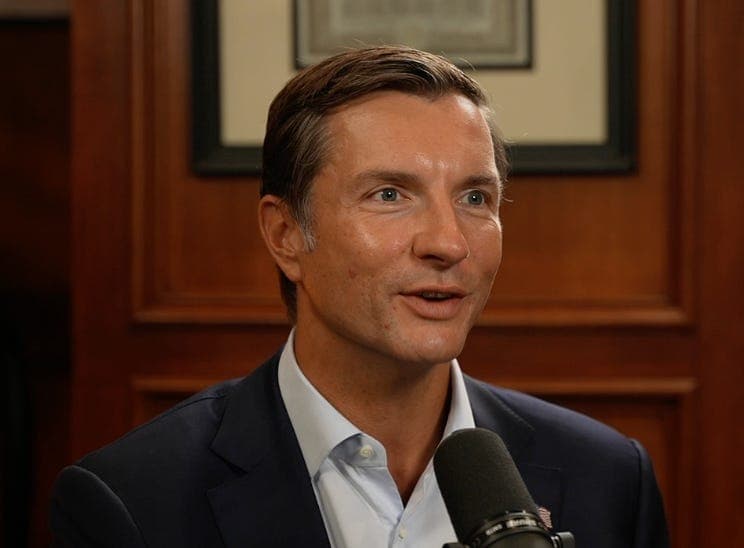
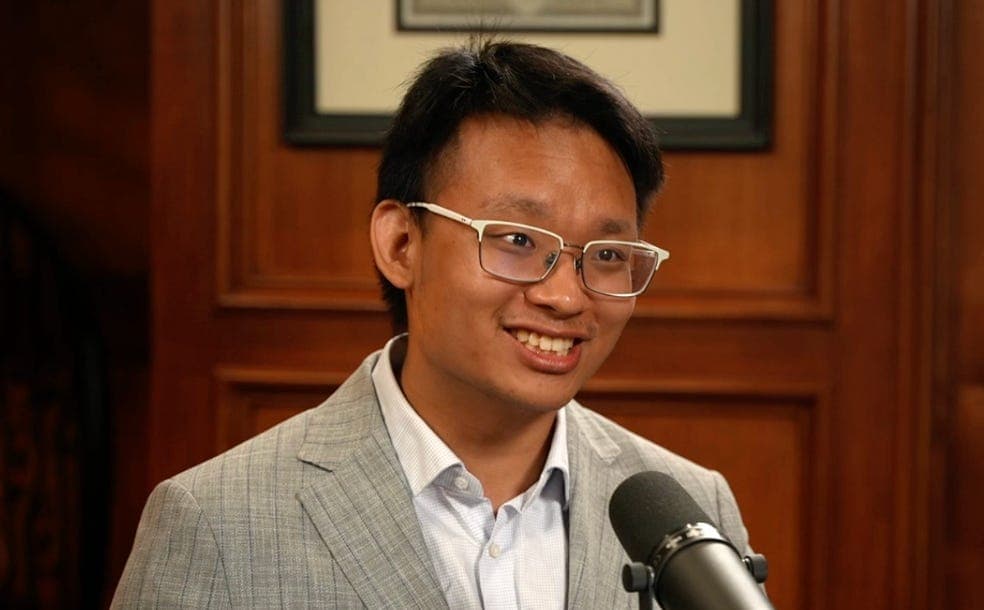
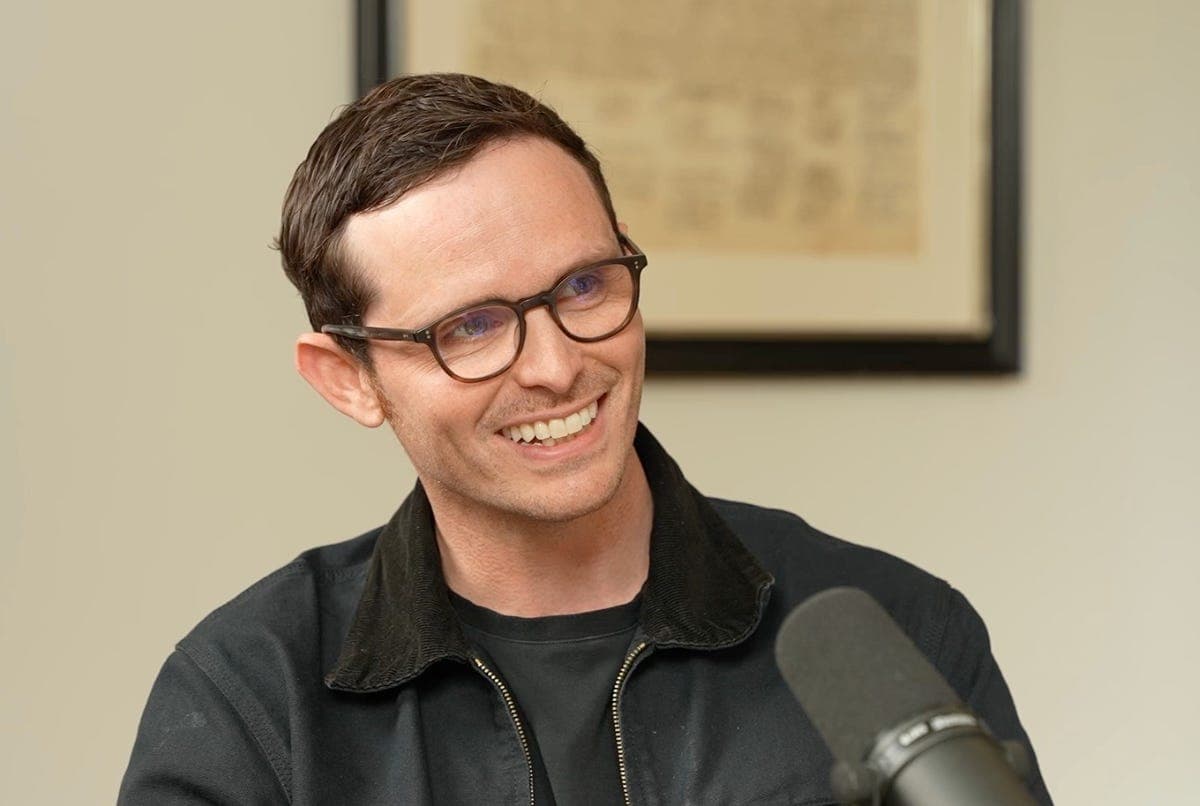
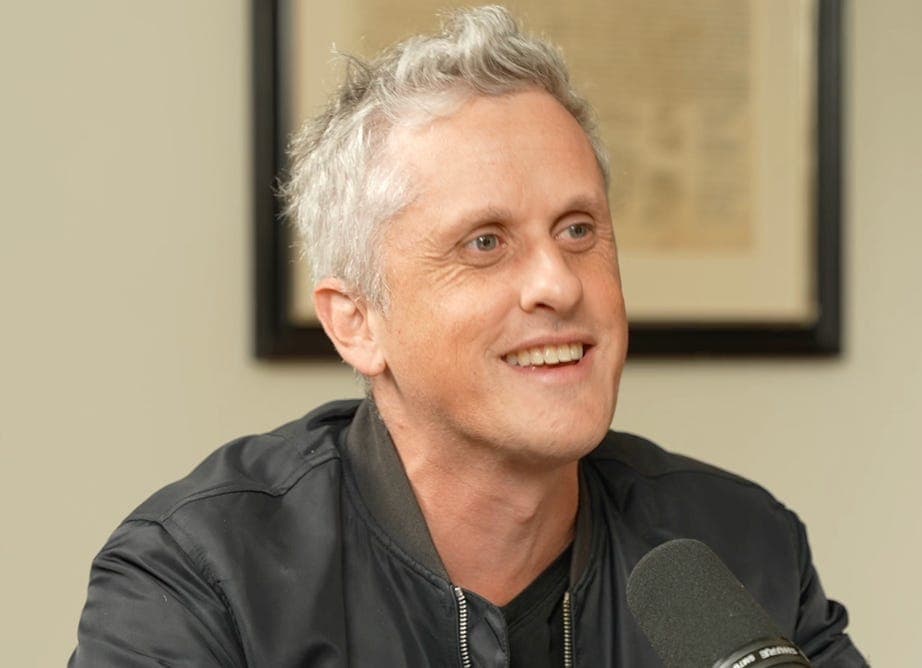
Podcast Summary: Joe Lonsdale: American Optimist - Episode 130
Episode Title
"Free speech is not enough" — UATX President Carlos Carvalho on Charlie Kirk, Fighting Communists & the Duty of a University
Host
- Joe Lonsdale: Entrepreneur, investor, and founder of multiple multi-billion dollar companies.
Guest
- Carlos Carvalho: President of the University of Austin (UATX), academic leader with a background in statistics and economics.
---
Key Discussion Points
- Aftermath of Charlie Kirk's Murder
- Context: Kirk’s death highlighted issues of free speech on campuses.
- Carlos Carvalho's Position: Merely advocating for more free speech is inadequate; universities must actively defend civilization and uphold founding principles.
- The Role of Universities
- Debate on Institutional Neutrality:
- Carvalho argues against complete neutrality, suggesting universities have a duty to support and promote the values of Western civilization.
- Distinction between being political (engaging with civil responsibilities) and partisan (aligning with political parties).
- Historical Perspectives
- Carlos's Background: Growing up in Brazil during a communist threat; his father's advice shaped his worldview.
- Comparison of Brazil and the U.S.:
- Emphasis on the importance of constitutional protections in fostering a successful society.
- Brazil’s struggles with collectivist policies contrasted with the U.S.'s emphasis on individual rights.
- Challenges in Academia
- Leftist Ideologies in Universities:
- Discussion on how leftist ideologies have permeated academia and the impact on education.
- Carvalho identifies the necessity for meritocratic standards in education and opposition to grade inflation.
- Unique Aspects of UATX
- Curriculum Focus:
- Emphasis on Western civilization and character formation.
- Incorporation of traditional humanities alongside modern applied sciences, particularly in AI and entrepreneurship.
- Tuition-Free Model:
- The university's ambition to remain tuition-free as a way to attract talent without financial burdens.
- Carvalho believes this model encourages accountability and quality education.
- Vision for Future Leaders
- Training a New Elite:
- UATX aims to build a new generation of leaders—intellectually and ethically grounded.
- The goal is to combine rigorous academic training with real-world entrepreneurial experiences.
- Optimism for the Future
- Carvalho's Perspective:
- Despite societal challenges, he is optimistic about the future, believing in the resilience of the American spirit and the potential for technological innovation.
- Emphasizes the importance of defending civilization and cultivating capable leaders who can navigate and improve societal challenges.
---
Key Takeaways
- Free Speech: Beyond free speech, universities must teach and uphold foundational principles to foster civic responsibility.
- Meritocracy: A strong emphasis on meritocratic principles is essential to combat the current academic environment that often prioritizes ideology over rigorous academic standards.
- Character Formation: Training should not only focus on intellectual development but also on moral and ethical foundations, rooted in Western civilization.
- Innovative Educational Approaches: UATX aims to blend traditional education with modern entrepreneurial training to create adaptable leaders for the future.
- Hope for Society: The discussion underscores a belief that America has the capacity to overcome current crises through a renewed commitment to foundational principles and leadership.
---
For more insights and discussions, visit [Joe Lonsdale's Blog](https://blog.joelonsdale.com?utm_medium=podcast).
Written by AI. May contain mistakes. Listen to the episode to check what was said.
Transcript
Automatic transcript. May contain errors.0:00Charlie Kirk being shot is very scary. A lot of professors celebrated it. Just free speech is not enough. The idea that we're going to resolve this by just having more speech, I think is naive. And university has a duty to uphold the civilization and move the civilization forward. What makes UATX different? We're in the business of building a new elite. We talk about creating the Navy SEALs of the mind. A small number of people, very talented people, have the ability to really shape the world. We have three areas of focus at this moment. One in Western civilization, philosophy and literature. One in politics and economics.
0:28And one in CS with a very strong focus on apply AI. So right now, the undergraduate program is free. We only succeed if our students succeed. He's an equity deal. If you love America and you're really smart, this is the place to go. Absolutely.
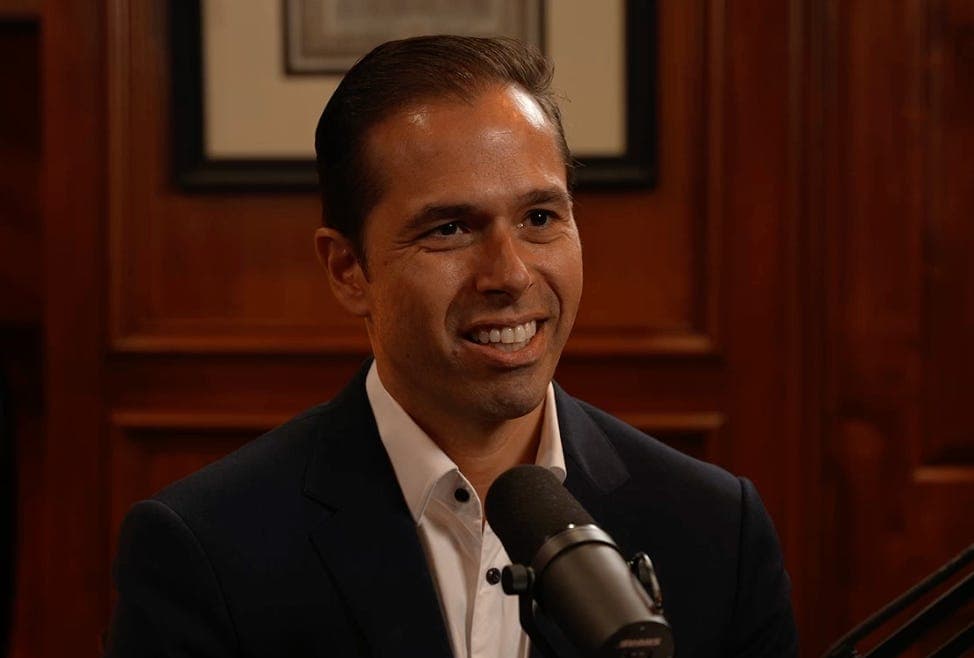
0:48Carlos Carvalho is the president of the University of Austin. He's a bold leader. He grew up helping his family fight communists in Brazil. He's a top academic who's been in a lot of other top universities and fought for the values of our civilization. Carlos believes deeply in America, deeply in the principles that led to having such a great civilization here. And he wants more leaders like Charlie Kirk who fight for the truth and fight for what matters in America. And he wants more builders that understand the principles of our civilization that are going to partner with our greatest innovators, with companies like Boring Company helping us build things out, the university, hundreds of other friends who have built top companies.
1:25It gives me a lot of optimism when I spend time with Carlos, and you'll see why. Welcome to American Optimist. I'm really excited to have my colleague and president of University of Austin, Carlos Calvado here today. Carlos, thanks for joining. Thanks for having me. Carlos, it's been a difficult few weeks for some of us, you know, since Charlie Kirk was shot on campus. He really did spend his life in the trenches doing something that seems related to what you care a lot about. Like he was on college campuses, you know, telling the truth, debating, kind of working against the indoctrination that a lot of people saw there.
1:54and he really was the best at it. He's doing it more than anyone else. Who's going to continue on this mission now that he's gone? Well, I think all of us. UATX is definitely committed and standing for liberty, standing for debate, standing for free speech, standing for America. We're in the business of building a new elite. That's the goal here. And we saw through many examples in the past few years that our elites are in some ways failing us. If we think about COVID, the summer of 2020, if we think about October 7th, and we think about what happened in the past few weeks, these are examples of an elite that needs refreshing, an elite that needs to be recommitted to the ideas that make this country great and the ideas of America.
2:33And I think that's what we're here trying to do. And we need to continue on that journey. Well, we definitely need a stronger and more courageous, a bolder elite if we're going to fix some of the problems in this country. A lot of the leaders in response, obviously, to shooting, they say things like, you know, we denounce violence and we're committed to free speech but is this enough like what's really going on just free speech is not enough uh the idea that we're gonna resolve this by just having more speech i think is naive i think we do need a recommitment to the principles of our civilization uh an understanding of america and america as a pinnacle of western civilization and educating folks that will inherit that and will bring that into their their character formation and we're giving up on that in our universities when we say the principles of our civilization what what does that mean what are we talking about well um i mean it's hard to put into simple words but it's something that we do know that can be taught through uh a traditional curriculum that starts from the greeks the understanding of our the baseline of our philosophy going through the judeo-christian tradition through jerusalem all the way through the enlightenment ideas and then of course it culminating into the founding of america i think those are our principles that have been have been elaborated have been worked on and have constructed what it is in our view the best the best outcome and civilization and studying those things deeply from the thinkers that were in the process of developing that through the years and understanding that tradition is a necessary condition for a new elite to arise and to in rise to the challenge that we have in front of us that's true it always struck me when you were when you were back in the roman empire the rome republic originally in the empire they'd all study the same history they study livy and virgil and horace right they have that and as you take the classics.
4:12And then you had, even in medieval England, like the best parts of the elite would all have the same types of things they'd learn about together. And you'd have the steered Christian philosophy and you'd have something that we call Judeo-Christian civilization from that, from the dignity of the individual. And of course, the enlightenment, I feel like every one of our founders was like in the midst of the enlightenment and studying that on top of these things. I mean, I guess when we just don't, no one has it anymore at all. They don't know what the debates are. They don't even know that we've had these arguments before when they're doing some crazy new ideas.
4:39That's right. And in fact, they tend to go back and look at some principles, I think, in the wrong way. So, John Stuart Mill is brought up a lot as an ideal of like, wow, let's just look at the neutral and let's think about all the different sides and then come up with the marketplace of ideas will lead to the right outcome. And that's somewhat naive, again, by assuming that there's a way to start an exploration from a value neutral perspective. And I don't think we do. I think we all come from a certain set of principles. There are necessary conditions for you then to explore the truth and explore ideas and test them and question them and empirically validate them.
5:18That's, of course, necessary. And the freedom that you're given to that is very important. But we cannot just assume that, oh, anything goes, any idea is welcome. And without the rigor of starting from the things that we have learned already. So we cannot just pretend that we haven't learned all these great things over millennia. millennia, right? And give up on those instead thinking that, oh, let's start from scratch every time. That's a bad idea. That's something that leads to nihilism. That leads to what we're seeing in college campus that's in our society. Yeah. As we talk a lot about this with my wife, as we're raising our six children right now, is you wanted them to have a foundation of ideas, a foundation of beliefs that echoes the kind of functional foundation.
5:54I think a lot of people don't understand the fact that before our civilization, there was something much worse, much nastier. They tend to think it's all the same. Oh, we're nasty people. 2000 years ago, were nasty they don't realize that it was chaos yeah it was chaos and it was savage and it was you know people like doing land acknowledgements i like doing a joke land acknowledgement that thank goodness that you know we took this place over from the comanche indians that were like a 10x nazi death cult of murderers and rapists and people don't realize that they don't realize it was much worse so you know we hear the term we hear the term institutional neutrality thrown around a lot which relates to this is institutional neutrality the right model for university like how does uatx approach this so that's something that has been debated a lot uh and And the Chicago principles that got put forward a few years back as a way to say an institution should not take positions on political issues and so on.
6:39So I think the word political sometimes is used in the wrong way, not in a classical sense. In the classical sense of the word political has to do with engaging in the policies on the city when Aristotle, Socrates. That's part of having opinions, trying to understand the world and carrying those opinions forward. You should engage with the world, but I think they're thinking Republican, Democrat. Correct, partisan. So I like to separate political from partisan. I think political is fine. Partisan is different. You know what? A university should not be taking positions on the matters of the day, whether the tax rate should be 47 percent or 45 percent.
7:10That's left to the partisan. Whether or not you like Kamala Harris or Donald Trump, that's not the university's job. No, but but but an university has a duty, I believe, and especially where we sit here in America, to be an institution that is pro the civilization, that is trying to uphold the civilization and move the civilization forward. So that's a very opinionated position. That's a position that starts with that set of values that permeate the way we develop our curriculum. We don't start from scratch and say, oh, we don't have a curriculum. No, we do have a curriculum. And that curriculum comes from the premise, the premise that we believe and want to uphold our civilization.
7:42We want to understand how we got to be this great and perpetuate that moving forward. So therefore, we're not neutral about that. We're absolutely not neutral about that. And of course, we're not neutral about rigor. We're not neutral about the idea that one has to engage with those things in a very rigorous way. We're not trying to do things just everybody gets an A. We're trying to do this in a way where we're very rigorously debating and engaging with these ideas, which again requires, and that's the principle that Chicago principles, again, we're trying to bring back when things start going badly on campus, is the notion that you need that freedom to engage with those ideas.
8:16So, of course, that's a predicate of ours and something that is necessary for us to achieve what we're trying to do. But we don't start from a value neutral proposition that, well, let's start thinking from scratch if our civilization or America is good or bad. No, we can take that for granted to some extent. And then challenge, understand the process and challenge and test those ideas. And this is obviously, even within our university and others, has led to a lot of debates. I mean, I think every university deals with these things. I think most of them have gone down the path of, you know what, if there's a majority of communists who take over our sociology department, we can't say anything.
8:49And as I was chatting, I'm not going to say which university, but the person who's, who's, who's the chairman of the board of another major university. And just, just last week. And, and she was, you know, it's like, we have to have, you know, act on freedom. I can't say anything. And I, and I, and I'm not supposed to meddle. Everyone says a board's not supposed to meddle. They teach them. And so she just allowed, they just have to allow this craziness. But it's interesting because, you know, I, I, Obviously, I assume if there's a student who has a really top score, who's really talented, but is a communist, they're still allowed to come, right?
9:17Absolutely. Absolutely. We don't actually do. We actually have this very meritocratic, perhaps the most meritocratic approach to admit students in the country. We don't care. We don't want to hear your essay to tell me about your views of social justice or whatever the choice of the day in terms of the political spectrum. We don't care about any of that. We care about your talent. I think it's cool to have people who want to debate and who are different. Exactly. And then when they come in, if they have different opinions, absolutely. They hopefully by being intelligent, by being rigorous through those ideas, they'll learn, they'll teach others.
9:45And that's absolutely necessary. But I don't think in our curriculum we start by saying, let's go and assume that what happened in Soviet Union in 1917 is a good idea. Well, we know it's not. Yeah. We can teach that. We know it's a bad idea. So that's not a communist. And their illiberal ideologies have no room in our in our university. We are going to expose, I guess people will still read Marx and argue about it. And I think I caused some people, you know, we had some debates where I said, you know what, I think any student should come. I think we should have any debates. But I feel like if someone is clearly a liberal, if they're clearly an Islamist who's trying to conquer for Islam, if they're clearly a communist who's trying to, you know, conquer with communism and push that, like they probably shouldn't be running our departments now.
10:26And so this is not purely neutral. We have, we do have certain things that we, that we believe are obviously right. Absolutely. I think, again, it goes back to the curriculum. It goes back to what we're trying to teach our students. When we're teaching our students economics, we start with Adam Smith. We go through Hayek. We go through Milton Friedman. We have a view that markets are a positive thing for society. And that view permeates the development of the curriculum. However, we don't shy away from questions of, well, when does things go wrong? What are the things that can help fix it? But the idea that you can throw it away and create an egalitarian society is not something that's, you know, somebody that believes in those things should not be running our econ department.
11:01It's interesting, though, because you do want to steal me on the other side. You do want the smartest people as possible there. So does this make us then, though, a conservative university? I think that's in charge. How do you think about that? I reject the label strongly in the sense that if you are pro-America, if you are pro-ideas of freedom, if you are pro-rigger, and if you have the American flag flying in your atrium like we do, if that is conservatism in 2025, call me conservative. But I don't think that is. That is just because the others decided to become something very different. And therefore, what we're building look conservative.
11:31But that's not a partisan project. It's a patriotic project. It's a civic-oriented project. is a project that is filled with the idea of exploring ideas rigorously. Yeah, and probably better for America if people on both sides agreed with some of these things. Correct. And so it's not partisan explicitly. So, you know, let's talk a little more about the leftist takeover that's happened over the last couple generations of the institutions. I think just recently we had a president fired from a Texas university. Professor, yeah. Oh, the president of A &M, that's right. Yeah, the president of A &M was let go.
12:02And it seemed like he might have been dissembling around some of the nonsense stuff that was being, ideology was being taught. I happen to think there's probably like dozens of universities with hundreds of departments that have this stuff. They're still hiding from us. And it seems like to me, the job - They're not hiding. It's right there. It's right there. But I think the job of a lot of these university presidents is to say one thing to the professors and kind of let them do it. And then one thing to the donor class and one thing to the political class and keep them away and kind of protect some of this nonsense.
12:31And is this going to change, you think? is there a societal push to stop this nonsense? So the societal push is there now, and I think it's happening primarily in the south of the U.S., in red states. I've seen this firsthand through the years. Presidents doing exactly what you said, right? They speak with both sides of their mouths. Inside, they do one thing. To the donors and boards that are coming with a particularly different worldview, they speak in a different way. And then, you know, trying to hide from... Now, these days are much harder to hide. Things are becoming more transparent. And I think over the past few maybe years and even closely a few months, there's a lot of pressure on the universe to say, listen, you are working with taxpayer money doing something that's antagonistic to the values of a lot of taxpayers that fund you.
13:13So we're going to try to change that. And you see more interventions happening here. It is stepping up. You grew up now, stepping back. I mean, Charlie's murder really exposed like a lot of professors celebrated, a lot of these kind of rotten departments. It was like more rotten than a lot of people realize when you kind of look and see what they're doing. And you grew up in Brazil fighting the communists. And so tell us about your background and time in academia. How should we think about this leftist takeover? All right. So just going back to Brazil a little bit. I'm from Brazil. Originally grew up in Brazil.
13:41I'm the son of a Navy officer in Brazil. And if you don't know Brazilian history, in the 60s, you know, my dad, as an officer in the Navy, Brazil was actually fighting communists. It was a communist takeover. Fidel Castro wanted to make Brazil the next target of the communist takeover of America. Of course, the U.S. wasn't particularly happy with that and wanted Brazil to stay a free society. And a tough thing that happened is that the military had to intervene in order to protect Brazil from going into a totalitarian regime. So you saw this paradox of an illiberal intervention was needed to protect against a much harder, more strong illiberal intervention.
14:19So it was a tough time, for sure, a tough time. But the left has taken over a lot of institutions in Brazil over the years. And growing up, I remember my dad joking that, you know, three things I needed to learn, learn math, learn languages, and always watch out for the communists. And it served me well. I became a mathematician. I got my PhD in statistics. I studied a lot of economics. I, you know, did well in that part of my career. Languages helped me. I can hear you speak English. You know, that's a very useful skill for somebody coming from Brazil. and watch out for the communists turned out to be something that in 2025 we're still fighting uh and he wasn't wrong about that your dad's right your lee kwan you agree with your father one of the greatest statesmen of the 20th century said we learn from time to time the communists never give up that's right it's that idea is an idea that is is romantic to the youth and and the idea of equality the idea of of of you know that's why in my convocation speech a couple weeks ago i defended inequality as a again a very important premise of a free society is inequality we are unequal and we have to celebrate that we have to embrace that merit excellence relies on inequality and and but the idea that well can we all just be equal and have the same thing and share everything is a very uh romantic idea that i think the youth from time to time gets back to you know get enamored with it and and and folks take advantage of it and try to like use that for political power and and grabbing like we saw throughout the 20th century and beyond so we need to continuously fight that what happened so if you compare brazil to the united states right and if you think about uh western civilization coming from europe coming to america through columbus and then get applied in different ways in different countries right one of them worked really well the u.s yeah brazil did not well they didn't have our constitution they didn't have that's what i'm saying so so so i think a necessary condition for us to continue to be successfully the way we are is by studying that very deeply what it is that made us so special that allows us to take that tradition and move forward make it better in a way that brazil for example that had if perhaps more natural resources than the u.s had a lot of good things going for it right that were not able to weren't able to move forward and part of it is that that idea of not having a constitution a compact that protects the individual that provides them with the freedoms to pursue and create the inequality and it's needed to move things forward.
16:36Brazil had always a mentality that it was more collectivist and led to more socialist policies and that has caused people a lot of prosperity. I'm a little scared of what I'm seeing coming out of Brazil today, by the way, while we're on the topic. I think, you know, Senator Marquis, who's a very progressive, very left guy from Massachusetts, he was admiring Brazil because they managed to put Bolsonaro in jail and says he really wanted us to put Trump in jail. He said it out loud. He said the odd, and a lot, you know, I wrote in the Wall Street Journal early last year, I actually got Jeb Bush to step up and say what they were doing to Elon, what they were doing to Trump in the courts was clearly abusing the courts.
17:07And even Jeb Bush, who's a very moderate voice who did not get along with President Trump, he agreed, this is ridiculous. They're abusing the courts. And so people were trying to do that. It seems like they successfully did that in Brazil to lock someone up. Is that what happened? It seems very scary. It's very scary. Well, let me be very frank with you. I'm still a Brazilian citizen. I'm an American citizen as well. Depending on what I say here to you, I don't know. When I go see my mom in December for Christmas, I might get approached in the airport in the wrong way. It's that bad. Wow. We have a number of journalists living in America right now that were critical of the government and had to leave the country because the whole idea of combating fake news, for example, got into a, you know, if Biden was bad about trying to go into Twitter and Facebook and twist some arms to get people to shut up.
17:49In Brazil, they did it. And they're using the Supreme Court to do it. So it is really - Yeah, the top judge was actually censoring things. Correct. And that's the top judge that Trump is fighting. And there's a lot of back and forth going on with America trying to put some pressure in Brazil to say, hey, stop. This is bad. What's happening here is a totalitarian approach from the Supreme Court in dictating things. So, it was a very similar playbook than what happened in the U.S. I think Bolsonaro was this figure that was disruptive, that was portrayed as a fascist, as the next Nazi. Similar type of things.
18:22Similar attacks on Trump. Similar attacks. And the lawfare they put in place there, well, turned out to put him in jail. He was condemned to 27 years in prison for something very, again, not really. He was not happy with the results of the 2022 election and with whatever, probably wrong in some dimensions there. But they accused him of trying to stage a coup after leaving office, but not really. He was in America. Again, the whole thing is very convoluted, but it's clearly trying to stop him from run again, trying to stop his party to fight back against the socialists that didn't control the country.
18:56So you came here and you're finding from here. You're an academic. So I'm an academic. I start my career. I go back. Yeah. So I start my career as a professor in statistics. I got my PhD at Duke. I go work at the University of Chicago. Spent a few years there, you know, working on as a professor, writing statistics papers, something that's not particularly exciting. but I thought it was very exciting and I love what I was doing. I was very successful at it and then got to be recruited by the University of Texas to help build a statistics department here. At a time where machine learning and data science was exploding, the University of Texas did not have a statistics department.
19:31So me and a few other colleagues got recruited and we built something really special here. We have a very strong statistics department as a result of that move. How did you go from statistics to also knowing classics and fighting for reform and so on in universities? How's good you started doing that? So I study economics in college, and my economics education was done in a school that was built around the Chicago school idea. So I got exposure early on to things like Hayek and Smith. And then through natural interest, I got interested in the classics and Roman history. My wife, I think, was a huge influence on me.
20:02She's a political science PhD. She's an attorney now that reads voraciously about the classics and everything. So that was part of our, I think, religion in the later part of our lives. also was part of that part of that journey um but but internally inside of a university i i you know you get to a point of your career where you start not necessarily just focusing on your papers there was always somebody that liked to build like to build structures around me right and and i started paying attention to what was happening around me circa let's say 2015 and i was like wait this is you know i got to be a full professor at that point right so things started to get really crazy around 2014 2015.
20:39and i remember the the moment that i was really sort of that triggered me was when I was teaching MBAs. I taught always in the business school. And while teaching MBAs, where you expect them to understand the notion that the job of a corporation, of the agent of a corporation is to maximize shareholder value, right? Yeah, that's how the system works is you have to make it more efficient if you're maximizing profit. That's right. They start rejecting that. They start questioning that. Like, no, no, no, no. Profits have to be subjugated to some other principles of equality, of racial justice, of climate type things and so on.
21:12I was like, no, no, no, stop. If you want to do this, there's another school on campus you can go to. Here, we should be thinking about profits. That's our job here in the business school. But then, no, I was wrong. It turns out that a lot of other professors were talking about, you know, yes, those things, right? Those activist type of approach. And then, of course, culminates into the, what was it, the business round table in 2019 of like signing the stakeholder capitalism thing. You know, it's funny. When they had that thing in 2019, there were four companies that wouldn't sign it. And I actually invested in those they do all that really really well and this is it's really interesting because if you're just on the left i think you think this is evil and that we must want to hurt the environment we don't care about stakeholders people don't realize that the system itself breaks if you don't have merit if you don't have the the profit motive it actually breaks any ability to organize society and it just becomes this like arbitrary kind of bullshit that's right that's exactly right and and so seeing that led me to say okay i need to do something this is not this is not good i need to try to expose our students to more free market principles the idea of the ethics of generating profits the morality of generating a profit importance of that for our society so in that process uh again america's unique special place i was able to you know from an american hero give me some a little bit of money to start a center to fight for those ideas internally that was charles koke so that's that's uh you know through the charles koke foundation i didn't meet him directly but like it's somebody that has spent a lot of his treasure fighting for the right principles of america he's about to turn 90 you know and he's as easy as he is an american And, you know, the universities around the country, they hate him.
22:37They think that he's like, you know, the boogeyman or something. Which is so ironic because he's such a philosophically based person who's very, very thoughtful. He and Trump actually aren't getting along at all right now based on his principles. So it's funny because they hate both of them, but they're not consistent at all. Correct. Correct. And then through his foundation, which, by the way, was very controversial, was attacked by, oh, you were taking money from the Koch brothers, which was always a misnomer. No, it was Charles Koch, not the brothers. David passed away. Exactly. And so I built the center, a free market center that, and then became very successful.
23:08It's Texas, right? A lot of people pay attention to, oh, there's like a beacon of hope perhaps inside the Macomb School of Business. so that led me to you know get a lot of support from a lot of friends in texas people that are again committed to those ideas and we were able to then at some point try to go to the legislature and try to make that bigger and i was in the forefront of what's now called the civics movement we were perhaps the there was something done in arizona state prior to what we tried to do in texas but we were the first one in this this in this part of the movement to go to the legislator and say help us out here let's establish what i call at point in time the liberty institute i I wanted to create the Liberty Institute.
23:43And I don't want to go too much into the details, but some professors didn't like the fact that you were doing this. Oh, no, no, no. They fought. I mean, the professors and the administrators fought and fought. And they hated the idea that the legislature was coming in and saying, hey, this is our institution that we pay for. We want to have a group here formed with these principles. They hated that. Right. But that was a very important example that then got followed by a lot of other states in the South. And now we have versions of that, well, successfully in Texas, North Carolina, Tennessee.
24:13There's many other places that Ohio State and they're following that. And there's lots of talk about these like civics movements and things saving our universities. Is this going to be enough? Is that going to, can you reform internally using these or what's going to happen? So I did that. I helped create those things internally. I think that they are good efforts. But the reality is that they are very tiny little things inside of a, they are a little, you know, virus inside of a host that's rejecting it. strongly and they got forced upon the university by the political the political system outside which means that they are one election away from being destroyed so again the university is still mostly populated by folks that do not like what those centers represent and and i i commend the the the legislatures that are putting those those efforts forward i think that there's they are definitely improving the universities but i do fear that they are susceptible to not only to the pressure internally, which is very strong, the sort of like pressure to conform with the rest of the university and the fact that the external pressure might change.
25:12I mean, North Carolina is a purple state, right? It's a state that could go it away. And if you lose the outside pressure, the university would just reject that and change it and incorporate it into the standard part of the course. And I think both of us like lots of part about UT and Amara want to work with it. At the same time, I have deep issues that I think when we looked into it last, there were 400 courses that are things like latinx studies and chicana feminisms and you just know there's hundreds of courses there where they're teaching the kids to hate america they're teaching the kids that markets are wrong they're teaching all sorts of seven genders activist nonsense and however many gender i think there's a lot more than that you're way behind that was and that was in 2025 uh what was it last month was the issue that that got the president of texas a &m in trouble right was that even after laws got passed even like after you know a lot of this reform had started we saw classes like that being taught in the education school to future teachers and it was not only the classes like they were being taught it was a person pushed back on this transgender ideology as a future teacher and was then told to leave and then they tried to cover it up and that's why his job so i mean it's a mess so so so there's a need for something different let's talk about uatx again so the question is like what makes uatx different let's start with the curriculum what's the curriculum based on how do you how do you think about intellectual and character formation like what what does that what is what does that mean how do you do that i think they The intellectual foundation that we have in our curriculum, again, we have this Western Civilization core, right?
26:32I believe that that is the sort of guidebook for character formation as well. So you have here the set of the great writings of human existence, dealing with the tough questions of human existence from, you know, again, from the Greeks all the way to the formation of America. And our students have to engage very rigorously with that throughout about a year, year and a quarter of their curriculum. Everybody, no matter if you want to study computer science or if you want to study literature, you're going to have to go through this together, debate, engage in Socratic discussions without AI, reading books, getting really deeply into those ideas.
Read the full transcript
27:06In our view, that's a very important step in the character formation. The understanding and the sort of celebration to some degree of the civilization that came before you. understanding that you're standing on the shoulder of giants that did great things that thought about those ideas and put those ideas forward that allows us to be the the successful you know nation that we are right now right so that's a huge important component of it and and one thing i think is interesting so uatx is uh is secular it's not religious and it's but it's not agnostic about character you'd want christians to leave being being more christian in a positive way or jews to leave being more jewish in a way where they were identifying with these values that's right So in our curriculum, they read the Bible and the Hebrew Bible, also the New Testament.
27:47It's part of understanding. It's an important part of the understanding of where we are. Right. But we have an environment that understands the importance of religion in our civilization. And therefore, we're not just tolerated. We actually embrace it and foster that in our environment. And you see that already happening organically where we have students that openly wear their faith. And we have clubs and sort of like a lot of support for Christians and Jews on campus in a way that's just naturally happening and organic based on the environment that we're creating. We have priests in our faculty, right?
28:22Those things that while maintaining a secular position, which I think is very, very important. I think that's a very important combination. Tell us more about the personnel. Who's UHX hiring? So right now, our intellectual foundations curriculum, in particular the humanities side, which was our priority at first, because that comes in the first year, right? So we hire a lot of philosophy professors, a lot of historians, a lot of theology professors, literature professors, to go through that Western Civilization core curriculum that we have. That was the first step, right? Meanwhile, of course, you have some folks in science, mathematics, economics, and computer science.
28:58Those are the other parts that we're focusing on right now. So we have three areas of focus at this moment. We're trying to get the core curriculum done right. We're trying to get an area of concentration in Western civilization, philosophy, and literature, one in politics and economics, and one in CS with a very strong focus on apply AI. and we're trying to be creative especially in that later pillar on trying to really be close to industry try to work with industry and getting the the sort of more dynamic things that are happening right now in the world they're not happening in academia they're happening in industry and we're trying to bring that into our curriculum by directly engaging with uh with with engineers in the in the real world i'm excited to have some of my most talented friends involved there who built palantir and otherwise with us like helping out on that side and we're also building that building right now i guess by a spacex and boring company hopefully we can do some really cool things.
29:45That's right. We're trying to work with a boring company to build a sort of applied engineering type of classes that will send students to that facility which is next door to their facility here in Bastrop and get a lot of hands-on exposure to these people that are building amazing things and they're going to help us teach those students to be the next builders. So Neil Ferguson and Barry Weiss and I obviously first set off as founders of this and Neil and Barry both have these amazing networks especially Neil and Academia and so we had thousands of professors apply and we're pretty excited and come and inquire about it.
30:16I think, you know, are these professors, are they fleeing something broken too sometimes? Are they obviously coming to something exciting? Like what's the situation? I think it's a combination. I think one, you have a lot of areas of study that have been fall out of fashion in the universities that decided to focus on Chicana studies, like you mentioned, right? So if you study Jane Austen, there's an example of a scholar that we have, there's not a lot of jobs for you in the world. Well, we like that. We like 19th century literature and we want more of that. So, you know, we actually have a comparative advantage in recruiting young talent in that direction.
30:49And that's true for classics. That's true for literature. That's true for American history. That's true for military history. That's true for people that care about the founding of America. Those are things that we have a comparative advantage in recruiting. So we got a lot of young talent there. But, of course, there's a lot of people like me that spend their careers in the best elite universities in the country and they get tired. And at some point they're like, you know, I would like something new. It's a good idea. let's try to do something let's try this let's go to there's builder there there are folks in academia that have a builder mentality not many but there are some and we're getting we're getting to recruit some of those as well we got some people coming from princeton me coming from ut and we have a lot of friends that are in other institutions there at least are tipping their toes here by coming in and visiting for a term and hopefully staying so we and they're fleeing exactly that that that sort of monoculture that has been created in in the universities and and And we're providing a better alternative.
31:43And speaking of the rare builder mentality in academia, that does happen sometimes. I've been really impressed by the entrepreneurial energy from a lot of our students. And obviously, I guess you'd say, if you're getting really smart young students who are also choosing to come somewhere new, they're inherently entrepreneurial, which I think is really fun. Let me mention one more thing about our curriculum and then talk about the students. So the thing that I failed to mention is that we're trying to combine the old and the new. So we have this very traditional core curriculum. That's a very important part of the mission, right?
32:09But we also have a lot of flexibility in the second part of the curriculum to allow them to be entrepreneurs, to really try to build a bespoke experience for them that allows them to really take advantage of the network, the incredible network of supporters that we have that can connect them with ideas, with internships, with apprenticeships, or with even like mentorship to build the things that they're building. And you're already seeing that. We see some students in the first year selling a company or engaging or leaving to go work for some of our friends after just one year because they got to meet some of our – and that's just – it was wonderful to see that we have the ability to both give them this rigorous education and allow them the space to be builders.
32:53um we need to do more of that and it's that's part of uh of one way in which people can really help us right to be part of this project of giving us the ability to connect students with with the top talent out there that that's building great things in the world and so what type of students are we looking for obviously we have amazing entrepreneurial students we want students with really top scores but but like like what what would you who would you like to come to the university if we're going to attract more more top people who are they smart patriotic americans That's like a very important component of it.
33:24And when I say patriotic Americans, I need to be careful because I'm here. I came from Brazil. But America was always like something that I admired deeply. It was a very proud moment of mine when I became an American citizen because I always knew growing up that that is the place that is elevating the best of humanity forward. Being pro-America is being pro-humanity and being pro-liberty, pro-success of humanity. so um you know we're going to be able to bring people from abroad as well that share that that those ideas share the notion that this is a special place that i want to come here and help build help build things here that actually benefits the rest of the rest of the world we want people who want to assimilate to a patriotic culture if they're going to be coming from us so entrepreneurial really proud of this of our inheritance of america of our system um and very talented i think we need people there are willing to to to take the challenge one of the ways in which universities have failed us is that they moved away from rigor.
34:19They decided everybody deserves an A. I think the most given grade in Harvard is an A right now. I don't have the statistics with me here, but great inflation is a huge problem in our society, huge problem, that the sort of like correct a portion of merit has been given up by the universities. And we are recovering that. We have a very strict policy of great inflation, against great inflation, because we know that if grades are being inflated, I'm not pushing them hard enough, and I can push them more, right? So it's also a way for us to make sure that we're always pushing ourselves more and pushing them further.
34:50So we want students that are willing to take on that challenge. We talk about creating the Navy Seals of the mind. That's one of the mantras we have around campus. And in order to do so, you need to be tolerant of the challenge that we're gonna put in front of you. So if you like the idea that everybody gets a trophy, that's not the place for you. If you like the idea, if you are a collectivist or somebody that believes in egalitarian things, maybe that's not the place for you. We want people that are builders, that want the challenge, and they want to make this country great. And speaking of builders, you know, I took computer science at Stanford, and I actually, it was very theoretical, which I enjoyed as well.
35:25I think you should have some theory, but I actually learned a hell of a lot more from, like, working at PayPal and working around other kind of engineers and founders and builders. Like, talk about the influence of what founders and engineers have on the curriculum. How are you thinking about that? So, you mentioned already that we have some engineers building the curriculum with us. So not folks that are academics per se, but people that actually were volunteer engineers and so on. So that's one step that is different already in our approach here. But second, we have space in our curriculum for somebody to go, let's say, do an internship at a company that's being built, engaging directly with engineers.
36:02We have the flexibility to build curriculum around that and give them credit and provide a space for that to be able to count as part of their degree. so so we encourage that we foster that we're trying to make learning experience associated with that as well so so it's uh it's uh the encouragement of that relationship is something that's very unique not only in designing the curriculum but allowing the students the freedom and giving them credit for learning things in the real world i like that a lot there's only one or two top universities i've seen do things like that i think it works really well in waterloo i think it's a really smart correct idea you know analogous idea of this that i like so right now we have this core undergrad that's really top and getting even stronger i like the idea of building new things one of barry weiss's ideas is related to this we're talking about investigative journalism and she said if you're going to do that properly it has to be like almost all vocational you have to be teaching them while they're practicing so we don't want a journalism school yeah we want journalists coming and teaching the good journalists coming and teaching our state and if we were and i think that's great for undergrad if we were to do a special program for investigative journalists it would be something that we create that was vocational is i guess practicing while in learning yeah i mean there's two two of those verticals that we're trying to explore in the short term here one is that we already have some journalists in our faculty right the practitioners journalists in our faculty michael schellenberg is with us uh one more of that and i think that that is a really great way to instead of you know sending somebody to the columbia journalism school when they come out being the writers they come out hating me for sure for sure let's not do that let's not do that um but i do think that there's a lot of great independent journalists in the world right now barry i mean we want to make the next barry weiss right yeah and and and i think you know if we can get people like barry and journalists around that that ecosystem to help us by teaching spending time with us teaching our students and mentoring our students that can be fantastic i think i think schellenberger is a great example because he started off actually incidentally on the soros side and working with them and very much one view of the world and and he's such an independent thinker that he came all the way around he wrote san francisco about the right how it was breaking things and i i love the people who are smart enough to think for themselves we need more of that absolutely we need more of that and that's so that's one one thing we're doing the other one that that i hope to to do and we already have some some experiments in that direction is that we need better lawyers in our country we need better judges we need and and and the the we are building uh through the connections with judges and lawyer practicing lawyers something that i hope to be the premier pre-law program in the country where students will come here and they will come out and you know the right judges in the country will know that I want that kid to be my clerk if they go to a law school.
38:29Yeah, and I love with the partner and others, you have some of the greatest minds. Correct. We have some of the greatest minds helping with that. We have a circuit judge coming in to teach with us this fall, which is fantastic. That's awesome. And we're going to try to build around that. So if you think about what the Federalist Society had to do, imagine a world, America, without what the Federalist Society was able to do. We wouldn't know. We wouldn't have courts that would be very one-sided. Very, very one-sided. It could have broken the system. It could have broken the system. And they did that knowing that the law schools were at a place that they couldn't trust them anymore.
38:59So they had to create this parallel structure to identify talent and bring them to co-curricular activities, right? In order to, okay, you are the good ones. But then we can make clerk here, there, and then go to the right, eventually get nominated to the right judge, benches, and so on. So if we can build a program where we help train those folks earlier, put them in a better position to get to law schools, wherever they go, and maybe even have our law school at some point, right? I think that's something that is not, I wouldn't put that beyond us in developing that. I would love to work with some other donors to partner with me and create like the top journalism program, the top law program on top of what you're already doing with the students.
39:35That's absolutely right. Looking ahead. So right now, the undergraduate program is free. It's tuition free. It's actually, we're very bad at being grifters, which people sometimes attack us for doing. It's a scam. It's a scam. It's a scam where we're free. It's like, okay. And I'm donating a lot of money. So it's like, it's very funny. there's a great simpsons episode i saw earlier where we were founding around the same time and mr burns gets really angry at yale for being broken and then he decides to like start a for profit thing and i think they were kind of making fun of us but anyway it's not for profit it's not as non-profit and uh and these kids are having amazing education here like like should we keep making it free for tuition how do you think about this so i love the idea of maintaining this free tuition approach um for as long as we can now it is a special place again america where where patriotic Americans see a problem in the world and they say, you know what, let's fix it.
40:25And folks like you and all of our supporters decided to put their treasure behind the idea of building a new institution to help rebuild the elites of America and doing so for free in the sense that the ones that are talented should come here and create this virtual cycle that generates the future elites and then will sustain our university in the future. What I like about that, what I like about the free tuition is that breaks the model of dependence on, on, we depend on our value, on our value creation. We only succeed if our students succeed. It's an equity deal. It's not just like, oh, go get some money borrowed by the government and come here and I'll overcharge you.
41:00And I don't care if I produce something good or bad for you. If I'm not doing a good job and you get out of here and you don't learn anything and you don't do great things in the world, I'm going to die as an institution. So universities are completely protected from market forces in their current governance structure. They're giving free money. Exactly, they're giving free money from government. From a giant endowment, the prestigious ones, right? And a little bit of tuition. We're saying, no, no, no. We're not taking money from the government. We're not taking money from them. We're saying your success in the future is our success.
41:30And we're going to create that philanthropic mentality that's going to, again, put us into a sustainable path in the future. But, of course, to get there, we need a lot of support in the meantime, right? So, that's, again, the beauty of America, that we've been able to gather a lot of support. But we need more. We need a lot more of our friends. your friends to help us in this in this civilization fight it is it is a real battle for our civilization and hopefully these students will take up the mantle and come back and support the institution if it does right for them but we do need more help against let me just riff a little bit here on the free tuition thing that's very important um let's say let's say uh you know somebody comes up with the idea let's create a gender studies class or department in the university for this that or the other if i need to make the decision of whether to fund it or not thinking about success of my students in the future why would i fund that that's obviously not something that's going to generate value and therefore i'm not going to do it so that's also a protection against bad ideas in the future the free tuition uh uh uh sort of model that we're trying to put forward is going to be a huge protection against bad ideas taking over our university yeah because otherwise government and other people push things for the wrong reasons exactly i understand we've made it really easy for people to apply it's very different than other other universities how does that work?
42:43Right. So we are really looking at, I need your test score. That's all I need. That's the first lever. And that's it. It takes five minutes to apply and get a quick answer from us, whether you, you know, cross the bar of admissions and we can tell you right there. We might follow up with you with certain things, but that's the, that's the entry level. And that's very, very, very, very easy. The easiest and most meritocratic application process in America. So if you love America and you're really smart, this is a place to go. Absolutely. So looking to the future, I think we both agree, as do a lot of our friends, we desperately need to train a new more courageous elite a more functional kind of country elite for our society i think people like neil ferguson and barry weiss and hopefully friends like elon musk and peter taylor i hope to be part of that as well we need a lot more and we need a lot more people who are standing up and are fighting we have a lot of other friends who are starting to do that uh you know we have crazy journalists we have crazy judges i've always broken things like what can we do about that how are we going to like scale enough to actually matter and affect these things in the future?
43:38Well, I think the good news is that a small number of people, very talented people, have the ability to really shape the world. So I don't think we need to create thousands. You know, the elites are not necessarily that big, right? Very few people have a huge impact on the way we live and the way we do things. So if we're very committed to this very high achieving Navy SEALs of the mind model, we're not going to be a huge institution because the Navy SEALs cannot, It's not the Navy. We're building the Navy SEALs. I think it's a two-pronged approach here. Institutions like ours will be small. And then maybe it can be replicated elsewhere.
44:14But I think it's very hard to try to do what we're trying to do in a 40 ,000-people campus. I don't think it's doable. You end up getting into all sorts of problems of governance and maintaining the level of excellence that we're trying to maintain here. So I think building an elite school that we're trying to build to make those elites. And again, when I say elite, I'm not talking about an elite. Oh, only the rich can come here. No, it's free. We're giving it for free. We want the talent and virtuous people to come here that then will be the great leaders of our society, right? I think we can have a huge impact, an outsized impact, even by graduating, you know, a small set of people.
44:50That's how a lot of our top schools actually started. And I think we want to do that way. Now, I would say something else about this, which is because of AI, because of the technology that we have in front of us right now, the idea of a 40 ,000 student campus to me is completely broken. Why would you sit in a class with 300 people where you can engage with a bot and teach you probably better than that 300 person experiment had to do with the fact that we're growing, lots of people going to university, the GI Bill, all those things that require us to build very quickly big structures to educate people.
45:24But now with technology, that's completely irrelevant. You can do a much better job. I think if you see the things that, for example, Joe Limon and the Alpha School are showing us, right, is that you can do a pretty good job in elevating people's knowledge through a lot of technology. And then special places like us can then build upon that and have special communities and a special sort of like a place that is very much focused on the values that we're trying to put forward. Right. And do an elevator version of that. I suppose you could also take some of the stuff we're doing and create content and AI around it to educate users of people alongside our core.
45:59And we're already working a little bit on that. I think that we have a lot of hopes to show the world what we're doing here. And even if we cannot take millions of students, we can put that content out there. We can show what we're reading. We can show how we're engaging. We can build things like through technology that allows others anywhere in the world to take advantage of it. Yeah, but even a very small number of leaders with the right principles and values could fix parts of education, could fix law, could fix the judges. All those areas, exactly. Boardrooms, courtrooms, journalists, and teachers in particular.
46:29We mentioned teachers. That's another huge place where we need a lot of improvement. To end on a positive note, you know, a lot of us are very concerned about where our society is right now. It feels like it's on the edge, even this far past Charlie Kirk being shot. It's very scary. What's going on? What could happen? There's a lot of volatility in terms of society seems to be splitting apart, living in separate bubbles. There's a lot of people don't understand the other sides and it could go in a really bad way. Like what's the positive version of society 15 years from now? What does society look like if we're successful?
46:59I'm a very, I mean, we're here at the American Optimist podcast. I am incredibly optimistic. I wouldn't have come out of what I had in a very comfortable situation in a big university to join this effort if I didn't think that we're building something that is doable, that we can actually have a huge difference going forward. I think we can. We can make a huge difference. And because of the American spirit of building, the people in this country that are willing to build things and are willing to fight for the right principles, and we see that happening over and over again, I have no doubt that we can win.
47:33win this battle and refresh our society and get get us moving forward we still you know for all the things that we say they're bad right now in our society it's pretty amazing what's happening in our technological development it's pretty amazing and it's happening because of of of the good you know a small set of of of people building absolutely great things um and i have a lot of hopes for what technology is bringing us again and again and again and we keep reinventing ourselves and our system has proven to be very resilient if we protect our system if we defend our system He has proven to be very resilient to many different waves of technology innovation, different waves of totalitarian regimes in the world, different waves of foes.
48:12And I'm absolutely confident that we are a small part of maintaining that refreshing and getting us to a much better place in 15 years. Well, I agree. If we keep training courageous young people to be smart and to fight for our system, then no one should bet against America. No, ever. Don't you ever bet against America. Thanks, Carlos.
48:32you
From the publisher
Universities called for “free speech” after Charlie Kirk’s murder — UATX President Carlos Carvalho says they’re missing the point entirely. Is more speech really the answer? Should universities stay neutral and out of politics? Or do they have a higher duty, especially now?We discuss these questions and more with the new President of the University of Austin: Carlos Carvalho. Born and raised in Brazil, he watched his father — a Navy officer — help fight back against a communist takeover attempt in the 1960s. Carlos came to America and earned his Ph.D. in statistics from Duke University. He taught at the University of Chicago before spending 15 years as a professor at the McCombs School of Business at the University of Texas, where he also founded the Salem Center for Policy to promote open debate and inquiry on campus. Carlos is an academic, a builder, and believes deeply in the promise of America; he’s uniquely talented and suited to lead the most ambitious new university project in more than a century.We begin our conversation with the aftermath of Charlie Kirk’s murder, and the debate over the role of universities. Learn why Carlos believes “free speech is not enough” and why academia has a duty to stand on, and defend, America’s founding principles, while drawing an important distinction between politics and partisanship. Next, we discuss his upbringing and lessons from fighting the communists in Brazil, including his father’s sage advice: “Learn math, learn languages, and always watch out for the communists!” Finally, we hone in on what sets UATX apart and what it looks like to train a new elite equipped with the best of the old world and the new, plus the courage and entrepreneurial energy needed to save our civilization.
00:00 Episode intro
01:50 “Free speech isn’t enough”
06:42 Is “Institutional neutrality” the right approach?
13:50 Fighting the communists in Brazil
21:06 How the far-left captured business schools
26:45 What sets UATX apart?
32:33 Old world meets new; bringing entrepreneurship to higher ed
40:05 Why is UATX tuition free?
44:00 Navy SEAL formula for higher ed
This is a public episode. If you would like to discuss this with other subscribers or get access to bonus episodes, visit blog.joelonsdale.com