In short
Podcast Notes: Joe Lonsdale: American Optimist
Episode Title
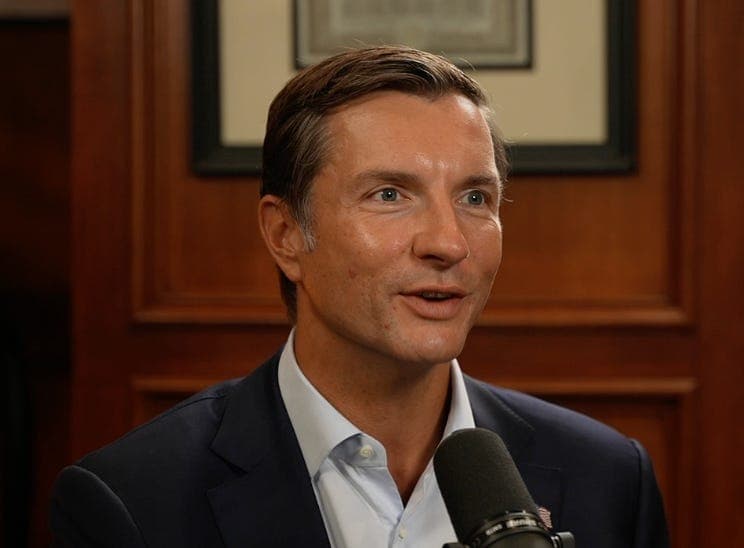
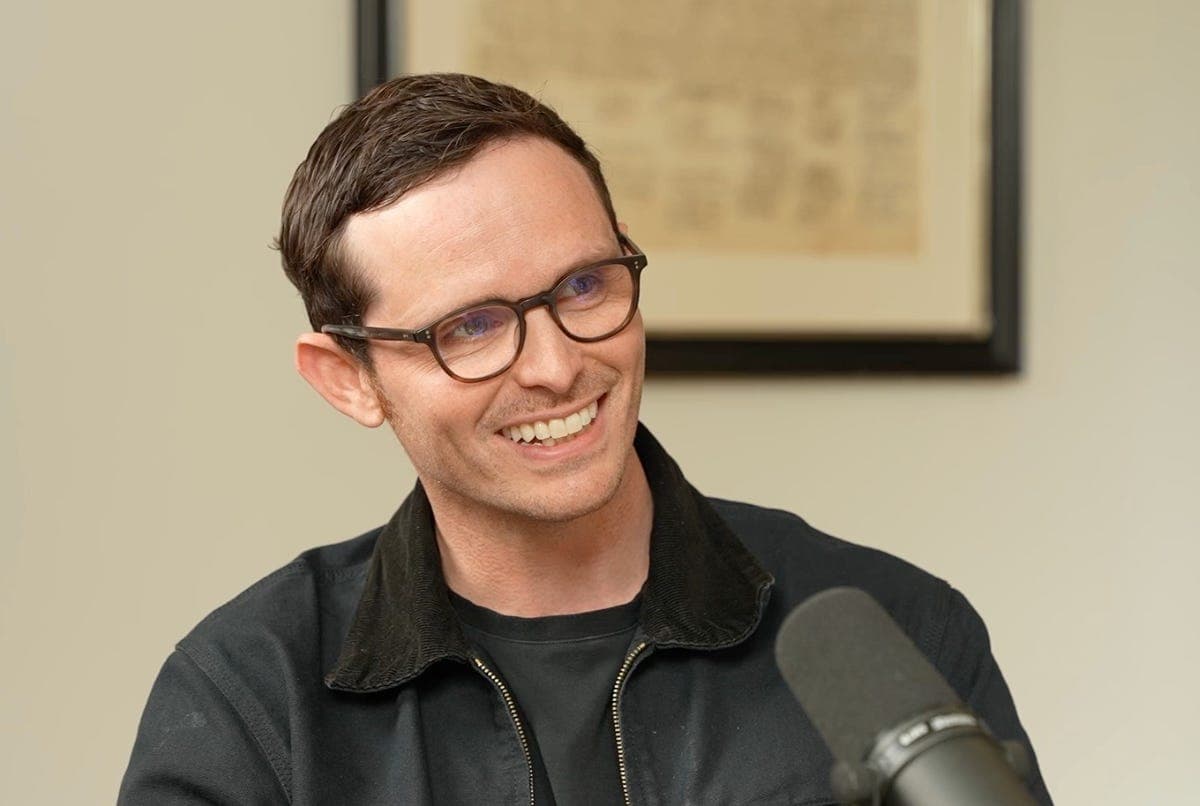
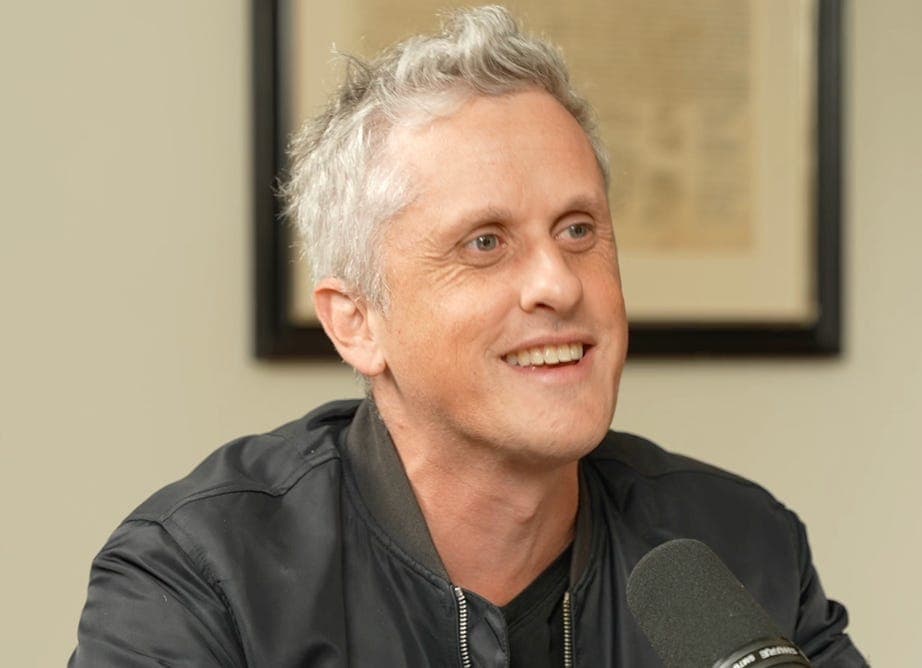
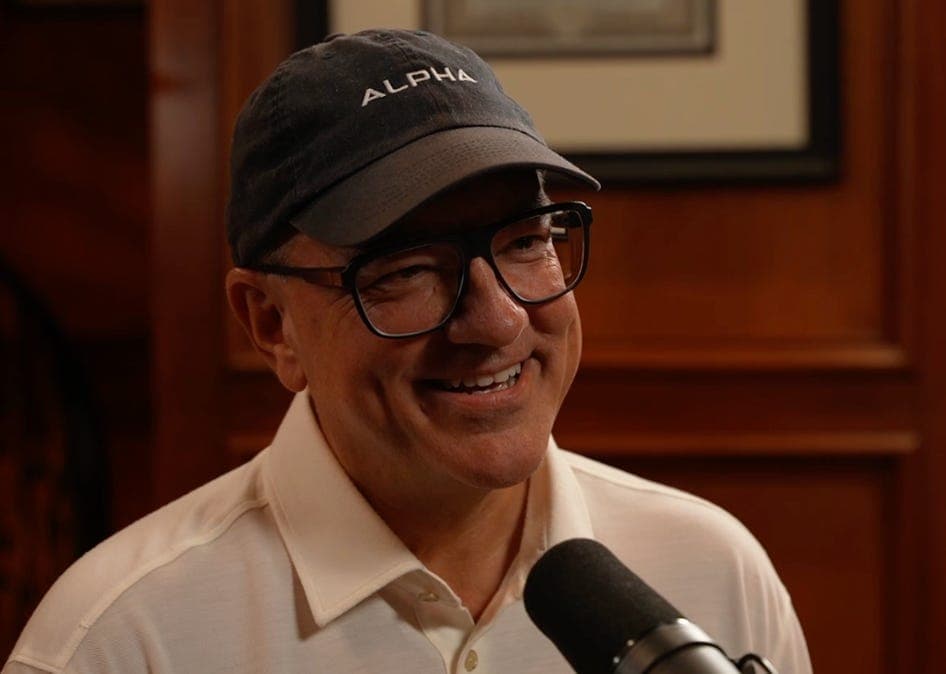
Ep 131: How AI + Incentives Can 10X Learning & Save American Education with Tech Legend Joe Liemandt
Episode Overview
- Host: Joe Lonsdale
- Guest: Joe Liemandt - a notable figure in technology, founder of Trilogy and Alpha School, and a proponent of reforming the American education system using AI and innovative incentive models.
- Focus: Liemandt discusses how AI combined with proper incentives can dramatically enhance learning outcomes in American education.
Key Points
Introduction to Joe Liemandt
- Background: Dropped out of Stanford to start Trilogy, the first AI product to achieve $1 billion in sales.
- Pioneered Trilogy University, known for its competitive culture akin to boot camps.
- Founded ESW Capital, scaling acquisitions successfully.
- Currently leads Alpha School, which boasts exceptional student performance.
Trilogy Origins
- Developed early AI systems and "configurators" to optimize manufacturing.
- Emphasized the importance of attracting talent to Austin during the 90s tech boom.
Transition to Education
- Liemandt's new focus emerged from a desire to improve education, especially for low-income students.
- Influenced by economist Roland Fryer’s research on incentives in education.
The Alpha School Model
- Learning Engine: Utilizes AI to teach students significantly faster, requiring only two hours of attendance for equivalent learning.
- Incentives: The school incentivizes students through monetary rewards for achieving top scores, positively impacting motivation and performance.
Motivation and Incentives
- Liemandt argues that motivation is 90% of the solution for student success.
- Familiarity with individual students' motivators is crucial; different students require different incentives.
- Examples of incentives include:
- Money for academic performance that funds personal projects.
- Gift cards for completing lessons.
- Positive outcomes noted in students traditionally considered at-risk when provided with incentives.
Key Takeaways
- Love for School: Students must enjoy their educational experience more than leisure activities like vacations. Alpha School reports a 96% satisfaction rate among students.
- Accelerated Learning: The AI-driven model is capable of doubling learning efficiency compared to traditional schooling.
- Life Skills Education: Schools should teach essential life skills, including leadership, teamwork, and entrepreneurship.
- Quality Educators: Shifting from traditional teachers to guides who provide emotional and motivational support is central to the Alpha model.
- Community and Character: Building a strong community within schools is vital for student development and success.
Challenges & Future Vision
- Education system has historically underperformed despite significant investment.
- Liemandt aims to transform education for a billion children globally with scalable, affordable solutions.
- Emphasizes that AI's proper application can fundamentally change how children learn and interact with knowledge.
Conclusion
- The episode concludes with an optimistic vision for the future of education through thoughtful application of AI and incentive-based models that prioritize student engagement and success. The discussion encourages parents, educators, and entrepreneurs to rethink and innovate in the education landscape.
Additional Resources
- For more information about Joe Lonsdale and the podcast, visit [American Optimist Blog](https://blog.joelonsdale.com?utm_medium=podcast).
- Explore more about Joe Liemandt's initiatives at Alpha School.
Written by AI. May contain mistakes. Listen to the episode to check what was said.
Transcript
Automatic transcript. May contain errors.0:00AI is a double-edged sword. It can be used for bad and we can tick-tock brainwash everybody. Or we can use it to transform education. You became one of the most successful guys in the tech world by far. Bill Gates came down and said, you're the only person not competing me for talent. I went to Stanford for a few years, famously dropped out. The headline on the article was my dad telling me what a moron I was. And that was the found trilogy. We were the first AI product to sell a billion dollars. And then you're focusing now on KHFOL. We have built a learning engine that teaches kids 10 times faster.
0:27And our students come in two hours a day. They're at an AI tutor. They learn over twice as much as kids who sit in class for six and do homework. We're the best performing academic school in the country, and I'm going to get this out to a billion kids. AI gives kids superpower. Used correctly, it gives kids superpowers.
0:50Joe Lamont is an American legend, one of the top 10 most successful technology entrepreneurs in the country. He's been living behind the scenes. Very few people know who he is because he has not done any press. He's just coming out in the media the last month. It's amazing what he's accomplished at huge scale in the technology world. He's also a wise man who is going to change the future of education in America. He's starting hundreds of schools. He's using the best in AI, the best in incentives, and a lot of other wisdom on how kids learn. You know, originally he built this for his children, but he stepped up and made it a mission in life to take advantage of what's going on in our country with school choice, with AI, and to really take our country back to the best education in the world.
1:28Really interesting ideas. Contrarian guy. Thanks for himself. you're going to want to hear what Joe Lamont's up to. Welcome to American Optimist. Really excited to have my friend and the legend Joe Lamont here with us today. Joe, thanks for joining us. Thank you for having me. Joe, you're one of the most successful people in the technology world, but you always laid low for like 30 years. You built Trilogy. I remember Bill Gates came down and said, you're the only person now competing for talent in the 1990s and you just crushed it there. But now you're the principal of Alpha School, very famously, which is going to change education in America.
1:57You're going to open hundreds, thousands of schools. Let's start with your background first of all where would you come from where were you born sure uh born in minnesota uh minneapolis and moved around every couple years my dad worked for general electric um jack welch's strategic planner uh places where they had a factory i think i lived in those cities all over the place and you were at stanford after that and then i went to stanford for a few years um but then you know famously dropped out and uh the headline on the article was my dad telling me what a moron i was and uh and that was the found trilogy and that was what were you working on early on a trilogy what year was this yeah so i i would have been class of 90 if i graduated but uh i officially dropped out uh the summer of junior between summer junior year um i'm sure my professors would have said he might not have been coming to class as much as he should have even before then but what happened was in the sort of background i got into it in high school i literally wrote a paper on experts on ai yeah and back then ai was expert systems and there was i did i remember i had a paragraph in the paper that was like neural nets you know they're decades away yeah and so uh i then went to stanford and you know professor feigenbaum is considered the father of expert systems and so i was literally in his class when he talked about if you build these things called configurators that are really hard to build but if you build one uh these things are worth millions of dollars a day and so i i ended up dropping out what's a configurator how's that so uh configurators are if you have uh a lot if you're building something manufacturing something and you have lots of different permutations of it the easiest ones that are simple ones are if you go to a car website and you figure out you know what features and options you want or a dell you know what kind of dell computer you want we were doing ones at scale so you want a phone switch you want a boeing airplane you want an x-ray scanner um uh big mainframes you're not just choosing things though it's automatically figuring it out for you what you're trying to do is you're trying to take the knowledge that's in manufacturing and engineering and put it out to the sales force so the reason we took off and our claim to fame was we were the first ai product to sell a billion dollars was you know laptops were new back in these days right so the 90s which was you if you sell it the sales rep would be out there and he would sell things that couldn't be built just it's not manufacturable and they'd only catch it way late on the manufacturing facility and it would cost millions of dollars to be like fix it or free parts to the customer or just delays like go back to the customer and say whatever we sold you just doesn't work i work mostly in software we have trouble there sometimes with sales people selling ahead but i guess with real world stuff it's even worse it's even worse like i was walking down the manufacturing line of boeing and you know the president's like that that misconfiguration costs a million dollars we're have to repunch that plane you know and and so that so there was tons of business value and it was could you just build it and so that's that's what we built uh back then and that's how uh so and that was trilogies and then you know back to what we were known for was we were also known for recruiting talent you hired a lot of the best people i think you know austin austin texas here there's really you and michael dell who brought in just like tons of people and i'm really glad you did because i live here now and i feel like you must have hired at least a couple thousand and really top talent.
5:09What were the numbers? So how we got here is, you know, we couldn't raise venture capital. No one thought our idea was good and it was never work. And John Lynch, who was our co-founder, was like, look, Joe, if I'm going to be poor, I'm going to be poor in Austin because it's cheaper back in the 90s. Even now, it's still cheaper in the Bay Area, I think. But it was a lot cheaper back then. And so he moved down here. We're like, okay, we're all moving to Austin. And so we moved down to Austin. But the problem was there wasn't huge software talent. And so the way we solved it is we brought down 2000 Ivy League grads or top talent and had them move to Austin.
5:42You had a playbook. You gave them hard tasks. You had to meet interesting people to bring them here. Yeah. Recruiting was really effective. And this is actually part and actually relates to how we do school, too. And some of our beliefs of it. We created a thing called Trilogy University. And, you know, Trilogy University in the 90s was the hardest boot camp that any company in the world had. Harvard Business Review wrote articles on it. And, you know, it was the hardest one available, which was they came down and they worked 100 hours a week, you know, for months. And people were like, why are you getting all this top talent if that's what you do to them?
6:17That seems crazy. I'm like, the reason they're coming is because that's what they do to them. Kids coming out of college want to show they're awesome. Yeah, they want to be challenged. They want to have an impact. They want to be challenged. Yeah. And I remember just having discussions with other companies. is I'm like, you're trying to babysit them and make it nice. And they don't want to, you know, do a gas cap. You know, they literally want to come down here, work hard, show they can have impact and do big things. They want to go to a war to change the world, right? People go really hard right out of college if they're good.
6:48Exactly. And so that was our recruiting pitch. And it worked really effectively. And that's why we were able to get everybody down here. And you got all these people here. You guys crushed it, built a big company. There was an interesting pivot after 2000. I think you bought the company and then you started also buying eventually hundreds or thousands of other companies. So can you tell us a little bit about that? Yeah. So 90s was all organic build. We were just building stuff, sales, you know, in the sales world. And then after the dot-com meltdown, a huge percent of our customers went bankrupt during that.
7:16And what we realized in the aftermath was we were actually good operators. Like we actually knew how to run software companies well. And there was all these software companies that were really cheap. And so we bought a couple of them. we made like 10 times our money you know like oh we should probably do more of this i mean it's not really that it was it wasn't really more strategic than or complicated than that and so uh today if you trilogy still private company um you sort of have trilogy which is organic build side and esw which is our acquisition side and they either we either go out and build things or uh acquire companies they've gotten really big at acquiring a lot of things they even reach out to all my guys you know and stuff we're like no because i think they buy things when things aren't doing as well So it's bad if they reach out to someone.
7:56Yeah, well, someone has to, you know, venture capital returns, right? Are. Yeah. We're focused on things going into the sky. You're going to the sky. So what do you do with all the rest of them? Right. And if you're a growth CEO, right, who started something to go, you know, build, you know, the unicorn and billionaire, a lot of them don't make it. So what do you do with what's left? Yeah. How to run something is very different. Yeah. And just you just focus. You're not trying to growth and you're trying to babysit the customers. And it's a lower return play than your hyper growth. But somebody has to deal with that.
8:23And that's what we do. And you've had to focus on talent all over the world for this. You've scaled it up massively. Obviously, if you're thinking about talent at that kind of scale, you're kind of thinking about education too a little bit. Are some of the ideas coming from your business and that as well? Well, I mean, Trilogy University as the concept, you know, started that way. But yes, that a lot of what you're doing, I mean, in any business, right? How do you upskill your talent base? And right now every company has to say, well, how am I going to educate my entire employee base about AI?
8:50And so education is everywhere. I have, you know, in sort of three years ago, decided to focus on K-12, which is sort of my new phase two of my career. Okay, so let's talk about phase two. So you became one of the most successful guys in the tech world by far with a couple acts with this thing. Before I jump right into K-12, so you've clearly been thinking about this a long time. You sponsored some of Roland Friarsburg, someone I really admire, a Harvard economist. You guys went into the inner cities and you tried to test like what interventions would work or not. Tell us what you guys learned from that.
9:19Sure. So I want to think back to incentives, right? He's an economist, focused on education. And he's like, what are the incentives that will help kids learn better? And so he worked. I think he did a lot of it. we sponsored the stuff at Houston School District, where it was what would happen if you pay teachers, right? Sort of performance pay for teachers. What happens if you pay parents to show up for PTA meetings or check the homework? What happens if you pay kids, right? I love that. Will you do this? And it was, I mean, he was awesome. And, you know, I was completely clueless. Because I remember I was like, why don't we just give everybody, you know, $1 ,000 if they get straight A's?
9:55And he's like, Joe, I don't understand. Wimbledon is next week. why don't you just go win Wimbledon you get like five million dollars you know and I was like oh I guess you got to do all this work and not just the last little tea not just no and it's what you're teaching kids daily habits is actually what you're trying to incent not just outstanding outcomes because that's part of it you're sending daily habits but you're also sending the results as well correct but you have to the whole past you have to do both you have to incent you have to teach them what are the daily habits it's sort of like yeah they can't just go win Wimbledon all of a sudden they have to actually be taken along the right way you gotta you gotta scaffold your way into it which also affects how we do education today do you guys figure it out and that was i mean the the result you tried paying the teachers tried paying the parents the result was paying the kids the right way it was actually by far the most effective right yeah no paying the kids is by far the most effective way um to do it and you can get you know big effect size on on doing this it really works and when we talk about we've you know we we did not have the budget even for his research back then versus what we use today yeah and you can sort of think of some of our incentive stuff is like taking his stuff and just jacking it to, you know.
11:01So incentives are very important for kids' education along with the other stuff you're doing. How many children do you have? So I have two daughters. So one is a college student and one is a senior in high school. And you helped build the school for them originally, right? As well. Yeah, well, actually how it started. So how I got into education really in a big way was a decade ago, a Stanford grad, McKenzie Price, was a co-founder of Alpha School. And, you know, one of the things I've learned as a principal now and i've been principal for three years is parents want their kids to be educated the way they were and you know i went to catholic school and i didn't like a lot but my kids are at catholic school and mckenzie's like oh come to my new school and i'm like i'm not going to your weird school this is so weird this is so different like no and it took her two years right of convincing me and selling me and all these things to get me to move my kids over but the The other problem with education is education's not scalable.
11:57There's all these pockets of education where you get really good results, but they don't scale. And I very much viewed Alpha and McKinsey School as that way, which is great for my kids, great for the other kids in Austin who do it. But didn't work at scale at the time. How do you do at scale? And that's where sort of I ended up coming in and sort of was three years ago when Gen AI came out. I was like, ooh, neural nets are here. Finally, after decades, they're finally, you know. And with these, I was like, we can take what you're doing, McKenzie, and get this out to a billion kids. And so it was that realization that sort of did phase two.
12:31And so the transition for me was I went to my team. And my team have been there for 25 years at Trilogy. And for 25 years, they tell me how great they are and how they're better than me. And I'm like, we'll see. You're just going to run the company. You're going to run the software company. I'm going to go be a principal. I love it. um and so i also made a little harder for him because i said well i'm taking a billion dollars cash out of the company so i can fund and why a billion dollars and this is awesome you're taking money you've made you're going to put a billion dollars into education why is it a billion why is it that needed um we need at scale you got you need full stack reinvention here and education you're not going to do it with small money right you need full stack which is you know they're for 20 years people have funded ed tech lots of vcs has funded lots of ed tech none of it works right Right.
13:18There's our ed tech investment goes like this. Test scores keep going down. And so you have to go revisit from the ground up and build it. You got to build campuses. You got to build schools. You need physical plan. And this seems like a big important part to me. Ed tech is not usually the school itself. The problem is that the school itself is broken. You can't just put stuff on top of it. You got to make the core work. You need you have to go back to first principles and reinvent everything. And when we talk about like how we looked at the school to reinvent it, it is it's a lot. It's a lot.
13:44And you need a lot of investment to do it. And just to be clear, like my billion is a drop in the bucket of what is required. Hundreds of billions of dollars are it's a seven trillion dollar industry globally. We're going to need hundreds of billions to hundreds of billions to fix this. Right. And, you know, capitalism is going to have to provide capital if we're fixing education, which is hopefully something a school choice could do. We're going to get to that as well. Yeah. Hopefully you can give a few more billion if you need. I guess. Absolutely. Good. So the schools themselves, like I like to think I know this is not probably right, but I so So there was this advancement with Acton Academy that was made here where the students themselves were kind of given more, like it was like more libertarian school.
14:22They're given more authority. They learn how to learn. They have their own rules and stuff. And I like to think you guys kind of took Acton with this new model and you put things on top of it. You put in more incentives and accountability and gamification and AI. Is that like an okay way to describe it? Absolutely. I mean, Acton's a great model on what they've done. And the founder, the co-founder with McKinsey came from Acton. He worked with Sandiford there. And, you know, that is a sort of our roots is definitely comes from there. But we added definitely more tech. You know, today, if you look back, there's definitely more tech involved.
14:57There's definitely more rigor involved. We definitely are much more expensive. So we've added a lot of cost structure. Why is it more expensive? What is the cost of money? so back to you know where we spend we have uh a much lower guide teacher ratio than what actually have more guides so we have more guides we have more teachers more adults in the building why did you guys end up needing that um uh kids when you start in kindergarten right they need more structure to get them through especially the young kids but like does like a seventh and eighth and ninth grader no so actually we we change that so where are if you look at where money goes you know in in an alpha school the how much you pay your guides we pay our guides more number two at kindergarten we have a uh much uh many more guides per student yeah uh when you move up to middle school or the kids are like dude i don't need all these guides like i'm an adolescent like you know but we take the money and we put them into life skill workshops and part part of the thing is we'll we'll talk about different schools that we've started but alpha which is sort of our high end is a high end private school where in our design goal when we were doing the product management around it we said what can kids do if money's no object if you just can you turn a kid up to 11 give them everything what can you really get out of it so that we can set sort of an exemplar around that now we're coming out with schools at half the price and we're hitting we're even they have the price you're getting kids to like the very top results correct academically it's actually funny because school's a bundle and actually the easiest and cheapest things to fix is actually the academics, right?
16:30Because that's tech driven versus the rest of the day is all very human driven. Tell us about the life skill workshops. What are those? Sure. Actually, let me spin back and just say when we reinvented the school, sort of the five categories to look at. The most important thing that we did, and this is Brian, McKinsey's co-founder. When I asked him, I said, what are the two things I don't believe about school that I should believe? This is a decade ago. He's like, your kids must love school. And I didn't really like school and dropped out and stuff. I'm like, it's sort of like spinach, right? And he's like, nope, they need to love school.
17:03And today, when we reinvent, that is the core value of every school we start, whether it's an alpha or any other type. And I believe anybody who's going into education and our standard is actually they love, kids must love school more than going on vacation. That's high. And I believe that is a standard that if we're going to put kids for a decade, right, dozen years into this stuff as a parent, right? we should expect that out of the school because it's totally doable yeah it's a totally doable thing we should set that as our standard at alpha we're up to 96 percent of kids say they love school 40 to 60 percent say i'd rather go to school than go on vacation like my highlight as principal in the last three years was a few months ago my two-thirds my high school students sent a note and said can we keep the school open over the summer we don't want to take summer break and i thought that was the most crazy email i've ever gotten you know and we did so now i guess we're year round at alpha high because the kids love it and the key is they're working on things that matter that they care about right and you have to have that and you can start that really young kids love it they're excited about it wow and so that's number one is they have to love school to that level the not the second one if you're reinventing school you know for the next 20 years in our ai world coming kids need to learn 10 times faster we cannot have this 200 year old model where it's six hours a day you know teach in front of a classroom plus homework right ai and learning science right uh allow you to teach kids 10 times faster and for 40 years right the you know dean schwartz at stanford and the schools of education all have written 10 000 papers on how kids could learn two five or ten times faster now they all start with this doesn't work in a teacher in front of a classroom model and no one's been willing to break that model right because that is the most sacred model in education they don't want to do what's better no one's going to change it and everybody's scared because no one wants their kid to be a guinea pig right you have all those issues yeah and so in our model right we have built a learning engine that teaches kids 10 times faster and so how that reacts or how you see it in our school is our kids come in our students come in two hours a day they're at an ai tutor it's not teacher in front of the classroom and in that two hours they learn over twice as much as kids who sit in class for six and do homework and so our academic performance we're the best performing academic school in the country where you know all our classes now are you know are top one percent um we crush it and it it's for everybody we have a gifted talented school where those kids are off the chart those are even more ahead they're even more a chart i mean and when you see with those kids we take kids who are years behind years behind and we can take kids from the bottom 25 and give them the top 25 in two years i'm very jealous of this my friends and i were allowed to go like a grade or two ahead in math and that was it and that was considered to be like we're very lucky and if we had this school i feel like especially a couple of my friends are smarter than me they would have just been done by the fourth grade or something you totally would have been well just to uh to give you some data points we have third and fourth graders who outscore 50 of the high school graduates in this country my daughter my older daughter who is you know 1600 sat math english double major at stanford who went through the old system you know and she was at alpha for 10 years with no teacher yeah she is looking at our latest version and she was looking at the kids and she went down and saw the third and fourth graders and she's like they're getting what i got in eighth grade and seventh grade and they're doing it in third grade so this acceleration of what these kids can do i mean it's getting better and it just keeps accelerating we gotta get this to more of the u.s faster to make sure we dominate exactly we absolutely do we need and you know we have one alpha one gt school here in austin we need you know if any of your listeners are really like i'm a builder and i want to go change the world come open 500 right we need great entrepreneurs who want to come and be able to open 500 gt or open a gt school just for their kids maybe too even just one's probably open one open one open 500 like let's go do this at scale because there's nothing more important for a society than how it raises its kids yeah right it's a single most important thing it determines whether society continues and so let's go work on that i'm actually curious on this point because because i think there's like a you where a society there's dialectic we need our best and brightest to get way ahead because they're going to fix everything for us you also from an ethical perspective want to make sure the bottom are taken care of and that you have classes for the least well off alpha is probably more about the average and the top or is it also doing things for the bottom everything so we're we're gonna get this out back to my thing is i took a billion dollars and i'm gonna get this out to a billion kids so i'm gonna have the whole range and so and we do we have ones where academically right the the the way to solve kids who are behind right in a time-based system it once you fall behind that you never get to catch up and for me it was back to being new in the job i went to one of the worst performing you know academically performing schools and i sat down and i watched the sixth grade teacher and the sixth grade teacher is handing out sixth grade material but i'd seen the test score which is if you're bottom 10 in this country you can't read you don't know seven times eight and she's handing out sixth grade material i'm like they can't read yeah i'm like that's like giving me an mcat like this is you i don't even know the words on the page like this is and you can tell me to have grit and hard work it doesn't matter you can give any it doesn't work instead what What they need, what that class needed was first grade phonics, right?
22:28Second grade phonics. And a teacher who's a sixth grade teacher needs to hand out sixth grade material, right? They're teaching sixth grade. And this is where the why the AI tutors do so much better. They actually figure out the ontology of everything where you need to know and don't know and go back and teach it. Just go back. And this kid, you know, and each kid gets the lesson that's personalized them. You need first grade? Great. You need second grade math? Whatever. and that's that is why you get these 10x learning because you put material kids need to every educator will tell you the two things you need to educate a kid you need a motivated student and we'll talk about when we get to motivation the second is you have to put them in material of the correct difficulty and ai tutors and edtech not even ours just edtech does that second really well and that's 10 of the solution is get them into the right answers 90 is how do you have a motivated student let's go back you said there's i think there's there are five i think there are five key things let's make sure we know great we're all five great so that too now we're getting to your original with life skills so once you learn 10 times faster normally takes two hours a day then you're like well what should we do the rest of the day right what is it because i can promise you as a principal the one thing you don't parents do not want you to do after two hours is send the kids home right and so what do you do for the four hours right and this is where you teach them life skills, right?
23:44What are the skills that we think make you successful in life, especially as you look in the forward, you know, when AI is going to transform the world, pure academics is not enough anymore. And so in ours, we have a life skills curriculum where we teach leadership and teamwork, storytelling and public speaking, entrepreneurship and financial literacy, socialization and relationship building, grit and hard work, right? And so they're doing these project-based workshop run by adults, right that's our we call them guides and coaches and they're doing these super fun afternoon workshops right which drives love of school way up and teaches them these life skills how do you do grit plus loving it because doesn't doesn't grit imply there has something difficult well and so i'll give you one one other thing that you have to believe to think alpha's model is going to work and this is probably the most controversial thing i'll say today which is the key to your child's happiness is high standards and many parents are very worried they they think low standards is the key to my child's happiness but for the same reason people came to trilogy university because it was going to be the hardest thing they ever did they do that kids want to do hard things they want to do awesome things and it starts in kindergarten now parents naturally are like i don't want to see my kids struggle and fail i don't but every development expert in the world will say the key to your child's development is that they struggle and fail on their road to success supported by a caring, loving adult, right?
25:17That loop is what you just want. That drives self-confidence. It drives resilience, all those good things. It also, and this is the most controversial thing. I can't make a school that kids love so much. They'd rather go on it than vacation. If I don't have high standards, if kids are scrolling TikTok and playing video games all day and just doing stuff they're not gonna say yeah they're not gonna say they'll just do it on summer break yeah they have to be working in a team with other people on awesome challenging things and my best analogy outside of school is and parents just think that's so crazy yet 50 % of America thinks the place I teach those life skills is in after school sports and if you take the athletic ethos that almost everybody you know half the people in America totally believe they want it because it's high standards that coach like westlake football down the street right state champions every parent is like i want my kid on the westlake football team because a it's the hardest thing that kid's ever going to do and he'll remember the rest of his life but you should make everything else like that too correct and everybody else is like it and they already do like if you're on the westlake football team right you come during the summer you practice right all these things where i say oh when i apply to academics they're like that's crazy but sports everybody expects it's normal because they love it this is interesting i think my friends and i had to create this for ourselves outside of school when we were young otherwise it would have been miserable so we had all these things we were doing that were very very hard and you'd fail and then you succeed did you have that in your life too where you push yourself outside of it this is back to the changes of my life and back to re this might also affect my views of school you know after i dropped out of school at stanford my dad had the famous quote of you're a moron and you're an idiot and all that 18 months later we were talking and he's like you know i'm so glad you dropped out i i changed my mind and uh he's like you know before you dropped out i thought you were a lazy little shit always shirking the work you never really engaged you were always trying to do the minimum to sort of get through he's like since you dropped out and found what you love i've never seen you work harder you're working you know we were working sleeping on the desk 100 hours a week the classic startup stuff yeah and he's like oh thank god that you're like that and not just this what he was worried about yeah and um and i believe back to this whole thing of like where you go through that transition our job like when we look at alpha our job is to find what ignites the kid right we started middle school like don't give them the opera kids don't want to be consumers they don't want to scroll tiktok and play video games all day they only do it because our current system basically doesn't give them options like your after school stuff had to be you know self-driven ours is like let's just make our schools where we find help the kids find their passion and make sure the standards are really high and they will so impress you with what they do because they want to be awesome kids want to be awesome i love it let's talk a little more about like incentives and accountability like i think at one point i heard like the kids are ranked in different ways which some people don't like but obviously it's part of holding them accountable like how do you how do you how do you engineer these incentives how do you do it yeah so motivation is 90 of the solution so we spend a lot of time on the motivation part and the thing about motivation you have to understand is uh every kid is motivated a different way and you know understanding that motivation and sort of the hierarchy and framework and changing them over time is critical to to building it and our guides when we think of our what our guides do all day so um that is their number one job which is you know they're not teaching seventh grade science because the ai tutor is doing that so what do our adults in the building do all day what they do is motivational and emotional support right they are either motivating this kid they are getting to know this kid so well so that they know what does matter and then second how do i support them through that struggle loop we we talked about earlier and so when we talk about motivation let's let's let's sort of give you a stack rank of the ones that really matter um there's an astral codex article that is out there that talks that's from an alpha parent who's like i think the money is the most important and we actually will get into it but i actually don't think that's true which is uh the name of our product is called time back time back give kids their time back that's cool and that is by far the most motivation i need that and exactly and it's and so for kids we waste most of their kids their first 12 years in school we're wasting it we're wasting their day and so and this is how it sort of the product management side that came out of this was my first day three years ago first week you know i'm now principal because i was like mckenzie i need to go be a product manager and figure out you know how to do this so i'm talking to these new fifth graders who had just started you know and i'm new i'm like do you guys love school because i have to deliver you know the first commitment you love school and they're like no and i'm like what would make you love school and they're like less school and i'm like how much less and they're like none oh and i'm all like okay that's that seems a little light here and we literally negotiated two hours and i was like look how about this if i if would you engage in the apps right if i built some apps and would you engage them in two hours if we made the other four hours awesome and fun and stuff you loved and all that and the kids are like that sounds fair and so i went to my engineering team i'm like we got two hours we have to fill this kid's head with awesome knowledge and we got to do it in two hours now luckily because of learning science and ai tutors and gen ai you can build this engine which is what we did but that motivation the kids will tell you which is you know and the counter on the money is if you're back once down in westlake's honors program it's six hours a day and four hours of homework you can't pay those kids enough money right to be happy that's not and so but once you give kids their time back and free it up to do all the awesome stuff they want to do, plus we think is really valuable, hard things, all these cool things, then that's the primary motivator.
31:15Then second, though, let's talk about we use, you know, sometimes in kindergarten it's a sticker. You know, all our guides have these. You know, we can talk forever about all the individualized motivation that each of our guides. Because there are different ones you classify. There are different types of motivation. Different types of motivation. You know, our guide, there's our middle school girls love the Taylor Swift dance-off. So after they finish their lessons each day, they take 15 seconds to, do the Taylor Swift dance off. I'm like, okay, that's, I guess that's what does it. You know, just every kid, you know, has different things.
31:42Let's talk about the big controversial ones though. Let's talk about money and going back to rolling Friday and stuff. So where do you use money? Parents natural reaction is I hate this. I don't ever want to use it. It's evil. It's bad. And so we have a range and I'll go through some examples to sort of challenge you on that. A lot of us had parents who like, you know, get straight A's, get 25 bucks or something like that. So my dad paid me for it, my A's, I think. So there was always a little bit of this, but like we just amp it. Right. And we sort of took it as a how would you do this ground up?
32:12So let me take examples of what parents will agree with. Okay. So first off, in middle school, right, let's say I pay your kid to do great on academics. And then they use that money. It funds their passion project account where they get to do an afternoon workshop. That's their passion project. So I have a high schooler actually who she's an arts theater girl. let's call her arts theater girl um 790 math sat okay it's pretty good for arts theater girl when she came in she was not thinking 790 we had to use money and motivation to get her there right to break through things and we could talk about that but she used it to fund she is launching the all um the first all team produced acted shown broadway musical amazing right sourced everything off tiktok she needed the money to go talk to a producer up in new york city every parent's like okay that seems okay too um uh or how about and middle schoolers after they finish their academics and crush it because we we pay every kid in middle school at alpha a thousand dollars if they get to top one percent and but it funds their robin hood for kids account to teach them how to trade earn save invest um spend and donate amazing and you're like parents are like okay that seems pretty good too right that's reasonable and so those are those are reasonable places you know of where you'll where money is okay um other ones you know we use money basically for two things because money is a big motivator it's not number one but it's still big is if we can inculcate daily habits yeah daily studying right daily good habits you're willing and generally i tell parents you're willing to pay the kid to get the habit jump started right just get it started and then it will continue and so it's worth it to whatever the motivation you need and if money's there for the kid do it some kids it's better than others that have money for that yeah and some aren't motivated by money like my oldest daughter right she was naturally just loved school money never moved the needle at all my younger daughter is literally the opposite and i'll give you this and we'll tell this one this one's you know sort of because i personally lived through it's most emotional one um uh but it i think it encapsulates all the struggle parents have um because we had a lot of family discussions so my daughter my younger daughter you know is opposite of her older daughter uh my older daughter and when she got to middle school she got to top 10 academically right she hit her top 10 and she came to me and she's like dad you know i'm not like my older sister you know i'm not top one percent top 10 is great you know and uh i'm super happy and i was like well you know i the one thing i know about you is you love to shop and you love that more anything and so i bet you a thousand dollars you can't get to top one percent and so she literally filled her amazon card up and would look at it every day i think she wanted to buy and then she do her apps oh that's funny and she do her apps and then she hit top one percent now but it encapsulates the problem because we had a lot of family discussions because my wife was not a fan of this because of two reasons one you're setting top one percent as the standard for somebody who says that's not what i want so and then second you're paying her for this right both dimensions and lots of parents don't like either of those so yeah my family was living exactly what all the parents think and but here's the part that you know was transformative is after my daughter hit it she sat down with my wife and was like hey mom i know you didn't like this but you need to understand that before this i never thought i was as smart as my older sister right i just i didn't think I was smart but after doing this I realized I can do anything she can do if I just work hard at it that's awesome and that concept and that is the second use of where I would tell every parent use money a lot of education is your kids have natural blocks where they're unlocking they can do these things I love that about the inner city stuff too with rolling fire because you have these kids that are maybe from families no parent no father in the home not doing well and they just assume they can't and all of a sudden you showed them they can't I thought that was really neat And that part where we should spend$1 ,000 for every...
36:23We spend 20 grand a kid in this country for public school. Yeah, you should spend the money. Spend$1 ,000 so every kid wakes up and is like, I can get to whatever academic performance. You're teaching them what's possible. Exactly. And breaking through those internal heart limits that they have. For people who don't know very well what's going on with Alpha, one worry is that, oh, you're doing this for all these affluent kids who are from the good families and they're smart anyway for the most part. But what's the evidence we could do this more broadly? I think you did things in Poland and Kenya as well.
36:51Tell us about the more broad evidence. So, you know, if alpha is the high end where you're like, OK, money is no object. Now we've got to get this down. And I have to be able to get these same results at less than twenty thousand dollars. Right. I got to drive that cost down into a billion people. I got to get it down to less than a thousand. So, well, first America, though, is like 10 to 20 ,000. Right. It's basically it's a trillion dollars. Fifty million kids is the round estimate. So 20 ,000. Right. 20 great kid. and then but yes if i'm going to be doing the kenyan sub-sphere africa i'd be a thousand dollars and um and so and that is our target goal we're we're absolutely going to get there it's not going to be tomorrow but i i'm in this for the next 20 years america first but then the rest of the world here we go okay absolutely but but we'll give you examples but back to motivation right the things are different which is we can take we're we absolutely one of the things about an ai tutor it doesn't matter where you start so you can be in the bottom 25 and if you have a motivated student we can get them there right it's how do you get them to do that first grade phonics lesson like i was explaining before it's all motivation it's 90 motivation so we've run we've run pilots you know we don't have this rolled out broadly but we've run pilots right in public schools where you take mtss level three kids and mtss level three is basically your bottom 10 kids academically got it and we sit down and we're like here's what's different of us in normal ed tech normal ed tech you're like give them the app and see if it works and we're like the app doesn't matter like i mean our stuff's great but it doesn't really matter it's what are you going to do to motivate the kid to do the work yeah right and so we literally on our pilot we like gave the kids gift cards right if they get the gift cards unlocks if they could finish yeah they'd unlock the gift card if they finish the lessons and all of a sudden if you talk to the parents who did that at that public school system they're like or the the teachers they're like it transformed these kids lives the parents will say the same thing yeah we have you know our middle schoolers back to alpha our middle schoolers were like they read about how these ukrainian refugees didn't have uh schools and teachers yeah right and so this was uh two years ago now where they're like well we're gonna go to ukraine right and teach them how to use our engine and and that's cool you know fix it and they're like i'm like wow that seems really hard for you guys to do that they're like Mr.
39:03Limon you say we're limitless and can do anything we can do the impossible I'm like okay that's true although I did find one thing that's impossible which is convincing parents to allow their kids to go to Ukraine during a war so the parents said no so the kids went to Poland instead yeah refugee center there was refugee center right on the border they went there and back to motivation so before they went and they had to spend from August to to back to when you talk about life skills this is what they did from August to January is they had to raise money for it i mean they had to go raise all the money so they're walking around downtown austin getting you know businesses to fund them they had to learn ukrainians to order food like you couldn't go on the trip unless you were able to order your food and you know because you had to be able to talk to kids and you know relate and so they did all these things and then in january like they they fly over there and you know the the refugee workers are like oh they so want to learn they have a thirst for learning and all these things and the uh the middle schoolers get over the alpha kids and they call me and they're like mr limon these kids lives suck they have no interest in doing math problems none and i was like you guys are the experts you're their age figure it out figure out the motivation they call me back the next day they're like two dollars and fifty cents if we pay these kids two dollars and fifty because they have nothing yeah two dollars and fifty cents a day they will do the lessons and if you know and just we could really crush it if you double it if they do a five-day streak and so they changed the program name to learn and earn and so no and so we've had for a couple years we have over a thousand ukrainian refugees right on this system i love it and you're learning as fast as our forty thousand dollar private school it's such a cool use of being a billionaire is to be able to help tons and tons of kids and you figure out they need a little tiny bit of money and it's a tiny bit it must be really satisfying to be able to use that scale of money to change these lives yeah And I look at this, it's going to, we're going to be able to fix education.
40:57I know there's been so many claims in 20 years and all this hype and stuff. And obviously I'm going to spend the next 20 years and, you know, to, to make it happen. But you know, this, every kid can get this system. Like I, you know, our, our vision, if you said, what do we have to get to sometime in the next three to five years, we need a tablet that's less than a thousand dollars. So on-device AI to, you know, hit the cost target on-device AI that teaches every kid on this planet everything they need to know in two hours a day or less all the things we spent six hours in homework very neil stevenson exactly it really is and it's just and make that available but the key to that whole thing is how are you going to motivate the kid to engage with the that's the thing that diane h left out there's the motivation incentives are actually much more key they really matter and so some of them are just you know there's cash stuff but others you know and that we're talking about is you know a big motivator for kids is video games and screen time and so like we've back to other motivation things besides money i heard you have some kids you just won't study at all but then you'll like let them play video games if they unlock certain things by studying that's very clever well back to parents allowing motivation how about for one hour in the ai tutor you give them an hour of screen time yeah right most parents when they're worried about managing screen time you know they're like well if my kid's top one percent yeah i'm gonna let them play some video games it's when they're behind that you don't want them to spend that was a deal i made with my parents my actually my dad and i made this deal that as long as I had straight A's, he'd stop worrying about my bedtime.
42:19My mom hated this deal. It was like third or fourth grade. She's like, what are you doing? But it's like, but you know, I think it's fair if you're acing things. This is my, for my oldest daughter, I was always like, you can read as late as you want. Just, you can't complain when you, when you get up for school. That's what we're doing. My oldest too. She reads really late at night. And they just read and they think they're like getting away with stuff. Yeah, exactly. It's totally awesome. Motivation. So anyway, so like you can do it. Give kids video game time. Two policy questions that come out of this before we finished it.
42:46curious about so one of them is a battle i'm really involved and i think for example new york state right now currently bans any use of ai and these things so your so your apps actually are not allowed there as far as i understand uh this is a big battle in our country are we gonna let ai get involved and help kids um is i mean are you following this at all it seems like there's a lot of states that want to regulate these things and it's it's a big big question yeah well and it's it's a huge question and you know it is a big one because i also am on record that you know night if you deploy chat gpt to students 90 of them use it to cheat yes not necessarily that useful and just it is a cheat bot not a chat bot yeah and and so it can do harm for sure it can also be awesome like the way we're using it right it's great use it right it's it's we can't we cannot ban using ai right because it transforms kids childhood and so we have to fight this to the end which is the correct use of ai can have every kid have a dramatic like ai to a five-year-old this is the best time in history to be a five-year-old if we allow ai to transform the 12 years of schooling that you and i went this is an awesome point and make it so i love it versus like i yeah for a lot of my school too i was stuck as a prison right and it's just terrible so this so hopefully the moderates went on this one it's going to be a big battle i'm very involved in that the other policy question is school choice and and i know there's lots of different views on this but you know what my my view and i've been involved in this battle is that we should let parents like try things because when you try things in a free society then the best new ideas can win and so school choice is going to fund a lot of new alpha schools it sounds like so how are you thinking about this so i look at school choice i'm you know yes is my answer which is you know i'm a i'm a product guy and parents want different things yeah and trying to have one school where you have to solve all parents problems it's an impossible job and so i'll be like i look at the superintendent of public school districts or you know principals of public schools it's 10 times harder than mine i i don't know how to solve it to be honest where you know you want somebody who wants x and the opposite of x like i want academics i hate academics right i care about all these other things yeah i want values don't teach my kids your values i mean it's just it's an i part of what we do at alpha is we're very clear of this is what we do right and if you don't like it don't come right and you need that kind of thing like we have a sports academy right we have a sports academy and if you think sports motivates your kid send them to a sports academy yeah we also have a gifted talented school you yourself are creating multiple types of choices correct you have to create all these different choices and we need a thousand entrepreneurs creating all these choices so a parent can send their kid to a school right that's going to motivate them when you sit and say i have to make a kid love school so much they don't want to go on vacation man you have to optimize that school for them right and like you look at our gifted school right as as an example you know in most public schools there's you know one or two kids who are gifted they're often shunned dork nerd right it's not great to be a super smart kid in a lot of schools man you go to our gifted school i mean those kids are they freaking amp each other up it's so amazing like they came to me and they're just like mr limon we're gonna be the last human smarter than ai right i mean i mean it's just you know and just back to an example you know two two of the groups came and said we want to enter the global ai debate this last spring it was think 10 000 people from around the country of the world it's global competition when it was cut to the round of eight we entered two teams when it was cut to the round of eight both our teams made it to the round of eight and we became we're the last americans right and we ended up like second and fifth and this is the kind of stuff when you can build school choice where you're like let's go put all those kids together and have them be awesome amazing i mean it's just so amazing and they they love school right they don't need money incentives and stuff they're like when you ask them what would make you love school more they're like more academics right and you're like yes give them a third power hour give them math that would have been my nerdy friends in me i love it i love it how do you one other thing i wanted to ask is a lot of my friends my wife asked about it a lot it feels like in the age of ai um a lot of people are kind of losing a lot of their values and principles foundation right so i think you know i think if you're british and you're christian it's really important to be proud to be british and proud to be christian otherwise you see how what happens which is society kind of goes awry and and so in america where my kids were really proud to be american and we really believe in the american constitution and its values in a way that schools usually don't teach because we really strongly believe in that and we also really strongly in our case believe in our jewish traditions and jewish values which we want to impart to our kids how do you think about giving kids these foundations in a place this this obviously not religious like what do you do yeah well i i believe that you know part of teaching kids you are indoctrinating them right and this is however you want to use or you're educating them and doctrina yeah you're giving them you're giving them you're giving them values and so every parent has a set of values right that they want to impart and if you want to step back even more than america just globally it's one of the things to get to a billion kids that we think about is you know every country believes i need to care about my customs laws values and curriculum yeah of what we're going to have our kids and i believe in the ai world every family and every society every country has to say what are those values that we want to have kids learn because today if you take america there's a whole set of values that are getting put into kids via tiktok right which is not which are not my values at all they're not your values at all and they are super destructive to tons of kids right and we look up every day socialism it's like it's like a lot of really crazy i always i always tell my kids the two things that you know tiktok that your generation believes that a bunch of people don't is that socialism is better than capitalism and the rights of the listener are better than free speech and those that is what's on tiktok right those are the two things and it's brainwashing them and there's in it for hours right and so that's why they believe it right that's why you just you believe it and so if you believe the opposite like we wake up today when we talk about our ai tutor and putting thoughts in that no you we need to out compete tech talk and so explicitly in alpha obviously there's no religion you still want to have those values for example of free speech and uh and of end of end of markets exactly explicitly in the school they're explicit in the school and well when you just take civics right yeah what is the correct civics right and you know we have the 250th coming up next year you know what are the core american values that founded this company right country and how do we get this right and it's important because if you just taught the test you wouldn't necessarily get those you actually have to also teach to the principles as well as to the test correct i love it that's a really important principles and core values matter and you every you know now we don't take a left right position right we we believe in both sides part of critical thinking as an example just to go into it is we believe if you know everybody says we want kids to think critically you know i have critical thinking how we measure that is can you argue both sides of the debate and no matter who you are if you can't steal me on the other side you don't understand the debate yeah that's really important we need to teach every kid how to do that right on every issue and that's a measure where we're like ah that is going to do more right to help the civics debate in this country than anything else we can do i had a really good teacher how to do that i'd have to argue both sides and it's really tough to get true in your mind around and do it but it's fun when you can win both sides no and it and it puts you in the other shape no mine i had the same thing which is i grew up in catholic school and my junior year morality teacher right father gonzalez i came in one day he's like well joe it's gonna be your happy day you're gonna argue against the 10 commandments today and i'm like okay this is gonna be fun i totally just my personality right imagine imagine most schools doing that most christian schools wouldn't be able to that's great to be able to write the Jesuits very much viewed yeah I was a judge of school and they very much viewed that there's no dogma right we are going to learn you have to see the other argument in order to in order to defeat it right exactly no and he said there was another kid in my class who's like you have to argue pro-abortion and the kid said I won't yeah I refuse to do it and he's like I'm going to give you an F and the parents came in and they're like you know the priest is saying no you have to learn even though we are pro-life you must learn the other arguments otherwise yeah because you don't understand the other side you're never going to be able to work with them and exactly joe we started this podcast to like push back on cynicism and pessimism and nihilism in our country i think what you're doing is is obviously very pro-optimism what's your grand vision for 10 or 20 years from now what can we achieve for our country if this works yeah well education is the most important thing that we can do right there is nothing more important than educating our youth right and raising the next generation and when i look at ai you know and what's coming over the next 20 years it's right it's going to be a mixed bag for some adults Right.
51:34In that, you know, we're in Austin and there's robo taxis and, you know, Waymos and everything. And being an Uber driver is not really going to be great five years from now. But when you take AI and say, what's it going to do for kids? Right. It is an unmitigated good. Right. It is awesome for them because it is going to transform those 12 years. And these kids, AI gives kids superpower used correctly. It gives kids superpowers. There's no longer, right, 12 years, six hours a day wasting most of our kids' childhood. These kids are going to be able to do awesome things, love it, engage in it. And when we look forward 10 and 20 years from now, we're going to be like, you know what the number one use of AI was?
52:13Was to transform our next generation to be awesome. A lot of people are worried about AI and social media and TikTok and all these things. Is there a way that we can take this and do what you're doing to transform them to be more principled people who are actually better leaders later who can withstand that? A hundred percent. I mean, back to the whole principal part. It matters, right? On the values, you're going to be able to do it. But when you have, when kids are learning 10 times as much, they love it. You're doing challenging things that they love. These kids, right? The last line, we forgot to talk about four and five on our list.
52:47But number five is character, community, right? Classmates and culture, right? That's the core part of a school. and when you talk at the end of the day all we you care about as a parent is did i raise a good kid right character right and this and we look at what we're doing at alpha and if you you know meet alpha kids you're like god those are good kids right and i believe that's a that's something that we absolutely can do and ai is right it's a double-edged sword it can be used for bad and we can tick tock brainwash everybody and it'll be really bad or we can use it to transform education to actually build the kids that we all love and are excited about.
53:27I love it. And just so we have it, what are the five? Sorry, the five things are you must love school more than vacation. Your kid can crush academics in two hours a day. Third, life skills, the whole life skills discussion. These are the critical life skills that your kid needs to succeed in an AI world. Fourth is guides and coaches, right? when you take them out of teacher in front of the classroom can provide 10x the value to growing kids, right? And connecting with kids, right? And then fifth, the core community, right? So character, community, classmates, and culture are the core thing of a school that you, they are hard to measure, right?
Read the full transcript
54:11But they're critical if you're going to build a school of the future. Awesome. Well, talking to you makes us all a lot more optimistic. Thanks for your leadership, Joe. Thank you. You
From the publisher
Joe Liemandt is a legend in the technology world. Starting in the 1990s, he built a multi-billion dollar software empire, before quietly stepping out of the public spotlight for 20 years. Now, he’s back to reveal his next breakthrough: new schools that can 10X learning in two hours a day with AI and the right incentives. What were the discoveries that led him here? Why is he confident he can save American education? And how is he planning to get this to a billion kids worldwide?
Join us for a special episode with one of the great entrepreneurs of the digital era. In 1989, Joe Liemandt dropped out of Stanford to found Trilogy, which he describes as “the first AI product to sell a billion dollars.” He also pioneered Trilogy University — the grueling boot camp that Google and Facebook later copied — and famously outcompeted Microsoft for talent, drawing thousands of top engineers to Austin. On top of that, he added a software acquisition firm, ESW Capital, and scaled it to massive success. Today, he’s the principal of Alpha School, a revolutionary new education model that already has its students performing in the top one percent nationwide.
We begin with the origins of Trilogy, from building “configurators” and the earliest AI systems to creating its iconic, ultra-competitive culture. Then, we break down the acquisition strategy that turned ESW Capital into a massive success, before turning to Joe’s new mission: saving American education. Before joining Alpha, he went deep into the science of learning, notably backing Harvard economist Roland Fryer’s inner city research. Fryer experimented with paying teachers, parents, and students for good results — the findings shocked the education world and became foundational for much of Joe’s work. Learn how the right incentives combined with the best in AI have Alpha’s third and fourth-graders outperforming the average high-school graduate. Plus, we explore Joe’s ambitious vision for the future and how school choice can help get this model into classrooms nationwide. The U.S. has spent trillions on K-12 with little or nothing to show; meanwhile, China and other advanced economies have raced far ahead in education performance. If Joe succeeds, he will fundamentally transform education, and the future of our republic, and that’s something to get excited about.
00:00 Episode intro
01:53 Stanford dropout/origins of Trilogy
06:05 Trilogy University
09:08 Roland Fryer & paying kids for good grades
12:07 Why Joe is betting $1B on education
16:55 Kids must love school more than vacation
24:45 “The most controversial thing I’ll say today”
31:56 Why Alpha pays kids for top scores
36:52 Will this work for low-income kids?
42:57 Battle over AI & school choice
46:58 How should we teach history?
51:20 Joe’s grand vision for the future
This is a public episode. If you would like to discuss this with other subscribers or get access to bonus episodes, visit blog.joelonsdale.com