
In short
Podcast Summary: Episode 136 of American Optimist with Scott Kupor
Podcast Details
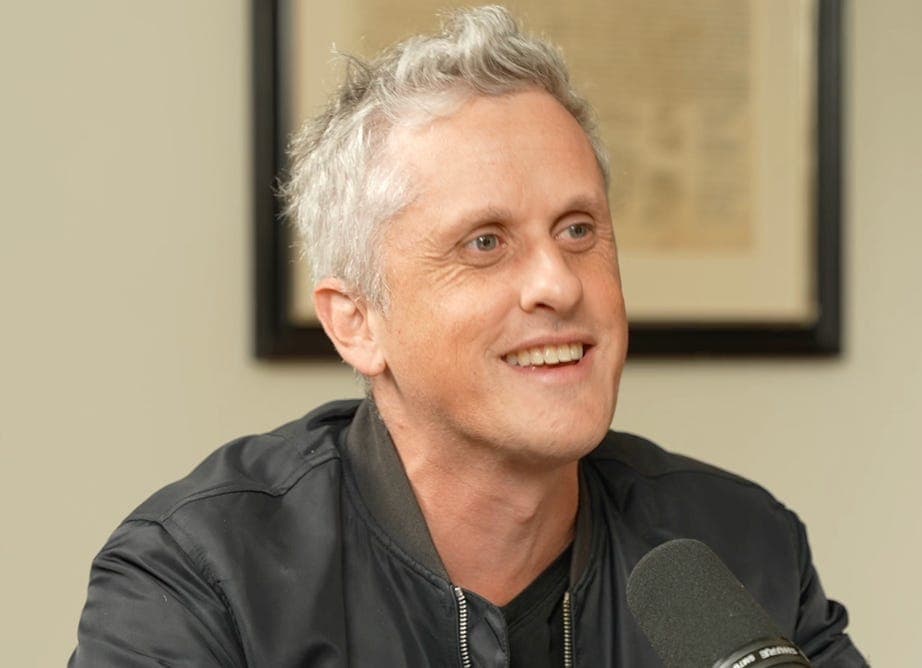
- Title: Joe Lonsdale: American Optimist
- Host: Joe Lonsdale
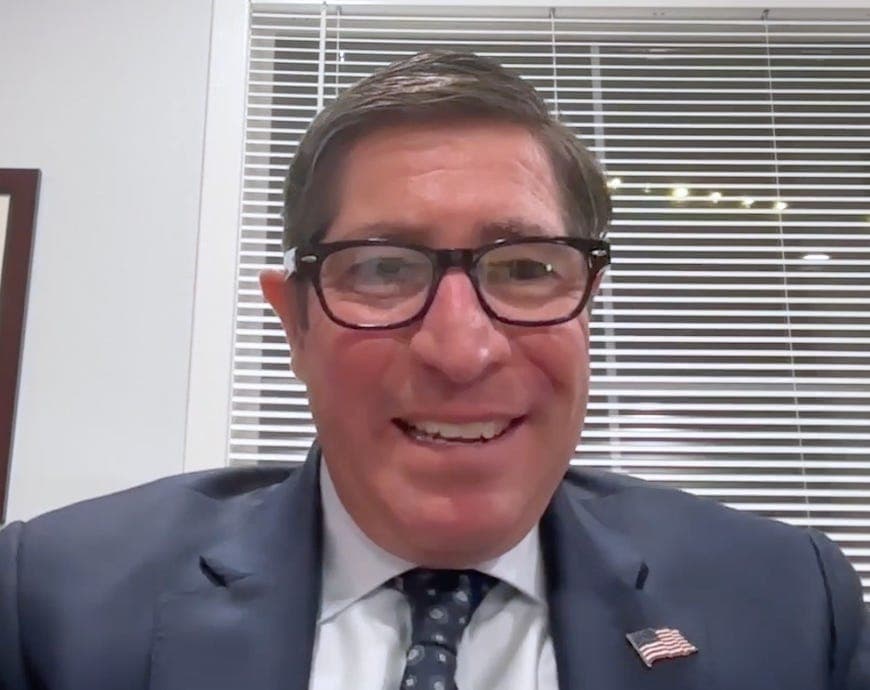
- Guest: Scott Kupor, Director of the Office of Personnel Management (OPM)
- Episode: Ep 136
- Description: Scott Kupor discusses the launch of the U.S. Tech Force, strategies for making public service appealing, and reforms to merit-based hiring in government.
Key Topics Discussed
Introduction to U.S. Tech Force
- Objective: Recruit at least 1,000 engineers and modern software developers into government roles.
- Focus Areas: Address shortages in AI talent and early-career professionals in federal agencies.
- Program Structure:
- Participants will engage with various agencies, including Department of War and the IRS.
- A speaker series will be held, featuring industry leaders to inspire and educate recruits.
- After two years, a job fair will connect participants with private sector opportunities.
Scott Kupor's Background
- Former Role: Managing Partner of Andreessen Horowitz (A16Z), a leading venture capital firm.
- Experience: Emphasized the importance of building a talent network and creating a supportive environment for high performers.
Challenges in Government Hiring
- Performance Inflation: Current government systems inflate performance ratings, resulting in 70-80% of employees rated above average.
- Cultural Shift Needed: Advocates for a merit-based system to differentiate outstanding performers from average ones.
- Legislative Framework: Exploring the need for regulations to enforce performance standards and accountability.
Historical Context
- Pendleton Act of 1883: Introduced merit-based hiring in federal service; discussion on how past reforms shape current hiring practices.
- Return of Testing: Kupor discussed plans to reinstate aptitude tests to evaluate candidates based on skills rather than self-reported qualifications.
Organizational Changes
- Elimination of Barriers: Removing unnecessary degree and tenure requirements to attract top talent.
- Focus on Modernization: Leveraging AI and technology to solve complex government problems; encouraging a culture of innovation.
Optimism for the Future
- Growth Agenda: Emphasizes the importance of economic growth and entrepreneurship as solutions to government challenges.
- Call to Action: Urges talented individuals to consider careers in public service and participate in initiatives like the Tech Force.
How to Get Involved
- Interested candidates can apply through the Tech Force website or follow Kupor and OPM on social media for updates.
Key Takeaways
- Need for Talent: The federal government requires a significant influx of tech talent to remain competitive and effective, particularly in the face of AI advancements.
- Merit-Based Reforms: A shift back to meritocracy is essential for improving government efficacy and performance management.
- Public Service Appeal: Transforming perceptions of government roles from lifetime security to impactful problem-solving opportunities can attract younger professionals.
Conclusion The episode highlights the ongoing efforts to modernize government hiring practices through innovative initiatives like the U.S. Tech Force, focusing on merit, accountability, and the importance of recruiting top talent to tackle significant national challenges.
Written by AI. May contain mistakes. Listen to the episode to check what was said.
Transcript
Automatic transcript. May contain errors.0:00TechForce is an ambitious project to recruit at least 1 ,000 engineers into government. How do we set the government up to be a real player in the AI world? You were the first hire managing partner, Andreessen Horowitz. The whole idea was, could we create a talent network? Why leave A16Z to join the Trump administration? The message has been, come to the federal government and get lifetime employment. That's the worst message I've ever heard. Why don't we tell the message, which is, come to government, work on incredibly hard, incredibly complex problems, solve real world issues that will affect tens of millions and millions of people.
0:29We're going to be off to the races on trying to recruit some really amazing people.
0:39Scott Cooper is the director of OPM, the Office of Personnel Management, which means he's in charge of how the government hires and fires and brings in talent. He has an exciting announcement this week, which is the U.S. tech force. We're going to be bringing in a lot of top talent to our government. Scott previously helped build A16Z, one of the top venture capital firms. He was the first employee there and managing director with Mark and Ben. And now he's taking a lot of the lessons from the top of the tech world into how we manage the millions of people in our government. You know, for the last couple of generations, it's really been broken how the government hires, how it fires, has not been able to reward the top performers enough.
1:13It's not been able to get rid of the very bottom performers. That's changing with the Trump administration. And we're going to talk to Scott about it. Welcome to American Optimist. Really excited to be interviewing Scott Cooper today. Scott, you're the director of OPM, the Office of Personnel Management. Before this, you were a managing partner at A16Z. I think you also were the first employee there, I think it says. I always thought of you as a partner there, but I guess you were the first person working there, huh? That's awesome. I'm not sure which is better, but I'll take both titles. My head of defense was the first employee at Palindry.
1:40He's on the board there now, too. So director of OPM, what does this mean? This is a big role in the government. What are you doing for a living these days? Yeah, so most people probably never heard of it. And honestly, I hadn't heard of it either before I started working at OPM. But basically, the simple way to think about it is we are kind of the talent organization for the federal government. So we're responsible for all policies that relate to people, everything from like hiring practices to performance management. And we're responsible for making sure that hopefully the government has the right talent to do the right jobs on behalf of the American people.
2:08So it's a pretty interesting and very, very cool opportunity. Awesome. Well, I have a lot of opinions around hiring practices and management in the government and accountability. So I'm excited to talk to you. We should get into those. Yes, yes. This is very important. But first, we're thrilled to talk to you about there's something you're announcing the launch of this week, which is the United States Tech Force. Tell us about this initiative. What are you doing with the Tech Force? Yeah, so Tech Force is really designed to address two fundamental problems that we have in the current workforce and government.
2:35One is we just have a shortage of modern software developers with AI talent. And that's just a function of, as you well know, Joe, of just how quickly AI is changing the world. So we're missing kind of talented people there to help make sure that AI can be a first class citizen in government in the first place. And then the second big part of this is we've got a real early career talent problem in government. So you and I may have talked about this, Joe, but just to give you perspective, we've got about 7 % of the workforce in the federal government that is early career. And so I'm not supposed to say, you know, ages, but let's call it under the age of 30 is the way to think about it.
3:09Yeah. And that compares with about like 22 % in the non-federal workforce. So like we are way under indexed on early talent. You're not recruiting early talent. We are not recruiting early talent. And we've got a huge percentage of our populations that's over the age of 50. So we've got a serious barbell problem, which is we're going to like retire out a ton of people over the next 10 years. And we're doing nothing to actually replace them with people who are modern, understand new technology. And so TechForce is basically an ambitious project to recruit at least a thousand engineers into government.
3:39We're going to let them work across all different agencies. So like some of them will work for, you know, your friend Emil over at Department of War. Some of them will work for Sam Korkos over at IRS. They'll be scattered across all the agencies. And we're going to put a kind of program around it. So they'll be part of a team. We'll do a speaker series. You know, Joe, maybe since we're on the podcast here today, we'll get you come and, you know, do a talk with these people about what's it like to be a startup founder and venture capitalist. And then at the end of the two year period, we're going to basically create a job fair with them in the private sector.
4:12So our hope is we're partnering with about 25 of, you know, the best technology companies, obviously companies that you know well, like Palantir and Andril and others. And our goal is to show that you can do awesome work in the government. And then if you want to go to the private sector, the private sector values that work experience and they will hire you into, you know, an amazing job at a place like Palantir, for example. I love it. And take us aside the White House. How did this come together? Why do you guys do this? How do you make it happen? Yeah. So, I mean, the problem was pretty obvious when you look at it.
4:38So, like, it wasn't like you had to look under any rock to realize there's a problem we had to solve. And as I talked to every single CIO or kind of tech head across the agencies, they all said the same thing, which is like we have very poor ability to be able to recruit early career. And when I dug into it, what I found out is we have a terrible message that we've been relying on for early career people. The message has been come to the federal government and get lifetime employment. Basically, that's been our message essentially for recruiting, which, you know, as you well know, like I'm pretty sure nobody's ever joined one of your companies, Joe, because they were like excited about the prospect of lifetime employment.
5:10And so I was like, that's the worst. That is the worst message I've ever heard. Like, why don't we tell the message, which is come to government, work on incredibly hard, incredibly complex problems, solve real world issues that like will affect, you know, tens of millions of billions of people. And oh, by the way, like, you don't need to be here for 40 years if you want to be here for 40 years. That's great. Like, come for two years, three years, four years, go to the private sector, you know, make money if that's what your goal is and come back. And so that's what we're trying to solve. And so once I pitched that kind of inside the White House, everybody understood it.
5:39And I'm super grateful that we've had the sponsorship of Susie Wiles on this, who, you know, kind of has really helped us kind of navigate kind of through all the various, you know, things you have to do to get these policies through on the other end. So I'm excited about it. We're going to, you know, we will have, you know, we just launched it, as you know, and, you know, we're going to be off to the races on trying to recruit some really amazing people. I love it. Well, she seems like the key to a lot of these things happen in the right way. You know, before we go deeper on this, before we go deeper on this, on this, Scott.
6:06You were the first hire managing partner, Andreessen Horowitz. Obviously, you probably learned a lot about talent there and know a lot about talent from that work. Tell us a little bit about what you guys did there and your focus on talent there as well. Yeah. So, you know, as you may recall, like one of the big things that we try to do with Andreessen Horowitz was to say, look, could we do something other than obviously just be a provider of capital? And I know you've done this a lot, obviously, in your firm as well. And so one of the big areas we thought we could add a lot of value is around talent.
6:33So one of the very first hires we made was actually a woman named Shannon who used to run HR for us at Opsware and LoudCloud. And then a guy named Jeff Stump, who actually comes from the executive talent world. Those were probably one of my first two hires in the first six months of being there. And the whole idea was, could we create a talent network, right? So could we basically use the brand of A16Z to go know all the best CFOs and heads of engineering and BPs of sales and also do the same thing on the individual side, know all the best product managers and engineers? because, you know, as you well know from having funded a lot of entrepreneurs, you know, many people know, they know their first five or 10 hires, but it's pretty hard for them to kind of scale beyond that because, you know, they just haven't built the kinds of networks that obviously we have the ability to do.
7:13So that was the whole theory behind the firm was build the big talent network and then be able to talk to the talent and say, hey, you know what, we can kind of be your consigliere into the entire like A16C startup community. So if you're interested in healthcare stuff, great. Here's like 20 healthcare companies that are all looking for people with your skill set. And then let's just let the companies, quite frankly, compete against one another for that talent. So that was kind of the big thing that we tried to do on talent. And it's a little bit of kind of how I think about it in the government here, which is OPM, my department, we're going to do hopefully a lot of the outbound recruiting, a lot of the initial evaluation of the folks.
7:46But then I want to expose those folks to Department of War, to Department of State, to all the other agencies. And quite frankly, let's let the agencies compete for that talent by figuring out what's the best match between the skill set this individual has and what the needs of that agency are. I love it. I don't think Department of State is going to be able to compete against Department of War, unfortunately, for top talent with how structured right now. But you can't comment on that, maybe. You authored Scott, one of the definitive guys of Silicon Valley as well, Secrets of Sand Hill Road. For those who haven't read it, what are a few of the key lessons from Silicon Valley?
8:16I want to ask that you learned from being there. I appreciate it. Yeah. So look, I think the whole idea behind the book was kind of to demystify this process. As we all know, look, entrepreneurs might do this once or twice or three times. Not everybody's as prolific, Joe, as you are. But as venture capitalists, we do this hundreds of times. And so the asymmetry of information is just crazy. And so the whole idea was just demystify it, help people understand it so that we can actually encourage more people to be entrepreneurs. So they're not necessarily, and by now they're no longer secrets, but some of the ideas were kind of how VCs evaluate opportunities, how they think about kind of evaluating teams, how to think about kind of the risk profile that VCs were looking for.
8:54So you You probably used to get these pitches every now and then where people would tell you this awesome story about they're going to conquer the world. And then they'd say, oh, but by the way, if we don't, don't worry. There's like 10 acquirers who will acquire us. And like, you know, we immediately all pull our hair out. We're like, we don't care about those acquirers. Like we care about the conquer the world strategy, right? It's like none of us is in the risk minimization business, right? So it's things like that that hopefully help people understand how the business works. And my whole goal in doing it was like, you know, as I know you agree with, like the more entrepreneurs, the better.
9:22Like we should just have like everybody who believes that they're qualified and wants to go try something. We should, you know, make sure they have the information to figure out is venture capital the right source of capital for them. Well, everyone should read your secrets of Sand Hill Road. So you guys, I mean, you built an amazing firm. We've done a lot of stuff together between our firms. You're crushing it. Why leave A16Z to join the Trump administration? What inspired you to do this? Yeah, you know, it's funny. So I was a my last time I was in government was literally when I was a junior in college.
9:49I did a summer internship in the first George Bush administration. And they used to call it actually the old executive office building, not the Eisenhower. So that's how that's how long I've been since I've been in the seat. So the truth of the matter is, you know, like I sent Mark and Ben an email when when they were getting more involved in the campaign last summer. And I was like, hey, like, you know, if Trump wins and there's something that's interesting that works out, I'd love to at least like, you know, volunteer to spend some time there. And I kind of forgot about the email. And then Mark, like, reached out to me, like, end of September.
10:16And he's like, remember that email you sent us? And I was like, oh, shit, I forgot about that. He's like, you got to go meet this guy, Howard Lutnick, who at the time Howard was doing the kind of pre-election transition work for Trump. And so one thing led to another. And then look, what I just got excited about at the end of the day was like, it was the right time for me personally. Having been at 860 for 16 years, I've just been incredibly blessed, incredibly lucky to learn all kinds of great things. My kids were out of the house, so it made stuff like that easier. And then I was like, wow, like, I really believe, and this has been true, that we have an administration who cares about people development, you know, right sizing the workforce, making sure we have the right talent for the right jobs, and really thinking about how can you introduce the concepts of efficiency and, you know, kind of quality in a new way into government work.
11:00And so it just was like the confluence of all these great things coming together. And, you know, it's been exactly as advertised. And, you know, you probably have spent way more time with the president personally than I have, to be honest. But like what I found with the president is look like he it's what you see is what you get. He tells it like it is. And, you know, like when he told me when I interviewed him, he's like, look, this is an important thing that we're going to do. And we're going to make sure that we have the right talent and everyone is held accountable for the work they're doing.
11:25And we're going to hire based on merit principles. I was like, sign me up. That's something that I care. It's near and dear to my heart. I remember when Latna was running the transition with Elon and Vivek in the room. I was in the room a little bit. And it's just really exciting. Like you guys are bringing in top talent and pushing people hard. And, you know, I'm probably closer to a lot of the secretaries than I am the president, but he was in fine form last night at the holiday party, making fun of Chamath and everyone and everyone else who was there as usual. So we were having having fun with this.
11:51That's funny. So I'm invited. I didn't see you last night because I got invited to the Hanukkah party. And I know that's interesting that, you know. I'm going to JD's Hanukkah party. So, you know, we got to mix it up. So you've been confirmed about six months ago as OPM director. This is a position that I'm really passionate about because I think our government needs to rethink a lot of things around how merit works and how accountability works and all of that. And I want to talk to you about those things. But first of all, what's the most interesting or surprising thing you've learned so far running OPM?
12:19What shocked you or what's been new to you? Yeah. So I kind of knew this vaguely, but I would say it's really become front and center. So you and I have talked about this a little bit. But like when you look at kind of the way we do performance management in the government, the system is just it's just completely broken and it's so embedded in the culture. So quick anecdote, you know, everybody gets ranked one through five every year, one being the worst and five being the highest. And, you know, in the government, if you look across, you know, government for long periods of time about like, you know, 70, 80 percent of people get ranked a four or five, meaning like 70, 80 percent of the people are well above like average, basically.
12:56and literally like 0.2 % of people get ranked a one or a two basically. And, you know, you know, as well as I having run a bunch of companies, there's no magic number that should be in that lower quadrant. But look, it's really hard to hire and people make mistakes like, you know, a five to 10 % turnover of people who just for whatever reason aren't able to do the jobs you need them to do, or you may have made a mistake in hiring, like it's not unreasonable. But what's happened is like, everybody's gotten very, very focused on these ratings. Like that's like kind of how people almost, you know, that's the highlight of their year is getting their rankings.
13:27And so this kind of great inflation has become so endemic in government that, you know, what, you know, what this year kind of convinced me and we're doing this and are in the across the government is you have to kind of effectively legislate, you know, effectively a force curve in order to change this behavior. So you have done that at senior levels of the organization. Yeah, we're doing it. We're doing it. We're going to do it this year for the rest of the organization. But like in the absence of us actually putting regulation in place that forces this behavior, it won't happen. And then you get kind of the bad consequence of that, as you well know, right?
13:58Which is, look, if you have a bad performance rating system, then all the financial incentives get screwed up because, you know, people peanut butter out, you know, awards basically. And there's no like real differentiation between the guy who's like knocking the cover off the ball every time versus the person who's like showing up to work and doing a fine job, but not like a real bar racer. And so these concepts, like I kind of had an inkling for it, but it was just really probably a big surprise to me to understand just how embedded it has become in the culture. And so, look, I'm excited about the work we're doing.
14:26It's going to be a major cultural shift. It's going to be hard. I get that people don't like it. But, you know, what we're trying to do is create a high performance environment where great people come, they can be promoted when they do great work, they can get paid when they do great work, and also have a system on the other end where, quite frankly, if people, you know, are not able to do the work they're supposed to do, and they've been given an opportunity to improve and they can't do it. Like you have to be able to hold people accountable at that end of this curve as well. Feels like both ends are really important, right?
14:53So you have to be able to say this five or 10 % or whatever it is actually not performing. And right now, I think we've changed a lot of rules in the 1970s that made it really hard to fire people and they get to lay things for years. And it's insane. I know you guys are working on making it so you can actually let people go if they're not doing well, which I think we need to do more of. And at the same time, rather than just give like everyone one, a four or a five, if someone's in the top five or 10%, maybe there's, is there some way you can like get the very best talent to be recognized as well?
15:18You're really outperforming. Cause I feel like a new company, they get that, but you don't have that in the government right now. Yeah, we can look, we have some limits. So, but there are like, you know, there, there are bonus pools and all these agencies, there are these things called special act awards where you can give people money. And then, you know, there's other stuff, which, which understandably people value outside of money. So people value time off or people value, you know, different experiences. So there is a way to do it. Look, we're never going to like – you're never going to have somebody who's got a 100 % bonus program in the government.
15:46That's just not going to work, obviously, relative to the private sector. But I think there's enough tools at our disposal where if we get the performance right, we can also create an incentive structure that actually kind of mirrors the behavior we want to see. So yeah, look, I'm quite confident we'll get there. But you're absolutely right. Like the origin of this is there was this whole civil service reform act that came out – I think you're right – in the late 70s. And, you know, the whole idea was like, OK, we were worried about like patronage type problems, right? We're worried that like you fire somebody because, you know, I like Trump and they don't like Trump and that's why I fire them.
16:17And so like rightly so, we want protections for those things. But it's become a real problem because you've got this whole civil service system. And then, of course, most of the employees are unionized as well. So you've got kind of these double layers that make it very difficult to get to a high performance culture. or so, you know, we're going to do what we can at some time. You need legislation to get all the way there. But I think there's a lot we can do just to regulate. Yeah. The actual history, which I know we've talked about a little bit is I think the very first one of these acts was 1883, right?
16:43It was the Pendleton Act. And that's when they first put in. The Pendleton Act. You got it, man. Yeah. That's when they first put in the merit-based tests in the civil service. This is partially because the government had gotten a lot bigger after the Civil War and everyone's just bringing in their friends. And A, you didn't want to be able to, like you said, you want to protect people from being fired randomly. But what's interesting to me, and I hadn't realized this until I started researching this in the past years, is you used to have to pass a pretty hard test up until the 1970s to run things in government.
17:06And unfortunately, those tests, like every other test in our society, had some disparate impact. There were some people with different backgrounds who do better or worse, not because the test wasn't fair. That's just the nature of our society. And so therefore, we stopped doing the tests. And so in my view, without any of these tests, you just get people who are not nearly as good sometimes because you can't screen out the problems. And are we thinking of putting back in tests at all? Is that what we're going to do? Absolutely. So first of all, like your history is awesome. And by the way, I've got a blog post coming out.
17:33I'll make sure you see it shortly on Pendleton Act. You seem to be wonky like I am on this stuff, which is good. So I'll be interested in your feedback. But yeah, look, the short answer is yes. So you're exactly right, which is the test was called PACE, P-A-C-E. It probably stands for something, which I'm forgetting what the initials stand for. But you're right. What happened was basically starting in like 1978, 79, there was this lawsuit around disparate impact. You're right. Basically, that's what happened. And at the very end of the Carter administration, very beginning of the first Reagan administration, the government entered into a consent decree that basically said, like, we will no longer use this test.
18:07And literally, that consent decree existed until about three months ago, when we kind of went back to the original plaintiff in that case, actually, who was still alive. And we were able to actually get to a resolution where we got ourselves out of that consent decree. But in that intervening period, literally for like 42 years, basically the government did away with any form of test not just like that pace test which was kind of a an aptitude test and a leadership test but also any kind of like functional tests like you're a software developer joe like can you actually code in python like you tell me you can it turns out like we didn't actually do that we we let you put check marks on your application which said yes like i know python i know c plus plus you know i know like ai stuff we literally relied on self attestation of a candidate of their skill set in order to hire them in government And so one of the big things the president did when he came in was he put out a series of executive orders around what we call merit hiring, basically.
19:02And now with the now that we got rid of that consent decree and we actually have all these functional tests now for the first time, we will actually be able to use like, you know, technical assessments to be kind of the first gauge on people's ability to do these jobs. So we're rolling that out. And in fact, actually, the tech force thing that we were just talking about will be a great example of this. So as people apply for this test, for these jobs, we'll actually have them go to a normal third-party tool that you or many of your companies would use, like a hacker rank or things like that, right?
19:35And basically use that as a way to determine, do they have the right functional skill set to do these jobs? So we're going to get there. And we got a lot of work to do around it. I actually helped start something called Merit First, which is using AI to develop a bunch of these tests for our companies, too. So I think it's a new big thing where we're pushing back towards merit, not only in government, but in other areas as well right now. I think it's a great theme. You guys are part of this wave and been pushing that. Oh, that's awesome. All right. Well, maybe offline we can talk about that and see if there's an opportunity for the government.
Read the full transcript
20:03Yeah, but it's just in general. I love the direction. I'm so thankful you're doing that. Let's dive back into tech for us a little bit. I think more of our friends should come and serve in the different parts of their career in government. I think you're right. You don't want to be in government. It's like, I can't be fired. I'm going to be here my whole career. That's kind of a negative thing. But there are just so many good opportunities to fix things in government. I'm passionate about getting AI talent into the FDA, for example, which I think is absolutely critical. There's so many of these areas where people can come and really help fix things for our nation.
20:32Like, where are you thinking of recruiting? What should young people be thinking about for applying for this? How's it going to work? Yeah. So, look, we're going to put out like the recruiting will be broad in the sense that, you know, look, you know, anybody who's excited about the things that are happening in government can apply to this. We'll certainly do a bunch of college based recruiting. And one of the things we're doing with this program is, as I mentioned, we're partnering with a bunch of the technology companies in the private sector. So obviously, you know, again, companies like, you know, well, like Andrel, Palantir, Coinbase, folks like that.
21:00And so our hope also is that we'll be able to kind of see some see some of the recruiting pipeline that those companies have, because, you know, those guys are so selective that they barely hire a fraction of the people they interview. And many of those people are extremely well qualified and would be great opportunities for government. So we're going to do that. But look, to me, the thing that I want people to get excited about is exactly what you said, which is like come solve like some of the hardest, most complex problems there are. Do killer things like AI. You know, I was talking to the guys over at Interior and Department of Energy.
21:29These guys are trying to figure out like how to use, you know, AI and technology to improve all the energy problems that we know we have that are also a function, of course, of the AI build out that's happening. You know, you're well familiar with what Emil and team are doing over at Department of War. So that's awesome. And then the other thing we're doing, by the way, you know, which relates to this performance management discussion is we have to eliminate artificial barriers that exist that cause us to not be able to promote people quickly and to pay people appropriately. So it turns out if you look at a lot of the job descriptions within government, almost all of them have like minimum tenure requirements.
21:59So you and I may have talked about this, but you may have seen, you know, you remember big balls, I'm sure, right? Very well. The Doge engineer, you know, when he was kind of in, when he was in hot water for a lot of stuff, basically, there was a quote from somebody in government, which said, we never would have hired, I don't think he called him big balls, but whatever, he called him his natural name. But he said, we never would have hired this guy because he doesn't have a bachelor's degree, and he doesn't have 10 years worth of experience, basically. And when I heard that, I just wanted to pull my hair out, because I was like, look, this is exactly the problem with these very rigid proxies for merit, as opposed to merit, right?
22:37So look, if he can perform at the level of like a GS-14 or GS-15, which is a very senior level in government, I don't give a shit if he has a college degree or if he has like 10 years of experience. Like we should evaluate him and bring him in at the level that's appropriate to his skill set. And so that's the other thing that we're doing with this program here is we're trying to eliminate barriers like that and make sure that we can evaluate people for who they are and what their capabilities are. and put aside all these other things that, you know, as you well know, are just, they're just proxies for skills, but they don't actually measure real skills.
23:08I love that. One of our big policies in a lot of states and Cicero is we're actually getting rid of the college degree requirement for certain jobs where we care more about the skill than about forcing someone to go, you know, necessarily get brainwashed for four years. And you mentioned Doge. Doge is an example of a department, which is able to attract a lot of top engineering talent from Silicon Valley, large part due to Elon Musk, of course. Are there lessons from Doge that are positive to for your efforts otherwise? I mean, one lesson from a recruitment perspective, of course, is if you can get Elon to be your main talent recruiter, that's awesome.
23:37So unfortunately, we don't have that, but we'll certainly get XAI as a partner with us in the work we're doing. Yeah, look, I think the big lesson that we are going to do with this program is that we learned well from Doge. Number one is exactly that, which is get people excited about what the narrative is. In that case, obviously, Doge was very focused on things like efficiency and cost cutting, all of which is great. The focus for TechForce will be on what I would call modernization writ large, basically, which is how do we kind of set the government up to be able to kind of, you know, be a real player in the AI world.
24:13So we got to get people excited about that narrative. And then the other thing is making sure that these teams don't get lost in the kind of blob that sometimes is these government agencies, right? So, you know, like when I talk to Emil, for example, I'm like, look, you know, what I want you to do is as you take these teams in, make sure whether it's you or someone on your team, like somebody's got to make sure that their objectives are defined appropriately. You can't just like drop them into a 10 ,000 person CIO organization and scatter them about and feel like they're going to get good experience or be able to actually accomplish the things they want.
24:42So I think Doge did that well, which is, you know, kind of because there was a central Doge entity, there was a way to make sure that they were kind of in the right level at the organizations and also didn't just get kind of literally, you know, absorbed by the masses. I want to push on that a little harder because Obama did have a digital service, which I think was a good idea. He did try to bring in technology talent. And the difference between Obama's digital service and Doge was that Obama's digital service, and I knew a lot of these guys, would find something that was clearly not being done the right way, that any smart tech person left or right would say like, yeah, this process could save you a thousand people and work better for everyone.
25:16And then the bureaucracy would beat the crap out of them. And then they would, and then Valerie Jarrett would defend the bureaucracy and then nothing would happen. And so for what Doge did is it said, we are going to overrule the bureaucracy and do the right thing using tech, using process. I guess the question is, how do you keep that energy? Because you can bring in all the tech talent, same as Obama, but you can't just have tech talent, right? You have to have somebody who can actually overrule the special interest and kind of fight them for the right answers. How do you keep that energy going?
25:41Yeah. So I think the way we do it, and Doge did some of this, but I think now that we've got permanent secretaries and all of these places, right? The government, as you know, look, the government is much more well built out in terms of the 4 ,000 plus kind of political hires, that the Trump administration has done versus kind of what it looked like on January 21st when Elon and team and Steve Davis and all those guys walked in. And so now we have like, you know, secretaries and depth secretaries. And obviously, you know, we've been talking about Emil or Sam Korkos, right? We have people there who are kind of at the appropriate levels of seniority in these organizations where they are now can define the appropriate objectives for this.
26:16So what's been important to us as we've talked to the agencies is exactly that is to say, look, you need to make sure that the objectives of these teams are set by the people who are actually running these organizations, which should be obviously the most senior political roles that are in there. And then as much as you can, keep them as standalone teams that kind of almost run parallel to the existing CIO organizations. Because as you know, and I see this across the board in government, these CIO organizations, it's really hard for them to do bespoke application development because they've got these massive runtime things they have to deal with, right?
26:49They are very, very heavy operations organization. I don't mean that as an insult to them. It's just, they're like trying to keep afloat a bunch of like systems that are outdated, right? And so for them to be able to actually have the ability to do, you know, bespoke application development, you almost have to run it like a parallel process. You know, our friend, you know, Joe Jebbia, who's been doing this over for us at OPM for retirement services, right? Like Joe literally took a team of two killer engineers and like two great design people. And it's completely redesigned our retirement application.
27:21But it worked partly because we had killer people like Joe and team, but also because it was set up organizationally as a separate entity from kind of the very important role that the CIO's office has to do in terms of just like literally maintaining all of the like systems that are already there. And so I think some of this is like an organizational structure thing that you have to do to make sure these things don't get, you know, swallowed by the, you know, bureaucracy. I like that a lot. And I was going to ask in terms of lessons, I feel like entrepreneurs, whether it's Elon Musk, whether it's Joe Jebbia, who started Airbnb, it feels like there's a really good model there to bring people in around a top entrepreneur you could trust and give them some ability to work with the secretary.
27:58I know I wanted to ask you because I know Joe Jebbia now is a chief design officer. We have an episode coming out with him in the coming weeks, too. Like he actually is bringing in a lot of other talent, but he's actually finding a way to pay them more using a nonprofit, which actually I happen to be a donor. I think Mark and others are donors to that as well. And I thought that was really cool because in some cases you have to. Is it are we going to be able to reuse that model again in other places for certain types of people? Yeah, we certainly can. So you're exactly right. Yeah. What Joe has done is basically what's called an IPA, basically.
28:27And so the idea is exactly as you described, which is, look, the government can only pay what the government can pay just because of the way the pay scales work. And we have to have legislation to fix that. But, you know, as you know, as well as I look, the prospect of getting legislation on that is just really, really low. But effectively, you can think about the IPA as the IPA can supplement the income for an engineer, for example. So they get paid what they get paid by the government. And then the IPA can actually top them up so that, you know, if you want to hire somebody who's like a 20 year veteran, you know, you know, master AI person, you can afford to pay them at least an appropriate wage.
28:59So, yeah, I think there's there's lots of opportunities to do that. And look, even within, to be honest, like even within the government itself, you know, we have like not not perfect, but we do have flexibilities. We have, you know, we can do bonus payments. We have special compensation authorities. So like in my department, for example, we can determine something is a really critical, important skill set. And therefore, that allows us to go off the traditional pay schedule. You know, it's still got caps, so we can't do crazy things, obviously. But yeah, I think we got to explore all those things.
29:27But part of it, Joe, also is like if we eliminate these things like tenure requirements and degree requirements, I think you can solve a decent amount of problems because part of the problem is a leveling issue, which is, again, you know, if we go back to our big balls example, right, like probably based on his lack of college degree and his lack of, you know, tenure, he probably would have been leveled at like a GS5, something like really low in the pay scale, even though he performs at a great level. And so if we, and we're doing this, by the way, we're going to go eliminate all those requirements in the job classifications so that we can at least hire people at the level that's appropriate for their skills.
30:01So that will help people basically, you know, jump higher also on the pay scale in a much more efficient manner. Well, as long as you're measuring with the merit, that seems like a much, much better way of doing it. I guess there's also a way where there's probably like a sense of service. I think a lot of people I really admire in our government, including these four-star generals I work with, a lot of them could be making a lot more money, but they're doing it for the right reasons. So maybe we can at least bring some tech people in for the right reasons as well. And then maybe after they leave, they can make a bunch of money elsewhere or something.
30:27But they've helped for a few years otherwise, which is what you're doing too, I'd imagine. That's exactly right. Yeah, look, and that's what I want. Again, that's what I want this tech force thing to be, right? As we get up and running, like I wanted to demonstrate that, hey, you know what? Like do great work, do some public service. And yes, okay, while you're doing public service, the honest answer is yes, you are going to get paid probably a little bit less than you would in the private sector. There's no question. We're not going to solve that problem ever 100%. But if we can demonstrate that what you're doing is incredibly valued by the private sector, then then when they leave, Joe, they can come work at one of your companies and they can, you know, get equity and make a ton of money if that's what they want to do.
30:57And that's that's great. Like, we shouldn't shame people for that. Like, I'd much rather have people go back and forth, public and private sector and get the benefit of their expertise than say, you know, you've got like to pick one path and then you're screwed, basically, if you want to change your path. It's a patriotic thing to do to serve. You know, Scott, the dysfunction in D.C. Blackpills a lot of people. But I want to ask, what's your best case for optimism? What's giving you hope we're going to be able to solve some of these challenges and it's going to be able to be made to work? Look, I am incredibly optimistic and maybe I'm red pilled.
31:27But what I'm optimistic about is, look, when I think about the main agenda of what this administration is doing, it's all about a pro-growth, pro-entrepreneurship agenda, right? And look, the way we're going to solve a lot of our problems from an economic perspective is going to be through growth. We're not going to, we can't, and Elon demonstrated this, no matter how much we cut, and I think there's a lot of ways to cut, you can't cut your way to deficit neutrality in the government, basically, you can only solve this problem through growth. So we have to get to like three plus percent GDP growth, we've got to get to interest rates that make sense, we have to get to energy independence, we got to have AI like flourish, we have to make entrepreneurship work.
32:03And look, everything I see, and what gets me excited about this, this administration is like, those are the things that we're doing. And there's, you know, obviously, a ton of other stuff the President's doing too. But for me, those are the core things that make me optimistic. Like if we can grow, if we can get growth to that level, which I'm absolutely confident we can, like, man, like there are just so many good things that will come out of that. Seeing leaders like you, Scott, and this administration make me optimistic about the country. You and the president are doing an amazing job to end on talented young people who want to serve their country.
32:32How, or if you know someone who's a talented young person, how do they get involved in TechForce? What should they look up? Yeah, so you should just come to the TechForce website and see us. You should follow me on Twitter at S-K-U-P-O-R because everything you need to know is going to be there. There's going to be, you can follow us on the TechForce Twitter and you can always follow us at the OPM Twitter as well. But we desperately want great, smart, talented people who want to do great, but also basically really set themselves up for an amazing career, whatever it is they decide to do down the line.
33:01Awesome. Well, thank you for your leadership, Scott. It's great to talk to you today. Thanks, Joe. Appreciate all your time.
From the publisher
This week, OPM Director Scott Kupor launched the U.S. Tech Force to recruit an elite cohort of engineering talent into the federal government. What will it take to make public service cool again? What can he do to ensure the government hires, fires, and promotes based on performance? And what is he doing on merit and aptitude tests that could be one of the most important reforms of Trump’s entire presidency?
We’re joined by Scott for a timely conversation about Tech Force, his role as Director of the Office of Personnel Management, and key civil service reforms. Previously, Scott built one of the leading venture capital firms as Managing Partner of Andreessen Horowitz. He also penned “Secrets of Sand Hill Road,” a definitive guide for raising capital and navigating the startup world.
We begin our conversation with the importance of Tech Force — a two-year program designed to surge top programmers and designers into Washington, D.C. and create an enduring talent pipeline between the public and private sectors. Next, we explore Scott’s career in Silicon Valley, how he helped build a16z from the ground up, and the lessons he’s bringing to the White House. Then, we dive into his ambitious OPM agenda, starting with addressing rampant performance inflation, improving incentives for top performers, and removing artificial barriers, like years of service or college degrees, so we can get the best talent into the right jobs. Finally, we revisit the Pendleton Act of 1883 and how to bring merit back into civil service. Learn how Scott overturned a consent decree that will allow him to bring aptitude tests back into federal hiring — this could be one of the most consequential achievements of the Trump entire presidency!
This is a public episode. If you would like to discuss this with other subscribers or get access to bonus episodes, visit blog.joelonsdale.com