In short
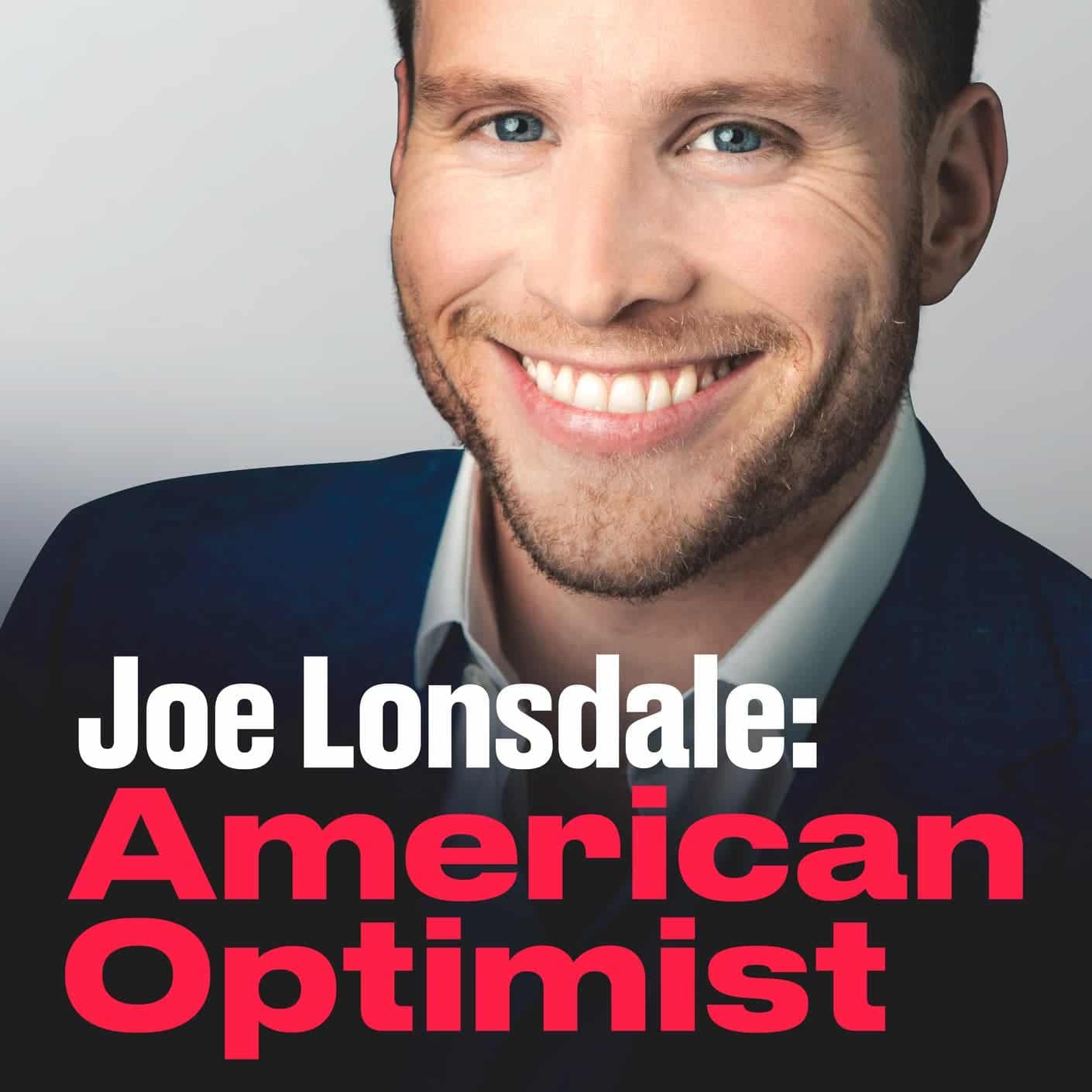
Podcast Summary: Joe Lonsdale: American Optimist - Episode 143: JD Ross on the New Invention Era & Building with AI in 2026
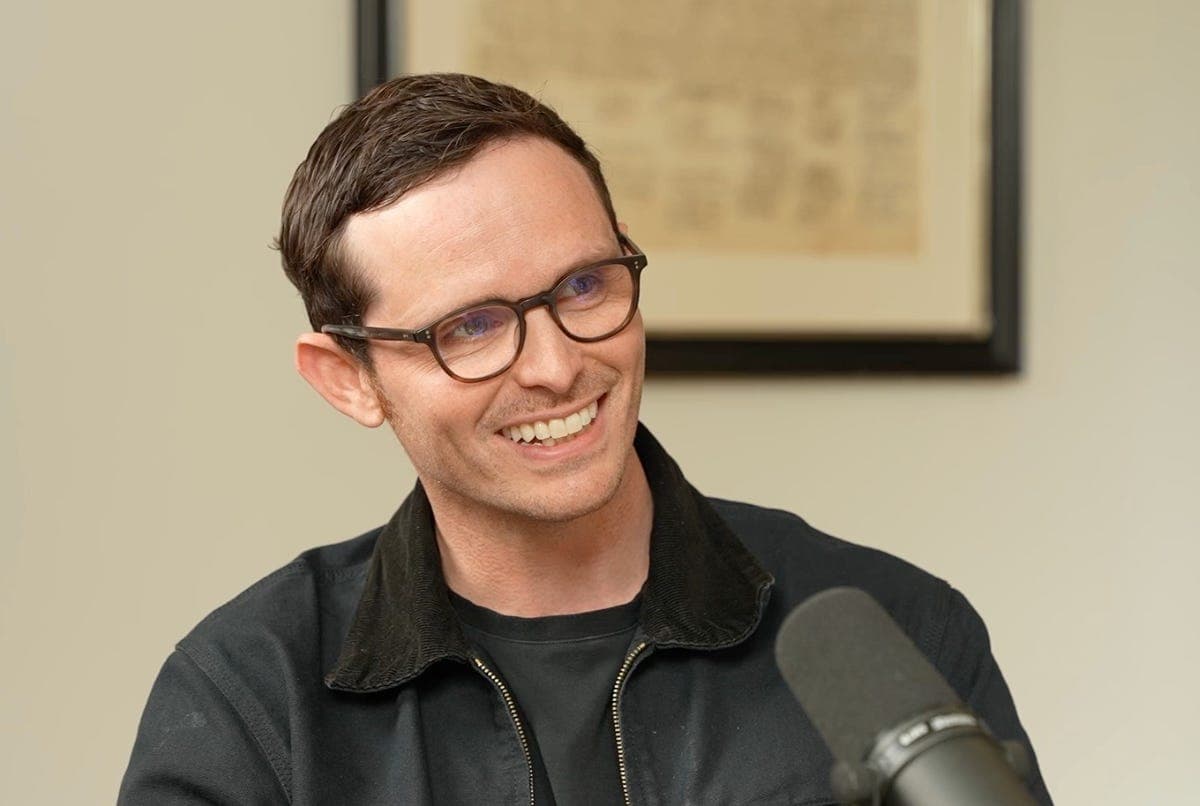
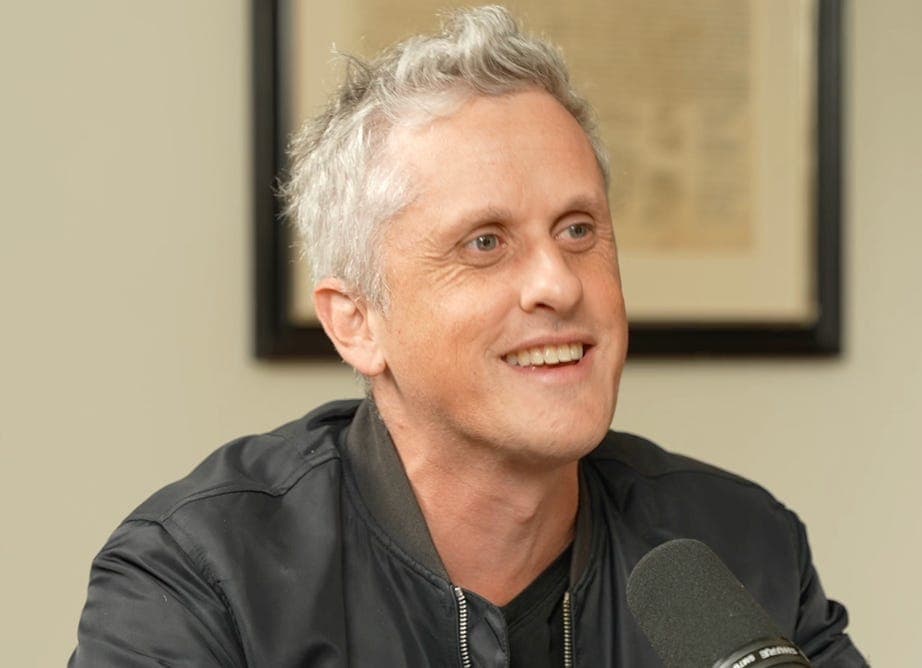
Overview In this episode of *American Optimist*, host Joe Lonsdale engages JD Ross, a notable entrepreneur and founder of several successful companies, including Opendoor and his current venture, WithCoverage. The discussion revolves around the transformative impact of artificial intelligence (AI) on various industries and the emergence of a new "invention era." JD underscores the opportunities for new entrepreneurs and the evolving landscape of software companies.
Key Segments
- JD's Entrepreneurial Journey (01:28)
- Ross began his career with a moving company in college, generating significant revenue.
- He joined Addepar as Head of Product before co-founding Opendoor, a digital platform for real estate transactions.
- Current focus: Building WithCoverage, an AI-driven insurance brokerage.
- Wins and Challenges at Opendoor / Meme Stock Moment (05:18)
- Opendoor revolutionized home buying by treating homes as commodities rather than unique pieces of art.
- The company faced challenges but experienced a resurgence as a "meme stock," attracting new talent and revitalizing its mission.
- WithCoverage and Upending Insurance Brokerage with AI (09:55)
- WithCoverage aims to replace traditional insurance brokers with a digital platform that leverages AI for risk management.
- The service is positioned as a more efficient alternative, promising savings of 10-30% on insurance premiums.
- Mimetic Frameworks for Entrepreneurs (13:11)
- JD discusses the importance of adapting existing frameworks in entrepreneurship rather than starting from scratch.
- Examples include the integration of historical narratives and frameworks into modern business practices.
- How AI is Changing the Way Companies are Built (15:45)
- AI is reshaping engineering roles, moving away from traditional coding to utilizing AI tools for software development.
- Companies can now rapidly develop and deploy solutions, enhancing productivity and adaptability.
- Impact of AI on Existing SaaS Companies (20:21)
- The discussion highlights concerns that AI advancements could threaten low-end SaaS companies.
- JD emphasizes that while some jobs may disappear, many will evolve, creating demand for skilled workers in emerging technologies.
- Combatting AI Spam and Imposters (26:50)
- JD raises concerns about the potential for increased spam driven by AI technology.
- Emphasis on the need for robust verification systems to manage communication effectively.
- Preparing Young People for the AI Era (31:27)
- JD shares insights on equipping the next generation with values, adaptability, and a curiosity-driven mindset to thrive in rapidly changing environments.
- The New Invention Era / Why AI Levels the Playing Field (34:20)
- JD expresses optimism about the current era, viewing it as a time of equal opportunity for new talent.
- The democratization of technology allows for groundbreaking innovations and the establishment of new industries.
Key Concepts
- Invention Era: The current phase where AI is redefining possibilities in technology and entrepreneurship.
- AI Integration: Companies are leveraging AI not just for automation but as a fundamental aspect of their operations.
- Adaptability: The importance of being flexible and ready to adapt to new tools and frameworks in business.
- Entrepreneurial Strategy: Successful entrepreneurs should aim to enhance existing services rather than completely disrupt them.
Conclusion The discussion with JD Ross highlights the transformative potential of AI in business, the opportunities for new entrepreneurs, and the importance of adaptability and innovation. The narrative encourages a positive outlook toward the future, emphasizing that we are in an era ripe for invention and growth.
Written by AI. May contain mistakes. Listen to the episode to check what was said.
Chapters
Tap a time to open that second in VOThe Invention Era and AI's Impact
1:16 to 1:56
JD discusses the current era of invention and how AI is transforming industries.
“So JD, I was actually looking up your email ahead of this on the phone and it got from when you You were 18, the trucking company that you had started in college.”
JD Ross's Background and Career Journey
1:56 to 3:59
JD shares his entrepreneurial background, including his experiences from college to founding companies.
“Let's talk about your background a little bit first, though.”
Insights on Opendoor and the Real Estate Market
3:59 to 6:20
Discussion about Opendoor's model, how it disrupts traditional real estate, and its AI capabilities.
“which is crazy to say now, obviously, like that's probably the most common double major you might even have today.”
JD's Transition to WithCoverage
6:20 to 8:29
Overview of JD's current focus on WithCoverage and its innovative approach to insurance.
“And so we relied on all these teams of people we had to train and re-talk through.”
The Insurance Market and WithCoverage's Strategy
8:29 to 11:40
JD explains the insurance market dynamics and how WithCoverage aims to optimize it.
“he's saying, there's a million places where we can make this business better.”
Entrepreneurship Lessons and Historical Examples
11:40 to 14:01
Discussion on entrepreneurship principles, using historical examples like St. Patrick's mission.
“Is the idea that with AI, the margins could be a lot higher there?”
Cultural Frameworks and Human Tools
14:01 to 15:10
Explore how humans integrate existing frameworks into new narratives and innovations.
“You would just like make it part of Christianity.”
Building on Existing Frameworks
15:10 to 16:43
Learn the importance of building technology that leverages existing systems and experiences.
“are occurring over time and the tools just keep building.”
The Future of Software Development
16:43 to 19:16
Discover how AI is changing the landscape of software development and project management.
“started, he said, insurance is where C students make a money.”
The Shift in Product Development
19:16 to 21:51
Understand how AI is transforming the roles in product development and the decision-making process.
“let's come up with a hypothesis, let's build it, let's learn.”
Show all 18 chapters
Navigating the Competitive Landscape
21:51 to 24:28
Analyze how large AI companies are reshaping the market and what this means for smaller firms.
“Like in the next two or three years, this isn't true, right?”
The Rapid Evolution of AI Technologies
24:28 to 26:33
Examine the pace of innovation in AI and its implications for businesses and workflows.
“But they're going to try to win as much as they can.”
The Impact of AI on Communication
26:33 to 28:01
Explore the influence of AI on email communication and the potential risks associated with it.
“is actually your ability to provide them the context information to win.”
AI and Password Security
28:01 to 28:37
The discussion covers the risks of AI in password security and electronic vulnerabilities.
“That's, you know, it's like some people are like, oh, just use the N-word as a password.”
The Future of Communication in AI
28:38 to 29:41
Exploring the future of communication and trust in a world potentially overwhelmed by AI.
“But every, every like month now is improving, which is, it's going to be a weird thing when it starts to trick everyone.”
Building Relationships in Business
29:45 to 31:01
JD discusses the importance of personal relationships and trust in business development.
Adapting to Change in Careers
31:02 to 33:13
JD provides insights on preparing future generations to navigate a rapidly changing world.
“And they're like, yeah, we have eight of them.”
The Invention Era and Opportunities Ahead
33:14 to 35:15
Discussing the current invention era and the opportunities it creates for young entrepreneurs.
“Like someone was telling me everyone wants just self-serve.”
Transcript
Automatic transcript. May contain errors.0:00Joe Lonsdale:You can be so hard into AI to deliver a better experience that wasn't even possible a couple years ago. We're in an invention era again. The way you build a company completely changes. You found an open door. The company you're building right now is this amazing high-growth AI company. Not a single one of our full-time engineers right now writes code anymore. They do everything through codex, cloud code, or cursor. Tell us what you need and like, and we're going to ingest that into a self-learning loop of AI. Humans are tool builders and storytellers. Everything's new again. You can create not just a career, but entire new industries from scratch.
0:39JD Ross:JD Ross is one of my favorite entrepreneurs. He was the founder of Opendoor. He's now the founder of WithCoverage, which is one of the fastest growing AI companies I know. I first hired JD to be head of product at Adapar right out of college. Gosh, it must have been almost 15 years ago now. As JD will tell you, what's possible with AI is changing every week right now, literally changing core things about their business based on what's possible only two or three weeks ago. This is one of the most exciting times for builders. As JD says, we're all on the same page right now because all these things are newly possible and they're going to change a lot of the biggest industries in the world.
1:10JD Ross:Really fun to catch up with my friend JD about how to build in 2026 and what's possible in the world. Welcome to American Optimist. JD, thanks for joining us today. Happy to be here. Excited to do this. So JD, I was actually looking up your email ahead of this on the phone and it got from when you You were 18, the trucking company that you had started in college. I remember we hired you out of college at Adapar. You were the head of product at Adapar. You founded Open Door with Keith. And now you're founded with Coverage. So you're a serial entrepreneur now, huh?
1:37Joe Lonsdale:I know. I've been following in your footsteps since I guess I was 18 years old, it turns out. And you're recently married. Congratulations. Thanks. It was a fun wedding, as you know. Very lucky. It turns out a good partner makes for a very easy and good life.
1:49JD Ross:You're a lucky guy. You got a lot of momentum in your life. And so the company you're building right now is this amazing high growth AI company. I want to talk about that. Let's talk about your background a little bit first, though. Where'd you come from?
1:58Joe Lonsdale:Yeah. So I grew up in New York. My parents were both sort of the traditional Jewish upper middle class professionals. My dad was an accountant. My mom ran a small business in New York where she was renting wedding gowns. And so there was always this entrepreneurial spirit in the house where it was never like, oh, you work for a boss. There was never really any boss in the house that I never knew about. So I always knew I'd be starting something.
2:21JD Ross:Was your mom more entrepreneurial than your dad then? If she ran that and your dad was an accountant, or your dad was an entrepreneurial accountant?
2:26Joe Lonsdale:My dad was basically in some ways, and he'll hate me if he watches this, sort of like a failed options trader. And so he started off, he graduated from Penn and he had a really successful run as a trader. And then I think he became kind of too contrarian and was sort of on the bear side of a very long bull market.
2:45JD Ross:A lot of really smart people are just very bearish for too long. Yeah. Yeah.
2:49Joe Lonsdale:Yeah. Yeah. Was it like a pessimist sounds smart, but optimist win or make money or something like that? Yeah. Yeah. Well, he was, he was the bear. And like to say, we had like bear posters on the wall growing up and things like that.
3:01JD Ross:Don't bet against America, JD. Stop betting against America.
3:03Joe Lonsdale:I think for the longest time, he kept trying to convince me that Amazon was gonna be like a terrible company. And I was, I just didn't buy it.
3:09JD Ross:I saw the very smartest people I know are just consistently wrong on the pessimist side. It's true.
3:14Joe Lonsdale:Yeah, it's true. You got to watch out for that. And so he left that to become, I think he just likes the problem solving. And so he was an independent accountant, like doing the kind of more forensic things. Even today, he mostly works with sort of crypto, you know, founders and people like that, who are, you can get a little more interesting.
3:29JD Ross:Yeah. That's cool. And is your mom still working?
3:31Joe Lonsdale:Yeah. My mom, my mom's always been kind of an entrepreneur. Now she's, for the last 10 years, she's been doing sort of shades and things like that, interior for kind of high-end homes and brings like German shades into the market.
3:42JD Ross:Amazing. And so you went to school in the middle of the country at WashU and then, and then you got into trucking for a little bit at first. What was that?
3:49Joe Lonsdale:Yeah. So I went to WashU, which was great. They were one of the few schools at the time that let you both study finance and computer science. And I wasn't sure which direction I was going to go in, which is crazy to say now, obviously, like that's probably the most common double major you might even have today. And at the school, there was this kind of small trucking company that did moving in storage and I bought it from the kids who did it. And then we turned it into sort of this large institution, basically. I think they're now doing like 10 or$20 million a year in sales as a company, which is still there.
4:20Joe Lonsdale:And by the time I graduated, I think something like 10 % of the college had worked for me, helping move things in and out. And as a VC, you probably respect this. It gives you good deal flow. If everyone who knows who you are, you get to meet some really interesting people. And this kid, Michael Carter... This is financial deal flow,
4:38JD Ross:not, not, not, this was a definitely financial deal.
4:40Joe Lonsdale:I was, I wish it was other deal flow. I was pretty nerdy at the time. Um, but I met Michael Carter through that, who worked with you for strive for college. And he had this dinner we were at. He was like, don't work for, I think it was a Google recruiting dinner. Um, and he was like, don't work for Google. You have to work for Joe. And I was like, okay.
5:00JD Ross:Nice of him. I'm glad, glad, glad. You know, I think he's actually around here somewhere. I haven't seen him in a long time. So you came to Adapar. You kind of quickly became head of product. It was a very young company, worked on the hard things there, learned a lot. And then you started Opendoor with Keith. The idea there, getting rid of realtors is the idea, which I guess there's been pretty good success there. We still have realtors though. A lot of realtors. Tell us a little bit about Opendoor.
5:23Joe Lonsdale:I think the basic idea of Opendoor was most homes are not like pieces of art. Most homes in the country are not like your home. They're sort of commodity. They're closer to like a standard skew than a kind of one-off thing. And so you can value them sight unseen much more accurately than someone who is not professional, shows up at the house, looks around and says, okay, square footage, whatever. And therefore, you could buy and sell them online and make that transaction digital. And people buy and sell cars digitally. People buy and sell everything digitally. Why not homes? And so for that sort of middle 80 % of homes, the ones that are not unusual, we could make a better experience buying and selling.
6:06Joe Lonsdale:And I think people say like, oh, you know, self-service better or, you know, it's better to have a concierge. And I think the answer is people just want good service. And so you want to lean really hard into what is the best service. And so, you know, now with coverage, it's really about taking a very complex product. and it's not just having that really deep expert in that who knows everything about insurance and helps you understand risk and can help manage risk in your company it's not about having ai and technology that automate and make everything really clean and good for you it's what is the best actual outcome you can do and it's the same thing at opendoor it was how can we make moving really really easy and seamless it's interesting because you'd think that with ai
6:44JD Ross:today like it'd be even easier to compete with realtors versus five years ago when you guys first started it was 10 years ago now at least like probably 12 or 13 yeah it was more than 10 years ago when you started it it's interesting because you think that open door would be able to work even better today with ai because you actually can emulate the concierge servers for some things is that is that is that true i'm curious it's good to stay on that for a second
7:05Joe Lonsdale:like it seems like you could have done even more with ai yeah we were at the very beginning wave i think of where machine learning was being made accessible and made useful for the average person but you couldn't you couldn't talk something about their home though totally and we couldn't get anywhere near the point where we were actually making the service side of it better. And so we relied on all these teams of people we had to train and re-talk through. And today, I think, you know, we brought in Kaz, who's unbelievable as a CEO. And he's, I think he says it's the most AI-pilled company outside of the AI labs in the country.
7:37Joe Lonsdale:And it's because of this, right? Like, you can internally and externally now lean in so hard into AI to deliver a better experience that wasn't even possible a couple of years ago.
7:45JD Ross:The other thing opened door. So you guys were actually sometimes buying the homes because you knew that they were a commodity that you could then resell. And some people were skeptical of this required a lot of money to buy the homes. Maybe there's, you could get stuck with a bunch of inventory. How do you guys think about that?
7:58Joe Lonsdale:I think like open door is a really hard business. Um, we, we, one of our core values actually was we eat basis points for breakfast. Uh, like a basis point is one, one hundredth of a percent. And so like everyone was constantly thinking about how can you optimize every last thing in order to make the business work. I think one thing that AI is good at is introspection. It lets you take large amounts of unstructured data and bring insights forward that allow you to make your business better. I think today, as Kaz is going into that company, he's saying, there's a million places where we can make this business better.
8:32Joe Lonsdale:Let's look at all of them and let's use AI at every level of the company, become experts at this to identify these opportunities and win. and then also become kind of that Amazon service, use everything we learned through that to build adjacent services and mortgage and title and all these other things that touch the customer over the life cycle of owning a home. How can AI make all those better as well and then provide that to everybody?
8:53JD Ross:And OpenDoor has become a meme stock recently. It means people get really excited about some of these things they're doing. Like how should people think about this? Obviously you're not gonna give investment advice, but like what are your thoughts? Like there are worlds where this thing actually could become a much bigger company again?
9:07Joe Lonsdale:I think the funny thing about America is that we love speculation. And speculation actually creates real value. People think of speculation as this bad thing. But in this case, we sort of got really lucky in that there was this meme stock moment for the company, which allowed us to hire and bring on talent that had forgotten about the company, wouldn't have otherwise joined, which then actually creates real value. And so the meme stock, ironically, might actually create a real value transformation in the business with leaders like Kaz and others who've come in.
9:38JD Ross:Amazing. We're all impressed by what's possible. They're still rooting for it. You have moved on a couple different things and you're focused on WithCoverage now. This is your 100 % focus? Oh yeah, 110. And so what is WithCoverage? Tell us about this.
9:51Joe Lonsdale:Yeah. So WithCoverage replaces the traditional insurance broker, the person who sells insurance policies to companies, to things like general liability, product recall, transit, cyber insurance, DNO. And we replace that person who gets paid by the carrier, a commission, to work with a company with a modern risk management team and digital platform. So think almost like the ramp for risk management.
10:14JD Ross:And how big a market is that? How much money is paid to these salespeople for insurance?
10:19Joe Lonsdale:Yeah. Trillions of dollars of insurance is transacted on every year. The insurance brokers themselves call it 10 % to 15 % of that all in.
10:28JD Ross:10 % to 15 % of the trillions is what they get paid. Across the world.
10:31Joe Lonsdale:There's like$200 to$400 billion of just kind of transaction fees.
10:36JD Ross:So it's$200 to$400 billion paid to these brokers a year, which is an insane amount of money. Wouldn't they want to like band together and just like make it illegal for you to compete with them then?
10:46Joe Lonsdale:So what's interesting about insurance brokerage is it's not like other kind of monopolistic businesses. There's hundreds of thousands of agents who sort of like semi band together into these sort of feudal constructs like uh there's public companies like marsh or ann are locked in which are ostensibly individual businesses but within them you have these sort of producers who own their book of business and protect that book even against each other and so there's there isn't this like organizational force to kind of band together against other agents because they're already competing against other agents they're already all competing yeah we're just one more person coming in to compete and we're just trying to differentiate ourselves.
Read the full transcript
11:26JD Ross:And right now, those big public companies, they don't trade at a very big multiple. They're basically like, there's a bunch of people working there, they're selling things and they're taking some piece of it. And I think it trades at like a few times revenue. Yeah, like three to four X. Yeah. And so the margins are pretty low. Is the idea that with AI, the margins could be a lot higher there? How do you think about that?
11:44Joe Lonsdale:Yeah. So we think of it in kind of three buckets. One is like a third of their revenue upfront is just going to this producer who owns the relationship. We don't have producers. We are in some ways run more like a B2B SaaS company. And so we go directly to the customer and try to provide direct value by saying, Hey, by using our system, our people and our software, you're going to save 10 to 30 % on insurance. And we're going to cover the gaps that were left by your broker, who frankly was probably being a bit negligent with you. You know, it's like
12:12JD Ross:relative to the most advanced possible AI and data system. You're going to have a much better solution for them, obviously.
12:17Joe Lonsdale:Exactly. And if you go to the website, there's like hundreds of testimonials from CFOs and GCs about why we do a great job. The second part is servicing, which is everything from giving certificates of insurance to claims management to placing policies. These are all things that are like data entry jobs basically being done by 100, $200 ,000 a year people in these companies. It's crazy. It's the worst possible use of their time. It's the worst possible use of customer value. And so there's instant margin expansion just by using AI to automate and build these agents that do more and more of that work.
12:48Joe Lonsdale:And so, you know, we, I think we're probably one of the few companies that's been profitable as we've grown in the last like two years from scratch, proving that the value is there from the technology.
12:57JD Ross:And so it's kind of interesting, right? Because at Open Door, you're replacing realtors in a sense. And, you know, with coverage, you're effectively replacing insurance brokers. It seems like this is second one's easier than the first one.
13:08Joe Lonsdale:Why is that? I think it's easier because we get to be better insurance brokers instead of trying to, take you from one idea that you know to one you don't know, which is getting rid of this entire concept.
13:20JD Ross:I like this a lot for entrepreneurship. It's one of my favorite frameworks is that you have to do what you're already doing and just tweak it and make it better. My example I always give is St. Patrick. Have you heard this? No. So basically, St. Patrick converted Ireland in the 5th century to Christianity. And the way he did it is that my dad's side is mostly Irish, so I can talk about this maybe without offending too many people. I'll probably offend everyone anyway. But basically, the Irish at the time had all these fairy spirits they would pray to and they had this sun god yeah and if you look at the irish cross it's like the sun god on top of you in the circle on top of their cross yeah and they feel like like my grandma would still pray to saint anthony when she lost something literally in like the 1990s and 2000s i'm sure they're still doing it today but that was like the equivalent of the fairy spirit you prayed to yeah so basically they took everything they were doing and made it catholic yeah but it was but it's like but it's still like very very so and actually all these missionaries would go study under saint patrick how to do it and you'd spread these things by like not changing the fundamental frameworks they were using.
14:14JD Ross:You would just like make it part of Christianity. So similarly, like you're not changing the frameworks, right?
14:19Joe Lonsdale:Yes. I'm like, please continue to use the exact brokerage experience you've had before. It just happens to be a lot better. And also under the hood, it's a completely different thing. It is definitely going to offend everyone. We're going to leave it in a way, but it's fine. So this is true for everything, right?
14:32JD Ross:It's true for you, man, humankind. Like we have ways of doing things and we don't want to change them. Yeah.
14:35Joe Lonsdale:Even like, I mean, when you keep going down the same path, Christmas is the same day as sort of the all the pagan festivals no of course they like shifted the day and then people argue about
14:43JD Ross:it and like by the way if you go back to early judaism it turns out there's all these other stories that we found like written on the egyptian stones from like 3 000 years or 2 000 years before early judaism yes like they were actually like the joseph story my name's joseph obviously the joseph story in judaism comes from something 2 000 years older that's the same freaking story so it's like it's like everyone's like taking the things before him and then and then bring them into their new framework.
15:06Joe Lonsdale:I'm a big, like humans are tool builders and storytellers. That's all we do. We're like, we can build this compounding knowledge and we can tell stories and the stories are occurring over time and the tools just keep building.
15:15JD Ross:Yeah. You got to build on the existing frameworks. I think it's really important for entrepreneurs. You can't just like start from a blank slate and just build something. You have to actually say, how does the world work today? And how do you harness those stories and those frameworks and then improve it? Right?
15:26Joe Lonsdale:Yeah. Mimetic truths stay true. Like people follow the same storylines over and over and over again. And you have to understand them and know where to jump in.
15:34JD Ross:It should probably disclose that we will in the episode, I'm obviously a proud early investor. And the last round, you let Sequoia and you let Keith Raboy from Kostla invest. And so you have a lot of momentum here. I think it's 500 enterprise customers. Tell us about where the business is. Yeah.
15:47Joe Lonsdale:We're over 700 now. I think we started off in one vertical, which was consumer brands. And we signed amazing companies like Chomps and Bombas and Ate Sleep, hundreds of brands that you probably know everything in Whole Foods at this point. and then we're like okay well let's see if this is a real business let's start expanding we launched hospitality construction technology and we have an unbelievable roster now across all that i mean i hope i can say this because you probably allow it but like we started working with who's an amazing business awesome um and i think what we keep learning is that the the the toolkit of just bringing more raw horsepower to an industry that generally is like pretty established with people who don't really know what they're doing.
16:34Joe Lonsdale:They just know how to run the playbook.
16:35JD Ross:A lot of the sales guys, I think more of like traditional fraternity energy and not like deep substance energy. Right.
16:40Joe Lonsdale:Yeah. I think the joke, our head of risk told us when he first started, he said, insurance is where C students make a money. And I, uh, I appreciated that. The honesty. I love America.
16:51JD Ross:So you should be able to make a money, but these are good people for you to be competing against.
16:56Joe Lonsdale:Yes. Um, and in some ways, the reason we started the company is that, you know, as we built Open Door and many other companies, I had great tax advice. I had great legal advice. And I never felt like the insurance person I worked with understood anything about our business. And we had to always over and over again, learn what this even was. And that made no sense to me.
17:15JD Ross:Let's talk about some of the engineering challenges. Let's talk about building with AI right now. I've been pretty excited. Like a lot of my smartest friends are actually really enjoying coding again, because these things are getting so much better. Like what engineering team do you have? What kind of problems are you guys solving there?
17:28Joe Lonsdale:I think what's so fun right now, one, I like building again. And I was just talking to my engineering team. I just came back from New York where our office is. And our engineers, not a single one of our full-time engineers right now writes code anymore. They do everything through codex, cloud code, or cursor. It's all agentic.
17:48JD Ross:It's all agentic. I mean, a lot of them are like managing lots of agents at once, right? That's how you're working.
17:53Joe Lonsdale:Yeah. Cole, who runs our engineering team, has like six agents that are running at once at all times, just doing different kinds of projects. When we create a new ticket in linear, it automatically kicks off this thing that basically creates a dev environment, which then tries to one-shot the solution and then creates a PR that we review. The whole way you build software is changing so quickly. And I think right now, the cost of software is just asymptotically dropping to zero of building new software, which means that the way you build a company completely changes. We can now have an enterprise customer come up who says, oh yeah, this is so close, what we actually need it for is X.
18:26Joe Lonsdale:We can build X in one day, ship it live and close that deal. We did this last week. That's amazing. It's like a completely different way of even thinking.
18:34JD Ross:No Fortune 500 company right now, I don't think works that way. They always have these like three month and six month plans and we'll get back to you and we can't sell you because you don't have it yet. And like in the old days you were told, I was told a lot because I'm too expensive. Like Joe, stop trying to, you can't do that. Stop trying to like make promises that are going to get in the way of our roadmap in the next 12 months. But, and they still probably I don't want to do some promises because they probably still pretty hard, but certain promises you should go around and just do.
18:57Joe Lonsdale:You can just make it happen. I think even the job, historically, the job of product engineering and design, the sort of three-legged stool, is that product was responsible for like the why and the prioritization. Design was responsible for the what. Like what does this actually do and how does it work? And engineering owned the how. Like how do we actually implement it? What's possible? And today, like that's still kind of true, but the loop doesn't go from, let's come up with a hypothesis, let's build it, let's learn. It becomes more like we're a group of wizards who are creating spells that the entire organization can use to make things better.
19:30Joe Lonsdale:And we're at the very early stages of this transition, where now most companies, including us, are just accelerating that loop of hypothesis, learn, deliver. But it's quickly becoming, hey, everyone in the company, tell us what you need and like. And we're going to ingest that into a self-learning loop of AI. and that's going to tell us what we should build and it's going to try and prototype it and we're
19:52JD Ross:going to use that to determine what to ship it's interesting it's almost like there should be like some kind of ai intelligence guided by your top product mind just to listen to everything going on and help you organize it right because that was always a hard part of the product job for me like i love the product job it's like the vision of what i think everyone wants but then there's like this 14 hour a day job of prioritizing everything you're hearing from everyone in the company and i feel like ai could be much better at that is that is a little what you're saying like just everything you hear you should be using out to prioritize then just constantly trying to build
20:19Joe Lonsdale:stuff yeah if the job like in the past was writing now it's editing and shifting from being a writer to an editor is a very uh i think for some people they're thriving in it and some people are really
20:30JD Ross:shocked by it i mean what's the output difference right because it's not it's not some people are saying joe it's 100x it doesn't like seem to me like it's 100x yet like like like no as an example like adapar is doing a lot with the ai now and there's a lot of people they're each managing tons of agents and there's you know several hundred engineers around the world um i mentioned this because we built this together a long time ago and you know you've probably invested almost two billion dollars now into the product right because it's like 16 years old this is what happens and and it's definitely the case that like it wouldn't take that much money to build it now and like but the question is is it like 2x is it 10x i don't think it's 100x i don't think it's like 20 million dollars built out of par but but it might only be like two or three hundred million i i don't know Like, how should, and I think out of part, because it's using AI to build more now, it's like harder to catch.
21:17JD Ross:Right. But it's like, how should we think about this? Like all these SaaS companies, the low end ones got crushed last week. Right. And like a lot of the firms you probably saw that invest in low end SaaS companies got crushed because Anthropix new stuff came out and everyone's scared they can rebuild it. Like, how are you thinking about how this is evolving?
21:33Joe Lonsdale:there's so much in that i think one like anthropic open ai google they're all gonna in the same way that you probably don't want to build an email company while google's on its arise because they're gonna come and eat that like every one of these companies is looking at where are our tokens being used where's a lot of tokens being used great let's go after and
21:52JD Ross:like attack that surface you think you think so you think those companies are themselves are going to try to go build a bunch of the very most important sass for the most important areas 100 percent in the same way that google would never let you know um you know mesothelioma uh become
22:05Joe Lonsdale:like its own they're going to capture as much of that value as possible because it's the highest
22:09JD Ross:value keyword that's actually different than what i've heard because i'm worried about the low-end sass companies but maybe maybe i should be worried about both like the bottom half and like the top
22:16Joe Lonsdale:one percent as well or something i think it's a barbell thing like the the large ai companies are going to eat the top end of value and everyone in the middle is going to just commoditize or people who aren't even in the software business. Like in the next two or three years, this isn't true, right? But if you take the five-year view, kids who are in college today who come out and start working in a construction company or something are gonna look at every problem they're paying for software and say, this doesn't do exactly what I need. And I can one shot a much better version of this right now.
22:43Joe Lonsdale:All of those SaaS companies are worthless.
22:45JD Ross:And then they're gonna go off the top too. I mean, why don't they go after you? Like, how do you think about that?
22:50Joe Lonsdale:I think it's really important to understand what business you're in. And our business is, we are in many ways in the business of answering unknown unknowns for people who know it's really important, right? We're selling to CFOs, GCs, people who know that insurance is there for when something really bad happens. It covers them. They know that risk management is really important, right? They know that when someone falls in a factory or cuts their hand, that they need to deal with that and they want it to not happen in the first place. But that's not their full job. That's not their expertise.
23:18JD Ross:So you're going to be the trusted expert partner in the area of understanding their insurance and what works for them and how to get a better deal than they are now.
23:26Joe Lonsdale:Exactly. So we help them manage risk and we help them save money.
23:30JD Ross:And so when you think maybe stepping back, maybe this is more for me than for you, because I'm a venture capitalist and I'm investing in lots of things. But I know you, Angel Invest, you think about it too. Like, what are the categories of things that the model companies are going to eat versus not as it relates to this? Like, obviously, the model companies are pretty good at being experts in a lot of things. Like, how do you think about the modes here?
23:50Joe Lonsdale:I mean, the first one, obviously, is anything that's adjacent to software development. They're like, they've decided that they're going to war to win that. And I think that's a really hard place to, you have to be. You could be the very best in the world. The very best in the world.
24:02JD Ross:I think I'm pretty bullish on cognition because I think Scott and like these like 20 other like gold medal, like Olympiad winners, like probably could do something that's very, very valuable despite everyone going after it. But if you don't have 20 other global gold medal physics and math leaders around, you probably shouldn't be bothering to compete in that area.
24:18Joe Lonsdale:You have to know that you're competing. You have to at least be aware that we are directly going to be at war with these companies for a long time and we're going to win.
24:25JD Ross:Or maybe, yeah, and there's probably different territories they can each capture or something like this. But they're going to try to win as much as they can.
24:30Joe Lonsdale:Yeah. And there's companies like Harvey who are going in saying, we're going to be the ones who win on professional service AI for legal or for accounting and things like that.
24:40JD Ross:It's a big, big, big area to conquer. Yeah.
24:43Joe Lonsdale:And I think over time, I would be surprised if more of that doesn't get attacked by the large AI foundational companies.
24:51JD Ross:It is very interesting because some of these foundational companies are really good at doing the foundational research, but not enterprise stuff. Right. But I guess the question is, can they get good at enterprise stuff?
25:00Joe Lonsdale:I think the crazy thing is how quickly this is all changing. Right. And so in many ways, we're all forecasting. thing. But if you look at Claude co-work, which came out, you know, two weeks ago and the types of spreadsheets and models that they're creating, you know, like, Oh, this is actually like valuable, good work. Like we, we use this internally for simple things like logging into carrier portals to download documents and ingest them and do a whole thing. Like that didn't exist three weeks ago.
25:25JD Ross:Yeah. It's crazy.
25:26Joe Lonsdale:And it's an entire, entire area of our business that now is automated that zero people work on.
25:30JD Ross:It feels like most of the world is just not aware of like how fast everything is going to change? What does this mean for business a year from now?
25:37Joe Lonsdale:I think right now, the ability to absorb and adopt the tools is going to be the limiting factor for years to come. And I think that the capabilities of these models is already so far ahead of our ability in most enterprises to just absorb and adopt change, that that is the wave behind us. Right now, we have a system that... Let's say we're doing email drafting, for example, right? All of our, all the emails that are, that we send are drafted by AI before we send them and a person reviews them and sends them out. If you switch that model from, let's say, you know, Sonnet to Opus, you know, Anthropics middle model to their best model, did the evaluation set get better?
26:16Joe Lonsdale:If it does, don't do anything, stop working on it. Just let the model, let the hundreds of billions of dollars of investment behind you push you forward. If it doesn't get better, that's actually a good sign that you can invest more in getting everything ready. Because right now, I think the models are already so good that the constraining factor is actually your ability to provide them the context information to win.
26:37JD Ross:No, that's really fun. I'm actually spending a lot of time on the email workflow myself with this company, Thorne. I think you've probably heard, but I'm obsessed with... It gave me a report yesterday. It handled 120 of my emails for me with my team. I don't trust it by itself yet, but it checks with the right person on the team. And then it helps the team respond. I don't know. I think it's all going to change how this works.
26:55Joe Lonsdale:is like this is such an important like the api of business is email yeah right like there's no people think oh we're going to replace the apis these internal tools and get rid of everyone's working this is where everyone actually does business and so if you can control that layer you become massively valuable are you worried about the spam i'm really worried about the spam
27:12JD Ross:probably the reason i started build thorn is for my own productivity but partly i'm worried we're going to start getting like crazy more spam i'm always getting this myself i'm sure you are too But you have to, for your business, reach out and get on the radar of all these people. And right now, it's very easy and cheap to do that because you can use AI before others on all these channels. I'm worried that all of us are going to get hit crazy on every channel. And it's going to drive us insane. And you're going to go back to only letting your friends talk to you or something. Because it's too much.
27:40JD Ross:It's inevitable. Everyone's coming in, right?
27:41Joe Lonsdale:It's inevitable. Look at what Eleven Labs put out yesterday with their new kind of voice agents that sound human, that adapt to your tone.
27:49JD Ross:Oh, they're so good now. Everyone's going to be scamming everyone, by the way, with this too, right? This is like something I actually called a bunch of my relatives the last few days. And we're trying to warn them because, you know, like, because there will be people who try to call with my voice. It will sound totally realistic. It'll be urgent. They're going to need money from you. Like, do not give it to them.
28:05Joe Lonsdale:We, my wife and I have like a password. You have to have a password. Yeah.
28:09JD Ross:That's, you know, it's like some people are like, oh, just use the N-word as a password. And I can't say it. I'm like, guys, I'm pretty sure the AI will figure it. Even people will figure that out too. You know, it's like, it's like, there's no, there's no natural barriers here. It's going to be tough. And like, if you submit your password, if you say it in front of anything electronic, someone can capture it now.
28:26Joe Lonsdale:Man, I can't, I wish I could tell you our password. Yeah, don't tell me, don't tell me. It's much funnier.
28:30JD Ross:Yeah, no, I'm sure, I'm sure. And it's like, you do need some password, but even that's like breakable, you know, it's like, this thing's scary. It's scary. It's going to get good. It's not, it's not good enough yet that you can't figure it out, obviously. Yeah. But every, every like month now is improving, which is, it's going to be a weird thing when it starts to trick everyone.
28:45Joe Lonsdale:We have this entire go-to-market motion of incredible people in Salt Lake City and around the area who just basically cold call people who own construction companies.
28:53JD Ross:This is like the Mormons in Utah are very good at cold calling. I love it.
28:56Joe Lonsdale:If you can sell God in Spanish, you can definitely sell insurance in English. You know, they're like, there's just a skill set built there that's unbelievable.
29:03JD Ross:It's very good, very good people. Amazing. Yeah. Like moral, trustworthy, hardworking. I have a lot of my finance back office stuff in Utah. Oh, there you go. Awesome. That's what you got to do.
29:12Joe Lonsdale:so i it's clear where the ai is going is that that works so if it works for humans it's going to work with ai and so you're going to get not one or two or five calls it's going to be ten thousand a hundred then you're just going to turn it all off and everyone has to turn it all
29:27JD Ross:no one's gonna no one's gonna answer anymore and you're gonna have to have new systems and it shouldn't be that hard to build like a verified system and it's almost like if a friend recommends it you know it's real it's like a chain of trust where a friend can recommend it maybe you'll take it um maybe if they pay to get to you but that's annoying too because now you're talking to an ai that paid to get to you but put your cost really high i don't know what would your cost be for an ai to talk to you for a minute pretty high extremely high i don't have my minutes are
29:52Joe Lonsdale:not worth that much but a minute talking to an ai is extremely high exactly exactly it's like even
29:56JD Ross:more obnoxious right so so it's like it's exactly interesting and you know they tried this like biology tried this like a decade ago and i was like oh i'll answer an email from a random person for a thousand dollars right and i got a few and i felt kind of guilty i didn't really want to do anymore because then you don't because even just answering the email like you feel guilty not doing more because they're paying you know like hey turn this off it's not even worth it so it's a very hard thing to figure out i do think people should not be able to call or email you without
30:19Joe Lonsdale:some kind of fee i think it's the opt-in thing i think what we already today like if someone just texts me without any context it goes into like my spam box and i will never see it yep so what i tell anyone who's introducing me is hey introduce me in a group thread yep just put us both in there so then you're established as someone i know and it goes into my main inbox yeah and i think some version of that is clearly going to be this like double opt-in you know you
30:43JD Ross:can't reach me unless someone i know likes you i assume like google is working on something here for this because there's an obvious problem that they should they should be solving this spam is getting pretty annoying and it's going to be tough because they're going to turn people like you guys off and you're going to need a new way and i guess what would be the way and you'd have to get a
30:57Joe Lonsdale:friend recommended i guess which is 90 of our business well there you go so it's already working for you now it's you know either double opt-in it's hey thanks for doing business with us do do you have any friends? And they're like, yeah, we have eight of them. And we're like, great, let's host a nice dinner together and talk about anything besides insurance. And then we'll close them afterwards.
31:12JD Ross:No, that makes sense. So you've, you've, you've been part JD of building some really interesting companies. You're a really successful entrepreneur. This is a new one's growing really fast with coverage or hiring talent. What should young people or what should like people with kids be doing to get ready to be builders basically, and to be builders like you in the way the world works today? It's funny.
31:29Joe Lonsdale:My wife and I were just talking about this last night because we have a baby on the way and we're like, we have absolutely no idea what path to kind of help shepherd them down because so much is changing so fast. So all you can really do is just be like, do you have good values? Do you invest in good relationships with other people? Are you smart? Are you curious?
31:48JD Ross:Um, stay healthy and stay healthy and fit. Like the basics are
31:52Joe Lonsdale:always true and they're hard, right? Like everyone always wants complicated, but easy instead of like simple, but hard.
31:57JD Ross:I mean, I mean, it feels to me like the moral and ethical foundations are still just as important, if not more important, when the world starts going crazy. Like we're, we're going, we're really leading into tradition for our kids and we're teaching them in our case, teaching them Hebrew and we're teaching them Latin, teaching them the foundations and the values of Western civilization. I feel like, I feel like that's going to be even more important when the world starts going crazy to have this kind of anchors, you know, you need to
32:18Joe Lonsdale:have these anchors. And I think, look, even today you talk to anyone who's in their sixties, who's had their full career at the tail end of their career. And they've all, everyone I talked to has had four or five different careers, even in that time. And so I think the adaptability of people is much higher already, even pre-AI than people get credit for. Everyone worries about all these jobs going away. I think the interesting thing is many jobs actually just become much more in demand, right? On engineering right now, I was happy to spend, call it$100 ,000 to build this feature. Now it costs$20 ,000.
32:48Joe Lonsdale:I don't want less engineers. I want 10 times as many engineers, because I've actually, the set of features I would want for$20 ,000 is huge.
32:55JD Ross:Yeah. Jevin's paradox is that when something gets cheaper, you actually want a lot more of it. Way more.
32:59Joe Lonsdale:So I'm like massively, my demand for people who can actually build things and ask questions has gone through the roof. My demand for people who are going to do like customer support emails has fallen off the cliff.
33:09JD Ross:And so you want more creative, interesting dynamics, people basically.
33:12Joe Lonsdale:Yeah. Um, yeah, it's funny. Like someone was telling me everyone wants just self-serve. And I was like, I don't think everyone wants self-serve. I think the reason people do self-service because it's actually better service than calling into these, you know, the humans are working with humans right now, but there's definitely something better than that. Like we've gone from bad customer service to okay, self-serve that takes a lot of time, but you really just want your problem solved.
33:35JD Ross:Yeah.
33:36Joe Lonsdale:And I think we're moving towards a world where actually so many more of our problems just get solved for us like magic.
33:41JD Ross:I'm lucky because of my success to have, there's a lot of people who work for me who are very competent. And when something goes wrong, I pick up the phone and I call them and I, and I ask whether it's, whether it's my producer here for the podcast, whether it's like my guy who runs my family office, whether it's my lawyer on my team. And so I am using my life to having like a whole list of, you know, 20 people I call and they're smart and dynamic. We talk about it and things happen. I feel like that's going to be available in some way to everyone else too, right? With, with AI getting as good as it is.
34:05Joe Lonsdale:Going back to your last question, which is like, what advice do you have for smart, for smart young people who are getting into business now? I think one of the best veins of opportunity always in business is take something rich people have that poor people don't have and figure out how to make it available for everyone. Yeah. And that's exactly what you're saying.
34:20JD Ross:So there's a lot of that coming. So JD, we started this podcast to push back against cynicism in our country, a lot of nihilism. What's the best case for an optimistic future with AI? Like, what are you seeing that should inspire people to be positive? When I first started my career at Adapar, it was the beginning of this kind of first wave of technology where people who are really experienced and people who are coming out of college both had the same advantages and disadvantages when building on mobile.
34:44Joe Lonsdale:because there were no existing paradigms. Even things like pull to refresh weren't invented when we started out of par, right? Like really basic stuff. And this is the second time in my career where everyone's sort of kind of getting back to equal footing. And so young people who are just getting into their careers just starting are on equal ground with people like me, people like you who have spent 10, 20, 30 years building because we're in an invention era again. Yeah. Everything's new again. Everything's new again, which means that you can create not just a career, but entire new industries from scratch and become important.
35:22Joe Lonsdale:And like, it opens opportunities that haven't existed in 10, 15 years. So I think my case for optimism is that, you know, everything is new and you get to just build and create the world you want to see exist.
35:33JD Ross:And I love that point because what you're saying is the returns to agency, the returns to optimism are very, very high right now. We should be careful not to be the pessimist spending against America. Yeah.
35:42Joe Lonsdale:Don't be my dad investing in the 80s.
35:45JD Ross:Well, it sounds like your insurance must be very proud of you. So, definitely raise an amazing son. I'm very lucky on that front and many others. Thanks, JD, for joining us. Thanks, Joe.
From the publisher
JD Ross is one of my favorite entrepreneurs. I hired him out of college at Addepar where he quickly became Head of Product. He went on to co-found Opendoor with Keith Rabois and is now building WithCoverage — one of the fastest growing AI-first service companies. JD believes we're entering an "invention era" again. What are the new possibilities with AI? What does it mean for legacy software companies? And why is he especially excited for young talent entering the workforce today?We discuss all this and more, starting with JD's entrepreneurial journey, from founding a moving company in college (that still generates +$10M a year in sales!) to joining Addepar and later founding Opendoor. We discuss some of the breakthroughs and challenges at Opendoor, and why its meme stock moment is infusing new energy and ideas into the company. Next, we dive into WithCoverage and his mission to upend the insurance brokerage industry by combining new AI tools with human expertise — think Ramp for risk management. Initially backed by 8VC, WithCoverage already serves more than 700 enterprise customers and recently closed a $42 million round led by Sequoia and Khosla Ventures. Talented builders like JD are scaling and iterating on new products faster than anything we've seen before — learn what this means for the startup ecosystem, as well as existing SaaS companies looking over their shoulders. Finally, JD explains how AI is leveling the playing field and why he believes this is the best opportunity for new entrepreneurs in recent decades.
00:00 Episode intro
01:28 JD's entrepreneurial journey
05:18 Wins and challenges at Opendoor / meme stock moment
09:55 WithCoverage and upending insurance brokerage with AI
13:11 Mimetic frameworks for entrepreneurs
15:45 How AI is changing the way companies are built
20:21 The impact of AI on existing SaaS
26:50 How to stop AI spam and imposters
31:27 How should young people prepare for the AI era?
34:20 The new invention era / why AI levels the playing field
This is a public episode. If you would like to discuss this with other subscribers or get access to bonus episodes, visit blog.joelonsdale.com