In short
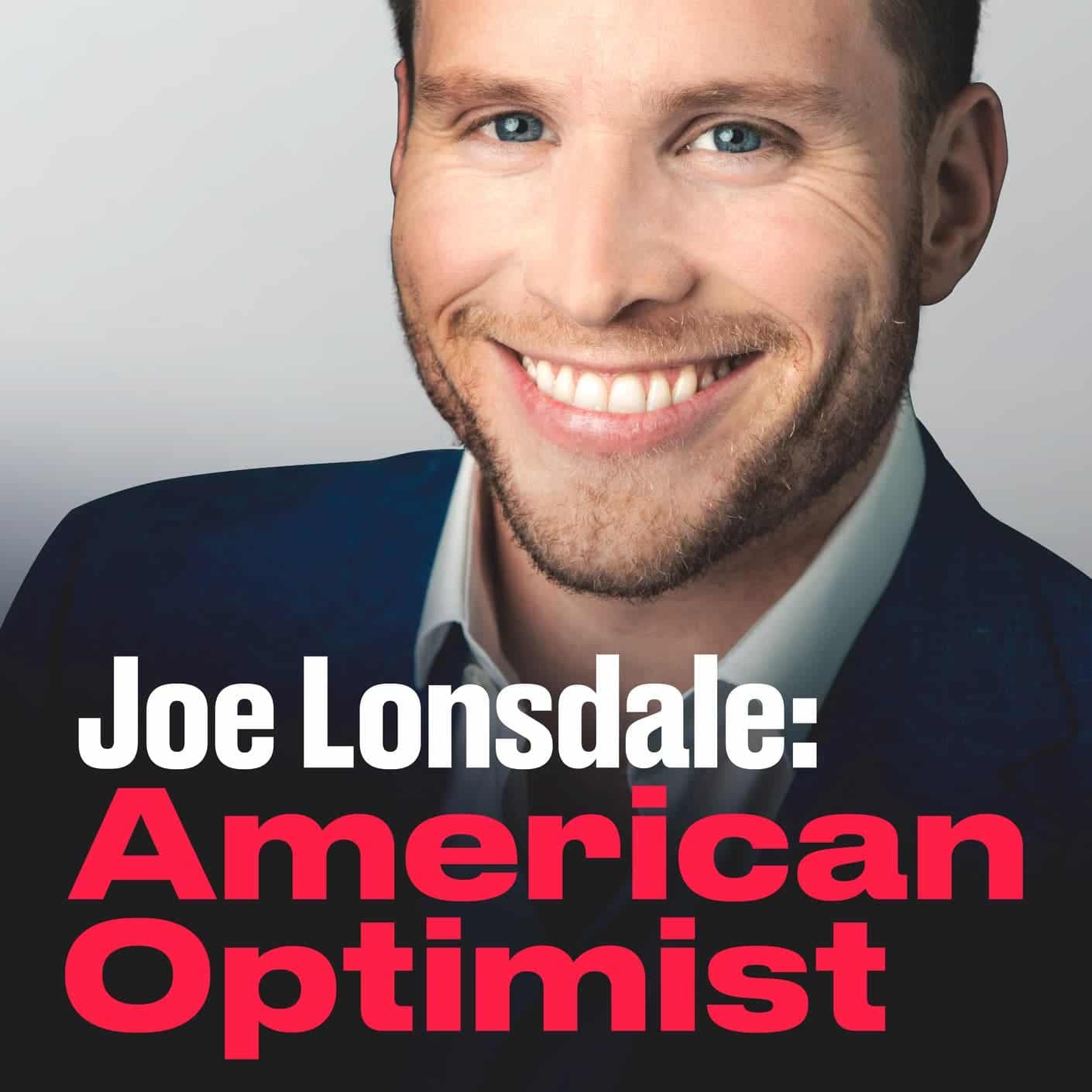
Podcast Episode Notes: Joe Lonsdale - American Optimist
Episode Title
Ep 145: SBA Administrator Kelly Loeffler on Exposing Billions in Fraud & What AI Means for Small Business
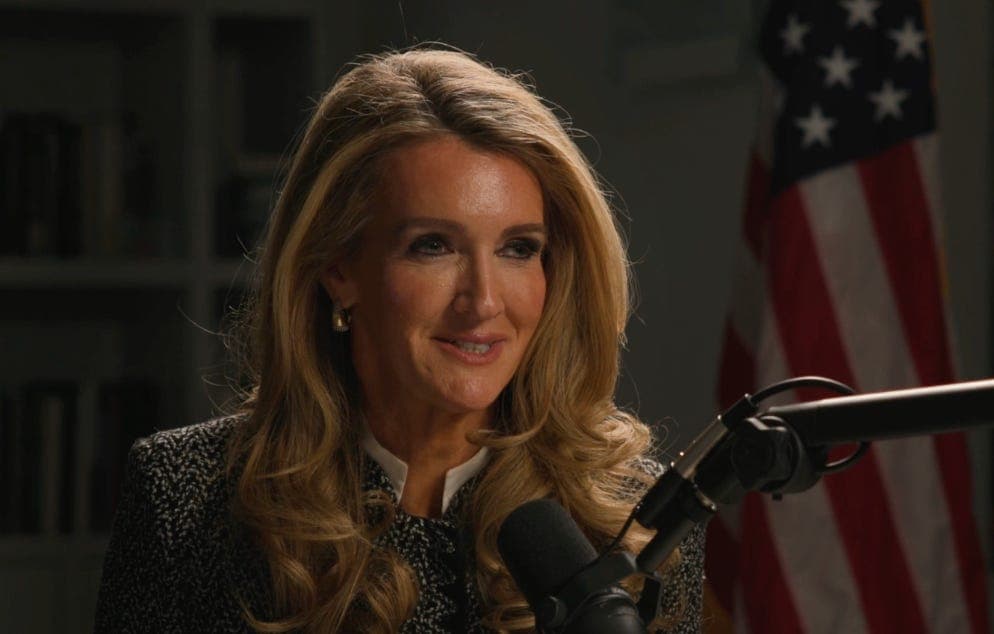
Overview In this episode, Joe Lonsdale interviews Kelly Loeffler, the Small Business Administrator, discussing her role in supporting small business ownership and her efforts to combat fraud in federal programs. The conversation delves into the impact of AI on small businesses, the significance of reindustrialization in America, and the alarming scale of fraud uncovered during the COVID-19 pandemic.
Key Points
- Introduction to Kelly Loeffler
- Background:
- Grew up on a rural farm in Illinois.
- First in her family to graduate college.
- Previously the CEO of Bakkt, a fintech startup for crypto.
- Appointed to the U.S. Senate in 2020 and became SBA Administrator in 2025.
- Entrepreneurial Journey
- Kelly's exposure to small business from a young age shaped her career.
- Experience in financial services and interest in markets influenced her path to crypto entrepreneurship.
- AI and the Future of Small Business
- Current Landscape:
- AI is seen as a tool that can help rather than replace jobs.
- Emphasizes a mismatch between current workforce skills and job requirements.
- Call to Action:
- Encourages young talent to consider small business ownership as a viable career path.
- SBA's Agenda
- Focus on expanding SBA loans for reindustrialization.
- Bolstering manufacturing jobs for the future.
- Addressing the generational wealth transfer as Baby Boomers retire.
- Fraud Exposé
- COVID-Era Fraud:
- Over $400 million in Minnesota and $9 billion in California identified as fraudulent claims.
- Investigation into the 8(a) minority contracting program that faced exploitation.
- Collaboration with Palantir to utilize technology in uncovering fraud.
- Challenges in Small Business Ownership
- Current Obstacles:
- Skilled workforce shortage identified as a primary issue facing small businesses.
- Need for improved vocational training and community college programs.
- Reindustrialization Initiatives
- Doubling SBA loan limits for manufacturers to stimulate growth.
- Critical focus on providing capital to support manufacturing and defense sectors.
- Combatting Fraud in Government Programs
- Ongoing efforts to eliminate fraud, waste, and abuse within the SBA.
- Emphasis on accountability and structural changes to prevent exploitation of programs.
- Call for whistleblowers and community involvement in identifying fraudulent activities.
Conclusion Kelly Loeffler expresses optimism about the future of small businesses and the potential for transformation within the SBA. Her leadership aims to empower entrepreneurs, enhance the economy, and restore integrity to government programs.
Key Quotes
- "There's never a perfect time but there's no better time than right now under the Trump administration than to start a small business."
- "We're seeing a huge amount of fraud...it's a massive lift to bring equity and integrity back to these programs."
Listening Links For more episodes and discussions, visit [American Optimist](https://blog.joelonsdale.com?utm_medium=podcast).
Written by AI. May contain mistakes. Listen to the episode to check what was said.
Chapters
Tap a time to open that second in VOKelly Loeffler's Background
0:46 to 2:39
Kelly shares her upbringing and entrepreneurial journey.
“And now she's in charge of one of the most important areas of the U.S.”
Journey into Financial Services and Crypto
2:39 to 4:47
Kelly discusses her path to the financial sector and her work in crypto.
“You're the first to go to college in your family.”
The Unique Perspective of a CFA in the Senate
4:47 to 6:41
Kelly explains the intersection of finance and politics in her career.
“I was the only CFA ever to serve in the Senate.”
The Mission of the SBA
6:41 to 9:00
Kelly outlines the goals and history of the Small Business Administration.
“But certainly, I think regulatory clarity will create that next level of growth in that industry.”
Empowering New Entrepreneurs
9:00 to 11:15
Discussion on how the SBA can encourage new business ownership amidst changes.
“right after World War II when veterans were returning.”
Addressing the Skilled Worker Shortage
11:15 to 13:07
Kelly addresses the challenges of finding skilled workers in today's economy.
“And so what's important is engage in the real world and then jump in because there's never a perfect time, but there's no better time than right now under the Trump administration than to start a small business.”
SBA Initiatives for Manufacturing Growth
13:07 to 14:02
Kelly discusses new initiatives to boost manufacturing and access to capital.
“There are some great technical and professional colleges out there that are teaching welding.”
Boosting Manufacturing with SBA Loans
14:02 to 14:40
Learn how increased loan limits are expected to impact manufacturing growth.
“We think this is rocket fuel for particularly the defense, transportation, pharmaceutical industries that are coming back to America that we so badly need.”
SBA's Record Impact on Main Street
14:40 to 15:21
Discover the scale of capital that the SBA has distributed to small businesses.
“They've got to maybe blow out the west wall of the factory plant and build more space for manufacturing.”
Tackling Fraud in Government Programs
15:21 to 16:08
Explore the serious issue of fraud associated with government funding programs.
“So last year we put out a record in aggregate.”
Show all 22 chapters
Pandemic Fraud and Its Consequences
16:08 to 16:46
Understand the extent of fraud during the pandemic and its implications.
“And there's been a lot of stories, unfortunately, about fraud.”
The Role of Government in Fraud Prevention
16:46 to 17:26
Learn about efforts to address fraud within federal government programs.
“The Biden administration tried to forgive those loans, sweep it under the rug to the tune of about$200 billion.”
Investigating Fraudsters and Corruption
17:26 to 18:01
Discover how fraudsters exploited pandemic relief programs and the response to it.
“I've cut my own agency's headcount by 53%.”
Reforming the 8A Program to Combat Fraud
18:01 to 19:39
Learn about the changes being made to the 8A program to eliminate fraud.
“I hear rumors that like people in prison would apply for these things with their families and just like, where is this fraud coming from?”
The Need for Accountability in SBA Programs
19:39 to 21:09
Explore the necessity of accountability in SBA programs to prevent fraud.
“It's$40 billion worth of annual contracting.”
Auditing SBA Contracts: A Necessary Step
21:09 to 22:22
Understand the importance of auditing SBA contracts after years of oversight neglect.
“It's kind of crazy, right, the extent of how much grift goes through these things.”
The Ethical Challenges in Contracting
22:22 to 24:00
Discuss the ethical considerations in government contracting and small business support.
“We've already kicked a thousand people out of the program.”
Using AI to Combat Fraud in SBA Programs
24:00 to 25:59
Learn how AI technology is being leveraged to detect and prevent fraud.
“But we're seeing cases of like zero or 10 % being done.”
Investigating COVID Fraud in California
28:01 to 28:42
Learn about the push to expose COVID fraud in California and the role of whistleblowers.
“And you can do that through our Office of Inspector General, who is actively assessing all of this now that we're in charge.”
International Influence on Political Movements
28:42 to 29:38
Discover the historical connections between leftist movements and international support.
“Well, I think we're not announcing it yet, but some of my friends and I hired some very prominent investigative journalists, people to go looking for more fraud in California.”
Optimism Amidst Government Challenges
29:38 to 30:08
Explore the reasons for optimism in government reform and small business support.
“It has to come from somewhere and the most money is in the government.”
Achievements and Future Goals
30:08 to 31:11
Learn about the major achievements of the current administration and future goals.
“And so while we understand the strength of the resistance, but we're overpowering it.”
Transcript
Automatic transcript. May contain errors.0:00Joe Lonsdale:They say AI is taking jobs. What I'm really seeing is a mismatch between skills and the workers needed for those skills. This is all about the re-industrialization of America. There's no better time than right now under the Trump administration to start a small business.
0:13Kelly Loeffler:So you're doing all this positive work, but you're also, of course, now looking into fraud.
0:16Joe Lonsdale:Really, the cover was blown off when we saw the social welfare state of Minnesota. Then we go to California. Nine billion dollars of COVID era fraud. There's 8A.
0:25Kelly Loeffler:Unfortunately, that seems to have a massive amount of fraud as well.
0:28Joe Lonsdale:You have multimillionaires getting these small business loans. That's why we brought in Palantir. We're rooting out the fraud to make sure that it doesn't happen again.
0:45Kelly Loeffler:Kelly Loeffler grew up on a farm, became a successful entrepreneur, and then a U.S. Senator from Georgia. And now she's in charge of one of the most important areas of the U.S. government, which is the SBA, the Small Business Administration. 40 % of our economy is small businesses. And Kelly has a lot of thoughts on how we can empower these entrepreneurs and how we can help a lot of other Americans become entrepreneurs, become owners in this economy. There's also a huge amount of fraud, unfortunately, that we found from COVID, from A to A, which is minority contracting. Kelly's partnering with some of the best technologists.
1:16Kelly Loeffler:Of course, that means Palantir as well, bringing it in and is already finding a lot of fraud and is going to turn off the fraud while making sure to help power small businesses.
1:24Joe Lonsdale:Let's hear from her about it.
1:25Kelly Loeffler:Welcome to American Optimist. Really honored to have Administrator Kelly Leffler here with us today running the SBA. Kelly, thanks for joining us. Joe, it's a great honor to be with y 'all. Kelly, you're a former U.S. Senator from Georgia, an entrepreneur. You're doing a lot of things for a multi-trillion dollar industry. It's 40 % of the economy is small businesses, right?
1:42Joe Lonsdale:Well, that's right. On a GDP basis and about the same amount from an employment rate basis. So small businesses create two out of every three new jobs. So it's incredibly powerful economic engine for the country.
1:53Kelly Loeffler:Well, I love what you're doing there. I want to get into it. But first, let's start with your upbringing and entrepreneurial journey. Let's let everyone know a little bit about you. You grew up working on a family farm in rural Illinois. Is that right?
2:02Joe Lonsdale:That's right. I was the fourth generation on what is now a five-generation family farm, basically corn and soybeans. We had cattle back when I grew up. And it was really such a unique opportunity for me to get exposure to the work ethic, the small business setting that rural America really thrives and lives in. And I saw firsthand my father built on our four-generation farm. Then he built his own trucking company. So I grew up surrounded by the principles of faith, family, freedom, and hard work.
2:37Kelly Loeffler:So you were a hardworking, faithful farm girl. You're the first to go to college in your family. Is that right?
2:42Joe Lonsdale:That's right. I was the first to go to college, graduate from college in my family. I waitressed my way through high school and college while I played multiple sports. I was the president of student council in junior high. I thought it would be my last experience in politics, going out on top. And then, you know, really saw the path to getting into business because I had seen my parents run their own business. And I was really intrigued by business.
3:08Kelly Loeffler:And you went into financial services. Why financial services?
3:11Joe Lonsdale:Well, it has a lot to do with growing up on a farm. So from the earliest ages, I remember doing chores, working in the fields with my family. And then when I turned 10, I was able to purchase my first steer. So I raised cattle and we opened a passbook checking account at the local bank. I bought the steer, raised it, and did that every year in 4-H, showed cattle in 4-H, saw what it meant to manage the cost of raising livestock, purchasing feed, dealing with veterinary bills, and then trying to make a small profit. when I sold that cattle for steak, basically.
3:50Kelly Loeffler:Did you make money on the cattle when you did it?
3:52Joe Lonsdale:Oh, I made a narrow margin, which is normally true in farming, if any margin at all. But I also was intrigued by watching my parents and my grandparents every day follow the commodity markets of corn and soybean and cattle prices. And I was intrigued with markets. And I just thought, you know, one of these days I want to go visit the Chicago Board of Trade. And little did I know, one day I would join a company where we did a hostile bid to take over the Chicago Board of Trade. But it shows how important giving young people exposure to the precepts of free enterprise and free markets and things that underpin the real economy in a real world way.
4:31Joe Lonsdale:Because it truly influenced me along with that work ethic.
4:34Kelly Loeffler:It's amazing. And you also decided before you became a center, you were an entrepreneur. You started back in crypto. Tell us about that.
4:40Joe Lonsdale:Well, it was a long and circuitous route to starting a crypto company. I loved financial services. I was the only CFA ever to serve in the Senate. I earned my CFA after being an equity analyst and then investor relations for a startup company that became hugely successful, the owner of the New York Stock Exchange. And what we wanted to do with BACT was apply traditional finance regulatory precepts to the emerging world of digital assets. I took my first crypto meeting in 2014, started the company amid crypto winter in about 2017, 2018, and really got to work on trying to define the regulatory environment for digital assets so that there could be guardrails and confidence to help grow whatever emerged from crypto.
5:33Joe Lonsdale:Be it at that time we were having a conversation about, you know, is it the use cases? Is it a means of transaction? Is it a store of value? And is blockchain going to be the way the database of the future? Shortly after that, however, I did leave for the Senate and it became a publicly traded company.
5:54Kelly Loeffler:And so you got a publicly traded company in crypto. You started during the crypto winter. Cryptos went up a lot. We're now in not a winter, but a little bit of a pullback. Do you see another leg up in that world still?
6:03Joe Lonsdale:Yeah, in all fairness, I don't follow the industry as closely as I did. I'm a no-coiner. I always committed to never owning the asset. I was interested in it from the development of what I'd had early in finance, which was the development of the modern regulated derivatives market. And I wanted to apply that to digital assets. I think right now, given that we've had Genius Act pass and then the Clarity Act is potentially coming through Congress, once those guardrails are appropriately set, then you'll have more traditional institutions and consumer businesses interacting with digital assets. But certainly, I think regulatory clarity will create that next level of growth in that industry.
6:47Joe Lonsdale:in that industry.
6:48Kelly Loeffler:It should help a lot. And I want to ask, because you mentioned, I think it's just fascinating. You said that you're the only CFA chartered financial analyst in the Senate ever. And it's kind of funny if you think about the type of person who gets a CFA and the type of person who runs for a Senate. It's like, is it a Venn diagram you wouldn't think would intersect? What is it about you that did both of those things? That is unique.
7:05Joe Lonsdale:Well, Joe, it's an important point because, and it's all of Congress, not just the Senate, but the House and Senate. It's the whole Congress. None of them.
7:12Kelly Loeffler:Yeah.
7:12Joe Lonsdale:And I found when I got to Washington that the political establishments, particularly on the left, are pretty hostile to people who have an interest in finance and understanding how to run a P &L, a balance sheet, and to really follow through on what spending does to a nation.
7:29Kelly Loeffler:It seems like both sides have a little bit of a problem with it, though, if you look at it that way, neither of them have this background. That's a fair point. Especially the left, but yeah. Yeah, it was interesting.
7:38Joe Lonsdale:Most of the attacks came from the left. But it was fascinating to be able to try to bring a business perspective to Washington. That's why I got involved in politics in the first place. I was helping build a company, Intercontinental Exchange. At the time, we were an innovator in the derivatives world, taking derivatives from open outcry trading in the futures market to digital, to screens. And Washington was blocking it. And, you know, we can never take for granted that the price, the world's price of oil is discovered in U.S. dollars or gold is discovered in U.S. dollars. It's because we have a trusted regulatory infrastructure.
8:17Joe Lonsdale:And our own government in the early 2000s was standing against it.
8:22Kelly Loeffler:I think everything here is they just say no by default with regulatory apparatus. You have to teach them. We have to be the innovators. Otherwise, it's going to move somewhere else. That's right. I love it. Well, it's awesome to have someone. And by the way, there are a lot of people in this administration, I've noticed, who do understand balance sheets and business. in that background, which I really loved.
8:37Joe Lonsdale:Well, compare this cabinet is so humbling to be a part of this great cabinet. I think we have an average of 13 to 15 years business experience where the Biden administration had an average of two years of private sector experience. They just don't know how it works.
8:50Kelly Loeffler:That's right. You're the administrator of the U.S. Small Business Administration. This is a really important organization. What's the mission there? What really matters to you? Why is this something you're doing?
8:59Joe Lonsdale:Yeah. So the SBA was formed about 73 years ago, right after World War II when veterans were returning. And they saw a need to support those veterans who were highly skilled in forming their own small businesses. And so, our mission is to advance the interests of small businesses and to help grow the economy because small businesses make up 99 % of all businesses in America and 98 % of all manufacturers.
9:23Kelly Loeffler:And I love this area. A lot of people with AI in the workforce, they're wondering what they should be doing. And it's really interesting to me because a lot of people say, well, I was going to have my kid go be a lawyer or go work at a bank as an analyst. And those jobs, there might not be as many of them if AI makes you not need because they're more efficient now, what can they do? And for me, one of the areas, it seems like I understand we have hundreds of thousands of people who run businesses who are retiring in the next 10 years. People call it the silver tsunami. There's going to be trillions of dollars of businesses that need new owners, new people running them.
9:53Kelly Loeffler:And it seems like that's part of your mission, right? Is to help people become new owners in our society. How does that work?
9:58Joe Lonsdale:Absolutely. I see it every day. Look, I'm traveling the country. I've already been in 13 states this year, meeting with manufacturers, meeting with small businesses on Main Street. Capital is the lifeblood of small business. That's what we do is we provide a government guarantee on local lender loans to help encourage that lender to make that small business loan. That's what that new entrepreneur needs to take over that business where an owner has decided to retire, wants to sell his business. The SBA can be instrumental in providing that capital and getting that small business, that new small business entrepreneur into that ecosystem.
10:30Kelly Loeffler:This is a really interesting thing, right? Because the SBA has helped millions of people own businesses who maybe wouldn't have owned businesses, which obviously as a pro-free market capitalist person, this is great for our society. How should young people be thinking about how to access it? You go work and learn in a small business and learn the industry and then apply to take one over. How do you think about this?
Read the full transcript
10:49Joe Lonsdale:Well, I think real world experience is the best teacher. I mean, whether I was working on our own cattle farm in the fields, waitressing, all the jobs that I had leading up to my actual real world job made me a better entrepreneur. And I went on to start, own, buy, sell, even fail at some businesses. But had I not had those real world jobs, I wouldn't understand the dynamics of being an employee, how to recruit good employees, train them, deliver quality. And so what's important is engage in the real world and then jump in because there's never a perfect time, but there's no better time than right now under the Trump administration than to start a small business.
11:25Kelly Loeffler:And so as you talk to tons of small business owners, you must have a really unique view. What's the number one obstacle or hurdle facing small business owners right now?
11:33Joe Lonsdale:You know, it used to be inflation and then President Trump slowed the inflation rate. Now it's skilled workers. They're really, truly a skilled workforce shortage. I think we have over 7 million open jobs in this country, about 600 ,000 open manufacturing jobs, for example. Getting that skilled worker pipeline will solve a lot of our challenges. I know they say AI is taking jobs. What I'm really seeing is a mismatch between skills and the workers needed for those skills.
12:02Kelly Loeffler:We were talking about this earlier. I remember there's all these training programs that we're supposed to pay for those skills. A lot of them maybe are not quite working right yet. I guess we're trying to fix some of that.
12:10Joe Lonsdale:Yeah, so I've been working with small manufacturers looking at what works. What's great is community colleges have done a very good job assessing locally what those needs are. I think putting more emphasis on those local skills training programs or retraining, as it were, and also getting kids started younger in high school, getting them interested. I've seen programs in junior high called Manufacturing is Cool. That's cool. Where they bring kids in to see the robotics, the advanced manufacturing. These aren't dirty jobs anymore. These are cool jobs working with plasma cutters and robotic welders.
12:42Joe Lonsdale:And the ability to create and build product and learn engineering and CAD on the job is pretty amazing without a four-year degree that costs a quarter million dollars.
12:51Kelly Loeffler:I love it. So our junior high schools, our high schools, our community colleges need to be doing this. Absolutely. I've seen in some cases if you give, there's different ways of doing it. Sometimes community colleges might want to be ideological or not teach the useful things. In some cases, there's ways to make them accountable or give incentives to do the right things.
13:07Joe Lonsdale:Absolutely. There are some great technical and professional colleges out there that are teaching welding. There was a Davis Community College out in Utah. They have an exceptional welding school where they're teaching these different trades, pipe fitting in different schools, marrying that welding with robotic welding, how to use a CNC machine. I mean, this is all about the reindustrialization of America, but we aren't going to do that unless we have the skilled workers to do that. And I've been just thrilled when I leave these small businesses to see the heart and the passion of these owners and what can be done in a 60-person machine shop.
13:45Joe Lonsdale:It's incredible.
13:46Kelly Loeffler:I love it. I know one of the big goals in general here is to encourage more manufacturing and more reindustrialization of America, like you said. So you're helping with the new workers. Are there other things you're doing? I think I heard you're doubling SBA loan limit for manufacturers. What kind of stuff are you doing there?
13:58Joe Lonsdale:Well, this is critical. So there's a bill that has passed through the House. We're waiting for passage in the Senate. We think this is rocket fuel for particularly the defense, transportation, pharmaceutical industries that are coming back to America that we so badly need. So it raised our loan limit from$5 to$10 million for manufacturing. There's three NAICS codes that relate to manufacturing. It's very broad. We think that would really supercharge manufacturing because, first of all, the one big, beautiful bill, that was rocket fuel for our manufacturers. They had purchase orders for CNC machines ready to go.
14:32Joe Lonsdale:But now what they need is to have that loan limit, that access to capital, because these are expensive pieces of equipment. And then they've got to train the workers. They've got to maybe blow out the west wall of the factory plant and build more space for manufacturing. I've seen factories that are going to double in size. So the rate at which they're needing capital is increasing dramatically. And yet our community lenders are saddled by Basel III, these global lending capital requirements that they're subject to. And the big banks are okay because they can go tap the public markets for equity and raise capital.
15:07Joe Lonsdale:But our small community lenders will benefit most from doubling our manufacturing size because that'll give them the capital base they need to grow.
15:15Kelly Loeffler:I love it. And so you're helping, again, millions of these owners. It's great for our society. How much money does the SBA give out or manage? How do you think about that?
15:21Joe Lonsdale:Yeah. So last year we put out a record in aggregate. We had a hundred billion dollar impact in getting capital to main street. 45 billion of that was through our lending programs, through our community lenders. About 53 billion went through our small business investment company, SBIC program, which is really a private equity portfolio that is investing in critical technology and other types of local manufacturing and other businesses. And then we also have our SBIR program, the Innovation Research, which is responsible for kind of seeding companies like Anderol, Ceronic, and other really...
15:58Kelly Loeffler:Yeah, all of our top companies will get SIBRS when they're first getting going. Yep, that's right. It's great. Yep. And so I think this is obviously having a great positive impact. When I think of all that money, we also think about fraud, of course. Absolutely. And there's been a lot of stories, unfortunately, about fraud. Although I think in some ways, fortunately, we're hearing it finally, because there seems to be fraud everywhere, unfortunately, in government. And so you're doing all this positive work, but you're also, of course, now looking into fraud. I think the president and the State of Union mentioned, we're going to be spending more time on this.
16:22Kelly Loeffler:I think there's a couple of major areas. One area was the pandemic fraud at the SBI. I remember everyone applying for these things and getting free money. And I actually told my companies not to. Maybe I was naive. I thought, guys, if we don't really need it, maybe we shouldn't be taking this money. But a lot of people took it. I have all sorts of stories just from my acquaintances of friends about crazy ways they seem to have stolen money from the government. Are we going to do anything about this?
16:46Joe Lonsdale:Well, under the Biden administration, no. The Biden administration tried to forgive those loans, sweep it under the rug to the tune of about$200 billion. That's a lot of grift. That's right. It's massive. And so we're going state by state. And really the cover was blown off when we saw the social welfare state of Minnesota. And we went into Minnesota and just said, let's look at what happened during COVID. Turns out$430 million of fraud in Minnesota. Then we go to California,$9 billion of COVID era fraud. So far we've taken 120 - Where is all this money?
17:15Kelly Loeffler:Where did it go? Is this the inflation we experienced? Where is this money?
17:18Joe Lonsdale:Yeah. You know, the San Francisco Fed came out with a survey that said about 43 % of inflation can be explained through massive government spending. So that's what's been great about the Trump administration. I've cut my own agency's headcount by 53%. That's about$300 million a year just in salary and expense. We've cut$3 billion of needless contracts out of there. Thousands of seat licenses we weren't paying for.
17:41Kelly Loeffler:You were paying for it, but you weren't using, right?
17:43Joe Lonsdale:That we were paying for, but not using. And then dozens of offices that had zero or one people in them. So, and hopefully, you know, every agency is moving quickly because we have a once in a really generation opportunity to transform the size of government that is putting cost pressures on small businesses and taxpayers.
18:00Kelly Loeffler:So, I mean, are foreign governments involved for criminals? I hear rumors that like people in prison would apply for these things with their families and just like, where is this fraud coming from? Everywhere.
18:09Joe Lonsdale:Everywhere. So we had an inspector general report that said there were hundreds of people from overseas IP addresses that were getting PPP loans. There was just no guardrails. We moved very quickly when we came into the SBA to put up guardrails, make sure non-citizens are not getting any SBA money. That was never -
18:27Kelly Loeffler:Seems pretty intuitive not to give it to non-citizens.
18:29Joe Lonsdale:We never had citizen checks. Wow. Just a random person anywhere in the world could come and get money. Well, that's done. Not anymore.
18:36Kelly Loeffler:You missed it now. Yeah.
18:38Joe Lonsdale:So, but we're looking into every, there's PPP, there's 8A, there's every.
18:42Kelly Loeffler:Well, that's the other big area, unfortunately, too, is 8A, right? Which is, I think it's kind of tough to talk about because it was done for the right reasons. This is the area that tries to help minorities and tries to help people from communities that otherwise wouldn't access things. But unfortunately, that seems to have a massive amount of fraud as well.
18:56Joe Lonsdale:Well, what happened is it's a program for the socially and economically disadvantaged small businesses. And what really under Obama and Biden, they turned it into race-based contracting And obviously that's unconstitutional. We've removed all requirements of race-based contracting in there, and we've restored it to what it should be, which is if you have an economic and a social disadvantage and it's demonstrated and documented, and then you meet certain guidelines, which is another thing, the guidelines hadn't been enforced. So you have like, you know, multimillionaires getting these small business loans.
19:33Joe Lonsdale:We're getting DEI contracting out of the federal government once and for all, but it's a massive lift. Let's be clear. It's$40 billion worth of annual contracting.
19:41Kelly Loeffler:And it's just a huge amount of money. And it seems like you, even though you got rid of 53 % of people, a lot of people left working for the SBA are not going to necessarily agree with you. They're going to want to keep doing this. Obviously, when you first started, they kept doing it until you stopped them. Like, how do you make sure it's still not going on? I guess you get all the reports and you order it. Do you feel like it really is stopping or it's just people might be hiding and tricking you? How does that work?
20:02Joe Lonsdale:Well, we're structurally going to be changing the program. And we're, first of all, rooting out the fraud, understanding how it started. And then we'll be reforming it to make sure that it doesn't happen again. That's why we brought in Palantir to help create the ontology around how these people got into the program that don't meet the requirements, Don't even come close to meeting the, how can a small business have a billion dollars worth of contracts? That's not a small business. And that's certainly not socially and economically disadvantaged.
20:33Kelly Loeffler:You know, it's interesting when we, before we started Palantir, the thing we learned how to do was stop the fraudsters at PayPal, right? The Chinese and Russian mafia were stealing all of our money and made our competitors go bankrupt. I was just an intern back then. And when we were founding Palantir, it was from the lessons from fraud. And actually early on in it, I remember talking first to the Bush administration at the end and then to the Obama administration. And even President Obama was like, yeah, we probably should use it against fraud. And then the people around him, like Valerie Jarrett, like, no way.
20:59Kelly Loeffler:We don't want to look into any of this. And I don't want to accuse her of necessarily being tied to these people. But I do think there were some people that knew it was kind of going to their friends and they just didn't want to look into it. It's kind of crazy, right, the extent of how much grift goes through these things.
21:13Joe Lonsdale:We just removed 150 Washington, D.C.-based so-called small disadvantaged businesses from the program because they were neither small nor disadvantaged. but they were Washington cronies. That's right. Every year.
21:25Kelly Loeffler:But people say the wealthiest zip codes in the country are the ones around Washington, D.C. because there's just so much money that you take from all, not you, but the government takes from all of us and gives it out right around here. That's a fact. I remember there's one, there's a woman named Margarita Howard. Did you hear about this one? She lived in a 14 ,000 square foot mansion after a company secured hundreds of millions of 8A. Because you had multiple companies and they're all going through it. People just got really, really, really rich. It's like no one was even looking for years and they just kept getting so rich off these things.
21:53Joe Lonsdale:Well, and politically, the Biden administration really promoted this. I mean, they moved it up from a 5 % statutory target to 15 % of all government contracting. That's why the program almost doubled under Biden. And it went to about 80 % no bid contracts.
22:08Kelly Loeffler:Just giving to their friends.
22:09Joe Lonsdale:Just no bid. Because if you are connected into a Democratic Party friend who's running it. You will get this contract.
22:14Kelly Loeffler:You just get it.
22:14Joe Lonsdale:And it's massive. And there won't be any checks and balances on you, so it'll never be verified. That's why we're doing it. We're doing the first audit of this program in 45 years. It's never been looked at. We've already kicked a thousand people out of the program.
22:27Kelly Loeffler:Now we're kicking them out. Shouldn't these people be prosecuted? I mean, some of this was probably - Well, that's part two.
22:31Joe Lonsdale:That takes a little bit longer, but we do, we're working closely with, you know, federal investigators, including our own office of inspector general on everything, fraud, waste, and abuse.
22:44Kelly Loeffler:I feel like there need to be, I mean, and by the way, if people thought they were doing something legal, that's different, but if they knew that they were getting away with something, we need to go after someone. That's right. Right.
22:51Joe Lonsdale:And we need to look at the program holistically. And we'll be communicating across the federal government because 8A is particularly important to the Department of War. And we want to make sure that our warfighters have the very best qualified contractors at the very best prices. And what happens when people defraud the government through these programs is they put a markup for themselves in there and then they do a pass-through. They have some kind of so-called pass-through that actually does the work. And that can't prevail because it's doubling the price of all of our defense. We all hear stories about this.
23:23Kelly Loeffler:You know, I've built a few of the big new defense companies doing really well. And we all hear stories constantly where someone wants to do something and it has to be given to an ADA. And so they'll like have like a woman, a woman of a different race that they'll call and she'll handle a phone call and she'll pass. And it's like, it's crazy. And by the way, there's stuff where it's like, oh, well, there there's tribes in Alaska that automatically get certain amount of contracts and you just have to like, and they They say, Joe, if you have your company tied to them and give them 10%, then you can get the contract automatically.
23:51Kelly Loeffler:And I've actually never done it, even though a lot of people I know have, because it just seems unethical. Should things really work this way?
23:57Joe Lonsdale:Well, it doesn't. It's not supposed to work that way. 51 % of the work is meant to be done by the small business, by the small socially and economically disadvantaged business. But we're seeing cases of like zero or 10 % being done.
24:08Kelly Loeffler:Everyone's been doing this forever.
24:09Joe Lonsdale:That's right. I mean, it's transformative. It needs to be done. It should have been looked at decades ago. But this is why I came to Washington. I think it's why a lot of us came to Washington, because we always knew there was something wrong here.
24:21Kelly Loeffler:And just to dig in a little bit on the Palantir stuff, I'm not running the company anymore, but I'm really proud of the guys there. So they're going to come in. They're going to get all the data to help you see what's going on. They're going to run things and look into it. Can you tell us a little more about what you were doing with them?
24:34Joe Lonsdale:Yeah. I mean, just to protect kind of our investigation, I'd be very high level. But the goal is to create a replicable model that we can apply to other parts of not just our agency, but to share that broadly across the administration.
24:48Kelly Loeffler:You'll see traces of this disuggest fraud. And then let's use this to go look into things.
24:52Joe Lonsdale:Yeah. Or maybe this person's connected in another program. They're exploiting different programs.
24:56Kelly Loeffler:Once you find someone who's potentially dirty or likely dirty, then this is how you do these investigations in general. So I even remember back from the days of PayPal, you'd find one compromised account. And like, what are they working with? What's similar to their patterns? who are they tied to? And then you kind of crawl the network, right?
25:12Joe Lonsdale:And that's the beauty of AI, recognizing the patterns, of course, and identifying them and putting the connections together, bringing all the data sets, the pieces of data associated with that one unique person together. And what we're seeing is there's real patterns here.
25:25Kelly Loeffler:You know, I really think this is an optimistic take on AI. It seems like fraud will be a lot harder to hide once you have AI that has time to look at everything and see what's going on. And then you say, by the way, you usually want to look at these things because the AI is not making any final decisions. It's just helping you bring data and look at it that you might not say, oh, wait a second, that is kind of sketchy. Let's look into it, right?
25:45Joe Lonsdale:That's right. We have to overlay our judgment, bring that to bear and say, okay, was this the aim of the program? Compare it to the statute, go back through and see how the program was modified or changed. Who was responsible? It helps us also with quality control within our personnel. Who was making these decisions that created the exceptions?
26:02Kelly Loeffler:They might have a mole.
26:03Joe Lonsdale:That's right. So you have all the touches on it recorded and you can see where the program maybe broke down just through lack of definition of rules. And we're going to make this a much more rules-based program, automated, so that you can't influence your local business development contract.
26:20Kelly Loeffler:And it's interesting because in the old days, you did kind of want someone at the bank to have some sense of the character or some sense of judgment. I mean, that would have been nice to have some sense of the integrity, but that's harder to do now with people, huh?
26:30Joe Lonsdale:Well, I think in banking, it's a little different than a rule set that you need to meet this income threshold. You need to provide three years of your IRS, your tax returns. And if you fall with outside that, you just can't even apply for the program.
26:42Kelly Loeffler:You got to make sure the rules are enforced. You can't job on your way into it. And then maybe at the end, there's some other screen.
26:46Joe Lonsdale:Or you can't use political influence to have someone, a congressman call and get you in the program. Like you're just not going to get in.
26:52Kelly Loeffler:Which unfortunately is how a lot of this town does seem to run for everyone in the background.
26:58Joe Lonsdale:I think we're cleaning it up pretty quickly. And I think it's stunning to see the Democrats remain seated when we talk about rooting out the wasteful abuse of taxpayer dollars.
27:08Kelly Loeffler:It's just there's so many people on their side who are their donors and they get out to vote people that are tied to this grift. Right. And we saw 150 billion dollars of MGO grift that I'm aware of from the California Democratic Party, from the Biden administration, from Stacey Abrams, from all these different people. It is just like it's unfortunate, but it's part of their party's funding, it feels like.
27:27Joe Lonsdale:Well, yeah. And the SBA earlier last year had to remove USAID's contracting authority because they were blowing out these programs, 8A programs for$700 million for one contract to detect the root causes of migration into the United States. That was a small business contract. $700 million? Yeah. And it was bought through bribery. So this is what was going on at USAID. And it was interesting how much Democrats were trying to protect USAID.
27:53Kelly Loeffler:Those were the friends getting the money. If you can say, how do you find the California stuff? Do you get tips? Do you want more tips if there's fraud? How does that work?
28:02Joe Lonsdale:Well, we always want tips. And you can do that through our Office of Inspector General, who is actively assessing all of this now that we're in charge. And we want whistleblowers to come in. And if our agency is doing something wrong, we want whistleblowers on that too. But California was really a holdout example of a holdout of the Biden administration refusal to prosecute fraud during COVID. And so we just went back and looked at all the cases that had been flagged as fraud and prosecuted them. And they just said, let's just forget about it.
28:34Kelly Loeffler:They just realized it was politically not helpful for them to put the bad guys in jail.
28:38Joe Lonsdale:Nope. Nope. Kamala on the ticket, not going to prosecute California.
28:41Kelly Loeffler:Wow. Well, I think we're not announcing it yet, but some of my friends and I hired some very prominent investigative journalists, people to go looking for more fraud in California. So hopefully we find some more stuff for you. Unfortunately, it's systemic.
28:52Joe Lonsdale:You see it in these socialist welfare states where they just look the other way because some of the money ends up in their pockets from their big donors.
28:58Kelly Loeffler:It really does seem that way, where if there's grift and fraud more on one side, it's kind of, you know, what it reminds me of is the Russians when they, and you don't have to comment if it's not appropriate, but the Russians will go at least historically and like help the very far left to win in Central America and South America. So like when I was friends with the conservative politician running Colombia. There were protesters that had come from Chile, which is these very leftist protesters who just inflected Chile. And he found they had Russian technology, Cuban money, and they were pushing to shift to the left in Colombia.
29:28Kelly Loeffler:And it seems like there's different groups that when the really far left wins and they get the grift from them, they work with them because they're corrupt and they can be corrupt together. So it's kind of similar here, isn't it?
29:37Joe Lonsdale:Yeah. And it takes money to run those programs. It has to come from somewhere and the most money is in the government.
29:42Kelly Loeffler:Yeah. Well, we got to turn off these special interests. So you're in the belly of the beast. You're seeing all this fraud, but you're helping a lot of small businesses. We created this podcast to push back on cynicism and pessimism. I'm obviously a little bit cynical about some of these things in government, but I'm very optimistic that you're fixing. What gives you optimism that we actually can transform and fix these things and actually make it more functional and get rid of a bunch of the fraud?
30:03Joe Lonsdale:Because we're doing it. We're one year into this administration. That's it. And look at all we've already achieved. I mean, the biggest working family tax cut in American history that yet, while every Democrat voted against that, against tax relief for small businesses, for working families, against Trump accounts, against expanded health savings accounts, expanded child tax credits, all that, that we're getting it done. And so while we understand the strength of the resistance, but we're overpowering it. And like President Trump said in the State of the Union, I mean, we're building this country for the next 250 years.
30:35Joe Lonsdale:And you think about Thomas Jefferson taking his last breath in 1826 and those great veteran heroes that we celebrated at the State of the Union just being one century removed from his path. We're still a young nation, and look what we're already doing. We're leading technologically. We're leading economically, culturally. It's our responsibility to do that, and I see business leaders on Main Street, our small business entrepreneurs, our innovators, taking on that mantle and leading the world, and that makes me incredibly optimistic, and that we have three years left in this administration. We're going to get so much done.
31:10Kelly Loeffler:I'm really honored to get to speak to you today, Kelly. It's amazing. Thank you, Joe. Likewise. There's millions of people you're going to help get jobs. Hundreds of thousands are going to run these small businesses. That's very optimistic for the country. So thank you.
31:20Joe Lonsdale:Thank you.
From the publisher
Small Business Administrator Kelly Loeffler is playing a pivotal role in our nation on two fronts: supporting the next generation of small business owners, while exposing and combating billions of dollars in fraud. How is AI impacting small businesses? Could this be a golden age for Main Street America? What's the staggering scale of fraud she's uncovering? And how is she working with Palantir and other top talent to ensure it never happens again?
We discuss these timely topics and more with Administrator Loeffler. Growing up on a farm in rural Illinois, Kelly raised cattle and was exposed to the challenges of small business early on. She became the first in her family to graduate college and built a distinguished career in financial services at Intercontinental Exchange. In 2018, she became the founding CEO and first employee of the fintech startup, Bakkt, which brought institutional infrastructure to crypto. Kelly was appointed to serve in the U.S. Senate in 2020 and later confirmed as Administrator of the Small Business Administration in February 2025.
We begin our conversation with Kelly's entrepreneurial journey, before diving into her mission at the SBA. Her leadership comes at a pivotal juncture: a $10 trillion generational wealth transfer amid a technological revolution. As Baby Boomers retire and new AI tools emerge, Kelly believes young talent should think twice about traditional pathways and consider small business ownership instead. She lays out the administration's agenda, including expanding SBA loans for reindustrialization and bolstering the manufacturing jobs of the future. Next, we dive into her other core responsibility: exposing fraud. Learn how the SBA uncovered over $400 million of COVID-era fraud in Minnesota, $9 billion in California, and they're just getting started. She's also investigating 8(a) minority contracting — a program for disadvantaged communities hijacked by the Biden administration for race-based contracting and grift. The SBA is bringing in top talent and technology, including Palantir, to expose the fraud, revamp the programs, and protect taxpayers.
00:00 Episode intro
01:40 Farming to finance
04:46 Building Bakkt & institutional infrastructure for crypto
09:00 AI & the future of small business
13:58 How to supercharge manufacturing in America
16:15 Exposing billions in fraud
18:50 The scandal of minority contracting
20:25 Using Palantir to investigate fraud
27:15 The NGO grift scheme
29:50 Optimism for the future
This is a public episode. If you would like to discuss this with other subscribers or get access to bonus episodes, visit blog.joelonsdale.com