In short
Podcast Notes: American Optimist - Episode 146: Jake Paul & Geoff Woo
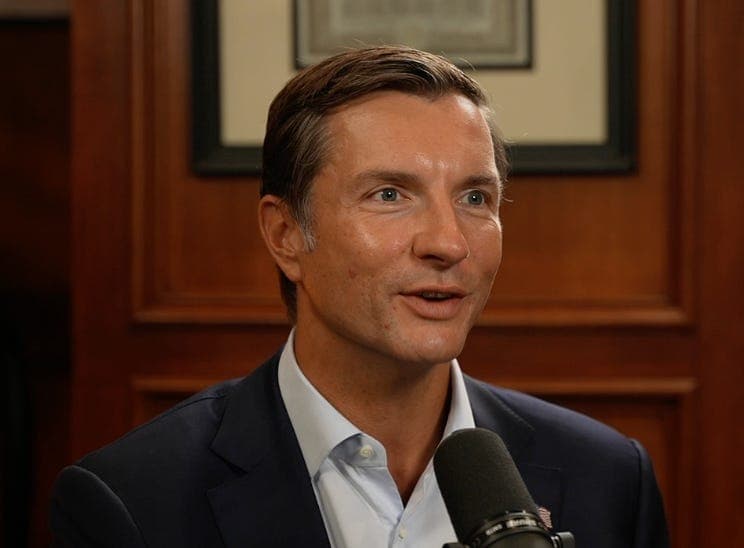
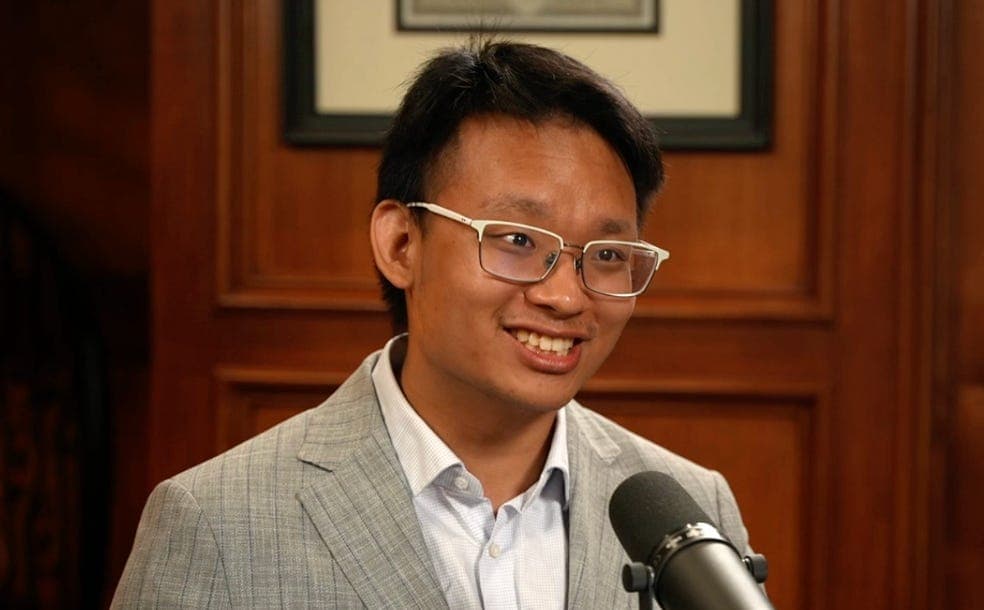
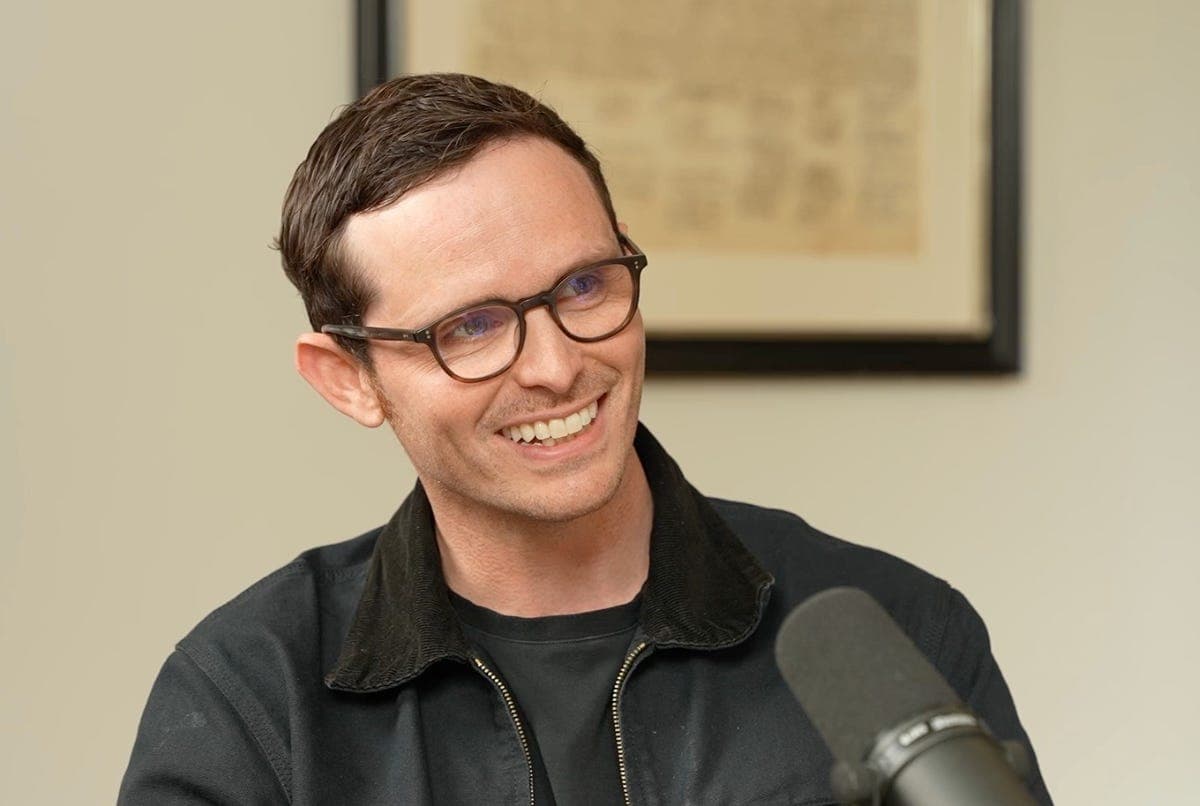
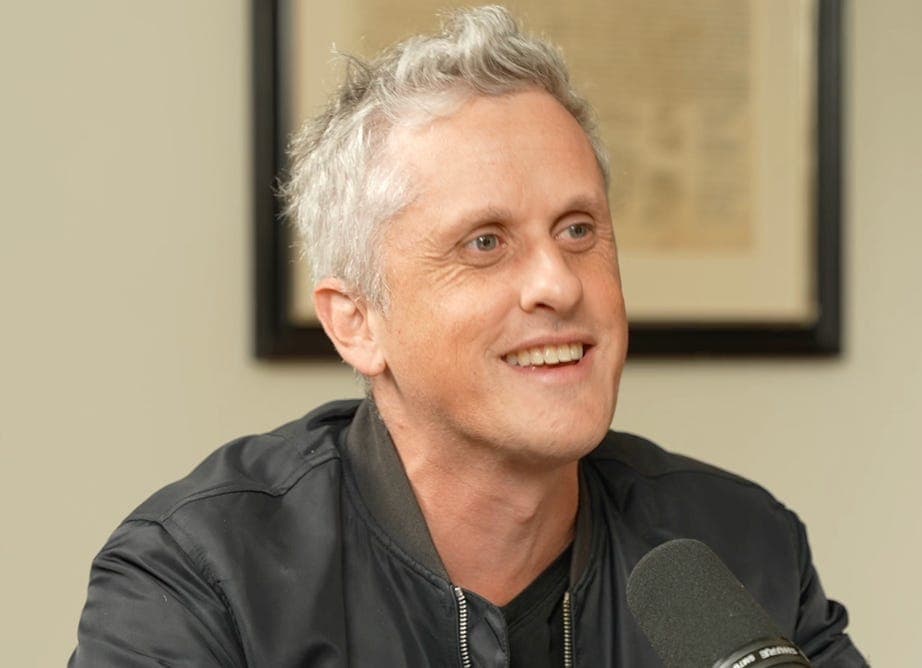
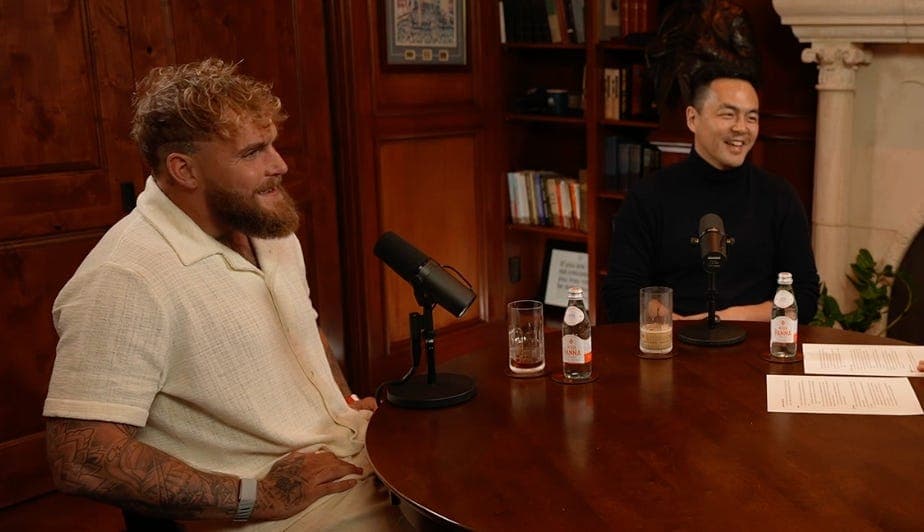
Episode Overview In this episode of *American Optimist*, Joe Lonsdale hosts Jake Paul, a prominent social media influencer, entrepreneur, and boxer, alongside Geoff Woo, co-founder of Anti Fund. They discuss the importance of cultural influence, the future of the creator economy, and the role of AI in shaping culture.
Key Themes
- Cultural Influence and Authenticity
- Jake Paul emphasizes the significance of speaking out on political matters despite potential financial backlash.
- Both hosts advocate for authenticity as a crucial aspect of cultural influence.
- The Origins of Anti Fund
- Anti Fund was established with the intention of backing innovative companies like OpenAI and Anduril, showing conviction in areas before they became mainstream.
- Discussion on the unique approach to venture capital and investing in future-facing technologies.
- AI and Content Creation
- Conversation on the impact of AI on culture, including challenges like "AI slop" and the importance of identity verification in digital content.
- The revival of in-person events as a counterbalance to the digital landscape.
- The Creator Economy
- How Jake Paul's success as a content creator illustrates the shift in career aspirations among Gen Z, moving from traditional roles (like astronauts) to becoming influencers.
- Advice for young people on embracing their unique talents rather than conforming to trends in the creator space.
- Navigating Challenges and Opportunities
- The discussion covers the potential job disruptions caused by AI and the responsibility of entrepreneurs to create new opportunities.
- The importance of fostering a positive culture around American values and encouraging young people to embrace a builder mindset.
Episode Breakdown
- 00:00 - Episode Introduction
- 02:20 - On Stage with President Trump
- Jake discusses his recent appearance with Trump and how it influenced his decision to voice political opinions.
- 06:00 - Attention as Currency
- The hosts discuss the importance of attention in the current cultural landscape.
- 08:00 - Origins of Anti Fund
- Insights into the founding principles of Anti Fund and early investments in companies like OpenAI.
- 09:10 - Betr + Polymarket
- Discussion on the intersection of prediction markets and consumer engagement.
- 14:58 - Launching Sora with OpenAI
- Jake shares experiences from launching Sora and the challenges faced in the AI space.
- 19:10 - AI's Cultural Impact
- Exploration of how AI is transforming cultural norms and the resurgence of live events.
- 21:20 - Who Should Become a Creator?
- The hosts discuss the qualities that make someone successful in the creator economy.
- 31:30 - Winning the Culture
- Strategies for positively influencing culture and inspiring young Americans.
Key Takeaways
- The Importance of Authenticity: Authentic voices are essential in navigating today's complex cultural landscape, especially for influencers and public figures.
- Cultural Responsibility: There is a collective duty among influential individuals to guide young people towards embracing American values and a builder mindset.
- Attention Economy: With the rise of AI-generated content, the ability to capture and maintain attention is increasingly vital for success in any endeavor.
- AI and Content Authenticity: The challenge of ensuring authentic content in the age of AI requires innovation in identity verification and regulation.
Conclusion This episode of *American Optimist* provides valuable insights into the intersections of culture, technology, and entrepreneurship. Joe Lonsdale, Jake Paul, and Geoff Woo encourage listeners to engage with their values and embrace the potential of the future with optimism.
Written by AI. May contain mistakes. Listen to the episode to check what was said.
Chapters
Tap a time to open that second in VOJake Paul's Diverse Roles
0:45 to 1:50
Discussion on Jake Paul's multifaceted career as a boxer, entrepreneur, and cultural figure.
“Are you worried about AI slop just like dominating our content environment?”
Politics and Cultural Influence
1:50 to 2:55
Jake Paul shares insights on his political stance and the importance of voicing opinions.
“Excited to have Jeff Wu and Jake Paul with us.”
Investing with Principles
2:55 to 4:47
Discussion on the importance of authenticity and principles in investing and entrepreneurship.
“I think in business that you can do what you want, but with brands and public facing things and events and certain people associating with you.”
The Power of Social Media
4:47 to 6:46
Exploration of Jake's popularity and the impact of social media on the youth culture.
“Jeff, help us understand a little bit for some of my listeners more about just how popular Jake is.”
Building a Venture Capital Firm
6:46 to 8:18
Geoff Woo discusses how he and Jake co-founded their venture capital firm and their vision.
“And Jeff, tell us about your background.”
The Future of Gaming and Betting
8:18 to 10:52
Jake and Geoff discuss their venture into gaming, betting, and how they enhance user experiences.
“we realized that just a lot of our values, principles are just, I think, I don't know if it's like aggression, but just like being unafraid to change the game, right?”
Addressing Gambling Addiction
10:52 to 13:20
Discussion on the cultural implications of gambling and measures taken to ensure user safety.
“And we actually, we're actually, we're small investors and better.”
Innovation in AI and Technology
13:20 to 14:00
Jake and Geoff talk about their collaboration with OpenAI and the role of AI in their ventures.
“build something and create something here.”
Building Meaningful Enterprises
14:00 to 14:40
Discussion on creating impactful businesses and the importance of ownership.
Innovating with AI: The Role of Creators
14:40 to 15:10
Exploration of AI's influence on social media and the inception of Sora with OpenAI.
“particular case if my face wasn't all of them they wouldn't actually be doing as well because You need the people there to be like the owners, you know, you need them to be the winners.”
Show all 18 chapters
Navigating Misinformation in the AI Era
15:10 to 16:20
Concerns about AI-generated content and the need for authenticity in communications.
“And the psychology around like how people interact, what kind of content they want, all these different things.”
Real Experiences vs. AI Fabrications
16:20 to 18:10
Debate on the importance of authentic in-person experiences in a digitally dominated world.
“You have to say if things are real or not, because I'm very scared of government making too many rules where they break things.”
Cultural Aspirations and Future Generations
18:10 to 22:50
Discussion on what young people should aspire to and the impact of influencer culture.
“And I think that's kind of good to be able to not be yourself and to put things out sometimes.”
AI Disruption and the Future of Work
22:50 to 24:35
Analysis of job displacement due to AI and the importance of guiding cultural values.
“I think there's a lot of useful things to do and businesses to run and vocational jobs that people – I mean, no one talks about going to a vocational job.”
Revitalizing Boxing: Modern Approaches
24:35 to 28:00
How modern management is transforming the boxing industry and enhancing fighter experiences.
“And that's like the gap I saw in the market coming into the sport was how these companies were poorly ran.”
Investing in Consumer Brands with Celebrity Endorsements
28:00 to 30:00
Discussing the criteria for investing in consumer brands, particularly those endorsed by celebrities like Khloe Kardashian.
“And obviously, Khloe and the Kardashians are some of the biggest names in entertainment.”
Engaging Young People in American Values
30:00 to 32:46
Exploring strategies to encourage young people to support capitalism and American ideals through conversation and social media.
“What caught your eye on Sesh, I have to ask?”
The Future of Optimism in America
32:46 to 35:32
Conversations on the importance of optimism for America's future, focusing on the availability of information and cultural values.
“Well, I think the courage you guys model is really, really important.”
Transcript
Automatic transcript. May contain errors.0:00The world has shifted to attention being one of the most valuable currencies. He's the multi-intelligent superstar who brings the cap between social media and professional boxing. He is a boxer, a content creator, an entrepreneur, a philanthropist, and a promoter. Ladies and gentlemen, he is Jake Paul. You're with President Trump yesterday. There's so much propaganda from the other side that I felt like the country needs people to voice their opinions and to speak the truth. You guys are doing a lot in AI as well. I think you helped launch Sora with OpenAI. There was a gap for a potential new social media app.
0:42Then I granted my name, image, and likeness to be the first. Are you worried about AI slop just like dominating our content environment? It's bad. We know something going on in that space. Tell you off camera. You're also running a venture fund together. That's what drives Civilization 4, having strong stands and pushing what is possible. When you're investing in a new brand, how are you thinking about creating these things? We've been very, very selective. People should do what they're good at and what they love. The reason why I've stayed at the top of the creator game is because...
1:22It was awesome to host Jake Paul and his business partner, Jeff, at my home in Texas. Jake is one of the most popular voices of the young generation, one of the most widely known names. And it's awesome to have patriotic fighters as cultural icons. In fact, last week, President Trump said he thinks that Jake's going to be very successful in politics. And I can see him as a future leader as well. It was great to get to know him, learn about his business, learn about how he thinks we can get other young people to be successful and to be optimistic and patriotic about our American values. Welcome to American Optimist.
1:51Excited to have Jeff Wu and Jake Paul with us. Thanks for joining, guys. Thank you for having us. Very cool home you have here. All the nice relics. It's cool. Got some cool antiques around here. We love Western civilization and our history here. But you guys are up to some fun things. You're also running a venture fund together, right? Yeah, we co-founded it back in 2021, Anti-Fund. You're in a bunch of top companies. I mean, you know a lot of people. You were with President Trump yesterday. Are we allowed to say that? Yeah. Yeah. No, I did a sit down interview with him and went to his rally and yeah, he called me up on stage and kind of just like wing the speech off the cuff.
2:25I had something like I wanted to say written down and I was just like, no, I just got to go off the cuff. And of course it was crazy. Yeah. To see that, that whole world. And, um, he just has such a good presence on stage and it was a great, great interview. I'm not sure when this is dropping, but I'm sure that maybe the Trump interview is probably already out, but yeah. You know, he's clearly a big fan of yours. He wants you to help run the country later. So if you decided to do that, you know, I will say it's really cool to see celebrities who love our country and aren't afraid to share their political beliefs.
2:54I think that that courage is really important. Yeah. It's weird, man. It's, and it's a decision that I made and I think, um, A lot of people, so many people don't make that decision to put like humanity and that side of things first over money and the potential backlash of especially being a celebrity. I think in business that you can do what you want, but with brands and public facing things and events and certain people associating with you. But I made the decision, you know, probably a year or two years ago that like the country needs people to voice their opinions and to speak the truth. And I believe that I'm very based and see a lot of things for what they actually are.
3:41And there's so many people my age that I influence. And there's so much propaganda from the other side that I felt like it was needed to balance it out and have someone who, you know, loves this country probably more than anyone and has lived the American dream to share my insights with my audience, even if it means getting insane amounts of backlash and losing potential opportunities. It's very similar with the billionaires in technology where most of my friends are terrified. They're behind the scenes. They're not saying anything. I think there was an article I was in recently that interviewed 21 people who had ties to California who were very successful.
4:20And I was the only one willing to go on the record. So I appreciate seeing others. And you're a fighter, so you obviously have courage built into who you are, which I love. I was going to say that I appreciate your leadership as well, Joe. I think with 8VC, I think it goes back down to authenticity and having principles. I think capital money influence comes from just actually having solid foundational principles. And I think that's what drives civilization forward, having strong stands and like pushing what is possible. I love that. And it really is authenticity. You can't really fake these things.
4:50It's like who you are. It's what you believe. Jeff, help us understand a little bit for some of my listeners more about just how popular Jake is. How powerful are you guys on YouTube, social media? You have a lot of advantages when you invest in companies. You can't tell people himself how awesome he is. Can you tell us a little bit of some of the numbers you could say? Happy to glaze Jake and make him sound very impressive. I mean, the way I think about Jake is that he's really a voice of the next generation of young Americans. He came up, you know, living kind of the American dream story, right?
5:20Growing up as a kid in Ohio and then started making videos with his brother. I think the original, I think their dad, Greg, was like having them film like their football plays. But then they decided that, hey, they're quite good on camera. And I think what's very interesting is that the next generation of Americans, they all want to be content creators and influencers and YouTubers. So, like, where is the culture going in Americans, but also globally? It's like all of them want to be like Jake. Might not want their jaw broken by Anthony Joshua. That was pretty impressive. Yeah. Content's a lot easier than boxing.
5:53I think that's why they want to be content creators. But I think the world has shifted to attention being like one of the most valuable, you know, currencies. You know what's really funny with the new AI wave is, you know what the first paper was called that started the wave with the Transformers? It was called All You Need Is Attention, which is very funny, which is about how LLMs were. It's a different reference, but it's funny. It really is all about attention now on both sides. I think that one of the things that we think about from a business perspective or a venture capital perspective is that the best founders have infinite access to capital, but influence attention, to your point.
6:24I think LLM attention and just like cultural attention. I think that's the most scarce commodity, especially when you have more AI-generated content, more content being created. There's like years of content being generated every single day. No one's going to watch that content. So it's becoming increasingly important that voices like yours, voices like Jake's, actually can change and dictate where human attention goes. I think that's what we're excited about. I love it. And Jeff, tell us about your background. You were at Stanford about a decade after me, it sounds like. And you built some consumer tech companies.
6:53Obviously, consumer needs attention. needs attention. And what led you guys to build this VC together? What's your path? Yeah, I think I didn't really come up in the sports media landscape. I was more of a math science or like yourself. You're a legend at Stanford. So I felt like I know I lived at French house, which is right next door to you. I was in the dorky fraternity. There'd be like three girls who would show up at a party. It was terrible, but, but all the cool fraternity guys, it was a dirt frat. The cool fraternity guys did work for me afterwards. So I feel like at least to go a little bit yeah no it's not good um we first met about 10 years ago um and then we reconnected in 2021 and i think jake had i think he's quite visionary in terms of just like creating reality around him so he wanted to box three times i think it was really interesting to see him go from a content creator to a professional athlete and just becoming one of the basically running the sport of boxing now um too he wanted to do the splits i don't think he can still do the splits yet.
7:51Do you think you could do better than me right now though? Probably. I don't know. I'm sort of flexible. I don't know. Alright, we'll do that. We have a competition. In the main hall. I'll see you out there, buddy. Next to the swords. Alright. And then the third project was starting a venture capital firm. And it was just perfect timing. Is it the splits? No, it's straight up. That was my three goals. So that's how it came together. And I think we started investing our own money and then we realized that just a lot of our values, principles are just, I think, I don't know if it's like aggression, but just like being unafraid to change the game, right?
8:30Like I think when you built HVC, I think you guys are quite, you know, idiosyncratic and just like iconic classic, just having strong stances. I think both of us saw our friend Palmer recently. You guys were in Andrel before it was popular. When I first invested in Andrel as well, he got attacked like crazy for it, but it was based on our principles, which I think we have that in common. Like this is the right thing for the country, right? Yeah. So I think it's like a lot of like, I think what investing is, you try to predict the future and then you have your capital, your attention, your influence to make that future happen.
8:58And Jake, tell me, you found it better. You're also in Polymarket. Tell me a little bit. So you're interested in kind of like how people bet on things and predict the future with your investments as well, huh? Yeah, no. So I mean, I saw personally like the gaming world years and years ago, probably five years ago now, how clunky it was, how bad the apps were and how much money they were spending on advertising and the content that they were making wasn't very good. And met Joey Levy, the CEO of Better, and we shared a similar vision of making the app better, putting it all in one, easier to understand, better content, better marketing, and yeah, founded Better.
9:40And since then, it's been doing phenomenal. We just crossed 1 million paying users and just partnered with Polymarket to bring predictions into our super app. So we have – I saw that. It's a cool partnership. Yeah. No. And yeah, we're investors in Polymarket as well. And Shane, the CEO there, has always been a good guy. And so I think, you know, it enhances the gaming experience and watching sports. So – It makes – it does make it more fun. I love all the real-time stuff where, like, changing percent chance. because then when I was past it, we'd always be like, what's the chance they can come back and stuff?
10:15And now you can play it, right? You can bet it. It's fun. And it's like people want to just play casino from the comfort of their own home versus, you know, Vegas seems to be like, you know, dying out a little bit in terms of the casinos and people wanting to go there. And so this is what we believe is to be the future of. And I want to push on this a little bit because I think it's like really fun and I think it's like a great business. Are there some people who are too addicted to gambling and it's not good for them too and like how do we think about this culturally because you probably don't want everyone gambling money they need for their family and their kids and stuff like that too like is there some problem for some percent yeah for sure and we've done things that you know put safety parameters in place i think we are the only company to not take credit card and actually debit have debit you don't want everyone going into debt to try to bet exactly um and we always push forward like this is entertainment purposes like how much would you spend on a movie ticket that's how much you should you know go in and and and wager um but the the thought is is if it's going to happen anyways you know it's like anything like sesh if people are going to do nicotine it's like can we make the product better can you make it safer for for people to use if they're going to do it anyways.
11:34No, that's true. And I do love Sesh as well. And we actually, we're actually, we're small investors and better. So thank you for that. Of course. We're supporting Sesh as well. No, that's great. These are great. These are high quality products. They're great companies. When you think about consumer, you obviously have a lot of advantages. I feel like you guys can make anything work if you're like, oh, I had to make it work. So what do you prioritize? What do you care about in consumer? I think we're, I mean, at the most abstract layer, and maybe this goes into prediction markets or gaming. Can you democratize access to venture capital?
12:08These private companies that are the future of America, but a lot of people don't have access to them. So I think in terms of just the abstraction layer of how we're engaging with consumer, I think we're just up-leveling the sophistication. I think you start with consumer products, and that's great. Consumer gaming products where we incubated a deodorant company, and I think the present basically... A deodorant company? Yeah, called W. available nationwide walmart and the president was like basically you know endorse that as long as well as endorsing shake for future he was like maga go buy it right now you got you gotta send some to the white house yeah 100 um but but yeah i think it's also like the identifying if there's a problem and i think that's what happened with better right like we're not you don't just want to like spin something up to spin it up we saw with better like bad content bad advertising clunky apps no connection with the the users all the ceos the youngest one is like 50 years old so they don't understand this next generation me and joey are the youngest two in the space so it's like that advantage speed all of these things that we identified all of that we're like all right we can build something and create something here.
13:24That's how we see it as well. There's a conceptual gap in the world. Like here's where the world is. Here's where it could be. You go fill it in with talent. You guys, I think you stopped by Saronic. Like for example, like there was a gap there that the military needed. Let's, you know, let's go build these things. I think that like on shoring American manufacturing is a theme that we're excited about. I know you guys are, I've been leaning at the charge in the front of that. Well, we're all, I mean, Elon really led the charge. We're all learning from him, right? Cause if he hadn't known what he did, we wouldn't, we wouldn't know what to do at this point.
13:48So I think that's probably like an area that we're like thinking about just how do we bring manufacturing just atoms back i love it i love it so you gotta look at some companies along those lines yeah 100 maybe if it's it's hard to build these things it's expensive but i but it's it's it's it's an important thing we're creating a lot of jobs doing it but i think those are the meaningful problems right again i think it goes from like we have both confidence and competency on simpler problems and it's like okay how do we i i think i think one thing i appreciate about jake like there's no limits to try to do the impossible maybe we hit it that's what that's it says it right there there's no limit to what a man can do or where you can do if yeah that's that's the rest of it that's a Reagan quote if he does there's no limit to what a man could do if he doesn't mind who gets the credit too which is also I think a really important one because a lot of times when you're building things it's really important I I've helped start dozens of companies but if I was put them in this particular case if my face wasn't all of them they wouldn't actually be doing as well because You need the people there to be like the owners, you know, you need them to be the winners.
14:46You guys doing a lot in AI as well, which I love. I think you helped launch Sora with OpenAI. Is that true? Yeah, correct. Yeah, we worked with their team for a couple of months, just helping them develop the product and the idea of like what it would even be. And it started from just like chatting with Sam and identifying that there was a gap for a potential social media, a new social media app. And so just use all my expertise of being a creator and utilizing these apps for so long, like 15, 16 years now. And the psychology around like how people interact, what kind of content they want, all these different things.
15:27And then I, yeah, granted my name, image and likeness to be the first. Do we have some funny images of him? Actually, I missed this. it was insane i gotta go check that out i mean basically it's crazy like there were friends being like oh did jake get arrested did jake come out messaging me like yo what i can't believe you did and it'd be like the most absurd video but it looks it looked real but it was i love it it's actually scary they're gonna be able to make you do or say anything especially they did yeah they did i love it are you worried about ai slop just like dominating our content environment is It's kind of weird, right?
16:07There's just all this fake, crazy stuff everywhere now. It's bad. Yeah, I think it's important, like regulations and authenticating out there in this space. You have to say if things are real or not, because I'm very scared of government making too many rules where they break things. But you kind of want to know if something's real, right? If something's pretend. No, exactly. I think it's going to be on the social platforms to kind of identify if it's AI or not. And there's a lot out there and misinformation. And especially with, I think, an older generation. Oh, they have no idea. They can't tell the difference.
16:47No, they have no idea what's going on. Yeah. And then they're just posting these videos thinking that it's real. And I'm like, yo, boomers. You know, every once in a while they get me, I have to admit. And I'm only 43, but I'll be like following something. And it'll be like this really compelling video that I would think would be true. And then, oh, Joe, that's like from a video game. I'm like, damn it. it's like it's because you know it's like it's hard to know for sure because you're used you've been alive for 40 years where things are real when you see them and now they're i mean i mean what should the what should the rules be it really is going to be on meta and on x to this i mean the war you guys saw this there's all this fake war content and you really can't tell and a lot of it was coming from like pakistan and x just turned it off last week but it was it was hard to tell yeah yeah i think it's going to be the the platform and then i i think there'll have to be something where yeah humans um essentially verify themselves it's going to be interesting right how there's some new technology for that maybe there's another company for us to yeah there's something like obon biometrics and just yeah can you authenticate proof of humanity there's something where like if it's really coming from you then you can authenticate it if you haven't authenticated it it's probably not real right yeah you can probably create we should do a consumer company i'm sure people are noodling we're noodling people think we think that's for a long time identity is a hard problem we know something going on in that space all right off camera all right all right yeah teach us teach us i mean people even when facebook first got going with my friends there we were trying to think about this and and you know it's an interesting question do you want to force everyone to have an identity or not it's kind of cool like you know so we're seeing some of these early american documents like benjamin franklin uh here who you know he wrote under pseudonyms all the time like he was he wasn't benjamin franklin he was you know he's whatever else that he wrote as, right?
18:31He could use these old Latin names. You'd be Cicero. You'd be other things. And I think that's kind of good to be able to not be yourself and to put things out sometimes. So, you probably shouldn't force that to any. But then if it's going to influence things and it's fake, I think that's not good, right? No, I think, yeah, there's a balance. I like freedom of speech. I like all these agentic content, right? Like, I think it is a brave new world. And I think hopefully it's just innovators like ourselves and then government policy, like dictating, like, what that might look like. But I think that is like an open question of our current society.
19:01So with all this crazy stuff going on in AI, all this really cool stuff and fake stuff, does it make in-person events like boxing more important? Is there real in-person things? Like you have a ranch, you bought, people come. Is that more important now in this world? How do you think about this? Yeah, definitely. I think I'm a big believer in, yes, sports in general because of the real authentic stories behind it and behind the content. and it would be interesting to see what happens in the acting space right like netflix just bought a whole ai studio from ben affleck but like will consumers want to go to the movie knowing that like none of the acting was actually real it's kind of it's it's gonna it's just trippy and obviously it's just like such interesting times but i do think the real uh things like sports will potentially matter more.
19:53But I do think there's a market for both and for the other types of AI-generated content. If I were to be like a hot take, I would be short actors, long athletes, long musicians. Interesting. Because I think when you're an actor, you're just faking some other character. I think AI faking a character is much more akin to being replaceable. Unless you're an actor maybe in a play, in which case it's live. Yes. It's different, right? Yes, and I think it's that human experience, right? Like the energy in this room is very different from watching this at home. I love like the old Shakespeare theaters.
20:25There's like an old one on Forrest and they're tearing down in Austin. You can go there and like see them perform live. And there's something that's kind of unique about that, which is going to be even more different today now than the screen. My sense for like fiction is that you might want to just see yourself be like Duke Atreides or something, right? Like you want to be Luke Skywalker versus like some other random human that you probably don't care about anymore. But like the sports story, right? Like Jake actually had to get in the ring and like fight a bigger man. Right. You want the real story about the real people you're seeing live.
20:54Yeah. I was with a friend who's a very famous actor a couple of days ago in LA and he's like, dude, he's like buying out these in-person spaces and stuff and like doing things that are going to be more about like, like in-person leisure events and stuff. Cause it feels like you need, you do need more real life stuff. Right. I want to ask you guys about culture a little bit. You, you, I think, I feel like you're, you know a lot more about where culture is going than me. I don't understand these kids these days. You guys are, you guys, you're a genius. You know, in the 1970s, 60s, kids wanted to be astronauts.
21:20We had a lot of cool science fiction. We kind of looked up to the future as like this really exciting thing. And obviously, like you said, a lot of people want to be YouTubers partially because you're influenced, which is not bad. But should they be all trying to be influencers? Should they be trying to be more like Palmer? Like how should people be looking up to things? Yeah, no, I think people should do what they're good at and not try to like be something, right? Like the reason why I've stayed at the top of the creator game is because I was good at it since eight years old. I picked up the camera and me and my brother made a whole like comedy video and the whole school was like playing it.
21:57The teachers were like, wow, this is amazing. Our parents were like, this is funny. And it was like our first couple of videos. So I think people should do what they're good at and not just like have their eyes set on being an influencer, even though it is the number one job that people want to become these days. And I understand the reason why everything's on our phones, everything's social media. They're being influenced by the streamers. The streamers have Lamborghinis in the houses and the girls and all of this stuff. And the young kids' bright eyes, they're like, I want that. But are you entertaining?
22:31Do you have something to add? Do people want to watch you? Are you actually good at it? Do you have a personality? So I think people should do what they're good at and what they love because that's how it stands the test of time. Are you worried about the AI disruption for jobs and stuff? We talk about this a lot. I'm sure you think about it. I think there's a lot of useful things to do and businesses to run and vocational jobs that people – I mean, no one talks about going to a vocational job. It sounds like a lot more work than being an influencer, but it's probably like more of them should be going.
23:02How do you think about this with the disruption going on that we're causing? Yeah. I mean, I think a lot of jobs will be deleted. And I think it'll be on entrepreneurs and founders and investors to create new opportunities for people. So I think we're entering a very interesting time where it is industrial revolution times 100 speed. So I think people will compare, hey, we've had innovation cycles. I really do think AI is a different animal than previous innovation cycles. So I think there will be definitely pain. For me, it seems like really important that like the people who love America and have our values guide the culture in a positive way right now towards this.
23:41Because there will be change and disruption. But I feel like the future is going to be what we make it. And I think having someone who's guiding the culture based on a love of our country and a love of our values, it just feels so critical right now, right? You guys think about that? You have a big responsibility in a way for our country. Yeah, I think that's why we've been doing much more vlogs around just visiting these companies, highlighting the cool opportunities ahead. And I think that's something that I think going to your question, if we're talking about these A opportunities or these manufacturing opportunities, those are just important for national security, but also just what do people do in the future?
24:15Are we in everyone in the matrix, everyone at UBI? That's a very weird... I think the dignity of work is so important. And I love that you chose to make boxing like something that, I mean, it was something that was not as big recently. You made it a lot bigger just by getting involved. And is that, are you consciously thinking about this? Like having fighters as icons, I love that for our culture. Like, is this something you care about? Yeah, definitely. And that's like the gap I saw in the market coming into the sport was how these companies were poorly ran. Then it was like very archaic. and me and my co-founder Nikisa came in and ran it like a startup essentially and with values professionalism showing up on time treating fighters properly contracts ready these are things that are like not available in boxing besides like our company um and it's it seems crazy but it was just so outdated and so when we came in ran things better production better camera angles better music better like all these like little details um really added up and then the relationships we've built with the fighters where they love working with us more than anything and so do the streaming platforms that we work with because of that professionalism and treating it like a startup um and that's where we've seen success and then just utilizing my my platform to promote these fighters and to um tell their story right because there's so many amazing fighters some of the best in the world that you've never heard of and so it was to me just about content curation and storytelling i love it you know my last name's tied into the sport a little bit it's lonsdale have you ever seen a blonde still like yeah wasn't it dude i know what you're talking about now can i can i tell you there's actually crazy is it a heavyweight no it's crazy So this guy was like a big aristocrat with like 40 servants would follow him around everywhere, all dressed up in yellow.
26:13And he became the champion boxer in England. But the crazy thing is, so he became a big promoter. I mean, at the time, like a Jake Paul in England organizing fights. And the reason he became a legend, he was like 10 years out, like I think like early 40s. And he was bringing the top guy from Britain to fight the top guy in America. And the British guy got food poisoning and couldn't fight the next day. So he had to step in 10 years out of shape into the ring. this is like 1900 basically it's like a long time ago and he knocked out the american champion in like nine rounds which was like total shock to everyone because i guess back then isn't that crazy and there's all these pubs like they're called lawns like all lawns and lawns all over england because it's tied to this like crazy old and that's why you get all the boxing stuff says lawnsdale on it still sometimes isn't that funny yeah that's where i've heard of it and seen it it's like so long ago everyone forgot about the story but you remind me because you said stories it's like it's the storage where they make these things huh no it's that's super cool yeah no yeah that's that's all anything is really is like is this story and i have i spoke at a thing once 10 years ago i'll show you this and they gave me this glove actually i forgot i had it here and they it's unfortunate but it has mike's sitting shirt on it this is the guy you beat up tyson let's go that's awesome i don't know why they gave it some of these some box that's cool for tech we they did a drop worth like me and him signing gloves which is pretty sick so it's just wild i love it i love it that was so cool you brought him back to do that i want to talk about a little bit about because just one more time consumer brands because you're you guys know this i think everyone's just so curious like it does feel like it's feel like there's some kind of magic in terms of how you guys create these things like when you're when you're creating a new brand when you're investing in a new brand you're seeing a gap in the world like like what's the strategy then is it specific to the brand like like how are you thinking about creating these things how do you get them out there how do you how do you make these things real i mean i think it's different in terms of investing versus like incubating um but i think we've been very very selective on investments into certain consumer brands um and yeah i think it just comes down to the the people the founders the team around it and then you know for example We're investors in cloud popcorn, which is Khloe Kardashian's.
28:28And there's great people behind it. And obviously, Khloe and the Kardashians are some of the biggest names in entertainment. So to us, that just made total sense. We tried the product. It was great. So there's kind of a checklist. And is that something people could just promote it and they can click right there and order it online? Is it mostly kind of distributed from the web? Or is it something you're putting in all the stores or both? yeah i think it's mainly in target for that specifically i think they just launched starbucks so they're scaling retail because i think a lot of people i mean i think you want to be ubiquitous i mean i think one thing to add color in terms of execution i think i think the technology companies are something about just like the the geniuses that there's like actual technological differentiation that i think is like more clear mode yeah that's more easy for me to understand as the tech nerd like okay i see why this is like it's really really hard for someone else to do in value.
29:20What you guys do in the consumer seems more like magic to me because it's like you have to create the magic behind it. But then I think the execution bar is actually very, very tight because there is like the magic around like the founding story, the problem that we're solving for customers. But because it's less technical differentiation, the execution bar of like every single person on that team has to be very, very tight. Interesting. So I think that's where I think Jake speaks really correctly. Like the people selection becomes almost, it's very important for a tech business, but I think it's easy to just get bamboozled with a celebrity in this distribution or this product.
Read the full transcript
29:54And it's like... But everything else has to be perfect. The execution is very, very tight. And people have to have a good experience. You don't want to put your name on something if it's not done perfectly, I suppose. Yeah, correct. What caught your eye on Sesh, I have to ask? That's something I think it's a really cool higher-end product. Jake Medwell is like... And Max, I mean, Jake is just carrying that business on his shoulders, it feels like. It is a higher-end product. People love it, right? No, you know, I'm like a daily active user. No, but I think that criteria exactly fit what I was saying.
30:25I think the quality of Jake Medwell, 8VC infrastructure, and I think just like the product execution. It just felt like the foundations were built correctly with like getting the FDA PMTAs and all the American manufacturing lines, right? Like I think there's actual technical moats there versus like, hey, you know, a nicotine pouch and we're going to compete with whoever. It's very thoughtful of how it was constructed. Yeah. And just culturally, everyone starting to do nicotine. So you just see it's ramped up. I mean, nicotine culture is much better than a marijuana culture, I think. 100%. I don't know.
31:01We agree on that. I think it's even probably better than if you're going to have too much of something versus too much alcohol, nicotine is probably better. I feel like nicotine reminds me of the greatness of America, mid-20th century, like dominance. It's at least a better drug. Smoking. and just being productive. And then it's not going to give you lung cancer, right? Yeah, exactly. I just love the idea of working more with you guys because you love America, because you stand for these values where you support capitalism, you want more people to build. How do we get more young people on our side?
31:31Like, what else, what should I be doing? What should others be doing who have not as much influence as you, but we have, you know, we have wealth, we have some influence. Like, how do we get young people to want to root for America and to root for businesses? Yeah, I think it's just continuing to always use your voice. I mean, that's what I kind of said to the people. And my dad, you know, since I was a kid, would engage in a conversation with anyone about politics and explain to them his truths. And he's just a normal blue collar guy. But if he could influence one person, that's where it starts.
32:07And so I think everyone's voice matters and constantly just poking holes in things that are out there publicly, I think is very, very important. And yeah, just never backing down. And I think because of things like TikTok, the truth has just gotten out there more. And so even if you see something of a video that you agree with, just liking, reposting, commenting, those things actually help to drive those videos up and to grow the audience and to grow the message of pro-America and the truth. I love that. Well, I think the courage you guys model is really, really important. And I love this ties to the fighting spirit, too, because the courage to speak the truth, the courage to put it out there.
32:54You know, guys, we started this podcast. It's called American Optimist to push back on pessimism and cynicism and a lot of nihilism. What's your best case to be optimistic for the future in America? What makes you optimistic? Man, I would say that, yeah, kind of going back to what I said about TikTok is that like information is available to everyone. I think like people are becoming smarter and becoming more able to see inauthentic characters and actors and contradictions that people have, especially in politicians and, you know, exposing Kamala saying one thing over here, then later she's saying this, then later she's saying that, then people find out, you know, things about her past and this and the truth is out there now.
33:43And I think people are getting better at seeing it and feeling it. And I believe we're moving towards a better place in that currently. And that gives me optimism for a better country, better businesses, better people. I think people are starting to want to learn more about themselves and be healthier and find the truth within themselves, identify their problems. So I think people are becoming smarter in a sense in a lot of ways. And that gives me optimism. Like when I talk to a 13-year-old and they're just like, I'm like, I wasn't that sharp or mature or knew what was going on when I was 13. And to me, I feel like I'm just a sucker for the American dream story.
34:30I think the country was founded on the super unique values of you come, you work hard, and you make success for yourself. And I think, you know, we're all relatively well-traveled. And I think so many of the everyone in the world wants to be here. And let's get the best people here and build awesome stuff. And I think that is something that makes me optimistic, right? At the end of the day, just like, can we capture human talent from every single corner, have them adopt American values, right? And I think that's something that's very interesting from just the culture in our country today, right?
35:04Like, a portion of our population almost does not like the U.S. flag or doesn't like American values. And to me, it's insane. Like, this is our country's flag. How could you not support like the society has allowed us to even have the freedom of speech to say stuff like this? So I think it's like it's a fight worth fighting for. So I think in terms of just like having that pro-America, pro-optism stance, I think is not just a personal opinion. I think it's our duty as citizens. I love it. This is like a country that deserves to exist and deserves to thrive and we need to fight for it. Yeah, we need to keep making it better, but it's already the greatest country in the world.
35:41So we should be proud of it, too. guys that's a great note to end it on thanks for joining thank you
From the publisher
Jake Paul is a social media influencer-turned-entrepreneur and boxer. He’s not only one of the most popular figures on the planet among Gen Z, but also an outspoken patriot, capitalist, and builder. Together, he and Geoff Woo founded Anti Fund and have backed OpenAI, Anduril, Ramp, among others. Why did Jake decide to speak out on politics? How do we win over the next generation? And how is AI changing the culture, from new social media platforms to prediction markets and the revival of in-person events?
We recorded this conversation the day after Jake appeared with President Trump at a Kentucky rally. He explains why he’s speaking out on politics, even if it costs him financially, and why authenticity is key to cultural influence. Next, we explore the origins of Anti Fund, and how Jake and Geoff had the conviction to back Anduril before defense tech was in vogue. They also invested in OpenAI and were instrumental in rolling out Sora; learn about the strategy behind the launch and the challenges around AI slop and identity authentication. Additionally, Jake is the co-founder of Betr, and we discuss its recent partnership with Polymarket, what’s next for prediction markets, and how to build guardrails for customers. Finally, we explore Jake’s success in pioneering the creator economy and building consumer brands. In the 1960s and 70s, most kids aspired to become astronauts. Today, they want to be content creators, in part because of Jake’s influence. We conclude with Jake’s advice for young people in the AI era, and how we can persuade the next generation to love their country and embrace a builder mindset.
00:00 Episode intro
02:20 On stage with President Trump
06:00 Attention is the most valuable currency
08:00 The origins of Anti Fund and backing OpenAI, Anduril, Ramp, and others
09:10 Betr + Polymarket and the future of prediction markets
14:58 Launching Sora with OpenAI
16:14 Are you worried about AI slop?
19:10 How AI is changing culture; revival of in-person events
21:20 Who should become a creator?
24:30 Fighters as cultural icons
31:30 How to win the culture
This is a public episode. If you would like to discuss this with other subscribers or get access to bonus episodes, visit blog.joelonsdale.com