In short
Small business succession crisis (“silver tsunami”) and how AI can boost revenue for service businesses rather than eliminate jobs; American Operator’s model for turning employees into owners and backing new operators.
Guest backgrounds
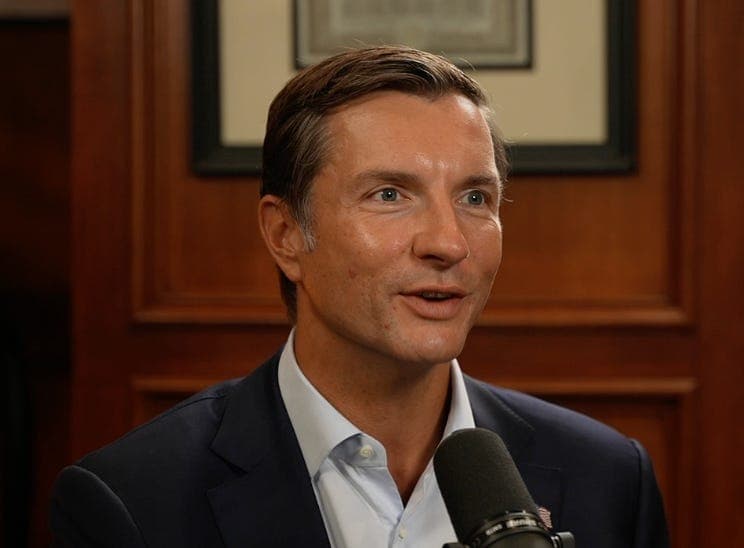
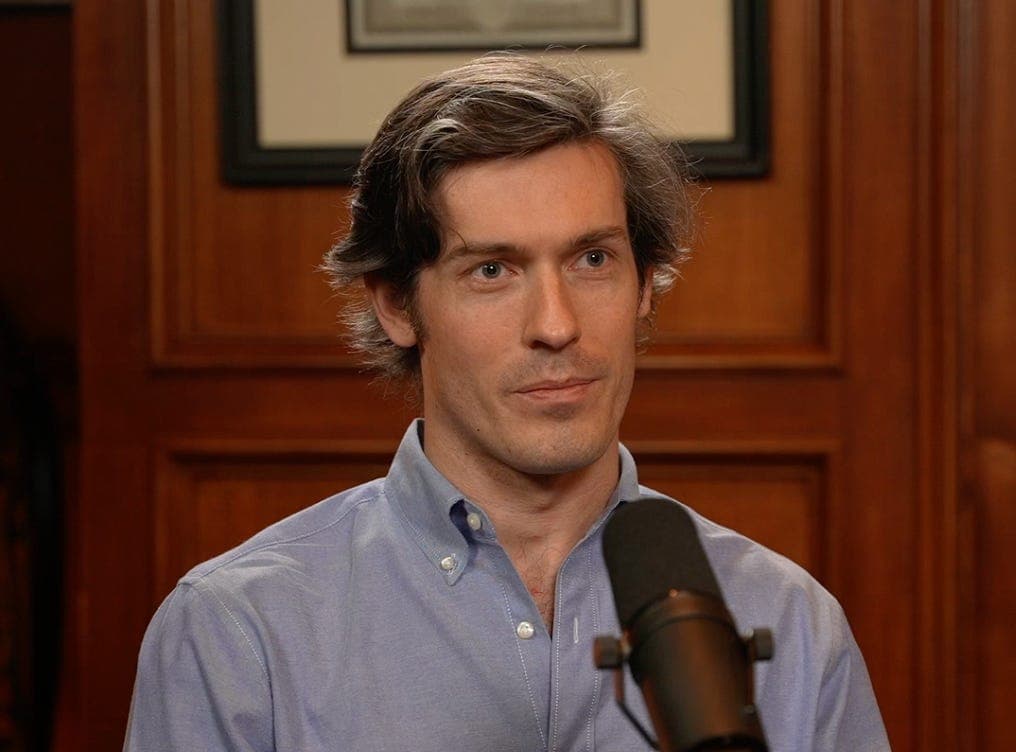
Will Fry grew up in Greenville, North Carolina; his family included a Port-A-John business and a mother’s family medicine practice. He studied at Penn and Wharton. He founded American Operator (CEO/founder) after seeing succession failures among local businesses.
Key claims
AI won’t meaningfully disrupt “Main Street” service businesses; these businesses should rise in value. Succession planning is weak: ~33M US businesses, ~6M with employees; ~2.1M owned by baby boomers; ~48% have a plan, leaving over 1M at risk. Small businesses have openings (~32% of current owners report openings). The path to ownership is a career for young people.
Notable examples
Greenway Painting (operator Anthony, former Air Force combat controller): 10% ownership in a ~$2M business, projected equity growth to ~$1.4M+ as he earns toward 70%. Painting: using Claude to create outbound sales to property managers. Peanut manufacturer: employee used AI for social media to expand direct-to-consumer marketing. Pool cleaning business in Los Angeles uses AI to post authentic outreach in neighborhood Facebook groups.
Written by AI. May contain mistakes. Listen to the episode to check what was said.
Chapters
Tap a time to open that second in VOAI's Transformative Potential
0:45 to 1:20
Discussion on how AI can create opportunities in small businesses rather than merely cutting costs.
“able to buy these businesses at three or four times cash flow.”
The Small Business Succession Crisis
1:20 to 2:18
Exploring the challenges baby boomers face in passing down their businesses.
“If you're a smart young person, you should look into this area.”
Will Fry's Background and Mission
2:18 to 4:10
An introduction to Will Fry, his upbringing, and his entrepreneurial journey.
“There's obviously that in the community.”
The Importance of Local Businesses
4:10 to 6:30
Examining the vital role local businesses play in communities and their connection to local culture.
“Like, what did you realize that there's something like a mission here that mattered for small business?”
The Shift to New Ownership Models
6:30 to 8:10
Discussion about transitioning ownership from retiring baby boomers to responsible employees.
“They don't even know what they're going to do.”
Creating Millionaires on Main Street
8:10 to 9:30
Explaining how American Operator helps individuals gain ownership of profitable businesses.
“from investors like you and some of our credit partners to allow that owner to walk away and go into retirement.”
AI as a Business Growth Tool
9:30 to 12:20
How AI can enhance operational efficiency and drive revenue growth for small businesses.
“So hopefully he even owns millions of dollars of this business.”
Navigating the Future of Small Businesses
12:20 to 14:00
Understanding how AI and succession challenges intersect and the future implications for small businesses.
“And what I mean by that is that if you look at kind of the anthropic spider chart, these service businesses are the last businesses to be impacted.”
Small Business Adaptation and AI Integration
14:00 to 18:08
Learn how traditional small businesses are adapting to modern sales techniques and AI.
“There's all sorts of things that are broken.”
The Importance of Grit in Business Ownership
18:08 to 20:50
Understand the value of persistence and hands-on experience in running a small business.
“There are other areas for you to really build a great life.”
Show all 18 chapters
Challenges in Selling Small Businesses
20:50 to 24:48
Explore the complexities and emotional challenges of selling a small business.
“There is a difference between trauma and life.”
Supporting New Business Owners: The Role of Advisors
24:48 to 28:00
Discover how experienced advisors can aid new entrepreneurs in navigating business challenges.
“effectuate this massive wealth transfer to make sure that small businesses are around for the generations to come.”
Understanding Personal Guarantees in Business Financing
28:00 to 28:30
Learn why personal guarantees are important for business operators.
“And then the second thing is we make them personally guarantee the debt.”
Explaining the Operate to Own Model
28:30 to 29:50
Discover how the operate to own model helps operators gain business ownership.
“I understand how these financial structures work.”
Building Equity While Repaying Debt
29:50 to 30:40
Understand how equity builds in business ownership during debt repayment.
“So maybe you're just getting another two to five points of equity for the first handful of years.”
American Operator's Investment Strategy
30:40 to 31:45
Learn about the investment strategy of American Operator and its cash flow dynamics.
“Um, any year that we make distributions from the business, and that's a joint decision between us, the operator and the advisor, we get our pro rata share of the business.”
The Value of Small Businesses in Today's Market
31:45 to 32:58
Explore the current market dynamics for small businesses and their valuation.
“We want to have a world where everyday Americans can have a stake in Main Street.”
Optimism for Main Street America
32:58 to 33:41
Hear about the optimistic future for small businesses on Main Street.
“And it'll become more and more valuable.”
Transcript
Automatic transcript. May contain errors.0:00There's a lot of doom and gloom on the internet that there's no jobs. AI's taking all the jobs. It's completely false. How is AI impacting small business? These service businesses are the last businesses to be impacted. These businesses will only go up in value. A lot of people think of AI and they think of cost cutting. That's not the right lens to look at small businesses. How can we leverage AI to reduce the amount of monotonous work that you're doing and reallocate it to something that generates revenue? There's a huge opportunity for young people to capitalize from this wave. We're literally creating millionaires on Main Street.
0:37Will Fry is CEO and founder of American Operator. This is one of the most exciting areas of our economy in the coming years. We have trillions of dollars of transactions because baby boomers are retiring, able to buy these businesses at three or four times cash flow. The government actually helps people become owners. And American Operator wants to help tens of thousands of people become new owners. It's a great area to invest in. I'm personally investing a lot into this area. and I'm really excited to hear from Will how AI, how innovation, how everything going on is going to transform this area of the small business economy.
1:07A lot of young people are wondering, what should their job be in the AI era? You don't need as many people joining law firms. You don't need as many analysts at banks or at McKinsey. You know what? We need a lot more owners in the American economy. We need millions more owners, over 2 million businesses that have to be sold, that people need to run. If you're a smart young person, you should look into this area. Welcome to American Optimist. Happy to have with us Will Fry, the CEO of American Operator. Yes. Thanks for having me, Joe. Will, you are empowering a huge number of people to become owners.
1:33You're helping support owners, really focus on the small business ecosystem, big part of our economy. Let's start with your background a little bit first, though. You grew up in a small town in North Carolina? Yeah. Drew and I share that. I grew up in Greenville, North Carolina. It's about 70 ,000 people, a bunch of tobacco fields, baseball fields, and small businesses. Tobacco fields, baseball fields, and small businesses. I love it. What small businesses do you remember from your childhood? What stands out to you as a business? So the Stallings family owned a Port-A-John business. And so for the local state college, East Carolina university, anytime there was a baseball game, football game, you'd see the Stallings Port-A-Johns out there and they made a good living doing it, hauling waste and bringing around Port-A-Johns.
2:12I love it. Give me one other one. So you have Port-A-Johns, what else do you remember? I mean, so my mom owned a small family medicine practice. There's obviously that in the community. There's roofing, kitchen repair and appliance. We We have a good family friend who owns a family farm. So do a lot of soybeans, tobacco. Small business with kitchen repair and appliance. These days, do people still repair things? So it's largely commercial oriented. Oh, okay. Yeah. So coming into... Yeah, so big... If you have like a big... Industrial kitchen. Industrial washer. You obviously got to repair these things when they break.
2:40Yeah. I love it. So you went on, you went to Penn and then Wharton for business? That's correct. Yeah. Good business school. So how'd you become an entrepreneur after this? So I actually started in high school. I loved building things. At the time, it was electronic kits, like 360 and one. And then the app store came out when I was in middle school. Through electronic kits. What does that mean? So you could essentially build like little motorized cars. You essentially buy those that come with like diodes, transistors, the whole nine yards. You figure out how to wire them up. No one really wants to buy the piece of crap that you built, but you build it and you share your friends.
3:09And so I did that throughout middle school and then the app store came out. And then that was kind of the aha moment of you have all of your friends who have their parents' credit card wired up to the app store and you could build software and people would pay you 99 cents to download your app. um what was one of the silly apps you built i built obviously a version of pong that's kind of like the intro to it i uh i then built a number of apps for i won this like competition for the epa you could essentially see the emissions uh in in the local town so i thought that was kind of cool um so it's like captain planet missions exactly yeah it was like gamified you can kind of like play around so that pick up trash or yeah you could see like the kind of what the water levels were and what was in the water it's a good idea rather than just like searching for Pokemons in your town.
3:51Why not do something useful? That was the goal. It was like, could you build an app that kids would like to use that gives them a little bit of education and hopefully also doesn't indoctrinate them. And I think we were successful. We won an award doing it. So did that throughout high school and then went up to Penn for undergrad. I love it. And so you came from this like entrepreneurial kind of background, a lot of small businesses around you. Like, what did you realize that there's something like a mission here that mattered for small business? There's a crisis brewing. Yeah. So it was actually a trip back home after graduating from college.
4:18A bunch of our family friends were going through what I would now call succession planning or lack of succession planning. So in Greenville, you know, you graduate from high school, almost everyone flees. They go to Raleigh, Charlotte, Wilmington. They don't want to be in Greenville. And so the default exit plan for all of those small businesses that I was mentioning earlier is no longer there. You can't just give it to your kids, your kids, your kids in Raleigh doing some other high power job. They don't want to come run your kitchen repair business. Exactly. And these are the same businesses that growing up, they would sponsor the Veterans Day Parade.
4:45Their signs were on the back of the baseball field as Little League sponsors. So it's very clear that they're like an integral part of the community. And the people who ran those businesses were also leaders in the community. So when hurricanes come through Eastern North Carolina, it's those businesses that are showing up to help. Often it's kind of like the first responders. And so I knew how important it was to the communities that these businesses stay on and stay on in a way where there's local ownership. And these businesses would often have employees. So there's a solution then to help the most responsible employees become owners.
5:12So that's all, that's always an option. Today at American an operator, I'd say around a third of the time, we're backing an internal successor. Maybe someone who's a VP, a general manager, a crew lead, help them become an owner. Two thirds of the time, they may not have that person internally. Maybe they don't have someone who has a risk tolerance or the all in nature of what it really takes to become an owner. And so we'll bring in a net new operator to take the torch forward. I love this as a career path for more people right now. I have a lot of friends telling me, Joe, there's all this AI stuff you guys are doing.
5:38It's going to disrupt everything. There's going to be all these people who are white collar and they're not going to be able to get jobs. And it seems to me like there's like hundreds of thousands. Is it a million businesses? How many businesses? There's millions of businesses. How many businesses have to be sold over the next decade based on, it's called the silver tsunami, right? Based on all these baby boomers, at some point they got to retire or die. So someone else has to run it. Like how many businesses is this? Yeah. So if you kind of think broad picture, you have 33 million businesses in the US.
6:04You shrink that into 6 million have employees. So those are the businesses that we focus on. Of those 6 million, roughly 2.1 are owned by baby boomers. Wow. So it's like more than a third of these 6 million small businesses. Correct. And the problem is if you go around, there's a lot of survey data on this, around 48 % actually have a plan for what they're going to do with the business. And so that's a huge amount of businesses that are at risk. More importantly... So over a million businesses are at risk. They don't even know what they're going to do. Correct. And there's livelihoods tied up in that.
6:34Obviously, there are a ton of employees. There's over 6 million employees tied to that kind of sector of the market. And then what I often talk to, to leaders at the kind of municipal and state level is that's your tax base. And you don't want that shutting down. You also don't want, you know, out of state buyers coming in, consolidating all that money is getting funneled out of those communities and out of your state. I love it. And you know, we recently had Kelly Leffler on the podcast. Huge fan. It could come out before this one comes out. And so she's running a small business association, the SBA for America.
7:01America's actually spends a lot of money helping people become owners. What role are you playing alongside what they're doing? Sure. Yeah. The SBA is a phenomenal organization. If you chat with anyone who is not from the US, the SBA is one of the prize jewels that they're very, very jealous of. In other countries, there are not zero subsidy taxpayer programs are essentially stimulating the GDP and stimulating job creation and new business starts. So they're really, really helpful. Where we come in is if you think about you're an owner and you're going to retirement. Today, you kind of have two options.
7:32You can decide to close your doors or you could sell to an out-of-state buyer. And you see more and more of this in the news where private equity funds are raising money and coming and kind of capitalizing. This is what everyone assumes. Whenever they see me, I've obviously been successful in other areas. If I start talking about small business, they're like, oh, it must be a private equity thing. And this is obviously not, and I'm an investor at American Operator with you, this is obviously not the goal. It's not to be PE. I mean, PE is obviously not bad in some cases, but how is it different than what PE would do.
7:58Yeah. So we're capitalists. We're not anti-private equity, but we do want to build an alternative for owners who want to keep their businesses alive in their communities. And so what we offer them is kind of the best of both worlds, where we bring in committed capital from investors like you and some of our credit partners to allow that owner to walk away and go into retirement. We'll also bring in a net new operator who ultimately will be the majority owner of that business. And so they earn into the majority. So they start off with some ownership, and then we help them earn into the majority as we get paid out.
8:26And then it's their business. Exactly. And we're literally creating millionaires on Main Street. And to kind of give you some quick math, one of the transactions that we can talk about that's been highlighted is one called Greenway. And so the operator that we backed there is a guy named Anthony. He's a former combat controller in the Air Force. He had double majored in undergrad at the University of Arizona. He, before partnering with us, was running a smaller painting contractor in Arizona. Made about 300, 400K top line. So he was taking home around 75K. Yep. We've now parachuted him as the operator for Greenway Painting, which is based in Jackson, Wyoming.
9:01Our friends at Fox News recently did a piece on it. And the really cool part there is he's drawing around a hundred K base salary today, and he has 10 % ownership in a business that's worth$2 million. Over time, we're working with him to grow that business. And as he goes from 10 % to 70%, assuming the business doesn't grow at all, all of a sudden he has$1.4 million of equity in a cash flowing business that's been around for decades, will be around for decades to come. And we believe that by partnering with him and some of the resources that we've built out of the American operator, we can really help him grow that and make that number even bigger.
9:31So hopefully he even owns millions of dollars of this business. Suddenly you're making a big success story before he was kind of stuck doing something that wasn't going to be big. Now all of a sudden he's a big business. Exactly. We're able to take folks who are very high capacity. They have grit, they have merit and leapfrog them in their ownership career. I love it. I love it. So small businesses, what's the context and history in America? I think, you know, our founding fathers, a lot of them were small business owners, right? We think of like George Washington or John Adams or. Yeah. I mean, John Hancock ran House of Hancock to big, big import export.
10:01You obviously have Ben Franklin, who amongst thousands of things that he did in his life, one of them was, you know, run a very famous printing shop. And so it's been instilled that there's this idea you can come to this country, you can build a better life for yourself, that you're rewarded for the value create for your neighbors. and those are your patrons. And it's really this ownership mentality that you see throughout the American dream, right? Like we're very focused on it and small businesses, you see the same thing in home ownership, you see in other, other areas of the American life. And we really want to celebrate that ownership mentality.
10:33It does seem like really core to America, to our towns in America to, I mean, frankly, to just a lot of people who are on the side of Liberty in America, I feel like, and obviously there's people who work with you who are on all political sides, but I'd imagine they tend to be more pro-capitalism, more pro-lipity, more pro-property rights. We work with folks from all over the political spectrum. I would say everyone is pro-America. I've yet to meet a business owner who doesn't want this country to succeed. And we take that seriously. And I think one of the cool stats is Gallup runs a poll every year on the top institutions that Americans trust.
11:03Small business has been number one since the poll started. It is 44 % higher than Congress, obviously. It's also 22 % higher than the healthcare system. And it is remain number one. And I think then you ask yourself, why is that? And it's because no matter what the political slogan is behind the counter, you're treated with respect. They want to deliver value to you. They care how your experience is. They have to care about the people around them in their community. They have to, otherwise they're out. A hundred percent. So it's a good alignment. And it's, you know, a lot of these people, they do love America, love our system.
11:33I feel like there's two big trends, Will, right now in the business world in general. We're talking about one of the big trends is this$10 trillion worth of these businesses that have to be sold because baby boomers are retiring or passing away. There's just 2 million that they own. So that's a massive trend. The other big trend, which you spend all my time talking about is AI. Sure. And AI is just changing what's possible in a lot of ways. I'm very optimistic about it. A lot of people have a lot of fear around it. Like how do they intersect? How is AI impacting small business? What does it mean for them and for what you're doing?
12:02Yeah. I'll preface it by this is a hard business to build and not every investor is interested in until about a year ago. And so we're lucky to have met allies like you who took a bet on us early. I would say right now we're at a very interesting thing where we're the perfect AI hedge, but we also have a ton of upside from AI. And what I mean by that is that if you look at kind of the anthropic spider chart, these service businesses are the last businesses to be impacted. If someone's going to, for now, if someone's going to come and fix your toilet, it's going to be a huge... Anthropic might not fix that.
12:33Yeah. Not yet. Optimus Prime is not running around inside your home fixing your toilet just And so we're at a very interesting time where these businesses will only go up in value. They're critical for the economy to function. And they do everything from protect our supply chain. There's a lot of metal fabricators that we work with, all the way to making sure that you're getting food, the food distributors, the manufacturers, and then the service businesses. So on one hand, these things are kind of hedged from a lot of the current AI disruption. On the other hand, isn't it easier to run a business with AI?
13:02A hundred percent. And that's an area that we've been investing a lot in the past couple of quarters. my mental framework for it is a lot of people think of AI and they think of cost cutting. And they're like, oh, we can really optimize our P &L. We can use AI, automate all these jobs, cut costs. That's not the right lens to look at small businesses. And it's not right for really one reason, which is that most of the folks in the back office of a small business are wearing multiple hats. If Susie does payroll, route planning, HR, and you automate one of those jobs, you're not coming to Susie and saying, congrats, you just got a 33 % discount on your payroll.
13:32She's going to walk out of the door and tell you're crazy. So what really it is, is it's a revenue growth story. What you have to do is work with your employees and small businesses, figure out, Hey, how can we leverage AI to reduce the amount of monotonous work that you're doing and then help you identify, okay, what's the best way for you to take that time and reallocate it to something that generates revenue? I love this. I think this is a really key point that a lot of people miss is that there's a lot of things that we wish we could do. We wish we could work on, wish we could build. They're not getting done.
13:59If you go to a small town, like there's lots of things you can see. There's fences that are not fixed. There's all sorts of things that are broken. There's all sorts of things in the business that aren't necessarily able to be gotten to. If you have more time, you can do more output, right? Exactly. And we see it, right? So to give you kind of some concrete examples on the painting business we own, there wasn't very much of an outbound sales motion there. It was largely word of mouth, which is both, you know, kind of benefit. You have some amount of moat there. Also a con, you don't really have the levers to grow quickly.
14:28We've been able to essentially you reconfigure Claude Cowork to do an outbound sales motion to property managers in the area, increase the number of bids out on a weekly basis and win rate. On another one, we're working with a second generation food manufacturer, a really cool peanut business owners. Peanut business. What does that mean? What's a peanut business? Yeah. So George Washington Carver. Yeah. So they blister peanuts in most of the grocery stores that you're probably aware of. They blister, right? So they get peanuts. They put them in these large vats where they boil them. They fill them with water.
14:56They then fry them. So the peanuts have blisters on them. They then coat them in a lot of different ingredients so they can flavor barbecue peanuts, ranch peanuts, what have you. You're very good at saying this word. I'm very worried about saying it on the air. Exactly. I mean, now we have unlimited nuts, right? And so this business, they obviously don't have a graphic design part of their team. It's been around since the 60s. The family has been in central PA for seven generations, actually, which is insane. um but recently one of the employees there has really gotten on the ai train they can now do really cool social media marketing so they can build kind of a direct to consumer uh peanut dynasty in addition to b2b and so like it's really cool to see these businesses that historically have been very you know offline if you will adopt ai and they can really hit the ground running uh sometimes faster than businesses that have been uh more more ai native i mean it feels like instead of instead of going to law school for example like or instead of like you know a master's degree in sociology or I don't know, like should more, more young people just be saying, I'm going to like go take over and try to learn how to run a small business.
15:57Yes. I think it's really important for them to have a time in the trenches working with humans. I think that takes time. And I think a lot of the things that are happening at like Texas state, a technical college, other areas to essentially get you the domain expertise about a certain industry, and then get you as much apprenticeship or time in the trenches with them. You have to be willing to go learn it. Basically you do, you do. And, and, and I would say the owners are very discerning of someone who's full of shit. If you don't know what you're talking about, if you don't have grit, if you haven't gotten dirt under your fingernails, they're going to sniff that out very quickly.
16:29The customers are going to sniff that out quickly. The employees will, so on and so forth. And so I think there's a huge opportunity for young people to capitalize from this wave. But I am always hesitant of the folks who are kind of leaving corporate America and thinking, oh, you know, I know so much more. It's not a get rich quick scheme. It's a have a vocation, have a career where you work hard. But if you do work hard, you can run these things and you can't make a lot of money and be very successful. Tons of money. You would be surprised. I mean, these things take some of the businesses that we've worked with just in the past couple of weeks.
16:56They're spitting off millions of dollars in cashflow. Normally, most of the family is drawing a W-2 from the business, even if they're not necessarily working. And then you have, you know, their whole fleet of family vehicles on it as well. There's no shortage of cashflow here if you know how to run a good business. You have to have the persistence and the grit, as you say. And so it feels like there's literally like millions of young people could be doing this path. There should be a lot of our smart young people. If they're instead of like the white collar professional, this is where they go.
17:22How do we, is this a cultural shift we need? Like, how do we teach more people about this opportunity? Because I think, I think a lot of people like they, they culturally see like, oh, I'm going to be a tech founder. I'm going to run something at a bank in New York. I'm going to be doing these like giant deals at the hedge fund. They're like, they're like, most people culturally don't think about, oh, I'm going to go work hard and like have a business that shoots off a couple million dollars a year for me. Like, what do we need to do to shift this? My mental model is two things. One, you need role models in a PR campaign to make people aware of this.
17:53Mike Rowe has done a phenomenal job of doing that for the trades. I know you're friends with Cody Sanchez. She's done a good job of doing it for small business as well. We need more allies like that, getting the word out that success is not just going to a four-year college, getting a liberal arts degree, and then working in management consultant. There are other areas for you to really build a great life. These are the real areas of America. In some ways, this feels like the actual businesses. You're actually there serving the community, doing the hard work, making sure that the electricity gets fixed, the toilet gets fixed, the fence gets painted.
18:23Yes. And it's a crisis here, right? In Texas, we're short 50 ,000 trades workers. We want to win this AI war against China. We have no shot of doing that if we cannot build the data centers. The data centers require the plumbers, the electricians, the general contractors, the HVAC technicians, so on and so forth. So I'd say it's critical that we attract more people in. I think the second piece of the problem is, okay, let's say that you solve the PR campaign. How do you get on ramps to get folks in the saddle as soon as possible? Right now, we have a lot of occupational licensing that stands in the way of hardworking Americans being able to work in these industries in a short timeframe.
18:59We definitely have to fix licensing. Arizona did a great job where they take any other license at all. There's other things trying to lower barriers. If someone is a young person, maybe they're in high school, maybe someone listening has someone they know in high school doesn't know what path they should be taking. Like, how would you direct them? Did you go to a vocational school first? What do you do to kind of build skills and come work in this area? Yes. I would say start by just starting to intern at small businesses in your community. There's a lot of doom and gloom on the internet, on some of the legacy media outlets as well, that there's no jobs.
19:29AI is taking all the jobs. That may be true in corporate America. It's completely false on Main Street. 32 % of current owners have openings today. That's up two points from last month. And so there's a lot of optimism on Main Street. We need smart people there. The number one problem is not actually the cost of labor, it's the quality of labor. And so to the degree that we can get smart people interning and doing apprenticeships, I would say that's thing one. Once you've identified the type of industry or job that you're interested in, then I would think long and hard over whether a four-year degree is the best way to get there, or if you'd save yourself a lot of money and go into some of these really great trade schools that we have in our country.
20:07And I really like what you said there, because I think it's a point that's true that everyone ignores. It's not about that there's not jobs, that there's not actually enough quality people willing to work with the right culture or the right diligence at these jobs. 32 % of these businesses you're seeing, 32 % of millions of businesses have a job opening, but they can't find someone who's willing to come and just work hard and show up on time. And I think we need cultures that are functional or people are willing to work. Yes. Yes. And we need incentives to drive that from the educational system.
Read the full transcript
20:37Well, if you tell someone they're a victim and that they're not going to be successful and they should just like go find a way to get free house and whatever victim wages and then that sucks. But if you tell someone you have to figure it out and be diligent and if you're diligent, you're going to succeed in this country, then they're going to go work. There is a difference between trauma and life. And I think a lot of people say they've gone through a lot of trauma and they've just gone through life yeah stop being wimp basically exactly i like i like that thing we got it's there's there is some certain like like it's courage but it's like grit and it's just like being not that it's a gender specific but it's being a man right sure yeah exactly like stand up and just do it just figure it out just get you done uh it's how the country is built it's how all these owners build their businesses as well i love it yeah i was i was just we have the founders of cognition who are also just on recently and these guys are like building some of like the coolest ai tools and making it really easy to build things you see small business owners like actually building things in AI themselves with, with, you know, with cloud or cognition or anything else like that?
21:29Are they actually creating tools for themselves? I would say at the owner level, not so often. One pattern that we have seen to kind of get back to young folks entering is that we're very pro reviving the American dream. That's our mission. We're pro small business ownership. You don't have to buy a business for us to be happy and for us to root for you. If you decide that buying is not the right path and you want to start one, will be there rooting you along. And we've seen a lot of folks leave Silicon Valley and start new small businesses. So start from scratch using AI and absolutely clean up shop in their towns.
22:02I know one guy who was previously working at Bird, he then left. He has started a pool cleaning business. He cleans pools throughout Los Angeles. He has some of the coolest AI automations. um one of them just to kind of tease is he has this ai that joins all the local neighborhood facebook groups and uh posts a post from him that says hi me and my wife just move into your neighborhood i'm a local small business owner if you have a pool i would love to clean it uh thank you for allowing me to make ends meet and build a happy family here so there's that type of like i love it i love it you just gotta see what message works exactly do your best and it is interesting because a lot of the ai outreach right now that works might get to be too spammy and too much.
22:42Yes. There's an ARB right now that you can capture. Yeah. Right now, if you're willing to be to be authentic yourself, right? You just do exactly. There's an ARB. So, so let's, let's step back. American operator, take us through the challenges when a business owner's preparing to sell their business. Like a lot of people end up shutting things down. They probably could have made some real money on it because they didn't, couldn't figure out what to do. So like, like, why is it hard to sell? Yeah. I would say it starts by the reality that it's typically the first and last time that you're selling a business and there, it is very opaque, uh, how the process works.
23:12It's scary. A lot of your life is in this thing and you're trying to sell it and you probably care a lot about the community and how it serves them too. You care a ton about the community. One of the kind of smart ass quips that we hear often from retiring owners is part of the reason I've been married for 40 years. I work 40 hours a week. They're very afraid of what comes next as well. This has been their identity. They've been Joe the plumber or Joe the auto shop guy when they pass the torch or shut down the business. Who am I? And so one of the things that we've been able to do there is an advisor program that is really credit to you to coming up with, where we take a lot of current and retired owners who have really succeeded in their industries, and we redeploy them at American Operator, helping us pick the best businesses to work with, pick the best operators to back, and then ultimately guide those businesses on.
23:56So I'd say kind of getting... So stop in there for a second. So you actually take these people who've done this their whole lives, they're ready to sell it, but then you kind of give them something else to do to advise and mentor others because maybe they still want to work some. They just don't want to run this business anymore. But now all of a sudden they're working with you. They're actually, they can get upside and things are helping, right? Exactly. Yeah. So they co-invest into the different small businesses that we partner with. We also cut them in a little bit of a sweetener on the equity side.
24:18So they have skin in the game. We believe that's really important. You should get the upside and the downside of your advice. If you're giving bad advice, you shouldn't benefit. And so we think that's important for creating an ownership mentality with them. And they have worked wonders. Collectively, they've generated over$1.8 billion in revenue for the small businesses that they've owned. They've employed over a thousand employees at the businesses that they've owned. They help our team see around corners. I always tell our team, never kid yourself that you're an expert in these different industries.
24:46That is not our job. Our job is to effectuate this massive wealth transfer to make sure that small businesses are around for the generations to come. You want the person who's been doing it for 30 years to be actually showing people what to do. A hundred percent. Yep. And they understand, Hey, what are these soft qualities in an operator that would allow them to win to kind of go back and pick on Anthony? When we were selecting the best operator for Greenway, we had Matt Carlson, the advisor there on to help us figure out, okay, we have these three in the shortlist. Who's the one we should back?
25:13And he gave us a thought experiment that is actually quite helpful, which is, let's say that you were, you're in New York, your wife was home alone at your house and the painting contractor had to come over. Who would you feel comfortable with this painting contractor being home alone in your house in your state's way? He's like, that's the type of interviewing that you need to do. Do they seem high character? What are instances of them having to make really tough decisions around ethics and values? Attractive are they? Exactly. How attractive they are as well. I don't know if that's a good or bad thing.
25:43And so they really help us both select the business and the operator. And then they've worked wonders post-close everything from giving really great advice to opening their networks to help drive more sales, connect with discounted vendors, so on and so forth. And take us through a little more of some of these details. So for example, why is it challenging for an auto shop manager to take over a business? It just seems to me like, oh, it'd just be straightforward. Are there certain nuances to these things? There are. The way that I look at it is if an individual wants to take over a business, they better be a unicorn.
26:13And they better be a unicorn for three reasons. They need to sit in this Venn diagram of one, they know how to buy a business. Very few of the people, the men and women who have worked on main street are leveraged finance experts. Yeah. They're not, they're not working on wall street, wall street, doing multiple actions. This is their first time probably in their life ever. Exactly. And it's non-trivial. You need to get it right. You need to have the diligence. You need to understand the deal structure. And so that's thing number one. And you help a lot of people. Exactly. The second thing is they need to be able to have access to capital.
26:42So the work that Kelly and the SBA are doing is phenomenal, but you just can't go to the SBA with no money down. You need to have capital. Yeah. You can't just get the whole money. It's kind of like buying a house. They can give you a great loan, but you still have to have the down payment, right? And we have an affordability crisis in the U S if you've been working as a general manager at an auto shop, say, and you've been making 120 K you have two kids, you have a family of four total. It's expensive. It's expensive. You don't have much for savings. And then the third piece, you have to have really great industry expertise.
27:08You have to understand the job that you're taking on as an owner. And so what we do as American operators, is we come and we say, hey, allow us to handle the transaction piece. We're going to underwrite the deal. We're going to come up with all the financing. We're going to find a really great advisor to help vet the business and vet you and serve as an ongoing mentor. And that allows us to really focus on the people who are great operators. And that's why it's called American Operator. This is not American Leverage Finance, bro. We really care about folks who understand how to run these businesses and how to lead them and allows us to back the people who are the best to lead and not the best to buy.
27:41Do you want them to at least put in something usually to have some skin in the game? I guess I feel like that's good. I mean, even if they haven't saved much, they should probably save something. Exactly. Yeah. So there's always a co-invest requirement. We make it material to them. It may not be material to the larger deal. It's on the smallest end. Normally it's around$15 ,000. It scales up based on the size of the business and kind of the background of the operator. And then the second thing is we make them personally guarantee the debt. We don't do that for the collateral coverage. Oftentimes these people don't have a lot of assets, but we want to have a filter for someone who is going to take this as seriously as we are.
28:14This is their thing. They're, they are focused on it. They're going to fight for it. A hundred percent. And as part of that personal guarantee, you need to have a conversation with your spouse. It has to be a family all in decision. This is not something to take lightly. Of course, this is all in for your guys' lives. This is going to be the way you're going to build millions of wealth and build, build a legacy. Exactly. Explain how operate to own works. I understand how these financial structures work. Sure. I do hundreds, hundreds of deals, like for, for people who haven't heard this before.
28:37So they're coming in, they might have only put$15 ,000 down, but after doing well for several years, they might own a majority of the business. How does that work? Exactly. Yeah. So at close, the operators that we back, they will be able to draw a base salary. They'll have healthcare benefits and they'll have a 10 % ownership stake in the business. To kind of use simple numbers, let's say it's a$2 million business, that 10 % ownership stake is worth 200K, assuming no debt on the business. Over time, we increase the amount of ownership they get based on the profitability of the business. And so each year we're giving them anywhere between 20 to 50 % of the profits.
29:12We're giving them that amount and additional equity. And they get that in the way that this works, it does effectively tax free, right? Exactly. Because you're building equity and you're not taking the cash out, which is a really important part of how our tax system works is that if you're not taking money out, you can actually build equity over time without paying taxes. Exactly. So it's taxable if they choose to take a distribution from the business, but allowing them to really accrue equity in the underlying business. Kind of core to the American system that you can't accrue things in an illiquid way.
29:37That's how we all build wealth. Exactly. And so as they build up that ownership, it typically takes around five to seven years to become majority owner using that formula. It accelerates once we've repaid the debt on the business. So maybe you're just getting another two to five points of equity for the first handful of years. Once we've used the profits from the business to repay the debt, then you're getting five to 10 points of equity a year until you hit 70%. Let's stop and say that. So basically in order to buy the business, you had to take some debt. So the debt has to be repaid first. You're building your ownership more slowly while that's being repaid.
30:08Once the debt's being repaid, there's like tons of extra money available now to help you build a lot more ownership. And that's really great because now by the time they take over this business as a majority owner, the debt's gone as well. Exactly. And the training wheels have kind of come off. The debt has been repaid. They now own a majority of the business. And hopefully if we've done our jobs right and they've done their jobs right. It's no longer a$2 million business. It's a three and a half or$4 million business. Or even bigger if they're crushing it. And how do you make money from that?
30:34So, so, so you're like, what part of the stack are you and how's American operator making money? Sure. Yeah. So at close, we own 90 % of the business. Um, any year that we make distributions from the business, and that's a joint decision between us, the operator and the advisor, we get our pro rata share of the business. And so oftentimes we're buying these at, you know, anywhere from four to five times multiples. Um, and so there's a lot of cashflow that's getting spit off from those businesses. At the beginning, a good amount of it needs to go to repay the debt. But then you really have this kind of cash flowing machine.
31:03And then it's up to us as a team, us being the operator, the advisor and American operator of, okay, we generated a million dollars in profit. What amount of that do we want to reinvest in growth? What amount of that do we want to make distributions to the shareholders? I love it. And so as they're buying more equity out of that profit, you're getting some of your earnings. And so you can end up getting a great IRR for yourself too. Yes. Yes. And as they go up to 70%, we then hold on to 30%. And we're really looking to be long-term partners and owners on Main Street businesses. So American Operator, as you scale this up, is going to hopefully own 30 % of a lot of these great businesses, hopefully thousands of them or tens of thousands around the economy.
31:44That's a great asset. What do you do? Do you take that public? We can't talk about that. I don't know. That's the goal. We want to have a world where everyday Americans can have a stake in Main Street. today they can't. These are the businesses that they patron, that they go to, that they work for. They should have the ability to have a stake in the American dream there. We think that's important. It's also very helpful for us. These individuals, they're the ones who know the small business owners. They know the best operators. They can be really great referral partners and allies for us. Our goal is, as soon as we can, create a mechanism to get into the public markets.
32:18I love it. This is great investing. Right now, these businesses are trading. They're much cheaper effectively to buy. They're trading at small multiples of cash. Like a typical public company could even trade at 30 or 40 or 50 times earnings. Yes. Or your beloved Palantir, even higher than that. You know, it's a great company. You get a premium for being really cool. I don't know what to tell you, but it's mostly Carp, not me. Of course, I'm not running anymore and Sean and everyone else there. No, but no, it's funny because these things trade as crazy multiples for the public markets and you're buying stuff off three, four, five, six, times.
32:53So, so, so, so it seems like it's going to be a really interesting thing to invest in for people to have exposure to a bunch of these. Exactly. And it'll become more and more valuable. Um, as you have this kind of flight from, from software in certain areas, you have this really interesting AI hedge. This is the last frontier. Uh, but at the same time you have this opportunity to like, okay, can we go and accelerate growth here? I mean, AI is definitely going to help these things for sure. You make it much easier to run the business. It's, it's, it's really, it's really interesting too, because as a private equity play, it'd be tougher because you wouldn't have like the local owner anymore, a local community person.
33:23Now you have a local owner who knows their owner community, who's all in on this for their family, but then you have that times 10 ,000. That's pretty compelling. Exactly. Yes. And to the degree that we can make sure as many of these live on the hands of folks who live in those communities, who get a bed thinking about the business, wake up thinking about the business, it'll be better for their customers, better for the employees and better for those towns. I love this. Will, we started this podcast, American Optimist, to push back on cynicism and pessimism we see in our country. What's the best case for an optimistic future for Main Street America?
33:50I would say just go out on Main Street. I mean, it's optimist from day one. If you look out there, the past 25 years, two out of every three jobs have been created from small businesses. I believe that in the next decade, they'll rise to four out of five, five out of six jobs. It's a huge job creation engine. You have a bunch of men and women who aren't in the limelight. They're not going on Forbes 30 under 30 and then getting thrown in prison. But they are creating wealth for themselves. They're creating their version of the American dream. They're great role models for the young folks in this country.
34:20And I would say that if you kind of take the long view here, the biggest thing that we need to do is just get the word out so we get more folks entering Main Street, entering small businesses, and the rest will take care of itself. I love it. If there are folks listening who are interested in selling or buying a business, what should they do? Go to AmericanOperator.com. Our team would love to meet you, hear your story, and see how we can work together. AmericanOperator.com. Thank you, Will. Thanks for joining us. Thanks for having me, Joe.
34:46you
From the publisher
In the coming years, over two million small businesses will change hands or close their doors as Baby Boomers retire. Will Fry, Founder and CEO of American Operator, is on a mission to save Main Street and seize this opportunity for the next generation of local owners and operators. How does the operate-to-own model work? Should talented young people think twice about traditional careers and pursue ownership opportunities instead? And why is Will especially bullish on small business in the AI age?
Raised in a small town in North Carolina, Will developed an early love for building, starting with electronic kits and later unique apps. After studying at Penn and Wharton, a trip home revealed the looming crisis: millions of local businesses that lack succession plans. This sparked the creation of American Operator, which pairs retiring owners with high-agency operators, along with the capital and know-how to build a thriving business.
We begin with Will’s entrepreneurial journey and the coming “Silver Tsunami.” Will explains why only 48% of small business owners have succession plans and what this means for the next generation of owner-operators. He highlights stories like Greenway Painting in Jackson, Wyoming, and how American Operator is helping create millionaires on Main Street while keeping local business local. Next, we explore the historical and cultural importance of small business in America, dating back to John Hancock’s import-export firm and Ben Franklin’s printing shop. Looking ahead, we examine AI’s impact on small businesses. Learn why Will believes SMBs are a great AI hedge, while also having unique upside as new AI tools make small cohorts of people dramatically more productive. Finally, Will explains the operate-to-own model and how American Operator aligns incentives so that original owners become valuable advisors, new operators can earn their way into majority ownership, and American Operator remains a committed partner over the long run.
00:00 Episode intro
01:25 Will’s entrepreneurial journey
04:15 The small business succession crisis
06:40 American Operator’s approach vs. private equity
11:55 Does AI mean boom or bust for small business?
15:55 Forget law school? Buy a small business instead?
21:20 AI use cases for small business
23:00 Why many business owners shut down instead of sell
26:00 How the operate-to-own model works
33:50 Optimism for Main Street America
This is a public episode. If you would like to discuss this with other subscribers or get access to bonus episodes, visit blog.joelonsdale.com