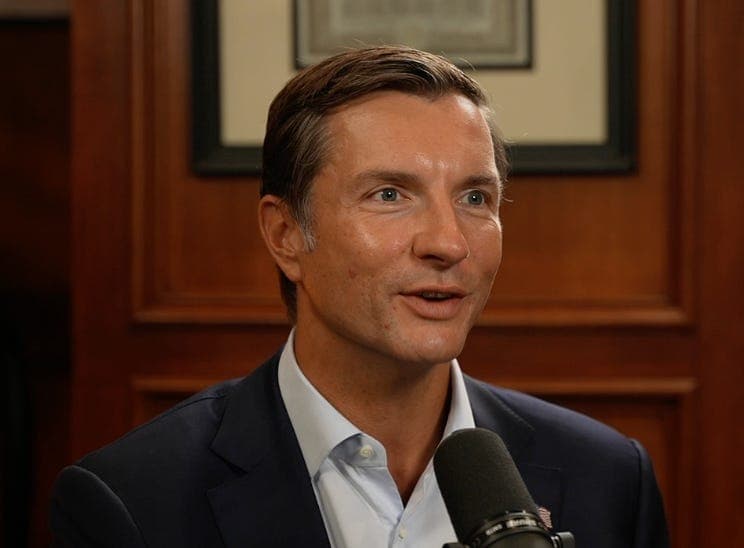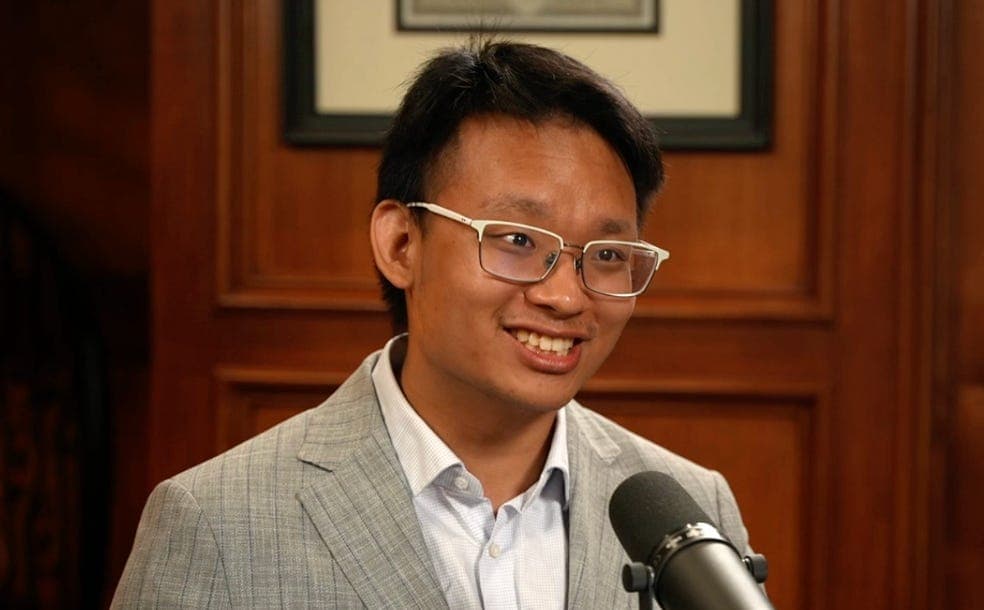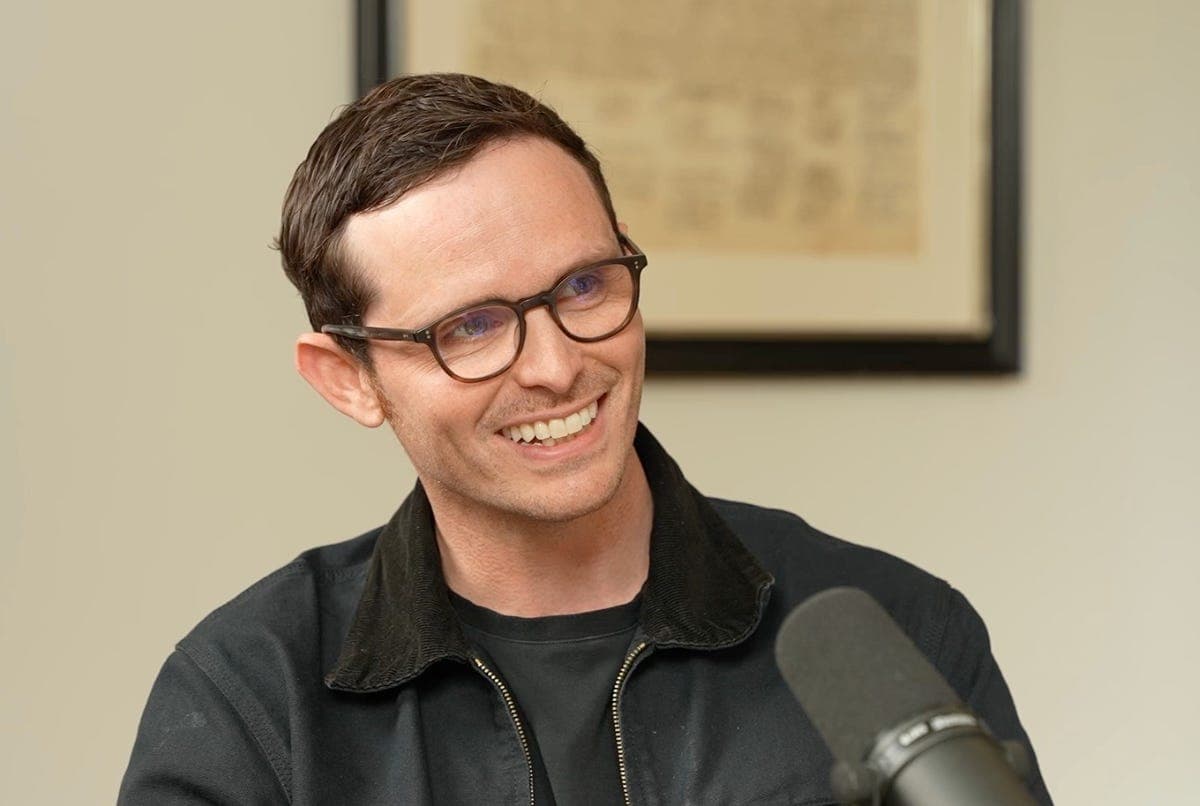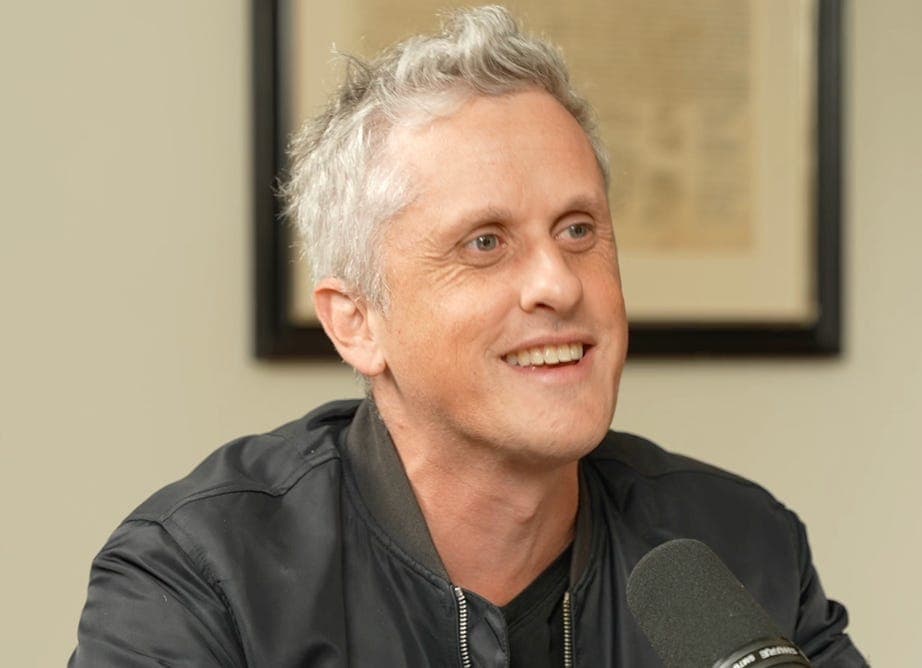
In short
Richard Sandler argues that the “myth” around Michael Milken’s 1980s prosecution is built on repeated, inaccurate claims, and uses the case to warn about how government power and media narratives can convict or ruin people even when they’re innocent.
Guest backgrounds
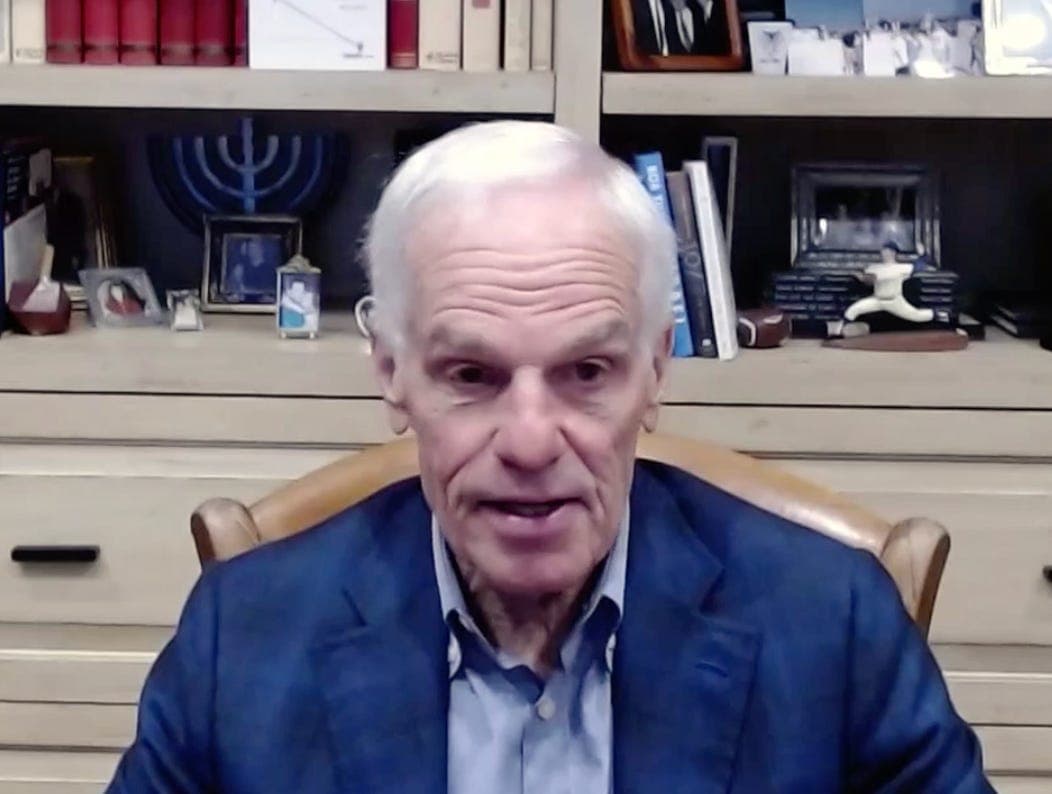
Richard Sandler is a partner at Moronan Sandler, a defense lawyer who represented Milken, and an Executive VP/Trustee of the Milken Family Foundation. He met Michael Milken in first grade, stayed together through Berkeley and UCLA Law, and later worked with Drexel Burnham’s high-yield investments (since 1983) before returning to criminal defense in 1986.
Key claims
Drexel’s high-yield “junk bond” market democratized capital by financing companies that couldn’t get investment-grade ratings; Milken was targeted as a disruptor and for political reasons. Sandler says prosecutors used RICO and pressured Milken’s brother (Lowell) as leverage. He claims Milken’s pleaded offenses had negligible economic impact (four items zero; one about $280k).
Notable examples
Drexel financed companies like Ted Turner, Steve Wynn, MCI Communications, and Fulton Homes; the investigation allegedly began after Ivan Boesky’s inside-information scheme. Sandler cites a specific plea theory involving SEC 13D disclosure and a promise to Boesky, plus Milken’s 2020 Trump pardon.
Written by AI. May contain mistakes. Listen to the episode to check what was said.
Chapters
Tap a time to open that second in VOThe Myth of Michael Milken
0:00 to 0:45
Learn about the origins and impact of Michael Milken's legacy in finance.
“That's why I called the myth of Michael Milt.”
Introducing Richard Sandler
0:45 to 2:18
Discover Richard Sandler's connection to Michael Milken and his insights.
“Mike Milken was attacked in the 1980s and taken down, forced to leave Drexel, put in jail for 22 months by up and coming prosecutors.”
Background and Career Path
2:18 to 4:09
Explore Richard Sandler's background and career in law and its significance.
“about this, tell us about your background.”
Why Write the Book Now?
4:09 to 6:20
Understand Richard Sandler's motivations for writing about Michael Milken's story.
“So as they would make personal investments, they would invest together in these partnerships and they sort of needed a mechanism to help structure those partnerships and overlook and manage those investments.”
Understanding High Yield Bonds
6:20 to 11:30
Learn about high yield bonds and their impact on American finance.
“You know, I lived through this period of time.”
The Impact of Drexel's Innovations
11:30 to 14:00
Discover how Drexel transformed the bond market and financed new businesses.
“Like this must have increased funding for a lot of businesses to be able to issue these types of bonds and be able to do things, right?”
Targeting Michael Milken
14:00 to 14:40
Discussing the motivations behind the attacks on Michael Milken.
“Why did they want to take down Michael Milken?”
The Rise of Drexel and Milken
14:40 to 15:40
Explaining how Drexel's success led to political scrutiny.
“So a lot of pressure was being built in Congress, politically, with the SDC, etc., to look at what Drexel was doing.”
The Investigation Begins
15:40 to 17:50
Exploring the start of the investigation into Milken and its key players.
“So, yes, there was a huge target on their back.”
Political Ambition and Legal Tactics
17:50 to 21:05
Discussing Giuliani's ambitions and the legal tactics used against Milken.
“attorney for the Southern District of New York, where the investigation was being conducted, was a guy named Rudolph Giuliani.”
Show all 19 chapters
Pressure Tactics on Milken's Family
21:05 to 23:24
Detailing how the government used Milken's brother to exert pressure.
“So like that must be a huge emotional toll.”
The Criminal Process and Its Challenges
23:24 to 26:56
Examining the complexities and challenges of the criminal process.
“When the civil process developed, most of the respected lawyers were in the civil world, not in the criminal law or criminal defense world.”
Navigating Legal Challenges
26:56 to 28:00
Discussing Milken's considerations in facing legal challenges and possible plea deals.
“So as time on, it was taking a tremendous fall, an emotional fall on him and his family.”
The Legal Struggles of Michael Milken
28:00 to 30:10
Explore the complexities of Michael Milken's legal case and the challenges faced in court.
“Ed Williams, who I have every confidence in, has now passed away from cancer.”
Pleading Guilty to Unusual Charges
30:10 to 32:40
Learn about the peculiar charges Michael Milken had to plead guilty to and their implications.
“Yeah, what's an example of something that's ridiculous that you had to plead to that never has been a subject of a prosecution since?”
The Significance of the Presidential Pardon
32:40 to 35:02
Discuss the impact of President Trump's pardon on Michael Milken and his legacy.
“economic effect of everything Mike pled to, pled to five different things.”
Lessons from Navigating the System
35:02 to 37:02
Gain insights on the complexities of dealing with government and legal systems based on Richard's experience.
“And so it meant a lot to me to see it, too, because he's someone who's had such a positive impact on our country.”
Media's Role and Public Perception
37:02 to 38:38
Understand how media influences public perception and the importance of self-definition.
“And what did you learn about media and public perception from all of this?”
Character Resilience of Michael Milken
38:38 to 40:43
Explore the resilience and character of Michael Milken through his challenges and contributions.
“Like, this obviously must have changed him a little bit, but what did it reveal about him?”
Transcript
Automatic transcript. May contain errors.0:00The same lies keep getting repeated. I lived it. I was there. That's why I called the myth of Michael Milt. Drexel was a company research firm. They started financing companies that could never get financing before. Ted Turner, Steve Wynn. The market grew tremendously. Why did they want to take down Michael Milt? They were a disruptor. A lot of people don't like Elon Musk because he's a disruptor. Did that put a target on his back? The government has tremendous power. What happened to Mike, it happened to you. It happened to me. It happened to anyone.
0:39Michael Milken is one of the great Americans alive today. He's pushed forward medicine, finance, education in so many ways with billions of dollars and has inspired so many of the great leaders now who run our society. Mike Milken was attacked in the 1980s and taken down, forced to leave Drexel, put in jail for 22 months by up and coming prosecutors. Richard Sandler had grown up with him, was his friend. and was one of his key defense lawyers. His new book, Witness to a Proseitution, goes back, looks at what happened and teaches us about the danger of the power of government to convict innocent people, to ruin people's lives, even if they're doing nothing wrong.
1:12Michael Milken was pardoned in 2020 by President Trump. And today, Richard's going back and teaching us about the dangers of this government power that could affect many of us as well, if we're not aware of it. And he's going to give you the truth about who Michael Milken really is and set the record straight. Richard, you're a partner at the law firm of Moronan Sandler. You're also an author of Witness to a Prosecution, The Myth of Michael Milken, and you're an Executive Vice President and Trustee of the Milken Family Foundation. So I'm really excited to do this. I've been a big fan of Michael Milken for a long time.
1:41I think a lot of people don't realize not only did he create a whole massive industry with Drexel, but I think just a lot of my mentors, a lot of people I've really been impressed by who run a lot of global finance, who've built a lot of this stuff over the last 40 years in the US, a lot of them used to worked for Michael. And it's amazing to me that he's like a legend who's still around because so many other legends were like the little kids who worked for him, you know, who I've learned from over the years. And I've learned a lot from him in the world of philanthropy and so much else. And he's worked on curing so many diseases.
2:10So he's someone that I really look up to. Obviously, there was a prosecution that was a very famous prosecution of his. Before we dive into the book about this, tell us about your background. When did you first meet Michael and Lil Milken? It actually goes back a long, long way, Joe. I met, Lowell and I are the same age and we met in the first grade at public school at Hesby Street School in the San Fernando Valley of Los Angeles. Mike's about two years older than I am, so he was the older brother. In those days, two years was at least a generation, if not two, right? But we've had the triplets of blessing, quite frankly, going all the way through school together.
2:52We went to public school. Well, our parents never moved. So we were in the same class all the way through high school. We went to college together at Berkeley. Michael was there. We were all in a fraternity together. Lowell and I went to law school together at UCLA Law School. Wow. And we're now working together. So it's been quite a relationship that has just gotten stronger over the years. Amazing. And so you've had a successful career in law, and you're also now on the Milken Family Foundation. I think in the past, you were the chairman of the board of the Jewish Federation of the Greater Los Angeles and also Jewish Federation of North America.
3:29Tell us a little bit about your career. Out of law school, I went to work for my father, actually had a very good law firm, always wanted at least one of his children to come there. I was at Lunt. We worked together for 10 years. He was an outstanding lawyer. I would say a lot of what I've accomplished in life just because of the values I learned from him and he instilled in me and also having worked with him and seeing how he operated for those 10 years. After about 10 years, I was actually doing a lot of work for Mike and Lowell and the guys at Drexel. And they asked me if I was interested with somebody else that they knew of leading the practice of law.
4:06This was in 1983, so I've been practicing for 10 years and involved in managing the investments that the employees, the high yield department at Drexel Burnham were making. So as they would make personal investments, they would invest together in these partnerships and they sort of needed a mechanism to help structure those partnerships and overlook and manage those investments. And that's what I left the practice of law to do. It was fascinating. As you can imagine, the finance was changing dramatically because of Michael Milken at that time and because of Drexel. And we were sort of sitting there at the front row seat and part of what was going on.
4:51And then all of a sudden, as I say in the book, one day in 1986, I find myself back into the practice of law as a white collar criminal defense lawyer, not knowing what white collar criminal defense lawyers really get. but we learned very, very quickly. So we've been together ever since. My goal and myself, I guess we started in a family office before people knew what a family office was. Yep. And I've had the privilege of working together with them with respect to investments, with respect to their tremendous philanthropic work that they've done over the years. And that has allowed me to do other things that I'm interested in, such as having the opportunity and the rare privilege of being the chair of the federation here in Los Angeles and Jewish federations in America.
5:41Is the federations a philanthropic organization? What is it focused on? There are federations throughout the country in different cities. There's like 140 of them. Every city has its own federation, and it is solely focused on philanthropic work in the Jewish community, support for the state of Israel, support for individuals that need support, looking at the Holocaust survivors, people going through tough time, or people that are just looking to get education. So that's what the mission of the federations is. That's awesome. And let's set this stage. Why did you write this book? Why now? Why did you feel the need to go back and explain what happened 40 years ago?
6:20You know, I lived through this period of time. Mike is very unusual in that he has this ability to go on and be productive in life. And as he has stayed out there or sort of been out there in the public eye, the same lies keep getting repeated about what happened during this period of time. They were written by authors who really didn't know anything, but had an agenda at the time that were not accurate. and I just felt that since Mike had become an historical figure, that his family should have an accurate record of what happened and history should have an accurate record. And I lived it. I was there.
6:58So I felt it was time to write the book for that reason. But another reason was for people to understand how the system works, that what happened to Mike, it happened to you. It happened to me. It happened to anyone. I was very, myself, somewhat naive as how the criminal justice system works and the power the government has and how that power could be used or abused by young prosecutors, not because that they really were venal in any way, but because they were trained to win cases and they had this unbelievable power to do so. So I thought people should understand how it worked. That's why I call the myth of Michael Milken, the myth that someone that comes under investigation by definition must have done something wrong is not necessarily true.
7:46And I think that's as true today as it was 40 years ago. That's well said. Let's set the stage and teach our listeners a little bit about some of what was going on. So to understand the story, like, so what are high yield bonds that Michael Milken pioneered? Like, why are they called junk bonds? What was he doing? Bonds, corporate bonds are like contract, right? So that it's a loan. If you buy a bond, you've actually need a loan to a company. The company has an obligation to pay interest when interest is due and to pay the principal what it's due. Bonds are rated by rating agencies, principally, especially in those days, Moody's and Standard and Poor's.
8:20If you got a rate of what they call triple B plus or higher, you were considered a high grade bond. If you were rated lower, you were a high yield bond. In those days, almost all bonds that were sold in the market, in the public market, could not be sold unless they got a rating high enough to be a high-grade bond. Okay. So they had it be in that area. Well, what happened is over time, companies that would get in trouble would have their ratings dropped. Okay. So the rating, they might have been rated investment grade when they came out, but they get in some trouble. and now the rating drops. If the rating drops, the price at which they trade in the market also drops.
9:06If the company could still pay its interest in a principal, someone who buys the bond at a discounted rate is going to get a greater return than otherwise. So that's sort of what a high yield bond is. I think the reason they became called jump, I think, is two reasons. One is since bonds that lost their rating were companies that were deemed to beat someone in trust, people kind of looked at them as having a problem. I think the other reason they were called drunk junk is because when Mike and Drexler became so successful in this area, other firms that really couldn't compete with them tried to kind of let people think that there's something wrong with this.
9:47That junk, you don't really want to do this. But, you know, the reason Mike got involved, that he was studying back in college, he read a book that was done that had analyzed every corporate bond that had been issued over a long period of time and how they formed in the market. And they found that bonds that had lost their ratings and discounted, enough of those bonds did not default, enough of those bonds paid off, that if somebody had a portfolio of those bonds, they would have gotten a rate of return greater than the risk that was reflected the discounted price. So Mike's view, wait a minute, if that's just true just by happenstance, if I studied the market, if I study the companies, if I got to meet the principles of the companies and the management of the company, I should be able to identify those bonds that other people were not interested in because they lost their rating and identify a portfolio that would do great, that would do very well.
10:52And that theory proved actually accurate as long as you did your homework. So that's a real 10 ,000-foot analysis or at least overview. I love it. Well, it appeals to me because as someone who's in a different area of finance and venture capital, We're also taking really crazy risks that are very profitable, done correctly. So maybe there's some distant relationship in terms of some of the exciting, crazy, crazy risks that we're both doing. And you guys at Drexel, I mean, the high yield bond market was about$70 billion in the 1970s. I think it was$700 billion 10 years later. Was that in part due to Drexel?
11:33Like this must have increased funding for a lot of businesses to be able to issue these types of bonds and be able to do things, right? Sounds like it was a very big transformation in American finance. Yeah, I would probably do all this poorly to Drexel and what Mike created. So Mike came to Drexel in his 20s, coming out of Wharton. And he went to Drexel because Drexel was a top research firm on the street. And Mike's view was values created by having information and doing your own. So when he went out with the idea that he could identify companies that were rating went lower, he was sort of like, if you use a sports analogy, it was sort of like Wayne Gretzky.
12:14You know, rating agencies, a rate based upon the past, he's investing based upon the future. So Wayne Gretzky said, I don't skate to where the puck is. I skate to where I think the puck is going to go. as might develop credibility as he talked to institutions about these bonds and got people interested in doing that. Drexel allocated funds to him to invest. He did very, very well with that. He developed, I guess, a cadre of investors who believed in what they were doing. So Drexel started for the first time to do original issues of high-yield bonds. say actually companies that did not have the track record to get investment rating, but that Drexel believed to its research and meeting management and understanding the industry would be successful.
13:05They started financing companies that could never get financing before. This is sort of where the term democratization of capital came from. So the market grew tremendously because you now had a firm in the market that was doing original issues of bonds for companies and companies such as Ted Turner, Steve Wynn, MCI Communications, Fulte Homes, all these companies that could never have gotten financing before were now able to get financing and grow. And the market grew from that. Well, I appreciate you funding Steve Wynn. I love the encore. I don't know about Ted Turner, but no, this is very cool that you guys have given.
13:48It was obviously hundreds of billions of dollars that would not have been allocated otherwise to build things in America. And, you know, I understand that by the late 80s, he was making like, I think it was a billion dollars over a four-year period or maybe a billion, some huge amount of money relative to everyone else. Did that put a target on his back? Like, why? Why did they want to take down Michael Milken? What was the energy of people who were against him? Yeah, I'm not so sure because he personally was making that much money because I don't know if people really realize that at the time, but Drexel was making a lot of money.
14:17If Mike was making that much money, Mike's deal that he'd made from Drexel at a time when it was a very small market was that something like 30, 30 some odd percent of the profits of his department would go to the bonus pool he could allocate. So if he was making that kind of money, Drexel was making over three times that much money. so here they were basically taking market share they were a disruptor if you use today's term they were a disruptor um you know a lot of people don't like elon musk because he's a disruptor people didn't like bill gates at microsoft because they're a disruptor they you know people are after uh you know number you can note any number of technology companies and so number one he was taking market share number two because he developed a market and people believe in what he was doing, he was able to finance people who wanted to acquire other companies that they thought were undervalued in the market.
15:13So when he would start financing people that would do what they would call a hostile takeover, the companies that were established companies, companies like Union Oil, California, that had tremendous political clout, were wondering, hey, wait a minute, how could this guy get financing to come after my company? So a lot of pressure was being built in Congress, politically, with the SDC, etc., to look at what Drexel was doing. So, yes, there was a huge target on their back. And the investigation, I believe it began in November of 86. I was four years old. How did it start? Who was prosecuting the case?
15:52You know, I think you could tell us about the start of it. I think like who's Ivan Boski, that kind of stuff. Well, first of all, thank you for reminding me that you were only four years old. that because i was a little bit older it's not yeah this is this is stuff that i've only read about after the fact i was not i was not following the case i was i was gonna trying to say yes actually as i said in my book this thing started on my son's uh sixth birthday so my 45 year old son's sixth birthday uh was the day this all started so you know my business as almost every firm on the street was with a guy named Ivan Boski, who was a huge arbitrageur.
16:32You know what that means. But basically, he would try to find disruptions in the equity markets, not in the bond market. He was the largest, really, purchaser and seller of equities on New York Stock Exchange, larger than any institution at the time. And I think he was doing business with him or wanted to, probably assuming he could be a bond buyer and actually did a financing for Bolesky's company. As it turned out, Ivan Bolesky was successful because he was trading on inside information, non-public inside information, a violation of the securities laws to the extent that he was actually buying this information for people that added within the Wall Street world with bags of cash, literally with bags of cash.
17:23When that was found out, when this was discovered and somebody got caught that he was paying off and that person turned the SEC and the prosecutors on the bosque, he made a deal with the government saying that if you go easy on me, I could help you make cases against others. And the top of the others that he said he could make a case against was Michael Belkin. And so, you know, that's sort of how the investigation started. got tremendous publicity. The U.S. attorney for the Southern District of New York, where the investigation was being conducted, was a guy named Rudolph Giuliani. Yeah. And Rudy was obviously had very high political ambitions, right?
18:06So he wanted to do whatever he could to make himself look good and take people down. Yeah. I would say, you know, the lawyer who was a very, very well-known defense lawyer at the time that we retained initially, unfortunately died of cancer about a year and a half later, was a guy named Edward Bennett Williams who started the Williams and Conley firm in Washington, D.C. And when I first met Ed, this comment to me about Giuliani was, he's the biggest piece of political meat I have seen since Tom Dewey. Now, most people that are listed here have no idea who Tom Dewey is. But Tom Dewey, also the U.S.
18:43attorney for the Southern District in New York, as was Mr. Giuliani, Tom Dewey went on and used that office to become the governor of New York and came very close to beating Harry Truman. OK, in 1948 to become president of the United States. So that was Tom Dewey. So, yes, Giuliani was very politically ambitious. He probably had never heard of Michael Milken till this case started. that when he woke up the day after the investigation started and he saw the headlines in the paper, he became very interested in this case helping his political career. There's a pattern in my life as well. I've had friends who had to deal with this guy named Spitzer who almost destroyed PayPal.
19:23It was coming really hard at a bunch of things and obviously became governor after that as well. So it seems like a lot of these guys who are politically ambitious like to try to take down people using the power of the government. And in this particular case, they did a lot, they did a few different things I want to talk about. One of the things they did is they used RICO statutes against drugs. So tell us about what that means and what they were doing there. Like that's really unprecedented at the time to use RICO statutes against the firm to try to go after Michael. RICO stands for Racket Carrying Influence Corruption Organization.
19:55It was a statute. It was passed by Congress. It's a federal law to give prosecutors extra powers and to be able to impose very severe penalties on people in organized crime. And under the RICO statute, if you have two, what they call predicate acts, within a certain period of time, you could be deemed a racketeering enterprise. And those two acts could be anything from two mail frauds. You mailed something that was false, and all of a sudden, it really was not intended to go after legitimate businesses or what type businesses, but it was a tool. And it was used by the prosecutors in the Southern District of New York, I guess, under the direction of Mr.
20:39Giuliani to really put fear into companies and individuals and to go after people to try to get them to plead or to otherwise send messages out to the street. It seems like to me, like the most aggressive thing that was really sketchy, and my father actually did tell me about this in my youth. So I actually had known about this, is that they actually went after Michael's brother to try to bully him. Right. And so that seemed really aggressive. So like that must be a huge emotional toll. Like what did they do exactly there? Like how did they use that as a tactic? Well, when they started the investigation, the way we knew they started the investigation was almost simultaneously with it coming across the tape at one o 'clock Pacific time on Friday of the Friday of November 14, 1986.
21:28When it came up almost simultaneously, I got a call that there were federal marshals serving subpoenas downstairs on Mike and his brother, Mull. after all kinds of documents, wanting to take their deposition in front of a grand jury and all these kinds of things. So Lowell became part of the investigation from day one. Lowell had almost no contact with Mr. Boski or the transactions they were looking at. But he was Mike's brother. And it was interesting in that, as I talk about in the book, years later, when I taught a class at Stanford Law School about this case and what happened, I brought in the young prosecutor who worked with Mr.
22:13Giuliani on to talk about this perspective years later on the case and upon the process. And when we asked specifically about the dive in a Lowell Milken, he acknowledged the fact that Lowell would not have been indicted if it wasn't to bring pressure on his brother. So, yes, that was a tool they used. He was, you know, for lack of a better term, or maybe it is the best, or he was a hostage. I'll tell you, I don't want to expose him. I have two younger brothers and one of them, there were multiple kind of quiet SEC investigations. They never found anything wrong. And I hired the guy who used to run the SEC in San Francisco to look into it.
22:49What's going on? He said, he came back kind of sheepishly. He said, yeah, you're a target and they don't have anything on you. And they started seeing that there's investigating your brother to see if they can find something on you. my poor brother because I'm a target for them. And in our case, we're not indicted and didn't find anything. But it seems like if you're a successful person, this is a thing. They try to do whatever they can, including using your family, which it feels very third world to me. It feels like that's not how our country should work. I mean, is this offensive to you that they're going after his brother for this?
23:17It seems wrong, right? Well, yeah. And again, one of the reasons I wrote the book so people understand the process. So to give a little historical perspective, When the civil process developed, most of the respected lawyers were in the civil world, not in the criminal law or criminal defense world. And if you look at how the rules of civil litigation evolve, they're very fair. It's a very level playing field. So if you and I are involved in a civil case, if you subpoena documents from somebody or make a request for documents, I get a copy of everything you get. If you want to take someone's deposition, I get to come through the deposition.
23:58I get to ask questions. I get a copy of the transcript. Everything you know, I know everything I know, you know, through that process. Criminal process is very different. The government has tremendous power, probably given the power because prosecutors are supposed to be putting away people that are going after people that are dangerous to society, are really egregiously violating the law. So they have these powers that they're supposed to be using fairly and judiciously, but they're tremendous power. So in a criminal prosecution, the investigation starts. The only party that can get any information is the prosecutor.
24:38They have a grand jury. They could issue subpoenas and get documents. They could call you in front of the grand jury, take your deposition with your lawyer in the hallway. They can't even be in the same room with you. You can go out and ask them questions, but they can't be in there with you. Nobody gets a copy of the transcript. Only the prosecutor has that. As a person under investigation, you have no rights at all until and unless you get indicted. If you get indicted, now you have certain rights are somewhat limited, but you do have rights to see information that they've got on you. What I learned very quickly is once you are indicted, again, using a sports analogy, you are now starting on your own five guard.
25:23That's where you're starting from. And, you know, and it's a very, very difficult process, especially in what I would call white collar business type of transactions. You know, maybe from some of the things, Joe, that you experienced, you saw that because, you know, in a traditional TV criminal situation, somebody robbed somebody. They did it or they didn't do it right. They either were there. In these cases, these transactions all took place. Now it's a question of what happened, who says what about what. And your witnesses don't necessarily have to be lying about everything. A prosecutor goes to a witness, puts him in front of a grand jury.
26:04A prosecutor can tell a witness that, you know, you might get indicted here. Or if you can help me, I can give you immunity, which means no matter what happens, you won't get indicted. Basically, they're able to bully everyone into helping him as much as they possibly can, which is what they were doing with Boski here is they're bullying him. But then but then when Michael actually talked to Boski in the testimony I was reading in the book, like Michael walked him through what happened and Boski agreed. and it was like, made it sound like clearly Michael was innocent from that conversation. So they obviously were bullying and they were being really tough.
26:35Why didn't Michael fight back harder at the time? He ended up agreeing to a big fine in 22 months of prison. Like, was there some sense you could have fought harder? Was there some sense it was too risky because he has all this power? Like, bring us back. Like, how did it feel at that time? Yeah, which again, is one of the reasons why I say there's a historical record here as to exactly why he did plan and what did he actually do. to. So as time on, it was taking a tremendous fall, an emotional fall on him and his family. Brother now was also under indictment. When they brought down the indictment, they included his brother.
Read the full transcript
27:08He had an SEC case against him and his brother that went on. Drexel, the firm he worked with, they hung in there for a while, made a deal with the government. Part of the deal with the government was they had to get rid of Michael Milken. Not only did they have to get rid of Michael Milken, but under the deal they made with the government, no employee of Drexel was allowed to discuss any business matter with Mike. So here Mike now is supposedly innocent and still proven guilty, has never been found guilty of anything, and the government has used its power to have him removed. They have put the fear into the firm and everybody in the firm.
27:48People were making deals with the government and getting immunity. And Mike's view, I mean, I'm the only one that's going to be out there except for my brother. I'm going to go in front of a jury. Ed Williams, who I have every confidence in, has now passed away from cancer. But one of the last things he told me is his greatest fear was that going to taking this case to trial, which he was willing to do because he told me that he believed in Mike's innocence. He'd been doing this for a long saw it, but he's told me his greatest spear is how am I going to get in front of a jury with a guy who made, as you said, hundreds of millions of dollars a year and convinced this jury in this complex case that this guy is not guilty of something.
28:34So all these things were weighing on might. So we started to explore with the government, is there a deal to be made? Initially, the government said, yeah, there's a deal to be made. You make cases against others. you make cases against your clients mike couldn't do that he didn't he wasn't i did boski he did not sell or buy information with cash he did not he was not somebody who'd done anything illegal in his mind and he wasn't going to try to throw his client under the bus because he's not dishonorable exactly so we sat down with them and at that point i think they were concerned that ivan boski would not be a good witness for them uh about the case and they said okay we will settle with you but You're going to have to plead guilty to six felonies because when Drexel settled, they pled guilty to six felonies, even though Drexel's plea was like, we just didn't know.
29:27We don't know. We can't defend ourselves because we don't know enough. But anyway, it's got to be six. And so one could be a conspiracy. We got to find five things that you did. And one of them, they said, had to be inside of trading because Ivan Boski was an inside of trade. We said, fine, the discussions are over. I didn't do that. There's no way he can plead to that. They back off of that. And we actually found things that they would accept that Mike could plead to none of which. And this is why I go in great detail in the book so people understand how in many ways ridiculous it is. None of which had ever been the subject of a criminal prosecution before or since.
30:08OK. I mean, if you want me to drive an example, but - Yeah, what's an example of something that's ridiculous that you had to plead to that never has been a subject of a prosecution since? Okay. So if you own more than 5 % of stock of a public company, you have to fire something called a 13D with the SEC, in which you indicate, I own more than 5%. This is why I'm buying it. This is my interest. This is what I plan to do. So the market knows what you're planning to do. Yeah. Ivan Boski had a 13B position in a company. Okay. And Mike actually, Drexel did a financing for that company. So Boski, do you think this is a good company?
30:53Or do you think that this is a good, is this company subject to possible takeover? It's been rumored. And he goes, well, you read what I read. You know, this guy who's a client of ours says he wants to do this. So, you know, he usually does what he wants to, but, you know, I don't know what he's going to do any more than you do. But yeah, I think it's a decent company. When the takeover did happen after a while, Boski came and argued with Mike that Mike's responsible for him doing this. Mike says, wait a minute, you know, I'm, he said, what are you talking about? And he goes, I wouldn't have bought this.
31:24It wasn't for you. You're responsible for my losses. And, you know, Mike's doing 46 other things. Boski is not a client that's doing a lot of business with him. And to get off the phone, mistakenly one day, he said, look, it. You lose any money on this, I'll make it up to you. Okay. If you lose money, I'll make it up to you. And then say how, why, where? Okay. So what I cled to, which had never been subject to a prosecution before or since, and you'll figure out why in a second, is he said, well, technically, I guess you could make an argument that since the 13D is supposed to disclose everybody who has an interest in the stock that you own, that when Mike said, I would make it up to you, So Boski theoretically should have amended this 13D to indicate that Mike had made this promise.
32:12That's such nonsense. Everyone knows. I mean, that's so silly because they've never done that before in the history of finance. But I get it. This is pleading to basically not amending somebody else's 13D, which I guarantee you is a thought that would not go through most people's minds. So anyway, that was the nature of every single thing we found to plead. to. We actually found things that they would accept to plead to. And that's what we did. What shows how ridiculous it is, is when the judge who sentenced Mike did an analysis of the economic effect of everything Mike pled to, pled to five different things.
32:50She found that the economic effect of four of the things he pled to was zero. Zero. And the economic effect of the 5th was about$280 ,000 because of commissions that were not disclosed, not that anyone lost any money, but that's how much commission should have been disclosed, again, by somebody else, not by mine. So it's, you know, I don't want to make it sound like I'm being defensive because I'm not. I'm very comfortable with, and that's why I explain it in great detail in the book. In February of 2020, President Trump actually granted, of course, Michael Milken a full pardon. And what did that mean to you and to the Milken family?
33:30It meant really a lot, Joe, in that once Mike pled, and he knew this, let me pledge, he now was going to go through the rest of his life with a cloud over him that he is a convicted fellow. OK. And the only way to get any kind of acknowledgement that maybe he didn't deserve it or he's not that bad or he's done good things in his life would be a presidential party. There's really no other way of doing it. I have a whole chapter in the book devoted to we discussed it with the Clinton administration. We discussed it with the Bush administration and, you know, and the pardon process and how you go through it.
34:09It meant the world. Not only did President Trump grant him a pardon, but when he called Mike to tell him that he was getting a pardon, he said, you know, and this is a real pardon because you've never done anything for me. OK, you know, there's no quo here. It's a pardon. And then the White House issued a press release that went in great detail of the fact of what Mike has done in his life in the world of finance, for companies to get capital that couldn't get capital, what Mike had done in philanthropy and cancer research to save lives. And the fact that even in the press release, it talked about that what Mike pled to were all novel, as I think the term they used, you know, novel interpretations of the law.
34:56So, you know, it meant it meant a lot to to finally have the acknowledgement from the United States government. I've always really admired Mike Milken. And so it meant a lot to me to see it, too, because he's someone who's had such a positive impact on our country. You know, in closing here with some lessons, Richard, you know, what should people take away about the power of governments, you know, through all these things? Like, it seems very scary. Like, do you want people just to be scared? Like, what should they learn about it? What should they think about it? Number one, they should be careful about who you do business with.
35:27Okay. I think in doing business with people that might be somewhat suspect, don't think that that won't touch you. Okay. Even though you're not at that part. So make sure that you're doing business with people that you can respect and that you feel have integrity. I think, you know, one lesson. Number two, if you get involved with the government, I wish the system was one where there was much more of conversations taking place. One of the problems in the prosecutor that came to my class, the prosecutor this day talks about it. These young prosecutors that are going after you, they said they're not mostly evil or bad people.
36:03They are young people with no life experience. They don't understand what it means if they're wrong. They believe they are avenging angels in some ways. Why would you be there if you didn't do something wrong? And they're trained to win cases. That's how they get ahead in life. And they have hours that they're really not, they don't have enough experience to see. So realize that if you get involved in the system, you know, it's not fair. How do you navigate through the system to at some point cut your losses? If you have the ability to go to trial and you could think the risks are maybe not to live and do it.
36:42But I think you got to really be careful, you know, in life as, well, first of all, who you're doing business with, if you're in a regulated business, what you can do and what you can't do. And then you just have to be very careful if you get caught up in the system and realize it's not fair. And most people don't really care that you're telling them it's not fair. And what did you learn about media and public perception from all of this? Because it seems like you're just like implied, if you're under investigation, they imply you're guilty. It seems really rough. Like obviously this whole thing must have been really hard from the public side.
37:14Like what'd you learn about that? Yeah, the media has tremendous power. We see it even more today with social media, none of that existed back then. We didn't even have a 24-hour, 24-7 news cycle out back then. So you really, where traditionally back then the idea was, if you're under investigation, don't talk to the media, don't do anything. You have to have a media policy. You have to basically tell your story. But I would say the number one advice that I would give that we did not do back in those days, would be 40. If you're doing something, you're successful, You might come out of the public eye.
37:49Get out there and tell your story. Let people hear from you who you are and what you're doing. Mike's view was he was considered reclusive. He didn't not want to talk to the media. So people wanted to interview him because they were getting more and more successful. He let people address. He'll do it. He did not want to be part of the media out there. So I think that hurt him a lot in that who Mike was was defined by the government through this process where if he had defined himself before, it would have made a difference. So I think, you know, you know who you are. Your friends know who you are.
38:25Don't be afraid to get out there if you're going to come under the public eye. If you're going to be out there, make sure you define who you are so others don't define. And finally, Richard, what did you learn about Michael and his character through all of this? Like, this obviously must have changed him a little bit, but what did it reveal about him? I mean, it might have changed him being more careful. But as I say, I've known him most of my life. I've known his brother both of my life. One of the reasons that I was so involved here and it meant so much to me is I knew who they were and I work with them.
38:55So I do have the business work. I knew these were good, decent people. And one of the things, I guess, about Mike that I saw from this that is amazing that people can also learn that when bad things happen to you, life isn't over. You can still go on. Mike has an unbelievable ability. I don't think I know anyone who can do this the way he does it. That you could knock him down, you could kick him in the stomach. No matter how many times you do it, he gets up, he dusts himself off, he goes about being productive and trying to make the world better, and he does it without bitterness. He does it without carrying a grudge.
39:36And I think it's one reason why he remains successful. It's why the Milken Institute has a conference every spring in Los Angeles where four to five thousand people come, including leaders of industry, leaders of government, leaders of education, people from all over the world because of who he is. And, you know, he doesn't let anything stop him. And like I say, doing it without bitterness, you know, without feeling sorry for himself is an amazing quality. But, you know, nobody deserves to go through what he went through. His brother deserved it even less. But they're both very productive individuals.
40:17They do tremendous work in the philanthropic world, both in education and in medicine and other areas. So I'm proud to be associated with him. I know who they are. And I think if anyone is interested in learning about the system or about him, I try to really set it forth in the book. And I try to do it in a very objective way. As you know, Joe, a lot of what I talk about in the book comes from the judge, comes from court documents, and comes from the prosecutor. It's not just my opinion. Got it right here. It's a great, great book, Richard. Witness to a Prostitution by Richard Sandler. Michael Milken is one of the great Americans alive today.
40:59I also really admire his work in finance and medicine and education in so many areas. We all learn a lot from him and we can learn a lot from what he went through. So Richard, thank you very much for joining us today. Thank you, Joe. Really appreciate it and enjoyed having the conversation.
From the publisher
Michael Milken revolutionized American finance and democratized access to capital for thousands of companies that Wall Street had previously written off. Yet he was unjustly attacked in the 1980s in one of the most controversial prosecutions in U.S. history. As one of Michael’s key defense lawyers, Richard Sandler sets the record straight in his new book: Witness to a Prosecution: The Myth of Michael Milken. How did Michael transform capital markets through high-yield bonds? Why was he unfairly targeted? Why did he ultimately agree to a plea deal? And what are the lessons about government power that everyone should learn?
We dive into these topics in this week’s episode with Richard Sandler, Partner at the law firm of Maron & Sandler and Executive Vice President and Trustee of the Milken Family Foundation. Richard and Lowell Milken, Michael’s younger brother, met in first grade while growing up in Los Angeles. After practicing law with his father, Richard joined Michael and Lowell’s firm -- Drexel Burnham Lambert -- to help the high-yield bond team. He saw firsthand the entire saga: the explosive rise and fall of Drexel, the unprecedented investigation, and ultimately, President Trump’s pardon of Michael in 2020.
We begin with Michael’s breakthrough in high-yield bonds. Learn how he almost single-handedly transformed the “junk bond” market from $70 billion to $700 billion in a decade, and helped finance the growth of great American entrepreneurs and companies — Ted Turner, Steve Wynn, MCI Communications, among others. Next, Richard walks us through the investigation: the unprecedented use of RICO against Drexel, the targeting of Lowell as a “hostage,” and the novel charges Michael ultimately pled to (none of which had been prosecuted before or since). Finally, we explore the deeper lessons about prosecutorial power, media narratives, and Michael’s extraordinary resilience. He has pushed forward medicine, science, and education in myriad ways, while inspiring many of our great leaders today.
00:00 Episode intro
01:35 Richard’s career & Michael Milken’s legacy
06:25 Why write this book?
08:00 How Michael Milken transformed finance
14:00 Why did they go after Drexel & Michael?
19:30 Using RICO to bring down Drexel
22:30 Prosecutorial abuse & the power of government
26:30 Why did Michael agree to a plea deal?
33:25 Trump grants Michael a full pardon
35:00 Lessons on government power, media influence & Michael’s resilience
This is a public episode. If you would like to discuss this with other subscribers or get access to bonus episodes, visit blog.joelonsdale.com