In short
Podcast Notes: Joe Lonsdale: American Optimist - Episode 61: High School Dropout to Billion-Dollar Startup; How Guillermo Rauch Built Vercel
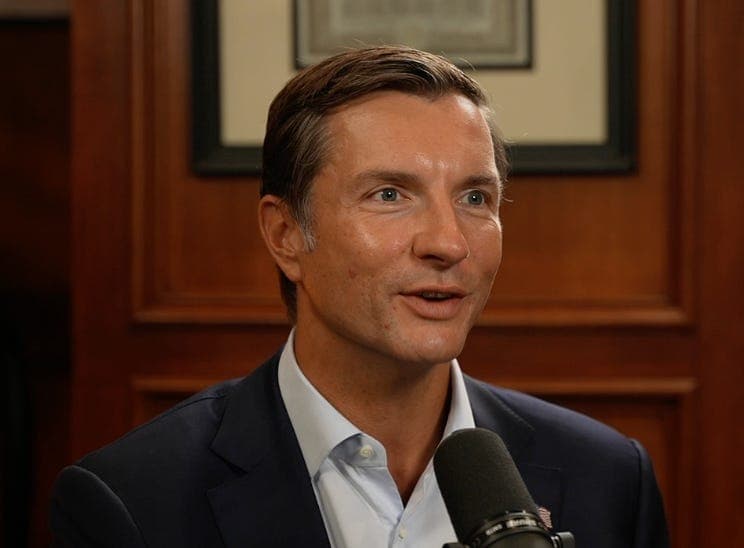
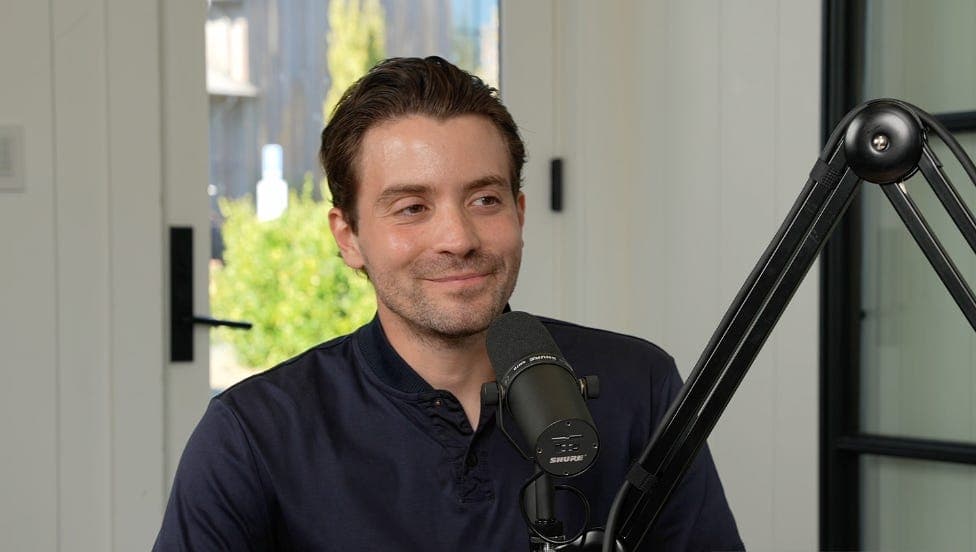
Podcast Overview Title: American Optimist Host: Joe Lonsdale Episode: 61 Guest: Guillermo Rauch, CEO of Vercel Air Date: Originally recorded in October 2022 Description: Guillermo Rauch shares his inspiring journey from a high school dropout in Argentina to the CEO of a billion-dollar startup that powers many of the world's leading websites.
---
Key Themes
Guillermo's Background
- Early Interest in Technology:
- Grew up in Buenos Aires, Argentina, with limited access to technology.
- Inspired by his parents, both engineers, to pursue engineering and technology.
- Started programming at the age of 13, creating websites for clients globally.
- Career Path:
- Dropped out of high school to focus on programming.
- Became successful as an open-source engineer, specializing in front-end development.
- Moved to the U.S. after gaining various international clients.
Open Source Influence
- Importance of Open Source:
- Open-source projects provided essential tools and a community for learning and collaboration.
- Enabled Guillermo to contribute to and learn from an extensive global network of developers.
- Impact on Development:
- Open source fosters innovation and allows developers to build upon existing work, reducing redundancy.
- Emphasized the efficiency of open source in solving problems uniquely and collaboratively.
Vercel Overview
- Company Mission:
- Vercel provides web infrastructure tools that empower developers to create and scale applications efficiently.
- Focus on performance: For every 100 milliseconds of delay in an e-commerce setting, there is a 1% drop in conversion rates.
- Major Clients:
- Vercel supports well-known brands like Walmart, Facebook, and Mr. Beast, highlighting its reliability and scalability.
- Technological Innovations:
- Introduced Next.js, a framework that simplifies front-end development and improves user experience.
- Offers a platform that guarantees low latency and high performance globally.
Challenges in Argentina
- Cultural Pessimism:
- Discussed the pessimism prevalent in Argentina that hinders innovation and entrepreneurial spirit.
- Suggested that many talented individuals fell into cycles of negativity and political debate rather than focusing on building.
- Comparative Perspective:
- Stressed the difference between American and Argentine cultures concerning optimism and practicality.
- Encouraged young people to focus on building rather than engaging in political cynicism.
Future Outlook and Technology
- Optimism for the Future:
- Advocated for a positive outlook on technology and its potential to enhance productivity and creativity.
- Highlighted the shift towards AI and no-code tools that democratize software creation.
- Vision for Vercel:
- Aims to enable rapid application deployment and dynamic rendering, allowing businesses to adapt quickly to user needs.
- Emphasized the importance of efficiency and responsiveness in modern web applications.
---
Key Takeaways
- Education vs. Experience:
- Guillermo’s success illustrates that practical experience can sometimes outweigh formal education in tech fields.
- Emphasis on Community:
- Open source fosters community engagement and collaboration among developers, leading to significant innovations.
- Performance Matters:
- In the digital economy, speed and efficiency are crucial for business success, especially in e-commerce.
- Cultural Mindset:
- Cultivating a positive, forward-thinking mindset is essential for innovation and overcoming systemic challenges.
- Adapting to Change:
- Embracing technological advancements, such as AI, can enhance business operations and consumer experiences.
---
Conclusion Guillermo Rauch's journey from a high school dropout to a billion-dollar startup CEO exemplifies the power of determination, innovation, and the open-source community. His insights into the importance of speed in digital experiences, the challenges faced in Argentina, and the potential of technology to create a better future provide a hopeful and motivating narrative for aspiring entrepreneurs and developers.
Written by AI. May contain mistakes. Listen to the episode to check what was said.
Transcript
Automatic transcript. May contain errors.0:00For each hundred milliseconds that you slow down an e-commerce experience, you have a 1 % drop off in conversion. And we've all experienced this when you're like on Instagram and you go to a product, you need to buy it and everything has to click. For every 10th of a second, you just slowly lose people. And it's not just how fast the text loads, it's how fast it's interactive. You have to feel like you're clicking and it's responding. Yeah, it's a credit card auto-completed automatically. So our obsession is giving people at all these great companies and institutions the best possible tools to create great experiences for the customers.
0:42Today we're talking to my friend Guillermo. Guillermo is the CEO of Vercel. A huge amount of the web is built using the frameworks that Vercel has created that Guillermo and his team have created. He has a great story. He's from Argentina. He started helping people all over the world, even as a 13-year-old, and just really extraordinary talent himself. Websites like Washington Post, Under Armour, Uber, Mr. Beast all use Guillermo. He's a superstar. Excited to chat with him today. Guillermo, thanks for joining us today. Thank you. Glad to be here. Let's start off with your background. You grew up in Argentina.
1:12Yeah. I grew up in the outskirts of Buenos Aires. So kind of an hour away from the city and I would buzz in every day to go to high school and, uh, less than an hour. Yeah. Wow. Yeah. It was, uh, it was an interesting area to grow up in. Not, not a lot of computers in homes. Like my dad was the, the guy that was always all about the future of software. He had a vision for software is going to be a huge thing. What did he do? He was an industrial engineer. My mom was a chemical chemistry engineer and they both came from a fairly poor families, but they were very proud that by studying engineering in particular, they had an out and that was their, their thing.
1:56So grew up in a fairly poor area. Were there parents from Argentina? So side of my family was from Italy, But, um, so my grandma's parents were from Calabria and they funny enough met in Argentina. So they both emigrated, uh, uh, in a ship. Uh, and then from my dad's side, German and a couple other things. Um, so a lot of folks in Buenos Aires have this diverse, uh, immigrant backgrounds as well. And what, what led you to America? What led you to come to the United States? So my fondest memory is I was helping my mom out with her resume. when I was a kid, because I was all about, she needs to have her own online resume.
2:37I was like making websites for different things. And I remember how proud she was of the American multinational company that she worked in, in Argentina. It was called Fisher Rose Mount, a subdivision of Emerson Process Management. And she loved being a sales engineer for that company. And the things that she would tell me are like, they just do things better. They have better rigor for their engineering. They have better specs. It's funny. A lot of things change over the decades and a lot of things stay the same. Like a lot of what we do at Vercel, we take a lot of pride in the quality of our documentation.
3:16And I think back in the day, she was like basically telling me the same thing. Like they're documenting things great. And like, she just had a lot of admiration for, for that. And she would always tell me, if you just learn to speak English, that'll be a huge advantage for you. I see it at my own company in Argentina, like the people that can speak English and do commerce and do customer support or help out a customer and like break that barrier. So that was the thing that if I look back, what are the values that I was attracted to early on in my life? I've always been attracted to great companies, great industry, great engineering.
3:58And that was kind of the thing I got exposed to early on. And how old were you when you came to the U.S.? So my first visit was, I was about 18 years old. So that was over 12 years ago. Yeah. But then later on, it took me a while. We can get into the topic of visas. It took me a while to make the case to the immigration authorities of, hey, I have some skills that could be valuable for the country because I think the thing that's different about my story is I became successful as an open source engineer. Yeah. So my background is front engineering. I made a asymmetrical bet early on that front engineering was going to be more important than back-end engineering and that the language that the browser could run, which still to this date is only JavaScript, now there's only web assembly but i was like okay there's an asymmetry there like you could learn any back-end language but the browser can only run javascript and that's the language that you have to use if you want to do some really cool things like animations like real-time synchronization which i became obsessed with like chat applications gmail chat google docs google wave all that kind of thing so very early at a very early age i was like okay i love all kinds of programming and computer stuff, but I mean, I specialize in that.
5:19And I started getting jobs and all kinds of crazy opportunities. As a teenager? I was 13 and I had a, I was about 13 and I had a customer in the Netherlands that was running a makeup company. He was an entrepreneur. He was running a bunch of things. He was really well connected. So he had a fashion business. He had a diet, dieting business. It was kind of like a Weight Watchers of the Netherlands. and I was helping him out, like build out all these pretty innovative websites. I remember actually I built one of the first really interactive, uh, browser first client side, uh, calorie counters. You could go in and say like, what foods have you eaten?
6:00What exercise have you done? And then calculate the calorie output and all that kind of stuff. And I was like 13, 14. Like I started like not paying attention to high school. That was like my thing. And I always tell the story of like, I was very studios. So I really believed in the power of academia because my parents were like, oh, we started engineering and that's why we made it. And on the other hand, I was like, okay, I love studying, but I have all these opportunities to work with people from countries like the Netherlands. then I went at one point I had a client in Boston then I got this one client in in San Diego who was contracting for a company in Switzerland and that was the thing that really got me out of Argentina I was 17 and the job sounded amazing they invited me to go to Lausanne Switzerland which was like that was my first time out of the country it's like okay you're gonna get deployed to Lausanne which is not even easy to get to and the CEO of the company will pick you up at the train station and you're going to do this like really awesome, interesting engineering project for them.
7:02That's awesome. So it came out when you just started working. Yeah. So I started paying less attention to high school over time, more attention to all my freelance projects. You didn't need to go to college or anything. You just know. And that was the thing I made my visa case so hard for the U S because we always value college versus not, but actually you can be more advanced than the kids in college. This is, this is a problem with, we say we want to copy the Canadian model, but we shouldn't over-index on these markers. Peter Thiel famously thinks a lot of people should do what you do, actually.
7:29Yeah. And I always am cautious of, I don't want to be extreme because my case is somewhat extreme. I had sleepless nights in high school because I was awake for Netherlands hours a lot and things like that. But on the other hand, I just developed so many skills early on. I was making money for my family. I was actually at some point when we still lived in the outskirts of the city of Buenos Aires and weren't doing so well, I've loaned dollars to my parents. Um, Argentinian currency has always been bad. So I, we were benefiting from that ratio early on. Um, but yeah, like I, I self self-teaching was, was definitely, uh, valuable for me.
8:10Do you, do you think your parents would have been more successful if they were born in the United States, given their frameworks? Oh yeah, absolutely. Absolutely. Do they ever consider moving or their, their, their family's all there? I think so. Yeah. They, they still, the one thing is they always talk about is the language barrier, but I always tell them like, Hey, in California, like you, you can go so far and you can learn as well. So that's awesome. That's amazing background. Obviously they gave you a lot of things led you to succeed. Tell the audience a little bit about open source a little bit, because people don't always know what open source is, why people do it.
8:39You, you said you were involved in a lot of open source projects. What was that? Yeah. Open source is the best thing that's ever happened to me. So now it's super fashionable for enterprise open source first companies. turned into a business strategy now, whereas it used to just be this like movement, right? But for me, literally it came down to, it was the most open platform for learning in the world. I remember I always tell this story. I was trying to compile a C program on Windows and just setting up the tools and accessing information was impossible. Oh, it's so hard. I hated this stuff. There was this compiler called DJGPP of one like brave soul that was trying to create an open source free compiler.
9:20Everything was gated behind a paywall. The information was hard to access. It wasn't even digital at times. Like you'd have to buy books. And when I switched to Linux is when like, I think my developer tools career was like on an unstoppable journey at that point, because I found that installing the operating system already came with the basic tools necessary for you to create things, not just consume, install, pay for things. It came with the tooling to create. And I remember the day that I compiled my first Hello World program, I had already done a lot of things with programming, but just having that raw access to the machine and knowing that all my tools were free and open source was absolutely main belonging.
10:06And so you started contributing to these projects and helping them get better. Yeah. The other thing about open source that is amazing, it's not just, oh, you're getting the tools for free. There's this global community of people that are like teaching each other the best practices. You can Google any error message. As if those weren't substantial enough benefits, the other thing that it has is the ability to fork. The ability to take code that other people have written and incorporate, fork or integrate. You can take some component that maybe the author didn't think could have become a component.
10:38So open source has this fractal nature that is unstoppable because you can take anything and layer in more additions and improvements or use it as an implementation detail. The first thing that I used in that fashion was I used to run the online forum for high school. And I took a piece of open source code, it's called PHPBB, and I just modified it. And because I was obsessed with real-time, I added that real-time chat capability because I thought forums were too slow at the time. And that idea of like, your starting point is not a blank slate. You can piggyback off of many other things. And Naval has this quote that I really like that is, open source means that every problem only has to be solved once.
11:22And sure, there will be alternatives and things like that, but a big part of the world today runs on Linux. The efforts that go into creating that kernel, they only had to be done wants. So I think open source has this tremendous economic efficiency and power for the other thing I love is, which is a cliche, but I love sapience and the concept of cooperation at scale and cooperation in a way that is very energetically efficient. So when I look at open source, I find that it's a system for folks that are in Argentina and the US, in India, in China, in Brazil to cooperate. They're all collaborating.
12:06Yeah. And it's incredible. It's a very positive part of the ecosystem. So tell us a little bit about Vercel. What does Vercel do? Who are your customers? For sure. So we create a web infrastructure. That means we give you the tools and platforms for you to develop, preview, and scale any initiative on the web. So we have customers like underarmor.com, which they sell sneakers, or we have customers like Washington Post. What we've solved, which is a hard engineering problem, is how can you create applications that can scale to like billions and billions of traffic, but also be extremely dynamic in nature.
12:41So you can personalize, customize, and deliver them really, really, really fast. So the wisdom that gets shared in the industry a lot is for each hundred milliseconds that you slow down an e-commerce experience, you have a 1 % drop off in conversion. And we've all experienced this when you're like on Instagram and you go to a product, you need to buy it and everything has to click. For every tenth of a second, you just slowly lose people. And it's not just how fast the text loads, it's how fast it's interactive. You have to feel like you're clicking and it's responding. Is the credit card auto-completed automatically?
13:17So our obsession is giving people at all these great companies and institutions the best possible tools to create great experiences for the customers. And how big is the company now? Like what part of the internet is it running? So we have an open source framework that is the foundation of all of this. It's called Next.js and it runs already a very significant part of the largest websites on the internet. Like Walmart.com entirely runs on Next.js. Mobile TikTok runs entirely on Next.js on the web. So anytime you're using the web, there's a very good chance that Next.js and Vercel are behind the scenes.
13:54And when Next.js is there, how does Vercel make money on that? Yeah. So our main principle is our tools should be learned by every developer in the world that is interested in publishing to the open web platform. And to my origin story, I hated that I couldn't, like there was an obstacle for me to learn how to build. So Next.js is open source. Now what companies really struggle with is the infrastructure to deploy to the cloud, right? Like we've all had the experience when you go to the website and it's slow or it goes down during Black Friday. So Vercel comes in and gives you this global platform to deploy your Next.js projects and other kinds of projects as well.
14:34And it's custom-tator to the problem of front-end. So what does front-end mean? When you go to any website, you're experiencing the front-end first. The back-end could be all the servers and infrastructure and APIs and things. But what matters the most these days is how good of a brand experience you have, how fast it loads. So we empower companies to make a difference on that part of the stack. So Guillermo, Mr. Beast, I think he's like the most popular YouTuber on the internet. He's using Vercel. Tell us about him. What's going on? Yeah. So he's an incredibly smart guy that has just reached a hundred million subscribers.
15:17And one thing that our platform Vercel is known for is great scalability and there are lots and lots of traffic. So Mr. Beast was going to do a drop of a t-shirt, I believe it was, when he hit 100 million subscribers. And he did it on Vercel. And he created this incredible experience that combined games inside the browser and real-time elements. And the drop, of course, generated millions and millions in revenue. And the platform just scaled flawlessly. What kind of games? It's really funny. It's like there's a Lambo game where you're Mr. Beast and you have to hop over Lamborghinis. And another one where you slap him.
15:57and the one that whoever accumulates the most slaps wins. I think it's a reflection of what e-commerce is becoming. It's all about games and drops and exclusivity and crowds of people. Jumping over Lamborghinis and slapping Mr. Beast. This stuff is definitely above my level, but it's amazing how well that works. Yeah, check it out, shopmisterbeast.com. It's on Vercel. And so Vercel's origin story, it sounds like it's tied to you being frustrated with the fact that you couldn't learn how to build. And so without the gap in the marketplace, you want everyone to learn how to build and then do it more easily?
16:29Yeah. The most concrete and memorable story that I have is... So I sold my previous company to a company called Automatic that runs WordPress.com. I was very inspired. I've always loved that idea of an open source project that can change people's lives in running a business as well. And I remember I wanted to create the landing page for my startup. I wanted to create it and have my logo and an email input for people to submit and get updates about my startup. And the other thing that I want to do is I want to use the absolute best practices available at the time. So at the time, Meta or Facebook had open sourced their technology for creating UI at scale.
17:14Like we're talking about Facebook literally open source, the engine that powered the like button, the newsfeed, messenger. What was that called again? React. And I was like, holy crap. It's open source. It's a liberal license. I mean, I use that. And then on the infrastructure side, Google, another usual suspect of great technology, had open source Kubernetes. Yep. Which was the technology that empowered the orchestration of infrastructure. So I was like sitting down there. I'm a fairly experienced engineer. I sold the company. I'm in Silicon Valley. I have a lot of time on my hands. I'm going to deploy my web application.
17:51And it literally took me weeks to, on one hand, configure React, this engine for UI. And I realized I was basically having to build my own framework from scratch. And then once I went through all that trouble, and we're talking weeks for a single page, I had to stand up infrastructure. And what I was trying to do is use the best possible available technology. I knew that it could have gone to Squarespace and maybe in two clicks I would have had a website. But I wanted to build something durable, sophisticated, dynamic. But the best technology is just really hard to use. And that's where the inspiration for Vercel came because I was like, okay, every company in the world is going to want to build on top of these technologies, but zero of them are going to want to spend the time and effort on anything that's not their product.
18:38I was trying to get a page online and that was way too difficult. And so you went also with the open source route, but just redesigned it from scratch. Yes. It made it easier. Are there any unexpected network effects you found with the open source thing or any surprises to you? Oh my God. So because Next.js uses this API called React. So the innovation there is that you can model the entire world as components. When you talk to a programmer, they tell you, well, I model my world as functions, I model it as strings, methods. I remember Steve Jobs at one point was excited about object-oriented programming, objects.
19:17Yeah, objects, yeah. And it turns out that none of those abstractions really helped build products. So when you work at Airbnb and you're experimenting, you're creating a new experience, you have to bring in reusable components from almost like a bookshelf of ingredients. And you say, okay, I'm going to bring in the carousel that shows the photos for the property. I'm going to bring in the buy button. And what's important here is that when your company invests in these things, like companies like Amazon have perfected the buy button. They've iterated, tested, they've instrumented it with events and observability and metrics.
19:54They know what shade of yellow converts the best. So you want to reuse all those things. So that's what this component-oriented programming methodology enabled. And what's happened is that because our technology is open source, now there's an entire ecosystem of reusable components, which means back to that idea of even in Lanús in Argentina, I didn't want to start from scratch. No company in the world will ever have to start from scratch when they have to build a production-grade application. So you can use components for data visualization in real time. You can use components for chat, for layouts, for menus, and all kinds of things.
20:31So it's way easier to build a web interface now than it was five or 10 years ago. Yes. And one that scales like Google's and Meta's technology does, which is a big problem for a lot of American enterprises, right? Like Walmart did not have the luxury of inventing the cloud like Amazon AWS did. So how do you bridge that gap between all the companies that have to rush to become digital first, especially after the pandemic? So how do you think about it? And there must be a tough line between being a community first company and fully monetizing the opportunity, right? And you obviously don't want to do things that grow the community long-term, but you want us to make money.
21:07Like, how do you make those trade-offs or what trade-offs are there? For sure. I'm very, very passionate about this idea of education. So one principle that we have is we have to have developers learn our methods and techniques and basically have no barrier to entry there. So we give away a lot of resources for free because we know that the engineer that's working on a side project to evaluate the technology will bring it to a large enterprise the next Monday. And this has actually happened in ways that are quite fascinating to me. So I like to tell a story of therealreal.com, really big enterprise public company on the e-commerce side.
21:47the CTO was testing out our platform on a weekend with his personal email address on our platform. That's cool. If I had added a lot more friction to that process and like, oh, there's no free account, you can't deploy more than end times. He might not have tried it. He might not have tried it. And so we strike that balance between like there's an open source component, which is almost like the client. And then there's a cloud platform that is like the server. And really where Vercel makes its money is by providing high quality services. We battle the attacks. We secure your data and your code.
22:20We scale it. So anyone who wants to can design and build in the language, but then you help them in infrastructure. And so let's talk about the big picture. One of your things you've said in your goal is you help people go from global idea to global app in seconds. Sounds a little bit fast to me. But what is... We actually do it. Seconds, really? Yeah. How is this going to change the web in the next decade? It's amazing because I was recently back in Argentina for a trip. and like many other hackers, I love this website called Hacker News. And Hacker News grew out of some of the old hackers in Silicon Valley and it's hosted in US West.
22:58So it's hosted in California or about there. And I was in so much pain experiencing that website and so many other American websites that I would visit on a daily basis. It's just slow for you from there. Because it turns out the speed of light is not that fast. that's a fundamental problem in the world like if you're in Argentina if you're in Brazil if you're in Europe and the workload is not right next to you you're going to experience this load and there's just no way to overcome it if you go the speed of light from Argentina to California and back is that like a fourth of a second or what is that it's seconds and the problem with this is that yeah for example to set up a secure TLS it's not just the light it's the light and everything it has to talk to when it's there that's fair My guess is that in terms of raw milliseconds, it's probably, I'm going to get nuked if I get it wrong, but I would wager it's like 100 and 200 milliseconds, maybe 150 milliseconds.
23:54That's my intuition as well. It's on that order, basically. A fifth of a second. And so there's so many variables. So for example, you have to go through traffic exchanges. So the wiring in Argentina is not in a perfect straight line to Virginia. Of course, yeah. Virginia is where most of the cloud workloads in the world are. That's true. You're not just like shooting to a satellite and then shooting right there. You're going through some other stuff. So there's that layer of interaction. Then all the internet protocols, and some are fundamentally for security reasons, have to go back and forth.
24:21So long story short, it was taking seconds, maybe five, to do a cold read of a news article. Which in the old days would have been fine, but these days it's super annoying. Yeah. And if you're selling something, or if you're... Well, every millisecond is 1 % less people are going to buy it. So five seconds, that's 50 % less purchase. There's also just like annoyance. Like people, and this goes back to why we take so much pride in democratizing access to technologies that Meta or Google have invented. The problem is that if you're selling cameras and you have a great camera company, you are now expected to perform to the same level of Amazon.com or TikTok.com because that's what people are now used to.
25:03People are used to the instant gratification, instant response. There's a web that just performs right away in real time. Yes. Everything has to get pushed to you. That was the other big thing. So one of my proudest open source creations was this framework called Socket.io. I became obsessed with the idea of democratizing the data being bidirectional, which is really obvious. Like a phone call is bidirectional. I talk, it goes to you, you talk back, it goes to me. But on the internet, everything, and still to a great degree these days requires a refresh button. Like not every website has developed the technology that WhatsApp has created such that data can be pushed.
25:40Just push it to you. Yeah. So that's the bar. It's like, I call this negative latency using AI to predict what the customer is going to want and push it to them ahead of time. I love that. I love that. That has to work. You basically figure it out ahead of time. So that's how you saved not only the 200 milliseconds. Like, let's say that with Vercel technology, we will put your workload in Argentina, in Brazil, in Europe. So it's going to be like, you know, 20 milliseconds away from the customer. I love this. So you're actually doing the negative laser thing with Vercel itself for everyone. This is great.
26:10I've thought about this a lot and I always wonder why people haven't done it, but you're making it so it's easy now. Yeah. And this is the biggest distinction between Vercel and virtually everything else is that we're global first. So every other platform has historically asked you to say, where do you want the computer to live? Because they lived in the world of hardware, of data centers. But your computers live everywhere. Our computers are absolutely everywhere. Antarctica? Soon. Soon. Mars? When necessary. Mars when necessary. You're on your six continents then. Yeah. Well, we're upwards of 20 regions now.
Read the full transcript
26:43And we're strategically co-located with every key traffic exchange. So the idea is that it's not just about like literally being physically everywhere, but being where customers are routing to. I love that. We need to get all the government's websites and all the data running off you. There's so much slow stuff still out there. So there's still a long way to go. But you guys are... How fast are you going right now? Can you say? Yeah. I mean, we'd like to share some revenue metrics. So we ended 2019 or started 2020 at 1 million revenue. We went from 1 to 5 to 24 and now we're at 50 plus. We went from 40 to 400 people in two years and we're doing 30 billion requests per week.
27:25And we're now serving and enabling some of the largest companies in NASDAQ and NYSE. And you're becoming a big part of the internet. Yep. It's interesting because the revenue always, and this type of thing always thrills the size of the community. So to speak to community metrics. So our technology gets downloaded 3 million times a week. We have over 200 million cumulative downloads. Literally every day you're probably experiencing Next.js in one way or another because, you know, your favorite news website has probably relaunched on our tech or is in the way to do so. I want to talk about some of the build side of the company.
28:06We were just here at our CEO retreat. You're giving advice to other CEOs on people, on culture. I mean, obviously, you guys are leading some top developers who actually are building tools for other developers. We're teaching them how to do things. How do you maintain a top developer culture for sale? How are you attracting the top talent? Yeah. One of the key insights that I had when building this open source technology, and I think it's why it's become so viral so quickly, is that frameworks beget scalability. So before I created Next.js, I wrote a really long essay called The Seven Principles of Rich Web Applications.
28:43The Seven Principles of... Rich web applications. Rich web applications. What do you have to do to build an... I called it a unicorn application. So for example, I actually talked... This was 2014. I talked about negative latency. I talked about the only way to get ahead of the competition is to predict. Yeah, you have to know what they're going to want next. You can give it to them already. I totally agree. Um, so, but in the article is really successful in my circles. Like I had the ego trip of like, Oh my God, like the engineers at Google, Airbnb, love it, whatever. They're all reading it. Yeah.
29:14But it doesn't scale. Like you have to have someone read through a freaking long essay. And then I was like, go to conferences and, and preaching like, should you go give a speech at a conference about this? I have a funny story because I spoke at Brazil JS and I think they had just lost seven to one, their soccer team. And I made a joke and it really didn't land well. Like I learned that they resilience, like they take it very seriously when they leave soccer. Yeah. Very, very seriously. More seriously than negative latency for some reason. So 71. Well, you're from Argentina. I mean, you gotta be careful.
29:50But, um, so I had success and I was traveling the world, which was a huge, you know, uh, badge of honor for me. Like I was invited to Paris. I gave a talk at a huge like opera theater that became a conference hall. I spoke at Brazil in front of thousands of developers. It was a huge venue, Bratislava, India, China, and it just didn't scale. I realized there's only so much teaching you can do. What if you can create a technology that embeds all these teachings? So circling back to your question, a big part of my job today is what frameworks can I create? Many of which are technology focused, kind of like your investment into standard metrics.
30:37How can we give the company and other companies frameworks such that the products, the customer obsession, all our values are automated and are turned into an engine that is audited, that has metrics attached to everything, that has feedback loops, that has customer intent every step of the way that is experimental such that as we grow now we have a lot of risk right like if you make a mistake and you made a bad code roll our technology goes out to like hundreds of millions of downloads so how can you create a framework that allows people to fearlessly make progress roll back if they need so just like what i did with nextjs i'm trying to do the meta frameworks for for running the most effective company i can and because you have these frameworks because you have the team you have, the top people want to work with it.
31:27Absolutely. The best compliment that I've gotten recently is I was interviewing this absolute rockstar developer that we hired from Japan. Like just absolute prodigy, like star rust infrastructure, low-level engineer at a very young age, very prolific in his writing and like very respected in the community. And I asked him like, what do you like about working out of her cell compared to your previous company, which is a very successful Japanese company. And he told me like, just the speed at which we communicate, iterate, and get things done. It wasn't even the final product. He loves the final product, but he loves more being embedded in the machine that makes the product.
32:09And that's why it's so worthwhile to invest in those values and those frameworks. What are some of your other strategies for attracting and retaining top talent? Do you spend a lot of time recruiting top people? I absolutely do. So first of all, really top-notch engineers will skip rank, right? Like Steve Jobs is famous for, okay, I need to get the iPod done. I'm going to go work, of course, I'm going to work with the VP of whatever, but I'm also going to work with the engineer that is a tech lead on iPod. So engineers know, especially the ones that know what they're worth and what they want to accomplish in life, really respect folks from the higher ranks establishing contact, whether it's emailing them, DMing them, congratulating them on a product that they've launched at other companies to establish a relationship, noticing their work, noticing the details that went into the engineering of their work.
33:00And that's when they realized, well, like you're not just scanning the internet for anything. You don't even know what programming language I'm an expert in. You understand what I do, my craft, and how I can make a difference. So I know that I'm going to fit well into your machine. And how does the area of remote work and new tech hubs like Austin, Miami? Is that changing anything? Are you doing everything in person in California? How are you doing this? So my new take is leadership and executive positions are in San Francisco, but not going to come into the office every single day because I think that can diverge into loss of productivity.
33:38So we'll have a hybrid situation going on in SF. But when it comes to IC work, engineering, product design, I literally go and hire the best person no matter where they are. And open sources made this very self-evident. some of the best people that we've hired already were proficient in quote unquote our machine before they joined the company. One time I was talking about this great engineer we hired out of Israel and he deployed a significant product improvement within a week. And when I was telling this to another, it was in a meeting of CEOs. And when I was telling this, I was called out as if I was lying.
34:20It's like, that's impossible. An engineer cannot be productive so quickly, especially with very complex problems. I was like, well, that engineer has been working with our products for years. They've been deployed to our open platform. This is the advantage of open source. You have this giant set of people around the world. Absolutely. Everyone's being trained in your capabilities, both not just open source, but also open platforms. Everything about the Vercel platform is an API that anyone in the world can build a custom integration workflow or a coordination center for. That makes a lot of sense.
34:53Are there companies that could be doing things in more open ways that then bring in more A lot of companies, going back to my point that my mom appreciated the docs and specs of the instrumentation hardware that they were purchasing. Yeah. A lot of companies just don't spend enough in their docs. So I'm at a big enterprise. I'm evaluating your product and I don't have good documentation. Sometimes I give the analogy of the team of we're Boeing and we're building the 787. And we have to sweat every detail, asterisk, period, code, snippet, quote, product skew reference because we're selling that kind of...
35:33It's invisible. You don't go onto the plane. Yeah. But you have to consider your engineering work. You have to have that kind of standard for it. And I think a lot of companies just don't spend enough into turning themselves into an open platform. Their SDK code is poor. The delivery mechanism is off. Their versioning schemes are off. There's just an endless list of just make your platform approachable to other engineers. And again, going back to the sapience point, this idea of coordination at a very large scale, he calls it actually flexible cooperation is the idea that we don't talk to one another and we can still cooperate in the same system.
36:16And I think that's what open source and open platforms enable. That's amazing. Let's talk about the customer side a little bit. How do you know when you have product market fit? How do you think of product market fit for this company? Yeah, I was very, very fortunate because when... So first of all, when we created Next.js, I had this dual problem. I wanted to not only create the thing really quickly, but I wanted to share it with the world really quickly. And I always come back to this idea of the unreasonable effectiveness of hyperlinks. so when you deploy universell any change you make to your application we give you back a url that is an instant point in time snapshot of your application that's cool so just like google docs made every document in the world have a url you give all the full history or github made every code line hyperlinkable in the world we're making every iteration of every application or website hyperlinkable like that.
37:15Makes it easier to roll it back. So one of the early insights of product market fit was just browsing the web and finding our hyperlinks. And I take a lot of pride in that because when we are in powerful networks like Silicon Valley, it's very easy to shove your product down people's throats. It's very easy to convince a startup, your friends, your VCs, et cetera, like, hey, please use my product. But when you see that organic expansion, that virality of the hyperlink with your company name on it, and you know that that's enabling collaboration, that's the other really big part of it is that to your point about Austin and hybrid and remote work, how are people collaborating today?
37:57They're in some sort of chat system and they're exchanging references to hypermedia. They're talking about the video they're going to launch. They're talking about the tweet of someone's insight. They're talking about the product iteration and the Vercel platform. So we very seriously optimize for becoming that object of conversation that people work around. Oh, that's awesome. Well, to go to a high level, you know, we started American Optimist to push back on some of the cynicism, some of the pessimism people are feeling. A lot of young people are afraid of the future. They think the world is broken.
38:34Obviously there are some scary things going on in the world right now, but I think a lot of people think the world's broken beyond repair. What would you say to them? So my primary take was I went to a high school of extraordinarily brilliant people. So Argentina has a couple of schools that they call experimental schools. And there's an entry exam and there's a competition and it's meritocratic and it's math, Spanish history geography. And I learned a lot at a very young age. I actually have become a big fan. I'm going to try to do this with my kids of giving college level knowledge to younger kids.
39:17Cause I think we tend to like, like maybe like, yeah. But what happened in this high school is that all these brilliant people, very few of them were actually optimists. The vast majority became trapped in the black hole of political debate. The school had this really powerful like student union of sorts. And it was just like a pit of negativity. I actually think I probably escaped, like looking back, I'm thinking about this now. I escaped through my work and open source and like collaborating with... Because you stopped going to school and started working hard. You escaped the negative culture.
39:52I was escaping the negativity with a fun guy from the Netherlands who had all these cool ideas for startups. And, and, and I now look back and like, it's actually sad. Like a lot of human potential gets wasted on this self-fulfilling prophecies of negativity. So a lot of these really bright people at that high school, not a lot of them have built companies or gone on to succeed. Unfortunately not. And, and, and, uh, if I think if they hear me, some of them are going to agree, some of them are not going to agree, but the reality is that Argentina as a culture has this pessimism built into it. There's this great quote of like, pessimism makes you sound smart.
40:27And frankly, there's a lot of extremely smart, creative people. There's all this like cultural intermix in Argentina. There's like beautiful architecture. There's all these awesome things. You would think, well, that's the perfect place to birth innovation and positivity. But in practice, it's not. Well, I mean, it was the fifth wealthiest country in the world, I think 120 years ago. And you kept having like governments that stole and broke everything. Yeah. And you'll hear people still talk about those old days and just like looking back instead of looking forward. And I think, you know, the world really is what you make it.
40:59And it starts with having a vision. And the other thing I'd like to tell my friends here and remind them in America is there is a risk of, because I notice the patterns. I'm very privileged that I've seen like both sides just very clearly. And I see patterns of like, you're getting consumed in this political nonsense. You're spending so much energy. You think it's the most important thing in your life. It's not. And you're probably not really making a difference. You're just like getting yourself into this loop. Young people are spending too much time being negative and engaging in politics versus building stuff.
41:35And you sound smart in the process. It's just like the worst mind virus you could think of. Let me push back. Some of these fights feel like they matter. Argentina, it does feel like it was conquered by socialists. And that not pessimism seems like a big part of the last 100 years. The government just stole everything and broke everything. And they have a wealth tax now. So you wouldn't ever go back there, I assume. So based on the wealth tax. So aren't there political battles that do matter? Like, didn't they actually just break themselves? How do we think about that? I think the problem is still that you're not focused on building things, right?
42:02Like, you're going to answer whatever problem you have. But if you were there and you were building things, wouldn't they just like make it really hard on you? Yeah, there's the cultural aspect. And I actually wrote an essay about this back when I had more time for those. I called it like, you cannot forego efficiency. And I piggybacked on like Einstein's observation of like comparing Europe versus America and America's focus on efficiency. And that's my overwhelmingly favorite trait of the culture. We just had Scott talking about the early days of being a board member at Amazon. And Amazon was obsessed with shipping velocity and reliability.
42:40That's a great feature of the operating system that we're embedded in, that people care about that and optimize around that variable. I don't think people in Argentina like to complain about it, but not really optimize around it and create things that speed us up and bring us to the next level. So I'm extremely optimistic because just like what I did, I'm now investing in a bunch of companies and startups and super creative entrepreneurs in Argentina and Latin America that realize this. And now because of the internet, because the internet is getting faster, because we're becoming hyper-connected, they can escape a lot of the local limitations through the cloud.
43:19Tell us what technologies and innovations outside of what you're doing at Vercel are making you feel more positive or give you more hope for the future? It's a great question. I'm very excited about, well, we do this at Vercel, so I'm biased. But I think the technologies that win over long periods of time are the ones that bring everybody along in the journey. So I like technologies like TikTok, and they bring everybody in the world. They have billions of active users, but they bring everybody to consume the vast majority of people. Whereas I'm really excited about doing the same, but for creation.
43:54Like, how can we make creating a viral experience? So you like some of this new AI where people like Dolly and things like that are looking to create things. AI collaboration tools. We're building a bunch of those out of our cell. No code and local tools. We're investing heavily. so everybody should be able to ship software. Everyone should be able to contribute to the mission of their companies. What does the world look like if everyone's able to do this more? So I think we're going to end up spending a lot less energy. So a lot of what I'm excited about that we're doing at Vercel is we're making dynamic rendering very, very cheap and accessible.
44:34What dynamic rendering mean? Pages that can create themselves and optimize themselves. We talked about like incredible smart people at amazon said like this type of button this type of product description converts better but i think we can flip a switch and make and put the internet on autopilot the page could figure out what people want absolutely it could change color different times a day if depending on people and depending on who the person is you can create a copy today like marketing copy of very high quality by just feeding ideas into the machine that's a little creepy you could look at who each of us are and decide things that we're into and what to say to us.
45:08But that's a better world. Like my phone keeps giving me Star Trek advertisement, news stories. I think it's somehow figured out that I'm likely to like they don't want these. I take the side of meta on if we are not able to connect small businesses through advertising to the people that are interested in their products, we have a worse world. Now I get Instagram ads that are not relevant to me. Is that a better world? So there's this trait of, of, are we creating a world that, are we valuing, going back to values and difference between Argentina and America, are we valuing efficiency? I think sometimes the pessimism also creeps up into AI because they're like, oh, AI is bad.
45:49And if you think about it, like you could have made the same case about like the internet, the personal computer. You're giving people more of their time back. You're letting them participate more in the economy. It's amazing. Like more time for yourself and creative endeavors. So it's interesting to see people sometimes be fearful of that. I think anytime we're faced with fear, we have to take the optimistic side of things because we've been faced with similar challenges in the past, the personal computer, the bicycle. I love this. Have you seen this Twitter account? Pessimists archive. I've not seen this.
46:19So it's a, they take clips from old newspaper articles of pessimism that hasn't aged well. I love that. So there was this huge threat and like the bicycle was going to destroy humanity. It's going to be really bad for everyone. So that's what I root myself in when I hear the bad takes on self-driving cars, AI, automatic copy generation. I love it. Well, Guillermo, this has been amazing. Thank you so much for joining us. Thank you. That's a good note to end it on. It was super fun.
From the publisher
How did a high school dropout from Argentina build a multi-billion dollar web infrastructure company that supports many of the world's largest companies and brands? This is the story of Guillermo Rauch, CEO of Vercel.
At an early age, Guillermo developed a passion for open-source projects and began building websites and products for clients around the world at only 13 years old. He dropped out of high school to program full-time and eventually made his way to the U.S. where he's now leading one of the world's fastest-growing internet infrastructure companies. Walmart, Facebook, Mr. Beast, and many other industry leaders build and deploy products online using Vercel because of its superior reliability, functionality, and speed. If you want to learn more about Vercel, check out this helpful explainer.
In this episode, Guillermo details his entrepreneurial journey, the origins of Vercel, and how he cultivates top engineering talent. We also dive into what precipitated Argentina's fall from global power, and why pessimism and political dysfunction may go hand-in-hand.
NOTE: This conversation was originally recorded in October 2022.
Thanks for following Joe Lonsdale! Subscribe for free to receive new posts and podcasts.
This is a public episode. If you would like to discuss this with other subscribers or get access to bonus episodes, visit blog.joelonsdale.com