In short
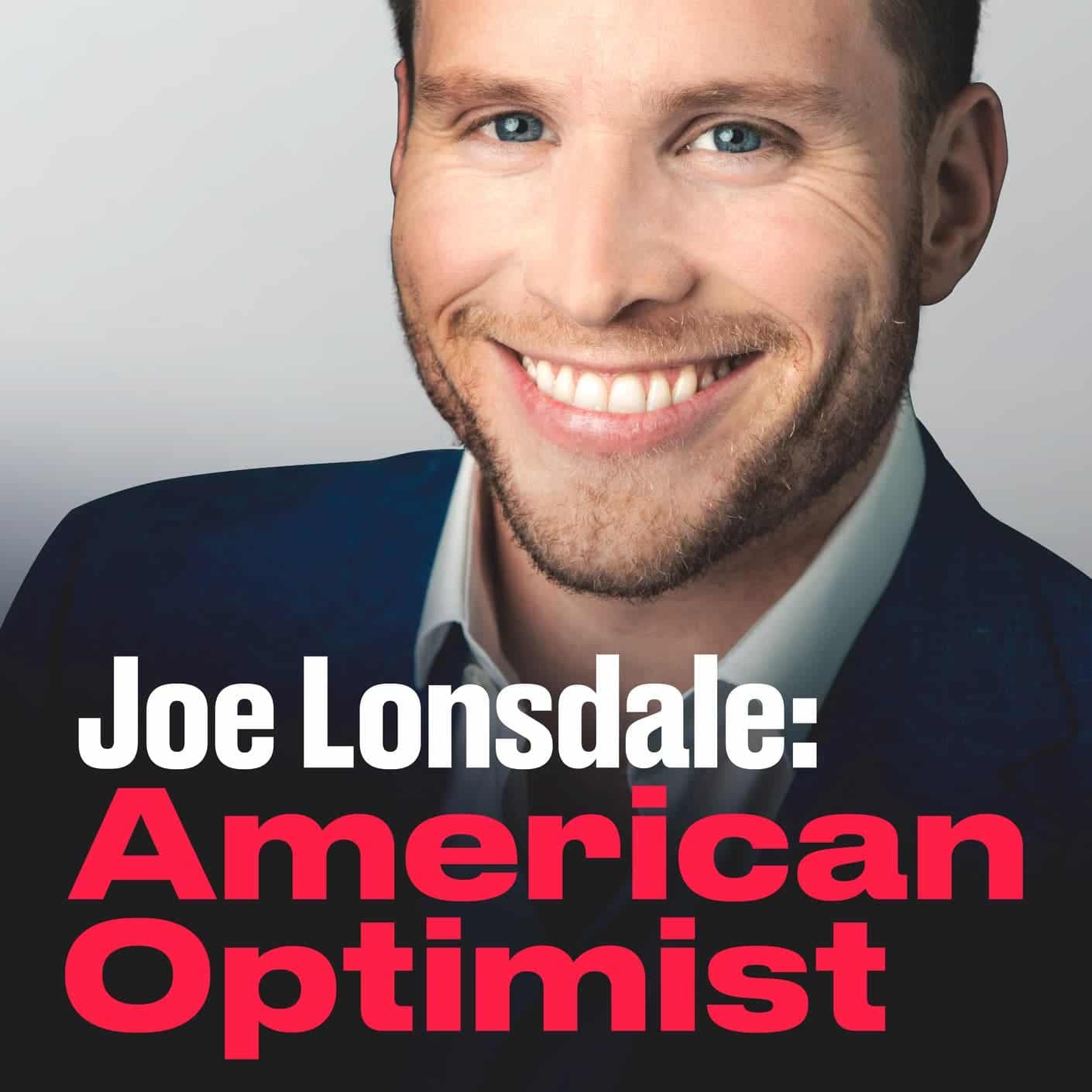
Podcast Notes: Joe Lonsdale: American Optimist - Episode 62 with Ben Rubenstein
Episode Overview
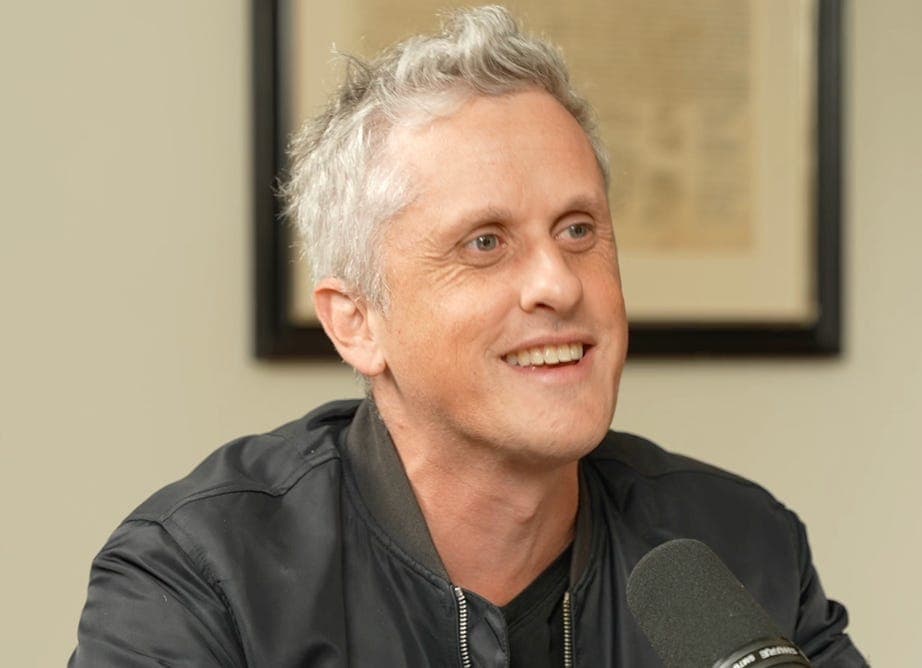
- Host: Joe Lonsdale
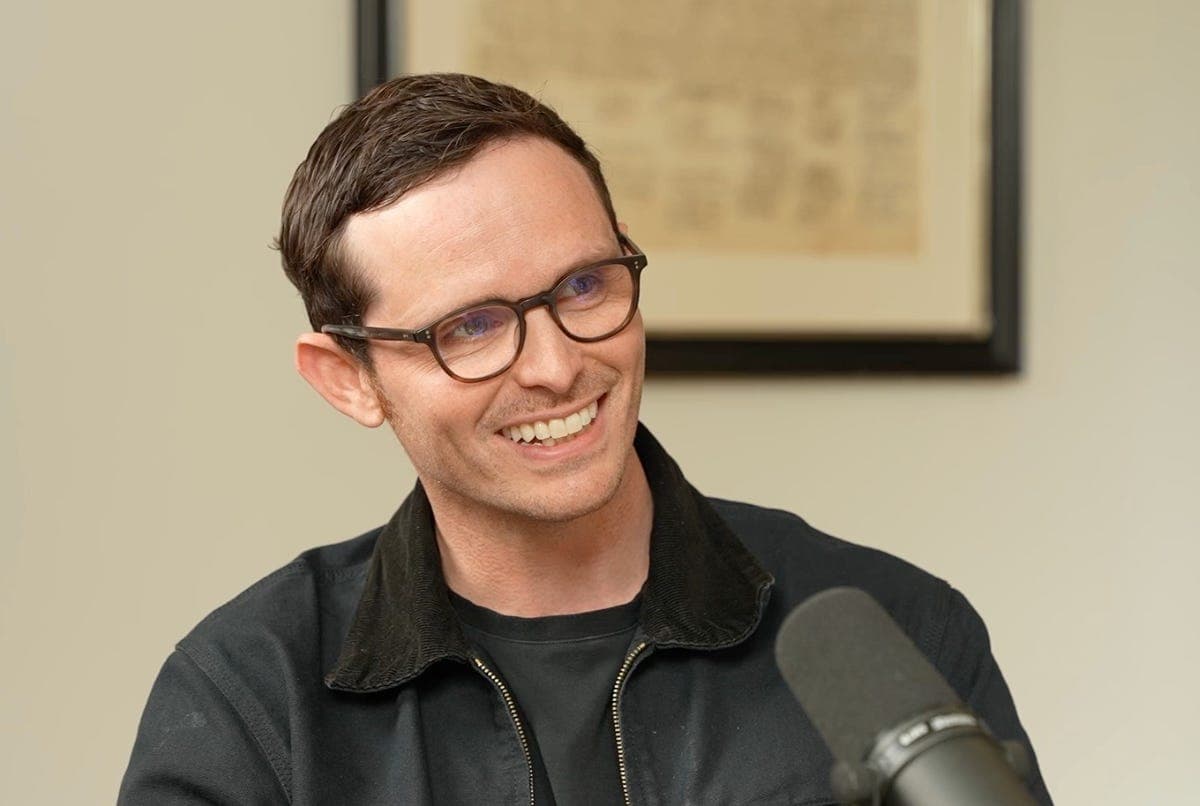
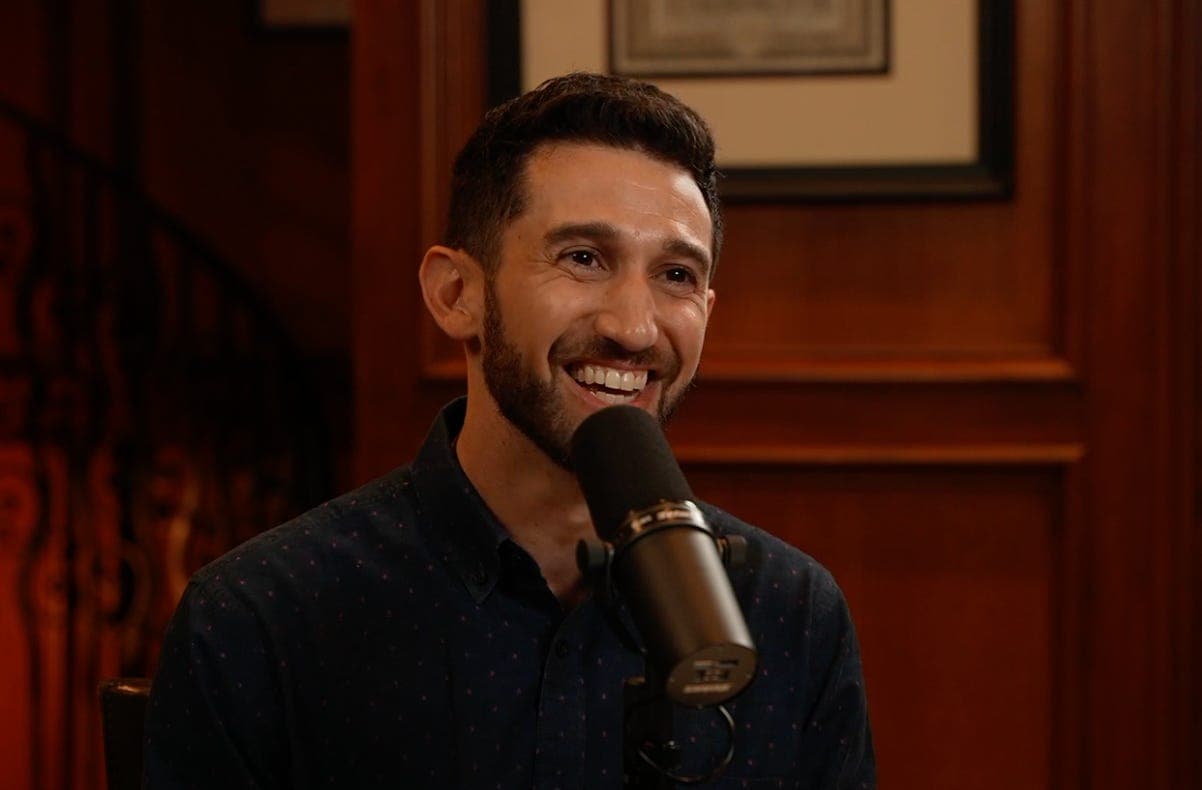
- Guest: Ben Rubenstein
- Topic: Hiring great salespeople, scaling startups, and the role of innovation in real estate and lending.
Key Points and Concepts
Introduction
- Joe Lonsdale introduces Ben Rubenstein, an accomplished entrepreneur who has successfully scaled two startups, Yodle and Opcity, and is now building Setpoint.
- Focus on optimism and the importance of innovation in addressing societal challenges.
Background of Ben Rubenstein
- Started as a young entrepreneur selling candy in elementary school, demonstrating early interest in sales and business.
- Co-founded Yodle in 2005 to help small businesses transition online, replacing traditional Yellow Pages advertising.
Yodle Journey
- Yodle grew to 1500 employees and helped 60,000 small businesses establish an online presence.
- Key learning from Yodle: importance of culture, people, and the challenges of maintaining these during acquisitions (acquired by Web.com).
Reflections on Hiring Salespeople
- Key Attributes for Sales Success:
- Coachability: Salespeople must be willing to learn and adapt, rather than believing they know it all.
- Work Ethic: Persistence and dedication are essential, as success often comes from hard work and repetition.
- Positive Attitude: Sales roles involve constant rejection; successful salespeople embrace this and remain optimistic.
- Ben stopped valuing resumes, focusing instead on the character and experiences of candidates, often finding success in hiring individuals from non-traditional backgrounds (e.g., service industry).
Scaling Opcity
- Opcity connected homebuyers to real estate agents and scaled rapidly to 500 employees in just over two years.
- Practiced a unique dispatch mechanism for connecting agents to leads quickly, improving customer experience.
- Emphasis on defining and instilling company values to maintain culture during rapid growth.
Setpoint and Innovations in Real Estate
- Setpoint serves as a software platform and debt fund that supports proptech startups by automating asset-based lending and capital market operations.
- Focus on making homeownership more accessible and affordable through innovative financing solutions.
Proptech Trends and Housing Market Dynamics
- The housing market is currently undergoing a downturn, affecting demand for certain products but increasing interest in others, such as buy-before-you-sell.
- Importance of adapting proptech solutions to meet current market needs.
Philanthropy and Social Impact
- Ben is involved with CASA (Court Appointed Special Advocates), focusing on helping children in the foster care system.
- Belief in breaking cycles of neglect and abuse through advocacy and support.
Optimism for the Future
- Ben expresses hope due to the growing culture of entrepreneurship in America, where young people aspire to build impactful companies rather than pursue traditional corporate paths.
- Belief in the transformative potential of technology, particularly AI, to enhance work and learning experiences.
Concluding Thoughts
- The combination of human leadership and AI diagnostics can enhance sales coaching and professional development.
- Importance of continuous learning and growth as foundational to both personal and professional success.
Conclusion
- Ben Rubenstein highlights the need for optimism and innovation in entrepreneurship, particularly within the real estate and lending sectors. His experiences emphasize the importance of character traits, adaptability, and a focus on helping others through both business and philanthropy.
Written by AI. May contain mistakes. Listen to the episode to check what was said.
Transcript
Automatic transcript. May contain errors.0:00By far and away, the most important characteristic was their attitude. This is a job which was just constant rejection. Most salespeople are making, especially when we're on the phone, 100, 200 calls a day. If you made one sale a day, you were a tremendous salesperson, meaning you were getting rejected. Wow. So 1 % hit is good. 1 % hit was the best. Wow.
0:27My friend Ben Rubenstein is one of the most successful entrepreneurs I know. He stayed out of the park twice and now he's starting a great third company. Ben is one of the best sales leaders I know. He's hired thousands of salespeople and he has a whole new theory about how to motivate them and what kind of traits to look for when hiring him. Let's hear from Ben about sales, entrepreneurship, and how to scale a business. Ben Rubenstein, thanks for joining us. Thanks for having me. I'm a big fan and excited to be on. So, Ben, you've built a couple companies in the past. You're building a third one now.
0:55I want to ask, let's go back to your starting for entrepreneurial journey. What was your first company you built? Well, I've been kind of an entrepreneur since I was really young. Even when I was selling candy when I was in elementary school. What's your favorite candy? Well, back then, actually, the one that sold the best was Airheads. I remember those. Yeah. Those were really cheap, though. Were they like five or ten cents or something? Well, I would buy them wholesale at Costco or whatever it was back then for less than that. And then I'd bring them to school. And I remember I would sell them for 25 cents each.
1:2525 cents. What kind of deal is that? Well, so I would sell out every day and then I wanted to sell more. So I would load up some other kids and other classes as my runners and then they'd go, I'll sell. And one of them defected. I remember said the same thing. He was like, 25 cents is too much. I'm selling for 15. And I told all my runners, no, we're sticking at 25 cents. We sell it every day. So I learned a lot about kind of value-based pricing back then and sales leadership and management. It's like an elementary school student. Was he not able to steal the market at 15 cents though? No. We had enough people who we had a high enough demand.
1:59We sold out every day. So I'm keeping my price. Amazing. Amazing. Where was this? I grew up in New Haven, Connecticut. So this is the Rich Yell kids, huh? Actually not. So it was really interesting. I went to a really poor urban elementary middle school and a really fancy high school. So I had a good kind of spectrum of that. And Connecticut's a really interesting place where it's got some of the poor cities and some of the wealthiest suburbs. So you get a really kind of diverse upbringing there. So what led you to be an entrepreneur after college? You just already, already had it in your blood clearly.
2:29Yeah. Yeah. Well, I mean, I came from a, not my whole family, small business owners. And I had two other co founders who both their parents were small business owners. And in college, a good friend of mine, his dad put him in charge of all the internet stuff at his car dealership, right? This is in 2003 to 2004. And he learned that, you know, there was a lot of people online looking for cars and none of the local car dealerships are doing it. And so we actually won a business plan competition. This was at Penn at the Small Business Development Center there and started a business to sell online advertising to small businesses.
3:02At that time, people didn't think people went to the internet to find local businesses. This is 2003, 2004? When is this? Yeah. We founded the company early 2005, but we were doing a lot of this in 2004. And so it was the early days of Google AdWords, early days of Overture, which was MSN and Yahoo at the time. And our motto was, and this is a long one, just because the web is worldwide, doesn't mean your customer isn't next door. We had to convince your local dentist, doctor, electrician, plumber, hair salon that people went to the internet. And if you searched on Google for hair salon in Philadelphia, you would only see national companies come up.
3:35You wouldn't see local companies. So this company was called Yodel. Yodel, yes. How is it different from Yelp? Yeah. So Yelp is a platform that you say, look at reviews of other small businesses. You as a small business can add content there as well. What Yodel did was we were promoting the small business themselves, their brand. So at this time, most small businesses didn't even have their own email address and their own domain. Guys, you were creating a web presence for all these places. That's where it started in 2005. And then expanded to a social media presence for these small businesses, a reputation management and review solicitation for the small businesses.
4:08So really their whole online presence and online life. So to do this, you had to build a big sales team going door to door selling to these places, right? Yeah, so we wanted to take down the Yellow Pages. We saw the Yellow Pages in 2005 was a$20 billion market. And I remember at my dorm in college, they would deliver these pallets of Yellow Pages. And then they would go right to the dumpster because nobody would take them, right? They went to the web. I haven't seen one of those in a long time. Right, yeah, they're good. Maybe at a barbershop to like prop up your kid when they want to get a haircut.
4:36I used to love how they had all these little tiny writing in them. They were interesting. Well, but those ads in the Yellow Pages were really expensive. It would be$10 ,000 a month for a full page ad for like a plumber. What? Yeah. Or more. Yeah. Wow. Especially in big markets,$10 ,000,$20 ,000,$30 ,000 a month to advertise. And your local plumber, dentist, doctor would do it because that's where people went to look for local services. But consumers moved much faster than business owners. And so where all the consumers left the Yellow Pages, the business owners were still paying them. And so we said, let's go do exactly what the Yellow Pages did, but say, hey, now you should not be spending your money in this print book.
5:12you should be spending it online. And to do that, we need to build a web presence for you. We need to advertise on the search engines. We need to do SEO. We need to get people to come to you. And in the early days, I remember our first customer said, this is like taking candy from a baby because they would just get their phone was ringing off the hook because they had no other competition who was online. Tell us a little bit about building the sales team. Eventually you had a thousand person sales team. What do you look for when you're hiring sales people? Yeah. So in the early days, it was just me, right?
5:37And I was going door to door to small business owners. I didn't have enough money for rent. So I was living in an aero bed and I moved every two months for over two years to different friends' houses. And I put a lot of miles on my shoes in Philadelphia going to small business. We just interviewed Joe Jebbia from Airbnb. You should have figured that out instead. Yeah, I know. I could have done that. Yeah, it was really hand-to-hand combat. But you get to really understand the small business owner and our customers there. And so originally I wanted to hire people from the Yellow Pages, but I pretty quickly realized these were the wrong people to sell on advertising.
6:12So next I was looking for people who were kind of like me. And I said, okay, young college graduates. But I found really a lot of them, you know, weren't cut out for sales. They didn't last that long and almost sometimes thought they were too good for the guys. These college graduates don't have the grit and they don't want to run around, talk small businesses. They didn't, no. And they thought it was going to be easier than it was. And it was a lot of freaking work. And so we ended up stopped looking. We didn't even look at people's resumes after a while because their resume was kind of meaningless and ultimately it was who they were as a person.
6:45Uh, and we found it was really three characteristics. I made it super, super. Three characteristics to make a good salesperson. Yes. The first one was coachability, right? I think we, there were salespeople who had these resumes of lots of different sales jobs and they thought they knew everything, but they didn't necessarily know our process. They want to listen and learn your process. Yeah. They'd push back and all that. The second super important one was work ethic, right? If you put in more hours, you're going to get good at this. It's like in basketball, we play basketball together, right?
7:13If I'm taking 100 shots and you're taking 1 ,000 shots, you're going to be better than me, even if I start better than you, because you've just done something more times. And so people who are okay and excited about repetition to just hone their craft. And there's a great book, Talent is Overrated. And I think we weren't looking for the most talented salespeople. We were looking for people who were hardworking and we're going to get the job done. And finally, by far and away, the most important characteristic was their attitude. This is a job which was just constant rejection. And, you know, our best salespeople, you know, most salespeople are making, especially when we're on the phone, 100, 200 calls a day.
7:52If you made one sales sale a day, you were a tremendous salesperson, meaning you were getting rejected. Wow. So 1 % hit is good. 1 % hit was the best. Wow. So, you know, you think about most jobs you do, if you fail 99 % of the time and you're the best one at it, you've taken a lot of rejection. And so people who saw rejection as that next step to getting to success, people who kind of embraced it and were able to stay positive in the face of that adversity, they were the best by far. And it was mostly calls. It wasn't going and knocking doors that worked, huh? So in the early days, it was going door to door and we thought we're going to replace the Yelp pages like they did.
8:32But we found, especially this was the early days of GoToMeeting, WebEx, what's now much better video conferencing. We were able to be much more efficient by being on the phone. So we'd had a lot of kind of A-B testing. It had comparisons. Who was better, the outside salespeople or the inside salespeople? And the inside salespeople, it was easier to scale, easier to manage, and could be much more productive. Wow. That's very counterintuitive to me because you think it's going in person to a small business. They trust you more. They listen to you. But you just do more per day on the phone. Yeah.
9:00So you, the close rate was higher of people in person, right? Actually, the order size was actually higher as well. But you just didn't get to too many places. You had a lot of windshield time, right? And you were driving around traveling and you'd just be a lot more efficient on the phone. So Yodel, what eventually happened? Web.com eventually bought it. What did you learn from the acquisition? What happened there? Yeah. So we got up to about 1500 people in the company. We had about 60 ,000 small business customers on the platform. And Web.com had lots and millions of small businesses on their platform.
9:30because they're a domain registrar. And they said, look, we can sell them this additional product. And it made sense for the companies to come together. I think my biggest learning from the Yodel acquisition was web.com didn't really care that much to retain a lot of the people. And so much of a company is not just its product, it's its people, it's its institutional knowledge, it's the leadership. So the company kind of went to web.com and kind of went away basically. Yeah, it just got absorbed into web.com. Some people stayed, but a lot of the culture was not there. And so, you know, that was very different.
10:05Did they make money off of it? Like, did they do well with buying it? Like, what happened? They did sell. I mean, they incorporated our product into their suite of products. And we had a number of products by that point. So, it just kind of was another product that their salespeople sold. Are they still around? I don't hear much about that company. Web.com was public and then they've gone private since. So, who knows? I haven't really. Yeah. they have this kind of massive company absorbed it and kind of went into the blob and then kind of changed its culture to its own so yodel at 60 000 so they might have they might have sold that to another hundreds of thousands of people is what it seems like yeah yeah i think they had a lighter version of an online marketing product and i think they've kind of morphed the products together but yodel as a standalone part of their business doesn't exist anywhere it's interesting it's kind of like yodel had a time and place where it was a really valuable thing to exist that everyone needed you couldn't obviously build it today it already already exists out there it's not useful.
10:56Yeah. I think we really helped, uh, small business owners get online and they had no clue what a website was. They had no clue what online advertising was now pretty much every small business owner understands what social media is and online advertising and reputation management. So I think it made a lot of sense at the time, but, uh, and today it's very, very important. It's just more of a commodity today. And well, if there's anyone who knows about salespeople, Ben, and see what the teams you've built, I was a small investor in your next company, Op City, and you built that sales team so quickly.
11:28Tell us a little bit about Op City and what you did there. Yeah, so Op City, unlike Yodel, which is working with all types of small businesses, and we were, in essence, selling leads to them, Op City, we got very vertically specific and said, let's go into real estate, an area that needs a lot of disruption, that's super, super important to everybody, and add a lot of value there. And so we helped connect consumers to residential real estate agents using lots of data on that consumer and lots of data on that agent. And we didn't charge that agent for that connection. They only paid us when the deal closed on a referral fee.
12:02So that company we started and in two and a half years, we scaled to about five to 600 people, mainly people on the phone. So what struck me in Op City, Ben, is just how quickly you guys move. So you figured out that there's a lot of agents out there who you could help get connected to consumers. You did it in a way where they only paid if they make money. So they obviously are happy to work with you. And once this work, you just like scaled like crazy. You went up from zero to 500 salespeople in a couple of years. How do you do that? How does one hire hundreds of salespeople and still keep a culture even functional?
12:31What does that look like? Well, when we talked about culture a lot, it was the first thing we did when we came together was we wrote down what are our company values. And every new hire, we wanted to make sure that they lived in those company values. Every manager was part of those company values. And it was a language that we spoke in. We were fortunate in that a lot of people from our previous company, from Yodel, came over and we knew. And we were also very fortunate that we had kind of a recruiting machine that we had built before and really understood how do you bring people in the process.
12:56What are some of the types of people who are your salespeople? You've said resumes are useless. Yep. What are their backgrounds? Obviously, you need coachability, work ethic, and attitude. Is this baristas? Is this construction people? A lot of people came from restaurants, bartenders, people who are used to kind of low base salaries and high variable and had to work for tips. Actually, we found that college experience was a negative. College makes you too haughty to work hard on this thing, huh? Yeah. I mean, it was people, we had built a really awesome culture, but it was a hard job. And so we wanted people who had had other hard jobs who really appreciated our culture and said, you know what?
13:35I'm willing to put in the dials per day because this is a fun place to work. And I really like it. And what were the incentives when you made money for the company? How do you make money? Yeah. So most of the people actually at OpCity were not in sales. They're actually in consumer experience and they were connecting. So a consumer would go online and they would inquire about a residential real estate property. We would then instantly call them. Our average connect time was less than four seconds. So while they're still looking at the property, we would call them. So someone's like clicking on it and it gives you their number because they're interested.
14:05Yeah, they type in their phone number and say, I'd like to go see this property tomorrow at two o 'clock. We'd call them right away. We'd ask them questions. We'd understand what their motivations are, what the neighborhoods are looking in, the price points. And then we had a huge database. We had about 150 real estate agents on our platform. And you knew which ones connect to which people. Yeah. And then we would send a message out, much like an Uber driver gets a message. Oh, wow. Yeah. So we had this entire database. We would rank them all based on their likelihood to close and help this consumer.
14:34We would then send push notifications to each one of them through our app. The first one to accept, we'd tell the consumer, hold on one second, I have the perfect agent for you. call up the agent explain the situation and then bridge the call and introduce the agents be ready in real time too usually there's some agent that responds in the first 30 seconds yeah so we had this interesting challenge so when you call an uber you don't really care who the uber driver is you just care are they going to be there soon right enough you know five-star rating when you do when you're on match.com you want the perfect match right you want match.com is yeah you don't want the uber to come right away right you know if they're going to go on a date tomorrow or in a week from now it's not i mean it depends on the kind of mood that you're in i suppose right i guess if you're like i need someone this maybe you go on a Tinder or one of the other apps it's probably Tinder yeah but if you're going on a dating site right you want the match is more important than the timing and so we we tried to it was a balance of the two right how do you get the right match for somebody who's also available right now and so in our dispatch technology and this is what a lot of what our data science team worked on was let's say there's five agents who are a perfect fit if number one and two are very similar to each other we'll go much faster through that dispatch because we don't really care if it's one or two.
15:39But if three and four are much different than one and two, we'll slow down that dispatch and wait for them to get a chance. So it's this interesting balance of how do you make the right matches available at this moment. And obviously it's data-driven where you realize if you wait too long, it's not good, so you have to go to someone else. Right, because the consumer would be impatient or the other agents wouldn't be available. So there's a lot of things we had to do to balance our agent network. One of the other big growth hacks in that company was we didn't go sign up agents directly. We partnered with large brokerages, and then the broker would know who on the ground would be a good fit for this.
16:10And then they would invite all their agents. So the broker looks like a hero because they're bringing referrals to all their agents and we're able to expand to many more agents. So one of the challenges with this business, of course, is that you're building on top of these other platforms to get the leads. And these other platforms usually want to own all the value they create for people. So they were going to probably be bullies and fight you. And so it was Zillow and Realtor were the two main ones or what were the other ones? Zillow, Realtor, Homes.com. um there was a there's actually a very large long tail of places people look for homes on different foreclosure sites and other places so uh but the two behemoths are realtor in zillow and they had a lot of leverage over you if they can turn you off for example somehow yeah but in some ways we were incredibly helpful for them because they had all this excess inventory and we took it all so we were the largest they're the largest customer by far so you just help them you help them make more money but but ultimately they were able to kind of force you to sell probably in a way where well we had an interesting choice near the end it was because realtor approached us to acquire us do we go partner with one of these uh large players or we try to go compete with them yeah uh and we thought you know what we're the hardest thing for a startup to do is stay focused and focus is not what you do it's what you don't do and uh we didn't necessarily want to go compete with these huge behemoths and we said we do something really well which is this matching let's go partner with a realtor.com and that's why we ultimately sold to them and uh brought the companies together.
17:32I became the chief revenue officer. About two thirds of the employees in the company reported to me. My co-founder, the chief operating officer, and it's a great experience there. What do you learn from helping be a chief revenue officer at a much bigger company? Because you hadn't done that before after running two startups. In a small startup, everyone's incentives are completely aligned. And everyone's pretty new to this. And we're all trying to build a great company. You're just working together because you all have upside. Yeah. And in a bigger company, there aren't as many aligned incentives.
18:00Some people have been there a long time and maybe they're just trying to keep their job. A lot of them don't really deeply care that the bigger company is worth five or 10 times as much in a decade. It's not their goal. And they don't feel like they can actually even influence it. So Realtor.com is owned by News Corp, right? And News Corp stock, even if Realtor.com did tremendously, didn't necessarily move that much just because of us, because there's a lot of other things. So incentives are just really hard to get, right? Yeah. So it's just hard to feel like we're all winning as a team the same way that happens.
18:25What do you do as a leader then to make things work? Well, you got to motivate people by more than just money and the bigger vision. You know, Realtor.com, we were trying to, you know, fundamentally change homeownership. And it used to be the only way you could find a property is you need to find a real estate agent. Realtor.com is you had access to all the inventory that exists in the United States. And what can we do to make homeownership easier for people? I mean, homeownership is the biggest unlock to wealth in our country. It's one of the most important things in communities in our country, that we have more people who own homes.
18:57Well, it sounds like you really bought into this homeownership mission because your new company you're starting is Setpoint's aligned with that as well. Yeah, exactly. There are so many awesome prop tech companies out there that are doing some really, really cool stuff to make homeownership easier, better, faster, and more affordable for people. And so what Setpoint is, is both a purpose-built debt fund and a tech company that in essence is the infrastructure for all of these different prop tech companies to help these amazing entrepreneurs. So the debt fund is not necessarily directly for consumers, but it's to help the prop tech companies that are helping consumers.
19:29Yeah. Yeah. So if you're a prop tech company, you got a lot of things you got to worry about, right? I need to build my company, delight my customers, think about the market, building a whole capital markets function to find capital and manage all of the properties that you're buying is pretty complex. Give us a couple of examples of the prop tech companies you're helping? Like how does this work? Yeah. So a great example is a company called Homeward, which has an amazing product, which is buy before you sell. So the challenge most Americans have is I'm living in one house and I want to move. Well, I can't sell my house too soon or I'm going to have to go move in a temporary place.
20:06I don't want to move with my dog and my kids and all my other things. But I identify a house that I want, but I can't pay for it with cash, right? 99 % of people don't have that type of cash, but I also can't get another mortgage because I have a mortgage to my first house. It's like I can't take on two mortgages at the same time. And so what do I do? I make a contingent offer that's contingent on selling my first house. Well, the seller that you're buying this house from, they don't want a contingent offer. They just want the cash. They just want the cash. So you're going to have to overpay versus a cash buyer, or you're going to lose all your negotiation leverage.
20:35So it's incredibly unfair that people who don't have cash have to pay more and people who do have cash have to pay less. And so we want to solve that. And so what Homeward does is they say to somebody, look, look, I know this is a stressful situation. Pick out the house that you want. We'll buy it for you. You then move into that house. We then help you sell your old house in the open market for more money because you've fixed it up and you don't have the time pressure to sell it. And we also give you the mortgage and then sell this house back to you as soon as you've sold your old home. So Homer needs the cash to do this for people.
21:03Right. And so we provide both the cash, but also the infrastructure. To buy homes at scale, you need to track all these homes. You need to diligence all the documents and all the properties. You need to value all the properties. You need to be a calc agent and a payment agent. there's a lot of stuff that goes with this and we want to just make it plug and play a good analogy and we were talking about this earlier is stripe right so what stripe does for small businesses is said don't worry about payments we got it right i remember back at yodel we had engineering teams focus on getting our payments right and so those engineering teams couldn't build our core product because they had to build this infrastructure didn't exist yet back at yodel right exactly or aws is another example right amazon says you know back at the yodel days we don't worry about servers and I remember I remember right and now we just you know spin up some instances at AWS these kids have it easy these days no but the reality is it makes uh startups grow faster right um there was a great story I think Jeff Bezos told about the um the breweries in uh Germany do you know the story in electricity so I guess a few hundred years ago right when electricity was getting going all these different breweries uh found that electricity made them make beer faster right yeah but they were all running their own generators or creating their own electricity they all do their own generators right and so what would happen is they spend a lot of the resources figuring out how to make uh electricity well then when the grid came and everybody just plugged into the electric grid all of a sudden all the beer tasted better because there's more time to focus on because you could focus on making your beer taste better and no you know electricity is just a commodity and i think that's kind of how we want it to be in prop tech as well right that they shouldn't worry about the capital markets.
22:38Don't worry about the capital. Don't worry about what it takes to buy these homes of steel. You're making the beer taste better. We're making the beer taste better. Yes, they can focus on it. Yep. I love it. And so is it true you're also providing funding yourself to power buyers for closed transactions or is that something you're doing just through businesses then? No. So Setpoint does both. We are the software that makes it easier for them to do it. Also, another important thing is the capital as well. So they can focus on their product and not have to go raise capital. So we do both. It's getting them the software to raise the money for it.
23:06to manage it as well as the capital. Yeah. And so as a capital provider, our capital is much safer because our software is in there and we're tracking what's going on. So the housing market seems like it's going through a downturn. It's more expensive to buy a house versus a year or two ago. Yep. Everything was going way up in Austin and now it's probably fallen a little bit. What effect is that having on the tech adoption for PropTech? So what's really interesting is these PropTech models are pivoting to products that make more sense now. So in 2021, when the housing market was nuts, buy with cash was this really important product because you could not win a deal you had to pay cash and go so homeward would come in and say we'll buy the cash and you buy it back from us yep now that product is pretty much dried up because people don't need that everyone's patient these days well there's just not as many offers on any property right uh but the products that have really taken off now are buy before you sell because previously you didn't need buy before you sell as much because making a contingent offer didn't really matter if you're going to sell your house in a day right now when you don't know when you're going to sell your house you need this kind of bridge financing.
Read the full transcript
24:07The other is sell before you list, which is I need the liquidity from my house, but I don't know when it's going to sell. I don't want to sell it to some flipper who's going to give me 60, 70 % of my house. So Homeward will say, hey, we'll buy your house for 80 % of its value right now. So you have the cash, but we'll also list it for a hundred percent of its value. And you get to keep that difference once it sells. Oh, cool. So very different than Open Door. Open Door would just buy at a six, 7 % discount or whatever. Open Door would buy at a discount, then they own it, and then they got to find someone else to buy it.
24:33And then, so they're taking the risk in the housing market but they're also they're also getting that extra six seven percent they get that upside yeah homework's more just a partner to the person to help them say homework saying listen i've mapped it out i'm 100 confident i can give you 80 without me being out here but but but and then we'll figure out what else you get right and we'll list it for what it should be and we'll you know we'll take our time just like what if it takes a couple years to sell though this home that we're in right now that we're speaking in it was on the market for three years no one wanted it well um homeward and most of these models are working with more your average home and they have a good handle you find my home weird i'm saying there is a smaller market for people who can buy this house maybe and so they're they're working in more areas that they know there's more liquidity in those in those properties we ended up getting a deal it was just before austin was hot so this home is this home is twice as big as my home in california for a fourth the cost i know and the taxes are lower too and that's why everybody's moving here.
25:27Well, there's that too. It's because we want to hang out with the cool kids like you, Ben. Ben, you've sold two companies. You're building a new one that's making a huge, huge difference. And you're also focused a lot on philanthropy in your personal life. Like one of the, one of the things I saw you working with is called CASA, the court appointed special advocates. Tell us about that. Yeah. So, you know, when I think about philanthropy, I want to help people who are kind of the most in need and the most vulnerable in our society. And I can't think of too many people who are more vulnerable who are kids who've been abused and neglected by their parents and are kind of in the court system.
25:59And so what we do at CASA is we help train volunteers to help kids who have been removed from their parents, abused and neglected, find permanency. This is a lot of stuff around the foster care system then as well. A lot of, I mean, some of it is should they go back to with their parents? Should they go with a foster family? But foster is typically temporary. So we'd like them to find a permanent solution. So I've been on the board for 11 years. I've been president of the board, treasurer. I've been in a bunch of different roles. My wife and I have both been volunteers for a long time. And the cases are really intense, but we make a big difference.
26:33Tell us about one of the kids you've helped. Yeah, so one example, I had a kid, until he was eight years old, he just lived in a motel. And he never went to school. He was super unhealthy. He was removed from being with his parents and put into a foster home. And his family really, really helped him. And he got, you know, he had some hard times. I was with him. He tried to actually commit suicide twice. He was having a number of problems, but ultimately they were phenomenal for him. He lost a lot of weight. He was making friends. He was in school. And then because of a technicality, that foster family lost their license.
27:08And so normally CPS would take him out of this home and then go put him somewhere else. But that was going to be incredibly disruptive to him. He would have had it, especially because there's not enough foster families who would have gone to a different town, a different school. and it would have been starting over in a lot of ways. And so as his volunteer advocate, I spoke to the judge and I said, look, I know this family no longer has their license, but here are the reasons why he should stay there. And I was able to convince the judge and get permanency for him with that family. And so that's, I mean, there's countless stories of CASAs who are just volunteers within a community who are set up one-on-one with kids to look into their stories and be an advocate and the judges really trust us because um you know we have you're doing it philanthropically to help the kid right we have no dog in this fight and you know cps is completely overwhelmed with lots of cases the lawyers assigned only do what the kid wants might which might not be in their best interest what do these kids generally need like what are they missing in their lives is there are there certain patterns you're seeing well i think the scariest pattern of all of them is the parents in the cps system were usually kids in the cps system so you know you meet a lot of the parents and you see they don't want to be separated from their kids they're just really bad things that are happening and a lot of they've learned a lot of the wrong things from their upbringing basically or they're hurting somewhere from their upbringing it makes it tough for them they were victims of abuse neglect themselves they uh have just been in really tough situations and and oftentimes very young too uh and so if we can break that cycle How do we break that cycle?
28:39What do you do? I think you find permanency for these kids, because a lot of these kids are bouncing around from foster home to residential treatment centers to other places. So you find permanency in a loving home, that they can have a real networking community, and you put resources to make sure that they graduate, they get good jobs, they go to school, and that you just help educate them that they don't want to be the parents in this system either. You know, I do a lot of policy work philanthropically. Is there a place where policy is missing here, where policy needs to improve? What would you be in favor of changing?
29:11Well, CPS has both been underfunded. I think a lot of the incentives are not aligned, and it just needs a lot of rehabilitation in CPS. I think more services to break this chain would be really impactful. There's a number of organizations that just help make sure, give kids extra tutoring, and just are there to be mentors for these children. Spending money more accountably with CPS to make sure the incentives are aligned and they're getting the money they need to hit their goals. Sounds like a big one. Well, we'll look into that. Ben, you know, we started American Optimist because we're tired of all the cynicism and pessimism we're seeing in our country, especially in the media.
29:50What's your best reason to be optimistic for the future of America? Well, I'm in this really fun position as I get to meet a lot of really great entrepreneurs building some amazing companies. you know I think in like the 80s 90s early 2000s this the sexy thing for young people to do is go be a banker or be on Wall Street or a consultant I think it's great that the sexy thing now is to start a company and be an entrepreneur and there's a lot of and and they're not just being entrepreneurs starting nothing little companies like really impactful stuff and health care and in defense and a lot of things that you're involved in and I feel so you know I was in Europe this past summer I was in Spain talking to a bunch of prop tech companies and all of them were complaining about, man, it's so hard because of this regulation.
30:33It's so hard because I can't do this. And oh, you have it so easy in the United States, right? And just telling us how easy we have it compared to what they have to do. And it made me think of that making beer taste better analogy, right? They spend so much of their time on the electricity problem, not the making beer taste better problem. And I think we are so fortunate in the United States that we have a culture of entrepreneurship and that we do everything we possibly can to support startups. And it's a sexy thing here. It's a cool career. And tell us, what inspires you to keep building? A lot of entrepreneurs with two exits, great exits, you might stop there.
31:05Why are you still motivated to keep going? I mean, everything I've learned, it would be just such a waste to sit around and do nothing. Like, how could I learn so much and build these companies and just stop. I feel like I need to not only give back to help other entrepreneurs build, I want to keep building myself. And I just keep learning. I mean, I love learning. And the best way to learn is to get your hands dirty and do stuff. I agree. Every success is like a platform that you can use to then do even bigger things for the world. And based on what you've learned and based on your, you now have credibility as well that you do things.
31:37Yeah. And I'm not just doing this for the money. I'm doing it to build stuff. You know, Yodel, we were helping small business owners. And as I was saying, my dad, my co-founder's parents they were small business owners my grandfather was a kosher butcher his grandfather was kosher butcher his grandfather was a kosher butcher right and these all you know running these businesses so what's the best kosher deli here in austin we don't have one what's going on man you're an entrepreneur i know well it's i mean that is a rough business i mean he's getting up at two in the morning i mean there's just not it's it's hard to run that business not enough jews who want to do that anymore we want to do that right it's it's kind of same way they won't go to be sales people call center that sounds even harder than being one of your sales guys It was.
32:15I would have loved to hire people who had worked in butcher shops. I think that would have had the work ethic. You got to go find the last kosher butcher and then you're going to ruin it there. You're going to take him and make him a salesperson instead. Then what technology or innovation excites you most for the future? Well, I think a lot of the stuff that's coming out in AI is just going to completely change how we do things. And I'm not worried about AI taking our jobs. I'm excited about them enhancing our jobs and making our jobs more fulfilling and better. You know, I think it used to be, I look at my parents' generation.
32:46Most people I know in my parents' generation, they had one job at one company. Then I look at my friends in my generation, I know pretty much nobody who's had the same job since college, right? But they've more or less had the same career. So if you're a software developer, maybe you don't have the loyalty to the company. The company doesn't have the loyalty to you. You don't retire there, but you have lots of jobs. I think the future is going to be, we all have not only work at many companies, but we have many different professions because technology is changing so rapidly. So I'm really excited about a lot of innovation that's happening in schooling and learning because the future is going to be, we got to learn faster because you can't do the same thing your whole career.
33:22You talked about coachability. Is the AI going to become the coach of all the salespeople? It feels like that could be where it's going. What do you think? I mean, so much of coachability is having a great coach also who knows where to help you develop. And I think AI can be a huge shortcut to that. And I think a coach tells you the tactics you need to change, but also motivates you. I don't think AI is going to be able to motivate you. I think there's going to be great leaders that are going to, well, maybe it will be able to motivate you, but I think AI will be great at diagnosing where you need to improve.
33:52So I think that combination of human motivator and AI diagnostics is going to be tremendous. I love it. Well, Ben, it's amazing to see you keep building. Thanks for joining us. Yeah. Thanks so much for having me. It's a lot of fun.
34:06you
From the publisher
What are the three most important attributes of a successful salesperson? How do you identify talent capable of withstanding constant rejection? And how do you hire hundreds of salespeople while maintaining mission and culture?
Discover how Ben Rubenstein scaled two startups to big exits, and why he believes resumes are largely meaningless for sourcing top sales talent. His first company, Yodle, took on the Yellow Pages by bringing thousands of small businesses online and into the digital age. Ben started as a one-person sales team living with friends, sleeping on an air mattress, and moving every few months until he broke through, eventually building a thousand-person sales team. Next, he founded Opcity, a real estate lead referral service, and once again scaled it into a large salesforce until the company was acquired by Realtor.com.
Ben is currently building Setpoint, a software platform that automates asset-based lending and capital markets operations, enabling real-estate, auto, consumer, and other asset-backed borrowers to offer next-generation credit options to consumers. In addition, Setpoint has launched a second debt fund to support Proptech startups. Learn about the most exciting innovations in real estate and why Ben believes AI will upend how we think about careers and areas of expertise.
This is a public episode. If you would like to discuss this with other subscribers or get access to bonus episodes, visit blog.joelonsdale.com