In short
Podcast Notes: Joe Lonsdale: American Optimist - Episode 63
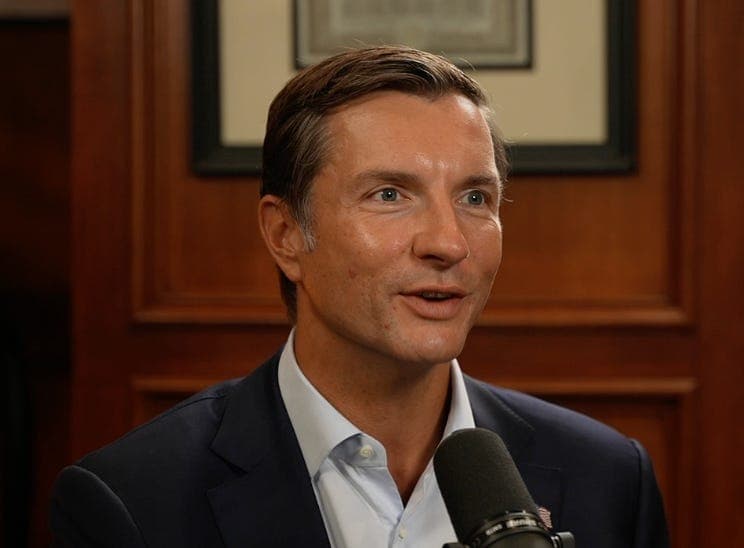
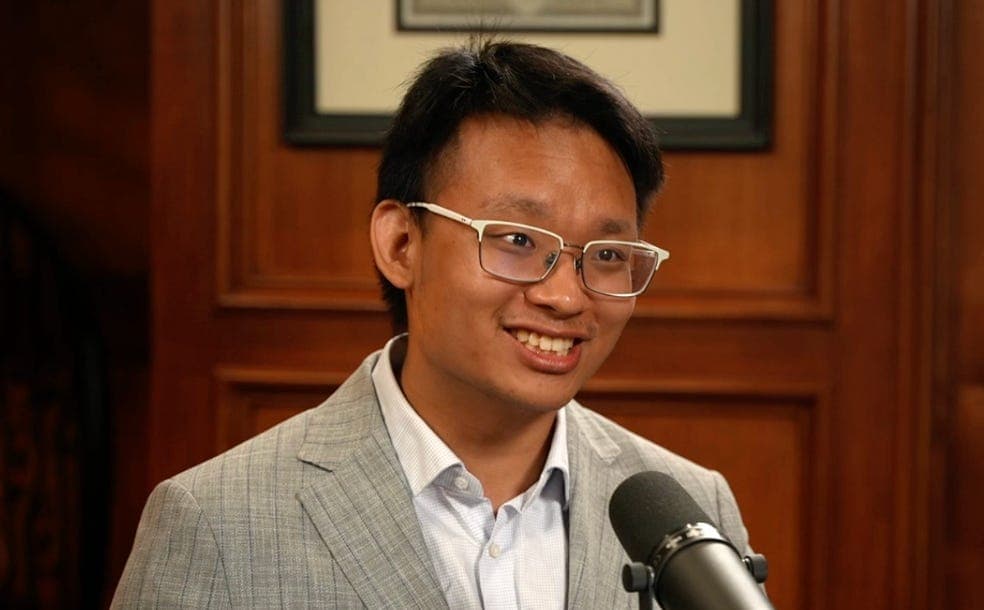
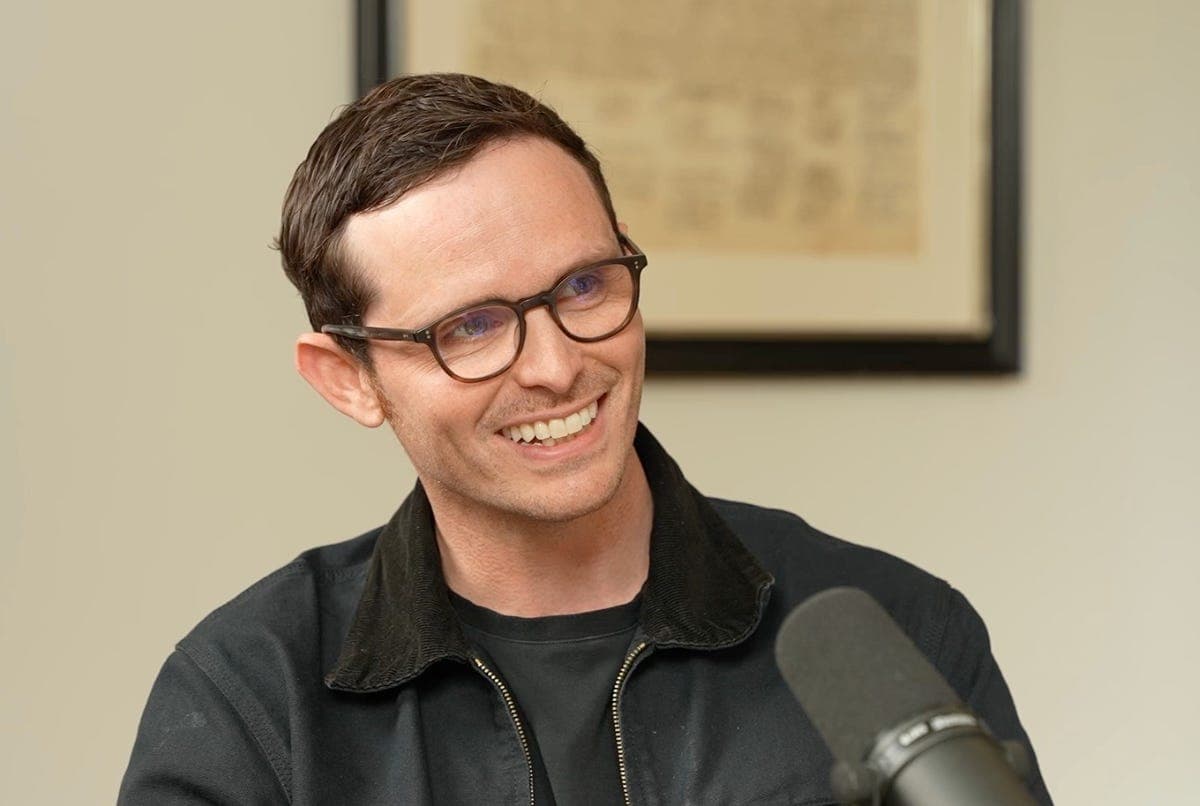
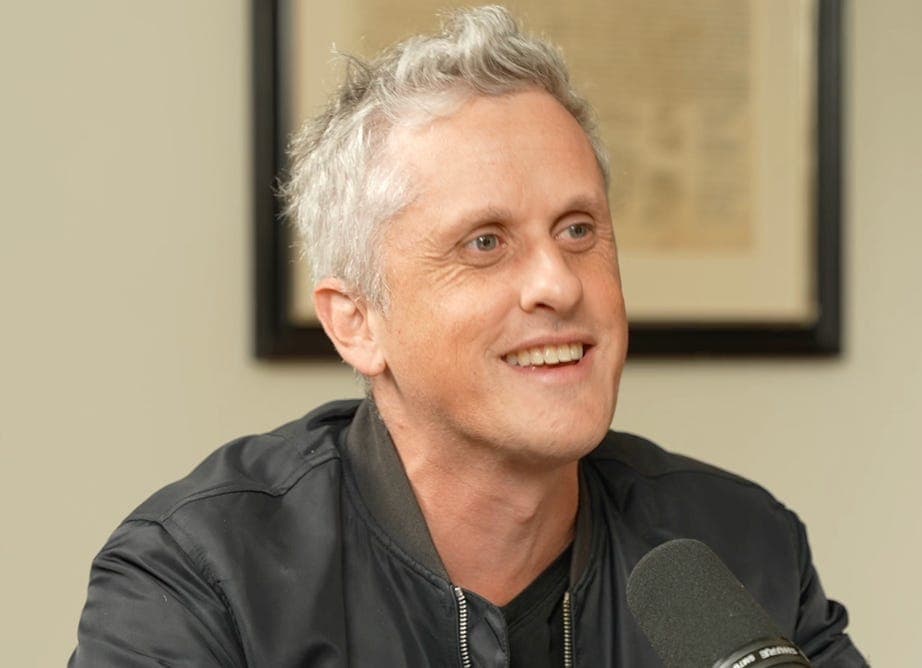
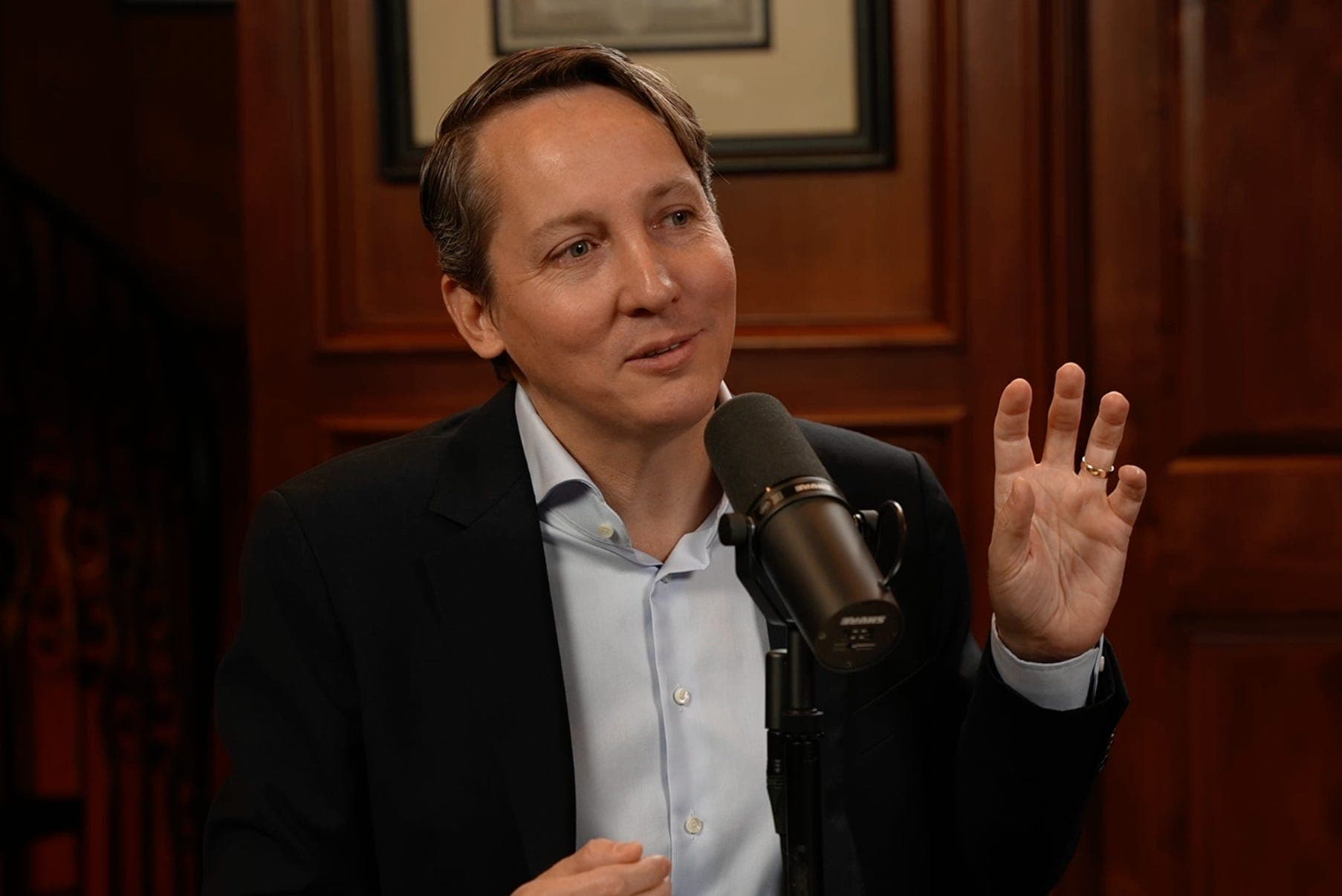
Episode Overview Title: Ep 63: Eddie Margain on Fleeing Mexico, Preserving Rule of Law & Building Austin FC Guests: Eddie Margain (Co-founder of Austin FC and Managing Partner & Founder of Pixiu Investments), Ryan Holiday (Bestselling Author) Focus: Eddie Margain shares his journey as a Mexican entrepreneur, his insights on the erosion of rule of law in Mexico, and his motivation behind building Austin FC.
Key Points Discussed
Eddie Margain's Background
- Early Entrepreneurial Journey:
- Started selling Amway products at age 12.
- Created an internet service provider during the dot-com boom in Mexico, which began with reselling dial-up internet.
- Expanded to manufacturing mobile phones, including a successful "Hello Kitty" phone.
- Challenges in Mexico:
- Faced threats from cartels due to his family’s involvement in journalism and truth-telling.
- Discussed the societal shift in Mexico where crime became more powerful due to the gradual loss of rule of law.
Insights on Rule of Law
- Comparison of Mexico and the U.S.:
- Margain emphasizes the stark contrast in opportunities and societal structure between the two countries.
- He notes the importance of maintaining trust in law enforcement and community safety, which he believes is fading in the U.S. as well.
- Erosion of Virtue:
- The discussion touches on how repeated poor outcomes for honest individuals lead to a loss of societal virtue and a rise in unethical behavior.
Building Austin FC
- Motivation:
- Margain emphasizes the role of professional sports in fostering community, healthy lifestyles, and providing role models for youth.
- The aim was to create a sense of unity and pride in Austin through the establishment of a professional soccer team.
- Challenges Faced:
- The project took six years to realize, with significant financial commitments and no city funding.
- Margain collaborated with local partners, including celebrity Matthew McConaughey, to anchor the project in the community.
Importance of Community and Positivity
- Community Engagement:
- The narrative highlights the significance of sports teams as a unifying force in communities.
- Margain's vision for Austin FC is not just about soccer but creating an inclusive environment for all residents.
- Personal Philosophy:
- Margain and Lonsdale discuss the importance of hobbies and personal pursuits that foster relaxation and creativity.
- Margain shares his passion for aviation and adventure as a way to recharge from the pressures of leadership.
Takeaways
- Value of Hope and Legacy:
- The episode underscores the need for hope and proactive contributions to society amidst challenges—emphasizing that the right choices can lead to better outcomes.
- Role of Leadership:
- Effective leaders should focus on creating positive environments that empower individuals and communities.
- Personal Agency:
- The discussions highlight how individual narratives shape collective actions, reinforcing the importance of personal responsibility in fostering community well-being.
Conclusion Eddie Margain’s experiences as a Mexican entrepreneur and his commitment to building community through Austin FC provide a poignant reminder of the importance of hope, virtue, and active engagement in positively shaping society. The episode encourages listeners to reflect on their roles within their communities and the impact of their actions on the future.
Written by AI. May contain mistakes. Listen to the episode to check what was said.
Transcript
Automatic transcript. May contain errors.0:00If you have less opportunities, and you've been in line, and you've done your job, and you've been a good person, and you die poor, and you see that happen to your grandfather, and you see that on your father, and you see that on your father.
0:33Got a unique opportunity to sit down with both Ryan Holiday and Eddie Margain. He's built this soccer stadium in Austin. He's an extraordinary entrepreneur from Mexico. He's an adventurer, one of the nicest, most fun guys we know here in Austin. Excited for you guys to get to know him too. Excited today to chat with Eddie Margain. Eddie, you built the soccer stadium. You run Austin Football Club here. You've been an entrepreneur for a long time, starting in Mexico as well as in Austin. Thanks for joining us today. Thank you for inviting me. Eddie, tell us a little bit about your background. You built quite a few companies in Mexico.
1:03How did you get started with that? I mean, I always loved selling stuff. So I was selling Amway products when I was 12 in the streets. Then started selling mobile phones, then hi-fi sound systems. And then in college, I started a business to sell. Well, it was a dot-com era. So we wanted to create a dot-com. We needed revenue. We didn't want to just fundraise and lose money. So we were in a building in Monterey. So back then there was no DSL or it was just dial in. So we brought a fiber optic line into the building. So I started reselling the internet service to all of the other offices in the building.
1:39And then we started going with the Wi-Fi, just basically amplifying the signal on back then. You remember the PCMCI cards that you would put on the laptop? It was a Enterasys. It was the brand. We just amplify, put antennas on the houses to the building. so everyone around us started getting internet why because that frequency it's a it's a open frequency so you don't know it's you don't need a permit for that it's just so people start paying paying for an access this way yes 24 7 before anything before dsl and all of that and you scale that up you built much bigger businesses after that then we went and manufactured mobile phones and that was all the telco boom on the year 2000 to whatever 2010 so we were bringing pieces from uh korea from taiwan from china putting them together and then selling them we came up with the first character phone so we created a hello kitty phone really a hello kitty phone that was a that was a cool story because i was in taiwan and i saw this pink plastic the carcass of a phone that we were all selling we were already selling and like what are you doing with this oh this was a project for china mobile that never flew like but can I take it?
2:55Yeah, of course, take it. So I was in the airport flying to LA and I bought like, what do I do with this pink thing? And I bought like all of the girls' magazines that I could find. Like, and I was on my flight back and I saw Jennifer Aniston with a Hello Kitty diamond necklace. It's like, if someone's spending money on diamonds on a necklace of this character, like, so I landed and I started making calls. So it's like, hey, I want your license for a phone, like for what yeah for a mobile phone like they started like well three dollars per phone like saying like and forty thousand dollars and like saying like this kid will just go away it's like okay let me write a check like no no no we didn't an agreement so it's like well let's work on it so we developed the first character phone and i still remember we ordered 16 500 phones for the first order first order and said like okay this will last us for a year maybe two years i would kids and stuff and like in a week and a half gone only in mexico all of the phones gone incredible success because there was a lot of people like adult girls that were just buying the phones so you built that you built phone plans you had a big business in that one so we started manufacturing then we started selling in latin america and then we sold a little bit in the u.s and uh so it was good ride what what are the big differences between the mexican and american markets well i mean uh access to capital is different over there is super limited so basically there's a segment that basically control what's going on and what's what can be done and it's natural it's it's just country that is more in the development phase here in the u.s we have way more access we're way more collective because there's more opportunities we collaborate more so i'm i'm happy for your success and i'm happy to help in any way i can when there's more limited opportunities like you cannot expect that because it's it's just a tougher environment yeah there's a there's that expression you heard it uh the knives are so sharp because the pie is so small yeah yeah yes and and it's not personal right but you left mexico for another reason is as well so you your father-in-law was getting threatened because he was speaking out the truth about what was going on with cartels right yeah my father-in-law is an incredible person like he's one of the besides being one of the smartest guys that i know in this world like he's he's a true journalist he's a fighter he studied here in ut journalism and he's a true believer he's a he has journalism in his veins like it's in his blood like it's that's his life well most people who study journalism nowadays don't come out and speak out against some of these extreme radicals on the left which he seems like he's equal opportunists on that well he'll go against the left and the right yeah and whoever like he's a messenger yeah and all of his business and what he has done is based on the truth and journalism and and what's right even if it hurts him or hurts the country or hurts whatever if someone did wrong like like if i had done something wrong like believe me i will be in the front page for sure like i'll be in front page like it wouldn't matter well what happened with mexican society with this though because it's interesting you actually had to leave because you were not safe.
6:10Like, like why is Mexico, why did Mexico get to the point where these violent criminals are able to have so much power to, to scare people and to push people around? Well, it's an evolution. It doesn't happen overnight. I mean, you start losing and yeah, rule of law is everything. You lost rule of law and you lose, uh. Is this probably what inspires you? You're chairman of the Austin crime commission now as one of your, Oh, that's, it's, it's very, yeah, that, that's very close to my heart and I don't want to go through it again. And, uh, we sometimes give it for granted here in the U.S. that you can just dial 911 and someone that someone will answer the call and someone that you can trust that is going to come for help.
6:48And that's not true in many other countries. We're blessed to have that here. And if we don't protect it, we might lose it because it slowly starts fading and going. And before you know it, you cannot depend on that. It's interesting because a lot of the reasons it's fading a little bit here is based on what seemed like good intentions. People want police to reach out to the community in new ways. They want it to not scare people as much. In Mexico, it must have been a different cause, obviously, that led the police not to do that. Or were there similar things? If you have less opportunities, and you've been in line, and you've done your job, and you've been a good person, and you die poor with zero dollars in your pocket, and you see that happen to your grandfather, and you see that on your father now it's your time you get tired you say like it didn't work out to be a good guy and follow the rules while other was breaking it and nothing happened to them you know what hell with it i prefer to be a bad dude for six months and at least end up with something like it's again it's not personal it's it's just the system i mean basically rules the conduct of the individual this seems like it ties into the virtue stuff you think about a lot.
8:01Yeah, no, it's, uh, I think almost all the founders said something like, uh, without virtue in the people, right. It's like whale through a net, like a whale through a net, right. If there isn't this sort of, here's what I'm okay with. Here's my personal standards. Here's my sort of personal responsibilities. Uh, here's my internal code of conduct, uh, in a good system, that's a problem, but in a bad system, it's, it's chaos. Exactly. But Eddie's also saying that like, It's harder for a society to keep this virtue long-term if you keep seeing the good guys lose and you keep seeing the bad guys win.
8:37It always feels like if a society is not growing, it becomes harder to keep these virtues is another kind of corollary of that. Also, I think it's society, but it's also how you conceptualize your role in that society. Are you a good person? Are you a bad person? Are we mostly good? Do we do the right thing? So I think you're right. These sort of subtle cues about whether it's law and order or our relationship to each other, our personal code, determines whether we're going to go to the better angels of our nature. You start to make little bad choices, I guess you're saying, too. So if you see a cartel activity and you don't report it or they give everyone money and you take some of the money or whatever it is that you kind of participate a little bit, it kind of pulls you over.
9:16Yeah, if you think you live in an honest society, you probably act more honestly than if you say a good guy, as you said, if I can't get ahead doing the right thing, that is a very bad world. That is a worldview, a vicious cycle that's hard to get out of. That's really interesting because it's something that really bothers me as an entrepreneur is when everyone thinks rich people must be stealing or taking things. Because I think that what it does is it discourages people from being honest, hardworking entrepreneurs for the same reason. This is why it's so important. The stories we tell ourselves, they really do shape the actions of others in our society.
9:52Yeah, definitely. And does the story you tell yourself give yourself agency or not? Do you believe that you are captain of your fate, that you can affect change, that you can make things better, that you can go from where you are to where you want to be or not? And if you don't, what options does that leave a person? Not good options. That's what makes the United States the best country in the world. It's basically that we have a system that incentivates more people to do the right thing and be successful and be rewarded for it. Yeah. And you're obviously bullish on the U.S. You're bullish on Austin.
10:29Tell us why you chose Austin. You came here. You bought a lot of real estate downtown. You've bought some cool hotels. You're doing all sorts of things downtown. What made you choose to go long on Austin? It's a great place to raise a family. Here in Austin, I mean, you've been here. Like people don't care who you are. You can go to any restaurant. No one's going to bother you. No one like you can go in sandals and Bermudas or a tuxedo and people will not care. Yeah. And that's priceless. That's pretty, pretty cool. And people are very nice. The number one thing that most of the people that come and visit when they're leaving is like, what the hell with Austin?
11:04Like everybody's very nice. Like, yes, people are very nice. It's a great culture. I hope you don't lose that. They're very tolerant to different views for the most part too. It seems like a very, very friendly crowd here. And when do you hear people honking here? Like you can miss a light, a red light, a green light, and people will still not honk. Like we'll try to get my California friends to not do it too much. I think it's partially because there's guns in the cars. There's a little bit of pain. Yeah. I'm still learning how it works, but they are very friendly. And speaking of building things here, you built the soccer stadium.
11:31You built the Austin Football Club. Well, we have a pretty cool group. So that was an interesting story. So we're trying to do something and bring a sports team to town. And why? Why? Because when you have professional athletes in your community, they become the professional heroes of many kids, thousands of kids. So the thesis was if you have those professional heroes and you have 30, 40 ,000 kids wanting to be like them from year 10 to 20. OK, at 20, I didn't make it. I didn't become professional. It's OK. You already spend those tough 10 years staying healthy and doing the right thing. So you have a better community.
12:10Automatically, you have a better community, no matter what, because we're donating money to hospitals. And if you have healthy kids, automatically, a lot of beds that would be used by kids that were not doing the right thing become available for people that really need them. So you start building that positive environment. So soccer was kind of the most logical for this community. It's the most diverse sport. In fact, MLS is the most diverse league in the world. so Anthony Precourt my business partner there he had the right the license to relocate our team to Austin so I was like oh man we're in like I'll help you whatever you need I don't have to put a dollar and we're still gonna have a great professional sports team in our town like that's what I wanted it's like no well we need money to do all of this other stuff in the stadium and that why don't we partner you had to raise like a quarter billion dollars right i said like we'll do it but he's the face of the team and then i needed to be able to invite some friends local texas friends because we needed to anchor it to our community and uh and selfishly i didn't want that anthony back then lived in in san francisco he moved here when we opened the team and i didn't want our first professional sports team that people would go out and say like our Our first professional sports team, it's owned by a guy from San Francisco and a Mexican.
13:35I said, I don't want that. So like McConaughey, Matthew McConaughey, it's our partner there. And he was like, we were... He gets very excited at the games. Oh my God, he's incredible. He's super creative. So he was like, Matthew, we were vacationing with our families. I was like, I'm going to do this thing. Like, join us. This is going to really impact the community. And he called me a week after. I was like, I'll do it, but I want to put some of my money in. So he invested in the project. And a big part of what we are today is him. And it brought everybody together. We didn't have a brand that Austin will follow.
14:14I mean, we have UT, but not everybody went to University of Texas. So this is a team that everybody follows. We try to make it a party, every game a party for not only soccer. Like, it's more than soccer. It's your community. Well, the energy and pride there is amazing. Tell us a little bit. It took six, seven years. Like what's the hardest thing about starting a soccer club like this at Austin? Like it seems like it'd be really tough to build something like that in Austin. We didn't get a dollar from the city. Zero. That's rare. Usually cities help with these things. Yeah, we got zero. We got a ground lease that we pay rent and we did all of the rest.
14:47And so that was kind of the challenging part because part of the model is that you need to have the stadium in a location where you have a lot of restaurants and bars and activities. So that's why usually it's in downtown or something close to downtown. We ended up doing it at the Domain, which is kind of the second downtown. And it's just a lot of activity there because the beauty of soccer is that it's a two-hour sport. So you know that you're going there. Game starts at 7, you're out at 9. So you can make a reservation for dinner at the restaurant, go to the bar before or after. So that's why it's that important.
15:22So to find 20-plus acres downtown was tough. So basically we had to play with the city. We couldn't find more than 20 acres to build that stadium. And yeah, some people tell us now like, oh, it's too small. It's only 21 ,000 seats. Like you should have built it bigger. Like, man, I didn't have the money to build it. You didn't know it was going to work at the level it worked. Well, and I didn't like, even if I wanted, like we didn't have more land. We couldn't buy more land and we couldn't afford to build a bigger stadium. And now they believe in the project because it happened and it's real and it's there.
15:57It's interesting too, because Austin doesn't have any sports teams, but it's so close to so many other sports teams that it was kind of this desert, right? Because it had UT, but then Dallas, Houston, San Antonio, you have all these other teams. And I think also the lesson there is people writing off what you could do in Austin. And you guys have proved that there actually is a huge hometown market here. and people didn't see, probably didn't see the full opportunity that you not just saw, but were able to bring into existence. And the city has been growing. Yeah. I mean, we have a lot of people that we're blessed to have here in this town, like Joe and a lot of friends that have moved here that have been making the community better and bringing, I mean, what Elon is doing by bringing, I mean...
16:42It's crazy. I mean, Giga Texas here, it's just, and now we're going to have Samsung and like it's way larger scale. Yeah. and with that comes more people and and yeah it's an amenity it's at the end at the end of the day it's an amenity for the city because now you have 17 home games so it's 17 parties during the year that people want to go enjoy and and at the end of the days how do you give all of these guys a two-hour break right from everything else i love it when you talk about all these things you really are it's like you're seeing you're a natural leader and you're saying i'm going to be healthy leader wherever i am in society and and and we need to do this for the people and this is good it's good for our community and it's good for the kids like what what got you to conceptualize yourself that way when you were first starting your very first business i'm guessing you didn't think of yourself that way or maybe you did no no no it's it's it's been evolving it's it's an evolution i don't know like six years ago my wife and lauren and i like we shifted a little bit and say like okay we're good like let's shift and do more of what we enjoy more legacy stuff let's be let's be a leader let's go share the crime commission let's help with the football club let's and every project that we're doing like our number one question when we're going to invest or do a project is like is this something that we're proud of going to our kids school and talk about it so we can go and see it in our kids school and talk about it then check then let's let's proceed.
18:05Let's keep going on it. No, it's very real. I mean, you're a guy who likes to have fun too, which is great. We were talking earlier about, you know, you take these trips with these airplanes and go explore Alaska with one person airplanes and land anywhere. It seems like you're having fun and then you're doing things you care about. How do you prioritize your time and your adventures? Before we did the MLS project, the soccer team, Austin FC, I hadn't seen or been to an MLS game ever. Zero. Wow. Had never been to one. I knew what the impact was going to be for the community so that's why we did it it's my first time going to one when i came to your stadium
18:40it's it's it's energizing it's it's fun now for me going to a soccer game it's stressful i zoomed in and i'm like oh my god like okay because i'm worried about making 21 000 people happy and the other ones at home so i'm like please deliver please deliver for all these guys like i'll be like i i start to get stressed like kind of you know i have everybody on my shoulder they're like, so when I go flying, you cannot fool around when you're flying. So you go and take off and you, I mean, even whatever, 20 minutes before taking off, you're, you're zoomed in. You're focused. Forces you to be present, right?
19:16Because if you're not present, you crash. A hundred percent. So you put a nice playlist and you go and fly. In Alaska, it's beautiful. It's the most beautiful, like it's, we give it for granted. It's the most beautiful place on earth. Like it's. I want to show people a picture of these little planes. You have these giant wheels and you like land on these little towns in the middle of nowhere. And how long is, how long a landing strip do you need for this thing? 200, 250 feet. That's amazing, right? 200. Yeah. Yeah. It's, it's, it's, these bush planes are incredible. Now it's, they're carbon fiber and super light.
19:46You go land near the bears and go get their salmon. Yeah. We land in a, yeah, we land in a riverbed and just camp there. And so you have 50 yards away, you have a bear eating salmon and you're fishing and it's, it's peaceful. I'm fascinated lately with what people do to kind of recharge themselves to be able to do the rest of their lives because you are such an important leader. I was with Elon earlier recently and he's just like exhausted from doing all these things at once. And he's just laughing a lot and talking about memes. And it's just clear he's just like trying to like recover somehow from like doing a million things at once.
20:17We have your Churchill statue here. He actually wrote a book called Painting as a Pastime. That's about he's introduced to painting after he has this nervous breakdown after the First World War. and he falls in love with painting. And he says, the most important thing that a leader can have is a hobby. He says, they must have at least one or two hobbies. He said, they have to be real. They have to be like stuff that you do. So watching memes is not a good enough hobby. It has to be something, has to be like - What do you mean making memes? Maybe, but it has to be like cycling or camping or fishing or maybe it's stamp collecting.
20:54Like it has to be, it should be a physical thing that you do that recharges you. and it's interesting like his paintings are really bad like i own one i own one of them in my montana house some of them are okay but they're they're they're great because of what they allow to represent to do what they represent yeah but he he was great because of the painting which makes the painting yes yes one of my mentors was a secretary schultz who uh you know he serves in a bunch of different administrations passed away last year at 100 and his very first time he was secretary of something i think it was labor he got to beat eisenhower uh who had been retired for a decade and and eisenhower told him that you should take uh at least a couple times a week to go golfing because they're both golfers and i guess maybe this is tied to that like like have a place to clear your head have a place to relax i always thought when i was younger it's because you needed some extra time in case in case you in case you something got really busy like fill it up but it's probably something more than that well you think about golf for like a president it's the only place they can go outside it's the only thing that is supposed to take a long time It's social, it's physical, it's all of these things.
21:56I don't think it's actually that they like golf that much. It's that golf allows them to do a bunch of things that ordinarily you can't do. Just to keep healthy. Yeah, you want activities that get you outside, get you moving. And then, I don't know about you, but I bet ideas pop into your head when you're flying or when you're in the bush that actually make you a better business person and a better leader, better parent, whatever it is. yeah and you learn a lot of things from it like i bet you that you can learn a lot of things from golf as well as i'm flying it's like you need to have checklists you need procedures you cannot try to take shortcuts like it's yes it teaches you skills that uh are transferable back to what you do so and going back to soccer like that's why when they've tried to start try to make it political in a way or use it as a platform it's like i don't know please like no no no no no no bring it back leave it alone because this is what gives people a two-hour break from that so they can recharge following their passion and they're it's a hobby for many people so leave it alone like that you cannot make it political because then they go back to what they've been dealing with all week long when there's something special about all these people coming together as one doing a thing where the normal divisions, boundaries.
23:22Let's not divide people by politics while they're being united by something else. Exactly. And it's a two hour break. Everybody's enjoying like it's irrelevant. Ryan, what do you do to recharge? Yeah. So, I mean, my thing is I have two things. One, I do some hard form of physical exercise every day because I think so much of what we do is sedentary, right? You're sitting, you're thinking, you're on the phone. So something that challenges you physically, I think is a good part of a hobby. And then I live on a ranch in Texas. So I'm outside getting hay for the cat. Like I'm doing stuff that I could pay someone to do.
23:54But like the fact that it's hard, I'm bad at it. You know, it's humble. You know, all these different things that allows me. One, I always get ideas that I take back to what I do. But it just it makes me less one sided than I might naturally be if all I did was the stuff that I was good at or got paid to do. What about you? Well, I also do the hard, hard workouts. you know i i read a lot i play games i guess the games is probably what i do which is kind of embarrassing because i'm like oh such a waste of time but then maybe there's something good about it based on what we're saying here like i know i feel i feel very guilty sometimes when i'm playing my games so i haven't got like a healthy balance i'm like yeah i'm supposed to be doing this because it's like i'm trying to balance having four little girls and all these companies and causes so it's you play video games together that's sometimes we do i probably should even do that more with them that'd be pretty fun they always ask me daddy let's play the chicken horse game you know.
24:47Churchill's other thing was bricklaying. He would lay bricks on his estate. And there's a wall around Chartwell where he lived that he built. And there's a dollhouse in it that he built for his. And so you realize, oh yeah, it wasn't, it was, what are we going to do on a Saturday afternoon? We're going to go outside. I'm going to get the girls ready and we're going to lay bricks, you know? And then that is just so different than being the head of state, right? or head of an organization or, you know, running a soccer stadium, like all that stuff. You want something that forces you to be present, to be really detailed oriented, to get in that flow state.
25:24Like our neighbor we're talking to later is a big, big bow hunter and he shoots his bow all the time. Peter does. And he gave me one too. I think that's a pretty good one too, if you can get into it. Yeah. I mean, it forces you to be present, forces you to practice, forces you to be frustrated how bad you are at it and learn how to do it. You know, all that stuff, all that stuff is healthy. And I would think that for Churchill, like starting a painting and finishing it is just a task. So it's good because it's a simple thing that you can get it done. And it's very emotional and it gets something done.
25:56Like I check the box. He feels like a very serious oppression too that it was helping him get over, I recall. What's the painting you have of Churchill? What is it of? It's like a field with a mountain in the background and stuff. But I think it's actually, it's quite a well done landscape. But if you think about also the darkness that he sees, not just his personal depression, but war, death, foreign intrigue, all the darkness that is his day. He has something that's the opposite. He's going outside, having to look at flour. It forces him to be whimsical and light. And he thinks about colors.
26:29He would talk about he would go to these art museums and then he'd be like, I'm going to look at this painting for five minutes and then I'm going to go home and try to paint it from memory. Like that's just, that's so the opposite of the stresses of the, of the job. His, actually, I was just reading about this. His, his paint, his most valuable painting just sold for like$12 million. Actually, Angelina Jolie owned it. But the, the reason it's so valuable is it's the only painting that he did during World War II after the Casablanca conference, he and, and FDR go to Marrakesh. She's like, we've got to get in the car and we're going to drive to Marrakesh.
27:06and they drove to watch a sunset. And you think about just how dark the world was at that moment. That is what I think you need if you want to bring positivity and light through your work. You got to go find it somewhere or you get disillusioned. So what gives you hope for the future? Let's go back. We're going to end on an optimistic note if you have it. We're blessed. We're super black. We live in the best country in the world. I mean, if you travel and you see what's going on in other places, you become more grateful. like we and and we just need to stay positive and protect what we have like we cannot give it for granted and we just cannot give it up and we need to fight for it and and and explain to everybody what we have and why it's worth fighting for you're a great american andy we're lucky to have you here in texas thank you
From the publisher
Eddie Margain quickly ascended the ranks as a Mexican entrepreneur but fled the country when the cartels threatened his family. How does a nation lose its rule of law and does he see similar trends in America? Why was he inspired to build Austin FC and what did it take to bring the first professional sports team to the capital of Texas? I’m joined by best-selling author Ryan Holiday and we explore these topics and more with Eddie, co-founder of Austin FC and Managing Partner & Founder of Pixiu Investments (current investments include, among others, the historic Scarbrough Building and apparel maker Outdoor Voices). Eddie is a true leader and pillar of the community who serves as President of the Greater Austin Crime Commission and also supports myriad other philanthropic causes.
His entrepreneurial journey began in Mexico, first by founding an internet access provider and later building companies to manufacture and distribute mobile phones. In this episode, Eddie explains how his homeland surrendered to narcoterrorism, why he fell in love with Austin, and what motivated him to build the city's first soccer club.
Thanks for following Joe Lonsdale! Subscribe for free to receive new posts and podcasts.
This is a public episode. If you would like to discuss this with other subscribers or get access to bonus episodes, visit blog.joelonsdale.com