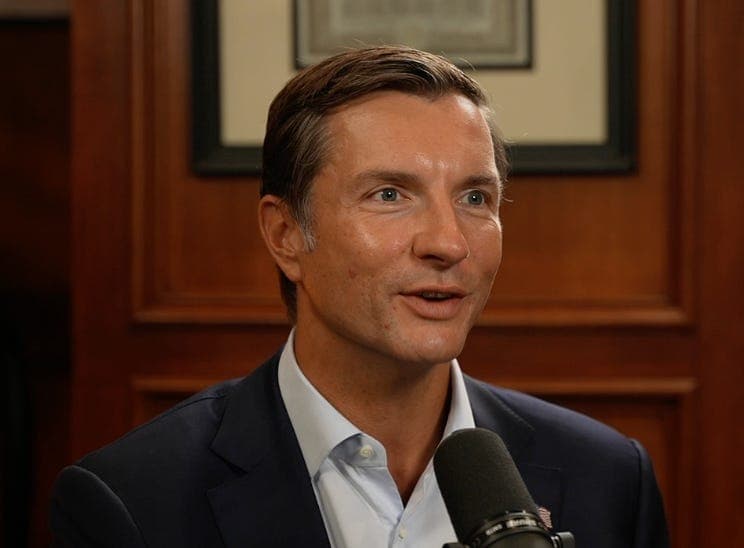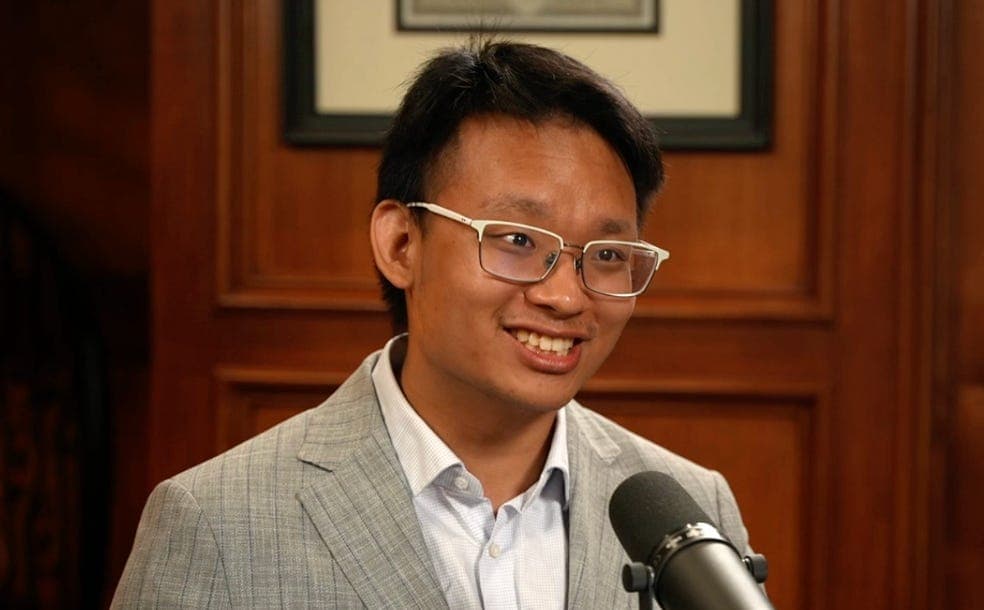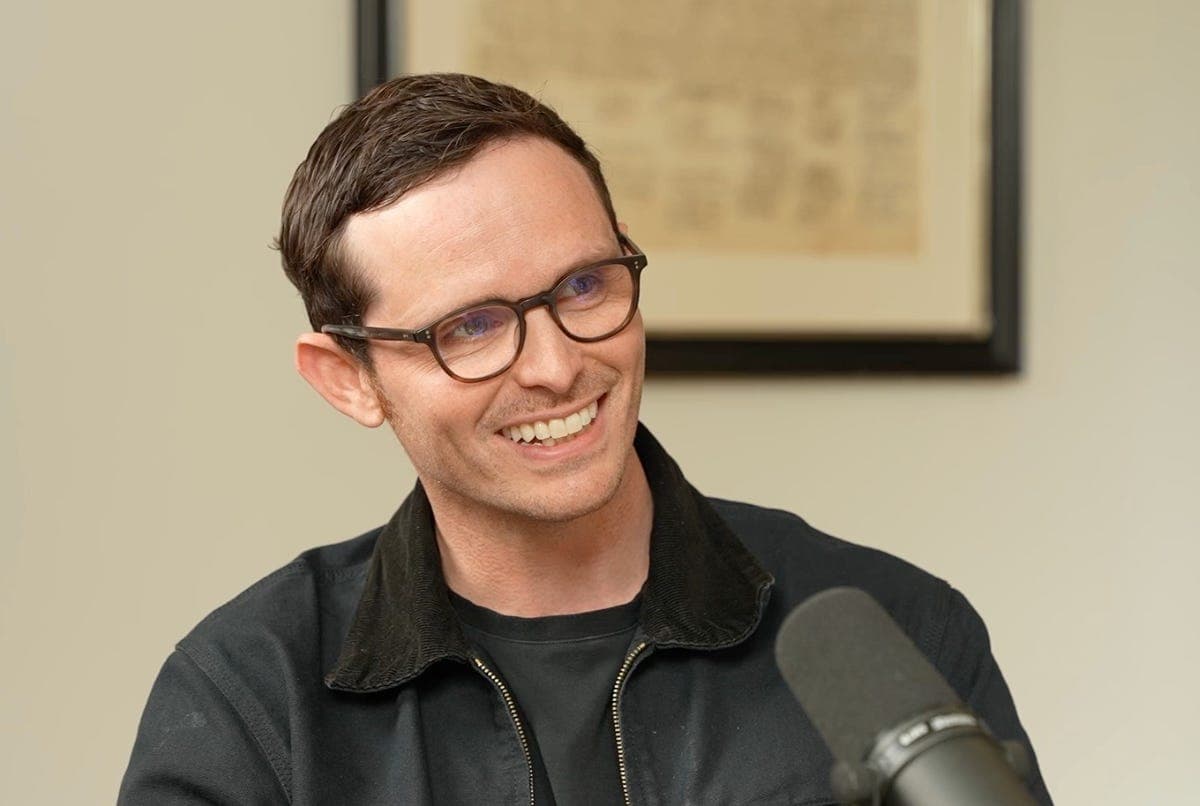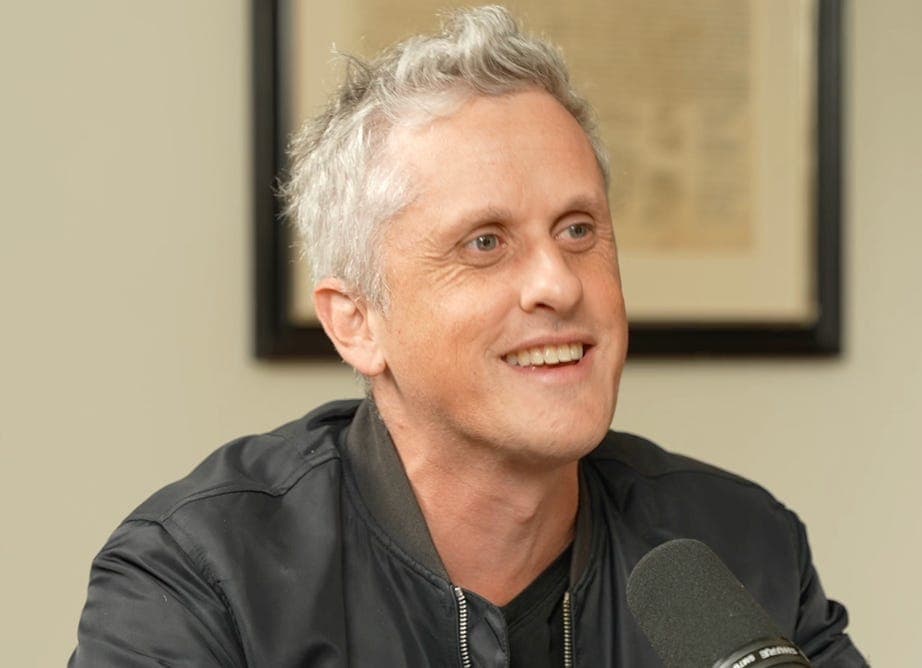
In short
Podcast Summary: Joe Lonsdale - American Optimist
Episode Title
Ep 77: Mike Solana on Exposing Government Corruption, Saving San Francisco, and Building a New Media Empire
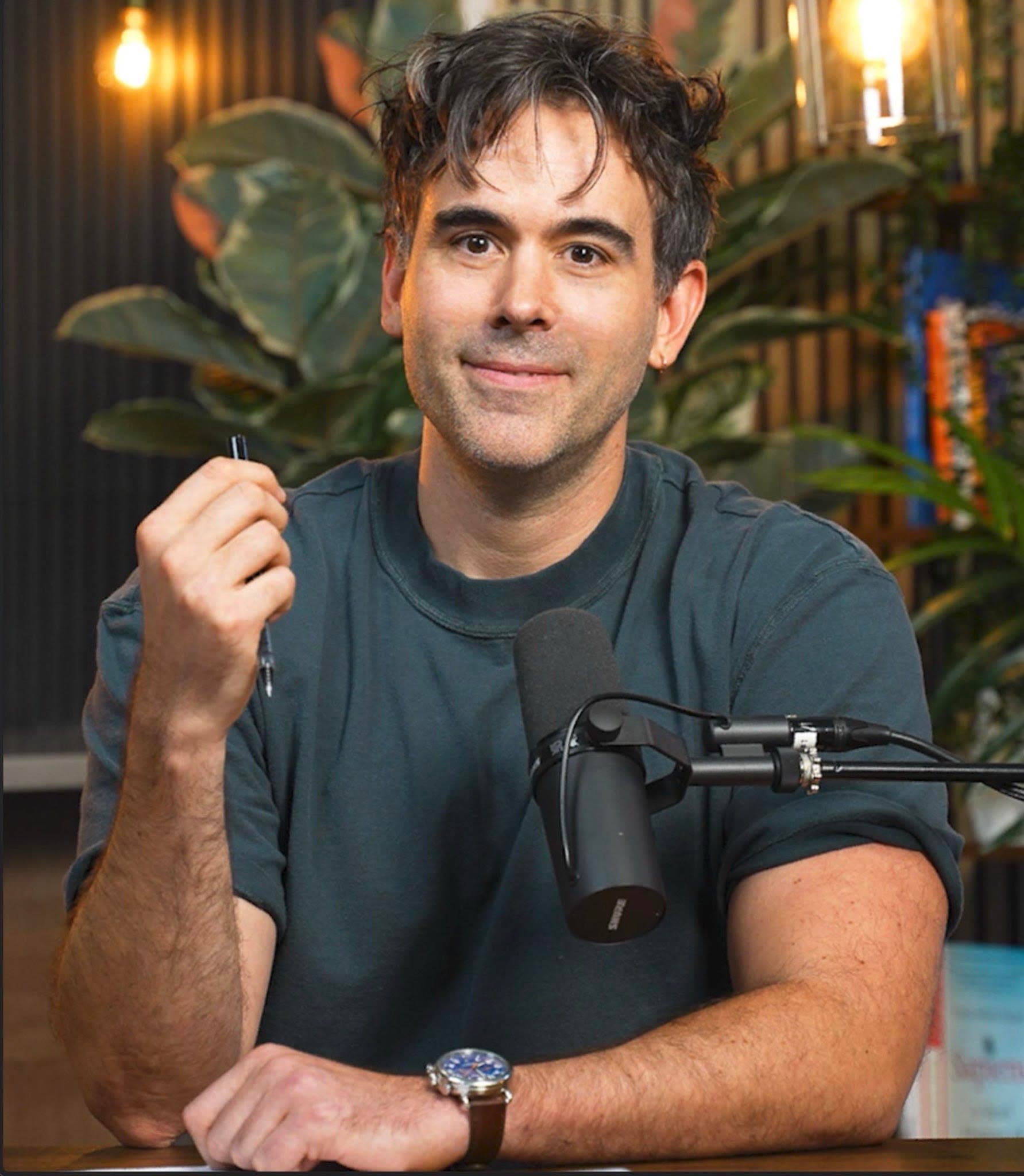
Episode Description In this episode, Joe Lonsdale hosts Mike Solana, Chief Marketing Officer at Founders Fund and Founder of Pirate Wires. They discuss the decline of traditional media, the state of San Francisco, the intersection of government and Big Tech in censorship, and the future of free speech. Solana shares insights on the necessity of investigative journalism, the impact of billionaires on non-profits, and the potential for a more optimistic societal outlook.
Key Themes
- State of Media
- Challenges Facing Traditional Media:
- Many traditional media outlets like Vice and BuzzFeed are struggling or collapsing.
- The advertising model has been disrupted, leading to a reliance on clickbait and sensationalism.
- Potential Solutions:
- Emphasis on building trust with audiences and creating quality content.
- Solana believes a subscription model could provide a sustainable revenue stream for media companies.
- San Francisco's Future
- Government Corruption:
- Discussion on how taxpayers are unknowingly funding organizations that contribute to protests and unrest in the city.
- Call for Better Elites:
- The need for billionaires and philanthropists to invest in more constructive initiatives rather than funding radical non-profits.
- Investigative Journalism
- Importance of Local Reporting:
- Advocates for the revival of local investigative journalism to hold governments accountable.
- Solana highlights the need to inform citizens about their local political representatives and the issues affecting their communities.
- Big Tech and Censorship
- First Amendment Issues:
- Debate about whether the First Amendment is sufficient in light of government collaboration with Big Tech to censor free speech.
- Censorship Regimes:
- Discussion on the "Fifth Estate" and the implications of a decentralized censorship regime where tech companies operate without accountability.
- Role of Billionaires
- Criticism of Philanthropy:
- Solana emphasizes the need for billionaires to support effective initiatives that foster positive change rather than perpetuating ineffective systems.
- Potential for Positive Impact:
- Encourages wealthy individuals to fund media outlets and initiatives that align with constructive societal goals.
- Cultural Reflections
- Optimism in America:
- Lonsdale and Solana express hope for America, citing the country’s resources, cultural diversity, and the entrepreneurial spirit.
- The importance of focusing on positive developments and solutions rather than cynicism.
- Future of Society and Technology
- AI's Role:
- Discussion on the potential of AI to enhance productivity and the importance of not allowing overregulation to stifle innovation.
- Civic Engagement:
- Emphasis on grassroots efforts to restore competence in government and encourage civic responsibility.
Key Takeaways
- The Future of Media: A shift towards subscription-based models may restore trust and quality in journalism.
- Revival of San Francisco: There is potential for change in San Francisco if the moderate left mobilizes against extremist ideologies.
- Empowerment through Knowledge: Increased public awareness of local governance and political accountability is essential for societal improvement.
- The Role of Wealth: Philanthropy must be directed towards constructive and effective initiatives to foster a better society.
- Optimism vs. Cynicism: It is important to focus on positive stories and solutions to counteract the prevailing negativity in discourse.
Conclusion This episode provides a deep dive into the interconnectedness of media, government, and society. Joe Lonsdale and Mike Solana advocate for a more optimistic view of America's potential and the role of individuals in nurturing positive change through informed engagement and support for constructive initiatives.
For more insights and to subscribe to Pirate Wires, visit [PirateWires.com](https://piratewires.com).
Written by AI. May contain mistakes. Listen to the episode to check what was said.
Transcript
Automatic transcript. May contain errors.0:00taxpayers in san francisco are being forced to fund organizations that for example are shutting down the Bay Bridge. That's just crazy. And nobody knew that until we went and filed an information request and was like, they're getting paid by the city. This is crazy.
0:20Mike Solana is the chief marketing officer at Founders Fund. He's one of my favorite people to follow online. He's a really funny guy, really thoughtful guy. And he just recently relaunched Pirate Wires, an amazing website that a lot of us follow. He's one of the key leaders in new media and very thoughtful about what's happening in the media landscape and in our world today. I think you'll enjoy our conversation with Mike. I'm Joe Lonsdale. Welcome to American Optimist. We have with us today, Mike Solana, Chief Marketing Officer at Founders Fund, founder of PirateWires. Mike, thanks for joining us.
0:47Thanks for having me. You have 65 ,000 subscribers now at PirateWires? Yep, we're up to 65 ,000. To be honest, we haven't really focused on growth at all. We've been focusing on product until just now. We just launched the site. So at this point now, Now we've got something that I'm, I think my, my, my thinking about it internally has always been, I wanted to create the thing that I wanted to read. And once we did that, once I was excited about that, we would start, you know, doing the growth game. So we're, we're just about ready to kind of do that. So you've created a thing you want to read.
1:15A lot of us are enjoying reading it. How do you think about the future of media? Vice is bankrupt. Buzzfeed is dead. Sports Illustrated just fired its entire staff, which is probably a good thing after everything they were doing. What's going to happen? How's the media company survive in this area? Do you just need a billionaire? How does it work? Yeah. I wish I had a more optimistic. I do have an optimistic answer for this. Obviously, I'm going to build a media company for a reason. I think it's really hard, first of all. It's not a joke. The route that we saw, this funny thing happened maybe, I think it was last week, this journalist for The Washington Post, Taylor Lorenz, went viral with a video clip where she was addressing the total route in media.
1:54And people were making fun of her, I think for hysterics or something, but everything she said was actually correct. Like separate now and then she's, I'm a huge fan of Taylor Lawrence. Um, huge person. Really? Well, in the same way that you have a fan of like a villain on a reality show or something like I love her. She says she's like the villain that you love. She does. I think she's a genius at her craft, which is whatever this new medium of, and it's a whole separate conversation. I want to focus on the substance of what she said about the media. It is bad. It's really bad. Everything across the board is pretty bleak.
2:21And I said, as I was talking about this issue on our own podcast the other day and I was like, man, it's a weird time to be building a media company. I think that there are two huge overlapping trends here in media. One is the business model is totally screwed, just totally decimated after a handful of things. Advertisers have other places to go. You took away advertisers, you took away the, what is it, the, in the back of magazines where people used to, the classifieds, you took away all of that. There were multiple revenue. Basically, tech just ripped this stuff all out. Yes. So that is completely gone.
2:54And then you now have additionally. So you had the rise of new media, which was really an advertising game. You wanted to drive as much attention as you could. It was traffic. There's a great book actually called Traffic, which pretty much nails this. It was like the top 10 of whatever sketchy headlines and people. The rise of BuzzFeed. I think it was Ben Smith. So that led inevitably to everybody who was writing, trying to sort of fish for that traffic to sounding totally identical in the first place. So all the clickbait ends up sounding like. Completely bombastic in the second and it eroded trust.
3:26So you have now nobody trusting you and also your business model is totally screwed. So everything is dying. And I think that because of the internet, because there's so much noise out there right now, that's just the nature of the machine. It's never been more information available. The average person is at least, um and by say at least i mean i i see opportunity in the fact that the average person doesn't want to deal with it they do want to know what's going on can you do honest clickbait like what's the answer is there some kind of like no i think i think that the answer is difficult you have to just build trust and maintain it and build a large loyal following of paid subscribers then you can do advertising thing and whatnot but you can never i believe my personal orientation here is i don't ever want advertising to determine what i'm doing because the moment it does that the social media algorithms, which you have to ride to get the advertising revenue, they destroy your voice.
4:21They just flatten you. They erode trust. And it's kind of a, it's a devil's bargain, really. You're gone. So you've just got to build the audiences and that's the future. I think it's just a fragmented media landscape. So our society lost a lot of things with this, right? Like obviously there's like a lot of bullshit and negative parts of media that are, that seem to hate tech and hate America. And maybe I'm happy for them to go away, but like, it seems like we've lost like good investigative reporting about local governments, these things, you know? It's important. I think I always, I criticize the media the same way I criticize San Francisco and people often get it twisted.
4:50They think, oh, you hate San Francisco or you hate the media. I'm obsessed with both. I love them. That's why I talk about these things so much. The press, I think about local politics reporting, especially. I think about the fact that in San Francisco, up until we started writing a lot and sort of the culture there changed, people didn't know who their board of supervisors were. They They didn't know who was on their board of education. They didn't realize that those were the people who were responsible for everything that was happening in the city. One of my favorite stories you put out recently is that the SF was somehow actually funding these protests.
5:22Yeah, the Arab resources. I didn't. So my colleague, River, we published the story at Pirate Wires. He wrote the story. We've got my other colleague, Sanjan, is also on the SF. She runs the SF Beat. They've been digging at this for a while. And I think that's a huge deal that taxpayers in San Francisco are being forced to fund organizations that, for example, are shutting down the Bay Bridge. That's just crazy. And nobody knew that until we went and filed an information request and was like, they're getting paid by the city. This is crazy. So, yeah, it's a big deal. And you need journalism like that.
5:54And there are an unlimited number of stories that are not being told because there's no money. You asked before, do you need a billionaire? And I think that's actually a big part of it. right now. I think there is a model and we're working on that model and it's an exciting, fun way to build a business. But when I started thinking about the AROC thing, so the Arab Resource Center getting the money from the city, they were also getting money from billionaire philanthropists. And that's the entire ecosystem of nonprofits across the country is funded by billionaires. And it's like, we need better billionaires.
6:27We need billionaires who are putting that money into other shit. I've noticed a lot of times it's like the kids or the spouses, The people who don't create the money themselves get this money. And then they use it in my experience for particularly stupid things. I think that's true. I think it's, I spent a lot of time trying to psychoanalyze these people and it just, you can get lost in it. I do think there's like a guilt associated with, they have this sense that maybe they didn't deserve the money and it's like, they didn't. So therefore we should give it to places that throw like, that throw like paint on like paintings or soup on paintings, I suppose.
6:56This is weird. I think they also don't spend a lot of time thinking about it at all is the other thing. A lot of people who, what was his name? Ackman is going, he's getting hugely popular right now. He's really focused on the DEI thing and Harvard and whatnot, all the higher education, MIT. But lots of posters on X are happy to point out where his money has gone and it's in like very stupid places historically. And that's because, it's not because he's a bad person. I think it's because he's too rich and he's not, there's no such thing as too rich. He is putting, he's being thoughtless about how he's spending his money.
7:32And that has a huge, huge downstream effect on culture. This is a big thing for me. I get in trouble for saying this, but I'm in the Jewish community and I have a lot of friends in the Jewish community. We have different politics. We argue, debate things. It's healthy. But a lot of them who are on the left have been supporting a lot of these groups that A, support a lot of the DEI stuff that actually ends up creating anti-Semitism and B, ends up supporting a lot of stuff about systemic racism, which teaches you that successful people are oppressors, which basically comes back. And now 19 to 25 year olds, majority of them don't like Jews because we're successful.
8:02And so you literally have people like supporting things that end up hurting us. They're not software. Yeah. From the leftist, from more leftist Jews now, you see an attempt to work themselves back into the DEI framework. No, no, no, no. We're also oppressed. Which is exactly what you don't want to do. No, you have to get rid of this entire machine. That's my one concern about Ackman is that, I mean, he was certainly activated by the realization that holy shit Jews don't count it's like no shit where have you been the philosophical frameworks are not quite sound yes they're the whole thing needs to be torn out and we have to focus on what people actually are producing in the world so should we be getting some more of the smart billionaires to build these things is that yes I think that billionaires I mean I have like kind of two speeds on billionaires I want billionaires to be doing inspiring things like I was just saying that why isn't there not a giant colossus in the San Francisco Bay like Elon Musk Like, just do it, build it.
8:51You can do it. Like, there's no reason. That would troll them pretty hard. Like, we just need huge posters, artwork all throughout the city. There's so much you can do with money. And there's so much of it sitting there. You can win a culture game. You can run it almost on your own. I know, like, Coit Towers, this thing we did, like, 100 years ago. You can never do it again. Yes, that's it. Which is crazy, right? They'll try and get in your way at every step of the way. But you kind of, wherever you can build, you have to. And I think you do need to fund. I think that people should be finding media entities that they like, writers they like and giving them enough money to hire 10 more people like them and do what they do.
9:23And I don't know how you kind of can't. I understand if you can't find the writers, you know, I can't, I understand if you think the media doesn't exist, there's not good media out there, but there, there definitely is. You just have to kind of, I think, think about it maybe the same way that you think about blowing money on some college trust or whatever, like think about it tactically. Think about what is, what is contributing to the culture that you want to live in and you fund those new institutions. But you are saying basically it's very hard for these things to become self-sistening. I mean, Barry Weiss is doing great work.
9:53I think her thing is going to actually make money too. I guess it's possible, right? So there's, she's doing great and there are lots of good, I mean, we're doing great. There are solid, there are great incumbents. You're going to be able to make money though on this eventually? Is that the goal? Yes. Yeah, yeah, yeah. A hundred percent. Yes. But the, it's hard when I, when I think about, this is going to, I'm trying to think of a way to say this. It's not going to sound arrogant in terms of like success as a writer as a side it was like i mean i had a i have a career at founders fund separate from that i started writing and my job as a writer in terms of the revenue that that generates is you know top five percent in the whole country in terms of the most successful you could possibly be as a writer and that is it's not that much money it's like we're talking before I built it into PirateWires, it was like generating like$150 ,000 a year.
10:45I love the shtick you have that you're a billionaire on X because the people who criticize you. Yeah, they really believe it. But I'm also manifesting it. It was billionaire media mogul from the ground floor. And you're going, now you're going for that. I'm going in. I love it. So maybe we can get the 150K up to a few hundred million. Well, that was, I mean, that was just for one writer. That wasn't for the business, but. No, of course. No, no, no. Yeah, but it's still impressive. I agree, it's hard. So before we get more into culture and politics, tell us a bit about your background. How do you, how'd you land a founder's fund?
11:10Where'd you start? I was an editor at Penguin Books way back in the day. And my goal there was to learn how publishing worked so I could publish my own stuff. And then randomly, I was just excited about libertarian politics. Amazing. When I think of an editor at Penguin Books, I think of like an angry communist who probably doesn't like tech people very much. Were there lots of great people there? Was it just like you and a bunch of others? They were not thinking about tech people very much. Nobody in New York knew about tech people. When I met Peter, so I met Peter, they were all like kind of hipstery, alt-lit type people back then.
11:40Got it. I was in the habit of reading libertarian blogs because I was super into anarcho-capitalism at the time. Like Rick Murray Rothbard type stuff? Yes. Yeah, yeah, yeah. I love it. And so I was reading Reason Magazine a lot, and they had published something or linked to something of Peter's called The Education of a Libertarian. And it was an essay that he published in Cato in like 2008. and eight. And in it, he talked about something called the Seasteading Institute. You know, I introduced him to Patrick Friedman. Oh, did you really? Yeah. Well, that is how, so you're responsible for my journey.
12:15A small role. Because, because it was through the Seasteading Institute. I, I hit up Peter about his essay, which I found moving. And I was just like, that was really cool. And that's all I said. It was in a Facebook message. And then separately, I wrote the Seasteading Institute and I was like, I want to meet anarchists. Like I'll do, whatever you want, like for free. I'll write for you. Your Wikipedia page is abysmal. Your website sucks. Like you clearly can't write. I can, and I'll just do it for you. Uh, and they said, Patrick wrote back almost immediately. He was like, yeah, it was either Patrick or his colleague James at that point.
12:48I forget now which one of them it was that wrote me back initially, but they were like, yes. And also we want you to throw a meetup groups for us in New York, which I thought was strange, but whatever. Um, and then after that, Peter randomly responded with the Facebook message. We kind of traded a couple notes about libertarianism and he showed up to the first meetup group that I did in New York. Wow. That's cool. Um, yeah, we became friends and that was like 2009, I think was when that was when that happened. And, uh, maybe like a year and a half later, he asked me to work with him at Founders Fund.
13:18That's very impressive that Peter would show up to a meetup group like that. Actually. I like that he was like that open to, He's really, he, Peter wants to meet people with interesting ideas and he'll go to wherever they are. Yeah. And so he's always, he's always doing stuff like that. But my first thing that I worked on with him, um, it was a long process before I actually got the job. It was like a year in between, but the job was, uh, it was my colleague and I, uh, Scott, Scott Nolan and I, uh, at Founders Fund. We, he had just started around that time as well as like 13 years ago. So we came on to build out his class at Stanford called CS193 that would ultimately become his book Zero to One.
13:57So all of that information, our job was to distill all of his thinking about startups into basically chapters. And that's what we did. And that was a crazy, insane job. And I threw our first CEO summit, which I still work on today. Amazing. So you're a full-time founders fund, but you're a full-time writing and launching us as well. Yeah, I'm doing both right now. And you're in Miami, but you love San Francisco too. I love America. And I think that you can't just let a really important city die. I think that's crazy. When people are like, let San Francisco die. It's like San Francisco doesn't just belong to San Francisco.
14:32It belongs to the United States. And it's a very important asset. And also one thing I never understand about the exit people is like, where do you think it's going next? You think that the rot is going to stay there after San Francisco's gone? For me, America is the one that we have to hold. Yeah. And as someone living in Texas, that's where I kind of make my stand for America. Yep. But I, I agree. California is very broken. I thought, you know, it's, you have to remember, I left like four years ago and I've been fighting for San Francisco for 10 years and there was just like no hope and no one agreed with me.
15:00It was extremely frustrating. I guess my whole life doing that or he goes somewhere functional and actually fight for my values in a bunch of other states, which is what I'm doing. I think that is good. I also think that San Francisco is easier to change than maybe people realize. I think at this point, when you have the whole moderate left activated and realizing how crazy the far left is, I think you're right. I think this is a point to actually charge and try to do something there. And I think after this, for me, if this thing, whatever's happening now, this nascent sort of the Gary Tan movement fails, then there's nothing left there.
15:32But I think that this is – I have never – and I've lived there – or I guess I live in Miami now. I had lived there for around like 13 years and I'd never seen this much of an, of a chance at actually changing things better. So also about this intersection of tech and culture, what's going on now in the culture wars is October 7th seems to have like red pilled a bunch of the, in my opinion, a bunch of the Jews who, who have been obviously funding the far left, not knowing any better. And now they realize that's really bad. Are things swinging back? Are we going to be able to take back our institutions?
16:01Are people going to fight and do this or, or is this going to be a temporary thing where, you know, where we don't actually go back and fix everything. I go back and forth on this. I, I think it is undeniably important that you can say anything right now and not be afraid of it. Like I have not, I can't remember the last time I was afraid to share an opinion in public. That alone indicates a massive culture change. That's a big shift. And, um, and the effects of that are, are things like Bill Ackman. It's when you have a culture that is open, sufficiently open, people like Bill Ackman stand up and decide, okay, I'm not going to have my status obliterated if I decide to fight this fight.
16:38And so that's really important. I think you're going to see a lot more people like that. The thing that I worry about now that everything can be said online is that we start to see happen to the sort of center, center, right, what happened to the left, where your craziest people are associated with your sanest people. I see a lot of gnarly things now on, I mean, we've been living inside of the gnarly things on the left that was like the stew they controlled the culture i'm seeing this sort of new stuff rise up and um there's some gnarly things on the right there's bad stuff everywhere and i am worried about we're talking about like like october 7th and that's a great example of it where you see i see just as much anti-semitism from the right as the left um really you see as much on the front right now i i i mean i'm pretty deep on on the right wing Twitter stuff.
17:27Like I look around, I see a lot and there is a real belief that Jews control the world. Like a real, it's a very... I'm doing my best when I'm not there yet. I am on these like lists of Jews that debate things and try to work on things, but it's like, we don't all agree even ourselves. So I'm not really sure how we'd be fully in charge. I think, I mean, it's hard to tell how much of that is just LARPing and people kind of saying crazy shit. And it seems like that's part of what it is on the far, on that side. Well, it's part of what it is on social media. Social media is, if you just look at it, it's a world of cartoon heads.
17:59I mean, people even use, it's like anime figures on the sort of left, like the furry adjacent left. Then you have like based Greek statues on the right. And it's like a cartoon war. And I do think it shapes the world to a certain extent. But sometimes I wonder if I overemphasize how important that particular fight is. So this is really interesting because you're seeing this dangerous stuff. But you believe, obviously, in free speech and ascending opinions, even offensive or taboo ones, right? You started something called Hereticon. Tell us about Hereticon. Yeah. So Hereticon, I wrote the essay that launched the idea of Hereticon in 2019.
18:36And at that point, the idea was, you know, anything sufficiently new and important is going to feel controversial. And we were living in a culture that stifled any kind of dissent whatsoever. So this was not just a platform for people to come and speak their forbidden idea, but to celebrate dissent kind of conceptually. It's very healthy for a culture that was like way too opposite. Yes, it was totally the opposite. And I think in that time, over from 19, 2019 until today, the thing ended up happening in 2021 because of COVID happened immediately after that. Pause the thing. I think at this point, the Overton window is it's still narrow in certain places, but it's broad enough that you really can speak.
19:18I think you have to keep speaking. I think the thing here also is most ideas are wrong. Most bad ideas are wrong. Most forbidden ideas are also wrong. Most people are not that bright. And that's fine. It's like one out of a thousand or whatever is an idea that you really need to hear. And this was proven out during COVID where like the forbidden things were the true things. So we all just saw it. And I think it's maybe not so shocking of an idea anymore, but it's still an important idea that I always kind of come back to. Yep. And one of your most popular essays was It was called Fifth Estate.
19:49And you talk about the outside influence of the tech corporations over speech. And obviously, America's founders didn't anticipate this at all. And it does seem to be a problem for our society. Obviously, Elon has balanced this a little bit by taking over one of them and pushing back. But what else should we be doing here? What's going to happen? Well, I think there's an interesting intellectual question, maybe, that none of us have figured out how we feel about it. I came from a sort of more anarchist place. I'm definitely more moderate now than I was. Because you're making money? In my early 20s.
20:18Maybe it's that, but I was not, I was an anarcho-capitalist. So I was like, I was like, no, let the corporations rule the world. I didn't give a shit. But in practice, you know, when it comes to the concept of free speech, for example, do you care about the principle or do you care about the first amendment? Um, is maybe the very first question you have to ask yourself because in a world of social media oligopolies that were censoring everybody, what you had was the first amendment was totally intact. They were operating within the framework of the First Amendment, but we had no free speech. So if you're living in a world where you don't, you effectively do not have free speech, even though the First Amendment is not being violated, then what do you want?
20:57And I wanted, I want freer speech. Well, what had been violated in the sense that the government was not allowed to get corporations to do things, and the government was very clearly funding things to help get these things to censor stuff. So in that sense, it probably was violated, but I guess you can imagine a world where the government wasn't doing that, and they were still censoring. I'm actually not convinced that it was as bad as it seems. It was definitely bad. You don't want the government ever anyone in the government talking to anybody at social media companies but nobody was actually legally forced there was just this implicit threat of of the government i think the bigger problem is the culture was completely captured by one ideology so everybody who runs who ran the social media platforms who worked in academia who worked in government not just elected officials but the people who run washington dc everyone who works in corporate america they're all the same politically you can just look at the donations that they give they give them all It's the Democrats get the money because that class of person just happens to agree.
21:48And so what you had in 2020, 2021 was a kind of de facto censorship, a decentralized censorship apparatus that worked just as effectively to a certain extent as top down. And I wonder, you know, I mean, really Elon is the big thing that's keeping that from, from persisting. But that is not enough. Like that he's not, he's one person, his opinions could change. Like it's, it is really dangerous. What else should we be doing? What else should we be doing? Yeah. What else is there to be done to confront this and to fix it? Is should we all go kidnap Zuckerberg and convince him to the top? It seems like he's probably doing this from everything I see.
22:26Cause it basically, you saw FTC just came out with a bunch of groups they went after. and his name wasn't on the list. So it seems like he's getting helped by doing this too. It's like a weird incentive. How do we fix this? I think that there's the nuclear option of government regulation of some kind, but I don't even know how you could pass that because the left and the right fundamentally disagree on what has to happen with social media. The left wants more censorship and control. The right wants none when it comes to politics. I think that email is the safest thing that we have right now. and even that is kind of filtered out by Gmail, but you can get a different, like, I mean, you could take your email sort of elsewhere.
Read the full transcript
23:03Should I not trust Google with my email? It's like, I guess they canceled Andruil, which was pretty bad earlier. Yeah, no, I think long-term Gmail is a huge risk in the country. But isn't Microsoft also some kind of risk at some point too? Well, there are other emails of open protocol. Like you can just do some other, we don't have to be on Gmail. It's just not as good for a company. Yeah, no, it's not. It's not. I mean, but I think that there's something there. I think that I don't have an answer here, but it is the right problem. Hopefully we can work on this and convince. If we convince enough smart people that they'll be on our side, then we can get in charge.
23:36We can fix some of these things. One of your other best pieces that I really liked was a trillion dollar paint job. I think it's really important to do stuff like this. So you basically took apart the$1.2 trillion infrastructure bill. And basically, it's obvious to me we should be building tunnels and having high-speed rail and air taxis and using Starlink and all this stuff that's efficient. And instead, we basically can't even build bus stops on time and everything just seems to be wasted. Tell us a little bit about this. Yeah, that is one of my favorite pieces that I've done. Thank you for bringing that one up because it's not like I've had these huge viral things.
24:06They're fun and good. But this one is, again, I've moderated for my anarcho-capitalism. I actually do believe the government can do some stuff and like roads and tunnels, like trains. I'm open to these things. I would love to see these things. If you're going to do it well and efficiently, that's fine. Let's kind of get on board here. So the word infrastructure itself, the government's going to be spending money. I'm not opposed to that. Let's build some infrastructure. Love it. The problem is that everything the government says it's doing, it's not doing ever. And so, yeah, that was the Biden infrastructure deal.
24:33I looked at it. And what I found was almost none of it went to, not only was it not, famously at the time, there was a joke of, is this infrastructure? Is this infrastructure? Is it like DEI? Is that infrastructure? Because they had tons of money earmarked for that. But nothing was being built. I couldn't see anything actually being built. There was money, even where there was money earmarked for things to be built, there was no plan to put it in place. And this persistently is the problem in government. You can't just throw money at something and say, well, we've set aside a billion dollars for, I don't know, a brand new bridge to be built.
25:11You have to have a plan to get it done. You have to know that it's, first of all, the permitting process is smoothed out and the unions aren't going to strangle you to death. And a bridge would be the easiest thing in the world. But they're talking about providing, for example, electric car infrastructure across the country. There's no plan. I was nervous at the time that, well, there was nothing really in there at all. There was so little infrastructure that I thought it would kind of come to a, it would just come to nothing. it has, there was a CHIPS bill that followed that was a little bit better because more was set aside for things that we actually needed.
25:46But again, there was no plan to actually build anything. It seems like there's just not builders in the government. It's like we're living in a bizarro world where they've so overemphasized the virtue signaling stuff, whether it's DEI or whether it's thousands of environmental lawyers or whatever else. It's like there's no one there actually focused on building. They're not able to focus on multiple things at once effectively. No, I think they're really scared of stuff. That's why the infrastructure bill was so interesting because to set aside a trillion dollars for infrastructure and then none of it's actually infrastructure, what that implies is you don't know how to do anything.
26:17And there's this broad problem of just state capacity right now where our government can't. And it's easy, my sort of true North libertarian instinct is to say, well, the government can't do X, Y, and Z, but the government has done stuff. The government did do the Manhattan Project. Apollo happened. We went to the moon. These things did happen. In the mid 20th century, innovation was expensive. If the top people who wanted to innovate wanted to be part of it, they're going to be there. After World War II, you kind of had the best and brightest in our society there. So it's just a very, very, very different era.
26:46Like at this point, the best and brightest do not need to be part of something big to innovate. And it just seems like they've just, the government just decayed so much. So I think it's, I think it's unrealistic to expect it all of a sudden to be able to learn how to do things. I think, I think it has to, I think, I think the best first stop is to, is to say, listen, the government can't do these things, but we're going to create a process in which we can effectively bid things out at the very least. and have people come in who can't do them and have competition and things that are working will get more money towards.
27:08There's some version of this that could still work, but not if you assume the government is going to be confident, right? I wonder if you could start by making it impossible for them to spend money on things that are not. So in the case of San Francisco, it's a really good example. Homelessness in San Francisco. Most of the money spent on homelessness, about half of it goes to basically subsidizing housing for people. For the friends of the people running the groups. Right. Literally. And then the other half goes to nonprofits and things like this to sort of get at the problem. Now, when you're a government entity giving money to nonprofits, I think there are like 80 plus nonprofits in San Francisco that are designed to help ameliorate certain problems associated with homelessness.
27:49And they give lots of donations to the board of supervisors. It's a vote buying thing. Yes. So the government should not be funding nonprofits. Let's just start there. If the government's job is to solve the problem of homelessness, only someone in the government can be charged with that, can be given the budget. There has to be a plan. It has to be approved. If he fails, he's fired. Next question. So you probably know sister Institute works in 19 states. This is one of our top issues. We've written a lot about it. I basically agree with you. I think the exception could be that if you fund things tied to metrics, where there's purely accountable on every year, the reallocated, not based on how many donations you got from the group, but based on the metrics that we're measuring that are clearly measured.
28:25And it's like, it's actually comical when you look at the metrics, like some groups will get like a few million dollars and they'll have helped like 19 people do something really small. And it is, it's like, it's just embarrassing. basically. Yeah. It's a mix of, it's a mix of this. It's like, it's the nonprofit bleed. It is the vault. So it's also essentially the number of people working for the government exploded. So it's tons and tons of people. Now they're doing nothing. They're also on a pension. So you're not just paying for them now to do nothing. You're paying for them for the rest of their lives.
28:52A sizable percentage of the city is paid to do nothing. Let's, let's pause for a second. Cause I think we're going off into this like direction, which is very cynical because there are things that are broken. You and I both, I think are fans of these more positive movements, of course, to trying to fix these things, right? So there's the effective acceleration is a movement. I just interviewed Guillaume recently who helped create this or Beth Jezos as he's known on Twitter. And, you know, one of the things he talks about, which I love, which actually Peter Till used to talk a lot about as well, is like the 1950s, 60s science fiction was just so positive before.
29:20And we all believe that we could do these great things. And I think there's something about humanity where if you like talk about something a lot and see it, you like work towards it subtly. Yeah. It's advertising. Yeah. So right now I think we should be advertising more of these like really positive things we could get done where traffic is gone in all of our cities because we've dug tunnels. I mean, it's not that hard. We have the company right now that do this, right? Yeah. There's like all these like positive solutions. Should we be painting more as PirateWire is going to paint more positive solutions as well?
29:45We have an entire vertical called the white pill, which is just like optimism. I love it. It's just that it comes out on Saturday morning. It's my colleague Brandon works on it. It is literally just a robust look at everything positive that happened in science and technology. One thing I've been thinking about a lot, though, is I think you're right. I think that the thing that you model is is the thing that you build. And that's true of culture is is true of probably architecture. I think that being able to easily generate images is going to be much more impactful here than people realize the ability to there's a very small version, which would be interior decorating, where you don't have to pay someone to do that.
30:24now. You can, in 10 minutes potentially, put together a really exciting look at what your house could be if it was totally designed. And then it's like, then the GPT can tell you exactly how to do it, what you have to buy and things like this. But there's a city version of this as well. I have X budget and I want the city to follow along these parameters. I want there to be transportation doing X, Y, and Z. I want it to be super green in the following ways. And you can start to generate images of that. I see these older pictures, not GPT generated, of a solar punk sort of city landscape. So these are, Miami is super solar punky actually, where you have like concrete covered in just plants and so like dripping ivy and flowers and weird walls that are woven with jungly sort of landscapes, like super - Lots of beautiful things to be creating.
31:13Physically green, yes. And so if you could, if you could generate versions of the city, you could look at them that were really evocative and also attainable. And also there was a blueprint for how to get to there. I think that would be really, I know that's going to be very impactful. So speaking of positive blueprints, America's had obviously a lower productivity growth for a while, for 20 years now. A lot of people seem to think it's because of overregulation, maybe because of some of these cultural issues as well. Like, is AI going to save us? Are California and Brussels and Europe going to stop AI and break it?
31:43Or are we going to be able to break out and AI is going to lead to these more positive visions? Like, where are you on this? I don't really believe in low-hanging fruit anymore at all. And I think AI, I think it's clearly, it's already exciting and it's already, there's already, there are potentials, uses there that I'm excited about lawyers. I can't wait to have AI lawyers. Yeah, I think AI gets rid of a lot of really dumb stuff, basically. And I'm excited about that. But I think like AI is an almost fundamentally unknowable question. I think the change is so incredible that it's hard to kind of, I don't want people to rest on that and not do the hard work.
32:20So in the case of, there are two. One, we talked about media. The hard work is you have to build a better, you have to build the alternative. You have to build the media that you want to read. And that's kind of one thing that I'm doing now. It is a grind. It is really hard. It is actually not so glamorous. And it has to be done. on the politics side, what has to be done is you have to be, there's no special like death star to the rot. Like you have to replace it. And that means funding small, annoying races that seem trivial, but aren't, you have to find the candidates, you have to give them money, you have to change the culture.
32:52I think it's the future I think is, yeah, AI is going to exist in a huge way and we're going to use it in many exciting ways, but so will the bad guys. And so you have to just be willing to do the work. I 100 % agree. This is my big thing with Isro is you just like go and fix things one by one. And there's like literally like hundreds of pieces of legislation we're working on. And it's like, and you actually have to just fight for competence in his heart. Yeah. I mean, you're building also a new school. Like you are like, that's exactly the thing I'm talking about. Show off what could work. Yes.
33:21There's not some like tricky little, it's like a movie. And in a third act, you find some special weakness and you, You like throw a wrench at it and the whole machine comes down. It's like, no, most of the job is just hard and long and you have to do it. I agree. We started American Optimist to push back on the cynicism and division in our society, in our culture. What's the best reason for you to be optimistic about America? Man, there's so many. Like there are really kind of boring answers like our resources. We just have more resources and we're protected by two oceans. And then there are ideological reasons like freedom.
33:58And we're this like enormous group of people who are not only free, but we are all or most of us come from family members who wanted to come here for something better, which is it's like in our lineage as well is this sort of like optimism. And Peter has this crazy thing he says about going west, like like people kind of kept going west and you'd have to be like a little bit crazy to want to go west. And so by the time you got all the way to California, it was super bifurcated between the best people ever and like the craziest people you will ever meet in your life. But in general, I think it's like it's a it's a goaded place to start a game.
34:37And then we have all of the best people working on all of the hardest problems. And I think that there are huge. The biggest problem that we're facing is a self-hatred that I see across all the whole Western world. Um, and I don't know exactly how to fix that. I think the most important thing probably is just to find people who don't feel that way and start. I've spent so long focused on the people who feel this way, trying to convince them not to feel this way. And I think that now I see a lot of the stuff that's happening in San Francisco. I see all these young guys who are moving in and working and excited.
35:15And I see these people in like Southern California and like Gundo, like all that, like hardware tech scene and everything that happened with Texas, right? There are these places where lots of people are going optimistically to build things. They're excited about the future. And I think rather than focusing on the people who aren't, you just give the people who are all of the resources they need to win. I love it. Well, we have dozens of companies that are working that we're both exposed to. We're very positive about the future. It's a great note to end it on. Tell us, how do we sign up for Pirate Wires?
35:43Just go to PirateWires.com and subscribe. Make sure you subscribe. There are multiple newsletters you can subscribe to. You want to subscribe to the original Pirate Wires. That's mine. and I'll tell you about the others once you subscribe to mine. Amazing. Thanks, Mike. Thank you.
From the publisher
Can investigative journalism prevail over sensational clickbait? Is it time to give up on San Francisco? Is the First Amendment sufficient to prevent the government from colluding with, or forcing, Big Tech to censor speech? This week, join us for a one-of-a-kind conversation with Mike Solana, Chief Marketing Officer at Founders Fund and Founder of Pirate Wires, one of the fastest-growing and most influential new media companies. Mike is a must-follow on X for his wit and unique insights, but also for the work he's doing to expose corruption and revive investigative reporting. Pirate Wires recently revealed how San Francisco taxpayers are being forced to fund the protests that shut down the Bay Bridge! We begin our discussion with the broken state of media, and why Mike believes a subscription model is the path to building a successful media outlet that isn't beholden to clickbait. Next, we discuss whether SF can be saved from the far Left and why we need better elites who don't blindly fund radical non-profits. We also cover several of Mike's seminal pieces of writing: the future of free speech when the government and Big Tech create a decentralized censorship regime, and how to revive our country's ability to build great, inspiring works. Can we restore competence in government or should we turn our energy and attention elsewhere? We discuss!
This is a public episode. If you would like to discuss this with other subscribers or get access to bonus episodes, visit blog.joelonsdale.com