Ask ChatGPT

 Just Ingredients
9 Jun 2025 · 56m · 25 chapters

Lead exposure myths and facts, where lead still comes from (paint, dust, windows, water service lines, ceramics/baby bottles, some foods), how to identify it, and practical ways to lower risk without panic.
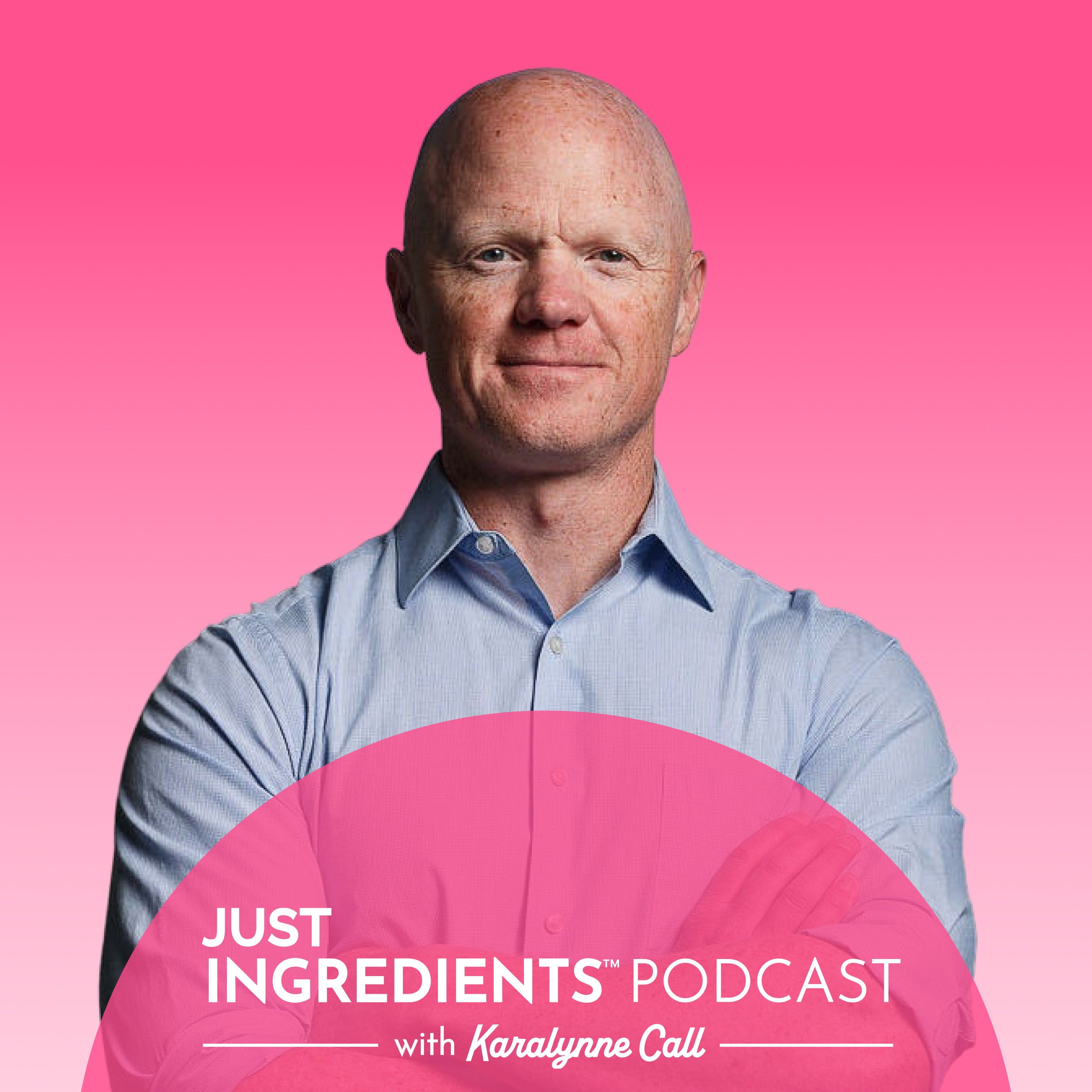
Eric Ritter, consumer product design/manufacturing specialist. In 2019 he created an affordable lead test kit (DetectLead) after noticing most people test only after a child already tests positive. He later sold about 250,000 swab tests and shifted to public education/proactive testing.
Lead harms mainly via inhaling/ingesting lead dust; children are most vulnerable. Older homes (pre-1978) and window friction are major sources. DIY dry sanding/heat guns can spread dust. Lead water risk is reduced by flushing cold water; hard water is safer than soft. Some regulatory tests miss external painted markings (notably on baby bottles). Food lead is generally lower than household dust/paint; risk is cumulative and depends on dose (parts per billion x grams).
Lead-based paint prevalence by home age; interim window shutdown/cleaning; Flint water as a treatment failure; imported/discount-store ceramics and specific brands with very high ppm; painted glass baby bottles; “Lunchables” lead amounts; lead in older canned-food solder historically; advice to avoid painted baby bottles and to use NSF 53 water filters.
Written by AI. May contain mistakes.
Eric Ritter explains what lead is and its harmful effects on health.
“After creating an affordable lead test kit back in 2019, Eric realized that most people only test for lead after exposure has already happened.”
Discussion on where lead can be found in homes and common culprits.
“It's naturally occurring, but it's not naturally occurring on the surface of the planet.”
How to test for lead in homes and safe removal practices.
“Well, the first one's a lot easier than the second one.”
Eric discusses lead exposure from plumbing and water service lines.
“I mean, if you have lead dust in the air and you inhale it, it's really easy to get just a ton of lead.”
Concerns about lead in ceramics, pottery, and baby bottles.
“A few years ago, there was a bill passed that allocated$20 billion to removing lead water service lines throughout the United States, which is just like an awesome common sense idea.”
Learn about the risks of lead exposure from baby bottles and how to choose safer alternatives.
“Yeah, that's, you know, there's nothing wrong with home goods, but just I wouldn't trust their plates to not have potentially egregious amounts of wet on them.”
Understand the differences between lead exposure from glass items and food.
“You know, you have to put it in your email, but it's DetectLead.com slash baby25.”
Discover how lead in soil affects the food we eat and its historical context.
“So you're saying trace amounts of lead are not a harm.”
Learn about the health effects of lead exposure and the significance of blood lead levels.
“And that's because, like you said, the plants over time have soaked up that lead out of the soil and gotten rid of it.”
Evaluate the realities of lead exposure in the general food supply and its implications.
“versus if you're at a seven, but it's best to keep that number as low as reasonably possible.”
Gain insight into California's Proposition 65 and its implications for consumer safety.
“The amount of lead in a Lunchable is not really that much.”
Explore the existing regulations and protections against lead exposure in consumer products.
“And, you know, you probably don't want to put a piece of rubber that has a Prop 65 warning for something in your mouth.”
Understand how to interpret lead levels found in protein powders and supplements.
“But when people see headlines about lead and supplements or protein powders, should that fear them?”
Explore the cumulative effects of lead exposure from various sources.
“It's not like there's products on the market, generally speaking, that are going to do you in with lead.”
Discuss the historical context of lead exposure and its impact on health.
“So if you look at the average blood blood level of a person born in the 1970s, it was 17 and a half micrograms per deciliter.”
Highlight the need for proactive lead testing in homes and environments.
“I've seen a lot of different parents who have been exposed and their children have been exposed.”
Delve into what lead test kits can measure and their limitations.
“So your lead test is for food and objects or just for like the walls, the pipes, the plates, the bottles, things like that.”
Examine how lead can contaminate food, particularly through spices.
“And like, granted, nobody's going to say there's a safe amount of lead because there's no evidence to support that lead is ever good.”
Discuss the implications of lead levels found in salt and consumer awareness.
“on their website or if you email in, they'll give you your COA.”
Learn how to navigate concerns about lead in your diet and food sources.
“So like salt, for example, there was this whole thing about Celtic sea salt.”
Understand how to measure lead intake and its potential risks.
“The amount of iron that you might find in salt, it might be very close to the amount of lead in the salt, depending on where it's coming from.”
Learn about lead presence in common products and consumption risks.
“And it allows you to plug in the parts per billion and the number of grams you consumed of it.”
Discover the realities of lead exposure and how to manage anxiety about it.
“So if you have lead in certain forms, you could eat unlimited amounts of it.”
Understand methods to reduce lead levels in the body and improve health.
“is something that really allows us to function in the face of adversity.”
Learn how nutrition impacts lead detoxification and overall health.
“today having no lead in the gas, having relatively low amounts of lead in the food and in the paint.”

Get the gist, explore an idea or ask about something said.
 Claude
On Just Ingredients, what are the key points of this episode?
Searching your listeningAutomatic transcript. May contain errors.
0:07Welcome to the Just Ingredients podcast. I'm Karlyn, and here we talk all things nourishing to the mind, body, and soul. This is a place where you can find just good ingredients to life.
0:23Welcome back to the show, everyone. I'm so excited for today's conversation because this is such an important and often overwhelming topic. We are diving into lead exposure, something that can feel scary as a parent or a consumer, but my hope is that today's episode will help educate, empower, and calm you. Our guest, Eric Ritter, is a specialist in consumer product design and manufacturing. After creating an affordable lead test kit back in 2019, Eric realized that most people only test for lead after exposure has already happened. Since then, he's been on a mission to change that by raising awareness and making proactive lead testing more accessible through social media and public education.
1:07Welcome, Eric, to the show. Thanks for having me on and giving me the opportunity to talk more about lead. Yeah, like I said, I have so many questions for you because it is a hot topic on social media, that is for sure. But before we delve into that, just tell my listeners a little bit about yourself, your background, and maybe what even sparked your interest in doing this? Just taking a look at what was available career-wise, I decided that I wanted to go into business with myself. And I started making consumer products. And one of the ones that I made early on was a reagent test kit, which allows people to use chemicals to identify other chemicals so they can be safer.
1:46and I identified there was an opportunity in the marketplace where 3M was making a lot of money off of a light testing kit charging five dollars per test and the amount of chemicals that was in there was relatively low so they were really making a huge margin and I figured to compete I can just make one that's 10 times cheaper so I got into that in 2019 and I've always had a strong passion for innovation and optimizing processes is something that I really enjoy doing so you know I really enjoy making this stuff and making it better. You know, fast forward a little bit more. I got a lot of customer service calls.
2:20You know, since then, I probably sold like 250 ,000 units of that swab test that I made in 2019. And of the people who I asked, the vast majority of them said they bought the test kit because their child already tested positive. And so I, at the time, didn't really understand like the gravity of that. But once I started delving deeper into it, Once I identified that this newer glowing lead test was a thing that I could make and sell, I figured, you know, I should learn more about it. So I started talking to a lot of people who had actual exposure of their children and really got to understand, like, what actually happens isn't just, oh, it's some bad news.
2:56And there's some problems with the kids, you know, ADHD symptoms and stuff like that. But it really can affect people's entire lives. So I became kind of like radicalized to prevent this from happening and derailing more people's lives. because the most common people way they find out is because they're kids. Okay, which I want to talk about that later of like, how do you even know your child has lead exposure? But before we get there, let's just start at the basics of like lead 101 here for all of our followers. What is lead and why can it be harmful today? Well, lead's an element. It's naturally occurring, but it's not naturally occurring on the surface of the planet.
3:34And it's always in an insoluble form when it's in nature. So it binds with sulfur and it forms a, it's called a mineral called galena. It doesn't dissolve in water and it's buried underground. So nobody has any business interacting with it. It's like oil or like lava or something like they're natural things, but you wouldn't encounter them in day-to-day life. And because of that, no organism has a mechanism for dealing with lead. And so lead acts kind of like calcium in the body. It has a similar electrostatic charge and it interferes with neurons and a lot of different processes, mitochondrial stuff too.
4:09It's not good when we encounter it. Okay, so where is lead still hiding today then? The biggest source is definitely housing. There's like 36 million homes in the United States that have lead-based paint inside of them. It was widely dispersed through the atmosphere when they put it in gasoline. So it's in a lot of soil and heavily trafficked areas in the 50s, 60s, and 70s if there was a lot of cars around or if there was like unregulated smelting or recycling activities during that time. There could be heavy ground contamination. Because it's in the soil, it's also in all the food, generally speaking.
4:46It's in older consumer products. It's in older plates. It pops up still in certain instances where the regulations just aren't all-encompassing. And there's some blind spots that allow it to be put onto the outside of baby bottles, for example. Sometimes, bizarrely, it's on the outside in high concentrations. Okay, so let's talk about some of these common culprits of lead. So you talked about the lead-based paint. These are usually in homes built before like 1978 or so? That's when it was banned in residential housing. And the risk goes up a lot as the house gets older. So it's something like 90 % of homes built before 1940 have lead-based paint.
5:29Like around 50 % of them that were built before 1960 have lead-based paint. And it's like 30-something percent from 1960 to 1978. So it was getting phased out over time. Lead-based paint used to be like the gold standard for paint. It was just really easy to mine. but this is before zinc and titanium became like easily accessed in the earth's crust, and there wasn't really good ways to process them. So once those came into favor, like zinc and titanium are way less toxic than lead. And so if someone has an older home, one, how do they test if they have lead exposure in there? And two, how do they get rid of that lead-based paint?
6:06Well, the first one's a lot easier than the second one. So you can either hire a professional. they would use an x-ray gun. It would run like 300 bucks. They would tell you if you have lead base paint or not. They're not allowed to say if you have a hazard, which means that there's lead on surfaces that bear friction or impact, or if there's lead dust on the floor. The test kit that I make, you can easily just spray the solution, shine the flashlight, and it will glow green if there is lead on the surface or on the floor. You can even see specks of dust.
6:40So the remediation may be challenging. So if you're trying to take it out, if you just saw into the wall, you could generate a lot of dust. It's probably best to hire a professional or take an RRP course. They're normally available for free, run by the EPA, and that'll teach you how. Professionals deal with lead. It involves a lot of plastic, a lot of water on the surface, so it doesn't make any dust, never doing any dry sanding or dry scraping. You know, it's a whole thing, but most of the time the hazard can be immediately fixed just by identifying its presence. So a huge source is older windows.
7:14And every time they go up and down, the friction just generates a ton of dust. So if you identify that you have lead-based paint or lead paint on the window, and there's dust on the floor, on the windowsill, you can just stop using the window and clean it up. And then you can basically do an interim measure to prevent further spreading of lead until you have somebody address it down the line. So knowing makes people able to deal with the issue. And I think a lot of the concerns around lead lie in not being exactly sure what's going on. And so if people have lead-based paint homes, they should not do it themselves, try to get rid of that lead paint by themselves because I've heard of people doing that and then their kids or themselves become really sick.
7:56And so what's making them sick? Inhaling that lead? Well, sure, yeah. I mean, if you have lead dust in the air and you inhale it, it's really easy to get just a ton of lead. You know, adults shouldn't consume more than 6.6 micrograms of lead per day, and children not more than 2.2 micrograms of lead. So I'm sorry, 7.7 for adults, 2.2 for children. There's at least 1 ,000 micrograms per square centimeter on the wall when you have lead-based paint. So there's just a ton of lead that could come off, and making any kind of dust and inhaling that, that's really risky. Another way people sometimes remove lead paint or old paint is just by using a heat gun or a blowtorch, which seems insane.
8:36But that's definitely not advised because the liquid vaporizer could inhale it. And then afterwards, if you're not aware, like I've seen a lot of people, they'll, you know, interrogate their garage. And it'll turn out that there's dust all over the place because somebody sanded an old piece of furniture in there. Somebody ground down some glass or something and there's just lead dust everywhere. So if you have dust in your house from lead, like, you know, you may or may not see it depending on the quantity. If you sweep it up, it may look like it's all gone, but there's oftentimes enough residue there that, you know, it's really easy to get exposed, especially if you're a kid putting your hand on the floor.
9:12That will adhere to your hand and then you get wherever. My mom lives in an old home and I always am concerned about her pipes and plumbing fixtures. Is that also a culprit of being exposed to lead? I forgot to mention that earlier because I just, I forgot, you know, lead water service lines are definitely an issue. And the cool thing about those is people can test for that themselves right now. They just need a coin or a screwdriver. Go to the spot in your house where the water comes in from the street. That's normally near your hot water heater. It might be around where the water meter is also.
9:47Just go in between the water meter or your hot water heater and the wall. scrape that pipe with some hard object and you'll see soft silvery streaks. You know, the lead is soft, so you can dig right into it and you'll know presumptively that you have lead there. And so the protocol for that is always just run the water cold first to flush out the water that's been sitting there overnight or for an extended period of time. Moving water through a lead pipe isn't going to leach very much unless the municipality has been really irresponsible. That's what happened in Flint, Michigan. It wasn't that there was all of a sudden lead pipes The lead pipes have been there for years, but there wasn't a big problem with water contamination because the municipality treated the water properly, essentially making it harder.
10:30And harder water doesn't dissolve stuff. It builds up scales, we all know. But hard water is a lot safer than soft water because you don't want acidic water just dissolving the inside of the pipes and then you wind up drinking it. Interesting. and I feel like water is easier to deal with than paint because water you also can there's so many filters out there these days that show that they filter out those heavy metals definitely any NSF 53 rated filter is going to do a really good job at removing the lead and of course you can always opt to cook with water that you bring in you know just but it's not it's the not knowing that really gets people in trouble.
11:08And the remediation for the pipes, luckily, has been subsidized by the government. A few years ago, there was a bill passed that allocated$20 billion to removing lead water service lines throughout the United States, which is just like an awesome common sense idea. You know, nobody should be drinking water through a lead straw. Okay. So I've seen on your page, you talk about imported pottery. And I've seen you take your little tests to the pottery and it will show up that it's got lead, you know, glaze or something on it. And so is this really a concern? Yeah, apparently. It's predominantly in older ceramics.
11:47Like I've seen some new stuff off of Amazon. I mean, Amazon is kind of the wild west, you know, of items. You know, people can, anyone can pretty much sell something on Amazon. So if you're buying ceramics or stuff from there, they may not have gone through the proper channels to get the leach test done. The Consumer Product Safety Commission mandates a leach test, which is basically a dose of boiling vinegar gets put in the ceramic article, left for 24 hours, and then the amount of lead that goes into the vinegar is tested. If it's over a certain amount, it's not safe. If it's under a certain amount, it's safe.
12:22So they don't actually test the ceramic itself. It just doesn't leach. So if there's lead on the outside, it's not going to be picked up by that. If there's lead underneath the glaze, it's also not going to be picked up. I guess it could, in theory, be worn away later, but for the intern, it would be safe. So it's somewhat of a concern. I haven't seen very many brand new things other than from certain stores really test positive oftentimes in a way that's dangerous. Can you say what stores those are? Well, I was recently in HomeGoods and they have a terrible selection. And the craziest thing is that a lot of the dishes were from England.
12:59Oh, interesting. This one brand, I forgot the brand's name, but they were from England and like they're 70 ,000 parts per million lead. That's like 7 % lead when I scanned it with the x-ray. Wow. Yeah. And they were definitely failed the leech test. So I don't know what happened there. You know, all those stores that kind of sell like HomeGoods, Marshalls, like TJ Maxx, they all kind of are the same in some similar ways. They sell like these, you know fake plants and all this stuff for your house towels and such probably not the best place to get your dishes somewhere like ikea though much safer you know ikea swore off of lead like eight or ten years ago and they've been pretty good about that oh that's good to know yeah even somewhere someplace like target like target dishes mainstays is a brand from target i think and it had like up to a thousand parts per million lead but that's significantly lower than it seems is going to pose a problem through normal use of the item.
13:56Interesting. Okay, so the home good item should be more of a visual decoration in your house rather than a eat off of plate. A hundred percent. Yeah, that's, you know, there's nothing wrong with home goods, but just I wouldn't trust their plates to not have potentially egregious amounts of wet on them. All right, that's good to know. Okay, what about, and you mentioned this for a quick second, but you see it on social media a lot, and that's baby bottles. So what is the deal with baby bottles? Well, you know, everybody is kind of more aware of microplastics, probably for good reason. Doesn't sound good.
14:30And, you know, there's no reason to use plastic if you could use glass, right? And so oftentimes these glass bottles have decorations on the outside, markings, brand markings, graduations for how much formula or milk you're going to put in there. and those oftentimes on glass have lead for whatever reason, probably because it's just the way they've been doing it for so long and lead tends to make things that you bake on even stronger. This is one of those regulatory blind spots that I was talking about earlier. So the leach test won't capture any of that because it's the inside. There's no lead on the inside, but obviously the child might touch the outside and so it could still pose a problem.
15:07The Consumer Product Safety Commission does have a rule saying that there can't be more than 90 parts per million in items used for children, like intended for use by children is the exact language. And the way that they test the baby bottles is they break the entire thing up into dust and then they take some of that dust and they test it and then they say, okay, say how much lead is in this dust. But the thing is, when you take a baby bottle that probably weighs like, let's say 150 grams and there's only 35 milligrams of paint on the outside that gets distributed really evenly and the the average goes down it's almost like if you had an apple you put a little bit of salt on the outside if you lick the salt you would taste it right away but if you blend up the whole apple you won't even know it's there good analogy and so first of all is it on the paint on the glass bottle is that where it's coming from yeah it's on the decorative markings on the brand or whatever So is there enough lead in that paint to be a concern then?
16:08Probably. Yeah, easily. If it's glowing, there's significant amounts. So the test kit doesn't do anything but react with lead that it touches and then turn it into a form that fluoresces green so you can see it. So if it's reacting, there's enough lead on the surface to allow for this reaction to be visible to the naked eye. It varies. Some of the brands, they glow slightly. It doesn't really come off. Other ones, it's pouring off. and those are much more concerning versus the ones that, you know, glow faintly. And if you rub your finger on it, it doesn't come off. Okay. So I have a lot of new moms that follow me.
16:43So they're probably like, what? So if they found a glass baby bottle with no paint on the outside, then they should be fine. Yeah, definitely. So that's just an easier way to look at it is to avoid the painted glass bottles and you'll be okay. Yeah. Yeah. And on my website, DetectLead.com, I have a whole list. You know, you have to put it in your email, but it's DetectLead.com slash baby25. And there's all the baby bottles from this year that I tested. I use the test kit. I also use the x-ray gun. And just to give a little bit more of an insight. Some of the bottles have tiny amounts of lead in the glass.
17:19Not a concern. You know, 100 parts per million lead in glass isn't going to do anything. It's not coming out. I did a leach test myself. You know, I microwaved vinegar in there. I left it to sit there for a few days. I also have an atomic absorption spectrometer, which uses light to detect really trace amounts of lead. It goes down to one part per billion sensitivity-wise, and I didn't find any lead in the liquid from those baby bottles. And vinegar is way more harsh than milk or formula. So I don't think that trace amounts of lead in ceramic articles is really a problem. Okay, that's good to know.
17:53So you're saying trace amounts of lead are not a harm. So I'm actually curious, what's the difference between lead and food, trace amounts of lead in food versus lead in these household items? Well, there's a lot less lead in the food, basically. So like if you encounter a household item or paint or something like that, there's millions of micrograms of lead potentially sitting right there. Whether you ingest them or not is like a roll of the dice. If you wind up touching it, if it winds up getting into the air somehow, you're going to ingest it. if it just is some leaded object sitting on the shelf or some sinker fishing weights in the garage and nobody winds up touching them, there's not going to be a problem.
18:36Food, on the other hand, you definitely ingest, but the concentrations of lead in food generally are pretty low. Okay, so let's talk about food and what's too much, things like that, because food that is grown in the soil, so potatoes, carrots, spinach, strawberries, I mean, the list goes on and on, they're going to contain lead because they're grown in the soil and soil and water and the earth's crust has lead correct yeah well it does now because of the lead in the gas so like suppose you have a farm and you've been farming this soil for the last 30 years there's been no lead in the gas so the amount of lead that goes into the soil has been virtually zero for the last 30 years that means that the food is consistently removing lead unfortunately people wind up eating the food But fortunately for all of us, it's 2025 and not 1995, where there was significantly more lead in the soil because it hasn't been like removed over time with the plants for the last, you know, 20, 30 years.
19:37So, yeah, it is in the soil and foods that are grown closer to the ground, like spinach, much more likely to have lead than an apple. That's all the way up in a tree. Corn, much less likely to have lead than beets, which literally grow underground and are right there next to the lead, essentially. OK, but in all the thousands of years of people eating fruits and veggies, no one has gotten lead toxicity that I know of eating too many fruits and veggies. and I believe the reason is they have cofactors in them that help get that lead and other heavy metals out of your body. They've got the calcium and zinc and glutathione and B vitamins and all the things that help remove that lead.
20:20So are we making it more of a concern than it really should be? I mean, I think that eating whole foods is less likely to give you exposure than eating processed foods to like the stuff that you might not want to absorb. I think that just as a factor of time, the amount of lead in the food has gone down significantly. And, you know, no lead is better, but some lead is kind of like inevitable at this point. You know, this is a relatively new problem, though. You know, lead gas was only invented in the 1930s and it really started being burned heavily in, you know, the 1960s, 70s, 80s until they banned it.
20:57So it's kind of like a new phenomenon, but the food has had less lead in it now than it has for 50 years. So it's definitely getting better. And that's because, like you said, the plants over time have soaked up that lead out of the soil and gotten rid of it. Definitely. Yeah. And that's why that foods that are grown organically have slightly more lead than non-organically grown foods. You know, if you grow foods that are, you know, you're feeding them ammonia, nitrogen, phosphorus, potassium in the form of pellets that have no lead is going to bring in less lead to the spot that you're farming from than if you bring plants from elsewhere that you, what do you call it?
21:38Rotated. Yeah, exactly. And then you add that, you add a little bit more lead back into the soil. But the thing is that the average blood level of an American of childbearing age right now is under one microgram per deciliter. The elevated definition for children is 3.5. and those figures, the 7.7 micrograms a day for an adult and the 2.2 micrograms a day for a child are intended to keep blood levels below one. So you'd essentially have to eat 10 times more than either of those figures every day in a sustained way in order to get above 3.5. So that's the real number. Interesting. Okay, so what happens if people do get above 3.5?
22:21Like what are some of these health issues people might see in their kids? Well, if you get about 3.5, that basically just triggers, you know, the CDC to come and investigate why your kid has an elevated blood level. And that number is really only derived from the most poisoned 2.5 % of all children. So that's kind of like the game that the government plays is they try to keep it down below a certain number. And it's always decreasing over time because the average goes down over time. childhood lead poisoning starts to kind of like do damage to the brain in a statistically significant way above about two micrograms per deciliter.
22:58And the kinds of symptoms will be, you know, increased erratic behavior, ADHD symptoms, potentially behavioral problems, IQ loss. And the IQ loss is logarithmic. So it's not a straight curve down. The more lead poison and you get the more IQ you lose in a direct relationship, it kind of goes like all at once you lose most, like up to like seven probably parts, micrograms per deciliter, you lose most, and then it kind of evens out. So you wouldn't be so much worse off if you're at a 12 versus if you're at a seven, but it's best to keep that number as low as reasonably possible. Is this a huge problem in America though, kids dealing with too much lead?
23:40If it was, I think the blood lead reference number would be higher. and it would be like a universal problem. Because if you have a vector that affects everybody, like food, the food supply, is everybody who eats the food having lead poisoning? No. If the food was really that big of a concern, then everything would be different. Everybody would notice because the entire population eats food. And so the fact that only 2.5 % of the kids have these elevated blood levels and then when the CDC shows up, they're not like, oh, well, you know, it's this bag of Cheerios. No, it's like there's lead paint in the house.
24:14There's lead water service lines. They're playing with old keys. Don't give your kids old keys, everybody. They're eating off of old dishes. They're interacting with lead in some way that is beyond what is normal. And luckily, there's, you know, ever decreasing amounts of lead in food. But lead in food just always makes the news because it doesn't sound good. Oh, there's lead in Lunchables. Remember that one? The amount of lead in a Lunchable is not really that much. Lunchables are terrible for you in other ways that are way more extreme than lead. You know, there was only 375 nanograms of lead per lunchable.
24:48So that's about one eighth of a child's like maximum daily amount of lead that they could consume, basically. So it just sounds terrible. You know, lead in food. Oh, my gosh. You know, well, like newsflash. There used to be lead in like right here. I actually have this. This is a can of Similac baby food. And this solder right here is made of lead. And there's significant amounts of lead. They banned the lead in the solder in 1988. eight, I think. And there was this really seminal research study done in the early seventies that showed that like the amount of wedded cans in America was like 90 % of all canned food had in the solder.
25:27Yeah. And it was really significantly exposing everybody's, you know, children, adults, anybody's eating canned food was getting so much lead at that time. You know, it's much better than it used to be. You never find wed in a can today, even though you will find Proposition 65 warnings on something like corn. And the Proposition 65 is for 0.5 micrograms of lead per exposure, which is about two lunchables worth. Okay, so since you brought up Prop 65, let's talk about Prop 65. First of all, let's just tell the listeners what it is, and then I do have some questions for you. Okay, well, Proposition 65 is a pretty far-reaching environmental safety law from California.
26:11which basically is about reproductive health and cancer risk. So the way the law works is they assess how much is statistically significantly likely to give people cancer more than a 1 in 100 ,000 chance increased risk of cancer. And then they divide that number by 1 ,000, and then that's the reportable limit. Below that is like the safe harbor limit where you don't have to report it, even though it may be there. And so what this is designed to do is to increase consumer awareness of toxins in their environment. And, you know, there's like that ongoing joke like, oh, this only causes cancer in California.
26:48And it very well may be that something bears a label, but the amount of whatever is in there might be insignificant to human health. And, you know, you probably don't want to put a piece of rubber that has a Prop 65 warning for something in your mouth. But if there is a Prop 65 warning on something else, it very well may not be relevant to your health, realistically. Okay, well then that's confusing to people then because is anything that has a Prop 65 label on it unsafe or toxic? No. And whole foods are excluded from the law, which is California's probably biggest export. Conveniently excluded entirely from the law.
27:28So all the potatoes, any potatoes don't really come from California, but. The strawberries. Yeah. All these, all the, yeah, certainly all the fruits, all the vegetables, all whole foods are excluded from Prop 65 warnings. So as a result, nobody really has looked into it that much. And there is evidence to suggest that, oh, a lot of these Whole Foods have a pretty decent amount of lead. And a lot of them would have a Prop 65. Also, if you have a company with less than 10 employees, you're also exempt from reporting on Prop 65. So the law is like pretty expansive, but it's not like it's not the end all be all.
28:06You know, it does do something, though. Are there any other current protections out there in place to protect customers from lead exposure? I mean, the CSPC rule, you know, with limitations, that's a big one. You know, banning lead in paint was huge. Banning lead in gas was huge. The water service line replacement is huge. There's some federal programs for remediating lead-based paint, but there's like a$500 million backlog where the money hasn't been spent. You know, hopefully they overhaul that soon. But in terms of like items you might buy, not entirely. I mean, there's people just, you know, kind of get the picture and they say, hey, we should stop using lead in this.
28:43We should try to source things that have less lead. And over time, that's just the, I think just the pressure will force the market in the right direction. Okay. So I'm curious, you know that I make protein powder. And so I want to talk to you about protein powders because you hear about it in the headlines. You know, there's lead in supplements, there's lead in protein powders. And so I want this to come from someone with no bias, someone just from a science-based view. on these questions. But when people see headlines about lead and supplements or protein powders, should that fear them? How should they interpret that?
29:21I mean, it's like cause for like looking more into it. This is how you actually figure out how much you're actually ingesting. You take the parts per billion and then you take the amount of grams and you multiply them. And that's the amount of nanograms that you wind up ingesting. So let's say like the average scoop of protein powder is 50 grams. If you have 12 parts per billion, that's going to be 600 nanograms. That's just above the prop 65 of 0.5, but it's 0.6. And so if you're an adult, you could do that 10 times a day and you'll be under your total allocatement of lead for the day. So that's an easy way to understand that.
30:00Basically, you just take the grams, the amount of grams, and you times it by the number of parts per billion. And so if you're looking at something like baby formula, where a child would consume like 100 grams of formula per day. You know, if you have 10 parts per billion, that's a thousand nanograms. That's one microgram. That's still half of what they say kids should take. And that's twice what they were going for when they had suggested five parts per billion as like the max for child food. But that assumes zero exposure elsewhere. So it really, it all comes down to cumulative exposure. It's not like there's products on the market, generally speaking, that are going to do you in with lead.
30:37It's the combination of consuming all these high-lead sources and then the environmental sources are still the top. So there's all this fear-mongering out there about food when the fear-mongering should probably be about the lead-based paints and the cookware or the things like that. Yeah, obviously. And that's how I really got so obsessed with this. I started interacting with Lead Safe Mama, Tamarubin, And like her family is poisoned by paint. But I after speaking with her several times, I started realizing like the amount of personal drama that she experienced from this event has kind of really flavored the way she approaches things.
31:20And she's all about like zero lead is best. And obviously zero lead is best. But what's even better than having zero lead is having zero stress. even if you have a little bit of lead, kind of just moving past it is probably healthier than staying stuck on it for a protracted period of time. So if you look at the average blood blood level of a person born in the 1970s, it was 17 and a half micrograms per deciliter. That is very high. Today's standards, you would consider the kid severely poisoned. And then the parent would go up on the computer and say, oh my gosh, this does not look good at all.
31:53But every single child probably had way more than 17 because I was an average across society and children are much smaller but they still consume relatively high amounts of food and water and they breathe a lot and uh you know inhaling lead from the fumes in the air is going to be much higher if you're breathing a lot than an adult who's much larger and they excrete more of the lead every day they put a lot of the lead into their bones more so than a child does and so you know the children from the 1970s. Like, do you write them all off? Of course not. I'm going to say, I'm a child from the 70s.
32:27Of course. And you're doing perfectly fine. There are, like, if you look out, zoom out at the big picture, there's increases in neuroticism, decreases in openness to experience. There's a general decrease in IQ. There's increase in impulsivity. There's most of the effects in adults constitute increased blood pressure and increases in atherosclerosis, which happened around two micrograms per deciliter for adults. And so people from that time period were exposed to so much more lead, but there isn't like a total dearth of smart people or capable people or people who have stuff going on from the time period.
33:02So when you're a modern parent and you find that your kid has an elevated level, it's a very easy trap to fall into to really freak out and say, oh, my gosh, their level is five. Their level is four. And it's scary because, you know, you read it and the evidence says, oh, well, you know, there's going to be a loss in IQ. But OK, not the end of the world. The end of the world is treating them different, treating yourself different, just losing perspective on the fact that there's hope. You know, just because you have lead exposure doesn't mean that it's over. You know, it doesn't mean that you've made a huge mistake that you can't go back on unless you don't let it go.
33:38And unfortunately, there's not a lot of recourse for parents who have who find lead in their house, who, you know, the contractors. Are you going to be able to sue this contractor? Like they weren't following basic laws about lead safety. Like you think they're going to have money to pay you out? Like their insurance isn't going to cover their malfeasance because they broke the law. It's hard to get money for lead like exposure. And it's just a nightmare. Like I've never seen a parent. No, that's not fair. I've seen a lot of different parents who have been exposed and their children have been exposed.
34:07You know, it's not it's not the right way to find out about it. That's why I'm so obsessed with selling this test kit, because if somebody just tests first, they don't wait for their kid to have positive blood lead and their kid's not going to have positive blood lead if they see the danger in their house. It's like landmines in your yard. You can walk around until you step on it or you can just find it. One of them is going to leave you with potentially scars, permanent damage, and some trauma. The other one, you just are like, okay, I found it. Moving on. Let's take a quick break to hear from our show sponsor.
34:37It is important to make sure you're getting quality ingredients that are good for your body inside and out. Some personal lubricants contain ingredients like parabens, glycerin, or petrochemicals, which have been linked to hormone disruption. Coconoo's organic and natural lubricants are thoughtfully made with high quality, safe ingredients such as organic coconut oil, coconut water, beeswax, and cocoa butter. They are cruelty-free, made in the USA, and their packaging is plastic-free. To Coconoo, details matter. For an exclusive discount code, head to coconut.com. That is coconut without the T and use code carlin15 for 15 % off your order.
35:18My code stacks with their onsite discounts. So trust me and try it today. Now back to the show. Okay. So your lead test is for food and objects or just for like the walls, the pipes, the plates, the bottles, things like that. And not for food because the, so the, you know, the limited detection is generally around like 500 parts per million and that's going to screen for any paint that's not modern so in between 1978 and 2008 you could have up to 600 parts per million lead in paint prior to 1978 it's like at least 5 000 realistically it's like hundreds of thousands that you have pure lead-based paint but the paint's always over painted and there's this layering thing there's a whole thing so it's for you know solid materials plates paint rubber that has lead dust and debris of lead, you know, what are those things?
36:09Like a wine glass. Oh, yeah. Crystal. Lead crystal. And, you know, even the lead crystal, it's 250 ,000 parts per million lead. But you're only going to get about 10 micrograms per glass of wine that you let sit in there for 30 minutes. So when you have those tough matrices like glass, it's hard for the lead to come out relative to something soft like paint. And when you have paint that's turning into dust, You definitely want to be concerned about that because it's so easy for dust to get into your body. The dust particles are so small. They're so easy to ingest and then dissolve or digest. There's a million ways to get exposed to lead, but only some are really going to give you an elevated blood level.
36:46And like, granted, nobody's going to say there's a safe amount of lead because there's no evidence to support that lead is ever good. Like lead is always somewhat toxic, but just to the same degree that like this sun is somewhat toxic. But if I don't go in the sun, I'm going to have way bigger problems than getting sunburned. Well, you could say that about anything. You could say water is toxic. Too much water can kill you. If you don't filter your water, it's got stuff. I mean, we can say that about everything. So we've got to talk reasonable amounts. And you had said something earlier about, oh, someone wants zero lead in food.
37:22Well, that's not even possible these days because if you use real food, like real ingredients from the earth produce, it's going to have that naturally occurring lead. But so many of the artificial ingredients out there also contain lead. And so if you're eating just all artificial food to avoid the food from nature that has the lead, you're still getting the lead. So there's no way to avoid it. No way to avoid it. But there's two ways that you get lead in food. It's either contamination or adulteration. Adulteration is when somebody adds lead intentionally to the food. And that's what happens with spices.
37:57So avoid spices as much as you can. And if you do, you know, use spices in your food, don't skimp on the cost. Get something that's from a reputable brand, a big brand that you know is probably actually testing their stuff and cares what happens. You know, if you have a fly by night dollar store brand bottle of spice, who's going to be held accountable for that? And companies that are proud of their levels will show their COAs on their website or if you email in, they'll give you your COA. And so you can see exactly how much is in there. It's those that don't want to give the COAs that I'm like, okay, why don't you want to show me that COA?
38:32Because there's nothing good in there. Yeah. That's basically why. And I think that context really is important when you're talking about lead and food, because, you know, anybody can construe that to be so bad, right? If you say, oh, there's level of lead, you know, it just realistically is not going to matter because it's not like you don't eat any other food right you know if you're eating uh certain kinds of food you know cassava you have hundreds of parts per billions in cassava flour does that mean every kid who eats cassava flour has an elevated level no that would be front page news right away right so we do have this mechanism in the united states of monitoring level levels and it's not as robust like it's not even close to as robust as it could be but it does screen for stuff that will really really do you in well and then also going back to the lead and food conversation there is a correct way to measure the lead like you said you were saying like use the grams because a lot of people out there on social media are not measuring correctly and will say like oh this has got like 10 000 percent more lead in it than you should eat and they're like testing a whole bag of protein powder or a whole jar of tooth powder rather than just one serving size?
39:49Yeah, the serving size is super important to understand. Like I understand like people, certainly some people probably don't eat the serving size when they consume food. You need to know the number of grams that you're actually consuming. So like salt, for example, there was this whole thing about Celtic sea salt. Yeah, there's been a lot about different salt companies. So let's talk about that. So the salt, you know, you have like, let's say there's 500 parts per billion lead in the salt. Sounds like a lot. One gram is going to be that California Propositive 65 number. So it really depends on how much salt you consume.
40:20If you have pots, which is a condition where people need to consume like 30 grams of salt per day, it's a totally different game than if you're consuming three grams a day. And so if you consume 30 grams of salt a day, or if you're on a really low carb diet and you consume a ton of salt, be more mindful about the kind of salt that you eat. You know, I'm not a big believer in the fact that like salt has, you know, meaningful amounts of trace micronutrients in it. It's mostly the sodium chloride. It's not a really good source to get trace elements that you can get from a vitamin pill or you just get from your regular diet.
40:52It's not like we're all running around here deficient. Those natural sea salts don't even have iodine. There are people that are definitely deficient in nutrients though. So I'm like, wherever you can get your nutrients from, let's get it because we've got too many people eating too many ultra processed foods lacking the nutrients. And that's, yeah, it's not fair for me to say we're not lacking certain essential micronutrients. But the amounts that are in salt are pretty trace. They are predominantly sodium chloride. The amount of iron that you might find in salt, it might be very close to the amount of lead in the salt, depending on where it's coming from.
41:29Like salt isn't like a thing that's necessarily coming from a pristine environment that's lead free. Okay, so let's say they get a COA from the salt company and it shows lead. So should consumers be concerned when they see any amount of lead on a COA? Not right off the bat, but if they use the method of multiplying the amount of grams they consume by the parts per billion, they'll wind up with the amount of nanograms and then they can extrapolate how bad that actually is. I built a little calculator on my website that allows you to, it's on a blog post about leaded baby formula. And it allows you to plug in the parts per billion and the number of grams you consumed of it.
42:11And you're going to give you a number of nanograms of lead. And then that's going to line it up with a bunch of different metrics. So the proposition 65, that 2.2 or 7.7 number, which is like the kinetic amount of lead you can consume. I can't remember the acronym. It's so crazy. It's like five letters. Not a good acronym, but it's government. Not coming up with good acronyms all the time. And then that five parts per billion number in the percentage. So you might see the percentage is 10 ,000, but the actual amount that you consume could be below California Proposition 65 if it's something that you're consuming only a little bit of.
42:44Realistically, you don't eat that much of spices. I know some people more than others, but you're not out here consuming 10, 20 grams of spices. So the stuff that typically has the most lead in it is by and large, not as risky. Like if you take into account how much you actually consume, like tooth powder, for example, like, all right, first of all, your toothpaste, like there's a lot of different toothpaste that have wet and ones that are made of like dust essentially typically have more lead than ones that are just made of like sodium lauryl sulfate, like, and fluoride. And there's arguments for each one being more safe.
43:23But at the end of the day, you don't really eat the toothpaste, hopefully. And so if you have a kid that doesn't eat the toothpaste, it spits out 95 percent of it and they're only putting one gram of it in their mouth. You know, even if it has, you know, 5000 parts per billion, like they're probably not going to consume a meaningful amount of lead because they're not eating the toothpaste and the only amount that they're being exposed is really low. Yeah, tooth powder is the one out there on social media, that's for sure. And again, it comes back to doing the correct measurements because no child is most likely going to eat the whole jar of tooth powder in one sitting.
43:58so I would hope yeah probably not and so but there's the the thing about lead is there's a lot of nuance and it's a very like scientifically intense topic because there's a lot of numbers there's a lot of different units of measure and there's a lot of different things to take into account like when you do total digestive testing of food of salt of tooth powder whatever you wind up getting the total amount of lead that's literally in there and that doesn't account for the fraction of that that's not bioavailable and won't dissolve. So if you have lead in certain forms, you could eat unlimited amounts of it.
44:34If I have lead phosphate, it doesn't dissolve in human stomach acid. I could eat a gram of lead phosphate, a million micrograms, and nothing's going to happen because it won't dissolve. It'll pass through me. So when you have lead in different products, if it's in food, it's probably pretty bioavailable because it dissolved in the water enough to be uptaken into the roots. But if you have it in some powder type thing or salt, for example, it may very well not be bioavailable. But the laboratories do total digestion using nitric acid, hydrochloric acid, and elevated temperature and pressure for an extended period of time until there's nothing left except for inorganic analytes elements in the solution.
45:16And then they feed that into the spectrometer. So partial digestive testing just isn't something that's done because that's just the laws don't take that into account. They take total lead into account only. It's the scientific aspect of lead that like makes it kind of confusing. And then the regulatory aspect is like once you filter science through politicians, you know, some people don't even know how the internet works. That's hilarious. Well, OK, so one of those things, though, might be bentonite clay that you're talking about that might just pass right through your system. It might. And I'm not going to say that I know if it does or not, but like It's definitely not certainly bioavailable 100 % because it's not, there's no evidence to suggest that it would be.
45:58It's not been taken up into an animal or plant. I wouldn't eat bannanite clay though. I know some people do. They think that has benefits, but I'm not an advocate for that. There is a lot of noise out there about lead. And it's really confusing to people because I had a lady last week who just was like, Oh my gosh, I cannot believe I have fed my kids lead before. and I was like well you're feeding them lead every day if they're eating fruits and veggies most likely they're eating it like she was just freaking out like I can't believe they are having lead and I'm like we've got to understand this that you cannot avoid it there's so many people out there on the internet just scaring all these new moms about lead it's a confusing topic so what do you say to all these followers that are listening to all this noise back and forth What do you say to them?
46:47You know, take it with a grain of salt. Everybody used to be exposed to so much lead. And so I was born in 1992. I no doubt had an elevated blood lead beyond 3.5 when I was born, just as a function of being inside my mom. My mom had lead in her blood. She had lead in her bones. When people become pregnant, a lot of the calcium from their bones goes into their blood and into the baby. So right there, there's already been a transfer of lead into the baby. What are you going to do, not have kids because you might give them some of your own lead? obviously parents should try to reduce their own lead consumption and make the environment safe to the best of their ability but like you know what what you know the system's not perfect we can't like uh say oh we won't do anything if it's not perfect because then we won't do anything at all we'll just sit here and be ridden with anxiety oh my gosh and then we'll wait around until we die inevitably anyway so understanding life as like a gift that we can enjoy even though it is imperfect is something that really allows us to function in the face of adversity.
47:46And lead has unfortunately been released into the environment in these various ways. Understanding the context and understanding what exposure routes really matter is definitely going to relieve a lot of anxiety from parents. And I've had a lot of people tell me, like after either consuming my content or using the kit in their house, they were like, wow, I was able to see like what was actually going on. I was able to see how when I clean up, there's no more lead dust. And I can, you know, I threw out all these dishes that had lead. I was feeding my kid off these plates or I was going to, you know, just understanding the topic more.
48:19There's this like chart where if you have very low skill or information in an area or as a skill on the side, I don't remember, but there's some matrix that shows that you're going to have a lot of anxiety when you don't have a lot of information and skill. And when you get that and you get those skills and you get that understanding, the anxiety goes away because, you know, riding a bike is easy when you know what to do with the pedals and everything. But when you haven't done it before, it's like, wow, this is overwhelming. And this has definitely been an overwhelming topic for me to understand at times because it just seems like there's so many ways to be exposed.
48:52And I know a lot of people just kind of freak out about it. And I don't think that that's a good thing because that doesn't really help. You know, what is freaking out, panicking, not going to do anything because you can't do anything about certain sources and some of them don't matter as much as other ones. Well, I love what you said that life isn't perfect and products aren't perfect. Food isn't perfect. So we do our best. We eliminate where we can and eliminate with like the paint in our house and the dust and all those things that you said. Okay. So if my followers are concerned that they do have a child or themselves, they have too much lead.
49:26Are there certain things that they can do to help detox that lead out? Definitely. Primarily, they can stop doing something, which is being exposed. Because every day, our bodies assimilate some fraction of our blood lead into our bones. And the half-life of blood lead is about three months. So it's typically understood that after five half-lives, you have virtually nothing left in your blood. So after like a year of some exposure, you'll have like virtually none of that exposure will be left in your blood. It will all be in your bones. And 95 % of all lifetime lead stays in the bones permanently, which isn't really the worst thing.
50:03Nowadays, there's not that much lead in the environment versus where there used to be. So our bones can handle that amount of lead. The bones are kind of like a closet in your bedroom for lead. You can put stuff that's on the floor into the closet up to a point, but eventually it's just going to come spilling out. So we're not at that point today having no lead in the gas, having relatively low amounts of lead in the food and in the paint. If somebody really wants to accelerate the letdown of lead from their blood, they can try to consume modified citrus pectin, garlic. These things tend to bind to lead, and you will then excrete them.
50:40So do you think most people or everyone is walking around with some type of lead levels in their blood? Yes, but they're below the levels that are clinically significant in almost all cases, which is like if you have a blood level below one you're not going to have clinically significant amounts of harm versus the general population but in order to really understand that we would need to have people who are like born on the moon and consume moon food and consume moon water that has zero lead and they have to be born in test tubes because their parents would give them some lead at birth so these lead-free people don't exist and i'm sure that in like 200 years the societal be like even more freaked out about lead.
51:22They'll be like, yeah, if you have any lead is bad, but we live in 2025. Like we got to take it for what it is. And we're lucky we didn't live in 1925. I mean, gosh, this is, this is the best deal yet. So even though there is still some lead, getting it out of your consumption, throw out the plates, stop using the window that sheds lead. You know, stop eating that foreign medicine that you think is helping you, the herbal tea from China or wherever that might have a lot of lead, you know, and start maybe consuming more of the garlic, maybe modified citrus pectin. I would shy away from anything like a zeolite.
51:54I don't particularly think that that is even safe necessarily. I wouldn't want that in my brain as some of them say that they can get in there. Just doesn't seem worth it. It's not going to be able to chelate lead off of your neurons anyway. And most of your blood isn't in your brain. So If you take something like modified citrus pectin or garlic, the sulfur compounds in garlic and the small fragments of fiber in the modified citrus pectin will adhere to the lead, adhere to other heavy elements like cadmium, arsenic, mercury, and you'll wind up excreting them through your kidneys. And a whole food diet is going to help as well with all of those cofactors.
52:34And like we talked earlier, that will help eliminate that stuff out of the body as well. Yeah, not being, one more thing, not being deficient in calcium is super important also. Since the body mistakes lead for calcium, if your body is lacking calcium, you're not going to be like excreting very much lead at all. It's going to stay in your blood. Interesting. That's good to know. Thank you so much for being here and informing my followers more on this topic so that they can have that knowledge to be more empowered to make the choices that's best for them. And so tell my listeners where they can find your test and also where they can learn more from you.
53:11Detecla.com. Where else? You'll find the test on that site. Overtown Amazon. It's called FloroSpec. And then my Instagram handle is Eric Everything Lead. I do put out content on some other channels, too, but shouldn't have made the name Eric Everything Lead because it's kind of gotten really expansive. And I always try to DIY everything. So we'll get to those things eventually. But those are the places you can follow more of my stuff. Oh, perfect. Well, again, thank you so much for being here. I always end my episodes by asking my listeners what they have found to be the best ingredient in life.
53:42And what would you say that is? Definitely information. Without information, life is much harder and much more intimidating. And I've found to have access to the Internet. Learning stuff has really put me in a place where I can actually act accordingly if I consume the right information. And I, you know, just really read like Wikipedia and very sanitized, non-personal opinion laden documents to get the information that I try to apply to my life. Because you can never trust the news, you know. Well, knowledge is power. So I always say, do your own research, look into it yourself. But knowledge is power and empowers you to make the best choice for you and your family.
54:24So I love that that is your best ingredient in life. and again you guys if you're interested if you have lead in your home or dishes or toys or glassware check out his test order it check it yourself because knowledge is power and again just like he said let's calm down the fears of lead and food lead is in food and we also know our bodies know how to eliminate it which is an amazing thing that nature has given us and so again thank you Eric for spending time with me today and everyone go give him a follow thanks for having me on
55:05thank you so much for listening remember to subscribe to the just ingredients podcast to learn more about your health and good ingredients to life plus get daily tips at just.ingredients on instagram
55:26Thank you.
In today’s episode, Eric and I discuss all things related to lead exposure. Here are some key takeaways from our conversation:
What is Lead? Eric explains that lead is a naturally occurring element that can be harmful to our health, particularly for children. It can interfere with neurological processes and has been linked to various health issues.
Where is Lead Found? We discuss common sources of lead exposure, including older homes with lead-based paint, contaminated soil, and even certain consumer products like imported pottery and baby bottles.
Lead in Food and Supplements: We discuss the presence of lead in food, particularly in fruits and vegetables grown in contaminated soil, and how to interpret lead levels in supplements and protein powders. Eric emphasizes the importance of understanding cumulative exposure and the context of lead levels in our diets.
Prop 65 and Consumer Awareness: Eric breaks down California's Prop 65 and its implications for consumers. He explains how this law aims to increase awareness about potential toxins, including lead, in everyday products.
Whether you're a concerned parent or just curious about lead exposure, this episode aims to educate, empower, and calm your fears. Tune in to learn how to protect yourself and your loved ones from lead exposure and make informed choices in your everyday life.
Bio:
Eric Ritter specializes in consumer product design and manufacturing, After designing a low cost lead test kit in 2019 and learning that most people test for lead only after their child has been poisoned he has been on a mission to end lead poisoning by bringing a new type of lead test to the masses through social media based lead exposure awareness.
Connect with Eric Ritter:
Instagram: ericeverythinglead
Website: www.detectlead.com
Baby Bottle List: www.detectlead.com/baby25
Food Exposure Calculator: www.detectlead.com/prenatal
For 20% OFF at Detect Lead
Use code detectlead20 at www.detectlead.com
For 15% off your order at Coconu
Use Code KARALYNNE15 at https://coconu.com/?ref=justingredients- /
Looking for more Just Ingredients content?
Instagram Stories: @just.ingredients
Podcast Instagram: @just.ingredients.podcast
Facebook Community: Join our group
Discover our non-toxic product line: Shop Just Ingredients
Timestamps:
0:00 Intro
0:23 Eric Ritter Bio
1:07 Welcome Eric Ritter
3:30 What Is Lead And How Is It Harmful?
4:29 Where Is Lead Most Commonly Found?
5:24 Lead-Based Paint and Testing For Exposure
12:16 Unknowns With Ceramics
15:18 The Areas On A Baby Bottle You Should Look Out For
19:21 Trace Amounts of Lead In Food vs Homes
20:07 Produce Grown In Soil Exposure Levels
23:54 Health Issues In Kids
27:54 What Is Proposition 65?
30:13 Other Protections In Place To Protect People From Lead Exposure
31:01 The Protein And Supplement Industry
37:32 Coconu Ad
38:25 What Does Lead Testing Test On?
41:00 Two Ways You Get Lead In Food
42:50 Measuring Lead Correctly
45:39 Should Consumers Be Concerned If They See Any Amount of Lead On A COA?
50:22 Shutting Out The Lead Noise
57:58 Resources Available
58:42 What Is The Best Ingredient In Life?
Learn more about your ad choices. Visit megaphone.fm/adchoices