Ask ChatGPT
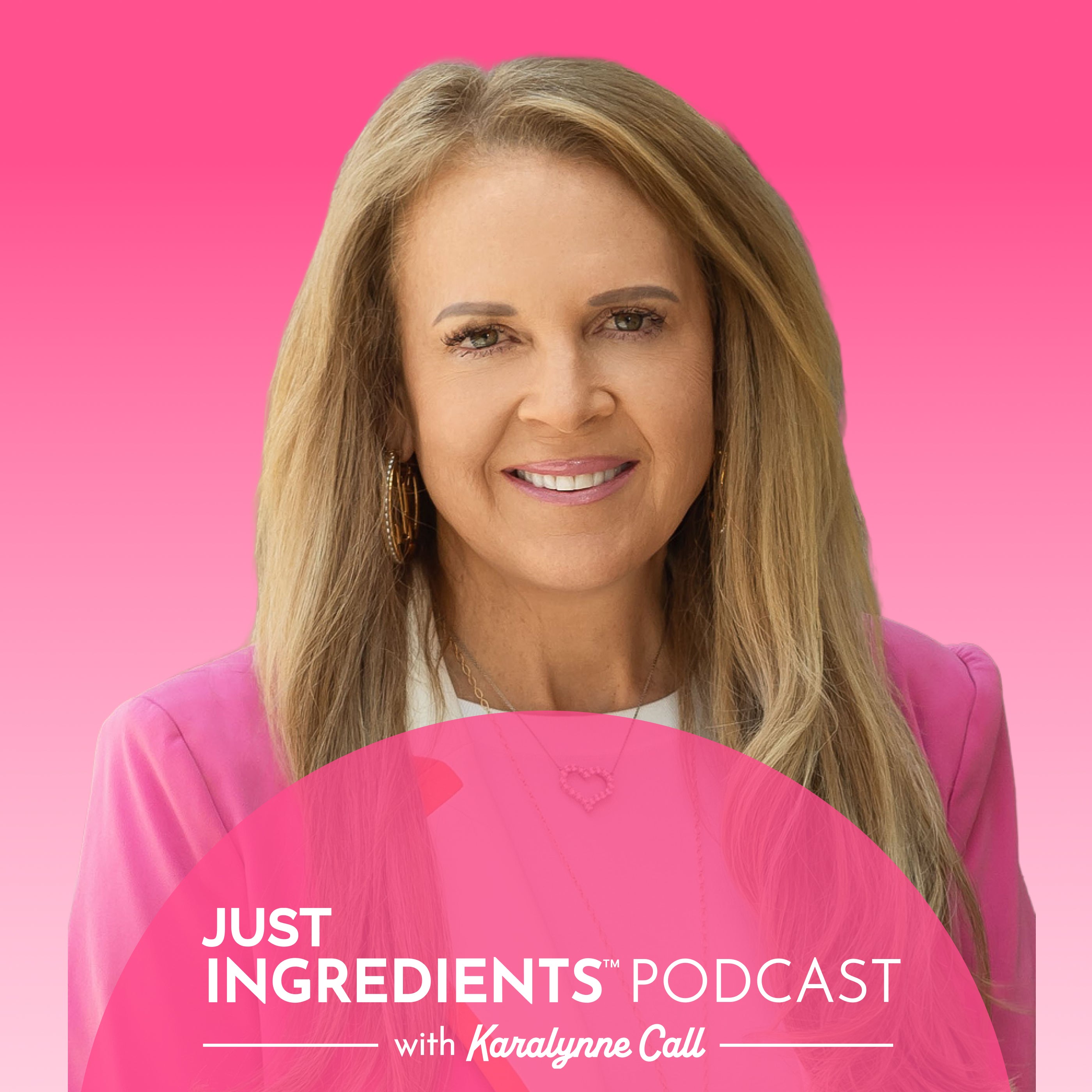
 Just Ingredients
5 Oct 2026 · 54m · 24 chapters
The episode argues that many U.S. babies are missing key gut bacteria (especially Bifidobacterium) due to “modernization” factors like antibiotics, C-sections, formula, and diet, and that this deficit may raise risk for eczema, food allergies, and asthma. It also links early microbiome development to immune maturation, gut-brain signaling, and possibly neurodevelopment and cancer risk.
Dr. Stephanie Culler is a scientist who began in cancer research (PhD at Caltech on gene therapy). She later worked in biotech on microbiome bacteria and co-founded Persephone Biosciences (with a scientist co-founder) to translate microbiome science into products; she previously focused on cancer patients’ microbiomes and immunotherapy response.
9/10 U.S. babies lack one or more key Bifidobacterium; by age 2, low/absent Bifidobacterium is linked to 3–4x higher risk of eczema, food allergies, and asthma. In utero microbiome changes are considered unlikely; early-life acquisition at birth and feeding mode matter. B. infantis is described as a “workhorse” that consumes breast-milk HMOs; it’s rare (8% of U.S. babies).
fecal transplant studies improving cancer immunotherapy responses; Amish/Old Order Mennonite and pre-industrial populations reportedly having higher B. infantis; “modern” probiotic strains may differ genetically from strains found in today’s babies; sugar/ultra-processed foods may hinder microbiome recovery after antibiotics. Guests/hosts: Dr. Stephanie Culler; host Cara Lynn.
Written by AI. May contain mistakes.
Dr. Culler shares her background in cancer research and transition to microbiome studies.
“you did start in cancer research and then moved over to this.”
Discussion on how the microbiome affects cancer treatment responses and its importance.
“Okay, so microbiome space for adults and kids, all ages, or specifically one targeted group?”
Exploration of the connection between the microbiome and cancer prevention strategies.
“from either a cancer patient response or a healthy individual and transplanting into a cancer patient.”
Investigation into the sources of harmful microbes in babies' guts and their implications.
“When we see a high level of what's normally in our mouth, that's supposed to be in the mouth microbiome, the oral microbiome, not the gut microbiome.”
Dr. Culler outlines her study on the gut microbiome of babies and its findings.
“And I was very upset that I'm this leading researcher.”
Nine out of ten U.S. babies lack crucial gut bacteria, linked to health issues.
“Food allergies have gone up 50 % since the 90s.”
Discussion about how modern practices affect the gut health of babies today.
“So really in the last few years, how we started to figure out, we don't think anything really in utero is happening.”
Dr. Culler provides solutions for enhancing the gut health of babies through diet and supplements.
“to or mentally I just can't handle it or I went back to work and my milk supply lowered.”
Exploring important strains of Bifidobacterium vital for infant gut health.
“And species, so types of bifidobacterium.”
Learn about the significance of specific probiotic strains for today's babies and how they differ from traditional options.
“And so when we looked around the United States, we found that there were two types of strains that were in the babies today of B.”
Explore how a mother's microbiome impacts pregnancy, breastfeeding, and potential postpartum issues.
“really the toddler product is great for children of all ages.”
Understand the connections between the microbiome and neurodevelopment, including autism and ADHD.
“You know, you just talked about autism and ADHD, and I just said postpartum and depression.”
Discussion on the historical context of baby microbiomes and the need for updated education.
“We looked at all of these babies and their microbiomes.”
Dr. Culler discusses key lessons for pediatricians regarding microbiome health in babies.
“I think the biggest one is what I was sharing today, how prolific this problem is or this deficit in our babies.”
Exploration of various factors leading to the decline of beneficial bacteria in infants.
“of the product, safety of it, and that, you know, these types of microbes get into the gut and they grow in the gut.”
Discussion on the long-term implications of gut health from infancy into adulthood.
“Yeah, it's so crazy because people say like, I eat like my mom did or my grandma did today.”
Dr. Culler emphasizes the importance of diet in maintaining a healthy microbiome.
“And I know young children are very difficult sometimes and picky eaters, but how can you incorporate as much fiber as possible?”
Discussion on the importance of specific bacteria and their relation to health issues.
“So your product though, that has a certain species in there, is there a time though that you're too late for that?”
Exploring the potential connections between childhood gut health and colorectal cancer.
“The species that we're talking about that are in your product.”
Discussion on how sugar and processed foods affect gut microbiome development in children.
“And so my question to that is sugar is everywhere and teachers are feeding kids treats.”
Learn why the early development of the microbiome is crucial for infants and how dietary choices impact it.
“But that early time period, again, the microbiome is developing and it gets set for a long time of their life.”
Discover how to test for microbiome health and what factors affect its maintenance over time.
“product as an adult or could it maybe repopulate some of that?”
Explore the emerging research connecting gut bacteria with mental health issues like depression and anxiety.
“But in general, I would say with a number of diseases, you know, including Parkinson's, even diabetes and other conditions, these bacteria tend to be low.”
Learn key insights on selecting probiotics and the importance of diet for maintaining gut health.
“Well, this is what, you know, after studying 10 ,000 IBS microbiomes, this is what we recommend.”

Get the gist, explore an idea or ask about something said.
 Claude
On Just Ingredients, what are the key points of this episode?
Searching your listeningAutomatic transcript. May contain errors.
0:00Welcome to the Just Ingredients podcast. I'm Cara Lynn, and here we dive deep into the journey of healing and wellness. If you're ready to learn, feel empowered, and take charge of your health, you're in the right place. Welcome back to the show, everyone. Today, I'm excited for our guests because I have a lot of moms that follow and listen. And we're going to talk a lot about baby's health and baby's microbiome and things like that. And we have an expert here who has done so much research in this, and she is like the expert of all experts in baby's microbiome. And so welcome, Stephanie Kohler, to the show.
0:42Thank you for having me. So why don't we tell the listeners maybe a little bit of how you got started, because you did start in cancer research and then moved over to this. So maybe give them a little bit of background. Absolutely. Thank you. So when I was a young teenager, I lost both my grandmothers to cancer. and was really inspired to do something about cancer research and helping to prevent cancer. And so that's what inspired me to become a scientist, where I did my PhD at Caltech, focused in new gene therapy for cancer, and always wanted to do something about preventing disease, but also treating cancer.
1:19And very quickly after graduate school, I realized I really want to start a company and I want to translate this research into products, but quickly realized I don't know anything about starting business or biotech. And so came down to San Diego where we're based. I worked in biotech specifically with bacteria, like what's in our microbiome. And after years of success there, commercializing technologies, ready to move on. I started Persephone Biosciences with my co-founder, also a scientist, nine years ago to develop a technology that brings my personal passion of human health, but with this deep expertise with microbes.
1:59I've been settled on the microbiome space. Interesting. Okay, so microbiome space for adults and kids, all ages, or specifically one targeted group? Initially, it was for cancer, where the microbiome has been shown to have a really big impact on how cancer patients respond to the latest immunotherapy drugs. These drugs rely on the immune system. And it turns out if cancer patients have an unhealthy microbiome, they are much more likely to not respond to these therapies. And so we've been trying to figure out by collecting a lot of stool samples from these patients, we've been trying to understand what's wrong about their microbiome so we essentially could put back the right bacteria.
2:40so hopefully they can respond better to treatment. And really that was like the first five years of the company was strictly only in cancer research. Interesting. I love hearing you say that because last year I spoke at a cancer conference for a specific type of cancer. It was a panel of people and I'm teaching like what you eat is really important. And there was a doctor on the panel who said, no, as you're going through cancer treatments, things like that, it doesn't matter what you eat. We have no research connecting the microbiome with cancer. And I was like, what are you doing? You are confusing these people.
3:18Well, I mean, for the last decade, I would say it's been really a lot of learnings in microbiome and cancer. There have been definitive studies with fecal transplants, essentially taking fecal material from either a cancer patient response or a healthy individual and transplanting into a cancer patient. And we see their response to treatment increase significantly, whereas they failed on many drugs. And so we're starting to really learn that the microbiome is having this incredible role. So that's simply not true. And we know that fiber, especially for cancer patients, can have a tremendous impact because it impacts the microbiome and then the health of their immune system.
3:59Because the fiber, in simple terms, is just feeding the good bacteria. Exactly. Okay, so I know we're going to talk about babies, but I do have one question about this. So talking about the microbiome helping patients in their treatments, but do we have any research about the microbiome helping prevent cancer or not necessarily? We are starting to, and that's actually a very big area of interest for us because there are certain types of microbes that in the gut have been shown to cause colorectal cancer. These are causal in the sense that they cause DNA damage that eventually causes cancer. It's not all species.
4:39It's a couple of specific species. So we know that there's some, you know, microbes that are doing that. And so there is definitely a deep interest in our field in how we can prevent that, right? How can we maybe give a pill to somebody in their 20s or even babies that can reduce that risk very early on from ever having those kinds of microbes in their gut? Interesting. And are those microbes in their gut, do we know where they're coming from, meaning foods, environmental toxins, you're born with it? Some you might be born with it or you acquire very early on in life. Others may come later in life.
5:17Some are actually oral microbes, microbes we have in our mouth for a very long time that eventually get into the gut. And that to us is normally a sign of what we call dysbiosis or an unhealthy gut. When we see a high level of what's normally in our mouth, that's supposed to be in the mouth microbiome, the oral microbiome, not the gut microbiome. So we have all these kinds of signs that appear. It's unclear. You know, in many cases it happens throughout our lives. But yeah, that's kind of what the current research is suggesting. So interesting. Just shows why we should all focus on putting good foods in our body because our gut depends upon it.
5:57Absolutely. Okay. So I'm curious, you have done research on like baby's gut microbiome, right? So can you walk us through the study that you did? Yeah, I'm so curious to ask you so many questions because we don't ever really talk about the developing fetus and its gut and things like that. So tell us about the study. It also helps to know a little bit of the journey to getting to this study. So, you know, as I mentioned, we were only focused in cancer research for the first five years of the company. And during COVID, I had a little one who's now five. And I had a conversation with a pediatric scientist who was saying to me, well, we know how you're working in cancer and how you're trying to repair the microbiome of cancer patients so that potentially they can respond better to treatment, why don't you fix the microbiome of babies?
6:49And this was very upsetting to me because my daughter, who was off camera, six months old at the time, and I didn't know exactly what the problem was that he was talking about. And I was very upset that I'm this leading researcher. I'm studying the adult microbiome by day, but yet I don't know really the true impact of what's happening. in my child. And I quickly realized that this is a global issue that's happening to babies today. The microbes that they get very early on in life are absolutely critical to the development of their immune system, lifelong health. And we think it has a tremendous role also in brain development.
7:31But the problem that we started to see is one of modernization, that because of like antibiotics, antibiotics, C-section births, formula, poor diet, babies are less likely to get the right bacteria now that train their immune system and potentially have a bigger role in development. And so we wanted to do something about it. I wanted to, one, better understand the problem here in the United States. There have been many, many studies all over the world of babies and mothers showing that this is a big problem, but not enough data to, one, understand it fully and develop a product. I wanted to fix this.
8:13And so we launched the My Baby Biome Study four years ago, which is the largest study ever to map the microbiome of babies. So basically thousands of dirty diapers. And, you know, what we found was nine out of 10 U.S. babies were missing one or more of these key bacteria. They're called Bifidobacterium. And moreover, the real big point here was that by age two, the babies that had either no amounts of this bacteria, which is a founding member of our gut, or low amounts, were about three to four times more at risk of developing eczema, food allergies, and asthma. And so we know worldwide these conditions are on the rise quite significantly, right?
9:04Food allergies have gone up 50 % since the 90s. Iatopic dermatitis, eczema, it's around 10 to 20%, in some areas even higher. And so we think the microbiome has a critical role. Is it the only player? No. But it is a big player here. That makes sense because, I mean, I've talked to so many pediatricians that have been on this show talking about how to help with eczema and how to help with asthma and all these different things, and they are all on the rise. So this missing piece of this bacteria being missed is huge. And so is that certain bacteria that is not being found in the babies, is that due to in utero during the pregnancy or is this later?
9:47When does this happen? Great question. So really in the last few years, how we started to figure out, we don't think anything really in utero is happening. All the mother's microbiome metabolites that are produced from her gut may have an impact. But really, babies are born into a microbiome. They get the microbiome at birth, and it starts to develop from there. And so we think, you know, the babies are just not getting it very early on. Whether mom doesn't have it or mom never got it, families, members don't have it. also how a child is born and fed birth mode to, you know, has as a role here.
10:25C-section babies, you know, that's a surgical procedure, you know, definitely something that's medically very important for many, many lives. But, you know, antibiotics are used during that procedure and the babies, then their first microbiome is the hospital environment that they acquire or the skin of the family member. So different type of microbiome. And then breast milk, for example, has specific prebiotics, food for the gut bacteria, these bifidobacterium that are called human milk oligosaccharides. And what's really interesting is that we've evolved over time that the two work together.
11:02These prebiotics in breast milk, they don't feed the child. They're not calories for the child. They feed the gut bacteria, these specific bifidobacteria. Then I have worried listeners who are like, well, I had to have a C-section due to some medical complication, right? And then I've got my listeners that are like, well, I can't breastfeed or I chose not to or mentally I just can't handle it or I went back to work and my milk supply lowered. So what do we say to those in both situations? Like what is the, is there a solution, an alternative? There's absolutely a solution. And also to note, the child's microbiome is developing extensively for the first three years of life, right?
11:43The babies start out with maybe a dozen or so microbes. It should be very heavy in that first year of these bifidobacterium. But once they start eating solid foods, that's when the introduction of a variety of food really impact the diversity of this blossoming ecosystem. And so early on, what we were finding, the microbiome of these infants and toddlers is plastic. It's malleable. We can change it, right, by the food that we give, the nutrition that we give to our children. But also we can supplement with these right bacteria and the prebiotics from breast milk. And that's indeed what we have developed based on our research is the right strains of bifidobacteria with the prebiotics.
12:26But after that infancy phase, you know, once you have this core of the bifidobacterium, it's really the nutrition that starts to take over because you want that diversity. Because once the child's around three or four, about the time they're, you know, going into kindergarten, the microbiome looks much more like an adult. It's not fully there, but it should have a lot of diversity. So interesting. Okay, so that first year, I'm glad to know it's not just at delivery or just with the breast milk. Time to change it, yes. Okay, so this first year, though, I mean, you see a lot of infant probiotics on the market, so we should be looking for a certain strain, right?
13:08And species, so types of bifidobacterium. And so in our My Baby Biome study, using AI on the data set, we really found that there were three types of bifidobacterium that are really important. The kinds of strains matter. I'll get into why modern strains are really important and what we saw from our research as well as global research. But the three species are known as Bifidobacterium infantis, so the infant Bifidobacterium, Bifidobacterium breve, and Bifidobacterium longa. Infantis is really that key important species for the babies because it's the only species we know that can consume all of the prebiotics in breast milk, all of the 200 types of HMOs that are in breast milk.
13:55So it's really this workhorse for the baby. Unfortunately, it's become the most rare. We found that only 8 % of U.S. babies have that. Babies should have it. All babies basically should have this. And so when we looked around the United States, we found that there were two types of strains that were in the babies today of B. infantis. So we have developed a product around that. But also the incorporation of B. b. b. longum and Breve, they can consume breast milk prebiotics, but they can also really do well on plant-based prebiotics. So they help the child as they start to transition to solid foods, and then these become kind of those anchors of the adult microbiome.
14:40You and I need those species. And why modern strains are important, what our research showed was that when we went to go look at the different strains of these bacteria that were in babies, we noticed that they were not the same as what's commercially available. Maybe these strains of bacteria, these probiotics might have been identified 70 years ago or 100 years ago, but a lot has evolved in modern humans essentially. And so the bacteria that we isolate from baby today look different. So their DNA is actually different and they function different. They They, you know, thrive really well in breast milk prebiotics, but they also can eat a lot of plant-based sugars as well or prebiotics.
15:31So they're very interesting what we are finding to be inside of us today. Okay. So this is so fascinating and seems so important. Like I have a grandbaby that's due in the next month or so, and I'm thinking this is groundbreaking research, groundbreaking science that will affect their whole life. So how does a mom get a hold of this? Do you sell a product that has these species in it? We do. We launched a product about a year ago and also last month published in Pediatric Research on the largest clinical study of a symbiotic. So we've developed a symbiotic, which is really fancy for just probiotics, which is the key bifidobacterium, and prebiotics, the HMOs from breast milk.
16:17And we have for infants and toddlers. But what's really key here, what we've developed is a powder. It can be added to breast milk, formula, food, et cetera. It's tasteless. But it includes those modern strains of bifidobacteria, as I mentioned. We have two strains of that very rare, her bifidobacterium infantis, because that's what we saw in the modern babies today. We saw two types of them. So why not give every baby the chance to have those bacteria replenished, as well as the prebiotics, the HMOs from breast milk. These were designed specifically to mimic the ratios that we see them naturally in breast milk.
16:59And then for families, it adds vitamin D as well, which is really helpful. You don't need drops anymore for those families that constantly spill it on the counter. But we're very excited about this product because it comes from this big research, the largest study. And then we did the largest symbiotic study in babies and toddlers to demonstrate how well it works. Wow, that is fascinating. So is this just for zero to one? Or is this for toddlers also? It's for toddlers as well. So we have zero to one and then 12 months, I would say 36 months plus. A lot of us adults take this product as well. We all need bifidobacterium.
17:38One day we will come out with something more specific for adults, but really the toddler product is great for children of all ages. Okay, so then my other question is for these little like newborns. If the mom takes it, any of the benefits get passed through the breast milk or no? We don't have data to support that and there's been some studies who've tried that, but it's been inconclusive. That is something in the future we want to develop is more maternal as well as breastfeeding support, postpartum support. But right now it's very unclear. And there's been a number of studies conducted. The best and the most clear evidence is giving it directly to the child because we can quickly see that it gets into the gut and continues to stay in the gut.
18:21Okay. So a broader question along these lines and not regarding your product, But the mom having a healthy microbiome while she's pregnant and breastfeeding, so two different questions, does having a healthy microbiome affect anything during pregnancy? And what does it affect in breastfeeding? Yes. So there was a nature paper that actually came out about a month ago talking about some of this as well, about the mother's microbiome and the impact. There is some suggestion, this is a study that was conducted outside of the United States, that mother's microbiome may be a risk factor for developing eczema.
19:03This was one of the initial studies to demonstrate that. Again, there needs to be more studies to validate some of the findings that we're starting to see. But also, there is some thinking in the space, not definitive, that a lot of the metabolites that come from the microbiome may be impacting baby development. We don't know. It's obviously something very difficult to test, right? So we do think that there is a role of the microbiome in impacting the child. Postpartum, we definitely think there's some connection to the microbiome and potentially also, you know, different microbes that the child may be exposed to, but also breastfeeding.
19:46Again, these links are very, very early on in emerging data, I would say. For postpartum, for the women, for the moms, I mean, serotonin, so much of it is produced in the gut that that alone could only benefit, I would think, those struggling with postpartum, right? Absolutely. And there's a link to microbiome composition and postpartum depression. So there's a lot that is being explored, you know, and how maybe we can impact that through microbiome interventions. You know, even while a mom that may have had postpartum depression with a previous pregnancy, how we could intervene earlier to help maybe mitigate that.
20:28So interesting. I'm sure there's studies or you've done research on the certain bacteria needed in the gut for postpartum or for the serotonin and how we can make more of that bacteria? Some of that, I mean, it comes from the gut itself. Some of it, you know, we are still learning because, you know, as we look at infants, for example, and not the mothers, there's some suggestion to how serotonin is made and it may be different in babies than it is, you know, as we get older. And so I would say we're still, we know that these things are happening, but how the gut is doing that in specific species, we're still learning.
21:08I mean, we have some that we know that are doing it, but there's still some questions that we have. Absolutely. Okay. So going back to the babies and their microbiome, I'm so curious because we hear all about the gut brain connection, right? Like we've all heard about that. And so I'm curious, you say they like start their microbiome right at birth. So does that gut-brain connection start right at birth? And then that first year I'm assuming is really critical in the development of helping with the brain? Yes, especially the first three years, right? All through the vagus nerve, which connects the gut to the brain.
21:46And then the immune system is basically intertwined here, right? So it's the connection of the immune system, the nervous system, all together. You know, when we talk about these key bifidobacterium, didn't really mention, they do a lot of special things. They, in the presence when they consume those special prebiotics, these human milk oligosaccharides, they produce a few different types of metabolites. Some are acids. They help drop the pH of the gut. that helps actually suppress bad bacteria or bacteria that cause inflammation. And they also produce metabolites that tell the immune system essentially or signals to develop properly, right?
22:31And what's the path that the immune system needs to take? We also think that these metabolites have an impact on the brain, right, and the development of the brain. We're still somewhat learning, but there's some data, you know, from studies around the world that there are types of the microbiome, infancy, but I would say early childhood, that are linked to neurodevelopment conditions. There's been some suggestions that microbiome patterns are associated to, for example, autism, ADHD. We don't know exactly what that means. We think the microbiome may be playing a role, but right now that's not clear to us.
23:09But we've seen in some of these children populations with autism, for example, that there seems to be distinct types of microbiomes or some features. So, you know, the microbiome is definitely playing a role here. What it's doing exactly, that's kind of the question that everybody's really trying to understand right now. Okay. So I'm curious then, because the microbiome is becoming this topic that is, you know, going along with every health issue out there. You know, you just talked about autism and ADHD, and I just said postpartum and depression. So why, though, is this just becoming a newer thing?
23:45Like, why didn't we study this in the 80s and 90s and earlier? It's really because of technology. This is all cutting edge. You know, when we sequenced the human genome, what, 25, 26 years ago, that was really the spark of this modern era of being able to understand the DNA sequence of organisms. And it's been really only in the last less than decade that the microbiome we've been able to truly understand and identify the bacteria. When we first started our company nine years ago, half of the microbiome was dark matter, meaning we didn't know what 50 % of the bacteria were because around the world we had not sequenced enough of the microbiomes to actually have a full catalog.
24:34You know, so our reference catalog was was 50 percent full. Now we can say with 99 percent confidence we're identifying what's in the gut. And so it's really that the science now and then AI is pushing it forward very fast. And so there is a huge gap, though, in how we communicate that to physicians and then families. Right. So that's going to be a lag. I mean, it's our role right now to educate as many pediatricians and families about this problem through our research and our educational programs. But yeah, there is this big gap because what people learn in school today is behind what's actually happened in the research labs in the latest publications.
25:21Yeah, that's fascinating because then I'm thinking, how do you educate all the pediatricians out there? Because the pediatricians are the ones that can easily pass it on to the moms. Exactly. And we are trying to do that by attending all the conferences that they go to. But moreover, we do one-on-one education. We have seminars, we have webinars, we make sure we publish our research in journals that they read. But it really is something that we have to consider working with them in how do we get this as course materials when they're residents? How do we start educating before they become doctors on how this is?
25:59And also, how can doctors stay up on the latest research? Do you feel like the majority of pediatricians at least understand the basics of the microbiome at this point? I would say maybe half of them. Oh, boy. You know, over the last few years, I've gotten to experience a lot, you know, from around the country and several, you know, around the world, in fact. But yeah, I think, and there's a lot of myths about the microbiome. And I would say also, like, just falsehoods, things that are maybe we thought maybe 10 years ago, but now we have a much better understanding because we have better technology today.
26:37So just like lags in terms of what is the latest research suggesting today? Can you give us an example of one of those myths? Yeah, one was about like how, you know, the microbiome of babies, you asked, you know, in utero, there was, you know, kind of some thoughts that maybe the baby has a microbiome in utero. And also, you know, how that's impacting things. Well, now we know that it's actually, you know, really at birth. Another kind of myth was really that vaguely born babies, always, and that are breastfed, have the microbiome that they need, right? And our research really showed that it's every baby.
27:21It doesn't matter birth mode, feeding mode, doesn't matter where they are in the country. 90 % of our babies are missing one or more of these bacteria, right? So it's actually a very common thing, but they really thought this was just C-section babies or formula-fed babies, for example, that may have this. So these are some of the things that we have been encountering that have been trying to talk through that, as well as also any, you know, knowledge of probiotics. Much of what's been on the market hasn't really addressed this problem, because again, as I mentioned, this is cutting edge how we are able to define and understand this problem.
28:00We looked at all of these babies and their microbiomes. Well, many of these products were commercialized 40 years ago, before we even knew the DNA sequence of these microbes or even humans. So, or the full sequence, I should say. So, you know, there's a lot of updates and technology that slowly we're trying to help educate. Let's take a quick break to hear from our show sponsor. This time of year always makes me want to slow down a little bit and settle back into our routines. The weather starts cooling off, we're spending more time at home, and I love having the pantry stocked with easy snacks everyone can grab throughout the day.
28:41That's why Scout Organic is always in our pantry. Scout makes the kind of snacks I'm always looking for. Simple, organic ingredients I actually recognize. No weird stuff, no unnecessarily long ingredient list. The ingredients are why I trust them, but the taste is what keeps me coming back. Lately, I've been loving their soft-baked cookies. They taste like a real treat. Soft, sweet, and satisfying, but they're made with simple organic ingredients and are gluten-free and plant-based. They're perfect when you want something sweet after lunch with an afternoon coffee tucked into a bag for later or just sitting in the pantry for those moments when everyone wants a treat.
29:19And especially this time of year when there are sweets everywhere, I love having something on hand that still feels indulgent but is made with ingredients I feel good about. You can always use my code JUSTINGREDIENTS to save 20 % at Scout Organic. Head to scoutorganic.com and use code JUSTINGREDIENTS at checkout. It's a great time to stock up for fall. Now back to the show. Okay, so I'm curious, if you go to these conferences and you're teaching these doctors, obviously you're dispelling those myths, but what would be like the top three things you're trying to teach these doctors about the microbiome?
29:56I think the biggest one is what I was sharing today, how prolific this problem is or this deficit in our babies. Most babies today are missing these key bacteria. This was not something that we had to deal with 100 years ago. The babies of the Amish today, the Old Order Mennonites that reflect us pre-industrialization, they have high levels of these bacteria. We have lost them over time, right? And I think that is one of the key things, key messages that I'd like to share with pediatricians is this is a profound thing. And this is showing up clinically in your practice when you do see eczema, food allergies, asthma.
30:39You might see a lot more GI issues. Colic is connected here. And even appetite of babies and sleep. So these all may be connected to the gut. And when trying to solve these problems for parents, you may want to consider supplementation to give it a try at least, you know, before going to, you know, a laxative, for example, for GI conditions or for eczema and other conditions before, you know, advancing to therapies, for example. There may be, I guess, you know, a tool that they could use to impact the gut first. So those are the main things that we like to share and educate, as well as then, you know, clinical trial results, you know, demonstrating tolerability of the product, safety of it, and that, you know, these types of microbes get into the gut and they grow in the gut.
31:35Okay. So I'm curious, is it just the antibiotics that people are taking that has made it over time that our kids don't have this bacteria anymore? Or is it environmental toxins or food? What's causing this? We think it's many things. We don't think it's just one thing. Antibiotics, obviously, a big part of it. Obviously, they're medically necessary in so many cases, right? We want to keep infections at bay, but maybe we don't need to use them in certain cases, right? So being more judicious. But it's a combination of all of these factors. You know, we think about the antibiotics and what they can do in terms of changing the gut of an infant, but also birth mode, that C-section.
32:17Unless you know to put back the right microbes, the baby might not get the right microbes. The other thing is feeding. You know, there were times in the country where formula feeding was a lot more prevalent than breastfeeding. And we know that breastfeeding has, or breast milk has those prebiotics that feed the bacteria. So now you're not supplementing with the food for the bacteria. So the bacteria are going to go away if they don't have their food, if that makes sense. Right. And then we know poor diet is having an impact on the microbiome and its health. And so we think it's all these factors.
32:54We don't know about toxins. We don't know about microplastics. That's all what we're learning today. But it wouldn't surprise me, given that all of these different things, it's playing a role. There are a lot of environmental factors that are just different today than they were 100 years ago. Yeah, it's so crazy because people say like, I eat like my mom did or my grandma did today. And I'm like, no, we don't. Like the food is so different. And they don't understand. I don't know. The toxins are different. The food is different. And we're seeing so many more illnesses in kids. And this makes so much sense that it's just the bacteria in the gut.
33:32I hope you guys are able to spread this to the doctors because if the doctors can pass this on to the mom, this literally can be game changer. Absolutely. I mean, that's our goal. You know, our vision here is to what we create what we call the standard of care, that every baby has this opportunity. Every child has this opportunity to have a healthy microbiome because it is so important for the rest of their lives. Their immune system is developing in that time period. That is the only time in our life that that's happening. Right. And the same with the microbiome. And so it's a very special time period for us to really nurture and take care of.
34:11Okay, so question for you, because I know I have moms that will be like, well, I have a five-year-old. Is it too late? Never too late. I have a five-year-old too. And so I'm constantly working on her gut. The best thing that you can do is to think about what foods does a microbiome want to have, right? How can we incorporate? And I know young children are very difficult sometimes and picky eaters, but how can you incorporate as much fiber as possible? Can you do something with broccoli? Can you do something with beans, for example? Diversity of that, but also fermented foods. The kefirs of the world, the Greek yogurts of the world, kids love that, including berries.
34:55Berries are great polyphenols, but also fiber. So, you know, we can always do something. And that can go actually a very long way because once the microbiome is established, you want to take care of it. Because if you don't, that's when things start to, you know, what we see in adults. How, you know, 60 to 70 % of adults complain of some kind of GI issue. A lot of it goes to the gut. Okay, so those complaining of these gut issues, and we know a lot of people have gut issues for adults. is it too late for them or they can still do all the things that you talked about and have hope in their gut?
35:35I think there's a lot of hope, you know, after a decade and long of researching the adult microbiome as well. Absolutely. Absolutely. Diet is actually the one that outside of antibiotics is the biggest impact of the gut microbiome. You know, by really increasing or tripling or quadrupling your fiber, within a few days, you can actually see we have microbiome data to support that you can shift the ecosystem. So it is in our control and it is something that we can really have an impact on. Well, I love that you can see a shift in just a few days. That is hopeful. Absolutely. Both on the metabolism side, but also the kinds of bacteria that start to take hold.
36:17Okay. So your product though, that has a certain species in there, is there a time though that you're too late for that? Like your product is only good up to age such and such or not necessarily? Not necessarily. You know, on the toddler product, we suggest ages 12 months to three, you know, years plus. But again, as I mentioned, a lot of us adults take the toddler product. A lot of children take the toddler product. We don't think so. But really, the focus has been on this young age, zero to, you know, three months, three years plus, just because that's the time period that we've researched so extensively with this product.
36:55So adults may benefit from those certain species in your product. Yes. I mean, I would say all adults really could use these species because they are the foundation of the gut microbiome. And what we call keystone. If you remove a keystone from an ecosystem, it collapses. And that's actually what we've seen with the babies. We don't have the bifidobacterium. it collapses. And basically these really inflammatory microbes, many of those connected with disease kind of take hold. And similarly with adults, we see in a lot of these diseases we've studied a couple of things. One, what we say a lack of diversity, so limited kinds of bacteria in their gut.
37:38That's normally associated with some kind of disease state. But second, we always see low amounts of these bifidobacterium or no bifidobacterium in some of these adults. So we know that it's important for adults. It has an impact on the immune system and gut barrier and all kinds of things. So it could help adults. It just hasn't been extensively studied. Okay, so have you studied adults that don't have these species of bacterium in them? Yes, many. So a lot of these advanced stage cancer patients that we've historically looked at really don't have these species. The species that we're talking about that are in your product.
38:17These bifidobacteria. Right. Yes. Yes. And that's what we think, you know, outside of cancer, you know, one of the reasons we think that these bacteria are kind of disappearing is that a lot of families don't have them anymore. Moms particularly can't give it to the baby because they didn't have it in the first place. Right. You know, as I mentioned, that Bifidobacterium infantis is super rare. Only 8 % of babies in the U.S. have it, where, as other populations, as I mentioned, Amish, even hunters and gatherers of Africa, babies in these populations that are non-industrial have very high levels of Bifidobacterium infantis.
38:57We know we used to, you know, 100 years ago. And so, you know, part of that is that, yes, we think adults, we've studied many adults, it's starting to become rare in adults as well. It's so fascinating to me that it's becoming rare and then it could play a role in cancer and our cancer rates are rising. We think a lot of that's connected. You know, some of the rising rates of colorectal cancer, specifically in younger individuals, what we call early onset of colorectal cancer. We do think that there may be some connections to the childhood gut microbiome, for example. And that's actually an area of research we're focused on and very interested in understanding how could a childhood and microbiome play a role in somebody in their 30s, unfortunately, getting colorectal cancer.
39:48It is a concern. It is something that a lot of us in our space is looking at, but also in the cancer space, because colorectal cancer is not on the rise in older individuals. It's starting to go down. But for individuals under the age of 50, it is rising year over year. And so there is a question, there's an outstanding question, what is the role that the gut may be playing here? It makes me concerned as a mom having, I mean, my baby is now 12, but having younger kids, I'm like, wow, this needs to be a priority that a lot of moms don't realize need to be a priority of really making sure their kids have a healthy gut microbiome.
40:24And so my question to that is sugar is everywhere and teachers are feeding kids treats. Daycares are feeding sugary snacks. They go to these parties at every sport activity. They play 20 minutes of soccer and then they're feeding them sugary things. Is all of this sugar playing a role as well? We absolutely think so. In fact, a paper in Nature, which is the top scientific journal that came out today, showing for adults that sugar can worsen the impact of antibiotics on the adult microbiome, like make it harder to rebound and repair after having antibiotics. And it does have an impact on young children.
41:05We don't understand. We do think, you know, in terms of talking about modern factors, we think ultra processed foods and sugar are definitely having an impact because they don't provide the right prebiotics to this developing ecosystem. stuff. And so, you know, my counter to that, and it is a, it's a frustration I deal with as a parent and going to parties and seeing, you know, these kinds of things available to my child. And even though we talk a lot about the microbiome and health of the microbiome that are in our household, the best thing we can do to sometimes counteract that is if they have that sugar, try to bring in the fiber as soon as you can.
41:44Kind of neutralize it is how I deal with it as as a parent. But really, yes, you know, sugar has a time in place, but not in that early childhood period, to be honest. I mean, in moderation, of course, you have celebrations. But that early time period, again, the microbiome is developing and it gets set for a long time of their life. So we have to do whatever we can to help preserve that development time. Oh my goodness. I have so many frustrations and things with all the sugar, but okay. So moms that are listening, it's really important, especially in that developmental stage from zero to three to really avoid the sugar, really focus on the fiber, the good, the things that are going to feed the good bacteria.
42:30I know I'll have someone ask this, those certain species of bacterium that you're talking about, is there a way for anybody to test if they have those being an adult or being a child or you just don't ever know if you have those in your gut? Great question. So, you know, for the infants, why we did such a big study and why we do big studies, you know, that really reflect our population, we call them population scale studies, is, you know, we do all of that testing to determine what does the population need, right? And so it was very clear that basically most babies in the U.S. need this, right?
43:07And at some point, if they take antibiotics, definitely need this, right? But, you know, parents and families at any time could do a microbiome sequencing test to see if they have it, right? I would caution about action, right? Just because as an adult, you're missing it. It's not necessarily trivial to bring it back, right? These are organisms, it's harder as an adult to get things to colonize, just because it's harder to make space in the gut. For infants and toddlers, it's actually much easier because, because again, it's developing and growing. And so different things can take hold. It's like, it's like a garden, you know, you're planting the seeds in infancy.
43:45In toddlerhood, you're starting to eat solid foods and normal foods, it starts to come to grow. And then us as adults, once we have our garden established, unless it's somewhat unhealthy, that's where it becomes actually difficult to plant different things. Okay, so then is it pointless to take your product as an adult or could it maybe repopulate some of that? For some individuals, we've seen repopulation in our, in our, some of our initial studies. Some, maybe not if they have a very robust microbiome, but even repopulation, you know, regardless of repopulation, the benefits of it transiently in terms of its immune properties may be beneficial as well.
44:29We know our product has these prebiotics, these HMOs from breast milk, they have immune properties as well. So they don't function just to feed the good bacteria. So overall, I think it's helpful to take prone prebiotics such as ours. But, you know, knowing that not everybody is going to work the same, just like in the babies, the majority of the babies, it gets into the gut and grows, but not all of the babies, for example. When you say people can go get a microbiome sequence testing, is that a common test or they've got to go somewhere special to get that? A doctor might be like, I don't know how to do that.
45:09I would say there's a lot of doctors that may not know, but there are direct-to-consumer companies that do this kind of testing. Our testing is all research-based so that we can develop product or, you know, share these clinical trial results. But yeah, there are direct-to-consumer companies. And then in the doctor's office, if there is a concern for infections like clustering difficile in the gut, which is actually a common infection in some infants, there are tests, PCR tests. If you remember from COVID era, there are tests that doctors will routinely do, clinical tests. But by and large, to look at the entire microbiome, I think the direct-to-consumer tests are where a lot of families and some practitioners use routinely.
45:54And are these a stool test? Yes. That's how we look at the microbiome is through our poop. I do have another question. So these bacteria that we've been talking about that are missing from so many people at birth, I know you touched upon cancer, like the research with those in cancer. Has there been research done on people not having those species of bacterium and mental health, like depression or anxiety? Yes. And so in some of these kind of longitudinal studies that have been conducted in looking at mental health, this particular bifidobacterium, that's just the family of bacterium. But in general, I would say with a number of diseases, you know, including Parkinson's, even diabetes and other conditions, these bacteria tend to be low.
46:46In general, it gets picked up as something that just seems to be low in these populations. You know, mental health benefits of these bifidobacterium, for example, have been explored with probiotics in general in the space. Seems to be some emerging evidence around them, but I don't think there's anything clearly being recommended today or with very robust clinical rigor, just the nature of depression and, you know, when to intervene, for example. I hope a ton of research is done on the area of mental health and the gut. I know there is a lot going on, but I hope soon there's a lot of findings that we find that could help people.
47:29Absolutely. And I think that connection with food as well, right, and the microbiome and potentially supplementing the microbiome together, I think could be so, so huge here. Yeah. Okay. So I'm curious for all my moms listening. So obviously your product is amazing for the infants, the toddlers, but for adults, is there something that you say beware of when you're out in the stores looking for a probiotic? What should they not waste their money on? What Should they spend the money on? What do they need to be looking for? I would say first and foremost, think about the clinical research. You know, today there's so much on the market.
48:10It is so confusing. You know, really understand what's been done. Also, third-party value validation, right, and analyses. And have they tested for toxic metals, for example, heavy metals? What kind of testing has been done on this product in addition to very rigorous clinical research. I would say second, you know, the most important thing, as I suggest for infants and toddlers, is diet as well. Feed your microbiome through healthy food and fruits, plants, vegetables, all of that, and fermented foods. I like to think about eating as not everybody can, but can we eat as close to the soil as possible?
48:54Yeah, I love that. So when they're looking, though, for like a prebiotic and probiotic, are there certain species or strains or things that you say look for these? Not really. I think, you know, we're still trying to understand what that looks like. I think, you know, we're trying to get into the era of somewhat personalization, I would say, you know, somebody has IBS. Well, this is what, you know, after studying 10 ,000 IBS microbiomes, this is what we recommend. We're just not there yet. And that's kind of why I caution, you know, suggesting any probiotic or prebiotic, my go-to would be food, to be honest.
49:32I do love, though, how we are testing, and there are some strains that we know are better for certain things, and so I think we're going to get there. We're going to get there, yes. I actually am really excited for the future and for the gut and all the research that is going on, but as we wrap up the show, it can seem overwhelming to the parents listening. It can seem like one more thing, but what's your one last takeaway piece of advice for everybody listening? I would love them to know that they should feel empowered. You know, having the right information, good information about the gut microbiome of their child should make them feel empowered.
50:13This is something that they can have a huge role in, and it's super important for their health, but it is something that can be changed at any time. I love that. Okay, also tell them where they can buy your product because me being a grandma, I am purchasing this ASAP for my soon-to-be new grandbaby. Thank you. So you can get our products at Persephone.bio. We're also on Amazon. Okay, good to know. Will you spell your company's name for everybody? Yes, P-E-R-S-E-P-H-O-N-E.bio, essentially. Thank you. I know it's a little tricky. So people might be searching Amazon and it's not popping up. So thank you for telling that.
50:55And where can they learn more about it? Tell them the name of your website and wherever else they can learn more. Absolutely. So you can learn more on our website, you know, persephone.bio. Also follow us on socials at persephone.bio. Okay. I'm so excited to go follow you and learn more about this. This to me is groundbreaking. And I love that you're being on podcasts. I love that you're on this podcast so that we can support this research and teach others about this. So thank you so much for being here today. Thank you so much. I always end my podcast by asking five just quick questions. So are you okay to answer these?
51:32Absolutely. Okay, number one, what emerging health topic are you most excited about right now? Prevention of disease. I love that. You're going to figure this out for us with the gut. So number two, what's a piece of advice you give your younger self? Oh, goodness. Don't stress out so much. I need to tell myself that all the time. Number three, what's the one health practice you'll never compromise on no matter how busy life gets? It's really eating my fiber. My breakfast every day has a lot of flax meal and other fiber, so I cannot. I was going to say, what is your favorite way to just get fiber in?
52:11It's really in the morning. Of course, I love vegetables. I eat salad. Everybody knows here I eat a big salad for lunch every day, pretty much my whole life. But yeah, my breakfast, I love to add flax meal to fresh berries, get my omega-3s with chia seeds, add a bunch of different like hemp seeds as well. I love to seed it up and then top it off with kefir. That sounds amazing. Okay, question number four. If you've tried Just Ingredients products, what is your favorite product and why? I've only tried it once. Okay we are going to send you a box so that you can try all the different things out and last one what is the best ingredient you've found to life?
52:57Oh wow passion. I love that that's a good one to have a passion for whatever it is you're trying to do in life I love that well again thank you so much for being here on the show I'm I'm so excited to know about your product and so excited to go buy it. And I know this can really be life-changing is what I feel like. If it's going to help all of those different health issues out there, this really is groundbreaking info. And so I'm so excited to help get the word out about this. So thank you, Stephanie, so much for being here. Thank you so much for your support. Thank you for being here and being part of this community.
53:35don't forget to subscribe to the just ingredients podcast we've got so much more to share with you and if you're not already come join us daily on all social media platforms at just dot ingredients until next time keep choosing what nourishes you
This conversation is one I truly believe can change lives. Dr. Stephanie Culler helped me see that a baby's gut bacteria are one of the most overlooked pieces of their health. The first 1,000 days of life shape so much more than I ever realized. What struck me most is that so few parents, and even pediatricians, are hearing about this research. I walked away wishing every pediatrician could hear it, and every mom too. Share this one with all your friends with littles!
Here are a few of my biggest takeaways from our conversation:
The first 1,000 days matter more than we realize. A baby's gut microbiome is built during this early window. What happens there is connected to their digestion, immune system, and brain development, and its effects can reach into adulthood.
Babies today have different gut bacteria than babies a generation ago. Stephanie led the My Baby Biome study, the largest U.S. study to profile the infant gut microbiome. It found that many babies today are missing key bacteria that used to be common.
C-sections, antibiotics, and feeding choices all shape a baby's gut. Knowing how they affect gut bacteria simply helps parents make informed decisions.
Gut bacteria are the missing piece alongside nutrition. Gut bacteria play an important role in how a baby digests and uses that nourishment. We talk about how to make sure a baby's gut microbiome is in a good place!
Gut health matters at every age. We also talked about adult gut health, why fiber is so important for feeding good bacteria, and why researchers are paying close attention to the rise in colorectal cancer among younger adults.
Tune in now and share this one with a parent friend who needs to hear it!
About Dr. Stephanie Culler
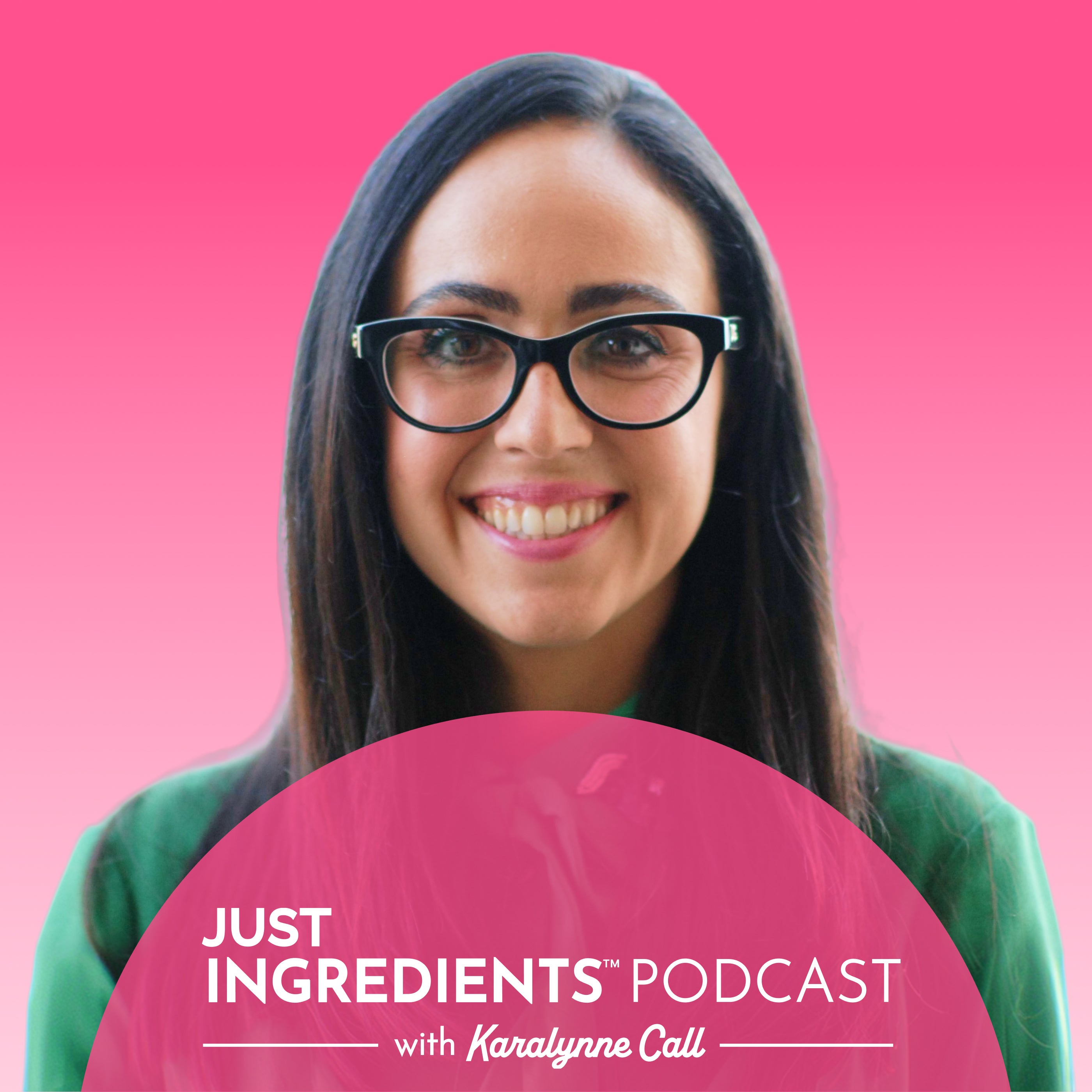
Stephanie Culler, Ph.D., is the co-founder and CEO of Persephone Biosciences, where she is pioneering microbiome-based medicines to transform human health. She is the lead author of the My Baby Biome study, the largest U.S. study to profile the infant gut microbiome, and her work spans applications from infant health to oncology. Stephanie earned her Ph.D. from the California Institute of Technology and has authored more than 20 scientific publications and patents.
Connect with Stephanie
Website: persephone.bio
Instagram: @persephone.bio
Shop Persephone on Amazon
Shop our show sponsor
Skout Organic: Use code JUSTINGREDIENTS to save 20% skoutorganic.com to stock up for fall.
Looking for more Just Ingredients content?
Instagram: @just.ingredients
Watch on YouTube: https://www.youtube.com/@Just.Ingredients
Facebook Community: Join our group
Learn more about your ad choices. Visit megaphone.fm/adchoices