In short
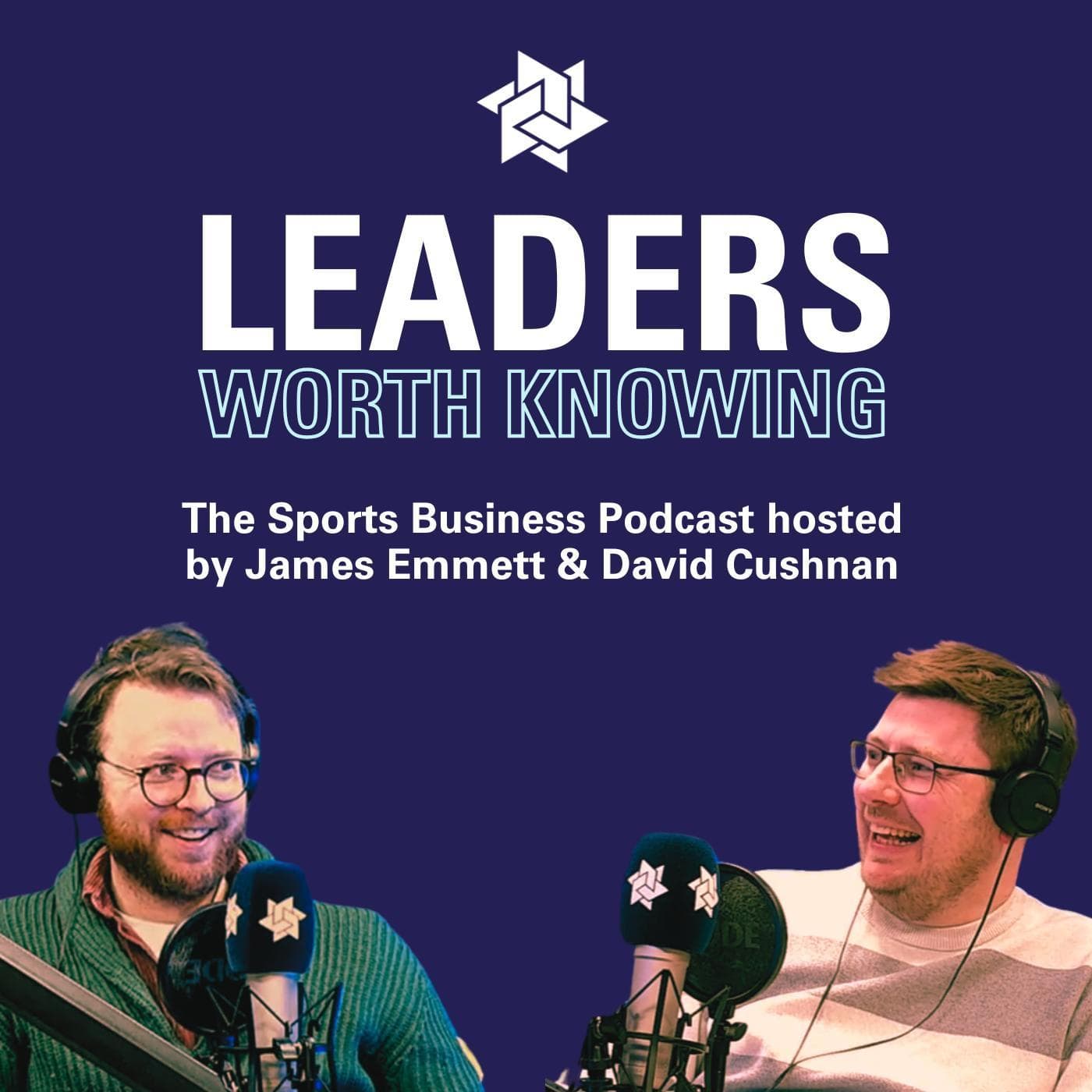
Leaders Worth Knowing Podcast Summary
Episode Title
Worth Knowing: How to raise money for a challenger league
Podcast Hosts
- James Emmett - Editorial Director at Leaders
- David Cushnan - Content Director at Leaders
Episode Overview
In this episode, the hosts discuss the recent Series C funding round of the Professional Triathletes Organisation (PTO), which raised $40 million led by Saudi Arabia's SURJ Sports Investments. Sam Renouf, the founder and CEO of PTO, shares insights on the funding process and the strategic growth of the organization.
---
Key Concepts and Discussions
- Funding Round Details
- PTO raised $40 million in a Series C funding round.
- Key investors included:
- SURJ Sports Investments (Saudi Arabia)
- Cordillera
- Verance Capital
- Sir Michael Moritz (initial investor)
- The funding aims to enhance the T100 series, the triathlon events organized by PTO.
- Sam Renouf's Role
- Sam Renouf is a former triathlete and the key figure behind PTO's fundraising efforts.
- He emphasizes the importance of athlete involvement in the organization and its operations.
- PTO's Business Model
- PTO is described as the players' association for triathletes, akin to the ATP for tennis.
- The organization aims to transform triathlon by creating a sustainable economic model for athletes.
- Focus on mass participation alongside professional competition.
- Comparison with Other Sports Leagues
- The podcast compares PTO to other challenger leagues in sports, such as:
- SailGP
- Live Golf
- Unrivaled Basketball
- Discusses the challenges faced by emerging sports properties and the need for a unique value proposition (USP).
- Challenges in Fundraising
- Sam discusses the complexities of raising funds in a competitive environment.
- Importance of understanding investor motivations, which can vary by region (e.g., Middle Eastern vs. US investors).
- The lengthy process involved in preparing a compelling pitch and due diligence.
- Strategic Partnerships
- Importance of aligning with established entities like World Triathlon for legitimacy and recognition.
- PTO aims to transform rather than disrupt, seeking collaboration with existing structures.
- Market Potential
- Target Audience: High net worth individuals who participate in triathlon, with a focus on growing the sport’s visibility and commercial viability.
- Market potential is highlighted, indicating that triathlon has a valuable demographic that could attract significant sponsorship.
- Vision for the Future
- Sam's long-term vision includes potentially taking PTO public or selling to a larger entity to further expand its reach.
- The organization is working towards establishing triathlon as the pinnacle of endurance sports.
---
Key Takeaways
- Evolution of Triathlon: The PTO is facilitating the growth of triathlon, aiming to capture a broader audience through strategic funding and partnerships.
- Investment Opportunities: The increasing interest from investors underscores the potential for profitability in under-commercialized sports.
- Sustainability and Growth: The PTO's approach to fundraising and event organization mirrors successful models seen in other sports, emphasizing the importance of athlete-centric governance.
---
Conclusion This episode provides a comprehensive overview of the challenges and strategies involved in raising funds for a nascent sports organization, specifically focusing on the Professional Triathletes Organisation and its vision for transforming triathlon into a mainstream sport. Sam Renouf's insights reveal the complexities of the funding landscape and the critical role of strategic partnerships in achieving long-term goals.
Written by AI. May contain mistakes. Listen to the episode to check what was said.
Transcript
Automatic transcript. May contain errors.0:03Hello and welcome to another episode of Worth Knowing, the sports business podcast from leaders. What's it about, Dave? It's for Leaders in Sport, from Leaders in Sport, with Leaders in Sport. Yeah, by Leaders in Sport, for Leaders in Sport. Do you know what? It's the weekly podcast that we do and we call it Leaders Worth Knowing. And it's the definitive sports business podcast. Yes, please. My name's James Emmett. I'm the editorial director here at Leaders. And with me, as you will have already heard, is David Cushnan. Hello. Hello, David. How are you doing? I'm very well, thank you. How are you?
0:37Very good, thanks. Yep. I feel like it's the start of a new school year approaching and I'm ready to move up a level. You've got a whole new pencil case, haven't you, over there? I have. I've filled up on rubbers this year because I feel like this year, this academic year, I'm ready to make mistakes and learn from them. Oh, that's nice. Have you been reading one of your leadership books over the summer? Always. I don't read anymore, David. I use AI to ingest for me. Summarize and synthesize. Yeah. I actually saw something. You know, there's these hacks about read 100 books while only reading half of one.
1:12Yeah, well, there's hacks and apps, isn't there, that do that? Honestly, those are the worst things in the world. Disgust. Imagine if somebody summarized this podcast. Good luck. Yeah, it'll happen. What's going on with you in your world, David? Well, lots going on. I saw you at Lourdes last week. We proceeded to Lourdes, didn't we? Yeah. On a mandatory team building exercise. To watch the 100. The 100. London Spirit against, I think it was the Northern Superchargers. Double header. So London Spirit, it seems obvious to me where that team's from. Lourdes. The Northern Superchargers. Through a process of elimination, we ultimately decided it was the Leeds-based team, Yorkshire.
1:53Yes. Headingly. A branding difficulty there, in my view. I think so. I think it's difficult to grasp, isn't it? Yeah. Yeah. Yeah. Did you have fun? It was very pleasant. The weather was nice. It's a casual vibe, isn't it? The 100. It's DJs. It's a lot of people, frankly, not really watching the cricket, but having a nice time. Yeah. Equally, there's a good amount of merch, I see. There's a good amount of merch. Popping up in the stands. A lot of London spirit gear. It's an accessible way into a sports stadium for a good number of hours, I'd suggest. Yes. Yeah, no, it was good fun. And I think, you know, it's a women's and men's doubleheader.
2:38I think the women won one and the men won another. Yeah. That's how it happened. You know, spoils shared. Shares spoiled. Yes, I think so. That's something else. Yeah, one for AI to summarize. Coming up on today's show, we're going to be hearing from Sam Renouf. Excellent. who's the co-founder and CEO of PTO, Professional Triathletes Organization, which is one of these, it's no longer a startup, it's been going for sort of five or six years, but it's one of these new wave of, it's not quite short format either, but it is a new wave of challenger sports competitions. This one, obviously, in triathlon.
3:20Professional Triathletes Organization is the, organizing body run by triathletes. Essentially, it's a union of professional triathletes who run their own competition underneath that entity. And Sam Ranouf is the former triathlete who runs all of that. It's a good story, isn't it, PTO, as you say. And what is the route for a new sports property startup to challenger to disruptor to establishment part of the furniture maybe i don't know but um they're certainly on the road and they've been going for a number of years now it is very much a uh sports property that is uh often to be found as a topic of conversation and a case study by the LinkedIn erati, the chattering classes on LinkedIn.
4:18And they really like this as an example of a slightly different model and a model that, as you say, puts athletes, triathletes at the very much at the center of it and sort of builds out from there. So, yeah, I'm looking forward to hearing from Sam. And as you say, one of this wave of whatever you would call them, startups, challenges, emerging properties that we've seen, probably live golf the most famous over recent years, but most sports have them to some extent. SailGP is probably a nice comparison point with what PTO is doing in the sailing world. And obviously SailGP going great guns at the moment in terms of creating value and gaining investment in its individual teams.
5:06There's obviously Unrivaled and TGL, the golf league that we've talked about. There's other properties that are more conceptual stage. There's this new, well, there's a couple of new rugby union leagues series that are in development at the moment, whether that's R360 or a new Sevens-based league. But they don't always work, do they? And I think this is interesting. Well, they usually don't work. Well, they usually don't work. And actually, just over the last sort of few years, I was making a list as we were going into this. Gone but not forgotten. Stuff that hasn't worked, sort of, you know, fallen sports properties that were once the next big thing.
5:44A1GP, of course. A1GP back in the day. W Series, you would add to that more recently. World Series of Boxing, which was at one stage being backed by Mike Tyson. the extreme sailing series was around for a long time and the darling of sort of hospitality fans the e-scooter world championship who isn't who isn't a fan of that particular team yeah but they pioneered my new shirt every year it was extreme sailing that pioneered the the um the fourth man the fourth man or fifth man or sixth man which the america's cup is taking up for its next cycle absolutely terrifying position to be Yeah, e-scooter championship, which sort of came with a bit of hype and then didn't last particularly long.
6:32Seems as though Grand Slam track, Michael Johnson's series might be going a similar way. There's a sort of pause on 2026 planning until they have sufficient funding in place to be able to pay athletes. Until the blooming bank manager pulls his bloody thumb out. Indeed. And remember the International Swimming League, which was a sort of disruptor that came in to sort of challenge the status quo in swimming, in aquatics. The Adam Peaty vehicle. Yeah, which had a bit of Russian backing behind it, I think, and fell by the wayside as Russia became a bit of an outlier internationally. But the best ones, the PTOs, succeed, I think, when they strive.
7:17And there's always a bit of disruption when something new happens. But the ones that have really worked to not necessarily replace the existing, often quite traditional governing body with a very historic, established structure in place. It's the ones who learned to, I think, coexist within those sort of parameters that seem to be working. Yeah. And there's the current crop, obviously, that seem to be making waves, at least commercially and in the media sphere, the likes of unrivaled three on three basketball league, love volleyball as well. All of these new challenges have not only an ability or a desire to work within the existing structure, calendar, etc.
8:10They all have a little secret sauce or some kind of twist on the norm, which is their USP. Unrivaled, of course, essentially a basketball competition built in a TV studio. it's all for broadcast you've got the likes of baller league and king's league just mad versions of uh five a side seven a side um football in the case of pto they've really nailed the mix of a professional athlete involvement so this is owned by run by professional triathletes for professional triathletes mass participation element which is critical for a sport like triathlon this is funded by driven by a band of wealthy folks who want to be doing triathlon and then a smart approach to financing so making sure that the calendar follows that kind of formula one model of um economically important centers of civilization to hold your events in um but also this and we'll dig into it with sam who's really excellent on this this strategic approach to raising funds to keep the operation going but to make sure that there's a quantum leap each time there's a funding round in terms of who's backing it who feels ownership in this particular entity.
9:45And how you tell the story and how you evolve the story. And actually, if this podcast is about anything, they all are really. AI will tell you at some point. It's really about the nuts and bolts of raising funding for an entity like this. So Sam and PTO have just been through a Series C funding round that they intend to use to push forward their T100 series, which is the series underneath PTO. So the funding round is reported to have raised$40 million. It was led by Surge Sports Investment, which is the Saudi entity, the kind of investment arm tagged onto the PIF, and also supported by Cordillera, Verrance Capital and Sir Michael Moritz, who was an initial investor into PTO and into Sam.
10:46Yeah, really great conversation going into the detail of how this works. Should we bring him on, Dave? Let's bring him on. Here is Sam Ranouf of the Professional Triathletes Organisation. Right, delighted to be joined in the Leaders Studio now by Mr. Sam Ranouf, the CEO of PTO. Now, is that paid time off? That's certainly what we get known for on the SEO ranking. Yeah, I'm sure. Those are a tricky set of initials, aren't they? It's a professional triathletes organization, of course. Sam, welcome along to the Leader Studio. Thank you. Great to be here. It feels very American, I suppose, actually.
11:22It does feel quite a bit. It's very blue, isn't it? Yeah. Well, the NFL helmets, basketballs, but fun to be here. Behind you, of course, I'm seeing something from UEFA. We've got Wimbledon. Okay. It feels very sort of English over European, over where you are. Sam, you are fresh. Well, if fresh is the right word for a sort of international events organiser. You are recently off the back of your most recent London event. That's right. How did that go? Yes, never fresh. That's for sure. No, never fresh. That's for sure. Especially in triathlon. We were thrilled. It was a great event. We had a sellout field of nearly 6 ,000 amateur participants over the weekend.
12:05We shut down some pretty key roads into central London, but didn't cause traffic chaos, which is always one of the metrics we sort of work backwards on. You want to be in a city, but not be so impactful that you don't get welcome back. So that also worked really well. And then from a professional and content perspective, I say professional, professional athlete and content perspective, some fantastic races across both the men's and women's field, but particularly particularly the women's with Lucy Charles winning in tears. She came across the finish line, not because it hurt so much, but because it meant so much.
12:35Because a year ago, she had to pull out in that in her home race. It was wonderful to see that. Yeah. And what do you do? It's your home race as well, I suppose. What are you doing across a race weekend? Swanning around VIP, entertaining fancy people drinking champagne. I mean, there is an element of truth to that. Like in any sporting apart, We were hosting delegates and potential sponsors from all around the world. We had quite a few folks from the Middle East who flew in to see what the event was all about and see the size and scale. We had Gordon Ramsay racing, as you probably know, along with his family at Ann and Peter, who did race the next day.
13:11So we had a lot of different people that we were entertaining and really showcasing triathlon as a platform because that's the commercial logic. We'll talk about our fundraiser in a minute, I'm sure. But the reason why we've been able to raise fairly significant amounts of money is because triathlons are highly under-commercialized sport, but it has a very valuable market. I'm sorry, very, very valuable audience, I should say. And so being able to show people in the flesh, look, this is how a triathlon operates. Look at all these people with their fancy bikes. Look at how engaged they are. We had nearly 25 ,000 people across the weekend come through the Excel Center.
13:45So it sort of gets to a fairly significant scale. So being able to show that is uh pretty probably the main part of the job along with the champagne obviously yes of course yeah um one champagne one water one champagne one water of course um sam tell us what uh pto is give us the elevator pitch and then if you will imagine the elevator has got stuck and you've got a bit more time to give us the origin story after that there you go origin story too um elevator pitch we are the players association of triathlon so that's the really really simple way of describing it. So just like the ATP and the PGA Tour, we were formed by the athletes who got together and said, look, our sport has developed well, but maybe we as the athletes are not being the major beneficiaries of that.
14:28So let's create an organization to go and change it. So that's who we are as a group. The longer story probably relates to both the business model and the investors and the rest. And where we're different to the PGA and the ATP is that because we were formed in 2020, the first thing we did was to go and raise money from venture capitalists. So we set up a commercial entity that could raise capital to go and create our own events. And the logic of that was really simple is that we could either as a players association be more like a lobbying union, sort of basically complaining to people saying, please give us more money, or we could go and create that own economic destiny for ourselves.
15:03And that's what we went and did. And the product we have is called the T100 Triathlon World Tour. And one of the reasons it's called that is because PTO stands for paid time off in the States, as you know, so never going to be a brand that really resonates but same principle as you know no offense to fifa or uefa but like those are acronyms for governing bodies as opposed to the the consumer product yeah ours is the t100 it would it's also a set of initials that maybe would strike fear into the heart of a gcse student let's please turn over as well in there in exam i've thought of that before but you're very right yeah um okay so pto player is the the athletes association in triathlon and t100 is the series that you have set up and run underneath that.
15:46That's right, yes. Great. And with the series, tell us what the USPs are versus other triathlon events. Well, actually, in fact, even before going into versus other triathlon events, maybe sort of the background even to within triathlon. So as I said earlier, triathlon is a highly under-commercialized but very valuable sport, which is what attracted the investors that we've had. We launched in 2020 our first auspicious time to launch, given COVID, obviously. In fact, our first investment came from Sir Michael Moritz of Sequoia Capital fame. And that money came in three weeks before the world kind of shut down with COVID.
16:23So best of times, worst of times, depending which way you look at it. So lucky. The timing is so lucky. And that goes into so many things. And Sir Michael is not a triathlete. It's one of the things we talk about quite often is that there are many billionaires in sport that are trophy investors or they're doing it because it's a massive passion play. It's not to say Sir Michael isn't a passionate man. He's incredibly passionate and the incredible success he's had over his life. But he's not doing this to hang out with the triathletes. He was doing it because we presented to him a business plan that showed a sport that had a very, very valuable demographic.
16:57Like if I give you numbers, household income in North America, more than$220 ,000 versus a golf average of about$120 ,000. 130 ,000. So indexing nearly twice the value of golf, but completely fragmented by the business model of the sport. And what I mean by that is you have the Olympic games every four years, massive moment in the sunshine, Alistair Brownlee, stars like Alex Yee get their moment, and then it kind of disappears for four years until that comes along again. And that's very common with many Olympic sports. The difference to most Olympic sports though, is that in that intervening four years, there are millions and millions of everyday people that compete in triathlon for fitness goals and to improve their lives.
17:35And so there's a very valuable demographic there. But because most of those events are purely mass participation, they don't have any media. It means you're talking, if you're a marketeer, let's say you're a brand, let's make one up if you were, I don't know, any brand, British Airways, given we're in the UK, and you were saying, I want to target triathletes. Until we came along, you'd have to go to all of these little races that have a thousand people at a time to try and aggregate it. And you're just not going to go through that brain damage when you can slap your logo on, I was going to say Twickenham at Allianz Stadium instead.
18:05And so there were too many obstacles to entry, right? Well, even simpler than that, it's just a fragmented audience. Right. Whereas if you could consolidate that with bigger events that have the best athletes competing with media underpinning it, then you can create commercial value, whether that's for sponsors or for host partners. and uh the t100 which launched two years ago was when our rapid growth of creating a world tour for triathlon it's 10 stages nine stages this year um in a season-long narrative which we've very much copied formula one so we've looked at what are the other sort of the things that are similar about formula one you're in iconic locations you've got this valuable audience and you have a competition that goes from one event to the other crowning a world champion and that's really what we've sought to create and you're in a lot of the same places it's same kind of places yeah there's a lot of correlation between the places where people want to go because um for us the destinations of sport can almost be as almost as important as the sport itself i say almost because of course you can't just go to a nice hotel and have a good holiday you need to have the event there as well but um the attraction of wimbledon where we are at the moment is partly it's sorry when i say wimbledon the tennis championships it's probably that it's here in this incredible environment as opposed to other tournaments and so we've taken the same logic and and created events that are in Singapore, in London, in the French Riviera in a couple of weeks time, we're in San Francisco, we're in Dubai, we're in Doha, incredible, beautiful tourism places to go and compete.
19:25And that's probably the main distinction to Formula One to state the obvious is that, you know, you go and watch Silverstone, but you can't get your car and drive around the track the next day in triathlon, you can do exactly that. So we have the greatest athletes racing head to head in competition, live on television around the world. And then we get them off the course and then thousands of amateur athletes get to go and do the same thing. Imagine if a Formula One weekend was the race and then thousands of people turning up in their own Formula One cars. It would certainly be a Drive to Survive show to watch.
19:54There'd be deaths. There would be deaths. Great. And it's worth saying that a lot of the stop-offs on the calendar are not just sort of fantastic destinations in the Formula One mould. They're also important economic locations around the world as well. um we have been trying to organize this interview uh on and off for a little while i think um we so so michael moritz came and spoke at a leaders event earlier in the year i think it was march um in london he was fantastic uh all off the record of course i can't say what he said um but he was really great on a range of subjects for a kind of senior audience but since that point we've been trying to find a date for us to talk more um about pto and about the t100 and it seems like it's been sort of just in the next couple of weeks just just when you're we always sort of yeah let's do it when the funding rounds closed and that was going to be sort of march that was going to be april that was going to be may that was going to be june it's kick back and kick back and kick back so that you can complete this funding round series c fundraising process.
21:04You did it, Sam. You've done it. It closed in July, reported$40 million in total, and a round led by Surge, the Saudi Arabian investment fund, sports investment fund, attached to the PIF. What a process, right? That seems like, from the inside at least, a bit of a slog. It was. Hopefully, you've got a really good outcome. I wondered whether we could go into a little bit of detail on this process because fundraising processes in sport, most people sort of hear about the beginning, such and such a property is looking at raising funds and then they hear about the end. The press release comes around with the big headline figure and the one or two lead investors.
21:49Nobody really hears about the detail in the middle, quite agonizing, challenging detail, I'd imagine. And I wonder whether we can dig into this process a little bit, because it does seem like you got to a great outcome. So first of all, I guess, let's get your view on the outcome. Yeah, I mean, well, I suppose I'd start to say never believe any numbers you see in a press release. Also not a press release when you see them reported, but directionally right. We were thrilled. If I go right back to the beginning, and I know we're going to go to greater context, we'd said when we looked at bringing on more investors, we said to ourselves, there are two particular segments we'd like to go and get.
22:26We'd like to get some sovereign wealth from the Middle East, just because there's so much sporting activity in those markets. And we think if there's ownership, then there's going to be more incentive to sort of drive sponsorship and hosting and all the rest. That was one part. Equally, the US is the biggest sports market in the world. And so we wanted to have some US specific investors. And so I'm absolutely thrilled, some over a year later, that we've got Sir Michael Moritz who underpinned the round as our existing investor. So a perfect validation of, hey, this is a great business as it's continuing to be rather than having to go and find new investors.
22:57So Michael played a major part in the round and then bringing in Surge, Verrance and Cordiala investment partners. And if we wind back to like, how did that even start? It was nearly 18 months previous as we were getting ready to launch the T100. And as I said, we wanted to bring on some more investors from different parts of the world. But we felt that in the new product that we had, so the world tour, as we've talked about, iconic locations, 10 stages, same athletes racing head to head, officially recognized by the International Federation. This was the right product to go and commercialize, and we should go and bring on some new investors to take us on that journey.
23:33And so it took a little bit longer than we thought it would, but that was just the nature of the beast of a relatively young and immature business in a market that was changing all the time. If you're in the election and all the different things, there was lots of just very natural reasons why it took us a bit longer than we thought, but we were thrilled to get it done. And now focus on using that money wisely to go and grow the sport and take it mainstream. Right. Let's dig into this a little bit. So you say the whole process took pretty much a year from start to finish. Talk to us about the period leading up to the decision that you're going to go for a funding round.
24:10What's happening with the organization that leads you towards that path? I mean, you say you're not running out of money, but presumably you're running out of sort of a platform for growth. Sure. Yeah. What's happening before the final match? Yeah, actually, I have never really thought about it in that way. This is now winding back quite a bit of time. It was where I guess we were is having established the T100. We've obviously got some deep pocket investors already, but this was less around money and more around contacts and energy about to drive the sport forward. So obviously a multi-billionaire like Sir Michael Moritz could underwrite this forever on his own with his pocket change, frankly.
24:47but equally he's not going to have amazing contacts in the Middle East that can help us with hosting a sponsorship so it was let's go and bring in more strategic investors that can help us with that growth and the timing of it was very much linked to we spent a couple of years through COVID figuring out the you know slightly cliched phrase product market fit of the T100 and the product that we had and we took a few years to work that out once we felt that we've got the right commercial product we're beginning to show the financial metrics that is going to excite and interest institutional investors that was the time to go and speak to people and sort of that probably what really what led to it okay and and how are you how do you prepare for that process what documentation do you need what do you need to do with your races and your operations to set them up so that they look their best you know um and who are you talking to before you're kind of going to market yeah so there's probably two things there's the the main the core business itself, which is, and frankly, there's nothing you do different for the core business that you wouldn't be operating otherwise.
25:46So we wouldn't change any of the events, how they look or feel or even operate for the fundraise, because fundamentally they're investing in the business that we're building. What you do have to do though, is spend an awful lot of time on creating diligence documents and background information, and ultimately a strategic plan that investors can see well into the future, because that might exist within the heads of myself and our chairman and a few of the team, but you've got to be able to articulate that very clearly to a lot of different people who have different investment focus is probably the right way of putting it or aiming for different investment outcomes, because it's not always about financial outcome.
26:21If you take Surge specifically, they are both a financial investor, so they're looking to make a financial return for obvious reasons, but it's also linked to the Vision 2030 in the Kingdom of Saudi Arabia and how you're going to get more people doing sport. And so they would look through things at a different lens than, say, a US investor that might be more focused on purely financial. So this is effectively a pack and a presentation that you're able to kind of reformat for. And reformat to an extent. We try to do that as little as possible. You sort of get to your standard documents. And I mean, if you're getting really detailed, if you want to know, I think, in fact, I looked at it the other day, I think our main investor pack was about 70 pages long of like all the different things that go.
26:57And then the due diligence, once you get to that, So jumping ahead slightly, you create a data room where you've got, I mean, literally thousands of documents. My poor CFO has not slept much for the last year on putting all that together. But that's jumping ahead a little bit. To kick off the actual process itself, the first two rounds we did, so we've done an A round and a B round. So Michael Moritz led the A round on his own. And then we added some other investors in Series B, including Warner Brothers Discovery, Divergence and Acuity, who are two private equity firms. We did all of those ourselves because they were relatively small in terms of the financials being raised.
27:30And we were quite early in our business because this was a much, much bigger funding round. And we were at a point where we're accelerating the business. We decided to go and get investment banking advice. And so I think they call it a bake-off technically in investment banking world. Because you go and speak to all these different banks and different pitch. And they pitch for your business. Sogiest bottom wins. Yeah, exactly. It was for us actually a relatively quick process for very simple reasons is that because of our connections in the market, partly because of Sir Michael Moritz, we were able to go and speak to the biggest players out there.
28:04So, you know, the Goldman Sachs, the JP Morgans, the Allen Coes of the world and had great conversations, but realized by their own admission, they were probably not the right groups to go and raise the money for what we needed to do. We needed to have a specialist sports boutique that would understand both the journey that we've been through from sort of a challenger dynamics and also be tapped more into the venture growth side of sport than institutional private equity. So is that for Ants who did that? No, they're the investors, a group called Oakvale, UK-based, fantastic group led by Samford Luton.
Read the full transcript
28:36And we worked with them closely on formalizing that pitch or that pitch deck, is the right way of putting it, and then putting together all the details. Samford probably, again, if you're wanting real detail, I'm sure you won't mind me telling you, he probably spoke to 130, 140 different potential investors as sort of an introduction, talking it through and then we went through we me and the management team spoke to i would say 20 25 of those about sort of more serious let's vet through are we comfortable on valuation and all the rest and then that slims down to your final sort of three or four that are best that initial process of going out to between 100 200 potential investors i mean how does that work i mean obviously You've got specialist help there.
29:21Is that a cold email? Ideally not. That's ringing up individually. And this is where, and I've learned this from going through this process the first time, this is why investment bankers make a lot of money, frankly, because it is hard, hard work. And it's contacts. And it's contacts, right. It's that Rolodex, whatever you call it, the little black book of previous deals and trust. It's all in a phone mount. It's a dress book, isn't it? Exactly, of knowing who to go and speak to. So for sure, some cold outreach and many contacts that we had ourselves, but we would sort of throw them all into the pot and then you manage it together.
29:54In fact, several of the introductions, in fact, I won't say who it is, but some of the investors that we had in the round actually came from the other banks we spoke to in the first place who were very complimentary about our business, but sort of recognized we were too small for them, but we're happy to open a door and introduce in the hope, I imagine, that when we eventually take this public in a few years and we're much bigger, we will look favorably on them and come back and speak to them. So it was quite a process and a lot of people involved. So you've got your packs, you've done your preparation, you know your pitch, you've got your being put into rooms and doing presentations, I guess.
30:27You've narrowed down or with help, you've narrowed down to realistic prospects. Why did it take so long? Like, what are the delays? So when you get down to 10 or so realistic prospects and they're all interested, where where are the delays? So it's less around the delays. That just takes time. So if you think about going from, as we said, 150, 200 prospects, all the way, we're laying it down. Then there's the management meetings, there's going meeting people in person. We were very keen to go and meet everybody in person. Some groups have raised money now, especially post COVID, all remotely in the rest.
31:02For us, this was sort of getting into the weeds and understanding who these people are. I'm going to excuse the phrase - Because you want partners, not just money. Exactly. Right. And it's perhaps not the right phrase to use, but to be in bed with someone, but that's pretty much where you are on this kind of journey. So in getting to know the teams and making sure that we're aligned both on what's the exit and what's the goal, but also what's the process that goes through. So using the example of Surge and saying that growing mass participation in the kingdom is important to them in addition to the financial return, as an example.
31:29And then you get into the actual, the legals, the valuation, getting the documents right, making sure that the rights and benefits that fit the new investors versus the previous investors. There's just a lot that goes into it are you asking i appreciate that you're working it out together what their differing objectives are uh and and presumably you're sort of offering a different side of the story to meet those different objectives but are you asking the same thing of each potential investor um that's a great question um in general yes i think there are some variances right and uh i would say let me think about the right way to answer that so in general you ideally want an investor that's both financially supportive, but also strategically important.
32:11And what I mean by that is they're going to open the doors for you and help you go and do good things. Now, that'll be slightly different in different parts of the world, depending on their setup. But in general, I think that's the ideal investor. And it goes back to, you know, Sir Michael Moritz is the same, right? His value to us has been probably threefold, really, right? Obviously, the money goes without saying to be able to start it. Secondly, it's the reputational impact of, wow, if Sir Michael is investing in this, this must be good. And that's a very easy halo effect that we got were actually his only ever sports investment, which helps that even more.
32:40And then thirdly, it's his ability to go and open doors for us. And when we've had one of our venues as an example, in fact, it's two of our venues now where his connections into the mayor of that location helped us pull off the event. And you wouldn't expect that coming into doing an investment round. Certainly when we spoke to him five years ago, I don't think he'd be helped. He thought he'd be helping us negotiating with a mayor of a city, but it's an example of the kind of, we talk about business challenges with our board and investors, and then they help us solve them. So in this sort of final stage of the process where you're having serious conversations with 10 or so serious prospects, you're asking them similar things.
33:16That's right. Then they presumably come back to you with an offer. Not quite. I think in some cases, potentially. In our case, it was more, we explain this is what the business is costing. Sorry, this is what we valued it at. This is how much shares you can buy. This is what the allocation is. Do you want it or do you not? I think maybe in the earlier stages, it would be a bit more the other way around. But for us, because this was dealing, and then probably a big distinction is dealing with institutional capital. So this is more on the later stage growth than early venture capital, that it was a, this is the structure, this is what we're willing to offer.
33:50Do they agree to it? Is there a little bit of negotiation around the terms more so than the valuation? And terms being things like, do you get a board seat or do you not? Those kinds of things are important in that that's largely driven by sort of the size of the investment that you're making. And you get that all confirmed and then go and pay lawyers lots of money to document it. Right. It must be quite exciting that stage where you've done the presentation, you're just waiting for them to come back. Yes. Exciting is one word for it. Yeah. Terrifying. Yeah. Okay. So when you've got your handful of partners who are signed up, committed, the lawyers are dotting the I's and crossing the T's.
34:25At what stage do you wrap it all together? It's done and dusted. We're ready to announce and get cracking. Well, it's pretty much what you described. It's not that complicated, really, right? So it's a commitment, a legal commitment. The money follows pretty quickly afterwards into the close. Some of it's put in escrow. There's sort of different ways that you get the cash to go and spend. And then you announce it and you get going. And I suppose the most important thing to call out, it's fairly obvious, but is a really important one, is during this very long and detailed process I've described is to not be too distracted from the core business, which is what they're investing it in the first place.
34:59And that's the real challenge and why you use in general an investment bank or an advisor, because it allows them to sort of carry some of that weight so that we can make sure that the London event is a great success or we're securing another big sponsor and all the rest. And that was an important balance for us to obviously go through. And when this process is finished, and as you say, for you, it took about a year, what are your personal feelings? Like, do you feel elated? Do you feel relieved? Do you feel like that's a distraction that's now gone and you can get on with the um i personally really enjoy the process not necessarily the length of it and all that goes back and forward but the process of explaining what we're doing the business plan that the mission the potential i get hugely energized by that and mainly because and this is partly why it took a little bit longer than say a normal process of like if you're selling a football club people understand what a football club is yeah they know the risks in the league relegation etc etc and it's as simple as that for us we're bringing a a relatively new sport that's under commercialized.
35:56You've got to walk through a lot more of both the potential, but also the risks. But to me, that's a really interesting, both intellectually and commercially process to go through. So I've enjoyed it. I enjoy speaking to investors. Funnily enough, I mean, this got announced, I guess, what, two or three weeks ago only. We've been inundated with more people being like, oh, we didn't realize it was around. Can we get in? Could we have a conversation? And I'm not saying no to those folks. I'm just saying - Doesn't speak very well of Oakville, does it? Well, no, that's not fair necessarily because we got the money that we needed.
36:25So that was fine. But my point was more that it showed the interest really in what we're doing. And so the answer to them is not necessarily no outright. It's like not yet. Like let's look at other things that we might do in the future and develop relationships with folks. But I think it shows that even in the time that I've been involved in triathlon, so now this is five years of doing the PTO, four and a half years the amount of money that is flooding and literally flooding is the right word into sports from all sorts of sources um whether it's the early stage all the way up to growth i mean it's just a fantastic time to be working in the industry so it's been a lot of fun um brilliant and now you've got a transformed entity on your hands obviously you've got this investment raw funds um which you can use i presume uh but also you have a transformed board right you do a few A couple of extra people on the board, a couple of other observers, which is, you know, they're in the room, but they're voting rights.
37:22That depends on what we negotiated, as I shared earlier. And we've already had some great board conversations. We've got a board meeting in a couple of weeks' time to talk about 26 and 27 numbers. And it's really sort of quite literally off to the races. Great. Fantastic. Well, thanks very much for going into detail on that. You're welcome. I appreciate that. um let's take a step away from the um the fundraising and talk more generally now about triathlon and the t100 series what's the state of the relationship with world triathlon at the moment yeah so that's a really important relationship to us and actually when we launched um well if i go back a couple of years ago when we were ready to launch the t100 one of the first things we did was actually go and meet world triathlon and say let's do this in partnership with you because, and I'll use my phrases carefully, we didn't want to be perceived as a live golf style outside of the market, breaking things up, disrupting.
38:15It was more transformative rather than disruptive. If I use one of Serge's phrases that they like to talk about quite a lot, and I think it's very relevant, is that you can transform a sport from the inside. You don't necessarily need to disrupt it. You might be doing almost exactly the same thing, but it's about your, as in from a, like, what are you doing on a day-to-day? It's about your mindset. Your alignment and your mindset. Exactly. And so we, nearly three years ago now, went to World Triathlon and said, look, this is what we want to do. This is where we think there's weakness in the sport.
38:39Why don't we align together? And what that means from a practical perspective is that we are sanctioned and recognized by them. And so we're given an official world championship status that sits within, I guess, the Federation IOC world family. Whereas there are a couple of other triathlon products, if they're the right way to use, or events that are well-funded and well-established. I mean, Ironman is one of them, but they regulate themselves. So they self-sanction, they say world championship, but it's not recognized by the IOC or the federation bodies. And we thought that was an important point from a credibility perspective.
39:12And look, commercially has also been very important because if we're going to markets like Saudi Arabia, like Qatar, like Singapore, one of the first things we get asked is, well, are you within the federation system? Are you in the Olympic family? Exactly, in the Olympic family or not. Yeah, that makes sense. How was that initial sort of conversation with Will or the you know ironing out of how you sit alongside World Triathlon were they happy to embrace you and the idea straight away did they take some convincing did they feel like they actually already provide the service and the platform that you're intending to do did they think they were the kind of union for athletes yes well it's they certainly didn't think of themselves as the union um because they you know they sit as the governing body across it all.
39:56Um, I think the distinction which we should call out is that, um, world triathlon's primary focus. So let's take a step back with triathlon. Triathlon is really made up of two different parts of the sport now. There's Ironman, which is better known, which is long distance triathlon. That's what the everyday athlete aspires to do and generally will do around the world. Um, whereas in the Olympics, which is generally operated by world triathlon, it's shorter distance. It's called the Olympic distance because it's in the Olympics. Um, But it's mainly, it's less of a participation product. It's more competed in by younger athletes that are on sort of their pathway up from the federations, UK sport funded, et cetera, et cetera.
40:30And so world triathlon's focus has been on the Olympic part of the sport, mainly because like most Olympic-based federations, the money comes from the IOC and therefore you're linked to that product. They're not focused on, say, the longer distance stuff. And the comparative I'd use, because it probably sounds really complicated for people who don't know triathlon, is a bit like track and field versus the marathons. Yep. So world athletics, very focused on track and field. Yes, they are the governing body for the marathons, but most of their economic value is sits with the world marathon majors and things like that.
40:59And so if you consider the longer distance part being like the marathons, that's what we've come in to solve and ultimately bring it back towards world triathlon and link it together. Got it. Okay. And I know you, I do think this distinction is really important, even if tangibly in terms of action, it doesn't mean much. this difference between being a disruptor and being a transformer. I'm absolutely on board with that. And you want to be a transformer and not disruptor. Nevertheless, T100 is sort of a startup challenger league competition. And we're in an era at the moment where there are plenty of those around, right?
41:35There's lots to measure yourself by. And I wonder how closely you are looking at some of these other in other sports um other kind of breakout leagues competitions the likes of sail gp live maybe even unrivaled bus you know the newer shorter format ones yeah i mean the simple answer is yes and it's a great time to be able to look at what are they doing well what are they maybe not doing so well where are the successes challenges um if you use sail gp at the moment we know many folks who work there i have a good friend with charlie who runs their commercial team and they're on a tear at the moment and it's wonderful to see right the we reference them quite regularly, actually, is I think they're on season six, maybe season seven, maybe around that.
42:17And look at the success they're having on bringing on commercial partners now, because they've built a product, they've taken it to market, they've got people used to it. And now big brands, I think they announced HSBC recently without turning this into a promotion for sales. Honestly, it's unbelievable. Yeah, they're really bringing them on board. And to us, that's a really, really nice indicator of what happens, right? It takes a bit of time. This is why you need investment, right? So So if we could have sponsorship straight out of the gate, no, we probably wouldn't go and raise investment, right?
42:42But so instead, what you do is say you have belief in the product, you're going to go and establish it, get it into the market, show that you can do what you say, and then the commercial partners and the sponsors will come. We were thrilled earlier this year to sign, be careful about names and numbers, our first eight-figure deal. So like there's meaningful money coming into a triathlon already. But we're not where SailGP is, but we look at them and say, wow, look, they're at year six, we're at year two. in a couple of years, could we get there? I think that's reasonable to assume. So definitely benefit from seeing other the challenges and the investors in the space.
43:15I think Charlie might do triathlon. I think you're exactly right. Charlie and his wife does triathlon for a fact. And that's because basically every hard charging executive achiever does triathlon. And we kind of skipped over that at the beginning, right? But that's the underlying thesis here is the, if you, so take the London an event that we had just a few weeks ago, 6 ,000 participants. I'm going to get the number directionally right. I think it was 45 % of those are business leaders or business executives. It's an incredible audience. I had the CEOs of multiple multi-billion dollar companies competing in the event that we then invited into the VIP to come and see it.
43:52And it's their passion, right? And so being able to show that actually there's a platform here from a marketing perspective that could align with your passions is super interesting to them. And so something we'll see. And look, it's what sailing has done so well. A lot of the investment and money that's gone into sailing is because you've got very, very rich people who love sailing and they naturally bring their product along. Same principle with triathlon. There just hasn't been the product until we've built the T100. On that note, sticking with this idea that the audience for triathlon is a sort of high net worth demographic in general, what do you feel like the ceiling is?
44:28And sailing, equestrianism, these sports that have these sort of high net worth demos within them, they sometimes struggle to understand, to like articulate what their vision is for the sport because they're trying to sort of have their cake and eat it. Go after these high net worth people with sponsorship and kind of sell them, but also say that they're appealing to the everyman and being accessible. Yes. Where do you sort of see the T100 triathlon in general in terms of that? Yeah, it's a really great question, actually. And if you compare, say, the demographic economics to equestrian and sailing, or even the cost of doing something versus triathlon, yes, this is high net worth, and there are many billionaires who do the sport, but it's not like you need to be a billionaire to do the sport.
45:14which, you know, respective sailing and equestrian, you need to be pumping a lot of money to go and do that. Whereas, you know, triathlon is far more every day. So that's probably a little distinction, but it is that executive audience. So probably the better comparison is golf, really, in that it's the cliched high achiever, business executive, the rest. Because you need the amount of money that you would spend on clubs and getting into courses. Same with bikes. Yes, exactly. Yeah, it's a good comparison. I mean, the 6 ,000 bikes that we had in the Excel center, you're probably going to have an average price of a 4 ,000, 5 ,000 pounds.
45:44Now it's amazing. What's what sort of happened in the sport? It's become quite yuppie to a certain extent, but like, that's a good thing from a commercial perspective. Now in saying that to your comment on ongoing mainstream, it's very much one of our goals is to take triathlon. I would say more mainstream. It's never going to be football. I mean, that's just to state the obvious. However, one of the things that triathlon benefits from, unlike a question, unlike sailing is that if you break the three, this break, the sport into three swimming, biking, running three of the most accessible and participated sports in the world.
46:11In fact, 1.1 billion people regularly swim, cycle, and run. So for our goal is that we want to be the pinnacle of that. So if you think of endurance sports, swimming, cycling, and running, can we make triathlon and T100 the pinnacle of that market? Then you've got a billion-person TAM with a lot of money being spent, and that's a really interesting commercial market for private banks, insurers, and all of the standard logos you see at a golf event. We talk about it quite often that I think the number was$2.2 billion was spent last year in golf sponsorship by non-endemic brands. So that's just wanting to cozy up to the audience that goes and plays there.
46:48And basically nothing is being spent by that audience in triathlon yet. Sorry, by that, the sponsors in triathlon yet, despite an almost identical audience in a really, really growth market. So that's where the potential comes from. Yes, you're right. But I would say that the key difference there is the sustainability and consistent success of the broadcast product in golf. Yes. Yeah, yeah. 40, 50, 60-year head start. Which you probably don't. 100%. Yeah. But I guess you kept there with TNT on board, right? Well, and look, we've talked a lot about the participation, but the underpinning for us, in fact, one of the reasons, back to the investment piece, one of the reasons why this investment round went really well is that we positioned ourselves, and it's really true, as media rights agnostic.
47:30So we talked about money flooding into the sports world, but that money is flooding in with a little bit of reservations. In fact, probably quite a lot of reservations on what is happening to the media rights market. Is that money going to disappear? Not at the Premier League, not at the NFL level, but anyone below. And our pitching contrast is, well, this is a sport that's not built on media, right? Media is really important. And we were live in 190 markets. We have 22 broadcast partners. We've averaged 6 million tune in for our events this year. So So there's a really sizable opportunity there from a reach perspective.
48:02But rights fees are not monetizing. We don't need to. And maybe way into the future, and that's part of sort of the hockey stick 10 year out financials is that you begin to monetize that media. And I'm sure that's the same with Formula E and CLGP and the others. The difference is in the short term, you don't need that money because you're monetizing through participation, through hosting fees and corporate sponsorship. What about your own involvement in this? You've been at the organization since obviously you helped found it. I think you left your previous place of work. LinkedIn tells me. You started in 2019.
48:34PTO was launched in 2020. That's right. So you're cracking on for six years now. Clearly, you've still got vision, appetite and energy for it. And you've just been through a long old process where no doubt you will have had to have shown your commitment. but what's the end game here for you? Where do you see yourself in 2029, 10 years on from when you started? Well, the important bit perhaps is the extra context is why I started. So I'm a failed professional triathlete myself. So I was on the British team for university. Alistair Brownlee was a few years younger than me, way, way quicker, even at his age.
49:15And the reason I stopped was two things. One was lack of physical talent, right? People like Alistair were much better than me. I wasn't going to win an Olympic gold medal. I was very proud to win a few Great Britain jerseys, so to be an international athlete. So first was lack of talent, but secondly, there was the lack of economics that even if you win, there wasn't enough money. So I was, let's try and remember, eighth or ninth place in one of my last ever professional events, and I got paid$700 for that. And I'm like, that's just not enough. So fast forward to 20 years now, just over 20 years later, nearly, getting involved in the PTO was to fix that problem, is that triathlon has got this incredible value.
49:51It's just not being monetized in the right way. In the same way that, to be fair, golf and tennis weren't either until Mark McCormack came along and the ATP broke away, right? It was the same kind of thing. And one of the things that inspired me to do this was a book called Players. That's a fantastic book for those, anyone who listens to this podcast is obviously a sports fan, so would definitely recommend that book. And it was basically charting the history of all these sports leagues and how important the players, the professionals are. And it's not necessarily got given right that these things get created, but you put together a few pieces in history and all of a sudden you've got the NFL worth whatever tens of hundreds of billions of dollars it's worth.
50:25Um, so that's kind of, that's why I got involved was to say that yes, triathlon isn't commercialized yet, but there's no reason why it shouldn't be. And all the raw ingredients are there. They just need to be packaged better, financed better and, and ultimately taken on that journey. We're halfway through that journey, probably five years in, um, will it take another five or 10 years to get to that point? I think with 16 years that UFC took to be sold to IMG. I'd like to do it quicker than 16 years, but that's the kind of vision of taking us mainstream. Yeah. Okay. So the end game is potentially selling to a much larger, more mature entity who can take it onto the next level.
51:02It's too early to say exactly which direction we'll go. Obviously having just raised money, we have a commitment to investors to at some point, give them a financial return. So it's not like this just stays the same forever. There's obviously a commercial need in it. Could that be taking it public? Because if you think about our audience, it's accountants and lawyers and triathletes that all love to buy shares, you know, so that could be actually a really interesting, interesting one. Or you sell to a strategic player, or you sell to another private equity firm that's further along. I mean, if you look at the journey that we talked about the challenges, but you look at the journey that Formula One has been on through CVC and Liberty, and it's just incredible, right?
51:35And so who knows? It's an interesting era, isn't it, for mass participate you know and obviously you've got two sides of it you've got the pros and you've got the mass participation side which is i guess a usb for for you and for t100 yes on the mass participation side of things i think we're really in sort of mass participation 2.0 you know look at the high rocks at the moment absolutely exploding from nowhere you know img had a load of mass participation properties all bundled into one i'm not i'm not sure where they've gone to be honest in the whole img private public private thing then and also you look at just sort of general societal demographic shifts people are not not drinking as much they're not drinking as much there's much cleaner living like gym membership is exploding mental health which comes largely from physical health and it's as if you've read our pitch deck right yeah you're exactly i haven't but but those are the trends yeah and so we're we are uniquely you know you reference all the other challenger sports, but none of those have the element of physical fitness and mass participation.
52:39And so that's one of the reasons why these new investors have joined us in the journey and believe that this genuinely can be as big as a UFC in the future. If you think of the journey UFC went, what was it? Just at the beginning, they were banned in most states, and now it's going to be in the White House soon. That's an incredible journey over 20 years, and there's no reason why triathlon couldn't go on something similar. Well, you need to get banned in a few states first, I guess. Sam, Thank you ever so much for your time. Really enjoyed that. My pleasure. Sam Raniff, thank you very much.
From the publisher
Professional Triathletes Organisation (PTO) completed a series C funding round earlier this summer, raising a reported $40 million.
The round was led by Saudi Arabia's SURJ Sports Investments, and supported by Cordillera, Verance Capital, and initial investor Sir Michael Moritz.
Sam Renouf is the founder and CEO of PTO and the man who leads the organization's T100 series of triathlon events. He led the efforts to raise the money. He joins the Leaders Worth Knowing podcast this week to give us a step-by-step guide to the year-long process that led to the capital injection.
- - - - - - - - - - - - - - - - - - - - - - - - - - - - - - - - - - - - - - - - - - - - - - - - - - - - -
Professional Triathletes Organisation and many other rights holders from across global sport will be out in full force at Leaders Week London from 29 September - 2 October. To find out more and to secure your pass, visit leadersinsport.com/leadersweek