Ask ChatGPT

 Legally Speaking Podcast
13 Oct 2026 · 10m · 8 chapters
High performance in legal teams beyond revenue/utilisation metrics—focus on role clarity, leadership behaviours that enable collaboration, psychological safety, accountability vs fear, cross-functional alignment, and resilience without unhealthy endurance.
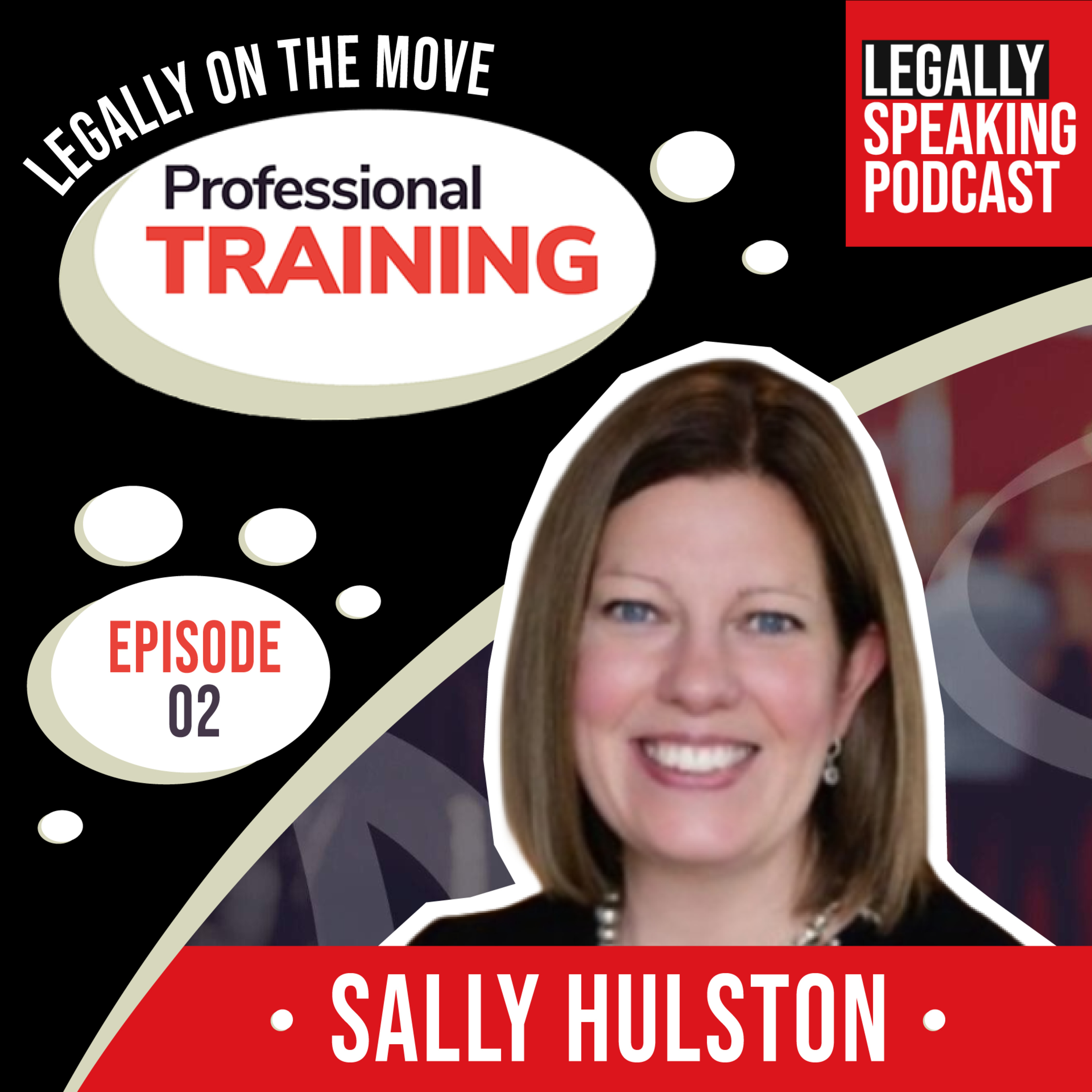
Sally Hulston, employment lawyer at Lewis Silken and head of the Manchester office (responsible for growing the office, including recruiting).
Traditional metrics show output but not context; performance improves when people understand how their work contributes to the firm/client and their career. Collaboration is strengthened by deliberate visibility (welcoming, actively available) rather than passive availability. Psychological safety looks like early upward/downward challenge without fear of judgment, plus rewarding those who speak up. Accountability means owning decisions; fear means compliance and punishment for going off-script. Cross-functional work succeeds when everyone collaborates together from the outset. Resilience is “bouncing back quickly” (unhealthy endurance is continuing without the ability to recover).
Federer’s “bouncing back” framing; Emma Wiggs’ resilience/curiosity and defining success; “bouncy bum” reference; regular one-to-ones reframed into open conversations.
Written by AI. May contain mistakes.
Discussion on the importance of clarity in performance metrics for legal teams.
“Today's theme is all about high performance and it's often measured in revenue and utilisation.”
Exploration of leadership behaviors that enhance and weaken team collaboration.
Insights on fostering psychological safety within legal organizations.
“And in organisations, I've worked where it hasn't worked well.”
Differentiating between accountability and fear in organizational culture.
“I think accountability is sort of leading on from your previous question, that a culture of accountability will be taking responsibility that it's on me to get this right and I'm not dependent on others to do it for me.”
Discussing effective strategies for cross-functional collaboration.
“We talk a lot about collaboration on the show, collaboration being domination, something I reference all the time.”
Examining the balance between healthy resilience and unhealthy endurance.
“I think you've got that cohesion then, haven't you, as well, of people coming together.”
Reflections on key takeaways from the conference and personal development.
“And one of the greatest, you know, that's been when it comes to Telus, the old bouncy bum, I completely agree.”
Strategies for enhancing team performance through open communication.

Get the gist, explore an idea or ask about something said.
 Claude
On Legally Speaking Podcast, what are the key points of this episode?
Searching your listeningAutomatic transcript. May contain errors.
0:00Sally Hulston: Welcome to our Legally On The Move Professional Training Regional Mini Series from the Legally Speaking Podcast sponsored by Clio, recorded live in Manchester with professional training. We're talking to leading voices across the legal profession about high performance, leadership, careers, innovation, and what it takes to thrive in a rapidly changing legal world. Short conversations, practical insights. So let's get into it. Welcome to our Legally On The Move professional training regional series recording here live at Manchester Hall. And I am joined by name title organisation. Sally Holston.
0:36Sally Hulston: I'm an employment lawyer by trade at Lewis Silken and head up the Manchester office. It's an absolute pleasure to have you on the show. And we recently had Rock, who made partner in one of the London offices featured on the show. So go check out his episode too. Today's theme is all about high performance and it's often measured in revenue and utilisation. so in your view what's the most misunderstood driver of performance in legal teams so i'd probably summarize it by saying that sort of the metrics that you have traditionally to measure somebody's performance show you what you've done but they don't actually explain the bits around it so why that was important for you to do it so i think that one of the misunderstood drivers is actually clarity of role and how your work that you do contributes to the bigger picture whether that's at the firm or to the bigger picture what the client's trying to achieve um or you know sort of more personal things of how that's going to help you in your career so i think explaining the bits around metrics and is important and i do think that that's missing quite a lot i love that you talk to clarity because i always say to people sometimes it's better to be clear than it is to be overly clever and over-engineer things because people just want to understand where where they're at ultimately okay we live in a hybrid world we can't get away from that now so what leadership behavior most strengthened collaboration and what quietly weakens it okay great question i think something that we're grappling with at the moment is moving into a new office and making sure that people come into the office and so what strengthens it i'd probably summarize as um deliberate visibility so making sure that you when you're in you do talk to people you put time aside to get to know them to ask them questions as simply as how are you um and then conversely what might weaken it you can maybe label as sort of passive availability to say that i'm always on i'm always working you can contact me at any point but not actually giving people yeah permission to ask you questions and people thinking oh they're too busy i shouldn't contact them um but then you say well no you should have done it's fine so i think that the deliberate side to things um gives people an opening doesn't it yeah to come to you and i think that's the energy you give off as well if you give that welcoming energy to people then people will buy into that amount to come to you a big theme throughout the conference has obviously been psychological safety as an extension of that and it's widely discussed what does it genuinely look like inside a very high pressure legal environment um i think it's having the um comfort that you can shout up early on if you're worrying about something or if something's not going well and not fearing that instant judgment and and black mark against your name.
3:13Sally Hulston: And in organisations, I've worked where it hasn't worked well. It's people sit on the anxiety and the worry until it actually has gone wrong. So I think building it in that people can challenge upwards and downwards and feel that in meetings, they've seen it work well, so they're not scared to do it themselves. They've seen somebody else challenge it being received well and actioned. and therefore they think well okay the other person spoke up so i feel safe to speak up and actually rewarding those people for challenging and saying thanks for doing that you know really appreciate it and we wouldn't have got to where we got to if you hadn't challenged it at that key early stage i think that's empowering as well as in a people are the same breath you know rather than coming from a place of maybe they they're giving something constructive that could be seen as negative actually that's a positive and we're grateful for that and as a result of that you know we want to reward people and it will encourage others to do so okay what's the difference then between a culture of accountability and a culture of fear?
4:11Sally Hulston: I think accountability is sort of leading on from your previous question, that a culture of accountability will be taking responsibility that it's on me to get this right and I'm not dependent on others to do it for me. I think with fear, then it's more around I'm being told what to do and therefore if I do it slightly off-piste and this way, then I'm going to get told off for it. So I think giving people the freedom and a bit of space to do it within their preference, the way they prefer to do it. I think so. And I think, you know, particularly on accountability, I remember a mentor said to me, it's quite harsh at the time.
4:51Why not harsh? If it's meant to be, it's up to me. You have to take that self-accountability and on your decisions and own it. We talk a lot about collaboration on the show, collaboration being domination, something I reference all the time. Cross-functional collaboration between lawyers and business services can be quite complex. So what have you seen work when aligning with different incentives and priorities?
5:11Sally Hulston: To me, the key to this is doing it as a team and not leaning on the business services to do one little part of a pitch or presentation or project. Or, I don't know, sometimes you would create a brochure, you know, let's do it together. Let's work out how we're going to split it as a group and not have one part, the business services doing one part of it. And then you're doing your bits. I think bringing everybody together at the outset, it's got to be key. I think you've got that cohesion then, haven't you, as well, of people coming together. OK, resilience has been a key theme. We heard from Emma Wiggs, MBE, 12-time world champion earlier this morning.
5:51At what point does resilience become unhealthy, endurance, and how should leaders recognise that line?
5:58Sally Hulston: OK, I love this kind of question. And I'll tell you, I'm a big tennis fan. Me too. And I remember seeing Roger Federer, I think it was a couple of years ago, maybe 24, doing a, what do they call it, keynote speech to college students. I think it's at Dartmouth College. And he talked exactly about this. And he explained that, you know, he's got so high in his career, he's won all the grand slams. But actually, when he looks at the statistics, he's only actually won 54 % of his points. And so he said, well, why did I succeed in the way I did? and he said that resilience which he defined as bouncing back quickly was absolutely key so when he lost a point he didn't think great i've lost the game i'm going to lose the match it was like right well let's park that let's go on to the next point so i think it crosses into unhealthy endurance when somebody lacks the ability to bounce back and they are just continuing and going and putting up with it um and not realizing that this has now become habit and it's a bad habit So, yeah, to me, that's the best example I've sort of seen of this.
7:01And one of the greatest, you know, that's been when it comes to Telus, the old bouncy bum, I completely agree. OK, why did you choose to attend this conference? You're very busy. You're in a stressful role. What has most stood out to you as a result of attending the conference too?
7:13Sally Hulston: OK, so I think choosing to attend it really was giving me some headspace away from my day job, from doing all the legal work and the stuff back at the office and being responsible for growing the Manchester office. it's a large part of that is recruiting people and bringing people in so it's really tough of my priority just to listen and hear any tricks of the trade and talk to other people about how they're doing things the challenges they're meeting i think emma wiggs absolutely blew my mind with some of her talk about resilience and curiosity and defining success in your own words um not just how somebody else defines success that's not not a bad thing so i really enjoyed that and then the last session we've just looked at succession planning and I think that's something you've got to always bear in mind you don't want to think of your best people leaving but I think the sensible people will have a plan in place for as and when they choose to yeah you want to always be looking forwards don't you and I think back to just the Emma Wiggs thing I think for some context for our people watching you know Emma said actually she was more proud of one of her silver medals versus a gold medal due to the performance and the standards that she put in versus winning with a bad performance with a goal and i think that's just how you set your own mindset how you set your own expectations and what's important to you and i think it's been a great conference been a great energy you can hear the people behind us networking meeting people so from today if you can go away and make one practical change within your firm tomorrow to improve the team performance what would it be and why so i'd like to think that we're already starting this process which is having regular one-to-ones with people yeah that's nothing new that's what everybody does but actually changing the format of those to simply just say how are you how are things and to start it as a very open conversation as opposed to right we've got an agenda let's look at your utilization what bd you've been doing and what training courses you've been delivering i i think that that's changing mindset so it's it's an adaption of what we're already doing but allowing people to talk about whether it's inside of work outside of work anything it's all impactful isn't it once you understand somebody we're all humans and i think you know i talk about this a lot on the show and the watchers and listeners we fed up and we say we're on this b2b or b2c and we're age to age it's human to human connection and that's with our clients our people people around us and trying to enhance that connection authentically as well and place from a place of care um it's been so good sally getting to do this live here in manchester thank you so much it's been a pleasure absolute pleasure great well from all of us here recording live and the legally speaking podcast over and out thank you for listening to this week's episode if you like the content here, why not check out our world leading content and collaboration of the Legally Speaking Club over on Discord.
9:49Go to our website, www.legallyspeakingpodcast.com. There's a link to join our community there. Over and out.
Welcome back to our 2026 edition of the Professional Training miniseries. We have a brand new regional edition continuing on from the last conference we attended, but packed with even more highlights and insights. Filmed at Manchester Hall, these minisodes explore high performance leadership, career growth, innovation and what it takes to thrive in today’s legal world.
In this minisode, we talk to Sally Hulston, an employment lawyer and head of Lewis Silkin’s Manchester office. She shares a people-first view of high performance in legal teams. Sally argues that success goes beyond traditional metrics, relying on clarity of role, deliberate leadership visibility, psychological safety, and accountability that gives people room to take ownership. Sally also highlights the importance of bringing lawyers and business services together from the outset, building resilience through the ability to reset after setbacks, and creating more open one-to-one conversations that focus on how people are doing—not just their output.
You can Hear Rob and Sally talking about:
- Performance Needing Purpose, Not Just Metrics
- Collaboration Growing Through Deliberate Visibility
- Psychological Safety: Speaking Up Early
- Accountability Giving People Ownership
- Resilience Being All About Recovery, Not Endurance.
Connect with Sally Hulston - https://www.linkedin.com/in/sally-hulston-55668419/